Blog

  • What is Kanwar Yatra and Sawan Month in Hindu Calender

    What is Kanwar Yatra and Sawan Month in Hindu Calender

    What is Kawad Yatra in India - poster with a seated meditation silhouette
    Kanwar Yatra

    Table of Contents

    What is Kanwar Yatra in India?

    Kanwar Yatra is a deeply significant pilgrimage in Hinduism, especially observed during the holy month of Shravan. This journey powerfully expresses devotion and reverence toward Lord Shiva. Hindu beliefs hold that the month of Shravan, which occurs during the rainy season, has immense spiritual importance. Lord Shiva, known for his benevolence, is believed to be easily pleased with simple offerings like water. However, devotees are mindful that Shiva can also be quick to anger. To honor him, participants in the Kanwar Yatra avoid consuming meat, alcohol, and tamasic foods. They also ensure that the Kanwar—the wooden structure carrying the sacred water—never touches the ground, demonstrating deep respect.

    Spiritual Practices and Symbolism

    The Kanwar Yatra is summed up by the phrase “Shivobhootva Shivjam Jayet,” which means “Become Shiva to conquer Shiva.” This idea teaches that by being devoted to Shiva and serving him, one can achieve spiritual success. The journey also shows the importance of equality and brotherhood among devotees. During Shravan, a month of chanting, fasting, and simple living, devotees perform rituals like bathing the Shivalinga (a symbol of Shiva) and chanting special mantras like Panchakshara and Mahamrityunjaya. As part of the pilgrimage, they fill their Kanwars with holy water from the Ganges River and walk to different Shiva temples to offer the water to the Shivalinga.

    What is Sawan Month or Shravan?

    Sawan, or Shravan, is a deeply respected month in the Hindu calendar, usually occurring in July or August. This period honors Lord Shiva, one of Hinduism’s principal deities. Shiva devotees consider Sawan the holiest month, believing that offerings and prayers during this time carry special power. Sawan coincides with India’s monsoon season, symbolizing fertility, growth, and renewal.

    During Sawan, devotees engage in various spiritual practices like fasting, meditation, and chanting to deepen their connection with the divine. They consider this time auspicious for starting new ventures or performing important ceremonies. Fasting, particularly on Mondays (known as Shravan Somvar), is a common observance dedicated to Lord Shiva. Devotees make special pujas and offerings, including water, milk, bilva leaves, and flowers, to Lord Shiva during this period.

    One of the most significant events during Sawan is the Kanwar Yatra, where devotees carry holy water from the Ganges to offer at Shiva temples. Additionally, festivals like Haryali Teej, celebrated by married women seeking their husband’s long life and prosperity, and Nag Panchami, dedicated to snakes that symbolize the cyclical nature of life and death, are also observed during this sacred month. Sawan is a time of spiritual renewal, devotion, and celebration for Hindus, where people seek blessings, forgiveness, and harmony.

    A Time of Spiritual Growth:

    • Sawan coincides with the monsoon season, symbolizing fertility, growth, and renewal.
    • Devotees engage in fasting, meditation, and chanting to deepen their connection with the divine.
    • Sawan is a time of spiritual renewal, devotion, and celebration, where people seek blessings, forgiveness, and harmony.

    When Does Kanwar Yatra Take Place?

    Kanwar Yatra is a significant Hindu pilgrimage that occurs during the month of Shravan, which usually falls between July and August according to the Hindu calendar. This period is particularly sacred for devotees of Lord Shiva, one of the principal deities in Hinduism. Shravan is considered the holiest month for worshiping Shiva, and it coincides with the monsoon season in India, a time associated with renewal, fertility, and spiritual growth.

    During Kanwar Yatra, millions of devotees, known as Kanwariyas, undertake a journey to collect holy water from the Ganges River, which they carry back to offer at Shiva temples across the country. The pilgrimage is a demonstration of deep devotion and involves walking long distances, often barefoot, as a form of penance and spiritual purification.

    The timing of Kanwar Yatra during Shravan is symbolic because this month is believed to be when the cosmos is most aligned for connecting with divine energies. The monsoon rains during this time also represent a period of cleansing and new beginnings, making it an ideal time for devotees to engage in spiritual practices such as fasting, chanting, and offering prayers to Lord Shiva.

    How Long is the Kanwar Yatra and How Many Types of Kanwars Are There?

    The Kanwar Yatra is a sacred pilgrimage undertaken by devotees of Lord Shiva, primarily during the month of Shravan (July-August). The length of the Yatra varies based on the starting point and the devotee’s destination. Typically, it can last anywhere from a few days to several weeks. Pilgrims, known as Kanwariyas, travel by foot, carrying holy water from the Ganges River to offer at Shiva temples, often covering hundreds of kilometers.

    There are several types of Kanwars used in the Yatra, each with its unique significance:

    • Dak Kanwar: A fast-paced Yatra where the Kanwariyas run in relay teams, ensuring the holy water reaches the temple quickly.
    • Baithi Kanwar: In this type, the Kanwar is placed on a vehicle or a stationary spot while the devotee takes rest.
    • Dand Kanwar: Devotees lie prostrate after every few steps, covering the entire distance in this manner as an act of intense devotion.
    • Khadi Kanwar: The Kanwar is carried upright, symbolizing discipline and respect throughout the journey.

    Can Anyone Participate in Kanwar Yatra?

    Yes, Kanwar Yatra is open to everyone, regardless of age or gender. This pilgrimage is a journey of faith, and anyone who feels a connection to Lord Shiva can participate. However, participants are encouraged to observe traditional practices during the Yatra. These include fasting, abstaining from meat and alcohol, and maintaining a focus on spiritual discipline. This helps ensure that the journey remains a sacred and purifying experience for all involved.

    What Do Participants Carry During Kanwar Yatra?

    During the Kanwar Yatra, devotees carry a Kanwar, which is a wooden pole with pots attached at each end. These pots are filled with holy water from the Ganges River, which is considered sacred in Hinduism. The Kanwar is carefully balanced on the shoulders and is never placed on the ground as a sign of respect. Upon reaching their destination, devotees offer this water to the Shivalinga, a symbolic representation of Lord Shiva. This act is believed to cleanse the soul and bring blessings from Shiva.

    What are the Rules for Participating in Kanwar Yatra?

    Participants are expected to follow strict rules of purity and devotion during the Yatra, including fasting, avoiding non-vegetarian food, abstaining from alcohol, and refraining from placing the Kanwar on the ground.

    Purity and Cleanliness:

    Devotees must maintain personal and spiritual purity by bathing regularly and wearing clean clothes. The Kanwar, a decorated bamboo pole carried by devotees, must be kept clean and free from impurities.

    Fasting:

    Many participants fast during the Yatra, either by abstaining from certain foods or consuming only specific vegetarian foods. This practice purifies the body and helps focus on spiritual practices.

    Avoiding Non-Vegetarian Food:

    To maintain spiritual cleanliness, devotees avoid consuming non-vegetarian food, aligning with the principle of non-violence (Ahimsa) and enhancing the devotional experience.

    Abstaining from Alcohol:

    Alcohol consumption is strictly prohibited during the Yatra to maintain mental clarity and focus on the spiritual aspects of the pilgrimage.

    Refraining from Placing the Kanwar on the Ground:

    The Kanwar, a sacred symbol in the pilgrimage, must not touch the ground. This rule reflects respect for the sacred object and maintains its purity. Devotees often carry it throughout the Yatra or place it on a special stand.

    Walking with Devotion:

    Participants typically walk long distances to reach their destination, undertaking the journey with devotion and reverence as a reflection of their commitment to Lord Shiva.

    Respect for Fellow Devotees:

    Maintaining a respectful attitude towards other pilgrims and local residents is important. This fosters a harmonious and spiritual environment during the Yatra.

    So, the Kanwar Yatra is a deeply spiritual journey that showcases devotion and faith. By following the important rules and participating with sincerity, devotees honor Lord Shiva and experience personal growth. The Yatra not only strengthens religious traditions but also offers a unique chance to connect with Indian spirituality and culture. Whether you’re a regular participant or new to the pilgrimage, the Kanwar Yatra provides a meaningful and enriching experience.

  • How Yoga Can Improve Posture : Yoga Practices for Better Posture

    How Yoga Can Improve Posture : Yoga Practices for Better Posture

    How Yoga Can Improve Bad Posture: Yoga Practices for Better Posture

    Table of Contents

    Introduction of Poor or Bad Posture

    Why we need to improve Posture ? Poor posture is a common problem that affects many people, often without them knowing how much it impacts their health and quality of life. The way we sit, stand, and move can greatly affect our physical well-being, and bad posture can cause multiple issues beyond just discomfort.

    When we talk about poor posture, we mean that parts of your body are not in their natural positions. This can show up in different ways, like slumped shoulders, a head that leans forward, or an overly curved lower back. These misalignments can upset your body’s natural balance, leading to strain on your muscles, ligaments, and joints.

    Role of Spine in Posture

    One of the most significant issues associated with poor posture is its effect on the spine. The spine is designed to support and distribute the weight of the body, but when it is not properly aligned, it can lead to chronic pain and discomfort. Over time, this misalignment can contribute to more serious conditions such as herniated discs, sciatica, and even spinal degeneration.

    Additionally, poor posture can cause your muscles to be out of balance. For example, if your shoulders are always rounded forward, your chest muscles can become tight and short, while your upper back muscles can get weak and stretched out. This imbalance can lead to headaches, neck pain, and feeling tired. Likewise, if your pelvis tilts forward, it can cause lower back pain and affect your hip joints.

    Besides physical pain, poor posture can also harm your mental well-being. Studies have shown that slouching or hunching can affect your mood and energy levels, making you feel depressed or lowering your self-esteem. On the other hand, good posture can make you feel more confident and positive, as it promotes an open and upright body language.

    Recognizing poor posture early and taking steps to correct it is crucial for maintaining overall health. Simple adjustments in daily habits, such as being mindful of how you sit at your desk, standing with your weight evenly distributed, and engaging in exercises that promote proper alignment, can make a significant difference. By addressing poor posture proactively, you can alleviate discomfort, prevent more serious health issues, and improve your overall quality of life.

    Understanding and Improving Your Posture: How Bad Posture affect you

    Poor posture is a common issue many people face, often without realizing its impact on their overall health. Recognizing and correcting bad posture is crucial for maintaining well-being and preventing discomfort.

    Identifying Poor Posture

    One of the most noticeable signs of poor posture is the alignment of your shoulders and neck. Typically, when you have poor posture, your shoulders tend to slump forward, and your head juts out, creating a noticeable curve in your neck and upper back. In contrast, good posture aligns your ears, shoulders, and hips in a straight line, reducing strain on your muscles and spine.

    The Effects of Poor Posture

    • Headaches: Tension in the neck muscles from poor alignment can contribute to headaches.
    • Back Pain: Misalignment puts extra stress on your back, often leading to chronic pain and discomfort.
    • Spinal Issues: Over time, poor posture can lead to conditions like herniated discs and hunchback, affecting your spine’s natural curvature.
    • Reduced Height: Slouching can make you appear shorter, as your spine may not fully extend when you are hunched over.

    Common Posture Problems

    Modern lifestyles, such as prolonged sitting at desks or looking down at screens, often exacerbate poor posture. Over time, these habits cause the muscles to adapt to incorrect positions, making it harder to correct posture without conscious effort.

    How to test a bad or good Posture

    To assess your posture, stand naturally in front of a mirror:

    • Align your shoulders and ears so they are level.
    • Let your arms hang naturally by your sides and see where your thumbs point.
    • If your posture is correct, your thumbs should point forward. If not, your thumbs might point outward or to the side, indicating poor posture.

    How to Improve Your Posture

    Correcting poor posture involves consistent practice and exercises:

    • Regular Stretching: Incorporate stretches that open the chest and strengthen the back.
    • Strength Training: Focus on exercises that build core strength to support the spine.
    • Mindful Awareness: Pay attention to your posture throughout the day, especially when sitting or standing for long periods.

    By following these simple steps and incorporating daily exercises, you can see significant improvements in your posture within just a few weeks. Stay tuned for detailed exercises and tips on how to enhance your posture effectively.

    10 Yoga Poses for Better Posture : Yoga for Beginners

    For beginners, it’s important to start with yoga postures that are simple, gentle, and effective for building a strong foundation. Here are some beginner-friendly postures that are easy to learn and perform while still providing great benefits:

    1. Mountain Pose (Tadasana)

      Category: Standing

      Benefits in Posture: Improves alignment, strengthens legs, and enhances balance.

      How to do it:

      • Stand with feet together, arms at your sides.
      • Distribute your weight evenly across both feet.
      • Engage your thighs, lift your chest, and relax your shoulders.
      • Hold for 5-10 breaths.

      Inhale deeply as you lengthen your spine and exhale as you ground yourself into the pose.

    2. Child’s Pose (Balasana)

      Category: Sitting

      Benefits in Posture: Stretches the back, hips, and thighs; promotes relaxation.

      How to do it:

      • Kneel on the floor, touch your big toes together, and sit on your heels.
      • Lower your torso between your thighs and extend your arms forward or rest them alongside your body.
      • Hold for 5-10 breaths.

      How to breathe: Inhale deeply into your back and exhale to release tension and deepen the stretch.

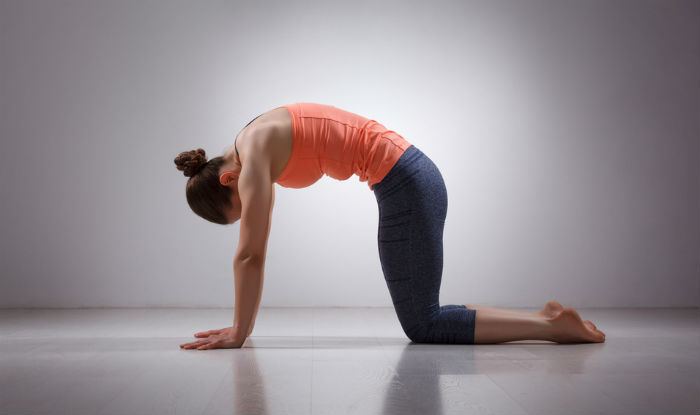
    3. Cat-Cow Pose (Marjaryasana-Bitilasana)

      Category: Prone

      Benefits in Posture: Increases spine flexibility, warms up the body, and helps with alignment.

      How to do it:

      • Start on your hands and knees, wrists under shoulders, knees under hips.
      • Inhale, arch your back, and lift your head and tailbone (Cow Pose).
      • Exhale, round your back, and tuck your chin (Cat Pose).
      • Repeat for 5-10 breaths.

      Breathing: Inhale as you arch your back, exhale as you round it.

    4. Downward-Facing Dog (Adho Mukha Svanasana)

      Category: Inverted

      Benefits in Posture: Stretches the entire body, strengthens the shoulders and back.

      How to do it:

      • Start on hands and knees, tuck your toes, and lift your hips towards the ceiling.
      • Straighten your legs, and push your heels towards the floor.
      • Hold for 5-10 breaths.

      How to breathe: Inhale deeply as you lengthen your spine, exhale as you press your heels down.

    5. Bridge Pose (Setu Bandhasana)

      Category: Supine

      Benefits in Posture: Strengthens the back, opens the chest, and improves spinal alignment.

      How to do it:

      • Lie on your back with knees bent, feet hip-width apart.
      • Lift your hips towards the ceiling, and clasp your hands under your back.
      • Hold for 5-10 breaths.

      Inhale as you lift your hips, exhale as you lower them.

    6. Cobra Pose (Bhujangasana)

      Category: Prone

      Benefits in Posture: Opens the chest, strengthens the back, and reduces stiffness.

      How to do it:

      • Lie on your stomach, place your hands under your shoulders.
      • Inhale and lift your chest off the ground, keeping elbows close to your body.
      • Hold for 5-10 breaths.

      Focus on Breathing: Inhale as you lift, exhale as you lower.

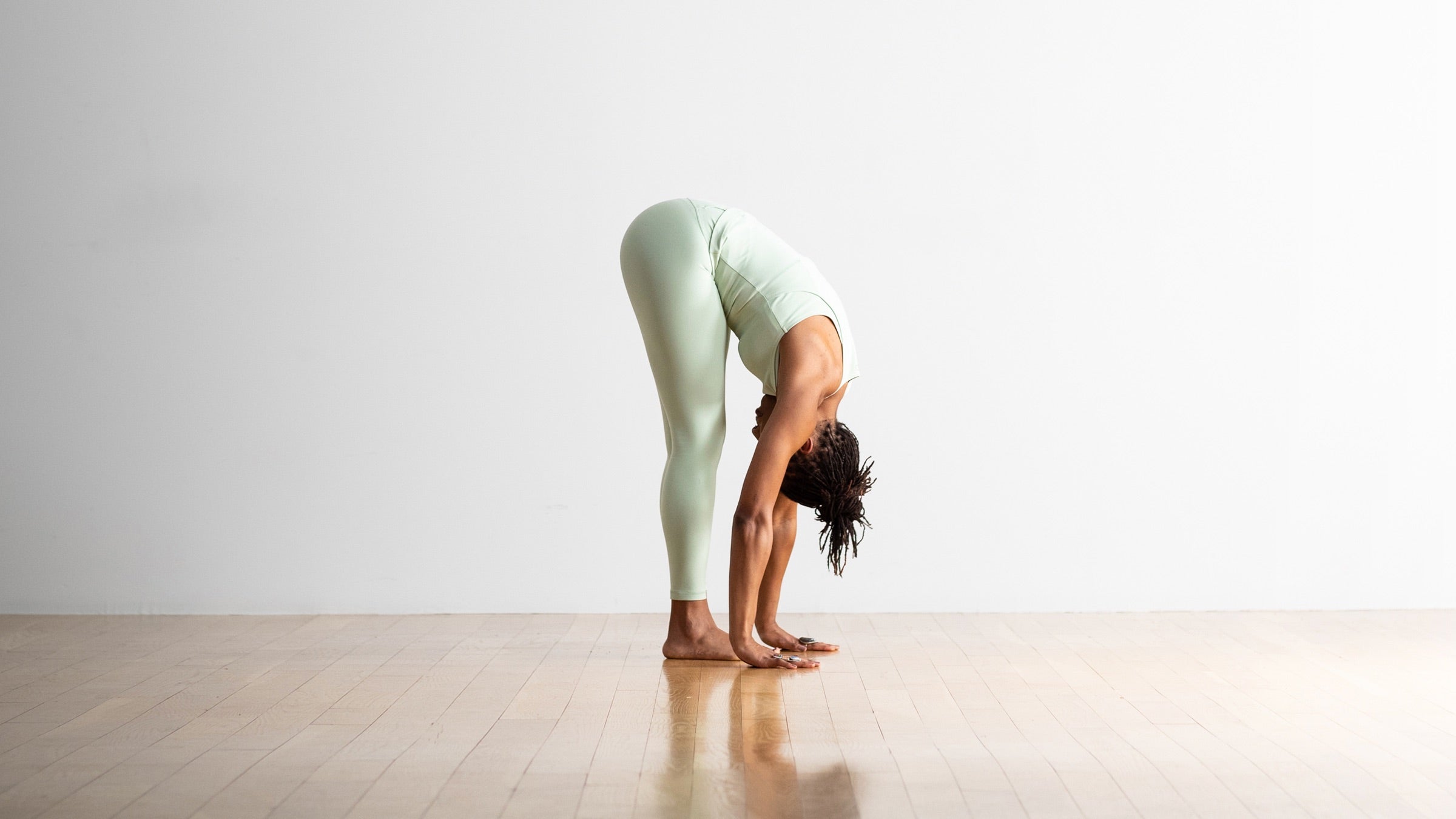
    7. Forward Fold (Uttanasana)

      Category: Standing

      Benefits in Posture: Stretches the hamstrings, relieves tension, and improves flexibility.

      How to do it:

      • Stand with feet hip-width apart.
      • Hinge at your hips and fold forward, letting your head and arms hang down.
      • Hold for 5-10 breaths.

      How to breathe: Inhale as you lengthen your spine, exhale as you deepen the fold.

    8. Spinal Twist (Ardha Matsyendrasana)

      Category: Seated

      Benefits in Posture: Enhances spinal flexibility, reduces tension in the back and shoulders.

      How to do it:

      • Sit with legs extended, bend one knee and place the foot outside the opposite thigh.
      • Twist your torso towards the bent knee, using your opposite elbow for support.
      • Hold for 5-10 breaths.

      Breathing tips: Inhale as you lengthen your spine, exhale as you deepen the twist.

    9. Chair Pose (Utkatasana)

      Category: Standing

      Benefits in Posture: Strengthens the legs, core, and improves balance.

      How to do it:

      • Stand with feet together, bend your knees as if sitting in a chair.
      • Extend your arms overhead, keeping your chest lifted.
      • Hold for 5-10 breaths.

      How to breathe: Inhale as you lift, exhale as you hold the position.

    10. Seated Forward Bend (Paschimottanasana)

      Category: Seated

      Benefits in Posture: Stretches the back and hamstrings, calms the mind.

      How to do it:

      • Sit with legs extended, hinge at your hips, and reach for your feet.
      • Hold for 5-10 breaths.

      Breath: Inhale as you lengthen, exhale as you reach forward.

    11. Locust Pose (Salabhasana)

      Category: Prone

      Benefits in Posture: Strengthens the back muscles, improves posture.

      How to do it:

      • Lie on your stomach, lift your chest, arms, and legs off the floor.
      • Hold for 5-10 breaths.

      How to breathe: Inhale as you lift, exhale as you lower.

  • How to Become a Yoga Instructor : Yoga Teacher Training Overview

    How to Become a Yoga Instructor : Yoga Teacher Training Overview

    How to Become a Yoga Instructor : Yoga Teacher Training Overview

    How to Become a Yoga Instructor : Yoga Teacher Training Overview

    How to Become a Yoga Instructor

    Becoming a yoga instructor is an exciting and rewarding journey. Whether you love practicing yoga or want to share its benefits with others, learning how to become a yoga instructor can lead to a fulfilling career. In this simple guide, we’ll explain the steps you need to take, from choosing the right yoga teacher training to getting certified and starting your teaching career. Follow these easy steps, and you’ll be on your way to becoming a yoga instructor.

    What is Yoga Teacher Training?

    Yoga teacher training, commonly known as YTT, is a specialized program designed to equip individuals with the necessary skills and knowledge to teach yoga effectively. Whether you aspire to teach in a studio, lead online classes, or bring yoga into corporate settings, a YTT program provides you with the foundational understanding of yoga philosophy, anatomy, teaching methodology, and practical experience.

    Yoga Teacher Training

    Why Should You Consider Yoga Teacher Training?

    Enrolling in a YTT program goes beyond just learning yoga poses. It deepens your understanding of yoga as a holistic practice that encompasses physical postures (asanas), breathing techniques (pranayama), meditation, and more. Here are some key reasons why YTT might be right for you:

    • Personal Growth: YTT is not just about becoming a teacher but also about personal transformation. It allows you to deepen your practice, explore yoga philosophy, and cultivate mindfulness.
    • Career Opportunities: With yoga’s growing popularity, certified yoga instructors are in demand worldwide. Whether you aim to teach locally or travel as a yoga instructor, YTT opens doors to various career opportunities.
    • Community and Connection: YTT programs foster a sense of community among like-minded individuals. You’ll build lifelong connections with fellow yogis and mentors who share your passion for yoga.
    Why Yoga Teacher Training

    Types of Yoga Teacher Training Programs

    YTT programs vary in duration, focus, and intensity. The most common certifications are:

    • 200-Hour Yoga Teacher Training: This foundational program covers the basics of yoga philosophy, anatomy, teaching methodology, and includes practical teaching experience. It’s the minimum requirement for teaching yoga in most studios.
    • 300-Hour Yoga Teacher Training: Building upon the 200-hour program, the 300-hour training dives deeper into advanced yoga techniques, sequencing, and therapeutic applications.
    • 500-Hour Yoga Teacher Training: Combining the 200-hour and 300-hour programs, the 500-hour certification is the most comprehensive, offering in-depth knowledge and skills to become a highly qualified yoga instructor.
    Types of Yoga Teacher Training

    Benefits of Yoga Alliance Certification

    Yoga Alliance is the largest international registry of yoga teachers and schools. While certification with Yoga Alliance is not mandatory, it adds credibility to your training and may enhance your employability as a yoga instructor. Benefits of being Yoga Alliance certified include:

    • Credibility: Yoga Alliance sets standards for yoga teacher training programs, ensuring they meet certain criteria in terms of curriculum, teaching hours, and faculty qualifications.
    • Networking Opportunities: Being part of Yoga Alliance connects you with a global community of yoga professionals, offering opportunities for networking, mentorship, and continuing education.
    • Career Advancement: Many yoga studios and fitness centers prefer hiring instructors who are registered with Yoga Alliance, especially for their 200-hour and 500-hour certifications.
    Yoga Alliance Certification

    Online vs. In-Person Yoga Teacher Training

    Advancements in technology have made online YTT programs increasingly popular and accessible. Here’s a comparison of online vs. in-person YTT programs:

    • Online Yoga Teacher Training: Provides flexibility for students to study at their own pace, access recorded lectures and materials, and complete assignments remotely. Ideal for individuals with busy schedules or those living in remote areas.
    • In-Person Yoga Teacher Training: Offers direct interaction with instructors and classmates, hands-on learning experiences, and real-time feedback. Suitable for students who thrive in a structured, immersive environment.
    Online vs. In-Person Yoga Teacher Training

    Key Considerations When Choosing a YTT Program

    Selecting the right YTT program is crucial for your learning experience and future career as a yoga instructor. Here are key factors to consider:

    • Accreditation and Curriculum: Ensure the program is accredited by a reputable organization like Yoga Alliance. Review the curriculum to ensure it covers essential topics such as yoga philosophy, anatomy, teaching methodology, and practical teaching experience.
    • Faculty Qualifications: Research the qualifications and experience of the program’s faculty members. Experienced instructors with diverse teaching styles and backgrounds can enrich your learning experience.
    • Student Reviews and Testimonials: Read reviews and testimonials from past students to gauge their satisfaction with the program, teaching quality, and overall experience.
    • Cost and Value: Compare tuition fees, payment options, and additional costs such as study materials and certification fees. Consider the program’s value in terms of what you’ll learn and the career opportunities it may open up.
    Choosing a YTT Program

    Certification and Continuing Education

    Upon completing a YTT program, you’ll receive a certification that typically does not expire. However, continuing education is encouraged to stay updated with new developments in yoga practices, teaching techniques, and safety guidelines.

    Certification and Continuing Education

    Insurance for Yoga Instructors

    Insurance is essential for yoga instructors to protect themselves from liabilities and unforeseen circumstances. Whether you teach in a studio, gym, or private setting, having liability insurance provides peace of mind and may be required by studios or venues where you teach.

    Insurance for Yoga Instructors

    Starting your journey to become a yoga instructor is an amazing experience that deepens your practice and prepares you for a rewarding career. By understanding the different types of YTT programs, certification processes, and job opportunities, you’ll be ready to choose the right path for your goals in the world of yoga.

  • Which Indian Text Defines Karma Yoga and Karma Yoga Practices?

    Which Indian Text Defines Karma Yoga and Karma Yoga Practices?

    Which Indian Text Defines Karma Yoga and Karma Yoga Practices
    Which Indian Text Defines Karma Yoga and Karma Yoga Practices? 18

    Introduction : What is Karma Yoga

    Karma Yoga, one of the four classical paths of yoga, is grounded in the teachings of the Bhagavad Gita, a sacred Hindu scripture. This path emphasizes selfless action performed without attachment to the results. It encourages practitioners to dedicate their actions to a higher purpose, fostering inner peace and spiritual growth. By focusing on duty and service, Karma Yoga helps individuals transcend the ego and cultivate a sense of unity with the world around them.

    Understanding Karma Yoga: A Brief Overview

    Karma Yoga is known as the “Yoga of Action” and is one of the primary paths to spiritual enlightenment in Hindu philosophy. Unlike other yoga paths that may focus more on meditation or physical postures, Karma Yoga is all about action performed selflessly, without any desire for personal gain or recognition.

    Bhagavad Gita: The Source of Karma Yoga

    The teachings of Karma Yoga are primarily found in the Bhagavad Gita, a 700-verse Hindu scripture that is part of the Mahabharata. In the Gita, Lord Krishna advises Prince Arjuna on the importance of performing his duties without attachment to the results, laying the foundation for the principles of Karma Yoga.

    यत्करोषियदश्नासियज्जुहोषिददासियत् |यत्तपस्यसिकौन्तेयतत्कुरुष्वमदर्पणम् ||
    (Bhagavad Gita 9.27)

    “Whatever you do, whatever you eat, whatever you offer or give away, and whatever austerities you perform—do that, O son of Kunti, as an offering to Me.”

    What are The Core Principles of Karma Yoga         

    The core principles of Karma Yoga in the Bhagavad Gita center on selfless service, detachment from the results of actions, and fulfilling one’s duties with pure intention. Practitioners are encouraged to act without attachment to the outcomes, focusing instead on the righteousness of their actions and dedicating their efforts to a higher purpose or divine will. This approach fosters a sense of inner peace and spiritual fulfillment, as individuals transcend ego-driven desires and align their actions with the greater good. By following these principles, we can find a balanced and purposeful life, contributing positively to society while advancing on their spiritual journey.

    Selfless Action: The Heart of Karma Yoga (Nishkam Karma)

    At the heart of Karma Yoga is the concept of selfless action, known as Nishkama Karma. This principle encourages practitioners to perform their duties and actions without any attachment to the outcomes or personal gain. Here’s a deeper explanation of this concept and its significance:

    Nishkama Karma:

    • Definition: Nishkama Karma means performing actions without any expectation of rewards or results. The focus is on the action itself, not on the fruits it may bear.
    • Significance: By removing the desire for personal gain, individuals can act more ethically and with greater integrity. This approach leads to purer, more genuine efforts.
    1. Dedication to the Greater Good:
      • Service to Others: Actions are performed with the intention of benefiting others rather than oneself. This could include helping those in need, contributing to the community, or working towards the betterment of society.
      • Divine Service: In the spiritual context, actions are often dedicated to a higher power or the divine. This surrendering of personal motives transforms everyday activities into acts of worship.

    Purification of the Mind and Heart

    1. Reducing Ego and Attachment:
      • Ego Dissolution: Selfless action helps in reducing the ego, as the focus shifts from “I” and “mine” to the well-being of others.
      • Detachment: By not clinging to the results, one develops a sense of detachment. This detachment does not mean indifference, but rather a balanced perspective that accepts success and failure equally.
    2. Mental and Emotional Purification:
      • Inner Peace: Acting without selfish desires reduces stress and anxiety, leading to greater inner peace. The practitioner is not constantly worried about the outcomes.
      • Compassion and Empathy: Selfless actions cultivate compassion and empathy, as the focus is on helping and understanding others.

    How to apply Karma Yoga in Daily Life

    1. Everyday Actions:
      • Work and Responsibilities: Whether in professional or personal life, performing one’s duties with dedication and without selfish motives exemplifies Karma Yoga.
      • Acts of Kindness: Small, everyday acts of kindness, such as helping a neighbor or volunteering, are practical expressions of selfless action.
    2. Spiritual Practice:
      • Meditative Actions: Integrating selfless action into spiritual practices, such as meditation or prayer, enhances the spiritual journey by aligning actions with spiritual goals.
      • Devotion: Actions performed as offerings to a higher power or for the welfare of others deepen spiritual practice and understanding.

    Key Takeaways

    • Selflessness: The essence of Karma Yoga is selflessness. Actions are performed without seeking personal benefits, thus purifying the mind and heart.
    • Focus on Duty: Emphasis is on fulfilling one’s responsibilities and duties with sincerity and dedication, irrespective of the outcome.
    • Inner Growth: This practice leads to mental and emotional purification, fostering qualities like humility, compassion, and inner peace.

    Detachment from Outcomes: A Key Teaching (Vairagya)

    Detachment from the outcomes of one’s actions is a crucial teaching in Karma Yoga. By focusing on the process rather than the result, individuals can perform their duties without stress, anxiety, or fear of failure, leading to a more peaceful and contented state of mind.

    कर्मण्येवाधिकारस्तेमाफलेषुकदाचन |माकर्मफलहेतुर्भूर्मातेसङ्गोऽस्त्वकर्मणि ||
    (Bhagavad Gita 2.47)

    “You have a right to perform your prescribed duties, but you are not entitled to the fruits of your actions. Never consider yourself to be the cause of the results of your activities, nor be attached to inaction.”

    Duty and Dharma in Karma Yoga (Svadharma)

    In Karma Yoga, duty, often referred to as dharma, holds profound significance. It encompasses the idea that every individual has a unique role and responsibilities in life, and fulfilling these duties with dedication, integrity, and without selfish motives is essential for spiritual growth and harmony. Here’s a detailed explanation of duty and dharma in Karma Yoga:

    1. Definition of Dharma:
      • Personal Responsibility: Dharma refers to one’s inherent duty, role, or responsibility based on their position in society, family, and life circumstances.
      • Ethical Code: It also encompasses ethical principles and righteous conduct that guide individuals in their actions.
    2. Svadharma (Personal Duty):
      • Unique Role: Each person has a unique set of duties based on their talents, abilities, and station in life (varna and ashrama).
      • Fulfillment with Integrity: Svadharma emphasizes fulfilling these responsibilities with integrity and dedication, irrespective of personal preferences or outcomes.

    What is Role of Duty in Karma Yoga

    1. Integral to Spiritual Growth:
      • Purification of Intentions: Performing duties selflessly purifies the mind and heart, reducing selfish desires and ego.
      • Alignment with Universal Order: Fulfilling one’s dharma aligns individuals with the cosmic order (rita) and contributes to the harmony of society.
    2. Importance of Dedication:
      • Karma Yoga Practice: Practitioners of Karma Yoga integrate their actions into spiritual practice by performing their duties as offerings to a higher ideal or as service to others.
      • Inner Transformation: By embracing one’s duties wholeheartedly, individuals cultivate virtues such as patience, compassion, and resilience.

    Practical Application of Duty (Dharma)

    1. Examples of Svadharma:
      • Professions and Occupations: Embracing roles at work or in business with integrity and ethical conduct.
      • Family Responsibilities: Fulfilling responsibilities towards family members, such as caring for parents or nurturing children.
      • Community Service: Engaging in voluntary activities or social service that benefit the community.
    2. Ethical Guidance:
      • Righteous Conduct: Upholding moral principles and ethical standards in all actions.
      • Social Harmony: Contributing positively to society through responsible behavior and service-oriented actions.

    Spiritual and Ethical Development

    1. Integration with Yoga Practice:
      • Yogic Discipline: Practicing Karma Yoga helps individuals to refine their character and align their actions with spiritual principles.
      • Devotional Aspect: Actions performed as offerings to a higher power or for the welfare of others deepen spiritual devotion and understanding.
    2. Outcome Independence:
      • Detachment from Results: Karma Yoga teaches detachment from the outcomes of actions, focusing instead on the purity of intention and dedication to duty.
      • Inner Equanimity: This approach fosters inner peace and resilience, regardless of success or failure in external outcomes.

    Equanimity (Samatva)

    Equanimity, or Samatva, is a fundamental principle in Karma Yoga that advocates maintaining a balanced and steady mind amidst life’s ups and downs. This state of inner balance is crucial for practitioners as they engage in selfless action and navigate the consequences of their deeds. Here’s a detailed exploration of equanimity in the context of Karma Yoga:

    What is Equanimity (Samatva)

    1. Definition:
      • Balance and Stability: Samatva refers to mental and emotional equilibrium, where one remains poised and unaffected by external circumstances.
      • Staying Centered: It involves staying centered and unaffected by both favorable and unfavorable outcomes, pleasure and pain, success and failure.
    2. Core Principles:
      • Non-Attachment: Equanimity involves practicing non-attachment to the results of actions. This means performing actions with dedication but without being overly affected by their outcomes.
      • Inner Stability: It fosters a stable inner state, free from excessive emotional reactions such as elation or disappointment based on external events.

    Importance of Equanimity in Karma Yoga

    1. Integral to Spiritual Growth:
      • Spiritual Discipline: Practicing equanimity enhances spiritual discipline by reducing the fluctuations of the mind and promoting focus on selfless actions.
      • Inner Peace: It leads to inner peace and tranquility, which are essential for deepening meditative practices and spiritual contemplation.
    2. Practical Application:
      • Daily Life: In everyday situations, maintaining equanimity allows individuals to respond to challenges and achievements with calmness and clarity.
      • Social Interactions: It promotes harmonious relationships by preventing emotional reactivity and fostering empathy and understanding towards others.

    How to Practice Equanimity in Daily Life

    1. Mindfulness Practices:
      • Awareness of Thoughts and Emotions: Mindfulness meditation helps in observing thoughts and emotions without getting entangled in them, thus promoting equanimity.
      • Breath Awareness: Focusing on the breath helps in calming the mind and developing resilience against emotional disturbances.
    2. Perspective Shift:
      • Detached Observation: Viewing situations from a broader perspective helps in seeing the impermanence of circumstances and reducing attachment to specific outcomes.
      • Acceptance: Cultivating acceptance of the present moment and its inherent uncertainties supports the development of equanimity.

    Benefits of Equanimity

    1. Emotional Stability:
      • Stress Reduction: Equanimity reduces stress by preventing excessive worry and anxiety about future events.
      • Enhanced Decision-Making: It facilitates clearer and more objective decision-making, unaffected by emotional biases.
    2. Spiritual Evolution:
      • Self-Realization: Deepening equanimity leads to a deeper understanding of the self and the interconnectedness of all beings.
      • Transcendence of Ego: By transcending personal desires and attachments, practitioners move closer to spiritual liberation (moksha).

    Surrender to God (Ishvara Pranidhana)

    Dedicating all actions to God and seeing oneself as an instrument of the divine will. This principle involves surrendering the ego and personal desires, and performing actions as an offering to the higher power.

    Purity of Intent, known as Sattvic Action, is a crucial principle in Karma Yoga that emphasizes the quality of intentions behind every action. It goes beyond the mere performance of duties or actions and focuses on the ethical and moral purity of one’s motives. Here’s a detailed exploration of Sattvic Action and its significance:

    Understanding Sattvic Action

    1. Definition:
      • Pure Intentions: Sattvic Action involves performing actions with a sincere and selfless intention, aiming solely for the welfare and benefit of others.
      • Absence of Harm: It ensures that actions do not cause harm or suffering to any living being, embodying compassion and non-violence (ahimsa).
    2. Core Principles:
      • Selflessness: Actions are undertaken without selfish desires or personal gain, focusing instead on serving others and contributing positively to their well-being.
      • Ethical Conduct: Sattvic Action aligns with moral principles and values, promoting integrity, honesty, and fairness in all endeavors.

    Importance of Sattvic Action in Karma Yoga

    1. Spiritual Evolution:
      • Purification of Mind: Practicing Sattvic Action purifies the mind and cultivates virtues such as humility, kindness, and empathy.
      • Karmic Balance: It ensures that actions generate positive karma (good consequences) by fostering harmony and benefiting the collective welfare.
    2. Ethical Guidelines:
      • Righteousness: Upholding principles of righteousness (dharma) ensures that actions are in accordance with universal laws and contribute to social and cosmic order.
      • Conscious Living: Practicing Sattvic Action encourages conscious living, where individuals are mindful of the impact of their actions on others and the environment.

    Practical Application of Sattvic Action

    1. Intentions and Motives:
      • Clarity of Purpose: Before undertaking any action, practitioners of Karma Yoga reflect on their intentions, ensuring they are aligned with values of compassion and service.
      • Decision-Making: Sattvic Action guides ethical decision-making, considering the long-term consequences and ethical implications of choices.
    2. Service and Compassion:
      • Service Orientation: Actions are performed as acts of service to humanity, animals, and the environment, promoting well-being and harmony.
      • Non-Violence: Ahimsa (non-violence) is central to Sattvic Action, ensuring that actions do not cause physical, mental, or emotional harm to others.

    Benefits of Cultivating Sattvic Action

    1. Inner Peace and Contentment:
      • Harmonious Living: Sattvic Action fosters inner peace and contentment by aligning one’s actions with higher moral values and spiritual ideals.
      • Relationship Building: It enhances relationships based on trust, respect, and mutual understanding, promoting social harmony and cooperation.
    2. Spiritual Fulfillment:
      • Self-Transformation: Practicing Sattvic Action facilitates personal growth and spiritual evolution, leading to a deeper sense of fulfillment and purpose in life.
      • Alignment with Higher Consciousness: By acting selflessly and with pure intentions, individuals align themselves with higher consciousness and spiritual truths.

    The Role of Intention in Karma Yoga Practice

    In Karma Yoga, intention plays a pivotal role, shaping the quality and spiritual significance of actions. Here’s a comprehensive exploration of the role of intention in Karma Yoga practice:

    Importance of Intention in Karma Yoga

    1. Foundation of Actions:
      • Pure Intentions: Intention forms the foundation of Karma Yoga practice. It’s not solely about the outward action but the inward motive behind it.
      • Selflessness: Actions performed with selfless intentions, devoid of personal desires or attachments, contribute positively to spiritual evolution.
    2. Inner Transformation:
      • Overcoming the Ego: Intention shapes how actions impact the practitioner’s spiritual journey. By acting with pure intentions, individuals can transcend ego-driven desires and attachments.
      • Cultivating Virtues: Intentional actions cultivate virtues such as humility, compassion, and empathy, fostering inner growth and spiritual maturity.

    Characteristics of Intention in Karma Yoga

    1. Selfless Service (Nishkama Karma):
      • Benefiting Others: Intentions in Karma Yoga are oriented towards benefiting others and serving the greater good, without expecting personal gain or recognition.
      • Surrender to Higher Purpose: Intention involves surrendering actions to a higher purpose or divine will, acknowledging one’s role as an instrument of universal harmony.
    2. Alignment with Dharma:
      • Ethical Integrity: Intention ensures that actions align with moral and ethical principles (dharma), promoting righteousness and contributing to the collective welfare.
      • Conscious Decision-Making: Practitioners reflect on their intentions before acting, ensuring they uphold values of honesty, integrity, and non-violence (ahimsa).

    Practical Application in Karma Yoga Practice

    1. Mindfulness and Awareness:
      • Awareness of Motives: Practitioners cultivate mindfulness to become aware of their motives and intentions before undertaking any action.
      • Course Correction: By aligning actions with pure intentions, individuals can course-correct if they notice any deviation from selflessness or ethical conduct.
    2. Devotional Aspect:
      • Offering to the Divine: Intentions are often dedicated as offerings to a higher power or as acts of devotion, deepening spiritual connection and devotion (bhakti) in Karma Yoga.
      • Spiritual Alignment: Intentional actions align practitioners with their spiritual aspirations, fostering a sense of purpose and meaning in their lives.

    Benefits of Cultivating Pure Intentions

    1. Spiritual Growth and Fulfillment:
      • Inner Peace and Contentment: Acting with pure intentions promotes inner peace and contentment, reducing inner conflict and turmoil.
      • Karmic Consequences: Pure intentions lead to positive karmic consequences, supporting the practitioner’s spiritual progress and evolution.
    2. Harmonious Relationships:
      • Building Trust and Respect: Intentional actions build trust and respect in relationships, enhancing mutual understanding and fostering harmonious interactions.
      • Community Contribution: Contributing positively to society through intentional actions strengthens the fabric of community and social harmony.

    Karma Yoga in Daily Life: Practical Applications

    Karma Yoga, often described as the yoga of selfless action, offers a profound path to spiritual growth and fulfillment through everyday actions. Here are practical ways to integrate Karma Yoga into daily life:

    1. Acts of Kindness and Service

    • Random Acts of Kindness: Engage in small gestures of kindness throughout your day, such as helping someone carry groceries, holding the door open, or offering a smile.
    • Volunteering: Dedicate your time and skills to causes that resonate with you, whether it’s helping at a local shelter, tutoring children, or participating in environmental cleanup efforts.

    2. Performing Work with Dedication and Integrity

    • Work Ethic: Approach your professional responsibilities with dedication, honesty, and a sense of service to your colleagues, clients, or customers.
    • Ethical Conduct: Uphold ethical standards in your work, ensuring fairness, transparency, and respect in all interactions and decisions.

    3. Mindful and Compassionate Communication

    • Listening with Empathy: Practice active listening and empathetic communication, seeking to understand others’ perspectives without judgment or bias.
    • Speaking Kindly: Use words that uplift and inspire others, avoiding gossip, criticism, or harsh language that may cause harm.

    4. Daily Rituals and Spiritual Practices

    • Morning Intentions: Set positive intentions for your day, focusing on how you can contribute to the well-being of others and act selflessly in various situations.
    • Mindfulness Meditation: Cultivate mindfulness through meditation practices, enhancing awareness of your thoughts, emotions, and actions throughout the day.

    5. Cultivating Gratitude and Humility

    • Gratitude Practice: Reflect on and express gratitude for the blessings in your life, recognizing the interconnectedness of all beings and the opportunities to serve others.
    • Humility: Approach interactions with humility, acknowledging that each person has their own journey and challenges, and treating everyone with respect and dignity.

    6. Aligning Actions with Higher Principles

    • Reflective Practice: Regularly reflect on your actions and their impact on others, striving to align your behavior with universal values such as compassion, honesty, and non-violence (ahimsa).
    • Offering to the Divine: Dedicate your actions as offerings to a higher power or as acts of devotion, recognizing the sacredness and interconnectedness of all life.

    The Benefits of Practicing Karma Yoga

    Practicing Karma Yoga offers numerous benefits, including mental clarity, emotional stability, reduced stress, and a sense of fulfillment. It helps individuals cultivate virtues like compassion, humility, and detachment.

    • Inner Peace: Acting selflessly and with compassion brings a sense of inner peace and contentment, reducing stress and fostering emotional well-being.
    • Positive Impact: By making every action a conscious offering, you contribute positively to your community and society, promoting harmony and collective well-being.
    • Spiritual Growth: Practicing Karma Yoga cultivates virtues such as selflessness, empathy, and humility, supporting your journey towards spiritual growth and self-realization.

    In essence, Karma Yoga is not confined to formal practices or rituals but extends into every aspect of daily life. By approaching each moment with mindfulness, compassion, and a genuine desire to serve others, you embody the essence of Karma Yoga and contribute to creating a more compassionate and harmonious world.

    Karma Yoga and Spiritual Growth  

    Karma Yoga is a powerful tool for spiritual growth. By performing selfless actions, individuals purify their hearts and minds, making them more receptive to higher spiritual truths and experiences.

    Benefits of Spiritual Growth through Karma Yoga

    • Service Orientation: Engaging in selfless service enhances empathy and compassion towards others, fostering a deeper sense of interconnectedness and unity.
    • Understanding Others: By actively helping and supporting others, practitioners develop a broader perspective on life’s challenges and struggles.

    Devotion and Surrender (Bhakti):

    • Offering to the Divine: Karma Yoga encourages actions as offerings to a higher power or as acts of devotion, deepening spiritual connection and surrendering personal will to divine guidance.
    • Spiritual Devotion: This practice nurtures devotion (bhakti) and strengthens the bond with the spiritual essence within and beyond oneself.
    1. Inner Fulfillment and Contentment:
      • Self-Realization: As individuals purify their hearts and minds through selfless actions, they experience a deeper sense of inner fulfillment and contentment.
      • Spiritual Progress: Progressively, Karma Yogis advance towards self-realization and unity with the divine, transcending individual ego and identifying with the universal consciousness.
    2. Harmony and Unity:
      • Community Impact: By embodying principles of Karma Yoga, practitioners contribute to creating a harmonious and compassionate community, promoting peace and mutual respect.
      • Global Consciousness: Collectively, the practice of Karma Yoga fosters a global consciousness of interconnectedness and shared responsibility for the welfare of all beings.

    Inspiring Examples of Karma Yogis

    History and mythology are replete with inspiring examples of Karma Yogis who lived lives of selfless service. Indeed offer us numerous inspiring examples of Karma Yogis—individuals who dedicated their lives to selfless service and spiritual upliftment. Here are some notable examples across different cultures and time periods:

    • Known For: Mahatma Gandhi, the leader of India’s independence movement against British rule, exemplified Karma Yoga through his principle of Satyagraha (truth-force) and Ahimsa (non-violence).
    • Selfless Actions: He led numerous non-violent protests and movements, advocating for social justice, equality, and the upliftment of the marginalized.
    • Spiritual Influence: Gandhi’s life was deeply rooted in spiritual principles, integrating Karma Yoga into his daily life and inspiring millions worldwide with his dedication to service.

    • Known For: Mother Teresa, a Catholic nun and missionary, dedicated her life to serving the people with low living in Kolkata (Calcutta), India.
    • Selfless Service: She founded the Missionaries of Charity, a religious congregation that operates hospices, orphanages, and centers for people with disabilities.
    • Compassionate Actions: Mother Teresa’s compassionate care for the destitute and dying exemplified Karma Yoga, emphasizing love, empathy, and humanitarian service.

    • Known For: Swami Vivekananda was a key figure in the introduction of Indian philosophies of Vedanta and Yoga to the Western world.
    • Advocate of Service: He emphasized the practice of Karma Yoga as a means to spiritual realization, stressing the importance of selfless action and work as worship (Karma Yoga).
    • Intellectual Influence: Vivekananda’s teachings on Karma Yoga continue to inspire seekers worldwide, encouraging them to work for the welfare of others without attachment to results.

    • Known For: Florence Nightingale, a pioneer of modern nursing, exemplified Karma Yoga through her compassionate care for wounded soldiers during the Crimean War.
    • Nursing and Humanity: She established nursing as a respected profession, advocating for sanitary conditions and healthcare reforms that saved countless lives.
    • Service to Humanity: Nightingale’s commitment to alleviating suffering and promoting health epitomized Karma Yoga’s principles of selfless service and compassion.
      5. Harriet Tubman
    • Known For: Harriet Tubman was an Afro American abolitionist, humanitarian, and Union spy during the American Civil War.
    • Freedom Fighter: She helped liberate enslaved Afro Americans through the Underground Railroad, guiding them to freedom despite personal risks.
    • Courageous Actions: Tubman’s dedication to justice and freedom for others exemplifies Karma Yoga’s principles of courage, sacrifice, and service to humanity.

    Integrating Karma Yoga with other paths of yoga—Bhakti Yoga, Jnana Yoga, and Raja Yoga—creates a holistic framework for spiritual growth and enlightenment. Here’s how each path can complement and enhance the practice of Karma Yoga:

    1. Bhakti Yoga (Path of Devotion)

    • Focus on Love and Devotion: Bhakti Yoga emphasizes love, devotion, and surrender to a higher power or divine principle.
    • Integration with Karma Yoga: Practitioners of Karma Yoga can infuse their actions with devotion and see their service as an offering to the divine or as an expression of gratitude and love.
    • Example: Performing selfless actions with love and devotion, such as volunteering or helping others, becomes a way to deepen one’s connection with the divine and serve others as an act of devotion.

    2. Jnana Yoga (Path of Knowledge)

    • Quest for Self-Realization: Jnana Yoga focuses on self-inquiry, knowledge of the self, and understanding the nature of reality.
    • Integration with Karma Yoga: Practitioners can combine Jnana Yoga with Karma Yoga by reflecting on the deeper meaning of their actions. This includes understanding karma, embracing selfless service, and recognizing the interconnectedness of all beings.
    • Example: Reflect on the motives and consequences of your actions. Cultivate discernment (viveka) and wisdom (jnana) to act in ways that align with higher truths and principles.

    3. Raja Yoga (Path of Meditation)

    • Inner Exploration and Meditation: Raja Yoga focuses on meditation, concentration (dharana), and deep contemplation to reach spiritual union (samadhi).
    • Integration with Karma Yoga: Karma Yoga aids Raja Yoga by purifying the ego and reducing mental distractions through selfless actions, preparing the mind for deeper meditation.
    • Example: Practicing meditation to cultivate inner peace and clarity. It enhance the ability to perform selfless actions with focused attention and mindfulness.

    Synergies and Benefits

    • Holistic Development: Combining Karma Yoga with Bhakti, Jnana, and Raja Yoga creates a balanced spiritual path. This approach engages the heart (Bhakti), intellect (Jnana), and mind (Raja).
    • Comprehensive Spiritual Path: These paths together offer a complete framework for personal growth. They help purify intentions (Karma Yoga), deepen devotion (Bhakti Yoga), gain wisdom (Jnana Yoga), and find inner stillness (Raja Yoga).
    • Unity of Purpose: Integrating these paths unifies purpose. It aligns actions, thoughts, emotions, and spiritual goals towards self-realization and union with the divine.

    Practical Application

    • Daily Practice: Start the day with selfless actions (Karma Yoga). Then, engage in devotional practices (Bhakti Yoga). Study scriptures or philosophical texts (Jnana Yoga), and end with meditation (Raja Yoga).
    • Integration in Service: Serve others with love and wisdom. Recognize the interconnectedness of all beings. Treat every action as a chance for spiritual growth.
    • Lifelong Journey: Integrating these paths is a lifelong journey. It deepens as individuals gain more understanding and experience in spiritual practices.

    Integrating Karma Yoga with Bhakti, Jnana, and Raja Yoga creates a well-rounded spiritual path. This approach helps practitioners develop self-awareness, compassion, and a deeper understanding of higher truths.

  • Where Does Yoga Come From?

    Where Does Yoga Come From?

    Where Does Yoga Come From
    Where Does Yoga Come From? 21

    Yoga, an ancient practice, originates from the rich cultural and spiritual heritage of India. Dating back over 5,000 years, yoga is first mentioned in the sacred texts known as the Vedas. It was developed by sages and yogis who sought to understand the connection between the mind, body, and spirit. The word “yoga” comes from the Sanskrit word “yuj,” which means to unite or join. This holistic practice encompasses physical postures (asanas), breath control (pranayama), and meditation, aiming to promote overall well-being. Understanding the roots of yoga helps us appreciate its profound depth and the timeless wisdom it offers. Certainly! Here’s a more expanded explanation Where in the Origin of Yoga for each headline, incorporating additional details and context:

    1. The Origin of Yoga: Ancient Indian Roots and Vedic Tradition

      The origin of yoga traces back to ancient India. It emerged from the spiritual insights and practices recorded in the Vedic texts. These texts include the Rigveda and Upanishads, dating back over 5,000 years. They mention yoga as a means to attain spiritual insight and self-realization.

    Specifically, yoga involves a disciplined practice integrating physical postures (asanas), controlled breathing (pranayama), and meditation. Additionally, the Vedic tradition laid the foundational principles of yoga. It emphasizes the union of mind, body, and spirit. This concept is encapsulated in the Sanskrit word “yoga,” which means union or connection.

    2. The History of Yoga: From Origin of Yoga in Ancient Texts to Modern Practice

       Yoga’s history is a journey through centuries of philosophical, cultural, and practical evolution. It began as a spiritual discipline in ancient India, practiced by sages and ascetics seeking enlightenment and self-mastery. Over time, yoga’s teachings spread and diversified, influenced by various philosophical schools, such as Vedanta, Samkhya, and Tantra. In the late 19th and early 20th centuries, pioneers like Swami Vivekananda and Paramahansa Yogananda introduced yoga to the West, sparking global interest and adaptation. Today, yoga encompasses a wide range of styles and approaches, from traditional Hatha and Ashtanga to modern variations like power yoga and hot yoga, each offering unique benefits while remaining rooted in yoga’s foundational principles.
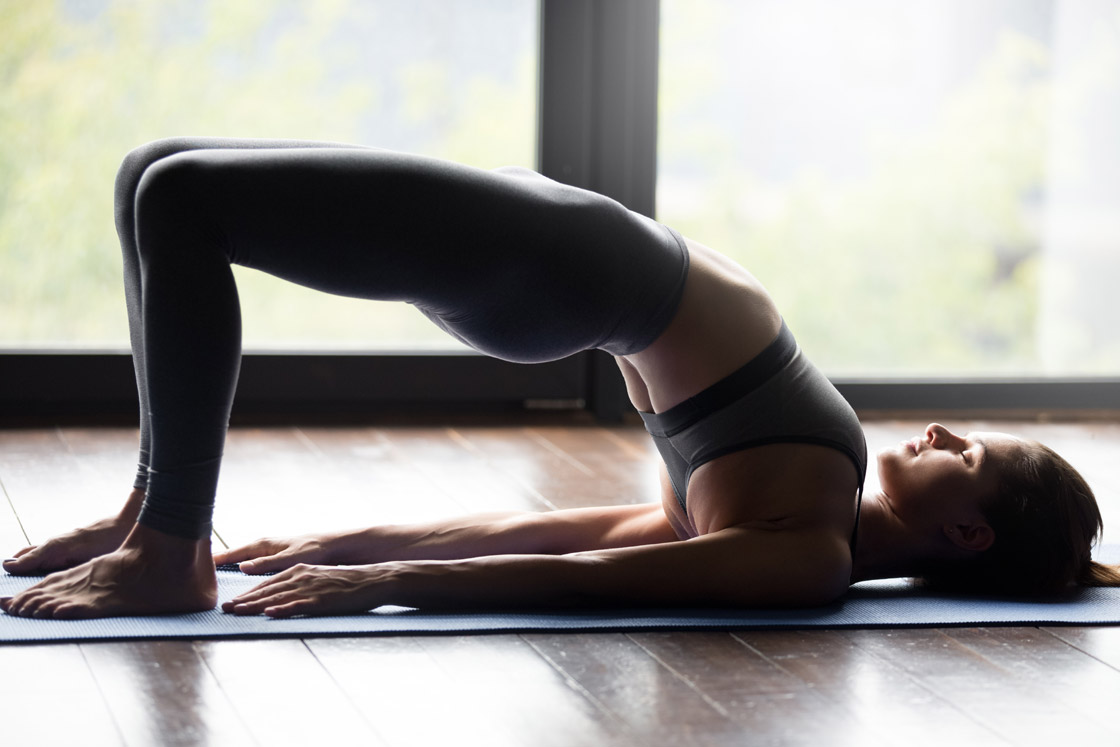
    3. How Yoga Began: Tracing the Origin of Yoga in Ancient India   

    Yoga’s origins can be traced to the ancient Indus-Sarasvati civilization around 2700 BCE, with seals depicting figures in yogic postures found in archaeological sites like Mohenjo-Daro and Harappa. The practice evolved significantly during the Vedic period (1500–500 BCE), where it was codified in texts like the Rigveda and later refined in the Upanishads. These scriptures introduced concepts such as karma, dharma, and the path to liberation (moksha) through disciplined practice (sadhana), which became central tenets of yoga philosophy. Ancient yogis explored the interplay of body and mind, developing techniques to purify the body, control the breath, and calm the mind—practices that laid the groundwork for modern yoga as we know it today.

    4. Yoga’s Ancient Origins: Insights from the Vedas

       The Vedas, ancient Indian scriptures dating back to 1500–500 BCE, provide early insights into the origins and philosophical underpinnings of yoga. They mention practices aimed at spiritual realization and self-mastery through rituals, meditation, and asceticism. The Upanishads, composed around 800–200 BCE, delve deeper into the nature of existence and the role of yoga in attaining liberation (moksha) from the cycle of birth and death (samsara). These texts offer profound wisdom on the union of individual consciousness (atman) with the universal consciousness (Brahman), a concept central to yoga’s spiritual goals.

    5. The Journey of Yoga: From Ancient Indian Sages to Today

       Yoga’s journey spans millennia, beginning with its origins in the Vedic period and evolving through the teachings of ancient Indian sages and philosophers. During the classical period (200 BCE–500 CE), influential texts such as Patanjali’s Yoga Sutras systematically codified the practice of yoga, outlining its eight limbs (Ashtanga Yoga) as a path to spiritual enlightenment. Over centuries, yoga continued to evolve, adapting to different cultural and religious contexts while preserving its core principles of self-discipline, ethical conduct, and spiritual growth. In the 20th century, yoga gained global popularity as teachers like B.K.S. Iyengar, Krishnamacharya, and Swami Sivananda introduced accessible and systematic approaches to yoga practice, paving the way for its widespread adoption as a holistic wellness practice in the modern world.

    6. Understanding Yoga’s Roots: The Significance of the Vedic Tradition

       Yoga’s roots in the Vedic tradition highlight its holistic approach to well-being, integrating physical exercises (asanas), breath control (pranayama), and ethical principles (yamas and niyamas) to cultivate a balanced and harmonious life. The Vedas and Upanishads emphasize the unity of body, mind, and spirit, guiding practitioners toward self-realization and spiritual liberation. Yoga’s teachings encourage individuals to live in harmony with themselves and their environment, fostering inner peace, resilience, and compassion—a philosophy that continues to resonate across cultures and generations.

    7. The Rich History of Yoga: A Practice Rooted in Indian Culture   

    Embedded in the cultural fabric of India, yoga has evolved as a comprehensive system of self-development aimed at promoting physical health, mental clarity, and spiritual growth. From ancient times to the present day, yoga has been practiced in diverse forms—from the austere disciplines of ascetics. And yogis to the accessible and inclusive practices embraced by people worldwide. Indian classical texts such as the Bhagavad Gita and Yoga Vasistha expound on yoga’s transformative power. Offering timeless wisdom on the pursuit of happiness, inner peace, and fulfillment through disciplined practice and self-awareness.

    8. Yoga’s Ancient Beginnings: How the Practice Evolved Over Millennia

       Yoga’s ancient beginnings reflect its transformation from early spiritual practices to a diverse range of contemporary forms. That cater to different needs and lifestyles. In ancient India, yogis explored techniques to purify the body, control the breath, and quiet the mind—practices. That laid the foundation for Hatha Yoga, known for its emphasis on physical postures (asanas) and breathwork (pranayama). Over millennia, yoga diversified into various paths, including Bhakti Yoga (devotional practice), Karma Yoga (selfless action), and Jnana Yoga (path of wisdom). Each offering unique approaches to spiritual growth and personal transformation. Today, yoga continues to evolve as practitioners worldwide embrace its holistic benefits, adapting ancient wisdom to modern lifestyles and needs.

    9. Knowing the Origins of Yoga: The Intersection of Mind, Body, and Spirit

    Exploring the origin of yoga reveals its deep philosophy of integrating mind, body, and spirit. This integration is achieved through practices that promote physical health, mental clarity, and spiritual awakening. Ancient Indian sages developed yoga to attain inner peace and self-realization. They emphasized the interconnectedness of all aspects of existence.

    In addition, yoga encourages disciplined practice and ethical living. By doing so, it fosters qualities such as awareness, compassion, and resilience. This journey transcends cultural boundaries and resonates universally. Ultimately, yoga addresses the quest for meaning and fulfillment in life.

    10. Yoga Through the Ages: From Ancient Asanas to Modern Wellness

     Yoga has evolved over centuries, adapting ancient practices of physical postures (asanas), breathing techniques (pranayama). As well as meditation to meet the evolving needs of practitioners in the modern world. Ancient texts such as the Yoga Sutras of Patanjali and the Hatha Yoga Pradipika provide foundational principles for yoga practice. Which Help in integration of body and mind to achieve balance, strength, and inner peace. In recent decades, yoga has gained popularity as a holistic wellness practic. With diverse styles and approaches catering to individuals of all ages and fitness levels. From traditional Hatha and Vinyasa to contemporary forms like hot yoga and aerial yoga. Yoga continues to inspire and empower millions worldwide, offering pathways to physical health, mental well-being, and spiritual growth.

    11. The Meaning of Yoga: Uniting Mind, Body, and Spirit Since Ancient Times

    Yoga is fundamentally a practice that aims to harmonize the mind, body, and spirit. It achieves this through a combination of physical postures (asanas), breath regulation (pranayama), and meditation. Originating in ancient India, yoga emphasizes the interconnectedness of physical, mental, and spiritual dimensions of life.

    Furthermore, the Yoga Sutras of Patanjali, composed around 400 CE, describe yoga as an eight-fold path (Ashtanga Yoga). This path is designed to guide practitioners toward self-realization and inner peace. It advocates disciplined practice and ethical conduct. Consequently, it fosters qualities such as self-awareness, compassion, and resilience.

    Moreover, these principles transcend cultural boundaries. As a result, they resonate universally, offering individuals a way to seek deeper meaning and fulfillment through yoga.

    12. The Evolution of Yoga: From Pranayama and Meditation in Ancient India to Today

     Yoga’s evolution spans millennia. From the Origin of Yoga in ancient India to its global prominence as a holistic wellness practice. Ancient yogis developed techniques such as pranayama (breath control) and meditation to purify the body and calm the mind, practices that remain integral to yoga’s transformative power. In the classical period, Patanjali’s Yoga Sutras codified yoga as an eight-limbed path (Ashtanga Yoga). Outlining ethical principles, physical postures (asanas), breathwork (pranayama), and meditation techniques to achieve spiritual enlightenment. Over centuries, yoga diversified into various styles and approaches, from traditional Hatha and Kundalini. To modern adaptations like power yoga and Yin yoga, each offering unique benefits for physical health, mental well-being, and spiritual growth.

  • Yoga Asana for Self Healing : Benefits of Yoga for Practitioners

    Yoga Asana for Self Healing : Benefits of Yoga for Practitioners

    Yoga Asana for Self-Healing: The Benefits of Yoga for Practitioners

       Yoga is a holistic practice renowned for its ability to promote both physical and mental well-being. Beyond its reputation for relaxation and flexibility, yoga offers a profound potential for healing various ailments. Through specific yoga poses known as asanas, practitioners can target and alleviate specific health issues. Whether you’re seeking relief from chronic back pain, aiming to improve digestive function, or hoping to enhance mental clarity and focus, there are tailored yoga asanas designed to support your journey to optimal health.

    In this Yoga Asana Blog, we will read a selection of yoga poses renowned for their therapeutic benefits. These asanas not only address physical discomfort but also nurture overall vitality and self-healing. By integrating these practices into your routine, you can harness the transformative power of yoga to enhance your quality of life and promote longevity.

    1. Downward-Facing Dog (Adho Mukha Svanasana)

    How to Do:

    1. Start on your hands and knees, with your wrists aligned under your shoulders and knees under your hips.
    2. Spread your fingers wide and press firmly into the mat.
    3. Tuck your toes under, exhale, and lift your knees off the floor, sending your hips up and back.
    4. Straighten your legs as much as your flexibility allows, while keeping your heels grounded or lifting slightly.
    5. Lengthen your spine by reaching your tailbone toward the ceiling and pressing your chest towards your thighs.
    6. Hold for 30 seconds to 1 minute, breathing deeply.
    7. To release, exhale and gently lower your knees back to the mat.

    Benefits: Strengthens the arms and legs, stretches the spine, and improves circulation.

    Conditions it helps: Back pain, fatigue, and stress relief.

    2. Cobra Pose (Bhujangasana)

    How to Do:

    1. Lie face-down on your mat with your legs extended, tops of the feet resting on the floor.
    2. Place your hands under your shoulders, elbows close to your body.
    3. Inhale, press into your hands, and lift your chest off the floor, keeping your lower ribs on the ground.
    4. Roll your shoulders back and down, lengthening through the crown of your head.
    5. Hold for 15-30 seconds, breathing deeply.
    6. Exhale and slowly release back to the mat.

    Benefits: Opens the chest, stretches the shoulders, and strengthens the spine.

    Conditions it helps: Asthma, respiratory issues, and menstrual discomfort.

    3. Child’s Pose (Balasana)

    How to Do:

    1. Kneel on your mat, big toes touching, and sit back on your heels.
    2. Separate your knees about hip-width apart or wider.
    3. Exhale and lower your torso between your thighs, extending your arms in front or resting them alongside your body.
    4. Rest your forehead on the mat and relax your neck.
    5. Hold for 1-3 minutes, breathing deeply into your back and sides.
    6. To release, walk your hands back towards your body as you lift your torso upright.

    Benefits: Stretches the hips, thighs, and ankles, and relaxes the mind.

    Conditions it helps: Anxiety, insomnia, and digestion issues.

    Feeling achy or stressed? Explore Yoga Asana for Self Healing, inner peace and Physical Fitness ! These poses can help alleviate discomfort, improve flexibility, and bring a sense of calm – all without needing any special equipment.

    4. Bridge Pose (Setu Bandhasana)

    How to Do:

    1. Lie on your back with your knees bent and feet hip-width apart, flat on the floor.
    2. Rest your arms alongside your body, palms down.
    3. Press into your feet, inhale, and lift your hips toward the ceiling.
    4. Roll your shoulders under and interlace your fingers, pressing your arms into the mat.
    5. Hold for 30 seconds to 1 minute, breathing deeply.
    6. Exhale and slowly release your hands and lower your spine back to the mat.

    Benefits: Strengthens the back, buttocks, and hamstrings, and improves flexibility.

    Conditions it helps: Thyroid imbalance, menopause symptoms, and backaches.

    5. Seated Forward Bend (Paschimottanasana)

    How to Do:

    1. Sit on the mat with your legs extended in front of you, feet flexed.
    2. Inhale and lengthen your spine.
    3. Exhale, hinge at your hips, and reach forward with a straight back.
    4. Hold onto your legs, ankles, or feet—wherever your reach comfortably allows.
    5. Keep your neck relaxed and gaze forward or down.
    6. Hold for 30 seconds to 1 minute, breathing deeply.
    7. Inhale and slowly release back to an upright position.

    Benefits: Stretches the spine, shoulders, and hamstrings, and calms the mind.

    Conditions it helps: High blood pressure, diabetes, and insomnia.

    6. Legs-Up-the-Wall Pose (Viparita Karani)

    How to Do:

    1. Sit sideways with one hip touching the wall.
    2. Swing your legs up onto the wall as you lie back, bringing your buttocks close to the wall.
    3. Rest your arms by your sides, palms facing up.
    4. Adjust your position so that your legs are straight up the wall.
    5. Close your eyes and breathe deeply, relaxing into the pose.
    6. Hold for 5-15 minutes, focusing on your breath.

    Benefits: Relieves tired legs and feet, improves circulation, and relaxes the nervous system.

    Conditions it helps: Varicose veins, anxiety, and menstrual cramps.

    7. Corpse Pose (Savasana)

    How to Do:

    1. Lie on your back with your legs extended and feet relaxed.
    2. Allow your arms to rest alongside your body, palms facing up.
    3. Close your eyes and bring awareness to your breath.
    4. Relax your entire body, releasing tension from head to toe.
    5. Remain in this pose for 5-10 minutes, or longer if desired.
    6. To exit, deepen your breath and gently awaken your body with small movements.

    Benefits: Promotes deep relaxation, reduces stress, and rejuvenates the body.

    Conditions it helps: Anxiety disorders, hypertension, and insomnia.

    Know our body’s natural healing capability with 10 Benefits of Yoga Asana for Self Healing . This practice combines gentle postures and mindful breathing to promote relaxation, reduce pain, and boost overall well-being.

    8. Cat-Cow Pose (Marjaryasana-Bitilasana)

    How to Do:

    1. Start on your hands and knees, with your wrists aligned under your shoulders and knees under your hips.
    2. Inhale, arch your back, and lift your tailbone and chest towards the ceiling (Cow Pose).
    3. Exhale, round your spine, tuck your chin to your chest, and tuck your tailbone under (Cat Pose).
    4. Continue flowing between Cat and Cow Poses for 1-3 minutes, coordinating movement with your breath.

    Benefits: Improves flexibility of the spine, massages the organs in the belly, and relieves stress.

    Conditions it helps: Digestive issues, menstrual discomfort, and back pain.

    9. Warrior II Pose (Virabhadrasana II)

    How to Do:

    1. Start standing at the top of your mat, feet hip-width apart.
    2. Step your left foot back about 3-4 feet, turning your left foot out at a 90-degree angle.
    3. Bend your right knee, aligning it over your right ankle.
    4. Extend your arms parallel to the floor, palms down, with your gaze over your right fingertips.
    5. Hold for 30 seconds to 1 minute, breathing deeply.
    6. Repeat on the opposite side.

    Benefits: Strengthens the legs, opens the hips and chest, and improves stamina.

    Conditions it helps: Sciatica, frozen shoulder, and strengthening lower body muscles.

    10. Tree Pose (Vrikshasana)

    How to Do:

    1. Stand tall with your feet hip-width apart and arms at your sides.
    2. Shift your weight onto your left foot, bend your right knee, and place your right foot on the inner left thigh or calf.
    3. Press your foot into your thigh and your thigh into your foot, finding balance.
    4. Bring your palms together in front of your chest or extend them overhead.
    5. Hold for 30 seconds to 1 minute, breathing deeply.
    6. Repeat on the opposite side.

    Benefits: Improves balance and concentration, strengthens the legs and core muscles.

    Conditions it helps: Improves posture, relieves sciatica pain, and reduces anxiety.

    11. Boat Pose (Navasana)

    How to Do:

    1. Sit on the mat with your knees bent and feet flat on the floor.
    2. Lean back slightly and lift your feet off the floor, balancing on your sit bones.
    3. Extend your legs at a 45-degree angle from the floor, keeping your spine straight.
    4. Reach your arms forward, parallel to the floor, palms facing each other.
    5. Hold for 10-30 seconds, breathing deeply.
    6. Exhale and lower your legs and torso back to the mat.

    Benefits: Strengthens the abdominal muscles, improves digestion, and stimulates the kidneys.

    Conditions it helps: Digestive disorders, stress reduction, and toning abdominal organs.

    12. Eagle Pose (Garudasana)

    How to Do:

    1. Stand tall with your feet hip-width apart and arms at your sides.
    2. Bend your knees slightly, lift your left foot, and cross it over your right thigh.
    3. Hook your left foot behind your right calf if possible.
    4. Cross your right arm over your left at the elbows, and then twist your forearms, bringing your palms together.
    5. Hold for 15-30 seconds, breathing deeply.
    6. Repeat on the opposite side.

    Benefits: Improves balance and focus, stretches the shoulders and upper back, and strengthens the calves and ankles.

    Conditions it helps: Improves circulation in the legs, reduces arthritis symptoms, and enhances concentration.

    13. Dolphin Pose (Ardha Pincha Mayurasana)

    How to Do:

    1. Start on your hands and knees, with your wrists aligned under your shoulders and knees under your hips.
    2. Lower your forearms to the mat, elbows directly under your shoulders, and interlace your fingers.
    3. Tuck your toes under, exhale, and lift your knees off the floor, straightening your legs.
    4. Press your heels toward the floor and lift your sitting bones toward the ceiling.
    5. Hold for 30 seconds to 1 minute, breathing deeply.
    6. Exhale and gently lower your knees back to the mat.

    Benefits: Strengthens the arms and shoulders, stretches the hamstrings, and improves posture.

    Conditions it helps: Relieves headaches, reduces back pain, and improves digestion.

    Conclusion:

    Incorporating these yoga asanas into your daily routine offers not just physical benefits but also supports self-healing and holistic well-being. Each pose, from the grounding Child’s Pose to the energizing Downward-Facing Dog, serves as a powerful tool for self-healing. Whether you seek relief from physical ailments like back pain and insomnia or aim to cultivate inner peace and resilience, these practices can guide you towards a healthier, more balanced life. Explore the transformative potential of yoga asana for self-healing and discover the profound effects it can have on your body and mind. Start your journey today and experience the healing power of yoga firsthand.

    Yoga offers a natural and holistic approach to improving health and well-being. By incorporating these asanas into your daily routine, you can effectively manage and even alleviate various health issues. Remember to listen to your body, practice with mindfulness, and enjoy the journey to a healthier you through the power of yoga.

    Ready to ditch the pain and rediscover your inner peace? Join our 200 Hour Yoga Teacher Training to learn the Yoga Asana for Self Healing programs and see how amazing you can feel! Enroll today

  • How the Benefits of Yoga Teacher Training are Good for You

    How the Benefits of Yoga Teacher Training are Good for You

    How the Benefits of Yoga Teacher Training are Good for You

    Explore Yoga Teacher Training

    Are you seeking to enhance your physical and mental well-being? Starting a yoga teacher training program could be the most awaited experience you’ve been seeking.. Rooted in ancient Indian tradition, yoga has captivated millions worldwide—offering good benefits beyond the the physical experience.

    Yoga teacher training transcends mere pose instruction. It involve deep into yoga’s philosophy, spirituality, and scientific foundations. By engaging yourself in this yoga experience, you’ll not only refine your practice but also grasp the meaningful connection between mind and body.

    The advantages of yoga teacher training extend far beyond the mat. It promotes self-awareness, increases confidence, and supports personal development. Moreover, you’ll forge connections with supportive, like-minded individuals, forming enduring bonds. Becoming a certified yoga teacher opens doors to varied career opportunities in the wellness sector—enabling you to share your passion and aid others in their journeys.

    Start your journey in yoga teacher training. Find your strengths, take care of yourself, and discover your purpose. It’s more than just training—it changes your life.

    Table of Contents

    Understanding the Basics of Yoga Teacher Training

    Yoga teacher training is a comprehensive program that delves into the history, philosophy, and practice of yoga. It extends beyond mastering asanas (yoga poses) to explore the deeper facets of this ancient discipline. The primary objective of yoga teacher training is to equip you with the skills and confidence to become a certified yoga instructor. Throughout the program, you’ll immerse yourself in various yoga styles such as Hatha, Vinyasa, Iyengar, and Ashtanga. Additionally, you’ll learn the proper execution of yoga poses, sequencing techniques, and safe teaching practices. The curriculum also delves into yoga’s philosophical and spiritual dimensions—examining texts like the Yoga Sutras, and exploring concepts such as the eight limbs of yoga, the five yamas (ethical principles), and the five niyamas (personal observances).

    Benefits of Doing a Yoga Teacher Training

    Yoga teacher training is great for many reasons offers multifaceted benefits. Yoga teacher training helps you learn more about yourself and connect with your inner voice. Moreover, yoga teacher training yields physical benefits—enhancing flexibility, strength, and balance through intensive asana practice. This not only enriches your personal yoga practice but also enables you to guide others towards better physical health. Furthermore, yoga teacher training emphasizes mindfulness and meditation techniques—providing tools to quiet the mind, manage stress effectively, and cultivate inner peace. These practices contribute to improved mental and emotional well-being, empowering you to navigate life’s challenges with resilience.

    The Different Types of Yoga Teacher Training Programs

    Yoga teacher training programs are diverse, varying in duration from weekend workshops to several-month intensives. Among the most common programs is the 200-hour Yoga Teacher Training, which serves as the foundational certification recognized by Yoga Alliance. Typically spanning 3 to 6 weeks, these programs encompass comprehensive instruction in yoga’s history, philosophy, anatomy, teaching methodologies, and practical application. For those seeking advanced training, 300-hour and 500-hour programs delve deeper into yoga—encompassing advanced asanas and teaching techniques. These extended programs cater particularly to seasoned practitioners seeking to deepen their knowledge. Moreover, specialized tracks in Yin yoga, restorative yoga, prenatal yoga, or children’s yoga allow participants to focus on their specific interests and aspirations.

    Choosing the Right Yoga Teacher Training Program for You

    Choosing the ideal yoga teacher training program requires thoughtful consideration of your goals and preferences. Begin by identifying your preferred yoga style—whether it’s Vinyasa, Iyengar, Yin yoga, or another discipline. Select a program that aligns with your style preference to ensure an enriching experience. Additionally, evaluate the reputation and accreditation of prospective yoga schools. Opt for programs accredited by Yoga Alliance and scrutinize the qualifications and expertise of instructors, as they significantly influence training quality. Consider practical factors such as program location, schedule flexibility, and cost. Online or hybrid programs provide flexibility, while residential retreat-style trainings offer immersive experiences that deepen your practice.

    The Curriculum and Requirements of a Yoga Teacher Training Program

    Yoga teacher training programs provide a comprehensive education encompassing various facets of yoga. While specific curricula may vary, core components typically include:

    • Study of yoga’s history, philosophy, and principles, incorporating texts like the Yoga Sutras and Bhagavad Gita.
    • Exploration of the eight limbs of yoga, ethical guidelines, self-discipline, physical postures, breath control, and meditation techniques.
    • Hands-on practice to master asanas (yoga poses), focusing on proper alignment, modifications, variations, sequencing, and cueing.
    • Study of anatomy and physiology to comprehend bodily mechanics and movement principles relevant to yoga.
    • Development of teaching skills encompassing effective communication, lesson planning, and adaptation to students’ needs.
    • Examination of ethical responsibilities and professional conduct expected of yoga instructors.
    • Elective offerings in specialized areas such as prenatal yoga, restorative yoga, meditation, or yoga therapy to facilitate specialization.

    The Physical and Mental Challenges of Yoga Teacher Training

    Yoga teacher training constitutes a transformative journey that presents both physical and mental challenges. Physically, the rigorous asana practice demands endurance and may lead to muscle soreness and fatigue. It’s imperative to heed your body’s signals and prioritize self-care to sustain optimal well-being throughout training. Mentally and emotionally, yoga teacher training fosters profound introspection, unearthing complex emotions and thought patterns. This introspective process—though enlightening—can prove arduous as you confront ingrained biases and fears. The intensive schedule may evoke feelings of overwhelm and stress, underscoring the importance of effective time management and self-nurturance in navigating these challenges. Ultimately, overcoming these obstacles cultivates heightened self-awareness, resilience, and a profound appreciation for yoga’s transformative power.

    Personal Growth and Self-Discovery Through Yoga Teacher Training

    Embarking on yoga teacher training fosters unparalleled personal growth and self-discovery. This transformative journey empowers you to deepen your understanding of your physical, mental, and emotional dimensions. Central to yoga teacher training is the cultivation of self-awareness—enabling you to discern thoughts, emotions, and behaviors with clarity, thereby facilitating deliberate choices that propel personal growth. The practice of yoga—centered on breath awareness and mindfulness—facilitates profound introspection, unveiling insights and breakthroughs that enrich your journey. Equally pivotal is the community aspect of training, fostering a supportive environment wherein shared experiences with fellow trainees inspire growth and mutual encouragement. Through yoga teacher training, you may uncover your purpose, core values, and authentic self. This process of self-inquiry—while challenging—affords liberation and empowerment, enabling alignment with your true essence and fostering holistic well-being.

    Career Opportunities and Earning Potential as a Certified Yoga Teacher

    Completion of a yoga teacher training program opens diverse career pathways. Certified yoga instructors can lead group classes in studios, gyms, or community centers, imparting various yoga styles to students. Beyond conventional settings, yoga teachers find roles in corporate wellness programs, educational institutions, healthcare facilities, and luxury resorts—designing tailored yoga programs to enhance well-being and alleviate stress. Entrepreneurially inclined individuals may establish independent yoga enterprises—such as yoga studios, retreat leadership, online instruction, or retailing yoga-related products. Entrepreneurship affords flexibility and income potential, catering to diverse client needs and preferences. Earnings for yoga instructors vary, with average hourly rates ranging from $30 to $75 per class in the United States. Experienced instructors in high-demand locales may command higher compensation, while diversifying income streams through workshops, retreats, or digital offerings enhances earning capacity.

    Conclusion: It’s Time to Start Your Yoga Teaching Journey Today

    Starting a yoga teacher training program brings a journey of change with many personal rewards. It doesn’t matter if you’re experienced or new to yoga—the benefits are uncountable.

    Love yoga and want to teach it? Yoga teacher training is for you!

    You’ll learn more than just poses. You’ll explore yoga’s amazing history and ideas, gaining a deeper understanding of this ancient practice. As you practice poses (asanas), breathing (pranayama), and meditation, you’ll discover a whole new side of yourself. This inward journey will help you grow as a person and connect with yourself on a deeper level. Any challenges you face will make you stronger and more confident. By the end, you won’t just be a yoga teacher, you’ll be a more powerful and complete person, ready to share the magic of yoga with others!

    Become a certified yoga teacher and share the power of yoga! You’ll help others find peace, improve their health, and make a positive impact in your community..

    Love yoga and want to spread the joy? Yoga teacher training is for you! Learn more about yoga, have fun, and help others experience its benefits. It’s a great way to grow and meet new people.

  • Yoga for Mind-Body Harmony: Essential Poses and Practice Tips

    Yoga for Mind-Body Harmony: Essential Poses and Practice Tips

    How Yoga can Help You Achieve Inner Peace and Balance?

    How Yoga Can Help You Achieve Inner Peace and Physical Fitness and Mental Balance?

    What is Yoga?

    Yoga for Inner Peace and Physical Fitness is a mind-body practice that started in ancient India. The word “yoga” comes from the Sanskrit word “yuj,” meaning to unite or join. Yoga aims to connect the mind, body, and spirit, making it a practice that promotes both physical and mental wellness. It’s accessible to all ages and fitness levels, making it a universal practice.

    What are Benefits of Yoga for Inner Peace and Physical Fitness

    • Improved Flexibility and Strength: Yoga poses (asanas) target various muscle groups, enhancing flexibility and strength.
    • Enhanced Mental Focus and Reduced Stress: Yoga encourages mindfulness and self-awareness, helping to reduce stress and improve mental clarity.
    • Mind-Body Connection: Yoga promotes a sense of tranquility and balance, allowing you to connect with your inner self.Learn more about Yoga & Meditation

    Who Can Practice Yoga?

    One of the greatest aspects of yoga is its inclusivity. Whether you’re a beginner or experienced, young or old, fit or just starting out, yoga can be adapted to suit your needs. Yoga poses can be modified to accommodate individual capabilities, making it a safe and effective exercise for everyone.

    Here are some common yoga poses to get you started:

    Starting your yoga journey can be both exciting and a bit overwhelming. Here are 10 simple yoga poses perfect for beginners. These Yoga Poses are easy to learn and provide a great foundation for your practice.

    Yoga for Physical Fitness

    1. Mountain Pose (Tadasana)

    How to do it:

    • Stand tall with your feet together.
    • Arms by your sides, shoulders relaxed.
    • Distribute your weight evenly across both feet.
    • Take deep breaths and focus on your posture.

    Benefits:

    • Improves posture.
    • Increases awareness and balance.

    2. Downward-Facing Dog (Adho Mukha Svanasana)

    How to do it:

    • Start on your hands and knees.
    • Lift your hips up towards the ceiling, forming an inverted V-shape.
    • Keep your hands shoulder-width apart and feet hip-width apart.
    • Relax your head and neck.

    Benefits:

    • Stretches the entire body.
    • Strengthens arms and legs.

    3. Child’s Pose (Balasana)

    How to do it:

    • Kneel on the floor, sit back on your heels.
    • Lower your chest to your thighs and stretch your arms forward.
    • Rest your forehead on the ground.

    Benefits:

    • Relieves stress and tension.
    • Gently stretches the back and hips.

    4. Cat-Cow Pose (Marjaryasana-Bitilasana)

    How to do it:

    • Start on your hands and knees.
    • Inhale, arch your back (Cow Pose), lifting your head and tailbone.
    • Exhale, round your back (Cat Pose), tucking your chin and tailbone.

    Benefits:

    • Increases flexibility in the spine.
    • Improves circulation.

    5. Cobra Pose (Bhujangasana)

    How to do it:

    • Lie on your stomach, hands under your shoulders.
    • Inhale, lift your chest off the ground, keeping elbows close to your body.
    • Press your legs and pelvis into the floor.

    Benefits:

    • Strengthens the spine.
    • Opens the chest and lungs.

    6. Tree Pose (Vrikshasana)

    How to do it:

    • Stand tall, shift your weight onto one foot.
    • Place the sole of your other foot on your inner thigh or calf (avoid the knee).
    • Bring your hands together at your chest or raise them overhead.

    Benefits:

    • Improves balance.
    • Strengthens legs and core.

    7. Seated Forward Bend (Paschimottanasana)

    How to do it:

    • Sit with your legs extended in front of you.
    • Inhale, lengthen your spine.
    • Exhale, bend forward from your hips, reaching for your feet or shins.

    Benefits:

    • Stretches the spine and hamstrings.
    • Calms the mind.

    8. Bridge Pose (Setu Bandhasana)

    How to do it:

    • Lie on your back, knees bent, feet flat on the floor.
    • Place your arms by your sides.
    • Inhale, lift your hips towards the ceiling, keeping your feet and shoulders grounded.

    Benefits:

    • Strengthens the back and glutes.
    • Opens the chest and hips.

    9. Butterfly Pose (Baddha Konasana)

    How to do it:

    • Sit with your feet together and knees bent, allowing your knees to fall to the sides.
    • Hold your feet with your hands.
    • Sit tall and gently press your knees towards the ground.

    Benefits:

    • Stretches the inner thighs and hips.
    • Improves flexibility.

    10. Corpse Pose (Savasana)

    How to do it:

    • Lie flat on your back, arms by your sides, palms facing up.
    • Close your eyes and relax your entire body.
    • Focus on your breath.

    Benefits:

    • Promotes relaxation.
    • Reduces stress and anxiety.

    Consistency is Key

    The secret to getting the most out of yoga is doing it regularly, even for a little bit each day. Think of it like watering a plant – a little sprinkle every day keeps it healthy, but if you forget for a long time, it might wilt. Aim for 20-30 minutes of yoga most days, but even if you only have 10 minutes, that’s still great! The important thing is to find a routine that fits your life. You can practice at a yoga studio with a teacher, join a free yoga class in your community park, or follow yoga workouts online. There are tons of options to find what works best for you

    Enhancing Your Yoga Practice

    Incorporating breathing exercises (pranayama) and meditation can deepen your yoga practice. Yoga gets even better with breathing exercises and meditation!They help you focus on your breath and quiet your mind, making you feel even calmer and more peaceful inside. It’s like adding superpowers to your yoga practice!

    Conclusion

    If You Want to feel better and more balanced? Yoga is for you! It’s a good way to move your body, relax your mind, and feel great all over. Yoga helps you connect your body and mind, and it can make you feel calmer and stronger. Practicing yoga for inner peace and physical fitness can help in improving your daily routine, bringing tranquility and strength to your life.So why not give it a try? Roll out a mat, join a class, and see how yoga can make you feel awesome!

  • Hatha Yoga , Power Yoga The Complete Guide

    Hatha Yoga , Power Yoga The Complete Guide

    What is the Difference Between Hatha Yoga vs Power Yoga

    Hatha yoga power yoga is a common comparison for students who want to understand which style fits their goals, fitness level, and preferred pace of practice. Hatha Yoga is generally slower and gives more time for posture, breathing, alignment, and controlled movement, while Power Yoga is faster, stronger, and more physically demanding.

    In this blog, we compare Hatha Yoga vs Power Yoga in terms of intensity, benefits, beginner suitability, weight management, safety, and how both styles can fit into the same routine. We also explain the difference between traditional Hatha Yoga and the slower Hatha classes commonly taught in modern yoga studios.

    Yoga began in ancient India and is a practice that helps your body, mind, and spirit. It includes poses (asanas), breathing exercises (pranayama), meditation, and good living habits. There are many styles of yoga, each with its own focus, which can make it hard to choose the right one for you. In this article, we will look at Hatha Yoga vs Power Yoga, two popular approaches. Hatha Yoga, often seen today as a modern style, is actually a traditional practice described in the ancient text, the Hatha Yoga Pradipika. It focuses on balance and preparing the mind and body for meditation. In contrast, Power Yoga provides a strong workout to boost fitness.

    Hatha Yoga is slow-paced and focuses on holding poses, while Vinyasa Yoga is fast-paced and involves flowing movements synchronized with breathing. Power Yoga combines strength exercises with continuous movement for a vigorous workout. Each yoga style offers unique benefits for different fitness levels and goals. Whether you prefer the calm and balance of Hatha Yoga vs Power Yoga or the energetic flow of Vinyasa Yoga, there is a yoga type that suits your needs best.
    Today we know about the Hatha yoga vs Power Yoga. We will discuss the benefits, and key differences to help you decide which approach is best for you.

    Hatha Yoga vs Power Yoga The Complete Guide

    What is Hatha Yoga according to Modern Teachers & How Hatha Yoga Is Understood Today ?

    The term Hatha Yoga can have different meanings depending on the context.

    In traditional yoga texts, Hatha Yoga refers to a broader system of practice that includes asana, pranayama, mudra, bandha, purification practices, and meditation. Its purpose goes beyond physical exercise and is closely connected with preparing the body and mind for deeper yogic practice.

    In many modern yoga studios, however, the term “Hatha Yoga” is commonly used for a slower-paced class where postures are held for several breaths and greater attention is given to alignment, breathing, and controlled movement.

    Modern systems such as Iyengar Yoga, Ashtanga Vinyasa Yoga, and Bikram Yoga developed as distinct methods of physical yoga practice. They share some postural roots with the wider Hatha Yoga tradition, but they should not simply be described as types of traditional Hatha Yoga.

    For this article, when we compare Hatha Yoga vs Power Yoga, “Hatha Yoga” mainly refers to the slower, alignment-focused style commonly taught in modern yoga classes.

    What Is Traditional Hatha Yoga?

    Traditional Hatha Yoga is much broader than simply practising physical postures. Classical Hatha texts describe methods such as asana, pranayama, mudra, bandha, purification practices, and meditation as part of a disciplined yogic system.

    One of the aims of these practices is to develop steadiness in the body and breath so that the mind becomes more suitable for meditation.

    Traditional teachings also describe the subtle energy channels known as nadis. Ida and Pingala are commonly described as two important channels, while Sushumna is regarded as the central channel in yogic anatomy. These ideas belong to the traditional subtle-body model of yoga and should be understood within that philosophical system rather than as modern anatomical or physical-science concepts.

    The Hatha Yoga Pradipika is one of the important classical texts associated with this tradition and describes practices involving asana, pranayama, mudra, bandha, and meditative absorption.

    Today we talk about the Modern aspect of Hatha Yoga.

    What are Types and Benefits of Hatha Yoga (Modern Styles)

    Types of Hatha Yoga Practices
    1. Iyengar Yoga: Focuses on precision and alignment, often using props like blocks and straps.
    2. Ashtanga Yoga: A more rigorous form involving a series of postures linked by breath.
    3. Bikram Yoga: Performed in a heated room with a fixed sequence of 26 postures.

    What are Physical Benefits of Hatha Yoga

    • Flexibility: Regular practice enhances muscle elasticity and joint mobility.
    • Strength: Builds muscle strength through holding various postures.
    • Balance: Improves overall body balance and coordination.

    What are Mental and Emotional Benefits

    • Stress Reduction: The combination of physical postures and breath control helps reduce stress levels.
    • Mental Clarity: Promotes focus and mental sharpness.
    • Emotional Stability: Encourages emotional well-being and mindfulness.

    What is Power Yoga?

    Power Yoga, a more modern and dynamic form of yoga, was developed in the late 20th century. It draws inspiration from Ashtanga Yoga but is less rigid in structure, allowing for more creativity and variation in practice.

    Power Yoga is based on the idea of building internal heat and increasing stamina, strength, and flexibility. It emphasizes continuous movement, linking breath with movement vigorously and athletically. Unlike traditional Hatha Yoga, Power Yoga does not follow a set sequence, making each class unique.

    What are the Types and Benefits of Power Yoga

    Types of Power Yoga Practices
    1. Vinyasa Flow: Focuses on flowing from one pose to another with synchronized breath.
    2. Rocket Yoga: A derivative of Ashtanga, designed to be accessible and dynamic.
    3. Core Power Yoga: Combines yoga with core-strengthening exercises.
    Physical Benefits of Power Yoga
    • Cardiovascular Health: The continuous, intense nature of Power Yoga provides a great cardio workout.
    • Muscle Tone: Builds and tones muscles through a variety of challenging postures.
    • Weight Loss: Burns calories effectively, aiding in weight management.
    Mental and Emotional Benefits of Power Yoga
    • Enhanced Focus: The intensity of the practice demands concentration and presence.
    • Stress Relief: Physical exertion releases endorphins, reducing stress and promoting happiness.
    • Increased Energy: The dynamic flow boosts overall energy levels.

    What are The Difference Between Hatha Yoga vs Power Yoga

    NameHatha YogaPower Yoga
    Intensity and PaceTypically slower-paced, focusing on holding poses for longer durations with an emphasis on alignment and breath.Faster-paced and more vigorous, with a focus on continuous movement and flow, often incorporating challenging sequences.
    Structure of ClassesClasses follow a structured sequence with an emphasis on foundational poses and proper alignment.Classes offer more flexibility and variation, with sequences that may vary from one session to another, often focusing on dynamic movements.
    Target AudienceGenerally suitable for beginners and those seeking a gentler, more meditative practice.Attracts individuals who are already physically fit and looking for a challenging workout to enhance strength and flexibility.
    Focus and EmphasisEmphasizes balance, relaxation, and preparation for meditation, aiming to cultivate overall well-being.Focuses on building strength, improving endurance, and increasing cardiovascular fitness through dynamic and intense movements.
    Breath ControlPlaces significant Emphasis on controlled breathing techniques (pranayama) to enhance relaxation and concentration.It integrates breath with movement, but the focus is more on the physical aspects of the practice rather than breath control.
    Goal and OutcomeAims to create harmony between the body and mind, promoting inner peace, flexibility, and mental clarity.Focuses on physical fitness goals such as muscle toning, weight loss, and increased stamina, often resulting in improved overall fitness levels.
    Intensity of PosesPoses are generally held for a longer duration, allowing for deeper stretching and relaxation.Poses are often performed more quickly and may include challenging sequences aimed at building strength and endurance.
    Philosophical ApproachRooted in traditional yogic philosophy, emphasizing the union of mind, body, and spirit through physical practice and self-awareness.

    While it may incorporate elements of traditional yoga philosophy, its primary focus is on physical fitness and strength building rather than spiritual development.


    Choosing Between Hatha Yoga and Power Yoga

    Conclusion

    Both Hatha Yoga and Power Yoga offer unique benefits and can be very fulfilling, depending on your goals and preferences. If you’re new to yoga or seeking a practice that harmonizes your body and mind, Hatha Yoga might be the perfect choice. On the other hand, if you’re looking for an intense workout that boosts energy and physical fitness, Power Yoga could be more suitable for you. No matter which style you choose, incorporating yoga into your daily routine can lead to a more balanced and healthy lifestyle.

    Pravesh Narwal, founder and lead yoga teacher at FitFortunes in Rishikesh
    Reviewed by Pravesh Narwal

    Pravesh Narwal

    Pravesh Narwal is an esteemed E-RYT 500 teacher and the visionary founder of FitFortunes Yoga School. Steeped in the authentic traditions of Rishikesh, his teachings blend classical yoga philosophy with modern anatomical awareness to guide students towards physical and mental harmony.

    Reference: National Center for Complementary and Integrative Health, Yoga: Effectiveness and Safety.

  • How to Practice Kriya Yoga at Home Step-by-Step Guide

    How to Practice Kriya Yoga at Home Step-by-Step Guide

    Kriya Yoga is a profound old Indian spiritual practice. It is a methodical approach to meditation that supports people in achieving awareness and self-realization. Kriya Yoga has gained popularity recently because of its ease of use, efficiency, and home practicability. Your gateway to full well-being, Fitfortunes, offers an invitation to learn about the life-changing art of Kriya Yoga. Join us today to start your journey to self-realization and inner peace. follow below the content for know about How to Practice Kriya Yoga at Home

    How to Practice Kriya Yoga at Home Step-by-Step Guide
    How to Practice Kriya Yoga at Home

    What is Kriya Yoga?

    Kriya Yoga, popularized by Paramahansa Yogananda in his book “Autobiography of a Yogi, is a spiritual practice involving techniques to harness the life force within. It blends pranayama, meditation, and visualization to awaken spiritual energy. Whether in bustling cities or serene mountains, this technique empowers individuals to infuse everyday actions with divinity. Through breath control, Kriya Yoga offers pathways to inner peace, joy, and spiritual connection, making it accessible to all seeking transformative growth.

    How do I start practicing Kriya Yoga at Home?

    It’s essential to start Kriya Yoga for beginners at home with a basic practice. To begin, find a quiet time and place. Then, practice simple breathing techniques to help you relax. To monitor your development, use guided meditations and keep a journal. Online resources can be beneficial, but keep in mind that determination and regularity are essential on this profound journey. 

    Technique of Kriya Yoga at Home

    Set aside a dedicated space: Look for a calm, quiet area of your house where you may practice Kriya Yoga alone.

    Establish a regular practice:  Practice Kriya Yoga every day at the same time. Consistency is the key to enjoying the rewards of this age-old practice.

    Begin with relaxation: Start your practice by doing some light stretching and deep breathing to let your body and mind relax.

    Practice pranayama: To control your breathing and quiet your mind, use pranayama techniques like deep breathing and alternating nostril breathing.

    Meditate regularly: Meditation is the foundation of Kriya Yoga, so set aside some time for it. To still your racing thoughts, concentrate on your breathing or a mantra. 
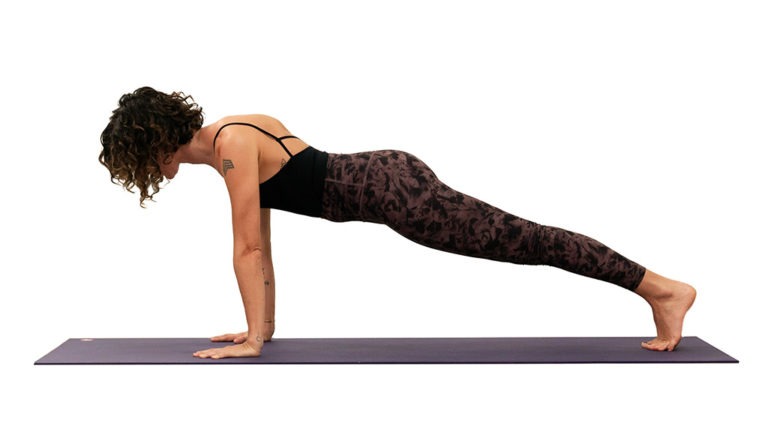
    Follow a guided routine: Make use of materials like books, online guides, or videos to help you with Kriya Yoga at home.

    Stay committed: In your practice, exercise perseverance and patience. Have trust in the process and permit yourself to develop spiritually by making a continuous effort.

    Seek guidance if needed: To improve your knowledge of Kriya Yoga, if you’re new to the practice, think about going to courses or consulting with experienced practitioners.

    Step-by-Step Guide to 8 Steps of Kriya Yoga

    Preparation: Take a few deep breaths to calm your body and mind, close your eyes, and sit comfortably in a quiet area.
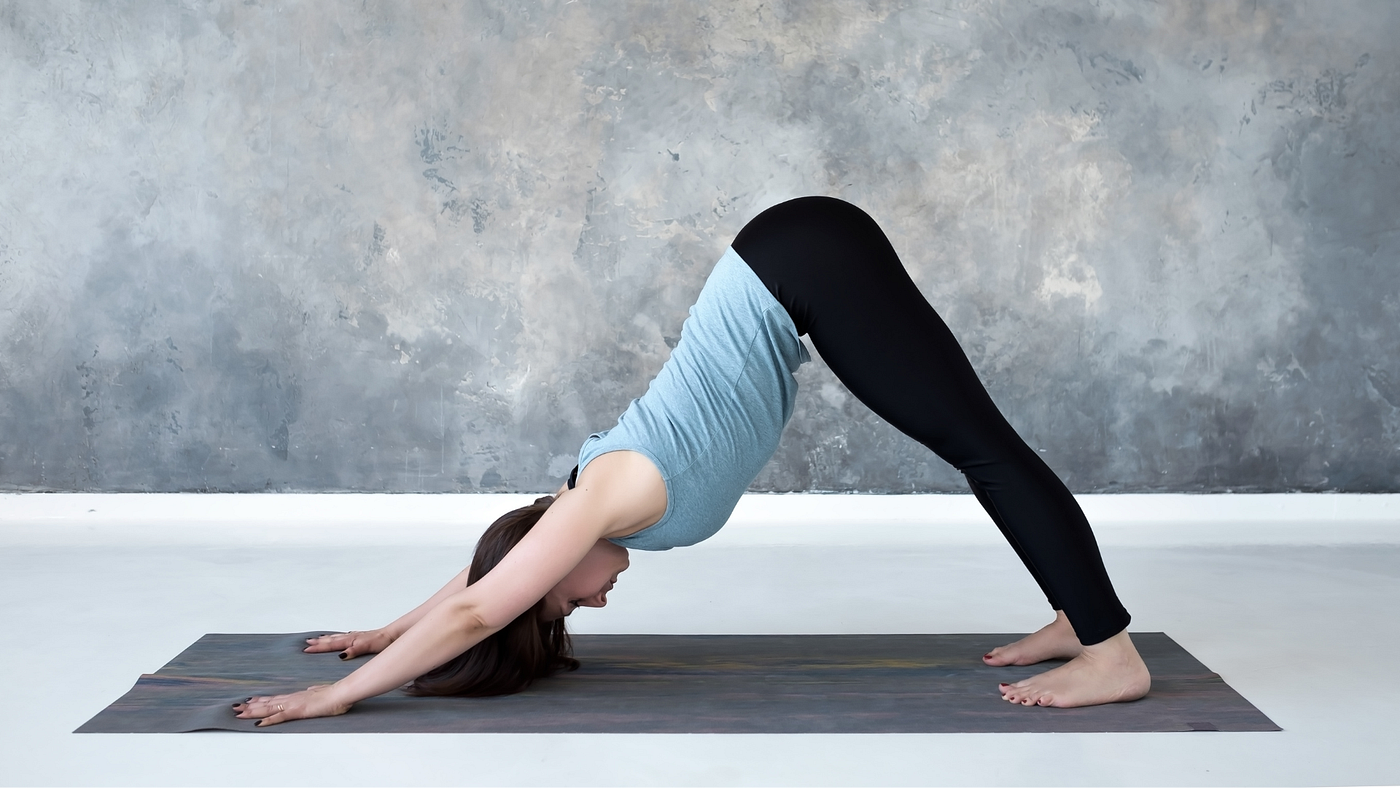
    Invocation: To assist and bless your practice, mentally give a prayer or invocation to the spiritual deity or guru of your choice.
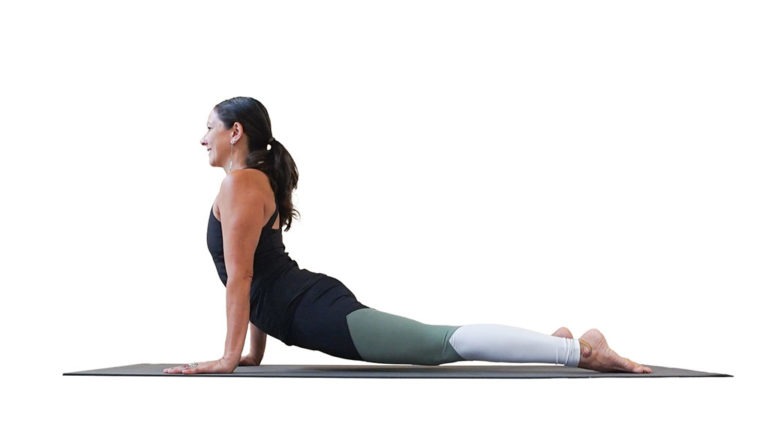
    Pranayama: Practice pranayama to control your breathing and to activate your body’s panic energy.

    Mudras: To improve focus and channel energy flow, do certain hand gestures, or mudras.

    Visualization: Imagine spiritual light or energy cleaning your mind, elevating your consciousness, and entering your body.

    Chanting: Repeat mantras or holy prayers to increase your spiritual vibration and establish a connection with higher awareness.

    Meditation: Enter into a state of deep meditation by focusing your mind on a single point of concentration or by observing the natural flow of your breath. 

    Which is the best place to learn Kriya Yoga?

    The Fitfortunes Yoga course and facilities provide genuine Kriya Yoga instruction and training. It is essential to do your research and select a reputable teacher or institution that shares your values and spiritual goals. and you can join also join 200 Hour Yoga Teacher Training in Rishikesh 

    Conclusion

    Practicing Kriya Yoga at home can be a transformative journey towards self-discovery and spiritual awakening. By incorporating the principles and techniques of Kriya Yoga into your daily life, you can experience inner peace, harmony, and profound spiritual growth. Remember to approach your practice with sincerity, dedication, and an open heart, and you will surely reap the benefits of this ancient yogic science.

    FAQ

  • Meditation vs Yoga Difference Between Meditation and Yoga

    Meditation vs Yoga Difference Between Meditation and Yoga

    What is the Difference between Yoga and Meditation

    Table of Contents

    Are you confused about What is the difference between meditation and yoga? If so, you’re not alone. These two ancient practices are often mentioned together, leading many to think they are the same or that they serve identical purposes. However, while meditation and yoga share some similarities, they are distinct disciplines with their own unique focuses, methods, and benefits. Meditation primarily involves mental exercises aimed at achieving a state of inner calm and clarity, whereas yoga is a comprehensive practice that integrates physical postures, breathing techniques, and meditation to promote overall well-being.

    The image compares meditation and yoga, with the text "Meditation VS Yoga" prominently displayed in the center. Below this, it states "Difference Between Meditation and Yoga." The left side of the image features a person in a meditative pose, while the right side shows someone performing a yoga stretch.

    What is meditation and yoga

    Understanding the differences between meditation and yoga can be incredibly beneficial, especially if you’re trying to decide which practice is best suited to your personal goals. Many people wonder, “Are yoga and meditation the same?” While they are often practiced together, they are not the same and each has its unique focus. Whether you’re looking to reduce stress, enhance your physical fitness, or develop a deeper sense of self-awareness, knowing how these practices differ can help you make an informed choice. In this blog, we’ll explore what sets meditation apart from yoga, highlight the specific benefits of each, and guide you on how to choose the right practice for your needs. Understanding these differences will allow you to decide whether to focus on one practice or integrate both for a more comprehensive approach to wellness.

    By the end of this post, you’ll have a clear understanding of both meditation and yoga, allowing you to confidently decide which one, or perhaps a combination of both, aligns best with your lifestyle and wellness goals.

    Practice of Meditation and Yoga

    According to Sage Patanjali in his Yoga Darshan where he Mentioned “8 Limbs of Yoga” . He Explained “Chitta Vritti Nirodha” . Which Means
    “Yoga is the stilling of the fluctuations of the mind.”

    Yoga and Meditation practices started in Northern India centuries ago and are mentioned in ancient texts like Shiv Sanhita , Yoga Darshan , Bhagwat Geeta, Gorakh Sanhita. Today, over 500 million people worldwide practice Meditation and Yoga, which help reduce hypertension, improve sleep, and lower anxiety. 

    Fitfortunes offers professional courses in yoga, meditation, and combined yoga courses, allowing you to pursue your health goals and career aspirations. and join  200 Hour Yoga Teacher Training in Rishikesh  By practicing Meditation and Yoga daily, you can discover the benefits of controlled breathing, focus, and therapeutic effects that can strengthen your immune system and enhance your well-being. 

    What is Yoga and Its Types?

    What is Yoga is a traditional Indian form of exercise that includes mental, physical, and spiritual disciplines to bring the body, mind, and soul together. It includes postures (asanas), breath work (pranayama), and meditation (dhyana), promoting overall health and well-being. Yin yoga, a slow-paced style with long-held poses, applies stress to connective tissues to improve flexibility and circulation. Yoga strengthens your core, enhances flexibility, and improves mental health. and you should know  limbs of yoga before you try to start yoga

    There are Some of the popular types of yoga are the following:

    Hatha Yoga: This is the most common type, encompassing many physical postures (asanas) and breathing exercises (pranayama). It provides a fantastic starting point for beginners and comes in a range of styles to meet different needs.

    Vinyasa Yoga: This is a flow-based style where postures are linked together with breath, creating a dynamic and energetic practice.

    Ashtanga Yoga: This is a more structured practice with set sequences of postures practiced progressively. It demands discipline and dedication.

    Yin Yoga: This focuses on holding passive postures for more extended periods to target connective tissues and improve flexibility. It’s a slower, meditative practice.

    Iyengar Yoga: This emphasizes precise alignment and uses props like blocks, straps, and bolsters to help individuals achieve proper form in postures.

    Restorative yoga: This gentle style of yoga encourages deep relaxation and stress relief by supporting the body in calming poses with props. 

    Kundalini Yoga: This practice incorporates chanting, movement, breathing exercises, and meditation to awaken the Kundalini energy believed to exist at the base of the spine.

    Bikram Yoga: This is practiced in a heated room (around 40°C) and follows a specific sequence of 26 postures and 2 breathing exercises. 

    What are The Benefits of Yoga

    Yoga, with its blend of physical and mental practices, offers a wide range of benefits, including:

    • Physical Fitness: Yoga improves strength, flexibility, and balance.
    • Mental Well-being: It reduces stress, anxiety, and promotes a sense of calm.
    • Improved Posture: Regular practice can correct posture and alleviate back pain.
    • Better Breathing: Yoga enhances lung capacity and breathing efficiency through pranayama.
    • Holistic Health: It nurtures the mind, body, and spirit, promoting overall well-being.

    Yoga is perfect for those who want to improve their physical health while also working on mental and emotional well-being.

    What is Meditation and Its Types?

    Meditation is an ancient practice involving mental and physical techniques to focus or clear the mind. It helps relax, reduce stress, and improve health, even aiding in quitting tobacco. Modern science has begun studying it recently, aided by technology like EEG and fMRI scans. These show how meditation positively affects the brain and mental health, despite outwardly appearing as simple actions like breathing or repeating phrases.

    There are Some of the popular types of Meditation are the following:

    Mindfulness Meditation is the foundation of many other techniques. It involves directing your attention to the here and now and impartially monitoring your thoughts and emotions.

    Mantra meditation is a technique used to calm distractions and focus the mind by silently repeating a word, phrase, or sound (mantra). It can help calm the mind and promote inner peace.

    Guided meditation is a fantastic choice. It means following guided audio or visual instruction that focuses on you and issues particular signals. This can help you learn different meditation techniques and address specific goals like stress reduction or self-compassion.

    Transcendental Meditation (TM): This specific technique involves silently repeating a personalized mantra given by a trained TM teacher. It emphasizes the effortless transcending of thoughts without focusing on them.
    Meditation is a practice that focuses on training the mind to achieve a state of calmness and clarity. It involves sitting quietly, focusing on your breath, a specific word or phrase (known as a mantra), or observing your thoughts. The goal of meditation is to cultivate mindfulness, reduce stress, and increase self-awareness.

    Main Difference Between Meditation and Yoga

       
    NameYogaMeditation
    PurposeFocuses on improving physical health, flexibility, and mental well-being through movement and breath awareness.Aims at calming the mind, reducing stress, and promoting inner peace.
    FocusUses breathwork and movement to bring awareness to the present moment.Trains the mind to concentrate on a single point, like the breath or a mantra.
    DurationSessions can vary in length and intensity, ranging from a few minutes to over an hour.Sessions are typically shorter, starting with a few minutes and gradually increasing over time.
    PhysicalityIncorporates physical postures to improve flexibility, strength, and balance.Primarily a mental practice done in a seated position.
    TechniquesTechniques include postures, breath control, and relaxation methods for physical and mental benefits.Techniques may include mindfulness, concentration, or guided imagery to cultivate awareness and mental clarity.
    IntensityCan range from gentle to physically demanding.Generally a low-impact practice.
    GoalThe ultimate goal of yoga is often seen as achieving union between the body, mind, and spirit, sometimes referred to as “yoga union” or “yoga harmony.”The goal of meditation is often to achieve a state of inner peace, clarity, and self-awareness.
     
    Key Elements of Meditation:
    • Mindfulness: Paying attention to the present moment without judgment.
    • Breath Control: Using breathing techniques to center the mind.
    • Mantras: Repeating a word or phrase to maintain focus.
    • Observation: Watching thoughts pass by without getting involved.

    Meditation is often practiced in a quiet, seated position, and it can be done anywhere, anytime. It’s a mental workout that strengthens your ability to concentrate, stay calm, and remain present in your daily life.

    The Benefits of Meditation

    Meditation offers numerous mental and emotional benefits. Some of the most notable include:

    • Stress Reduction: Meditation helps lower cortisol levels, reducing stress and anxiety.
    • Improved Focus: Regular meditation can enhance your attention span and concentration.
    • Emotional Balance: It helps in managing emotions, leading to greater emotional stability.
    • Increased Self-Awareness: Meditation promotes a deeper understanding of oneself and enhances mindfulness.
    • Better Sleep: It can help you relax and improve the quality of your sleep.

    Meditation is ideal if you’re looking to improve your mental clarity, emotional health, and overall peace of mind.

    How to Choose Between Meditation and Yoga?

    Why Practicing Both Together is a Great Idea.

    Instead of choosing between meditation and yoga, practicing both together can be incredibly beneficial. Yoga strengthens and stretches your body while also calming your mind through focused breathing. In fact, you can meditate while doing yoga by focusing on your breath and staying mindful during each pose. This combination helps you relax your body and focus your mind at the same time. Together, they create a strong connection between your mind and body, helping you stay present and mindful throughout the day. Both practices reduce stress and help balance your emotions. Yoga releases physical tension, while meditation clears your mind and helps you manage stress better. By combining them, you get the best of both worlds—physical fitness from yoga and mental clarity from meditation. Plus, you can easily adjust your routine based on how you’re feeling, allowing for a balanced approach to wellness.


  • Best Yoga Poses to Increase Height

    Best Yoga Poses to Increase Height

    Explore the content Best Yoga Poses to Increase Height

    Everyone desires good height, but it is largely determined by genetics. However, height also plays an important role in our lifestyle, making us look tall, handsome, and beautiful. don’t worry if your not happy to your height i will telling you some Best Yoga Poses to Increase Height

    Illustration showing four yoga poses with the title "Best Yoga Poses to Increase Height" on a brown background. The poses include boat pose, chair pose, downward-facing dog, and triangle pose, performed by a woman wearing a pink top and blue leggings. Decorative elements are present in the corners.
    Best Yoga Poses to Increase Height


    It also helps in reducing and showing less body fat.  Even if you have short height, you can make some lifestyle changes to increase your height. Most people enhance their height by playing sports from a young age, but if you are not interested in sports, you can also increase your height through yoga and exercise. There are specific yoga poses that can help you grow taller quickly. Let’s explore these yoga poses that will not only help increase your height but also reduce your body fat.

    How Do Yoga Poses Increase Height

    Yoga is not just a physical exercise; it is a complete practice for the body and mind. Yoga helps increase height mainly by stretching and improving posture.

    Role of Stretching and Posture Improvement

    Good posture significantly affects height. If you slouch, you look shorter. Yoga helps straighten your back and improve your posture, making you look tall and confident.

    Psychological Benefits

    Yoga also has psychological benefits. It reduces stress and anxiety, which indirectly helps you appear taller by promoting better posture and overall health.

    The Best Yoga Poses To Increase Height Fast

    Certain yoga poses are more effective in increasing height. These poses mainly focus on stretching the spine and improving posture.

    • Tadasana (Mountain Pose)
    • Bhujangasana (Cobra Pose)
    • Vrikshasana (Tree Pose)
    • Adho Mukha Svanasana (Downward Facing Dog Pose)
    • Trikonasana (Triangle Pose)
    • Sukhasana (Easy Pose)
    • Paschimottanasana (Seated Forward Bend)
    • Surya Namaskar (Sun Salutation)

    Step-by-Step Guide to Best Yoga Poses to Increase Height


    Tadasana (Mountain Pose)

    How to Perform:

    • Stand straight with your feet together.
    • Stretch your arms overhead.
    • Rise onto your toes and stretch your body upwards.
    • Hold for a few seconds, then relax.

    Benefits:

    • Improves posture
    • Stretches the whole body
    • Enhances balance and stability

    Bhujangasana (Cobra Pose)

    How to Perform:

    • Lie on your stomach with palms under your shoulders.
    • Inhale and lift your chest off the ground by straightening your arms.
    • Hold for a few breaths, then exhale and come down.

    Benefits:

    • Stretches the spine
    • Strengthens back muscles
    • Opens chest and shoulders

    Vrikshasana (Tree Pose)

    How to Perform:

    • Stand straight and balance on your left foot.
    • Place your right foot on your left thigh.
    • Join your palms in a prayer position and raise them over your head.
    • Hold for a few breaths, then switch legs.

    Benefits:

    • Improves balance and stability
    • Strengthens legs and spine
    • Enhances concentration

    Adho Mukha Svanasana (Downward Facing Dog Pose)

    How to Perform:

    • Start on your hands and knees.
    • Lift your hips towards the ceiling, forming an inverted V-shape.
    • Keep your hands shoulder-width apart and feet hip-width apart.
    • Hold for a few breaths.

    Benefits:

    • Stretches the entire back
    • Strengthens arms and legs
    • Improves blood circulation

    Trikonasana (Triangle Pose)

    How to Perform:

    • Stand with feet wide apart.
    • Turn your right foot out and left foot slightly in.
    • Extend your arms to the sides, then bend at the waist to the right, letting your right hand touch your right ankle.
    • Hold for a few breaths, then switch sides.

    Benefits:

    • Stretches legs and torso
    • Improves balance and flexibility
    • Strengthens core

    Sukhasana (Easy Pose)

    How to Perform:

    • Sit cross-legged on the floor.
    • Keep your back straight and place your hands on your knees.
    • Close your eyes and take deep breaths.

    Benefits:

    • Improves posture
    • Relieves stress
    • Enhances flexibility in hips and legs

    Paschimottanasana (Seated Forward Bend)

    How to Perform:

    • Sit with your legs extended straight.
    • Inhale and reach your arms overhead.
    • Exhale and bend forward, trying to reach your toes.
    • Hold for a few breaths.

    Benefits:

    • Stretches spine and hamstrings
    • Improves flexibility
    • Calms the mind

    Surya Namaskar (Sun Salutation)

    How to Perform:

    • Start in a standing position.
    • Perform a series of 12 poses in a fluid sequence, synchronizing each pose with your breath.
    • Repeat the sequence several times.

    Benefits:

    • Stretches and strengthens the entire body
    • Improves flexibility
    • Boosts overall health and wellness

    Conclusion

    i hope you understand well Best Yoga Poses to Increase Height Including yoga in your daily routine can offer many benefits, including potential height increase. These yoga poses not only stretch and strengthen your body but also improve your overall well-being. So why wait? Grab your yoga mat and start stretching for a taller and healthier you.

    Ready to try these yoga poses with FitFortune?

    Start with simple yoga poses and see the difference in yourself. join the course Best 200 Hour Yoga Teacher Training in Rishikesh Remember, consistency is key. Happy stretching!


    FAQ

  • What are the benefits of asanas |10 benefits of asanas?

    What are the benefits of asanas |10 benefits of asanas?

    What are the benefits of asanas 10 benefits of asanas
    What are the benefits of asanas


    What are the benefits of asanas 10 benefits of asanas
    What are the benefits of asanas
    Benefits of Yoga Asanas: A Holistic Approach to Well-being

    Benefits of Yoga Asanas: A Holistic Approach to Well-being

    Yoga is an ancient practice rooted in Indian philosophy, initially developed in India, and is now widely known and very popular worldwide. Practicing Yoga Asana benefits not just our physical body but also our mental and emotional health. It improves our ability to concentrate. Asanas are one of the core components of yoga. But what exactly are asanas, and why should you include them in your daily routine? Let’s explore the benefits of asanas.

    What Is Asana?

    What is Asana is the physical practice of yoga that is related to your body and health. In Sanskrit, asana means “seat,” and it is especially used for meditation. Today, asana has become another name for yoga, but it is only one part of it. These postures or poses align and balance the body, mind, and spirit. Each pose, from simple to complex, offers unique benefits, and stillness and presence are essential in every pose.

    What Are The Types of Asana?

    There are many different types of asanas that can help you choose the right postures for your specific needs and goals. Let’s explore the types of Asana:

    1. Standing Asanas

    • Mountain Pose (Tadasana)
    • Warrior Pose (Virabhadrasana)
    • Tree Pose (Vrikshasana)

    2. Seated Asanas

    • Lotus Pose (Padmasana)
    • Seated Forward Bend (Paschimottanasana)
    • Bound Angle Pose (Baddha Konasana)

    3. Backbends Asanas

    • Cobra Pose (Bhujangasana)
    • Bridge Pose (Setu Bandhasana)
    • Wheel Pose (Chakrasana)

    4. Forward Bend Asanas

    • Standing Forward Bend (Uttanasana)
    • Head-to-Knee Pose (Janu Sirsasana)
    • Child’s Pose (Balasana)

    5. Inversion Asanas

    • Half Lord of the Fishes Pose (Ardha Matsyendrasana)
    • Revolved Triangle Pose (Parivrtta Trikonasana)
    • Twisted Chair Pose (Parivrtta Utkatasana)

    6. Balancing Asanas

    • Headstand (Sirsasana)
    • Shoulder Stand (Sarvangasana)
    • Legs-Up-the-Wall Pose (Viparita Karani)

    7. Twist Asanas

    • Crow Pose (Bakasana)
    • Eagle Pose (Garudasana)
    • Half Moon Pose (Ardha Chandrasana)

    8. Restorative Asanas

    • Corpse Pose (Savasana)
    • Legs-Up-the-Wall Pose (Viparita Karani)
    • Reclining Bound Angle Pose (Supta Baddha Konasana)

    9. Core Strengthening Asanas

    • Boat Pose (Navasana)
    • Plank Pose (Phalakasana)
    • Side Plank Pose (Vasisthasana)

    10. Hip Opening Asanas

    • Pigeon Pose (Kapotasana)
    • Frog Pose (Bhekasana)
    • Garland Pose (Malasana)

    Shloka: “Yogasthah kuru karmani siddhirav Siddhirbhavatha kudastava” (Bhagavad Gita 2.47)

    This Shloka emphasizes that yoga (including asanas) isn’t just about physical results, but a holistic approach to well-being.

    1. Cultivating Supple Strength:

    Imagine a graceful willow swaying in the breeze. Asanas, like Trikonasana (Triangle Pose) and Prasarita Padottanasana (Wide-Legged Forward Bend), lengthen and stretch your muscles, enhancing flexibility. This newfound suppleness translates into everyday movements becoming more fluid and graceful, while reducing the risk of injuries.

    Shloka: “Sthiram sukham asanam” (Hatha Yoga Pradipika 1.1)

    This Shloka reminds us that asanas aren’t about pushing ourselves to the limit, but finding a balance between stability and gentle exploration. As your flexibility improves, you’ll naturally build strength within the lengthened muscles, leading to a strong yet supple physique.

    2. Finding Your Center:

    Asanas like Vrikshasana (Tree Pose) and Virabhadrasana I & II (Warrior Poses) challenge your balance. Holding these postures requires core engagement, which strengthens your abdominal and back muscles. This core stability translates to better balance not just on the yoga mat, but also in everyday life, preventing falls and improving coordination.

    3. Feel Energized with Yoga Poses:

    If you are Feeling sluggish? Flowing sequences like Surya Namaskar (Sun Salutations) get your heart pumping and blood circulating. This improves oxygen flow throughout your body, boosting your energy levels and leaving you feeling revitalized.

    4. Weight Management Through Asana Practice:

    While not solely focused on weight loss, dynamic asanas like Surya Namaskar and Vinyasa sequences create internal heat (tapas) and burn calories. Additionally, some asanas like Bhujangasana (Cobra Pose) and Dhanurasana (Bow Pose) stimulate the digestive system, promoting healthy metabolism.

    5. Untie Those Tension Knots: Relax and De-Stress with Yoga Poses:

    The world throws a lot at us. Asanas like Savasana (Corpse Pose) and Balasana (Child’s Pose) provide a much-needed sanctuary for relaxation. Here, you focus on deep, mindful breathing, calming the nervous system and reducing stress hormones.Life can get pretty stressful, leaving us feeling like a tangled mess of knots. But guess what? Yoga poses, also called asanas, can be your secret weapon for unwinding and letting go of that tension!

    Here’s how these poses help:

    Deep Breaths, Deep Relaxation: Think of calming poses like child’s pose or corpse pose. These encourage slow, deep breaths, which naturally soothe your mind and body. Imagine each breath melting away a knot of stress.

    Quiet Your Mind: Holding yoga poses requires some focus, but not the kind that stresses you out! It’s a gentle way to quiet your mind chatter and let go of worries, leaving you feeling more peaceful.

    Release the Tightness: Some poses, like gentle twists and forward bends, can actually help loosen tight muscles that hold onto stress. Imagine gently stretching out those knots and feeling the tension melt away.

    6.Boost Your Body’s Defenses: Yoga Poses for a Stronger You:

    Asanas like Setu Bandhasana (Bridge Pose) and Salabhasana (Locust Pose) stimulate the lymphatic system, a key player in the immune response. By promoting lymphatic drainage, asanas can potentially help your body fight off infections and illnesses more effectively.

    7. Sharpening Your Focus:

    Lymph Power: Imagine a network of tiny highways inside you. These highways, called the lymphatic system, help fight off bad guys like germs. Certain yoga poses, like bridge pose or locust pose, can help these “highways” flow more smoothly, potentially giving your immune system a boost.

    Sweat it Out: Feeling a bit sluggish? Dynamic yoga sequences can get your heart pumping and make you sweat. Sweating is your body’s natural way of flushing out toxins that can make you feel icky. Think of it as a spring cleaning for your insides!

    Stress Less, Fight More: We all know stress can make us feel crummy. Yoga poses, especially calming ones like corpse pose or child’s pose, can help lower stress levels. With less stress, your body can focus its energy on fighting off those pesky germs and keeping you healthy.

    Asanas like Sukhasana (Easy Pose) and Marjariasana (Cat-Cow Pose) require focus on breath and bodily sensations. This mindful practice improves concentration and mental clarity, which benefits your work, studies, and daily interactions.

    8. Stand Tall with Confidence: Yoga Poses for better Body Posture:

    Imagine walking with the grace and confidence of royalty. Yoga poses, or asanas, can be your secret weapon for achieving that regal posture! They’re not just about looking good – good posture can actually improve your health and well-being.

    Many asanas, like Tadasana (Mountain Pose) and Virabhadrasana (Warrior Pose), emphasize proper spinal alignment and core engagement. Over time, these postures strengthen your core muscles, leading to improved posture, reduced back pain, and a more confident presence.

    9. A Journey to Inner Peace:

    Asanas are not just physical exercises; they are a bridge to the mind and spirit. Focusing on the breath during practice creates a sense of inner peace and well-being. This calmness translates into a more positive outlook on life and helps manage emotional fluctuations.

    10. A Holistic Path to Well-being:

    Asanas offer a multifaceted approach to well-being. They strengthen your body, reduce stress, elevate your mood, and enhance your mental clarity. This holistic approach leads to a healthier, happier you, both on and off the yoga mat.

    Conclusion

    The benefits of asanas are vast, ranging from physical improvements to mental clarity and spiritual growth. By incorporating asanas into your daily routine, you can experience enhanced overall well-being and a more balanced life.

    Aura Cleaning

    Ready to experience the amazing benefits of asanas for yourself? At FitFortunes, join Yoga Course we’re here to help you on your journey to better health and wellness. Whether you’re a beginner or an experienced yogi, our expert guidance and personalised programs will support you every step of the way.

  • Yoga vs Asana: The Real Difference between Asana and Yoga

    Yoga vs Asana: The Real Difference between Asana and Yoga

    In the world of wellness and fitness, the terms “yoga” and “asana” are often used interchangeably. But are they the same thing? Understanding the Difference between Asana and Yoga can enhance your practice and deepen your appreciation for both. So, let’s explore what sets them apart and why both are essential for physical and mental well-being.

    Person meditating on a rock by the ocean at sunset with text: "What's the Difference Between Yoga and Asana.
    Difference between Asana and Yoga

    What is Yoga?

    What is Yoga is a comprehensive practice that encompasses more than just physical postures. The term “yoga” comes from the Sanskrit word “yuj,” which means to unite or integrate. It’s a holistic approach to health and wellness that integrates the body, mind, and spirit.

    Philosophy and Historical Background of Yoga

    Yoga has been prevalent since ancient times and originated in India about 5,000 years ago, emerging as a spiritual practice by saints and ascetics. It is based on a philosophical system that emphasizes ethics, meditation, and self-discipline. Its aim is to achieve mental clarity and inner peace, fostering self-awareness and the development of virtues such as non-violence, truthfulness, and contentment.

    What is Asana?

    What is asana refers specifically to the physical postures practised in yoga. The word “asana” means “seat” in Sanskrit, indicating the importance of stability and comfort in these poses.

    Role and Historical Development of Asanas in Yoga

    Asanas were developed to prepare the body for long meditation sessions, offering unique physical and mental benefits through various body postures. They are essential in yoga, as they strengthen the body and enhance flexibility. They prepare practitioners for deep practices like pranayama and meditation.

    Key Components of Yoga Practice

    Yoga practice includes:

    • Asana (physical postures)
    • Pranayama (breathing techniques)
    • Dhyana (meditation)
    • Yamas and Niyamas (ethical guidelines)
    • Pratyahara (withdrawal of the senses)
    • Dharana (concentration)
    • Samadhi (state of bliss or enlightenment)
    • Benefits of Yoga

    Common Benefits of Yoga and Asana 

    Physical Benefits

    Yoga and Asana improve flexibility, strength, and balance. It can also help with weight management and increase overall physical fitness.

    Mental Benefits

    Practicing yoga and Asana regularly can reduce stress, anxiety, and depression. It enhances mental clarity and focus, promoting a sense of calm and relaxation.
     

    Emotional and Spiritual Benefits

    Yoga and Asana foster emotional resilience and spiritual growth. It encourages a deeper connection with oneself and a greater sense of purpose and fulfillment.

    Enhancing Flexibility and Strength

    Yoga and Asanas are particularly effective at increasing flexibility and strength. Regular practice leads to improved posture and reduced risk of injury.

    Difference between Asana and Yoga

    Philosophical Focus:

    • Yoga encompasses holistic practices involving the body, mind, and spirit.
    • Asanas primarily focus on physical postures and their benefits.

    Scope and Practice:

    • Yoga includes a wide range of practices such as ethical guidelines, meditation, and breath control.
    • Asanas are a subset of yoga, concentrating solely on physical poses.

    Goals and Outcomes:

    • The goal of yoga is to achieve harmony between the body, mind, and spirit, ultimately leading to self-realization and inner peace.
    • Asanas primarily aim to improve physical health and prepare the body for deeper spiritual practices.

    Comprehensive Practice vs. Physical Focus:

    • Yoga integrates moral disciplines, mental exercises, and a spiritual journey into its practice.
    • Asanas are the most visible aspect of yoga, focusing predominantly on physical exercises.

    Preparation for Meditation:

    • Yoga, through its various components, prepares practitioners for meditation by fostering physical and mental stability.
    • Asanas specifically prepare the body for prolonged periods of meditation, making it conducive to deeper spiritual practices.

    Tips for Beginners

    Starting with Yoga

    If you’re new to yoga, start with a beginner’s class that includes a mix of asanas, pranayama, and meditation. This will give you a well-rounded introduction to the practice.

    Starting with Asanas

    If you’re focused on the physical aspect, start with basic asanas to build flexibility and strength. Gradually, incorporate other elements of yoga as you become more comfortable.

    Advanced Practice

    Deepening Your Yoga Practice

    For those looking to deepen their yoga practice, consider studying the philosophical aspects and incorporating advanced meditation techniques.

    Advancing in Asanas

    To advance in asanas, practice regularly and mindfully. Focus on alignment and breathing to safely progress to more challenging poses.

    Conclusion

    Understanding the Difference between Asana and Yoga is key to a well-rounded practice. While asanas are crucial for physical health, they are just one part of the holistic discipline of yoga. By integrating both, you can achieve a balanced approach to wellness that nurtures your body, mind, and spirit.


    Are you ready to start your journey to comprehensive well-being?


    Explore the world of yoga and discover the transformative power of both yoga and asanas. Start your practice today the best course for you and experience the profound benefits for your body, mind, and spirit. Join us as we embrace wellness together! #NamasteWithFitFortunes

  • 10 Best Lose Weight Yoga for Beginners Poses

    10 Best Lose Weight Yoga for Beginners Poses

    In this day and age, individuals have developed a propensity for sitting for significant stretches, prompting expanded pressure and exhaustion when they need to stand or move for extended periods. Integrating weight loss yoga for beginners into their day-to-day schedule can assist with combating these issues and advance generally speaking prosperity. here a 10 Best Lose Weight Yoga for Beginners Poses below the content

    This prompts weight gain, depletion, and different clinical issues. To beat these challenges, people need to get more slender, which requires finding a solid system.

    Accordingly, doing weight loss yoga for beginners consistently is critical. Some straightforward yoga models for fledglings can assist you with getting thinner and beating sluggishness.

    Yoga, an ancient practice originating from India, has gained widespread popularity for its myriad health benefits, especially for weight loss. In this article, we will explore the top 10 yoga poses tailored for beginners aiming to embark on a weight loss journey.

    Understanding the Role of Yoga in Weight Loss

    Before beginning yoga, it’s vital to comprehend how yoga helps in weight loss. Not at all like different exercises that essentially consume calories, yoga adjusts your whole self. Yoga presents, breathing procedures, and care help digestion decrease pressure eating, and upgrade body mindfulness for weight executives.

    The Best Poses for Lose Weight Yoga for Beginners

    1. Locust Pose

    The Locust Pose, also known as “Salabhasana,” strengthens the back muscles,  conditions the bum, and further develops the pose. By connecting with the center and taking the legs off the ground, this posture actuates the whole back chain, making it a viable method for burning calories and assembling slender bulk.

    Salabhasana

    2. Chair Pose

    Chair Pose, or “Utkatasana,” is a dynamic standing posture that targets the thighs, glutes, and core muscles. By simulating the act of sitting in an imaginary chair, this pose strengthens the lower body while also improving balance and stability.

    Utkatasana

    3. Bridge Pose

    Bridge Pose, or “Setu Bandhasana,” targets the glutes, hamstrings, and lower back muscles while opening up the chest and shoulders. This pose improves spinal flexibility, strengthens the core, and alleviates lower back pain.

    Bridge Pose (Setu Bandha Sarvangasana): How to Do and Benefits - Fitsri Yoga

    4. Plank Pose

    Plank Pose, or “Phalakasana,” is a fundamental yoga pose that targets the entire body, particularly the core, arms, and shoulders. By holding a static position and engaging multiple muscle groups simultaneously, Plank Pose effectively boosts metabolism and enhances overall strength.

    Phalakasana: Plank Pose | Gaia

    5. Downward Dog Pose

    Downward Dog, or “Adho Mukha Svanasana,” is a rejuvenating pose that stretches the entire body while building strength and endurance. By elongating the spine and engaging the core and upper body, this pose enhances circulation and promotes detoxification, aiding in weight loss.

    Dive Deep into Downward Dog: 5 Steps to Refining Adho Mukha Svanasana | by Abhishek Pokhriyal | Medium

    6. Upward Dog Pose

    Upward Dog, or “Urdhva Mukha Svanasana,” is a dynamic backbend that opens up the chest, shoulders, and hip flexors. By expanding the chest and lifting the heart toward the sky, this pose enhances energy flow and uplifts the spirit.

    Urdhva Mukha Svanasana: Upward Facing Dog Pose - Yoga | Gaia

    7. Forward Bend Pose

    Forward Bend Pose, or “Uttanasana,” is a calming posture that stretches the hamstrings, spine, and entire back body. By folding forward from the hips and surrendering the head towards the ground, this pose releases tension in the neck and shoulders, promoting relaxation and soothing the nervous system.

    Standing Forward Bend: How to Practice Uttanasana

    8. Cat Pose

    Cat Pose, or “Marjaryasana,” is a gentle spinal stretch that promotes flexibility and mobility in the spine. By arching the back upward and drawing the navel towards the spine, this pose engages the core muscles while also massaging the internal organs, aiding digestion and promoting a sense of inner calm.

    Benefits of Marjaryasana/Bitilasana: 5 Reasons Why You Should Do the Cat/Cow Yoga Pose Every Day | India.com

    9. Shoulder Stand Pose

    Shoulder Stand Pose, or “Sarvangasana,” is an inversion that stimulates the thyroid gland and improves circulation throughout the body. By supporting the body’s weight on the shoulders and lifting the legs towards the sky, this pose enhances blood flow to the brain, boosts energy levels, and promotes mental clarity.

    Sarvangasana Benefits, Meaning and How to do it

    10. Crescent Lunge Pose

    Crescent Lunge Pose, or “Anjaneyasana,” is a dynamic standing posture that strengthens the legs, stretches the hip flexors, and opens up the chest and shoulders. By grounding through the feet and reaching the arms overhead, this pose builds lower body strength and cultivates balance and focus.

    Anjaneyasana - insideyoga.org

    Conclusion

    Incorporating these yoga poses into your routine can be an effective way to kickstart your weight loss journey. By combining strength, flexibility, and mindfulness, these poses not only help to tone and sculpt the body but also promote overall well-being and vitality. Remember to listen to your body and practice with awareness, gradually increasing intensity and duration as you progress on your path to wellness.

    Are you ready to lose weight and boost your well-being? 

    We have specially designed this program for beginners to help them start their weight loss journey. At Fitfortunes, join Yoga Course  we offer personalized yoga plans, expert guidance, and a supportive community to help you achieve your fitness goals. Join us today and start your journey to a healthier and happier life.

  • What is the purpose of the 8 limbs of yoga?

    What is the purpose of the 8 limbs of yoga?

    Yoga isn’t simply actual stances or activities; it is much more than that. A comprehensive methodology includes your psyche, body, and soul. At the focal point of this way of thinking are the 8 limbs of yoga, which give a far-reaching guide vital for carrying on with a fair and significant life. Yet, what precisely are these 8 limbs, and what is their motivation? We should dive into the embodiment of these old practices.

    The Origin of the 8 Limbs of Yoga

    The idea of the 8 limbs of yoga, otherwise called Ashtanga yoga, starts from the Yoga Sutras of Patanjali, a basic text on yoga reasoning composed around 400 CE. As indicated by Patanjali’s Yoga Sutras, there are 8 limbs of Yoga’ (the word ‘ashta’ signifies ‘eight’ and ‘anga’ signifies ‘appendage’). Patanjali’s lessons give an organized way to accomplish profound illumination and self-acknowledgement through focused practice.

    Understanding the Concept of Ashtanga Yoga

    Ashtanga, derived from the Sanskrit words “ashta” (eight) and “anga” (limbs), signifies the eightfold path outlined by Patanjali. The 8 limbs of yoga serve as guidelines to help individuals lead a life of purpose, ethics, and self-awareness, ultimately leading to inner peace and enlightenment.

    1.  Yama (Ethical Disciplines)

    Yama includes moral standards and moral lead towards others and oneself. It integrates five norms:

    Ahimsa (Tranquility): Advances sympathy and charitableness.

    Satya (Honesty): Energizes genuineness in contemplations, words, and activities.

    Asteya (Non-taking): Spotlights regarding others’ assets and time.

    Brahmacharya (Abstinence/Modesty): Stresses balance and discretion.

    Aparigraha (Non-possessiveness): Promoters straightforwardness and non-connection.

    2. Niyama (Self-Discipline)

    Niyama includes individual practices that lead to self-filtration and otherworldly development:

    Saucha (Cleanliness): Both external and internal purity.

    Santosha (Happiness): Tracking down satisfaction and satisfaction throughout everyday life.

    Tapas (Discipline/Intensity): Creating versatility and inward strength.

    Svadhyaya (Self-Study): Empowering self-reflection and learning.

    Ishvara Pranidhana (Give up to a Higher Power): Developing confidence and giving up.

    3. Asana (Postures)

    Asanas, the actual stances, are maybe the most perceived part of yoga. They give:

    Actual advantages: Expanded adaptability, strength, and equilibrium.

    Mental advantages: Improved fixation, stress help, and mental lucidity.

    4. Pranayama (Breath Control)

    Pranayama includes methods to control and manage the breath, promoting overall health:

    Methods: Like Ujjayi, Kapalabhati, and Nadi Shodhana.

    Benefits: Further developed lung limit, diminished tension, and expanded imperativeness.

    5. Pratyahara (Withdrawal of the Senses)

    Pratyahara is the act of pulling out the faculties from outer interruptions to turn internal:

    Concept: Accomplishing separation from tangible over-burden.

    Benefits: Improved internal mindfulness and mental serenity.

    6. Dharana (Concentration)

    Dharana centers around developing fixation and concentration:

    Strategies: Utilizing procedures like zeroing in on a solitary point or item.

    Importance: Works on everyday fixation and efficiency.

    7.  Dhyana (Meditation)

    Dhyana is the act of supported reflection:

    Types: Including care, mantra, and adoring generosity reflection.

    Benefits: Profound unwinding, emotional stability, and increased mindfulness.

    8. Samadhi (Union)

    Samadhi addresses a definitive objective of yoga – a condition of significant association and solidarity:

    Idea: Edification and self-acknowledgement.

    Experiences: Sensations of unity, rapture, and amazing quality.

    Conclusion

    The 8 limbs of yoga give a significant structure to living a reasonable, moral, and satisfying life. By coordinating these standards, we can accomplish more noteworthy amiability inside ourselves and with our general surroundings. When you’re a novice or an accomplished professional, the 8 limbs offer a way to more profound self-understanding and illumination.

    Ready to embark on your journey through the 8 limbs of yoga? Whether you’re seeking to deepen your practice or just starting out, our comprehensive yoga programs are designed to guide you every step of the way. Join our community today and start transforming your life with the wisdom of yoga.

    FAQs

  • 10 Benefits of Yoga Teacher Training in 2024

    10 Benefits of Yoga Teacher Training in 2024

    Have you at any point contemplated jumping further into your yoga practice?  Yoga Teacher Training (YTT) to your day-to-day schedule could be one of the most incredible choices for your proficient development since it loosens up your psyche, expands your body’s adaptability, reinforces your body, and lifts your fixation power. follow below the content for Benefits of Yoga Teacher Training

    There are many benefits of doing yoga every day, making it a significant piece of your life. The Yoga Instructor Preparing program doesn’t simply rely upon understanding and rehearsing yoga; it offers various advantages that can change different parts of your life. Yoga teacher training creates discipline and upgrades mindfulness, constructs deep-rooted fellowships, and begins new professions, prompting a seriously satisfying and healthy lifestyle.

    Top 10 Benefits of Yoga Teacher Training


    A roadmap for life

    Yoga Teacher training provides a clear path for your life, strengthening the structure and direction of your life. Yoga helps you set your life’s motive goals and intentions, whether you’re considering becoming a Yoga teacher or thinking about strengthening your practice. It assists you in every way, relaxing your mind and enhancing your ability to think so that you can make the right decisions. Discipline is the most crucial aspect of Yoga teacher training, moving forward with strict schedules and commitment. It instills a sense of discipline in your entire life, which positively impacts all areas of your life.

    Connection with Self

    Yoga Teacher training enhances your inner peace and self-awareness. Additionally, it helps you understand your thoughts, emotions, and reactions better through mindfulness and introspection. Overall, it enhances your soul with positivity.

    Integration

    Yoga teacher training provides you with the knowledge to balance your mind, body, and soul, while also embracing a holistic approach to wellness. Yoga integration promotes overall harmony and well-being, encouraging a better life balance and a more positive lifestyle.

    It Helps You Develop Your Skills

    Yoga teacher training develops your yoga practice by investigating progressed stances, breathing methods, and reflection rehearsals. It additionally furnishes you with the abilities to educate and motivate others actually, permitting you to train and move your understudies with certainty.

    It Improves Physical Flexibility

    Intensive training and regular practice during yoga teacher training significantly improve your physical flexibility. Yoga helps reduce physical discomfort by increasing your range of motion and enhancing your overall mobility.

    Change Your Lens

    Yoga teacher training encourages you to adopt a new perspective on life. In addition, when fostering positive thinking and a resilient mindset, yoga teacher training helps you see challenges as opportunities for growth and development.

    Regular Practice and Connection to Yoga

    Yoga teacher training helps with keeping a reliable yoga schedule, fortifying your obligation to rehearse. A normal commitment to yoga develops your association with it, enhancing your general insight and prosperity.

    It Enables You to Meet New People

    Yoga teacher training provides opportunities for connections and networking as well as a vibrant community of like-minded individuals. These connections offer help, inspiration, and a feeling of having a place all through your yoga process.


    Lifelong Friendship

    The connections framed during yoga teacher training frequently change into long-lasting companionships. These profound associations make a dependable emotionally supportive network, offering consolation and friendship as you proceed with your yoga practice.

    A New Beginning

    Finishing yoga teacher training can flag the beginning of another profession, like turning into an ensured yoga teacher. This fresh start brings self-improvement and change, moving you to get out of your usual range of familiarity and embrace new open doors.

    Do You Need world’s best yoga teacher training You Can Trust?

    At FitFortunes, we provide yoga teacher training for both aspiring students and seasoned teachers. Whether you’re eager to deepen your practice or refine your teaching skills, we’ve got something for you. In our sessions, we prioritize the role of being a perpetual student. Join us to learn and evolve alongside some of the finest yoga instructors in Fit Fortunes and beyond. Our training programs are crafted to strengthen your bond with yourself, your practice, and your community. With admittance to more than 5 homerooms, we gloat one of the biggest yoga studios in Fit Fortunes (and presently in Pecan Brook!). We invest heavily in utilizing moves on from our preparation programs. Investigate our preparation plan today!

    Conclusion

    The Benefits of Yoga Teacher Training in 2024 offers that reaches a long way past the yoga mat. The benefits are huge and shifted from developing your training and interfacing with yourself to building lifelong relationships and leaving for another vocation. Yoga teacher training is a journey worth taking. Accept the change and let yoga lead you to a healthy and fulfilling lifestyle.

  • Can I Do Yoga And Gym Together? Answered By Yoga Experts

    Can I Do Yoga And Gym Together? Answered By Yoga Experts

    INTRODUCTION For Can I Do Yoga And Gym Together

    Welcome to the ultimate guide to Yoga and Gym are you confused Can I Do Yoga And Gym Together so don’t worry i will definitely help you for Can I Do Yoga And Gym Together hi i am Pravesh Narwal, the esteemed founder and lead teacher of Fitfortunes Holistic Yoga and Sound Healing School, brings a wealth of experience and a deep passion for yoga to his teachings so let’s start follow the below the content

    The short answer for Can I Do Yoga And Gym Together

    Yoga and gym workouts can both be easily incorporated into your routine, but remember to prioritize gym workouts first and yoga second. Nonetheless, if you favour beginning your day with yoga, you can do that as well, however at that point you’ll have to require a couple of hours between yoga and exercise center meetings. After doing yoga, make sure to take at least a 2-hour gap before starting your gym exercises. And for maximum recovery, reserve yoga for your rest days. This combination provides excellent harmony for your overall fitness and well-being journey.

    Explain why yoga and gym workouts can complement each other.

    Yoga and exercise center exercises assume an essential part in supporting each other because they offer unmistakable advantages:

    Balance of Strength and Flexibility: Gym workouts help make the body powerful and tighten muscles, while yoga enhances the mobility of the body’s joints and keeps the mind relaxed and peaceful. Together, these exercises create a balanced body and reduce the risk of injuries.

    Mind-Body Connection: During body workouts, yoga improves concentration and mental clarity while also calming the mind, enhancing focus, and purging negativity through deep breathing. This comprehensive methodology works on by and large prosperity.

    Injury Prevention: Working out in a gym results in injuries because yoga improves posture and corrects muscular imbalances. Besides, it propels recovery and versatility, giving muscles ease in the wake of working out.

    Stress Reduction: Both yoga and exercise center exercises discharge endorphins, the body’s regular pressure-easing chemicals. By joining them, you can deal with pressure all the more successfully and keep an inspirational perspective on your wellness process.

    Improves Your Breathing Technique: Yoga underlines the right breathing methods, which help in advancing execution and expanding endurance during exercise center exercises.

    Yoga for Flexibility and Injury Prevention

    Through gentle but effective practices, yoga is renowned for its ability to improve flexibility and prevent injuries:

    Stretching and Strengthening: Yoga poses, or asanas, gently stretch and strengthen muscles, ligaments, and joints. This helps improve flexibility and mobility while reducing the risk of strains and injuries.

    Improved Range of Motion: This is especially useful for competitors and people who take part in proactive tasks. Regular yoga practice improves movement and agility by expanding the range of motion in various joints.

    Correcting Muscular Imbalances: Yoga targets muscles all through the body, assisting with rectifying uneven characteristics that might be created because of tedious developments or stationary ways of life. Yoga lessens the gamble by advancing routineness and construction.

    Enhanced Body Awareness: Since they increment mindfulness, individuals can modify acts like important, keeping wounds that come about because of propelling themselves past their cutoff points. All yoga educators are specialists in focusing on their bodies and tuning in for indications of strain or uneasiness.

    Mindful Movement: Yoga cultivates mindfulness and concentration by combining movement and breath. This careful way of dealing with practice lessens the probability of mishaps or wounds brought about by interruptions or absence of concentration.

    Gym for strength and muscle building

    Resistance Machines: This is the ideal for people just starting in the gym. It is the right movement to help engage the right muscles and reduce injury risk. excellent for developing form and isolating muscles.

    Free Weights: Require core strength and proper form. Connect more muscles for dependability, prompting expanded strength and steadiness. Also, if you feel good, change to free loads or both for a shifted exercise.

    Benefits of Combining Yoga and Gym Workouts

    When Joining yoga and gym center exercises offers a scope of advantages that improve general wellness and prosperity:

    Physical Benefits

    Enhanced Flexibility: At the point when you do ordinary yoga, It further develops adaptability, and such supplements the strength acquired from rec center exercises.

    Increased Strength: The continuous gym workouts build muscle and strength, which is balanced by the flexibility and stability gained from yoga.

    Better Posture and Alignment: Yoga helps correct posture and alignment, reducing the risk of injuries during gym exercises.

    Improved Recovery: Yoga supports muscle recuperation and decreases irritation after extraordinary exercise center meetings.

    Mental and Emotional Benefits

    Reduced Stress: The yoga and gym workouts release endorphins, helping to reduce stress and anxiety.

    Enhanced Focus and Concentration: At the point when people can do standard Yoga for care rehearses in this way, it works on mental lucidity and concentration, which can help exercise center execution.

    Increased Self-Awareness: Yoga leads to better awareness during gym workouts and it relates to a deep connection with your body.

    Improved Mood: The yoga and gym exercises and customary activity support in general genuine serenity and flourishing close to home

    Holistic Health

    Balanced Fitness Routine: Connecting the yoga and gym center exercise guarantees a balanced way to deal with wellness, tending to strength, adaptability, and mental prosperity.

    Comprehensive Wellness: The yoga and gym, when you do both exercises advance a solid way of life, supporting physical, mental, and close-to-home well-being.

    Sustainable Fitness Journey: If forestalling burnout and overtraining, this decent methodology keeps up with long-haul wellness objectives.

    Conclusion

    i hope you are understand like can i do yoga and gym together Joining yoga and exercise focus practices makes an optimal harmony of fortitude, flexibility, and mental thriving. Yoga further develops flexibility and position while rec focus practices collect muscle and power. This cooperative energy diminishes pressure, helps state of mind, and further develops the center. By coordinating the two practices, you accomplish a complete wellness schedule that upholds physical, mental, and profound well-being. Embrace the advantages of both for a manageable and satisfying wellness venture.

    Upcoming Traditional Multi-Style 200 Hour Yoga Teacher Training

    Upcoming Traditional Multi-Style 200 Hour Yoga Teacher Training

    Date Shared Room Book Private Room Book
  • Unveiling the Ancient Wisdom: Yoga Teacher Training in Rishikesh – A Journey towards a Yogic Lifestyle

    Unveiling the Ancient Wisdom: Yoga Teacher Training in Rishikesh – A Journey towards a Yogic Lifestyle

    Yoga Teacher Training in Rishikesh

    Yoga Teacher Training in Rishikesh

    The Significance of Rishikesh as a Yoga Destination

    Rishikesh, known as the "Yoga Capital of the World," is nestled in the foothills of the Himalayas and is a sanctuary for yoga enthusiasts. This sacred city is home to numerous ashrams and yoga schools, drawing students from all over the globe. The serene environment, combined with the spiritual energy of the Ganges River, creates an ideal setting for deepening your yoga practice. Historically, Rishikesh has been a place of meditation and learning for sages and yogis, making it a profound place to embark on your yoga journey.

    Understanding the Ancient Wisdom of Yoga

    Yoga is more than just physical exercise; it's a comprehensive philosophy that encompasses the mind, body, and spirit. Originating in ancient India, yoga aims to create harmony within oneself and the universe. Key texts like the Yoga Sutras of Patanjali outline the eight limbs of yoga, which include ethical guidelines (Yamas and Niyamas), physical postures (Asanas), breath control (Pranayama), and meditation (Dhyana). Understanding these principles helps practitioners live a balanced and meaningful life.

    Benefits of Yoga Teacher Training in Rishikesh

    Choosing to undertake yoga teacher training in Rishikesh offers numerous benefits:

  • Authentic Learning Environment: Experience traditional teachings from highly experienced and knowledgeable instructors.
  • Spiritual Growth: The spiritual ambiance of Rishikesh aids in deepening your meditation and self-awareness.
  • Community: Connect with like-minded individuals from around the world, forming lasting friendships and a supportive network.
  • Personal Transformation: Beyond learning to teach, this training fosters significant personal growth and self-discovery.
  • Curriculum and Structure of a Typical Yoga Teacher Training Program

    A 200-hour yoga teacher training program typically includes:

  • Asana Practice: Daily yoga sessions focusing on different styles such as Hatha, Vinyasa, and Ashtanga.
  • Yoga Philosophy: Study ancient texts and understand the philosophical roots of yoga.
  • Pranayama: Learn various breathing techniques to enhance mental clarity and energy.
  • Meditation: Practice different meditation techniques to cultivate inner peace and focus.
  • Anatomy and Physiology: Understand the human body and how it relates to yoga practice.
  • Teaching Methodology: Gain practical experience in structuring and leading yoga classes.
  • Ethics and Lifestyle: Learn the ethical guidelines and lifestyle choices that support a yogic way of living.
  • Choosing the Right Yoga Teacher Training School in Rishikesh

    Selecting the right school is crucial for a fulfilling yoga teacher training experience. Consider the following:

  • Accreditation: Ensure the school is accredited by the Yoga Alliance.
  • Experienced Teachers: Look for schools with highly qualified and experienced instructors.
  • Comprehensive Curriculum: Check that the program covers all essential aspects of yoga.
  • Positive Reviews: Read testimonials and reviews from past students.
  • Facilities: Ensure the school provides comfortable accommodations and necessary facilities.
  • Accommodation and Facilities for Yoga Teacher Training in Rishikesh

    Yoga schools in Rishikesh offer a range of accommodation options to suit different preferences and budgets:

  • Ashrams: Provide a simple, spiritual living environment with basic amenities.
  • Guesthouses: Offer more comfortable living arrangements with private rooms and bathrooms.
  • Yoga Retreat Centers: Provide luxurious facilities, including swimming pools, gardens, and wellness services.
  • Most schools offer packages that include accommodation, meals, and access to facilities like yoga halls and study areas.

    Testimonials and Success Stories from Yoga Teacher Training Graduates

    Jane from USA
    Jane from USA

    "Training in Rishikesh was life-changing. The spiritual environment and the quality of teaching were unparalleled. I've returned home with a deeper understanding of yoga and a renewed sense of purpose."

    Raj from India
    Kashyapi from India

    "The comprehensive curriculum and the supportive community made my experience unforgettable. I feel confident and well-prepared to start my journey as a yoga teacher."

    Emma from Australia
    Emma from Australia

    "Rishikesh provided the perfect backdrop for my personal and professional growth. The friendships and connections I made are invaluable."

    Career Opportunities and Growth After Completing Yoga Teacher Training in Rishikesh

    After completing your training, a world of opportunities opens up:

  • Teaching: Start teaching yoga classes at studios, gyms, or community centers.
  • Workshops and Retreats: Lead workshops and retreats, both locally and internationally.
  • Online Classes: Offer virtual yoga classes to reach a global audience.
  • Specialized Yoga: Focus on areas like yoga therapy, prenatal yoga, or children’s yoga.
  • Further Education: Pursue advanced training or specializations to enhance your skills and knowledge.
  • Start your incredible yoga Journey in Rishikesh!

    This yoga teacher training is more than just a course; it's a journey of self-discovery. You'll learn all about yoga, from the cool poses (asanas) to the deep meaning behind them. Imagine yourself practicing yoga next to the holy Ganges River, feeling the peace of nature and the guidance of experienced teachers. You'll meet other yoga enthusiasts from all over the world, making new friends who share your passion.

    By the end, you won't just be certified to teach yoga, you'll be a whole new you! You'll feel more balanced, happy, and connected to yourself. And guess what? You'll be able to share this amazing feeling with others! You can teach yoga classes, helping people find their own inner peace and well-being. It's a chance to be part of something bigger, a global community that promotes health and happiness through yoga.

Upcoming Traditional Multi-Style 200 Hour Yoga Teacher Training

Upcoming Traditional Multi-Style 200 Hour Yoga Teacher Training

Date Shared Room Book Private Room Book
  • How to Become a yoga teacher : The Ultimate Guide to 200 Hour Yoga Teacher Training in Rishikesh

    How to Become a yoga teacher : The Ultimate Guide to 200 Hour Yoga Teacher Training in Rishikesh

    How to Become a yoga teacher : The Ultimate Guide to 200-Hour Yoga Teacher Training in Rishikesh


    Benefits of Becoming a Yoga Teacher

    Benefits of Becoming a Yoga Teacher

    Becoming a yoga teacher is not only a fulfilling career choice but also a transformative personal journey. As a yoga teacher, you have the opportunity to make a positive impact on the lives of others, helping them improve their physical and mental well-being. Teaching yoga allows you to share your passion for the practice, inspire others, and create a sense of community.

    Apart from the spiritual and emotional rewards, there are practical benefits to becoming a yoga teacher as well. Many yoga studios and wellness centers offer competitive salaries and flexible working hours. Moreover, as the demand for yoga continues to grow worldwide, the job prospects for certified yoga teachers are promising.

    Choosing the Right Yoga Teacher Training Program

    Before starting your journey to become a yoga teacher, it’s essential to choose the right yoga teacher training (YTT) program. With so many options available, it can be overwhelming to make a decision. Here are some factors to consider when selecting a YTT program:

    Accreditation: Ensure the training program is accredited by a reputable yoga alliance. This ensures that the program meets certain standards and that your certification will be recognized internationally.

    Curriculum: Look for a program that covers a comprehensive curriculum, including asanas (yoga postures), pranayama (breathing techniques), meditation, anatomy, philosophy, teaching methodology, and ethics.

    Teaching Style: Consider the teaching style of the program and whether it aligns with your personal preferences and goals. Some programs may focus more on the physical aspects of yoga, while others may have a more holistic approach.

    Location: Decide whether you prefer to do your YTT program close to home or in a different country. Rishikesh, being the birthplace of yoga, offers a unique and immersive experience for aspiring yoga teachers.

    Overview of 200-Hour Yoga Teacher Training

    The 200-hour yoga teacher training is the foundational level of certification for aspiring yoga teachers. It provides a solid base of knowledge and skills necessary to teach yoga safely and effectively. The training typically spans over a period of four to six weeks, although some programs may offer an intensive option to complete it in a shorter duration.

    During the training, you will delve deep into the various aspects of yoga, including asana practice, pranayama, meditation, anatomy, philosophy, teaching methodology, and ethics. The goal is not only to deepen your personal practice but also to equip you with the necessary tools and techniques to become a confident, knowledgeable, and compassionate yoga teacher.

    Why Choose Rishikesh for Yoga Teacher Training

    Rishikesh, nestled in the foothills of the Himalayas, has long been revered as the yoga capital of the world. It is the birthplace of yoga and is home to numerous ashrams, yoga schools, and spiritual retreats. Choosing Rishikesh for your yoga teacher training offers a unique and authentic experience that is hard to find elsewhere.

    The serene and tranquil environment of Rishikesh provides the perfect setting for deepening your yoga practice and connecting with your inner self. The sacred Ganges River flows through the city, adding to its spiritual aura. The presence of experienced and knowledgeable yoga teachers, many of whom have dedicated their lives to the practice, makes Rishikesh an ideal destination for aspiring yoga teachers.

    What to Expect During the 200-Hour Training

    The 200-hour yoga teacher training is an intensive and immersive experience that will challenge you both physically and mentally. Here’s what you can expect during the training:

    Daily Schedule: The training typically follows a structured daily schedule that includes asana practice, meditation, pranayama, lectures, and teaching practice. The schedule is designed to provide a balanced and holistic approach to yoga education.

    Physical Intensity: Be prepared for long hours of physical practice. You will be expected to participate in daily asana classes, which will help you deepen your understanding of the poses and improve your alignment.

    Theory and Philosophy: In addition to the physical practice, you will also delve into the theoretical aspects of yoga, including philosophy, anatomy, and teaching methodology. This knowledge will form the foundation of your teaching skills.

    Self-Reflection: The training offers ample opportunities for self-reflection and personal growth. You will be encouraged to explore your own practice, face your limitations, and develop a deeper understanding of yourself.

    Curriculum and Topics Covered in the Training

    The 200-hour yoga teacher training covers a wide range of topics to provide you with a well-rounded education in yoga. The curriculum may vary from one training program to another, but here are some common topics that are typically included:

    Asana Practice: You will learn and practice a variety of yoga poses, including standing poses, forward bends, backbends, twists, inversions, and balancing poses. Emphasis will be placed on proper alignment, modifications, and variations.

    Pranayama and Meditation: You will be introduced to various breathing techniques and meditation practices to cultivate breath awareness, concentration, and inner stillness.

    Anatomy and Physiology: Understanding the human body and its functions is crucial for teaching yoga safely. You will learn about the skeletal system, muscular system, respiratory system, and how they relate to yoga practice.

    Yoga Philosophy: You will explore the ancient yogic texts, such as the Yoga Sutras of Patanjali, and gain insights into the philosophy and principles of yoga.

    Teaching Methodology: You will learn the art of sequencing a yoga class, how to give clear instructions, use props effectively, offer modifications and adjustments, and create a safe and inclusive space for your students.

    Ethics and Professionalism: As a yoga teacher, it is essential to maintain ethical standards and professionalism. You will learn about the ethical guidelines for teaching yoga and how to establish a professional relationship with your students.

    Certification and Accreditation for Yoga Teachers

    Upon successful completion of the 200-hour yoga teacher training, you will receive a certification that qualifies you to teach yoga. It is important to ensure that the training program is accredited by a recognized yoga alliance, such as Yoga Alliance USA or Yoga Alliance International. This accreditation ensures that the program meets certain standards and that your certification will be recognized internationally.

    Having a certification not only adds credibility to your teaching but also allows you to become a registered yoga teacher (RYT) with the yoga alliance. This opens up opportunities for teaching in yoga studios, wellness centers, retreats, and even the possibility of starting your own yoga business.

    Tips for Preparing for Yoga Teacher Training

    Preparing for a 200-hour yoga teacher training requires physical, mental, and emotional readiness. Here are some tips to help you make the most of your training:

    Establish a Regular Yoga Practice: Prior to the training, establish a consistent yoga practice to build strength, flexibility, and familiarity with the basic yoga poses.

    Study Yoga Philosophy: Familiarize yourself with the basic principles and philosophy of yoga. Reading books such as the Bhagavad Gita and the Yoga Sutras of Patanjali can provide a solid foundation.

    Maintain a Healthy Lifestyle: Yoga teacher training can be physically and mentally demanding. Prioritize self-care by eating nutritious food, getting enough rest, and managing stress.

    Keep an Open Mind: Approach the training with an open mind and a willingness to learn. Be open to new experiences, perspectives, and challenges that may arise during the training.

    Connect with Fellow Students: Reach out to your fellow students before the training starts. Building connections and a support network can enhance your learning experience.

    Conclusion and Next Steps After Completing the 200-Hour Yoga Teacher Training

    Completing a 200-hour yoga teacher training in Rishikesh is a significant accomplishment and the beginning of a new chapter in your yoga journey. After receiving your certification, you may choose to start teaching yoga immediately or further enhance your skills through additional trainings and workshops.

    Remember that becoming a yoga teacher is an ongoing process of learning and growth. As you embark on this path, continue to deepen your own practice, seek guidance from experienced teachers, and embrace the transformative power of yoga. By sharing your knowledge and passion for yoga with others, you have the opportunity to make a positive impact on the lives of many.


    Upcoming Traditional Multi-Style 200 Hour Yoga Teacher Training

    Upcoming Traditional Multi-Style 200 Hour Yoga Teacher Training

    Date Shared Room Book Private Room Book
  • What Is Yoga? Definitions from Patanjali, the Gita and Hatha Texts

    What Is Yoga? Definitions from Patanjali, the Gita and Hatha Texts

    Understanding Yoga: Connecting Mind, Body, and Spirit

    What is Yoga: What The defination of Yoga?

    What is Yoga?

    Today's topic is "What is Yoga?" So today we will study about Yoga. Today, the importance of Yoga is increasing all over the world. People are understanding it and adopting it. But before we know what Yoga is, let's see here the literal meaning of Yoga and some definitions given by our Yoga scriptures. The literal meaning of Yoga is to connect and combine, to gather or bind. This is the literal meaning of Yoga.

    Definition:

    The word "Yoga" comes from the ancient Sanskrit word "Yuj," which means "to join" or "to unite." Essentially, yoga is about bringing together different parts of ourselves. According to yogic teachings, practicing yoga helps us connect our individual consciousness with the larger universal consciousness. It's like achieving a perfect balance between our mind and body, and finding harmony with the world around us, including nature.

    In more modern terms, scientists believe that everything in the universe is interconnected at a fundamental level, much like how yoga teaches us to unite various aspects of ourselves. So, whether you're delving into ancient philosophy or modern science, the idea is pretty similar: everything is connected, and yoga helps us tap into that connection.

    Yoga in Shiv Samhita

    The Shiva Samhita is indeed an ancient very first yogic text that puts light onto various aspects of yoga practice and philosophy. In this text, the term "yoga" carries multiple meanings, reflecting its rich and multifaceted nature.

    According to the Shiva Samhita, "yoga" signifies the union of the human soul with the divine. This union can manifest as the communion of individual consciousness with the Supreme Consciousness, highlighting the spiritual aspect of yoga practice. Additionally, "yoga" can also denote mental and physical discipline, emphasizing the importance of both inner and outer cultivation in the yogic path.

    The Shiva Samhita covers a wide range of topics related to yoga, including methods of liberation, different yoga postures (asanas), the intricate network of nadis (energy channels) in the body, types of prana (life force), and the awakening of Kundalini Shakti energy, which is believed to lead to spiritual awakening.

    Yoga According to Shad-Darshans

    There are six classical darshanas or philosophical systems in Ancient India, collectively known as the "Shad-Darshanas." Each darshana offers its unique perspective on metaphysics, epistemology, ethics, and other aspects of life and reality. The six darshanas are: Nyay Darshan, Vaisheshika Darshan, Sankhya Darshan, Yoga Darshan, Mimasa Darshan, Vedanta Darshan.

    Defination by Maharishihi Patanjali:-

    Maharishi Patanjali in Yoga Darshan wrote about yoga as Yoga Sutras, Yoga is the prevention of the modifications of the mind by means of practice and non-attachment. Here, modifications of the mind mean our desires, our wishes, thoughts, and passions, which bring suffering and confusion in human life.

    "Yoga Chitta Vritti Nirodhah" means that doing yoga helps calm down our busy minds. So, when we practice yoga, we learn to quiet our thoughts and find peace within ourselves. It's like turning down the volume on all the noise in our heads, so we can feel more calm and focused. (Chitta- Thoughtful Conscious Mind, Vritti- Fluctuations or Malfunction , Nirodha- To stop or restrain)

    Meaning of Sutra :- In a general sense, a "Sutra" can indeed be understood as a concise formulation or principle that explains essential knowledge or a key idea within a particular field of study or practice. It serves as a fundamental guideline or aphorism that often carries profound meaning and insight.

    For instance, in mathematics, physics, or chemistry, a "sutra" might refer to a fundamental equation, law, or theorem that succinctly expresses a key concept or relationship. Similarly, in philosophical or spiritual contexts like yoga, a "sutra" represents a concise statement or aphorism that captures essential teachings or principles.

    Here are some other key points from the Yog Sutras by Patajali:

    1. Yoga is a practice that aims to connect the individual consciousness with the universal consciousness.
    2. Yoga includes physical postures (asanas), breathing exercises (pranayama), and meditation.
    3. Yoga has many benefits for physical and mental health, including reducing stress, improving flexibility, and increasing focus.

    Defination of yoga According to Maharishihi Ved Vyas:-

    The next definition is according to Maharishi Ved Vyas, who explained the meaning of yoga as samadhi. Samadhi is a state in which the soul and the supreme soul unite.

    Here are some additional points about this definition:

  • Samadhi is the highest state of consciousness in yoga, and it is said to be a state of pure bliss and liberation.
  • Achieving samadhi is the ultimate goal of yoga, and it is said to be possible through years of dedicated practice and self-discipline.
  • There are many different paths to samadhi, and the specific practices that lead to it will vary depending on the individual.
  • Yoga According to Bhagwat Geeta:-

    The next definition is from Holy book Bhagavad Gita. In the Bhagavad Gita, Lord Krishna said, "Yoga Karmeshu Koshlam." Means Perfection of Skills in Doing your work is Yoga.

    This definition tells us about the importance of performing actions with mindfulness, detachment, and equanimity. It is not about the results of the actions, but rather about the way in which they are performed. This definition of yoga is often referred to as karma yoga, or the yoga of action.

    So with these some of exmaples and definitions, we can say that yoga is a philosophy that helps or shows the way for a person to achieve the goal of life.Yoga harmonizes emotions and individuals. Physical, mental, and intellectual strength develops through yoga.

    This was a practical application. So here we understood both the real and practical meaning of yoga. Now we see the importance of yoga or the characteristics of the use of yoga benefits.

    Conclusion

    So yoga disciplines the mind. When a person adopts yoga, his mind becomes disciplined. Then the body becomes healthy from yoga. By doing yoga regularly, we stay away from diseases. Yoga is a means of attaining salvation. We have seen that through the eight limbs of yoga, we reach salvation. Then yoga increases concentration. When our mind is fixed in one place, then concentration increases. Internal powers develop through yoga.

    We also come to know what powers are hidden inside us. Then yoga awakens the senses of knowledge and action. It also awakens our sense organs and the organs that do the work. And finally, yoga gives wholeness to life. So through yoga, we can make our life successful.

    Ashtang Yoga

    We will explain about the Ashtang Yoga in our Next blog. Ashtand yog or 8 Limbs of yoga are mentions in Yog Sutra of Patanjli. It means the 8 steps of yoga.

  • Why Yoga Teacher Training in Rishikesh?

    Why Yoga Teacher Training in Rishikesh?

    Unfold Your Yoga Journey in Rishikesh: The Magical Yoga Capital of India!

    Why Yoga Teacher Training in Rishikesh is Your First Step to be a Yoga teacher

    Why Yoga teacher Training in Rishikesh is a priority. Have you ever yearned to learn yoga or teaching yoga and sharing its benefit with others? Maybe you're or want to be a young yogi who wants to learn more about yoga poses (asanas) and become a yoga teacher after the yoga teacher training certificate! If so, then a yoga teacher training (YTT) in Rishikesh, India, might be the perfect place for you!

    Rishikesh: An Ancient city of Sages, Yoga and Spirituality

    Rishikesh is a special place in the foothills of the mighty Himalayas. A town where the holy Ganges River flows through, sparkling like a source of life and its spritiual importance in Indian Culture worldwide. This beautiful city isn't just a place; it's like a giant yoga school that's been around for thousands of years! Rishikesh is known as the "Yoga Capital of the World" because yoga was born on the land of India, and Rishikesh still a hub for yogis (people who practice yoga) from all over the world.

    The Sacred River Ganga: A Symbol of Purity

    The Ganges River is a big part of what makes Rishikesh so special. People in India believe the Ganges River is holy and has the power to wash away sins. Many yogis perform rituals and prayers along the riverbank, and you might even see people taking a dip in the cool water!

    Choosing the Perfect Yoga Teacher Training (YTT) : Like Picking the Right Pair of Yoga Pants!

    Just like finding the perfect pair of yoga pants that fit you well, choosing the right YTT program is important. Here are some things to consider:

  • How long do you want to train? There are shorter YTTs (200-hour) Register For your 200 Hour Yoga teacher Training in Rishikesh that teach the basics, and longer ones (300 or 500-hour) that go deeper into yoga philosophy and different styles.
  • What style of yoga are you interested in? Hatha yoga is a good starting point, but there are many other styles like Vinyasa or Ashtanga.
  • What's your budget? Prices for YTTs can vary, so do some research to find one that fits your needs.
  • Why Choose Rishikesh for Your YTT? Why Yoga Teacher Training in Rishikesh!

    Now, let's talk about why Rishikesh is the best place for your YTT! Here are some reasons that will make you want to do a happy dance:

    Rishikesh stands out as a prime location for Yoga Teacher Training (YTT) due to several unique advantages:

  • Yoga History Comes Alive: Rishikesh is like the birthplace of yoga, so it's the perfect place to learn directly from where it all began. Soak up the deep history and spiritual vibes of the place.
  • Learn from the Best Teachers: Rishikesh is full of yoga teachers who have been practicing for many years. You'll get to learn from real experts who can share their knowledge with you.
  • Yoga Everywhere You Look: Rishikesh is all about yoga. You can practice yoga poses outside with the mountains and the Ganges River all around you. It's a great way to experience yoga in a whole new way.
  • Learn More Than Just Poses: Yoga Teacher Training programs here teach you more than just how to do different yoga positions. You'll also learn about yoga philosophy, how to breathe properly (pranayama), and how to meditate.
  • Make Yoga Friends: Because Rishikesh is so popular with yoga lovers, you'll meet people from all over the world who share your passion for yoga. It's a great chance to make new friends who understand your love of yoga.
  • Rishikesh: A Paradise for Your Body and Mind

    Imagine a place where the air is fresh, the mountains are majestic, and the sound of flowing water fills the air. That's the environment of Rishikesh! This peaceful setting is perfect for focusing on your yoga practice and finding inner peace.

    When to Pack Your Yoga Mat: Choosing the Perfect Season

    Rishikesh has two main seasons: spring (March to May) and fall (September to November). These seasons are perfect for practicing yoga because the weather is mild and comfortable. The summer months (June to August) can be hot and humid, while the winter (December to February) can be chilly in the mountains.

    Getting to Rishikesh : How to Reach

  • The nearest airport to Rishikesh is Jolly Grant Airport (JOG), located about 16 kilometers away. From the airport, you can take a taxi, rickshaw, or pre-booked car service to get to Rishikesh.
  • Closest International Airport: Indira Gandhi International Airport (DEL), Delhi, India
  • Distance: Approximately 230 kilometers (143 miles) from Rishikesh
  • Taxi Time: Travel by taxi from Delhi Airport to Rishikesh can take 5-7 hours, depending on traffic conditions. This is a significantly longer journey compared to the domestic option.
  • Become a Yoga Teacher in Rishikesh!

    Learning yoga in Rishikesh is an incredible chance to grow, improve your skills, and share yoga with others. Imagine coming back from this trip feeling more sure of yourself, connected to others, and full of new ideas. So, grab your yoga mat, get ready for the special feeling of Rishikesh, and start your adventure to become a yoga teacher!

           100 Hour Yoga Teacher Training
    Our 100-hour holistic yoga teacher training at FitFortunes Yoga School in Rishikesh will teach you how to use yoga as a way of living rather than just a form of exercise. Our program is recognized by both Yoga Alliance and Yoga Alliance International. Everyone is welcome, whether you’re new to yoga or want to get better at it. Come with us to FitFortunes Yoga School for a 100-hour yoga Teacher Training Course.

            200 Hour Yoga Teacher Training
    Fitfortunes Yoga School, you can take our 200-hour holistic yoga teacher training, which is approved by the Yoga Alliance and the Yoga Alliance International. We teach standard yoga basics with a modern twist, and we focus on hatha and vinyasa karma primary series. People who want to learn and grow in their yoga journey are welcome in our classes. Come with us and learn how yoga can improve your life as a person and as a teacher.

  • What is Asana & what is Yoga Asana ?

    What is Asana & what is Yoga Asana ?

    s

    Do you know what is Asana and what is yoga Asana ?

    The concept of "asana" is deeply rooted in our everyday gestures, even if we may not consciously realize it. When we invite someone to sit down, we're essentially extending a gesture of hospitality and comfort, encapsulated within the term "asana.

    Yes, Asana (आसन) , a word from Sanskrit, literally translates to "seat" or "posture." So, when you say "Have a seat," you're actually offering an Asana. It's a way of inviting someone to feel comfortable and welcome in your home.

    When you offer someone an Asana, you're inviting them to find comfort and stability. It's about creating a space where they can relax, unwind, and truly feel welcome.

    There's no hidden meaning or deeper philosophy here. It's just a kind gesture, a way to show your guest you care about their comfort. Whether it's a chair, the couch, or even a spot on the floor, offering an Asana is a universal act of warmth and hospitality.

    In that simple offer lies a beautiful concept rooted in Yoga philosophy – the idea of Asana. Asana, you see, means more than just sitting down. It translates to "seat" or "posture," but with a deeper meaning.

    Asana in Yogic Philosphy

    In yogic Philosphy Asana is any comfortable and stable bodily posture. It can be sitting, standing, kneeling, lying down, or even upside down! The key is that the body is held in a way that allows for:

  • Comfort: There should be no pain or strain.
  • Stability: You should be able to hold the posture without wobbling or fidgeting.
  • Alertness: The posture shouldn't induce drowsiness or sluggishness.
  • In Yoga, Asana goes beyond just sitting down.

  • Comfort is key: An Asana is any comfortable and stable bodily position. Imagine the perfect posture after a long journey – that's the essence of Asana. It can be sitting, standing, lying down, or even upside down!
  • More than physical ease: Asana isn't just about feeling good physically. It's about creating a foundation for a calm mind and a peaceful state of being. Think of it as setting the stage for inner peace.
  • Preparation for deeper practices: In some traditions, Asana might be used as a way to prepare the body and mind for meditation or other practices. It's like a warm-up for your inner journey.
  • Yoga Asana: The Superheroes of Yoga

    Yoga asana, or yoga poses, are super important in yoga. Yoga is a really old practice from India that helps your body, mind, and spirit feel good. Here’s some simple info about yogasana:

    Yoga asana is all about the poses or positions you do in yoga. It’s like sitting cross-legged or bending in different ways. The word "yoga" means being together or feeling peaceful, and "asana" means posture or position. So, when you do yogasana, you’re bringing together your body, mind, and feelings in a nice way. It's not just exercises; it's like taking care of yourself from the inside out.

    Historical Context:

    Long, long ago in India, people started doing yoga to feel better in every way. They found out about it from really old books like the Vedas and Upanishads. These books talked about how to be healthy and happy. Over time, different kinds of yoga came up, each focusing on different things like breathing, sitting still, or thinking deeply.

    Books on Yoga:

    1. The Yoga Sutras of Patanjali: This book was written around 200 CE by Sage named Patanjali. It’s like a guidebook for yoga, telling you how to do it and why it’s important.
    2. The Hatha Yoga Pradipika: Written in the 15th century CE, this book tells you all about Hatha Yoga, which is all about doing poses, breathing, and meditating.
    3. The Bhagavad Gita: This book is super old, from around 200 BCE. It talks about all kinds of important stuff, including yoga. It's like a story with lots of wisdom in it.

    Why Do We Do Yoga Asana?

    We talked about how fun yoga poses (yoga asana) can be, like being a superhero for your body and mind! But why do we actually do them? Here are some reasons why yoga poses are important in Daily life for everyone:

    1. Stronger and Healthier: Just like how superheroes need strong bodies, yoga poses can make your muscles stronger and your bones healthier. They also help you stretch and become more flexible, which is important for keeping your body happy and moving well.
    2. Calmer and More Focused: Holding a yoga pose isn't just about how you look, it's also about how you feel inside. When you focus on your breath and how your body feels in each pose, it helps you calm down and clear your mind. This can be especially helpful when you're feeling stressed or worried, just like taking a deep breath before a big test!
    3. Happy from the Inside Out!: Yoga isn't just good for your body and mind, it can also make you feel happy overall! Holding a pose and feeling strong and focused can give you a warm, happy feeling inside, kind of like a big hug!

    More Than Just Asanas!

    Remember, yoga poses (yoga asana) are just one part of yoga! There's also special breathing exercises and even thinking exercises that all work together to make you feel your best. But the poses are a great place to start because they're fun and easy to learn.

    So next time you see someone doing a yoga pose, don't think it's just about bending or stretching. They're building their inner superhero and feeling happy and healthy from the inside out! Doing yogasana doesn’t just help you during yoga class; it helps you all the time:

    1. Stress Less: Yoga asana helps you relax, so you can deal with stress better.
    2. Stand Tall: Yoga asana can fix your posture, making you stand straighter and feel more confident.
    3. Feel More Energetic: Doing yoga asana makes you feel awake and ready to take on the day.
    4. Sleep Better: When you relax with yoga asana, you sleep like a baby and wake up feeling refreshed.

    Forget just stretching! Yoga poses, or asanas, are like a secret weapon for feeling fantastic. They build strength and flexibility, keeping your body happy and healthy. But that's not all! Holding a pose and focusing on your breath helps you unwind and clear your mind, leaving you feeling calm and centered. Regular yoga practice is like giving yourself a daily dose of happiness, both inside and out. So, why not unleash your inner superhero and join the yoga fun?

  • Ancient Hatha Yoga Teacher Training: Complete Guide

    Ancient Hatha Yoga Teacher Training: Complete Guide

    uide to

    There are numerous types of yoga performed all over the world. Besides other yoga forms, Hatha yoga is popular. The Hatha yoga teacher training will take you to new heights of yoga practice. 

    As a key element of many yoga courses, Hatha yoga has become the most widely taught and practiced style of yoga. For the past few millennia, people have been practicing hatha, an original and traditional form of yoga.

    What is Hatha Yoga?

    Hatha yoga is, in short, a style of yoga that stimulates and heals the various body parts through physical positions. This style of yoga is thought to be a balancing practice that provides calmness to the mind, body, and spirit.

    Most people believe that yoga is limited to physical Asana practice. In the past, Hatha yoga included physical asana, pranayama, breath work, Dharana, and Dhyana practices to help practitioners reach enlightenment, also known as Samadhi.

    In this state, the human is released from the illusion of space and time. Samadhi is a happy state of awareness, and asana is just one step—or level—in the process.

    Hatha Yoga Teacher Training in Rishikesh

    Rishikesh is considered the yoga capital of the world. It is a holy place for people who need knowledge about yoga and spirituality. The Hatha Yoga Teacher Training in Rishikesh attracts devotees and aspiring instructors from all over the world.

    Beyond poses and meditation, Hatha yoga teacher training delivers real knowledge of this traditional discipline that will transform your life. 

    A group of dedicated instructors who are well-versed in the traditional Hatha Yoga methods can offer real and personalized advice throughout your journey because of their vast knowledge and deep understanding of the industry.

    The Hatha Yoga Teacher Training in Rishikesh is a life-changing event. Many times, participants say:

    1. It improves flexibility and balance.
    2. Self-awareness and inner peace grew.
    3. Stronger physical and mental strength
    4. A deep feeling of connection with the yoga practices.

    The Hatha yoga Rishikesh educates our bodies, minds, and spirits to connect with the energies of the Supreme Universe, which pushes every particle in the universe and gives life.

    The whole purpose of Hatha yoga, Rishikesh, is to manipulate these energies both within and outside ourselves for our benefit. This can be done through many postures. Observing how the body interacts with the environment and using posture to direct energy in particular directions. It improves the self’s existence.

    The Hatha Yoga Teacher Training in Rishikesh helps enhance their abilities and broaden their knowledge of yoga. It is unique because it gives you the chance to explore yourself in a systematic and regulated way.

    Poses in Hatha Yoga Rishikesh

    To activate the body’s innate hatha energy, the following yoga poses are practiced during Hath yoga teacher training in Rishikesh.

    1. Virabhadrasana

    A full-body exercise that works the legs, arms, shoulders, and core is called virabhadrasana.

    2. Trikonasana

    It mainly focuses on stretching the body sideways.

    3. Surya Namaskar

    It is a series of twelve strong yoga positions. It is not only a fantastic cardiovascular exercise but also well-known for its fantastic effects on the body and mental health.

    4. Vrikshasana

    Another name for it is the “tree pose.” The purpose of the name of this Asana is to create an image of a tree in the final pose. It helps people who are dealing with issues like anxiety and depression and aids in achieving mental peace. It boosts immunity, strength, and focus.
    People still prefer registered professionals or tutors for instruction to learn yoga. The Hath yoga teacher training Rishikesh by Fit Fortunes emphasizes the benefits of registering as a better career and work chances. A mark of accuracy is always beneficial since it allows individuals to see chances and faith from different angles.

  • Benefits of 200 Hour Yoga Teacher Training

    Benefits of 200 Hour Yoga Teacher Training

    Yoga is important in everyone’s life, as it keeps you fit and energetic. Obtaining 200 Hour Yoga Teacher Training is not necessary, but many yoga studios ask for it to teach yoga. Yoga teacher training can lead to a very fulfilling career.

    What is Yoga?

    Yoga is a physical and mental exercise that increases flexibility and strength. It could help with stress reduction and pain management. Yoga includes physical postures, breathing exercises, and meditation in its various forms.

    Regular yoga practice can enhance your strength, flexibility, peace, endurance, and overall health. Yoga is an internal science that includes a range of techniques that help people unite their bodies and minds.

    The goal of yoga practice is to escape all forms of pain and achieve a sense of independence, holistic health, and happiness in all aspects of life.

    Benefits of 200 Hour Yoga Teacher Training

    The 200 Hour Yoga Teacher Training is the main step to teach yoga. You can teach in many places after getting the 200 hour certification. The 200 Hour Yoga Certification is the primary requirement to teach yoga.

    The completion of 200 Hour Yoga Teacher Training has many advantages. Learning about the philosophy and history of yoga and getting a cultural immersion experience is one of the biggest advantages. Since yoga originated in India, you will have connections to some of the world’s finest educated practitioners.

    The 200 Hour Yoga Teacher Training increases the chance to develop your practice. You can discover more about yourself and your practice at a much deeper level. The 200 Hour Yoga Teacher Training is focused on the principles of Hatha and Vinyasa Karma yoga, with a modern vision. 

    1. Inclusive learning 

    You will study Asana, Meditation, Pranayam, Shathkarma, an introduction to Yogic Philosophy, Mantra Chanting, Karma Yoga, Hatha Yoga Teacher Training, and much more in a 200 Hour Yoga Certification program.

    2. Teaching skills and gaining confidence 

    This 200-hour teaching training offers lots of chances to improve important teaching abilities. You will discover how to design exciting and transformative yoga classes from lesson planning.

    3. Expert Guidance 

    Your instructors will be knowledgeable, accomplished yoga practitioners who have devoted their lives to teaching this traditional discipline.

    4. Raise your yoga journey

    You may advance your yoga practice to new heights, regardless of your experience level. Perfect your postures, and balance, and learn innovative techniques that will transform your practice.

    5. Embrace your inner growth 

    Enjoy the calm, spiritual atmosphere that encourages self-discovery and personal development. Deep realizations and a stronger bond with your actual self will result from this life-changing event.

    Conclusion

    A 200 Hour Yoga Certification offers doors to countless opportunities and goes beyond simply making you a certified instructor. It is a life-changing, enlightening experience with many advantages. Taking a 200-hour course gives you the ability to positively impact other people’s lives.

    By transmitting the gift of yoga, you may have a good impact on people’s physical and mental health and help them find fulfillment and purpose in life. Yoga is a path of self-discovery, personal development, and physical discipline.

    This path provides you with the tools to become a confident and knowledgeable yoga instructor. From developing your daily practice and broadening your knowledge to learning how to teach and encouraging personal growth.

    A 200-hour yoga Certification is an excellent investment in yourself and your love of yoga, regardless of your aspirations to become a professional teacher. Or just to broaden your knowledge of the practice. 

    You Might Also Like

  • What is Surya Namaskar? Your Guide to Sun Salutations.

    What is Surya Namaskar? Your Guide to Sun Salutations.

    Surya Namaskar: A Salute to the Sun

    Surya Namaskar: A Salute to the Sun

    A Tribute to the Sun God

    Surya Namaskar is steeped in ancient Indian tradition. The sun, revered as the life-giving force Surya , is honoured through this practice. Each movement represents the sun's journey across the sky, from rising to setting. It's a way to express gratitude for the sun's warmth, light, and the energy that sustains all living beings.

    A Dance of Body and Breath

    The twelve asanas of Surya Namaskar seamlessly flow into one another. Each posture stretches, strengthens, and invigorates different muscle groups. As you move, your breath synchronizes with the movements, creating a rhythmic dance between body and breath. This mindful flow promotes relaxation and helps center your mind.

    Why We Do Surya Namaskar

    Surya Namaskar is performed for several reasons:

    • To honour Surya: It's a way to express gratitude to the sun god, Surya, for his life-sustaining warmth and light.
    • To energize the body: The flowing movements stimulate the circulatory system, bringing fresh oxygen and nutrients throughout the body.
    • To improve flexibility: The postures stretch and lengthen various muscle groups, enhancing your overall flexibility.
    • To promote mindfulness: By focusing on your breath and movements, Surya Namaskar helps cultivate a sense of present-moment awareness.

    How Many Postures?

    There are twelve postures (asanas) that make up Surya Namaskar. These postures are performed in a continuous sequence, transitioning smoothly from one to the next.

    The 12 Surya Namaskar Poses

    1. Pranamasana (Prayer Pose)
    2. Urdhva Hastasana (Raised Hands Pose)
    3. Uttanasana (Standing Forward Fold Pose)
    4. Ashwa Sanchalanasana (Equestrian Pose - Right Leg)
    5. Chaturanga Dandasana (Four-Limbed Staff Pose)
    6. Ashtanga Namaskar (Eight-Point Salute)
    7. Bhujangasana (Cobra Pose)
    8. Adho Mukha Svanasana (Downward-Facing Dog Pose)
    9. Ashwa Sanchalanasana (Equestrian Pose - Left Leg)
    10. Uttanasana (Standing Forward Fold Pose)
    11. Urdhva Hastasana (Raised Hands Pose)
    12. Pranamasana (Prayer Pose)

    Mantras: Adding Depth (Optional)

    Traditionally, twelve mantras are associated with the twelve postures of Surya Namaskar. Each mantra is a Sanskrit chant that praises Surya using different names and aspects. While mantras can add a deeper layer of meaning, focusing on the postures and your breath is crucial initially. You can incorporate the mantras as you become more comfortable with the practice.

    Here are the twelve mantras:

    1. Om Mitraya Namaha
    2. Om Ravaye Namaha
    3. Om Suryaya Namaha
    4. Om Bhaanave Namaha
    5. Om Khagaya Namaha
    6. Om Pushne Namaha
    7. Om Hiranya Garbhaya Namaha
    8. Om Mareechaya Namaha
    9. Om Aadityaaya Namaha
    10. Om Savitre Namaha
    11. Om Arkaaya Namaha
    12. Om Bhaskaraya Namaha

    Benefits of Surya Namaskar

    Regular practice of Surya Namaskar offers a multitude of benefits:

    • Improved cardiovascular health: The flowing movements get your heart rate up, promoting cardiovascular health.
    • Increased strength and flexibility: Surya Namaskar strengthens and tones various muscle groups while enhancing flexibility.
    • Weight management: The practice can help boost your metabolism and aid in weight management.
    • Stress reduction: Focusing on your breath and movements can promote relaxation and reduce stress levels.
    • Improved mental clarity: The practice can help clear your mind and enhance focus.

    When to Do Surya Namaskar

    The ideal time to practice Surya Namaskar is early in the morning, on an empty stomach. This allows you to harness the fresh energy of the rising sun and avoid digestive discomfort. However, you can also perform it in the evening if mornings aren't feasible. Listen to your body and choose a time that works best for you.

    Summary

    Surya Namaskar is a beautiful and accessible yoga practice suitable for all ages and fitness levels. It's a way to honor the sun, energize your body, and cultivate inner peace. So, why not roll out your yoga mat and greet the day with a sun salutation?

  • What and when is the Solar eclipse, Who is Surya according to Ancient India

    What and when is the Solar eclipse, Who is Surya according to Ancient India

    Surya Grahan: The Solar Eclipse Phenomenon

    Surya Grahan: The Solar Eclipse Phenomenon

    Surya the Sun according to Ancient India

    In the vast and ancient land of India, the sun isn't just a giant ball of fire in the sky, it's also a revered god – Surya! People have worshipped Surya for thousands of years, seeing him as the source of life, light, and warmth.

    Think about it this way: without sunshine, plants wouldn't grow, we wouldn't have daylight, and it would be pretty chilly! So, it's no wonder people felt such immense respect for Surya.

    Some main Things About Surya (Sun):

    • Many Names, One God: Surya has many names, like Aditya, Ravi, and Bhaskar, all reflecting different aspects of the sun.
    • Riding a Chariot: Imagine a fiery chariot pulled by seven majestic horses, that's how Surya is often pictured!
    • The Power of Light: Surya is seen as a symbol of chasing away darkness and ignorance, just like the sun brings light to the day.

    Surya is considered as one of the most prominent deities in Hinduism today, also his importance throughout history is undeniable. People built grand temples to honour him, and even today, many Hindus offer prayers to Surya at sunrise, thanking him for his life-giving power.

    Surya Namaskar : A Salute to the Sun God

    Surya Namaskar, also known as Sun Salutation, is a beautiful and powerful yoga practice with deep connections to Surya, the sun god in Indian tradition. It's a series of twelve flowing postures that act as a way to show respect and gratitude to Surya for his life-giving energy.

    There are twelve postures in total that make up Surya Namaskar. These twelve postures are performed in a flowing sequence, transitioning from one to the next. It's almost like a yoga dance that honours the sun god Surya.

    Movement like the Sun: The twelve postures in Surya Namaskar mimic the path of the sun across the sky throughout the day, from rising to setting. As you move through the sequence, you're symbolically acknowledging Surya's journey and its importance to life on Earth.

    Expressing Gratitude: By practicing Surya Namaskar, you're expressing gratitude to Surya for his warmth, light, and the energy that sustains all living things. It's a way of saying "thank you" for the very things that make life possible.

    Harnessing Solar Power: The postures in Surya Namaskar are designed to energize and invigorate your body. Just like the sun fuels life on Earth, this practice aims to awaken your inner energy and leave you feeling revitalized.

    Surya Namaskar isn't just a physical exercise; it's a mindful practice that connects you to the natural world and the power of the sun. It's a way to honor the ancient traditions of India while also taking care of your physical and mental well-being.

    Sun Salutation and the Mantras

    While Surya Namaskar can be practiced without mantras, there are traditionally twelve mantras associated with the twelve postures.

    Each mantra is a Sanskrit chant that praises Surya using different names and aspects. These mantras add a deeper layer of meaning and connection to the practice. However, focusing on perfecting the postures and your breath is important initially. You can incorporate the mantras later as you become more comfortable with Surya Namaskar.

    Affects or Benefits of Solar Eclipse

    In traditional Indian texts, there isn't a strong emphasis on scientific benefits of a solar eclipse. The focus is more on its astrological and spiritual significance.

    While specific mentions of benefits in solar eclipses might not be prevalent, some ancient Indian texts do touch upon eclipses and their significance.

    Here's what texts might say about Surya Grahan (Solar eclipse ):

    • A Time of Change: Eclipses, including solar eclipses, are often seen as indicators of change or transformation. It's a time to reflect on your life and consider making positive changes.
    • Spiritual Cleansing: Some texts suggest that a solar eclipse can be a powerful time for spiritual cleansing. This might involve practices like meditation, chanting, or offering prayers.
    • Cautions and Precautions: Some traditional beliefs advise taking precautions during a solar eclipse, such as avoiding eating cooked food or going outside unnecessarily. However, these beliefs are not based on scientific evidence.

    It's important to remember that these are interpretations from ancient texts and may not resonate with everyone. The most important thing during a solar eclipse is to observe it safely with proper eye protection.

    Upcoming Solar Eclipse

    Here's a breakdown of the past 3 solar eclipses (including the upcoming one) with details on region, time, and visibility:

    1. Total Solar Eclipse - December 14, 2020
      Region: Visible across parts of South America, Antarctica, the Pacific and Atlantic Oceans.
      Time and Visibility: This eclipse wasn't visible from most populated areas.
    2. Partial Solar Eclipse - June 10, 2021
      Region: Visible across parts of northern North America, Europe, and Asia.
      Time and Visibility: Visibility varied depending on location. Some areas experienced a very slight dimming of the sun, while others saw a larger portion obscured.
    3. Total Solar Eclipse - April 8, 2024 (This just happened!)
      Region: Visible across a band covering parts of North America, from Mexico to Canada, and crossing the contiguous United States.
      Time and Visibility: The exact timing of totality varied depending on location. During totality, the sky darkened dramatically, and the sun's corona became visible (Note: Observing a solar eclipse requires special eye protection).
    4. Upcoming Solar Eclipse - October 2, 2024
      Region: Visible across parts of South America, Antarctica, the Pacific and Atlantic Oceans.
      Time and Visibility: This will be an annular eclipse, where the moon appears slightly smaller than the sun, so it won't completely block the sun's light. Visibility will vary depending on location.
  • Yoga for Healthy Obliques: How to Stretch Your Obliques

    Yoga for Healthy Obliques: How to Stretch Your Obliques

    Yoga for Healthy Obliques

    Yoga for Healthy Obliques

    What are Obliques

    Ever heard of your obliques? They're those muscles on your sides that help you twist, bend, and keep your body balanced. Strong obliques are like happy helpers for your core, making everyday activities easier and keeping your back supported.

    Your Obliques like a built-in binder for your core. They wrap around your waist like a belt, holding everything together. Just like a girdle supports your waist, strong and flexible obliques help hold your spine upright. They're like a criss-cross corset on the sides, helping you twist, bend, and move without straining your back. Weak obliques are like shaky scaffolding for the tower. They can't properly support your spine, which can lead to aches and pains. Strong obliques, on the other hand, are like strong support beams. They keep your spine aligned and stable, preventing hunching and back pain. Tight or weak obliques can pull your shoulders forward, leading to that hunched-over look. By stretching and strengthening your obliques with yoga, you can help improve your posture and stand taller and straighter.

    How Yoga Can help you with Healthy Obliques

    Yoga is like a magic twist for your obliques! Many yoga poses involve gentle stretches and twists that reach the sides of your body. These stretches help loosen up any tightness and make your obliques more flexible. Strong, flexible obliques are like amazing built-in bodyguards for your spine. They help you move with ease and prevent pain by keeping your core stable and your back supported. So next time you're on the yoga mat, remember you're giving your obliques some love, which in turn keeps your whole back happy!

    Beginner Poses

    • Side Plank (Vasisthasana): This pose strengthens your obliques and improves your balance. Start in Plank Pose, then rotate your body to the side and stack your feet on top of each other. Raise your top arm and gaze up towards your fingertips. Hold for a few breaths, then repeat on the other side.
    • Revolved Side Angle Pose (Parivrtta Parsvakonasana): This pose stretches your obliques and spine. Start in Standing Forward Bend, then twist your torso to the side and raise your arms. Hold for a few breaths, then repeat on the other side.
    • Triangle Pose (Trikonasana): This pose stretches your obliques and hamstrings. Stand with your feet wide apart, then bend your right knee and reach your right hand down towards your shin or foot. Raise your left arm straight up towards the ceiling. Hold for a few breaths, then repeat on the other side.

    Intermediate Poses

    • Revolved Triangle Pose (Parivrtta Trikonasana): This pose is a more challenging version of Triangle Pose. Start in Triangle Pose, then twist your torso to the side and raise your arms. Hold for a few breaths, then repeat on the other side.
    • Extended Side Angle Pose (Utthita Parsvakonasana): This pose is a deeper version of Triangle Pose. Start in Triangle Pose, then straighten your front leg and reach your front arm down towards your foot. Hold for a few breaths, then repeat on the other side.
    • Half Moon Pose (Ardha Chandrasana): This pose is a challenging balancing pose. Start in Standing Forward Bend, then step forward with your right leg and raise your arms. Hold for a few breaths, then repeat on the other side.

    Advanced Poses

    • Boat Pose (Navasana): This pose strengthens your core and improves your balance. Start seated on the floor with your legs extended in front of you. Bend your knees and bring your feet flat on the floor, then lift your hips off the floor and lean back. Hold for a few breaths, then lower back down to the floor.
    • Marichyasana III (Marichi's Pose III): This pose stretches your obliques and spine. Start seated on the floor with your legs extended in front of you. Bend your right knee and bring your right foot flat on the floor on the outside of your left thigh. Twist your torso to the right and wrap your left arm around your right shin or calf. Reach your right arm behind you and place your hand on the floor behind you. Hold for a few breaths, then repeat on the other side.
    • Parivrtta Ardha Chandrasana (Revolved Half Moon Pose): This pose is a challenging balancing pose that stretches your obliques and spine. Start in Standing Forward Bend, then step forward with your right leg and raise your arms. Twist your torso to the right and reach your left arm down towards your foot. Hold for a few breaths, then repeat on the other side.
    • Adho Mukha Svanasana (Downward-Facing Dog) with twist: This pose is a variation of Downward-Facing Dog that stretches your obliques and spine. Start in Downward-Facing Dog, then twist your torso to the right and reach your left arm up towards the ceiling. Hold for a few breaths, then repeat on the other side.
    • Supta Matsyendrasana (Supine Twist): This pose stretches your obliques and spine. Lie on your back with your knees bent and your feet flat on the floor. Bring your right knee to your chest and hug it in with both arms. Gently lower your right knee to the left side of your body, keeping your shoulders grounded on the mat. Gaze to the right. Hold for a few breaths, then repeat on the other side.
    • Bharadvajasana (Bharadvaja's Twist): This pose stretches your obliques and spine. Sit on the floor with your legs extended in front of you. Bend your right knee and bring your right foot flat on the floor on the outside of your left thigh. Twist your torso to the right and wrap your left arm around your right shin or calf. Reach your right arm behind you and place your hand on the floor behind you. Hold for a few breaths, then repeat on the other side.
    • Marjariasana (Cat Pose) with Parivrtta (Twist) (Marjariasana + Parivrtta): This pose is a combination of Cat Pose and Twist Pose that stretches your obliques and spine. Start on your hands and knees, with your shoulders stacked over your wrists and your hips stacked over your knees. As you inhale, arch your back and look up towards the ceiling (cow pose). As you exhale, round your back and tuck your chin to your chest (cat pose). With each exhale, twist your torso slightly to the right, bringing your gaze to look over your right shoulder. Inhale and return to center, then repeat on the other side.
    • So there you have it! With these yoga poses, you can stretch and strengthen your obliques, leading to a happier, healthier back. Remember to listen to your body and choose poses that feel comfortable for you. Don't be afraid to modify or skip poses if needed. With consistent practice, you'll be feeling the benefits of strong obliques in no time! Happy stretching!
  • Benefits of 200 Hour Yoga Teacher Training

    Benefits of 200 Hour Yoga Teacher Training

    The Importance of Yoga and 200 Hour Yoga Teacher Training

    The Importance of Yoga and 200 Hour Yoga Teacher Training

    Yoga is important in everyone's life, as it keeps you fit and energetic. Obtaining 200 Hour Yoga Teacher Training is not necessary, but many yoga studios ask for it to teach yoga. Yoga teacher training can lead to a very fulfilling career.

    What is Yoga?

    Yoga is a physical and mental exercise that increases flexibility and strength. It could help with stress reduction and pain management. Yoga includes physical postures, breathing exercises, and meditation in its various forms.

    Regular yoga practice can enhance your strength, flexibility, peace, endurance, and overall health. Yoga is an internal science that includes a range of techniques that help people unite their bodies and minds.

    The goal of yoga practice is to escape all forms of pain and achieve a sense of independence, holistic health, and happiness in all aspects of life.

    Benefits of 200 Hour Yoga Teacher Training

    The 200 Hour Yoga Teacher Training is the main step to teach yoga. You can teach in many places after getting the 200 hour certification . The 200 Hour Yoga Certification is the primary requirement to teach yoga.

    The completion of 200 Hour Yoga Teacher Training has many advantages. Learning about the philosophy and history of yoga and getting a cultural immersion experience is one of the biggest advantages. Since yoga originated in India, you will have connections to some of the world's finest educated practitioners.

    The 200 Hour Yoga Teacher Training increases the chance to develop your practice. You can discover more about yourself and your practice at a much deeper level. The 200 Hour Yoga Teacher Training is focused on the principles of Hatha and Vinyasa Karma yoga, with a modern vision.

    1. Inclusive learning: You will study Asana, Meditation, Pranayam, Shathkarma, an introduction to Yogic Philosophy, Mantra Chanting, Karma Yoga, Hatha Yoga Teacher Training, and much more in a 200 Hour Yoga Certification program.
    2. Teaching skills and gaining confidence: This 200-hour teaching training offers lots of chances to improve important teaching abilities. You will discover how to design exciting and transformative yoga classes from lesson planning.
    3. Expert Guidance: Your instructors will be knowledgeable, accomplished yoga practitioners who have devoted their lives to teaching this traditional discipline.
    4. Raise your yoga journey: You may advance your yoga practice to new heights, regardless of your experience level. Perfect your postures, and balance, and learn innovative techniques that will transform your practice.
    5. Embrace your inner growth: Enjoy the calm, spiritual atmosphere that encourages self-discovery and personal development. Deep realizations and a stronger bond with your actual self will result from this life-changing event.

    Conclusion

    A 200 Hour Yoga Certification offers doors to countless opportunities and goes beyond simply making you a certified instructor. It is a life-changing, enlightening experience with many advantages. Taking a 200-hour course gives you the ability to positively impact other people's lives.

    By transmitting the gift of yoga, you may have a good impact on people's physical and mental health and help them find fulfillment and purpose in life. Yoga is a path of self-discovery, personal development, and physical discipline.

    This path provides you with the tools to become a confident and knowledgeable yoga instructor, from developing your daily practice and broadening your knowledge to learning how to teach and encouraging personal growth. A 200-hour yoga Certification is an excellent investment in yourself and your love of yoga, regardless of your aspirations to become a professional teacher or just to broaden your knowledge of the practice.

  • Yoga : Be Your Own Super Hero

    Yoga : Be Your Own Super Hero

    Yoga: A Journey to Your Superpower!

    Yoga: A Journey to Your Superpower!

    Introduction

    Have you ever wondered how superheroes get so strong and focused? Maybe they have a secret training routine? Well, believe it or not, their secret might be something called yoga! Yoga isn't just for grown-up superheroes though. It's a powerful tool that anyone, including YOU, can use to become your own kind of superhero – a Super You! But wait a minute, isn't yoga just about stretching and weird poses? Not quite! Yoga is like a magical toolbox filled with different tools to help you become super healthy in all sorts of ways – from your body all the way to your spirit!

    Make your self Strong Physically

    Imagine your body as a superhero's awesome headquarters. Just like a strong fort needs thick walls, your body needs to be strong and flexible to handle all your adventures! This is where yoga poses come in. Think of a pose like Mountain Pose. Stand tall like a mighty oak tree, feet flat on the ground, arms by your side. Feel your legs getting strong and your back getting straight. Now, let's try Downward-Facing Dog. Imagine you're a playful puppy stretching after a nap. Hands and feet flat on the ground, your body makes a cool upside-down V shape! This pose stretches your whole back and makes your arms strong. There are many different yoga poses, each with a unique superpower. Some, like Tree Pose, help you balance like a superhero on a tightrope. Others, like Warrior Pose, make you feel powerful and brave, just like your favorite comic book hero! The more you practice these poses, the stronger and more flexible your body becomes. It's like adding bricks to your superhero headquarters, making it even tougher!

    Calming Your Super Mind

    Being a superhero isn't just about physical strength. Sometimes, bad guys like stress and worry can cloud your mind and make it hard to focus. This is where another amazing yoga tool comes in – breathing exercises! Imagine you're a superhero facing a tricky puzzle. You need to be calm and focused to find the answer. Breathing exercises like Bee Breath help you do just that! Close your mouth and take a deep breath in through your nose, like smelling a delicious flower. Then, breathe out slowly making a buzzing sound like a happy bee. This calms your mind and helps you concentrate. Another cool breathing exercise is called Lion's Breath. Imagine you're a mighty lion roaring at your enemies! Stick your tongue out a little, breathe in deeply through your nose, then open your mouth wide and roar out (without making a sound!) as you breathe out. This releases any built-up tension and helps you feel refreshed. By practicing these breathing exercises regularly, you can control your super mind and focus your energy on whatever challenges you face, just like a superhero facing a villain!

    Know the Power of Your Spirit

    Being a superhero isn't just about physical strength and mental focus. It's also about having a kind and happy spirit! The final tool in your yoga toolbox helps you with this. Yoga teaches you something called mindfulness. This means paying attention to the present moment, right here, right now. Imagine you're a superhero who can slow down time to think clearly during a battle. Mindfulness helps you do the same thing in everyday life! During yoga practice, there's time to sit quietly and focus on your breath, the sounds around you, and how your body feels. This helps you appreciate the good things in your life and become more grateful. It also helps you be kind to yourself, which is a super important superpower! Think about it: how can you fight bad guys if you're feeling grumpy all the time? Yoga helps you cultivate a happy and peaceful spirit, making you a stronger and more positive superhero!

    Putting Your Superpower into Action!

    Now that you've explored the amazing tools in your yoga toolbox, it's time to put them into action! Imagine yourself waking up in the morning feeling stiff and grumpy (like a superhero who just lost their cape!). You can use your yoga poses to stretch out your body and wake up your muscles. A few deep breaths can help you feel calm and focused for the day ahead. Throughout the day, whenever you feel stressed or overwhelmed, you can use your breathing exercises to calm your mind and refocus. If you're feeling down, some mindful moments can help you appreciate all the good things around you. Yoga practice isn't just about what you do on the mat. It's about using these tools throughout your day to become a Super You! Be kind to others, be strong and helpful, and face challenges with a calm and positive spirit.

  • Want to know about The Yoga Experience Movie ?

    Want to know about The Yoga Experience Movie ?


    Want to know About The Yoga Experience Movie “Yoga woman”

    You might have seen a movie called “The Yoga Experience” where people do some over the mat stuff on the name of yoga. But there’s another movie called and a very good movie on Yoga called Yoga Woman (made in 2011) that’s all about yoga too! This movie is a bit different though. It’s not just about learning cool poses, it’s about something even more important – feeling calm and happy inside!

    What’s the Story?

    Imagine yoga wasn’t always taught by everyone. A long time ago, mostly men were the yoga teachers. But guess what? In recent times, more and more women are becoming yoga instructors and leaders, and “Yoga woman” tells their stories! Directed by Saraswati Clere and Kate McIntyre Clere, the movie follows these inspiring women and shows how they’re making yoga a more welcoming and powerful practice for everyone. There aren’t any famous actors in this movie, but it features interviews with some of the most influential yoga teachers today, like Seane Corn, Sharon Gannon, and Elena Brower.

    Why Watch “Yoga woman”?
    • Girl Power! Yoga is often seen as a relaxing exercise, but “Yoga woman” shows how strong and amazing women can be. These yoga leaders inspire others to find their inner peace and be the best versions of themselves.
    • More Than Just Bends! We all know Yoga involves cool poses, but “Yoga woman” shows there’s more to it. The movie explores how yoga can help us feel better inside and out, kind of like a superpower!
    • Yoga for Everyone! “Yoga woman” breaks the idea that only certain people can do yoga. The movie shows how this practice can be enjoyed by people of all ages and abilities.
    Inner Peace and Beyond: Benefits of Yoga for Girls
    • Feeling Calm: Yoga teaches you breathing exercises and stretches that can help you relax and feel peaceful, even when things get tough.
    • Strong Body, Happy Mind: Yoga poses can make your body stronger and more flexible. When your body feels good, it can make your mind feel good too!
    • Focus Power: Yoga helps you focus on your breath and body, which can be helpful in school or when you’re feeling overwhelmed.
    More Than Just a Movie

    “Yoga woman” is more than just a movie about yoga. It’s a story about strong women and how they’re changing the world. So, next time you see someone doing yoga, remember there might be a whole story of strength and empowerment behind it!

    Lorem ipsum dolor sit amet, consectetur adipiscing elit. Ut elit tellus, luctus nec ullamcorper mattis, pulvinar dapibus leo.

  • What is Beginner’s Guide to Meditation at Home

    Beginners Guide to Meditate at Home

    Beginners Guide to Meditate at Home

    Meditation is one of the simplest yet most powerful practices you can start today. For beginners, meditating at home offers a comfortable way to explore mindfulness without any pressure or cost. The beauty of meditation lies in its accessibility — you only need a few minutes, a quiet space, and the willingness to begin.

    This guide will help you learn how to meditate at home step-by-step, understand the different techniques, and build a daily habit that fits your lifestyle. Whether you are a student, professional, or someone seeking calm after a busy day, meditation can help you find inner balance and clarity.

    beginner meditating at home in peaceful morning light
    A beginner meditating at home in gentle morning light a simple corner for daily practice.

    What is Meditation?

    Meditation is the art of training the mind to focus and stay present. It involves paying attention to your breath, thoughts, and sensations without judgment. Over time, it reduces stress, improves emotional health, and increases concentration.

    Many beginners think meditation means stopping all thoughts. In truth, it’s about observing them calmly and letting them pass without attachment. As the Indian sage Patanjali described, “Yoga is the stilling of the mind’s fluctuations.”

    Tip: Start with simple breathing awareness before exploring advanced techniques like mantra, Kriya, or transcendental meditation.

    Benefits of Meditating at Home

    Practicing meditation at home offers freedom and consistency. You can choose your own time, set a calming space, and build a personal rhythm.

    Key benefits include:

    • Reduced stress and anxiety
    • Improved sleep quality
    • Better focus and emotional stability
    • Enhanced self-awareness
    • Increased energy and mindfulness throughout the day

    Studies from global wellness institutions and yoga schools in India show that regular meditation also supports cardiovascular health and reduces symptoms of depression.

    As mindfulness teacher Thich Nhat Hanh said, “Peace is every step. It begins with each breath.”

    Tip: Keep a small journal near your mat or cushion to track how you feel after each session.

    How to Prepare for Meditation at Home

    Creating the right environment helps you stay focused and motivated. You don’t need a separate room just a calm, comfortable space.

    1. Choose a quiet corner: Avoid distractions like phones or loud music. Natural light and ventilation help.
    2. Sit comfortably: Use a cushion, chair, or yoga mat. Keep your spine straight but relaxed.
    3. Set a routine: Morning and evening are ideal. Consistency matters more than duration.
    4. Begin with short sessions: Start with 5–10 minutes daily and slowly increase to 20–30 minutes.
    5. Use gentle guidance: Apps or YouTube channels can help at first, but soon try to sit in silence.

    For those living in bustling cities, creating a “mini sanctuary” at home is essential. Even a small altar with a candle or plant can shift the mood.

    Tip: Turn off digital notifications before sitting. The mind calms faster without interruptions.

    person practicing mantra meditation at home with calm breathing
    Person practicing mantra meditation at home with steady breathing and relaxed focus.

    Step-by-Step Meditation for Beginners

    Meditation doesn’t have to be complicated. Follow these steps daily:

    • Sit comfortably: Cross-legged on the floor or on a chair with both feet grounded.
    • Close your eyes: Gently, not tightly.
    • Focus on your breath: Notice the inhale and exhale without changing it.
    • Acknowledge distractions: When thoughts appear, label them “thinking” and return to your breath.
    • Feel your body: Observe sensations, heartbeat, and stillness.
    • End slowly: After 10–15 minutes, open your eyes and sit quietly for a moment before moving.

    Over time, your mind will wander less. This is natural. Meditation is not about perfection but persistence.

    Tip: Use a timer with a soft bell so you don’t check the clock.

    Common Types of Meditation You Can Try at Home

    1. Breath Awareness Meditation

    Focus only on your breath. This technique improves concentration and mental clarity. Ideal for beginners who want simplicity.

    2. Guided Meditation

    A teacher or audio recording leads you through visualization or relaxation. Great for those who struggle to sit silently.

    3. Mindfulness Meditation

    Observe your thoughts, emotions, and sensations without reaction. Helps reduce overthinking and anxiety.

    4. Mantra Meditation

    Repeat a sacred sound or word like “Om” or “So Hum.” Builds focus and inner peace.

    5. Kriya Meditation

    An ancient yogic method combining breath control and awareness. Traditionally taught in Rishikesh and other yoga centers in India.

    Each style serves a unique purpose. Try different forms for a week each, and notice which resonates most with your lifestyle and mind.

    Tip: Don’t rush to find the “best technique.” The best meditation is the one you do consistently.

    yoga student practicing pranayama before meditation at home
    A yoga student preparing for meditation through gentle pranayama breathing at home.

    Helpful reads - build your home meditation practice

    Overcoming Common Challenges

    Even dedicated beginners face obstacles like restlessness, boredom, or doubt. Here’s how to manage them:

    • Distraction: Count breaths from one to ten, then restart.
    • Sleepiness: Sit instead of lying down. Morning meditation prevents drowsiness.
    • Impatience: Remember progress is subtle but steady.
    • Negative emotions: Acknowledge feelings without judgment; they’ll pass naturally.

    It’s normal to have busy thoughts. What matters is returning gently to awareness every time.

    Experienced teachers in Rishikesh often remind students that consistency creates transformation more than intensity.

    Tip: Set a fixed spot and schedule same place, same time daily. The brain forms habits faster.

    How to Build a Daily Meditation Habit

    A habit becomes natural when attached to existing routines. Try linking meditation to something you already do daily.

    Examples:

    • After brushing your teeth in the morning
    • Before your morning tea or coffee
    • Before bed for relaxation
    • During sunset for evening calm

    Use gentle reminders like placing your cushion near your bed. Avoid judging skipped days; simply start again.

    Tip: Join online meditation communities for accountability and shared motivation.

    Combining Meditation with Yoga or Breathwork

    Yoga and meditation naturally complement each other. A few minutes of gentle asanas or pranayama can help calm your body and prepare for stillness.

    Try this short sequence before sitting:

    • Cat-Cow stretch for 1 minute
    • Forward fold for 30 seconds
    • Alternate nostril breathing for 3 minutes

    This simple flow opens the lungs and spine, allowing smoother meditation.

    In India, especially in Rishikesh — the birthplace of yoga teachers emphasize combining both for holistic wellness.

    Tip: Avoid heavy meals before meditating; a light stomach improves alertness.

    Conclusion

    Meditating at home is a timeless practice that anyone can begin, regardless of experience or background. You don’t need special skills just patience, presence, and practice. Start small, stay consistent, and notice subtle shifts in clarity, energy, and peace.

    With dedication, your home can become a sanctuary of mindfulness. Remember, meditation is not about escaping life it’s about becoming fully present within it.

    Final Tip: Sit daily, even for five minutes. The stillness you build today becomes the strength you carry tomorrow.

    FAQs – Beginners Guide to Meditate at Home

    1. How can beginners start meditation at home?
      Sit quietly, focus on your breath, and observe thoughts without reacting. Start with 5–10 minutes daily.
    2. What is the best time to meditate at home?
      Early morning or evening before bed are ideal times for beginners.
    3. Do I need a teacher to meditate?
      Not necessarily. Guided videos or apps can help, though traditional teachers in Rishikesh offer deeper guidance.
    4. Can I meditate lying down?
      Yes, but sitting helps prevent sleepiness and keeps awareness active.
    5. How long before I notice results?
      Most people feel calmer within a week of regular practice.
    6. Can I use music during meditation?
      Soft instrumental or nature sounds are fine, but silence helps deeper focus.
    7. What if my mind keeps wandering?
      It’s normal. Each time, gently return to your breath or chosen point of focus.
    8. Can foreigners learn meditation in India or Rishikesh?
      Yes. Many yoga schools and retreats in Rishikesh welcome international students for meditation and wellness programs.
    9. Is meditation part of yoga?
      Yes. Meditation is the seventh limb of yoga, focusing on stillness and awareness beyond physical postures.
    10. How can I make meditation a lifelong habit?
      Link it to daily routines and maintain a simple, consistent schedule.
  • Celibacy: What is Brahmacharya and How to follow Brahmacharya?

    Celibacy or Brahmacharya

    Brahmancharya: Is it Just Not Having Physical Fun!

    Have you ever heard the word “Brahmacharya” and wondered what it means? Well, forget everything you might think it means because today we’re going to explain it in a simple way!

    Some people think Brahmacharya is all about not having Physical fun, but that’s not quite true. The real meaning is much deeper.
    “Brahmacharya” It’s a Sanskrit term that means “the conduct of a Brahmachari,” and a Brahmachari is someone who practices self-control. But Brahmacharya is much more than just not having romantic relationships. It’s a way of life that can benefit everyone, from students to married couples.

    What is Brahmacharya?

    The Sanskrit Meaning of Brahmacharya:

    Brahmacharya originates from two Sanskrit words: “Brahman,” signifying the ultimate reality or universal energy, and “charya,” meaning conduct or way of life. Therefore, Brahmacharya translates to living in a way that connects you to this fundamental energy.

    In simpler words, Brahmacharya is about using your energy wisely. It’s about channeling your physical and mental energy towards achieving your goals, whether it’s excelling in studies, building a strong work ethic, or simply living a more mindful life.

    It’s not about denying yourself all pleasures, but rather about using your energy wisely. Imagine a phone with an incredibly powerful battery. Brahmacharya is like using that power for positive purposes, not wasting it on trivial matters.

    Here’s a clearer understanding of what Brahmacharya entails:

    Managing your emotions: Not allowing anger, jealousy, or the fear of missing out to control your actions.

    Cultivating positive thoughts: Maintaining a positive and clear mind.

    Diligence and honesty: Applying positive energy to all your endeavors.

    Self-discipline: Knowing when to decline things that might not be beneficial for you.

    Spiritual growth: Connecting with a deeper energy source that fosters happiness and connection.

    The Four Stages of Life according to Ashram Upnishad

    These 4 stages of life are called the ashrams or stages of life. Brahmacharya represents the first stage of life. Means the learner of life. Basically it mentions the students life. Away from all desires of world. only desire to achive the knowledge. The knowledge of self, knowledge of Braham. Here are the 4 stages mentioned:

    Brahmacharya (Student Life)

    Grihastha (Householder Life)

    Vanaprastha (Forest Dwelling)

    Sannyasa (Renunciation)

    Bharamcharya is Beyond Lust and Physicality

    In direct connection between Brahmacharya and Brahman, the supreme universal energy. Now, let’s go deeper into understanding Brahman and how it relates to your life.

    Brahman is often thought of as everything that exists beyond the confines of our daily experiences. It’s limitless, infinite, and transcends form, shape, or physical presence. While our minds often grapple with limited concepts, Brahman is boundless. It’s without color, shape, or a physical body. Yet, it exists. It’s also referred to as the true Self, the Atman. Brahman is beyond definition or explanation, for we can only analyze and understand things within world we can see and experience

    Now, the question arises: how can we live in harmony with something that cannot be seen or perceived? After all, Brahmacharya implies living in Brahman. To understand this, we must understand that an individual who lives their life aligned with the true Self, the Atman, can be considered a Brahmachari, one who lives in Brahman.

    Living in harmony with the Atman is no easy feat. Imagine the effort required to shed our egoistic tendencies, greed, and selfishness. However, for those who succeed in this endeavor and live an Atma-centered, truth-aligned life, happiness and sorrow become distant concepts.

    Who is a Brahmachari?

    Brahmacharya is not merely about suppressing physical desires or abstaining from bodily pleasures. Its true essence lies in the direct connection with Brahman. A Brahmachari is someone who has transcended their ego to the point where they no longer harbor personal desires. They eat, sleep, and act solely in accordance with Brahman’s will. For a true Brahmachari, worldly possessions and desires hold little value. They live in Brahman, unaffected by external factors such as insults, wealth, status, etc.

    Similarly, lust becomes an insignificant matter for a Brahmachari. They neither gaze upon women or men with the intention of fulfilling their desires nor do they avoid them altogether. Instead, they can interact with any individual, male or female, maintaining a healthy and pure relationship. Freedom from desires forms a small part of Brahmacharya.

    Myths and Misconceptions about Brahmacharya

    Due to our association of Brahmacharya with the suppression of physical desires, several misconceptions have arisen:

    Brahmachari individuals should not marry:

    We often perceive Brahmacharya as practiced by those who are not sexually attracted or interested in romantic relationships. However, a Brahmachari is someone who has transcended their ego, not their capacity for love and companionship.

    Brahmachari individuals should not be attracted to the opposite sex:

    We assume that Brahmachari individuals should be devoid of any attraction towards the opposite sex. However, a Brahmachari’s goal is not to suppress natural feelings but to live in harmony with them without being controlled by them.

    Brahmachari individuals should observe strict dietary restrictions and perform rituals:

    While certain practices like fasting and devotional singing can aid in self-discipline, they are not the sole defining factors of Brahmacharya. The true essence of Brahmacharya lies in aligning one’s life with the true Self, Brahman.

    Brahmacharya is about preserving semen:

    When an individual’s sole focus becomes semen retention, their ability to engage in noble actions diminishes. Brahmacharya is not about suppressing bodily functions but about using them in a way that aligns with one’s spiritual growth.

    What are the Benefits of Brahmacharya

    Key aspects of Brahmacharya include:

    Paramatma Chintan: Contemplating on the divine, fostering a constant connection with the supreme energy.

    Atmarama: Finding contentment within oneself, independent of external circumstances or desires.

    Sattvik Jeevan:

    Embracing a pure and virtuous lifestyle, characterized by noble thoughts, actions, and speech.

    Viryarakshan: Preserving one’s vital energy (virya) not out of fear or suppression, but out of a conscious choice to utilize it for higher purposes.

    Bhakti: Engaging in devotional practices, cultivating love and devotion towards the divine.

    Vidya Grahan: Pursuing knowledge and wisdom, expanding one’s understanding of the world and oneself.

    When we follow up the Brahmachari path we have

      • Improved focus and concentration: When you’re not constantly distracted by your urges, you can focus better on your studies, work, or any other activity you set your mind to.

    (Remember urges are not just physical desires.)

    • Increased energy and vitality: Brahmacharya helps conserve your vital energy, which can lead to increased stamina and a more positive outlook on life.
    • Stronger willpower and self-discipline: Sticking to Brahmacharya requires discipline, and this discipline can spill over into other areas of your life.
    • Improved mental clarity: By controlling your senses and desires, you can achieve a calmer and more peaceful mind.

    Why is Brahmacharya Needed in Today's World?

    In today’s fast-paced world, we’re constantly bombarded with messages that can be stimulating and distracting. Brahmacharya offers a way to step back from that and focus on what truly matters to us. It’s not about denying yourself pleasure, but about enjoying it in a balanced and responsible way.

    How to Start Your Brahmacharya Journey

    Inner Intention: What is The Foundation of Brahmacharya

    Brahmacharya is not merely about following external rules or restrictions; it’s a profound inner transformation that stems from a deep yearning for spiritual growth and connection with the divine. It’s a conscious choice to align one’s thoughts, actions, and desires with the ultimate truth, transcending the limitations of the ego and worldly temptations.

    Seeking Divine Strength

    Recognizing one’s own limitations and seeking divine strength is crucial in adhering to Brahmacharya. With humility and devotion, one should approach the divine, seeking the power and grace to navigate the challenges and temptations that may arise on this path.

    Understanding the Mind's Nature

    The mind is a powerful tool, capable of both immense creativity and destructive impulses. Instead of constantly trying to control the mind, a wiser approach is to understand its nature and identify the triggers that lead it towards undesirable thoughts and behaviors.

    Breaking the Links

    Once the triggers are identified, it’s essential to take swift and decisive action to break the links that connect them to negative patterns. This could involve avoiding certain environments, distancing oneself from unhealthy influences, or engaging in activities that cultivate positive thoughts and emotions.

    Here are 8 simple rules to get you started with Brahmacharya:

    1. Mind your diet: Eat simple, wholesome foods and avoid stimulants like caffeine and excess sugar.
    2. Get enough sleep: Being well-rested helps you resist temptations and maintain self-control.
    3. Exercise regularly: Physical activity helps channel your energy and keeps your mind clear.
    4. Practice moderation: Don’t overindulge in anything, from food to entertainment.
    5. Cultivate positive relationships: Surround yourself with people who support your goals and uplift you.
    6. Engage in activities that inspire you: Find hobbies or creative pursuits that bring you joy and fulfillment.
    7. Practice mindfulness: Meditation and breathing exercises can help you become more aware of your thoughts and emotions.
    8. Seek guidance: If you’re serious about Brahmacharya, consider talking to a spiritual teacher or mentor who can offer support and advice.

    Things to Remember during Brahmacharya or Celibacy

    Remember, Brahmacharya is not a race or a competition; it’s a lifelong journey of self-discovery, self-mastery, and conscious living.

    • Brahmacharya is a gradual process. Don’t be discouraged if you slip up sometimes. Just pick yourself up and keep going.
    • It’s not about punishment, but about self-improvement.
    • Brahmacharya can be practiced by anyone, regardless of their age, marital status, or religious beliefs.

    Who are the Great Brahmachari in 20th Century

    Throughout history, many inspiring individuals have embraced the principles of Brahmacharya. Some examples include:

    • Swami Vivekananda, a renowned Hindu monk, is known for his teachings on self-discipline and spiritual realization.
    • Mahatma Gandhi, the leader of India’s independence movement, practiced Brahmacharya as a way to conserve his energy for the cause of freedom.

    These are just a few examples. There are countless others who have found strength and purpose through the practice of Brahmacharya.

    Further Exploration about Brahamcharya

    If you’d like to learn more about Brahmacharya, here are a few resources to get you started:

    • Book: “The Benefits of Brahmacharya: A Collection of Writings About the Spiritual, Mental, and Physical Benefits of Continence”

    Remember, Brahmacharya is a journey, not a destination. It’s about continuously striving for self-improvement and living a life filled with purpose and inner peace.

    Frequently Asked Questions about Brahamcharya

    What should i eat During Brahamcharya?

    Non Spicy, Simple Vegetarian Food.

    When to wake up in Brahamcharya?

    Sleep is necessary, Try to wake up before Sunrise if you are not into your night shifts. However 6-7 hours sleep is enough. Body adopt habbits in 3 weeks.

    How long should i follow Brahamcharya?

    Give it 45 days first. Then Extend to 90 days for better Benefits.

    Who is Greatest Brahmachari of all time?

    In India (Bharat) Lord Hanuman is the greatest brahamchari of all time. Most of Brahamcharya Followers get inspiration from him. He is the God of power, strength, agility.

  • How many Breaths Per Day should we take?

    The Importance of Breathing: Understanding Normal and Abnormal Breathing

    How many times we Breathe in a day?

    Have you ever thought about how air travels inside you all day ? Just like you walk with many steps, you take many breaths throughout the day. Can you guess how many times you breathe per day? Well, on average with normal functioning of lungs, the number of breaths we take in a day, is around 20,000 every day! That's a lot of air going in and out of our bodies.

    Breathing is an important way to stay alive, More than the food. It's like a superpower! When you take a breathe in, you take in fresh air that has oxygen. Oxygen is like a special kind of energy drink for your body. It gives you the power to run, jump, play, and think clearly! It's like putting fuel in a car to make it go! As you exhale, you expel a waste product called carbon dioxide that your body doesn't need.

    Our respiratory system:

    The lungs are the only organs in the human body that can float on water. This is because they are filled with air sacs called alveoli, which are like tiny balloons. When filled with air, the lungs are less dense than water and therefore will float. Medical examiners may use this test to help determine if a baby was born alive.

    We lose a lot of water just by breathing. Every time we exhale, we release water vapor along with carbon dioxide. In fact, we can lose up to a pint of water per day through respiration.

    The surface area of the lungs is massive. The total surface area of the lungs is about the size of a tennis court, which allows for efficient gas exchange between the blood and the air.

    Not all of the air is expelled from your lungs when you exhale. Even after a forceful exhalation, there is still about a liter of air remaining in the lungs. This residual volume helps to keep the airways open and prevents them from collapsing.

    Your nose does more than just smell. The nose filters the air we breathe, removing dust, pollen, and other irritants. It also helps to humidify the air, which is important for protecting the delicate tissues in the lungs.

    The diaphragm is the main muscle involved in breathing. The diaphragm is a dome-shaped muscle that separates the chest cavity from the abdominal cavity. When the diaphragm contracts, it pulls air into the lungs. When it relaxes, air is expelled from the lungs.

    Some people can hold their breath for a very long time. The world record for holding your breath is over 22 minutes! Be aware: this is a very dangerous activity. Don't attempt it without proper training and supervision from a qualified professiona

    -------Reference from How your Lungs Work-------

    So next time you take a breath, remember the amazing journey of air inside you! It fills your lungs with energy and keeps your body working like a champ. It shows how even the simplest things can be super important for us!

    So how many breaths we take in a day? Well, on average, we take about 20,000 breaths every day! that varies person to person. That's a whole lot of air going in and out of our bodies.

    Why is Breathing Important?

    Have you ever thought about how important breathing is? It's something we do unconsciously throughout the day, but just like taking care of your toys or keeping your room clean, paying attention to your breath can have a big impact on your overall well-being. Also it will improve the capacity of breaths per day. Slower or faster. Here's why every breath counts:

  • Feeling Calm: When we're feeling stressed or overwhelmed, our breathing becomes shallow and rapid. This can make us feel even more tense and anxious. But by taking slow, deep breaths, we send a signal to our bodies to relax. It's like hitting a pause button on our stress response. Imagine yourself blowing out a birthday candle – that slow, deep exhale can help us feel calmer and more peaceful, just like extinguishing the flame.
  • Better Sleep: Do you ever toss and turn at night, struggling to fall asleep? Taking a few deep breaths before bed can be your secret weapon for a better night's rest. Deep breathing slows down your heart rate and activates the parasympathetic nervous system, which is responsible for our body's "rest and digest" response. Think of it like a lullaby for your body, gently coaxing you into a deeper, more restful sleep.
  • More Energy: Have you ever noticed feeling sluggish or lacking energy? It could be a sign that you're not getting enough oxygen into your body. When we breathe deeply, we draw in more oxygen, which is like the fuel that keeps our bodies running. This increased oxygen supply gives us the energy we need to play outside, learn new things, and conquer all the challenges the day throws our way.!

  • These are just a few of the many benefits of taking care of your breath. By incorporating simple breathing exercises into your daily routine, you can unlock a world of positive effects on your physical and mental health. So next time you feel stressed, anxious, or lacking energy, remember the power of a deep, calming breath. It might just be the missing piece you need to feel your best.

    There are two main categories of breathing: normal breathing and abnormal breathing.

    Based on these breathing we can reduce or increase how many breathe in a day we taking

    Normal breathing is characterized by two main things: rate and effort.

    Rate:

  • This refers to the number of breaths you take per minute.
  • Normal breathing rate for adults at rest is between 12 and 20 breaths per minute. This can vary slightly depending on the source.
  • Newborns and children will naturally have a faster breathing rate.
  • Effort:
  • This refers to how hard you have to work to breathe.
  • Normal breathing should be quiet and effortless. You shouldn't feel any tightness in your chest or struggle to get air in.

  • Signs of abnormal breathing:

    Breathing rate that falls outside the normal range for your age:

    Slower than 12 breaths per minute (adults)

    Faster than 20 breaths per minute (adults)

  • Visible effort to breathe:
  • Nostrils flaring with each breath
  • Using muscles in your chest and neck to breathe (instead of your diaphragm)
  • Retractions in your chest wall (skin sucking in between your ribs)
  • Wheezing or other abnormal breath sounds
  • Types of Normal Breathing

    Normal breathing types include:

  • Eupnea: This is the medical term for normal breathing at rest. It is characterized by a rate of 12-20 breaths per minute, with each breath taking in about 500 ml of air.
  • Diaphragmatic breathing: This is a type of deep breathing that uses the diaphragm, a muscle that separates the chest from the abdomen, to draw air into the lungs. Diaphragmatic breathing is considered to be the most efficient way to breathe, and it can help to improve lung function, reduce stress, and promote relaxation.
  • Types of Abnormal Breathing

    Abnormal breathing types include:

  • Bradypnea: This is a respiratory rate that is slower than normal (less than 12 breaths per minute).
  • Tachypnea: This is a respiratory rate that is faster than normal (more than 20 breaths per minute).
  • Hyperpnea: This is a type of rapid, deep breathing that is often caused by exercise or anxiety.
  • Apnea: This is a temporary cessation of breathing.
  • Hyperventilation: This is a rapid increase in breathing rate and depth that can lead to dizziness, lightheadedness, and tingling in the extremities.

  • When it comes to managing stress and promoting relaxation, the way we breathe plays a crucial role. Deep breathing techniques are widely recognized for their calming effects. These techniques involve slow, deliberate inhales that fill both the belly and chest, promoting a sense of peacefulness. Conversely, shallow breathing patterns are often observed during stressful situations. These short, rapid breaths that only reach the upper chest are less efficient at delivering oxygen throughout the body, despite the initial feeling of getting more air quickly. By understanding the differences between deep and shallow breathing, we can actively choose techniques to support our well-being.

    ------The Source of Information-------

    Breath in Yoga

    Have you ever watched someone practicing yoga and noticed their deep, rhythmic breaths? Those breaths aren't just incidental; they're a cornerstone of the practice called Pranayama (pronounced pra-na-YA-ma). In Sanskrit, "prana" means life force, and "ayama" means extension or control. So, Pranayama literally translates to "life-force extension" – a practice that harnesses the power of breath to influence our physical and mental well-being.While breathing seems like an automatic function, it's something we can consciously control. Pranayama techniques involve specific breathing patterns and exercises designed to regulate the flow of prana, bringing about a sense of calmness, focus, and inner peace.

    Our Pranayama Techniques:

    Pranayama isn't just about inhaling and exhaling. It involves various techniques that target different aspects of the breath cycle:

  • Swasa (Swasana): Inhalation, bringing in fresh prana.
  • Rechaka: Exhalation, expelling used prana.
  • Kumbhaka: Retention, holding the breath to allow prana to circulate and integrate its effects.

  • Combine these three basic actions (slow, deep breaths filling your belly and chest) to create various Pranayama techniques, each with a unique focus.


  • Dirga Pranayama (Three-part breath): Emphasizes full, deep breaths using the diaphragm, ribcage, and upper chest.
  • Ujjayi Pranayama (Victorious breath): Creates a gentle hissing sound in the back of the throat during inhalation and exhalation, promoting focus and concentration.
  • Kapalbhati (Skull-shining breath): Short, forceful exhales followed by passive inhales, energizing and purifying.
  • Bhramari Pranayama (Humming bird breath): Creates a humming sound on exhalation, promoting relaxation and calming the mind.
  • Nadi Shodhana Pranayama (Alternate nostril breathing): Balances the flow of energy through the left and right nostrils, promoting mental clarity and emotional balance.

  • Breathing Like a Yogi!

    Have you ever seen someone doing yoga? Yogis are really good at taking deep breaths. They use a special kind of Breathing called Pranayama (pronounced pra-na-YA-ma). It's a good way to practice breathing and it can help you feel calm and happy.


    Benefits of yogic breathing:

  • Reduced stress and anxiety
  • Improved focus and concentration
  • Increased lung capacity and respiratory health
  • Enhanced relaxation and better sleep
  • Promotes detoxification of the body

  • Getting started with yogic breathing:

  • Learning Pranayama techniques with a qualified yoga teacher is highly recommended. This ensures you master the proper breathing mechanics and maximize the benefits of this practice.
  • There are many resources available online, but in-person guidance can ensure you perform the techniques correctly and safely.
  • Start with simple techniques like Dirga Pranayama and gradually progress to more advanced practices.
  • Focus on coordinating your breath with your yoga postures (asanas) for a more integrated practice.

  • Remember, yogic breathing is a journey, not a destination. Be patient, consistent with your practice, and experience the many benefits it has to offer. So next time you remember, take a big, deep breath and feel the amazing power of your breathing! If you want to learn Pranayama you can Join our 10 Days Course.

  • Best Yoga Teacher Training Course in India

    Best Yoga Teacher Training Course in India

    Explore the 7 Chakras of the Human Body
    Finding Your Fit: Understanding the Best Yoga Teacher Training in India

    Finding Your Fit: The Best Yoga Teacher Training in India

    Understanding Individual Needs

    Yoga is a deeply personal journey, and the practice varies significantly from person to person. Each student brings a unique set of experiences, goals, and challenges to the mat. It is unrealistic to expect a single YTT program to meet the diverse needs of every individual.

    Experienced Teachers: The Backbone of Adaptability

    The role of experienced teachers cannot be overstated. Seasoned instructors form the backbone of adaptability within a YTT program. Their ability to understand and cater to the specific needs of each student sets apart a transformative training experience from a generic one.

    Tailoring the Experience

    A holistic YTT program acknowledges the diverse backgrounds, physical abilities, and spiritual aspirations of its students. Experienced teachers play a pivotal role in tailoring the curriculum to address these individual needs.

    Encouraging Self-Exploration

    The emphasis should be on encouraging self-exploration. A quality YTT program provides a platform for students to delve into the intricacies of their own practice, fostering a deep understanding of their unique needs and goals.

    Beyond the Certificate

    The true measure of a successful YTT program lies in the personal growth and transformation of each student. By letting go of the myth of the universally "best" YTT, aspiring yogis can focus on the journey itself.

    Conclusion

    In the realm of yoga, the pursuit of the "best" YTT in India is an individualized endeavor. It's about embracing diversity, personal growth, and self-discovery. With experienced teachers guiding the way, the true essence of yoga can be unlocked.

    Upcoming Traditional Multi-Style 200 Hour Yoga Teacher Training

    Upcoming Traditional Multi-Style 200 Hour Yoga Teacher Training

    Date Shared Room Book Private Room Book
  • What are the Benefits of Sound Healing

    What are the Benefits of Sound Healing

    Benefits of Sound Healing

    Explor the content Benefits of Sound Healing Is everyday life feeling like a jumbled mess of stress and worry? Do your nerves feel like they’re about to snap like a guitar string? It’s time to take a deep breath and chill out with an ancient technique called Sound Healing with Singing Bowls! These bowls might look simple, but they’re like magic for your mind and body. They don’t just make pretty sounds, they calm you down, give you more energy, and leave you feeling as peaceful as a gentle lullaby

    Sound Healing Therapy
    Benefits of Sound Healing.

    What are the Benefits of Sound Healing with Singing Bowls

    If you are comparing a sound bath with a yoga-based session, see our guide to what sound bath yoga is and what happens in a session.

    Feeling Stressed? Sound healing can wash away worries like gentle waves, relaxing your muscles and calming your busy mind. It’s like a pause button for daily chaos, letting you unwind deeply.

    Tense Like a Slinky? Sound healing helps you let go! Rhythmic sounds massage your body’s stress-relief button, lowering tension and anxiety. No more counting sheep, sound healing lulls you to sleep peacefully.

    Achy? Sound healing offers a gentle hug for pain. Special sound waves can help your body manage pain, easing discomfort. It’s not a magic trick, but it feels good and helps you manage pain more mindfully.

    Holding Onto Emotions? Sound healing creates a safe space to let go. As calming sounds surround you, they may bring up hidden feelings, allowing you to gently release them. It’s a journey of self-discovery, leading to a lighter heart.

    Feeling Off-Balance? Imagine chakras as energy balls that make you feel good. Sound healing can help balance these, bringing harmony back to your mind and body.

    Want a Cleanse? Imagine dusting off your favorite book. Sound healing can clear away negative energy, leaving you feeling refreshed and positive.

    Start your journey of sound healing with Fitfortunes

    Want to learn about Sound Healing? Fitfortunes yoga school in Rishikesh has two special classes to help you get started! Sound Healing can make you feel better!

      • Introductory Sound Healing Course (Level 1): This beginner-friendly course is your foundation stone. Learn the basics of sound healing, explore the magic of singing bowls, and discover how to apply its principles for personal self-care and relaxation

    Read More

    • Advanced Sound Healing Course (Level 2): Once you’ve mastered the basics, take your practice to the next level. Deepen your understanding of chakras and auras, learn sophisticated techniques for targeted healing, and become a certified Sound Healing Practitioner.

    Fitfortunes: Holistic wellness Yoga and Sound Healing School

    Here at Fitfortunes Yoga school in Rishikesh, we think Sound Healing can help you rediscover your inner harmony and tap into your full potential. Come with us to Rishikesh, India’s spiritual center, and start a trip that will change your life. You’ll feel refreshed, rebalanced, and ready to sing your own unique song of well-being.

    Remember, the universe is vibrating with beautiful energy. Let the melodies of singing bowls guide you toward a life of harmony, relaxation, and radiant well-being.
  • Do You know About Yoga for Teams: Work Together Like a Winning Team

    Do You know About Yoga for Teams: Work Together Like a Winning Team

    Feeling Stressed at Work? Here's How Yoga Can Help!

    Feeling Stressed at Work? Here's How Yoga Can Help!

    Yoga Benefits for Work

    Ever feel overwhelmed at your office job? You're not alone! Work can be fast-paced and demanding, but there's a way to bring more calm and focus to your day. Here's how yoga can help you and your whole team feel better and work smarter.

    Yoga for Leaders: Be a Calmer, Wiser Boss

    Yoga isn't just about stretching! It teaches you to be more aware of yourself and others. This is perfect for leaders who want to build trust and respect with their team. By being a calmer and more understanding boss, everyone works better together.

    Yoga for Everyone: Make Better Decisions, Feel Less Stressed

    Taking a few minutes to breathe and think clearly can make a big difference. Yoga teaches you mindfulness techniques that help you pause, reflect, and make the best choices, both at work and in life. Plus, yoga can help you manage stress, so you don't feel so overwhelmed by deadlines and pressure.

    Yoga Breaks: Feel More Energized, Work More Effectively

    Sitting at a desk all day can be draining. Short yoga sessions can be a great pick-me-up! Simple stretches and breathing exercises can improve your posture, boost your energy, and help you focus better. You'll be amazed at how much more you can accomplish after a quick yoga break.

    Yoga for Teams: Work Together Like a Well-Oiled Machine

    Yoga teaches the importance of working together. Just like different yoga poses complement each other, your team members' strengths can work together to achieve amazing things. Yoga can help your team communicate better, respect each other's ideas, and reach common goals.

    Yoga for You: Be Your Best Self at Work

    Yoga encourages you to take care of yourself and be the best version of you that you can be. When you feel good, you work better! By focusing on your strengths and well-being, you'll be more creative, confident, and successful in your career.

    Ready to Give Yoga a Try?

    Many companies are incorporating yoga into their wellness programs. Talk to your boss about starting a yoga class at work, or find a good yoga studio near your office. Even a few minutes of yoga each day can make a big difference in your work life!

  • Benefits of Chakrasana The Compile guide Chakrasana

    Benefits of Chakrasana The Compile guide Chakrasana

    Understanding the Chakrasana: The Wheel Pose

    Wheel Pose: More Than Just a Yoga Stretch!
    Have you ever seen someone do a yoga pose where they bend backwards in a circle, like a wheel? That’s called Chakrasana, or Wheel Pose! It’s more than just a cool-looking stretch.
    This pose comes from ancient teachings and is known to have many benefits for your body and mind. It can help you feel stronger, more flexible, and even happier!
    Want to learn more about how to learn then join our 200 Hour Hath Yoga Teacher Training in Rishikesh

    What is Chakrasana: A Brief Overview

    The term “Chakrasana” is derived from two Sanskrit words: “Chakra,” which means wheel or circle, and “Asana,” denoting a posture or pose.
    The posture of the body resembles a wheel when performing Chakrasana, hence it is called Chakrasana. It is also known as Urdhva Dhanurasana. Practicing this asana has many benefits. It tones and strengthens the body.

    It is not easy for everyone to do it in the beginning. Gradually, with effort, it becomes easier to do. It also improves fertility.
    In ancient Indian traditions, this pose was designed to activate and balance the body’s energy centers, known as chakras (7 Chakras).

    Physical Mechanics of the Chakraasana

    Executing Chakrasana involves lying flat on the back, bending the knees, and placing the palms beside the head, fingers pointing towards the shoulders. By pushing off the ground, the body forms an arch, resembling a wheel, hence its name. This pose demands flexibility, strength, and balance, engaging various muscle groups, including the back, arms, and core.

    Core Engagement:

    Your core muscles, particularly the transverse abdominis, act as a corset, stabilizing your spine and pelvis.Engaging your core prevents excessive arching in the lower back and distributes weight evenly throughout your body.

    Spinal Extension:

    The primary movement in Chakrasana is extension of the thoracic and lumbar spine.Back muscles like the erector spinae lengthen and contract to lift your chest and head off the floor.

    Remember, aim for a gentle curve, not an overly hyperextended spine.

    Shoulder Stability:

    Strong and stable shoulders are crucial to maintain proper alignment and prevent injury.
    Pressing your palms firmly into the ground engages your shoulders, protecting your rotator cuffs.
    Keep your shoulder blades pulled down and back, away from your ears.

    Hip Flexion and Leg Extension:

    Hip flexors like the iliopsoas muscles contract to lift your hips off the ground.
    Simultaneously, your quadriceps and hamstrings work together to extend your legs, pushing the floor away.

    Weight Distribution:

    Balanced weight distribution is key to maintaining stability in Chakrasana.
    Your weight is distributed evenly between your hands and feet, creating a strong foundation for the pose.

    Avoid placing too much weight on your head or neck.

    Flexibility Requirements:

    Chakrasana demands flexibility in your spine, hamstrings, shoulders, and chest.
    Adequate flexibility allows for a deeper backbend and proper extension of limbs.
    Read our Blog about – Hatha yoga vs Power Yoga.

    Tips for to Start Chakrasana:

    Warm-up: Prepare your body with stretches targeting your spine, shoulders, and hamstrings.

    Engage your core: Focus on drawing your navel towards your spine throughout the pose.

    Press through your hands and feet: This creates a strong base and helps lift your body.

    Maintain proper neck alignment: Keep your chin slightly tucked to avoid neck strain.

    Modify for your body: Use props like yoga blocks for support if needed.

    Warming Up Asanas for Chakrasana (Wheel Pose)

    Chakrasana requires a good amount of flexibility and strength in your spine, shoulders, and hamstrings. A proper warm-up routine prepares your body for this deep backbend by increasing blood flow, loosening tight muscles, and improving your range of motion. Here are some excellent asanas to incorporate into your warm-up before attempting Chakrasana:

    Cat-Cow Pose (Marjariasana-Bitilasana):

    This dynamic movement gently warms up your spine and improves its flexibility.
    Inhale as you arch your back upwards (cow pose), and exhale as you round your spine inwards (cat pose).
    Repeat this movement for several cycles.

    Thread the Needle Pose (Vajrasana with Parivrtta Marichyasana):

    This pose stretches your shoulders and chest, which are crucial for Chakrasana.
    Sit in a kneeling position (Vajrasana) and twist your torso to one side, reaching your arm under your leg.
    Hold for a few breaths and repeat on the other side.

    Downward-Facing Dog (Adho Mukha Svanasana):

    Downward-Facing Dog lengthens your spine, hamstrings, and calves, preparing them for the demands of Chakrasana.
    Maintain a flat back and push your heels towards the floor.
    Keep Breathing Hold for several breaths.

    Upward-Facing Dog (Urdhva Mukha Svanasana):

    This pose opens your chest and strengthens your back muscles, both necessary for Chakrasana.
    Lie on your stomach and press your upper body off the floor, keeping your legs extended.
    Hold for some breaths.

    Bridge Pose (Setu Bandhasana):

    Bridge Pose strengthens your core and opens your chest, preparing you for the backbend in Chakrasana.
    Lie on your back with knees bent and feet flat on the floor.
    Lift your hips off the ground and hold for a few breaths.

    Child’s Pose (Balasana):

    This resting pose allows your body to relax and integrate the benefits of the previous stretches.
    Sit back on your heels with your forehead resting on the floor.
    Hold for couple of breaths.

    Health Benefits of Chakrasana

    • Enhanced Flexibility: Regular practice of Chakrasana promotes suppleness in the spine, shoulders, and hip flexors, improving overall flexibility.
    • Strength Building: Engaging multiple muscle groups, Chakrasana strengthens the back, arms, wrists, and core, enhancing physical endurance.
    • Improved Respiratory Function: The expansive chest opening in Chakrasana enhances lung capacity and oxygen intake, benefiting respiratory health.
    • Stress Reduction: Activating the parasympathetic nervous system, Chakrasana induces relaxation, alleviating stress
      and anxiety.
    • Improves Spinal Flexibility: Backbends like Chakrasana stretch and lengthen the muscles and ligaments surrounding the spine. This can improve your overall spinal flexibility and range of motion, leading to better posture and potentially reducing back pain.
    • Strengthens Core and Back Muscles: Holding Wheel Pose engages your core muscles, including your transverse abdominis and obliques. This strengthens your core and improves stability, which can benefit your posture and overall balance. Additionally, the pose strengthens the back muscles, particularly the erector spinae group, which are crucial for supporting your spine.
    • May Enhance Blood Flow and Circulation: Studies suggest that backbends like Wheel Pose can improve blood flow and circulation throughout the body. This can help deliver oxygen and nutrients to your muscles and organs, promoting overall health and well-being.
    • Boosts Mood and Reduces Stress: Research indicates that yoga practices, including backbends, may positively impact mood and reduce stress levels. The opening of the chest cavity in Wheel Pose is thought to contribute to this effect by promoting deeper breathing and relaxation.
    • Potential Benefits for the Nervous System: Some studies suggest that backbends may stimulate the parasympathetic nervous system, which is responsible for the body’s “rest and digest” response. This can help counteract the effects of chronic stress and promote relaxation.

      Incorporating Chakrasana into Your Routine

      Beginner Modifications: For those new to Chakrasana, utilizing props like blocks or practicing against a wall can provide support and facilitate proper alignment.

      Advanced Variations: As you get better at Chakrasana, you can try doing more exciting things! You can add flowing movements or even move into Chakrasana from other yoga poses. This makes your practice more fun and can also make the benefits of the pose even stronger.

      Bonus reading

      The Seven Chakras: Aligning Energy Centers

      Understanding Benefit of Chakrasana necessitates delving into the concept of the seven chakras:

    • Root Chakra (Muladhara): Located at the base of the spine, activating this chakra through Chakrasana promotes a sense of grounding and stability.
    • Sacral Chakra (Swadhisthana): Situated below the navel, this chakra governs creativity and emotional balance. The Wheel Pose learnt through Good Yoga Schools in Rishikesh stimulates this area, fostering creativity and passion.
    • Solar Plexus Chakra (Manipura): Associated with self-confidence and willpower, aligning this chakra via Chakrasana enhances personal power and motivation.
    • Heart Chakra (Anahata): Central to love and compassion, practicing Chakrasana opens the heart center, fostering emotional healing and connection.
    • Throat Chakra (Vishuddha): Facilitating communication and self-expression, Chakrasana encourages clarity and authenticity in speech.
    • Third Eye Chakra (Ajna): Elevating intuition and insight, this chakra governs perception beyond the physical realm. Chakrasana aids in sharpening intuition and inner wisdom.
    • Crown Chakra (Sahasrara): The pinnacle of spiritual connection, aligning this chakra through Advantages of Chakrasana fosters enlightenment and spiritual growth.
  • Do You know Yoga for Neck Pain For Relaxing Neck

    Do You know Yoga for Neck Pain For Relaxing Neck

    Happy Neck, Happy You: A Gentle Yoga Guide

    Happy Neck, Happy You: A Gentle Yoga Guide

    Hi everyone! Today, we're going to talk about something many of us experience: neck pain. Sitting all day at desks or looking down at our phones can make our necks feel tight and sore. But don't worry, there's a fun and gentle way to feel better: yoga!

    Why Does My Neck Hurt?

    Our bodies aren't meant to be hunched over all the time. This can make the muscles in our necks get tight and uncomfortable. Yoga helps us address this in a few ways:

  • Gentle Stretches: Yoga uses slow, controlled movements to loosen up those tight neck muscles. Think of it like gently untangling a knot.
  • Strong Posture: In our Yoga Teacher Training we explain how to stand and sit tall. This helps take pressure off our necks and makes us feel more supported.
  • Stress Relief: Yoga helps us relax and de-stress. Did you know stress can also make our necks feel tight? Yoga can help ease that tension.
  • Yoga Poses for a Happy Neck:

    Now, let's try some yoga poses that can help your neck feel better! Remember, these are gentle and easy to do, even if you're new to yoga.

    1. Neck Tilts: Find a comfortable chair and sit up tall. Slowly tilt your head to one side, like you're trying to touch your ear to your shoulder. Feel the stretch along the side of your neck. Hold for a few breaths, then switch sides. Repeat a few times.
    2. Neck Circles: Make gentle circles with your head, like you're saying "no" very slowly. Do this in both directions a few times.
    3. Child's Pose: Get on your hands and knees. Sit back on your heels and rest your forehead on the mat. Stretch your arms out in front of you. This stretches your neck and back gently. Hold for a few minutes and take some deep breaths.
    4. Cat-Cow Stretch: Get back on your hands and knees. As you breathe in, arch your back up like a happy cat and look up at the ceiling. As you breathe out, round your back down like a grumpy cow and tuck your chin to your chest. Repeat a few times.

    Tips for Happy Yoga:

    Listening to your body matters in yoga:

  • Safety First: Yoga is a safe and gentle practice, but it's important to be mindful of your limitations.
  • Respecting Your Pain: Pain is your body's way of telling you something is wrong. If a pose feels uncomfortable in your neck, stop and rest.
  • Focus on Feeling Good: Yoga should feel good, not painful. If you're forcing yourself into a pose, you're probably not getting the full benefit of it.
  • Finding Your Range of Motion: Everyone's body is different, and your range of motion in your neck will vary. Listen to your body and find a comfortable position for each pose.
  • Why Consistency Matters for Happy Neck:

  • Building Muscle Memory: When you practice yoga poses regularly, your body starts to "remember" the movements.
  • Gradual Improvement: Tight muscles in your neck won't loosen up overnight. Consistent practice allows for gradual improvement in flexibility and strength.
  • Long-Term Relief: Yoga isn't just a quick fix. By practicing regularly, you can help prevent neck pain from coming back.
  • Why Fun Matters in Yoga:

  • Enjoyment Leads to Consistency: When you find yoga enjoyable, you're more likely to stick with it.
  • Reduces Stress and Tension: If yoga feels like a chore, it can actually add to your stress levels.
  • Mind-Body Connection: Yoga isn't just about physical postures; it's a way to connect your mind and body.
  • There are many other yoga poses that can help your neck pain. If you're interested in learning more, you can take a yoga class or search online for beginner-friendly yoga routines.

    Remember, yoga is for everyone! So take a deep breath, relax, and give these poses a try. Your happy neck will thank you for it!

  • Optimal Yoga Practices for Holistic Well-being

    Optimal Yoga Practices for Holistic Well-being

    Ancient Yoga Practices

    The Ancient Yoga Practice

    Foundation of Yoga: Understanding Its Essence

    The Ancient Yoga Practices , rooted in mindfulness and physical well-being, has transcended cultural boundaries to become a global phenomenon. This article delves into the optimal yoga practices that contribute to holistic well-being, fostering harmony among the body, mind, and soul.

    Physical Harmony: Asanas for Well-being

    Yoga is not just a physical exercise; it is a lifestyle that promotes balance and unity. Rooted in ancient Indian philosophy, it seeks to align the body, mind, and spirit. By acknowledging this holistic approach from Good Yoga School in Rishikesh , practitioners can learn the benefits of yoga practices.

    Mental Equilibrium: The Power of Meditation

    Yoga isn't just about stretching your body. It can also help your mind feel good!Yoga teaches you how to be calm and focus. You can do this by sitting quietly and taking slow breaths. When your mind is calm, you feel less stressed. You can also think more clearly and handle your emotions better.So next time you do yoga, remember you're taking care of your mind too!

    Nourishing the Soul: Connecting through Spirituality

    Yoga is not merely about the body and mind; it delves into the realm of spirituality, nurturing the soul. Practices like chanting mantras and guided visualization create a profound connection with the inner self, leading to a sense of purpose and inner peace.

    Crafting Your Yoga Routine: Tailoring Practices for Individual Needs

    The beauty of yoga lies in its adaptability. Crafting a personalized routine based on individual needs and goals ensures maximum benefits. Whether seeking physical fitness, mental tranquility, or spiritual growth, a bespoke yoga practice tailored to personal requirements becomes a powerful tool for holistic well-being.

    Healthy Food for Your Yoga Practice

    Yoga is not solely confined to the mat; it extends to one's lifestyle choices, including nutrition. Mindful eating and a plant-based diet complement the practice, nourishing the body from within. The synergy of yoga and a balanced diet amplifies the positive effects, promoting overall health and vitality.

    The Science of Breath: Pranayama Techniques

    Central to yoga is the science of breath, known as pranayama. Techniques from Yoga Teacher Training such as deep diaphragmatic breathing and alternate nostril breathing enhance respiratory function, promoting body oxygenation and calming the nervous system. Harnessing the power of breath amplifies the benefits of yoga, fostering holistic well-being.

    Small Steps, Big Changes: Keeping Up with Yoga

    For optimal results, consistency is paramount. Establishing a regular yoga practice creates a cumulative effect, with physical, mental, and spiritual benefits compounding over time. By dedicating time to yoga regularly, individuals pave the way for sustained well-being and lasting harmony.

  • How Long Does it Take to Complete 200 Hours of Yoga Teacher Training Certificate?

    How Long Does it Take to Complete 200 Hours of Yoga Teacher Training Certificate?

    Fitfortunes Holistic Yoga & Sound Healing School

    Fitfortunes Holistic Yoga & Sound Healing School is the perfect place to begin your life-altering practice of yoga and sound healing. Welcome to the perfect site for anyone thinking about becoming a yoga teacher, interested in sharing the profound wisdom of yoga with others, and curious about the time commitment required for a 200-hour yoga certification. At Fitfortunes Holistic Yoga & Sound Healing School, you will find experienced and knowledgeable instructors who are passionate about guiding students on their yoga journey. Whether you are a beginner or have some experience, our comprehensive 200-hour certification programme will provide you with the necessary skills and knowledge to confidently teach yoga and share its transformative benefits with others.

    How to Begin Yoga Teacher Training

    Before becoming a great yoga teacher, you need to get better at doing yoga yourself. Being a teacher starts with having a deep knowledge of the subject. Our programmes ask about your level of experience to make sure you have a strong base. They cover things like

    • Improvements in the mind and body
    • Knowing the basics of anatomy
    • Being aware of alignment during poses
    • Awareness of proper technique
  • Different Levels of Yoga Teacher Training Certifications

    FitFortunes acknowledges two levels of certification: the 200-hour Yoga Teacher Training Certification and the 500-hour Yoga Teacher Training Certification. For those who want to learn more about yoga, the 200-Traditional Multistyle Yoga Teacher Certification is a great starting point. It is a must-have for anyone who wants to become a teacher. On the other hand, the 500-hour certification is designed for people who are really into yoga and want to learn more about its most basic parts. If you want to open your own yoga school someday, this certification will help you get there.

    The path to becoming a yoga teacher is beneficial, but it takes a lot of time. Some people may try to cut corners and escape the practical tests that test their teaching skills. But if you want to become a qualified yoga teacher, you have to put in a lot of work. Before they can become teachers, people who want to do so must dedicate several months to serious and dedicated yoga study.

    Advice for People Who Want to Become Yoga Teachers

    Practicing yoga for a longer period of time is really worthwhile. With our 200-hour RYT Yoga Certification programme in Rishikesh, you can start a journey that extends beyond the physical practice of yoga. Under the direction of knowledgeable instructors, discover the physical aspects of yoga as well as its profound philosophical underpinnings and spiritual core. We explore the realm of sound healing in addition to regular yoga in our distinctive programme. Learn how to include healing vibrations into each yoga session to enhance the transforming power of your practice. Come along with us on this enlightening journey towards holistic health and self-discovery.

    Further reading — 200-hour Yoga Teacher Training

    How Long Does It Take to Complete a 200-Hour Yoga Certification Programme?

    What school and teacher you go to affects how long your study lasts. A 200-hour course usually takes 3–4 weeks to finish. This time investment is priceless because it helps you learn a lot about yoga, asana, pranayam, self-practice, self-improvement, sound healing, and much more. Additionally, the duration of the certification programme may also depend on the intensity and frequency of the classes. Some programmes offer intensive courses that require full-time commitment, while others may offer part-time options that allow students to complete the programme over a longer period of time. Regardless of the duration, completing a 200-hour yoga certification programme is an important step towards becoming a qualified yoga teacher and gaining a deeper understanding of the practice.

    Our certification programmes include a range of classes and training options, which are described in more detail above. For a complete yoga experience, think about our RYT 200-hour Yoga Certification program in Rishikesh, which is surrounded by green paddy fields and traditional music and dance. It's a great place to go if you want to combine yoga with natural beauty.

    200-Hours Yoga TTC

    At FitFortunes Yoga School in Rishikesh, you can take our 200-hour holistic yoga teacher training, which is approved by the Yoga Alliance and the Yoga Alliance International. We teach standard yoga basics with a modern twist, and we focus on hatha and vinyasa karma primary series. People who want to learn and grow in their yoga journey are welcome in our classes. Come with us and discover how yoga can change your life.

    Indian Cultural Tour

    Indian Cultural Tour and Yoga Retreat

    Explore the vibrant colors, rich traditions, and serene landscapes of India with our Cultural Tour and Yoga Retreat. Immerse yourself in yoga, indulge in delicious cuisine, and connect with like-minded Yoga Community from around the world

  • Yoga for PCOS: Benefits and Specific Asanas

    Yoga for PCOS: Benefits and Specific Asanas

    PCOS has become a common health concern among women, but with Yoga for PCOS, one can improve the quality of life. This hormonal disorder can lead to a range of uncomfortable symptoms, including irregular periods, weight gain, and fertility issues. 

    In this comprehensive article, we will explore the benefits of practicing PCOS Yoga Poses and delve into specific asanas (poses) that can help manage the condition effectively. So, let’s get started on a journey towards better health and well-being.

    Understanding Yoga for PCOS

    Before we dive into the Yoga Asanas for PCOS and its potential benefits, it’s crucial to have a clear understanding of what PCOS is. It is a hormonal disorder that affects ovaries, resulting in causing enlargement of ovaries or the development of cysts. This condition disrupts the normal hormonal balance in the body, leading to a variety of symptoms:

    Common Symptoms of PCOS

    1. Irregular menstrual cycles
    2. Excessive hair growth (hirsutism)
    3. Acne and oily skin
    4. Weight gain and difficulty losing weight
    5. Mood swings and depression
    6. Insulin resistance and increased risk of Type 2 diabetes
    7. Fertility Problems

    The Role of Yoga in Managing PCOS

    Now, let’s explore how Yoga can be a powerful tool in managing and alleviating the symptoms of PCOS. 200 Hour Yoga Teacher Training is not just a physical practice; it encompasses physical postures (asanas), breathing techniques (pranayama), and meditation. This holistic approach addresses the physical, mental, and emotional aspects of health.

    Yoga for PCOS
    Yoga for PCOS: Benefits and Specific Asanas 92

    Benefits of Yoga for PCOS

    Hormonal Balance: Traditional Multi-Style Yoga in Rishikesh helps regulate hormones by reducing stress and cortisol levels, which are often elevated in women with PCOS.

    Improved Blood Circulation: Authentic Yoga School in Rishikesh teaches Yoga asanas to enhance blood circulation to the reproductive organs, promoting better ovarian function.

    Weight Management: Regular practice of Yoga for PCOS Weight Loss can result greatly and help in maintaining fit.

    Stress Reduction: PCOS symptoms can be exacerbated by stress. Yoga’s relaxation techniques can significantly reduce stress levels.

    Enhanced Fertility: Certain Yoga poses stimulate the pelvic region and can improve fertility in women with PCOS.

    Metabolic Health: Yoga can improve insulin sensitivity, helping to prevent or manage Type 2 diabetes, a common comorbidity of PCOS.

    Specific Yoga Asanas for PCOS

    Supta Baddha Konasana (Reclining Bound Angle Pose): This asana opens up the pelvic area, promoting better blood flow to the ovaries.

    Dhanurasana (Bow Pose): Dhanurasana stretches the abdominal region, improving digestion and reducing abdominal fat.

    Bharadvajasana (Seated Twist): This pose massages the abdominal organs, aiding in detoxification and hormonal balance.

    Baddha Konasana (Butterfly Pose): Excellent for improving flexibility in the groin and inner thigh muscles, helping with fertility.

    Ustrasana (Camel Pose): Ustrasana stimulates the reproductive organs and can alleviate menstrual irregularities.
    Viparita Karani (Legs Up the Wall Pose): This restorative pose helps reduce stress and improve overall relaxation.

  • Why to Choose India For Yoga Teacher Training Course?

    Why to Choose India For Yoga Teacher Training Course?

    India is the country where yoga originated, and Rishikesh is the center of yoga worldwide. Ashrams, yoga schools, and studios offer some of the top Yoga Teacher Training Course in India. It is also the ideal location for learning about ancient history. 

    A Yoga Teacher Training in India is a terrific place to start whether you want to learn more about yoga, develop your practice, or meet people who share your interests. Let’s examine the main arguments for selecting India for your Yoga Teacher Training Program.

    The Birthplace of Yoga 

    India is the very birthplace of yoga, with its roots tracing back thousands of years. The mystical land has been nurturing and propagating yoga for generations. Yoga is not just an exercise in India; it’s a way of life. When you choose India for your Yoga Teacher Course, you immerse yourself in the authentic and ancient yogic traditions that have been passed down through the ages.

    A Myriad of Authentic Schools

    yoga schools
    Why to Choose India For Yoga Teacher Training Course? 95

    India boasts a myriad of yoga schools, each offering its unique approach and expertise. From the traditional Hatha and Ashtanga to the more contemporary Vinyasa and Kundalini, you’ll find a school that resonates with your aspirations. These schools provide comprehensive and in-depth training, ensuring that you leave with a profound understanding of yoga philosophy, anatomy, and teaching methodologies.

    Learn Yoga teacher training course from the Masters 

    One of the most compelling reasons to choose India is the opportunity to learn from seasoned yoga masters and gurus. These revered teachers have dedicated their lives to the practice and teaching of yoga. Their wisdom and guidance will not only enrich your practice but also inspire you to become a knowledgeable and compassionate yoga teacher.

    Dive into Yoga Philosophy 

    Yoga is not just about physical postures; it encompasses a profound philosophy that can transform your entire outlook on life. In India, you have the chance to delve deep into the philosophical aspects of yoga, exploring concepts such as the eight limbs of yoga, the chakras, and ancient texts.

    Spiritual Enlightenment

    India is a land of spirituality, where seekers have come for centuries to attain spiritual enlightenment. The energy and spirituality that permeate the air in India are palpable. Choosing India for your Yoga Teacher Training Course allows you to not only deepen your yoga practice but also embark on a spiritual journey that can lead to personal transformation.

    Affordable and Authentic Experience

    While yoga teacher training programs are offered worldwide, India offers an authentic experience at a fraction of the cost compared to many Western countries. The cost-effectiveness of studying in India allows you to focus on your practice and education without financial stress.

    Cultural Immersion

    India’s diverse and vibrant culture is an integral part of your yoga journey. From participating in traditional rituals to exploring ancient temples and savoring delicious Indian cuisine, your time in India will be a cultural immersion that enriches your overall experience.

    A Lifetime of Memories 

    Choosing India for your 200 Hour Yoga Teacher Training Course is not just a short-term commitment; it’s an investment in a lifetime of memories and personal growth. The friendships you make, the knowledge you gain, and the experiences you collect will stay with you forever.

  • 200-Hour Yoga Teacher Training Requirements: Guide to YTT

    200-Hour Yoga Teacher Training Requirements: Guide to YTT

    Are you passionate about yoga & want to spread its benefits to other people? This article will guide you about Yoga Teacher Training Requirements and details. Moreover, it will also help you to make the right decision about your yoga teaching journey.

    What is Yoga Teacher Training?

    Yoga Teacher Training
    200-Hour Yoga Teacher Training Requirements: Guide to YTT 98

    Before we dive into the specifics of the 200 Hour Yoga Teacher Training requirements, let’s clarify the essence of Yoga Teacher Training itself. Yoga Teacher Training is a structured program that empowers aspiring yogis to deepen their practice, and gain profound knowledge of yoga philosophy, anatomy, and teaching methodologies. 

    Benefits of Completing YTT

    Completing a 200-hour YTT program offers a myriad of benefits that extend beyond just acquiring a teaching certification. These benefits include:

    1. Deepening Your Practice: YTT allows you to explore yoga on a much deeper level, enhancing your personal practice and understanding of asanas (postures), pranayama (breathing techniques), and meditation.
    1. Certification: Upon successful completion, you receive a course-completion certificate. Where relevant, the training may support registration with a private yoga organisation when its current requirements are met. Professional teaching rules can still vary by employer, insurer, and country.
    1. Confidence Building: YTT equips you with the skills and knowledge to confidently lead yoga classes and guide students on their yoga journey.
    1. Personal Growth: It’s not just about the physical aspects; YTT fosters personal growth, self-awareness, and mindfulness.

    Now, let’s get into the Qualification for Yoga Teacher:

    Eligibility Criteria for 200-Hour Yoga Teacher Training Requirements

    To enroll in a 200-hour YTT program, you typically need to meet certain eligibility criteria. While these may vary slightly from one school to another, the most common Yoga Teacher Requirements include:

    • Minimum Age: Usually, you must be at least 18 years old to participate.
    • Yoga Experience: Some programs require a minimum of 6–12 months of regular yoga practice.
    • Physical Fitness: Yoga can be physically demanding, so a reasonable level of physical fitness is often necessary.
    • Commitment: YTT is an intensive program that demands commitment, so you should be prepared to dedicate your time and energy to the training.

    Curriculum Overview

    The 200-hour YTT curriculum is carefully designed to cover a wide range of topics, ensuring that graduates are well-prepared to teach yoga safely and effectively. Here are some of the core components typically included:

    1. Yoga Philosophy and History

    • Yoga Philosophy: Delve into the history and philosophy of yoga, including ancient texts like the Yoga Sutras and Bhagavad Gita.
    • History of Yoga: Explore the evolution of yoga from ancient India to its contemporary global reach.

    2. Anatomy and Physiology

    • Body Systems: Gain a deep understanding of the human body’s anatomical and physiological aspects, with a focus on how yoga affects them.
    • Alignment and Posture Analysis: Learn how to assess and correct alignment in yoga postures to prevent injuries.

    3. Teaching Methodology

    • Class Sequencing: Understand how to structure and sequence yoga classes effectively.
    • Teaching Techniques: Learn various teaching techniques, including verbal cues, hands-on adjustments, and the use of props.

    4. Practical Teaching Experience

    • Teaching Practice: Gain hands-on teaching experience by leading classes at Yoga School in Rishikesh under the guidance of experienced instructors.
    • Assessment: Receive feedback on your teaching skills to continually improve.

    5. Yoga Ethics and Lifestyle

    • Ethical Guidelines: Explore the ethical principles that guide yoga practitioners and teachers.
    • Yogic Lifestyle: Embrace the yogic way of life, which often includes dietary choices, meditation, and mindfulness practices.

    6. Certification Requirements

    To successfully complete a 200-hour YTT program, you typically need to fulfill the following Yoga Instructor Requirements:

    • Attendance: Attend all required classes and workshops
    • Examinations: Pass written and practical exams.
    • Teaching Practice: Demonstrate your teaching skills during supervised classes.
    • Homework and Assignments: Complete assigned readings and coursework.

    Finding the Right YTT Program

    Choosing the right 200-hour YTT program is crucial to your journey as a yoga teacher. Here are some factors to consider:

    Accreditation

    Make sure the accreditation of the program is accredited by a recognized yoga alliance, such as Yoga Alliance. Accredited programs adhere to specific standards and provide a quality education.

    Location and Schedule

    Consider the location and schedule of the program. Is it a residential program, or do you prefer a non-residential option that allows you to continue with your daily life?

    Faculty

    Research the instructors and faculty members. Knowledgeable and experienced teachers can have a great effect on your learning experience.

    Reviews and Testimonials

    Read reviews and testimonials from past students to gauge the program’s reputation and effectiveness.

    Cost

    YTT programs can vary widely in cost, so determine your budget and choose a program that aligns with your financial resources.

    Are you passionate about yoga and ready to share your knowledge with others? Our 200 Hour Yoga Teacher Training in Rishikesh is the perfect program for you. Sign up now to begin your path to certification and personal growth!

  • Activate Your Inner Power: Yoga for Strength and Flexibility

    Activate Your Inner Power: Yoga for Strength and Flexibility

    The Yoga for Strength and Flexibility has been gaining popularity worldwide. Physical practice and a holistic approach to wellness play an important role in enhancing your strength and flexibility. In this comprehensive guide, we’ll delve deep into the world of yoga, exploring how it can transform your body, mind, and soul.

    Understanding Philosophy of Yoga: More than Just Poses

    Before we dive into the physical aspects, it’s essential to understand the philosophy behind yoga. Yoga originated in ancient India and is deeply rooted in spiritual and philosophical teachings. Yoga for Core Strength and Flexibility aims to achieve a union between the mind, body, and spirit.

    The Eight Limbs of Yoga 

    Yoga’s philosophy is encapsulated in the Eight Limbs of Yoga, as outlined in Patanjali’s Yoga Sutras. These limbs provide a framework for living a balanced and fulfilling life, incorporating not only physical postures but also ethical and mental practices.

    The Physical Practice 

    Physical Practice
    Activate Your Inner Power: Yoga for Strength and Flexibility 101

    Asanas: The Yoga Poses

    When most people think of yoga, they picture various physical poses or “asanas.” These postures not only improve strength and flexibility but also promote overall well-being. Some common asanas of Yoga for Flexibility And Strength for Beginners include Downward-Facing Dog, Warrior II, and Bridge Pose.

    Vinyasa Flow: A Dynamic Approach

    Vinyasa yoga is known for its fluid, dynamic sequences that synchronize breath with movement. It’s the Best Yoga for Strength and Flexibility.

    Yoga for Strength 

    Building Muscle through Yoga 

    Yoga may not involve lifting weights, but it can certainly help you build lean muscle. Poses like Plank, Chaturanga, and Crow Pose engage multiple muscle groups, providing an effective full-body workout.

    Balance and Stability 

    Balance plays a huge role in performing yoga. A lot of the poses require balance on one leg or hold challenging positions. These exercises develop core strength and stability, crucial for overall physical strength.

    Core Strengthening 

    It is important to have A strong core for overall strength and posture. Yoga includes various poses, such as Boat Pose and Side Plank, that target the abdominal muscles, helping you build a solid core.

    Yoga for Flexibility 

    Increasing Range of Motion 

    Yoga is the best way to enhance flexibility. Regular practice can gradually increase your range of motion, making everyday movements easier and less prone to injury.

    Loosening Tight Muscles 

    Sitting at a desk all day or leading a sedentary lifestyle can lead to muscle tightness. Yoga’s gentle stretches, such as Forward Fold and Cobra Pose, can alleviate tightness and improve flexibility.

    Preventing Injuries 

    Improved flexibility not only helps prevent injuries but also aids in post-injury recovery. Incorporating yoga into your routine can reduce the risk of strains and sprains.

    Yoga and Mindfulness 

    Stress Reduction

    Yoga isn’t just about physical fitness; it’s also a powerful tool for stress reduction. Mindful breathing and meditation techniques practiced in yoga can calm the mind and reduce stress levels.

    Mental Clarity 

    Daily practice of yoga can enhance mental clarity and focus. This is especially beneficial for those dealing with the demands of a busy lifestyle.

    Getting Started with Yoga 

    Choosing a Yoga Style 

    There are numerous Traditional Multi-Style Yoga in Rishikesh to choose from, including Hatha, Vinyasa, and Bikram. It’s essential to find a style that suits your preferences and goals.

    Finding a Qualified Instructor 

    While there are many online resources for Yoga Teacher Training, it’s highly recommended to start with a qualified instructor, especially if you’re a beginner. They can provide guidance, correct your form, and ensure your safety.

    Creating a Consistent Practice 

    Consistency is key to reaping the full benefits of yoga. The goal for daily practice sessions, even if they’re for some minutes. Over time, you’ll notice significant improvements in strength and flexibility.

    Immerse yourself in traditional yoga practices with our 200 Hour Yoga Teacher Training in Rishikesh. Join us for an authentic and transformative experience. Register now!

  • Ultimate 5 steps of finding a suitable Yoga class in Rishikesh

    Ultimate 5 steps of finding a suitable Yoga class in Rishikesh

    Are you on a quest to finding a Suitable Yoga class in Rishikesh? Look no
    further; you’re in the right place! In this comprehensive guide, we will walk you
    through the ultimate five steps to find the ideal yoga class in Rishikesh that aligns
    with your goals, preferences, and aspirations.

    Understanding Rishikesh – The Yoga Capital of the World

    Before we proceed into the steps, let’s take a moment to appreciate Rishikesh’s
    significance in the world of yoga. Nestled in the foothills of the Himalayas,
    Rishikesh is renowned as the “Yoga Capital of the World.” It’s a place where
    ancient yogic traditions meet modern practice, making it a haven for yogis from
    around the globe. The Yoga School in Rishikesh is famous all around the place
    offering a surreal experience.

    Step 1 – Clarify Your Yoga Goals Determine Your Yoga Style

    The first step in finding a suitable yoga class in Rishikesh is to clarify your yoga goals, in
    rishikesh there is also Yoga Teacher Training. Different yoga styles cater to
    diverse needs. Are you seeking relaxation and stress relief, physical fitness, or
    spiritual enlightenment? Some common yoga styles in Rishikesh include Hatha,
    Ashtanga, Vinyasa, and Kundalini. Research each style to align your goals with
    the right practice.

    Define Your Experience Level

    Next, assess your yoga experience level. Yoga TTC in Rishikesh offers classes for beginners,
    intermediate practitioners, and advanced yogis. It’s crucial to select a class that
    matches your skill level to ensure a fulfilling and safe practice.

    Step 2 – Research Yoga Schools and Instructors

    School Accreditation

    When searching for a suitable Yoga Teacher Training in Rishikesh Yoga class, consider the reputation
    and accreditation of the yoga school. Look for schools that are registered with
    Yoga Alliance or other recognized bodies. Accredited schools are more likely to
    offer high-quality instruction and follow ethical practices.

    Instructor Qualifications

    The expertise of your yoga instructor plays a pivotal role in your journey.
    Investigate the qualifications, experience, and teaching style of potential
    instructors. Reading reviews and testimonials can provide valuable insights into
    the effectiveness of their teachings.

    Step 3 – Location and Environment

    Choose the Right Location

    Rishikesh boasts a variety of Yoga Center in Rishikesh located along the
    Ganga River and in the heart of the city. Consider your preference for a tranquil
    riverside setting or a more bustling urban environment. The location can
    significantly impact your overall experience.

    Class Size and Ambiance

    Pay attention to the class size and ambiance of the yoga studio. Some prefer
    smaller, intimate classes for personalized attention, while others thrive in larger,
    communal settings. Find a balance that suits your comfort level.

    Step 4 – Class Schedule and Duration

    Check the Class Schedule
    Evaluate the class schedule to ensure it aligns with your daily routine. Some
    Good Yoga School in Rishikesh are held in the early morning, while others may be
    in the afternoon or evening. Pick a schedule that accommodates your lifestyle.
    Duration of the Program
    Consider the duration of the yoga program. Rishikesh offers courses ranging
    from a few days to several months. Decide how much time you can commit to
    your practice and select a program accordingly.

    Step 5 – Cost and Additional Benefits

    Budget Considerations
    Budget is an essential factor when choosing a yoga class. Rishikesh offers
    options to suit various budgets, from affordable courses to more upscale retreats.
    Ensure that the cost of the class aligns with your financial resources.
    Additional Perks

    Good yoga schools in Rishikesh offer additional benefits such as
    accommodation, meals, excursions, and Ayurvedic treatments. These extras can
    enhance your overall experience and may be worth considering.

  • 3 Yoga Asanas to Build Up Your Self-Confidence!

    3 Yoga Asanas to Build Up Your Self-Confidence!

    In today’s fast-paced world, Yoga Asanas help in building self-confidence that
    make a difference in your personal and professional life. Yoga not only helps you
    build physical strength and flexibility but also fosters mental resilience and self-
    assurance.
    In this comprehensive guide, we’ll explore three powerful yoga asanas at Good
    Yoga Schools in Rishikesh
    that can help you build up your self-confidence and
    embrace a more confident you.

    Introduction to Yoga and Self-Confidence

    Before delving into the specific Yogasana, let’s understand the relationship
    between yoga and self-confidence. Yoga is an ancient practice that combines
    physical postures, controlled breathing, and meditation to promote overall well-
    being. One of the key benefits of yoga is its ability to enhance self-awareness
    and self-acceptance, both of which are fundamental to self-confidence.
    When you practice yoga regularly at Yoga School in Rishikesh, you develop a
    deeper connection with your body and mind. This connection allows you to
    recognize your strengths and weaknesses without judgment, ultimately leading to
    increased self-confidence. Now, let’s explore the three Yoga Poses with Names
    that can aid in this transformative journey.

    Warrior Pose (Virabhadrasana)

    warrior pose
    Shot of a group of yoga students completing lunges into the warrior pose during a class.

    How to Perform:
    ● Stand with your feet hip-width apart.
    ● Step your left foot back and rotate it 90 degrees.
    ● Bend your right knee to a 90-degree angle, ensuring it aligns with your
    ankle.
    ● Extend your arms outwards, parallel to the ground.
    ● Gaze over your right fingertips.
    ● Hold the pose for 30 seconds to 1 minute and then switch sides.


    Benefits:
    ● Warrior Pose instills a sense of power and strength.
    ● It improves balance and stability, boosting your self-assurance.

    ● The pose encourages you to face challenges head-on, increasing your
    mental resilience.

    Cobra Pose (Bhujangasana)

    cobra pose
    multiethnic women with closed eyes practicing yoga in cobra pose in retreat center

    How to Perform:
    ● Lie face-down on your mat with your palms beneath your shoulders.
    ● Inhale and lift your chest off the ground, keeping your elbows close to your
    body.
    ● Press the tops of your feet into the mat.
    ● Hold the pose for 20–30 seconds, gradually increasing the duration with
    practice.
    Benefits:
    ● Cobra Pose stretches and strengthens your spine.
    ● It opens up your chest and heart, promoting self-acceptance.
    ● Regular practice can alleviate stress and anxiety, enhancing your self-
    confidence.

    Tree Pose (Vrikshasana)

    tree pose
    Young woman practicing yoga Tree pose, Vrikshasana against texturized wall background

    How to Perform:
    ● Begin in a standing position with your feet together.
    ● Shift your weight onto your right foot.
    ● Bend your left knee and place the sole of your left foot on your right inner
    thigh.
    ● Bring your hands to your chest in a prayer position or extend them
    overhead.
    ● Focus on a point in front of you to maintain balance.
    ● Hold for 30 seconds to 1 minute and switch sides.
    Benefits:
    ● Tree Pose improves concentration and mental clarity.
    ● It cultivates a sense of grounding and stability, which are essential for self-
    confidence.
    ● This asana encourages you to find your inner balance and inner strength.

  • 11 Things to Know Before Your First Vinyasa Yoga Class

    11 Things to Know Before Your First Vinyasa Yoga Class

    Signing up for your first Vinyasa Yoga session can be both exhilarating and daunting. Vinyasa
    yoga is often faster-paced than other varieties of yoga, and if you’ve never done it before, you
    may have questions regarding appropriate clothes, class types, adjustment options, and more.
    That’s where we come in. We asked three professional yoga instructors what beginners should
    know before their first vinyasa session, and then compiled 11 useful ideas that will leave you
    feeling confident and prepared on the mat.


    First, let’s go over what vinyasa yoga is.
    What Is Vinyasa Yoga?
    Vinyasa, often referred to as “flow” yoga, is a dynamic form of yoga that synchronizes breath
    with movement. It’s known for its fluid sequences and graceful transitions between poses. Now,
    let’s get into the nitty-gritty of what you should be aware of before attending your first Vinyasa
    Yoga Class.

    1. Understand the Basics of Breathing
      Vinyasa yoga places a strong emphasis on breath control, or “pranayama.” You’ll be guided to
      coordinate your breath with each movement, creating a harmonious flow. Proper breathing not
      only enhances your practice but also helps calm the mind and reduce stress.
    2. Dress Comfortably
      Choose comfortable, moisture-wicking clothing that allows for ease of movement during the
      Vinyasa Yoga for Beginners. Tight-fitting attire can restrict your flexibility, so opt for breathable
      fabrics that allow you to stretch and bend freely.
    3. Bring a Yoga Mat
      A quality yoga mat is your foundation for a successful practice. It provides grip, support, and a
      clean surface to practice on. Many studios offer mats for rent, but having your own ensures
      hygiene and familiarity.
    4. Arrive Early
      Punctuality is key in the world of Vinyasa Yoga Teacher Training in Rishikesh. Arriving early
      gives you time to settle in, lay out your mat, and mentally prepare for the class. Rushing in at
      the last minute can disrupt your focus and the energy of the class.
    5. Stay Hydrated
      Proper hydration is vital for any physical activity, including yoga. Drink water throughout the day
      leading up to your Yoga School in Rishikesh, but avoid heavy meals right before practicing, as
      this can cause discomfort.
    6. Listen to Your Body
      Yoga is a personal journey, and everyone’s body is different. Pay close attention to how your
      body responds to each pose. If something doesn’t feel right or causes pain, don’t push yourself.
      Modify the pose or take a rest as needed.
    7. Respect the Space
      Yoga studios are sacred spaces. Be mindful of your noise level, and turn off your cell phone to
      avoid disruptions. Maintaining a peaceful atmosphere is essential for everyone’s practice.
    8. Choose the Right Class
      Vinyasa yoga classes come in various levels, from beginner to advanced. It’s crucial to choose
      a class that matches your skill level. Starting with a beginner class allows you to learn the
      foundations before progressing to more challenging sequences.
    9. Embrace the Mind-Body Connection
      Yoga isn’t just about Yoga Vinyasa Postures; it’s also a mental and spiritual practice. Be open
      to the meditative aspect of yoga, which can enhance your focus, clarity, and inner peace.
    10. Stay Consistent
      Like any skill, yoga improves with regular practice. Try to attend classes consistently to
      experience the full benefits of yoga Teacher Training. Many practitioners find that regular practice
      enhances their physical and mental well-being.
    11. Be Patient
      Lastly, remember that yoga is a lifelong journey. Don’t be discouraged if you can’t master poses
      right away or if your progress seems slow. Each practice is an opportunity for growth, and
      patience is a virtue on this path.
  • Sound Healing Therapy: What is it and How Can It Benefit How Work

    Sound Healing Therapy: What is it and How Can It Benefit How Work

    There’s an age-old practice that has resurfaced as a powerful tool for modern stress relief: Sound Healing Therapy. In today’s world, stress has become an inevitable part of our lives. From work pressures to personal responsibilities, stress can take a toll on our physical and mental well-being. However, Sound therapy is the relief in chaos. 

    What is Sound Healing?

    Sound Healing is an ancient practice that dates back to civilizations like the Egyptians, Greeks, and Native Americans. It revolves around the belief that sound, in various forms, can have a profound impact on our body and mind. By harnessing the power of sound, practitioners aim to bring balance and harmony to one’s life.

    How Does it Work?

    At the core of Sound Healing are vibrations. Everything in the universe vibrates at its unique frequency, including our bodies. When we experience stress, anxiety, or physical discomfort, our vibrations can become imbalanced. Sound Healing Training India uses different sound frequencies, such as singing bowls, tuning forks, and even the human voice, to restore these imbalances.

    Benefits of Sound Healing

    Stress Reduction: Sound Healing induces a state of deep relaxation, reducing the production of stress hormones like cortisol. This leads to an immediate sense of calm.

    Improved Sleep: Many people struggling with insomnia have found relief through Sound Healing sessions. The soothing sounds can lull the mind into a peaceful slumber.

    Pain Management: Sound vibrations can alleviate physical pain and discomfort by promoting the body’s natural healing processes.

    Enhanced Mental Clarity: Regular practice of Sound Healing can improve focus, concentration, and mental clarity.

    Emotional Release: Sound Healing sessions often lead to emotional release, helping individuals let go of pent-up emotions and trauma.

    Different Approaches to Sound Healing

    Tibetan Singing Bowls

    Tibetan Singing Bowls are perhaps the most well-known tools for Sound Healing. When played, they produce a resonant, soothing sound that can transport you to a state of deep relaxation. The vibrations from these bowls are believed to realign the body’s energy centers or chakras.

    Crystal Singing Bowls

    Crystal Singing Bowls are made from quartz crystal and produce a clear, pure sound. They are often used for chakra balancing and meditation. Each bowl is tuned to a specific note, corresponding to a particular chakra, making it a powerful tool for energy healing.

    Tuning Forks

    The Tuning forks or Vibrational Sound Therapy are precise instruments that emit a specific frequency when struck. They are used to direct sound vibrations to specific areas of the body or energy centers. This targeted approach can be particularly effective for pain management and energy clearing.

    Vocal Toning

    Vocal toning or Sound Healing Music involves using the human voice to create healing sounds. This technique is highly personalized, as the practitioner uses their voice to address specific imbalances in the client’s body. It can be a deeply transformative and cathartic experience.

    How to Incorporate Sound Healing into Your Life

    1. Seek Professional Guidance

    To fully experience the benefits of Sound Healing, it’s advisable to consult a certified practitioner. They can tailor sessions to your specific needs and guide you through the process.

    2. Home Practice

    You can also explore Sound Therapy at home. Start with simple practices like listening to guided sound meditation recordings or experimenting with singing bowls. Remember to create a peaceful environment to enhance the experience.

    3. Group Sessions

    Participating in group Sound Healing sessions can be a communal and uplifting experience. Many holistic centers and wellness retreats offer group sound baths, where you can immerse yourself in healing vibrations.

    The Future of Sound Healing

    As more people seek holistic approaches to well-being, Sound Healing Meditation is gaining popularity. It’s not just a trend; it’s a timeless practice that has stood the test of time. In a world filled with noise and chaos, Sound Healing offers a respite—a return to the soothing and harmonious power of sound.

    You can enroll in Sound Therapy Courses in India provided by experienced professionals at Fitfortunes. These courses are comprehensive and designed to enhance your understanding of sound therapy techniques.

  • Yoga Teacher Training in Rishikesh – Fitfortunes Yoga School, Rishikesh

    Discover the Path to Becoming a Yoga Teacher in Rishikesh

    Yoga Teacher Training Rishikesh
    Yoga Teacher Training Rishikesh

    Are you ready to embark on a transformative journey of self-discovery and learn the ancient art of yoga? Look no further than Fitfortunes Yoga School, located in the serene and spiritual city of Rishikesh, India.

    Our 200-hour traditional multi-style yoga teacher training course in Rishikesh is designed to provide aspiring yoga teachers with a solid foundation in yoga philosophy, asanas, pranayama, meditation, and teaching methodology. By immersing yourself in the rich culture and spiritual atmosphere of Rishikesh, known as the “Yoga Capital of the World,” you will deepen your practice and develop the skills to become a confident and compassionate yoga teacher.

    Why Choose Rishikesh for Your Yoga Teacher Training?

    Rishikesh, nestled in the foothills of the majestic Himalayas and blessed with the sacred Ganges River, offers an unparalleled environment for yoga teacher training. The serene and natural surroundings create an ideal setting for self-reflection, meditation, and the study of yoga. As you embark on this transformative journey, you will have the opportunity to learn from experienced and certified yoga instructors who will guide you through the depths of yoga philosophy and the intricacies of asanas, pranayama, and meditation.

    Immerse Yourself in a Comprehensive Yoga Curriculum

    At Fitfortunes Yoga School, our 200-hour yoga teacher training course encompasses a broad range of topics.

    These include in-depth studies of yoga philosophy and history. Our curriculum includes in-depth studies of yoga philosophy and history, techniques for aligning various asanas, pranayama and energy anatomy, meditation and mindfulness practices, teaching methodology with hands-on adjustments, as well as anatomy and physiology. Additionally, we cover yogic lifestyle and ethics to provide you with a comprehensive and well-rounded understanding of yoga. You will also have ample opportunities to practice and refine your teaching skills through supervised teaching sessions.

    Experience the Yogic Lifestyle in Rishikesh

    During your stay in Rishikesh, you will have the chance to fully immerse yourself in the yogic lifestyle.Your daily routine during our program revolves around yoga. This includes morning yoga and meditation sessions, self-study, and reflection. You’ll immerse yourself in yoga practice. Additionally, you can partake in sacred rituals, visit ashrams and temples, and learn from esteemed spiritual teachers.. The serene and spiritual ambiance of Rishikesh will support and inspire your personal transformation.

    Become a Certified Yoga Teacher and Share Your Passion

    Upon completing our 200-hour yoga teacher training, you’ll receive a globally recognized certification. With this certification, you can teach yoga professionally worldwide. Whether your dream is to lead classes at renowned yoga studios, offer private sessions, or conduct retreats in comfortable locations. Our training program equips you with the skills, knowledge, and confidence to pursue your passion and share the transformative power of yoga with others.

    Ready to Start Your Journey?

    If you are ready to embark on this life-changing journey, join us at Fitfortunes Yoga School in Rishikesh. Our upcoming yoga teacher training courses are open for enrollment. Secure your spot today and take the first step towards becoming a certified yoga teacher. Visit our website at Fitfortunes Yoga School to learn more and begin your transformational yoga journey.

    Disclaimer: All images used in this blog are copyright-free and sourced from Unsplash.

  • Explore the 7 Chakras of the Human Body

    Explore the 7 Chakras of the Human Body

    Have you ever heard of the 7 Chakras? The human body has energy centers, Chakras. The balanced Chakras, they can bring physical, emotional, and spiritual wellbeing. Here, we will explore the 7 Chakras, how they affect our energy & how to keep them balanced for optimal health. Read on to discover more!

    Explore the 7 Chakras of the Human Body
    Explore Chakra in Human Body

    Understanding the 7 Chakras of the Human Body

    The seven chakras are energy centers in the human body. That are located along the spine, from the base of the spine to the crown of the head. According to the philosophy of yoga, these 7 chakras are the 7 stages. For of spiritual growth and development in a human’s life. Each chakra refers to an emotion, a physical sensation and a color. If it becomes blocked, it can lead to an imbalance. Due to stress, trauma or unhealthy habits. Unblocking these 7 chakras is an important part of yoga practice. Which can help individuals open up their minds, hearts and souls for greater spiritual growth.

    The Basic things

    Each chakra is associated with specific physical, psychological and spiritual functions, and understanding how these chakras work can be beneficial for maintaining balance in our lives. According to the ancient practice of yoga philosophy, our bodies have seven energy centers known as chakras. These chakras play an important role in how we feel physically, emotionally and spiritually. Each chakra is associated with different emotions and physical sensations, including courage, creativity, communication, compassion and wisdom. By understanding the seven chakras and how they interact with our bodies, we can create balance and harmony in our lives by focusing on the areas where we need more work or attention.

    Through yoga practice, we can learn to activate and balance these energy centers to create a sense of peace and clarity in our lives – both physically and mentally Thus, 7 chakra practice under the yoga philosophy is an effective way to create balance. Through regular practice and mindfulness, one can achieve improved physical and mental wellbeing. Awareness of the seven chakras and learning how to activate, cleanse and balance them could help achieve health and well-being. As a result of this practice, we can experience true peace and clarity in our lives.

    Balancing the Chakras for Optimal Health through Yoga Philosophy

    Balancing the seven chakras is essential for achieving optimal physical, mental, and spiritual health in accordance with yoga philosophy. By understanding how energy flows between the chakras and learning to practice yoga poses that focus on specific areas. We can aim to bring our energies into alignment. The 7 chakras, Muladhara, Svadishthana, Manipura, Anahata, Vishudda, Ajna and Sahasrara. These are located along the spine and correspond to different stages of life and development.

    Improve the Energy of Chakras

    These 7 chakras provide pathways for energy to flow between the physical body and the spiritual or mental parts of ourselves. Practicing certain yoga postures can help improve the flow of energy between these 7 chakras by releasing physical, emotional and mental tension. This in turn helps us experience feelings of relaxation and freedom from stress. Through understanding and integrating the 7 chakras into our own lives we can use yoga to achieve balance in our lives on all levels. Physical, mental, emotional and spiritual.

    Different postures target different chakras and th bring different benefits: for example, the practice of hip openers helps to open up energy flow in the root chakra, associated with stability and security; backbends can help open up the heart chakra which is associated with positive emotions such as love and compassion Thereafter, yoga philosophy and the concept of the 7 major chakras offer a powerful tool for improving physical, mental, and spiritual wellbeing. Different yoga postures are tailored to target each of these chakras, bringing different benefits to our wellbeing and ultimately improving the quality of life. Through yoga practices that originate from India, yoga practitioners are able to reap these benefits to improve their physical and mental health.

    To Conclude

    In conclusion, the 7 chakras are an incredible aspect of the human body. It is important to maintain their balance and energy in order to achieve optimal physical, emotional, and spiritual wellbeing. Practicing yoga or meditation, eating a balanced diet, getting enough sleep, and engaging in positive self-talk. These are all essential components of maintaining a balanced chakra system. By making these changes in your life you may find yourself feeling more energetic and happier than ever before!

    Ready to take your yoga practice to the next level? Our 200 Hour Yoga Teacher Training in Rishikesh is designed to provide you with the knowledge and skills needed to teach yoga with confidence. Apply now!

  • Selfcare is not Selfishness its a Need for Healthy Life

    Do you feel guilty in considering yourself as a priority? Selfcare is not being selfish. It’s about loving your own-self. We are workaholic people running around to get things right. But for others. If you consider yourself to be the weighing machine, the heavier side always being the
    selfless being.

    Priorities over Selfcare

    In other words, we always forget ourselves to please others. But its really hard and is not also a healthy way to love it. We think our self to be a wonder Man/Woman but end up being a crazy one. Because we think selfcare is selfishness. We try to cope up with the environment and result in doing amazing things. But, compromising our other areas. Compromising our relationship, our connection as well our well being. Find a self-care regime by making yourself a priority in your own world. It’s amazing to see the differences it makes. You will feel more lively, refreshed and calmer and love your life.
    Sharing with you have habits that would change your life. Put them into your day without fail. Feel the difference. It’s your own job to look after yourself, your emotion as well as your mental well being.

    Yoga

    So, First thing in Selfcare is Keeping yourself Physical fit. And, Yoga the easiest and stay at home option for you. Every early morning make yoga routine your habit. It will help you with improving your flexibility, posture, healthy joint and muscles along with your core strength. Moreover, You start feeling amazing as days pass by. You can keep it low starting slowly. Firstly give some love to your joints and rotate every joint in a clockwise and anti-clockwise direction few rounds. Starting from wrists, elbows, shoulder, neck, opening up the chest, back and forward bend, spinal twist and side bend, hip rotations, knees, ankles. Followed by with some repetitions of Sun Salutation. start from 10-15 minutes in first go. Nevertheless, Once you feel a bit stronger increase it around 30 minutes at least. It not only makes you feel refreshed but also provides you energy all day long.

    Mindfulness and Meditation

    Now, after physical health lets move forward to be strong mentally too. Take things slow, notice things around yourself. Feel the presence where you live and experience the world around you. Take time to look around, look the trees, the people around you. Sometimes stop and greet people. Stop worrying and be in the present. Mindfulness is a life saver and stays mindful in every aspect. Mind what you eat, you drink. Enjoy every precious moment on every precious day. Practicing daily medication after your morning exercise is also very helpful. Go through a guided visualization turning your back in the sun.

    Little Kid Doing  meditation
    Little Kid Doing meditation

    It takes 20-30 minutes from your day but leaves you with immense peace. Maybe at start your mind getting divert easily, or you feel uncomfortable in keeping your eyes closed. But, this is just the start. once you start from 3 minutes you could easily reach 30. Unite your body, mind, and soul. A strong mind makes a strong personality also helps with mood swings. So, yoga practice with some Meditation is need of you. Find some time for yourself morning or evening doesn’t matter.

    Laughter and joy

    Spend time with your precious person around you. Be silly, laugh and get yourself rolling on the floor. Drop any inhibitions, be playful and let yourself go. Bring laughter and joy into your life. Spend time with your partner, your children, and our friends.

    Gardening or Nature Love

    Getting out in the garden/park makes your soul musical. Meanwhile, It soothes your mind also nourish your soul. We get immense joy and satisfaction from the outcome itself. Not only this is selfcare but also a great way of releasing energy. And the most helpful part one
    can spend his anger or frustration while gardening. Digging up the weeds is extremely helpful.

    ecology 2985781 960 720 1
    make a garden of your own

    Making reading your habit

    Try to get lost in a great novel feeling the story. Sit by a pool and give yourself
    permission to enter the imaginative world. This would result in a big difference. And
    here what you will challenge your work ethic. It not only gives a break from your
    monotonous job but also put you in relief.

    Swimming

    Water can make you calm and give immense pleasure. Walking along a beach or sitting by a pool soothes your soul. There are many things that would help you to maintain a balanced life. Apply them
    as your self-care strategies. Be a better partner, a friend, and a better therapist. Before finishing it off, would like to mention a few things. This very change of yours may not accept gladly. Your friends and family may accuse you of being a bit selfish.

    But don’t get disheartened, term it as SELF-CARE!!! You will feel great to see the ripple effect when you being the person, changes in the family system.

  • Introduction to Holy Book Bhagwat Geeta

    Shrimadbhagwad Geeta is not only the Indian but also the most read religious texts in the world. Translated into almost all languages of the world. In Geeta, there is a wonderful combination of all types of Yoga. Besides to Gyan Yog, Bhaktiyog, Karmayog and Rajyog. Bhagwat Geeta also describes the Sanyasa Yoga, Sankhya Yoga, Shradhayraya Yoga and salvation.

    Arjuna and Shri Krishana
    Shri Krishan and Arjuna

    Chapters and Verses

    Containing the total eighteen chapters, And the total seven hundred verses. These seven hundred verses of the Geeta have been spoken and heard by four persons. Of which King Dhritarashtra only spoke one verse. After this,  Sanjay has spoken a total of forty-two (42) verses. Arjuna has spoken the total Eighty-four(84) verses. And, the remaining five hundred seventy-three (573) verses spoken by Yogi Sri Krishna. The highest stanza in the Geeta called Yogiraj Srikrishna.

    Importance of Bhagwad Geeta

    Knowledge of Geeta tells us how to live life in the right way. The biggest challenge we face today, our physical and mental capabilities. That means, how do we treat our emotions in favourable and adverse conditions. When there is compatibility, there is a sense of arrogance in the person. And, when there is adversity, the situation of stress arises. Both of these conditions are fatal or harmful to us.
    Now the question arises, what kind of behaviour should we have in favourable as well as unfavourable conditions? So we could save yourself from vanity and stress. With the unique knowledge of the Gita, we get a very accurate answer to this question.

    Composition

    Preaching of Geeta to Arjuna given by Shri Krishna. About five thousand years (5000) from today, on the battlefield of “Mahabharata” Kurukshetra. Kurukshetra Located in the eastern Haryana, in India. The Gita is part of the Bhishma festival of Mahabharata. The description of the Geeta begins from the twenty-fifth (25) of Bhishma festival of Mahabharata up to chapters forty-two (42). Hence, Bhagwat Geeta considered as part of Bhishma festival. Geeta is also considered to be a part of the ‘3 Paths’ (PrasthanTrayi). Here path considered as our path of life to Salvation. Hence, the use of the word path means to follow certain guidelines to achieve the ultimate goal or purpose of life. And the word “Trayi” means three. These 3 Paths are Upanishad, Geeta and Vedanta philosophy. Thus, the path of Salvation is learning and adopting these 3 ways in life.

    Bhagwat geeta preaching by Krishana to arjuna
    Bhagwat Geeta preaching by Krishna to Arjuna

    Things Related to the Origin of Bhagwad Geeta

    There is always some reason for every work. The origin of any work cannot arise without purpose. Same way, there were many reasons behind the war of Mahabharata. Now the most important question arises that what was the reason behind Geeta’s Preachings. On a battlefield like Mahabharata. According to many scholars and teachers, there can be different reasons.
    The Arjuna who was born in a Kshatriya family. Also, grew up in the Kshatriya environment. Whose entire education based on the Kshatriya style. And, who won all those battles that he fought before Mahabharata. Now, he becomes very thoughtful and fearful. What kind of conflicts were there in Arjuna Mins during Mahabharata. That his “Gandiva” (Name of Arjuna Bow) fall from his hands on the battlefield?

    Why the Preaching of Geeta Needed

    These conflict in the Arjuna mind called ‘Raga’. Raga addressed in the Geeta as a spell. When Arjuna says to Krishna, O Krishna! You take my chariot between the two armies. I want to see which are the great people who have come here for war purpose? After this, Sri Krishna raises the chariot in the middle of both the armies. As soon as Arjun sees all his acquaintances. He saw his grandfather, Guru Dronacharya, maternal uncle, cousins other relatives. Standing in front of him as warriors to fight against him. He had attachments towards them. Because they used to be part of his entire life. So, Arjuna lost into the situation and remembers all those old incidents in which he used to spend time with them all. Whether it is Bhishma’s grandfather, Guru Dronacharya or other relatives.
    The people, the substance or time, that make us feel the pleasure of being a kid, student or pleasure of a human being. The strong desire to feel and remember those moments and memories called “Raga”.

    The same happened with Arjun here. He remembers all the pleasures or pleasures spent with his grandfathers, gurus, brothers and relatives, and he did not want to lose them at all by placing them on the battlefield. So, he was scared of this situation and had questions in mind. Sri Krishna told him about the immortality of the soul and the mortality of the body. Then explain the inevitability of the action originated by nature. As soon as he got answers to his conflicts in mind and he is ready for war.

    Overall, Geeta is Based upon those Questions of Arjuna and Answers by Shri Krishna.

  • Total Chapters in Bhagwad Geeta

    A brief introduction to the eighteen chapters of the Geeta.

    In our Earlier Blog, we have discussed the Plot of Bhagwad Geeta. Now, in this Blog, we bring out the total Chapters of it. So, divided into eighteen chapters and all of them have various kind of complete knowledge of the Geeta. Different types of yoga have been discussed in different chapters. Once we know the names of all the chapters. After that, briefly describe the main topics of each chapter.

    Names of Chapters in Sanskrit.

    1. Arjunavishaadayogaudio“arjunavishad yog”ARJUNAVISHAD YOG arjunavishad yog” — ARJUNAVISHAD YOG0:02
    2. Sankhyayogaaudio“sankhya yog”chapters of bhagwad geetaAudio Player00:0000:00Use Up/Down Arrow keys to increase or decrease volume.1. sankhya yog0:02
    3. KarmayogaAudio Player00:0000:00Use Up/Down Arrow keys to increase or decrease volume.
    4. Gyaan-KarmasanyasayogaAudio Player00:0000:00Use Up/Down Arrow keys to increase or decrease volume.
    5. KarmasanyasayogaAudio Player00:0000:00Use Up/Down Arrow keys to increase or decrease volume.
    6. AtmasanyamayogaAudio Player00:0000:00Use Up/Down Arrow keys to increase or decrease volume.
    7. Gyaana-VigyaanayogAudio Player00:0000:00Use Up/Down Arrow keys to increase or decrease volume.
    8. AksarabrahmayogaAudio Player00:0000:00Use Up/Down Arrow keys to increase or decrease volume.
    9. Rajavidya- RajaguhyayogaAudio Player00:0000:00Use Up/Down Arrow keys to increase or decrease volume.
    10. VibhutiyogaAudio Player00:0000:00Use Up/Down Arrow keys to increase or decrease volume.
    11. VisvarupadarshanayogaAudio Player00:0000:00Use Up/Down Arrow keys to increase or decrease volume.
    12. Bhakti yogaAudio Player00:0000:00Use Up/Down Arrow keys to increase or decrease volume.
    13. Ksetra Ksetrajna VibhagayogaAudio Player00:0000:00Use Up/Down Arrow keys to increase or decrease volume.
    14. Gunatraya VibhagayogaAudio Player00:0000:00Use Up/Down Arrow keys to increase or decrease volume.
    15. PurusottamayogaAudio Player00:0000:00Use Up/Down Arrow keys to increase or decrease volume.
    16. Daivasura Sampad VibhagayogaAudio Player00:0000:00Use Up/Down Arrow keys to increase or decrease volume.
    17. Sraddhatraya VibhagayogAudio Player00:0000:00Use Up/Down Arrow keys to increase or decrease volume.
    18. 18. Moksa Sanyasayoga

    Audio Player

    00:00

    00:00

    Use Up/Down Arrow keys to increase or decrease volume.

    So, Each Chapter has its own Importance. Now, let’s know about each chapter separately and get to know the Bhagwad Geeta more Stepwise.
    Geeta Preaching start from the first chapter Called Arjun-Vishad Yog.

    Arjuna and Shri Krishana
    Arjuna and Shri Krishna

    Arjun-Vishad Yog

    As the name describes Arjun-Vishad, Vishad means the feeling of grief and sadness. So, the base of the first chapter, Arjun Sadness and confusion. The feeling of sorrow and disturbance in mind comes in his mind after watching his relatives on the battlefield. The attachments with those people from his Childhood. Now they Standing in Front of his to fight with him. No option for Arjun to omit this situation. These things giving him sadness and the ample number of questions in his Mind.
    This is the only main reason behind this unique knowledge of the Geeta. Which, resulted in Yogiraj Srikrishna to preach the Geeta. If this turmoil does not arise within Arjuna on the battlefield. Then today we all are completely deprived of this knowledge of the Geeta.
    The reason for this whole preaching of the Geeta is to be annoyed by Arjuna.
    When Yogiraj Shrikrishna sees that Arjun’s who always love the war. But Today, on the battle of Mahabharata, his Gandiva (bow) fell down. And,  discouraged Arjun sat in the chariot. In fact, for Krishna, it was a subject to worry about. Geeta is the result of Srikrishna’s contemplation.


    Total Verses in the First Chapter

    There are Total 47 Verses in Arjuna-Vishad Yoga. In these 47 verses, following topics described prominently. Very First verses of Geeta start from Dhritarashtra (Eldest Uncle of Arjun and Father of Duryodhana, Duryodhana and Arjuna on Battlefield Against Each other). In it, Dhritarashtra (he was Blind) asks Sanjay (Narrator of war and caretaker) “What, the Pandavas(Arjun and his brothers) and my sons doing in Kurukshetra”. In response to which, Sanjay begins to tell the scene of the battlefield.
    After this, he described the names of the conch shells played by the commanders of the Kauravas, Bhishma Pitama. As well as, Sri Krishna and Pandavas. Then when Arjun says to Krishna, O Krishna! Take my chariot between the two armies. I want to see which warriors have come to fight against us in this war. As soon as Arjun’s chariot reaches the middle of the two armies, Arjun sees his own self standing against him.
    So, In this situation of illusion and depression, Arjun argues with Krishna. That, he not going to Fight this war. He states that this war will result in fierce consequences. furthermore, it Results in Family destruction, orphan kids, widows all around.

  • 7 Exercise for Faster Fat Loss Without Gym

    So to start with everyone moving towards better health and Beach Body. And, in this self-care people first choice is joining a gym for exercise. Those highly equipped gyms with fantasy new school machines will easily make your body drooling until you start using them. And yes, they all offering you a good package and transformation dreams.
    But, Transformation doesn’t come from machines, packages or from dreams. Transformation comes with a dedication to yourself.

    Many people think joining a good gym is the first need to start their journey.  Nevertheless its a good choice for self-care. But what to do when you are not around to your favourite machines.

    In fact, I Body weight exercises getting more popular nowadays instead of using exercise machines and one of the big reason is, It’s a functional movement and our daily life depends on our movements and mobility.

    Function Movement

    Now, the term “Functional movement” gets thrown around a lot in the fitness industry. However, it simply reflects activities and movement patterns in your daily life. Every such movement requires the use of your full body, right? So why eliminate it and train in a fixed range of motion with machines?

    You see, the shiny, expensive machines at the gym may seem like the right idea, but it’s not necessary to get a time efficient, fat burning workout.

    Want to be able to keep up with your kids for hours? Plus lose a ton of fat, build a better body, and not to mention, feel totally awesome?

    Try these 7 simple exercises will help improve your coordination and core strength so you burn more calories and feel a million bucks. Moreover, you could do all of these at home or even when you are travelling around for some days.

    1. Hip Machines – Lateral Lunges

    Why? The fixed range of motion on the inner/outer thigh (aka adductors/abductors) machine targets one area on your hip. But there’s nothing remotely like these movements in real life! These muscles are designed for stabilizing – so that’s how you should train them.

    Try lateral lunges instead. This exercise targets your glutes, inner thigh, hamstrings and quads – plus requires core engagement and integration. You will improve your hip mobility, lower body stability and burn more calories in the process.

    2. Chest Press Machines – Push Ups

    Why? Go for push-ups. This move is simply a moving plank (one of my favourite core exercises).

    If you can’t do a full push up yet, make that your first goal. Start with an incline (raise your hands, rather than drop your knees to the ground). No girly push-ups, ok? Knees to the floor and you lose core involvement, which is a major component of a full push up.

    No problem busting out a ton of push-ups? Challenge yourself – try decline push-ups, Spiderman pushups or suspend your feet from a TRX and do Atomic Push Ups. Oohh my abs hurt just thinking about it. 

    3. Incline Leg Press – Squats

    Why? The leg press machine puts a ridiculous amount of force on the discs in your lower back. The expert research on this topic speaks for itself.

    Dr. Stuart McGill has dedicated his whole life to researching lower back disorders and is a professor of spinal mechanics at the University of Waterloo. His book “Low Back Disorders” has quality research that suggests the 45-degree leg press machine could seriously damage your lower back.

    Learn to love squats. Your bodyweight is the perfect resistance to start with. Work to improve your mobility, and core integration before you add weight to mix.

    4. Glute machine – Step Ups

    Why? Get a sexy butt without spending an hour at Barre class. Switch to step ups – there are plenty of variations to sculpt a lean, defined butt without stepping anywhere near a machine.

    As a bonus, you engage your core at the same time and this movement transfers to your daily life. Climbing the stairs? It will be a breeze.

    5. Leg Extension Machine – Lunges

    Why? Target your quads, hamstrings and glutes all in one move. Isolating and training only your quads on the leg extension machine not only sets you up for muscle imbalances, but it causes excessive strain on your knee.

    Once you have the basic lunge down, progress to reverse lunges and the Bulgarian split squat. Oohh good times. Expect burning quads. Sexy burning quads.

    6. Bicep Curls Machine – Chin-ups

    Why? The bicep curl is an isolated exercise, hitting one muscle group. Maximize your time and hit the whole upper body instead – yes, chin-ups are a tough exercise that requires multiple, large muscle group recruitment.

    Struggling to pull your bodyweight? You can use a resistance band for assistance or do negative chin-ups. You will get stronger, burn more calories in less time and your biceps will look lean and sexy.

    7. Elliptical/Treadmill Intervals – Bodyweight Cardio Intervals

    Why? Getting tired of the same old interval workout? Yeah, I know intervals of “30s on, 30s off” gets awfully boring after a while…

    Try doing these Bodyweight Cardio Accelerator Intervals instead. Why? Well, it’s WAY more fun. Plus, this style of workout combines big movements that hit multiple muscle groups at the same time so you boost your metabolism and burn a ton of calories.

    You will also notice a dramatic difference in your metabolism after just ONE workout, and your body will start changing in days.

    Get Bodyweight Cardio 500 here

    If you’ve ever invested in a program, thinking you were getting “no equipment” workouts, only to find out later on that you actually needed a pull-up bar and a stability ball. You’ll be happy to know that with Bodyweight Cardio 500 you literally need ZERO equipment to rapidly lose fat.

    The workouts not only allow you to sculpt your abs, but they will burn away your ugly belly fat as well.

    Elevate your yoga practice and teaching skills with our 200 Hour Yoga Teacher Training in Rishikesh. Join today to become a certified yoga instructor in the heart of yoga’s birthplace.

  • Indian Religious Tourism & Their Perspective!

    Indian Religious Tourism & Their Perspective!

    Well, What Comes Into Your Mind When I Say The Word Travel,
    Tourism? Europe? New York? Australia? Well then let’s Limit
    Your Imagination Up to India I e Indian Tourism.
    So What Nudges You When I Say The Word Tourism Or More
    Precisely “Religious Tourism” Banaras, Haridwar, Kedarnath,
    Hrishikesh Are Some Of The Great And Most Holy Places Of
    India.

    badrinath
    Badrinath Temple

    The Four Most Important Pilgrimages

    According To Indian Hindu Mythology All Together Called  ” Chaar Dhaam” Are
    Kedarnath, Badrinath, Gangotri And Yamunotri.
    Apart From These The 12 Sacred Temples Of Lord Shiva Situated
    In the Various States Of The Country Called The Jyortilingas Have
    They’re Own Important.

    When Once One Decide To Travel And Feel The Pleasure And
    Blessings Of India’s Religious Tourism He/She Should Be Ready
    For The Mesmerising Experiences And Extensive Surprises. The
    Holy Cities Of Banaras, Hrishikesh, Delhi, Haridwar, Mathura,
    Vrindavan, Gokul, Omkareshwar, Ujjain, Vaishno Devi,
    Maheshwar, Hyderabad And Mumbai Are Must Visit In.
    Now, Here I will discuss religious tourism in detail manner, So
    let’s have look beneath.

    Akshardham Temple
    Akshardham Temple

    Religious tourism is one of the most ancient forms of tourism.

    The religious pilgrimage has been into existence since the dawn of
    humanity. The modern era has found evidence of worships and
    gods old enough to the era of human existence and since then to
    the modern era, we have been visiting the holy places.

    As the cultural landscape has been made by some of the important
    religious centres in the biblical period. The cities hosting the
    religious centres have not only become as of the iconic players in
    the market in terms of marketing and economic growth but also
    as in terms of spiritual growth as well.
    Unlike as in the past when the religious tourism was just a holy
    grail for the visitor it has now become a more diverse and
    segmented market. In the travel business, it has the pilgrimage or
    religion-oriented travel has proved to be a success.

    Culture, Religion and People Bonding

    It can be deemed either in a scientific or a religious way where the
    people visit the places their interest, deemed as holy in their
    religion, where we could say as going close to one’s god whom
    they worship.

    Golden temple
    Golden temple

    However, it’s not all about faith as it’s not one aspect of the
    market. For example, If a SIKH person is visiting the golden
    temple on an EVE then there would be tourists around with
    diverse interests and beliefs who are there just for the beauty or
    the architecture.
    However, one thing remains common for all the travellers that
    visiting a spiritual or a holy place creates a sense of good vibes
    and positive emotions and almost everyone onset to their journey
    further, leaving that place goes filled with a sense of satisfaction.

    Religious Tourism and Faith

    Religious tourism is just not all about faith but also as for the sake
    of exploring the beauty of what faith and religion have made us
    turn our beliefs into mind-blowing pieces of beauty and
    architecture with some mind churning stories and tales. Also, who
    knows that this might be a life-transforming experience.

    It’s true that religious travel appeal to people of all age groups all
    around the globe. This leads to people travelling in groups. These
    groups can be multi-religious or even as multi-nationalities, but
    even leaving everything apart there’s always one aspect which
    isn’t there in any form of travel i.e. the belief.

    In Addition, It helps in making stronger bonds, understanding the cultures
    under the same belief and also develops the understating of the
    diversity of a single belief. Moreover, It does create a sense of understanding
    and credibility.
    AS we may suggest either a believer or not, one should go for
    religious travel. For believer’s this may be a godly moment but
    even for the non-believers, it will be a chance to experience and
    discover the astounding beauty of the various believed and even
    the most iconic masterpieces of beauty that have been
    constructed/made as in the belief of praising their lord or just as a
    depiction of the enchanting tales.

  • Is Yoga a Religion? Does it make you Hindu?

    Is Yoga a Religion? Does it make you Hindu?

    Yoga and Religion, the great debate is in almost everybody’s mind. There are so many opinions and conversations which can lead to confusion or prejudice. Most of the time we get confused between these two terms but what is the truth of yoga, very few of us is aware of it.

    People start relating Yoga with Religion (Hinduism). Because of the country of its origin ‘India’. Over approximately the last decade, Yoga is becoming famous not only in India. But, across all over the world. After Malaysia announced a ban on Yoga due to religious reasons. Soon after, then the debate on Yoga and Religion has increased.

    What does Yoga means?

    Yoga
    Yoga

    Yoga by itself means ‘Union’. Derived from the Sanskrit word ‘Yuj’ which means ‘Unite’. Yoga is a group of mental, physical and spiritual discipline. Which means Union with God. Most of the people get confused with Yoga and Hatha yoga (System of Postures). But both are different from each other. Yoga is a path towards enlightenment which helps and focuses on building mental and physical strength of our body.

    According to “Gorakh Shabdawli ” by Guru Gorakh Nath


    जोग अवरण जोग अभेद, जोग अखंडित जोग अछेद।
    जोग जति सति जोग दया, येहा ग्यान जति गोरख कह्या।

    Yoga is not Varna (Based according to certain race or Ashram), Yoga is not divided into any Type of Style, Yoga is wholeness (of the mind), This Yoga is flawless. Yoga is meditation, virtue, Yoga is compassion, this is wisdom.

    So, if we go with the above statement of Guru Gorakh Nath then Yoga is not related to religion at all. As well as Yoga, not a Physical Practice only. It is not the system of beliefs, it works primarily with the energy present in our body. Our mind can not concentrate well because many of the tensions are going through our mind and illness of our body. It prevents the energy from flowing to the brain. Yoga makes a bridge over it and helps our body and mind to have control so that the energy could be released and starts flow to the brain. It is done for inner peace, the peace of our mind and body, the peace after the meditation. It could be only done by Yoga and meditation. So, it is not spiritual beliefs, it is the discipline which treats our inner body, mind and our outer body. Yoga has many benefits.

    Surya Namaskara

    Yoga as Tradition or Religion

    There are different forms of Yoga, some of the forms are more overtly religious than others, so people think that Yoga is religious. Some People thinks it is religious because of the yogic asanas- Surya Namaskars, which is a series of positions to greet the Hindu God Surya or Sun. But if you don’t get have the intention there then you don’t feel it something religious because if I am kneeling down, it doesn’t mean that I am praying. Similarly, the Surya Namaskars Asanas are like this situation. Some Yoga classes feature the chanting of Hindu Sutras like ‘Om’ but what about the others? Other Yoga classes make no reference to spirituality at all. Yoga aids all who practices various exercises (breathe control meditation) and some other exercises. Some People says Yoga has a tradition of Dharma (in the western sense it is called religion.

    Yoga is such a broad term, there is no definitive definition of it. Similarly, there is no definitive answer to this question. If you make sense of Yoga as Union then you can do Yoga for Physical fitness and if you define Yoga as Holistic or Religious thing, then you can do Religious Yoga like Surya Namaskars and Chanting of the word ‘OM’. It’s all about the individual’s mentality. What he or she is thinking and feeling for Yoga. o

  • Ujjain A City of Hundred Great Temples

    The Place of Worship, Have You Explored Yet!

    UJJAIN considered as one of the seven sacred cities for Hindus. An ancient city situated on the banks of Shipra River in Madhya Pradesh.
    The city is one of the venues for Kumbh Mela. The temple town also called Ujjayini or Avanti and discovers say in the Hindu epic
    Mahabharata. As the capital city of Avanti Kingdom. Moreover, it is trusted
    that two sections of the Skanda Purana were made in the city.

    The origin of Ujjain is associated with “Sagar Manthan” scene in
    Hindu mythology episode. Divine beings and the devils stirred the
    sea to gather Amrit which would grant immortality.
    When the divine beings endeavoured to escape with it, four drops
    of it fell at four better places; Ujjain, Allahabad, Haridwar and
    Nashik.

    So, here we will discuss the whole description of
    Ujjain, let’s find out now:-

    Where to stay in Ujjain

    The budget hotels are grouped close Nanakheda transport stand
    which is near the railroad station too.

    Mid-range hotels can be discovered everywhere throughout the
    city. Free Ganj zone has a decent number of mid-range hotels.

    Where to eat in Ujjain

    Ujjain is a treat for veggie lovers. Eateries serving Kashmiri,
    Punjabi and North Indian nourishment can be discovered in
    abundance. A couple of eateries along the University Road serve
    staple non-vegan charge.

    The religious place to visit in Ujjain

    Mahakaleshwar Temple

    Shree Mahakaleshwar Temple
    Shree Mahakaleshwar Temple

    The Mahakaleshwar Temple, one of the 12 jyotirlingas of Lord
    Shiva is in Ujjain. Ruler Krishna got instruction alongside
    Balarama and Sudama from Maharishi Sandipani here. The town
    is a blend of the old and the new. The city’s legacy coincides with
    the cutting edge structures.

    Maha Kumbh Mela

    Kumbh Mela is exceptionally mainstream, blessed assembly of
    Hindus. The devotees from everywhere throughout the area
    accumulate in substantial numbers to accomplish salvation and
    bathe in the holy water river. Furthermore, This is the biggest social affair of its kind and is held at regular
    intervals for PurnaKumbha and at regular intervals for
    Ardha Kumbha. This devout celebration is held in 4 places in
    India:-Nashik, Ujjain, Haridwar and Allahabad.

    Ram Mandir Ghat

    Ram ghat is on the bank of Shipra river and a particularly divine
    and quiet place to visit. The night is the best time to visit the place
    and one must go to night aarti here.

    Chintaman Ganesh Temple

    The temple is exceptionally old and goes back to the eleventh
    century. It is renowned since the symbol is accepted to
    be swayambhu (self-showed) and offering prayers in the temple is
    believed to assuage one’s stresses.

    Chintaman Ganesh Temple 1
    Chintaman Ganesh Temple

    Bhartrihari Caves

    These caves as assessed to be 2500 years of age and is devoted to
    Raja Bhartrihari who was the elder brother of King Vikramaditya.
    He was profoundly propelled and deserted the kingdom for his
    brother Vikramaditya and joined the Nath Sect. He did his
    Tapasya in this very buckle and it is trusted that it comprises a
    mystery way that opens to burn Dham.

    Bhartrihari Caves 1

    Ram Mandir

    Symbols of Lord Rama, Sita and Laksmana are there in this little
    temple. Need to climb lots of the stairs to reach to the top. One of
    the numerous great spots to visit in Ujjain

    Kal Bhairav Temple

    KalBhairav Temple Ujjain is a must visit temple acclaimed for its
    one of a kind convention of offering alcohol to god.

    The temple is devoted to KalBhairav. Situated on the banks of the
    Shipra River, it is a standout amongst the most dynamic temples
    in the city, visited by several devotees daily. Alcohol is one of the
    contributions made to the temple god

    ChaubisKhamba Temple

    This is one of the most established Temple in Ujjain with 24 pillar
    or Khambhat devoted to Choti Mata and Badimata, Near the
    The northern side of the entrance are two little temples dedicated to
    Mahalaya and Mahamaya goddess.

    Harsiddhi Temple

    One of Maa Sati’s Shakti Peethas. An absolute must visit the hole
    or complete darshan of Mahakal, because of worship of Shiva and
    Sati, should always be together and give blessings to all. Shiva and
    Shakti is not separated from each other, they are Aadi-shakti

    Pir Matsyendranath

    This is the Samadhi place of Guru Matsyendranth,
    Guru Matsyendranth masters 84 Maha siddhis and he was the master of Guru Goraksnath. Hindu Mythology Believed that Matsyendranth Gave Knowledge of Yoga to Guru Gorakshnath.  Who later on Implemented and organized his ideas and wrote a book on yoga called “Goraksh Samhita”. Guru Gorakshnath also discovered Shaivism tradition “Natha”.

    So, what you waiting for, just grab the opportunity and
    must visit this religious place once in your life.

  • Significance of a Mind Muscle Connection during Yoga!

    Know the Significance of a Mind Muscle Connection
    during Yoga!

    Well, Feeling the Yogasana is considerably more than just do an incorrect pose. It requires the full mental limit and clearness. However, many neglects to do this when working excursion. Rather than
    utilizing their “mind”, they end up preparing inaccurately with their body or for this situation ego. Mind muscle connection during yoga plays a vital role in the whole process.

    You’ve probably observed many people in the yoga class or studio doing many postures continuously and incorrectly performing awful structure. Or on the other hand, they don’t feel any stretch or muscle involvement during the process.
    This isn’t my decision, yet rather by ignorance. Do they know that mind is vital things to control
    while doing yoga or any other exercise in the gym?
    So here we will know more about the importance of a mind-muscle connection is must for every type of physical exercise either its yoga or weight lifting.

    So let’s have a look beneath-

    What is a Mind Muscle Connection?

    As you most likely are aware, all development at first begins at the brain and afterwards to the
    muscles. The sign from your mind travels down your spinal line to your muscles to create
    development. This is known as the Mind-Muscle Connection (MMC). This is the place the mind
    meets the body to play out any task.

    How can it work?

    Acetylcholine ((A neurotransmitter in the brain) acts to speak with muscles in the body to cause
    contraction.

    So when Acetylcholine is discharged, it crosses the little space that isolates the nerve from the
    muscle. After that, it tries to receptors on the outside of muscle filaments. Accordingly, the
    muscle at that point supernaturally contracts.

    In all honesty, the more you “Consider the muscle working” the more muscle strands you will
    enlist. How so? By considering the development you’re really expanding the terminating on the
    engine units to all the muscle strands.

    Why have more of a Mind Muscle Connection?

    The more you think about the muscle engagement, the better your asana/exercise will be. Thus, the better
    your outcomes will be. But also, something essential to comprehend is the relationship between primary and secondary muscles. The primary mover is the muscle that is planned to do the most
    work in moving into a pose or lifting a weight. Secondary movers are the muscles that help the primary mover.

    For example, the gluteus maximus and the quadriceps are the prime movers for back squats.

    During the upward period of the squat, the glutes are in charge of the hip expansion and the quads for
    the knee augmentation. Mind muscle connection during Yoga is very significant.

    The hamstrings help the glutes in hip augmentation. An adductor Magnus on the internal thigh
    of every leg keeps your legs from flaring outward during the activity. The abs and erector spinae bolster the middle all through the activity. All these different muscles are considered the
    “secondary movers”. During a mind-muscle connection, your point is to target and work the primary muscle.

    Generally, many disregard this mind-muscle connection with specific muscles. They’re prompting lopsided characteristics as well as the underdevelopment of that muscle. This is the point at which the mind-muscle connection during yoga ends up significant.

    Toward the day’s end, you should be genuinely dedicated to feeling every posture in the primary muscle that you plan to work.

    Lots of individuals flip and lift with an ego. Indeed, somebody may squat 500lbs for reps. but, if they’re
    not augmenting the work done by the quads and glutes, then they’re squandering a ton of time
    and vitality. Your muscles and postures don’t develop as a result of the weight going here and there.
    They develop in light of the fact that they’re compelled to decrease by following up on that
    weight. If you produce maximal power your primary muscles when doing Yogasana or working out, then, definitely you will maximize your progress.

  • What is the importance of Aarti in Hinduism?

    An Aarti is a Hindu ritual which is performed to express an individual’s love and gratitude to God. It is derived from a Sanskrit term ‘Aratrika’ which is referred to light that removes the darkness or “Aa” means “towards or to” and “Rati” means “right”. Importance of aarti in very relevant in one’s culture. It is generally performed by the person at the end of the puja, Katha or any Kirtan session during any Hindu sessions or ceremonies..

    Aarti is done with total dedication by any Hindu. Aarti has many versions such as Shiva Aarti, Durga Aarti, Jagdish Aarti, Ganesh Aarti, Krishna Aarti, Kali Aarti, and many other Aarti like this. These Aarti’s are sung by the people upon their choices. It is just not only performed in Hindu temples but also at home, as it gives peace to the people. It connects people with God. Importance of aarti holds its strong ground in hinduism.

    Aarti Thali
    Aarti Thali

    An Aarti plate (Thali) is generally made up of metal like silver, bronze, and copper which is beautifully decorated with some beautiful flower and flower petals, a Diya of mud or metal which is filled with cotton with flicked with ghee or any oil. Importance of aarti in hinduism can be seen in many ways. Then this cotton Bati lighted or it could be done
    by camphor too. Then any Aarti of related God is sung by the devotees and moving the Aarti plate in such a way to make a symbol of ‘OM’. It looks very beautiful.

    Panch MahaBhuta (5 Physical Elements)

    According to the Holy book, Bhagwat Geeta, this material world is basically made up of five physical elements i.e. Air (Vayu), Water (Jal), Earth (Prithvi), Fire (Agni) and Ether (Akash). These are the five basic components of the whole world. And also, there are three mental elements i.e. Intelligence, Mind, and Ego. And when someone do Aarti then the offerings made represents these 5 elements which are:-

    Water: Water,

    Fire: Ghee Lamp,

    Earth: Flower,

    Mind: Emotional Involvement,

    Ether: Chamar, Intelligence: Focus, Ego: Obeisance.

    All the things are involved during an Aarti as it helps in maintaining the ego down and helps to keep up humility in spite of how high he is placed. The highlighted flames from the Diya (Ghee Lamp) during Aarti helps people to remove darkness and helps people to keep in a brighter world. It delivers positive vibes all around the place. Hindu people say, it pushes away the negativity from the home and gives a beautiful feeling after chanting and this Aarti process.

    Ganga Aarti
    Ganga Aarti

    So, it is said that Aarti states the natural sources of light which include the sun, the moon, stars, and the fire which are created by God. So Aarti is sung by so many people to that God who gave so many beautiful natural gifts for us. It is just like Thanksgiving to God for gifting us such a beautiful and amazing nature. Without those 5 elements, life would not be there. We would not exist; nothing would be possible. So after the Pooja ceremony, it is a big thanks to God who is the creator of all these things surrounded by us.

  • 7 Exercise Substitutions for Faster Fat Loss Without Gym

    To to start with everyone moving towards better health and Beach Body. And, in this self-care people first choice is joining a gym for exercise. Those highly equipped gyms with fantasy new school machines will easily make your body drooling until you start using them. And yes, they all offering you a good package and transformation dreams.
    But, Transformation doesn’t come from machines, packages or from dreams. Transformation comes with a dedication to yourself.

    Many people think joining a good gym is the first need to start their journey.  Nevertheless its a good choice for self-care. But what to do when you are not around to your favourite machines.

    In fact, I Body weight exercises getting more popular nowadays instead of using exercise machines and one of the big reason is, It’s a functional movement and our daily life depends on our movements and mobility.

    Function Movement

    Now, the term “Functional movement” gets thrown around a lot in the fitness industry. However, it simply reflects activities and movement patterns in your daily life. Every such movement requires the use of your full body, right? So why eliminate it and train in a fixed range of motion with machines?

    You see, the shiny, expensive machines at the gym may seem like the right idea, but it’s not necessary to get a time efficient, fat burning workout.

    Want to be able to keep up with your kids for hours? Plus lose a ton of fat, build a better body, and not to mention, feel totally awesome?

    Try these 7 simple exercises will help improve your coordination and core strength so you burn more calories and feel a million bucks. Moreover, you could do all of these at home or even when you are travelling around for some days.

    1. Hip Machines – Lateral Lunges

    Why? The fixed range of motion on the inner/outer thigh (aka adductors/abductors) machine targets one area on your hip. But there’s nothing remotely like these movements in real life! These muscles are designed for stabilizing – so that’s how you should train them.

    Try lateral lunges instead. This exercise targets your glutes, inner thigh, hamstrings and quads – plus requires core engagement and integration. You will improve your hip mobility, lower body stability and burn more calories in the process.

    Lateral Lunge
    Lateral Lunge

    2. Chest Press Machines – Push Ups

    Why? Go for push-ups. This move is simply a moving plank (one of my favourite core exercises).

    If you can’t do a full push up yet, make that your first goal. Start with an incline (raise your hands, rather than drop your knees to the ground). No girly push-ups, ok? Knees to the floor and you lose core involvement, which is a major component of a full push up.

    Push Up
    Push up

    No problem busting out a ton of push-ups? Challenge yourself – try decline push-ups, Spiderman pushups or suspend your feet from a TRX and do Atomic Push Ups. Oohh my abs hurt just thinking about it. 😉

    3. Incline Leg Press – Squats

    Why? The leg press machine puts a ridiculous amount of force on the discs in your lower back. The expert research on this topic speaks for itself.

    Dr. Stuart McGill has dedicated his whole life to researching lower back disorders and is a professor of spinal mechanics at the University of Waterloo. His book “Low Back Disorders” has quality research that suggests the 45-degree leg press machine could seriously damage your lower back.

    Trx Squats
    Trx Squats

    Learn to love squats. Your bodyweight is the perfect resistance to start with. Work to improve your mobility, and core integration before you add weight to mix.

    4. Glute machine – Step Ups

    Why? Get a sexy butt without spending an hour at Barre class. Switch to step ups – there are plenty of variations to sculpt a lean, defined butt without stepping anywhere near a machine.

    As a bonus, you engage your core at the same time and this movement transfers to your daily life. Climbing the stairs? It will be a breeze.

    5. Leg Extension Machine – Lunges

    Why? Target your quads, hamstrings and glutes all in one move. Isolating and training only your quads on the leg extension machine not only sets you up for muscle imbalances, but it causes excessive strain on your knee.

    Once you have the basic lunge down, progress to reverse lunges and the Bulgarian split squat. Oohh good times. Expect burning quads. Sexy burning quads.

    pexels photo 999257
    Lunges

    6. Bicep Curls Machine – Chin-ups

    Why? The bicep curl is an isolated exercise, hitting one muscle group. Maximize your time and hit the whole upper body instead – yes, chin-ups are a tough exercise that requires multiple, large muscle group recruitment.

    Pull ups
    Pull ups

    Struggling to pull your bodyweight? You can use a resistance band for assistance or do negative chin-ups. You will get stronger, burn more calories in less time and your biceps will look lean and sexy.

    7. Elliptical/Treadmill Intervals – Bodyweight Cardio Intervals

    Why? Getting tired of the same old interval workout? Yeah, I know intervals of “30s on, 30s off” gets awfully boring after a while…

    Try doing these Bodyweight Cardio Accelerator Intervals instead. Why? Well, it’s WAY more fun. Plus, this style of workout combines big movements that hit multiple muscle groups at the same time so you boost your metabolism and burn a ton of calories.

    You will also notice a dramatic difference in your metabolism after just ONE workout, and your body will start changing in days.

    Get Bodyweight Cardio 500 here

    If you’ve ever invested in a program, thinking you were getting “no equipment” workouts, only to find out later on that you actually needed a pull-up bar and a stability ball. You’ll be happy to know that with Bodyweight Cardio 500 you literally need ZERO equipment to rapidly lose fat.

    The workouts not only allow you to sculpt your abs, but they will burn away your ugly belly fat as well.[/et_pb_text][/et_pb_column]

  • ArjunVishad The First Chapter of Bhagwad Geeta

    Continuing Forward from our Introduction part. Now, we move to the detailed study of each chapter of Bhagwad Geeta Slowly. So, in the first chapter Scene of the battlefield in Kurukshetra appears. In which, the armies of Kurus and Pandavas standing against each other.
    But, during this One of Greatest Fighter of Pandavas (5 Brothers) army Arjun(a great bowman) becomes enamoured. Because, his own people standing in the army of Kurus. Which Depressed him.

    Arjuna and Shri Krishana
    Arjuna and Shri Krishana

    Kurus and Pandavas

    Before we move forward let’s get a little knowledge of Kurus and Pandavas.
    In Particular, everything of this era roll around (Devavratha) Bhishma. Also, Known as Bhishma Pitamah. The eldest son of King Shantanu. But, He took a lifetime vow to the father of his stepmother (Satyawati, daughter of a fisherman). He vowed to serve his kingdom forever. Also, won’t get married and remain Bharamchari forever. As well as, give his father’s kingdom to his Cousin. So, due to this son of Satyawati Vichitravirya became the king. But, he died in a war. Bhishma had his vow, so the kingdom literally had no king. Meanwhile, Satyawati called his eldest son Maharishi Ved Vyasa. The son of Satyawati and Sage Parashara. And then, one queen who closed her eyes after watching VedVyasa got Dhritarashtra. Blind by birth. Another queen, who became pale in front of Ved Vyasa give birth to Pandu. He remained sick forever. So, after realizing that both these kids wont be capable of being great kings. Satyawati asks her special maid to meet Ved Vyasa. Thus Sanjay (one of the Preachers of Bhagwat Geeta) was born. But Sanjay Denied to be king and serve the King Dhritarashtra or Pandu.

    Kurus – 100 Sons of Dhritarashtra
    Pandavas – 5 Sons of Pandu
    Thus, All these incidents between Kurus and Pandavas plot Mahabharata. And that

    Arjun Vishad (Arjun depression and Turmoil)

    To begin with, After seeing his relatives and cousins against him in the war of Mahabharata. Many questionaries in the mind of Physically and mentally depressed Arjun. It could be easily estimated that Arjuna was totally nervous. That’s why this chapter has been named as Arjun Vishad Yoga.
    Besides, the main warriors of both armies are discussed. Their roles and which warrior who played the conch to start the war also described. The sound of these conch decides the timing of war. Sunrise Start of war, Sunset end of the war for the day.

    Containing a total of 47 verses

    Starting the Very first Spoken by Dhritarashtra asking Sanjay.

    1. “Dharmashetra Kurukshetra Samvata Yuyutsava.
    Mamka Pandwaschaiva Kimkurvat Sanjay” 1

    Meaning:- Sanjay! What my sons and sons of Pandava did. Who are gathered together with the desire to fight in the field of Religion in Kurukshetra?

    In Addition, He named Kurukshetra as the Region of Religion. Blind Dhritarashtra asking Sanjay to tell him the real view of the Battlefield. Furthermore, All about the armies, the warriors and their Positions.

    In a reply to this Sanjay States that,

    2. “Drshtava Tu Paandavaaneekan Vyoodhan Duryodhanastada.

    Aachaaryamupasangamy Raaja Vachanamabraveet‌”.

    3. “Pashyaitaan Paanduputraanaamaachaary Mahateen Chamoom‌.

    Vyoodhaan Drupadaputren Tav Shishyen Dheemata”.

    4. “Atra sura Mahesvasa Bhimarjunasama Yudhi.

    Yuyudhano Viratasca Drupadasca Maharathah”.

    5. “Dhrshtaketushchekitaanah Rshiraajashch Veeryavaan.

    Purujitkuntibhojashch Shaibyashch Narapuhvah”.

    6. “Yudhimaanushch Vikraant Uttamaujaashch Veeryavaan.

    Saubhadro draupadeyaachaar sarv evar mahaarathau”.

    Meaning:-

    Sanjay says that after watching the special preparation for the war of the Pandavas army. Duryodhana (Eldest Son of Dhritarashtra) went to Acharya Dron (Dronacharya). Duryodhana says,” Look at this huge army of Pandavas. Designed by Dhrishtadyumna, the son of your wise disciple, King Drupada”.

    Here in the army of these Pandavas, there are big warriors like Bhima and Arjuna. Among them, Saatyaki, Viraat, Great warrior king like Drupada. Dhrshtaketu, Chekitaan, Veeryavaan, Kashiraj, Purujit Kuntibhoja, best poetic in humans. Mighty Yudhamanu, Uttamauja, Subhadra’s son Abhimanyu. As well as, five sons of Draupadi. All of them are great warriors.

    Hence, In all these verses, Duryodhana telling Dronacharya about all the major warriors. Also, theirs roles in the army of the Pandavas.

  • Introduction to Second Chapter of Bhagwat Geeta

    The Detailed Summary of the second Chapter

    The Second chapter of Bhagwad Geeta “Sankhya Yog”. In this chapter of the Geeta, Shri Krishna begins to treat Arjuna’s sadness and turmoil. Knowledge of Bhagwat Geeta by Shri Krishna starts with this chapter. According to Shri Krishnavik Yog, In this situation of turmoil, Arjun needs to recognize his ability of War again. So, This second chapter bears important knowledge.

    This chapter consists of seventy seventy-two (72) verses.
    Introduction to Second Chapter of Bhagwat Geeta
    Introduction to Second Chapter of Bhagwat Geeta

    Describing the Characteristics of Soul

    Further More in this chapter, the body considered as perpetuate and the soul as continual. This highlights the immortality of our soul.
    Describing the most popular verse

    ‘नैनं छिदन्ति शस्त्राणि’

    ‘Nainam Chhadanti Shastrani‘

    Which teach us about the nature of the soul. So, in this chapter, we learn that our soul neither could be harmed by any weapon nor burnt by fire. Also, neither could be wet by water and it can not be dried by air. Thus, soul considered as indestructible, constant, present, immortal, non-transcendent. At the same time, self-awareness also described, as the most suitable welfare for Self .


    Describe The Authority of Karma


    Another popular verse about Karma,

    ‘कर्मण्येवाधिकारस्ते’

    “Karmanyevaadhikaaraste“.

    Which tells us about that, a human only authority to do karma. And, not to worry about results or achievements. In other words, we should perform good karmas with devoted efforts without expecting the results. So in this verse importance of untiring deeds of mankind has been told.
    Furthermore, it describes two types of human intelligence. First is business intelligence considered as steady intelligence. On the contrary, the infinite (many) types of knowledge called volatile intellects. Which is never concentrated on one stuff.

    Describe the Definition of Yoga

    Right after this, the verses used in the form of the two most popular definitions of yoga.

    ‘समत्वं योग उच्यते’

    “Samatvam Yog Uchyate“

    Which means that yoga is to keep yourself the same in both stages either success or failure. You should not be irritated by failure or success should not bring arrogance. Stay calm and balanced in both situations.
    Second verse

    ‘योग: कर्मसु कौशलम्’

    “Yog Karmasu Kaushalam“.

    Which tells us that “Yoga” is to perform any act with proper sincerity, reverence, deep interest, proper caution and effort. That means to devote yourself mentally and physically completely with whole interest to perform work. 


    Describe the Traits of Humans


    After this, Krishna describes human traits (lust, desire, attachment, craving, anger, fear, and who preserves the senses and mind). He said that when the person is without rage and malice as well as by having his senses under his control. Then only,  his mind feels pleased. In other words, The happiness of the mind brings steadfast in the wisdom of man. Thus, to keep the mind stable, the free state of mind considered as extremely useful.

    1. Ready to transform your life through yoga? Our 200 Hour Yoga Teacher Training in Rishikesh offers a life-changing experience in a serene and spiritual environment. Enroll now!
  • How many Chapters in Bhagwad Geeta

    A brief introduction to the eighteen chapters of the Geeta.

    In our Earlier Blog, we have discussed the Plot of Bhagwad Geeta. Now, in this Blog, we bring out the total Chapters of it. The Bhagwat Geeta, consists of 18 enlightening chapters. There are deep spiritual lessons and useful advice in every chapter of Bhagwat Geeta , which is called a “yoga.” These parts show us different ways to live our lives and give us ideas about duty, devotion, and what reality is really like. Whether you want to learn something new or become more spiritually aware, reading the Bhagwat Geeta can teach you important lessons that will last forever.

    Names of Chapters in Sanskrit.

    how many Chapters in Bhagwat Geeta
    total chapters in bhagwat geeta
    1. Arjunavishaadayog
    2. Sankhyayoga
    3. Karmayoga
    4. Gyaan-Karmasanyasayoga
    5. Karmasanyasayoga
    6. Atmasanyamayoga
    7. Gyaana-Vigyaanayog
    8. Aksarabrahmayoga
    9. Rajavidya- Rajaguhyayoga
    10. Vibhutiyoga
    11. Visvarupadarshanayoga
    12. Bhakti yoga
    13. Ksetra Ksetrajna Vibhagayoga
    14. Gunatraya Vibhagayoga
    15. Purusottamayoga
    16. Daivasura Sampad Vibhagayoga
    17. Sraddhatraya Vibhagayog
    18. 18. Moksa Sanyasayoga

    So, Each Chapter has its own Importance. Now, let’s know about each chapter separately and get to know the Bhagwad Geeta more Stepwise.
    Geeta Preaching start from the first chapter Called Arjun-Vishad Yog.

    Arjun-Vishad Yog

    As the name describes Arjun-Vishad, Vishad means the feeling of grief and sadness. So, the base of the first chapter, Arjun Sadness and confusion. The feeling of sorrow and disturbance in mind comes in his mind after watching his relatives on the battlefield. The attachments with those people from his Childhood. Now they Standing in Front of his to fight with him. No option for Arjun to omit this situation. These things giving him sadness and the ample number of questions in his Mind.

    This is the only main reason behind this unique knowledge of the Geeta. Which, resulted in Yogiraj Srikrishna to preach the Geeta. If this turmoil does not arise within Arjuna on the battlefield. Then today we all are completely deprived of this knowledge of the Geeta.
    The reason for this whole preaching of the Geeta is to be annoyed by Arjuna.
    When Yogiraj Shrikrishna sees that Arjun’s who always love the war. But Today, on the battle of Mahabharata, his Gandiva (bow) fell down. And,  discouraged Arjun sat in the chariot. In fact, for Krishna, it was a subject to worry about. Geeta is the result of Srikrishna’s contemplation.


    Total Verses in the First Chapter

    There are Total 47 Verses in Arjuna-Vishad Yoga. In these 47 verses, following topics described prominently. Very First verses of Geeta start from Dhritarashtra (Eldest Uncle of Arjun and Father of Duryodhana, Duryodhana and Arjuna on Battlefield Against Each other). In it, Dhritarashtra (he was Blind) asks Sanjay (Narrator of war and caretaker) “What, the Pandavas(Arjun and his brothers) and my sons doing in Kurukshetra”. In response to which, Sanjay begins to tell the scene of the battlefield.
    After this, he described the names of the conch shells played by the commanders of the Kauravas, Bhishma Pitama. As well as, Sri Krishna and Pandavas. Then when Arjun says to Krishna, O Krishna! Take my chariot between the two armies. I want to see which warriors have come to fight against us in this war. As soon as Arjun’s chariot reaches the middle of the two armies, Arjun sees his own self standing against him.
    So, In this situation of illusion and depression, Arjun argues with Krishna. That, he not going to Fight this war. He states that this war will result in fierce consequences. furthermore, it Results in Family destruction, orphan kids, widows all around.

    Related Reading on Yoga & Spiritual Growth:

    Conclusion: The 18 Chapters of the Bhagwat Geeta- A Journey Through Yoga Wisdom

    With its 18 chapters, the Bhagwat Geeta guides readers through every stage of spiritual and practical growth. Each Adhyaya explains vital paths like karma yoga, bhakti yoga, and Jnana/Gyan yoga. Making the Geeta a complete manual for life’s challenges and personal wisdom. Exploring all 18 chapters brings deeper insight into the three Gunas and the essence of yoga. Whether you are a student, teacher, or simply curious about ancient wisdom. Reading each chapter helps unlock new meaning on every page of the Bhagwat Geeta.

  • Introduction to Bhagwat Geeta

    Introduction to Bhagwat Geeta

    Shrimadbhagwad Geeta is not only the Indian but also the most read religious texts in the world. Translated into almost all languages of the world. In Geeta, there is a wonderful combination of all types of Yoga. Besides to Gyan Yog, Bhaktiyog, Karmayog and Rajyog. Bhagwat Geeta also describes the Sanyasa Yoga, Sankhya Yoga, Shradhayraya Yoga and salvation.

    Arjuna and Shri Krishana
    Shri Krishan and Arjuna

    Chapters and Verses

    Containing the total eighteen chapters, And the total seven hundred verses. These seven hundred verses of the Geeta have been spoken and heard by four persons. Of which King Dhritarashtra only spoke one verse. After this,  Sanjay has spoken a total of forty-two (42) verses. Arjuna has spoken the total Eighty-four(84) verses. And, the remaining five hundred seventy-three (573) verses spoken by Yogi Sri Krishna. The highest stanza in the Geeta called Yogiraj Srikrishna.

    Importance of Bhagwad Geeta

    Knowledge of Geeta tells us how to live life in the right way. The biggest challenge we face today, our physical and mental capabilities. That means, how do we treat our emotions in favourable and adverse conditions. When there is compatibility, there is a sense of arrogance in the person. And, when there is adversity, the situation of stress arises. Both of these conditions are fatal or harmful to us.
    Now the question arises, what kind of behaviour should we have in favourable as well as unfavourable conditions? So we could save yourself from vanity and stress. With the unique knowledge of the Gita, we get a very accurate answer to this question.

    Composition

    Preaching of Geeta to Arjuna given by Shri Krishna. About five thousand years (5000) from today, on the battlefield of “Mahabharata” Kurukshetra. Kurukshetra Located in the eastern Haryana, in India. The Gita is part of the Bhishma festival of Mahabharata. The description of the Geeta begins from the twenty-fifth (25) of Bhishma festival of Mahabharata up to chapters forty-two (42). Hence, Bhagwat Geeta considered as part of Bhishma festival. Geeta is also considered to be a part of the ‘3 Paths’ (PrasthanTrayi). Here path considered as our path of life to Salvation. Hence, the use of the word path means to follow certain guidelines to achieve the ultimate goal or purpose of life. And the word “Trayi” means three. These 3 Paths are Upanishad, Geeta and Vedanta philosophy. Thus, the path of Salvation is learning and adopting these 3 ways in life.

    Bhagwat geeta preaching by Krishana to arjuna
    Bhagwat Geeta preaching by Krishna to Arjuna

    Things Related to the Origin of Bhagwad Geeta

    There is always some reason for every work. The origin of any work cannot arise without purpose. Same way, there were many reasons behind the war of Mahabharata. Now the most important question arises that what was the reason behind Geeta’s Preachings. On a battlefield like Mahabharata. According to many scholars and teachers, there can be different reasons.
    The Arjuna who was born in a Kshatriya family. Also, grew up in the Kshatriya environment. Whose entire education based on the Kshatriya style. And, who won all those battles that he fought before Mahabharata. Now, he becomes very thoughtful and fearful. What kind of conflicts were there in Arjuna Mins during Mahabharata. That his “Gandiva” (Name of Arjuna Bow) fall from his hands on the battlefield?

    Why the Preaching of Geeta Needed

    These conflict in the Arjuna mind called ‘Raga’. Raga addressed in the Geeta as a spell. When Arjuna says to Krishna, O Krishna! You take my chariot between the two armies. I want to see which are the great people who have come here for war purpose? After this, Sri Krishna raises the chariot in the middle of both the armies. As soon as Arjun sees all his acquaintances. He saw his grandfather, Guru Dronacharya, maternal uncle, cousins other relatives. Standing in front of him as warriors to fight against him. He had attachments towards them. Because they used to be part of his entire life. So, Arjuna lost into the situation and remembers all those old incidents in which he used to spend time with them all. Whether it is Bhishma’s grandfather, Guru Dronacharya or other relatives.
    The people, the substance or time, that make us feel the pleasure of being a kid, student or pleasure of a human being. The strong desire to feel and remember those moments and memories called “Raga”.

    The same happened with Arjun here. He remembers all the pleasures or pleasures spent with his grandfathers, gurus, brothers and relatives, and he did not want to lose them at all by placing them on the battlefield. So, he was scared of this situation and had questions in mind. Sri Krishna told him about the immortality of the soul and the mortality of the body. Then explain the inevitability of the action originated by nature. As soon as he got answers to his conflicts in mind and he is ready for war.

    Overall, Geeta is Based upon those Questions of Arjuna and Answers by Shri Krishna.

    Ready to take your yoga practice to the next level? Our 200 Hour Yoga Teacher Training in Rishikesh is designed to provide you with the knowledge and skills needed to teach yoga with confidence. Apply now!

  • How Hindu Mythology Discovered as Modern Science

    Ever wonder how recent scientific discoveries can be related to old Hindu mythological tales?
    People often believe that mythological stories are just related to past literature and art, and have nothing to do with science and the present. However, the connection between Hindu Mythology and Science is truly fascinating. When we explore Hindu Mythology and Science , we discover how ancient stories contain insights that align with modern scientific discoveries. The way that modern science is recognizing the wisdom from these ancient stories is amazing. Rich in tales about gods, creation, and the cosmos, Hindu mythology has notions that unexpectedly correspond with contemporary scientific principles in physics, medicine, and cosmology. Examining these tales will help us to see the intricate relationships between conventional wisdom and modern scientific understanding. Let us travel to witness how the science of today is transforming the stories of the past!

    Brahman Tatva Discovered as Higgs Boson Elementary Particle

     
    According to science, Every element made up of atoms. Atoms, the smallest particles that can exist in an element. Furthermore, An atom made up of ‘Electrons, Protons and Neutrons’.  According to physicist Peter Higgs and his fellow scientist’s. The universe made up of a Small Element called Higgs Boson Element or  “God particle“. There was no universe billions of years ago, only darkness. Suddenly “a point” originated.
    So The interesting link between Hindu Mythology and science shows how old knowledge and new discoveries can work together.

    Shiva
    Shiva

     
    According to oldest hindu mythology Book”Shiv Puran”, The universe developed by the union of the Sound and that point (light). In Vedanta, it called as “Bahram Tatv”. Also, according to Upanishad the reason for the origin, position and destruction of the world is Brahma Tatv. In Sankhya Darshan, it said that our body made up of 5 natural elements called “Pancha Mahabhuta”.  So that God Particle discovered already in Hindu books several thousand years ago. Later on, Peter Higgs rewrite this theory Got Noble Prize.
    Learning about Hindu Mythology and science can help us see how old stories connect to what we know about science now.

    https://youtu.be/J31AGi12WHc

    Jaggi Vasudev

    Theory of Karma derived as Newton’s third law of motion

    The third law states that for every action there is an equal and opposite reaction. What we Sow is what we Reap. Hindu Theory of Karma States that already thousands of years ago.

    Varahamihirav Gurutvakarshan Discovered as Law of Gravity

    The world believes that Newton discovered Law of Gravity at first. But, surprised to know that in Hindu mythology Indians Like Varahamihir, Brahmagupta Bhaskarachaya knew the Laws of Gravity hundreds of years before Newton.

    Read More Here

    Use of nuclear weapons

    Some historians claim that there is a possibility of nuclear weapons, used in the war of Mahabharata or post-war. The fire of confusion was even more ignited by the recent discoveries. Green glass and other radioactive weapons and samples found in excavations. They related to the Mahabharata war. If you are unaware of the Green glass, to let you informed. These formed when sand melts down at very high temperature prevailing in Nuclear Explosions.
    By studying Hindu Mythology and science, we can see how some of our most advanced scientific ideas were influenced by older myths.

    Human Cloning was There too

    In Srimad Bhagavatam, it mentioned that after the death of Nimi, seers practiced the process of Mantha. Mantha is the process of creating a new baby from the dead body of Nimi. The baby named Janaka as he was out of his father’s cloning. As the baby born out of the process of Mithila, his kingdom was also named as Mithila. Another episode we come to know is when Maharishi Valmiki produced Duplicate of “Lava” named as “Kusha” from the grass.  This was happened when Maharishi Valmiki didnt Find Lava in the Ashtmram so he used the process of cloning. This process is far more advanced to what practiced now. “Raktabij” is another story where each drop of blood produces his very “Adult Clone”.

    Vaisesika Sutras later discovered as Theory of An Atom

    Around 600BCE  an Indian scientist, sage and philosopher Maharshi Kanada describe the  atomic theory. Also, described dimension, motion(Second Law of Newton), chemical reactions of atoms. According to Kanada, All the elements are divied into 6 categories known as Dravya (substance), guna (quality), karman (motion), samanya (universal), visesa (particular), and samavaya (inherence).Furthermore he describe each of them accordingly.

    According to Vaisesika Sutras

    वेगः निमित्तविशेषात कर्मणो जायते

    vegah nimittavisheshaat karmano jaayate


    Change of motion is due to the force applied


    वेगः निमित्तापेक्षात कर्मणो जायते नियतदिक क्रियाप्रबन्धहेतु ,

    vegah nimittaapekshaat karmano jaayate niyatadik kriyaaprabandhahetu


    The Change of motion is proportional to the applied force and force direction.

    वेगः संयोगविशेषविरोधी

    vegah sanyogavisheshavirodhee

    Every action has equal and Opposite Reaction

     Hence , “The study of Hindu Mythology and science reveals surprising connections between old stories and modern scientific ideas.”

    Birth of 101 Kauravas/ Process of test-tube babies

    The science behind the birth of Kauravas has even not found yet in recent years! The embryo of Gandhari has split into 101 separate containers. Known as the process of test-tube babies. And the embryo grows outside the uterus. The technology that produces human being outside the human body. Such ancient science is beyond our imagination.

    Organ Transplantation

    We all aware that there are two major types of transplantation. First, where parts like hands, arms legs transplanted, they are not the vital organs. Another process which includes transplantation of vital organs. One instance where you can get the combination of both is the transplantation of brain. The riskiest and sophisticated transplantation one can ever think of. In Hindu Mythology, One example to cite is the story of Lord Ganesha. When Shani looked at Lord Ganesh, the child’s head turned into ashes. Parvati’s wailing led Vishnu I search of a head substitute. He found a sleeping baby elephant by the riverside and decided to affix its head on Ganesha’s body.

    Lord Ganesha Statue
    Lord Ganesha Statue

    Teleportation

    We all know the story of Usha and Chitralekha. Usha sees a dream where she meets her dream man. But unfortunately her dream gets broken and she tells her friend Chitralekha. Chitralekha finds her dream man through drawings, interpreted from Usha’s dream. Her painting concludes that he was Anirudha, the grandson of Lord Krishna. Then they teleported them to Dwarka, to meet Anirudha. The science of sketching is still practiced under investigations. But teleportation is still unknown.

    So it is said that an Idea could change a life, So i discovered the Ideas of Old Indian Mythology and Sages who changed many Lifes and Provide a base to many Nobel Prizes. Hance no one Efforts go in vain. neither indians nor the people who read our old Indian Mythology to discover more ideas.

  • PanchaKarma The Ayurvedic Detoxification Treatments

    PanchaKarma
    PanchaKarma The Ayurvedic Detoxification Treatments
    Not to mention Ayurveda has given the world innumerable things. These things have helped to transform a world full of ailments to one which is fit and healthy. The endless significance of Ayurveda providing you with an alternative way of medication. Being the most prestigious branches of Ayurveda. Also, acts as a pillar for most of the healing technique of Ayurveda.
     
     
      Panchakarma is much needed for everyone after a certain time. Not just, it eliminates toxins from the system. As well as, Rebalances the Doshas and heals countless ailments. At the same time, renews a sense of clarity and inner peace.

    Oleation –  Ayurveda includes the usage of various oils. Which are homegrown with various mineral ingredients. In addition to, These oils differ from the oils or ghee that used for internal applications. These mineral richen oils find profound tissues to carry the medicinal ingredients. And, suck out the toxin from other cells.
     
    Fomentation – The process of sweat production called fomentation. The targeted tissues of oleation made more flexible and delicate by fomentation treatments. So, The toxin released gets melted and flushed out of the body.


    Herb
    Herb
    Its a five-step, total mind-body rejuvenation experience. That comprises of herbal oil massages, steam baths, cleansing enemas. And, other purifying practices. Following are the 5 therapies of “Panchakarma”:
     

    Vaman

     
    In these treatments, the patients provided with oleation and fomentation treatments. In fact, for A couple of days which includes various sessions of therapies and medicines. Once the targeted cells release their toxins. They get accumulated on the upper cavities. And, then the patients treated with decoction and emetic medicines. These medicines aids in disposing of the poisons out from the body through vomiting. This treatment suggested for those who have kapha-dominated conditions. As well as undergo weight gain, hyperacidity, and asthma.

    Virechan

    In this, the patients provided with outside and inside oleation and fomentation treatments. But, the disposal of toxins is not through vomiting but through the clearing of bowels. The patients treated with natural purgative. Which aids in the clearing of bowels purifying the body toxins. The targeted patients are those who are suffering under Pitta- dominated diseases. Including jaundice, celiac infections etc.

    Basti

    Basti treatment said to have incredible many positive effects. This process includes the regulation of medicated substances through an enema. Therefore, considered as an exceptional contribution to the therapeutic world. After understanding your nature of disease homegrown decoction, ghee and oils managed into the rectum. This treatment is useful for patients suffering against vata dominated conditions. And also against chronic diseases.

    Nasya

    This therapy has an effective cleaning effect in the head area. This treatment starts with a head and shoulder massage followed by fomentation. After that, they apply nasal drops administered in both the nostrils. This follows the complete cleaning of the area giving you freedom. From any sort of cerebral pain, hair issues, sleep disorders, sinusitis. And also, respiratory ailments.

    Raktamokshan

    This treatment used to fight against various skin ailments. And also, help in cleansing the impure blood. You can target a particular body part or cover up the whole body. Also, practices fighting against skin infections, eczema and in local lesions.

    Precautions of Panchakarma.

    However, panchakarma dont have any side effect. Still, These treatments should be avoided during pregnancy and disease. Before taking up such treatment do get a consultation from a trained and qualified physician. Who will help you to plan for therapy according to your state of health.

    Experience the serenity of Rishikesh and elevate your yoga practice with our 200 Hour Yoga Teacher Training. Don’t miss this opportunity to train in the yoga capital of the world. Enroll today!

  • Karma The Things Behind Theory of Karma

    Karma, A Sanskrit word means– “actions” or “deeds”. Law of karma occupies a central position in Indian philosophy. The spiritual law which was, later on, explained scientifically as Newton’s third law of Physics. “To every action, there is an equal and opposite reaction.”
    Thus, According to Indian philosophy, we are because of our Karma. So, it decides our future in this or the next birth.

    आत्मानं सततं ज्ञात्वा कालं नय महामते।
    प्रारब्धमखिलं भुञ्जन्नोद्वेगं कर्तुमर्हसि ॥

    aatmaanan satatan gyaatva kaalan naymahaamate.

    praarabdhamakhilan bhunjannodvegan kartumarhasi .

    Hey intelligent man, spend your life always in the knowing the supreme bliss, enjoying the whole of your Life without making any complaint.

    As we all know, good deeds bring you a good result and your bad deeds bring bad for you. As time progress your Karma processed, calculated and incorporated gradually in your life. Indian soteriologies predict that future rebirths and your situations get planned accordingly. Thus, The actions you perform in your present life gets reflected.
    In Addition, Karma serves two main purposes in Indian philosophy. One, motivate you to live a moral life. Next, providing you with an explanation of the primary existence of evil.

    Theory of Karma
    Theory of Karma

    All the four systems of Yoga – Jnana, Raja, Bhakti and Karma teach us to live positively. Either in thoughts, words and deeds. Good actions support in producing positive memories.

    Yajnavalkya, The first philosopher of human history. And, introduced the concept of Karma, mentioned in the book Brihadaranyaka Upanishads. Yet, the person, good or bad. He gets what he does.

    Let’s know a few things about Our Cycle- Theory of Karma

    Sanchita

    Sanchita Basically it means “what we reap, what we sow”. The deeds either good or bad gathered together. Starting from the present including all the previous ones considered. But at this level, the good karma does not cut the effect of the bad. All the karma needs to be resolved. This karma symbolized arrows in a quiver. The arrows show your accumulated karma.

    Praarabdha

    It’s like the arrows are discharges and are on their flight. Also, the part of Sanchita. And is ready for the action. Prarabdha, that portion of the past actions, which is responsible for the present self. This symbolizes that the arrow has left the bow and flying through the sky ready to hit the target.

    Kriyamanna

    Kriya means Action Going on at Present. Kriyamanna, The active or the current one. The arrow has just hit the target. And the target is feeling the pressure. The degree of main is the degree we experience. The result of this act creates a new one for you.

    Aagami

    This can also be referred to as the future self. It follows Sanchita. It’s more like the arrow is ready to discharge from the bow. If all the environment and conditions are favourable, it leads to Praarabdha. This is the stage when the arrows are set in the bow.

    Here is a video to know it more clearly

    Controlling your Karma

    There are various meditation techniques that help us to burn out the Sanchita Karma. Also, many People know through dream awareness about the effect of Aagamikarma. Even so, Through proper medication and appropriate actions, one can kill and destroy Agami karma. Life provides you with various situations to prove yourselves. It’s us on how we react. A humble and peaceful approach may help us to reduce the effect.
    Stopping Praarabdha  requires a real understanding of yoga and spiritual power.
    So, The effect of all these can be easily eliminated by self-knowledge, determination and “Om medication”. Silent Japa of “Om” would guide one to cross the ocean of Samsara and attain the freedom of rounds of birth and rebirth attaining moksha.

  • The 3 Gunas of Nature and Their Effect

    Gunas exist everywhere in nature. Prakriti is rich and blends life, forms, and senses perfectly.
    Each element in nature has its own “Gunas” (गुण), meaning property or type.
    Gunas are present in all humans. They exist in different combinations.
    Our food and personalities show which guna is strongest in us.

    Anna, a yoga student from California, joined FitFortunes Yoga school in Rishikesh last spring.
    She wanted to know the real effect of the three gunas in daily yoga. Anna’s question was, “How does authentic yoga philosophy work in modern teacher training?” From the start, both Indian and global students at FitFortunes study the three gunas.
    Bhagwat Geeta and yoga texts describe them: sattva (clarity), rajas (activity), tamas (inertia).

    FitFortunes teachers use these concepts in every training. Lessons blend wellness research with regular yoga routines.
    Understanding the three gunas of nature and their effect on mind and body brings practical balance.


    The 3 Gunas Predominant in nature are Tamas, Rajas, and Sattva.


    The Bhagavad Geeta describes the three Gunas. Sattva (clarity/balance), Rajas (activity/movement), and Tamas (inertia/Confusion) as forces that shape every feeling, action, and thought. In yoga, we teach that every person has all three, in varying degrees.
    Sattva brings balance, calm, and focus. Rajas leads to drive and movement, but also restlessness. Tamas causes stillness and ignorance, and sometimes fatigue or confusion. In classes, teachers assess these qualities to tailor approaches for students from diverse backgrounds—Americans, Europeans, and local Indian students alike. For example, a student showing too much rajas, may need calming sequences, while tamas-dominant moods benefit from energizing postures.

    Bhagwat Geeta
    The 3 Gunas of Nature and Their Effect


    For example, Sattva supports clarity and calm. Rajas fuels ambition yet may cause restlessness. Tamas encourages rest and stability but, unchecked, leads to lethargy.

    Gunas also appear in foods: A sattvic meal (fresh fruits, veggies, grains) supports clear thinking. Spicy, oily rajas foods energize but can create agitation. Heavy, processed tamas foods sap vitality.
    Let us look at the characteristics of each Gunas in detail.

    Real Life Application- Diet, Lifestyle, and Mind in the Light of the Gunas


    In Bhagwat Geeta Sattava is defined as
    नियतं सङ्गरहितम रागद्वेषतः कृतम् । अफलप्रेप्सुना कर्म यत् तत् सात्त्विक उच्यते


    Niyatam Sangarahitam Raagadweshatah Kritam; Aphalaprepsunaa Karma Yattat Saattwikamuchyate.

    Sattva or Satvik means Pure. If you’re able to achieve Sattva, it is then the ultimate liberation. Sattva is the state of serenity, happiness and rest. You’ll feel at ease with yourself. Which means Sattva has an effect on reducing the Tamas and Rajas guna, balancing them for the perfect harmony.

    So, In Saatvik diet we include foods which comply with its meaning. Fresh fruits, beans, veggies, nuts, and herbs heighten the effect of Sattva Guna inside of us.
    Beyond class, the 3 Gunas shape every choice. A student recently shared how adopting a sattvic lifestyle helped manage exam stress. She reduced rajas-inducing activities (late-night social media) and replaced tamasic snacks with fresh salads.

    Teachers find that morning self-awareness practice simply noting dominant thoughts sets a tone for the day. As a senior instructor shared during training: “Each thought supports either sattva, rajas, or tamas. Notice, then steer gently toward balance.”

    For Americans or Europeans adjusting to life in India, daily habits might need tweaking. The unfamiliar food and climate can stir the gunas especially rajas and tamas demanding more conscious choices.

    Tamas and Its Ingredients to Avoid


    In Bhagwat Geeta Tamas as Defines as अनुबन्धं क्षयं हिंसामनपेक्ष्य च पौरुषम् । मोहादारभ्यते कर्म यत्तत्तामसमुच्यते 


    Anubandham Kshayam Himsaam Anavekshya ch Pourusham, Mohadarabhyate Karma Yattat Taamasamuchyate.

    Tamas or Tamasic is the embodiment of chaos. It follows no rules and defies the spiritual life and its meanings. It, of course, reflects in our attitudes such as ignorance, short temper, and anger.
    In order to reduce tamas in our system, we need to maintain some good habits. Optimum sleep, healthy consumption, and a balanced activity schedule.
    When it comes to Tamasic food, be wary of chemically preserved and canned food such as meat or fish.
    Food which is dry, frozen or sans any taste has a negative impact on our mind. For example, if the canned meat does not taste fresh, we will feel irritated and dissatisfied.

    Rajas and Ingredients to Avoid


    In Bhagwat Geeta Rajas Defines as
    यत्तु कामेप्सुना कर्म साहंकारेण वा पुनः । क्रियते बहुलायासं तद्राजस मुदाहृतम्


    Yattu Kaamepsunaa Karma Saahankaarena vaa punah, Kriyate Bahulaayaasam Tadraajasa mudaahritam.


    Action that is driven purely by craving for pleasure, selfishness and much effort is Rajasic. Rajas is a state of action. This means if you have a high amount of this Guna in yourself, you will feel overtly active and restless.
    There will be not enough peace inside you. Overwhelming tasks such as overthinking, consumption of fried food and loud music can increase Rajas Guna.
    Avoid Rajasic food such as deep-fried chops or spicy noodles. Moreover, all fast food comes in this Category. These have an adverse effect on our health as well as peace of mind. Most importantly, stay away from energy drinks as they can heighten the unnecessary energy.

    Gunas and Yoga Practice -Teaching and Learning at FitFortunes Yoga School

    The best yoga lessons address not just physical poses but also the student’s state of mind. At FitFortunes, we assess which guna is most active in a group before each class. For instance, a rajasic, energetic group benefits from longer holds and calming pranayama (breathwork). Tamasic students—perhaps feeling heavy or discouraged respond well to gentle, uplifting movement.

    Many visiting yoga teachers introduce a “three gunas self-check” at the start of teacher training modules. Students reflect, in a journal, which guna is strongest and why. Over weeks, tracking these shifts reveals powerful trends.

    Thus, These Gunas affect our psyche and create a disbalance, each dominating the other when we aren’t at complete peace. This in return can have us view incidents in a different light.
    Balancing out the elements within us is the surest way of attaining peace.

    Join aout YTTC 2025-26 and learn from experienced teachers with our 200 Hour Yoga Teacher Training in Rishikesh. Register now to start!

  • Pancha Mahabhutas and Their Importance

    Pancha Mahabhutas and Their Importance

    Panchamahabhutas
    Panchamahabhutas

    Panchamahabhuta , Our lives are governed by different elements and sensations. How we think, consume and reciprocate to the universe around us depends upon the essence of the world.
    These essences perceived by us as 5 elements. Known Panchamahabhutas.
    According to Ayurveda, all objects in the universe including human body are composed of these 5 basic elements.
    They govern our sensory nerves and help us achieve an understanding of our actions.
    But, each of the Tanmantras connects to elements of nature. Akash(sky), Vayu(air), Aag(fire), Jal (water), Dharti(earth). They blend while giving us a simpler understanding of how each function works.

    1.Ether (Akash)

    Ether or Akash means infinite freedom. It is a limitless space with the power to create movement between objects and have them correspond, creating Shabda (sound), the ether Tanmantra.
    When two atoms or objects physically touch, the small sound of thud or a tap is resonated throughout the space. It forms a frequency of soundwave which we feel through auditory senses.

    Sky
    Aakash


    2. Air (Vayu)

    The function of air is to help elements relocate and travel. It is in constant movement, helping different molecules to come across each other creating a small touch. The Tanmantra for such a sensation is called Sparsha (Touch). The skin is sensitive and can perceive any small change over the surface. If there is an amount of pressure, drop of water or a fallen leaf the skin will sense it immediately and detect the different feel of different elements.

    Vayu
    Vayu


    3. Fire (Tej)

    Fire, Created through aggressive friction of two elements. When two elements touch during movement through Vayu, they might spark a heat and thus the birth of tej. This bright fire is blazing and a bright source of light. This light can be visualized in front of us with the help of Vision (Rupa). Rupa means the physical manifestation of an element which is perceived steadily.

    candles 1645551 340
    Aag


    4. Water (Jala)

    Water brings about fluidity. it helps in connecting two molecules together which help both in a proper formation. The function of water, To glue two different objects to form one.
    In the same way, the use of our mouth is to chew and identify what we have eaten. The Tanmantra, Taste (Rasa) helps in forming a taste once food reaches your mouth. It binds a dry element with water, making it easier to shape.
    Jala helps a being taste food, understand the quality and appearance of the food inside your mouth and experience a sense of fulfilment. The saliva in our mouth acts as Jala in such a scenario.

    Jala
    Jal


    5. Earth (Prithvi)

    Earth, a solid mass. Hard on the outside, changes temperature along with seasons and has a solid foundation. So, A dense and hard structure to form on the surface of the earth. Parts of our bodies constitute of Prithvi. Our bones, muscles and physical strength are objects formed through the earth we live in.
    How we perceive the earth is through our nose. Yes, our sense of smell (Gandha) helps in identifying objects around us with the sense of smell. Gandha helps in understanding the quality and quantity of objects around us through our nasal sensory.

    Dharti
    Dharti


  • Top 7 Places for Yoga Retreat in India

    Top 7 Places for Yoga Retreat in India

    Top 7 Places for Yoga Retreat in India

    Yoga retreats, Spreading in India like never before. Before getting into discussion let me ask you a simple thing – Do you feel stressed out? In this modern era, our mind and soul scream out for peace. A regular stay at home in weekends can never provide you with such. So, all you need is to get yourself disconnected from the outside world. Yoga proves to be the best way to rejuvenate yourself mentally as well as physically.
    But before you get to know about the Yoga Retreat in India, let us know about some advantages we can get from this.

    Yoga retreat – a place located far away from the muddled crowd.

    These yoga retreats provide you with courses of detoxifying yourself. Also, Scheduled events, classes, specified meal plans under professional guides. At the end of the entire process, you will find yourself reconnected and energetic.
    Hence, providing you with the 7 best yoga therapies. Which will help you to run away from your daily schedule. And, spend some stress-free life.

    Bhakti Kutir in Palolem, Goa


    Goa, Filled with medication centre and yoga retreats. Hence we find Bhakti Kutir at Palolem be the one to mention. This yoga retreat stands among the coconut grove dotted with straw huts and bamboo. Their small restaurant providing you with organic food and fresh fish. Apart from yoga practice, there are workshops organized by the outsiders. As well as, Ayurveda centre offering treatments under expert guidance. The sound of the beach waves with chirping birds added to the ambiance leaves you with an elevated experience.

    Fitfortunes Holistic Wellness Yoga School, Rishikesh


    Fitfortunes, Considered to be one of the most promising yoga schools in our country. In addition they offering you with the most affordable wellness retreat packages in India. It’s has a perfect location, providing traditional yoga practices in an authentic style, customized and healthy meal plans along with free ayurvedic messages. What else you can ask for? So don’t miss to train urself with some revered yoga gurus excelling in the field of Hatha and Ashtanga yoga

    YTTC
    YTTC

    Santhi Yoga, Kerela.


    Kerela, Considered as, The motherland of spies and Ayurveda. The Santhi Yoga retreat many focuses on Ayurvedic treatment. Within a short week’s program, one can learn a lot about Ayurveda and how indulging them in your life can help us to lead a happy and healthy life. The attendees also get to know the effect of various spices and food, that has an effective significance in terms of Ayurveda.

    Isha Yoga Centre, Tamil Nadu


    Isha Yoga centre, Located at the foothills of the Velliangiri Hills, Tamil Nadu. This retreat centre offers you with various packages depending on your inner transformations. Moreover, they allow Guest to book and try off-seasons too. The accommodations include cottages and guestrooms with vegan meals. There are gender specific ghats and pillarless dome called the Dhyanalinga. Various annual musical and cultural programmes, conducted mainly during the Mahashivratri.

    Mahashivratri isha yoga 1
    MahaShivRatri Isha Yoga

    Dharmalay Institute, Himachal Pradesh


    This campus- style ashram, Located in the deep forest of Bir. Their accommodation focuses on the environment. Here, the trainees have to abstain themselves from smoking and drinking. As well as, restricting the consumption of fish and meat. Moreover, They encourage you to take part in local community activities. Their courses include yoga and meditation classes during November end. Workshops are also conducted allowing you to follow a sustainable lifestyle.

    Kaivalyam Retreat, Munnar.


    Kerela, Also Called God’s country for a various reason and Kaivalyam is the one. Located amid the tea estates of Munnar at a beautiful hill station. This place experiences cool weather all year round. All the vegetables required at the retreat are grown there itself. Apart from having a daily yoga practice, practitioners can have hands-on farming experience with a plantation walk. Also, bird watching and campfire nights.

    kaivalyam 1

    Kaivalyam Retreat

    Anahata Yoga Retreat, Mysore.


    This yoga retreat is a bit offbeat that the rest of the yoga and meditation schools in the country. It maintains a genuine ashram life, with a scheduled yoga practice. The complete 7-day course included 5-days ayurvedic massages. Organic meals, medication sessions followed by a 2-day cleansing programme. This school has an unique location between the forest and the lake.

    Anyatha 1

    Thus, You have many varied options for yoga retreats in India. Honestly, we not hooking you up with any specific ones. Just giving you ideas. So, you could start your retreat journey. Pick the most suitable one wisely and undergo a change. You need it!

    Through our intensive 200-hour Yoga Teacher Training in Rishikesh, you will have the opportunity to explore the depths of yoga. In order to begin teaching yoga and to further develop your practice, sign up right away.

  • Being a Yogi is not Just the Physical Performance

    Being a Yogi is not Just the Physical Performance

    Being a Yogi is not Just the Physical Performance
    Capoeira

    The perception of fitness has changed with time under the influence of social media. Yoga, for example, is not a physical art to be mastered in 2 weeks.
    Online coaches who encourage fitness challenges, also promote yoga as a slimming workout. There are so many people who come to our yoga studio and their very first statement is “will yoga help in Losing Weight”.

    It’s Trending 

            Also, there is a group of youtube worms who just wanna do yoga cause their favourite social media yoga idol is doing so many weird types of arm balances with ease which is not even a part of any yoga tradition. 
    There is but, one problem. Yoga was never meant to serve a singular goal for a human’s mind or body. The 8 fold paths of yoga transcend over flexibility and slimness.

    Yoga vs Other Sports

            Celebrity gurus teach over 500 students that yoga is a way of fitness and flexibility. The mental connection between the parties is missing in such a scenario. In fact, Most of these gurus start Gymnast, Martial Arts, Capoeira, Calisthenics at age of 3 or say at very young Age. And now after retiring from their profession due to age or injury, they are yoga experts. It’s good, as they bringing so many techniques into the field of Yoga. But yes they also bringing a different lineage which was not a part of yoga ever. 


    The condition is Worst in India

    Apart from that, in India, people organize yoga championships in schools and colleges. Where they decide the winner according to flexibility. So in their class, they are trained to win medals cause of flexibility and after some time they get injured badly or get some joint pain for the rest of the life. Many of these kids having hyper flexibility syndrome and that’s how they become a yogi at age of 6-8-10. without any knowledge of Yoga. These events are similar to circus nowadays.

    Yogis believed a strong bond between student and teacher was the base of teaching. Years of practice under one master deepens the root towards Moksha.

    Yogi Kids
    Yogi Kids

    1. Power of Healing

    The main focus of yoga is to bring out a better us, heal us not only from physical ailments but remove negativities which crowd our mind. It is more than a gateway habit to bring ‘inner peace’. Fitness coaches encourage yoga or, ‘post-workout stretching’ to remove exercise aches. This is taught through online 200 Hour yoga certification who feed the misinformed followers only half of yoga’s goodness.

    2. Medical aid Vs. Fitness Agenda

    Modern coaches scrape out an entire age group when teaching yoga to their students. Yoga is mostly promoted through fitness celebrities online. The pictures and videos portray a perfect array of movement, poses, and performances which attract the general public. The misguided fans feel the crazier poses someone can pull off, the better they are at the art.
    But for someone trying such poses, in the beginning, will harm their bodies which is opposite to the aim of yoga. Yoga teaches us to correct our postures and improve bone and muscle health. This way, no harm will be too severe during small mishaps.

    3. Long-term Healing

    Fitness enthusiasts of today’s time forget to promote aid for severely injured or old folks. Professionals such as gymnasts, dancers, etc. can be harmed through practice or performance.
    Post-healing yoga practice helps in reducing the pain and find comfort in regular movements.
    Yoga during old age helps to keep the bones strong, hence reduced joint ache. Yoga provides the mental strength to combat ailments which come with age. A healthy senior citizen should be under the target demographic of online yoga-gurus.

    Yoga is not a method of performance. It is more than modern online yogis with super-flexible stance and stunts. Yoga is a way of wellbeing which makes us rise above the need for publicity. Fitness Yogis should promote the real advantages of yoga through social media.

    You Might Also Enjoy

  • How Yoga Changes Life its A Stepwise Journey

    How Yoga Changes Life its A Stepwise Journey

    How Yoga Changes Life its A Stepwise Journey

    How Yoga Changed My Life
    How Yoga Changed My Life

    Yoga has the power to change a person, physically, emotionally and psychologically, for the better.
    It is a beautiful path of self-assertation and being one with your existence.
    At times, our fast-paced lives tend to divert us from our well-being, pushing us towards habits which have a very negative impact on your physical and spiritual self. 
    There are 8 limbs (ashtanga) and steps of yoga which can be practiced mentally and physically. 8 limbs of yoga was mentioned by Maharishi Patanjli In his YogaSutra. in General Ashtanga is a Sanskrit word with is a combination of 2 words (Asht means 8, Anga means parts of body, limbs) These shall help us through various obstacles and cleanse our souls.

    1. Yamas

    You’ll feel love to be the prime focus of your perception. The belief of Ahimsa is to not practice cruelty for own benefit. It teaches us that our tendencies can be more nurturing if we can see through other souls’ pain, suffering and life before intending any ill intentions towards them. Even out of spite. So Yamas based on 

    • Ahimsa: Non-injury, NonHarming and Non- Violence physically even in thoughts to, every form of life
    • Satya: The Truthfulness
    • Asatya: Do not Lie be Honest
    • Brahmacharya: use your energy wisely and with intention, appropriate sexual behaviour
    • Aparigraha: Non-greed, try to be happy whatever you already have 

    2. Niyama

    Niyama is the state of being at one with your soul. You will evolve into a more mature being, understanding your and close ones’ needs and priorities. You’ll be able to take decisions with a calmer mind and make logical choices rather than impulsive decisions. These will be a sense of giving as selfish needs and wants won’t matter anymore.

    3. Asana

    Your body will feel more cleansed and relaxed from within. You’ll feel more aware of how to treat the body and mind. Your muscles and bones will not feel tired and drained too easily. Asana help in correcting our postures and bring about flexibility within our bodies and outside. This holistic practice has a positive effect on self-love and how to treat the body right and keep the mind at peace.

    4. Pranayama

    Your respiration process will feel more relaxed. You’ll be able to control heavy breathing or feel calmer during stressed situations. During meditation and savasana you’ll be able to let go of your body and breathe freely while keeping the mind free of thoughts.

    5. Pratyahara

    You’ll feel more powerful and in control of yourself with regular meditation. Meditating has profound effects on our well-being. For someone with a short-temper issue, meditation helps to achieve the calmest state of mind even in the most stressful situation. You’ll feel a surge of fresh air after each session, making you feel whole and more energetic.

    6. Dharana

    Your concentration power will be higher. Any kind of diversion from a goal will be just a mere pebble to pass on. You will be able to focus on your activities and have the mental power to reach the end product. Meditating helps in filtering out noises, small thoughts, distractive habits and help us be one with our mind.

    7. Dhyana

    You’ll be able to temporarily withdraw from your senses in order to be in complete control of self during meditation. No thoughts, sounds, and smell shall be able to distract you. Your state of being unhinged by any nearby activities will help you take charge of all situations which come your way.

    8. Samadhi

    This is the goal at the end of the path. The last step to enlightenment. You’ll feel free from the shackles of mortality and its vicious cycle. Your mind and body will not be perturbed by small mishaps or negativities as you’re higher than such mere hassles. You’ll be in the power of your needs, desires, and wellness.

    Also, check here how Yoga works as Medicine.

    Step into a new chapter of your life with our 200 Hour Yoga Teacher Training in Rishikesh. This immersive program will help you develop a deeper understanding of yoga and how to teach it effectively. Sign up today!

  • Gokarna – The little Paradise of Nature

    Gokarna – The little Paradise of Nature

    Gokarna – The Little Paradise of Nature


    Get ready for a perfect getaway. Gokarna is known as the land of temples and beaches. It attracts thousands of tourists every year. People come here in search of relaxation and peace. Some of the tourist spots to mention are the Gokarna Beach, Om beach, Mahabaleshwar temple etc. These beaches are still unexplored by many and people mainly come here to escape the busy city life. There tourists spots are fully packed with surprises and make a pleasant weekend getaway. So whether you are planning to seek a retreat with your family or a bachelor’s trip with your friend, Gokarna proves to be a perfect place to plan your holiday.

    The very first thing that strikes to my mind on hearing “Gokarna” is “Om beach”. Om beach is the most popular beach among. It’s also a bit overcrowded and not well kept.
    In your trip to Gokarna, plan to stay at least one night at any of the beaches, preferring the Kudle beach and least being the Om beach. As accommodations are overpriced and not worth it. The very first thing to do after reaching Kudle beach is to take a deep dive into the clear waters, though I tried it alone, my friend following afterward.

    Kudle Beach

    Once you are done enjoying the waters, go to one of the restaurants out there. There is no music, no dance all you can hear are the waves splashing against the sandy shores. The food is surprisingly good though a bit tough for your pocket. Once you are done head over to the beach, you will find thousands of people playing volleyball and other water games. Join them if you want or make a team of yours.

    sea 631356 960 720 1

    “Om” Beach

    After spending a chilling night drinking and chatting its time to mode for the “Om” beach the next day. Om beach is a bit walk from Kudle across the hills, but the breathtaking views are totally worth the huffing and puffing.
    One of the splendid feature to mention that the brach is shaped like “Om” and attracts tons of crowds who wish to relax and rejuvenate. And if you are fond of photography this very beach takes you through the lanes of memories.

    Mirjan Fort


    The next day plan your trip to Mirjan Fort. This masterpiece of architecture stands gloriously on the banks of the river Aghanashini River. This fort is believed to build under the patronage of Queen Chennabharadevi, popular as the pepper queen. This fort was a spice hub which was later captured by the British. Try to plan your visit in monsoons to have an experience of the natural greenery.
    If you are left with energy and time, make your visit to Yana and Vibhooti falls.

    Best time to plan your Trip


    Gokarna experiences monsoon from June to August, then following that the weather becomes dry and sunny. So the best time being October to march to plan your visit at Gokarna when the weather is not hot but warm and pleasant with an average temperature of 30-32 degree Celsius. But try avoiding the months of April and May, the way hotter months with additional humidity.

  • Why Rishikesh Is Famous for Yoga: The Yoga Capital Explained

    Why Rishikesh Is Famous for Yoga: The Yoga Capital Explained

    Rishikesh is famous for yoga because it combines a long tradition of spiritual study with ashrams, teachers, meditation centres, the Ganga, and an international community of students. The city is widely known as the Yoga Capital of the World, but that title is better understood as a description of its living yoga culture than as a claim that yoga began in one single place.

    Rishikesh sits in Uttarakhand at the foothills of the Himalayas. For many visitors, yoga here is not limited to a one-hour asana class. It can include pranayama, meditation, philosophy, mantra, traditional study, retreats, and residential teacher training.

    Ganga and Himalayan foothills in Rishikesh, Uttarakhand
    Why Rishikesh Is Famous for Yoga: The Yoga Capital Explained 168

    Why is Rishikesh called the Yoga Capital of the World?

    There is no single event that made Rishikesh a yoga centre. Its reputation grew over time through pilgrimage, ashram life, meditation, teachers, Indian philosophy, and the steady arrival of students who came to study for more than a short holiday.

    The Uttarakhand Tourism Department describes Rishikesh as the world capital of yoga and meditation. It also points to the city’s many ashrams and its annual International Yog Festival as part of the reason Rishikesh remains closely connected with yoga today.

    The Ganga and Himalayan setting matter

    Rishikesh is built around the Ganga as the river leaves the Himalayan foothills. The river, surrounding hills, temples, ghats, and older ashram areas give the city a very different rhythm from a large urban yoga studio. Students can move from practice to philosophy class, sit by the river, attend an evening aarti, or spend quiet time away from traffic and work routines.

    This setting does not make every yoga class automatically better. What it does provide is an environment where yoga, meditation, pilgrimage, and spiritual study are visible parts of everyday life.

    Ashrams made long-term study possible

    Rishikesh has a long ashram tradition. Well-known institutions such as the Divine Life Society and Parmarth Niketan helped make the city a place where students could stay, study, practise, and learn within a daily routine. Other centres developed around meditation, Vedanta, Hatha Yoga, devotional practice, and different teacher lineages.

    This residential style of learning is one reason Rishikesh became important for serious yoga students. Instead of separating practice from daily life, students can follow a schedule that includes movement, breath, study, meals, rest, and personal practice.

    Ganga and Ram Jhula area in Rishikesh, India
    Why Rishikesh Is Famous for Yoga: The Yoga Capital Explained 169

    Yoga in Rishikesh is broader than posture practice

    A common reason students choose Rishikesh is that yoga is often taught as more than physical exercise. A complete course may include asana, pranayama, meditation, philosophy, anatomy, alignment, teaching methodology, mantra, or traditional texts, depending on the school and course.

    This does not mean every school teaches the same method. Some focus on traditional Hatha Yoga, some on Vinyasa, some on meditation or philosophy, and others combine several subjects. Students should always read the actual syllabus instead of assuming that every course in Rishikesh is identical.

    The Beatles brought new international attention

    Rishikesh was already a spiritual and yoga centre before the 1960s, but the Beatles’ stay at Maharishi Mahesh Yogi’s ashram in 1968 brought major international attention to the city. Their visit connected Rishikesh with meditation and Indian spiritual study for a much wider global audience.

    International interest continued to grow after that. Today, students arrive from many countries for yoga classes, meditation retreats, teacher training, philosophy study, and longer residential programs.

    Is Rishikesh really the birthplace of yoga?

    It is common to see Rishikesh called the “birthplace of yoga,” but that phrase should be used carefully. Yoga developed across India over a very long period and cannot be reliably traced to one modern city as its single birthplace.

    A more accurate description is that Rishikesh is one of the world’s best-known living centres for yoga, meditation, ashram study, and teacher training. Its importance comes from continuity of practice and teaching, not from a simple claim that all yoga started here.

    What can you study in Rishikesh today?

    People come to Rishikesh for very different reasons. A visitor may join a single morning class, stay in an ashram, attend a meditation program, take a short retreat, or complete a residential yoga teacher training.

    • Drop-in yoga classes: useful for travellers who want regular practice without joining a full course.
    • Ashram stays: usually more focused on routine, simplicity, meditation, philosophy, or devotional practice.
    • Yoga retreats: shorter residential programs that combine practice with rest and wellness activities.
    • Teacher training: structured study for students who want deeper practice and, at the 200-hour level, a structured foundational teacher-training pathway.

    If you are comparing regular classes, read our guide to yoga classes in Rishikesh. If you are planning formal study, use the Yoga Teacher Training Courses in Rishikesh page to compare the current FitFortunes programs.

    What makes studying yoga in Rishikesh different?

    The main difference is concentration. A residential student can spend several weeks around people who are also practising, studying, eating on a regular schedule, and discussing yoga every day. That is very different from fitting two classes each week around a normal work routine.

    Rishikesh also gives students access to different styles, teachers, ashrams, lectures, meditation sessions, Sanskrit and philosophy study, and a large international yoga community. The variety is useful, but it also means students need to compare schools carefully. A famous location does not remove the need to check teachers, curriculum, class size, accommodation, fees, and certification details.

    How FitFortunes fits into the Rishikesh yoga tradition

    FitFortunes Holistic Wellness Yoga School is based in Rishikesh near the Laxman Jhula and Swargashram area. Its current residential teacher-training portfolio includes 100-hour foundation programs and 200-hour teacher-training programs, with Hatha Yoga and Vinyasa Krama forming the practical base of the current Multi-Style training.

    The current 100-Hour Multi-Style course is a 10-day foundation from the 2nd to the 12th of each month. The current 200-Hour Multi-Style course begins on the 2nd monthly and is 21 days long. Students can compare the current course structure, room options, and inclusions from the course hub rather than relying on general claims about yoga schools in Rishikesh.

    Planning a yoga stay in Rishikesh

    If you are travelling for yoga, plan the practical side as carefully as the course itself. Check your arrival route, weather, room type, food, course schedule, and how much free time you will actually have.

    For travel planning, read the Delhi to Rishikesh travel guide. For free time around the city, use our things to do in Rishikesh guide. Students travelling alone can also read the separate Rishikesh safety guide for solo female yoga students.

    Before choosing a yoga course in Rishikesh

    Rishikesh has many schools and very different course formats. Before paying a deposit, check the practical details rather than choosing only from photos or a low price.

    • Confirm the exact yoga styles and syllabus.
    • Check teacher names, experience, and qualifications.
    • Check the real course duration, daily hours, and attendance rules.
    • Confirm room type, meals, Wi-Fi, and what the fee does not include.
    • Read the certification wording carefully and do not treat a private certificate as a legal teaching licence everywhere.
    • Use the current course page for dates and prices before booking travel.

    For a broader pre-booking checklist, see the common questions before yoga teacher training in Rishikesh.


    Common questions about Rishikesh and yoga

    Why is Rishikesh famous for yoga?

    Rishikesh is famous for yoga because of its long spiritual tradition, ashrams, teachers, meditation culture, Ganga setting, and large number of modern yoga schools and residential programs.

    Why is Rishikesh called the Yoga Capital of the World?

    The name reflects the concentration of yoga and meditation study in the city. Rishikesh has long attracted Indian and international practitioners, and Uttarakhand Tourism itself describes it as the world capital of yoga and meditation.

    Is Rishikesh the birthplace of yoga?

    Not in a literal, historically proven sense. Yoga developed across India over centuries. Rishikesh is better described as an important centre where yoga, meditation, and spiritual study have been practised and taught for generations.

    Do I need to join a teacher training to practise yoga in Rishikesh?

    No. Rishikesh has drop-in classes, ashrams, meditation programs, retreats, and longer courses. Teacher training is only one option and is better suited to students who want structured, intensive study.

  • 5 best yoga poses for beginners Energize your Body Early-Morning

    The Best Yoga Poses for Beginners Which are helpful for your Body Early- Morning

    Starting yoga introduces you to a world of physical and mental well-being, suitable for people of all ages and fitness levels. The best yoga poses for beginners gently introduce this ancient practice, improving flexibility, strength, and inner peace. Yoga is known for its overall health benefits, boosting physical fitness while also sharpening mental focus and emotional stability. It’s a flexible discipline that adjusts to individual needs, making it ideal for anyone looking to lead a healthier life.

    Yoga’s appeal lies in its welcoming nature, inviting beginners to try poses that suit their comfort and goals. Whether you’re beginning your day with gentle stretches or relaxing after work, adding yoga to your routine can greatly improve your well-being. With proper guidance and dedication, yoga goes beyond exercise—it becomes a journey accessible to everyone seeking balance and vitality in life.


    We wish to fall back to bed but the day ahead brings new goals, chores, and opportunities. A few splashes of water and some yoga moves will snap us back to the energized self. Yoga helps in stretching up the body and releasing the drowsiness from within. Here are a few yoga poses for the morning energy refill. Also, check yoga poses to control depression.

    1. Upward Salute (Urdhva Hastasana)

    – Stand upright with your feet near to each other
    – Your thighs should not have any space between them
    – Pull your tummy in slightly and bring the arms to the sides of your thighs
    – Roll your shoulders back, inhale and raise both arms to meet over your head
    – Look upwards at your thumb
    – Exhale and return your arms back to resting position.

    https://www.youtube.com/watch?v=cYDNbeoUjqk

    2. Standing Forward Bend (Uttanasana)

    – Stand upright keeping your feet completely on the floor
    – Arch up your back and bring the hands to your sides
    – Inhale and lean forward, keeping the back straight
    – Balance your current posture by placing your hands on either side of your feet
    – Exhale and bend your elbows, bringing the torso close to your knee caps
    – Inhale again to lift your upper body up.

    3. Downward Facing Face (Adho Mukha Svanasana)

    – Lie down on your stomach, arms parallel to the body
    – Bring your fingers parallel to your chest
    – Lift your upper up, straightening your arms till you’re on all 4s.
    – Tuck in your toes and raise your glutes upwards while straightening your knees
    – To release, bend the knees down and rest.

    https://www.youtube.com/watch?v=OWUOCr_5b6E

    4. Upward Facing Dog (Urdhva Mukha Svanasana)

    – Bring your body down in a regular planking position
    – Your arms should be parallel to the shoulders and toes, balancing the lower body
    – Roll your shoulders back and straighten your elbows
    – Lift up your torso and straighten the back
    – Lower your hips and flatten your feet over the floor
    – Return back to downward facing dog pose stretch out.

    5. Mountain Pose (Tadasana)

    Tadasana can be done in two different positions according to class and comfort :

    1. Standing Tadasana Pose (Active)
    2. Supine Tadasana pose (Resting)    

      Standing Tadasana Pose

    -Stand straight keeping your legs slightly apart from each other.

    -Now, With an Inhale start Raising your hands above your head and look straight and gaze at one point.

    -Interlace the fingers of both the hands and turn the palms upwards towards the ceiling.

    -Lift your heels in and stand on the toes.

    – Be as tall as you could, while stretching your arms, chest and shoulders upwards and balancing on your toes.

    -Hold this pose for few seconds and bring your hands and heels down with a exhale.

    -You can practice this Pose for a few rounds.

    yoga for increase your hight
    tadasana

    Supine Tadasana pose

    -We perform this asana laying down straight on the mat and doing the same steps as we did in standing tadasana.


    These few yoga poses are best yoga poses for beginners and provide a gentle yet effective way to start your journey towards better health and well-being. To follow and only take about half an hour each morning. Practicing them regularly can leave your body feeling relaxed and energized, ready to take on the day ahead with renewed vitality. If you’re new to yoga, consider seeking guidance from a qualified yoga teacher. They can help you understand the poses better and reap the full health benefits that yoga offers, ensuring a safe and effective practice tailored to your needs.

    Incorporating these gentle yoga routines into your daily life can make a significant difference in your overall well-being. Whether you’re looking to enhance flexibility, build strength, or simply find moments of calm, yoga for beginners is a versatile and accessible way to nurture both body and mind. Embrace this transformative practice and discover how it can bring balance and vitality to your life, regardless of your age or fitness level.


    Things to Remember

    As a new yoga student, the variety of poses might seem daunting, but yoga can be simple and accessible. Even stretching your arms over your head in the morning counts as a yoga pose. Yoga is a lifelong journey, offering ample opportunities to explore each posture (asana) and master sequences.

    Most basic yoga poses feel natural because they mimic our body’s everyday movements. Focusing on mindful breathing enhances relaxation and helps deepen your pose experience. These beginner yoga poses serve as a gentle introduction to the practice, laying the foundation for more advanced postures.

    Learn the power of yoga with our 200 Hour Yoga Teacher Training in Rishikesh. Join us for an unforgettable experience that will enhance your personal practice and professional skills. Register now!

  • Top Yoga Poses to cure depression and anxiety

    Yoga Poses to cure depression and Anxiety


    Have you ever felt too tired to get out of bed, even after a whole night of sleep? Or cancelled on meeting a friend as it got too overwhelming suddenly.
    These are not signs of laziness. Yes, many people feel we are too lazy to perform day-to-day activities and want the easy way out. But in reality, there is just a huge amount of sudden emptiness we can’t seem to shrug off.
    Depression is a serious medical condition which requires urgent help from psychiatrists. Ignoring it might lead to suicidal thoughts a worst.

    Before going into deep meditation stage you need to follow the simple niyam/Rules of Yoga. In addition, medications for depression or stress need a lot of time to reach that level. Cause, we can not get into that stage of self-awareness very quickly. But, with the help of some yoga asanas, everything is possible. Yoga helps improving blood circulation to our brains. It also increases the production of mood-enhancing hormones to help us feel relaxed.

    1. Bridge Pose (Sethu Bandhasana)

    Lie down on your back on a flat surface. Use your yoga mat. Now, place your arms parallel to the body, palms on the mat. Bend your knees and drag your feet towards your hips. Also, make sure your feet on the floor are slightly apart. Now, start lifting your hips up. Raise your lower back off the floor too. Then your upper back. During this, Your torso should touch the chin.

    https://www.youtube.com/watch?v=M2GMl7usr8U

    in Addition, squeeze your hips together and push them upwards. So, mainly both the sole of your feet, your shoulders and back of the head is grounded, Rest of the body in the air making like a bridge.
    Hold the stance for 3-5 seconds and relax back. Repeat it a few more times. Keep your Face relaxed.

    2. Standing Forward Bend (Uttanasana)

    Stand straight and let your feet be close to each other. Put the hands on your hips and Roll back your shoulders. so that your chest will pump up. Now, Bending from the hips Lean your upper body forward and bring it down. Keeping your spine straight Balance the stance by letting the arms extend down to hold the floor. Your arms should be right below the shoulder line. Take a deep inhale and as you exhale Lower your torso towards the legs and wrap the arms around your ankles. you could slightly bend your knees. but not too much. Hold it for few breaths and comes up slowly.

    This video showing 2 asanas including the Forward Bend.

    https://www.youtube.com/watch?v=cYDNbeoUjqk

    3. Upward Facing Dog (Urdhva Mukha Svanasana)

    Lie down on your abdomen and keep your feet apart by a few inches. Your toes should be facing out. Now,  Bring the hands on either side of your chest and place the palms on the floor. Roll out your shoulders. With the help of your palms, lift your upper body from the ground. Arch up your back and look forward. Your arms should be right below the shoulders. There should not be any stress in the lower back. squeezing your hips will take away the extra pressure from the lower back. Breathe out slowly and relax your body down.

    4. Child Pose (Balasana)

    Sit down on your thighs and place your palms on the knees. Your feet at the back should be touching inwards. Bend your upper body forwards and simultaneously, straighten out your arms towards the front. Your torso should touch the upper thighs and the face should be right above the floor. Keep your arms straightened out forward on either side of your head. Thus the final position is like a child sleep sometimes. The spine should not be curved.

    https://www.youtube.com/watch?v=M2GMl7usr8U

    5. Corpse Pose (Savasana)

    Perform this yoga-asana at the end to relax your entire body.
    Lie down on your back and extend the arms out on either side, palms facing up. Let your legs extend sideways and relax them. Close your eyes, breathe in and breathe out slowly, calming down your body and soul. No Muscular movement, every muscle, every joint should be relaxed. Don’t try to control anything. Concentrate on your Breathing keeping your face soft and tension free.

    Yoga Poses to cure depression and Anxiety
    Yoga Poses to cure depression and Anxiety

    A blended medication of yoga and counselling will help you combat the depression. Remember, Yoga is Mother Nature’s way of helping her children out of severe conditions.

    Unlock your potential as a yoga teacher with our comprehensive 200 Hour Yoga Teacher Training in Rishikesh. Sign up today and start your journey towards a fulfilling career.

  • Best places of Varanasi

    Best of Varanasi

    Best of Varanasi
    Varanasi photo from Album of Olga Burdina

    Varanasi Considered being the world’s oldest and holiest city among Hinduism. Also, Known as Banaras or Kashi. Pilgrims come to take a dive in the holy river Ganga.  To wash away their sins, hoping to sacrifice their life and get liberty from the cycle of rebirth.

    If you have Visited Delhi, Agra, Jaipur than Varanasi is your Next destination

    They believe that holy rituals of life and death take place in public. The sound, the smell and the sights of this maze-like old city are intense.

    This City, One of the most colourful and fascinating places on earth. Strolling across the ghats, watching the sunrise are few highlights to mention. Confronting the rituals of death so very close can be a powerful experience. Here are the top 8 sights you should try to witness while making your visit in Vanarasi.

    Manikarnika Ghat

    One of The most auspicious place for the Hindus to cremated. The outcasted people known as doms handle these dead bodies. Carrying them down the alley right from the town to the holy river of Ganga on a bamboo stretcher covered in cloths.

    Best of Varanasi
    manikarnika ghat Varanasi

    Afterwards, These dead bodies doused in the holy river of Ganga before cremation. There is an attached well known as Manikarnika well and a slab of stone known as Charanpaduka. Considered as,  bearing the footprints of Vishnu.

    Assi Ghat

    The starting point of the boat trips where river Assi meets the Ganges known as Assi Ghat. Many pilgrims come here to worship Shiva Lingam – beneath a peepul tree. Moreover, The evenings are lively along with featured music and even yoga at sunrise.

    Assi ghat
    Assi Ghat

    Vishwanath Temple

    Your visit in Varanasi would remain incomplete if you are likely to miss the Kashi Vishwanath temple. Furthermore, This temple is dedicated to Lord Shiva. And has been referred into the holy scriptures and considered as one of the 12 Jyotirlingas. On the other side of Vishwanath Temple is the Gyan Kupor Well. Pilgrims believe that drinking water from this holy well leads to a higher spiritual plane. Though this practice has now been prohibited by strict security screen.

    kashi vishvnath 1
    source:- https://www.telegraphindia.com/india

    Bharat Kala Bhawan

    Kala means art. This museum stands in the Banaras University campus. Hosting a varied collection of miniature paintings. in Addition, the storehouse of 12th-century-palm leaf manuscripts and local history displays.

    Bharat Kala Bhavan
    Bharat Kala Bhavan

    Benaras Hindu University

    In contrast, Benaras University, Established in 1916 as a learning hub. Away from the city bustle. Surely, offering you a peaceful atmosphere to grow. The tree-lined streets stretched across 5-sq-km campus offers top quality education.

    f36bde520ebf1afe8ec9a829a7c87ea6 1

    Sarnath

    Sarnath, one of the famous Buddhist pilgrims located at 13km northeast of Varanasi. In popular culture, Considered that After visiting Bodhgaya, Buddha came here to give his first sermon. A popular place for people seeking peace and solitude after struggling through the frazzled ghats of Kashi. Sarnath also associated with the archaeological museum, the Ashoka Pillar, the Dharmesh Stupa and Monastery Ruins.

    Dhamek Stupa, Sarnath
    Dhamek Stupa, Sarnath

    Ramnagar Fort

    This castle, Built by Raja Balwant Singh in 1750 representing the Mughal style of architecture. Also, popular for its strong and lavish appearance. The Fort located in the eastern bank of river Ganga. The cream-coloured Chunar sandstone gives it a sophisticated look.

    Fort Ramnagar a Varanasi

    Tulsi Manas Temple

    The Tulsi Manas temple, Constructed in 1964 with the help of the Birla family. This the place where Tulsi Das wrote Ramayana in Awadhi dialect of the Hindu Language. Thus, Named after him. Scenes and verses from the Ramcharitmanas are depicted on the walls of the mandir.

    So, overall its a great destination to have some good spiritual time. 

  • Healthy Fitness Tips Even with a 9-5 Job

    Tips for Healthy Fitness tips even with a 9-5 Job

    Healthy Fitness Tips Even with a 9-5 Job
    Healthy Fitness Tips Even with a 9-5 Job

    When was the last time your office lunch was something healthy, cooked at home? Our lives become quite hectic, especially for the youngsters new to the 9 to 5 lives to Stayfit.
    But this does not mean we sacrifice our health in the hands of tight schedules.

    -Keep your diet simple

    The online blogs are teeming with diets which can possibly get you to size 0 by week 3. But keep in mind; you cannot afford to faint during a presentation. Just follow these simple plans.

    – Drink lots of water.

    Studies say that Water Intake Affect Energy Levels and Brain Function.

    If you don’t Drink Water (stay hydrated) throughout the day, your energy levels and brain function will start to suffer.

    So, Set your goals to finishing 3 X 400ml bottles of water in 6 hours.

    – Say NO to energy drinks.

    Of course Sting and Red Bull taste like heaven. But guess what else is flying higher along with your energy? Sugar levels. Skip them out entirely. Keep chilled bottles of cucumber water to refill your energy slots.

    – Keep a proper balance between veggies and meat/plant proteins.

    All the nutrition received is integral in keeping you awake and ready for the world
    – No big gaps. 3 pm lunch means a 6 pm fruit salad or something light and healthy. Your body needs fuel.

    See what type of Bread is good for you.

    -Get a Good Sleep

    In the age of power naps, we receive 0 power and a few snores to be precise. We calculate hours of rest on your fingertips. The only reason our energy levels were so high during childhood was that sleeping on time was mandatory. Let’s bring it back

    – Perform activities which make you doze off

    Is your favourite movie keeping you awake? Ditch it post-11, go for the most boring film or book near you and you’ll feel your eyelids getting heavier by the minute.

    – Dim down the lights in your home within 10:30 pm

    Imagine someone turning on your LED at 6 am, irritating isn’t it? Dimming the lights before heading to bed cools down the rooms and also sets the environment for a cosy low-lit atmosphere you wish to rest in.

    -Find YOUR Perfect Workout

    There are so many unique exercise routines out there for Stayfit. Weightlifting, Cardio, HIIT, Karate, you name it. But which one makes you wish to leave the chair and getting sweaty? Find your inner rage-machine.

    – Find workout routines which suit your time.

    If gym workouts take too long via travel, learn the exercises to practice at home. Add a few pieces of equipment such as dumbbells, gym ball, Abs-curve for better benefits.

    – Eat for energy

    Even if you workout for 30 minutes, your body needs some fuel to power up. Protein biscuits, banana, fruit smoothies, pick your favourite and see the results.
    Our professions and fitness are bi-product of goals we always wished to achieve.

    Embrace the holistic approach to yoga with our 200 Hour Yoga Teacher Training in Rishikesh. Learn from expert instructors in a serene and supportive environment. Enroll today and start your journey towards becoming a yoga teacher!

  • What is the History and Rituals of Holi Festival

    History and Rituals of Holi

    The festival of colours, “Holi” endows us with such special moments in which we can distribute love and compassion with our near and dear ones. People leave all the grudges in past and try to move on while celebrating the occasion of Holi.

    As per Hindu scriptures, Holika Dahan commences on the evening of Purnima (Pradosh Kaal), after Bhadra, in the month of Phalguna.

    In actual, Holika Dahan is the main reason behind the revels of this festival. Typically, there exist a plethora of myths which are supposed to be the main intellects but here is the description of the most famous myths among all.

    The Hindus Myth

    The myth is about the tale of a Vishu disciple Prahalada due to which we celebrate Holi. But his father Hiranyakashipu was an arrogant and witty person. Who could never tolerate anyone rising above him.
     

    Narasimha is described in Hindu tradition as the form of Vishnu who defeats Hiranyakashipu.

    So, Same happened when Prahalada refused to worship him in place of the God Vishnu. And then, his father tried his best to punish Prahalada. Actually, his father had a boon. That nobody could kill him. Neither the human or animal, in outdoor nor indoor, in day or night, by ashtra nor by shastra (weapons), neither in land nor water.
    End of Hiranyakashipu Era
    But, when they forced Prahalada to sit on fire in the lap of his aunt Holika. Then Prahalada survived and Vishnu killed his father in the role of Narasinha(body of half human and half lion ) at dusk. And yes, between the boundary line of door, in his own lap, by lion claws.
     
    Since that day, Holi celebrations occur on a particular day. Where Holika bonfire symbolizes the victory of goodness over the evil power. And, Holi as the celebration of that victory.

    The Sikhs History

    Sikhs have been celebrating the festival of Holi since the 19th century. Because the last human Sikh Guru, “Shri Guru Gobind Singh” presented it as a festival of three days. Among Sikh religion people, this festival called “Hola” or “Hola Mohalla’. In which people show martial arts and many other activities.

    Hola Mohalla is marked by Sikh martial-arts displays and community activities.

     
    As per the pages of history, the credit of its initiation goes to Maharaja Ranjit Singh. Who used 300 mounds of colours in Lahore along with his other officials in 1837. From that day, Holi getting celebrated among Sikhs with full enthusiasm.

    Rituals of Holi

    Here is the list of rituals performed on the spring festival “Holi” which may vary as per different cultures and regions. People celebrate Holi on the last full moon day of Hindu Calendar.
     
    They lit bonfires as Holika Dahan, one night before the main celebrations.
     
    Holika Dahan comprises a huge gathering in which singing, dancing, and other cultural activities.
     
    On the primary celebrations of Holi, people put colours on the faces of their family, relatives or friends in powdered and liquid form.
     
    At some places, people also play DJ music during celebrations to dance and enjoy.
     
    In a northern part of India, Holi has celebrated quite a unique way. Where women hit the men with a stick(lath) or soft ropes of cotton clothes. During this men save themselves with shields and pouring water and colors on women.
    See our Best Places to Celebrate Holi Guide.
     
    Over and all, every region has its own myth, name, and rituals as per their cultures and customs. But, the main purpose of Holi is to scatter happiness everywhere and leave the conflicts behind.
  • Best Places to Celebrate Holi in India: A Practical Guide

    The best place to celebrate Holi depends on the kind of experience you want. Mathura, Vrindavan and Barsana are famous for Braj Holi traditions. Jaipur offers a city festival atmosphere. Other regions celebrate in their own local ways.

    Holi is a Hindu spring festival linked with colour, community, devotion and stories connected with Krishna, Radha and Prahlada. Large celebrations can be joyful but very crowded. Plan for colour, noise, wet clothes, blocked roads and slow transport.

    Mathura and Vrindavan: Braj Holi

    Mathura and Vrindavan are strongly connected with Krishna traditions. Holi events in the wider Braj region can begin before the main Holi day and include temple celebrations, devotional singing, flowers and coloured powder.

    In Vrindavan, some temples hold special Holi programmes. Dates and access can change each year, so check local official tourism information before planning around one temple event.

    Flower Holi celebration in the Braj region of India

    Barsana: Lathmar Holi

    Barsana is known for Lathmar Holi, a local tradition connected with Radha and Krishna stories. In the staged custom, women symbolically strike shield-carrying men with sticks while crowds watch, sing and throw colour.

    This is a specific cultural event, not a rule for ordinary Holi behaviour. Visitors should not copy the action outside the organised tradition.

    Incredible India describes Barsana’s Lathmar Holi as one of the distinctive celebrations of the Braj region.

    Lathmar Holi celebration in Barsana, Uttar Pradesh

    Jaipur: Holi with a Rajasthan trip

    Jaipur can work well if Holi falls during a Rajasthan or Golden Triangle trip. Hotels, cultural venues and neighbourhoods may organise colour events, while public streets can also become busy.

    Do not assume every advertised “royal Holi” event is official or historic. Check who runs the event, what is included, and how you will return to your hotel after roads become crowded.

    Our Jaipur travel guide helps you plan the city before or after the festival.

    Other Holi traditions in India

    Shantiniketan and Basanta Utsav

    West Bengal has spring celebrations influenced by Rabindranath Tagore’s Basanta Utsav tradition. Music, dance and yellow clothing can be part of the event. Check the current organiser and access rules because event formats can change.

    Hola Mohalla in Punjab

    Hola Mohalla is a Sikh festival held around the same season, especially at Anandpur Sahib. It is not simply “Sikh Holi”. It has its own religious history, martial displays, processions and community practices.

    Local Holi

    Many Indian families and neighbourhoods celebrate in smaller ways. A local celebration can be easier to understand than a giant tourist crowd because you can follow the customs of the people hosting you.

    Simple Holi safety and respect tips

    • Ask before applying colour: not everyone wants colour on their face or clothes.
    • Protect your eyes: do not throw powder directly at another person’s face.
    • Keep your phone protected: water and coloured powder can damage it.
    • Wear simple clothes: colour may not wash out fully.
    • Plan your return: roads, taxis and public transport can become difficult during peak celebrations.
    • Stay with people you trust: large crowds can separate groups quickly.
    • Leave if the atmosphere feels unsafe: a festival does not require you to stay in a crowd you dislike.

    Large public celebrations can be rougher than private or organised events. Children, older visitors and anyone who dislikes dense crowds may prefer a smaller celebration.

    Holi and the Golden Triangle

    If Holi falls during your North India trip, you can combine it with Delhi, Agra and Jaipur. But festival travel can change opening hours and road conditions. Add extra time instead of keeping a tight schedule.

    Our Golden Triangle season guide explains the usual weather around these cities.

    Reliable Holi information

    For Braj traditions, use official tourism sources such as Incredible India’s Mathura information and its coverage of Lathmar Holi. Event dates follow the Hindu calendar and change from year to year.

    Simple questions about Holi travel

    Where is the most famous Holi celebration?

    Mathura, Vrindavan and Barsana are among the best-known places because of their connection with Krishna and Radha traditions.

    Is Holi on the same date every year?

    No. The date follows the Hindu lunar calendar, so it changes each year.

    Do I have to let strangers put colour on me?

    No. Consent still matters. You can say no, move away, or choose a smaller organised celebration.

    Is Hola Mohalla the same as Holi?

    No. It takes place around a similar time but is a distinct Sikh festival with its own history and practices.

    In short: choose Holi by the type of celebration you want, check current local dates, and plan for crowds, colour and transport before you go.

  • Jaipur Travel Guide: Best Places to Visit in the Pink City

    Jaipur is the capital of Rajasthan and the third city in India’s Golden Triangle. It is known for Amber Palace, Hawa Mahal, City Palace, Jantar Mantar, old markets and the pink-coloured streets of the historic centre.

    Two days is a good starting point for a first visit. Jaipur is spread out, so it helps to group sights by area instead of crossing the city again and again.

    Amber Palace

    Amber Palace, also called Amer Fort, stands on a hill outside the old city. Rajasthan Tourism describes it as a major Jaipur attraction with courtyards, halls, gateways and views over the surrounding hills.

    Go early in warmer months. The climb, open courtyards and crowds can make midday tiring.

    Amber Palace near Jaipur, Rajasthan

    Best places in Jaipur’s old city

    Hawa Mahal

    Hawa Mahal is one of Jaipur’s best-known buildings. Its front has many small windows and screens. It was built so royal women could look toward the street while remaining screened from public view.

    City Palace

    City Palace sits in the old city and combines courtyards, gates, museums and royal buildings. Some parts have different ticket rules, so check the official site before paying for extra areas.

    Jantar Mantar

    Jantar Mantar is a UNESCO World Heritage Site. It is a collection of large astronomical instruments built in the early 18th century. A guide can make the instruments easier to understand because they are more than stone shapes.

    Historic architecture in Jaipur's Pink City

    Johari and Bapu bazaars

    Jaipur’s old markets are known for textiles, jewellery, shoes, handicrafts and everyday goods. Compare prices before buying. If a seller says an item is antique or made from a rare material, ask for proof before paying a high price.

    A simple two-day Jaipur plan

    Day 1: Amber Palace in the morning. Add Jal Mahal viewpoint on the return if it fits your route. Rest in the hottest part of the day.

    Day 2: Hawa Mahal, City Palace and Jantar Mantar. Finish with a short market walk if you still have energy.

    This keeps nearby places together and avoids spending half the day in traffic.

    When is the best time to visit Jaipur?

    The cooler months are easier for most visitors. Rajasthan Tourism shows that Jaipur’s late spring and summer temperatures can become very high. October to March is usually more comfortable for forts and long walks.

    July to September brings monsoon rain and humidity. Jaipur is still visitable, but outdoor plans need more flexibility.

    For the full Delhi–Agra–Jaipur season comparison, see our Golden Triangle weather guide.

    Simple Jaipur travel tips

    • Start early: forts are easier before the strongest heat.
    • Use licensed transport: agree on a fare or use a metered/app service where available.
    • Check current entry rules: prices and access can change.
    • Dress for heat and walking: light clothing, water and comfortable shoes help.
    • Respect religious places: follow dress and photography rules.

    Jaipur on the Golden Triangle

    Many travellers reach Jaipur after Agra and return toward Delhi. If you are building the whole route, the Golden Triangle guide helps with season and pacing.

    If your visit falls near the spring Holi festival, our guide to the best places to celebrate Holi in India explains what to expect before joining a large colour celebration.

    Reliable Jaipur sources

    Use Rajasthan Tourism for official Jaipur visitor information. UNESCO lists both Jaipur City and Jantar Mantar as World Heritage Sites.

    Simple questions about Jaipur

    Why is Jaipur called the Pink City?

    The historic centre is famous for its pink-toned buildings. The colour became an important part of the city’s visual identity.

    How many days do I need?

    Two days is enough for the main sights without rushing too much.

    Is Amber Palace inside the old city?

    No. It is outside central Jaipur, so give it its own half-day.

    Is Jaipur part of the Golden Triangle?

    Yes. The three main stops are Delhi, Agra and Jaipur.

    In short: give Amber Palace its own morning, keep the old-city sights together, and use official tourism pages for current entry details.

  • Agra Travel Guide: Taj Mahal, Agra Fort and More

    Agra is best known for the Taj Mahal, but the city has much more than one monument. Agra Fort, Mehtab Bagh and nearby Fatehpur Sikri add history and context to a visit. Agra is also one of the three main stops on India’s Golden Triangle route with Delhi and Jaipur.

    For many first-time visitors, one full day is enough for the main sights. Two days feels easier if you want a slower pace or a trip to Fatehpur Sikri.

    Taj Mahal

    The Taj Mahal is a 17th-century Mughal mausoleum built by Emperor Shah Jahan in memory of Mumtaz Mahal. UNESCO lists it as a World Heritage Site and describes it as a major work of Mughal architecture.

    Go early if you want softer light and cooler weather. Security rules can change, so check the official visitor information before you go. Do not plan your visit around ticket prices copied from old blogs because fees change.

    Taj Mahal in Agra, India

    Agra Fort

    Agra Fort is another UNESCO World Heritage Site. It is a large red sandstone fort that was used by Mughal rulers. Inside are palaces, courtyards, halls and views toward the Taj Mahal.

    If you only have one day in Agra, the Taj Mahal and Agra Fort are the two places to keep. They are close enough to combine without crossing the whole city.

    Red sandstone walls and buildings at Agra Fort

    Fatehpur Sikri

    Fatehpur Sikri is a historic Mughal city outside central Agra. Emperor Akbar made it an imperial capital in the 16th century. UNESCO lists it as a World Heritage Site.

    This visit needs extra travel time, so it works better if you have two days. Do not squeeze it into a very short day if you also want to enjoy the Taj Mahal and Agra Fort.

    Mehtab Bagh

    Mehtab Bagh is a garden across the Yamuna River from the Taj Mahal. It can give a quieter view of the monument from the opposite side of the river. It is useful near sunset, but opening times and access rules should be checked before you go.

    A simple one-day Agra plan

    Early morning: Taj Mahal.

    Late morning: breakfast or a short rest.

    Midday or afternoon: Agra Fort.

    Late afternoon: Mehtab Bagh or a relaxed walk near your hotel.

    Do not make the day harder by adding too many small stops. The two UNESCO monuments already need time.

    Simple Agra travel tips

    • Check Friday access: the Taj Mahal is normally closed to general visitors on Fridays, apart from mosque access for prayer.
    • Use official ticket sources: avoid agents who promise special access without proof.
    • Carry little: strict security makes a small bag easier.
    • Plan for heat: warmer months can be tiring in open monuments.
    • Leave time between cities: road and train delays can happen.

    Agra on the Golden Triangle

    Agra sits between Delhi and Jaipur on the classic Golden Triangle route. Our guide to the best time to visit the Golden Triangle helps you choose a season and build the route.

    Reliable sources for Agra

    Use the Agra district tourism page and Incredible India for current visitor information. UNESCO has official pages for the Taj Mahal, Agra Fort and Fatehpur Sikri.

    Simple questions about Agra

    Is one day enough for Agra?

    Yes for the Taj Mahal and Agra Fort. Two days is easier if you want Fatehpur Sikri too.

    Is the Taj Mahal the only reason to visit?

    No. Agra Fort and Fatehpur Sikri are also UNESCO World Heritage Sites.

    Is Agra part of the Golden Triangle?

    Yes. The three main cities are Delhi, Agra and Jaipur.

    In short: start with the Taj Mahal and Agra Fort, add Fatehpur Sikri only when you have enough time, and use official sources for current entry rules.

  • Delhi Travel Guide: Best Places to Visit and Simple Tips

    Delhi is India’s capital and one of the three cities in the Golden Triangle. It has old forts, Mughal tombs, busy markets, large gardens, temples, mosques, museums and modern neighbourhoods. A first visit can feel big, so it helps to choose a small number of places each day.

    For most first-time visitors, two or three days gives a useful introduction. Old Delhi and New Delhi feel very different, and travel between sights can take longer than the map suggests.

    Best places to visit in Delhi

    Delhi Tourism lists places such as Red Fort, Qutub Minar, Humayun’s Tomb, Lotus Temple, India Gate, Lodhi Garden, Akshardham and Agrasen Ki Baoli among the city’s major attractions. You do not need to see all of them on one trip.

    Red Fort

    The Red Fort is one of Delhi’s best-known Mughal monuments and a UNESCO World Heritage Site. Its red sandstone walls stand beside Old Delhi and Chandni Chowk.

    Red Fort in Old Delhi

    Humayun’s Tomb

    Humayun’s Tomb was built in the 16th century and is another UNESCO World Heritage Site. Delhi Tourism describes it as the first grand garden-tomb on the Indian subcontinent. Its garden layout later influenced Mughal architecture, including the Taj Mahal.

    Qutub Minar

    Qutub Minar and its surrounding monuments form a UNESCO World Heritage Site in south Delhi. It works well with Mehrauli if you want a half-day of history away from Old Delhi.

    Lotus Temple

    The Lotus Temple is a Bahá’í House of Worship known for its flower-like form. It is a quiet stop compared with many crowded monuments. Check current visitor hours before going.

    Lotus Temple in Delhi

    What to see in Old Delhi

    Old Delhi is busy, dense and full of food, markets and historic religious places. Chandni Chowk, Jama Masjid and the Red Fort can fit into the same area, but crowds make walking slow.

    Chandni Chowk is famous for markets and street food. If you eat from street stalls, choose places that are busy and where food is cooked fresh. If you have a sensitive stomach, keep meals simple.

    Jama Masjid is an active mosque, not only a sightseeing place. Dress respectfully and follow the rules at the entrance. Prayer times may affect access.

    What to see in New Delhi

    New Delhi has wider roads, government buildings, gardens and many later monuments. India Gate, Lodhi Garden, Humayun’s Tomb and nearby areas can be grouped into one day more easily than crossing the whole city several times.

    Akshardham is a large Hindu temple complex on the Yamuna side of the city. Security rules can be strict, including limits on phones and cameras. Check the official temple rules before your visit.

    A simple two-day Delhi plan

    Day 1: Red Fort, Chandni Chowk and Jama Masjid. Add one market or food stop. Do not overload the day.

    Day 2: Humayun’s Tomb, Lodhi Garden and India Gate. If you still have energy, add one more place such as Lotus Temple or Qutub Minar.

    Delhi Tourism publishes official sample itineraries for visitors. Use them as a starting point, not a race.

    Simple Delhi travel tips

    • Use the Metro: it can be faster than road travel for many parts of the city.
    • Leave extra time: traffic can change quickly.
    • Check monument rules: opening days and entry rules can change.
    • Carry water: especially in warmer months.
    • Keep valuables simple: crowded markets need normal city awareness.
    • Respect worship spaces: temples, mosques, gurudwaras and churches may have dress or photography rules.

    Delhi on the Golden Triangle route

    Delhi is usually the easiest starting point for the Golden Triangle. From Delhi, many travellers continue to Agra for the Taj Mahal, then to Jaipur for forts, palaces and the old city.

    If your trip falls around Holi, read our guide to the best places to celebrate Holi in India before adding festival days to the route.

    Official information

    The Delhi Tourism website is the best starting point for official visitor information. It lists major destinations and suggested city itineraries. UNESCO also lists Red Fort, Humayun’s Tomb and Qutub Minar as World Heritage Sites.

    Simple questions about visiting Delhi

    How many days are enough for Delhi?

    Two days covers a useful first visit. Three days feels less rushed.

    Is Delhi only about monuments?

    No. Food, markets, gardens, museums, neighbourhoods and religious places are also a large part of the city.

    What is the easiest way to move around?

    The Metro is useful for many routes. Taxis and auto-rickshaws help for the last part of a trip, but road traffic can be slow.

    Is Delhi part of the Golden Triangle?

    Yes. The three cities are Delhi, Agra and Jaipur.

    In short: choose a few Delhi areas each day, use official information, and do not try to cross the whole city for every famous sight in one day.

  • Best Time to Visit India’s Golden Triangle: Delhi, Agra and Jaipur

    For most travellers, the easiest time to visit India’s Golden Triangle is from about October to March. Delhi, Agra and Jaipur are usually more comfortable for long sightseeing days in the cooler months. April to June can be very hot, while July to September brings the monsoon and more humid weather.

    The Golden Triangle is the classic Delhi–Agra–Jaipur route. Government tourism sites for Delhi, Uttar Pradesh and Rajasthan all describe these three cities as one connected travel circuit.

    Red Fort in Delhi on India's Golden Triangle route

    What is the best time to visit the Golden Triangle?

    If this is your first trip, aim for the cooler months. The days are easier for walking around forts, markets and open monuments. Early mornings and evenings can still feel cold in December and January, especially in Delhi and Agra.

    There is no single perfect month for everyone. Your choice depends on heat, rain, crowds, air quality, festivals and price.

    October to March: easiest for most visitors

    This period is popular because the heat is lower. Jaipur’s official tourism information shows much lower temperatures in winter than in late spring and early summer. Delhi and Agra also become easier to explore on foot.

    December and January can bring cold mornings and fog in parts of North India. Fog can affect road and train travel, so leave some extra time in your plan.

    October, November, February and March can be a good middle ground for many visitors. March may also bring Holi, depending on the lunar calendar.

    April to June: hot and tiring

    Late spring and early summer can be very hot. Jaipur’s official tourism data shows maximum temperatures above 40°C in some months. Delhi and Agra can also become intensely hot.

    If you travel then, start sightseeing early. Rest in the hottest part of the afternoon. Carry water and use shade. Do not try to fit every monument into one day.

    July to September: rain and humidity

    The monsoon can make the landscape greener, but travel can feel slower. Heavy rain may affect roads or outdoor plans. Humidity can also make walking less comfortable.

    On the positive side, some places may feel less dry and dusty. Travellers who do not mind rain can still visit, but a flexible schedule helps.

    A simple Golden Triangle route

    Incredible India describes the route as Delhi, Agra and Jaipur. A simple first trip can take five to seven days.

    StopSimple plan
    Delhi2 days for Old Delhi and major monuments
    Agra1–2 days for Taj Mahal, Agra Fort and nearby sites
    Jaipur2 days for Amber Palace, Hawa Mahal and the old city

    For the details, use our updated guides to Delhi, Agra and Jaipur.

    Hawa Mahal in Jaipur on India's Golden Triangle route

    What should you book first?

    Choose your dates first. Then book the long-distance travel between the three cities. After that, choose hotels that make local travel simple. A cheaper room far outside the city can cost time every day.

    Do not build the trip around exact ticket prices from old blogs. Monument fees and opening rules can change. Check the official site for the monument close to your visit.

    Reliable trip sources

    Incredible India has an official Golden Triangle itinerary. Delhi Tourism also lists an official Agra–Jaipur Golden Triangle excursion. For Jaipur, the Rajasthan Tourism Jaipur page gives official attraction information.

    Simple questions about the Golden Triangle

    Which three cities are in the Golden Triangle?

    Delhi, Agra and Jaipur.

    How many days do I need?

    Five days is possible. Six or seven days feels less rushed for most first-time visitors.

    Is July a bad time?

    Not always, but expect rain, humidity and some slower outdoor days. If you dislike heat and rain, choose a cooler month.

    Can I add Rishikesh?

    Yes, but Rishikesh is not part of the Golden Triangle. It is north of Delhi and should be added as a separate part of the trip.

    In short: October to March is the easiest season for most Golden Triangle travellers. Keep the route simple and give each city enough time.

  • Who Are the Aghoris? Beliefs, Practices and Common Myths

    Aghoris are a small Hindu ascetic tradition linked with Shaivism and the worship of Shiva. They are often connected with Varanasi, cremation grounds, ash, skull symbolism and practices that challenge ordinary ideas of pure and impure.

    They are also one of the most sensationalised groups in Indian religion. Online stories often mix real practices, rare practices, old reports, rumours and shock headlines. A fair explanation needs to separate documented Aghori ideas from stories that cannot be checked.

    Who are the Aghoris?

    Aghoris are renunciants within a Shaiva religious setting. “Renunciant” means a person who gives up much of ordinary household life to follow a spiritual discipline. Aghoris are especially known for practices that confront fear, death and social ideas about pollution.

    Academic work on Aghori practitioners in Varanasi describes them as a small group of Hindu ascetics and Shiva worshippers. Their practices can be difficult for outsiders to understand because they intentionally work with places and objects that most people avoid.

    A Hindu ascetic associated with the Aghori tradition

    What does Aghor mean?

    Aghor is commonly explained as a state beyond fear, disgust and rigid division. The larger idea is non-duality: the spiritual seeker tries to see the sacred without dividing life into simple boxes such as pure and impure, beautiful and ugly, life and death.

    This does not mean every Aghori performs every extreme practice described on the internet. A religious tradition can contain different teachers, lineages and levels of practice.

    Why are Aghoris linked with cremation grounds?

    Death is normally something people fear or avoid. The cremation ground puts death directly in front of the practitioner. For some Aghori ascetics, this makes it an important place for meditation and for facing attachment, fear and the idea of the separate self.

    Anthropologist Jonathan Parry has written about Aghori ascetics in relation to death, corpses and cremation grounds. A peer-reviewed study of Varanasi also discusses the Aghori use of the cremation ground and the way tourists react to it.

    Ascetic practice near a traditional riverside setting in India

    What Aghori practices are documented?

    Scholarly writing documents practices linked with cremation grounds, the use of ash from cremation sites, skull bowls, meditation on death and strong forms of ascetic discipline. Some academic sources also describe rare transgressive practices involving human remains.

    Those rare practices should not be turned into a cartoon of the whole tradition. A practice being documented does not mean every Aghori does it, does it often, or wants outsiders to watch it.

    The aim of many transgressive practices is religious, not entertainment. They may be understood as ways to challenge disgust, fear, attachment and social boundaries.

    Common myths and exaggerations about Aghoris

    “All Aghoris are cannibals”

    This is too broad. Scholarly sources describe rare ritual use of human remains among some practitioners. It is not accurate to use one extreme practice as the definition of every Aghori.

    “Aghoris have supernatural powers”

    Stories about magical powers belong to belief, folklore and personal testimony. They are not facts that can be independently proved. We should label them as beliefs rather than present them as evidence.

    “Aghoris live for 150 years”

    There is no reliable evidence that Aghoris as a group live to extraordinary ages. Claims like this need records, not rumours.

    “Every person near a cremation ghat is an Aghori”

    No. Varanasi’s cremation grounds include families, priests, workers, pilgrims, residents, visitors and different kinds of sadhus. Clothing or ash alone is not enough to identify a person’s tradition.

    How to approach Aghoris respectfully

    Do not treat a living religious tradition as a horror attraction. Ask before taking a close photo. Do not interrupt cremation rites. Do not pay someone to perform a shocking act for a camera. Do not assume a person wants to explain private practice to a tourist.

    If you visit Varanasi, remember that a cremation ghat is first a funeral place. Families are grieving there. Their privacy matters more than a visitor’s photograph.

    For a wider look at how Indian yoga and Tantra developed subtle-body and transgressive practices, see Geoffrey Samuel’s academic work from Cambridge University Press. A peer-reviewed study of Aghori rituals and tourism at Varanasi’s cremation grounds is available through the University of Groningen research portal.

    A simple way to understand the Aghori path

    The easiest starting point is not the most shocking ritual. It is the idea behind the practice: facing what the mind rejects, looking directly at death, and testing the boundary between sacred and impure.

    That does not make every claim about Aghoris true. Careful study means respecting the tradition while still asking for evidence.

    If you are reading about Indian spiritual traditions, you may also find our simple guides to the seven chakra names and meanings and the five koshas useful.

    Simple questions about Aghoris

    Are Aghoris Hindu?

    Yes. They are generally described within a Shaiva Hindu ascetic tradition centred on Shiva.

    Are Aghoris mainly found in Varanasi?

    Varanasi is strongly associated with the tradition and is the place most visitors hear about. Aghori lineages and practitioners are not limited to one ghat or one city.

    Why do some Aghoris use ash?

    Ash is closely linked with Shiva, renunciation and the reality of death in several Shaiva settings. For Aghoris, cremation-ground symbolism can have an especially strong place in practice.

    In short: Aghoris are a small Shaiva ascetic tradition. Their practices can be transgressive, but sensational internet stories should not replace careful, respectful evidence.

  • Kumbh Mela 2027 in Nashik: Simple Visitor Guide

    Kumbh Mela 2027 will be held in Nashik and Trimbakeshwar in Maharashtra. It is a major Hindu pilgrimage gathering linked with ritual bathing, worship, ascetic orders, temples and public religious events. The Government of Maharashtra has created the Nashik–Trimbakeshwar Kumbh Mela Authority to plan transport, sanitation, safety and pilgrim services for the event.

    Official schedules can still change as the event gets closer. Before booking travel, visitors should check the Nashik–Trimbakeshwar Kumbh Mela Authority for the latest dates, routes and public notices.

    What is Kumbh Mela?

    Kumbh Mela is a large Hindu pilgrimage tradition connected with four places: Prayagraj, Haridwar, Ujjain and Nashik. In Hindu tradition, these places are linked with the story of amrita, the nectar of immortality.

    The gathering is religious, but it is also a major social and cultural event. Pilgrims may come for bathing, temple visits, prayer, talks, meetings with sadhus and time with family.

    Pilgrims gathered during a Kumbh Mela in India

    Where is Kumbh Mela 2027?

    The 2027 Simhastha Kumbh is being prepared for Nashik and Trimbakeshwar in Maharashtra. The two centres have different sacred bathing places and different roles for some monastic orders.

    In Nashik, Ramkund on the Godavari is a major pilgrimage area. In Trimbakeshwar, Kushavarta Kund and the Trimbakeshwar temple area are central places for pilgrims.

    The Nashik–Trimbakeshwar Kumbh Mela Authority is the government body coordinating the event. Its work includes infrastructure, sanitation, safety, transport and pilgrim help.

    What are the important Kumbh Mela 2027 dates?

    The main pilgrimage period is expected in 2027, with major bathing events in August and September. An interim Kumbh plan has listed three main Shahi or Amrit Snan periods: 2 August 2027, 31 August 2027, and 11–12 September 2027, with the last main bathing observance split between Nashik and Trimbakeshwar.

    These dates should be treated as provisional until final government notification. Plans for a gathering this large can change. Before booking transport or accommodation, check the official Simhastha Kumbh Mela 2027 page.

    The Press Information Bureau reported in July 2026 that heritage conservation work in Nashik was being accelerated ahead of Simhastha Kumbh Mela 2027. This confirms active government preparation for the event.

    What may visitors see at Kumbh?

    Ritual bathing

    Bathing in the sacred river is an important religious practice for many pilgrims. Believers may understand the bath as an act of purification. That is a statement of faith, not a scientific or medical claim.

    Sadhus and akhadas

    Kumbh brings together many Hindu ascetic orders, often called akhadas. Visitors may see processions, camps, prayer and teaching. Some groups have distinctive clothing, ash markings or rituals.

    Talks, worship and temple visits

    Religious talks, chanting, worship and temple visits are common parts of the pilgrimage. Exact programmes vary by area and date.

    Religious gathering and pilgrimage activity during Kumbh Mela

    How to plan a Kumbh visit safely

    Large bathing days can bring very heavy crowds. Plan simply. Use official transport notices. Keep children and older family members close. Carry only what you need. Keep a paper copy of your hotel address and an emergency contact.

    Do not enter restricted areas or push into a crowd because a route looks shorter. Follow police, event staff and local crowd-control signs. Mobile networks may become slow when many people gather in one place.

    Book accommodation only after checking the exact location. Nashik and Trimbakeshwar are separate places, and travel time can grow sharply on peak days.

    Respect the event

    Kumbh is not only a photo opportunity. It is a living religious gathering. Ask before taking close photos of people. Follow temple rules. Dress in a way that is suitable for sacred places. Do not block worship or bathing areas for pictures.

    If you are also planning a wider North India trip, our Golden Triangle travel guide explains Delhi, Agra and Jaipur in simple terms.

    Simple questions about Kumbh Mela 2027

    Is Kumbh Mela 2027 in Prayagraj?

    No. The 2027 Simhastha Kumbh is being prepared for Nashik and Trimbakeshwar in Maharashtra.

    Is Kumbh Mela only one day?

    No. It covers a much longer period, with some bathing days drawing much larger crowds than ordinary days.

    Are the bathing dates final?

    The main dates have appeared in the interim Kumbh plan, but visitors should check the final government schedule before travel.

    Can non-Hindus visit?

    Kumbh is a public pilgrimage gathering and many visitors come to understand Indian religion and culture. Everyone should behave respectfully and follow local rules.

    In short: Kumbh Mela 2027 is a Nashik–Trimbakeshwar event. Use the official government authority for final dates, transport and safety updates.

  • Multigrain Bread Nutrition: Is It Really Healthy?

    Multigrain bread can be a healthy choice, but the word “multigrain” alone tells you very little. It only means the bread contains more than one type of grain. Those grains may be whole, refined, or a mix of both.

    If you want more whole grain and fibre, read the ingredient list. Look for words such as “whole wheat” or “whole grain” near the start. The nutrition label can also help you compare fibre, sodium, added sugar and serving size between two breads.

    What does multigrain bread mean?

    Multigrain means that more than one grain is used. A loaf may contain wheat, oats, barley, millet, rye, corn or seeds. But a multigrain loaf can still be made mostly from refined white flour.

    That is why the front of the packet is not enough. A brown colour, seeds on top, or the word “multigrain” does not prove that the loaf is mostly whole grain.

    Slices of multigrain bread with visible grains and seeds

    Is multigrain the same as whole grain?

    No. A whole grain keeps the bran, germ and endosperm of the grain. A refined grain has had much of the bran and germ removed.

    This matters because the bran and germ contain fibre and many nutrients. Harvard Health explains that whole grains keep the complete grain kernel and recommends reading labels instead of trusting package claims.

    Sliced whole grain bread with grains and seeds on a table

    So a whole-wheat bread can be a better whole-grain choice than a multigrain bread if the multigrain loaf is mostly refined flour.

    How to choose a better multigrain bread

    Start with the ingredient list. Ingredients are normally listed from the largest amount to the smallest. If a whole grain is near the start, that is a useful sign.

    Then compare the nutrition labels of two similar loaves. Check:

    • Fibre: compare the amount per serving.
    • Added sugar: some breads contain more than others.
    • Sodium: bread can add a surprising amount across the day.
    • Serving size: one brand may call one slice a serving while another uses two.
    • Whole-grain wording: look for a clear whole grain or whole wheat ingredient, not just a dark colour.

    No single number makes a bread “good” or “bad” for everyone. Your full diet matters more than one food.

    White bread, whole-wheat bread and multigrain bread

    White bread

    White bread is usually made with refined wheat flour. The bran and germ have been removed during milling. Some vitamins and minerals may be added back, but the fibre is usually lower than in a true whole-grain bread.

    Whole-wheat bread

    A true whole-wheat bread uses whole wheat flour. It keeps the whole grain. This makes the label easier to understand because the main grain source is clear.

    Multigrain bread

    Multigrain bread may be excellent, average or mostly refined. The name only tells you that several grains are present. The ingredient list tells you much more.

    Bread labelWhat it tells you
    White breadUsually based on refined flour
    Whole wheatWhole wheat is the grain source
    MultigrainMore than one grain; they may or may not be whole

    Is multigrain bread good for weight loss?

    No bread causes weight loss by itself. Body weight changes are affected by total food intake, activity, sleep, health conditions and many other factors.

    A higher-fibre whole-grain bread may help a meal feel more filling for some people. But portion size and the rest of the meal still matter. You do not need to fear bread, and you do not need a special “diet bread” to eat well.

    If you are comparing popular diet rules, our article on the 100-50 weight loss method shows how to separate a simple eating rule from stronger scientific evidence.

    A simple shopping rule

    Do not choose bread by colour or marketing words. Turn the packet around. Read the first few ingredients and compare the label with another loaf.

    Harvard Health has a useful guide on how to read a whole-grain nutrition label. It explains why the whole grain itself matters more than a healthy-looking package.

    Simple questions about multigrain bread

    Is multigrain bread always whole grain?

    No. It may contain several refined grains. Read the ingredient list.

    Is brown bread always healthier than white bread?

    No. Colour can come from ingredients other than whole grain. Check the label.

    Does multigrain bread always have more fibre?

    No. Fibre varies by recipe and brand. Compare the nutrition label instead of guessing from the name.

    Can children eat multigrain bread?

    For most children who can eat the ingredients safely, bread can be part of a varied diet. If a child has allergies, coeliac disease or another medical need, follow advice from a qualified health professional.

    In short: multigrain can be a good bread, but “multigrain” is not a health guarantee. Look for whole grains and read the label.

  • Five Koshas in Yoga: The 5 Layers Explained Simply

    The five koshas are five layers used in yoga philosophy to describe human experience. The Sanskrit word kosha means a covering or sheath. The model moves from the physical body toward subtler parts of experience: breath and energy, mind, understanding, and bliss.

    The five are named in the Taittiriya Upanishad. They are Annamaya, Pranamaya, Manomaya, Vijnanamaya and Anandamaya. Atman, or the Self, is not a sixth kosha. The koshas are a teaching model, not five physical layers that can be seen in medical anatomy.

    What are the five koshas?

    The koshas are a way to look at a person from outer experience to inner experience. A simple example is this: you can notice your body, your breath, your thoughts, your ability to understand, and moments of deep ease. Yoga philosophy gives each of these a name.

    The Taittiriya Upanishad describes Annamaya, Pranamaya, Manomaya, Vijnanamaya and Anandamaya in sequence. The Vedic Heritage Portal also provides a modern academic translation and explanation of this teaching.

    Diagram showing the five koshas as layers around the Self

    The five koshas in simple English

    1. Annamaya Kosha — the food body

    Anna means food. Annamaya Kosha points to the physical body. The body is built and supported by food, water and the material world. In daily yoga practice, this is the layer we notice through posture, movement, rest and physical sensation.

    This does not mean one diet is required for everyone. It simply reminds us that the physical body needs care.

    2. Pranamaya Kosha — the vital-energy layer

    Prana is a traditional yoga term often translated as life force or vital energy. Pranamaya Kosha is linked with breath and the movement of prana in yoga teaching.

    Breathing exercises, called pranayama, are often studied in this context. Prana is a traditional concept. It should not be confused with oxygen, nerves or another single structure in modern anatomy.

    3. Manomaya Kosha — the mental layer

    Manas means mind. Manomaya Kosha is connected with thoughts, feelings and the way the senses are processed. When you notice worry, excitement, memory or a stream of thoughts, you are noticing part of your mental experience.

    4. Vijnanamaya Kosha — the understanding layer

    Vijnana can point to knowing, discernment or deeper understanding. This layer is linked with the ability to observe, judge and understand rather than simply react to a thought.

    A simple example is noticing, “I am angry, but I do not have to act from anger.” The thought is present, yet there is also a capacity to see it clearly.

    5. Anandamaya Kosha — the bliss layer

    Ananda means bliss. Here, bliss does not simply mean being happy all day. In the Upanishadic model, Anandamaya is a subtler layer connected with deep ease and the movement toward the innermost Self.

    It is easy to turn this idea into vague promises. The text is philosophical. It is not a medical claim that yoga will make every person feel constant happiness.

    Is Atman a sixth kosha?

    No. In the usual five-kosha teaching, Atman is not another sheath. The five koshas are used to examine layers of experience, while Atman refers to the Self in the philosophical teaching.

    This is one reason diagrams can be confusing. Some pictures place the word “Atman” in the centre. That does not turn it into a sixth kosha.

    How can the kosha model be used in yoga practice?

    The model can help a student ask simple questions. What do I feel in my body? How is my breath? What is my mind doing? Can I observe my thoughts without being pulled by every one of them?

    These questions can be used during asana, pranayama, meditation and self-study. They do not require you to force a special experience.

    Yoga student practising breath awareness during a quiet seated practice

    The koshas also connect naturally with other parts of yoga philosophy. You may want to read our guides to the seven chakra names and meanings and the eight limbs of yoga.

    In FitFortunes teacher training, subtle anatomy and philosophy are studied beside physical practice, breath work and teaching skills. The current yoga teacher training curriculum shows how these subjects fit together.

    Simple questions about the five koshas

    What are the five koshas in order?

    Annamaya, Pranamaya, Manomaya, Vijnanamaya and Anandamaya.

    Where do the five koshas come from?

    The teaching is found in the Taittiriya Upanishad, especially its discussion of the successive layers or forms of the person.

    Are the koshas physical body parts?

    No. They are a philosophical and contemplative model. Only the physical body is discussed in the same way we normally use the word body today.

    Do I need to memorise Sanskrit first?

    No. Learn the idea first. Then learn one Sanskrit name at a time. The names become easier when you know what each one points to.

    In short: the five koshas give yoga students a simple way to study body, breath, mind, understanding and deeper inner experience without mixing philosophy with medical anatomy.

  • Seven Chakra Names and Meanings: A Simple Yoga Guide

    The seven chakras are a traditional yoga map of the subtle body. The word chakra means “wheel” in Sanskrit. In later yoga and Tantra traditions, chakras are described as points in a subtle system of channels and energy. They are not organs that doctors can see on an X-ray or scan.

    This simple guide explains the seven chakra names, their usual locations, and what each one means in yoga practice. Different traditions do not always use the same number of chakras or describe them in exactly the same way. The seven-chakra model below is the one most people meet in modern yoga.

    What is a chakra?

    In traditional yoga, a chakra is part of a subtle body model. “Subtle” means it is used to describe inner experience, breath, attention and meditation. It is different from the physical body studied in modern anatomy.

    Historical research shows that Indian and Tibetan traditions developed many subtle-body systems. They described channels called nadi and meeting points called chakra. These systems changed across texts and schools. So there is no single chakra chart that represents every yoga tradition.

    For readers who want the historical background, Cambridge University Press discusses the growth of subtle-body practices in Indian yoga and Tantra. A modern review indexed by PubMed also discusses the chakra system as a traditional contemplative model. These sources do not prove that chakras are physical organs.

    Illustration showing the seven chakra positions along the body

    The seven chakra names

    In the common seven-chakra model, the names are usually given from the base of the body upward:

    1. Muladhara — root chakra
    2. Svadhisthana — sacral chakra
    3. Manipura — navel or solar plexus chakra
    4. Anahata — heart chakra
    5. Vishuddha — throat chakra
    6. Ajna — eyebrow or “third eye” chakra
    7. Sahasrara — crown chakra

    You may see slightly different spellings in English. That is normal when Sanskrit words are written in the Roman alphabet.

    What each chakra means

    1. Muladhara — Root

    Mula means root. This chakra is placed near the base of the spine in the common modern map. Yoga teachers often use it as a symbol of steadiness, support and being grounded. Its traditional element is earth.

    2. Svadhisthana — Sacral

    Svadhisthana is usually placed in the lower belly or pelvic area. It is often linked with feeling, desire and creative movement. Its traditional element is water.

    Yoga illustration of Svadhisthana, the sacral chakra

    3. Manipura — Navel or Solar Plexus

    Manipura is commonly placed around the navel or upper belly. It is linked in yoga teaching with will, effort and inner strength. Its traditional element is fire.

    4. Anahata — Heart

    Anahata is placed around the heart area in the common seven-chakra map. It is linked with love, care and connection. Its traditional element is air.

    5. Vishuddha — Throat

    Vishuddha is placed around the throat. It is often used as a symbol of clear speech, listening and honest expression. Its traditional element is space or ether.

    6. Ajna — Eyebrow Centre

    Ajna is usually placed between the eyebrows. In yoga practice it is linked with attention, insight and inner observation. Some people call it the third-eye chakra.

    7. Sahasrara — Crown

    Sahasrara is shown at or above the crown of the head. It is commonly linked with spiritual understanding and a sense of connection beyond the individual self. Some systems treat it differently from the lower six chakras, which is one reason chakra lists can vary.

    How are chakras used in yoga?

    Chakras may be used as points of attention during meditation, mantra, breath work and some forms of yoga. A teacher may ask a student to notice an area of the body, repeat a sound, or hold attention on a symbolic quality such as steadiness or compassion.

    You do not need to “open” every chakra to practise yoga. You also do not need to believe that chakras are physical objects. They can be studied as part of yoga history, philosophy and meditation practice.

    Students who want to understand how chakras fit beside nadis, breath work, meditation and yoga philosophy can also read our simple guide to the five koshas and our explanation of the eight limbs of yoga.

    Are chakras part of modern anatomy?

    No. Modern medicine does not classify chakras as physical organs or glands. This is important because many internet articles mix chakra symbolism with medical claims.

    Yoga traditions can still be meaningful without turning every traditional idea into a medical fact. A careful approach is to say: tradition describes chakras as part of a subtle-body system; modern anatomy describes the body in a different way.

    If you have pain, hormone problems, anxiety, sleep problems or another health concern, do not assume a “blocked chakra” is the cause. A qualified health professional can help assess a medical problem.

    Where can you study this in more depth?

    Chakras make more sense when studied with the rest of yoga, rather than as a stand-alone colour chart. In teacher training, they can sit beside yoga philosophy, pranayama, meditation and subtle anatomy. You can see how FitFortunes places these subjects in its yoga teacher training curriculum.

    For historical reading, see Geoffrey Samuel’s discussion of subtle bodies in Cambridge University Press. For a modern scholarly discussion, see the PubMed-indexed review of the subtle-body model.

    Simple questions about the seven chakras

    Are there always seven chakras?

    No. Different traditions describe different chakra systems. Seven is the best-known number in modern yoga, but it is not the only traditional model.

    Are chakras the same as nerves or glands?

    No. Chakras belong to a traditional subtle-body model. Nerves and glands belong to physical anatomy.

    Do I need to believe in chakras to practise yoga?

    No. You can study the chakra system as a part of yoga history and meditation. Personal belief is separate from learning what a tradition teaches.

    What is the easiest way to remember the order?

    Start at the base and move upward: Muladhara, Svadhisthana, Manipura, Anahata, Vishuddha, Ajna, Sahasrara. Learn one name at a time instead of trying to memorise everything at once.

    In short: the seven chakras are a traditional map used in many modern yoga teachings. Learn the names and meanings, but keep traditional symbolism separate from medical claims.

  • Hatha vs Multi-Style Yoga Teacher Training in India: Which Course Fits You?

    Hatha vs Multi-Style Yoga Teacher Training in India: Which Course Fits You?

    Hatha and Multi-Style yoga teacher training are different learning paths. A Hatha-focused training gives more time to one main practice framework. A Multi-Style course combines more than one approach so students can compare pacing, sequencing, alignment, and class structure. Neither option is automatically better. The right course depends on how you want to practise, what you want to teach, and how much variety you want during training.

    For students comparing yoga teacher training in India, the course title alone is not enough. Two schools may both use the words “Hatha” or “Multi-Style” while teaching very different schedules. The useful comparison is the real curriculum, daily practice, teacher experience, practice-teaching hours, assessment, and how clearly the school explains what is included. This guide compares the two paths without treating one as a winner.

    Table of contents

    Hatha vs Multi-Style Yoga Teacher Training: quick comparison

    PointHatha-focused YTTMulti-Style YTT
    Main purposeStudy one main practice framework in greater depthLearn more than one approach and understand how they differ
    Asana emphasisClassical Hatha practice, steadier pace, posture study and alignmentDepends on the school; at FitFortunes the practical focus is Hatha Yoga and Vinyasa Krama
    SequencingUsually built around Hatha principles and progressionStudents compare different sequencing methods and pacing
    Best suited toStudents who want a clear traditional base and less style-switchingStudents who want a broader teaching vocabulary and more than one practical method
    Teaching preparationShould still include methodology, practicum, anatomy and professional topicsShould still include the same core teacher-training areas, not only extra asana styles

    The most important point is that “Multi-Style” is not a universal syllabus. One school may combine Hatha and Vinyasa. Another may add several unrelated styles and spend very little time on each. Ask the school to name the exact practical styles and show how many hours are given to each. A clear answer is more useful than a long list of yoga names on a sales page.

    What Hatha yoga teacher training usually focuses on

    A Hatha-focused teacher training normally gives more attention to steady asana practice, alignment, breathing, classical techniques, and the relationship between posture and breath. The pace is often slower than a continuous flow class, but slower does not mean easy. Holding a posture, refining position, and learning how to teach it clearly can be demanding. Students usually repeat key movements often enough to notice details that are easy to miss when the sequence changes every day.

    A strong Hatha course should also go beyond physical postures. Pranayama, meditation, mudra, bandha, philosophy, anatomy, teaching skills, observation, and practice teaching may all be part of the program. The exact balance depends on the school and its teaching tradition. If a course uses “traditional Hatha” in its title, ask what that means in its real timetable rather than assuming the phrase has one fixed definition.

    Small group practicing yoga together in a bright indoor studio
    A small-group yoga practice illustrating the steady, attentive class setting discussed in Hatha-focused training. Photo by Pavel Danilyuk on Pexels; used under the Pexels free-use license.

    What Multi-Style yoga teacher training usually means

    Multi-Style training is useful when the styles are chosen for a clear reason. The aim should not be to collect as many yoga labels as possible. A well-planned program uses each method to teach something distinct, such as pacing, sequencing, transitions, alignment, class structure, or adaptation. Students should finish knowing why a method is used and when it may or may not suit a class.

    At FitFortunes, the current 200-hour Multi-Style Yoga Teacher Training in Rishikesh uses Hatha Yoga and Vinyasa Krama as its practical style focus. Vinyasa Krama is taught as progressive sequencing rather than as a race through poses. Hatha provides the steadier base. This keeps the combination limited enough for students to understand the differences instead of moving through many styles superficially.

    Yoga teacher guiding a student with alignment during an indoor practice
    Teacher guidance during a yoga practice, used here to show why alignment, observation and feedback matter in both Hatha and Multi-Style training. Photo by Yan Krukau on Pexels; used under the Pexels free-use license.

    Who may prefer a Hatha-focused teacher training?

    Hatha training may suit you if you want to spend more time with one main practice method and build confidence through repetition. It can be a good fit for students who value alignment, breath awareness, classical techniques, and a steadier learning pace. It may also suit people who do not want their first teacher training divided between several asana systems. The benefit comes from depth, not from the word “Hatha” itself.

    • You prefer a steadier practice pace.
    • You want more repetition before teaching a posture or sequence.
    • You want one main asana framework rather than several.
    • You are interested in pranayama, meditation and traditional Hatha practices alongside asana.
    • You want a clear base before adding faster or more varied sequencing later.

    Who may prefer a Multi-Style teacher training?

    Multi-Style training may suit students who want to understand how more than one method changes the way a class is built. It can be useful when you enjoy both steady posture work and progressive movement. The value is strongest when the program connects the styles instead of teaching them as separate random classes. Students should be able to explain how pacing, transitions, breath, and sequencing change from one approach to another.

    • You enjoy both Hatha practice and structured movement sequences.
    • You want to compare different ways of building a class.
    • You want a broader base before deciding what you prefer to teach most.
    • You are comfortable learning two practical systems during the same course.
    • You want sequencing practice to be a visible part of the training.

    What a good 200-hour curriculum should still include

    The style name should not replace the teacher-training curriculum. Yoga Alliance’s RYS 200 standards organise the core curriculum into four broad educational areas: Techniques, Training and Practice; Anatomy and Physiology; Yoga Humanities; and Professional Essentials. The standards allow schools flexibility to teach according to their tradition while keeping a common educational framework. You can read the current Yoga Alliance RYS standards directly.

    In practical terms, a 200-hour course should not be judged only by how many asana styles appear in the brochure. Look for anatomy, safety, teaching methodology, ethics, philosophy, sequencing, observation, practicum, feedback, and enough guided practice to use the material responsibly. A course with two well-taught practical styles can be more useful than a course listing six styles with very little time for each. The schedule should show how the hours support actual learning.

    How to compare yoga schools without getting distracted by style labels

    Start with the timetable and curriculum, not the headline. Check how many hours are spent on asana, pranayama, meditation, anatomy, philosophy, methodology, practicum, and assessment. Then look at who actually teaches those subjects. A detailed teacher bio is more useful than a page full of broad claims about “master teachers” or “ancient wisdom.”

    Next, check the practical details that affect the whole residential experience. Confirm course length, arrival date, room type, meals, class days, attendance rules, exam or teaching-demo requirements, and what is not included. Read the cancellation and deposit terms before paying. If the school cannot answer simple factual questions clearly before booking, a polished website should not be enough to make the decision.

    Questions worth asking before you book

    • Which yoga styles are actually taught in daily practical classes?
    • How many practice-teaching hours are included?
    • Who teaches anatomy, philosophy and teaching methodology?
    • What assessment must students complete?
    • Are accommodation and meals included in the listed price?
    • What happens if I miss classes because of illness?
    • What does the certificate allow me to apply for after completion?

    How the two FitFortunes 200-hour options differ

    FitFortunes currently offers separate 200-hour Hatha and Multi-Style training paths in Rishikesh. Both are residential teacher-training options, but the practical emphasis is different. The 200-hour Hatha Yoga Teacher Training keeps Traditional Hatha Yoga as the main style. The 200-hour Multi-Style course combines Hatha Yoga with Vinyasa Krama.

    The current 200-hour Multi-Style course runs for 21 days, with regular arrivals on the 2nd of each month. The residential fee is USD 1,199 for a shared room or USD 1,499 for a private room, including accommodation and vegetarian meals. Students who complete the applicable registered training requirements can use their school certificate when applying for the relevant Yoga Alliance registration; Yoga Alliance registration itself is a separate process and should not be described as a teaching licence.

    If you are not ready for a complete 200-hour program, the 100-hour Multi-Style foundation course is a shorter preparation option. It is designed for fundamentals and training preparation rather than as a promise that a student can teach after ten days. Choosing the shorter course can make sense when your first goal is personal study or testing whether residential training suits you.

    A simple decision checklist

    Choose based on the way you want to learn, not on which label sounds more advanced. If you want repetition, a steadier method, and one main practical framework, Hatha-focused training may fit better. If you want to compare steady Hatha practice with progressive sequencing and learn how class pace can change, a limited Multi-Style program may fit better. In both cases, the quality of teaching and practicum matters more than the number of styles printed on the certificate.

    Use this five-step check before paying a deposit

    1. Write down whether your priority is depth in one method or experience with two compatible methods.
    2. Open the real timetable and count the hours for practical classes, methodology, anatomy, philosophy and practicum.
    3. Read the lead teachers’ qualifications and check who teaches each major subject.
    4. Compare the total residential cost, room type, meals, attendance rules and assessment requirements.
    5. Only then choose the course whose daily training structure matches the way you actually want to learn.

    For a broader comparison of current programs, see the FitFortunes yoga teacher training course hub. If you are still comparing schools rather than course styles, the guide on how to choose a yoga teacher training in India covers teacher credentials, curriculum, accommodation, costs, and warning signs in more detail.

    Frequently asked questions

    Is Hatha yoga teacher training easier than Multi-Style training?

    Not necessarily. Hatha may move at a steadier pace, but detailed alignment work, longer holds, pranayama, philosophy, and repeated teaching practice can still be demanding. Multi-Style training adds the challenge of understanding more than one sequencing method. Difficulty depends more on the timetable, teaching hours, physical load, assignments, and assessment than on the course label.

    Can a beginner choose either Hatha or Multi-Style YTT?

    Yes, some 200-hour programs accept beginners, but “beginner-friendly” should not mean no preparation is needed. A student should be ready for regular practice, study, early mornings, feedback, and teaching exercises. Ask the school what baseline practice it expects and whether injuries or mobility limits can be accommodated safely.

    Is Multi-Style yoga teacher training less traditional?

    Not by definition. A Multi-Style course can still include yoga philosophy, pranayama, meditation, ethics, and traditional Hatha practices. The important question is whether the styles are taught with a clear framework or simply added as marketing labels. Read the real curriculum and daily schedule before deciding.

    Does Yoga Alliance require a specific yoga style in a 200-hour course?

    Yoga Alliance structures RYS 200 education around core educational categories rather than requiring every school to teach the same named asana style. Schools have room to honour their own lineage or teaching approach while meeting the applicable standards. That is why two registered 200-hour programs can have different practical emphasis.

    Which course is better if I want to teach after graduation?

    Choose the course that gives you stronger practice teaching, feedback, sequencing skill, safety knowledge, and a method you understand well enough to teach within your competence. A larger number of styles does not automatically make someone more employable. Employers and countries can also have their own requirements beyond one 200-hour certificate.

    How can I tell if a Multi-Style course is trying to teach too much?

    Look at the timetable. If many styles are advertised but the school cannot show meaningful hours for each one, the list may be mainly promotional. A focused combination of two compatible methods is easier to study properly than several styles squeezed into short sessions. Also check whether methodology and practicum have enough time after the asana classes are counted.

    The practical answer

    Hatha training is usually the clearer choice when you want depth in one main physical practice. Multi-Style training is useful when you want to understand more than one way of sequencing and teaching, provided the course keeps the combination focused. Before paying a deposit, compare the real timetable, teachers, practicum, assessment, accommodation, meals, and course policies. The style name should help you understand the training, not replace the details.

  • Yoga Teacher Training in Rishikesh in October: Weather, Packing and What to Expect

    Yoga Teacher Training in Rishikesh in October: Weather, Packing and What to Expect

    October is one of the easier months for many international students to attend yoga teacher training in Rishikesh. The heavy monsoon period is usually ending, days are warm rather than extremely hot, and evenings become noticeably cooler.

    Historical climate sources commonly show October daytime temperatures around the high 20s Celsius, with cooler nights around the mid-teens. Weather varies from year to year, so use these figures for packing rather than as a daily forecast.

    Rishikesh mountain view in October
    October in Rishikesh is usually a transition from the monsoon period toward cooler autumn weather.

    Is October a good month for yoga teacher training in Rishikesh?

    For many students, yes. October usually offers a useful balance between warm daytime weather and cooler mornings and evenings. That can make early practice, walking around Rishikesh and long residential training days more comfortable than the hottest summer months.

    It is also a popular travel period. That means flights, taxis and rooms outside your course package can become busier around Indian festival dates. If you plan to arrive several days early or stay after training, book those extra nights in advance.

    What is Rishikesh weather usually like in October?

    Climate averages from several weather sources place October daytime highs at roughly 29-30°C and overnight lows around 15-17°C. Rainfall is much lower than during July and August, although occasional rain is still possible.

    The temperature difference between afternoon and early morning matters more than the average number. You may feel warm in the middle of the day and want a light layer before sunrise, after sunset or in an air-conditioned room.

    Typical October conditions

    • Warm days, often around the upper 20s Celsius.
    • Cooler early mornings and evenings.
    • Much less rain than peak monsoon months.
    • Clearer mountain views are common after the rains.
    • Weather generally becomes cooler as the month progresses.

    Always check a current forecast during the week before you travel. Climate averages help with planning, but they cannot tell you what a specific October day will be like.

    What should you pack for October yoga teacher training?

    Pack for both yoga practice and a wider daily temperature range. Heavy winter clothing is usually unnecessary in Rishikesh itself in October, but one light warm layer can make early mornings much more comfortable.

    Useful clothing

    • Comfortable yoga clothes that allow easy movement.
    • Lightweight tops and trousers for warm afternoons.
    • A light sweater, fleece or shawl for mornings and evenings.
    • Modest casual clothes for walking around town and visiting temples or public places.
    • Sandals plus comfortable walking shoes.
    • A light rain layer or compact umbrella, especially in early October.

    If you are unsure about general course packing, use our yoga teacher training packing guide as a broader checklist.

    How October weather affects daily yoga practice

    Yoga teacher training often begins early. A cool morning can feel pleasant for pranayama, meditation and asana, but your body may need more gradual warming than it does on a hot afternoon. Do not assume cooler weather means you should immediately push deeper into postures.

    Hydration also remains important. Warm afternoons, several classes and walking around Rishikesh can add up. Keep water nearby and pay attention to how your energy changes through the day.

    What does an October training day feel like?

    The weather is only one part of the experience. Residential teacher training is structured around classes, meals, study, self-practice and rest. October can make moving between these parts of the day easier because the heat is generally less intense than late spring and early summer.

    If you are considering the FitFortunes 200-hour program, check the current 200-hour yoga teacher training in Rishikesh page for course dates, room options, fees and the current curriculum.

    Yoga teacher training students practicing at FitFortunes in Rishikesh
    Residential training combines daily practice, study and group learning.

    Will October be crowded in Rishikesh?

    October is a popular month for visitors because the monsoon has usually eased and outdoor travel becomes easier. Yoga students, Indian holiday travellers and international visitors can all be present at the same time.

    Crowds vary by week. Festival periods may affect road traffic, train demand, domestic flights and hotel prices. If your training accommodation is included, the main planning issue is usually your arrival and departure rather than finding a room during the course.

    Ganga ghat in Rishikesh during the autumn travel season
    October is a popular travel period in Rishikesh, so allow extra time around busy festival dates.

    How early should you arrive?

    For an international student, arriving at least one day before the course begins is usually more comfortable than reaching Rishikesh immediately before the first class. Extra time helps with jet lag, local transport and settling into the room.

    If you are travelling through Delhi, our Delhi to Rishikesh travel guide explains common flight, taxi, train and road options.

    Do you need winter clothes in October?

    Usually not heavy winter clothing for Rishikesh town, but students who feel cold easily should bring one warmer layer. Late October mornings can feel very different from afternoon sunshine.

    If you plan mountain excursions at higher altitude before or after training, those places can be considerably colder than Rishikesh. Pack for the highest place you actually plan to visit, not only for the yoga school.

    What about mosquitoes and insects?

    Insect activity can still be present after the monsoon. A simple personal insect repellent can be useful, especially around vegetation and during evenings. Avoid overpacking specialist products that you can easily buy locally.

    Can October rain disrupt travel?

    October is much drier than peak monsoon season, but rain and road delays are still possible. Weather in the Himalayan foothills should never be treated as perfectly predictable. Keep some time between connecting travel legs and avoid planning an extremely tight transfer from an international flight to the first class.

    October compared with November

    October is generally warmer, particularly at night. November is cooler and drier. Students who dislike heat may prefer later autumn, while those who want warmer afternoons often find October comfortable.

    We also have a separate guide to yoga teacher training in Rishikesh in November if you are deciding between the two months.

    Before you book an October batch

    Check the course itself before focusing too much on weather. Teacher experience, curriculum, teaching practice, accommodation, food, room choice, certification information and clear communication matter more than choosing a month with a perfect temperature.

    October can make the residential experience comfortable, but the quality of training still depends on the school and how well the course matches your goals.

    One week before you travel: a simple October checklist

    • Check the current Rishikesh weather forecast, not only monthly averages.
    • Confirm your course start date, accommodation and arrival instructions.
    • Keep one light warm layer in your hand luggage for early mornings and evenings.
    • Allow extra transfer time if you are arriving through Delhi during a busy festival period.
    • Keep your passport, visa documents, insurance details and school contact information together.
    • Do not overpack yoga clothes. Leave space for practical items you may buy locally.

    If you are joining a residential course, the most useful preparation is simple: arrive rested, know how you are getting to Rishikesh, and bring clothes that work for warm afternoons and cooler mornings.

    Frequently asked questions

    Is October too hot for yoga teacher training in Rishikesh?

    Usually no. Afternoons can still be warm, but October is generally cooler than the hottest pre-monsoon months. Early mornings and evenings are often much milder.

    Does it rain in Rishikesh in October?

    Rain is possible, especially early in the month, but historical averages show much less rainfall than during July and August.

    What temperature should I expect?

    Historical October averages are roughly around 29-30°C for daytime highs and around 15-17°C for lows. Check a live forecast before travelling because actual conditions vary.

    Should I bring a jacket?

    Bring at least one light warm layer. A sweater, fleece or shawl is usually more useful than a heavy winter coat in Rishikesh itself during October.

    Is October good for solo international students?

    October is a common travel period and can be practical for solo students. Normal travel care still applies. Arrange your arrival, confirm accommodation and keep the school contact details available.

    Sources for weather planning

    For climate context, this guide uses historical October averages published by Timeanddate and other Rishikesh weather references. Use a current weather forecast close to departure for short-term decisions.

  • Private vs Shared Room for Yoga Teacher Training in Rishikesh

    Private vs Shared Room for Yoga Teacher Training in Rishikesh

    Choosing between a private room and a shared room may look like a small part of booking yoga teacher training in Rishikesh. In practice, it can affect your sleep, study time, budget and how comfortable you feel during an intensive residential course.

    At FitFortunes Holistic Wellness Yoga School, the current 200-hour residential program offers a shared room for USD 1,199 and a private room for USD 1,499. Both options are meant for students joining the same training. The main difference is whether you want your own room or are comfortable sharing.

    Accommodation rooms for yoga teacher training in Rishikesh
    Accommodation is part of the residential yoga teacher training experience.

    Private room or shared room: the short answer

    Choose a private room if quiet time, sleep, personal space and recovery are especially important to you. Choose a shared room if you want to reduce the total course cost and are comfortable living with another student during the training.

    Neither choice is better for everyone. The right option depends on your sleep habits, budget, need for privacy and how you normally recharge after a full day of classes.

    What a private room gives you

    A private room gives you your own space at the end of the training day. This can matter during yoga teacher training because the schedule includes physical practice, theory, philosophy, pranayama, meditation, study and teaching work. Many students appreciate being able to close the door, rest and process the day quietly.

    A private room can be particularly useful if you are a light sleeper, need regular video calls with family, work online for a short period, prefer an early bedtime, or simply know that you recover better when you have personal space.

    Advantages of a private room

    • More privacy and quiet time.
    • Easier sleep if you are sensitive to noise.
    • Your own space for reading, journaling and self-study.
    • Less need to coordinate lights, alarms and room habits with another person.
    • Useful for students who need more time alone after group classes.

    The trade-off is cost. At FitFortunes, the private-room option for the current 200-hour program is USD 300 more than the shared-room option.

    What a shared room gives you

    A shared room reduces the residential course cost and gives you a roommate who is usually going through the same training experience. For some students, that makes the first days in India feel easier. You have someone nearby to talk with about the schedule, classes and practical questions.

    Sharing can also be a good choice if you are naturally social, sleep easily and do not need much private space. The important point is to be realistic about your habits rather than choosing only by price.

    Advantages of a shared room

    • Lower total course fee.
    • More social contact outside class.
    • A roommate can make the first days feel less unfamiliar.
    • Useful for students who enjoy communal residential learning.

    The main challenge is that two people may have different sleeping times, alarm times, temperature preferences or study habits. A shared room works best when both people communicate respectfully.

    How much does each option cost at FitFortunes?

    Room optionCurrent 200-hour feeBest suited to
    Shared roomUSD 1,199Students who want a lower fee and are comfortable sharing
    Private roomUSD 1,499Students who value privacy, quiet and personal recovery time

    Before paying a deposit, always check the current course page because fees, room inventory and future availability can change. You can see the current program details on the 200-hour multi-style yoga teacher training in Rishikesh page.

    Does the room choice change the training?

    No. Your room choice does not change the classes, curriculum or teaching. Students attend the same training. The room decision is about residential comfort rather than academic level.

    This distinction is useful when comparing schools. Some yoga schools show a low headline price that applies only to a shared room, while private accommodation costs more. Current Rishikesh listings commonly present shared and private prices separately, so compare like with like when looking at course fees.

    Questions to ask before choosing accommodation

    Before you reserve, ask practical questions instead of relying only on attractive room photos. Useful questions include whether the bathroom is attached, whether hot water is available, how far the accommodation is from the yoga hall, whether Wi-Fi is available, what laundry arrangements exist, and whether the room shown in photographs is representative of the room you will receive.

    If you have a medical, mobility or sleep-related requirement, tell the school before booking. It is easier to solve practical needs before arrival than during the course.

    Which option is better for a solo traveller?

    Travelling alone does not automatically mean you should choose a shared room. Some solo students enjoy the immediate companionship of a roommate. Others choose a private room because the rest of the day already contains enough group interaction.

    If your main concern is meeting people, remember that residential teacher training naturally creates contact through classes, meals, study and practice. A private room does not mean you will be isolated.

    Which option is better for first-time visitors to India?

    Both can work. A shared room may provide reassurance during the first few days. A private room may feel easier if travel, heat, noise or a new environment already takes a lot of energy from you. Think about how you normally respond when you travel, not how you think a yoga student is supposed to behave.

    Can couples or friends request a room together?

    If you are travelling with a friend or partner, ask the school before booking. Room arrangements depend on current inventory and the accommodation setup for that batch. Do not assume two bookings will automatically be placed together.

    What should you choose?

    If USD 300 is manageable and you strongly value privacy, a private room can make a demanding training period more comfortable. If budget matters more and you are relaxed about sharing, the shared room is the more economical option.

    The important question is not which room sounds more luxurious. It is which environment helps you sleep, study and practise consistently for the full residential course.

    Quick room decision checklist

    • Choose private if noise easily affects your sleep.
    • Choose shared if keeping the total course cost lower matters more than privacy.
    • Ask about attached bathroom, hot water, Wi-Fi and laundry before paying a deposit.
    • If you have a specific mobility, sleep or dietary need, tell the school before arrival.
    • If you are travelling with a friend or partner, confirm the room arrangement in writing rather than assuming you will be placed together.

    For a 21-day residential course, sleep and recovery matter. Choose the room type that will help you follow the full training schedule consistently rather than choosing only by the lowest price.

    Frequently asked questions

    Is accommodation included in yoga teacher training in Rishikesh?

    Many residential programs include accommodation in the course fee, but inclusions vary by school. Check the exact course page before booking.

    Is a private room worth the extra cost during yoga teacher training?

    It can be worth it if sleep, quiet and personal space strongly affect your energy. Students who are comfortable sharing may prefer to save the difference.

    Will I still meet people if I book a private room?

    Yes. Teacher training includes group classes, meals, practice, discussion and study, so most social contact happens outside the bedroom.

    Can I change from a shared room to a private room after arrival?

    Only if a private room is available. If privacy matters to you, reserve the correct room type before travelling.

    Where can I check current FitFortunes room prices?

    Check the official 200-hour yoga teacher training page for current fees, dates and program information, or contact FitFortunes with a specific accommodation question.

  • Things to Do in Rishikesh: A Detailed 2-Day Travel Diary

    Things to Do in Rishikesh: A Detailed 2-Day Travel Diary

    If a friend came to Rishikesh for only two days, I would not hand them a list of ten famous places and tell them to finish it. I would start with the river before breakfast, leave the busiest roads early, walk one proper hill route, sit in one temple long enough to notice where I am, and eat in places that make sense for the route instead of crossing town because a cafe is famous online.

    The well-known places still matter. Neer Garh Waterfall is worth seeing when you go early. Parmarth Niketan is worth reaching before sunset. Triveni Ghat is worth seeing because it belongs to the old city, not because every travel page mentions it. Bhootnath Temple is worth the uphill walk. Jhilmil Gufa is worth the longer morning because the road and forest are part of the day, not only the cave at the end.

    What I would avoid is spending the whole trip between crowded cafes, bridge viewpoints and photo stops. Rishikesh has quieter ghats, lanes where local life continues without caring about tourism, hill roads that become green very quickly, and small food places where you can sit without waiting for the table everyone wants. The city is much easier to remember when the days have a rhythm: river, walk, meal, temple, rest, aarti.

    This diary follows that rhythm. Day 1 stays mainly around the upper river, Tapovan, Neer Garh and the Swarg Ashram side. Day 2 goes toward the Neelkanth hills first, then returns through Bharat Mandir, Rishikund and Triveni Ghat. The times are practical, but they are not rules. If one place feels good, stay longer and remove the next stop. That is a better use of Rishikesh than rushing because an itinerary says 45 minutes.

    First, a 2026 reality check about the bridges

    A lot of Rishikesh travel pages are already out of date. The old Laxman Jhula bridge is still closed to crossing; the Laxman Jhula neighbourhood remains open, and the newer Bajrang Setu nearby is the useful pedestrian crossing in this part of town. There is another temporary change right now: Ram Jhula was fully closed for repair work in July 2026 and officials said it was expected to remain closed until December. That makes Janki Setu, Bajrang Setu and road routes more important than usual.

    This article is written in September 2026, so check the bridge position again on the day you travel. Do not let an old blog force you into a long detour. Bajrang Setu on Google Maps · Janki Setu on Google Maps. If you are arriving from Delhi, read our Delhi to Rishikesh travel guide before planning your first morning.

    My 2-day Rishikesh diary at a glance

    • Day 1: Sai Ghat at first light → Aarcana breakfast → Neer Garh Waterfall → Cafe Royale → Bhootnath Temple → Parmarth Niketan Ganga Aarti → quiet dinner.
    • Day 2: early drive toward Neelkanth → Jhilmil Gufa forest walk → late lunch in Tapovan → Bharat Mandir → old city lanes and Rishikund → Triveni Ghat Aarti.

    This is a full schedule, but it is not meant to feel rushed. If the weather is hot, the waterfall trail is wet, or you simply want another hour beside the river, remove one stop. Rishikesh is better when you leave a little empty time between places.

    Day 1: River morning, waterfall, a hill temple and Parmarth Aarti

    5:45-6:45 AM - Start at Sai Ghat before the town wakes up

    My first hour would go to Sai Ghat, not to a cafe and not to a bridge selfie. There are Sai-named ghats around the upper Rishikesh area, including Sri Sathya Sai Ghaat in Tapovan and the better-known Sai Ghat around the Laxman Jhula side. Use the one closest to where you stay. The important part is the hour, not the exact pin.


    At six in the morning the river is the main thing. You hear water before traffic. Local walkers come and go. Some people sit for prayer, some bathe, some simply watch the opposite bank. I would leave the phone in the bag for at least part of this hour. Rishikesh looks very different before shop shutters open and before scooters begin filling the narrow lanes.


    If you want photographs, take them after sitting for a while rather than arriving with the camera already raised. Morning light on the water changes quickly, and the hills hold shadow longer than the river. Do not walk onto wet steps or empty river rocks just because they look safe from a distance. The Ganga can move much faster than it appears.


    Why I stop here: quiet Ganga time, morning light and very little traffic. Allow 45-60 minutes. Sai Ghat on Google Maps. If your room is in Tapovan, also check Sri Sathya Sai Ghaat and choose whichever keeps the route simple.

    Ganga ghat in Rishikesh in the morning
    A quiet Ganga ghat in Rishikesh. Photo: Rakami Art Studio / Wikimedia Commons, CC BY-SA 4.0.

    7:00-8:00 AM - Breakfast at Aarcana, before the waterfall road gets busy

    Aarcana sits on Secret Waterfall Road in the upper Tapovan side. It is the kind of place I would choose in the morning because the road itself starts to move you away from the busiest cafe strip. Current listings show it opening early, around 7 AM. The attraction here is not a giant menu board or an Instagram queue; it is coffee, breakfast, art, outdoor space and a slower start close to the route you are about to take.

    Why I stop here: early breakfast, coffee, creative setting and a useful location before the Neer Garh side. Current 2026 listing: roughly morning to evening; closing times differ slightly by source, so check that day. Google Maps + current photos.

    8:15-11:00 AM - Walk up to Neer Garh Waterfall

    Neer Garh is not a secret, but the way you visit it changes the day. Go early, before large groups begin arriving. The trail leaves the road and starts climbing through a green side valley with small water channels, footbridges and pools. If you only stop at the first easy section, you see the busiest part and miss most of the walk.


    I would allow two to three hours from the lower approach, including breaks. That gives you time to climb without rushing, sit near the water and come back before the strongest midday heat. Carry drinking water even though small stalls may be open. Keep some cash for entry or tea, and wear shoes with real grip. Wet stone here can be smooth.


    The waterfall also changes a lot by season. After rain it can look stronger and greener, but that is also when the path becomes more slippery. In drier months the flow may be gentler, but walking is easier. I would never force this stop during heavy rain simply because the itinerary says Day 1. A river walk, Bhootnath and a long lunch can make a better rainy morning.


    If you swim anywhere, use obvious safe areas and local advice. Do not climb above a pool just for a photograph. The most memorable part for me is the walk itself: getting away from engines, hearing water and seeing the town fall behind the trees.


    Why I stop here: a short mountain walk, natural water and a cooler break from town. Plan about 2-3 hours. Neer Garh Waterfall on Google Maps with current photos.

    Neer Garh Waterfall near Rishikesh
    Neer Garh Waterfall. Photo: Wittystef / Wikimedia Commons, CC BY-SA 4.0.

    11:45 AM-1:00 PM - Cross toward Cafe Royale and sit by the Ganga

    After the waterfall, I would not rush into one of the loudest restaurants in Tapovan. I would cross toward the Laxman Jhula-Swarg Ashram side using the current open route and stop at Cafe Royale Rishikesh. It sits beside the Ganga and has a wide vegetarian menu with vegan choices. Current listings show it open from about 8:30 AM to 11:30 PM, so it also works as a late meal stop.

    Why I stop here: Ganga-side seating, coffee, vegetarian/vegan meals and a menu that moves from Indian food to Italian, Mexican and Israeli-style dishes. Some listings also mention live music on selected evenings. Google Maps + current photos. Give yourself a proper hour here; this is your recovery stop before the afternoon climb.

    1:30-3:30 PM - Walk up to Bhootnath Temple

    Bhootnath Temple is one of the places I would choose over another hour of souvenir shopping. It rises above the Swarg Ashram side, away from the main riverside lane. The road gets steeper as you go, and that is part of the reason the temple feels different from places where a car drops you at the gate.


    Do not treat the climb like a race. Stop where the town opens below you. The temple has several levels, bells and different shrines, and the higher you go the more clearly you see the Ganga cutting between the two sides of Rishikesh. On a clear day the view is wide enough to make the crowded streets below feel very small.


    I would dress simply, carry water and keep my voice low inside. If you are visiting in hot weather, early afternoon can be harder than it looks because much of the climb is exposed. Anyone with knee trouble can take a vehicle part of the way and still visit without turning the day into a fitness test.


    Why I stop here: the uphill walk, temple bells, a less hurried atmosphere and one of the clearest ways to see how the town sits beside the river. Allow 60-90 minutes including the climb. Bhootnath Temple on Google Maps with current photos.

    Bhootnath Temple in Rishikesh
    Bhootnath Temple in Rishikesh. FitFortunes archive photo.

    4:30 PM onward - Parmarth Niketan before the lamps are lit

    Do not arrive at Parmarth only when somebody starts ringing a bell. The better visit begins earlier. Walk the Swarg Ashram lanes, see the Ganga from the ghat, sit down and let the place fill around you. Parmarth’s official schedule says its Ganga Aarti begins every day at sunset, with the yagna beginning about half an hour before. The exact time moves with the season, so check the same day and arrive 45-60 minutes early.

    Why I stop here: sunset Ganga Aarti with chanting and lamps beside the river. Best approach: arrive before the crowd, not during it. Google Maps + current photos. If you only have one big aarti evening, I would choose Parmarth on Day 1 and save Triveni for Day 2 so you see two very different sides of Rishikesh.

    Parmarth Niketan ghat on the Ganga in Rishikesh
    Parmarth Niketan Ghat. Photo: Yogabrata Chakraborty (Billjones94) / Wikimedia Commons, CC BY-SA 4.0.

    7:30-9:00 PM - Dinner somewhere calm, not somewhere famous

    If you are back around upper Tapovan, I would choose Chakra House or Fork & Flora rather than crossing town for a restaurant you saw on a reel. Chakra House is useful when you want a Pahadi-style meal, Thai food and a quieter upper-Tapovan setting. Fork & Flora is a small garden cafe on Yoga Street and suits a slower dinner; its current listings show split daytime and evening hours.

    Chakra House: map + photos · Fork & Flora: map + photos. Do not make Day 1 longer just because you can. The second morning starts in the hills.

    Day 2: Jhilmil Gufa, the mountain road and old Rishikesh

    6:00-7:30 AM - Take the Neelkanth road before traffic builds

    Day 2 needs an early vehicle. Hire a local taxi or check the shared-jeep situation toward Neelkanth Mahadev. I would treat Neelkanth mainly as the access side for the morning, not as a place where you must spend hours. The mountain road itself is part of the day: forest, bends, river-cut valleys and a very different scale from Tapovan’s cafes and lanes.

    If the weather is poor, do not force this plan. The road and forest paths are not the right place to prove anything after heavy rain. Ask your driver or hotel about the same-day route before leaving and carry water, a light snack, covered shoes and enough cash for small local payments.

    7:30-10:30 AM - Walk to Jhilmil Gufa

    Jhilmil Gufa is the kind of place that changes the whole second day because you have to leave the town behind to reach it. The cave lies in the forested hill area beyond the Neelkanth side, and the final approach is on foot. Vehicle access and the walking point can vary, so I would never promise an exact walking time. Plan roughly an hour each way from the usual approach and keep extra time.

    The road there matters. Once you leave the main Rishikesh traffic, the bends, forest and valleys start taking over. This is one of the few parts of a short trip where I would happily spend more time in transit because the road itself gives you the mountain feeling you do not get from a rooftop cafe.

    On the trail, keep the pace easy. Carry water and a light snack, and do not depend on mobile signal for every turn. If local people tell you the path is muddy, damaged or unsafe after rain, listen. A cave is not worth a fall on a wet hillside. I would also avoid starting late in the afternoon because the return is much less enjoyable when you are racing darkness.

    The cave is a religious place, so dress and behave accordingly. Keep noise low and do not treat the inside like a photo studio. The better memory is often the walk, the cool air and the fact that the town has disappeared behind the trees.

    Why I stop here: a forest pilgrimage walk, hill road and a quieter morning away from town. Jhilmil Gufa on Google Maps with current photos.

    Green mountain landscape around Rishikesh
    The green hill country around Rishikesh is worth giving half a day, not just viewing from a rooftop.

    12:30-2:00 PM - Come back hungry and pick a small cafe

    After a mountain morning, this is when a small cafe earns its place in an itinerary. Lily’s Cafe on Secret Waterfall Road is a good option when its split opening hours match your return. It has far fewer reviews than the headline cafes and feels more like a neighbourhood stop. If it is between service hours, Chakra House or another nearby Tapovan cafe keeps the route simple.

    Why I stop here: small, quieter cafe stop on the upper Tapovan side. Current listing: commonly shows a daytime session and an evening session, so check before walking there. Google Maps + current photos.

    3:30-4:45 PM - Go to Bharat Mandir, not back to another bridge

    Now change Rishikesh completely. Leave the backpacker-cafe side and go into the old city. Bharat Mandir, also called Hrishikesh Narayan Temple, is near Triveni Ghat and is dedicated to Lord Vishnu. Incredible India currently lists two opening windows: 5 AM-12 PM and 4 PM-9 PM, which is why this route reaches it just after 4 PM.

    Why I stop here: one of the city’s old Vishnu shrines, black-stone Saligram deity and a very different local setting from Tapovan. Give yourself time for the temple and surrounding lanes rather than taking one picture and leaving. Google Maps + current photos.

    Bharat Mandir temple in Rishikesh
    Bharat Mandir in Rishikesh. Photo: Opliappan / Wikimedia Commons, CC BY-SA 4.0.

    4:45-5:30 PM - Walk through Rishikund and the old-city temple area

    From Bharat Mandir, keep the afternoon on foot where possible. Rishikund and Raghunath Temple sit close enough to make this a small temple circuit before the river. You are now in the part of Rishikesh that many international visitors barely see because their entire stay happens around Tapovan. Watch shopkeepers closing and reopening, buy fruit or chai, and let the city feel like a city rather than a wellness background.

    Why I stop here: old-city lanes, temple architecture and a short local walking loop before Triveni. Raghunath Temple: map + photos · Rishikund: map + photos.

    5:30 PM onward - Finish at Triveni Ghat

    Triveni Ghat is busy, and I am still putting it in this “beyond the usual spots” guide. Why? Because not every famous place is overhyped. Triveni belongs to the old city, and the crowd here is not the same as a cafe queue. Come before the aarti, walk the long ghat, watch families and pilgrims arrive, and then choose a place to sit.

    The evening aarti is held around sunset; published times vary by season, so check locally and arrive 30-45 minutes early. Why I stop here: a larger, city-centred Ganga Aarti and one of the best places to see Rishikesh’s pilgrim side. Google Maps + current photos.

    Ganga Aarti at Triveni Ghat in Rishikesh
    Ganga Aarti at Triveni Ghat. Photo: Bhuvi Uniyal / Wikimedia Commons, CC BY-SA 4.0.

    Six cafes I would actually stop at

    Rishikesh has excellent cafes, but popularity changes a place. A cafe with a river view can still be worth visiting, while another becomes a waiting room for people photographing the same table. These six are a mix of riverside, upper-Tapovan and garden stops. Hours below reflect current 2026 listings where available, but restaurant hours change quickly in Rishikesh, especially in monsoon and low season. Use each Google Maps link to see the latest hours and photographs before you leave.

    1. Cafe Royale Rishikesh - for the Ganga without the rush

    Cafe Royale works best when I am already walking the Laxman Jhula side and want a proper meal beside the Ganga. It is not a tiny unknown cafe, and I would not pretend it is. I like it because the river is close, the seating gives you more than one kind of view, and the menu is wide enough for a group where one person wants Indian food, another wants coffee and another needs vegan choices.

    I would come after Neer Garh or after a long walk through the Laxman Jhula lanes, not as a separate sightseeing stop. Sit for an hour, order a real meal and let the body cool down. Current listings put it in the roughly ₹200-400 range for many cafe meals and show long opening hours, but I would still check the same-day listing before making a late-night plan.

    Cafe Royale Rishikesh with Ganga-side seating

    Cafe Royale Rishikesh. Photo source: The Boho Living.

    Why I stop here: Ganga-side seating, coffee, vegetarian food, vegan options and a useful location after walking. Open Cafe Royale in Google Maps for the latest hours and photos.

    2. Aarcana - for breakfast near the waterfall road

    Aarcana is on Secret Waterfall Road in Upper Tapovan, and that is why I use it in this route. I would go early, before the road gets busy, have breakfast and coffee, then continue toward Neer Garh. The garden and open seating are the stronger reason to stop. It feels more suitable for a slow morning than for a rushed lunch between two city attractions.

    I would also keep expectations normal. Recent reviews are mixed, so I would not write that every plate is perfect just because the place photographs well. If service is slow on the day, have coffee and keep moving. Rishikesh has enough food choices that one cafe should never control half your day.

    Aarcana cafe in Upper Tapovan Rishikesh

    Aarcana, Upper Tapovan. Photo source: The Boho Living.

    Why I stop here: early breakfast, coffee, outdoor space and a location that fits naturally before the waterfall road. Open Aarcana in Google Maps for current hours and photos.

    3. Vegan Shala - include it, but check the door before you plan the meal

    Vegan Shala is here because people still search for it, but I would not send a traveller there without a warning. Map listings and older restaurant pages still show the Lower Balaknath Road name, while HappyCow reports the venue closed in 2026. Rishikesh cafes change names, owners and opening patterns more often than old travel posts suggest, so check the newest reviews or call before walking there.

    When it was operating as Vegan Shala, the draw was simple: fully plant-based meals, breakfast, smoothies, bakery items and Indian as well as international vegan dishes. That made it useful for strict vegans who did not want to explain dairy-free requirements at every meal. If the current location is shut, I would simply move on to another vegan-friendly place in Tapovan rather than waste an hour looking for an old sign.

    Former Vegan Shala cafe in Tapovan Rishikesh

    Older Vegan Shala location. Photo source: HappyCow. Check current status before going.

    Why I include it: it is a useful example of why same-day checking matters in Rishikesh. Check the latest Vegan Shala map listing and photos.

    4. Bistro Nirvana - for a garden meal away from the main road

    Bistro Nirvana is the place I would keep for a longer lunch or dinner when I want shade, trees and enough menu choice for a mixed group. It sits on Swami Omkarananda Saraswati Road near Green Valley Cottage in Tapovan, away from the strongest traffic of Badrinath Road.

    The menu moves across Indian, Italian, Continental, Israeli, Chinese and Mexican food, so it works better for a group than a tiny bakery would. I would come here after a long walking day, order a full meal and stay put. Current sources do not completely agree on weekly hours, which is another reason to check the map on the day.

    Bistro Nirvana cafe garden seating in Tapovan Rishikesh
    Bistro Nirvana, Tapovan. Photo from its Zomato listing.

    Why I stop here: garden seating, a full meal and a quieter side road. Open Bistro Nirvana in Google Maps for current hours and photos.

    5. Cafe Moktan - for coffee, bread and a quick stop

    Cafe Moktan is not where I would go for a long river view. I would go when I want coffee and something baked, or when I need a simple stop between the hills and the old city. Its strength is the bakery side: pastries, cakes, croissants and coffee are what many repeat visitors talk about.

    The place is small, which is part of the appeal. You can sit if there is space, but it also works well for takeaway. That makes it useful on Day 2 when you come back from the Neelkanth side hungry but do not want to spend two hours at lunch.

    Cafe Moktan entrance in Tapovan Rishikesh
    Cafe Moktan, Tapovan. Photo from its Zomato listing.

    Why I stop here: coffee, baked food and a quick meal without turning lunch into another attraction. Open Cafe Moktan in Google Maps for current hours and photos.


    6. Pure Soul Cafe & Organic Kitchen - for a lighter vegetarian meal

    Pure Soul is useful when I want a vegetarian breakfast or lunch that is a little lighter after several days of cafe food. Current listings show breakfast, lunch and dinner, outdoor seating, vegan options and a menu that mixes continental and North Indian dishes.

    I would choose it in daylight because the mountain-facing side and terrace are part of the reason to go. It is also an easy option when people in the same group want different things: one can have coffee and breakfast food, another can choose an Indian meal, and a vegan still has clear options.

    Why I stop here: vegetarian food, vegan choices, breakfast and a useful Tapovan location. Open Pure Soul Cafe in Google Maps for current hours and photos.


    Where should you stay for this 2-day Rishikesh itinerary?

    If food, yoga classes and upper-river walks matter most, Tapovan is the easiest base. You can reach Sai Ghat, Aarcana, Neer Garh and many cafes without starting every morning in a vehicle. Lower Tapovan is busier and easier for autos. Upper Tapovan is quieter but involves more slopes, narrow lanes and walking.

    If Parmarth, Bhootnath, ashrams and evening river walks matter more, Swarg Ashram makes more sense. The pace changes once you are on this side. You are closer to Parmarth, the riverfront and several ashram lanes, and you do not need to cross the river late in the day after aarti.

    If your trip is mainly Bharat Mandir, Triveni Ghat, the bus station, railway station and older city streets, stay closer to central Rishikesh. This is not the area people usually choose for a cafe-heavy stay, but it is very convenient for temple visits and onward transport.

    I would choose the area before the hotel. A beautiful room on the wrong side of the river can cost you an hour every morning. For only two days, do not change hotels unless there is a real reason. Rishikesh is small on a map, but a bridge closure, traffic or a long auto route can make two nearby-looking points feel much farther apart.

    How I would move around for these two days

    For Tapovan, Laxman Jhula lanes, Sai Ghat and many cafes, walking is usually faster than trying to take a vehicle for every short distance. The problem is the slope. What looks like a ten-minute walk on a flat map can become a steep climb in Upper Tapovan, so wear shoes you can actually use all day.

    For the old city, autos are simple and easy to find in the daytime. Agree on the fare before leaving if the driver is not using a fixed local rate. At night, especially after aarti, it is better to know how you are getting back before the crowd starts moving. Bridge closures can change the route a driver has to take, which also changes the price.

    For Jhilmil Gufa and the Neelkanth side, I would arrange a taxi or local vehicle the evening before. Shared jeeps can be cheaper, but they are less useful when you want an early start and a specific return time. Ask your hotel or host where the local vehicles are actually leaving from that week rather than relying on an old blog.

    I would not rent a scooter just because it looks convenient. Rishikesh traffic mixes tourists, local traffic, buses, animals, narrow roads and steep bends. If you already ride confidently in Indian hill traffic, that is different. If not, walking and local transport are a better use of two days.

    A few traveller rules that make Rishikesh better

    • Start early. The river, ghats and hill roads feel completely different before 8 AM.
    • Do not swim just because the Ganga looks calm. Current and water levels can change fast. Use recognised bathing areas and local guidance.
    • Do not hike a waterfall or cave route after heavy rain. Wet rock, loose soil and sudden runoff matter more than your itinerary.
    • Dress for temples, not only for photographs. Carry something that covers shoulders and knees, and expect to remove footwear.
    • Carry some cash. Small stalls, entry points and local rides do not always work the way your payment app expects.
    • Ask the same day about aarti time. Sunset changes across the year, and schedules move with it.
    • Check bridge status before crossing town. September 2026 is a particularly important time to do this because Ram Jhula is under repair.

    Solo travellers should also read our current guide on Rishikesh safety for solo female travellers and yoga students. It covers the practical side of moving around, transport, accommodation areas and what changes after dark.

    If you have a third morning: choose one mountain memory

    If you stay one more day, I would not fill it with six more attractions. Choose one mountain morning. Kunjapuri Temple gives you a high sunrise view and a road into the hills, while a quieter forest walk on the Neelkanth side gives you more solitude. Kunjapuri is more famous, so leave very early if you want the mountain rather than the crowd.

    Kunjapuri Temple: Google Maps + current photos. The point is not to collect another pin. Pick one place, carry breakfast, sit for a while and come down after the light has changed.

    Kunjapuri Temple near Rishikesh
    Kunjapuri Temple near Rishikesh. Photo: Travel & Shit / Wikimedia Commons, CC BY-SA 2.0.

    Frequently asked questions about things to do in Rishikesh

    Is two days enough for Rishikesh?

    Two days are enough for a strong first visit if you divide the city by area. One day can cover the upper river, waterfall, Bhootnath and Parmarth. A second can cover a hill walk and the old city around Bharat Mandir and Triveni. Three to five days are better if you also want rafting, regular yoga classes or more mountain time.

    What are the best less-crowded things to do in Rishikesh?

    Go to Sai Ghat early, walk up to Bhootnath Temple, visit Jhilmil Gufa with enough time for the forest approach, eat on upper Tapovan side rather than only the main cafe strip, and walk old Rishikesh around Bharat Mandir before Triveni Aarti. Timing matters as much as the place: even a famous waterfall is much calmer early in the morning.

    Is Laxman Jhula open in 2026?

    No. The old Laxman Jhula suspension bridge remains closed to crossing. The neighbourhood around it is open, and Bajrang Setu nearby now provides the useful pedestrian crossing. Check current local access because work and traffic rules can change.

    Is Ram Jhula open right now?

    As of September 2026, Ram Jhula is closed for repair and renovation work. Officials said in July that the closure was expected to continue until December. Use current alternatives such as Janki Setu or road routes and check again before your visit.

    Which Rishikesh waterfall should a first-time visitor see?

    Neer Garh is the easiest waterfall to place in a two-day Rishikesh plan because it is close to the Tapovan/Laxman Jhula side and includes a proper short walk. Go early, allow two to three hours and skip the trail during unsafe rain conditions.

    Parmarth Aarti or Triveni Ghat Aarti: which is better?

    They feel different rather than one being universally better. Parmarth is closely tied to the ashram setting, chanting and the Swarg Ashram riverfront. Triveni is larger and more connected to the old city and pilgrim side of Rishikesh. With two days, attend one each evening.

    How do I get to Jhilmil Gufa?

    The common approach is toward the Neelkanth Mahadev side by taxi or shared local transport, followed by a forest walk to the cave. Road and trail access can change, especially around monsoon, so confirm locally before starting. Carry water and avoid beginning the return after dark.

    Which area has the best cafes in Rishikesh?

    Tapovan and the Laxman Jhula side have the widest cafe choice, but the best plan is not to eat every meal on the main strip. Upper Tapovan, Secret Waterfall Road and Yoga Street have smaller places such as Aarcana, Lily’s, Chakra House and Fork & Flora. Check current hours before walking because small cafes change schedules often.

    Rishikesh is better when you stop trying to finish it

    The mistake I would avoid in Rishikesh is treating the town like a task list. Yes, see the big landmarks. But also give one hour to a ghat without an event, choose one uphill temple that asks you to walk, eat in one small cafe where you can stay through a second cup, and spend part of a morning where the buildings give way to forest. Those are usually the parts you remember after the famous bridge photograph has become another file on your phone.

    That is what this two-day Rishikesh itinerary is built around: the Ganga, the hills, old temples, good food and enough distance from the busiest circuit to see how many versions of Rishikesh exist inside one small city.

  • Is a 200-Hour Yoga Teacher Training Enough to Teach in the US, UK or Australia?

    Is a 200-Hour Yoga Teacher Training Enough to Teach in the US, UK or Australia?

    A 200-hour yoga teacher training can be enough to start teaching yoga, but it is not one worldwide teaching licence. What you can do after graduation depends on the quality and recognition of your training, the rules of the studio or employer, insurance requirements, and your legal right to work in the country. The United States, United Kingdom, and Australia all use 200-hour training as an important entry point, but the professional details are different.

    The short answer: is 200 hours enough?

    A 200-hour YTT is best understood as an entry-level professional foundation. A strong course can prepare you to teach general yoga classes when it includes real practicum, anatomy, sequencing, ethics, communication, and assessment. It does not automatically qualify you for every specialist population or every type of work. Prenatal yoga, children’s yoga, yoga therapy, rehabilitation, and complex medical situations may require additional education and a different professional scope.

    If your training was completed through an eligible Yoga Alliance Registered Yoga School, you may also be able to apply for the RYT 200 credential under Yoga Alliance’s current requirements. That can make your training easier for some employers to recognise, but it is still different from a government licence or permission to work in another country. A certificate, a professional registration, insurance, and immigration status are separate parts of the professional picture.

    What does a 200-hour yoga teacher training actually prepare you for?

    A serious 200-hour course should prepare you to teach foundational yoga within the scope you were trained for. That normally includes class planning, cueing, basic anatomy, asana, pranayama, meditation, philosophy, professional ethics, and supervised teaching practice. The number “200” has become a widely used entry point in the modern yoga industry, but the number alone does not show the quality of a course. Two programs with the same hours can provide very different amounts of practicum and feedback.

    Studios and insurers may therefore ask about the school, curriculum, certificate, teaching experience, professional registration, or audition instead of looking only at the hour count. If you are comparing courses, our yoga teacher training syllabus guide explains what should be inside a serious teacher-training curriculum and why supervised practice matters.

    Yoga teacher training students practising teaching skills in a real class setting
    Is a 200-Hour Yoga Teacher Training Enough to Teach in the US, UK or Australia? 226

    Is 200 hours enough to teach yoga in the United States?

    For many entry-level teaching situations, yes, but the United States does not have one federal yoga-teacher licence that a 200-hour certificate automatically grants. The U.S. Bureau of Labor Statistics groups yoga instructors with fitness trainers and group fitness instructors and notes that training requirements vary by specialty and employer. Studios, gyms, insurers, and private clients can set their own professional expectations, so the certificate is normally one part of a larger hiring or business decision.

    Yoga Alliance provides one of the best-known professional credentialing pathways in the U.S. A graduate of an eligible RYS 200 program can apply for RYT 200 under its current standards. In practice, a studio may also ask for an audition, CPR or AED training, liability insurance, references, or previous teaching experience. A smaller studio may focus heavily on how you teach, while a larger gym or organisation may use a formal onboarding checklist.

    • A 200-hour teacher-training certificate.
    • RYT 200 registration where an employer requests it.
    • An audition or demonstration class.
    • CPR, AED, or first-aid training.
    • Professional liability insurance.
    • References or previous teaching experience.

    Our separate guide on yoga teacher liability insurance explains why insurance becomes important when you teach professionally. A teaching certificate also does not give a non-U.S. citizen permission to work in the United States. Work authorisation is an immigration matter and must be checked separately from your yoga qualification.

    What if you completed your training outside the United States?

    Training in India or another country does not automatically make your certificate unusable in the United States. What matters is whether the studio, employer, insurer, or professional body accepts that training. If the school is currently registered with Yoga Alliance and the course supports the RYT 200 pathway, that can make the qualification easier for some employers to understand. You should still verify the school’s live status and the requirements of the place where you intend to teach.

    Is 200 hours enough to teach yoga in the United Kingdom?

    A 200-hour qualification can be enough to begin teaching in the UK, but there is no single national yoga-teacher licence that every teacher must hold. The UK National Careers Service lists yoga teaching as a career entered through college courses or specialist training offered by private organisations and professional bodies. Employers and venues can still set their own requirements, and professional insurance remains an important practical consideration for teachers working independently.

    Yoga Alliance Professionals describes a 200-hour teacher-training qualification as a foundation from which teachers can work, while also noting that insurance and local professional rules matter. In practice, a UK teacher may need to show that the training is accepted by the studio or insurer, carry public liability or professional indemnity cover, and meet safeguarding requirements when working with children or vulnerable groups. Specialist classes should also remain within the teacher’s training and insurance scope.

    If you trained in India, can you teach in the UK?

    Potentially, yes. A qualification completed in India can be accepted when the school, employer, insurer, or professional body considers it suitable for the work you want to do. International training should therefore be checked against the market where you plan to teach rather than judged only by the country where the course took place. As in the United States, qualification recognition and immigration status are separate, so you also need the appropriate right to work in the UK.

    Is 200 hours enough to teach yoga in Australia?

    Australia has clearer professional registration levels, and 200 hours can support an entry or provisional teaching level in major professional pathways. Yoga Australia currently lists Provisional Teacher membership for teachers with 200 hours of training, while its Registered Level 1 pathway begins at a higher training level. This creates a useful distinction: 200 hours can be enough to enter the profession, but it does not place a new teacher at the same training level as someone with substantially more education and experience.

    AUSactive also recognises a 200-hour pathway at provisional level, with supporting requirements that can include practicum evidence and current first-aid or CPR training. A teacher should check the current rules of the professional body, insurer, studio, or gym they plan to use because requirements can change. If you are not an Australian citizen or permanent resident, visa and work conditions also need to be checked separately from the yoga qualification.

    Yoga teachers and students learning together during a professional training session
    Is a 200-Hour Yoga Teacher Training Enough to Teach in the US, UK or Australia? 227

    US vs UK vs Australia: what changes?

    The common pattern is simple: a 200-hour YTT can open the door, but what happens after graduation depends on the professional system around you. The United States often relies heavily on employer requirements and professional credentials, the UK combines training recognition with venue and insurance expectations, and Australia has clearer provisional registration levels in some professional bodies. In all three countries, the teacher still needs to consider insurance, scope of practice, and legal permission to work.

    CountryCan 200 hours be enough to start?What else may matter?
    United StatesOften yesEmployer rules, RYT registration where requested, CPR/AED, insurance, audition, work authorisation
    United KingdomOften yesTraining recognition, insurance, venue rules, safeguarding for some groups, right to work
    AustraliaYes at entry or provisional level in major pathwaysFirst Aid/CPR, practicum evidence in some pathways, insurance, employer rules, visa conditions

    When is a 200-hour YTT not enough?

    A 200-hour qualification is not enough when the class you want to teach requires knowledge outside the training you actually completed. This can include prenatal or postnatal yoga, children’s yoga, yoga therapy, clinical or rehabilitation work, and specialist teaching for people with significant injuries or medical conditions. It may also be insufficient for mentoring teachers or leading teacher training. A foundational certificate should never be used to imply expertise that was not taught, practised, and assessed.

    • Prenatal or postnatal yoga.
    • Children’s yoga and some safeguarding-sensitive groups.
    • Yoga therapy or clinical work.
    • Rehabilitation and complex injury work.
    • Specialist modalities outside the original course.
    • Teacher training or mentoring other teachers.

    Does RYT 200 mean you can teach anywhere in the world?

    No. RYT 200 is a professional credential, not a worldwide work permit or government licence valid in every jurisdiction. It can make your training easier for some studios and employers to recognise, especially where Yoga Alliance is familiar, but you still need to meet local employment, insurance, visa, and venue requirements. Our guide Is Yoga Alliance Certification Worth It? explains the difference between RYS, RYT, and professional registration in more detail.

    What should you do after completing 200 hours?

    After graduation, keep your certificate and course records, check whether professional registration helps in your intended market, complete first-aid or CPR training where it is required, and arrange suitable insurance before teaching independently. Start within the populations and practices you were actually trained to teach, then build experience through real classes and feedback. Further education should solve a real teaching need rather than simply adding more certificates to your profile.

    1. Keep your training certificate and course records.
    2. Apply for professional registration if it helps your intended market.
    3. Complete First Aid, CPR, or AED training where required.
    4. Arrange professional insurance before teaching independently.
    5. Teach within the scope you were trained for.
    6. Build real teaching practice and ask for feedback.
    7. Add specialist training when your students or teaching direction require it.

    If you are still choosing your first course, our guide to choosing yoga teacher training in India covers teacher quality, practicum, class size, curriculum, and accreditation questions to check before paying.

    So, is 200 hours really enough?

    For many people, 200 hours is enough to begin teaching foundational yoga responsibly. It is not enough to teach every population, work automatically in every country, or stop studying after graduation. A strong course should leave you able to plan and teach a safe general class, understand your limits, and recognise where further education is needed. If you want to teach internationally, choose the training with the destination in mind rather than assuming every certificate carries the same professional value everywhere.

    Frequently asked questions

    Can I teach yoga immediately after a 200-hour YTT?

    You may be able to start teaching general classes after graduation, but the certificate is only one part of being ready to work. An employer may ask for an audition, insurance, CPR, professional registration, or previous experience. New teachers also benefit from supervised classes and feedback because teaching real people is different from passing an exam. Start with the populations and practices you were trained for and build responsibility gradually.

    Do I need RYT 200 to teach in the United States?

    Not as one universal federal legal requirement. Some studios and employers prefer or request Yoga Alliance registration, while others look at the training certificate, audition, experience, insurance, and other professional evidence. RYT 200 can make your training easier for some organisations to recognise, but it does not replace employer rules or legal work authorisation. Check the requirements of the actual studio, gym, insurer, or market where you intend to teach.

    Can an Indian 200-hour certificate be used in the UK?

    It can be accepted, depending on the school, employer, insurer, and professional body involved. Training in India is not automatically disqualified because it was completed outside the UK. The important step is to verify how that specific certificate is treated in the professional context where you want to work. If international portability matters to you, check recognition before enrolling rather than assuming every 200-hour course will be treated in the same way.

    Is 200 hours enough for Yoga Australia?

    Yoga Australia currently provides a provisional membership pathway from 200 hours, while higher registration levels begin above that entry point. This means a 200-hour teacher can have a recognised starting level without being treated as having the same education as a more highly trained teacher. Check the current Yoga Australia requirements before applying because professional standards can change, and remember that studios, insurers, and other organisations may add their own requirements.

    Do I need insurance after a 200-hour YTT?

    If you teach professionally, insurance is commonly expected and may be required by studios, venues, or professional bodies. The exact policy and qualification requirements depend on where and how you teach, so the answer is not identical in every country. Do not assume that receiving a certificate automatically provides insurance cover. Check that your qualification and teaching activities fall within the policy before you begin independent classes or private sessions.

    Is a 500-hour qualification better for international teaching?

    A 500-hour qualification represents more formal training, but it still does not create a universal international licence. More training can provide broader education and may support higher professional registration levels, yet employers will still consider teaching quality, experience, insurance, and local requirements. The value of the extra hours depends on what was actually taught and practised. Choose further study because it deepens the work you want to do, not only because the number is larger.

    Can a 200-hour yoga certificate give me a work visa?

    No. A yoga qualification and permission to work in another country are separate matters. A certificate may help show your professional training, but it does not by itself create immigration status or work authorisation. If you plan to teach abroad, check the visa and employment rules for that country independently and do not rely on a school certificate as proof that you can legally take paid work there.

    Official sources used for this guide

    This guide uses public information from Yoga Alliance, the U.S. Bureau of Labor Statistics, the UK National Careers Service, Yoga Australia, and AUSactive. Because professional standards can change, use these sources to verify the current requirements before you make a training or employment decision. The links below are included so you can check the original organisations directly instead of relying only on a school’s summary.

    If you are considering residential training in Rishikesh, you can review the current FitFortunes 200-Hour Multi-Style Yoga Teacher Training. Compare its live curriculum, practicum, dates, and current school registration with the requirements of the country where you intend to teach before paying a deposit.

  • Is Yoga Alliance Certification Worth It? What It Actually Means

    Is Yoga Alliance Certification Worth It? What It Actually Means

    Yoga Alliance registration can be useful, but the logo does not tell you how good a yoga teacher training course is. Its value depends on what you want to do after training and whether studios, insurers, or professional bodies in your market recognise the credential. A Registered Yoga School follows a recognised training framework, but students still need to examine the teachers, curriculum, practicum, class size, and assessment before choosing a course.

    Yoga Alliance states that applicants for its Registered Yoga Teacher credentials must show that they completed eligible training with a Registered Yoga School. That makes the registration useful for people who want a clear professional pathway after graduation. It does not make every registered school equal, and it does not turn the credential into a universal government teaching licence. Yoga Alliance explains its certificate requirements here.

    What does “Yoga Alliance certified” actually mean?

    People often say “Yoga Alliance certified,” but Yoga Alliance normally uses terms such as RYS for Registered Yoga School and RYT for Registered Yoga Teacher. The school and the individual teacher are not the same registration. A school may hold RYS status for an eligible training program, while a graduate can later apply for the relevant RYT credential after completing the required training and registration process.

    This distinction matters because graduating from an RYS 200 course does not automatically place your name on the Yoga Alliance teacher registry. The school issues your training certificate, and the graduate applies separately for RYT registration if they want it. Yoga Alliance checks the training information against the school record during that process. When a school advertises a “Yoga Alliance certificate,” students should understand which part is the school’s certificate and which part is the separate professional registration.

    Is Yoga Alliance required to teach yoga?

    Yoga Alliance is a professional registry, not one worldwide government licence that every yoga teacher must hold. The practical question is where you want to teach and what that studio, employer, insurer, retreat, or professional body expects. One studio may prefer graduates of an RYS, while another may care more about your teaching audition, experience, insurance, and references. Training recognition and legal permission to work in a country are also separate matters.

    This is why a teacher can have a strong education without being personally registered as an RYT, and why an RYT credential alone does not prove teaching skill. Professional registration can make a qualification easier for some employers to understand, but it should be considered together with the quality of the education behind it. If you plan to teach internationally, check the requirements in the country where you intend to work before paying for a course.

    RYS 200 and RYT 200 are not the same thing

    RYS 200 refers to a Registered Yoga School offering an eligible 200-hour teacher training, while RYT 200 refers to an individual teacher who has completed the applicable training and registration process. A graduate does not become an “RYS 200 teacher.” The school remains the RYS, and the individual may apply for RYT 200. Keeping these terms separate makes it easier to understand what a school can promise and what a graduate must do afterward.

    What does Yoga Alliance registration actually give you?

    It is most useful to think of Yoga Alliance as a recognised training framework and professional credentialing pathway rather than a guarantee of excellence. Completing eligible training at an RYS keeps the option of applying for an RYT credential open. That can be useful when an employer, insurer, retreat organiser, or studio asks for a familiar professional registration. Yoga Alliance currently lists separate application and annual membership costs, so personal registration is also an ongoing professional choice rather than part of the school tuition.

    A student can therefore make two separate decisions. First, decide whether training at an RYS is useful for your future plans. Second, after graduation, decide whether maintaining your own RYT registration gives enough value for the work you want to do. If you are studying mainly for personal practice and do not intend to teach, the second decision may matter much less than the quality of the teacher and the actual education.

    What Yoga Alliance registration does not prove

    Seeing a Yoga Alliance logo should not end your research. Registration does not tell you whether the teacher explains clearly, how much personal correction you will receive, how much supervised teaching practice is included, or whether the class is so large that students receive little feedback. It also does not mean that every graduate from every registered program will become an equally capable teacher. Those qualities depend on the people, structure, and teaching culture inside the course.

    Yoga teacher training students practising supervised teaching in Rishikesh
    Is Yoga Alliance Certification Worth It? What It Actually Means 231

    A 200-hour curriculum is a foundation. Real teaching also develops through observation, personal practice, supervised classes, feedback, clear communication, and knowing when something is outside your knowledge. A registry can set requirements, but it cannot create these qualities on its own. Students should therefore check how the course teaches, not only whether the school can display a registration badge.

    Can a non-Yoga Alliance school be excellent?

    Yes. A teacher with years of serious study does not lose that knowledge because their school is not registered with one professional organisation. This matters especially in India, where yoga education existed long before modern international credentialing systems. A traditional teacher may have deep knowledge of asana, pranayama, philosophy, or meditation without building the course around Yoga Alliance. The important question is whether that education will also meet the professional requirements you may face later.

    Imagine two programs: one is registered but has very large classes and little supervised practicum, while another is not registered but has experienced teachers, small groups, careful corrections, and serious study. The logo alone does not tell you which education is stronger. But if you plan to apply to studios that specifically request training from an RYS, the professional value of registration becomes part of the decision. Education quality and credential portability should be checked together.

    When does choosing an RYS make practical sense?

    If you already know that you want to teach professionally, training through an RYS 200 can remove one future uncertainty because it keeps a recognised RYT pathway available after graduation. This may help if you expect to apply to different studios, move between countries, teach at retreats, or work with organisations that ask about Yoga Alliance. It does not mean you should accept weak training simply because the logo is familiar. The education still has to be strong enough for the work you want to do.

    If international teaching is your goal, our country guide explains whether a 200-hour yoga teacher training is enough to teach in the US, UK, or Australia. Use that information together with the live requirements of employers, insurers, and professional bodies in your destination. A certificate and the legal right to work are separate issues, so immigration rules must also be checked independently.

    When may Yoga Alliance matter much less?

    If your main purpose is personal study, individual RYT registration may offer much less practical value. You may simply want several weeks of Hatha Yoga, pranayama, meditation, philosophy, and disciplined practice without building a teaching career. In that situation, the quality of the teacher, the depth of the curriculum, and the learning environment can matter more than joining a professional registry. A registration system serves a professional purpose; it should not become the definition of yoga education itself.

    How should you compare two yoga teacher trainings?

    If one course is Yoga Alliance registered and another is not, compare the actual education before you compare logos. Find out who will teach you, how much experience they have, how many students are in the group, how much supervised practicum is included, and how assessment works. Read the full curriculum rather than only counting hours. Then check whether the credential will be accepted by the studios, insurers, or professional bodies you may use after graduation.

    1. Check who will actually teach the course.
    2. Read the teachers’ real qualifications and experience.
    3. Read the curriculum instead of only counting hours.
    4. Ask how much supervised teaching practice is included.
    5. Check the class size and amount of individual feedback.
    6. Look at anatomy, alignment, philosophy, pranayama, and teaching methodology.
    7. Ask how students are assessed before graduation.
    8. Verify the school’s current registration independently if it matters to you.

    Our Yoga Teacher Training Syllabus guide explains what to examine inside a serious curriculum. If Yoga Alliance is important for your plans, verify the school’s live status through the official directory before paying rather than relying only on a logo shown on the school website.

    Is RYT 200 worth it after your training?

    For a new teacher who wants professional opportunities, RYT 200 may be useful where studios, employers, or insurers recognise it. For someone who completed YTT only for personal study and does not intend to teach, maintaining a professional registry may have little purpose. The important point is that choosing an RYS and becoming an RYT are separate decisions. One concerns where you train; the other concerns whether you personally join and maintain the professional registry afterward.

    Does Yoga Alliance registration guarantee a good teacher?

    No. Credentials establish a framework, while teaching develops through practice and experience. A certificate can show that someone completed a course, but it cannot show how attentively they will watch a student, whether they can explain an instruction clearly, or whether they understand the limits of their own knowledge. Teacher training should therefore be seen as a professional foundation rather than the final stage of learning. Your first 200 hours are the beginning, not proof that there is nothing left to study.

    Yoga teacher training students studying together during a residential course
    Is Yoga Alliance Certification Worth It? What It Actually Means 232

    Yoga Alliance or non-Yoga Alliance training: what should you choose?

    Use a practical test. If two programs appear equally strong educationally and you intend to teach professionally, the RYS program preserves an additional recognised credentialing option. If the non-registered program is clearly stronger for your purpose, investigate what choosing it would mean for employment, insurance, and professional registration where you plan to work. If your goal is personal study, do not let a registry logo outweigh the teacher and the actual education.

    The most useful question is not simply “Is Yoga Alliance certification worth it?” Ask instead whether the training is strong enough to prepare you for what you intend to do after graduation. That question keeps the focus on education, teaching skill, and professional reality rather than treating one logo as the entire decision.

    Frequently asked questions

    Can I teach yoga without Yoga Alliance registration?

    Yoga Alliance is a professional registry rather than a universal government teaching licence, so there is no single worldwide answer. The practical requirements depend on the country, employer, studio, venue, insurer, and type of students you want to teach. Some organisations prefer or require a familiar professional credential, while others focus more on your training certificate, audition, experience, and insurance. Check the actual market where you intend to work.

    Can I become RYT 200 after attending a non-RYS school?

    For the standard RYT pathway, Yoga Alliance requires evidence of eligible training from a Registered Yoga School. That is one reason to think about future professional plans before choosing a course. A non-registered school can still provide strong education, but it may not support the same registration pathway afterward. If RYT 200 is important to you, verify the school’s current RYS status directly before you enrol rather than assuming the option will be available later.

    Does completing an RYS 200 course automatically make me RYT 200?

    No. Completing an eligible RYS 200 course gives you the training evidence used for the application, but individual Yoga Alliance registration is a separate process. The school issues the training certificate, and the graduate applies for their own RYT credential if they want it. This is why students should not confuse the school’s registration with their personal registration. The two are connected, but they are not the same record.

    Is a Yoga Alliance school automatically better?

    No. RYS status tells you that the program participates in the Yoga Alliance credentialing framework, but it does not tell you everything about the daily education. You still need to examine the teachers, curriculum, class size, teaching practicum, feedback, and assessment. A recognised framework can be useful, but good education also depends on how the course is actually taught. Use registration as one factor rather than the only factor.

    Should a beginner choose Yoga Alliance teacher training?

    A beginner who intends to become a professional teacher may find an RYS 200 practical because it keeps the option of applying for RYT 200 open after eligible training. That does not mean the first registered course you find is the right one. Beginners often need clear instruction, patient correction, realistic class sizes, and enough supervised practice to build confidence. Check those qualities together with registration before making the final choice.

    Before you pay for yoga teacher training

    Verify the school’s current registration independently if Yoga Alliance matters to you, read the full curriculum, and investigate the teachers who will actually spend those training hours with you. These checks take more effort than looking at a badge, but they tell you much more about the education you are buying. If you are considering residential study in Rishikesh, you can review the current FitFortunes 200 Hour Multi-Style Yoga Teacher Training and compare its live details with your future professional needs.

  • Can AI Replace a Yoga Teacher? What Changes in 2026

    Can AI Replace a Yoga Teacher? What Changes in 2026

    AI can help a yoga teacher, but it cannot replace good human teaching in the room. It can organise notes, explain basic terms, suggest class ideas, and make routine work faster. It is much weaker at the parts of teaching that depend on seeing a real person clearly, noticing uncertainty, adapting to different bodies, earning trust, and taking responsibility for a decision. Those human skills remain central in 2026.

    Online yoga practice using digital technology
    Can AI Replace a Yoga Teacher? What Changes in 2026 235

    Can AI replace a yoga teacher?

    Not as a complete replacement for real teaching. AI can be useful for study, planning, and simple explanations, but it should not be treated like a person who can reliably see your whole body, know your health history, understand everything happening in a room, and accept professional responsibility for the advice it gives. The useful question is not whether AI is good or bad. It is which parts of yoga education software can support and which parts still need human judgement.

    This matters because AI is entering wellness apps, video platforms, and teacher workflows. The Global Wellness Institute’s 2026 yoga trends identifies artificial intelligence and the future of the yoga teacher as an emerging issue. That does not prove what will happen next, but it does show that teachers and students now need a practical way to use these tools without confusing generated information with real teaching.

    What can AI do well for yoga?

    AI is most useful when the task is based on language, organisation, or ideas rather than direct observation of a student. It can turn notes into study questions, simplify technical wording, compare class themes, draft lesson-plan structures, and help a teacher organise routine admin. These are support tasks, not final safety decisions. The teacher still needs to check accuracy, context, and whether the result fits the students who will actually be in the room.

    Explain a basic term

    A student can ask what pranayama means, how flexion differs from extension, or how a beginner yoga class is usually structured. AI can give a fast starting explanation and can rewrite it in simpler English when needed. That is useful for revision, especially for international students. The answer should still be checked when the subject is specialised, medical, historical, or philosophical because an AI system can sound certain even when it is wrong.

    Organise study notes

    A trainee can paste their own class notes and ask for flash cards, revision questions, a glossary, or a short quiz. This is a lower-risk use because the student’s own material remains the source and the tool is helping with organisation rather than inventing the lesson. It can also reveal where a student has gaps in their notes. The teacher or original study material should remain the reference when an answer needs to be confirmed.

    Brainstorm class ideas

    A teacher can ask for several ideas for a beginner class, a list of possible themes, or different ways to explain one concept. Brainstorming can save time because it gives the teacher options to think about rather than forcing them to start from a blank page. The important part is that the teacher still chooses the final sequence and wording. AI should be treated as a draft partner, not the person responsible for the class.

    Simplify or translate language

    AI can help shorten long instructions, replace difficult words, or create a simpler version for international students. That can be useful in a yoga school where many people speak English as a second language. The teacher should still read every instruction before using it because simple language can still contain an anatomical or cultural error. Clear teaching is more important than impressive wording, and the final words should sound natural when spoken aloud.

    Handle routine admin

    Schedules, checklists, lesson-plan templates, reminders, and follow-up emails are good examples of work that AI can help organise. These tasks can take time but usually do not require the system to judge a student’s body or make a health decision. Used carefully, AI can reduce routine writing and leave more time for practice, observation, and student support. Private or sensitive student information should not be pasted into tools without appropriate consent and data safeguards.

    Where is AI weak in yoga teaching?

    AI becomes less reliable when the task depends on incomplete visual information, personal history, changing conditions, or responsibility for another person’s safety. A camera may show only one angle, clothing can hide movement, and a text prompt can leave out the detail that actually matters. Human teachers can also make mistakes, but they can ask questions, change their view, notice behaviour, and respond to the whole situation rather than only the data provided to a model.

    It sees only what the input shows

    A phone camera can miss the joint angle that matters, poor lighting can change what appears to be happening, and a student may move differently when seen from another side. A text prompt such as “my knee hurts in Warrior II” gives even less information. AI can respond to what it receives, but it cannot reliably know what is outside the frame or missing from the description. That makes automatic pose correction much more limited than a real assessment.

    It does not know what you did not tell it

    A student may forget to mention surgery, pregnancy, medication, dizziness, osteoporosis, or an old injury because they do not realise it matters. A human teacher may also miss information, but they can notice hesitation, ask follow-up questions, and refer the student elsewhere when the issue is beyond their scope. AI cannot discover a missing fact by observation in the same dependable way. The quality of its answer is limited by the information it has been given.

    It can invent information

    AI can create a false book reference, mix yoga traditions, misstate anatomy, or present a guess as if it were established fact. This is especially important in yoga philosophy, where a polished quotation may look convincing even when the source is wrong. The more technical or specialised the question, the more important verification becomes. Teachers should check classical texts, anatomy claims, dates, and named sources before using generated material with students.

    It cannot own professional responsibility

    A teacher chooses what to teach and is responsible for how that choice affects the class. Software can generate words and suggestions, but responsibility still sits with the person or organisation using the tool. This matters when a sequence needs to be changed, a student reports pain, or a teacher must decide that something is outside their competence. AI can support the thinking process, but it cannot take the professional responsibility away from the human teacher.

    It cannot reproduce human trust

    A student may be scared, embarrassed, tired, or confused without saying it directly. Good teaching uses tone, timing, silence, eye contact, and relationship as well as spoken instructions. These parts of the class are difficult to reduce to a prompt or a pose-detection score. A teacher who knows when to speak, when to wait, and when to change direction offers something different from information alone. That relationship is part of why live teaching still matters.

    Can AI create a yoga sequence?

    Yes, AI can generate a yoga sequence, but that does not mean the sequence is appropriate for a real group. It can produce a tidy list of poses while missing poor transitions, unnecessary repetition, unsuitable intensity, weak preparation for a peak posture, or a student limitation that was never included in the prompt. Sequence generation is most useful as a draft. Teacher training should develop the judgement needed to review, adapt, and sometimes reject that draft.

    • Who is the class for?
    • What have the students already done?
    • Are the transitions sensible?
    • Does the peak posture match the preparation?
    • What options and rest choices are needed?
    • Is any instruction outside the teacher’s competence?

    Our yoga teacher training curriculum guide explains why teaching methodology, anatomy, sequencing, and practice teaching matter. Those subjects help a teacher understand why a sequence works rather than simply copying a list of poses.

    How should yoga students use AI?

    Students can use AI to support learning without treating it as a replacement for appropriate professional help. It is useful for simple explanations, revision, vocabulary, study questions, and preparing better questions to ask a teacher. It is a poor substitute for assessment when pain, surgery, injury, or another health concern is involved. When a movement causes significant or persistent pain, use appropriate healthcare support rather than trying more prompts to obtain a different answer.

    How can yoga teachers use AI responsibly?

    A responsible teacher keeps AI in a supporting role. Generated text should be treated as working material that must be checked before it reaches students, especially when it includes anatomy, classical references, health information, or historical claims. Teachers should also protect student privacy and avoid pasting sensitive personal details into tools without proper safeguards. Most importantly, safety decisions should remain human because the qualified teacher is the person responsible for the class.

    1. Draft, then verify. Treat generated material as a starting point.
    2. Check classical references. Do not quote a text you have not verified.
    3. Check anatomy claims. Plausible wording can still be wrong.
    4. Protect student privacy. Keep personal information out of tools unless proper consent and safeguards exist.
    5. Keep safety decisions human. AI can suggest questions, but the teacher decides what is appropriate.
    6. Be transparent when it matters. If AI materially created educational material, disclosure can help maintain trust.

    Will AI make yoga teaching worse?

    It can make teaching worse when teachers copy generic classes they have not thought through, but it can also improve preparation when it helps organise information and leaves more time for observation. One real risk is sameness. If thousands of teachers ask the same models for the same class theme, the language and sequences can begin to look alike. First-hand experience, study, and attention to real students become more valuable when generic information is easy to generate.

    What skills become more valuable in 2026?

    AI makes basic information and routine writing easier to produce, so the harder-to-automate parts of teaching become more important. A teacher who can watch a real group, communicate clearly, recognise when not to progress a posture, give useful feedback, understand philosophy beyond quotations, and respect the limits of their training offers value that a text generator cannot easily copy. Trust, judgement, and practical experience become stronger professional differences rather than weaker ones.

    Students choosing a course should therefore look beyond a certificate and ask how much real observation, feedback, and practice teaching they will receive. Our guide on how to choose yoga teacher training in India explains what to check in the teachers, curriculum, class size, and practicum structure.

    Common questions about AI and yoga

    Can an AI app correct my yoga pose?

    Some apps can estimate body position from a camera and compare visible joint points, but that is not the same as a complete assessment. Camera angle, clothing, lighting, mobility, injury history, and individual anatomy all matter. A system may identify that two lines look different without knowing whether the difference is actually a problem for that person. Use pose feedback as limited information rather than a final judgement about safety or alignment.

    Can AI teach yoga philosophy?

    AI can explain terms and summarise common interpretations, which can be useful when a student is starting a topic. It can also mix traditions, invent quotations, or give a modern interpretation as if it were a classical source. Serious study still needs verified texts, context, and knowledgeable teachers. Use AI to prepare questions or simplify notes, then return to the original text and teaching tradition for anything that needs authority.

    Can I use AI instead of paying for a yoga teacher?

    For general study, simple home-practice ideas, or basic explanations, AI may be useful and free or inexpensive. It offers something different from a teacher who can observe you, answer follow-up questions, change the practice in real time, and help you develop over weeks or months. If you need personalised progression, feedback on teaching skills, or help working around a limitation, a qualified human teacher adds a level of context that generated instructions do not provide.

    Will yoga teachers lose jobs to AI?

    No one can know that with certainty, and it would be misleading to make a confident prediction. Some digital instruction and routine content may become more automated, while live teaching, individual feedback, community, and trust-based work may become more clearly differentiated. Teachers can prepare by strengthening the skills that depend on observation, judgement, communication, and real experience. Those are also the areas where students often need a person rather than another piece of information.

    Should yoga teacher trainees learn to use AI?

    Yes, learning to use current tools can be practical, but the skill should include verification, privacy, scope of practice, and knowing when not to use AI. A trainee who only learns prompting can become dependent on generated material without understanding it. A trainee who studies yoga seriously and also knows how to use technology carefully has a better balance. The goal is to save time on suitable tasks without outsourcing the judgement that teaching requires.

    The teacher’s job is not to produce words

    AI is already very good at producing words. A yoga teacher’s deeper job is to notice, choose, communicate, adapt, and take responsibility for what happens in practice. If those skills remain central, AI is more useful as an assistant than as a replacement. Teachers who keep studying, observing, and practising can use technology without allowing it to flatten their teaching into generic scripts.

    Source note: The Global Wellness Institute’s 2026 Science of Yoga trends identifies AI and the future of the yoga teacher as a current field trend. This article separates present practical capabilities from predictions. Written by Pravesh Narwal, lead teacher at FitFortunes.

  • What Is Sound Bath Yoga? What Happens in a Real Session

    What Is Sound Bath Yoga? What Happens in a Real Session

    Sound bath yoga combines simple yoga, breath, meditation, or rest with sustained sound from bowls, gongs, chimes, and similar instruments. There is no water involved, and there is no single standard format. One class may include gentle movement before a long Savasana, while another may be almost entirely still. The class description matters more than the name because teachers use the term in different ways.

    Singing bowls prepared for a sound bath yoga session
    What Is Sound Bath Yoga? What Happens in a Real Session 238

    What is sound bath yoga?

    Sound bath yoga is a modern class format in which yoga practice or guided relaxation is paired with live or recorded sound. The sound may accompany movement, pranayama, meditation, or a long final rest. One teacher may lead forty minutes of gentle Hatha Yoga and use bowls only at the end, while another may use very little movement. Because the format varies, students should read what the actual session includes before booking.

    What happens during a sound bath yoga session?

    A well-organised session usually follows a simple arc that helps students move from normal activity toward quieter attention. The teacher should explain the format, make the room comfortable, and give clear choices before the sound begins. The movement does not need to be difficult, because the main purpose is often to prepare the body for stillness. A careful ending is also important so people have time to reorient before they leave.

    1. Arrival and explanation

    The teacher explains how the session will run, where the instruments are placed, and what participants can do if a sound feels too loud or uncomfortable. This is also the right time to discuss consent, movement options, and whether anyone needs a chair or a different resting position. Clear instructions at the start reduce uncertainty later, especially for people attending their first sound session.

    2. Gentle movement or settling

    Students may practise slow postures, simple mobility, breathing, or quiet awareness before lying down. The aim is usually to reduce unnecessary effort rather than create a demanding workout. A teacher may use gentle Hatha movements, supported stretches, or a short seated practice. If the class includes more active yoga, that should be stated clearly so beginners can choose a suitable level.

    3. Supported rest

    Participants normally lie down or sit in a comfortable position while the sound portion begins. Blankets, cushions, bolsters, or a chair can make a long period of stillness easier. A person who cannot lie flat should be offered another position rather than being told to tolerate discomfort. Comfort supports attention, and it also makes it easier for the teacher to keep the session calm and inclusive.

    4. The sound portion

    The facilitator plays instruments with changes in volume, rhythm, tone, and space. Some sounds may be long and sustained, while others are brief. Silence between sounds is also part of the experience and should not be treated as empty time that must always be filled. Skilled facilitation is not about playing as many instruments as possible; it is about listening to the room and using sound with restraint.

    5. A quiet ending

    A thoughtful sound session should not finish with a sudden loud announcement or an immediate rush to stand up. Participants need a little time to move their fingers and toes, sit up, and notice how they feel. The teacher can give simple instructions without forcing anyone to describe a personal experience. A gradual ending helps the class return to normal activity with more awareness.

    What instruments are used in a sound bath?

    Common instruments include Himalayan metal singing bowls, crystal bowls, gongs, bells, chimes, drums, and other resonant instruments. A good session does not need a large collection. Quality depends more on pacing, volume, tone, placement, and the facilitator’s ability to listen than on the number of bowls in the room. More sound is not automatically deeper, and louder sound is not automatically more effective.

    Is sound bath yoga the same as sound healing?

    The terms overlap, but they are not always used in the same way. A sound bath usually describes listening to sustained sound in a restful setting, while sound bath yoga adds movement, breath, meditation, or a yoga-class structure. Sound healing is a broader wellness term used by many schools and practitioners. Because “healing” can sound medical, responsible teachers should not present a wellness session as a diagnosis or treatment for disease.

    FitFortunes teaches instrument use, session structure, listening skills, and responsible practice in its sound healing course in Rishikesh. The course is educational and focuses on practical use of sound in a wellness setting. It is not presented as medical treatment, and students are taught to keep claims within the scope of their training.

    Does a sound bath really work?

    The answer depends on what “work” means. Many people attend because they want a quiet setting where they can lie down, listen, and relax, and that is a reasonable wellness purpose. Claims that a sound bath cures anxiety, releases trauma, balances hormones, removes disease, or heals organs are much stronger medical claims. Research on sound-based interventions exists, but studies vary in design and quality, so personal reports should not be treated as clinical proof.

    Why is sound bath yoga becoming more popular?

    Sound-based classes have become more visible in yoga studios, retreats, and wellness spaces because they fit the growing interest in slower practices, breath, rest, and nervous-system language. That popularity also means some people begin facilitating after very short trainings. Students should therefore look beyond attractive bowls and social-media videos. Ask about the facilitator’s education, practical experience, approach to volume, consent, and the health claims they make.

    Can a sound bath be uncomfortable?

    Yes. Not everyone finds resonant sound relaxing, and sustained or loud tones can feel unpleasant for some people. Tinnitus, migraines, hearing conditions, sensory sensitivity, pregnancy, or other health concerns may change what is comfortable. A participant with a specific medical question should use appropriate professional guidance rather than relying on a general class description. A facilitator should make it easy to move, sit farther away, reduce exposure, or leave if needed.

    • Explain that participants can change position or leave at any time.
    • Avoid placing a loud instrument close to someone’s head without clear consent.
    • Control volume instead of assuming louder sound is better.
    • Offer comfortable resting positions and props.
    • Avoid medical promises and ask before using touch.

    Can beginners join sound bath yoga?

    Usually, yes, when the movement portion is suitable for beginners. You do not need musical knowledge, experience with singing bowls, or a long yoga background to attend. The main thing is to check what the class actually includes, because the words “sound bath yoga” do not guarantee that the physical practice will be gentle. If you are unsure, ask the teacher about movement level, session length, resting positions, and instrument volume before you book.

    Common questions about sound bath yoga

    Do you get into water during a sound bath?

    No. The word “bath” is a metaphor for being surrounded by sound rather than sitting in water. Participants usually lie on a yoga mat, sit on a cushion, or use a chair while instruments are played around the room. Some sessions include gentle yoga before the sound begins, while others are almost entirely restful. Reading the class description will tell you what to expect.

    What should I wear to a sound bath?

    Wear clothing that allows you to move easily and rest without pressure around the waist, shoulders, or neck. People often become cool when lying still for a long time, so a light layer or socks can be useful. Some studios provide blankets and bolsters, but it is better to check before arriving. Comfort matters more than wearing special yoga clothing because much of the session may be quiet and still.

    Can I fall asleep during a sound bath?

    Some people do fall asleep, especially when the room is quiet and the body is supported comfortably. That does not mean the session failed, although a teacher may intend the practice to be awake listening rather than sleep. There is no need to force yourself to stay alert or to chase a particular experience. Rest naturally, notice what you can, and allow the session to be simple.

    Do singing bowls need to be placed on the body?

    No. Many sound baths use instruments around the room without placing anything directly on a participant. Body placement is a separate technique and should not be treated casually, especially when the facilitator has limited training or the participant has a health concern. Clear consent is essential before direct contact or instrument placement. A person can receive the full listening experience from bowls played nearby.

    Is sound bath yoga traditional yoga?

    The modern bowl-and-gong class format is contemporary. Sound, mantra, listening, meditation, and sacred music have long histories in Indian traditions, but that does not make every present-day wellness session an unchanged ancient practice. Good teaching can respect older traditions without inventing a false history. It is more accurate to describe modern sound bath yoga as a current wellness format influenced by several practices and instruments.

    Good sound work needs restraint

    A memorable sound session is not necessarily the loudest or the one with the most instruments. Good facilitation gives people time to listen, rest, and choose their level of participation without pressure. Pacing, silence, consent, and clear boundaries matter as much as technique. If you want to study instruments and session design rather than only attend a class, see the FitFortunes sound healing course.

    Editorial note: Current wellness reporting and the Global Wellness Institute yoga trends were used for trend context. Health claims are intentionally limited because evidence for specific sound interventions remains mixed and method-dependent. Written by Pravesh Narwal.

  • How to Clean a Yoga Mat Without Ruining It

    How to Clean a Yoga Mat Without Ruining It

    The right way to clean a yoga mat depends on the material. A method that is safe for one mat can damage another, so start with the maker’s care instructions before you soak, spray, scrub, or machine-wash anything. For normal home practice, gentle cleaning is usually enough. The goal is to remove sweat, dust, and residue without changing the mat’s grip, coating, or texture.

    Yoga mat laid out at home before cleaning
    How to Clean a Yoga Mat Without Ruining It 241

    How should you clean a yoga mat after normal use?

    For routine care, begin with the least aggressive method: a soft damp cloth, a small amount of mild cleaner only when the manufacturer allows it, and full air drying before the mat is rolled. You do not need harsh disinfectant after every gentle practice. Sweaty classes, hot yoga, outdoor use, and shared studio floors may need more frequent cleaning, but over-cleaning can wear the surface and reduce grip.

    1. Shake off visible dust, hair, or grit.
    2. Wipe the practice surface with a clean damp cloth.
    3. Use only a cleaner that is suitable for that mat material.
    4. Remove cleaner residue when the care instructions say to do so.
    5. Leave both sides open until the mat is completely dry.

    Rolling a damp mat is one of the easiest ways to trap moisture and create odour. If you practise often, give the mat enough time and air to dry between sessions instead of keeping it tightly rolled in a bag.

    Cleaning a yoga mat by material

    “Yoga mat” does not describe one material. PVC, TPE, natural rubber, cork, and open-cell performance mats react differently to water, oils, heat, and cleaning products. That is why one universal recipe from social media can be a bad idea. Use the table below as a starting point, then follow the care label for the exact mat you own.

    Mat typeSafer starting pointBe careful with
    PVCDamp cloth and manufacturer-approved mild cleaningHarsh solvents, strong bleach, and high heat
    TPEGentle surface wipeLong soaking, high heat, and aggressive chemicals
    Natural rubberLight damp cleaning and quick dryingOils, strong chemicals, and long sun exposure
    CorkGentle damp wipe and full air dryingHeavy soaking and abrasive scrubbing
    Open-cell performance matFollow the brand’s specific instructionsFlooding the absorbent surface with homemade solutions

    Even two mats made from the same broad material can have different coatings, dyes, or adhesives. If you are still choosing a mat, our 3mm vs 5mm yoga mat guide explains thickness, while our yoga mat buying guide covers other practical points.

    Why do yoga mats lose grip after cleaning?

    A mat can feel slippery after cleaning for several reasons. Soap may leave a thin film, oil-based sprays can coat the surface, hard scrubbing can change texture, and a mat that is still damp may feel different under the hands and feet. If grip changes suddenly after cleaning, do not keep adding more product. Wipe or rinse it as the manufacturer recommends, then let it dry fully before judging the surface.

    Can you clean a yoga mat with vinegar?

    Sometimes, but vinegar is not a universal yoga-mat cleaner. Diluted vinegar is often suggested because it is cheap and easy to find, yet mat coatings, dyes, adhesives, and rubber blends vary widely. Some manufacturers allow a diluted solution, while others specifically warn against it. If the care instructions do not mention vinegar, do not assume an online recipe is safe, and never mix vinegar with bleach or other cleaning chemicals.

    Can you use rubbing alcohol or strong disinfectant?

    Alcohol and strong disinfectants can dry, fade, or change some yoga-mat surfaces, so check the maker’s instructions first. Strong products may also leave a smell or residue that becomes unpleasant when your face is close to the mat. If a studio has hygiene rules that require a particular disinfectant, it is better for the studio to use mats designed for that cleaning system rather than applying the same chemical to every material.

    Can you wash a yoga mat in the washing machine?

    Do not machine-wash a yoga mat unless the manufacturer clearly says it is machine washable. A washing cycle can bend, stretch, or tear foam and rubber, while spinning can stress glued layers and detergent can stay inside porous material. Heat from a tumble dryer can cause even more damage. Some thin fabric-topped travel mats are washable because they were made for it, but a thick rubber or foam practice mat is a different product.

    How should you deep-clean a very dirty yoga mat?

    Start with the brand’s deep-clean method instead of putting the mat straight into a bathtub. When gentle hand washing is allowed, use a clean surface, cool or lukewarm water, and the smallest amount of approved cleaner that does the job. Remove sand and dry grit before wet cleaning because gritty particles can scratch the surface when rubbed. Natural-rubber and absorbent mats should not be left soaking for hours unless their care instructions explicitly allow it.

    How to dry a yoga mat properly

    Drying is part of cleaning, not an extra step. Open the mat fully so air can reach both sides, keep it away from radiators and very high heat, and be cautious with strong direct sun on natural rubber. Do not roll or store the mat while it still feels damp or unusually cool. A mat used every day needs a storage place where it can finish drying between practices rather than staying sealed in a bag.

    • Open the mat fully after cleaning.
    • Let air reach both sides.
    • Avoid radiators, dryers, and very high heat.
    • Use care with strong sunlight, especially on natural rubber.
    • Store the mat only when it is completely dry.

    How often should you clean your yoga mat?

    There is no one cleaning schedule that suits every person. Clean more often when you sweat heavily, practise hot yoga, use the mat outside, or share it with other people. A private mat used for a quiet home practice may need only a light wipe and occasional deeper cleaning. Use sight, smell, and feel as practical signals: visible dirt, persistent odour, or a sticky surface film usually means it is time for care.

    Common yoga-mat cleaning questions

    Should I clean my mat after every use?

    A quick wipe can make sense after a sweaty class, hot yoga, or practice on a dirty floor. A full deep clean after every session is usually unnecessary and may wear some surfaces faster than normal use would. Let the condition of the mat guide you instead of cleaning by habit alone. When you do wipe it, allow it to dry fully before rolling it for storage.

    Can essential oils damage a yoga mat?

    They can affect grip, coatings, or rubber on some mats, even when they smell pleasant. Oil that remains on the practice surface can make hands and feet slide, and some materials react poorly to repeated oil exposure. Do not add essential oils simply because a homemade cleaner uses them. Check the care instructions for your exact mat and use the simplest approved cleaner when you are unsure.

    Can I use dish soap?

    Some manufacturers allow a very small amount of mild soap, while others recommend a different method. The main problem with using too much is residue: a soap film can make the surface feel slippery and may be difficult to remove from open-cell material. If mild soap is allowed, use as little as needed and follow the maker’s instructions for wiping or rinsing it away.

    Why does my mat smell after washing?

    The mat may still be damp inside, cleaner may remain on the surface, or the material may have absorbed odour over time. Give it enough time to dry in moving air before washing it again, because repeated wetting can make the problem worse on some materials. If the smell remains after full drying, check the brand’s deep-clean instructions rather than adding stronger chemicals at random.

    Can I sleep on the same yoga mat I practise on?

    You can, but comfort and hygiene depend on the mat, where you use it, and how clean and dry it is. A mat that regularly touches studio floors or outdoor ground may need more careful cleaning before you use it as a sleeping surface. It is also much thinner than normal bedding. Our guide to sleeping on a yoga mat covers the question in more detail.

    Clean the material you actually own

    The best yoga-mat cleaning advice is not a viral recipe. Identify the material, read the maker’s care instructions, use the mildest effective method, and dry the mat completely before storage. That simple approach protects the grip, surface texture, and lifespan of the mat you already paid for. Product-specific care instructions should always take priority over a general article when the two are different.

    Trend note: A 2021–2026 Google Trends analysis published by YogaEarth reported a rise in relative search interest for “how to clean a yoga mat.” Relative trend growth is not the same as exact monthly search volume. Written by Pravesh Narwal.

  • Is Chair Yoga Good for Seniors? What Research Actually Shows

    Is Chair Yoga Good for Seniors? What Research Actually Shows

    Chair yoga can make movement easier for some older adults because the chair gives support and reduces the need to get down to the floor. That can make practice more accessible for people with limited mobility, balance concerns, joint discomfort, or low confidence with floor work. But chair yoga is not automatically safe for every older adult, and it should not be presented as a cure for pain, balance problems, or age-related conditions.

    Table of contents

    Older adults practising chair yoga in a group class
    Is Chair Yoga Good for Seniors? What Research Actually Shows 244

    Is chair yoga good for seniors?

    For some older adults, yes. Chair yoga can offer a supported way to practise gentle movement, breathing, and attention without requiring repeated floor transitions. Whether it is suitable depends on the person’s health, balance, mobility, medicines, and current medical conditions. A healthy 68-year-old who walks every day may need something very different from an 88-year-old recovering from surgery.

    This is why a good chair-yoga class should be adaptable. The chair is a useful tool, but it is not a guarantee of safety, and it should not be used to make every student do the same movements. The teacher still needs to watch how the person moves, offer simpler options, and avoid pushing through pain or instability.

    What does research actually show?

    One often-cited randomized controlled trial studied 131 older adults with lower-extremity osteoarthritis. The chair-yoga group attended 45-minute sessions twice a week for eight weeks. The study reported lower pain interference and some short-term improvements during the intervention, but balance did not improve and many benefits were not sustained after the program ended.

    That is an important distinction. The study supports chair yoga as an accessible movement option worth studying, but it does not prove that chair yoga treats arthritis, fixes balance, or produces the same result for every older adult. One study in one group cannot answer every question about long-term outcomes, different health conditions, or different class styles. You can read the study abstract on PubMed.

    Broader research on yoga for older adults is somewhat more encouraging, but it should not be confused with chair-yoga evidence. A systematic review and meta-analysis of randomized trials in older adults reported improvements in areas such as balance, lower-body flexibility, and lower-limb strength compared with inactive controls. Those studies included different yoga styles and were not all chair-based, so they cannot be used to claim that every seated program will produce the same results. The responsible conclusion is that yoga can be adapted for older adults and may support physical function, while the exact benefit depends on the program, the person, and how consistently it is practised.

    What happens in a chair-yoga class?

    A chair-yoga session may include seated breathing, neck and shoulder movement, gentle spinal movement, ankle and foot work, seated twists, and supported standing exercises. The chair may be used as a seat, as a hand support during standing work, or as a reference point that makes movement and transitions more predictable. The class should be built around the people present rather than forcing every traditional floor posture into a chair.

    • As a seat: useful for people who do not want or cannot comfortably sit on the floor.
    • As support: a hand can rest on the chair during standing movement or small weight shifts.
    • As a reference point: the chair can make transitions slower and easier to organise.

    Why is chair yoga becoming more popular?

    Chair yoga has become more visible because people are looking for movement that can be done at home with little equipment and less floor work. A YogaEarth analysis of Google Trends data from 2021 to 2026 reported large relative increases for searches such as “free chair yoga for seniors,” “chair yoga exercises,” and “chair yoga for seniors.” Those figures describe relative search interest, not exact monthly search volume or proof that the method works for everyone.

    How to make chair yoga safer

    Safety starts with the setup and the pace of the class. Use a stable chair without wheels and place it on a non-slip surface. Standing up, turning, and sitting down can be harder than the yoga movement itself for someone with poor balance, so transitions should be slow and simple. A folding chair should be used only if it locks securely and is suitable for the person’s weight and movement.

    Pain should not be treated as a goal. Sharp pain, new chest pain, faintness, severe shortness of breath, sudden weakness, or other concerning symptoms need appropriate medical attention rather than a yoga modification. Someone with recent surgery, unstable heart or blood-pressure problems, severe osteoporosis, recent falls, neurological conditions, or another significant health concern should ask an appropriate healthcare professional what activity is suitable.

    The NCCIH yoga overview notes that yoga is generally considered safe when practised appropriately, while injuries can occur and some people with health conditions may need modifications. Chair yoga should follow the same principle: make the practice fit the person rather than asking the person to fit the practice.

    What should a chair-yoga teacher understand?

    A good teacher should be able to make movement simpler without talking to older adults as if they are children. They should ask about important limitations, offer choices, watch balance carefully, and avoid turning the class into a performance. They should also understand scope of practice: a yoga teacher can guide movement and breathing within their training, but should not diagnose a condition or promise a medical outcome.

    This kind of judgement is one reason teacher education matters. Anatomy, observation, communication, and teaching methodology all become important when a class includes people with very different needs. Our yoga teacher training curriculum guide explains how these areas fit into foundational teacher training.

    Five simple chair-yoga ideas

    These examples are educational ideas rather than a personal exercise prescription. Each movement should stay within a comfortable, controlled range, and a person should stop if they feel pain, dizziness, or instability. The right version is not the deepest movement; it is the version the person can do with control and steady breathing.

    1. Seated breathing: sit comfortably and notice natural breathing without forcing depth.
    2. Shoulder circles: move slowly through a comfortable range.
    3. Ankle movement: lift one foot slightly and move the ankle gently if balance and comfort allow.
    4. Seated side reach: keep one hand supported while the other arm reaches only as far as comfortable.
    5. Supported standing: hold the back of a stable chair and practise a small weight shift instead of a difficult balance pose.

    How to start chair yoga safely

    Start with a short session and choose movements that can be done without rushing. Use a stable chair on a non-slip surface, keep both feet supported when seated, and make standing work optional. A first session does not need to include every movement in the article. Five to ten comfortable minutes can be enough to learn how the body responds before adding more.

    It is also useful to separate normal effort from warning signs. Mild muscular effort can be expected, but sharp pain, dizziness, chest pain, faintness, unusual breathlessness, or sudden weakness are reasons to stop. If an older adult has had recent surgery, repeated falls, major balance problems, unstable heart or blood-pressure conditions, or another significant medical concern, the safest starting point is individual guidance from an appropriate healthcare professional.

    How to choose a chair-yoga class for an older adult

    Look for a class that explains who it is for, what level of mobility is expected, and whether standing work is optional. A good teacher should ask about recent falls, major health concerns, surgery, pain, and anything that affects balance without turning the class into medical treatment. The chair should be stable, the pace should allow time for transitions, and students should be encouraged to stop rather than push through symptoms. Avoid classes that promise to cure arthritis, reverse ageing, fix balance, or guarantee weight loss. If someone is new to yoga and wants a broader starting point, our beginner yoga guide for seniors explains how to start gradually.

    If the student already knows the basic movements and wants a simple home structure, use the 28-day chair-yoga practice guide as a separate practice resource. That article focuses on routine and progression, while this page remains focused on the research question: whether chair yoga can be a useful option for seniors and what the evidence actually supports. Keeping those two purposes separate helps readers and search engines understand which page answers which question.

    Frequently asked questions

    Is chair yoga only for seniors?

    No. Chair yoga can also be useful when floor transitions are difficult, during some types of recovery when medically appropriate, at a desk, or for anyone who wants more support. The method is defined by how the chair is used, not by the age of the student. A younger person with limited mobility may find the same supported format useful.

    Can chair yoga improve balance?

    Do not assume that it will. The osteoarthritis trial discussed above did not find a balance improvement, and balance often needs specific standing and functional practice. A chair can make some exercises safer, but relying on it for every movement does not automatically train unsupported balance. The right approach depends on the person’s current ability and fall risk.

    Is chair yoga safe for seniors?

    Chair yoga can be a safer and more accessible option for some older adults, but the chair does not remove every risk. Falls can happen during standing transitions, and certain movements may be unsuitable after surgery or with unstable heart, blood-pressure, bone, neurological, or balance conditions. Use a stable chair on a non-slip surface, keep movements within a comfortable range, and allow standing work to remain optional. A teacher should adapt the class to the person rather than assume that age alone determines what is safe. Anyone with a significant medical concern should ask an appropriate healthcare professional what level of activity is suitable.

    How often should seniors do chair yoga?

    There is no single frequency that fits every older adult. Health status, current activity level, recovery, medicines, and class intensity all matter. A shorter comfortable practice done consistently may be more useful than suddenly doing long daily sessions. People with significant health concerns should base frequency on appropriate professional guidance.

    Can chair yoga help with weight loss?

    Chair yoga should not be sold as a guaranteed weight-loss method. Body weight is affected by food intake, total activity, sleep, medicines, health conditions, and many other factors. Different chair-yoga classes also have very different energy demands. It can be one form of movement, but it should not be presented as a stand-alone promise for weight change.

    Is YouTube chair yoga safe?

    A video cannot fully see the person practising or change the class when something looks wrong. Choose conservative instruction, use a stable setup, and avoid copying movements that do not feel appropriate. Someone with important balance, heart, neurological, bone, or recovery concerns may benefit from individual professional guidance instead of relying only on a video.

    Accessible does not mean careless

    Chair yoga can remove some barriers to yoga practice, and that is its main value. The method works best when movement is adapted to the person rather than when large promises are made about age, pain, or disease. A stable setup, clear teaching, sensible pacing, and respect for individual limits matter more than trying to make the class look impressive.

    For a broader beginner perspective, read how yoga beginners can build a foundation.

    Sources used for this guide