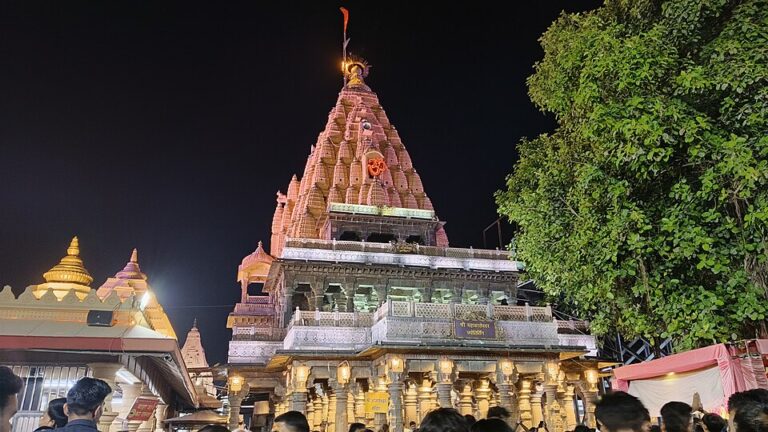
Ujjain is a sacred city on the Shipra River in Madhya Pradesh, known for Mahakaleshwar and other pilgrimage sites. Plan time for temple queues, local travel and rest rather than trying to visit every shrine quickly. This Ujjain temples guide explains the main places, separates devotional tradition from documented history and points you toward official information for current darshan arrangements.
What is Ujjain known for?
Ujjain is also called Ujjayini and is associated with the historic region of Avanti. Mahakaleshwar is one of the twelve Jyotirlingas in Hindu tradition. The city is a venue for Simhastha, part of the wider Kumbh pilgrimage tradition. Sacred legends are important to devotees, but they should be identified as religious narratives rather than presented as verified historical events. See the district administration’s history page for historical context.
Where should you stay and eat in Ujjain?
Choose accommodation according to the area you intend to visit, transport access and the amount of walking you can manage. Confirm whether the room has the facilities you need and check recent information before booking. Temple festivals can change availability and travel times. The official district tourism directory links to local planning information.
Choose food from places with clean preparation and sensible handling. Tell staff about allergies or dietary needs. Vegetarian options are common around pilgrimage areas, but check an individual restaurant’s menu rather than assuming every place serves the same food. Carry drinking water from a reliable source and plan pauses for meals and rest.
The religious place to visit in Ujjain
Mahakaleshwar Temple
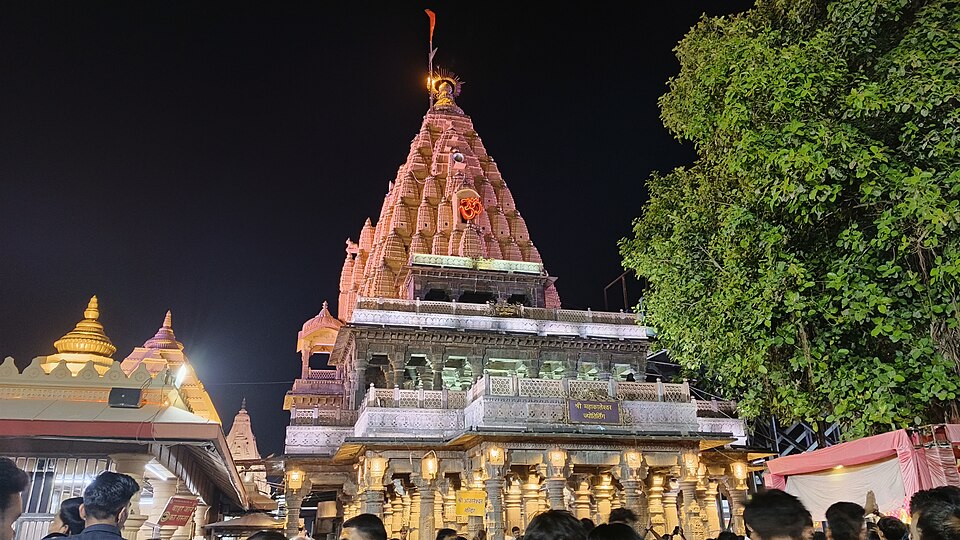
Mahakaleshwar is Ujjain’s best-known Shiva temple and one of the twelve Jyotirlingas in Hindu tradition. Darshan and particular rituals may use different entry arrangements. Check the official Temple Management Committee website before visiting. Sandipani Ashram is a separate place associated in devotional tradition with Krishna’s education; it should not be confused with the Mahakaleshwar temple complex.
Maha Kumbh Mela
Ujjain’s Simhastha is a major Hindu pilgrimage gathering connected with ritual bathing in the Shipra. Kumbh-related gatherings take place in Ujjain, Nashik, Haridwar and Prayagraj, with different calendars and traditions. Check official announcements for the relevant event rather than assuming identical schedules. Crowd conditions, accommodation and road access can differ greatly from an ordinary temple visit.
Ram Mandir Ghat
Ram Ghat is on the Shipra River and is associated with bathing and devotional ceremonies. Check local information for current aarti arrangements and crowd conditions. Attendance is optional; plan around your interests and access needs.
Chintaman Ganesh Temple
Chintaman Ganesh Temple is an important local pilgrimage site. Devotional tradition regards the image as swayambhu, or self-manifested. That religious belief should be distinguished from a verified dating of the present structure or a promise that worship treats stress.
Bhartrihari Caves
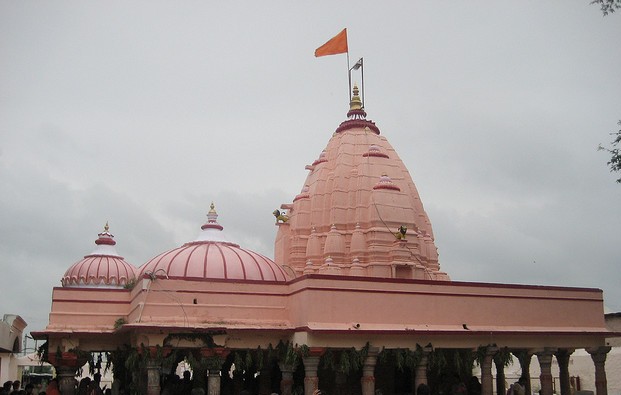
Bhartrihari Caves are associated with the poet and ascetic Bhartrihari in local tradition. The setting is linked with devotional and Nath-related narratives. This guide does not establish an exact age for every part of the site or verify stories of secret tunnels. Expect uneven surfaces and possible steps, and ask about access if those features affect your visit.
Ram Mandir
Symbols of Lord Rama, Sita and Laksmana are there in this little
temple. Need to climb lots of the stairs to reach to the top. One of
the numerous great spots to visit in Ujjain
Kal Bhairav Temple
KalBhairav Temple Ujjain is a must visit temple acclaimed for its
one of a kind convention of offering alcohol to god.
The temple is devoted to KalBhairav. Situated on the banks of the
Shipra River, it is a standout amongst the most dynamic temples
in the city, visited by several devotees daily. Alcohol is one of the
contributions made to the temple god
ChaubisKhamba Temple
This is one of the most established Temple in Ujjain with 24 pillar
or Khambhat devoted to Choti Mata and Badimata, Near the
The northern side of the entrance are two little temples dedicated to
Mahalaya and Mahamaya goddess.
Harsiddhi Temple
Harsiddhi is an important goddess temple in Ujjain and is honoured within Shakti traditions. Devotees may connect visits here with worship at Mahakaleshwar, but that is a religious choice rather than an obligation for every visitor. Follow the temple’s conduct and photography guidance. Leave time to observe without obstructing worship or crowd movement.
Pir Matsyendranath
Pir Matsyendranath is associated with Matsyendranath, an important figure in Nath tradition. Accounts connect Matsyendranath with Gorakhnath and the wider history of yogic practice, but dates and narratives differ. Do not describe a whole religious tradition as the invention of one person without appropriate historical evidence. Visit respectfully and distinguish local devotional accounts from a documented chronology.
So, what you waiting for, just grab the opportunity and
must visit this religious place once in your life.
Planning a spiritual visit to Ujjain
- Give Mahakaleshwar and the old-city temple area enough time instead of rushing several sites in one hour.
- Check current temple-entry and darshan rules before visiting.
- Dress for heat and walking, and carry water.
- Respect photography restrictions inside sacred places.
Frequently asked questions about Ujjain temples
What is the main temple in Ujjain?
Mahakaleshwar is the city’s best-known pilgrimage temple. Visitors often combine it with nearby sacred sites, but a short trip should allow enough time for queues and rest. Use the district temple information and the Temple Management Committee website for context and current arrangements. Do not assume an old blog’s entry rules or fees still apply.
How many days should I allow?
A focused visit may fit into a day, while two days can allow a less rushed pace. The right plan depends on arrival time, desired rituals, mobility and crowd conditions. Choose a few priorities rather than treating the number of temples as the measure of a successful trip. Keep extra time around booked entry and avoid a tight onward connection after a major visit.
How should I arrange Bhasma Aarti or other rituals?
Check the official Temple Management Committee website for the current process, requirements and available arrangements. Different rituals may have separate booking rules and access conditions. This article does not promise a slot or quote a fixed fee. Be cautious with unofficial intermediaries and retain the details of any verified booking. Ask the responsible institution when instructions are unclear.
Is every legend in this guide a historical fact?
No. Ujjain has important devotional stories alongside a long documented history. A legend can have religious meaning without being presented as an established date or event. Read the source and context carefully, and ask a knowledgeable local guide about different accounts. The distinction helps visitors respect tradition while avoiding misleading claims about archaeology, chronology or scientific proof.
Related reading: Kumbh Mela visitor guide, religious tourism in India, and the meaning of Aarti.