
Bhagavad Gita Chapter 2, commonly titled Sankhya Yoga, has seventy-two verses and introduces key teachings on the Self, duty, action and steady wisdom. Krishna’s instruction responds to Arjuna’s conflict in the story. This chapter summary explains the main sections and familiar verse references without turning them into medical claims. “Second chapter of Bhagwat Geeta” is another way readers refer to the same chapter.
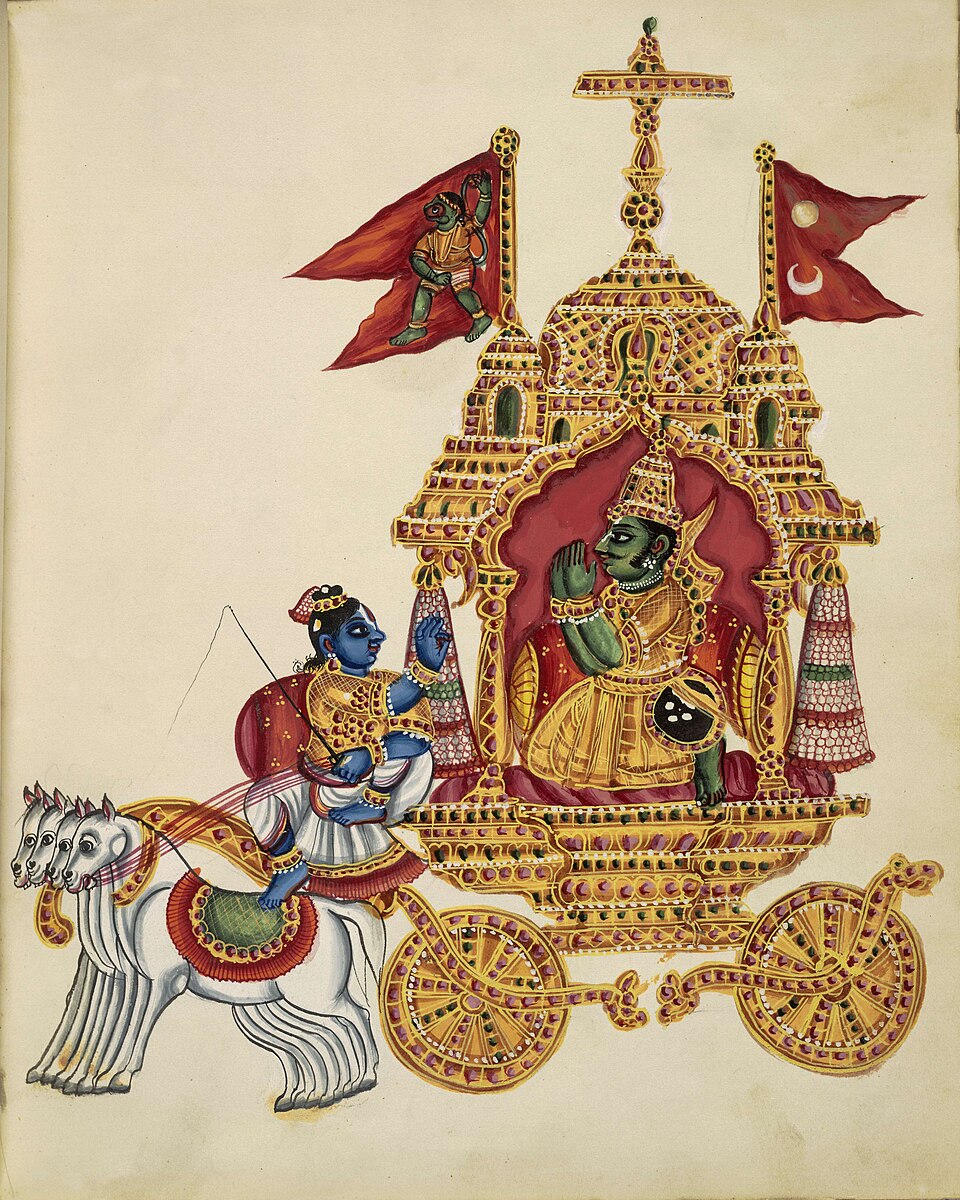
What are the main sections of Bhagavad Gita Chapter 2?
| Verse range | Main focus |
|---|---|
| 2.1–2.10 | Arjuna’s difficulty and request for guidance. |
| 2.11–2.30 | Teaching on the enduring Self and changing body. |
| 2.31–2.38 | Duty within the narrative setting. |
| 2.39–2.53 | Action, disciplined understanding and equanimity. |
| 2.54–2.72 | The person of steady wisdom. |
How does the chapter describe the Self?
The teaching distinguishes the enduring Self from the changing body. Verse 2.23 describes the Self as unaffected by cutting, burning, wetting or drying. This is a metaphysical teaching within the text, not a claim that a human body cannot be injured. Read related verses together and compare how a named commentary understands Atman, or the Self.
What does verse 2.47 teach about action?
Verse 2.47 connects responsibility for action with freedom from fixation on its fruits, and also warns against attachment to inaction. A common mistake is to read it as permission to be careless about consequences or to stop working. Read the full verse and surrounding discussion before drawing a practical lesson. The Gita’s setting involves ethical responsibility, not indifference.
How are yoga and equanimity connected?
Verse 2.48 associates yoga with steadiness in success and failure. Verse 2.50 connects yoga with skill in action, within a wider discussion of disciplined understanding. Neither expression should be reduced to a slogan about productivity alone. Keep the spiritual and ethical context present. For a narrower explanation, read our definitions of yoga in the Bhagavad Gita.
What is steady wisdom?
Arjuna asks about the person of steady wisdom in 2.54. The following verses discuss desire, reaction and the senses. Study these as connected passages rather than a checklist for judging other people. Steadiness does not mean that a beginner must hide emotions or reject appropriate support. This is a classical spiritual ideal, not a diagnostic description.
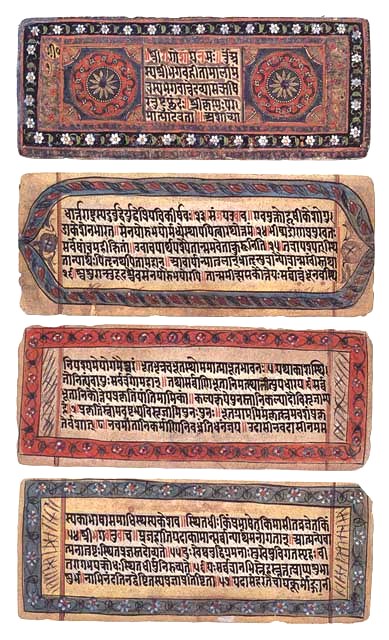
How can you study Chapter 2 in practice?
- Read the opening exchange after Chapter 1’s narrative context.
- Use the verse-range table to read one section at a time.
- Compare Sanskrit, translation and commentary without confusing them.
- Write one question about a term or argument you do not understand.
- Revisit a familiar quotation within its surrounding verses.
- Discuss difficult passages with a qualified teacher.
Swami Sivananda’s Bhagavad Gita translation and commentary provides one traditional interpretation. Chapter 2’s title should not automatically be equated with every doctrine of the separate classical Sankhya philosophical school. Name the commentator and compare the explanation carefully.
Frequently asked questions about Bhagavad Gita Chapter 2
How many verses are in Chapter 2?
Chapter 2 is commonly counted as seventy-two verses. Use chapter and verse numbers when comparing editions, because spelling and translated headings may differ. A verse reference such as 2.47 points to the same place even when translators choose different English words. The reading map above helps you locate the main sections without needing to memorise them immediately.
Does verse 2.47 mean results do not matter?
No. It should not be used as an excuse for careless action or avoiding responsibility. The verse addresses attachment to fruits and also cautions against inaction. Read it alongside the discussion of disciplined understanding and equanimity. A practical reflection can consider effort and ethical choices without claiming that the Gita tells everyone to ignore foreseeable consequences.
Is the teaching on the Self scientific proof of immortality?
No. The passage belongs to the Gita’s metaphysical and religious teaching. It should be explained within that framework rather than presented as a clinical or laboratory finding. Readers may study and value the teaching without confusing scripture with a scientific study. Different traditions also interpret the Self and its relationship to the divine in different ways.
What should I read next?
Continue through the remaining Chapter 2 verses before moving into Chapter 3’s discussion of action. Use our eighteen-chapter overview, Bhagavad Gita introduction and yoga definitions guide for related study. Keep each article’s purpose distinct: orientation, chapter summary and close reading of particular definitions.
For structured philosophy study alongside other yoga disciplines, see the FitFortunes 200-hour course syllabus.