
The Bhagavad Gita is a Sanskrit dialogue between Krishna and Arjuna within the Mahabharata. It has eighteen chapters and is commonly counted as seven hundred verses. This Bhagavad Gita introduction explains the setting, main themes and a manageable way to begin reading. “Bhagwat Geeta” is another spelling used in English. Study the text with a named translation and commentary, rather than relying only on isolated quotations.
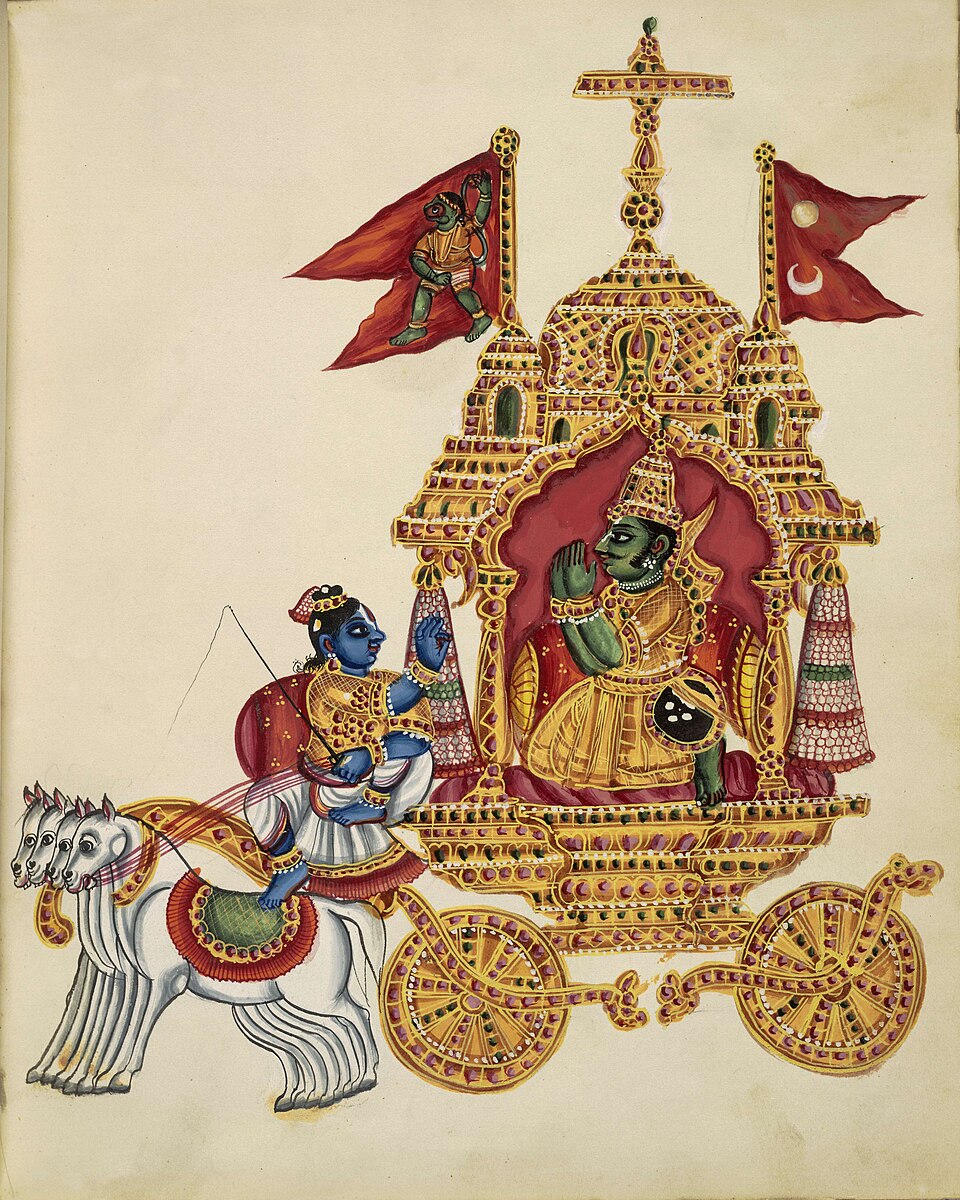
What is the setting of the Bhagavad Gita?
The dialogue takes place on the battlefield of Kurukshetra as Arjuna faces a conflict involving duty, kinship and the consequences of war. Krishna responds to his questions. Sanjaya narrates the scene to Dhritarashtra within the larger Mahabharata. This literary and religious setting matters: the Gita is not simply a collection of general motivational sayings. Interpret a verse alongside the surrounding dialogue.
Which themes should a beginner notice?
| Theme | Simple orientation |
|---|---|
| Action and duty | How to act responsibly without being governed only by desired outcomes. |
| Knowledge | Inquiry into the Self and the difference between the enduring and changing. |
| Devotion | The relationship between the practitioner and the divine. |
| Meditation and discipline | Training attention and conduct as part of a spiritual life. |
| Liberation | The text’s wider religious and philosophical purpose. |
Commentaries interpret these relationships differently. Read a named tradition rather than presenting one explanation as the only possible reading. Swami Sivananda’s translation and commentary is one available study source. A beginner can compare it with another recognised edition while keeping the Sanskrit verse number visible.
Why do chapter and verse numbers matter?
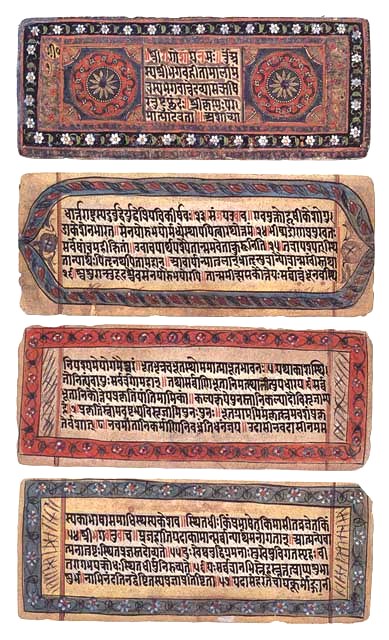
A reference such as 2.47 means Chapter 2, verse 47. This lets readers locate a passage even when translations use different English words. Chapter headings and spellings also vary across editions. Keep a record of the translator and commentary you use. Avoid an exact historical date for composition unless you identify the evidence and distinguish it from devotional chronology.
Why does Arjuna ask Krishna for guidance?
Arjuna’s difficulty is an ethical and spiritual conflict within the story. It should not be reduced to a modern diagnosis or described as a spell that explains every emotion. Krishna’s teaching develops across the dialogue rather than resolving all questions instantly. Begin by reading Chapter 1 and the opening of Chapter 2 so that the advice has a clear setting.
How should a beginner read the Bhagavad Gita?
- Choose a translation with the translator and edition clearly identified.
- Read the introductory setting and a small number of verses in order.
- Write down the chapter and verse numbers of passages you want to revisit.
- Separate the Sanskrit text, translation, commentary and your own interpretation.
- Ask a qualified teacher about unclear terms instead of forcing a quick conclusion.
- Compare another recognised commentary when interpretations differ.
A short regular reading period is more manageable than trying to memorise the whole book immediately. After this Bhagavad Gita introduction, use our guide to the eighteen chapters and Chapter 2 summary. Our yoga definitions in the Gita examines a narrower question.
Frequently asked questions
Is the Bhagavad Gita a separate book?
It is part of the Mahabharata, though it is often published and studied as a standalone volume. A separate edition may include Sanskrit, translation, commentary and study notes. Notice which part you are reading. A commentator’s explanation can be valuable without being identical to the original verse. Keep the larger dialogue in mind when using a passage for reflection.
Do all commentaries explain the Gita in the same way?
No. Different philosophical and devotional traditions interpret the relationship between action, knowledge, devotion and liberation differently. Identify the commentator rather than calling one reading the universal meaning. Compare recognised sources carefully and ask what argument supports an interpretation. Agreement on a Sanskrit passage does not mean agreement on every philosophical conclusion drawn from it.
Is the Gita mainly a book of yoga poses?
No. The Gita discusses yoga in religious and philosophical contexts, including action, devotion, knowledge and meditation. It is not a modern posture manual or a sequence of asanas. A Bhagavad Gita introduction should make that distinction clear. If you want physical-practice instruction, use a separate pose guide and suitable teaching rather than reading a verse as an exercise prescription.
Which chapter should I read after this introduction?
Begin with the narrative context in Chapter 1 and then Chapter 2, which introduces several central themes. You can read a few verses at a time and keep notes on questions. This is a practical study suggestion, not a rule that excludes other ways of reading. Use the chapter guide above when you want an overview of how the dialogue develops.
Study scope and next step
This article provides an orientation to a classical Hindu text. It does not turn scripture into medical advice or promise a particular psychological outcome. For guided study of philosophy alongside posture, breathing and teaching methods, see the FitFortunes 200-hour teacher training course. Confirm the actual syllabus before choosing a programme.