Delhi is India’s capital and one of the three cities in the Golden Triangle. It has old forts, Mughal tombs, busy markets, large gardens, temples, mosques, museums and modern neighbourhoods. A first visit can feel big, so it helps to choose a small number of places each day.
For most first-time visitors, two or three days gives a useful introduction. Old Delhi and New Delhi feel very different, and travel between sights can take longer than the map suggests.
Best places to visit in Delhi
Delhi Tourism lists places such as Red Fort, Qutub Minar, Humayun’s Tomb, Lotus Temple, India Gate, Lodhi Garden, Akshardham and Agrasen Ki Baoli among the city’s major attractions. You do not need to see all of them on one trip.
Red Fort
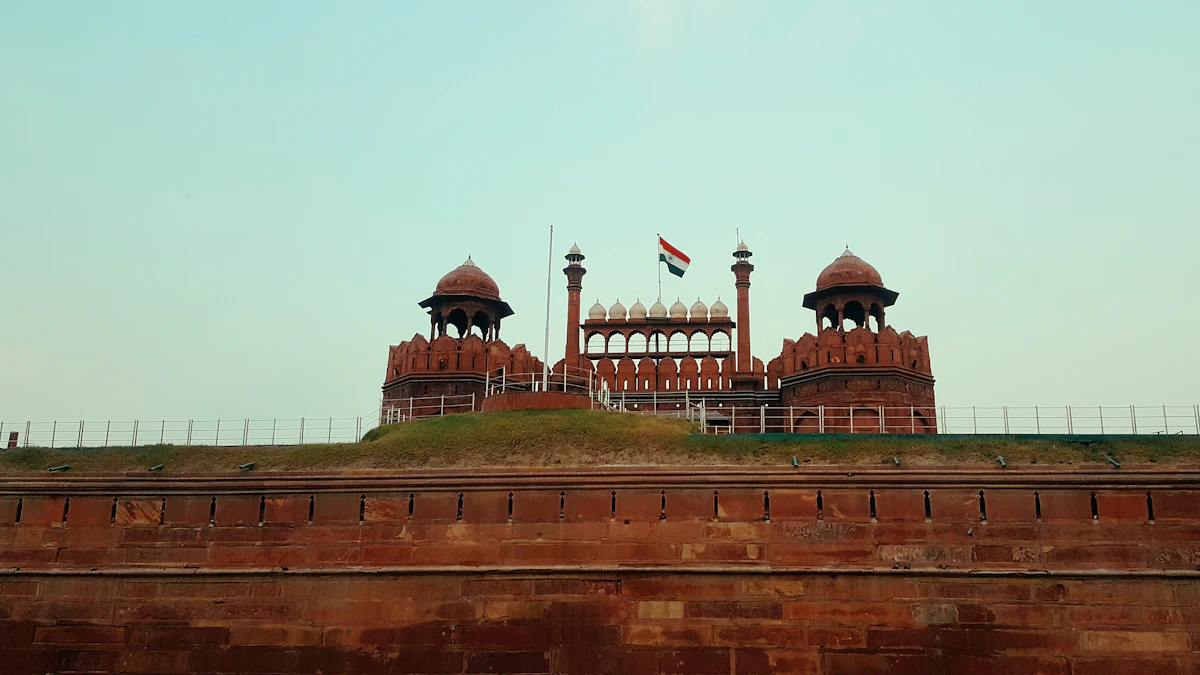
The Red Fort is one of Delhi’s best-known Mughal monuments and a UNESCO World Heritage Site. Its red sandstone walls stand beside Old Delhi and Chandni Chowk.

Humayun’s Tomb
Humayun’s Tomb was built in the 16th century and is another UNESCO World Heritage Site. Delhi Tourism describes it as the first grand garden-tomb on the Indian subcontinent. Its garden layout later influenced Mughal architecture, including the Taj Mahal.
Qutub Minar
Qutub Minar and its surrounding monuments form a UNESCO World Heritage Site in south Delhi. It works well with Mehrauli if you want a half-day of history away from Old Delhi.
Lotus Temple
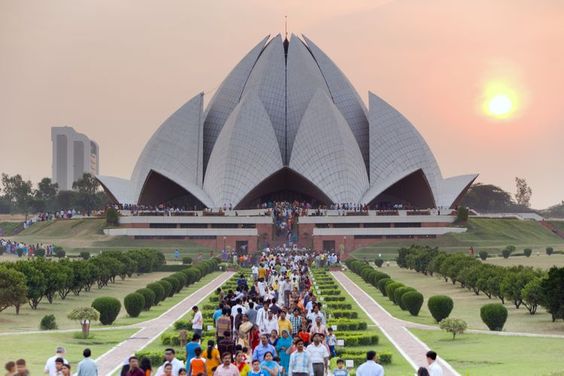
The Lotus Temple is a Bahá’í House of Worship known for its flower-like form. It is a quiet stop compared with many crowded monuments. Check current visitor hours before going.
What to see in Old Delhi
Old Delhi is busy, dense and full of food, markets and historic religious places. Chandni Chowk, Jama Masjid and the Red Fort can fit into the same area, but crowds make walking slow.
Chandni Chowk is famous for markets and street food. If you eat from street stalls, choose places that are busy and where food is cooked fresh. If you have a sensitive stomach, keep meals simple.
Jama Masjid is an active mosque, not only a sightseeing place. Dress respectfully and follow the rules at the entrance. Prayer times may affect access.
What to see in New Delhi
New Delhi has wider roads, government buildings, gardens and many later monuments. India Gate, Lodhi Garden, Humayun’s Tomb and nearby areas can be grouped into one day more easily than crossing the whole city several times.
Akshardham is a large Hindu temple complex on the Yamuna side of the city. Security rules can be strict, including limits on phones and cameras. Check the official temple rules before your visit.
A simple two-day Delhi plan
Day 1: Red Fort, Chandni Chowk and Jama Masjid. Add one market or food stop. Do not overload the day.
Day 2: Humayun’s Tomb, Lodhi Garden and India Gate. If you still have energy, add one more place such as Lotus Temple or Qutub Minar.
Delhi Tourism publishes official sample itineraries for visitors. Use them as a starting point, not a race.
Simple Delhi travel tips
- Use the Metro: it can be faster than road travel for many parts of the city.
- Leave extra time: traffic can change quickly.
- Check monument rules: opening days and entry rules can change.
- Carry water: especially in warmer months.
- Keep valuables simple: crowded markets need normal city awareness.
- Respect worship spaces: temples, mosques, gurudwaras and churches may have dress or photography rules.
Delhi on the Golden Triangle route
Delhi is usually the easiest starting point for the Golden Triangle. From Delhi, many travellers continue to Agra for the Taj Mahal, then to Jaipur for forts, palaces and the old city.
If your trip falls around Holi, read our guide to the best places to celebrate Holi in India before adding festival days to the route.
Official information
The Delhi Tourism website is the best starting point for official visitor information. It lists major destinations and suggested city itineraries. UNESCO also lists Red Fort, Humayun’s Tomb and Qutub Minar as World Heritage Sites.
Simple questions about visiting Delhi
How many days are enough for Delhi?
Two days covers a useful first visit. Three days feels less rushed.
Is Delhi only about monuments?
No. Food, markets, gardens, museums, neighbourhoods and religious places are also a large part of the city.
What is the easiest way to move around?
The Metro is useful for many routes. Taxis and auto-rickshaws help for the last part of a trip, but road traffic can be slow.
Is Delhi part of the Golden Triangle?
Yes. The three cities are Delhi, Agra and Jaipur.
In short: choose a few Delhi areas each day, use official information, and do not try to cross the whole city for every famous sight in one day.