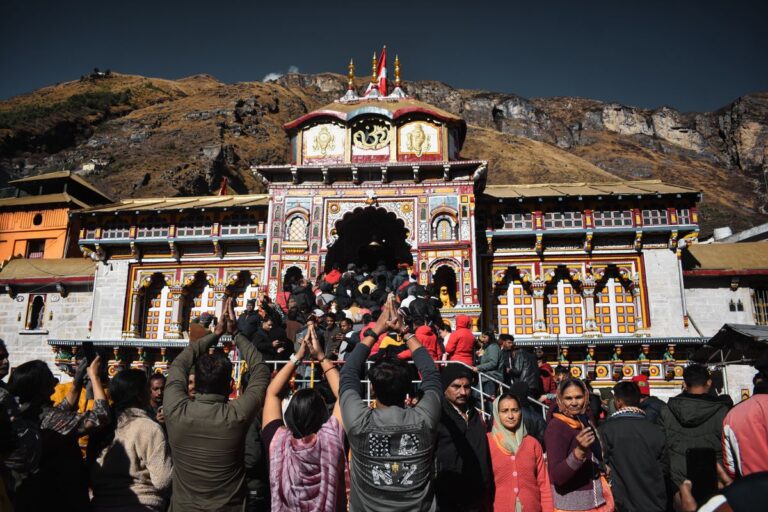
Religious tourism in India includes pilgrimage, visits to sacred places, festivals and the study of religious heritage. A trip may be motivated by worship, architecture, history or several interests together. Temples are one part of a wider landscape that includes gurudwaras, monasteries, mosques, churches, shrines and sacred rivers. Plan around the purpose of your visit, respect worshippers and check each site’s current access rules.
What does religious tourism in India involve?
A pilgrim may travel for a specific ritual or sacred route, while a heritage visitor may focus on art and history. Both can share the same space without having the same belief. Avoid promising that every visitor will feel spiritually changed. Sacred places are living community spaces, so local customs and the needs of worshippers should guide the way tourists behave.
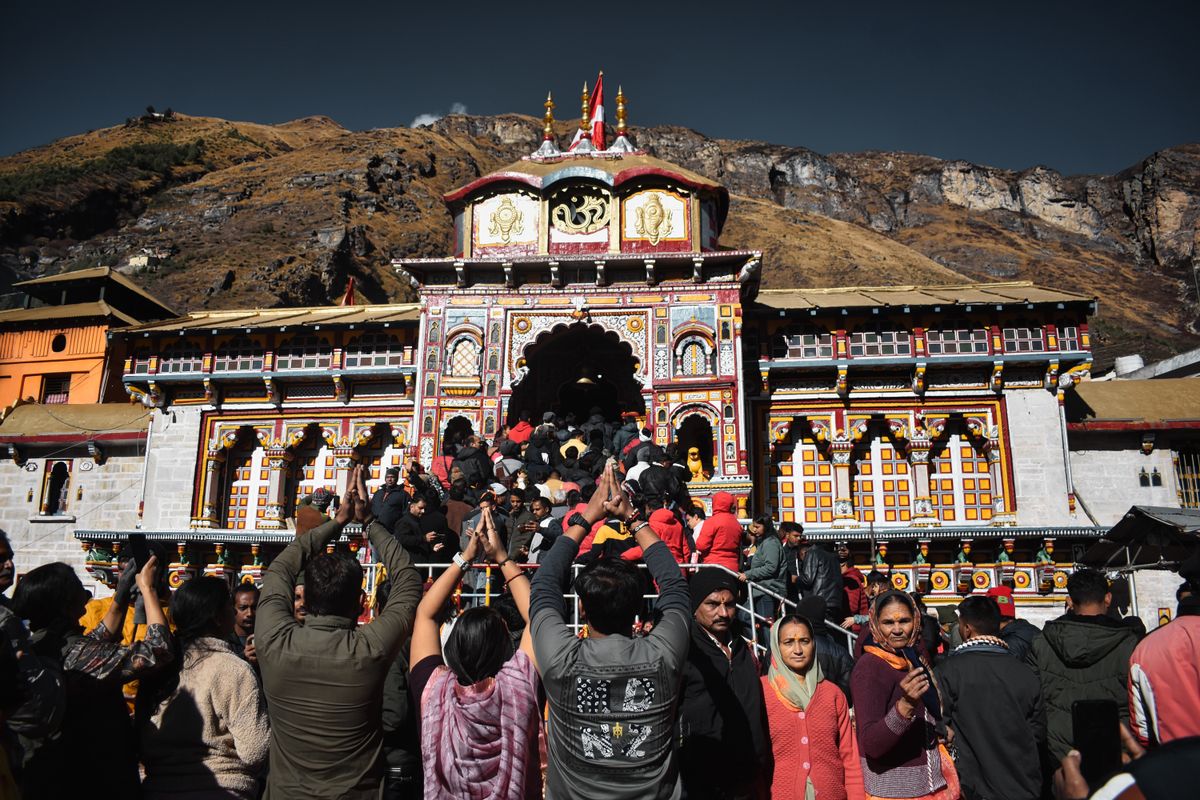
How do Char Dham and Chota Char Dham differ?
The all-India Char Dham circuit traditionally refers to Badrinath, Dwarka, Puri and Rameswaram. Uttarakhand’s Chota Char Dham refers to Yamunotri, Gangotri, Kedarnath and Badrinath. They are different pilgrimage circuits. The Uttarakhand Tourism Char Dham guide describes the Himalayan route. Avoid assuming that one name always means the same four destinations.
Mountain pilgrimage needs separate planning for weather, altitude, road access and walking demands. Temple opening seasons and registration rules can change. Check official information close to departure and choose a route that fits your health and mobility. A pilgrimage should not be planned only by counting how many sacred sites you can visit in a day.
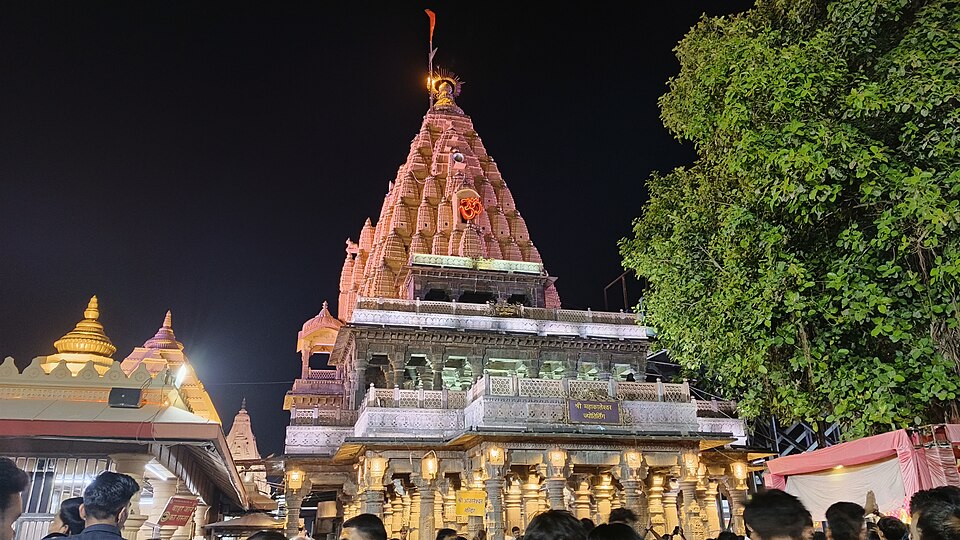
Which destinations show India’s religious diversity?
| Place | Religious or heritage context | Planning focus |
|---|---|---|
| Varanasi | Hindu temples, ghats and Ganga worship | Respect ritual spaces and rules near the river. |
| Ujjain | Mahakaleshwar and other Hindu pilgrimage sites | Check current darshan arrangements. |
| Amritsar | Harmandir Sahib, the Golden Temple | Follow gurudwara dress and conduct guidance. |
| Bodh Gaya | Buddhist pilgrimage and monastic traditions | Respect quiet practice and monastery access. |
| Ajmer | A major Sufi shrine and pilgrimage setting | Ask about entry, dress and photography rules. |
These are examples rather than a ranking of religions or sacred places. Communities and practices differ within each tradition. A local guide or official visitor service can explain the setting without requiring you to participate in worship. Read our Varanasi guide and Ujjain guide for focused planning.
How should visitors behave at sacred places?
Dress according to the site’s guidance, keep voices low where worship is taking place and ask before photographing people. Remove shoes or cover the head when required. Respect restricted areas and queues. Follow donation procedures provided by the institution rather than pressure from an unofficial intermediary. If you do not understand a custom, ask politely before acting.
A practical religious-tourism planning checklist
- Choose a clear purpose: pilgrimage, heritage study, a festival or a short visit.
- Check official opening, registration and entry information close to travel.
- Allow time for queues, walking and rest rather than rushing several sites.
- Ask about access for older travellers, children or people with mobility needs.
- Carry suitable clothing, water and essential medication.
- Plan transport and accommodation around realistic distances.
- Leave worship spaces clean and respect local waste and river-safety rules.
Large festivals need extra care with crowds, transport and accommodation. Check announcements from the responsible authority instead of relying on an old calendar in a blog. Our Kumbh Mela guide provides further context. The Ministry of Tourism’s pilgrimage-development information explains the broader tourism setting.
Frequently asked questions
Is religious tourism only for believers?
No. Visitors may come to worship, learn about history or appreciate architecture. Some places welcome a wide range of visitors, while others restrict particular areas or access. Check the site’s rules rather than assuming that every location is open to everyone. Participation in a ritual should be voluntary. A respectful heritage visit does not require you to claim beliefs you do not hold.
Does religious tourism in India include only Hindu temples?
No. India’s sacred travel landscape includes several religious traditions and many kinds of sites. Gurudwaras, Buddhist monasteries, Sufi shrines, churches and other places may form part of a journey. Explain each destination in its own context rather than treating all customs as interchangeable. Follow the guidance of the institution you are visiting and avoid ranking communities by tourist appeal.
Should I book rituals through a travel agent?
Use the official institution’s booking system where one is provided, and check current instructions first. An agent may arrange transport or accommodation without controlling sacred-site entry. Understand exactly what is included and whether a booking guarantees anything. Avoid paying an unofficial intermediary for promises that cannot be verified. Keep confirmation details accessible and allow time for the stated entry procedures.
Can I combine pilgrimage with yoga study?
Yes, if the schedule leaves enough time for both. Yoga study and a pilgrimage are different activities, so do not assume a course includes temple visits or a particular religious practice. Ask the school what is actually taught and included. For an additional stay in Rishikesh, read our Rishikesh travel guide and choose the next step according to your interests.