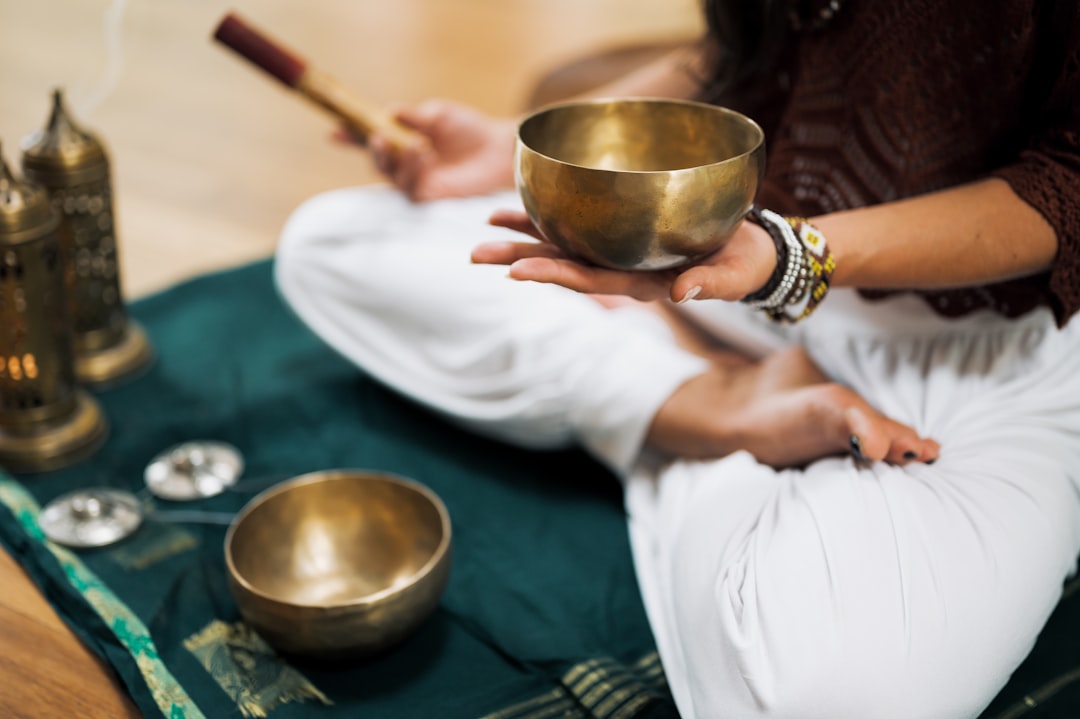
Sound bath yoga combines simple yoga, breath, meditation, or rest with sustained sound from bowls, gongs, chimes, and similar instruments. There is no water involved, and there is no single standard format. One class may include gentle movement before a long Savasana, while another may be almost entirely still. The class description matters more than the name because teachers use the term in different ways.
What is sound bath yoga?
Sound bath yoga is a modern class format in which yoga practice or guided relaxation is paired with live or recorded sound. The sound may accompany movement, pranayama, meditation, or a long final rest. One teacher may lead forty minutes of gentle Hatha Yoga and use bowls only at the end, while another may use very little movement. Because the format varies, students should read what the actual session includes before booking.
What happens during a sound bath yoga session?
A well-organised session usually follows a simple arc that helps students move from normal activity toward quieter attention. The teacher should explain the format, make the room comfortable, and give clear choices before the sound begins. The movement does not need to be difficult, because the main purpose is often to prepare the body for stillness. A careful ending is also important so people have time to reorient before they leave.
1. Arrival and explanation
The teacher explains how the session will run, where the instruments are placed, and what participants can do if a sound feels too loud or uncomfortable. This is also the right time to discuss consent, movement options, and whether anyone needs a chair or a different resting position. Clear instructions at the start reduce uncertainty later, especially for people attending their first sound session.
2. Gentle movement or settling
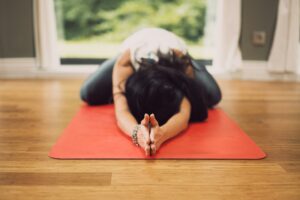
Students may practise slow postures, simple mobility, breathing, or quiet awareness before lying down. The aim is usually to reduce unnecessary effort rather than create a demanding workout. A teacher may use gentle Hatha movements, supported stretches, or a short seated practice. If the class includes more active yoga, that should be stated clearly so beginners can choose a suitable level.
3. Supported rest
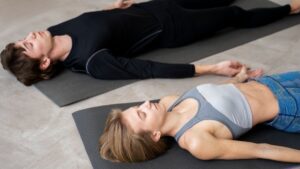
Participants normally lie down or sit in a comfortable position while the sound portion begins. Blankets, cushions, bolsters, or a chair can make a long period of stillness easier. A person who cannot lie flat should be offered another position rather than being told to tolerate discomfort. Comfort supports attention, and it also makes it easier for the teacher to keep the session calm and inclusive.
4. The sound portion
The facilitator plays instruments with changes in volume, rhythm, tone, and space. Some sounds may be long and sustained, while others are brief. Silence between sounds is also part of the experience and should not be treated as empty time that must always be filled. Skilled facilitation is not about playing as many instruments as possible; it is about listening to the room and using sound with restraint.
5. A quiet ending
A thoughtful sound session should not finish with a sudden loud announcement or an immediate rush to stand up. Participants need a little time to move their fingers and toes, sit up, and notice how they feel. The teacher can give simple instructions without forcing anyone to describe a personal experience. A gradual ending helps the class return to normal activity with more awareness.
What instruments are used in a sound bath?
Common instruments include Himalayan metal singing bowls, crystal bowls, gongs, bells, chimes, drums, and other resonant instruments. A good session does not need a large collection. Quality depends more on pacing, volume, tone, placement, and the facilitator’s ability to listen than on the number of bowls in the room. More sound is not automatically deeper, and louder sound is not automatically more effective.
Is sound bath yoga the same as sound healing?
The terms overlap, but they are not always used in the same way. A sound bath usually describes listening to sustained sound in a restful setting, while sound bath yoga adds movement, breath, meditation, or a yoga-class structure. Sound healing is a broader wellness term used by many schools and practitioners. Because “healing” can sound medical, responsible teachers should not present a wellness session as a diagnosis or treatment for disease.
FitFortunes teaches instrument use, session structure, listening skills, and responsible practice in its sound healing course in Rishikesh. The course is educational and focuses on practical use of sound in a wellness setting. It is not presented as medical treatment, and students are taught to keep claims within the scope of their training.
Does a sound bath really work?
The answer depends on what “work” means. Many people attend because they want a quiet setting where they can lie down, listen, and relax, and that is a reasonable wellness purpose. Claims that a sound bath cures anxiety, releases trauma, balances hormones, removes disease, or heals organs are much stronger medical claims. Research on sound-based interventions exists, but studies vary in design and quality, so personal reports should not be treated as clinical proof.
Why is sound bath yoga becoming more popular?
Sound-based classes have become more visible in yoga studios, retreats, and wellness spaces because they fit the growing interest in slower practices, breath, rest, and nervous-system language. That popularity also means some people begin facilitating after very short trainings. Students should therefore look beyond attractive bowls and social-media videos. Ask about the facilitator’s education, practical experience, approach to volume, consent, and the health claims they make.
Can a sound bath be uncomfortable?
Yes. Not everyone finds resonant sound relaxing, and sustained or loud tones can feel unpleasant for some people. Tinnitus, migraines, hearing conditions, sensory sensitivity, pregnancy, or other health concerns may change what is comfortable. A participant with a specific medical question should use appropriate professional guidance rather than relying on a general class description. A facilitator should make it easy to move, sit farther away, reduce exposure, or leave if needed.
- Explain that participants can change position or leave at any time.
- Avoid placing a loud instrument close to someone’s head without clear consent.
- Control volume instead of assuming louder sound is better.
- Offer comfortable resting positions and props.
- Avoid medical promises and ask before using touch.
Can beginners join sound bath yoga?
Usually, yes, when the movement portion is suitable for beginners. You do not need musical knowledge, experience with singing bowls, or a long yoga background to attend. The main thing is to check what the class actually includes, because the words “sound bath yoga” do not guarantee that the physical practice will be gentle. If you are unsure, ask the teacher about movement level, session length, resting positions, and instrument volume before you book.
Common questions about sound bath yoga
Do you get into water during a sound bath?
No. The word “bath” is a metaphor for being surrounded by sound rather than sitting in water. Participants usually lie on a yoga mat, sit on a cushion, or use a chair while instruments are played around the room. Some sessions include gentle yoga before the sound begins, while others are almost entirely restful. Reading the class description will tell you what to expect.
What should I wear to a sound bath?
Wear clothing that allows you to move easily and rest without pressure around the waist, shoulders, or neck. People often become cool when lying still for a long time, so a light layer or socks can be useful. Some studios provide blankets and bolsters, but it is better to check before arriving. Comfort matters more than wearing special yoga clothing because much of the session may be quiet and still.
Can I fall asleep during a sound bath?
Some people do fall asleep, especially when the room is quiet and the body is supported comfortably. That does not mean the session failed, although a teacher may intend the practice to be awake listening rather than sleep. There is no need to force yourself to stay alert or to chase a particular experience. Rest naturally, notice what you can, and allow the session to be simple.
Do singing bowls need to be placed on the body?
No. Many sound baths use instruments around the room without placing anything directly on a participant. Body placement is a separate technique and should not be treated casually, especially when the facilitator has limited training or the participant has a health concern. Clear consent is essential before direct contact or instrument placement. A person can receive the full listening experience from bowls played nearby.
Is sound bath yoga traditional yoga?
The modern bowl-and-gong class format is contemporary. Sound, mantra, listening, meditation, and sacred music have long histories in Indian traditions, but that does not make every present-day wellness session an unchanged ancient practice. Good teaching can respect older traditions without inventing a false history. It is more accurate to describe modern sound bath yoga as a current wellness format influenced by several practices and instruments.
Good sound work needs restraint
A memorable sound session is not necessarily the loudest or the one with the most instruments. Good facilitation gives people time to listen, rest, and choose their level of participation without pressure. Pacing, silence, consent, and clear boundaries matter as much as technique. If you want to study instruments and session design rather than only attend a class, see the FitFortunes sound healing course.
Editorial note: Current wellness reporting and the Global Wellness Institute yoga trends were used for trend context. Health claims are intentionally limited because evidence for specific sound interventions remains mixed and method-dependent. Written by Pravesh Narwal.
Want to go beyond attending a sound bath?
Facilitating a session requires more than owning bowls. Learn instrument handling, session structure, volume control, consent and professional boundaries before guiding other people.