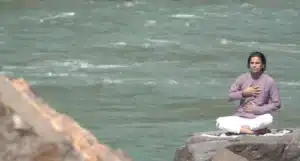
Can yoga poses increase height? For adults whose growth plates have closed, the answer is no: stretching and yoga cannot make the long bones grow longer. Yoga may improve posture, strength and comfort, so some people stand more upright and appear taller. That is different from permanent skeletal growth.
For children and teenagers, height changes mainly through normal growth, influenced by genetics, hormones, nutrition and overall health. Yoga can be part of healthy activity, but there is no convincing evidence that a specific pose makes a child grow beyond their natural potential.
What really determines your height?
Human height is strongly influenced by inherited genetic variation. The National Institutes of Health explains that many genes contribute, with additional influence from nutrition, health and other environmental conditions. Growing children have areas of cartilage near the ends of long bones called growth plates. These allow bones to lengthen. After the plates close, normal exercise cannot reopen them.
Read MedlinePlus Genetics: Is height determined by genetics? for a clear explanation. A more recent Cleveland Clinic guide to stretching and height makes the same important distinction between real height and posture.
Why can yoga make someone look taller?
Modern routines often involve long periods of sitting and limited variety of movement. If your shoulders habitually round and your upper back collapses into a slouch, changing how you stand may slightly alter your measured or perceived standing height. This does not mean the spine or legs have permanently lengthened.
Regular movement, balanced strength training and attention to comfortable standing can help you carry your body with more ease. Posture is dynamic; there is no single rigid position that everyone needs to hold all day.
Five yoga poses that support posture and mobility
These poses are included because they practise balance, comfortable spinal movement and body awareness—not because they lengthen the bones. Move gradually and stop if a movement causes pain.
1. Tadasana (Mountain Pose)
Stand with feet stable and knees soft. Let your ribs rest over your pelvis rather than pushing the chest forward. Notice the pressure through both feet and allow the head to balance naturally. Hold for several comfortable breaths. Tadasana helps you practise standing with attention rather than forcing a “perfect” posture.
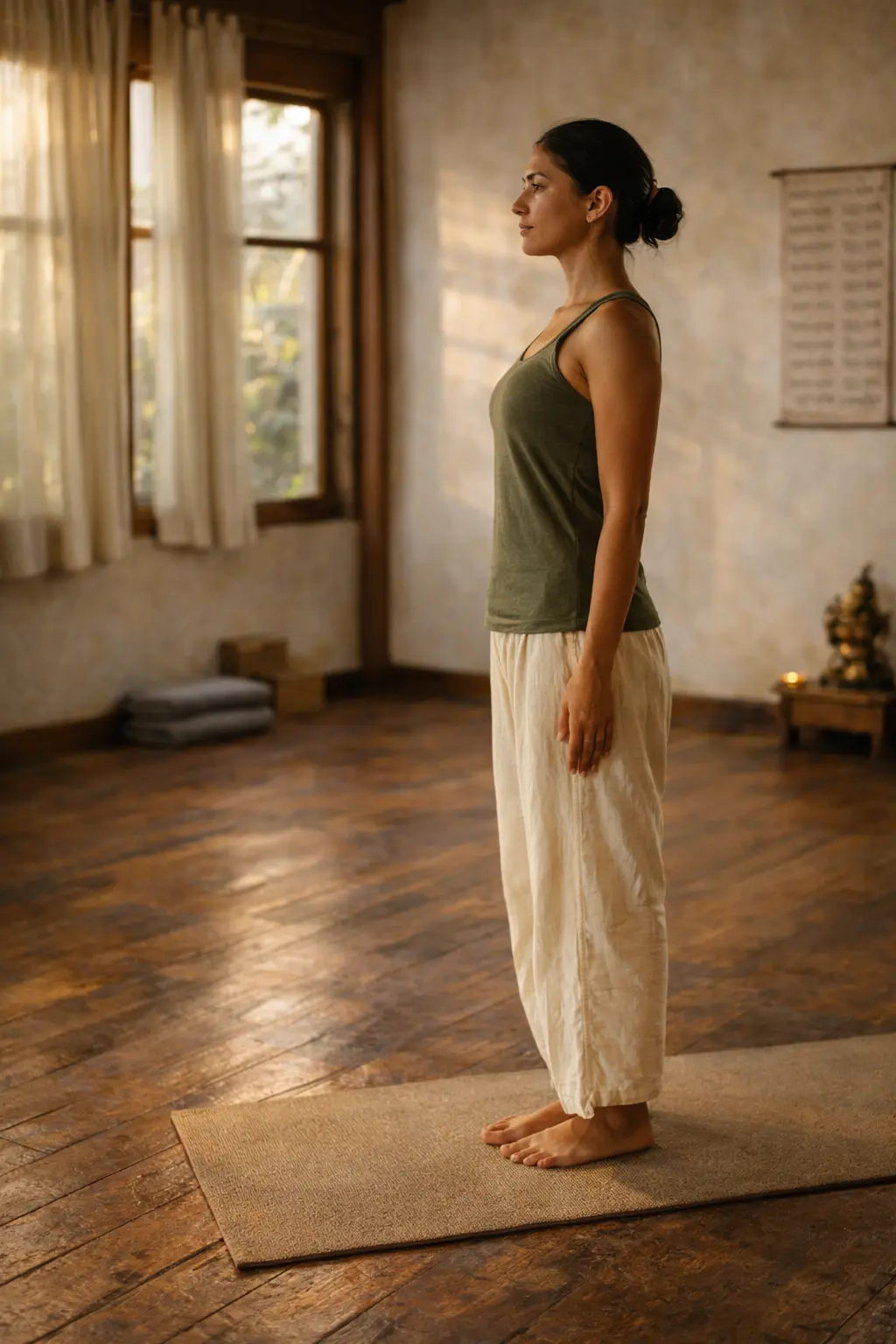
2. Marjaryasana–Bitilasana (Cat–Cow)
On hands and knees, or seated in a chair, gently alternate rounding and lengthening the spine within a comfortable range. Coordinate the movement with easy breathing rather than exaggerating the stretch.
3. Vrikshasana (Tree Pose)
Stand near a wall for support. Place one foot on the floor with the toes touching lightly, or against the standing leg away from the knee joint. Look at a fixed point and breathe. This builds balance and attention; there is no need to lift the foot high.

4. Balasana (Child’s Pose), if comfortable
From kneeling, fold forward with support under the torso as needed. People with knee discomfort can choose another resting posture. The point is gentle rest, not to pull the back longer.
5. Setu Bandha Sarvangasana (Bridge Pose)
Lie on your back with knees bent and feet planted. Lift the pelvis only a short, comfortable distance if the movement suits you, then lower slowly. A supported variation may be easier. Practise for control and coordination, not maximum lift.
A realistic 10-minute posture routine
| Duration | Practice | Focus |
|---|---|---|
| 2 minutes | Comfortable standing in Tadasana | Breath and weight distribution |
| 2 minutes | Chair or floor Cat–Cow | Easy spinal movement |
| 2 minutes | Tree Pose with wall support | Balance |
| 2 minutes | Gentle Bridge or an alternative | Controlled movement |
| 2 minutes | Comfortable rest | Recovery |
Adjust the practice to your own needs. Daily walks, varied movement, strength training and sufficient rest are also part of a balanced routine. If you already have pain, dizziness or another health concern, ask an appropriate professional about suitable modifications.
Three common yoga-and-height myths
“Hanging upside down permanently adds inches”
No. An inversion or stretch may temporarily change how your back feels, but it does not cause permanent skeletal growth. Beginners also face unnecessary risks from unsupported inversions.
“A special asana will stimulate your growth plates as an adult”
After normal skeletal maturity, growth plates have closed. A yoga posture does not reverse that biological process.
“Results are guaranteed in 30 days”
Claims that yoga adds a set number of centimetres by a deadline are unsupported. A real posture change can take practice, but it should never be presented as measurable adult bone growth.
What about children and teenagers?
Young people can enjoy age-appropriate yoga as movement, balance and relaxation. Do not promise them that certain postures will increase height; such claims can add unnecessary pressure during a stage of life when growth rates naturally vary.
Good nutrition, sleep, regular activity and healthcare are important. If a child has unusually slow growth or falls far below their expected growth pattern, consult a paediatric healthcare professional rather than relying on exercises advertised to increase height.
What should you take away?
Yoga can be a meaningful part of a healthy routine and may help someone stand more comfortably, but it will not make a fully grown adult taller by growing new bone. Choose poses for their genuine benefits: movement, balance, strength, breath awareness and steadier habits.
For more practical movement guidance, read our office yoga and posture breaks guide and gentle yoga for mind-body awareness.