
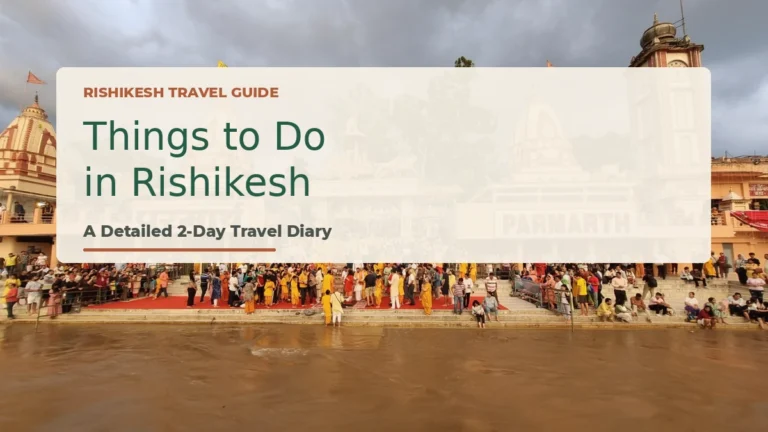
If a friend came to Rishikesh for only two days, I would not hand them a list of ten famous places and tell them to finish it. I would start with the river before breakfast, leave the busiest roads early, walk one proper hill route, sit in one temple long enough to notice where I am, and eat in places that make sense for the route instead of crossing town because a cafe is famous online.
The well-known places still matter. Neer Garh Waterfall is worth seeing when you go early. Parmarth Niketan is worth reaching before sunset. Triveni Ghat is worth seeing because it belongs to the old city, not because every travel page mentions it. Bhootnath Temple is worth the uphill walk. Jhilmil Gufa is worth the longer morning because the road and forest are part of the day, not only the cave at the end.
What I would avoid is spending the whole trip between crowded cafes, bridge viewpoints and photo stops. Rishikesh has quieter ghats, lanes where local life continues without caring about tourism, hill roads that become green very quickly, and small food places where you can sit without waiting for the table everyone wants. The city is much easier to remember when the days have a rhythm: river, walk, meal, temple, rest, aarti.
This diary follows that rhythm. Day 1 stays mainly around the upper river, Tapovan, Neer Garh and the Swarg Ashram side. Day 2 goes toward the Neelkanth hills first, then returns through Bharat Mandir, Rishikund and Triveni Ghat. The times are practical, but they are not rules. If one place feels good, stay longer and remove the next stop. That is a better use of Rishikesh than rushing because an itinerary says 45 minutes.
First, a 2026 reality check about the bridges
A lot of Rishikesh travel pages are already out of date. The old Laxman Jhula bridge is still closed to crossing; the Laxman Jhula neighbourhood remains open, and the newer Bajrang Setu nearby is the useful pedestrian crossing in this part of town. There is another temporary change right now: Ram Jhula was fully closed for repair work in July 2026 and officials said it was expected to remain closed until December. That makes Janki Setu, Bajrang Setu and road routes more important than usual.
This article is written in September 2026, so check the bridge position again on the day you travel. Do not let an old blog force you into a long detour. Bajrang Setu on Google Maps · Janki Setu on Google Maps. If you are arriving from Delhi, read our Delhi to Rishikesh travel guide before planning your first morning.
My 2-day Rishikesh diary at a glance
- Day 1: Sai Ghat at first light → Aarcana breakfast → Neer Garh Waterfall → Cafe Royale → Bhootnath Temple → Parmarth Niketan Ganga Aarti → quiet dinner.
- Day 2: early drive toward Neelkanth → Jhilmil Gufa forest walk → late lunch in Tapovan → Bharat Mandir → old city lanes and Rishikund → Triveni Ghat Aarti.
This is a full schedule, but it is not meant to feel rushed. If the weather is hot, the waterfall trail is wet, or you simply want another hour beside the river, remove one stop. Rishikesh is better when you leave a little empty time between places.
Day 1: River morning, waterfall, a hill temple and Parmarth Aarti
5:45-6:45 AM - Start at Sai Ghat before the town wakes up
My first hour would go to Sai Ghat, not to a cafe and not to a bridge selfie. There are Sai-named ghats around the upper Rishikesh area, including Sri Sathya Sai Ghaat in Tapovan and the better-known Sai Ghat around the Laxman Jhula side. Use the one closest to where you stay. The important part is the hour, not the exact pin.
At six in the morning the river is the main thing. You hear water before traffic. Local walkers come and go. Some people sit for prayer, some bathe, some simply watch the opposite bank. I would leave the phone in the bag for at least part of this hour. Rishikesh looks very different before shop shutters open and before scooters begin filling the narrow lanes.
If you want photographs, take them after sitting for a while rather than arriving with the camera already raised. Morning light on the water changes quickly, and the hills hold shadow longer than the river. Do not walk onto wet steps or empty river rocks just because they look safe from a distance. The Ganga can move much faster than it appears.
Why I stop here: quiet Ganga time, morning light and very little traffic. Allow 45-60 minutes. Sai Ghat on Google Maps. If your room is in Tapovan, also check Sri Sathya Sai Ghaat and choose whichever keeps the route simple.
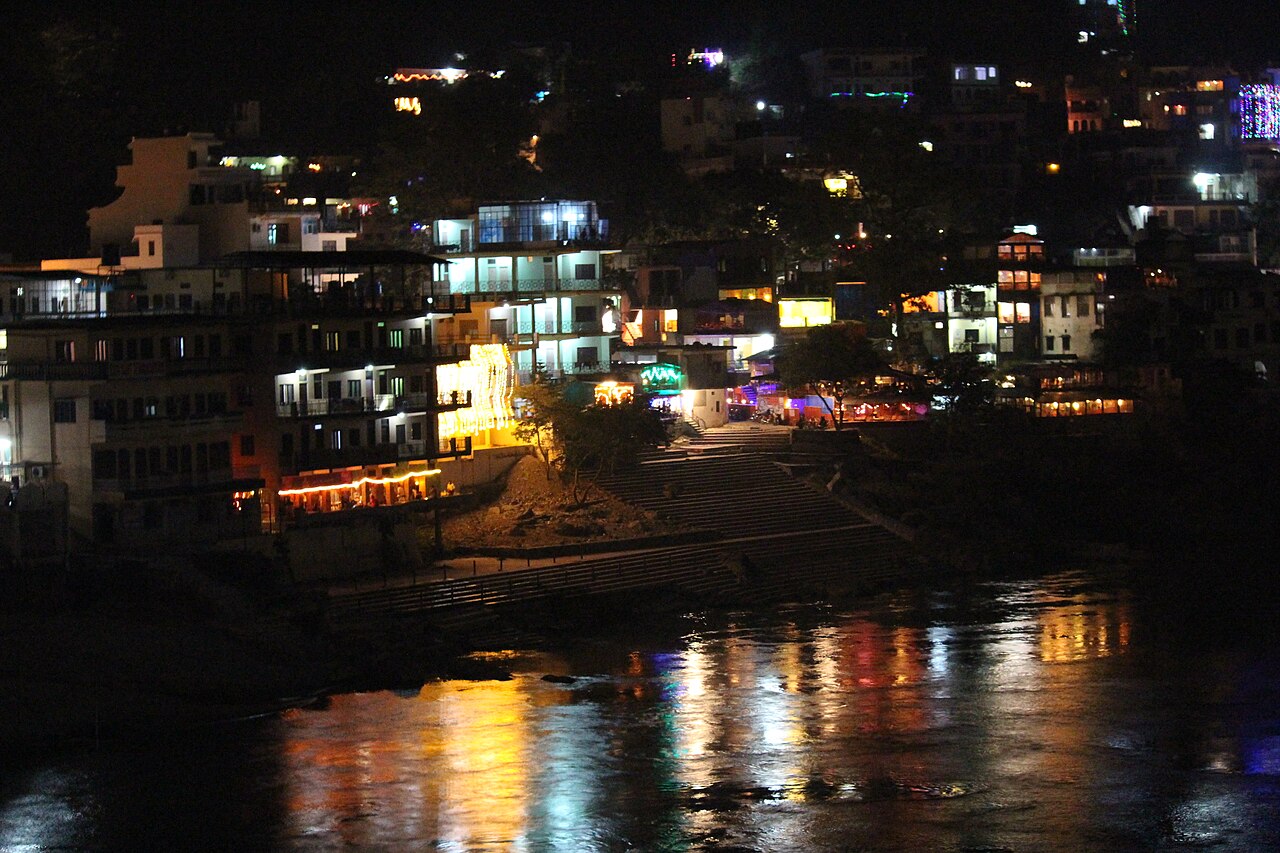
7:00-8:00 AM - Breakfast at Aarcana, before the waterfall road gets busy
Aarcana sits on Secret Waterfall Road in the upper Tapovan side. It is the kind of place I would choose in the morning because the road itself starts to move you away from the busiest cafe strip. Current listings show it opening early, around 7 AM. The attraction here is not a giant menu board or an Instagram queue; it is coffee, breakfast, art, outdoor space and a slower start close to the route you are about to take.
Why I stop here: early breakfast, coffee, creative setting and a useful location before the Neer Garh side. Current 2026 listing: roughly morning to evening; closing times differ slightly by source, so check that day. Google Maps + current photos.
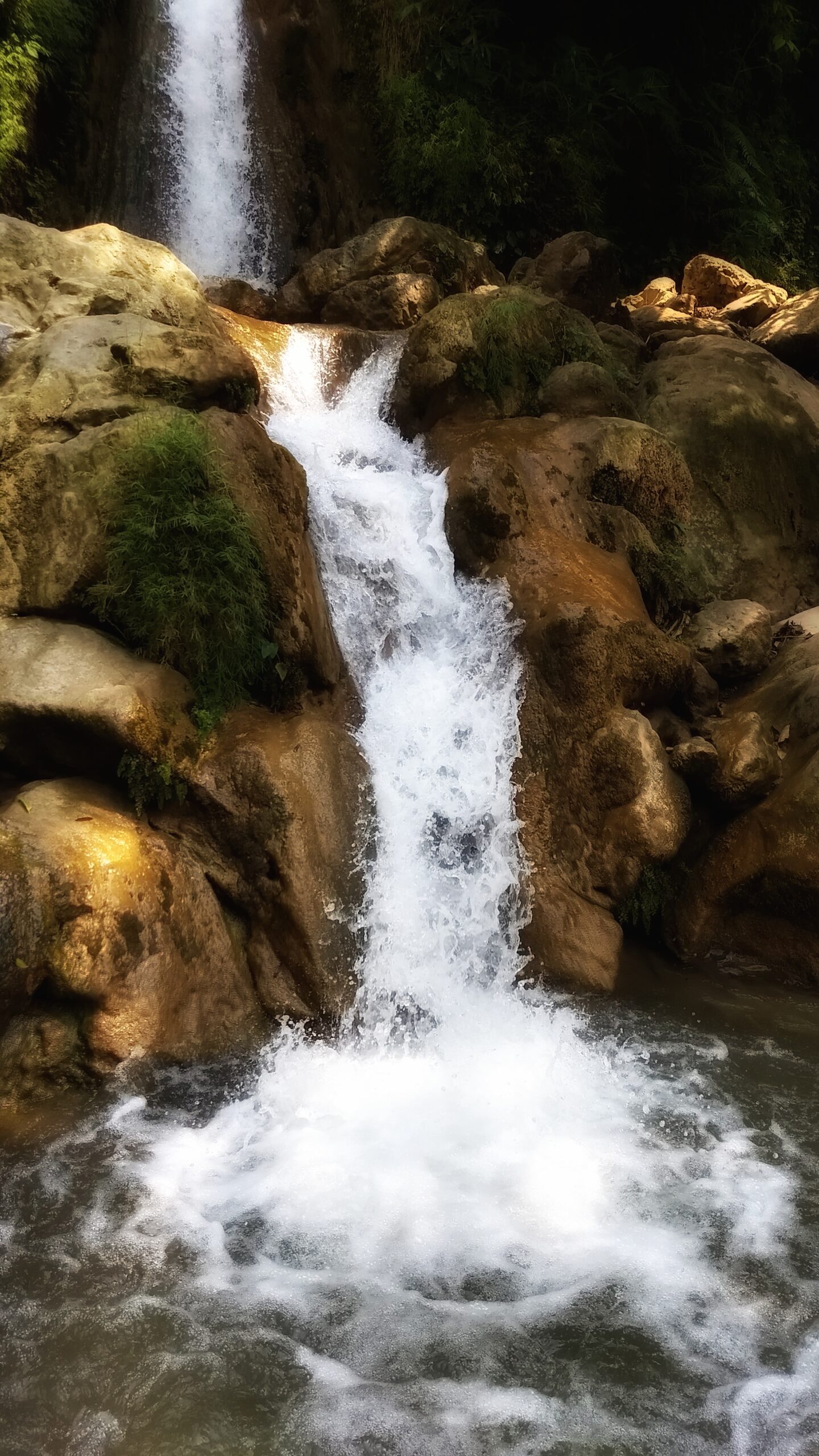
8:15-11:00 AM - Walk up to Neer Garh Waterfall
Neer Garh is not a secret, but the way you visit it changes the day. Go early, before large groups begin arriving. The trail leaves the road and starts climbing through a green side valley with small water channels, footbridges and pools. If you only stop at the first easy section, you see the busiest part and miss most of the walk.
I would allow two to three hours from the lower approach, including breaks. That gives you time to climb without rushing, sit near the water and come back before the strongest midday heat. Carry drinking water even though small stalls may be open. Keep some cash for entry or tea, and wear shoes with real grip. Wet stone here can be smooth.
The waterfall also changes a lot by season. After rain it can look stronger and greener, but that is also when the path becomes more slippery. In drier months the flow may be gentler, but walking is easier. I would never force this stop during heavy rain simply because the itinerary says Day 1. A river walk, Bhootnath and a long lunch can make a better rainy morning.
If you swim anywhere, use obvious safe areas and local advice. Do not climb above a pool just for a photograph. The most memorable part for me is the walk itself: getting away from engines, hearing water and seeing the town fall behind the trees.
Why I stop here: a short mountain walk, natural water and a cooler break from town. Plan about 2-3 hours. Neer Garh Waterfall on Google Maps with current photos.
11:45 AM-1:00 PM - Cross toward Cafe Royale and sit by the Ganga
After the waterfall, I would not rush into one of the loudest restaurants in Tapovan. I would cross toward the Laxman Jhula-Swarg Ashram side using the current open route and stop at Cafe Royale Rishikesh. It sits beside the Ganga and has a wide vegetarian menu with vegan choices. Current listings show it open from about 8:30 AM to 11:30 PM, so it also works as a late meal stop.
Why I stop here: Ganga-side seating, coffee, vegetarian/vegan meals and a menu that moves from Indian food to Italian, Mexican and Israeli-style dishes. Some listings also mention live music on selected evenings. Google Maps + current photos. Give yourself a proper hour here; this is your recovery stop before the afternoon climb.
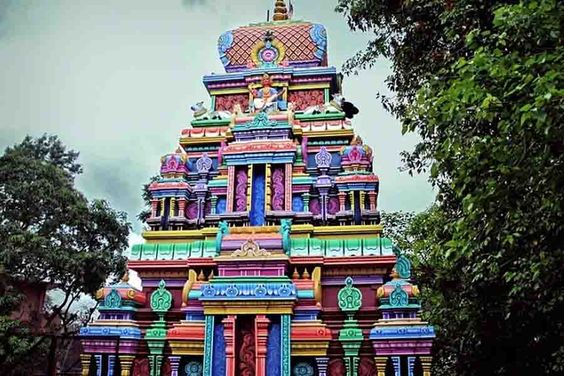
1:30-3:30 PM - Walk up to Bhootnath Temple
Bhootnath Temple is one of the places I would choose over another hour of souvenir shopping. It rises above the Swarg Ashram side, away from the main riverside lane. The road gets steeper as you go, and that is part of the reason the temple feels different from places where a car drops you at the gate.
Do not treat the climb like a race. Stop where the town opens below you. The temple has several levels, bells and different shrines, and the higher you go the more clearly you see the Ganga cutting between the two sides of Rishikesh. On a clear day the view is wide enough to make the crowded streets below feel very small.
I would dress simply, carry water and keep my voice low inside. If you are visiting in hot weather, early afternoon can be harder than it looks because much of the climb is exposed. Anyone with knee trouble can take a vehicle part of the way and still visit without turning the day into a fitness test.
Why I stop here: the uphill walk, temple bells, a less hurried atmosphere and one of the clearest ways to see how the town sits beside the river. Allow 60-90 minutes including the climb. Bhootnath Temple on Google Maps with current photos.
4:30 PM onward - Parmarth Niketan before the lamps are lit
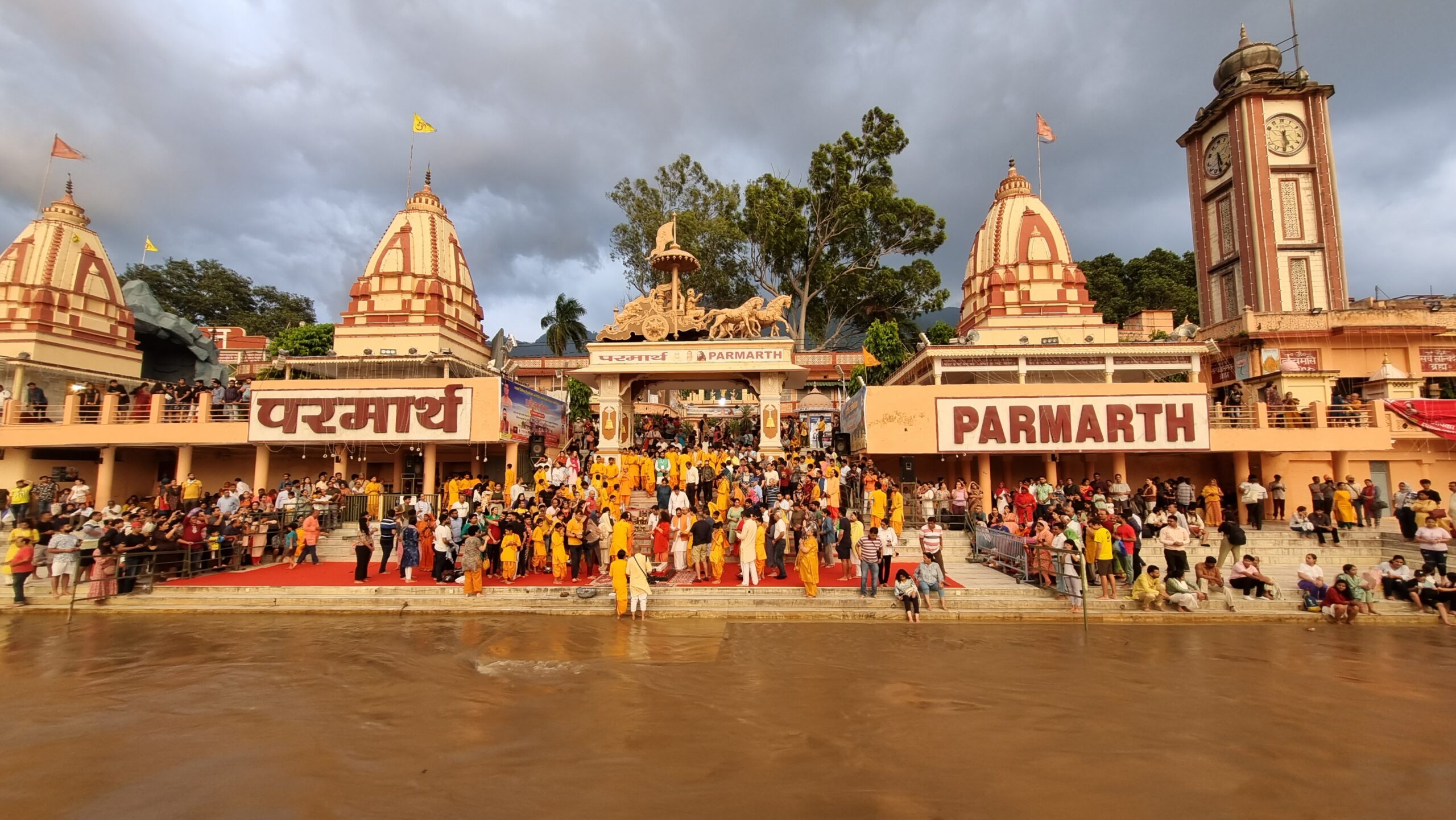
Do not arrive at Parmarth only when somebody starts ringing a bell. The better visit begins earlier. Walk the Swarg Ashram lanes, see the Ganga from the ghat, sit down and let the place fill around you. Parmarth’s official schedule says its Ganga Aarti begins every day at sunset, with the yagna beginning about half an hour before. The exact time moves with the season, so check the same day and arrive 45-60 minutes early.
Why I stop here: sunset Ganga Aarti with chanting and lamps beside the river. Best approach: arrive before the crowd, not during it. Google Maps + current photos. If you only have one big aarti evening, I would choose Parmarth on Day 1 and save Triveni for Day 2 so you see two very different sides of Rishikesh.
7:30-9:00 PM - Dinner somewhere calm, not somewhere famous
If you are back around upper Tapovan, I would choose Chakra House or Fork & Flora rather than crossing town for a restaurant you saw on a reel. Chakra House is useful when you want a Pahadi-style meal, Thai food and a quieter upper-Tapovan setting. Fork & Flora is a small garden cafe on Yoga Street and suits a slower dinner; its current listings show split daytime and evening hours.
Chakra House: map + photos · Fork & Flora: map + photos. Do not make Day 1 longer just because you can. The second morning starts in the hills.
Day 2: Jhilmil Gufa, the mountain road and old Rishikesh
6:00-7:30 AM - Take the Neelkanth road before traffic builds
Day 2 needs an early vehicle. Hire a local taxi or check the shared-jeep situation toward Neelkanth Mahadev. I would treat Neelkanth mainly as the access side for the morning, not as a place where you must spend hours. The mountain road itself is part of the day: forest, bends, river-cut valleys and a very different scale from Tapovan’s cafes and lanes.
If the weather is poor, do not force this plan. The road and forest paths are not the right place to prove anything after heavy rain. Ask your driver or hotel about the same-day route before leaving and carry water, a light snack, covered shoes and enough cash for small local payments.
7:30-10:30 AM - Walk to Jhilmil Gufa
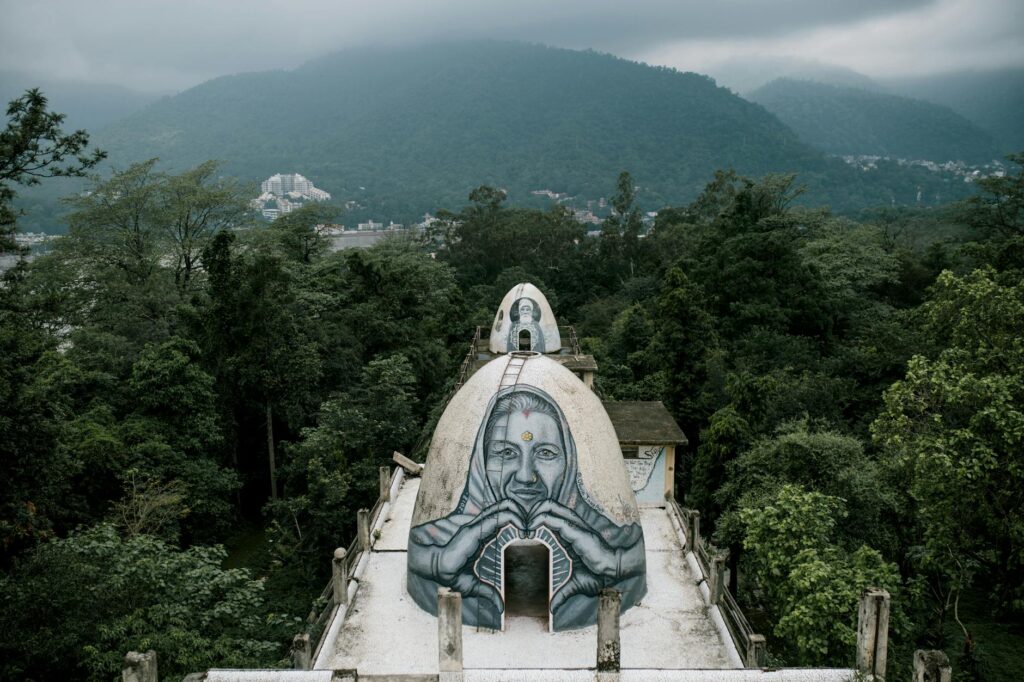
Jhilmil Gufa is the kind of place that changes the whole second day because you have to leave the town behind to reach it. The cave lies in the forested hill area beyond the Neelkanth side, and the final approach is on foot. Vehicle access and the walking point can vary, so I would never promise an exact walking time. Plan roughly an hour each way from the usual approach and keep extra time.
The road there matters. Once you leave the main Rishikesh traffic, the bends, forest and valleys start taking over. This is one of the few parts of a short trip where I would happily spend more time in transit because the road itself gives you the mountain feeling you do not get from a rooftop cafe.
On the trail, keep the pace easy. Carry water and a light snack, and do not depend on mobile signal for every turn. If local people tell you the path is muddy, damaged or unsafe after rain, listen. A cave is not worth a fall on a wet hillside. I would also avoid starting late in the afternoon because the return is much less enjoyable when you are racing darkness.
The cave is a religious place, so dress and behave accordingly. Keep noise low and do not treat the inside like a photo studio. The better memory is often the walk, the cool air and the fact that the town has disappeared behind the trees.
Why I stop here: a forest pilgrimage walk, hill road and a quieter morning away from town. Jhilmil Gufa on Google Maps with current photos.
12:30-2:00 PM - Come back hungry and pick a small cafe
After a mountain morning, this is when a small cafe earns its place in an itinerary. Lily’s Cafe on Secret Waterfall Road is a good option when its split opening hours match your return. It has far fewer reviews than the headline cafes and feels more like a neighbourhood stop. If it is between service hours, Chakra House or another nearby Tapovan cafe keeps the route simple.
Why I stop here: small, quieter cafe stop on the upper Tapovan side. Current listing: commonly shows a daytime session and an evening session, so check before walking there. Google Maps + current photos.
3:30-4:45 PM - Go to Bharat Mandir, not back to another bridge
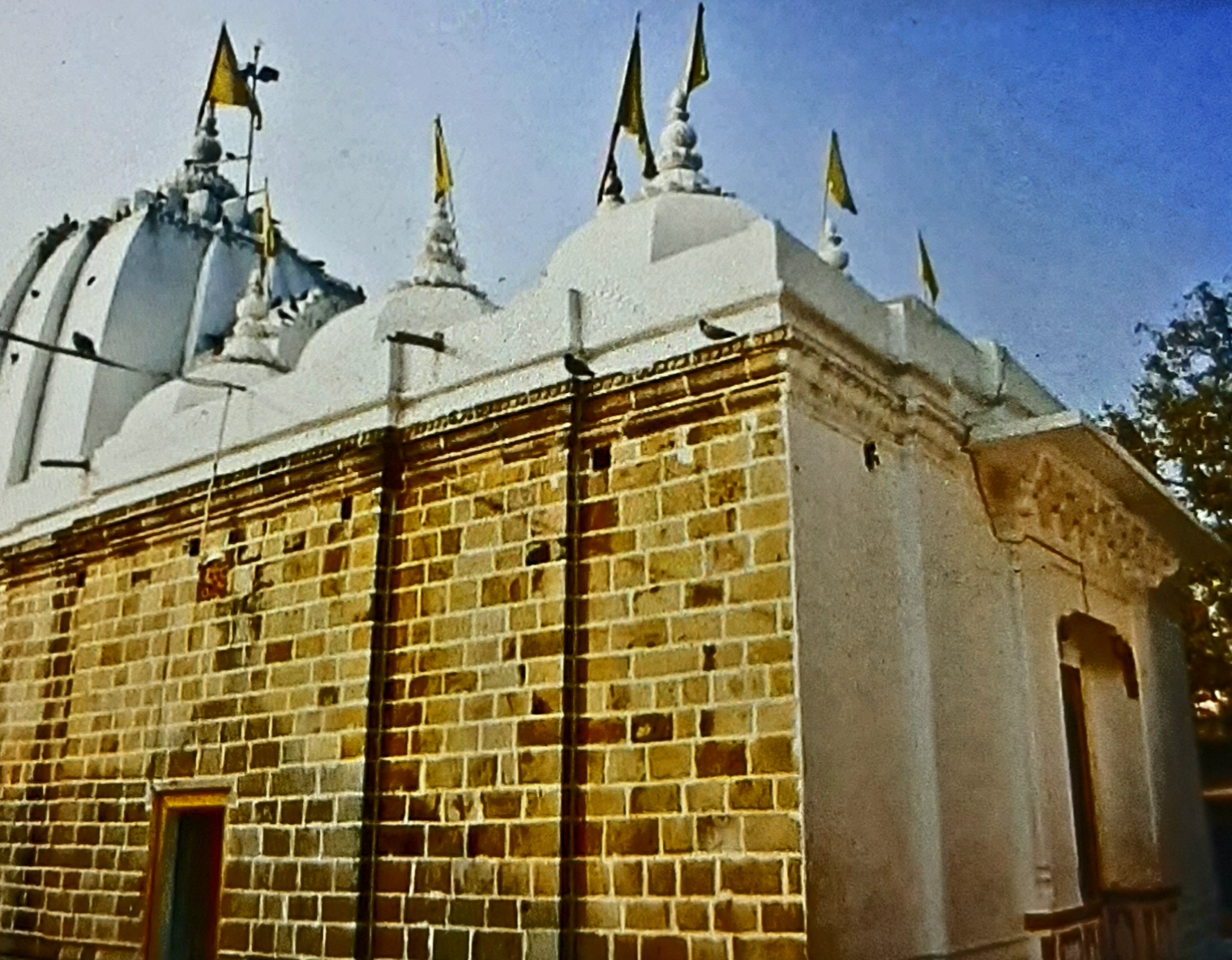
Now change Rishikesh completely. Leave the backpacker-cafe side and go into the old city. Bharat Mandir, also called Hrishikesh Narayan Temple, is near Triveni Ghat and is dedicated to Lord Vishnu. Incredible India currently lists two opening windows: 5 AM-12 PM and 4 PM-9 PM, which is why this route reaches it just after 4 PM.
Why I stop here: one of the city’s old Vishnu shrines, black-stone Saligram deity and a very different local setting from Tapovan. Give yourself time for the temple and surrounding lanes rather than taking one picture and leaving. Google Maps + current photos.
4:45-5:30 PM - Walk through Rishikund and the old-city temple area
From Bharat Mandir, keep the afternoon on foot where possible. Rishikund and Raghunath Temple sit close enough to make this a small temple circuit before the river. You are now in the part of Rishikesh that many international visitors barely see because their entire stay happens around Tapovan. Watch shopkeepers closing and reopening, buy fruit or chai, and let the city feel like a city rather than a wellness background.
Why I stop here: old-city lanes, temple architecture and a short local walking loop before Triveni. Raghunath Temple: map + photos · Rishikund: map + photos.
5:30 PM onward - Finish at Triveni Ghat
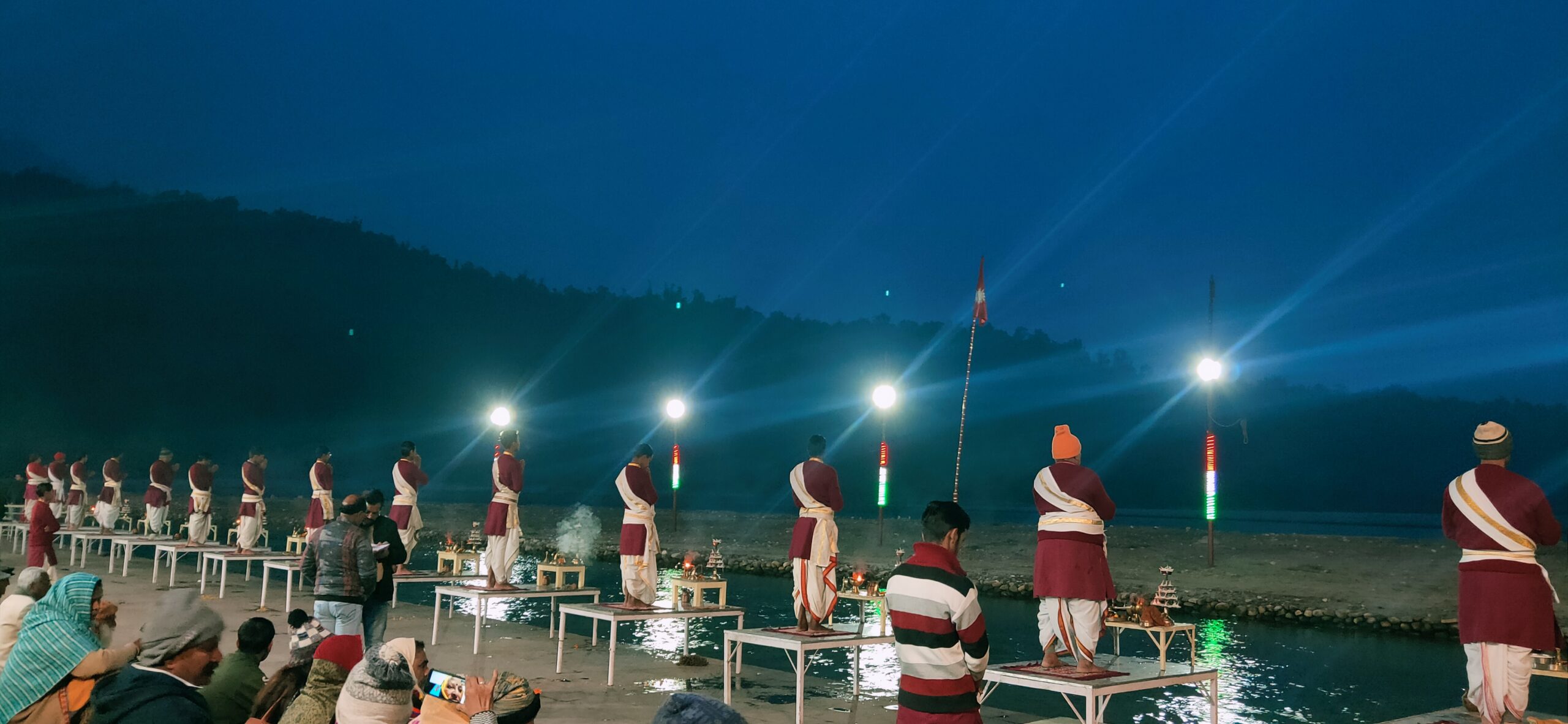
Triveni Ghat is busy, and I am still putting it in this “beyond the usual spots” guide. Why? Because not every famous place is overhyped. Triveni belongs to the old city, and the crowd here is not the same as a cafe queue. Come before the aarti, walk the long ghat, watch families and pilgrims arrive, and then choose a place to sit.
The evening aarti is held around sunset; published times vary by season, so check locally and arrive 30-45 minutes early. Why I stop here: a larger, city-centred Ganga Aarti and one of the best places to see Rishikesh’s pilgrim side. Google Maps + current photos.
Six cafes I would actually stop at
Rishikesh has excellent cafes, but popularity changes a place. A cafe with a river view can still be worth visiting, while another becomes a waiting room for people photographing the same table. These six are a mix of riverside, upper-Tapovan and garden stops. Hours below reflect current 2026 listings where available, but restaurant hours change quickly in Rishikesh, especially in monsoon and low season. Use each Google Maps link to see the latest hours and photographs before you leave.
1. Cafe Royale Rishikesh - for the Ganga without the rush
Cafe Royale works best when I am already walking the Laxman Jhula side and want a proper meal beside the Ganga. It is not a tiny unknown cafe, and I would not pretend it is. I like it because the river is close, the seating gives you more than one kind of view, and the menu is wide enough for a group where one person wants Indian food, another wants coffee and another needs vegan choices.
I would come after Neer Garh or after a long walk through the Laxman Jhula lanes, not as a separate sightseeing stop. Sit for an hour, order a real meal and let the body cool down. Current listings put it in the roughly ₹200-400 range for many cafe meals and show long opening hours, but I would still check the same-day listing before making a late-night plan.
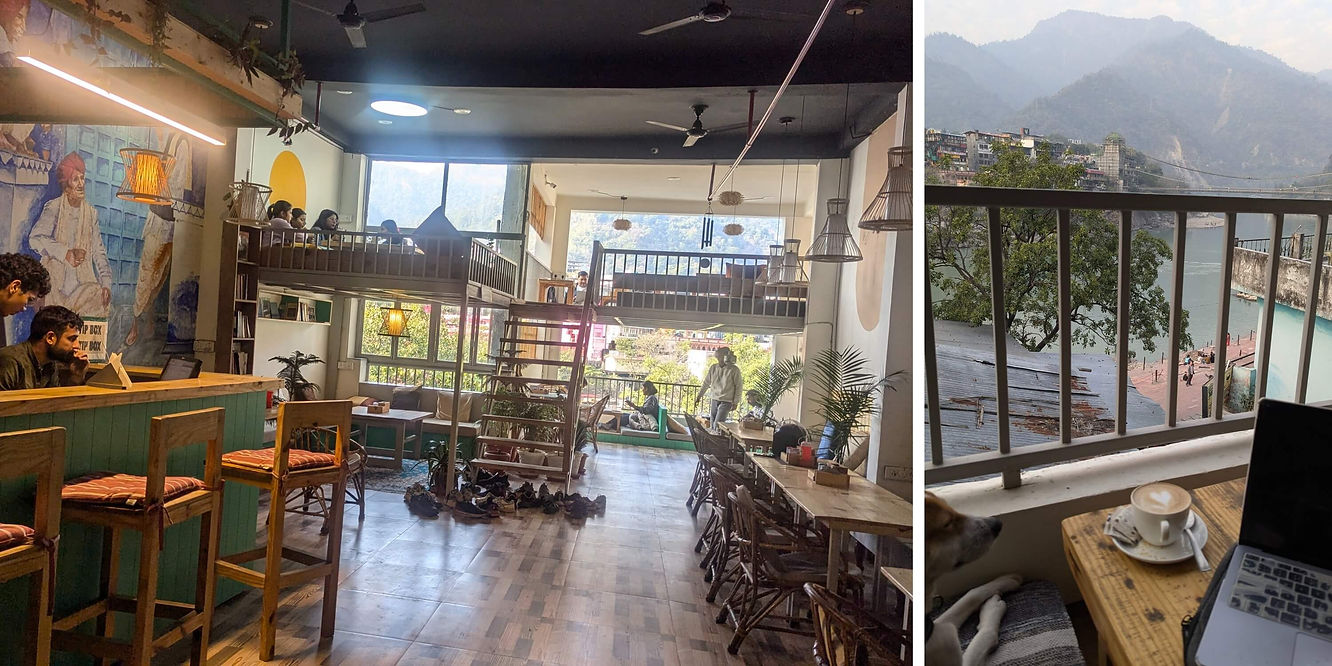
Cafe Royale Rishikesh. Photo source: The Boho Living.
Why I stop here: Ganga-side seating, coffee, vegetarian food, vegan options and a useful location after walking. Open Cafe Royale in Google Maps for the latest hours and photos.
2. Aarcana - for breakfast near the waterfall road
Aarcana is on Secret Waterfall Road in Upper Tapovan, and that is why I use it in this route. I would go early, before the road gets busy, have breakfast and coffee, then continue toward Neer Garh. The garden and open seating are the stronger reason to stop. It feels more suitable for a slow morning than for a rushed lunch between two city attractions.
I would also keep expectations normal. Recent reviews are mixed, so I would not write that every plate is perfect just because the place photographs well. If service is slow on the day, have coffee and keep moving. Rishikesh has enough food choices that one cafe should never control half your day.
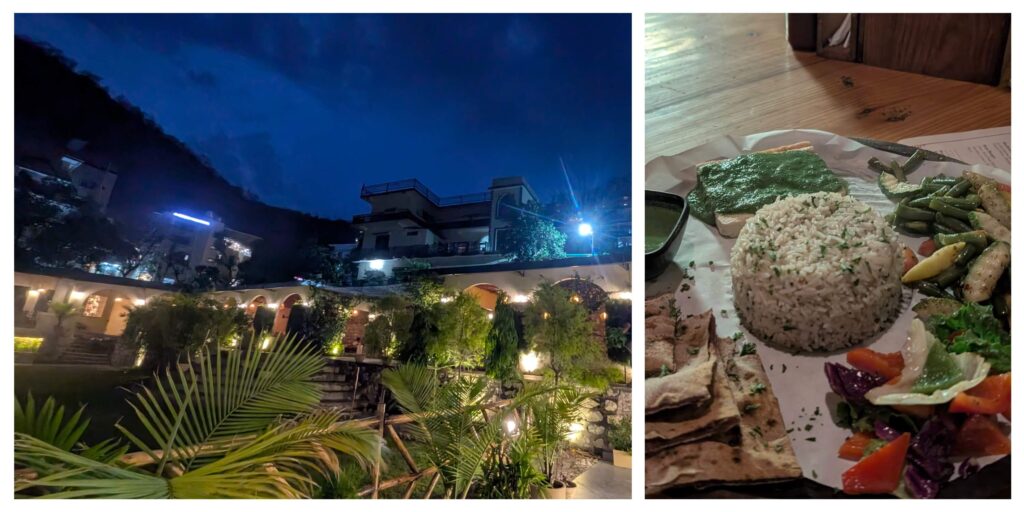
Aarcana, Upper Tapovan. Photo source: The Boho Living.
Why I stop here: early breakfast, coffee, outdoor space and a location that fits naturally before the waterfall road. Open Aarcana in Google Maps for current hours and photos.
3. Vegan Shala - include it, but check the door before you plan the meal
Vegan Shala is here because people still search for it, but I would not send a traveller there without a warning. Map listings and older restaurant pages still show the Lower Balaknath Road name, while HappyCow reports the venue closed in 2026. Rishikesh cafes change names, owners and opening patterns more often than old travel posts suggest, so check the newest reviews or call before walking there.
When it was operating as Vegan Shala, the draw was simple: fully plant-based meals, breakfast, smoothies, bakery items and Indian as well as international vegan dishes. That made it useful for strict vegans who did not want to explain dairy-free requirements at every meal. If the current location is shut, I would simply move on to another vegan-friendly place in Tapovan rather than waste an hour looking for an old sign.
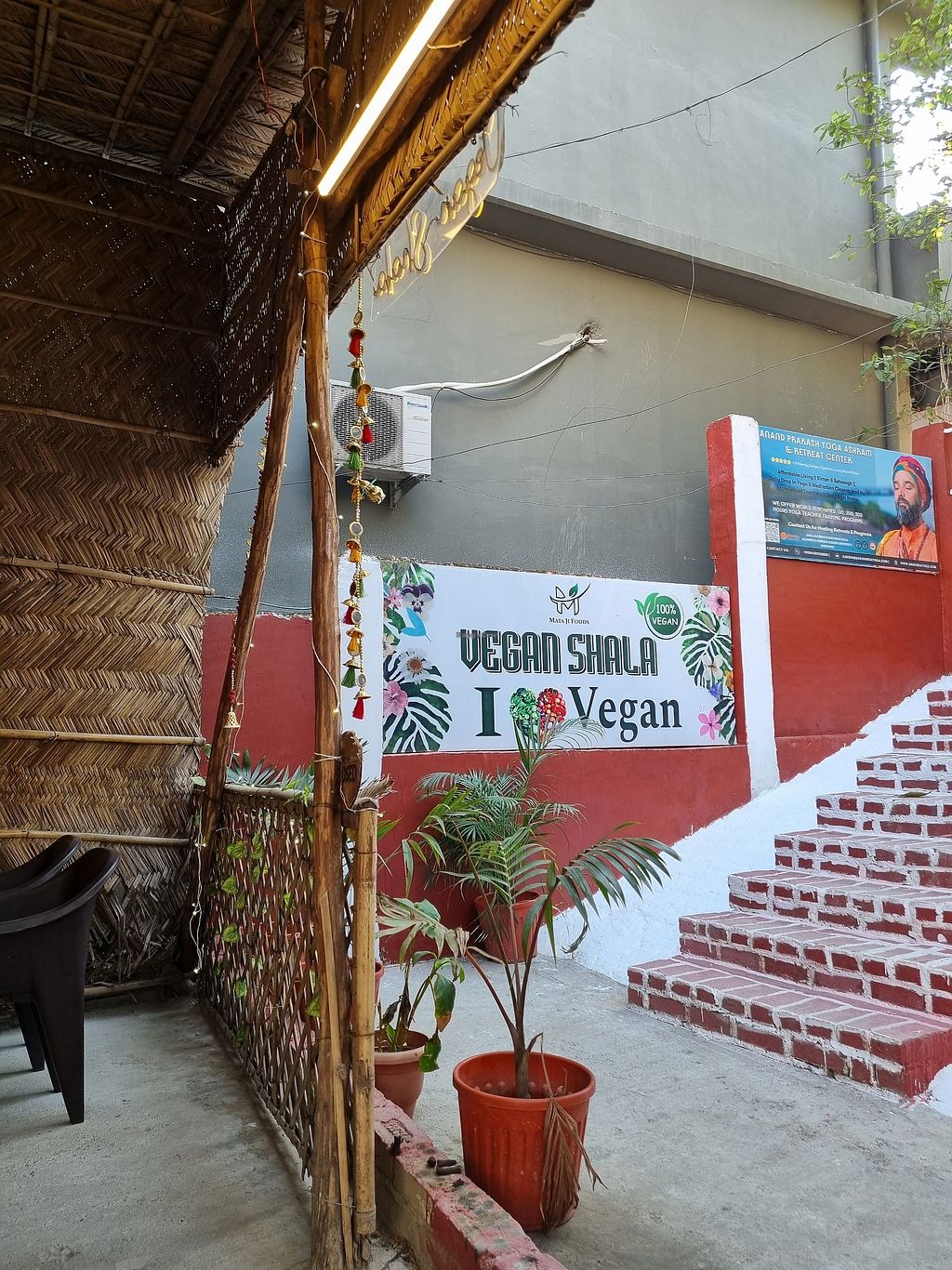
Older Vegan Shala location. Photo source: HappyCow. Check current status before going.
Why I include it: it is a useful example of why same-day checking matters in Rishikesh. Check the latest Vegan Shala map listing and photos.
4. Bistro Nirvana - for a garden meal away from the main road
Bistro Nirvana is the place I would keep for a longer lunch or dinner when I want shade, trees and enough menu choice for a mixed group. It sits on Swami Omkarananda Saraswati Road near Green Valley Cottage in Tapovan, away from the strongest traffic of Badrinath Road.
The menu moves across Indian, Italian, Continental, Israeli, Chinese and Mexican food, so it works better for a group than a tiny bakery would. I would come here after a long walking day, order a full meal and stay put. Current sources do not completely agree on weekly hours, which is another reason to check the map on the day.
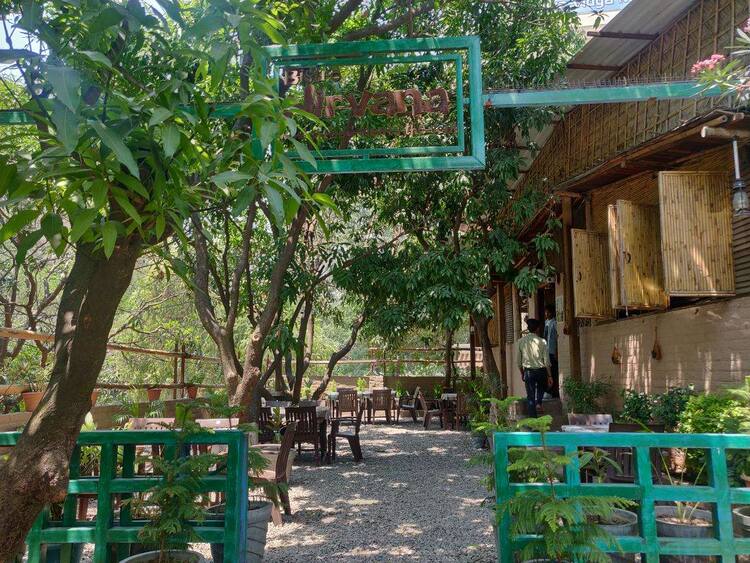
Why I stop here: garden seating, a full meal and a quieter side road. Open Bistro Nirvana in Google Maps for current hours and photos.
5. Cafe Moktan - for coffee, bread and a quick stop
Cafe Moktan is not where I would go for a long river view. I would go when I want coffee and something baked, or when I need a simple stop between the hills and the old city. Its strength is the bakery side: pastries, cakes, croissants and coffee are what many repeat visitors talk about.
The place is small, which is part of the appeal. You can sit if there is space, but it also works well for takeaway. That makes it useful on Day 2 when you come back from the Neelkanth side hungry but do not want to spend two hours at lunch.
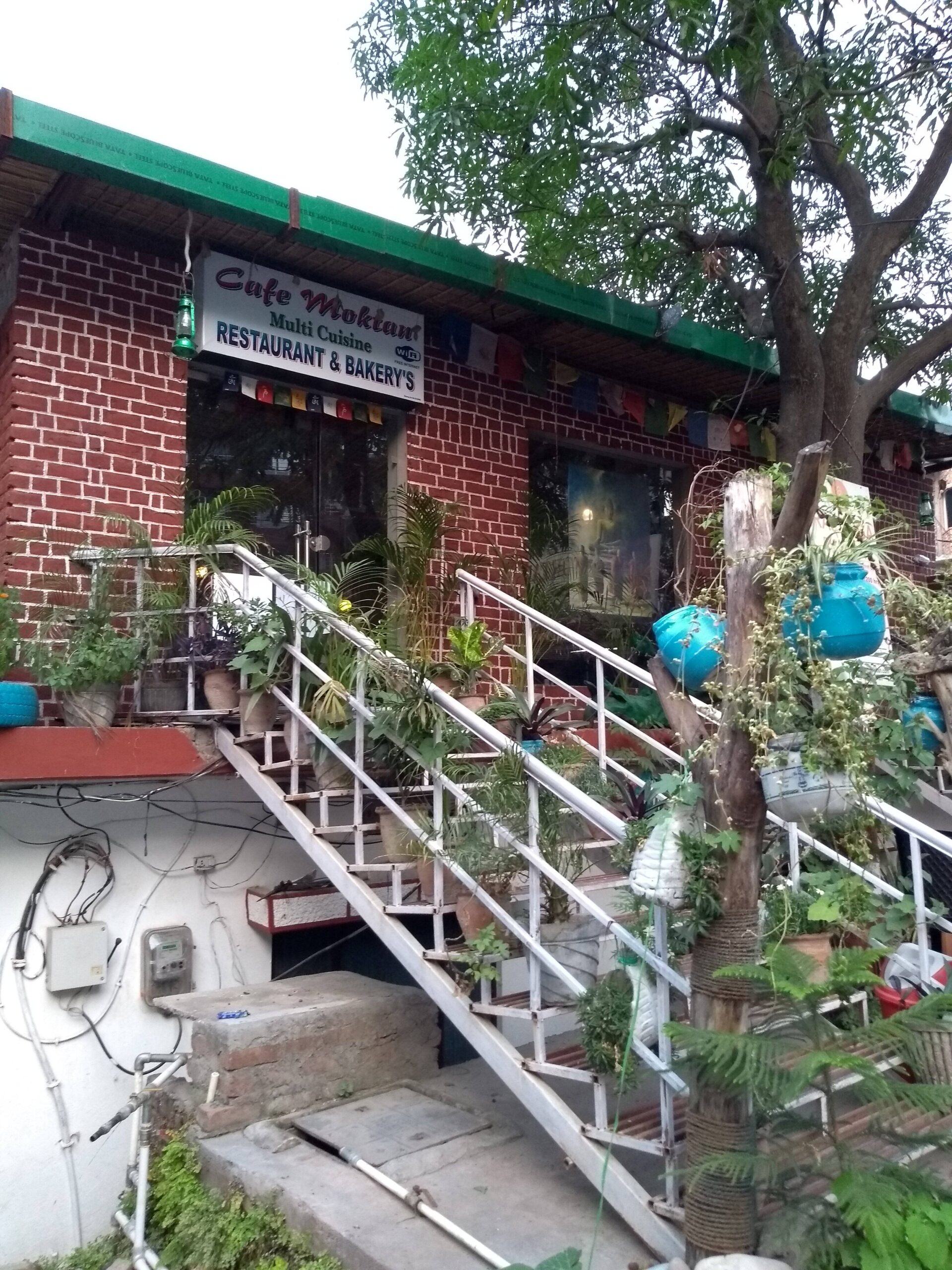
Why I stop here: coffee, baked food and a quick meal without turning lunch into another attraction. Open Cafe Moktan in Google Maps for current hours and photos.
6. Pure Soul Cafe & Organic Kitchen - for a lighter vegetarian meal
Pure Soul is useful when I want a vegetarian breakfast or lunch that is a little lighter after several days of cafe food. Current listings show breakfast, lunch and dinner, outdoor seating, vegan options and a menu that mixes continental and North Indian dishes.
I would choose it in daylight because the mountain-facing side and terrace are part of the reason to go. It is also an easy option when people in the same group want different things: one can have coffee and breakfast food, another can choose an Indian meal, and a vegan still has clear options.
Why I stop here: vegetarian food, vegan choices, breakfast and a useful Tapovan location. Open Pure Soul Cafe in Google Maps for current hours and photos.
Where should you stay for this 2-day Rishikesh itinerary?
If food, yoga classes and upper-river walks matter most, Tapovan is the easiest base. You can reach Sai Ghat, Aarcana, Neer Garh and many cafes without starting every morning in a vehicle. Lower Tapovan is busier and easier for autos. Upper Tapovan is quieter but involves more slopes, narrow lanes and walking.
If Parmarth, Bhootnath, ashrams and evening river walks matter more, Swarg Ashram makes more sense. The pace changes once you are on this side. You are closer to Parmarth, the riverfront and several ashram lanes, and you do not need to cross the river late in the day after aarti.
If your trip is mainly Bharat Mandir, Triveni Ghat, the bus station, railway station and older city streets, stay closer to central Rishikesh. This is not the area people usually choose for a cafe-heavy stay, but it is very convenient for temple visits and onward transport.
I would choose the area before the hotel. A beautiful room on the wrong side of the river can cost you an hour every morning. For only two days, do not change hotels unless there is a real reason. Rishikesh is small on a map, but a bridge closure, traffic or a long auto route can make two nearby-looking points feel much farther apart.
How I would move around for these two days
For Tapovan, Laxman Jhula lanes, Sai Ghat and many cafes, walking is usually faster than trying to take a vehicle for every short distance. The problem is the slope. What looks like a ten-minute walk on a flat map can become a steep climb in Upper Tapovan, so wear shoes you can actually use all day.
For the old city, autos are simple and easy to find in the daytime. Agree on the fare before leaving if the driver is not using a fixed local rate. At night, especially after aarti, it is better to know how you are getting back before the crowd starts moving. Bridge closures can change the route a driver has to take, which also changes the price.
For Jhilmil Gufa and the Neelkanth side, I would arrange a taxi or local vehicle the evening before. Shared jeeps can be cheaper, but they are less useful when you want an early start and a specific return time. Ask your hotel or host where the local vehicles are actually leaving from that week rather than relying on an old blog.
I would not rent a scooter just because it looks convenient. Rishikesh traffic mixes tourists, local traffic, buses, animals, narrow roads and steep bends. If you already ride confidently in Indian hill traffic, that is different. If not, walking and local transport are a better use of two days.
A few traveller rules that make Rishikesh better
- Start early. The river, ghats and hill roads feel completely different before 8 AM.
- Do not swim just because the Ganga looks calm. Current and water levels can change fast. Use recognised bathing areas and local guidance.
- Do not hike a waterfall or cave route after heavy rain. Wet rock, loose soil and sudden runoff matter more than your itinerary.
- Dress for temples, not only for photographs. Carry something that covers shoulders and knees, and expect to remove footwear.
- Carry some cash. Small stalls, entry points and local rides do not always work the way your payment app expects.
- Ask the same day about aarti time. Sunset changes across the year, and schedules move with it.
- Check bridge status before crossing town. September 2026 is a particularly important time to do this because Ram Jhula is under repair.
Solo travellers should also read our current guide on Rishikesh safety for solo female travellers and yoga students. It covers the practical side of moving around, transport, accommodation areas and what changes after dark.
If you have a third morning: choose one mountain memory
If you stay one more day, I would not fill it with six more attractions. Choose one mountain morning. Kunjapuri Temple gives you a high sunrise view and a road into the hills, while a quieter forest walk on the Neelkanth side gives you more solitude. Kunjapuri is more famous, so leave very early if you want the mountain rather than the crowd.
Kunjapuri Temple: Google Maps + current photos. The point is not to collect another pin. Pick one place, carry breakfast, sit for a while and come down after the light has changed.
Frequently asked questions about things to do in Rishikesh
Is two days enough for Rishikesh?
Two days are enough for a strong first visit if you divide the city by area. One day can cover the upper river, waterfall, Bhootnath and Parmarth. A second can cover a hill walk and the old city around Bharat Mandir and Triveni. Three to five days are better if you also want rafting, regular yoga classes or more mountain time.
What are the best less-crowded things to do in Rishikesh?
Go to Sai Ghat early, walk up to Bhootnath Temple, visit Jhilmil Gufa with enough time for the forest approach, eat on upper Tapovan side rather than only the main cafe strip, and walk old Rishikesh around Bharat Mandir before Triveni Aarti. Timing matters as much as the place: even a famous waterfall is much calmer early in the morning.
Is Laxman Jhula open in 2026?
No. The old Laxman Jhula suspension bridge remains closed to crossing. The neighbourhood around it is open, and Bajrang Setu nearby now provides the useful pedestrian crossing. Check current local access because work and traffic rules can change.
Is Ram Jhula open right now?
As of September 2026, Ram Jhula is closed for repair and renovation work. Officials said in July that the closure was expected to continue until December. Use current alternatives such as Janki Setu or road routes and check again before your visit.
Which Rishikesh waterfall should a first-time visitor see?
Neer Garh is the easiest waterfall to place in a two-day Rishikesh plan because it is close to the Tapovan/Laxman Jhula side and includes a proper short walk. Go early, allow two to three hours and skip the trail during unsafe rain conditions.
Parmarth Aarti or Triveni Ghat Aarti: which is better?
They feel different rather than one being universally better. Parmarth is closely tied to the ashram setting, chanting and the Swarg Ashram riverfront. Triveni is larger and more connected to the old city and pilgrim side of Rishikesh. With two days, attend one each evening.
How do I get to Jhilmil Gufa?
The common approach is toward the Neelkanth Mahadev side by taxi or shared local transport, followed by a forest walk to the cave. Road and trail access can change, especially around monsoon, so confirm locally before starting. Carry water and avoid beginning the return after dark.
Which area has the best cafes in Rishikesh?
Tapovan and the Laxman Jhula side have the widest cafe choice, but the best plan is not to eat every meal on the main strip. Upper Tapovan, Secret Waterfall Road and Yoga Street have smaller places such as Aarcana, Lily’s, Chakra House and Fork & Flora. Check current hours before walking because small cafes change schedules often.
Rishikesh is better when you stop trying to finish it
The mistake I would avoid in Rishikesh is treating the town like a task list. Yes, see the big landmarks. But also give one hour to a ghat without an event, choose one uphill temple that asks you to walk, eat in one small cafe where you can stay through a second cup, and spend part of a morning where the buildings give way to forest. Those are usually the parts you remember after the famous bridge photograph has become another file on your phone.
That is what this two-day Rishikesh itinerary is built around: the Ganga, the hills, old temples, good food and enough distance from the busiest circuit to see how many versions of Rishikesh exist inside one small city.
STAYING LONGER?
Use Rishikesh as more than a two-day stop
If your visit includes yoga study, plan the practical side before adding more sightseeing.