
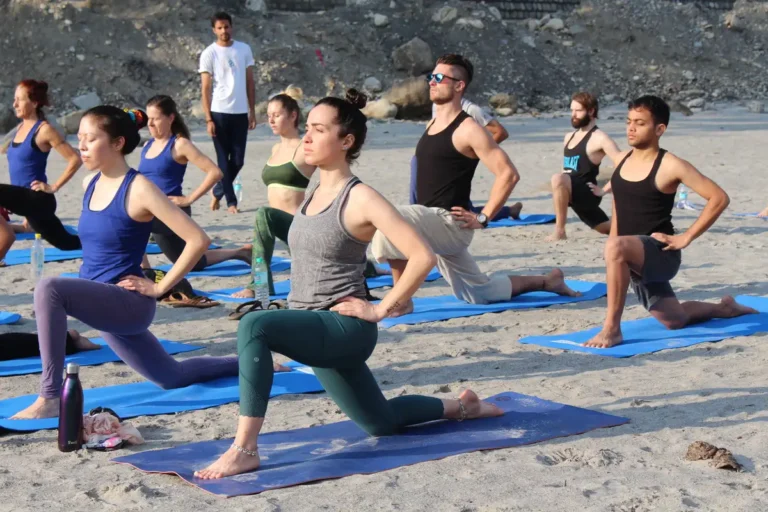
A 200-hour yoga teacher training can deepen your practice and introduce the responsibilities of teaching, but its value is not measured by a certificate alone. The most useful benefits are often practical: learning to observe movement, adapt a posture for different students, understand the philosophical foundations of yoga and give a beginner clear instructions.
A 200-hour course is a starting qualification, not a guarantee of mastery or employment. Whether it suits you depends on your experience, your aims and how carefully the school delivers its curriculum, supervised practicum and feedback.
What are the main benefits of 200-hour yoga teacher training?
Different students arrive with different intentions. Some are preparing to teach; others want several weeks of structured study. Both aims can be valid. What matters is that the course explains what is taught and how students practise those skills.
| Learning area | A useful outcome |
|---|---|
| Asana and pranayama | Understand essential techniques, common mistakes and individual variation |
| Anatomy and movement | Give safer, clearer options rather than one rigid alignment rule |
| Yoga philosophy | Read teachings in context instead of relying only on motivational quotes |
| Teaching methodology | Plan and explain a class with a clear purpose |
| Practicum | Teach other learners, receive feedback and improve |
| Daily discipline | Build a sustainable routine for practice, study and rest |
1. Build a more informed personal practice
Regular classes can teach us how a posture feels. Teacher training asks a second question: why do we practise it this way, and what could we change for a person with a different range of motion, strength or experience?
Students revisit familiar positions with more attention to breathing, direction of movement, balance and the relationship between effort and rest. That careful study is often more valuable than collecting advanced poses. A sound programme should also make room for questions, modifications and the ability to stop without embarrassment.

2. Learn to communicate rather than simply demonstrate
Being able to perform a pose does not automatically mean you can explain it. A yoga teacher needs to notice what students are doing, speak clearly, offer alternatives and manage the pace of a room. Training can introduce those skills through guided practice.
Learn how to sequence a class
A well-designed sequence has a purpose. A gentle beginner class needs a different pace from an active flow. Students learn to think about the starting position, warm-up, transitions, breathing cues, the main work of the class and a considered finish.
Practise giving instructions and receiving feedback
Supervised teaching matters. Trainees can try a short sequence, hear what their classmates understood and notice where their cues were too long or confusing. A teacher’s feedback can help them explain a movement more precisely without pretending that there is only one correct way for every body.
Understand the boundary of a yoga teacher’s role
Yoga teachers guide practice; they do not diagnose disease. A responsible course covers consent, adjustments, accessibility and when a student should seek advice from an appropriate health professional. Confidence should grow together with humility.
3. Study philosophy, anatomy and breathwork in context
Teacher training should be more than physical exercise. Yoga has a long and varied intellectual history. An introductory course may include the Yoga Sutras, the Bhagavad Gita, foundational concepts in Indian philosophy, ethics and the traditional purpose of practice. The best learning comes from asking what a text means in its own setting rather than using a verse as a decorative slogan.
Anatomy provides another kind of study. Trainees consider joints, muscle action, load and natural differences between bodies. This does not turn them into physiotherapists. It gives them a more careful vocabulary for describing movement and making sensible teaching choices.
Pranayama is also taught through appropriate progression. Basic awareness of inhalation and exhalation, a relaxed seat, and unforced practices should come before demanding breath retention or other advanced techniques. For beginners, safety and clarity matter more than intensity.

4. Experience a structured period of study
Residential teacher training may offer regular practice, shared meals, study periods and time away from an everyday schedule. Some people find it easier to develop consistent habits in that environment. Others may prefer part-time learning close to home. Neither format suits everyone.
Before booking a residential course, check the actual daily timetable, free time, room options and workload. An intensive programme should still allow adequate sleep, recovery and personal needs. Use our daily schedule guide to picture what a normal training day involves.
5. Understand the certificate and Yoga Alliance pathway
Successful graduates receive the training certificate issued by their school. If they complete an eligible 200-hour teacher training at a Yoga Alliance Registered Yoga School (RYS 200), they can apply to register as an RYT 200 with Yoga Alliance, subject to the organisation’s requirements and registration process. An RYS is the school designation; RYT is an individual teacher designation. Registration is not automatic on graduation.
A certificate is also not a universal government teaching licence. Employers, insurers and different countries may have their own expectations. Check those requirements before assuming that any particular certificate guarantees a job. For details, see the Yoga Alliance registration information and our country-by-country teaching eligibility guide.
How to choose a 200-hour programme that is worth the effort
A high advertised score, a striking location or a long list of yoga styles tells you little about teaching quality on its own. Look for concrete evidence.
- Named teachers: who will actually teach each subject, and what is their experience?
- Detailed syllabus: can you see the allocation for practice, philosophy, anatomy, methodology and practicum?
- Supervised teaching: when will you practise instructing others and receive feedback?
- Reasonable group size: can the faculty observe learners and answer questions?
- Transparent fee: which meals, rooms, materials, transport and assessments are included?
- Realistic outcomes: does the school explain limitations rather than promise instant mastery?
Read a yoga teacher training syllabus guide before comparing schools. If you are considering Rishikesh, look at the complete cost of residential teacher training, not just the headline tuition fee.
What 200 hours cannot do
A foundational course cannot make someone an expert in every injury, philosophy, therapy approach or yoga tradition. It does not replace years of personal practice. Nor should it teach students to make medical claims or promise that any exercise will treat a serious condition.
Good graduates leave with a clearer understanding of what they know, what they need to keep studying and when they should refer a question to someone better qualified.
Frequently asked questions
Can beginners take 200-hour yoga teacher training?
Many programmes welcome beginners with a basic interest in practice, but intensity and prerequisites differ. Ask the school what level of experience is needed and how it accommodates newer students.
Do I have to teach after completing the course?
No. Some people attend primarily to deepen personal practice. A course should still make its teaching and assessment expectations clear.
Will I automatically become an RYT 200?
No. Eligible graduates of an RYS 200 programme may apply for Yoga Alliance’s RYT 200 credential. Registration is a separate process.
Is a residential course better than an online course?
Each has strengths and limitations. Compare the actual supervised practice, contact hours, feedback and whether the format meets any registration or employment requirements relevant to you.
What should I do after graduating?
Continue practising, teach small appropriate groups where permitted, seek constructive feedback, and pursue further study in the areas your students need.
A 200-hour course is most worthwhile when it leaves you better prepared to practise thoughtfully, communicate clearly and keep learning. To see one example of a structured residential programme, view FitFortunes’ 200-hour multi-style yoga teacher training.