Blog

  • What Is Sound Bath Yoga? What Happens in a Real Session

    What Is Sound Bath Yoga? What Happens in a Real Session

    Sound bath yoga combines simple yoga, breath, meditation, or rest with sustained sound from bowls, gongs, chimes, and similar instruments. There is no water involved, and there is no single standard format. One class may include gentle movement before a long Savasana, while another may be almost entirely still. The class description matters more than the name because teachers use the term in different ways.
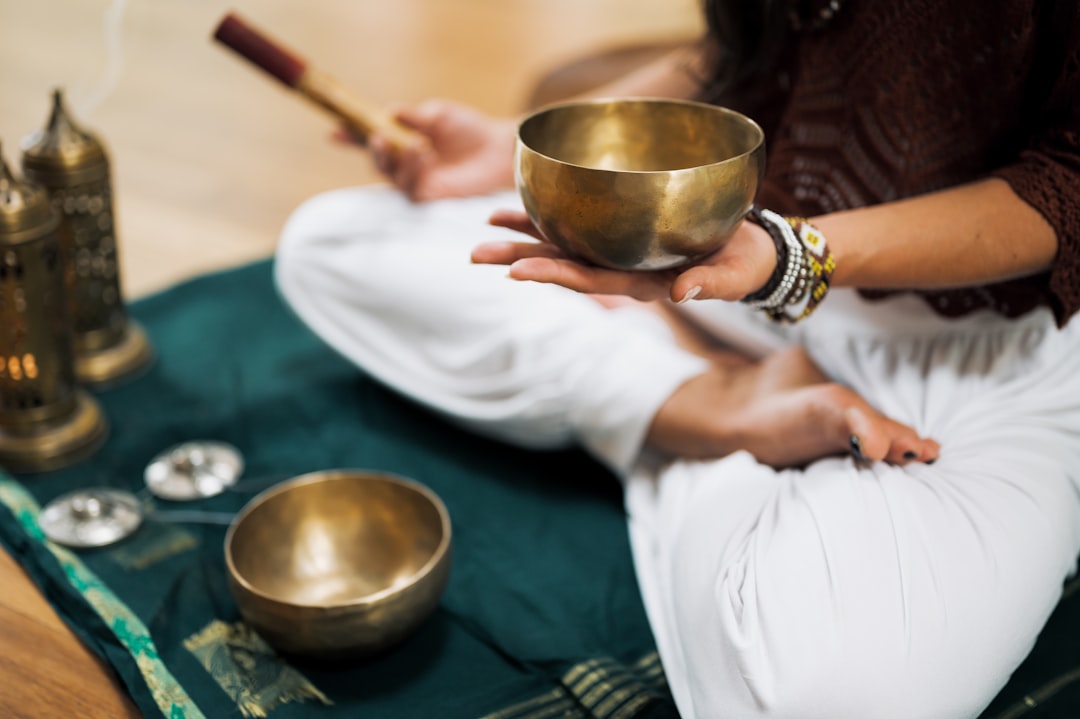
    Singing bowls prepared for a sound bath yoga session
    What Is Sound Bath Yoga? What Happens in a Real Session 3

    What is sound bath yoga?

    Sound bath yoga is a modern class format in which yoga practice or guided relaxation is paired with live or recorded sound. The sound may accompany movement, pranayama, meditation, or a long final rest. One teacher may lead forty minutes of gentle Hatha Yoga and use bowls only at the end, while another may use very little movement. Because the format varies, students should read what the actual session includes before booking.

    What happens during a sound bath yoga session?

    A well-organised session usually follows a simple arc that helps students move from normal activity toward quieter attention. The teacher should explain the format, make the room comfortable, and give clear choices before the sound begins. The movement does not need to be difficult, because the main purpose is often to prepare the body for stillness. A careful ending is also important so people have time to reorient before they leave.

    1. Arrival and explanation

    The teacher explains how the session will run, where the instruments are placed, and what participants can do if a sound feels too loud or uncomfortable. This is also the right time to discuss consent, movement options, and whether anyone needs a chair or a different resting position. Clear instructions at the start reduce uncertainty later, especially for people attending their first sound session.

    2. Gentle movement or settling

    Students may practise slow postures, simple mobility, breathing, or quiet awareness before lying down. The aim is usually to reduce unnecessary effort rather than create a demanding workout. A teacher may use gentle Hatha movements, supported stretches, or a short seated practice. If the class includes more active yoga, that should be stated clearly so beginners can choose a suitable level.

    3. Supported rest

    Participants normally lie down or sit in a comfortable position while the sound portion begins. Blankets, cushions, bolsters, or a chair can make a long period of stillness easier. A person who cannot lie flat should be offered another position rather than being told to tolerate discomfort. Comfort supports attention, and it also makes it easier for the teacher to keep the session calm and inclusive.

    4. The sound portion

    The facilitator plays instruments with changes in volume, rhythm, tone, and space. Some sounds may be long and sustained, while others are brief. Silence between sounds is also part of the experience and should not be treated as empty time that must always be filled. Skilled facilitation is not about playing as many instruments as possible; it is about listening to the room and using sound with restraint.

    5. A quiet ending

    A thoughtful sound session should not finish with a sudden loud announcement or an immediate rush to stand up. Participants need a little time to move their fingers and toes, sit up, and notice how they feel. The teacher can give simple instructions without forcing anyone to describe a personal experience. A gradual ending helps the class return to normal activity with more awareness.

    What instruments are used in a sound bath?

    Common instruments include Himalayan metal singing bowls, crystal bowls, gongs, bells, chimes, drums, and other resonant instruments. A good session does not need a large collection. Quality depends more on pacing, volume, tone, placement, and the facilitator’s ability to listen than on the number of bowls in the room. More sound is not automatically deeper, and louder sound is not automatically more effective.

    Is sound bath yoga the same as sound healing?

    The terms overlap, but they are not always used in the same way. A sound bath usually describes listening to sustained sound in a restful setting, while sound bath yoga adds movement, breath, meditation, or a yoga-class structure. Sound healing is a broader wellness term used by many schools and practitioners. Because “healing” can sound medical, responsible teachers should not present a wellness session as a diagnosis or treatment for disease.

    FitFortunes teaches instrument use, session structure, listening skills, and responsible practice in its sound healing course in Rishikesh. The course is educational and focuses on practical use of sound in a wellness setting. It is not presented as medical treatment, and students are taught to keep claims within the scope of their training.

    Does a sound bath really work?

    The answer depends on what “work” means. Many people attend because they want a quiet setting where they can lie down, listen, and relax, and that is a reasonable wellness purpose. Claims that a sound bath cures anxiety, releases trauma, balances hormones, removes disease, or heals organs are much stronger medical claims. Research on sound-based interventions exists, but studies vary in design and quality, so personal reports should not be treated as clinical proof.

    Why is sound bath yoga becoming more popular?

    Sound-based classes have become more visible in yoga studios, retreats, and wellness spaces because they fit the growing interest in slower practices, breath, rest, and nervous-system language. That popularity also means some people begin facilitating after very short trainings. Students should therefore look beyond attractive bowls and social-media videos. Ask about the facilitator’s education, practical experience, approach to volume, consent, and the health claims they make.

    Can a sound bath be uncomfortable?

    Yes. Not everyone finds resonant sound relaxing, and sustained or loud tones can feel unpleasant for some people. Tinnitus, migraines, hearing conditions, sensory sensitivity, pregnancy, or other health concerns may change what is comfortable. A participant with a specific medical question should use appropriate professional guidance rather than relying on a general class description. A facilitator should make it easy to move, sit farther away, reduce exposure, or leave if needed.

    • Explain that participants can change position or leave at any time.
    • Avoid placing a loud instrument close to someone’s head without clear consent.
    • Control volume instead of assuming louder sound is better.
    • Offer comfortable resting positions and props.
    • Avoid medical promises and ask before using touch.

    Can beginners join sound bath yoga?

    Usually, yes, when the movement portion is suitable for beginners. You do not need musical knowledge, experience with singing bowls, or a long yoga background to attend. The main thing is to check what the class actually includes, because the words “sound bath yoga” do not guarantee that the physical practice will be gentle. If you are unsure, ask the teacher about movement level, session length, resting positions, and instrument volume before you book.

    Common questions about sound bath yoga

    Do you get into water during a sound bath?

    No. The word “bath” is a metaphor for being surrounded by sound rather than sitting in water. Participants usually lie on a yoga mat, sit on a cushion, or use a chair while instruments are played around the room. Some sessions include gentle yoga before the sound begins, while others are almost entirely restful. Reading the class description will tell you what to expect.

    What should I wear to a sound bath?

    Wear clothing that allows you to move easily and rest without pressure around the waist, shoulders, or neck. People often become cool when lying still for a long time, so a light layer or socks can be useful. Some studios provide blankets and bolsters, but it is better to check before arriving. Comfort matters more than wearing special yoga clothing because much of the session may be quiet and still.

    Can I fall asleep during a sound bath?

    Some people do fall asleep, especially when the room is quiet and the body is supported comfortably. That does not mean the session failed, although a teacher may intend the practice to be awake listening rather than sleep. There is no need to force yourself to stay alert or to chase a particular experience. Rest naturally, notice what you can, and allow the session to be simple.

    Do singing bowls need to be placed on the body?

    No. Many sound baths use instruments around the room without placing anything directly on a participant. Body placement is a separate technique and should not be treated casually, especially when the facilitator has limited training or the participant has a health concern. Clear consent is essential before direct contact or instrument placement. A person can receive the full listening experience from bowls played nearby.

    Is sound bath yoga traditional yoga?

    The modern bowl-and-gong class format is contemporary. Sound, mantra, listening, meditation, and sacred music have long histories in Indian traditions, but that does not make every present-day wellness session an unchanged ancient practice. Good teaching can respect older traditions without inventing a false history. It is more accurate to describe modern sound bath yoga as a current wellness format influenced by several practices and instruments.

    Good sound work needs restraint

    A memorable sound session is not necessarily the loudest or the one with the most instruments. Good facilitation gives people time to listen, rest, and choose their level of participation without pressure. Pacing, silence, consent, and clear boundaries matter as much as technique. If you want to study instruments and session design rather than only attend a class, see the FitFortunes sound healing course.

    Editorial note: Current wellness reporting and the Global Wellness Institute yoga trends were used for trend context. Health claims are intentionally limited because evidence for specific sound interventions remains mixed and method-dependent. Written by Pravesh Narwal.
  • How to Clean a Yoga Mat Without Ruining It

    How to Clean a Yoga Mat Without Ruining It

    The right way to clean a yoga mat depends on the material. A method that is safe for one mat can damage another, so start with the maker’s care instructions before you soak, spray, scrub, or machine-wash anything. For normal home practice, gentle cleaning is usually enough. The goal is to remove sweat, dust, and residue without changing the mat’s grip, coating, or texture.

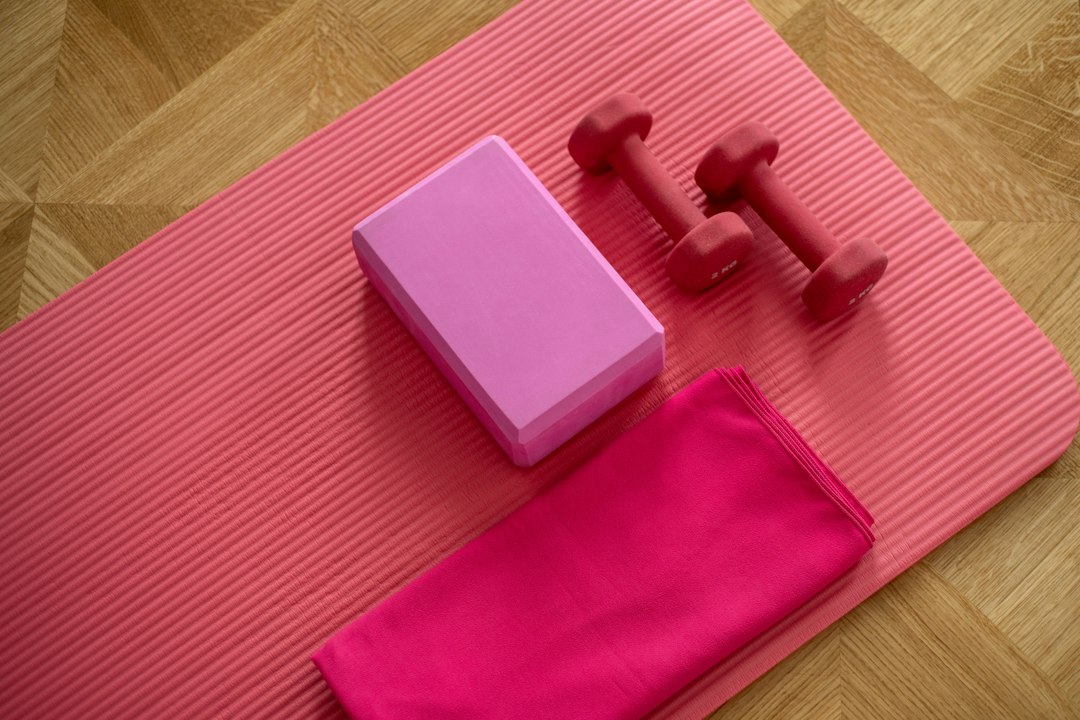
    Yoga mat laid out at home before cleaning
    How to Clean a Yoga Mat Without Ruining It 6

    How should you clean a yoga mat after normal use?

    For routine care, begin with the least aggressive method: a soft damp cloth, a small amount of mild cleaner only when the manufacturer allows it, and full air drying before the mat is rolled. You do not need harsh disinfectant after every gentle practice. Sweaty classes, hot yoga, outdoor use, and shared studio floors may need more frequent cleaning, but over-cleaning can wear the surface and reduce grip.

    1. Shake off visible dust, hair, or grit.
    2. Wipe the practice surface with a clean damp cloth.
    3. Use only a cleaner that is suitable for that mat material.
    4. Remove cleaner residue when the care instructions say to do so.
    5. Leave both sides open until the mat is completely dry.

    Rolling a damp mat is one of the easiest ways to trap moisture and create odour. If you practise often, give the mat enough time and air to dry between sessions instead of keeping it tightly rolled in a bag.

    Cleaning a yoga mat by material

    “Yoga mat” does not describe one material. PVC, TPE, natural rubber, cork, and open-cell performance mats react differently to water, oils, heat, and cleaning products. That is why one universal recipe from social media can be a bad idea. Use the table below as a starting point, then follow the care label for the exact mat you own.

    Mat typeSafer starting pointBe careful with
    PVCDamp cloth and manufacturer-approved mild cleaningHarsh solvents, strong bleach, and high heat
    TPEGentle surface wipeLong soaking, high heat, and aggressive chemicals
    Natural rubberLight damp cleaning and quick dryingOils, strong chemicals, and long sun exposure
    CorkGentle damp wipe and full air dryingHeavy soaking and abrasive scrubbing
    Open-cell performance matFollow the brand’s specific instructionsFlooding the absorbent surface with homemade solutions

    Even two mats made from the same broad material can have different coatings, dyes, or adhesives. If you are still choosing a mat, our 3mm vs 5mm yoga mat guide explains thickness, while our yoga mat buying guide covers other practical points.

    Why do yoga mats lose grip after cleaning?

    A mat can feel slippery after cleaning for several reasons. Soap may leave a thin film, oil-based sprays can coat the surface, hard scrubbing can change texture, and a mat that is still damp may feel different under the hands and feet. If grip changes suddenly after cleaning, do not keep adding more product. Wipe or rinse it as the manufacturer recommends, then let it dry fully before judging the surface.

    Can you clean a yoga mat with vinegar?

    Sometimes, but vinegar is not a universal yoga-mat cleaner. Diluted vinegar is often suggested because it is cheap and easy to find, yet mat coatings, dyes, adhesives, and rubber blends vary widely. Some manufacturers allow a diluted solution, while others specifically warn against it. If the care instructions do not mention vinegar, do not assume an online recipe is safe, and never mix vinegar with bleach or other cleaning chemicals.

    Can you use rubbing alcohol or strong disinfectant?

    Alcohol and strong disinfectants can dry, fade, or change some yoga-mat surfaces, so check the maker’s instructions first. Strong products may also leave a smell or residue that becomes unpleasant when your face is close to the mat. If a studio has hygiene rules that require a particular disinfectant, it is better for the studio to use mats designed for that cleaning system rather than applying the same chemical to every material.

    Can you wash a yoga mat in the washing machine?

    Do not machine-wash a yoga mat unless the manufacturer clearly says it is machine washable. A washing cycle can bend, stretch, or tear foam and rubber, while spinning can stress glued layers and detergent can stay inside porous material. Heat from a tumble dryer can cause even more damage. Some thin fabric-topped travel mats are washable because they were made for it, but a thick rubber or foam practice mat is a different product.

    How should you deep-clean a very dirty yoga mat?

    Start with the brand’s deep-clean method instead of putting the mat straight into a bathtub. When gentle hand washing is allowed, use a clean surface, cool or lukewarm water, and the smallest amount of approved cleaner that does the job. Remove sand and dry grit before wet cleaning because gritty particles can scratch the surface when rubbed. Natural-rubber and absorbent mats should not be left soaking for hours unless their care instructions explicitly allow it.

    How to dry a yoga mat properly

    Drying is part of cleaning, not an extra step. Open the mat fully so air can reach both sides, keep it away from radiators and very high heat, and be cautious with strong direct sun on natural rubber. Do not roll or store the mat while it still feels damp or unusually cool. A mat used every day needs a storage place where it can finish drying between practices rather than staying sealed in a bag.

    • Open the mat fully after cleaning.
    • Let air reach both sides.
    • Avoid radiators, dryers, and very high heat.
    • Use care with strong sunlight, especially on natural rubber.
    • Store the mat only when it is completely dry.

    How often should you clean your yoga mat?

    There is no one cleaning schedule that suits every person. Clean more often when you sweat heavily, practise hot yoga, use the mat outside, or share it with other people. A private mat used for a quiet home practice may need only a light wipe and occasional deeper cleaning. Use sight, smell, and feel as practical signals: visible dirt, persistent odour, or a sticky surface film usually means it is time for care.

    Common yoga-mat cleaning questions

    Should I clean my mat after every use?

    A quick wipe can make sense after a sweaty class, hot yoga, or practice on a dirty floor. A full deep clean after every session is usually unnecessary and may wear some surfaces faster than normal use would. Let the condition of the mat guide you instead of cleaning by habit alone. When you do wipe it, allow it to dry fully before rolling it for storage.

    Can essential oils damage a yoga mat?

    They can affect grip, coatings, or rubber on some mats, even when they smell pleasant. Oil that remains on the practice surface can make hands and feet slide, and some materials react poorly to repeated oil exposure. Do not add essential oils simply because a homemade cleaner uses them. Check the care instructions for your exact mat and use the simplest approved cleaner when you are unsure.

    Can I use dish soap?

    Some manufacturers allow a very small amount of mild soap, while others recommend a different method. The main problem with using too much is residue: a soap film can make the surface feel slippery and may be difficult to remove from open-cell material. If mild soap is allowed, use as little as needed and follow the maker’s instructions for wiping or rinsing it away.

    Why does my mat smell after washing?

    The mat may still be damp inside, cleaner may remain on the surface, or the material may have absorbed odour over time. Give it enough time to dry in moving air before washing it again, because repeated wetting can make the problem worse on some materials. If the smell remains after full drying, check the brand’s deep-clean instructions rather than adding stronger chemicals at random.

    Can I sleep on the same yoga mat I practise on?

    You can, but comfort and hygiene depend on the mat, where you use it, and how clean and dry it is. A mat that regularly touches studio floors or outdoor ground may need more careful cleaning before you use it as a sleeping surface. It is also much thinner than normal bedding. Our guide to sleeping on a yoga mat covers the question in more detail.

    Clean the material you actually own

    The best yoga-mat cleaning advice is not a viral recipe. Identify the material, read the maker’s care instructions, use the mildest effective method, and dry the mat completely before storage. That simple approach protects the grip, surface texture, and lifespan of the mat you already paid for. Product-specific care instructions should always take priority over a general article when the two are different.

    Trend note: A 2021–2026 Google Trends analysis published by YogaEarth reported a rise in relative search interest for “how to clean a yoga mat.” Relative trend growth is not the same as exact monthly search volume. Written by Pravesh Narwal.
  • Is Chair Yoga Good for Seniors? What Research Actually Shows

    Is Chair Yoga Good for Seniors? What Research Actually Shows

    Chair yoga can make movement easier for some older adults because the chair gives support and reduces the need to get down to the floor. That can make practice more accessible for people with limited mobility, balance concerns, joint discomfort, or low confidence with floor work. But chair yoga is not automatically safe for every older adult, and it should not be presented as a cure for pain, balance problems, or age-related conditions.

    Table of contents

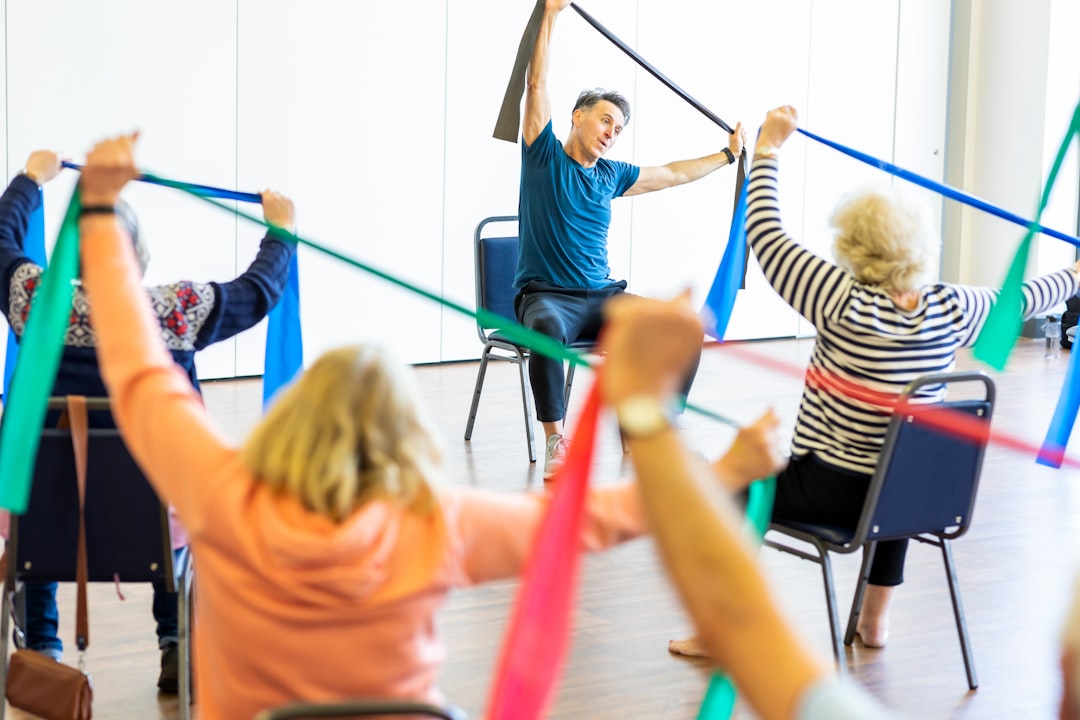
    Older adults practising chair yoga in a group class
    Is Chair Yoga Good for Seniors? What Research Actually Shows 9

    Is chair yoga good for seniors?

    For some older adults, yes. Chair yoga can offer a supported way to practise gentle movement, breathing, and attention without requiring repeated floor transitions. Whether it is suitable depends on the person’s health, balance, mobility, medicines, and current medical conditions. A healthy 68-year-old who walks every day may need something very different from an 88-year-old recovering from surgery.

    This is why a good chair-yoga class should be adaptable. The chair is a useful tool, but it is not a guarantee of safety, and it should not be used to make every student do the same movements. The teacher still needs to watch how the person moves, offer simpler options, and avoid pushing through pain or instability.

    What does research actually show?

    One often-cited randomized controlled trial studied 131 older adults with lower-extremity osteoarthritis. The chair-yoga group attended 45-minute sessions twice a week for eight weeks. The study reported lower pain interference and some short-term improvements during the intervention, but balance did not improve and many benefits were not sustained after the program ended.

    That is an important distinction. The study supports chair yoga as an accessible movement option worth studying, but it does not prove that chair yoga treats arthritis, fixes balance, or produces the same result for every older adult. One study in one group cannot answer every question about long-term outcomes, different health conditions, or different class styles. You can read the study abstract on PubMed.

    Broader research on yoga for older adults is somewhat more encouraging, but it should not be confused with chair-yoga evidence. A systematic review and meta-analysis of randomized trials in older adults reported improvements in areas such as balance, lower-body flexibility, and lower-limb strength compared with inactive controls. Those studies included different yoga styles and were not all chair-based, so they cannot be used to claim that every seated program will produce the same results. The responsible conclusion is that yoga can be adapted for older adults and may support physical function, while the exact benefit depends on the program, the person, and how consistently it is practised.

    What happens in a chair-yoga class?

    A chair-yoga session may include seated breathing, neck and shoulder movement, gentle spinal movement, ankle and foot work, seated twists, and supported standing exercises. The chair may be used as a seat, as a hand support during standing work, or as a reference point that makes movement and transitions more predictable. The class should be built around the people present rather than forcing every traditional floor posture into a chair.

    • As a seat: useful for people who do not want or cannot comfortably sit on the floor.
    • As support: a hand can rest on the chair during standing movement or small weight shifts.
    • As a reference point: the chair can make transitions slower and easier to organise.

    Why is chair yoga becoming more popular?

    Chair yoga has become more visible because people are looking for movement that can be done at home with little equipment and less floor work. A YogaEarth analysis of Google Trends data from 2021 to 2026 reported large relative increases for searches such as “free chair yoga for seniors,” “chair yoga exercises,” and “chair yoga for seniors.” Those figures describe relative search interest, not exact monthly search volume or proof that the method works for everyone.

    How to make chair yoga safer

    Safety starts with the setup and the pace of the class. Use a stable chair without wheels and place it on a non-slip surface. Standing up, turning, and sitting down can be harder than the yoga movement itself for someone with poor balance, so transitions should be slow and simple. A folding chair should be used only if it locks securely and is suitable for the person’s weight and movement.

    Pain should not be treated as a goal. Sharp pain, new chest pain, faintness, severe shortness of breath, sudden weakness, or other concerning symptoms need appropriate medical attention rather than a yoga modification. Someone with recent surgery, unstable heart or blood-pressure problems, severe osteoporosis, recent falls, neurological conditions, or another significant health concern should ask an appropriate healthcare professional what activity is suitable.

    The NCCIH yoga overview notes that yoga is generally considered safe when practised appropriately, while injuries can occur and some people with health conditions may need modifications. Chair yoga should follow the same principle: make the practice fit the person rather than asking the person to fit the practice.

    What should a chair-yoga teacher understand?

    A good teacher should be able to make movement simpler without talking to older adults as if they are children. They should ask about important limitations, offer choices, watch balance carefully, and avoid turning the class into a performance. They should also understand scope of practice: a yoga teacher can guide movement and breathing within their training, but should not diagnose a condition or promise a medical outcome.

    This kind of judgement is one reason teacher education matters. Anatomy, observation, communication, and teaching methodology all become important when a class includes people with very different needs. Our yoga teacher training curriculum guide explains how these areas fit into foundational teacher training.

    Five simple chair-yoga ideas

    These examples are educational ideas rather than a personal exercise prescription. Each movement should stay within a comfortable, controlled range, and a person should stop if they feel pain, dizziness, or instability. The right version is not the deepest movement; it is the version the person can do with control and steady breathing.

    1. Seated breathing: sit comfortably and notice natural breathing without forcing depth.
    2. Shoulder circles: move slowly through a comfortable range.
    3. Ankle movement: lift one foot slightly and move the ankle gently if balance and comfort allow.
    4. Seated side reach: keep one hand supported while the other arm reaches only as far as comfortable.
    5. Supported standing: hold the back of a stable chair and practise a small weight shift instead of a difficult balance pose.

    How to start chair yoga safely

    Start with a short session and choose movements that can be done without rushing. Use a stable chair on a non-slip surface, keep both feet supported when seated, and make standing work optional. A first session does not need to include every movement in the article. Five to ten comfortable minutes can be enough to learn how the body responds before adding more.

    It is also useful to separate normal effort from warning signs. Mild muscular effort can be expected, but sharp pain, dizziness, chest pain, faintness, unusual breathlessness, or sudden weakness are reasons to stop. If an older adult has had recent surgery, repeated falls, major balance problems, unstable heart or blood-pressure conditions, or another significant medical concern, the safest starting point is individual guidance from an appropriate healthcare professional.

    How to choose a chair-yoga class for an older adult

    Look for a class that explains who it is for, what level of mobility is expected, and whether standing work is optional. A good teacher should ask about recent falls, major health concerns, surgery, pain, and anything that affects balance without turning the class into medical treatment. The chair should be stable, the pace should allow time for transitions, and students should be encouraged to stop rather than push through symptoms. Avoid classes that promise to cure arthritis, reverse ageing, fix balance, or guarantee weight loss. If someone is new to yoga and wants a broader starting point, our beginner yoga guide for seniors explains how to start gradually.

    If the student already knows the basic movements and wants a simple home structure, use the 28-day chair-yoga practice guide as a separate practice resource. That article focuses on routine and progression, while this page remains focused on the research question: whether chair yoga can be a useful option for seniors and what the evidence actually supports. Keeping those two purposes separate helps readers and search engines understand which page answers which question.

    Frequently asked questions

    Is chair yoga only for seniors?

    No. Chair yoga can also be useful when floor transitions are difficult, during some types of recovery when medically appropriate, at a desk, or for anyone who wants more support. The method is defined by how the chair is used, not by the age of the student. A younger person with limited mobility may find the same supported format useful.

    Can chair yoga improve balance?

    Do not assume that it will. The osteoarthritis trial discussed above did not find a balance improvement, and balance often needs specific standing and functional practice. A chair can make some exercises safer, but relying on it for every movement does not automatically train unsupported balance. The right approach depends on the person’s current ability and fall risk.

    Is chair yoga safe for seniors?

    Chair yoga can be a safer and more accessible option for some older adults, but the chair does not remove every risk. Falls can happen during standing transitions, and certain movements may be unsuitable after surgery or with unstable heart, blood-pressure, bone, neurological, or balance conditions. Use a stable chair on a non-slip surface, keep movements within a comfortable range, and allow standing work to remain optional. A teacher should adapt the class to the person rather than assume that age alone determines what is safe. Anyone with a significant medical concern should ask an appropriate healthcare professional what level of activity is suitable.

    How often should seniors do chair yoga?

    There is no single frequency that fits every older adult. Health status, current activity level, recovery, medicines, and class intensity all matter. A shorter comfortable practice done consistently may be more useful than suddenly doing long daily sessions. People with significant health concerns should base frequency on appropriate professional guidance.

    Can chair yoga help with weight loss?

    Chair yoga should not be sold as a guaranteed weight-loss method. Body weight is affected by food intake, total activity, sleep, medicines, health conditions, and many other factors. Different chair-yoga classes also have very different energy demands. It can be one form of movement, but it should not be presented as a stand-alone promise for weight change.

    Is YouTube chair yoga safe?

    A video cannot fully see the person practising or change the class when something looks wrong. Choose conservative instruction, use a stable setup, and avoid copying movements that do not feel appropriate. Someone with important balance, heart, neurological, bone, or recovery concerns may benefit from individual professional guidance instead of relying only on a video.

    Accessible does not mean careless

    Chair yoga can remove some barriers to yoga practice, and that is its main value. The method works best when movement is adapted to the person rather than when large promises are made about age, pain, or disease. A stable setup, clear teaching, sensible pacing, and respect for individual limits matter more than trying to make the class look impressive.

    For a broader beginner perspective, read how yoga beginners can build a foundation.

    Sources used for this guide

  • What Is Somatic Yoga? A Clear Guide Without Wellness Hype

    What Is Somatic Yoga? A Clear Guide Without Wellness Hype

    Somatic yoga is a modern term for slow, yoga-informed movement that asks you to notice how movement feels inside your body. It is usually less pose-driven than a standard group class and gives more attention to sensation, effort, breathing, and small changes in movement. The term is used in different ways, so the class description and the teacher’s method matter more than the label itself.

    Gentle somatic-style yoga movement on the floor
    What Is Somatic Yoga? A Clear Guide Without Wellness Hype 12

    What is somatic yoga?

    Somatic yoga is not one ancient yoga system with a fixed syllabus. Today, the term is commonly used for classes that combine yoga shapes, breath, and slow movement with close attention to internal sensation. The word somatic refers to experiencing the body from within, so a teacher may ask you to notice pressure, effort, ease, temperature, breathing, or differences between the two sides of the body.

    A movement may be repeated slowly instead of being held as a perfect pose. The question changes from “Does this look correct?” to “What do I notice when I move this way?” That does not make somatic yoga a replacement for traditional Hatha Yoga. It is better understood as a modern teaching approach that can overlap with yoga, somatic education, mobility work, and relaxation practices.

    Why is somatic yoga suddenly everywhere?

    Search interest has grown sharply over the last several years. A YogaEarth analysis of Google Trends data for 2021 to 2026 reported strong relative growth for “somatic yoga” and “what is somatic yoga.” Those figures describe changes in relative Google Trends interest, not guaranteed monthly search volume, but they do show that more people are asking about the term.

    The wider wellness market is also paying more attention to nervous-system language, gentle movement, and mind-body practices. The Global Wellness Institute’s 2026 yoga trends highlights growing interest in nervous-system regulation and related approaches. That popularity also creates a problem: the word can be used so loosely that almost any slow stretch is labelled “somatic.”

    What happens in a somatic yoga class?

    There is no universal class format, but a somatic-style class often uses small movements, lying or seated work, pauses between movements, gentle breath awareness, and questions about sensation rather than appearance. Repetition may be used to compare how a movement feels before and after a small change. The aim is usually to increase awareness rather than to reach the deepest version of a posture.

    • Small, slow movements rather than fast flows.
    • Lying or seated work with less pressure to reach a final pose.
    • Pauses that give time to notice changes in effort or breathing.
    • Questions about sensation rather than how the pose looks.
    • Repetition used to compare how movement feels.

    For example, instead of moving directly into a deep spinal twist, a teacher may guide a small rocking movement and ask you to notice where the ribs, pelvis, and breath move easily. The learning comes from attention rather than making the twist bigger. A clear teacher should be able to explain what makes the method different without relying on vague or mysterious language.

    Somatic yoga vs traditional yoga styles

    The main difference is usually the teaching emphasis rather than a completely different set of movements. Traditional Hatha Yoga can include asana, pranayama, concentration, philosophy, and other practices. Vinyasa normally links movement and breath in more continuous sequences, while Yin Yoga often uses longer, relatively still holds. Somatic yoga usually puts the strongest emphasis on sensing and exploring movement from within.

    Traditional Hatha Yoga

    Hatha teaching can include clearly named postures, pranayama, concentration, philosophy, and other established techniques. A thoughtful Hatha teacher may already ask students to notice breath, pressure, balance, and unnecessary effort, so internal awareness is not unique to a modern somatic class. FitFortunes’ Hatha yoga teacher training teaches this broader traditional framework.

    Vinyasa

    Vinyasa classes often connect movement with breath through a sequence. The pace can vary, but the structure normally has more continuous movement than a typical somatic class. A Vinyasa teacher can still use mindful observation, but the class usually has a clearer movement flow and a stronger sequence-based structure.

    Yin Yoga

    Yin Yoga often uses longer, relatively still holds, while somatic practice is usually more interested in active sensing and small exploratory movement. The two can overlap because both may be slower than a typical flow class. They are still not the same method, and a teacher should explain which approach is actually being used.

    Can somatic yoga release trauma, lower cortisol, or cause weight loss?

    Be careful with these claims. Slow movement and mindful attention may feel calming for some people, but feeling calmer is not the same as proving that a class treats trauma, changes hormone levels, or produces weight loss. Trauma treatment belongs within appropriate mental-health care, hormone claims require proper measurement, and body-weight changes depend on many different factors.

    The U.S. National Center for Complementary and Integrative Health provides an evidence-based overview of what research says about yoga and safety. Research on yoga as a broad category should not automatically be treated as proof for every new style or branded method. A yoga teacher should describe a gentle movement class clearly without turning it into a medical promise.

    Is somatic yoga good for beginners?

    It can be accessible because movements are often slower and smaller, and there may be less pressure to reach a final pose. But “gentle” does not mean suitable for every person or every health condition. A beginner should look for a teacher who gives clear options, does not promise cures, and encourages students to stop when movement causes pain, dizziness, or another concerning symptom.

    If your goal is broader yoga education rather than one modern movement method, it helps to understand the foundations first. Our beginner yoga teacher training guide explains what foundational study can include and how to judge whether a course is suitable for someone new to teacher training.

    Can traditional yoga already be somatic?

    Yes, in the ordinary sense of paying close attention to lived bodily experience. Traditional yoga teachers have long used breath, attention, balance, effort, and internal awareness as part of practice. What is newer is the current “somatic yoga” label, the influence of modern somatic education systems, and the way the term is marketed online. The useful part is the quality of attention, not simply the trend name.

    Frequently asked questions

    Is somatic yoga an ancient style of yoga?

    No single ancient lineage called “somatic yoga” has one standard method. The current term is modern and different teachers use it in different ways. Some classes draw mainly from yoga, while others also include ideas from somatic education, mobility work, or relaxation practices. Ask the teacher what they mean by the term instead of assuming every class is the same.

    Do I need to be flexible?

    No. Many somatic-style practices use small ranges of movement and do not make flexibility the main goal. The emphasis is usually on noticing how the movement feels and whether effort can be reduced. A smaller controlled movement can be more useful for this kind of learning than forcing a larger range.

    How often should I do somatic yoga?

    There is no universal required frequency. A short, comfortable practice may be more useful than forcing a long session simply to meet a schedule. The right frequency depends on the method you are learning, your current activity level, and your health needs. Consistency matters more than trying to do as much as possible.

    Is somatic yoga therapy?

    A yoga class should not automatically be described as therapy. Licensed or regulated therapeutic care has different professional responsibilities depending on location. A somatic-style yoga teacher can guide movement and awareness within their training, but should not diagnose a mental-health or medical condition unless they hold the appropriate separate qualification.

    Why does it feel different from a normal yoga class?

    The teacher may spend more time on sensation, repetition, and small movement and less time on completing a sequence of named poses. Pauses are often part of the learning because they give you time to notice change. That slower pace can feel very different from a Vinyasa or fitness-style class even when some of the basic movements look familiar.

    The useful part is attention, not the trend label

    Somatic yoga can offer a slower way to explore movement, but its popularity is also a reason to ask better questions. Who trained the teacher? What method are they using? What claims are they making? Is the class education, exercise, relaxation, or therapy? Clear answers matter more than fashionable language or a new name attached to an old idea.

    Sources used for this guide

  • Yoga Teacher Training in India for International Students: Simple 2026 Guide

    Yoga Teacher Training in India for International Students: Simple 2026 Guide

    If you are coming to India for yoga teacher training, plan the trip in small steps. Check your entry documents, understand the route to Rishikesh, arrive with a little time to rest, carry more than one way to pay, pack for the season, and bring the medicines and travel information you actually need. Teacher training is easier when the travel part is simple and organised before you leave home.

    International yoga students experiencing yoga culture in India
    Yoga Teacher Training in India for International Students: Simple 2026 Guide 15

    1. Check your India entry requirements first

    Visa and entry rules depend on your passport and can change. Use the official Government of India visa website before paying for non-refundable travel, and read the rules that apply to your nationality and planned stay. Do not rely only on an old blog, a travel forum, or a friend’s previous trip because entry requirements can be updated.

    Keep digital and paper copies of your passport, visa approval, flight details, school address, insurance details, and emergency contacts. Store one copy somewhere separate from your passport so you still have the important information if a bag is lost or a phone stops working. A small amount of preparation here can save a lot of stress later.

    2. How do international students reach Rishikesh?

    Many international students first land in Delhi and then travel toward Rishikesh. Common options include going toward Dehradun and continuing by road, taking a direct taxi, or using a rail-and-road combination. The best choice depends on your arrival time, luggage, budget, and how comfortable you feel after a long flight, because the cheapest route is not always the easiest after ten or fifteen hours of travel.

    Use our detailed Delhi to Rishikesh guide for international students to compare the practical options. Check the route again near your travel date because road, rail, and local transport conditions can change. Keep the school address saved offline in case your mobile data is not working when you arrive.

    3. Do not schedule your arrival too tightly

    If possible, avoid landing in India only a few hours before the first class. International flights can be delayed, immigration and baggage can take time, and the journey to Rishikesh adds another stage after a long flight. Arriving a little early gives you time to sleep, eat, find the school, and adjust to the local time before an intensive residential course begins.

    Check the current course page for the exact start date before you book flights. Course dates can change, so plan travel around the live schedule rather than an older article, screenshot, or message. A small arrival buffer is especially useful when the training has early morning classes and a full study day from the beginning.

    4. Bring more than one way to pay

    International cards can work in India, but a bank can also block a card for fraud protection or one ATM may simply reject it. Carry more than one payment method when possible, tell your bank you are travelling, and keep a small amount of cash for local purchases. Do not keep all of your cards and cash in the same wallet or bag.

    • Tell your bank that you are travelling internationally.
    • Bring a backup card if possible.
    • Keep a small amount of cash for local spending.
    • Check foreign transaction and ATM fees before travel.
    • Keep emergency money separate from your everyday wallet.

    Your course budget should include more than tuition. The Rishikesh YTT cost guide covers flights, local transport, insurance, personal spending, and emergency money so you can plan the full trip rather than only the course fee.

    5. Plan your phone and internet needs

    A local SIM or eSIM can make maps, taxis, and communication easier, but availability and activation rules can change. Check current provider requirements near your travel date and download important addresses, travel documents, and maps before the final part of the journey. Do not assume that school or hotel Wi-Fi will solve every problem when you need directions or an important document quickly.

    If you must work remotely during training, check the course schedule first. Intensive yoga teacher training usually leaves much less free time than students expect because the day includes practical classes, theory, study, meals, and assignments. Reliable internet does not create extra hours in the day, so plan work responsibilities realistically before the course starts.

    6. Pack for Rishikesh, not for an Instagram picture

    Rishikesh weather changes through the year, and morning or evening temperatures can feel very different from midday. Bring simple layers, comfortable practice clothes, a light shoulder cover when appropriate, footwear that is easy to remove, and something suitable for rain during wetter months. Yoga clothes do not need to be expensive; they need to let you move, sit, and study comfortably for many hours.

    7. Food and water are part of your daily routine

    FitFortunes residential training includes vegetarian meals. If you have a serious allergy or an important dietary need, tell the school before arrival and ask what can realistically be provided. When you eat elsewhere, choose places that look clean and busy, keep meals simple while your body adjusts, and use safe treated or bottled drinking water according to local guidance and your accommodation’s system.

    Do not turn the first week into a food challenge. New spices, a different meal schedule, travel fatigue, and intensive practice can already be a lot for the body to manage at once. Simple, predictable meals and enough water are usually more useful during training than trying every local food immediately.

    8. Bring the medicines and health information you need

    Carry enough of your regular prescription medicine for the trip, in its original packaging where practical, and bring relevant prescription information. Check airline and entry rules for controlled medicines before travel. Travel insurance can also be useful for an international study trip, but compare policies carefully and understand what is covered rather than buying the cheapest option without reading it.

    If you have an injury, recent surgery, or an important medical condition, get appropriate professional advice before intensive training and tell the school about limitations that are relevant to practice. Yoga teacher training is education, not medical treatment, and a teacher needs accurate information to help you make sensible practice choices within the course.

    9. Understand what residential YTT feels like

    A 200-hour teacher training course is not a sightseeing holiday with one yoga class in the morning. FitFortunes’ 200-hour course is an intensive residential program with practice and theory across the day. Students study subjects such as Hatha Yoga, Vinyasa Krama foundations, pranayama, meditation, anatomy, alignment, philosophy, teaching methodology, and practice teaching, so the daily routine requires focus and energy.

    Read what a normal YTT day looks like before deciding whether you can combine the course with remote work, sightseeing, or another major commitment. The current course page should always be used for the latest timetable because schedules can change.

    10. Respect local context without pretending to be someone else

    You do not need to arrive in India acting as if you already understand every tradition. Curiosity and basic respect are enough. Listen before making assumptions, dress appropriately for the place you are visiting, remove shoes where requested, ask before photographing people or ceremonies, and learn how your school handles classes, meals, and shared spaces.

    Yoga study in India can include unfamiliar words, customs, and ideas. You do not have to agree with everything immediately, but you do need to listen carefully enough to understand what is being taught. Treating the experience as study rather than performance usually makes it easier to learn from teachers and from the wider environment.

    11. Pack light, but do not forget study items

    Bring comfortable yoga clothes, a few everyday clothes, personal toiletries, medicines, adapters, a refillable bottle if suitable for your travel setup, and basic study items such as a notebook and pens. Our complete YTT packing guide gives a longer list. Do not fill your suitcase with things that are easy to buy in Rishikesh, and leave some space for the return journey.

    12. Give yourself a departure buffer too

    If your budget allows, avoid booking a difficult international connection immediately after the final course activity. Travel from Rishikesh to a major international airport takes time, and road, traffic, or weather conditions can affect the journey. A little margin at the end of the trip reduces stress and gives you time to organise your bags, documents, and onward transport properly.

    Seven-day pre-flight checklist

    Use the final week before travel to confirm the details that are difficult to fix at the airport. Recheck documents, school information, transport, payment methods, and medicines instead of adding unnecessary last-minute plans. A simple checklist makes it easier to notice what is missing before the travel day becomes busy.

    • Recheck your passport, visa, and official entry requirements.
    • Confirm your school address, start date, and arrival instructions.
    • Download flight, insurance, and accommodation documents.
    • Confirm your Delhi-to-Rishikesh route.
    • Check bank cards and travel money.
    • Pack prescription medicine and essential health information.
    • Review the course schedule and beginner readiness guide.

    Frequently asked questions

    How early should I arrive in Rishikesh before YTT?

    If possible, arrive at least a little before the first full training day so you can sleep, eat, and adjust to the local time. The exact amount of time depends on your flight, route, and budget, but arriving only a few hours before class creates unnecessary pressure. Always check the school’s current arrival instructions before booking.

    Can I work remotely during yoga teacher training?

    It may be possible for a small amount of work, but an intensive residential course leaves less free time than many students expect. Classes, theory, meals, study, assignments, and rest can fill most of the day. If you have important work commitments, compare them with the live timetable before you enrol rather than assuming evenings will always be free.

    Do I need a lot of cash in Rishikesh?

    No large amount should be carried unless there is a clear reason. Cards and digital payments are common, but systems can fail, so a small cash backup is useful for local purchases and transport. Keep backup money separate from your everyday wallet and check fees with your bank before travel.

    What should I wear for yoga teacher training in Rishikesh?

    Choose clothes that are comfortable for movement, sitting, and study rather than clothes chosen only for photographs. Bring layers because temperatures change through the day and across seasons. Simple, modest clothing is usually practical for class and for moving around Rishikesh, and weather-specific items should be chosen for the month you are travelling.

    Make the travel boring so the learning can be interesting

    The best travel plan is not exciting; it is clear. Documents are checked, transport is understood, money has a backup, your body has time to rest, and you know what the training asks from you. Once those details are handled, you can give more attention to the reason you came to India in the first place: learning yoga.

    If Hatha Yoga is your main reason for coming to India, first compare where to learn Hatha Yoga in India so the location matches the style and study environment you want. Compare FitFortunes programs on the yoga courses page, or review the current 200-hour residential yoga teacher training for dates, curriculum, accommodation, and the latest practical information.

  • How to Choose a Yoga Teacher Training in India: A Practical Guide

    How to Choose a Yoga Teacher Training in India: A Practical Guide

    A good yoga teacher training should be easy to inspect before you pay. You should be able to see who teaches, what you study, how long the course runs, how practice teaching works, what the accommodation looks like, what food is included, and what the certificate actually means. Clear facts make it easier to compare schools without getting distracted by slogans.

    Yoga teacher training practice in India
    How to Choose a Yoga Teacher Training in India: A Practical Guide 18

    Start with your reason for training

    Do not choose a course simply because it has the longest list of subjects. A student who wants a strong foundation in traditional Hatha Yoga may need a different school from someone mainly interested in hot yoga, aerial yoga, or advanced acrobatics. A beginner may value slower explanation and smaller groups, while someone already teaching may care more about sequencing, observation, and detailed feedback.

    Write your main goal in one sentence before you compare schools. That simple step helps you ignore features that sound impressive but do not support what you actually want to learn. It also makes it easier to ask direct questions when two schools appear similar on the surface.

    Check who actually teaches

    A school should name its teachers and explain what each person teaches. A page full of generic teacher photos is less useful than a clear teaching team with real responsibilities. Look for experience that matches the subject, because the person teaching anatomy should understand anatomy and the person teaching philosophy should be able to explain texts and ideas clearly.

    The lead teacher should also be visible enough that students know who is responsible for the course. At FitFortunes, Pravesh Narwal is the founder and lead teacher at FitFortunes Holistic Wellness Yoga School in Rishikesh, India. His published teaching areas include traditional Hatha Yoga, yoga philosophy, postural alignment, pranayama, teaching methodology and supervised practice teaching, and the public page explains his teaching areas rather than hiding them behind broad claims. This type of information makes a school easier to evaluate before you travel.

    Read the curriculum, not the slogans

    Words such as authentic, traditional, transformational, and life-changing tell you very little about what actually happens during the course. A useful curriculum names subjects and shows how they fit together. For example, it may include Hatha Yoga, Vinyasa Krama foundations, pranayama, meditation, anatomy, alignment, teaching methodology, philosophy, mantra, and supervised practice teaching.

    Compare the public curriculum with the daily schedule. If a school promises many yoga styles inside a short course, ask how much time each style really receives. Our yoga teacher training curriculum guide shows what a subject-based structure can look like and why the amount of practical teaching time matters.

    Ask how many hours are really taught

    The words “200-hour course” do not tell you how the days feel. Ask how long the course lasts, how many days per week students train, how many hours are structured each day, and where self-study or breaks fit into the schedule. A realistic timetable should leave enough time to eat, rest, review notes, and absorb what was taught.

    Use the current course page for exact dates and hours because schedules can change. The daily schedule guide explains how practice and theory can fit together during residential training. If a timetable shows extremely long days with almost no breaks, ask how the school manages fatigue and recovery.

    Make sure the yoga styles are clear

    Some schools list many styles because the list looks impressive, but a long list can make the course harder to understand. Ask which style forms the main practice and which subjects are only introductions. FitFortunes’ current multi-style foundation is based on Hatha Yoga and Vinyasa Krama foundations, so those terms should be understood clearly before you enrol. If your main goal is Hatha, compare where to learn Hatha Yoga in India before you choose a city or school.

    Traditional references to Patanjali’s eight limbs should not be confused with modern Ashtanga Vinyasa primary-series training. The more specific a school is about what it actually teaches, the easier it is to know what you are buying. If the terminology is vague, ask the school to explain the daily practice in plain language.

    Check how much practice teaching you will do

    Teacher training should not be only teachers talking to trainees. Students need chances to explain postures, build short sequences, watch classmates, manage time, answer simple questions, and receive feedback. This is where many people discover the difference between knowing a practice for themselves and being able to teach another person clearly.

    Ask whether practice teaching starts early in the course or appears only near the final assessment. Repeated small practices usually teach more than one final performance because students can correct mistakes and try again. A serious course should be able to explain how feedback and assessment work, not just say that practicum is included.

    Look at class size

    Large groups are not automatically bad, but they change the learning experience. In a smaller group it is usually easier to ask questions, be seen during practice, and receive individual feedback. Ask for the maximum group size rather than the average from a quiet month, and ask how many teachers or assistants are present when the group is full.

    Check whether anatomy and alignment are practical

    Anatomy should help you understand real movement, not just memorise names. It should connect joints, muscles, breathing, and movement to the postures students are practising. Alignment should also allow for individual differences rather than forcing every body into one shape, because structure, mobility, injury history, and proportions vary from person to person.

    A school that promises “perfect alignment” for every body may be oversimplifying the subject. Good teaching should explain options, limitations, observation, and when a pose needs to be changed. These skills matter later when a graduate is responsible for students who do not all move in the same way. For a more detailed check, read the Hatha anatomy and alignment guide.

    Inspect accommodation and food

    Residential yoga teacher training is also a living arrangement, and poor sleep can affect learning very quickly. Look for current room photos, bathroom details, Wi-Fi information, meal frequency, whether the room is private or shared, and how far the accommodation is from the training space. A beautiful yoga hall does not compensate for unclear or uncomfortable living conditions.

    For international students, our India YTT planning guide covers travel, money, weather, health, and other practical details. The more living information a school gives before you pay, the easier it is to decide whether the course fits your needs.

    Compare the full price

    Ask exactly what is included and what is not. Tuition, accommodation, meals, study materials, airport transfers, excursions, and taxes may be packaged differently by different schools. Check the live course page for current fees, room choices, and deposit terms because prices can change and an old blog post should not be used as a booking document.

    The full Rishikesh YTT cost guide can help you calculate flights, local transport, insurance, personal spending, and emergency money as well. A lower tuition fee is not always a lower total trip cost once accommodation and other expenses are included.

    Verify certificate and accreditation wording

    This is one of the easiest parts of a school website to misunderstand. Words such as certified, accredited, internationally recognised, and registered do not always mean the same thing. If a school refers to an outside organisation, check that organisation’s official directory or standards page yourself instead of relying only on a logo displayed by the school.

    Yoga Alliance publishes RYS 200 standards describing educational requirements for registered schools. That does not mean every course using similar subjects has the same registration status. Important claims should be easy to verify outside the school’s own website.

    Look for evidence outside polished sales pages

    Independent reviews can be useful, but read them for detail rather than star ratings alone. Ten short reviews saying “amazing experience” may tell you less than one review describing the teachers, daily schedule, room, food, practicum, and what the student actually learned. Consistent details across the website, maps listing, social channels, and recent student photos are also useful trust signals.

    If every platform shows different dates, prices, teacher names, or room photos, ask why. First-hand evidence matters because real school photos, named teachers, clear course facts, and current student information are harder to fake than decorative wellness language. The goal is not to find a perfect website; it is to find enough consistent information to make a careful decision.

    Red flags worth taking seriously

    One weak detail does not automatically make a school bad, but several unclear claims together should make you slow down. Pressure to pay quickly, vague teacher information, copied images, or certificate claims that cannot be checked deserve direct questions before money is sent. A serious school should be able to answer practical questions without relying on urgency or dramatic promises.

    • Guaranteed jobs or guaranteed income after the course.
    • Medical or healing promises beyond the scope of yoga education.
    • Pressure to pay the full fee immediately without written terms.
    • No named teachers or no clear daily schedule.
    • No explanation of assessment or attendance requirements.
    • Dozens of included styles with no time allocation.
    • Copied room photos or stock images presented as the actual school.
    • Certificate claims that cannot be checked independently.

    Questions to send before you book

    A short set of direct questions can reveal more than a long sales page. Ask about the teachers, class size, current timetable, practicum, fee inclusions, attendance, room details, and policies that matter to your decision. Save the written answers so you can compare schools using the same criteria instead of relying on memory or marketing language.

    • Who will teach my batch?
    • What is the maximum group size?
    • Can I see the current daily schedule?
    • What happens if I cannot perform a posture?
    • How much practice teaching is included?
    • What exactly is included in the fee?
    • What are the attendance and completion requirements?
    • What is the cancellation or transfer policy?
    • Are the room photos from the current accommodation?
    • Which external registration or accreditation claims can I verify?

    Frequently asked questions

    Is the cheapest yoga teacher training usually the best value?

    Not necessarily. A lower price may be useful if the teaching and living conditions are still strong, but the full trip cost also includes accommodation, meals, travel, insurance, and personal expenses. Compare what is actually included and what kind of teaching support you receive before deciding that one course is better value.

    How important is class size?

    Class size changes how much individual attention is possible. A larger group can still be well organised, but students should know how many teachers or assistants are present when the batch is full. If personal feedback is important to you, ask for the maximum group size and how practicum is managed.

    Should I choose a school only because it is Yoga Alliance registered?

    No single registration should replace a proper course check. Registration can be useful if you need a recognised professional pathway, but you should still examine the teachers, curriculum, practicum, class size, assessment, accommodation, and school policies. Verify any current registration directly with the organisation named by the school.

    Choose facts over promises

    The right course for you may not be the cheapest, oldest, or most photographed school. It should be the one whose actual teaching, schedule, teachers, living conditions, and price fit your goals. Clear facts are more useful than dramatic promises because they let you compare schools on things that will affect your daily learning experience.

    If you are still unsure whether you are ready, begin with our beginner YTT guide and the 30-day Hatha YTT preparation plan. If climate will affect your choice, compare the best seasons for Hatha teacher training in Rishikesh. To compare FitFortunes’ own programs, see the course hub and use the live program pages for current dates, fees, and room options.

  • What Is Yoga Teacher Training Like? A Real Daily Schedule Guide

    What Is Yoga Teacher Training Like? A Real Daily Schedule Guide

    Yoga teacher training is not one long yoga class. A normal day moves between physical practice, breathing, meditation, anatomy, philosophy, teaching skills, meals, rest, and self-study. On an intensive residential course, the routine is often the biggest adjustment because students are learning how to understand and teach yoga, not only how to perform postures.

    Yoga teacher training students practising together
    What Is Yoga Teacher Training Like? A Real Daily Schedule Guide 21

    What is yoga teacher training really like?

    Expect a school day built around yoga. You practise, but you also spend many hours listening, writing, discussing, observing, and learning how to teach. A residential 200-hour course normally combines practical and theory classes across the day, and the exact timetable can change as the training develops. Check the current course page for the live duration and schedule before making travel or work plans.

    A serious program should give the day a clear rhythm rather than stacking classes without recovery. Morning practice, theory blocks, meals, practicum, and quieter evening work all serve different purposes. The example below shows how a training day can be organised, but it should be read as a guide rather than a promise that every batch follows the same clock.

    What is a Hatha Yoga teacher training day like?

    A Hatha-focused training usually gives more time to steady asana practice, alignment, breath awareness, pranayama, meditation, philosophy, anatomy, and teaching methodology. The day should not be treated as several hours of hard physical work. Hatha practice is only one part of the education. At FitFortunes, the current 200-hour Hatha Yoga Teacher Training in Rishikesh runs for 21 days; the exact class order can vary by batch, so students should use the live course details rather than an old fixed timetable.

    A sample yoga teacher training day

    A training day often begins before breakfast and continues through several learning blocks with proper meal and rest breaks. The exact order changes, but the aim is to balance physical practice with study and teaching preparation. A schedule should be demanding enough to support serious learning without turning every hour into another physical test.

    • Early morning: meditation, quiet practice, or pranayama to begin the day with attention.
    • Morning practice: a structured asana class with attention to movement, breath, alignment, stability, and observation.
    • Breakfast and break: time to eat, recover, and prepare for theory classes.
    • Late morning: philosophy, anatomy, alignment, or teaching methodology.
    • Lunch and rest: a real break before the second half of the day.
    • Afternoon: workshops, anatomy, teaching practice, sequencing, or small-group work.
    • Evening: another practical or quieter session, followed by dinner, notes, and self-study.

    Why do YTT days start early?

    Early mornings are common because they provide a quieter period before meals, traffic, and the main activity of the day. They also allow physical practice and breathing work to happen before the middle of the day becomes busy or hot. The early start is less about discipline for its own sake and more about creating a consistent study rhythm.

    For international students, the first few mornings can feel difficult because of travel fatigue and time-zone changes. Arriving in Rishikesh a little before the course begins can help if your travel plan allows it. You do not need to prepare by suddenly waking at 4:00 am; moving bedtime and waking time gradually is usually more practical.

    What happens when you are not on the mat?

    Many students are surprised by how much teacher training happens while sitting with a notebook, watching another person move, or discussing an idea. Teacher education needs theory because a teacher has to understand context, communication, basic anatomy, and class structure in addition to personal practice. The hours away from asana are not filler; they are part of learning how to teach responsibly.

    Philosophy

    Philosophy classes may explore the meaning of yoga, Patanjali’s eight limbs, ethics, self-study, meditation, and ideas from texts such as the Yoga Sutras, Bhagavad Gita, or Hatha Yoga Pradipika. The purpose should be more than memorising quotations. Students need enough context to understand where practices come from and how those ideas connect with teaching.

    Anatomy

    Functional anatomy helps students understand joints, muscles, movement, breathing, and common restrictions. The useful question is not only “What is this muscle called?” but “What is this body doing, why might this person need a variation, and why can forcing one shape be a poor teaching choice?” Good anatomy teaching should make observation easier in practical classes.

    Teaching methodology

    Teaching methodology covers class planning, sequencing, demonstration, verbal cues, observation, timing, student questions, and the difference between practising for yourself and teaching another person. This subject becomes useful when students apply it during practicum instead of only hearing theory. For the larger subject map, see the FitFortunes YTT curriculum guide.

    What does practice teaching feel like?

    Practice teaching usually feels awkward at first, and that is useful. A student may know exactly how to do a posture but suddenly struggle to find simple words when standing in front of classmates. Practicum reveals things that private practice cannot: whether instructions are clear, whether the teacher speaks too quickly, whether they can watch the room while talking, and whether they can offer an easier option without making someone feel wrong.

    Good training gives students repeated chances to teach smaller sections before expecting a complete class. Feedback should be specific enough to use on the next attempt. “Good job” may feel encouraging, but comments such as “your cue came after the movement” or “you stopped watching the group while demonstrating” give a trainee something concrete to improve.

    Will your body be sore?

    Possibly. Moving every day is different from attending two or three weekly classes, especially when training also includes sitting, workshops, and a new daily routine. But teacher training should not become a daily test of physical endurance. Students need to learn the difference between normal effort, fatigue, and pain, because that judgement is also part of becoming a responsible teacher.

    Rest, sleep, food, and honest communication matter. If you arrive with an injury or an important medical limitation, tell the school in advance and follow appropriate professional advice. Teacher training is a place to learn how to practise intelligently, not a place to prove that you can ignore pain or force every posture.

    How much free time is there?

    Usually less than on a yoga retreat. Teacher training is education, so even when there are breaks between classes and a weekly rest period, intensive programs leave limited time for remote work, sightseeing, or long café visits. Students who arrive expecting a holiday schedule can feel rushed because study and recovery take more time than they expected.

    This is why it helps to separate a yoga retreat from a teacher training course in your mind. A retreat can be organised around rest and personal practice. Teacher training is organised around learning, attendance, assignments, observation, and practicum, even when the environment is peaceful.

    How to prepare for the routine

    You do not need to arrive able to perform advanced postures, but it helps if daily practice, early mornings, and sitting for study are not completely new. Build a simple routine before travel instead of trying to train like an athlete for a few weeks. Preparation should make the course easier to enter, not exhaust you before it begins.

    • Practise yoga on several days each week before arrival.
    • Spend a little time sitting quietly so meditation is not completely new.
    • Reduce very late nights before the course.
    • Bring a notebook you actually like using.
    • Avoid planning heavy remote work during the training.
    • Pack simple clothes that can be washed and reused.
    • Read the YTT packing guide before leaving home.

    Frequently asked questions

    Do students practise yoga for the whole training day?

    No. A full training day normally includes practical and academic blocks, so asana is only one part of the schedule. Students may move between pranayama, meditation, anatomy, philosophy, teaching methodology, practicum, meals, and self-study. A good course should balance these areas instead of treating every hour as another physical class.

    Can a beginner manage the schedule?

    Many beginners can manage an intensive schedule when the course is genuinely beginner-friendly and the student is ready for daily study. Physical ability is only one part of it; sleep, attention, willingness to ask questions, and consistency also matter. Read our beginner YTT readiness guide before choosing a course.

    Do I need to study after class?

    Usually yes, but that does not mean several extra hours every night. Reviewing notes, reading assigned material, and preparing a short teaching task can make the next day easier. Good self-study is focused rather than endless, especially when the body and mind also need time to recover from a full training day.

    What happens on a rest day?

    Students often sleep more, do laundry, call home, walk locally, organise notes, or spend some quiet time away from the classroom. It can be tempting to fill every free hour with sightseeing, but recovery matters during an intensive program. A rest day works best when it leaves you ready for the next week of training.

    Is a 100-hour training also intensive?

    Yes. It is shorter than a 200-hour program, but it is still structured residential study rather than a casual retreat. FitFortunes’ 100-hour course focuses on foundations over a shorter period, so students should still expect regular classes, study, and a planned daily routine.

    A normal day explains more than a brochure

    Before choosing any yoga teacher training, ask to see the daily structure. It tells you whether the program is mainly physical practice, balanced teacher education, or something in between. Once you understand the routine, it becomes easier to judge whether the workload, subjects, and amount of practicum match what you want from the course.

    The next useful questions are what the total training costs and how to compare yoga teacher training schools. Use the live course page for the current FitFortunes timetable because exact class order and course details can change between batches.

  • Yoga Teacher Training Cost in Rishikesh: 2026 Budget Guide

    Yoga Teacher Training Cost in Rishikesh: 2026 Budget Guide

    Yoga teacher training in Rishikesh can be affordable, but the course fee is not the whole trip cost. A realistic budget should include training, accommodation, meals, flights, local transport, visa costs, insurance, personal spending, and a small emergency reserve. Looking only at the advertised course fee can make a trip seem cheaper than it really is.

    How much does yoga teacher training cost in Rishikesh?

    Prices vary by school, room type, course length, and what is included. Some schools advertise only tuition, while others include accommodation and meals. At FitFortunes, the current 200-hour residential course is listed at USD 1,199 for a shared room and USD 1,499 for a private room. The current training runs for 21 days, and the live course page should always be checked before payment in case dates, prices, or inclusions change.

    The 100-hour residential course is a shorter option for students who want a foundation without committing to the full 200-hour program. Its current fee and room choices should be checked on the live course page before booking. This matters because an old price in a blog can become inaccurate even when the general budgeting advice is still useful.

    What does Hatha Yoga teacher training in India cost?

    Hatha-specific courses can be priced very differently depending on location, course length, teacher contact, group size, accommodation, meals, and what the school includes. The useful comparison is not “Hatha costs more” or “Hatha costs less.” Compare the full residential package and the actual number of teaching hours. At FitFortunes, the current 200-hour Hatha Yoga Teacher Training in Rishikesh is listed at USD 1,199 for a shared room and USD 1,499 for a private room, with accommodation and vegetarian meals included. Check the live Hatha course page before payment because dates, fees, or inclusions can change.

    What should the course fee include?

    Ask for a written list instead of assuming that the words “residential yoga course” include everything. A lower headline price can become more expensive when accommodation, food, study material, or taxes are added later. Two schools with similar prices may also offer very different amounts of teaching time and personal attention.

    • Tuition and scheduled teaching hours.
    • Shared or private accommodation.
    • The number of meals provided each day.
    • Course manual, study notes, or required materials.
    • Assessment and course certificate.
    • Local activities or excursions, when offered.
    • Drinking water, Wi-Fi, cleaning, and other daily services.
    • Taxes, card charges, or payment-processing fees.

    Extra costs students often forget

    The course is only one part of an international YTT budget. Flights can be one of the largest extra costs, especially during busy travel periods or when baggage is not included in the cheapest ticket. Visa fees, airport transfers, travel insurance, extra nights before or after training, medicines, laundry, local transport, and personal spending also need to be included.

    Flights

    Search using your real travel dates instead of relying on an average flight price. The cheapest ticket may include a long connection, poor baggage allowance, or an arrival time that makes the onward journey difficult. A slightly more expensive flight can sometimes reduce taxi costs, hotel nights, or travel stress after a long international journey.

    Visa and travel documents

    Visa rules depend on your passport and reason for travel. Use the official Government of India e-Visa website and check the rules that apply to you before booking non-refundable travel. Do not assume that another student’s visa type or fee will be the same for your nationality.

    Delhi to Rishikesh travel

    Many international students arrive through Delhi and continue to Rishikesh by taxi, rail, bus, or a route through Dehradun. Each option has a different cost and level of convenience. Our Delhi to Rishikesh travel guide explains the main choices so you can add a realistic local transport amount to your budget.

    Travel insurance

    Travel insurance can help with problems such as medical care, trip disruption, or lost baggage, depending on the policy. Read the exclusions and coverage limits instead of choosing only by price. A policy that does not cover the activity or situation you are concerned about may not be useful even if the premium is low.

    Personal spending and emergency money

    Small daily costs add up over several weeks. Cafés, snacks, local taxis, laundry, shopping, medicines, extra nights, and travel after the course can all increase the final cost. Keep some emergency money separate from normal spending so a missed connection, extra hotel night, or unexpected medical need does not leave you without a backup.

    Why the cheapest YTT is not always the best value

    A low price can be genuine, especially in India where local operating costs may be lower than in many Western cities. But price alone does not tell you how much teacher contact, anatomy, philosophy, practicum, feedback, or accommodation quality you receive. Before choosing mainly by price, ask what is included and what may have been removed to keep the headline fee low.

    • Is accommodation included?
    • How many meals are provided?
    • What is the maximum group size?
    • How much practice teaching is included?
    • Who teaches anatomy, philosophy, and methodology?
    • What support is available if you need help during the course?

    Our guide to choosing a yoga teacher training in India gives a wider checklist for comparing schools by teachers, curriculum, practicum, class size, accommodation, and policies rather than price alone.

    A simple YTT budget formula

    Build your budget before you compare schools. Write the major costs on separate lines, estimate each one using your real dates, and add a small buffer for things that are difficult to predict. This gives you a more useful number than comparing tuition alone because it shows what the whole trip is likely to cost.

    1. Course fee.
    2. Flights and local travel.
    3. Visa and travel documents.
    4. Travel insurance.
    5. Personal daily spending.
    6. Extra accommodation before or after the course.
    7. Emergency reserve.

    Room choice is one place where students can adjust the budget. A shared room lowers the course cost and can suit someone who enjoys company. A private room costs more but may be worth it for a student who sleeps better alone and wants quiet after a full day of training. Neither option is automatically better; the useful choice is the one that fits your budget and daily needs. For a practical side-by-side comparison, read our private vs shared room guide for yoga teacher training in Rishikesh.

    How to compare value between schools

    Look at what you will actually study and how the course is delivered. A useful school page should show the curriculum, teachers, schedule, room options, meals, group format, assessment, and booking terms clearly. If two programs have similar prices but one offers much more practicum or better teacher access, the headline fee alone does not show the difference in value.

    Read the FitFortunes curriculum guide and the daily schedule guide before judging a price. These pages make it easier to see what the training time is used for and whether the program matches the kind of education you want.

    Frequently asked questions

    Why can yoga teacher training be cheaper in India?

    Local housing, food, staffing, and operating costs can be lower than in many Western cities, which can reduce the total course price. That does not mean every low-cost course is good or every expensive course is better. Compare the teaching team, curriculum, practicum, accommodation, and inclusions before deciding whether a price represents good value.

    Should I pay the whole fee before I travel?

    Payment rules differ between schools, so read the current booking, deposit, cancellation, and transfer terms before sending money. Make sure you understand what amount is due in advance and what happens if your travel plans change. Keep written confirmation of payments and course dates rather than relying only on a chat message.

    Is a shared room or private room better?

    A shared room costs less and can suit students who enjoy a community environment. A private room gives more quiet and personal space, which some students value after long training days. Choose according to your budget, sleep habits, and comfort rather than assuming one option is the right choice for everyone.

    Can I work online during YTT to reduce the cost?

    Do not build your budget around several guaranteed work hours every day. Intensive residential training includes practice, theory, meals, assignments, and rest, so free time can be limited. Ask for the current timetable before planning work calls and make sure you have enough money for the trip even if remote work becomes difficult during the course.

    What is the biggest budgeting mistake?

    The most common mistake is looking only at tuition. Your full trip also includes getting to India, reaching Rishikesh, visa or document costs, insurance, personal spending, and any extra nights around the course. Build the complete budget first, then compare schools by what they teach and include.

    The useful number is the total trip cost

    A headline course fee is only the starting point. The better number is the amount you expect to spend from the day you leave home until the day you return, including a small safety margin. Once you know that number, you can compare schools more calmly and decide whether paying extra for a private room, easier flight, or longer arrival buffer is worth it for you.

    If you are still deciding whether you are ready for teacher training, read our beginner YTT guide. For the current FitFortunes course price, dates, room choices, and inclusions, use the live 200-hour residential yoga teacher training page before making payment.

  • Yoga Teacher Training for Beginners: Are You Ready for YTT?

    Yoga Teacher Training for Beginners: Are You Ready for YTT?

    Yes, beginners can join yoga teacher training when the course is designed to teach beginners properly. You do not need handstands, splits, or years of practice before you start. What matters more is that you can take part safely, follow a structured daily routine, stay curious, and respect your own limits while you learn.

    Can a beginner do yoga teacher training?

    Yes, when the school accepts beginners and the student is ready for regular practice and study. The word beginner covers many different people. One student may know common postures but little philosophy, while another may have practised for only a few months but already has a steady home routine and a strong interest in learning.

    Teacher training is meant to teach; it is not a contest to see who can make the hardest shape. A beginner-friendly course should explain techniques step by step, give sensible options, and make space for questions. Advanced poses should not become an unofficial entrance test for a foundation-level training.

    Five signs you may be ready for YTT

    Readiness is easier to judge from your habits than from one difficult posture. You do not need to feel completely confident before enrolling, but it helps if you already know what a normal yoga class feels like and can follow simple instructions. The points below are practical signs that the daily routine of a beginner YTT may be manageable for you.

    1. You can follow a normal yoga class

    You do not need perfect form or a large pose vocabulary. It helps if simple instructions such as standing pose, forward fold, twist, inhale, and exhale are not completely new. Familiarity lets you spend more attention on learning details instead of trying to understand every basic word for the first time.

    2. You can respect your limits

    A good student can stop, modify a posture, and ask for help when something does not feel right. Forcing through pain is not a sign of readiness or dedication. Teacher training should improve your judgement, so being able to notice the difference between effort, fatigue, and pain is more useful than trying to copy every advanced pose.

    3. You want to learn more than postures

    Yoga teacher training also includes breathing, meditation, anatomy, philosophy, communication, class planning, and practice teaching. If you are interested only in improving difficult asanas, the full course may feel very different from what you expect. Curiosity about the wider subject usually makes foundation training more useful.

    4. You can follow a full study routine

    Residential YTT is more demanding than attending one evening class. You may practise, study, take notes, sit through theory, and join teaching exercises on the same day. The challenge is often consistency and concentration rather than extreme physical difficulty, so regular sleep and willingness to follow the schedule matter.

    5. You are willing to be a student

    Your first teaching practice may feel awkward. You may forget a pose name, speak too quickly, or need help planning a short sequence. That is normal because training is where those skills are supposed to develop. Being willing to receive feedback and try again is a stronger sign of readiness than pretending you already know everything.

    How much yoga experience do you need?

    There is no single worldwide rule that says every trainee must practise for a fixed number of months before joining a foundation course. A steady basic practice can be more useful than an impressive number of years. Someone who practises carefully several times a week may understand their body better than someone who attends one class every few weeks.

    Before booking, try a simple two-week test. Practise on most days, add five to ten minutes of quiet sitting, and spend a little time reading or taking notes. If that routine feels manageable and makes you more interested rather than completely exhausted, an intensive beginner YTT may be realistic for you.

    Do you need to be flexible?

    No. Flexibility is only one physical quality and it does not decide whether someone can learn to teach. Teaching also needs observation, clear words, patience, sequencing, safe options, and respect for different bodies. A flexible student may need to learn stability, while a less flexible student may become very good at explaining modifications because they understand restriction from experience.

    What does a beginner study in YTT?

    A good foundation course connects practice with understanding. Beginners should learn how postures work, how breathing and meditation are introduced, how basic anatomy relates to movement, and how yoga philosophy gives context to the physical practice. They should also receive real teaching practice because knowing a pose and explaining it clearly are different skills.

    Asana and alignment

    You learn how to enter and leave common postures, what the pose is trying to develop, and how it may need to change for different bodies. Alignment should not mean forcing everyone into one shape. A useful class teaches observation, stability, breathing, and sensible variations as well as the posture itself.

    Breathing and meditation

    Beginners should learn simple methods first and understand how to practise them consistently. The aim is not to collect dramatic breathing techniques or sit perfectly still for a long time. A foundation course should help students notice breath, attention, and the effect of regular practice without turning simple techniques into a performance.

    Anatomy

    You do not need medical-school knowledge to begin teacher training, but you do need a simple map of joints, muscles, breathing, and movement limits. Anatomy becomes useful when it helps you understand why a person may need a different position or why one cue does not work the same way for every body.

    Yoga philosophy

    Philosophy helps beginners understand that yoga is larger than exercise. A foundation course may introduce Patanjali, the eight limbs, ethics, meditation, and selected ideas from classical texts. The purpose should be understanding rather than memorising quotations without context.

    Teaching practice

    Practicum helps you learn how to speak, observe, manage time, answer simple questions, and receive feedback. Most beginners find the first attempts uncomfortable, but repeated short teaching exercises make the process easier. See the FitFortunes curriculum guide for a closer look at the subjects inside teacher training.

    How to prepare before your first YTT

    Preparation should make the training easier to enter, not turn the weeks before arrival into another intensive course. Practise regularly instead of doing occasional very hard sessions, build a steady sleep routine, and spend a little time with basic meditation or reading. If you have an injury or an important health limitation, tell the school before arrival so it is not discovered during the first practical class.

    • Practise regularly instead of doing very hard sessions.
    • Learn a few common pose names and basic breathing terms.
    • Build a steady sleep routine before travel.
    • Sit quietly for five to ten minutes each day.
    • Tell the school about injuries or relevant health limits before arrival.
    • Read a little yoga philosophy without trying to memorise everything.
    • Use our Rishikesh YTT packing guide before you travel.

    Should a beginner choose 100 hours or 200 hours?

    A 100-hour course can suit someone who wants a shorter introduction to structured study and wants to test how residential training feels. A 200-hour course gives more time for practice, anatomy, philosophy, teaching methodology, and practicum, so it is the fuller foundation for someone seriously considering teaching.

    Choose according to your available time, health, budget, and reason for studying rather than fear. A shorter course is not automatically easier for every person, and a longer course is not automatically too advanced for a beginner. The course description, teaching pace, and amount of support matter more than the hour number alone.

    Frequently asked questions

    Can I do YTT if I cannot touch my toes?

    Yes. One flexibility test does not decide whether you can study yoga or learn to teach. A foundation course should work with different bodies and teach useful options. Your ability to listen, practise regularly, understand instructions, and respect your limits is more important than reaching a particular range in a forward fold.

    Can I join if I do not want to teach?

    Yes. Some students join teacher training because they want to understand their own practice, breathing, meditation, anatomy, and philosophy more clearly. You can benefit from the structured study without immediately planning a teaching career. Just remember that a teacher-training course still includes teaching methodology and practicum as part of the curriculum.

    Is yoga teacher training hard?

    It can feel intense because the days are structured and there is a lot to learn. The challenge is often routine, concentration, early mornings, and combining physical practice with theory rather than performing extreme postures. A beginner-friendly course should challenge you without making pain or exhaustion the measure of progress.

    Am I too old to start yoga teacher training?

    Age alone does not answer this question. Health, mobility, recovery, previous activity, and the course format matter more than one number. If you have a medical concern or important physical limitation, speak with an appropriate healthcare professional and the school before enrolling so you can make a practical decision about the daily workload.

    Will 200 hours make me an expert?

    No. A 200-hour course is a foundation rather than the end of a teacher’s education. Good teaching develops through continued practice, study, feedback, observation, and real experience with different students. The useful goal of a first training is to build a responsible base and understand what you still need to learn.

    A better readiness question

    Instead of asking whether you are advanced enough, ask whether you can learn, practise, listen, and respect your limits every day. That question says more about readiness for teacher training than a difficult posture does. A beginner who is consistent and willing to learn can often make better use of a foundation course than someone who is physically advanced but unwilling to study or receive feedback.

    Next, read what yoga teacher training is really like and the Rishikesh YTT cost guide. Together they give a clearer picture of the daily workload and the practical budget before you decide whether to enrol.

  • What to Bring for Yoga Teacher Training in Rishikesh | Complete Packing Guide

    What to Bring for Yoga Teacher Training in Rishikesh | Complete Packing Guide

    Pack light for yoga teacher training in Rishikesh. You need comfortable practice clothes, simple town clothes, one weather layer, regular medicines, travel documents, a power adapter, a notebook, and more than one way to pay. You do not need a suitcase full of yoga gear because basic daily items are easy to buy in Rishikesh if you forget something.

    Clothes for practice and daily life

    Bring enough practice clothes for several days between washes rather than packing a different outfit for every class. Four to six comfortable practice sets are enough for many students when laundry is available. Choose clothes you already know work for movement and sitting because a new pair of leggings, shorts, or tops can look good but feel uncomfortable during long training days.

    • Yoga trousers, leggings, shorts, or joggers.
    • Breathable T-shirts or practice tops.
    • Underwear and socks.
    • One or two simple outfits for town.
    • Sandals and comfortable walking shoes.
    • A light shawl, sweatshirt, or jacket.

    Rishikesh is both a yoga town and an important pilgrimage town, so simple clothing works well in markets, temples, and local areas. You do not need to buy special “spiritual” clothes before travelling. Comfortable, clean, modest clothing is more practical than trying to look a particular way.

    Pack for the month you are visiting

    Rishikesh weather changes through the year, so check the current forecast shortly before you travel instead of packing for “India” as if the whole country has one climate. Winter mornings can feel cool, hotter months need lighter clothing, and monsoon periods can be humid and wet. One useful weather layer is usually better than carrying several bulky items you may never use.

    Cooler months

    Bring a light or medium jacket, long trousers, warm socks, and a shawl or extra layer for early mornings and evenings. Classrooms and rooms can feel different from the midday temperature, so layers are easier than one very heavy item. Choose things that can be used both for travel and for normal daily life during the course.

    Hotter months

    Light cotton clothing, quick-dry practice clothes, sun protection, and a hat can be useful when the weather is hot. You may practise more than once in a day, so clothes that dry quickly make laundry easier. Avoid packing only thick or dark clothing if you are travelling during a warm period.

    Monsoon months

    A compact umbrella or light rain shell, fast-drying footwear, and clothes that do not stay wet for a long time are useful during monsoon. Rain can affect short walks and local travel even when you spend most of the day in class. Keep important documents and electronics inside a simple waterproof pouch or protected section of your bag.

    Medicines and basic health items

    Bring the medicines you already use and keep prescription medicines in their original packaging when practical. Carry enough for the trip and keep important prescription information with you. A small personal kit can be useful, but you do not need to bring a full pharmacy because basic health and toiletry items are available locally.

    • Regular prescription medicines.
    • Plasters and basic personal first-aid items.
    • Oral rehydration salts.
    • Allergy medicine you normally use.
    • Menstrual products when needed.
    • Mosquito repellent and normal toiletries.

    If you have a health condition, recent injury, or limitation that may affect yoga practice, tell the school before you arrive instead of waiting for the first class. That gives teachers time to understand what may need modification. Yoga teacher training is education, so relevant medical concerns should still be discussed with an appropriate healthcare professional when needed.

    Passport, visa, and travel records

    Keep your important documents together and easy to reach during travel, but also keep copies somewhere separate from the originals. Save digital copies of your passport, visa approval, insurance details, flight information, school address, and emergency contacts so you can still access the information if one bag or device is lost. Do not keep every important document in one place.

    • Passport.
    • Current visa or travel authorisation.
    • Travel insurance details.
    • Flight and onward-travel information.
    • School address and phone number.
    • Emergency contact information.

    Visa rules can change, so use the official Government of India e-Visa website rather than relying on an old blog or an unofficial “express visa” page. Check the rules for your own passport and travel purpose before buying non-refundable tickets.

    Electronics and study items

    A universal travel adapter is useful, along with the normal chargers for the phone or laptop you actually plan to use. A small power bank can help on long travel days, but there is little value in carrying several devices you will barely touch during an intensive course. For study, one reliable notebook and pen are usually more useful than a stack of heavy yoga books.

    Do you need to bring your own yoga mat?

    Ask the school first because many residential schools provide mats and basic props for training. If you strongly prefer your own mat for hygiene, grip, or comfort, a lighter travel mat is easier to carry than a heavy premium mat. The extra weight matters more when you are also moving through airports, stations, or taxis with luggage.

    If you do bring your own mat, keep it dry and clean between sessions and check the material before using strong cleaning products. Our yoga mat cleaning guide explains why different mat materials need different care.

    Money and payment methods

    Bring more than one way to pay because an international card can be blocked or fail at one machine even when it normally works. Keep a backup card separate from your main wallet and carry a small amount of cash for local purchases or transport. If your bank uses travel notifications, update it before departure and check international transaction fees in advance.

    What you can leave at home

    Most students bring too much rather than too little. Rishikesh has pharmacies, clothing shops, stationery stores, toiletries, and other everyday items, so there is no reason to carry large amounts of things that are easy to replace. Leave some space in your luggage for the return journey instead of packing every possible item “just in case.”

    • Several pairs of shoes.
    • A stack of heavy yoga books.
    • Large yoga props unless the school specifically requests them.
    • Expensive ceremonial items.
    • Large bottles of common toiletries.

    Final packing checklist

    Use a short final checklist the day before departure so important items do not get lost inside a long packing list. Documents, medicines, clothing, chargers, and the school address matter more than extra accessories. Keep anything essential for the first 24 hours in your hand luggage when airline rules allow it.

    • Passport and current travel documents.
    • Medication and important health information.
    • Comfortable yoga clothes.
    • Weather layer or rain protection.
    • Sandals and walking shoes.
    • Adapter, chargers, and phone.
    • Notebook and pen.
    • Reusable water bottle if suitable for your travel setup.
    • School address saved offline.
    • A small amount of cash and a backup payment method.

    Frequently asked questions

    How many yoga outfits should I bring?

    Four to six comfortable practice sets are enough for many students when laundry is available, but the right number depends on the weather and how often you wash clothes. Quick-dry items are useful when you practise frequently. Pack clothes you have already worn in yoga rather than testing several new outfits during an intensive course.

    Can I buy yoga clothes and toiletries in Rishikesh?

    Yes, many everyday items are available locally, including basic clothing, toiletries, stationery, and pharmacy products. You may still prefer to bring specific brands, medicines, or personal products that are important to you. The point of packing light is not to arrive unprepared; it is to avoid carrying bulky items that are easy to replace.

    Should I bring yoga books?

    Usually only if there is one book you know you will use. Teacher training already includes notes, classes, assignments, and a full daily schedule, so a heavy stack often stays unopened. Digital copies or one selected text are easier to manage when you are travelling internationally.

    Two things to do before you travel

    First, choose your onward route with our Delhi to Rishikesh travel guide so you know how you will reach the school after your flight. Second, read the India YTT planning guide so visa, money, arrival, health, and course expectations are clear before you leave home.