If you’re new to yoga and meditation, you’re not alone. Many people feel curious but unsure how to begin. Yoga and meditation for beginners can seem intimidating at first. But it doesn’t have to be that way. You can start with easy yoga poses and simple meditation techniques that anyone can do. This guide will help you build a gentle and daily yoga practice from scratch.
Starting yoga and meditation has many benefits. It improves flexibility, calms your mind, and boosts your mood. Plus, it teaches you how to breathe deeply and relax. This makes it easier to handle stress and feel more peaceful.
Let’s explore how to start yoga and meditation safely and enjoyably.
Why Start Yoga and Meditation for Beginners?
Many beginners ask, “Why should I start yoga or meditation?” The answer is simple. Yoga is not just about touching your toes or doing difficult poses. It is about connecting with your body and mind. When you practice yoga postures for beginners, you gently stretch your muscles. You also learn how to breathe better. Meditation adds calm and focus.
When combined, yoga and meditation create a powerful tool to feel better every day. For people with busy lives, this combination helps reduce anxiety and clears the mind. It is like giving yourself a daily reset button.
Easy Yoga Poses to Try at Home
You don’t need a studio or fancy equipment to start yoga. A quiet corner in your home and a yoga mat are enough. Here are some gentle yoga poses for beginners you can try:
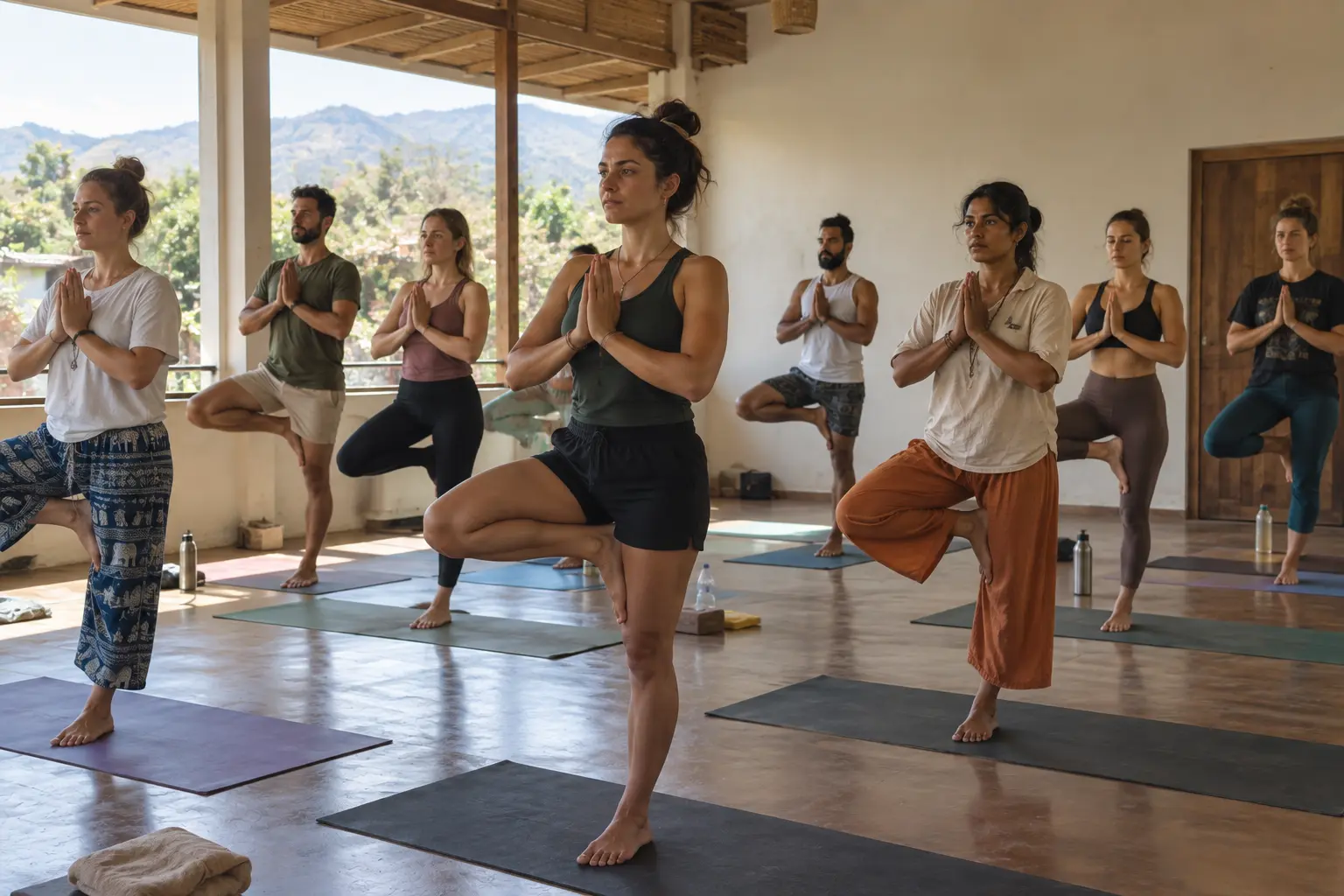
- Mountain Pose (Tadasana): Stand tall with your feet together. Feel your body strong and steady. This pose improves posture and balance.
- Child’s Pose (Balasana): Kneel on the floor, sit back on your heels, and stretch your arms forward. This pose relaxes your back and shoulders.
- Cat-Cow Pose (Marjaryasana-Bitilasana): On your hands and knees, alternate arching and rounding your back. This flow warms up your spine.
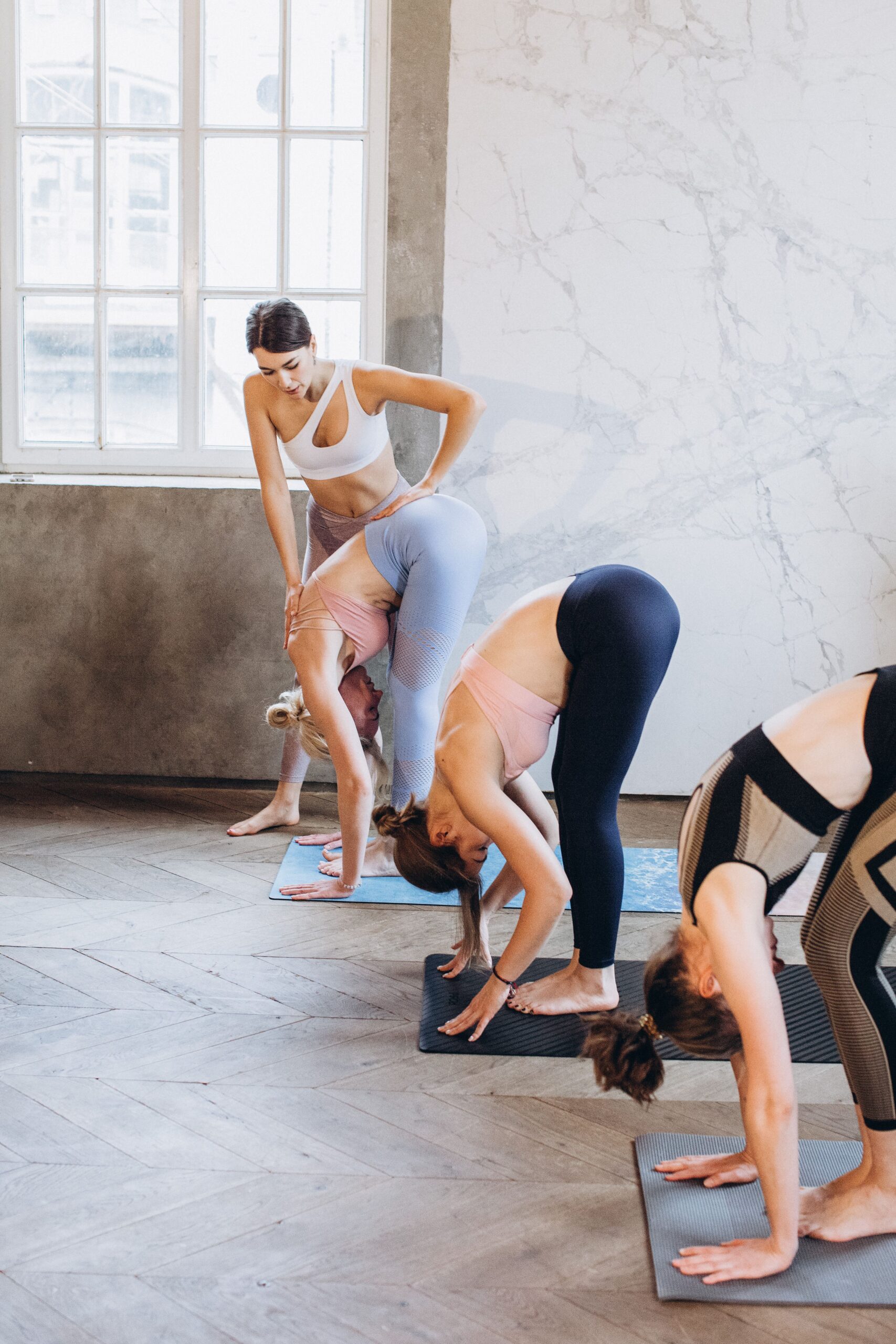
- Seated Forward Bend (Paschimottanasana): Sit with legs stretched out, bend forward gently. It stretches your hamstrings and calms the nervous system.
- Easy Twist (Ardha Matsyendrasana): Sit cross-legged and twist gently to one side. This pose aids digestion and loosens your back.
Remember, don’t rush. Hold each pose for a few breaths. Feel how your body responds. These simple poses create a good foundation for your yoga routine.
Starting a Daily Yoga Practice
Consistency matters more than length. Even 10 minutes of yoga daily can help beginners build strength and flexibility. Choose a time that works best for you—morning or evening. A morning yoga routine can energize your day. An evening flow can help you unwind.
Begin with a warm-up sequence like Cat-Cow and gentle stretches. Follow it with the easy yoga poses we discussed. Finish with a brief relaxation or meditation. Over time, you can add more poses as you feel ready.
Keeping a yoga journal helps track progress. Write down how you feel before and after practice. This habit connects you more deeply to your yoga journey.
How Meditation Fits with Yoga Practice
Meditation is often misunderstood as sitting still and clearing your mind completely. For beginners, it’s about paying attention to the breath and noticing thoughts without judgment. Meditation and yoga complement each other well. Yoga loosens the body, making sitting for meditation easier.
You can start meditation right after yoga or at a different time. Find a quiet spot. Sit comfortably, close your eyes, and focus on your breathing. If your mind wanders, gently bring it back to the breath.
Try these beginner meditation techniques:
- Breath Awareness: Count your breaths silently up to 10 and then start over.
- Body Scan: Slowly notice each part of your body from head to toe.
- Guided Meditation: Listen to recorded instructions to help your focus.
Just five minutes a day can make a difference. Gradually increase as you feel comfortable.
Tips to Stay Motivated and Safe
Starting yoga and meditation can sometimes feel challenging. Here are some tips to keep you motivated and safe:
- Listen to Your Body: Avoid pushing too hard. Yoga is not a competition.
- Use Props: Blocks, straps, or cushions can support your poses.
- Wear Comfortable Clothes: Loose, stretchy clothing helps you move freely.
- Find a Teacher or Videos: Beginners benefit from guidance to learn proper alignment.
- Set Realistic Goals: Aim for progress, not perfection.
- Create a Dedicated Space: Even a small corner helps you focus.
- Breathe Slowly: Always pair movement with calm breathing.
- Stay Patient: Flexibility and calmness come with time.
The Benefits You Can Expect
Regular yoga and meditation improve both your physical and mental health. Here are some common benefits beginners notice:
- Better posture and flexibility
- Increased energy and reduced fatigue
- Relief from stress and anxiety
- Improved concentration and memory
- Better sleep quality
- Feeling more balanced emotionally
- Greater self-awareness and calmness
These benefits build gradually. The key is steady practice.
Yoga and Meditation for Busy People
If your schedule is tight, yoga and meditation can still fit in. Even short sessions help. For example:
- Try a 10-minute morning stretch to wake up your body.
- Do seated meditation at your desk during breaks.
- Use breathing exercises to calm nerves before meetings.
Yoga and meditation are flexible tools for any lifestyle.
Common Questions About Yoga and Meditation for Beginners
Q: Do I need to be flexible to start yoga?
No. Yoga improves flexibility over time. Start where you are.
Q: Can I do yoga without a mat or equipment?
Yes. A mat is helpful but not required. Any comfortable surface works.
Q: How long should my meditation sessions be?
Start with 5 minutes. Increase gradually as you feel comfortable.
Q: Is it okay to meditate if I can’t stop my thoughts?
Absolutely. The practice is noticing thoughts and returning focus to the breath.
Q: Can yoga help with stress and anxiety?
Yes. Yoga and meditation calm the nervous system and ease stress.
Q: How often should I practice yoga?
Aim for daily or at least 3-4 times a week. Consistency matters.
Q: Can beginners practice yoga alone?
Yes, with care. Watching videos or joining beginner classes helps learn safely.
Final Thoughts on Yoga and Meditation for Beginners
Yoga and meditation for beginners is a gentle journey. It does not require special skills or years of practice. You only need curiosity and a willingness to try.
Start with simple yoga poses and easy meditation techniques. Practice regularly, listen to your body, and be patient. Over time, you’ll notice your body feeling more flexible and your mind more peaceful.
The key is to keep it simple and enjoy each moment. Yoga and meditation are not just exercises; they are ways to care for yourself. Begin today, and let these practices bring small but meaningful changes to your life.
If you want to start right now, find a quiet spot and try the Mountain Pose followed by 3 minutes of breath awareness. Notice how you feel afterward. This simple start can open the door to a new, healthier habit.

3 responses to “Yoga and Meditation for Beginners: A Simple At-Home Start”
[…] feels difficult when you are tired, a reclined guided practice can be an easier place to start. Our beginner guide to yoga and meditation explains how the two practices can fit together without making either one […]
[…] you enjoy this kind of body awareness, it can sit beside a simple meditation practice. Our beginner yoga and meditation guide gives a broader starting point that does not depend on appearance […]
[…] Yoga & Meditation for Beginners – A Simple Starter Guide […]