Author: Fitfortunes yogaways

  • Best Yoga School in Rishikesh

    Best Yoga School in Rishikesh

    Rishikesh, often referred to as the “Yoga Capital of the World,” is a sacred city brimming with spirituality. Located in the foothills of the Himalayas and alongside the holy Ganges River, it has been a sanctuary for sages, yogis, and seekers for centuries. This unique energy makes Rishikesh a haven for those embarking on their yoga journey.

    Selecting the best yoga school in Rishikesh can seem overwhelming. With so many options available, each offering different styles, traditions, and environments, it’s crucial to understand what makes a yoga school truly exceptional. The right school not only shapes your practice but also provides a foundation for lifelong learning and personal growth.

    Why Rishikesh is the Ideal Place for Yoga

    Rishikesh’s rich history is deeply intertwined with yoga. Ancient texts, such as the Vedas and Upanishads, reference the importance of this region for spiritual learning. Legends say that sages meditated in the caves here, seeking enlightenment. The serene environment, free from worldly distractions, creates the perfect atmosphere for self-discovery.

    Moreover, the energy of the Ganges plays a significant role in the city’s spiritual vibe. Practicing yoga by the river’s banks or within ashrams overlooking the water offers an unparalleled connection to nature and one’s inner self.

    What to Look for in the Best Yoga School

    Choosing the best yoga school in Rishikesh involves considering various factors. Each school has its unique offerings, but a truly exceptional institution will adhere to yoga’s authentic principles while embracing modern teaching methods. Here’s what you should keep in mind:

    1. Accreditation and Certification
      A credible yoga school will have certification from reputable organizations like Yoga Alliance. This ensures that their programs meet international standards, especially if you plan to teach yoga professionally. Accreditation guarantees a structured curriculum, trained faculty, and proper student support.
    2. Experienced Instructors
      The quality of instructors significantly impacts your learning experience. Look for schools where teachers have extensive knowledge of traditional yoga practices, anatomy, and philosophy. The best yoga schools in Rishikesh often have teachers who have trained under accomplished gurus and have years of personal practice.
    3. Holistic Curriculum
      Yoga is more than just asanas (postures). The right school will offer a well-rounded curriculum that includes pranayama (breathing techniques), meditation, yoga philosophy, and anatomy. Some schools also teach Ayurveda, mantra chanting, and teaching methodology, giving students a deeper understanding of yoga as a lifestyle.
    4. Class Size and Environment
      Small class sizes allow for personalized attention and a more intimate learning experience. In a bustling city like Rishikesh, a peaceful and supportive environment can make all the difference. Look for schools that prioritize creating a welcoming space where students feel comfortable.
    5. Reviews and Testimonials
      Reading reviews from previous students is invaluable. Their experiences provide insights into the school’s teaching quality, facilities, and overall atmosphere. Look for consistent positive feedback regarding instructors, accommodations, and the learning process.

    Yoga Philosophy in Rishikesh

    Rishikesh is not just a place to learn yoga—it’s a space to immerse yourself in yoga philosophy. Ancient texts such as the Bhagavad Gita, Yoga Sutras, and Hatha Yoga Pradipika form the backbone of most programs in Rishikesh.

    The Bhagavad Gita emphasizes selfless action, devotion, and self-knowledge. It teaches that yoga is not limited to physical poses but is a way of living. Schools in Rishikesh often incorporate these teachings into their courses, helping students understand the deeper meaning of yoga.

    The Yoga Sutras of Patanjali outline the eightfold path of yoga, known as Ashtanga Yoga. This path includes ethical guidelines, physical practices, and methods for achieving mental clarity and spiritual liberation. Learning these sutras can profoundly change how one approaches yoga and life.

    Rishikesh also honors the traditions of Hatha Yoga, emphasizing balance between the body and mind. Schools in the city often combine traditional practices with modern techniques, ensuring a comprehensive approach to yoga.

    Benefits of Learning Yoga in Rishikesh

    1. Authenticity
      Yoga schools in Rishikesh uphold traditional values. They stay true to the roots of yoga, ensuring students gain authentic knowledge that transcends modern trends.
    2. Immersive Experience
      Being in Rishikesh allows you to live yoga—not just learn it. From sunrise meditations by the Ganges to evening aarti (prayer ceremonies), every moment contributes to your spiritual journey.
    3. Community and Connection
      Studying yoga in Rishikesh connects you with like-minded individuals from across the globe. This sense of community fosters growth, understanding, and shared experiences.
    4. Nature’s Serenity
      Practicing yoga amidst the Himalayas and near the sacred river enhances your ability to focus and connect with yourself. The serene environment promotes mental clarity and inner peace.

    Finding the Perfect Program

    When choosing a yoga school, it’s important to align your goals with what the school offers. If you’re looking to become a certified yoga teacher, opt for a 200-hour or 300-hour teacher training program. These programs are designed to equip you with the skills needed to teach confidently.

    For personal growth, shorter courses focusing on Hatha, Ashtanga, or meditation might be more suitable. Some schools also offer retreats, which are perfect for those looking to rejuvenate and recharge.

    The Journey Beyond Certification

    The best yoga schools in Rishikesh go beyond certification. They focus on creating well-rounded practitioners who understand yoga’s spiritual, mental, and physical aspects.

    Yoga is a lifelong journey, and your time in Rishikesh is just the beginning. By studying here, you’ll gain the tools to continue learning, teaching, and growing long after you leave.

    Best Yoga Schools in Rishikesh

    Best Yoga Schools in Rishikesh

    Rishikesh is home to some of the best yoga schools in the world, offering various styles and certifications. If you’re looking for a trusted place to begin your yoga journey, here are three excellent options, all affiliated with Yoga Alliance.

    1. Fitfortunes Yoga School

    Fitfortunes Yoga School stands out as one of the top yoga schools in Rishikesh. They offer Yoga Alliance-certified courses for 200-hour, 300-hour, and 500-hour yoga teacher training. The school focuses on traditional Hatha and Vinyasa styles, ensuring a deep connection with the roots of yoga. Fitfortunes Yoga School provides a serene and welcoming environment, perfect for learning and personal growth.

    1. Rishikesh Yog Peeth

    Rishikesh Yog Peeth is a well-established name in Rishikesh, offering internationally recognized yoga teacher training programs. Their Yoga Alliance-accredited courses include 200-hour and 300-hour options, with a curriculum covering asanas, yoga philosophy, anatomy, and more. Students appreciate the quality of instruction and the peaceful surroundings of the school.

    1. Raja Yoga Shala

    Raja Yoga Shala offers traditional and holistic yoga teacher training programs that are Yoga Alliance certified. They provide 200-hour and 300-hour courses, focusing on Raja Yoga and its principles. The school emphasizes the mental and spiritual aspects of yoga, guiding students toward inner peace and personal transformation. Its experienced instructors and peaceful environment make it a great choice for those looking to deepen their understanding of yoga.

    These three schools are highly respected in Rishikesh, offering a range of courses to suit different needs. Regardless of your choice, you’ll be guided by knowledgeable instructors and receive a solid foundation in yoga.

    Rishikesh is more than just a destination; it’s an experience that stays with you forever. Choosing the best yoga school in Rishikesh ensures that you embark on your yoga journey with the right guidance and support.

    Whether you seek personal growth, professional certification, or spiritual awakening, Rishikesh offers the perfect environment for transformation. Its serene landscapes, authentic teachings, and vibrant community create a space where yoga comes alive.

    Start this journey with an open heart and mind. The best yoga school in Rishikesh is here to help you learn more about yourself and find peace.
  • What is Vinyasa Flow Yoga

    What is Vinyasa Flow Yoga

    Vinyasa Flow Yoga is a dynamic practice that synchronizes breath with movement. The term “Vinyasa” comes from Sanskrit, where “vi” means “in a special way” and “nyasa” means “to place.” This signifies the intentional sequencing of postures.

    Origins and Philosophy Vinyasa Flow Yoga

    Vinyasa Flow Yoga has its roots in the teachings of Sri Tirumalai Krishnamacharya, often regarded as the grandfather of modern yoga. He emphasized the importance of transitioning between postures with mindful breathing. This approach was further developed by his student, K. Pattabhi Jois, into what is known today as Ashtanga Vinyasa Yoga.

    The philosophy of Vinyasa Yoga centers on the concept of interconnectedness. It teaches that we are part of a larger whole, and each movement and breath reflects this unity. By practicing Vinyasa, we cultivate a deeper connection to ourselves and the world around us.

    Principles of Vinyasa Flow Yoga

    1. Breath Awareness: Central to Vinyasa is the synchronization of breath and movement. The Ujjayi breath, characterized by a gentle constriction at the back of the throat, creates a rhythmic flow and builds internal heat.
    2. Continuous Flow: Unlike static forms of yoga, Vinyasa emphasizes fluid transitions between poses, creating a dance-like sequence that enhances flexibility and strength.
    3. Adaptability: Vinyasa Yoga does not follow a fixed sequence, allowing practitioners to explore various postures and create personalized practices. This adaptability makes it suitable for individuals of all levels.

    Benefits of Practicing Vinyasa Flow Yoga

    • Physical Health: Regular practice improves cardiovascular fitness, builds muscle strength, and increases flexibility. The continuous movement also aids in weight management.
    • Mental Well-being: The meditative aspect of linking breath with movement calms the mind, reduces stress, and enhances overall mental clarity.
    • Mindfulness: Being present in each movement fosters mindfulness, encouraging a deeper awareness of one’s body and mind.

    How to Practice Vinyasa Flow Yoga

    To begin practicing Vinyasa Flow Yoga, consider the following steps:

    1. Find a Qualified Instructor: Seek out experienced teachers who can guide you through sequences safely and effectively.
    2. Start with Basic Poses: Familiarize yourself with foundational postures before progressing to more advanced sequences.
    3. Focus on Breath Control: Practice Ujjayi breathing to maintain a steady rhythm throughout your session.
    4. Listen to Your Body: Modify poses as needed and avoid pushing beyond your comfort zone to prevent injury.

    Vinyasa Flow Yoga offers a harmonious blend of movement and breath, rooted in ancient traditions. By embracing its principles, practitioners can experience profound physical and mental benefits. Whether you’re new to yoga or seeking to deepen your practice, Vinyasa provides a versatile and enriching path to holistic well-being

    What a Vinyasa Flow Class Usually Looks Like

    1. Arrival and simple breath awareness
    2. Warm-up and spinal movement
    3. Sun-salutation or standing-flow patterns
    4. A sequence built around a theme or group of postures
    5. Slower floor work
    6. Rest in Savasana

    The exact sequence changes by teacher. Vinyasa does not automatically mean fast. The defining feature is organised movement linked with breathing.

    Compare Hatha vs Vinyasa, Power Yoga, and our Vinyasa beginner guide.

    Is Vinyasa suitable for beginners?

    Yes, when the class is labelled for beginners and transitions are taught clearly rather than rushed.

  • What Is Ahinsa (Ahimsa) in Yoga

    What Is Ahinsa (Ahimsa) in Yoga

    Ahimsa in yoga means non-harming, usually translated as non-violence. Patanjali lists ahimsa first among the five yamas in Yoga Sutra 2.30. “Ahinsa” is another spelling used in everyday language. On the mat, the principle means avoiding force and respecting limits. In daily life, it asks you to consider the harm your actions and words may cause, while taking responsibility rather than pretending all choices are simple.

    In yoga, ahimsa extends beyond physical harm. It involves our thoughts, words, and actions. Practicing ahimsa fosters inner peace, harmonious relationships, and respect for all life. This concept originates from ancient Indian texts, including the Yoga Sutras of Patanjali, and continues to inspire modern practitioners worldwide.

    Synonyms and Variations of Ahinsa (Ahimsa)

    Understanding different terms related to ahimsa can broaden our perspective:

    • Non-violence
    • Non-harming
    • Harmlessness
    • Compassion in action
    • Loving-kindness

    Non-Violence in Yoga

    Ahimsa is the first of the five yamas, or ethical restraints, outlined in Patanjali’s Yoga Sutras. It serves as a foundational value in yoga philosophy, teaching yogis to cultivate kindness and mindfulness.

    Key principles of non-violence include:

    1. Respecting all living beings.
    2. Avoiding aggression in speech, actions, and thoughts.
    3. Cultivating gentle, compassionate behavior toward oneself and others.

    Practicing non-violence in yoga extends beyond the mat. It encourages yogis to adopt ethical and sustainable lifestyles, promoting harmony in the world.

    Ahimsa Philosophy in Yoga

    Ahimsa is more than avoiding harm; it’s a holistic way of living. It invites practitioners to reflect on their emotions, thoughts, and habits.

    Through self-awareness, one can:

    • Recognize and reduce negative emotions like anger and jealousy.
    • Replace judgment with understanding.
    • Foster a compassionate mindset in daily life.

    Ahimsa also emphasizes self-love and acceptance, reminding us to avoid self-criticism.

    Principles of Non-Harming

    The principles of ahimsa can transform lives when practiced consistently. They include:

    • Empathy: Understanding the feelings of others.
    • Kindness: Choosing patience and forgiveness over conflict.
    • Restraint: Remaining calm in difficult situations.

    By following these principles, yogis can create ripples of positivity in their surroundings.

    Ethical Foundation of Ahinsa

    Ahimsa is the ethical backbone of yoga. It aligns with the yamas and niyamas, which are moral guidelines for yogic living. These principles offer a pathway to balance, self-discipline, and peace.

    Related Yamas Include:

    • Satya (Truthfulness): Speaking and living truthfully.
    • Asteya (Non-Stealing): Avoiding greed and dishonesty.
    • Brahmacharya (Moderation): Practicing restraint.
    • Aparigraha (Non-Possessiveness): Letting go of material attachment.

    Historical and Textual References

    Ahimsa in Patanjali’s Yoga Sutras

    The Yoga Sutras highlight ahimsa as the first yama, emphasizing its significance in spiritual practice. It serves as a foundation for other ethical principles.

    Ahimsa in Hinduism and Jainism

    Ahimsa matters in several Indian traditions, but its interpretation and practice differ. Jain teachings place particularly strong emphasis on avoiding harm to living beings. Some Jain monastic traditions use mouth coverings or carefully sweep an area before sitting. These are specific disciplines, not practices followed by every Jain person. Avoid treating Hindu, Jain and Buddhist ethics as one uniform system.

    Mahatma Gandhi’s Principles

    Mahatma Gandhi made non-violence central to his approach to political action during India’s independence movement. His use of ahimsa belongs to a modern political context. It should be distinguished from the ethical discipline described in Patanjali’s Yoga Sutras.

    Scriptures on Ahimsa

    The Bhagavad Gita includes ahimsa among qualities worth cultivating, including in verse 16.2. Interpret these lists within the text’s wider discussion of action, knowledge and duty. The presence of non-harming in several texts does not make their teachings identical.

    Practical Applications of Ahimsa

    Daily Life

    You can integrate ahimsa into daily life by:

    • Speaking kindly to others.
    • Practicing non-judgmental thinking.
    • Choosing non-violent solutions to conflicts.

    Relationships and Communication

    Practicing ahimsa in relationships fosters trust and understanding. Simple steps include:

    • Active listening.
    • Avoiding harsh words.
    • Resolving disagreements peacefully.

    Mindful Yoga Practice

    On the mat, ahimsa encourages:

    • Listening to your body.
    • Avoiding forceful movements.
    • Respecting your physical and emotional limits.

    Ahimsa Diet and Lifestyle

    Ahimsa extends to diet and lifestyle choices. A plant-based diet reflects non-violence by avoiding harm to animals. Sustainable living, mindful consumption, and kindness toward the Earth are essential expressions of ahimsa.

    Broader Spiritual Context

    Spiritual Growth Through Ahimsa

    Many practitioners study non-harming as part of cultivating patience and humility. These are ethical aims, not guaranteed results of practising a posture or adopting a particular lifestyle.

    Ahimsa and Karma

    Within yoga philosophy, ahimsa invites attention to the consequences of action. It does not promise that kindness attracts a measurable energy or prevents hardship. Consider what your conduct changes for another person and correct avoidable harm.

    Ahimsa as a Universal Value

    Ahimsa transcends religious boundaries, offering a timeless message of peace and unity.

    Practical Tips to Practice Ahimsa

    1. Set intentions for kindness at the start of your day.
    2. Be mindful of your words, ensuring they don’t cause harm.
    3. Practice gratitude to cultivate a compassionate heart.
    4. Adopt sustainable habits to care for the environment.

    How can you practise ahimsa in yoga and daily life?

    Begin with one observable choice rather than a promise to become perfectly kind. In a pose, reduce effort before pain develops. In a disagreement, describe what happened without insulting the person. When teaching, ask before touching a student and respect a refusal. These examples connect ahimsa in yoga with ordinary conduct. They do not require you to suppress anger, agree with abuse or abandon a necessary boundary.

    Practical examples of non-harming
    SituationA useful response
    A pose hurtsStop, use a support or choose another position.
    A conversation becomes hostilePause and state a boundary without retaliation.
    A student declines an adjustmentUse verbal instruction and accept their choice.
    You make a mistakeAcknowledge it and repair the harm you can.

    Five practical ways to apply ahimsa in yoga

    Ahimsa in yoga concerns how practice affects you and other people. It is more useful as a series of observable choices than as a claim that you always think positively. Choose one of the following situations and notice what you can change. The examples are modern applications of non-harming; they are not quotations from a classical text.

    1. Change a posture before discomfort becomes pressure

    Tell the teacher when a position does not suit you. Use a smaller movement, a prop or rest without treating the change as a failure. If you are teaching, offer those options before someone has to ask publicly. Do not use spiritual language to persuade a student to endure pain. A teacher can explain a practice while leaving the student free to decline it.

    2. Ask before touching or giving advice

    Consent is an ongoing conversation. Permission at the start of class does not settle every later adjustment. Ask about a specific action, listen to the answer and accept a refusal without argument. The same care applies to photographs, personal stories and advice about someone else’s body. A person can join a yoga class without giving permission for their experience to become promotional material.

    3. Make honest speech considerate

    Non-harming does not require pretending a mistake did not happen. Name a problem clearly, avoid humiliation and explain a practical next step. For example, say that a transition needs more support rather than describing the student as weak. If you made an error, correct the information. Ahimsa in yoga can work alongside truthfulness; kindness and accuracy need not be opposites.

    4. Consider consequences in ordinary choices

    Food, purchases and travel can raise ethical questions, but they also involve health, access, resources and different traditions. Study the reasons behind a choice rather than turning one lifestyle rule into a measure of every person’s worth. Discuss dietary questions without diagnosing illness or imposing a restrictive diet. You can begin with a specific manageable action, such as reducing avoidable waste.

    5. Keep boundaries and accountability

    Stepping away from harmful conduct can be an application of ahimsa in yoga. Non-harming should not be used to demand silence about abuse, unsafe teaching or unfair treatment. Set a boundary, document concerns when appropriate and seek suitable support. Kindness can include a firm refusal. Use the ethical principle to examine conduct, rather than to excuse someone because they hold a respected title.

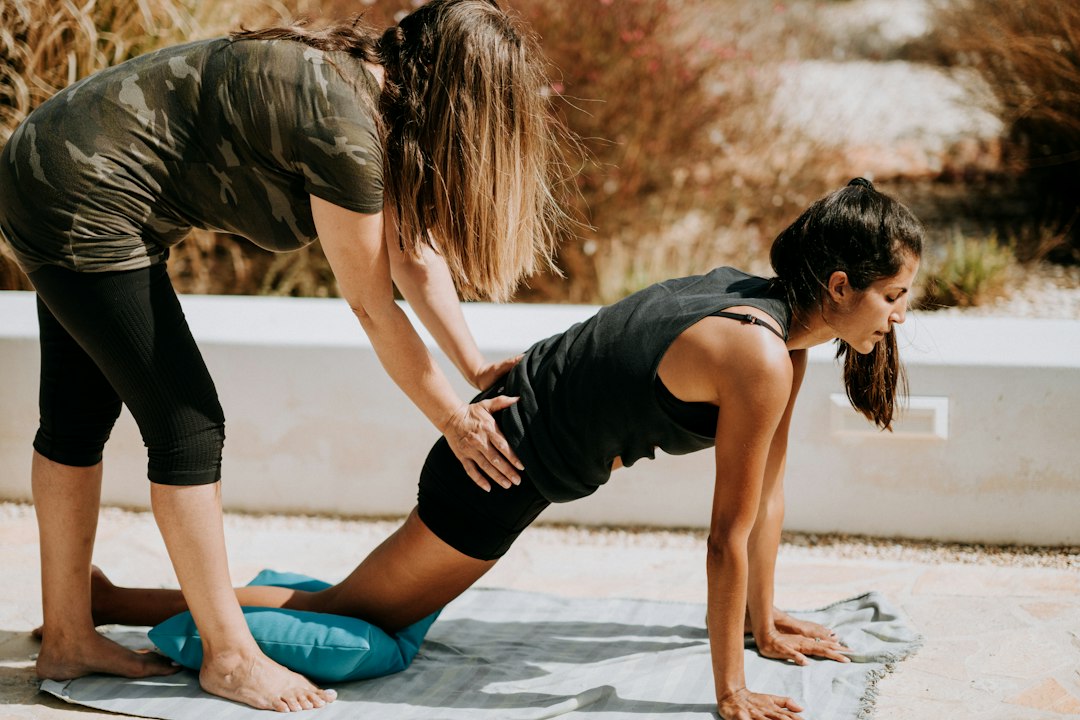
    Hands-on yoga adjustment illustrating consent in the practice of ahimsa in yoga
    A physical adjustment needs specific consent. The photograph illustrates contact, not evidence that consent was requested in this session.

    For the next week, choose one example, record what you did and ask whether it reduced unnecessary pressure. Avoid grading yourself as a “good” or “bad” practitioner. Ethical study is an ongoing process of noticing consequences, correcting mistakes and making more considered choices.

    Frequently asked questions about ahimsa in yoga

    Does ahimsa mean never disagreeing?

    No. Non-harming does not require agreement or silence. You can challenge harmful conduct, refuse a request or leave an unsafe situation. The practice concerns how you respond and the foreseeable consequences. A clear boundary can prevent harm. If a relationship involves threats or abuse, seek suitable support rather than using a spiritual teaching to explain away the danger.

    Does every yoga practitioner have to follow one diet?

    No single dietary rule describes every yoga tradition or practitioner. Vegetarian food is important in many lineages, and some people connect it with ahimsa. Food choices also involve health, access, culture and practical needs. Discuss significant dietary changes with an appropriately qualified professional when needed. Ethical reflection should support informed choices rather than shame people for circumstances you do not know.

    What does Yoga Sutra 2.35 say about ahimsa?

    Yoga Sutra 2.35 describes the abandonment of hostility in the presence of someone firmly established in non-harming. This is a classical spiritual teaching. It is not a guarantee that a peaceful person cannot be attacked or injured. Read the sutra with commentary and context, alongside 2.30, which lists the five yamas. Keep personal safety and ethical responsibility in view.

    How does ahimsa relate to the other yamas?

    Ahimsa works alongside satya, asteya, brahmacharya and aparigraha: truthfulness, non-stealing, disciplined conduct and non-grasping. Their meanings vary across commentaries. Truthfulness, for example, invites attention to the way you speak as well as whether a statement is accurate. Read our introduction to Yoga Sutra 1.1 and yoga in the Bhagavad Gita for related study.

    Sources and further study

    See the Centre for Yoga Studies commentary on Yoga Sutra 2.30 and the classical passage on the yamas and ethical restraints. This article distinguishes classical teaching from practical modern examples. For guided study alongside posture and breathing, see the FitFortunes 200-hour course.

  • Which Yoga Style Is Best for Stress Relief

    Which Yoga Style Is Best for Stress Relief

    The best yoga style for stress relief is one whose pace and instructions feel manageable to you. Restorative yoga offers supported rest; a gentle Hatha class adds slow movement. Some people prefer an easy flow because stillness feels uncomfortable. No style is proven best for everyone. Compare the choices below, try a short session and judge comfort rather than intensity.

    What does research say about yoga and stress?

    Research on yoga suggests possible benefits for stress and general well-being, but programmes and results vary. This does not establish one style as a treatment for everyone. The NCCIH stress overview discusses several approaches and their limits. Persistent anxiety, depression or symptoms that interfere with daily life deserve appropriate professional support.

    Classical yoga also addresses attention, conduct and the relationship between practice and the mind. These teachings have a different purpose from a clinical trial measuring symptoms. Study them in context rather than treating a spiritual explanation as proof that a particular posture changes cortisol or cures a condition.

    Top Yoga Styles for Stress Relief

    StylePaceMay suit
    RestorativeVery slowPeople wanting supported rest and low effort
    YinSlow, longer holdsPeople comfortable with quiet, still practice
    HathaSlow to moderateBeginners wanting movement plus breathing
    Gentle VinyasaModeratePeople who relax better with continuous movement
    Yoga NidraGuided restPeople who prefer listening while supported

    No yoga style is guaranteed to relieve stress for everyone. Choose a pace that leaves you calmer rather than more overwhelmed. Compare our Hatha vs Vinyasa guide, Yin Yoga guide, and home meditation guide.

    Different yoga styles offer unique benefits. If you’re looking to release stress, focus on gentle, restorative practices. Here are the best options:

    1. Hatha Yoga

    Hatha yoga is the foundation of most modern yoga styles. It emphasizes basic poses (asanas) and breathing techniques (pranayama).

    • Why it’s effective: Hatha yoga moves at a slow pace, making it ideal for beginners. It allows time to focus on alignment and relaxation.
    • What to expect: Gentle stretching, basic postures, and controlled breathing.
    • Who should try it: Anyone seeking a calm, introductory practice.
    1. Restorative Yoga

    Restorative yoga is specifically designed for relaxation. It uses props like bolsters, blankets, and blocks to support the body in restful poses.

    • Why it’s effective: Props reduce muscular effort and may make resting more comfortable. Relaxation is individual.
    • What to expect: Long-held poses, often lasting 5–20 minutes, with minimal effort.
    • Who should try it: Anyone feeling overwhelmed or physically exhausted.
    1. Yin Yoga

    Yin yoga focuses on holding poses for extended periods, targeting deep connective tissues and joints.

    • Why it’s effective: Long holds offer a still practice, but deeper stretching is not automatically more relaxing. Reduce range and avoid forcing joints.
    • What to expect: Deep stretches and meditative breathing in a quiet environment.
    • Who should try it: Those looking to improve flexibility and mental stillness.
    1. Gentle Vinyasa Yoga

    A gentle flow links manageable movements with natural breathing. Look for a slower, unheated class with options to pause. “Vinyasa” alone does not tell you its intensity.

    • Why consider it: Small movements may feel more manageable than prolonged stillness.
    • What to expect: Short sequences, transitions and optional rest.
    • Who might choose it: People who prefer movement when selecting a yoga style for stress relief.
    1. Yoga Nidra (Yogic Sleep)

    Yoga Nidra is a guided relaxation practice, often referred to as yogic sleep.

    • Why it’s effective: A guided sequence may offer a structured way to rest. It is not a guaranteed treatment for stress or insomnia.
    • What to expect: Lying down comfortably while following a guided meditation.
    • Who should try it: People who prefer guided rest. Yoga Nidra does not replace ordinary sleep or care for persistent insomnia.
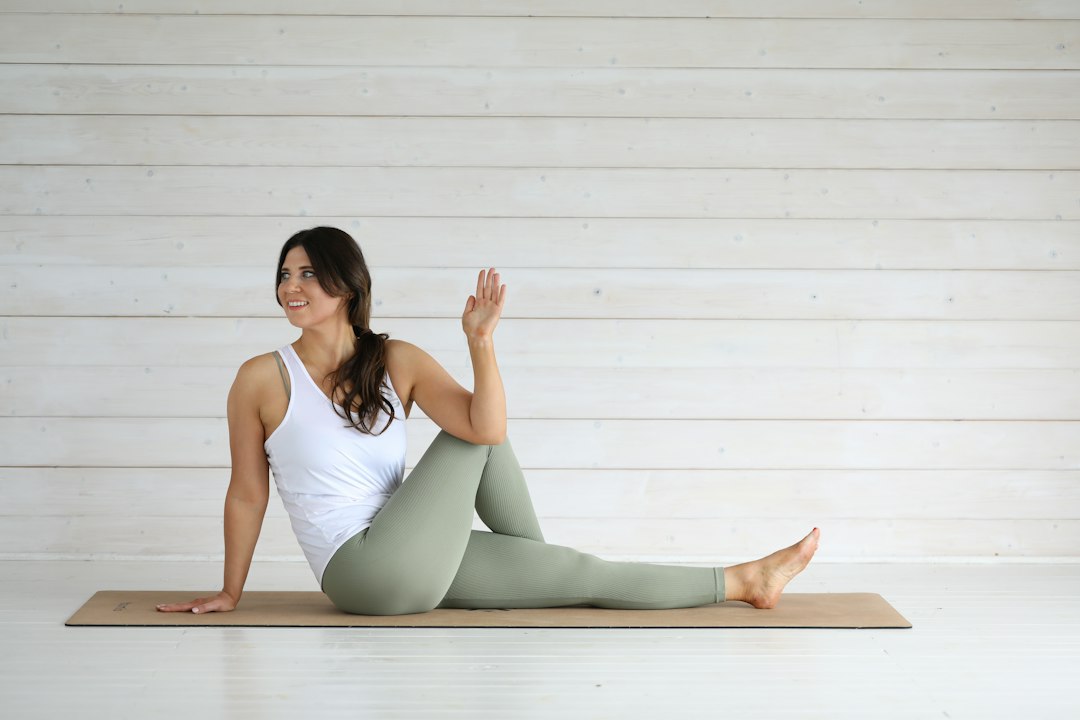
    Person sitting in a gentle twist while choosing a yoga style for stress relief
    Class labels do not determine how demanding an individual posture feels. Editorial photograph.
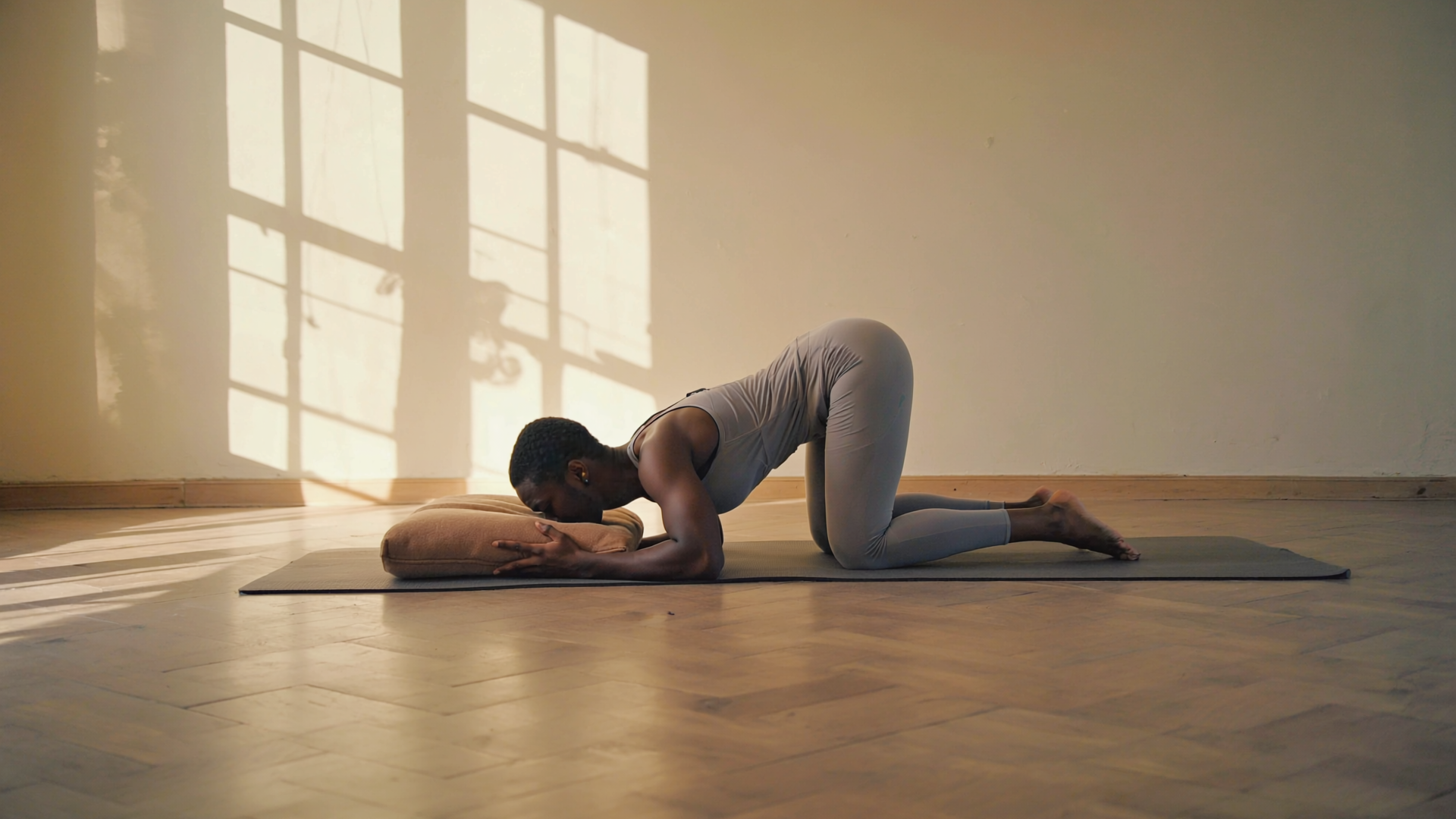
    Person kneeling with the upper body resting toward a cushion
    Props may reduce effort. The pictured kneeling stretch is optional and should remain comfortable.

    What can complement your yoga style for stress relief?

    Try one simple addition at a time. Natural breathing, a brief walk, quiet music or journaling may suit you. Fragrances are optional and can irritate some people; avoid them when sensitive. Rapid breathing and breath holds are unnecessary. Meditation can use an external sound or object if breath focus increases worry.

    How to choose your yoga style for stress relief

    Compare the actual class pace, accessibility, teacher instructions and permission to rest. Gentle Hatha offers movement; restorative practice offers supported rest; an easy flow offers continuity. Choose what feels manageable rather than treating one label as universally best.

    Tips for Practicing Yoga at Home

    Practicing yoga at home is convenient and cost-effective. Here are some tips to make the most of your sessions:

    1. Create a peaceful space: Use soft lighting, soothing music, and a clean mat.
    2. Set a routine: Dedicate specific times for practice, preferably early morning or evening.
    3. Use props: Blocks, straps, and blankets can make poses more accessible.
    4. Follow guided videos: Online classes or apps can help maintain proper alignment.

    How can you test a yoga style for stress relief?

    1. Ask the teacher about pace, heat, breath holds and modifications before joining.
    2. Try ten to twenty minutes at low effort, with permission to stop.
    3. Notice whether you can breathe comfortably and follow instructions.
    4. Check how you feel afterward and later in the day.
    5. Repeat the manageable option before increasing duration or intensity.

    Choose a quiet, supported practice if you feel exhausted. Choose small movements if lying still increases worry. Stop when practice causes pain, dizziness or distress. The gentle breathing guide and movement-first guide address these separate needs.

    Frequently asked questions

    Is restorative yoga always better than Yin for stress?

    No. Restorative practice typically uses props to reduce effort, while Yin often uses longer-held stretches. Those differences may help you choose a class, but neither label guarantees relaxation. If you have joint instability, persistent pain or a condition affecting movement, ask about individual modifications. Choose a teacher who welcomes smaller ranges and resting instead of urging you to tolerate discomfort.

    Can Power Yoga relieve stress?

    Some people enjoy a vigorous class and feel better afterward. Others feel more tired or overstimulated. Power Yoga is not the first choice for every stressed beginner, especially when fatigue, pain or breathlessness is present. Compare our Hatha and Power Yoga guide, ask about the actual class and begin below your maximum effort.

    What if breath focus makes anxiety worse?

    Use an external focus, such as a sound, a familiar object or contact with the floor. Keep breathing natural instead of trying to control every inhale. You can skip counted breathing, rapid pranayama and breath holds. If distress continues, stop and seek suitable support. New or severe breathing difficulty needs medical assessment rather than being assumed to be anxiety.

    How quickly should yoga relieve stress?

    There is no guaranteed timetable. A session may feel pleasant without changing the pressures in your life, and some sessions may not feel calming at all. Use comfort, ability to function and a sustainable routine as practical checks. If stress remains persistent or affects sleep, work or relationships, seek appropriate support. Yoga can be one part of care without having to solve every problem.

  • How Many Times a Week Should You Do Yoga

    How Many Times a Week Should You Do Yoga

    Yoga is a holistic practice that benefits the mind, body, and soul. Many people ask, “How many times a week should you do yoga?” The answer depends on your goals, lifestyle, and experience. In this comprehensive guide, we’ll explore the optimal yoga frequency and provide actionable advice for every practitioner.

    Why Yoga Frequency Matters

    Yoga is more than just exercise; it’s a lifestyle and discipline. Practicing too little can limit its benefits, while overdoing it might lead to fatigue. Beginners often start with 2-3 sessions weekly, gradually increasing their practice as they gain experience. Advanced practitioners may benefit from daily sessions tailored to their energy and goals.

    Ancient Wisdom Meets Modern Practice

    The Yoga Sutras of Patanjali emphasize “abhyasa,” or consistent effort over time. According to our Yoga Expert Pravesh Narwal, practicing yoga regularly and with dedication is key to unlocking its true potential.

    What Influences How Often You Should Practice Yoga?

    Several factors affect the frequency of yoga practice. Let’s dive deeper into these:

    1. Your Experience Level
    • Beginners: Start with 2-3 sessions weekly. Focus on foundational poses (asanas) and breathing exercises (pranayama).
    • Intermediate: Aim for 4-5 sessions weekly. Incorporate more dynamic flows and strength-building postures.
    • Advanced: Daily practice can include advanced asanas, pranayama, and meditation.
    1. Your Goals
    • Flexibility: Practice at least 3 times weekly to improve range of motion.
    • Stress Relief: Daily short sessions with meditation and restorative poses work best.
    • Strength Building: Dynamic yoga styles like Power Yoga or Ashtanga 4-5 times weekly are ideal.
    1. Your Lifestyle and Schedule

    Busy individuals can benefit from shorter daily sessions, even as brief as 15-20 minutes. The focus should be on consistency rather than duration.

    Benefits of a Consistent Yoga Practice

    Practicing yoga regularly can bring remarkable changes to your life. Here are some benefits:

    1. Enhanced Flexibility: Regular stretching improves joint and muscle flexibility.
    2. Increased Strength: Poses like Plank and Warrior build muscle endurance.
    3. Stress Reduction: Mindful breathing calms your nervous system.
    4. Improved Posture: Yoga realigns your spine and strengthens your core.
    5. Mental Clarity: Meditation fosters focus and mindfulness.

    Sample Yoga Schedules for Different Goals

    Here’s how you can structure your weekly yoga routine based on your goals:

    For Beginners:

    • Monday: Gentle Yoga (Hatha or Yin)
    • Wednesday: Basic Vinyasa Flow
    • Saturday: Restorative Yoga

    For Stress Relief:

    • Daily: 10-15 minutes of meditation and breathing
    • 2-3 times weekly: Gentle Yoga or Yin Yoga

    For Strength and Flexibility:

    • Monday: Power Yoga
    • Wednesday: Vinyasa Flow
    • Friday: Ashtanga Yoga
    • Saturday: Yin Yoga

    Balancing Yoga with Other Activities

    Yoga pairs well with activities like walking, swimming, or strength training. These complement yoga’s flexibility and mindfulness aspects. Remember, overtraining can hinder progress, so always listen to your body.

    Common Myths About Yoga Frequency

    Let’s bust some common myths:

    1. “You Must Practice Yoga Daily”

    Daily yoga is beneficial but not mandatory. Beginners should focus on quality sessions instead of daily routines.

    1. “Longer Sessions Are Always Better”

    Short, focused sessions can deliver significant benefits. Consistency matters more than the length of practice. 10 Minutes Yoga for Beginners

    Practical Tips for Staying Consistent

    1. Set realistic and achievable goals.
    2. Find a time that fits your routine.
    3. Dedicate a space for yoga at home.
    4. Join a class or follow online guidance.
    5. Track your progress and celebrate small wins.

    Final Thoughts: How Many Times a Week Should You Do Yoga?

    The ideal frequency depends on your needs and lifestyle. According to our Yoga Expert Pravesh Narwal, 3-5 sessions weekly strike a perfect balance for most people. Whether you’re a beginner or advanced yogi, consistency and mindfulness are your greatest allies.

    Start small, be patient, and enjoy the journey. With regular yoga practice, you’ll notice physical, mental, and emotional transformations over time.

  • How To Use a Yoga Block

    How To Use a Yoga Block

    Yoga blocks are essential tools that can elevate your yoga practice. They provide support, improve alignment, and enhance flexibility. Whether you’re a beginner or an advanced practitioner, using a yoga block helps you achieve proper postures with ease.

    Yoga blocks are especially beneficial for individuals practicing yoga with props, as they assist in adapting poses to your body’s needs. With their versatility, yoga blocks offer comfort and stability, allowing you to explore deeper stretches and maintain balance effortlessly. By incorporating yoga blocks into your routine, you can enhance your practice and cultivate a stronger connection to traditional yoga principles.

    In Iyengar Yoga, founded by B.K.S. Iyengar, props like yoga blocks are widely used to ensure precision and alignment. These tools embody the essence of yoga, promoting inclusivity and safety for all practitioners.

    Benefits of Using Yoga Blocks

    Yoga blocks offer a range of benefits for practitioners of all levels:

    • Improved Alignment: Blocks guide your body into proper posture, reducing the risk of strain or injury.
    • Enhanced Flexibility: They help you stretch deeper without overextending muscles.
    • Support for Beginners: Blocks make challenging poses accessible and comfortable for new practitioners.
    • Stability in Balance: They provide added support, especially in balancing poses.
    • Deeper Poses: Advanced yogis use blocks to intensify stretches and refine techniques.

    Types of Yoga Blocks

    Yoga blocks are made from various materials, each offering unique features:

    • Cork Blocks: Durable, eco-friendly, and great for stability in grounding poses.
    • Foam Blocks: Lightweight, soft, and beginner-friendly. Ideal for restorative poses.
    • Wooden Blocks: Firm and sturdy, often preferred by advanced practitioners for intense postures.

    How to Use a Yoga Block

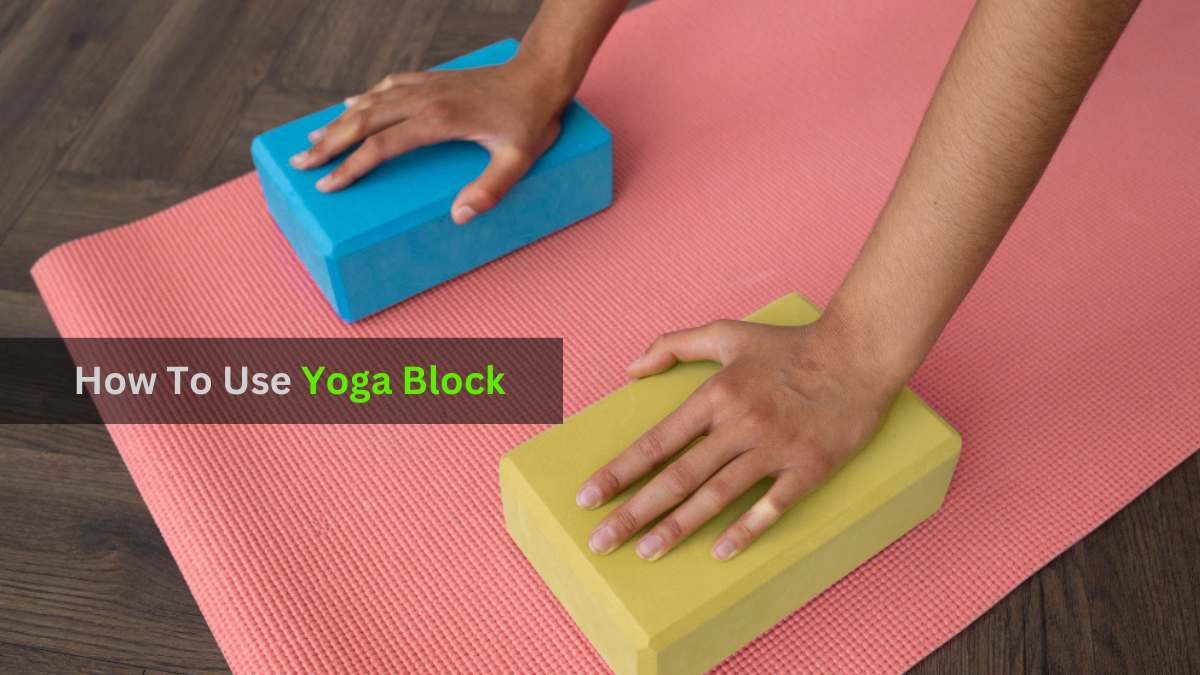
    8 Simple Yoga Block Uses

    1. Standing forward fold: place blocks under the hands instead of forcing them to the floor.
    2. Triangle Pose: support the lower hand to keep the torso more spacious.
    3. Low Lunge: place blocks beside the front foot for balance.
    4. Half Split: raise the floor so the spine can stay longer.
    5. Bridge Pose: use a block under the sacrum for a supported variation.
    6. Seated posture: sit on a block if the pelvis rolls backward.
    7. Balance practice: use a block as a height target instead of reaching the floor.
    8. Restorative support: use blocks with a bolster or blanket when the setup calls for firm support.

    A block should reduce strain or improve access, not force a deeper pose. Related guides: beginner yoga poses, daily posture yoga, and yoga class gear.

    1. Support in Standing Poses

    Yoga blocks help maintain alignment in standing poses like Trikonasana (Triangle Pose).

    • Place the block under your lower hand.
    • Adjust the block’s height to match your flexibility.
    • Focus on keeping your spine straight and chest open.

    This modification prevents overreaching and supports proper posture.

    1. Enhance Flexibility in Forward Folds

    Struggling with forward bends? Blocks make poses like Uttanasana (Standing Forward Bend) more accessible.

    • Place the block in front of you.
    • Rest your hands or forehead on the block.
    • Gradually lower the block as your flexibility improves.

    This adjustment ensures a safe and gentle stretch.

    1. Improve Comfort in Seated Poses

    Sitting on a block can elevate your hips and ease tension in poses like Sukhasana (Easy Pose).

    • Sit on the block with your legs crossed.
    • Ensure your knees are lower than your hips.
    • Keep your back straight and shoulders relaxed.

    This alignment promotes comfort and reduces strain on your knees and lower back.

    1. Deepen Heart-Opening Poses

    For restorative heart-opening poses like Setu Bandhasana (Bridge Pose), blocks offer support:

    • Place the block under your sacrum.
    • Rest your weight on the block.
    • Relax and focus on deep, even breaths.

    This variation gently stretches the lower back and relieves tension.

    1. Assist in Balancing Poses

    Blocks are useful for improving balance in poses like Bakasana (Crow Pose).

    • Place a block under your feet to elevate them.
    • Step onto the block and prepare to lift into the pose.
    • Engage your core for better stability.

    This setup helps build confidence while mastering balancing poses.

    Which Block Height Should You Use?

    Block positionUse it when
    HighYou need the most height and less range
    MediumYou need moderate support
    LowYou are close to the floor but still want support

    Yoga Block FAQ

    Do beginners need two blocks?

    One block can help with many poses, but two are useful when both hands need equal support.

    Should a block make a pose deeper?

    Not necessarily. A block should make the position more accessible or stable, not force extra range.

    Tips for Using Yoga Blocks

    1. Experiment with Heights: Most blocks offer three height levels—low, medium, and high. Adjust according to your needs.
    2. Combine with Straps: Use yoga straps with blocks to enhance stretches.
    3. Start Slow: Integrate blocks gradually to build confidence.
    4. Restorative Yoga: Use blocks for support in long-held poses.
    5. Keep Nearby: Place blocks within reach during your practice for seamless transitions.

    Historical Perspective on Yoga Props

    While yoga blocks are modern inventions, their purpose aligns with ancient yoga teachings. The Hatha Yoga Pradipika emphasizes the importance of achieving postures with ease and alignment. Props like blocks embody the principle of Ahimsa (non-violence), ensuring safety and comfort for all practitioners.

    B.K.S. Iyengar popularized the use of props, making yoga inclusive for everyone. By adapting traditional techniques with modern tools, yoga blocks honor the wisdom of ancient practices.

    Practical Applications of Yoga Blocks

    • Yoga for Beginners: Blocks make poses like Adho Mukha Svanasana (Downward Dog) accessible by shortening the distance to the ground.
    • Advanced Practices: Use blocks in deep stretches like Hanumanasana (Splits Pose) to improve flexibility gradually.
    • Therapeutic Yoga: Blocks aid in restorative poses, supporting recovery and relaxation.

    Conclusion

    Yoga blocks are more than just props—they’re tools for growth. They bridge the gap between ability and aspiration, making yoga safe and accessible.

    Whether you’re using a block for support in challenging poses or to refine advanced techniques, these tools empower your practice. Embrace yoga blocks to deepen your connection to yoga, align with its principles, and enjoy a fulfilling journey on the mat. They not only enhance your physical postures but also embody the yoga philosophy of mindful growth and self-awareness.

    By incorporating blocks into your routine, you acknowledge the importance of both effort and ease, balancing challenge with comfort. Use them as a stepping stone towards discovering the true essence of yoga, and watch your practice flourish in ways you never imagined.

  • How to Start a Yoga Studio: A Step-by-Step Guide

    How to Start a Yoga Studio: A Step-by-Step Guide

    Yoga has inspired countless people worldwide. If you’re passionate about yoga and want to turn your practice into a thriving business, starting a yoga studio could be the perfect journey. Setting up a yoga studio combines your love for wellness with entrepreneurial spirit.

    This guide will explore how to create a welcoming space for yoga enthusiasts. We’ll cover everything from planning and design to marketing your studio effectively. Drawing inspiration from ancient texts and modern strategies, you’ll find insights to help you build a successful yoga studio.

    1. Start With a Clear Vision

    Define your purpose for starting a yoga studio. Consider these questions:

    • What makes your studio unique?
    • Who is your target audience?

    Whether you want to focus on Hatha Yoga, Vinyasa flows, or beginner-friendly classes, clarity is essential. The ancient Yoga Sutras emphasize that yoga serves everyone, so your studio should reflect inclusivity and accessibility.

    2. Choose the Right Location

    Check access before atmosphere

    A beautiful room will not help if students cannot reach it easily. Check parking, public transport, building access, street visibility and evening safety before choosing a lease.

    Location matters for attracting students. A yoga studio should feel serene and accessible. Look for spaces near residential areas or community hubs. Ensure there is enough natural light, ventilation, and space for practice.

    Ancient ashrams were often nestled in nature, emphasizing tranquility. While modern studios may be urban, keeping the essence of peace in your design will make your space inviting.

    3. Design a Functional Space

    A well-designed studio enhances the yoga experience. Include:

    • A spacious practice area with non-slip floors.
    • Storage for yoga mats, blocks, and props.
    • Comfortable changing rooms and clean bathrooms.

    Use calming colors and minimalistic decor to keep the environment peaceful. Follow principles from Vastu Shastra or Feng Shui to create a balanced and harmonious setting.

    4. Create a Business Plan

    Cost areaWhat to estimate
    SpaceDeposit, rent, utilities and basic renovation
    EquipmentMats, blocks, straps, bolsters and storage
    OperationsInsurance, booking software, cleaning and payment fees
    MarketingWebsite, photography, local listings and launch promotion
    StaffTeacher pay, reception or admin support if needed

    Before signing a lease, calculate how many paid class visits you need each month to cover fixed costs. Also read our yoga teacher liability insurance guide, yoga class pricing guide, and yoga career guide.

    A solid business plan ensures your studio starts on the right foot. Include:

    • Budget: Calculate the cost of rent, equipment, and marketing.
    • Services: Will you offer drop-in classes, workshops, or teacher training?
    • Pricing: Research local competition to set reasonable rates.

    Your plan acts as a guide, helping you stay focused and organized.

    Estimate Your Break-Even Point

    Before opening, calculate your monthly fixed costs and divide them by the average amount you expect to keep from one class visit. If rent, utilities, software, cleaning, insurance and basic staffing cost $4,000 per month and your average retained revenue is $12 per visit, you need roughly 334 paid visits just to cover those fixed costs. Your real numbers will differ, but the calculation helps you test whether the room size, class schedule and pricing are realistic.

    Plan a Simple Opening Schedule

    Do not launch with too many classes. Start with the time slots most likely to fill, such as early morning, evening and selected weekend sessions. Track attendance for several weeks before adding more. Empty classes increase teacher costs and make the studio feel inactive.

    5. Get the Right Permits and Licenses

    Research local regulations to operate legally. This may include:

    • Business registration.
    • Liability insurance.
    • Fire and safety compliance.

    Consult with professionals to ensure all paperwork is complete before opening your studio.

    6. Invest in Quality Equipment

    Your studio should provide essential yoga tools, such as:

    • Yoga mats.
    • Blocks and straps.
    • Meditation cushions.

    Quality matters. Students appreciate sturdy props that enhance their practice. These tools reflect the Iyengar Yoga approach, which values alignment and precision.

    7. Hire Skilled Yoga Instructors

    Use a simple teacher trial

    Ask prospective teachers to lead a short class segment. Look for clear cueing, calm pacing, safe options and professional communication rather than only advanced poses.

    Instructors shape the experience of your students. Look for teachers who are:

    • Certified through reputable yoga teacher training programs.
    • Passionate and approachable.
    • Skilled in different yoga styles.

    Ensure they share your studio’s vision and values.

    8. Set Up a User-Friendly Booking System

    Test the booking flow yourself

    Try booking from a phone as a new student. The class, price, cancellation rule and confirmation should be easy to understand in a few steps.

    A seamless booking experience encourages repeat visits. Use online platforms or apps where students can:

    • Reserve classes easily.
    • Purchase memberships.
    • Stay updated on schedules.

    Digital tools make managing your studio easier and more efficient.

    Build Local Visibility Before Opening

    Create your Google Business Profile, website, class timetable and contact details before launch. Use consistent business name, address and phone information everywhere. Add real photos of the studio instead of relying only on graphics.

    Track the Numbers That Matter

    Do not judge marketing only by followers. Track trial-class bookings, repeat visits, membership conversions, cancellations and which pages or search terms actually lead to enquiries. These numbers show whether your marketing is bringing students rather than just attention.

    30-Day Yoga Studio Opening Plan

    1. Days 1–7: finish permits, insurance, timetable and booking setup.
    2. Days 8–14: photograph the real studio, publish class pages and open trial bookings.
    3. Days 15–21: run a small soft launch and collect feedback.
    4. Days 22–30: adjust class times, pricing and staffing from actual attendance.

    Do not judge the studio by the first week alone. Track trial bookings, repeat visits and membership conversions before expanding the schedule.

    9. Focus on Marketing

    Promoting your yoga studio is key to attracting students. Use a mix of:

    • Social Media: Share class schedules, yoga tips, and success stories.
    • Partnerships: Collaborate with local wellness centers or gyms.
    • Word of Mouth: Encourage satisfied students to refer friends.

    Create engaging content to build your online presence. Use SEO strategies to ensure your website ranks high on Google. For instance, keywords like “yoga classes near me” or “Hatha Yoga studio” can attract local searches.

  • Best Yoga Moves With a Partner

    Best Yoga Moves With a Partner

    Beginner partner yoga poses work best when both people keep their own support and communicate clearly. Start with mirrored standing poses, comfortable seated movement and light contact. Agree on a stop word, ask before touching and never pull someone deeper into a stretch. These five simple options suit a shared practice without lifting another person. Acrobatic balances require separate qualified instruction.

    Partner yoga is a modern shared practice. Its cooperative approach can be connected with ethical ideas such as ahimsa, or non-harming, but this does not mean classical yoga texts describe today’s partner routines. The aim here is a manageable activity with a friend or family member, rather than a promise to improve a relationship or treat stress.

    What Is Partner Yoga?

    Instructor offering a hands-on adjustment during a supported yoga backbendAlways ask permission before contact. Learn physical assistance with a qualified teacher.

    Partner yoga involves two people working together to create balance, strength, and trust. It combines traditional poses with creative adjustments, requiring teamwork and synchronization.

    Practise at the level of the less experienced partner. Share the space and timing, but keep breathing natural; matching every inhale is unnecessary. Tell each other what feels comfortable before moving. You can choose a no-contact routine and still practise together.

    Why practise partner yoga poses?

    A shared session offers a chance to practise communication, notice movement and enjoy time together. Benefits vary. Touch is optional, and no pose guarantees trust, stress relief or a closer relationship.

    Partner yoga poses: safety and setup

    PracticeBeginner setup
    Mirrored MountainEach person stands independently.
    Back-to-back sittingUse cushions and light contact without leaning weight.
    Seated side stretchMove independently, without pulling.
    Seated twistEach person controls their own comfortable range.
    Tree variationUse a wall or keep toes down; fingertip contact is optional.
    • Agree on a stop word.
    • Ask permission before contact.
    • Use slow transitions and keep your own support.
    • Avoid lifting, pulling or weight-bearing acrobatics without separate qualified instruction.

    A flexible 15-minute partner yoga practice

    1. Mirrored standing: 2 minutes.
    2. Comfortable back-to-back sitting: 2 minutes.
    3. Seated side stretches: 3 minutes total.
    4. Small independent twists: 2 minutes total.
    5. Supported Tree variations: 2 minutes total.
    6. Rest and unhurried transitions: 4 minutes.

    Shorten the session whenever needed. Progress through communication and control before adding time. These five partner yoga poses do not require advancing to acrobatic shapes. See our two-person practice guide for related considerations.

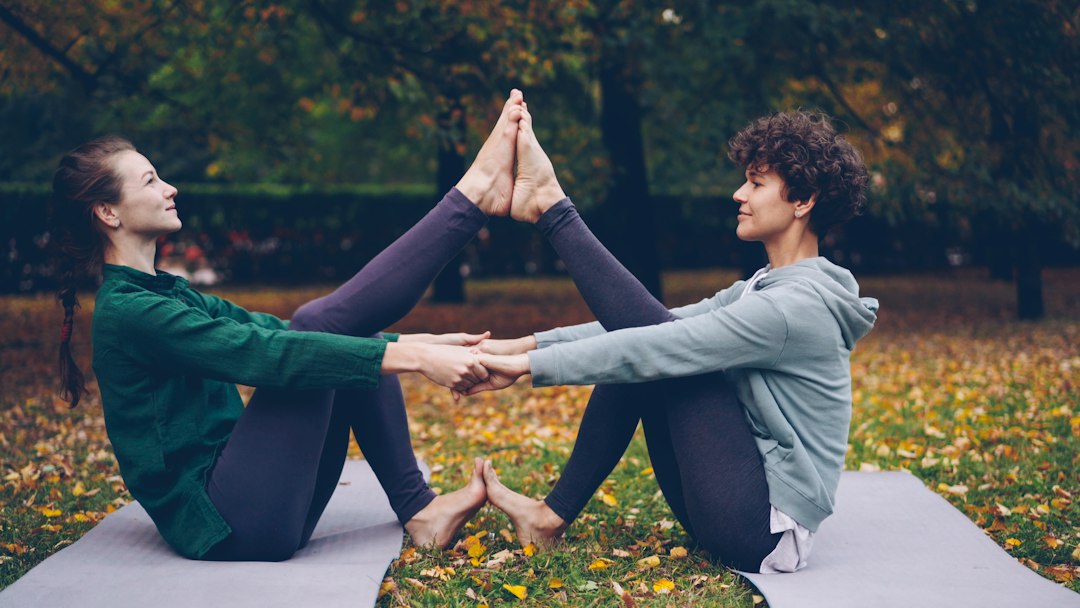
    Two people practising partner yoga poses with seated hand and foot contact
    The pictured lifted-leg balance requires control and is outside this beginner routine. Editorial photograph.

    5 simple partner yoga poses to try

    1. Mirrored Mountain Pose

    Stand facing each other with feet comfortably apart. Each person supports their own weight. Soften the knees, let the arms rest and notice ordinary breathing. One partner can slowly raise and lower the arms while the other mirrors the movement. Take turns leading. Keep the pace slow enough that neither person has to rush.

    2. Back-to-back sitting

    Sit on cushions with light back contact only if both people agree. Use chairs placed near each other if floor sitting is uncomfortable. Allow the breath to remain natural. Contact should not push either spine into a position. Start with thirty seconds, check comfort and continue briefly if it suits you.

    3. Mirrored seated side stretch

    Sit side by side or face each other. Place one hand beside you and lift the other arm a little. Lean only within your own comfortable range. Keep both sitting bones supported and return upright slowly. Repeat on the other side. Mirror your partner without holding or pulling their arm.

    4. Independent seated twist

    Sit facing each other on chairs or cushions. Each person turns the chest slightly to one side while keeping their own support. Rest hands on your own thighs rather than using your partner as leverage. Return to centre and change sides. A small turn is enough. Skip twisting when it causes pain or when a clinician has advised against it.

    5. Side-by-side Tree Pose

    Stand near a wall with enough room to step out. Place one foot at the standing ankle or calf, avoiding pressure on the knee. Keep toes on the floor when needed. A partner may offer light fingertip contact if agreed, but should not become your main support. Practise both sides and stop before balance becomes strained.

    Keep lifted-leg seated balances optional. They ask for more control than the feet-down starting position. See our beginner posture guide before adding harder movements.

    When should you skip partner yoga poses?

    Skip a movement when either person feels pain, dizziness, numbness, fear or pressure to continue. Recent injury, surgery, pregnancy or a health condition may require individual guidance. A friend’s experience does not replace a qualified teacher or clinician. Do not stand on a partner’s lower back or attempt Flying Bow from an article. Read NCCIH’s yoga safety overview for broader precautions.

    How can you adapt partner yoga poses for different needs?

    Choose a variation that both people can control independently. Different flexibility, height or experience does not have to prevent a shared session. It does mean that matching the shape of a photograph is a poor goal. The following adaptations keep partner yoga poses focused on communication and manageable movement.

    When one person prefers a chair

    Use a stable chair for sitting, small side movements or quiet attention. The other person can sit nearby rather than insist on back contact. Choose arm movements that can be mirrored from both positions. Keep the chair on a level surface and leave space for an unhurried transition. A no-contact practice is still a shared practice, and neither person has to act as the other’s support.

    When balance is uncertain

    Practise beside a wall, keep the lifted toes on the floor or remain in Mountain Pose. Light contact may offer a cue, but it should not become a substitute for a stable support. If a partner suddenly loses balance, the other person may not be able to catch them safely. Avoid testing that situation deliberately. Short turns with ordinary breathing are enough.

    When the partners have different experience

    Use the simpler variation as the shared starting point. A more experienced person can reduce range and practise clearer instructions instead of choosing a harder shape. Do not add pulling, lifting or extra pressure to “help” the beginner reach the same position. Taking turns leading small arm movements gives both people a role without making one responsible for correcting the other’s body.

    When touch feels uncomfortable

    Agree that contact is optional before starting. Use phrases such as “Would you like fingertip contact?” and “Shall we pause?” rather than assuming silence means permission. Keep a stop word that either person can use without explaining. Consent can change during the session. If someone declines contact, continue with mirrored movement or finish the practice without persuasion.

    What should you ask in a partner yoga class?

    Ask whether the class uses independent standing and seated movement or partner-supported weight-bearing balances. Those formats involve different skills. Tell the teacher your experience and ask how rest, no-contact options and accessibility are handled. These questions help you choose suitable partner yoga poses without relying on a promotional picture or a class name.

    • Can each participant choose a smaller variation or sit out?
    • Will the teacher ask before demonstrations and adjustments?
    • Are lifting or acrobatic elements included?
    • What experience is expected of both people?
    • How are transitions and stop signals explained?

    After practising, compare comfort and communication rather than who stretched further. One partner might enjoy standing movement while the other prefers a chair. Use that feedback to choose your next session. A short routine of partner yoga poses can be complete without progressing toward a performance, an advanced balance or a photograph.

    Frequently asked questions

    Do partners need the same height or flexibility?

    No. Choose poses in which each person supports their own body and uses a comfortable range. A taller partner should not determine the depth of the other person’s stretch. Chairs, cushions and a wall can help both people practise at different levels. If a shared shape only works when one person strains or carries the other, choose a simpler option.

    Do we have to touch each other?

    No. Mirrored Mountain Pose, small seated stretches and independent twists can be practised without contact. Ask before offering a hand or any physical adjustment. Permission can change during the session, so check again when the movement changes. A refusal is enough reason to stop contact; nobody needs to explain it. Communication is part of the practice.

    Is partner yoga the same as acroyoga?

    No. Partner yoga can include simple paired movement without lifting another person. Acroyoga commonly involves a base, flyer and spotting skills. The loading and fall risks are different. Learn those skills with a qualified instructor and appropriate support. Do not treat an advanced photograph, Double Downward Dog or Flying Bow as a safe first routine for two beginners.

    How long should a first session last?

    Start with five to fifteen comfortable minutes, including pauses to check in. You can finish after two poses if that is enough. Choose a time when both people can pay attention and agree on the pace. Stop while the session still feels manageable. Our two-person yoga guide offers further options, while this page prioritises simple shared movement.

  • Hatha Yoga vs Vinyasa Yoga: Pace, Breath and Practice Compared

    Hatha Yoga vs Vinyasa Yoga: Pace, Breath and Practice Compared

    Hatha Yoga and Vinyasa Yoga often use many of the same postures, but the class experience is different. In a modern Hatha class, you usually have more time to enter a pose, stay for several breaths, and receive instruction. In Vinyasa, movement is linked more continuously with breathing, so transitions become part of the practice.

    Hatha Yoga vs Vinyasa Yoga: quick comparison

    PointHatha Yoga classVinyasa Yoga class
    PaceUsually slowerUsually more continuous
    Pose timeLonger holds are commonShorter holds are common
    BreathBreathing continues while a pose is heldBreath often cues the transition
    Teaching timeMore room to explain one postureMore emphasis on sequence and rhythm
    Physical demandVaries from gentle to strongOften more cardiovascular
    Best fitPeople who like time to learn and observePeople who enjoy movement and flow

    What does Hatha Yoga mean?

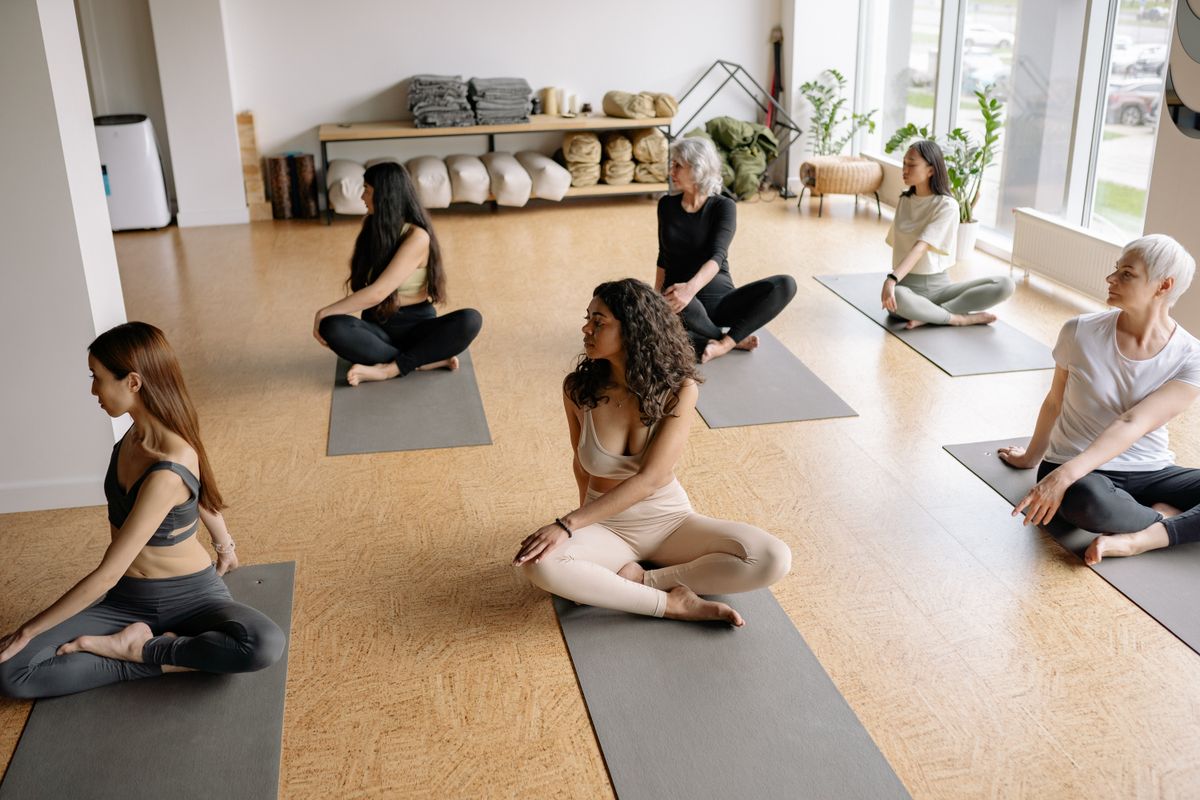
    Adults seated on yoga mats during a slower class practice
    Hatha Yoga vs Vinyasa Yoga: Pace, Breath and Practice Compared 18

    There are two useful meanings. In modern studio language, Hatha usually means a slower class where postures are held for several breaths. In classical Indian yoga literature, Hatha is much wider. It includes practices such as asana, pranayama, shatkarma, mudra, bandha, concentration, and meditation.

    This difference matters. Saying “Hatha is slow yoga” describes a common modern timetable label, but it does not describe the whole Hatha tradition. Our Traditional Hatha Yoga guide explains what the larger system contains.

    What does Vinyasa Yoga mean?

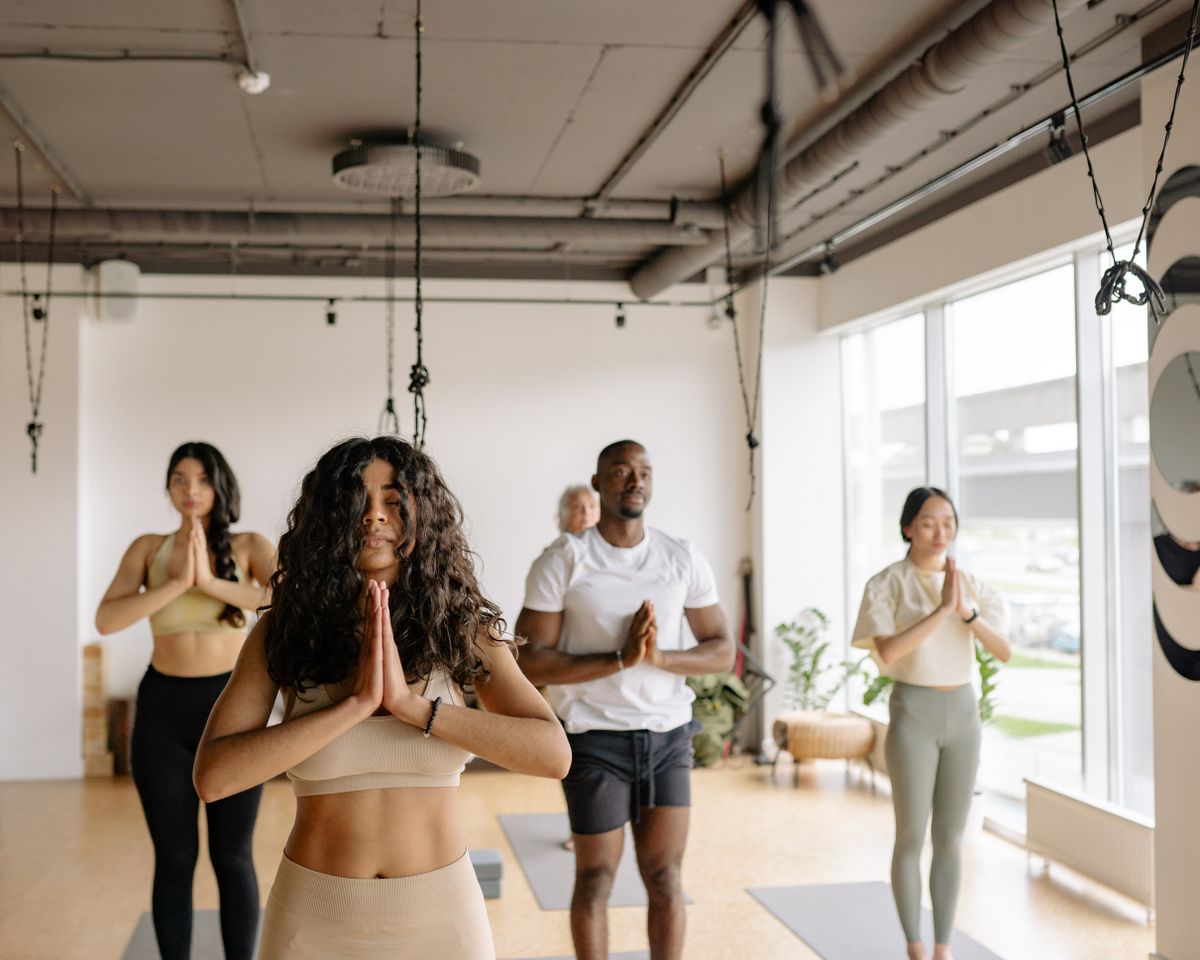
    Yoga students focusing together during a breath-led class
    Hatha Yoga vs Vinyasa Yoga: Pace, Breath and Practice Compared 19

    In a modern Vinyasa class, the teacher creates a sequence in which movement and breath are linked. You may move from a lunge into a plank, from plank toward a backbend, and then into Downward-Facing Dog with specific breathing cues. The transitions are part of the class rather than empty space between poses.

    Vinyasa classes are not all fast. A teacher can teach a slow Vinyasa class or a very demanding one. The defining feature is the organised flow of movement, not simply speed. If you are new to the style, read our Vinyasa Yoga for beginners guide.

    The biggest difference: breath inside a pose or breath moving the sequence

    In Hatha, you may enter Trikonasana and remain there while taking several steady breaths. The teacher has time to explain the feet, pelvis, spine, gaze, and a suitable variation. Breathing supports the held position.

    In Vinyasa, the breath often gives timing to movement. An inhale may lift the arms or chest. An exhale may take the body into a fold or transition. This demands more coordination because you are managing position, direction, and breathing at the same time.

    Neither method is automatically more mindful. A slow class can become mechanical, and a flowing class can be very attentive. The quality depends on how the practice is taught and how the student responds.

    Pace, posture holds and physical effort

    Vinyasa often raises the heart rate more because the body keeps changing position. Repeated transitions may also increase work for the shoulders, arms, and trunk. Hatha can still be physically demanding, especially when a pose is held for time, but the workload feels different.

    Many beginners assume slow means easy. That is not always true. Holding Warrior II for several breaths can be harder than moving through it quickly. A slow class also gives you more time to notice where you are using unnecessary effort.

    If you enjoy a stronger fitness-led flow, compare both styles with Hatha Yoga vs Power Yoga. You can also read what Power Yoga is, where it came from, and who it suits. Power Yoga is a modern label and is usually more demanding than a general Vinyasa class.

    What Indian yoga textbooks add to the comparison

    Andhra University’s yoga syllabus teaches the Hatha Yoga Pradipika through asana, pranayama, shatkarma, mudra, samadhi, mind-prana relationships, and nada. Its published syllabus therefore supports a broader understanding of Hatha than the modern phrase “slow yoga.” You can read the university’s Hatha Yoga syllabus.

    The Indira Gandhi National Centre for the Arts also catalogues manuscripts of the Hatha Yoga Pradipika. That is useful when separating a documented Indian Hatha tradition from modern class labels. Modern Vinyasa Flow is not presented as a chapter of the Hatha Yoga Pradipika. It developed through twentieth-century teaching lineages and later studio culture.

    This is why we use the terms carefully: classical Hatha is a larger system; modern Hatha class is a slower class format; Vinyasa is a breath-linked sequencing approach.

    Hatha or Vinyasa: which is better for beginners?

    For many complete beginners, Hatha is easier to understand because there is more time to look, listen, and adjust. If you do not yet know how a lunge, plank, forward fold, or Downward-Facing Dog should feel, a slower pace can be useful.

    Vinyasa can still be a good first class when it is labelled for beginners and the teacher explains transitions. Some people also stay focused better when they keep moving. The best starting point depends on the class level, teacher, mobility, fitness, and how comfortable you feel learning under time pressure.

    If a movement causes sharp pain, numbness, dizziness, or unusual weakness, stop. A general yoga class cannot diagnose the cause of symptoms.

    Which style fits your goal?

    • Learn basic postures: start with a slower Hatha class.
    • Build movement coordination: a beginner Vinyasa class can help.
    • Prefer more instruction: Hatha usually gives more time per pose.
    • Prefer continuous movement: Vinyasa may hold your attention better.
    • Want both: use Hatha to study positions and Vinyasa to practise transitions.
    • Want a stronger athletic class: compare Vinyasa with Power Yoga before choosing.

    How FitFortunes teaches Hatha and Vinyasa Krama foundations

    Our 200-hour multi-style yoga teacher training in Rishikesh is a 21-day residential program. It includes Hatha foundations and Vinyasa Krama foundations rather than treating every flowing class as the same style. The wider curriculum also includes pranayama, meditation, anatomy, philosophy, teaching methodology, and supervised practicum.

    If you want a narrower traditional Hatha focus, compare the 200-hour Hatha Yoga teacher training. If you only want a short foundation, the 100-hour Hatha course is 10 days and is positioned as foundational study rather than a promise that you will be ready to teach.

    Frequently asked questions

    Is Hatha Yoga easier than Vinyasa?

    Not always. Hatha is usually slower, but long holds can still be demanding. Vinyasa adds more continuous movement and coordination.

    Does Vinyasa Yoga come from the Hatha Yoga Pradipika?

    Not as a modern class style. The Hatha Yoga Pradipika is a classical Hatha text. Modern Vinyasa Flow developed much later through twentieth-century yoga teaching and studio practice.

    Can I practise Hatha and Vinyasa in the same week?

    Yes. Many students use slower classes to study positions and faster classes to practise sequencing and stamina. The balance should match your recovery and experience.

    Which style is better for stress?

    That depends on the person. Some people settle better in a slower class. Others find continuous movement easier to focus on. Consistency and a suitable teacher matter more than the label alone.

    Use the difference to choose a better class, not a “better” yoga

    Hatha and Vinyasa are not competitors. They organise practice differently. Hatha gives more time inside a posture. Vinyasa gives more attention to the path between postures. Try the style that matches your current needs, then learn from both instead of treating one as the correct version of yoga.

    ### Excerpt Compare Hatha Yoga vs Vinyasa Yoga by pace, breath, posture holds, beginner suitability, and practice style, with context from Indian Hatha sources.
  • Daily Activity to Burn Calories: A Realistic Guide

    Daily Activity to Burn Calories: A Realistic Guide

    Losing weight can often feel overwhelming, especially with so many diets promising quick results that are hard to maintain. Instead of following extreme plans or restrictive routines, small, consistent daily changes can create lasting results without stress. One of the most effective strategies is understanding how much daily activity you need to burn extra calories safely and sustainably. By incorporating simple movements like brisk walking, light cycling, dancing, or swimming you can gradually increase your calorie burn, improve your overall health, and build habits that last a lifetime. This approach is backed by research in nutrition and exercise science, making it a reliable method for anyone looking to achieve long-term weight management while protecting their physical and mental well-being. Daily activity to burn calories varies with the person, movement, duration, and intensity, so estimates should not be treated as exact targets.

    Small Food Changes and Daily Movement

    In this article, 100-50 refers only to the small-habits example of eating around 100 fewer calories and using about 50 more through movement. It is not the same as the macro-target or alternating-day diet claims described in our 100-50 weight loss method overview. Activity calorie estimates vary by body size and intensity. The CDC explains how activity affects weight and gives example calorie estimates. Yoga for weight management can complement daily activity. The following are optional small-habit examples, not a clinically validated 100-50 protocol:

    • Reduce calorie intake by 100 calories per day. This modest change may reduce energy intake over time, although weight changes vary by person.
    • Increase physical activity to burn an extra 50 calories per day. This can be achieved through various means, from brisk walking and cycling to dancing and swimming.

    How Small Food and Activity Changes May Support Weight Management

    Small, manageable changes may be easier to maintain than abrupt restrictions. The 100-50 numbers are not a clinically validated weight-loss formula.

    • Gradual Changes: By reducing calorie intake and increasing activity by small amounts, the body can adapt more easily. This minimizes the risk of feeling deprived or overwhelmed, making it easier to maintain the changes long-term.
    • Sustainability: Find enjoyable activities you can repeat regularly. A flexible routine may be easier to maintain than strict calorie targets.

    Implementing the 100-50 Method

    1. Track Your Current Intake: Begin by monitoring your daily calorie intake for a few days. This will provide a baseline understanding of your current eating habits.
    2. Identify Areas for Reduction: Look for small changes you can make to reduce your calorie intake. This could involve:
    • Reducing portion sizes: Use smaller plates and bowls.
    • Making healthier swaps: Choose water or unsweetened beverages instead of sugary drinks. Opt for grilled chicken or fish instead of fried options.
    • Limiting processed foods: Minimize consumption of packaged snacks, fast food, and sugary cereals.

       3. Increase Physical Activity: Find enjoyable ways to increase your daily activity level. This could include:

    • Walking: Take brisk walks during your lunch break or after dinner.
    • Cycling: Commute to work or run errands by bike.
    • Swimming: Enjoy a refreshing swim at the local pool.
    • Dancing: Take a dance class or simply dance around your living room.

       4. Be Patient and Consistent: Weight loss is a gradual process. Don’t get discouraged if you don’t see results immediately. Focus on consistency and celebrate small victories along the way.  

       5. Seek Support: Consider joining a support group or working with a registered dietitian or certified personal trainer. They can provide guidance, motivation, and personalized advice.

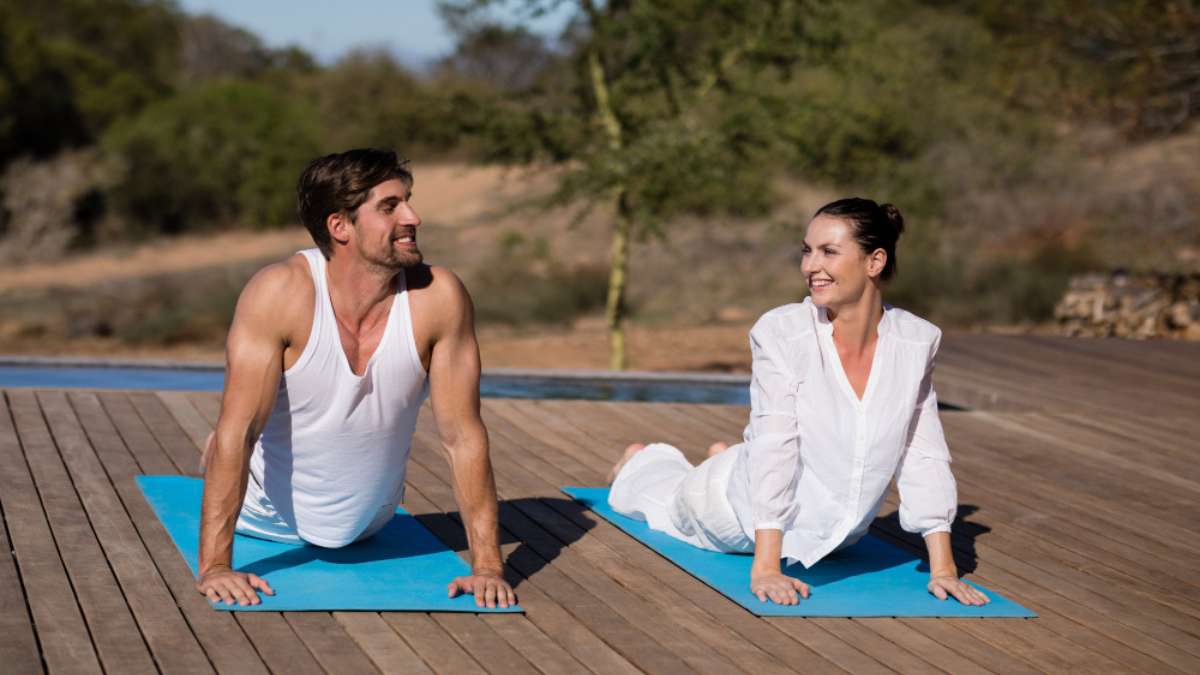
    Two people practicing yoga together as an example of gentle daily movement
    Yoga can be one part of a varied daily movement routine.

    Benefits of the 100-50 Approach

    • Improved Overall Health: Regular physical activity can support heart, metabolic and mental health. These benefits do not depend on following a branded diet.
    • Increased Energy Levels: Regular physical activity can boost your energy levels and improve your mood.  
    • Improved Sleep Quality: Physical activity can improve sleep quality, helping you feel more rested and refreshed.  
    • Reduced Stress: Engaging in physical activity can help reduce stress levels and improve mental well-being.  

    Important Considerations

    • Consult with a Healthcare Professional: Before starting any new diet or exercise program, it’s essential to consult with a healthcare professional. They can assess your individual needs and provide personalized guidance.  
    • Listen to Your Body: Pay attention to your body’s signals. If you’re feeling tired or experiencing any pain, reduce the intensity or duration of your workouts.
    • Make it Enjoyable: Choose activities that you enjoy and look forward to. This will make it easier to stay motivated and consistent.

    Small changes to food choices and daily movement may support weight management, but results depend on individual circumstances. Activity calorie counts are estimates rather than guarantees. For information about other uses of this term, read our 100-50 diet claims guide or the 100-50 safety guide.

    How to Burn Extra Calories Daily: FAQs

    How much activity do I need to burn extra calories daily?

    Calories burned depend on body size, activity intensity and duration. Short walks or cycling sessions can add useful movement, but a specific calorie burn is not guaranteed.

    Can small amounts of daily activity really help me lose weight?

    Yes. Even short, consistent periods of activity contribute to your overall calorie burn. Combined with small dietary changes, this approach supports gradual, long-term weight loss without extreme dieting.

    What types of activities burn the most extra calories in a short time?

    Moderate exercises like brisk walking, light jogging, cycling, swimming, and dancing are effective. Even household activities like cleaning or taking the stairs can contribute to extra daily calorie burn.

    How long does it take to see results from small daily calorie burns?

    There is no fixed timeline for weight change. Improvements in stamina and daily activity may happen at different rates, while weight depends on overall intake, health and movement.

    Can beginners safely start with short daily exercises?

    Many beginners can start with manageable activities such as brief walks or gentle stretching. Increase gradually and seek individual advice when symptoms or medical conditions make activity difficult.

    How can I track the calories burned from daily activities?

    You can use fitness trackers, mobile apps, or simple estimates based on activity type and duration. Tracking helps you stay motivated and understand how small changes contribute to long-term weight management.