Author: Fitfortunes yogaways

  • Why is Kundalini Yoga Dangerous? Understanding the Risks and Precautions

    Why is Kundalini Yoga Dangerous? Understanding the Risks and Precautions

    Kundalini Yoga is a powerful practice rooted in ancient Indian traditions. Traditional teachings describe Kundalini as a form of subtle spiritual energy, not a physical structure established by medical science. Some fast breathing or intense practices may cause discomfort; students should not be pressured to seek dramatic experiences. Many seekers ask, why is Kundalini Yoga dangerous? Understanding the risks and how to approach this practice safely is essential.

    What is Kundalini Yoga?

    Editorial image illustrating Kundalini and Tantra discussions
    Kundalini comes from specific spiritual traditions, not a proven medical mechanism.

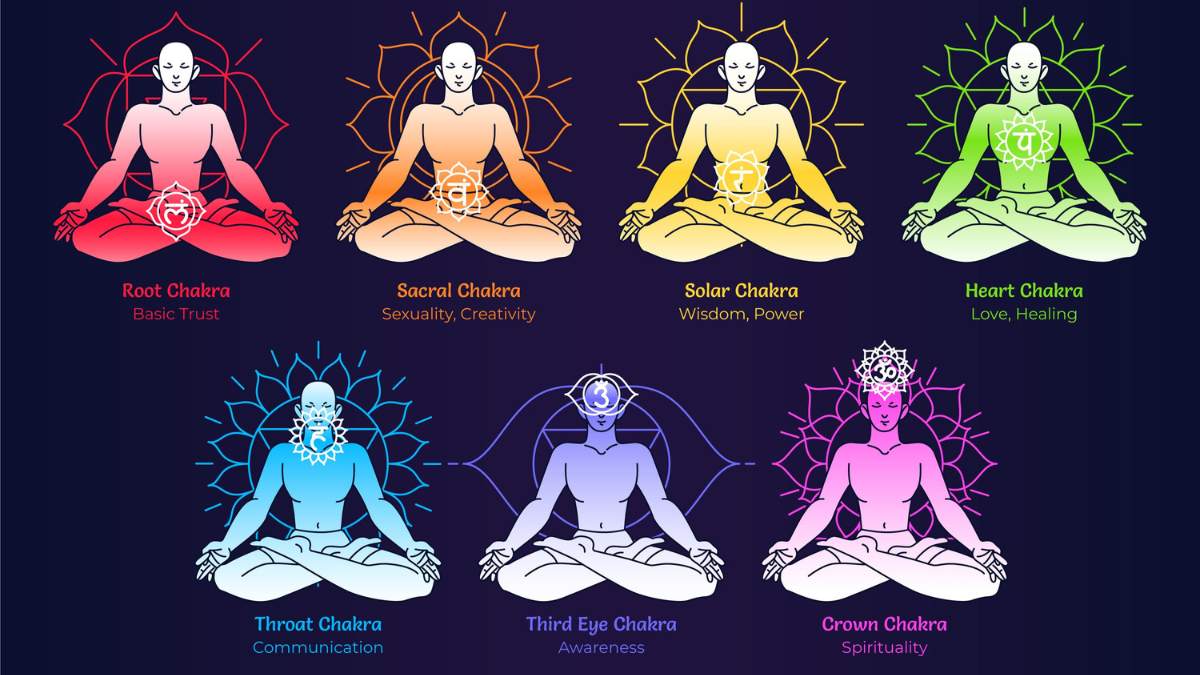
    Kundalini Yoga focuses on awakening Kundalini energy, which resides at the base of the spine. This practice involves breathwork (pranayama), chanting (mantra), and dynamic movements (asanas). According to Hatha Yoga Pradipika, Kundalini energy travels through the Nadis (subtle energy channels) and activates the seven chakras.

    Many spiritual texts describe this awakening as life-changing. However, unprepared individuals can face serious challenges. Uncontrolled Kundalini activation may result in Kundalini syndrome, an overwhelming state affecting the mind and body.

    Dangers of Kundalini Yoga

    1. Uncontrolled Energy Awakening

    Kundalini energy is like electricity. Without proper grounding, it may create mental confusion, dizziness, or hallucinations. Ancient texts caution against forcing energy to rise without preparation.

    1. Emotional Turmoil

    Unstable emotions, anxiety, and deep-seated trauma can surface. The Bhagavad Gita warns that awakening energy without self-control leads to inner chaos. Practitioners must be mentally stable before starting Kundalini Yoga.

    1. Physical Discomfort and Health Risks

    Spinal pain, headaches, and uncontrolled shaking are common side effects. Hatha Yoga principles state that the body must be purified before attempting Kundalini practices. Weak nerves may struggle to handle the energy shift.

    1. Psychological Distress

    Some individuals report losing a sense of reality. This condition, known as spiritual psychosis, occurs when energy floods the system too fast. A strong Root Chakra grounding practice can help balance this.

    1. Nervous System Overload

    Rapid Kundalini energy movement overstimulates the sympathetic nervous system. This can cause insomnia, irregular heartbeats, and chronic fatigue. Traditional yogis prepare for years before awakening Kundalini.

    How to Practice Kundalini Yoga Safely?

    Kundalini Yoga illustration
    A careful teacher adapts practice instead of promising dramatic awakening.
    1. Learn from Experienced Teachers

    Seeking guidance from a trained teacher is crucial. A Rishikesh Yoga Teacher Training Center can provide structured training and supervision.

    1. Prepare the Body with Hatha Yoga

    Practicing Hatha Yoga and Pranayama strengthens the nervous system. This ensures the body can handle increased energy flow.

    1. Follow a Gradual Approach

    Ancient texts recommend awakening energy slowly and naturally. Forcing energy through advanced Kundalini techniques can cause harm.

    1. Maintain Mental and Emotional Stability

    Practitioners with past trauma should avoid intense Kundalini practices. Instead, start with gentle meditation and grounding exercises.

    1. Focus on Root Chakra Grounding

    A stable Root Chakra keeps energy balanced. Practices like walking barefoot, deep breathing, and yoga TTC in Rishikesh help stabilize energy.

    Safe Kundalini Yoga Practices

    1. Mantra Chanting for Controlled Awakening

    Chanting mantras like “Om Namah Shivaya” helps regulate energy. Mantras create a protective vibration, preventing Kundalini syndrome symptoms.

    1. Pranayama for Nervous System Balance

    Gentle breathing exercises like Nadi Shodhana (Alternate Nostril Breathing) prevent nervous system overload.

    1. Guided Meditation for Stability

    Traditional meditation techniques like Ajapa Japa (silent mantra repetition) channel Kundalini safely.

    1. Proper Nutrition and Lifestyle

    A balanced diet supports the body’s ability to manage rising energy. Fresh, sattvic food is ideal for energy alignment.

    1. Seek a Supportive Yoga Community

    Being part of a structured program, like a 200-hour yoga TTC in India, provides the necessary support for Kundalini awakening.

    Final Thoughts: Is Kundalini Yoga Dangerous?

    Kundalini Yoga is not inherently dangerous. However, improper practice can lead to emotional instability, physical distress, and nervous system overload. An experienced teacher may help students choose gentler alternatives, but no practice can be guaranteed risk-free.

    If you are drawn to this practice, start slowly. Seek a certified Rishikesh Yoga Teacher Training Center for guidance. With the right approach, Kundalini energy becomes a tool for transformation rather than a source of distress.

    For general precautions, read NCCIH’s yoga safety overview.

    Frequently asked questions about Kundalini Yoga safety

    Is every form of Kundalini Yoga dangerous?

    No. The term covers different methods. Risk depends on the actual practice, physical demands, breathing techniques, the participant’s health and the quality of instruction.

    What should a beginner avoid?

    Beginners should not force long breath holds, rapid breathing or demanding movements to chase unusual sensations. Stop if you feel dizzy, faint or distressed and seek qualified advice when appropriate.

    Can Kundalini exercises replace mental-health treatment?

    No. Yoga may be a complementary wellbeing activity, but it is not a substitute for assessment and care from a qualified clinician.

    For another example of progressive practice, read how physical yoga intensity should be approached realistically.

  • Best Online Yoga Classes in India: What to Check Before Joining

    Best Online Yoga Classes in India: What to Check Before Joining

    Yoga is more than just physical postures. It is a journey of self-awareness and balance. India, the birthplace of yoga, offers authentic learning experiences. If you want to practice from home, best online yoga classes in India can bring ancient wisdom to your screen.

    Why Choose Online Yoga Classes from India?

    Traditional yoga follows principles from texts like the Yoga Sutras of Patanjali and Hatha Yoga Pradipika. Learning from India connects you with these authentic teachings. Online classes allow you to practice with expert teachers while staying at home.

    Many yoga schools in Rishikesh and other spiritual hubs offer structured programs. Whether you seek yoga teacher training in Rishikesh or general practice, you can find high-quality virtual classes.

    What to Expect in an Online Yoga Course?

    Online yoga classes in India follow traditional methods. Courses usually include:

    • Asanas (Postures): Learn Hatha or Ashtanga yoga step by step.
    • Pranayama (Breath Control): Ancient breathing techniques improve energy flow.
    • Meditation: Cultivate a calm and focused mind.
    • Yoga Philosophy: Insights from texts like the Bhagavad Gita enrich your practice.
    • Anatomy & Alignment: Prevent injuries and practice safely.

    Many schools also provide certifications like RYT 200 or 300-hour yoga TTC in India, which are internationally recognized.

    Top Online Yoga Teacher Training Programs in India

    1. Yoga TTC in Rishikesh – Many schools offer online RYT certification with live classes.
    2. Hatha Yoga TTC in India – Focus on classical postures and breathwork.
    3. Ashtanga Yoga Training – Learn the dynamic and structured practice of Ashtanga.
    4. 500-hour Yoga Course in Rishikesh – Deepen your knowledge with an advanced curriculum.

    These courses provide structured lessons with real-time guidance. The best programs maintain discipline and offer one-on-one mentorship.

    How to Choose the Best Online Yoga School?

    With so many options, selecting the right course matters. Consider these factors:

    • Accreditation: Ensure the school is recognized by Yoga Alliance.
    • Experienced Teachers: Look for instructors trained in traditional methods.
    • Live vs. Pre-Recorded Classes: Live classes help with real-time corrections.
    • Syllabus: A well-structured syllabus includes yoga philosophy, anatomy, and practice.
    • Student Reviews: Feedback helps in understanding quality.

    Top yoga schools in India ensure that online students receive authentic teachings.

    Benefits of Learning from Indian Yoga Schools

    1. Authentic Teachings from Ancient Texts

    Indian yoga schools follow the teachings of sages like Patanjali, Swatmarama, and Vyasa. Learning from them keeps the practice pure. The best courses include concepts from Sankhya Darshan, which explains the connection between body and mind.

    1. Learn from Yoga Masters

    Online yoga courses in India are led by experienced teachers. Many have trained under renowned gurus and have decades of experience. Their guidance ensures that students get an in-depth understanding of yoga.

    1. Affordable Yet High-Quality Learning

    Many best online yoga classes in India offer affordable tuition. Compared to Western programs, Indian courses provide high value at lower costs. You get top-quality education without financial stress.

    1. Flexibility in Learning

    Online courses fit into any schedule. Whether you’re a beginner or an advanced practitioner, there are options that suit your needs. Many platforms provide lifetime access to materials, allowing continuous learning.

    Rishikesh – The Global Yoga Hub

    Rishikesh, known as the Yoga Capital of the World, is home to many top schools. Even if you cannot visit, you can experience its energy through yoga teacher training in Rishikesh online. Many Rishikesh-based schools offer courses designed for international students.

    How to Enroll in an Online Yoga Program?

    1. Research Schools: Compare syllabus, reviews, and accreditation.
    2. Choose a Style: Hatha, Ashtanga, or multi-style yoga.
    3. Check the Schedule: Make sure the class timings match your availability.
    4. Sign Up & Start Learning: Begin your journey with expert guidance.

    Conclusion

    Yoga is a lifelong journey. Learning from best online yoga classes in India connects you to authentic teachings and experienced teachers. Whether you seek a 200-hour yoga TTC in India or a simple practice routine, India offers quality education online. Start your journey today and experience yoga in its purest form.

  • Restorative Yoga Teacher Training: Curriculum & Certification Guide

    Restorative Yoga Teacher Training: Curriculum & Certification Guide

    Restorative yoga teacher training teaches you how to guide supported, low-effort yoga poses with clear instructions, thoughtful prop use, and enough time for rest. It is different from simply taking a gentle yoga class. A good training should explain why each setup is used, how to adapt it, and when a student needs a different option.

    This guide explains the curriculum, common course lengths, certification questions, props, safety, and how to compare programs in Rishikesh or online. It is written for yoga teachers, trainees, and serious practitioners who want a practical answer before paying for a course.

    Reviewed and updated: October 6, 2026.

    Contents

    What Is Restorative Yoga Teacher Training?

    Restorative yoga uses supported positions so the body can stay comfortable with less muscular effort. Bolsters, blankets, blocks, straps, walls, and chairs may be used. Poses are usually held longer than in an active Hatha or Vinyasa class.

    A restorative yoga teacher training should teach more than a list of poses. You need to learn setup, observation, timing, transitions, verbal cues, room management, and safe alternatives. The teacher must also know when not to push a student deeper.

    The goal is not to promise treatment for anxiety, injury, pain, or disease. Yoga research covers many styles, and results cannot always be applied to restorative yoga alone. The U.S. National Center for Complementary and Integrative Health notes that yoga may support general wellness and stress management, but evidence varies by condition and yoga style. Read the NCCIH yoga evidence and safety overview.

    What Should a Restorative Yoga Teacher Training Curriculum Include?

    A useful course should connect practice with teaching skill. Look for clear learning outcomes instead of vague claims about deep healing. The curriculum should show what you will be able to set up, observe, explain, and teach by the end.

    1. Restorative pose families

    You should study supine, prone, seated, side-lying, gentle backbending, and supported inversion options. The focus should be on comfort and stability. A teacher also needs alternatives for students who cannot use a standard setup.

    2. Functional anatomy for supported practice

    Training should cover breathing mechanics, joint position, pressure points, circulation concerns, and common reasons a pose may feel uncomfortable. It should not turn a yoga teacher into a medical practitioner. Good teaching stays within the teacher’s scope.

    3. Sequencing and pacing

    A restorative class needs deliberate pacing. Teachers should learn how to open a session, choose a small number of positions, manage transitions, and close the class without rushing. Long holds do not automatically make a sequence effective.

    4. Language and observation

    Clear language matters because students may stay in one position for several minutes. A teacher should give simple setup instructions, then reduce unnecessary talking. Observation helps you notice strain, restlessness, numbness, cold, or poor support.

    5. Teaching practice

    A serious restorative yoga teacher training should include supervised practice teaching. You should set up real students, receive feedback, and correct common mistakes. Watching demonstrations alone is not enough preparation for teaching.

    6. Scope, consent, and professional boundaries

    Restorative classes can feel personal because students are quiet and physically supported. Teachers need clear consent for touch and adjustments. They also need boundaries around mental health, injury, and medical advice.

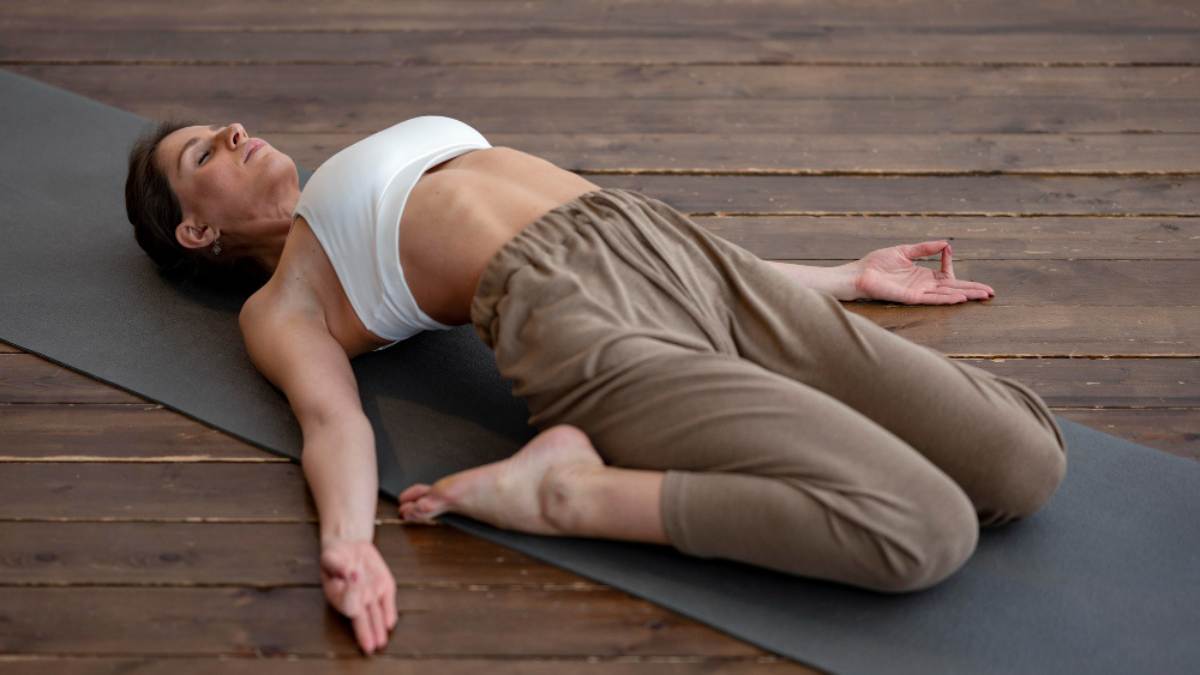
    Restorative yoga teacher training practice in a yoga studio

    Practice image: Vitaly Gariev / Unsplash. Used as a general yoga illustration, not as a FitFortunes student photo.

    Props Used in Restorative Yoga

    Props are not decoration. They change how the body is supported. A restorative yoga teacher training should teach you how to choose the right height, firmness, and position for each student.

    • Bolsters: support the spine, knees, pelvis, or torso.
    • Blankets: add height, warmth, cushioning, and small adjustments.
    • Blocks: create stable support when a bolster is too low or too wide.
    • Straps: help maintain a position without constant muscular work.
    • Chairs and walls: provide support when floor-based setups are not suitable.
    • Eye pillows: may reduce light, but they should always be optional.

    Prop use should be individual. Two students may need different setups for the same named pose. A good teacher learns to look at the person first and the pose second.

    Restorative Yoga vs Yin Yoga

    Restorative yoga and Yin yoga are often grouped together, but they are not the same method. Both may use long holds and a quiet pace. Their teaching intention and amount of support can be different.

    Restorative practice usually uses enough support to reduce effort and make the position easier to stay in. Yin practice often allows a mild, sustained physical load in selected tissues. That difference changes how props, timing, sensation, and cueing are used.

    If a course advertises both Yin and restorative yoga, check how many hours are given to each subject. A combined title does not tell you how much restorative teaching practice you will receive.

    How Many Hours Should Restorative Yoga Teacher Training Be?

    There is no single universal hour requirement for every restorative yoga certificate. Current courses may be short workshops, 20-hour modules, 30- to 60-hour specialty programs, or longer combined trainings. The right length depends on your starting level and the depth of the syllabus.

    A short course can be useful for an experienced teacher who already understands anatomy, sequencing, cueing, ethics, and class management. A beginner needs more foundation. Course hours should be judged together with supervised teaching, assessment, trainer experience, and curriculum detail.

    If you have not completed foundational teacher training, compare the specialty course with a broader program. FitFortunes offers a 21-day 200-hour Hatha Yoga Teacher Training in Rishikesh and a 10-day 100-hour Hatha Yoga program. These are separate programs and should not be described as restorative yoga certification.

    Does a Restorative Yoga Certificate Make You RYT-200?

    No, not by itself. Yoga Alliance states that the RYT 200 credential is based on completing a 200-hour teacher training with a Registered Yoga School at the RYS 200 level. Shorter or partial trainings do not replace that 200-hour pathway.

    A restorative specialty course may still be valuable professional education. For teachers who are already registered, some training may qualify toward continuing education when it meets Yoga Alliance rules. YACEP courses are specifically designed to provide continuing education hours for Registered Yoga Teachers.

    Before enrolling, ask the provider exactly what certificate is issued. Also ask whether the course is an RYS training, a YACEP continuing education course, or an independent specialty certificate. Do not rely on the words “international certificate” without checking what they mean.

    For the current credential rules, see Yoga Alliance RYT credentials and the RYS standards.

    Restorative Yoga Teacher Training in Rishikesh: What to Check

    Rishikesh has a large number of yoga schools, short courses, retreats, and residential teacher trainings. That gives students choice, but course titles can sound very similar. Check the actual timetable and syllabus before comparing prices.

    For restorative yoga teacher training in Rishikesh, ask how many hours are specifically restorative. Find out who teaches those hours and whether you will practice teaching. Also check class size, accommodation, meals, props, assessment, and cancellation terms.

    Do not assume every “multi-style” course includes restorative yoga. The safest approach is to read the curriculum line by line. FitFortunes follows the same rule on its own course pages: a style is named only when it is actually part of that program.

    How to Choose a Restorative Yoga Teacher Training

    Use this checklist before paying a deposit. It helps separate a clear training program from a page built mainly around marketing language.

    • The course states the exact number of training hours.
    • The syllabus separates restorative yoga from other yoga styles.
    • The trainer’s teaching background is easy to verify.
    • Props and setup practice are included, not only lectures.
    • Students receive supervised teaching practice and feedback.
    • Safety, consent, modifications, and scope are covered.
    • The certificate type is explained in plain language.
    • Yoga Alliance claims can be checked on the official platform.
    • Accommodation, meals, dates, fees, and refund terms are written clearly.
    • The school does not promise that yoga will cure medical or mental health conditions.

    Who Is This Training Best For?

    Restorative yoga teacher training can suit existing yoga teachers who want stronger skills in quiet, supported classes. It may also suit serious practitioners who want a structured study of props, pacing, observation, and teaching language.

    Health professionals may find some teaching principles useful, but a yoga certificate does not add a medical license or clinical qualification. Teachers should stay within their professional scope and refer students when a concern requires medical care.

    Beginners can join some courses, but they should read the entry requirements carefully. A specialty certificate is not the same as a complete 200-hour teacher training foundation.

    Safety and Responsible Teaching

    Yoga is generally considered safe for healthy people when taught properly, but injuries can still occur. NCCIH advises beginners to work with a qualified instructor and notes that older adults, pregnant students, and people with health conditions may need modifications.

    Restorative practice can look simple because there is less movement. That does not remove the need for careful teaching. Long holds, pressure from props, getting up from the floor, or unsupported joints can still create problems for some students.

    A responsible restorative yoga teacher training teaches teachers to ask questions, offer choices, avoid force, and stop when a student has concerning symptoms. It should also make clear that yoga is not a substitute for medical diagnosis or treatment.

    Frequently Asked Questions

    What is restorative yoga teacher training?

    It is specialty training in supported yoga poses, prop use, sequencing, observation, cueing, class pacing, modifications, and teaching practice. The exact content depends on the school and course length.

    Do I need a 200-hour yoga certificate first?

    Not every provider requires one. However, prior teacher training can make a short specialty course easier to use professionally. Check the entry requirements before enrolling.

    Can I become RYT-200 through a short restorative course?

    No. Yoga Alliance’s RYT 200 pathway requires completion of a 200-hour teacher training with an RYS 200. A short restorative certificate does not replace that requirement.

    Can restorative yoga training count as continuing education?

    It may, depending on the provider, your current registration, and Yoga Alliance rules. YACEP courses are specifically intended for continuing education. Verify the provider before claiming hours.

    Is restorative yoga the same as Yin yoga?

    No. Both can be slow and quiet, but restorative yoga usually uses more support and less physical effort. Yin classes may intentionally use a mild, sustained physical load.

    What props should I learn to use?

    Common props include bolsters, blankets, blocks, straps, chairs, walls, and optional eye pillows. More important than the prop list is learning how to adapt each setup to the person.

    Is Rishikesh a good place to study restorative yoga?

    Rishikesh has many yoga schools and training formats. That creates useful choice, but quality varies. Compare the specific restorative hours, teacher background, practicum, certificate, accommodation, and written policies.

    How do I know whether a course is credible?

    Look for a detailed syllabus, clear hours, qualified trainers, teaching practice, realistic claims, written policies, and verifiable credential information. Avoid pages that promise medical cures or hide the exact curriculum.

    Final Takeaway

    A strong restorative yoga teacher training is practical, precise, and honest about what it certifies. It should teach you how to support different bodies, use props intelligently, sequence a quiet class, and teach within clear professional boundaries.

    If you are comparing specialty training with a broader teaching foundation, review the curriculum rather than the course title. You can also read our guide on whether 200-hour yoga teacher training is enough and our 200-hour multi-style yoga teacher training in Rishikesh.
  • Rishikesh Yoga Teacher Training Center: What to Check Before You Book

    Rishikesh Yoga Teacher Training Center: What to Check Before You Book

    Rishikesh, the “Yoga Capital of the World,” attracts seekers from around the globe. A Rishikesh Yoga Teacher Training Center provides a transformative space to explore authentic yoga teachings. From asanas to yogic philosophy, these centers uphold the wisdom of ancient traditions.

    The Hatha Yoga Pradipika and Patanjali’s Yoga Sutras highlight the importance of discipline and self-study in yoga. Learning at a certified yoga institute in Rishikesh ensures a strong foundation. Students receive guidance from experienced teachers who share deep knowledge of classical yoga.

    Why Choose a Yoga Teacher Training in Rishikesh?

    Enrolling in a yoga teacher training in Rishikesh offers more than just certification. It is a journey into self-awareness, discipline, and holistic wellness.

    Key Benefits:

    • Authentic teachings rooted in Indian yogic traditions.
    • A peaceful environment near the Ganga River and Himalayan foothills.
    • Guidance from Yoga Alliance-certified instructors.
    • A chance to learn Hatha, Ashtanga, and Kundalini yoga.
    • Immersive experience with meditation and pranayama techniques.

    Types of Yoga Teacher Training Programs

    A yoga certification course in Rishikesh comes in different formats, catering to various levels of practitioners.

    1. 200-Hour Yoga Teacher Training

    This foundational course is ideal for beginners and those seeking certification. It covers yoga philosophy, anatomy, and teaching methodology.

    1. 300-Hour Yoga Teacher Training

    An advanced program for those who have completed a 200-hour yoga teacher training in Rishikesh. It includes deeper studies in meditation, Ayurveda, and advanced postures.

    1. 500-Hour Yoga Teacher Training

    A comprehensive course combining 200-hour and 300-hour programs. It provides in-depth knowledge of yoga therapy, alignment, and teaching techniques.

    Yoga Styles Taught in Rishikesh

    A certified yoga school in Rishikesh offers various styles, allowing students to specialize in different practices.

    Hatha Yoga

    One of the oldest yoga styles, focusing on postures, breath control, and balance.

    Ashtanga Yoga

    A dynamic and structured practice, emphasizing flow, breath synchronization, and discipline.

    Kundalini Yoga

    An energy-based practice that integrates mantras, breathwork, and meditation.

    Restorative and Yin Yoga

    Slower styles that promote deep relaxation, flexibility, and stress relief.

    What to Expect from a Yoga Teacher Training Course

    A traditional yoga training program in Rishikesh follows a structured schedule. Students experience a balanced routine of practice and theory.

    Daily Schedule Sample:

    • Morning meditation and pranayama to cultivate inner awareness.
    • Asana practice covering multiple yoga styles.
    • Philosophy and anatomy classes based on ancient texts.
    • Teaching methodology and practice to build confidence.
    • Kirtan, mantra chanting, and yogic lifestyle discussions.

    Accommodation and Food at Yoga Schools in Rishikesh

    Most yoga ashrams in Rishikesh offer comfortable lodging with simple, sattvic meals. The diet supports detoxification, mindfulness, and energy balance.

    Typical Offerings:

    • Private or shared rooms with modern amenities.
    • Vegetarian and Ayurvedic meals for nourishment.
    • Ganga-side meditation spaces for inner peace.
    • Library and study areas with yogic scriptures.

    How to Choose the Best Yoga Training Center in Rishikesh

    Selecting the right yoga academy in Rishikesh is crucial for an enriching experience.

    Factors to Consider:

    • Yoga Alliance certification for global recognition.
    • Experienced instructors with authentic yogic backgrounds.
    • Small batch sizes for personalized attention.
    • Balanced curriculum covering theory and practice.
    • Positive student reviews and testimonials.

    The Spiritual Significance of Rishikesh for Yoga

    Rishikesh has been a sacred learning ground for sages, yogis, and spiritual seekers. The Upanishads and Bhagavad Gita mention the power of self-realization through yogic practices. Practicing in Himalayan yoga schools in India deepens one’s connection with this wisdom.

    The Ganga Aarti at Triveni Ghat is a transformative experience, bringing spiritual energy to one’s practice. Meditating in these sacred surroundings enhances focus, clarity, and devotion.

    Conclusion

    A Rishikesh Yoga Teacher Training Center offers an authentic and enriching path to becoming a skilled yoga teacher. Learning in the “Land of Yoga” ensures a deep connection with ancient teachings, spiritual wisdom, and self-discipline.

    Are you ready to embark on a life-changing journey in Rishikesh? Choose a certified yoga school and improve yourself in the art and science of yoga!

  • Online Prenatal Yoga Classes: A Safe and Holistic Approach for Expecting Mothers

    Online Prenatal Yoga Classes: A Safe and Holistic Approach for Expecting Mothers

    Pregnancy is a beautiful journey that requires physical and mental well-being. Online prenatal yoga classes help expecting mothers stay active and relaxed. With expert guidance, pregnant women can practice safe poses, breathing techniques, and meditation.

    Ancient yogic texts like the Hatha Yoga Pradipika emphasize the importance of balance and breath control. Practicing yoga during pregnancy supports both mother and baby. Virtual classes provide flexibility, allowing women to practice at home without stress.

    Why Choose Online Prenatal Yoga Classes?

    Practicing pregnancy yoga classes at home offers convenience and accessibility. Many women prefer online sessions due to personalized guidance and flexibility.

    Benefits of Virtual Prenatal Yoga:

    • Reduces stress, anxiety, and pregnancy discomfort.
    • Improves posture, flexibility, and balance.
    • Strengthens core and pelvic muscles for labor.
    • Enhances breathing techniques for childbirth preparation.
    • Supports holistic prenatal wellness and relaxation.

    Choosing the Best Online Prenatal Yoga Program

    Selecting a certified online pregnancy yoga course ensures safe and guided practice.

    Key Factors to Consider:

    • Certified instructors trained in prenatal yoga.
    • Safe modifications for each trimester.
    • Live-streamed or on-demand classes based on preference.
    • Clear instructions for gentle prenatal yoga poses.
    • Affordable and flexible subscription options.

    Safe Yoga Poses for Pregnant Women

    Practicing pregnancy-friendly yoga poses ensures comfort and safety. Each pose should be performed under expert supervision.

    Recommended Poses:

    • Cat-Cow Stretch – Improves spinal flexibility and relieves back pain.
    • Bound Angle Pose – Opens hips and improves circulation.
    • Side-Lying Savasana – Encourages relaxation and mindful breathing.
    • Seated Forward Bend (with support) – Stretches the lower back and hamstrings gently.
    • Child’s Pose – Helps in relaxation and relieves tension.

    Yoga Styles Suitable for Pregnancy

    Different yoga practices offer unique benefits for pregnant women.

    1. Hatha Yoga

    A gentle form of yoga focusing on breath, posture, and relaxation.

    1. Restorative Yoga

    Uses props for deep relaxation and stress relief.

    1. Vinyasa Flow (Modified)

    Encourages fluid movement and breath awareness.

    1. Meditation and Breathwork

    Supports mental clarity, mindfulness, and emotional balance.

    Precautions for Prenatal Yoga

    While prenatal yoga online classes offer benefits, safety is key.

    Important Considerations:

    • Avoid deep twists or inversions.
    • Modify postures to prevent strain on the abdomen.
    • Stay hydrated and listen to your body.
    • Consult a doctor before starting any new routine.

    Finding the Right Online Yoga Instructor

    A certified prenatal yoga instructor ensures safe and effective practice.

    Qualities of a Good Instructor:

    • Specializes in pregnancy-safe yoga techniques.
    • Offers personalized modifications for different trimesters.
    • Guides on breathing exercises for labor.
    • Focuses on holistic prenatal wellness.

    The Role of Breathwork in Pregnancy Yoga

    Breath control is a core part of prenatal yoga training. Techniques like Ujjayi breathing and Nadi Shodhana help manage stress and prepare for labor.

    Benefits of Breathwork:

    • Regulates oxygen flow for mother and baby.
    • Supports emotional stability during pregnancy.
    • Enhances focus and relaxation for childbirth.

    Online prenatal yoga classes provide a safe, flexible, and holistic way to stay active during pregnancy. With expert guidance, women can practice gentle poses, breathwork, and meditation from the comfort of home. Choosing a certified pregnancy yoga course ensures both safety and effectiveness.

    Would you like to start your journey with a trusted online pregnancy yoga program? Embrace the benefits of yoga and prepare for a joyful motherhood!

    Online Prenatal Yoga: Safety Checklist Before You Join

    Pregnancy changes from person to person. An online class should include screening, clear modifications and a teacher who knows when to refer you back to your maternity-care professional.

    • Tell the teacher how many weeks pregnant you are and whether there are complications.
    • Choose a teacher with specific prenatal training.
    • Avoid pressure to perform deep stretches, strong breath retention or heated practice.
    • Keep water nearby and use support when balance changes.
    • Stop and seek medical advice for bleeding, fluid leakage, chest pain, faintness, painful contractions or other concerning symptoms.

    Online yoga can be convenient, but it cannot replace prenatal medical care. Our online yoga class guide explains how to assess teachers and class formats more generally.

    Can every pregnant person do prenatal yoga?

    No. Suitability depends on the pregnancy and medical history. Ask your maternity-care professional when you have complications or are unsure.

    Prenatal Yoga: When to Stop and Get Medical Advice

    Online instruction has limits because the teacher cannot fully assess symptoms through a screen. Stop the session and contact your maternity-care professional if you experience vaginal bleeding, fluid leakage, chest pain, fainting, painful contractions, severe shortness of breath, or other concerning symptoms.

    Before classDuring classAfter class
    Tell the teacher your pregnancy stage and relevant conditionsUse stable positions and avoid forcing rangeNotice unusual pain, dizziness or prolonged symptoms
    Confirm the teacher has prenatal-specific trainingKeep breathing comfortableReport concerning symptoms to your healthcare professional

    Can prenatal yoga replace medical care?

    No. Prenatal yoga is movement and wellbeing support, not obstetric care.

  • Best Yoga Center in Rishikesh? How to Choose the Right One

    Best Yoga Center in Rishikesh? How to Choose the Right One

    Rishikesh, known as the Yoga Capital of the World, attracts seekers from across the globe. Finding the best yoga center in Rishikesh ensures an authentic and transformative experience. Traditional teachings, Himalayan energy, and experienced gurus create an ideal environment for deep yogic learning.

    Ancient scriptures like the Yoga Sutras of Patanjali and Bhagavad Gita emphasize the importance of learning yoga in a sacred space. Rishikesh, with its spiritual aura, provides just that.

    Why Choose a Yoga Center in Rishikesh?

    Rishikesh is home to renowned yoga schools and ashrams offering traditional and modern practices. Learning here ensures exposure to authentic yogic philosophy, meditation, and Ayurveda.

    Key Benefits of Practicing Yoga in Rishikesh:

    • Surrounded by the Himalayas and the holy Ganges, a natural place for spiritual awakening.
    • Experienced teachers following traditional yoga scriptures and modern techniques.
    • Immersive programs including 200-hour and 300-hour yoga teacher training.
    • Centers accredited by Yoga Alliance for international certification.
    • Balanced learning of Hatha, Ashtanga, Kundalini, and Vinyasa yoga.

    How to Choose the Best Yoga Center in Rishikesh?

    Selecting the right yoga center depends on authenticity, teaching quality, and environment.

    Factors to Consider:

    • Accreditation: Ensure it is a Yoga Alliance-certified school.
    • Teaching Lineage: Learn from teachers with deep knowledge of yogic traditions.
    • Curriculum: The course should include yoga philosophy, asanas, pranayama, and meditation.
    • Student Reviews: Feedback from past students reflects the quality of training.
    • Accommodation & Food: A supportive environment with Sattvic meals and peaceful living enhances learning.

    Best Yoga Styles to Learn in Rishikesh

    Different yoga centers offer specialized training in various styles. Understanding them helps in making the right choice.

    1. Hatha Yoga

    Hatha Yoga focuses on postures, breath control, and inner balance. It prepares the body and mind for deeper spiritual practices.

    1. Ashtanga Yoga

    This dynamic practice follows a set sequence of postures, promoting strength, flexibility, and discipline. Many advanced practitioners prefer it.

    1. Kundalini Yoga

    A powerful practice that awakens Kundalini energy through breathwork, kriyas, and chanting. It enhances self-awareness and energy flow.

    1. Vinyasa Flow

    A modern style linking breath with movement. It improves endurance, flexibility, and mental clarity.

    1. Iyengar Yoga

    Uses props like blocks and straps to perfect alignment. It suits those who need therapeutic benefits from yoga.

    Top Yoga Centers in Rishikesh

    Several yoga institutes offer excellent training. Here are some renowned ones:

    • Parmarth Niketan – Famous for spiritual retreats and Ganga Aarti.
    • Sivananda Ashram – Offers traditional Hatha Yoga and Vedanta philosophy.
    • Rishikesh Yoga Peeth – Focuses on authentic Hatha and Ashtanga training.
    • Omkarananda Ashram – Known for meditation, chanting, and philosophy classes.

    The Role of a Certified Yoga Teacher

    Graduates of a yoga instructor course in Rishikesh can teach globally. A certified teacher helps students understand philosophy, asanas, breathwork, and mindfulness.

    Skills Gained from a Yoga Teacher Training Course:

    • Ability to guide safe and effective yoga sessions.
    • Deep understanding of yogic texts, Ayurveda, and mindfulness.
    • Confidence in teaching meditation, pranayama, and alignment techniques.

    Life in a Yoga Center in Rishikesh

    A yogic lifestyle includes daily practice, community meals, and philosophical discussions. The peaceful surroundings enhance self-reflection and growth.

    Many students visit sacred caves, temples, and Ayurvedic wellness centers during their stay. Local markets offer organic food, yoga gear, and spiritual books.

    Conclusion

    Choosing the best yoga center in Rishikesh ensures authentic learning and personal growth. Whether for spiritual awakening, teacher training, or self-practice, Rishikesh provides a perfect setting.

    Are you ready to start your yoga journey in the Yoga Capital of the World? Experience the power of traditional yoga and unlock your potential!

    Choose a school by checking its teaching team, syllabus, registration evidence, rooms and payment terms. Compare FitFortunes’ 200-hour Hatha and Multi-Style courses in Rishikesh against the same questions you ask other schools.

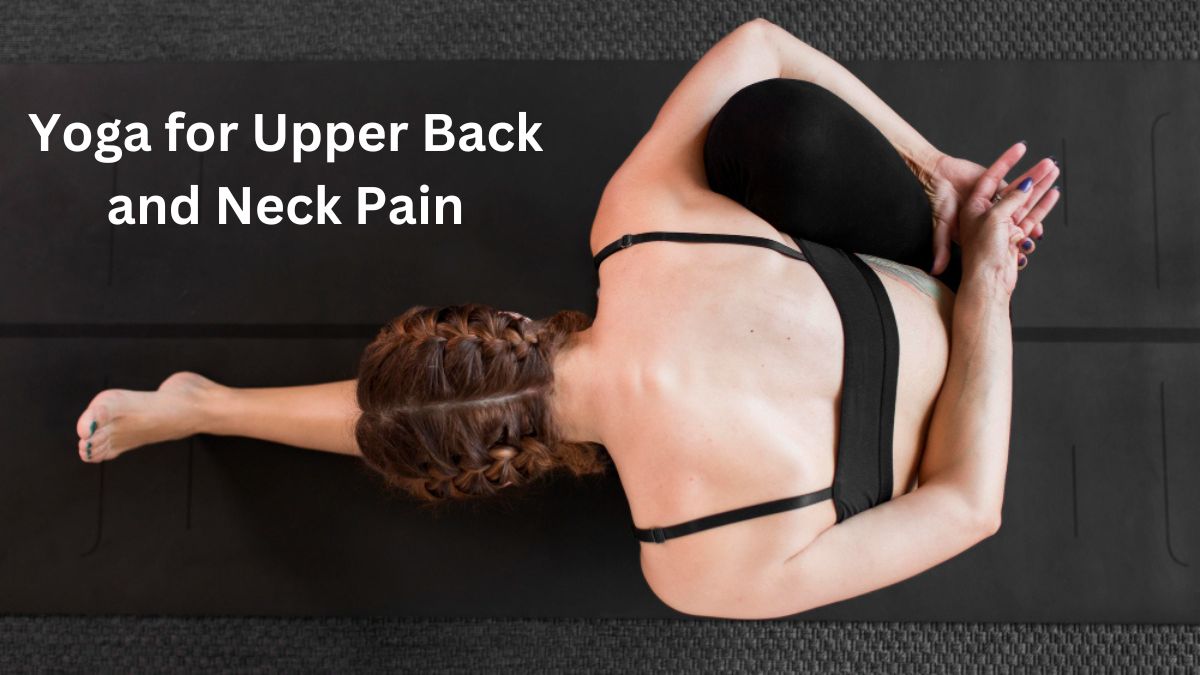
  • Yoga for Upper Back and Neck Pain: Best Yoga Poses

    Yoga for Upper Back and Neck Pain: Best Yoga Poses

    Upper back and neck pain are common issues today. Long periods in one position, injury, stress and other factors can contribute to discomfort; not all pain has a simple posture-related cause. Yoga for upper back and neck pain can help relieve tension naturally. Ancient yogic texts mention how body alignment affects overall health. Simple stretches and mindful movements ease discomfort and restore flexibility.

    Yoga has been practiced for centuries to promote physical and mental well-being. Modern lifestyles, dominated by desk work and technology, contribute to increased complaints of muscle stiffness and pain. This article explores effective yoga poses, breathwork, and Ayurvedic remedies to alleviate pain and restore balance.

    The Root Causes of Neck and Upper Back Pain

    The upper back and neck are sensitive areas. Poor posture, long screen time, and stress trigger tightness. According to yogic philosophy, blocked energy in the thoracic and cervical spine leads to pain. Ayurveda suggests gentle movements to restore balance. Yoga for neck and shoulder pain helps improve mobility and circulation.

    Common Causes of Upper Back and Neck Pain

    • Poor Posture: Slouching and forward head posture put strain on the spine.
    • Stress and Anxiety: Tension builds up in the shoulders and neck.
    • Sedentary Lifestyle: Lack of movement weakens back muscles.
    • Injury or Strain: Sudden jerks or improper movements can cause stiffness.
    • Sleep Position: Incorrect pillow height and mattress quality affect neck alignment.
    • Repetitive Movements: Activities like typing or driving for long hours contribute to discomfort.

    Can Yoga Help Upper Back and Neck Pain?

    Gentle movement may help some people with muscular stiffness or posture-related discomfort, but neck and upper-back pain can also come from conditions that need assessment. Yoga should not be presented as a cure.

    Gentle Options to Try

    • Cat-Cow with a small comfortable range
    • Supported Child’s Pose
    • Thoracic rotation without forcing the neck
    • Wall-supported shoulder mobility
    • Easy breathing with relaxed shoulders

    Stop if you develop arm weakness, numbness, severe headache, dizziness, trauma-related pain or worsening neurological symptoms. Related guides: yoga for neck pain, daily posture yoga, and Yoga for a 9–5 job.

    Best Yoga Poses for Upper Back and Neck Relief

    1. Cat-Cow Stretch (Marjaryasana-Bitilasana)

    Cat-Cow Stretch (Marjaryasana-Bitilasana)

    This dynamic stretch warms up the spine. It reduces stiffness and increases flexibility.

    • Start in a tabletop position.
    • Inhale, arch your back, lift your chin (Cow Pose).
    • Exhale, round your spine, tuck your chin (Cat Pose).
    • Repeat 8-10 times.

    Benefits: Encourages spinal mobility, reduces stiffness, and enhances circulation.

    1. Child’s Pose (Balasana)

    Child’s Pose (Balasana)

    This pose relaxes the spine and stretches the shoulders.

    • Kneel with your big toes touching.
    • Extend your arms forward and lower your chest.
    • Breathe deeply and hold for 30 seconds.

    Benefits: Releases tension in the upper back, calms the nervous system, and promotes relaxation.

    1. Cobra Pose (Bhujangasana)

    Cobra Pose (Bhujangasana)

    This pose strengthens the back and improves spinal flexibility.

    • Lie on your stomach.
    • Place your hands under your shoulders.
    • Inhale, lift your chest, and keep elbows soft.
    • Hold for 20-30 seconds.

    Benefits: Strengthens the upper back, counteracts forward head posture, and improves flexibility.

    1. Seated Neck Stretch

    Seated Neck Stretch

    This pose releases neck tension and improves mobility.

    • Sit in a comfortable position.
    • Tilt your head to the right, hold for 15 seconds.
    • Switch to the left and repeat.

    Benefits: Increases neck flexibility, reduces stiffness, and eases discomfort from prolonged screen use.

    1. Shoulder Rolls

    Shoulder Rolls

    This simple movement improves shoulder mobility.

    • Sit or stand tall.
    • Roll your shoulders forward, then backward.
    • Repeat 10 times.

    Benefits: Enhances blood flow, relieves built-up tension, and increases shoulder mobility.

    Yogic Philosophy on Spine and Posture

    Ancient texts like the Yoga Sutras of Patanjali emphasize spinal health. A strong spine supports energy flow. Hatha yoga for spinal alignment helps maintain proper posture. The Bhagavad Gita discusses mind-body balance, which influences physical health. Restorative yoga for tension relief calms the nervous system.

    According to yogic wisdom, energy flows through the spine. When misalignment occurs, prana (life force energy) gets blocked, leading to discomfort. Practicing mindful stretching for neck strain helps release these blockages and restores harmony.

    Breathwork for Tension Release

    Breath control, or Pranayama, is crucial for pain relief.

    • Deep Belly Breathing: Relaxes tight muscles and improves oxygen flow.
    • Alternate Nostril Breathing (Nadi Shodhana): Clears energy blockages and reduces stress.
    • Ujjayi Breathing: Soothes the nervous system and enhances focus.
    • Bhramari (Humming Bee Breath): Reduces anxiety and neck tension.

    When Should You Stop Yoga and Get Checked?

    • Pain after a fall, collision or other trauma
    • New arm weakness or loss of grip
    • Numbness or tingling that is worsening
    • Severe headache, dizziness or visual changes
    • Fever, unexplained weight loss or pain that keeps worsening

    A 5-Minute Desk Reset

    1. Stand up and walk for one minute.
    2. Do five slow shoulder rolls each way.
    3. Use gentle thoracic rotation for 30 seconds each side.
    4. Take five relaxed breaths with the shoulders soft.
    5. Finish with a short wall-supported chest opening.

    Lifestyle Tips to Prevent Upper Back and Neck Pain

    • Maintain Proper Posture: Keep your spine straight while sitting.
    • Take Frequent Breaks: Avoid long hours of screen time.
    • Use Supportive Yoga Mats: Soft mats reduce pressure on the spine.
    • Stretch Regularly: Incorporate therapeutic yoga for neck and spine daily.
    • Practice Mindfulness: Reduce stress to avoid tension buildup.
    • Strengthen Back Muscles: Regular exercises improve posture and spinal support.

    Ayurvedic Remedies for Neck and Shoulder Pain

    Ayurveda recommends natural treatments for pain relief.

    • Warm Oil Massage: Use sesame oil to relax stiff muscles.
    • Turmeric Milk: Reduces inflammation and promotes healing.
    • Herbal Teas: Chamomile and ginger tea ease muscle tension.
    • Epsom Salt Bath: Soothes sore muscles and improves circulation.

    Meditation and Stress Management

    Stress contributes to muscle stiffness. Meditation for pain management helps relax the body. Try guided relaxation techniques before bedtime. Mindful stretching for neck strain improves sleep quality. Daily meditation helps release stress-induced tightness in the upper back and shoulders.

    Additional Yoga Props for Support

    Using yoga props enhances comfort and prevents strain.

    • Yoga Blocks: Support proper alignment in poses.
    • Bolsters: Provide cushioning during restorative yoga.
    • Straps: Assist in deep stretches without overextending muscles.
    • Ergonomic Chairs: Maintain good posture while working.

    Conclusion

    Regular yoga practice can prevent and relieve upper back and neck pain. Yoga for upper back and neck pain improves flexibility and posture. Ancient wisdom and modern science agree on its benefits. Start with gentle poses and listen to your body. Over time, you’ll feel lighter, stronger, and pain-free.

    Stay consistent, breathe deeply, and embrace the healing power of yoga!

    For signs that need medical attention, consult NHS guidance on neck pain.

    Frequently asked questions about yoga for upper back and neck pain

    Can yoga fix every kind of neck pain?

    No. Causes differ. Gentle movements may be comfortable for some people, but persistent or worsening pain should be assessed by a health professional.

    Are headstands recommended for neck pain?

    No. Do not use headstands or other weight-bearing neck positions as a treatment. Choose lower-risk options with suitable guidance.

    When should I seek medical advice?

    Prompt assessment is important after a significant injury or if pain is accompanied by weakness, numbness, difficulty walking, fever or other concerning symptoms.

    Our desk yoga routine offers short, gentle movement options.

  • Kundalini Yoga Teacher Training in Rishikesh: What to Know

    Kundalini Yoga Teacher Training in Rishikesh: What to Know

    Current FitFortunes course note: FitFortunes does not currently offer a Kundalini Yoga Teacher Training course. This article is educational and explains the subject for students researching different yoga traditions.

    Kundalini Yoga is an ancient practice rooted in the sacred texts of India. It focuses on awakening the dormant energy within. Kundalini Yoga Teacher Training in Rishikesh offers a profound journey into yogic philosophy, pranayama, meditation, and spiritual awakening. This course prepares aspiring teachers to share the wisdom of Kundalini with authenticity and depth.

    Rishikesh, known as the “Yoga Capital of the World,” is the perfect destination for this transformative experience. With Himalayan energy, ashrams, and experienced teachers, it provides the ideal setting for deep learning.

    What is Kundalini Yoga?

    Kundalini Yoga is the science of awakening prana (life force) through specific techniques. These include pranayama, mantra chanting, asanas, and kriyas. It activates energy centers (chakras), allowing spiritual growth and self-realization.

    The origins of Kundalini Yoga trace back to the Upanishads and Tantra traditions. Ancient sages described it as a divine force coiled at the base of the spine. When awakened, it rises through the seven chakras, leading to enlightenment.

    Why Choose Kundalini Yoga Teacher Training in Rishikesh?

    Rishikesh is home to traditional Kundalini Yoga schools offering Yoga Alliance-certified courses. Learning in an authentic environment enhances both practice and teaching skills.

    Key Benefits of Training in Rishikesh:

    • Learn from experienced Kundalini masters with deep yogic knowledge.
    • Experience the spiritual vibrations of the Himalayas and sacred Ganges.
    • Follow a structured curriculum including 200-hour and 300-hour teacher training programs.
    • Study ancient texts like Patanjali’s Yoga Sutras, Bhagavad Gita, and Hatha Yoga Pradipika.
    • Stay in a traditional ashram setting, surrounded by like-minded seekers.

    What Will You Learn?

    A Kundalini Yoga instructor course in Rishikesh covers essential yogic teachings. It balances physical, mental, and spiritual practices to prepare students for a teaching career.

    1. Kundalini Kriyas and Asanas

    Kriyas are dynamic movements designed to awaken Kundalini Shakti. Each kriya combines breath control, mudras, and bandhas to enhance energy flow. Key asanas include spinal twists, cobra pose, and warrior sequence to activate chakras.

    1. Chakras and Energy Centers

    Understanding the seven chakras is crucial for mastering Kundalini Yoga. Each chakra influences physical, emotional, and spiritual well-being. Training includes techniques to unblock Nadis (energy channels) and raise consciousness.

    1. Pranayama and Breathwork

    Breathwork is central to Kundalini Yoga. Techniques like Nadi Shodhana (alternate nostril breathing), Bhastrika (bellows breath), and Ujjayi (ocean breath) enhance prana circulation. These practices support nervous system balance and deep meditation.

    1. Mantra Chanting and Sound Healing

    Chanting ancient Sanskrit mantras like “Sat Nam” and “Wahe Guru” helps elevate vibrations. Sound healing with gongs and Tibetan bowls enhances spiritual awakening.

    1. Meditation and Mindfulness

    Kundalini meditation techniques include Trataka (gazing), Ajna Chakra meditation, and Japa (repetition of sacred sounds).These help quiet the mind and expand awareness.

    1. Kundalini Awakening and Safety

    Awakening Kundalini requires discipline and guidance. Training focuses on gradual activation, avoiding energy imbalances. Teachers emphasize grounding techniques like diet, self-care, and yogic lifestyle.

    The Role of a Certified Kundalini Yoga Teacher

    After completing the course, graduates receive an international yoga certification. This allows them to teach worldwide. A Kundalini Yoga teacher guides students with compassion, knowledge, and authenticity.

    Skills Gained as a Kundalini Yoga Teacher:

    • Ability to design safe and structured Kundalini classes.
    • Understanding yogic philosophy, Ayurveda, and energy healing.
    • Techniques to help students balance mind, body, and spirit.
    • Confidence in guiding meditation, chanting, and breathwork.

    Life in Rishikesh During Your Training

    Rishikesh offers a peaceful environment for yogic studies. Students experience daily yoga practice, meditation by the Ganges, and spiritual discourse. The town is rich with temples, caves, and Ayurvedic wellness centers.

    Many students enjoy visiting Parmarth Niketan, Sivananda Ashram, and Vashishta Cave for deeper spiritual connection. Healthy Sattvic food, herbal teas, and sunrise yoga sessions enhance well-being.

    How to Choose the Best Kundalini Yoga School in Rishikesh?

    Finding the right school is essential for authentic learning. Here are key factors to consider:

    • Accreditation: Ensure the school is Yoga Alliance-certified.
    • Teacher Experience: Learn from instructors with years of traditional and practical knowledge.
    • Curriculum: Look for a balanced syllabus covering yoga philosophy, kriyas, chakras, and meditation.
    • Accommodation & Food: A comfortable stay and nutritious meals support energy levels.
    • Student Reviews: Check testimonials from past graduates for insights.

    Enrolling in a Kundalini Yoga Teacher Training in Rishikesh is a life-changing experience. It offers deep knowledge of yoga, energy work, and meditation. Training in Rishikesh provides an authentic, spiritual, and immersive journey.

    Whether you seek personal transformation or a teaching career, this course empowers you with wisdom. The sacred energy of Rishikesh, combined with expert guidance, makes it the ultimate destination for Kundalini Yoga certification.

    Are you ready to begin your journey? Discover the power of Kundalini Yoga in the heart of the Himalayas today!

  • How Many Calories Does Vinyasa Yoga Burn in a Day

    How Many Calories Does Vinyasa Yoga Burn in a Day

    How Many Calories Does Vinyasa Yoga Burn in a Day?

    Have you ever wondered how many calories Vinyasa yoga burns in a day? Many students ask me this during residential teacher training sessions here in India. It’s a practical question with a simple yet nuanced answer. After all, Vinyasa is not just a workout it’s a flowing, breath-synchronized practice. But if calorie burn matters to you, it’s important to understand the factors that influence it.

    Vinyasa yoga combines movement and breath in a way that can raise your heart rate, building strength and endurance. But how much energy do you actually burn during a session or throughout the day if you practice regularly? Let’s explore that in detail.
    Vinyasa yoga is a popular style of yoga. It combines flowing movements and synchronized breathing. Many people love it for its benefits. It builds strength, improves flexibility, and burns calories. But how many calories can it actually burn? Let’s talk this in detail.

    What Is Vinyasa Yoga?

    Vinyasa yoga is also called “flow yoga.” It links one pose to the next in a smooth sequence. The pace can be slow or fast, depending on the class. This continuous movement keeps your heart rate up, making it great for burning calories.

    How Does Vinyasa Yoga Burn Calories?

    Unlike some yoga styles, Vinyasa is more dynamic. It engages multiple muscle groups at once. Moving constantly increases your metabolism. It’s almost like a workout, but with mindful breathing.

    What Influences Calorie Burn in Vinyasa Yoga?

    Calories burned during yoga depend on several things:

    • Session length: A 60-minute class burns more calories than a 30-minute flow.

    • Intensity: Fast-paced or power Vinyasa burns more than a gentle flow.

    • Body weight and metabolism: Heavier bodies generally burn more calories.

    • Experience level: Beginners might burn fewer calories than seasoned practitioners.

    • Practice frequency: Daily practice can add up to significant calorie expenditure.

    For example, a 60-minute moderate Vinyasa session usually burns between 400 to 600 calories. If you practice twice a day, that’s about 800 to 1,200 calories burned.

    Comparing Vinyasa Yoga Calorie Burn to Other Activities

    In fact, It offers a calorie burn comparable to some cardio workouts, depending on pace and intensity. Compared to running or cycling, it’s lower, but Vinyasa includes strength, flexibility, and breath control all in one session. Meanwhile, unlike high-impact cardio, Vinyasa is gentler on joints. This makes it a sustainable daily practice for many students, especially those training in residential yoga programs here in India.

    Calories Burned During Vinyasa Yoga

    The number of calories burned depends on several factors:

    1. Your Weight: Heavier individuals burn more calories.
    2. Session Intensity: A fast-paced class burns more than a slower one.
    3. Duration: Longer sessions burn more calories.

    On average, here’s what you might burn in a 60-minute session:

    • 120 lbs person: Around 260 calories
    • 150 lbs person: Around 320 calories
    • 180 lbs person: Around 400 calorie

    Factors That Affect Calorie Burn

    Body Composition- Muscle burns more calories than fat. If you’re muscular, you’ll likely burn more calories.

    Age and Gender- Younger people tend to burn calories faster. Men often burn more calories than women due to higher muscle mass.

    Effort Level –Giving your best effort in each pose can increase calorie burn. Holding challenging poses for longer adds intensity.

    How Vinyasa Yoga Affects Your Metabolism Throughout the Day

    Calorie burn isn’t limited to time spent on the mat. Vinyasa can boost your metabolism for hours after practice, thanks to the muscle engagement and aerobic nature of the flow. Still, this effect varies by individual. Some trainees notice increased energy and appetite control during their teacher training courses, which supports weight management naturally.

    Comparing Vinyasa Yoga to Other Activities

    Here’s how Vinyasa stacks up:

    • Walking: Burns around 200 calories per hour.
    • Running: Can burn up to 600 calories per hour.
    • Weightlifting: Around 300 calories per hour.

    Tips to Burn Calories Fast

    • Choose a Power Vinyasa Class: These are faster and more intense.
    • Focus on Transitions: Move smoothly and with control.
    • Engage Your Core: This adds effort to every pose.
    • Hold Poses Longer: Staying in poses like Plank or Warrior builds strength and burns more calories.

    Additional Benefits of Yoga

    Besides burning calories, Vinyasa yoga has many perks:

    • Improves Flexibility: Regular practice stretches muscles and reduces stiffness.
    • Builds Strength: It works your arms, legs, and core.
    • Boosts Mental Health: Breathing and flowing reduce stress and improve focus.

    How Often Should You Practice Vinyasa Yoga?

    <p>To see results, aim for 3-5 sessions per week. Pair it with a balanced diet for better calorie management.

    Can Beginners Burn the Same Calories?

    Beginners might burn fewer calories initially. As they build strength and confidence, their calorie burn will increase. Start slow and focus on improving gradually.

    <p>Vinyasa yoga is an excellent way to stay fit. It’s more than just a workout; it’s a mind-body connection. Depending on your weight, effort, and session length, you can burn between 260 to 400 calories in an hour. Plus, it’s fun, energizing, and suitable for all levels. Ready to try it out? Grab your mat and flow!

    FAQs</strong>

    Is Vinyasa Yoga Enough for Weight Loss?

    Yes, but combine it with a healthy diet and other activities for the best results.

    Can I Do Vinyasa Yoga Every Day?

    Yes! Daily practice can improve flexibility and burn calories. Listen to your body and rest when needed.

    How Does Vinyasa Compare to Hot Yoga?

    Hot yoga might burn slightly more calories due to the heat. However, Vinyasa is more dynamic and versatile.

    Do I Need Any Special Equipment?

    No. Just a yoga mat and comfortable clothes are enough.

  • Online Yoga Certification Courses

    Online Yoga Certification Courses

    An Online Yoga Certification Course is a structured program that teaches yoga theory, techniques, and teaching methods. It helps practitioners become certified yoga instructors from anywhere in the world. Many schools offer Yoga Alliance certification, making it a recognized qualification globally.

    Traditional yoga texts like the Gorakh Samhita and Hatha Yoga Pradipika discuss the importance of authentic yoga education. Modern technology now allows students to experience structured training through virtual learning.

    Why Choose an Online Yoga Certification Course?

    Online yoga teacher training provides flexibility, affordability, and accessibility. Students can study at their own pace while balancing work and life. Many courses are self-paced, while others offer live interactions with experienced yoga teachers.

    If you are looking for an affordable yoga certification online, many schools offer budget-friendly options. Some even provide scholarships for aspiring yoga teachers. Whether you choose a 200-hour online yoga certification or a shorter course, ensure it meets Yoga Alliance standards.

    What to Expect in a Yoga Instructor Course Online?

    A good yoga instructor course online covers various aspects of yoga, including:

    • Asana practice – Understanding postures and their benefits.
    • Pranayama techniques – Learning to control breath for better energy flow.
    • Yoga philosophy – Ancient wisdom from texts like the Yoga Sutras.
    • Meditation and mindfulness – Techniques to calm the mind.
    • Anatomy and alignment – Preventing injuries while practicing and teaching.
    • Business of yoga – How to start a yoga teaching career.

    Best Online Yoga Certification Courses for Beginners

    Finding the best online yoga certification course for beginners depends on your goals. Here are top-rated programs:

    1. 200-Hour Online Yoga Teacher Training

    This is the most popular course for aspiring instructors. It covers the foundations of yoga and teaching methodologies. Many students search for a 200-hour yoga certification cost before enrolling to compare prices.

    1. Advanced Yoga Teacher Training (300 or 500 Hours)

    For experienced instructors, advanced training provides deeper knowledge in specialized areas like pranayama, meditation certification, and yoga therapy.

    1. Specialized Yoga Courses

    If you are interested in a niche, consider these options:

    • Online prenatal yoga certification – Teaching yoga to pregnant women.
    • Yoga therapy certification – Helping students with specific health conditions.
    • Pranayama and meditation certification – Focusing on breathwork and mental wellness.

    How to Choose the Best Online Yoga Teacher Training?

    When selecting an online yoga instructor certification, consider:

    • Accreditation – Choose a Yoga Alliance-certified course.
    • Course content – Ensure it covers philosophy, asana, anatomy, and teaching methods.
    • Instructor experience – Learn from teachers with deep knowledge.
    • Flexibility – Check if the course is self-paced or live.
    • Cost and payment plans – Compare different programs for affordability.

    Can You Make Money with an Online Yoga Certification?

    Many certified instructors teach online and in-person. A yoga business and marketing training module in some courses helps teachers establish their practice. Some earn through:

    • Online group classes
    • Private yoga coaching
    • Yoga retreats and workshops
    • Selling pre-recorded yoga programs

    With the right skills, you can build a rewarding career as a yoga instructor. Some teachers even specialize in virtual yoga teacher training for other aspiring instructors.

    Is an Online Yoga Certification Course Worth It?

    Absolutely! It allows you to learn at your own pace and get certified from home. Many students find online courses just as effective as in-person training. Virtual yoga teacher training offers the same curriculum without travel expenses.

    Final Thoughts: Finding the Right Yoga Training Program

    Choosing an online yoga certification course is an important step. Whether you’re looking for an affordable yoga certification online or a top-rated 200-hour yoga teacher training, ensure the program fits your goals. Look for accreditation, course content, and flexibility before making a decision.

    If you’re passionate about yoga, getting certified can be a life-changing experience. Start your journey today with a reputable yoga instructor course online and begin teaching with confidence!