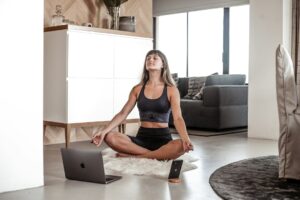
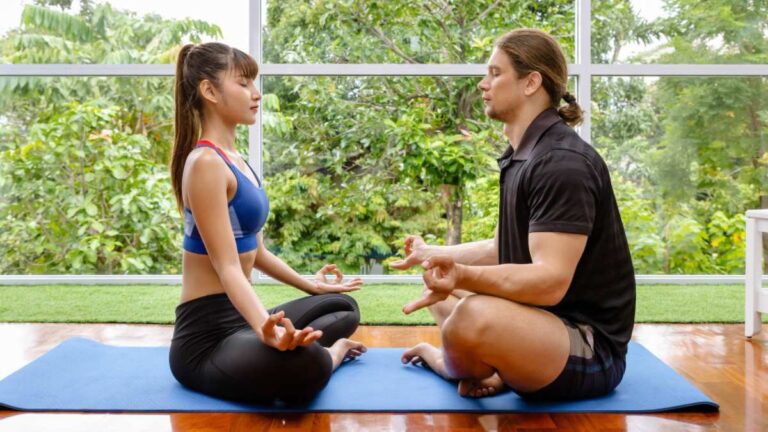
Ten minutes of yoga for beginners can be a manageable way to start a movement habit. This gentle morning routine combines comfortable breathing, small movements and rest. The six stages below total ten minutes, including transitions. You can practise seated throughout, shorten a stage or stop. A short routine does not replace every type of exercise or guarantee relief from anxiety.
Is 10 minutes of yoga enough for a beginner?
Ten minutes is enough to try a few movements and learn what feels comfortable. Regular practice may make the habit easier to maintain. It is not a complete fitness program or a treatment plan. Choose a routine you can repeat without pain rather than measuring success by how deeply you stretch.
10-minute yoga for beginners: a simple morning timetable
| Stage | Time | Accessible option |
|---|---|---|
| Comfortable seat and natural breathing | 1 minute | Supported chair, feet on the floor |
| Shoulder movements and gentle side bends | 2 minutes | Remain seated; keep arms low |
| Small Cat-Cow movements | 2 minutes | Seated movement with hands on thighs |
| Child’s Pose or supported seated rest | 1 minute | Stay upright or rest forearms on thighs |
| Gentle seated twist | 2 minutes total | Small turn each way without pulling |
| Comfortable rest | 2 minutes | Supported chair or lying position |
The times include moving between positions. Allow roughly one minute per side for the twist, using part of that time to return to centre. If a transition takes longer, reduce the next stage. There is no need to rush to finish on the timer.
What do you need before starting?
Use a clear, stable space, comfortable clothes and a sturdy chair or non-slip mat. A soft bed is not a stable surface for standing exercise. Keep supports within reach. You can keep your eyes open and breathe normally; breath holds and forced deep breathing are unnecessary.
Choose only movements that suit you. Stop for pain, dizziness or worsening breathlessness. If a health condition, recent operation or pregnancy affects what you can do, ask an appropriately qualified professional about suitable activity. A teacher can help with movement options; a general article cannot assess your individual needs.
How to practise the six stages
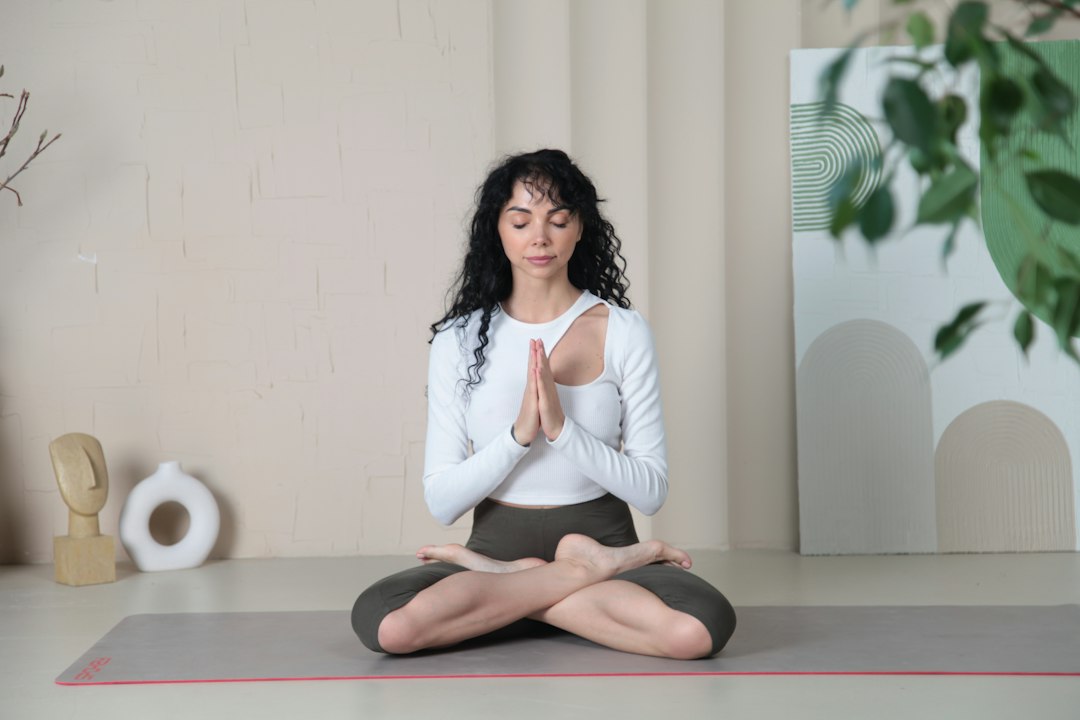
1. Sit comfortably and notice natural breathing
Sit on a chair with your feet supported or choose a comfortable floor seat. Let your shoulders settle. Notice a few ordinary breaths without making them longer or deeper. Keep your eyes open if closing them feels uncomfortable. If attention to breathing makes you anxious, notice the contact of your feet with the floor instead.
2. Move the shoulders and make small side bends
Lift and lower the shoulders gently, then make a few small backward shoulder circles. Avoid full neck circles. Keeping your head comfortable, lean a small distance to one side and return to centre before changing sides. Keep both sitting bones supported. You can leave your hands resting on your thighs rather than lifting an arm overhead.
3. Try a small Cat-Cow movement
On hands and knees, gently round and lengthen the back without dropping deeply into the lower back or forcing the neck upward. Move at a comfortable pace and keep breathing naturally. For the chair version, rest your hands on your thighs and make small changes in the curve of your back. Stay seated if kneeling or weight through your wrists is uncomfortable.
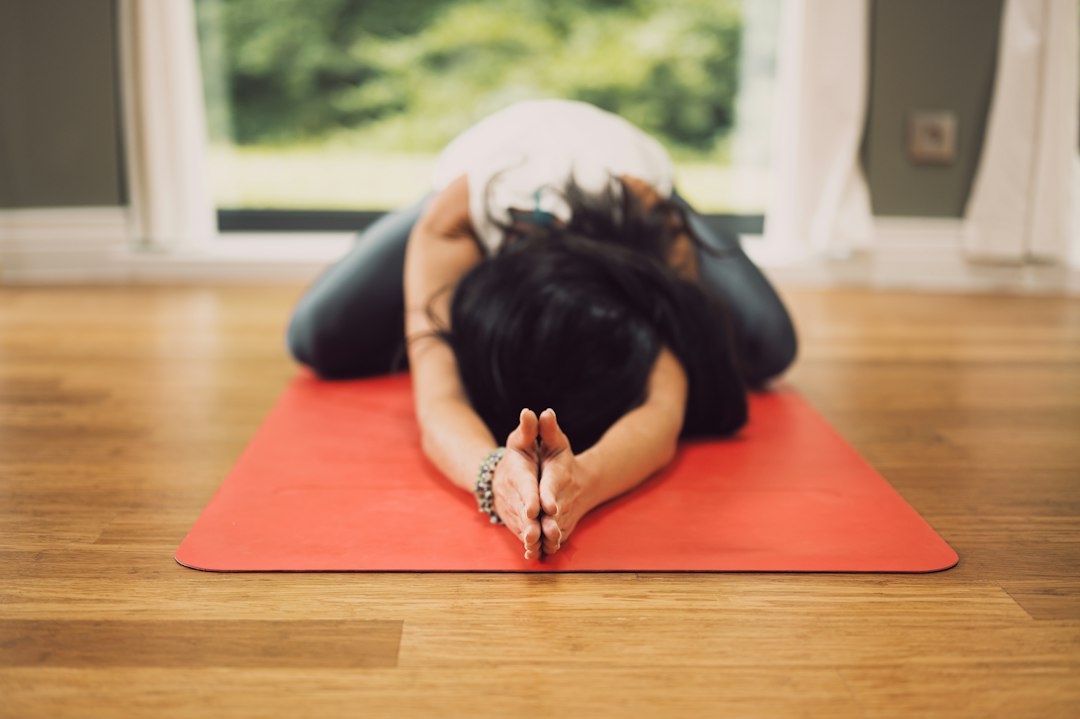
4. Choose Child’s Pose or seated rest
If kneeling suits you, move your hips toward your heels only as far as comfortable. Support the forehead or torso with a cushion if useful. Do not force the knees into a deep bend. The seated alternative is to rest upright, or lean forward slightly with forearms supported on your thighs if that position feels comfortable.
5. Turn gently in a seated twist
Sit tall without stiffening the back. Turn your chest a small distance to one side, keeping the pelvis supported. Rest the hands lightly; do not use them to pull deeper. Return to centre slowly and change sides. This is an opportunity to explore comfortable movement, not a method for detoxifying the body or treating digestion.
6. Finish with comfortable rest
Remain in the chair or lie in a comfortable supported position. Let the arms and jaw relax and continue normal breathing. Notice whether any part of the routine should be changed next time. Allow time to sit up or stand slowly. Feeling perfectly calm is not a requirement for completing the practice.
How can you make a short yoga routine repeatable?
Choose a reliable cue, such as after washing your face or before opening your laptop. Keep the chair or mat ready, and use the same simple sequence for several sessions. Record whether you practised and whether you needed an adjustment. Avoid adding more difficult postures just because the routine begins to feel familiar.
If ten minutes feels too much, try the comfortable seat, shoulder movements and rest. If you miss a day, resume at the next convenient time. Progress can mean finding a useful chair version, making transitions smoother or recognising when to stop.
For related practice, see a first meditation session at home, gentle yoga before sleep and our 100-hour foundation course.
Frequently asked questions about 10-minute yoga for beginners
Can I do this routine entirely on a chair?
Yes. Use the chair options in the timetable and remain seated for breathing, shoulder movements, small back movements, gentle twists and rest. Use a sturdy chair that does not roll. Keep movements small and skip anything uncomfortable. A chair variation is a practical choice, not an incomplete version of the routine.
Do I need to practise in the morning?
No. Morning is one possible cue, but choose a time that suits your schedule and feels comfortable. You can use the same gentle sequence later in the day. Avoid rushing through it while distracted. For bedtime, you may prefer a quieter routine with fewer transitions.
Can beginners learn without a yoga teacher?
A written guide can introduce simple movements, but it cannot see how you are moving or answer questions about your body. Seek instruction when you are unsure about an exercise, need adaptations or want to develop your practice. Choose a teacher who offers clear options and does not pressure you to continue through pain.
Does ten minutes of yoga replace exercise recommendations?
No. This routine is a short introduction to comfortable movement and rest. It does not automatically supply the aerobic activity or strengthening work recommended for adults. You can include it alongside other suitable activity. The benefit of this plan is that it is manageable to repeat, not that ten minutes meets every health goal.
What if I cannot finish all six stages?
Shorten the routine, use the chair options or stop. The timetable is a guide, not a test. Do not rush transitions or continue through discomfort to reach ten minutes. Keep the parts that suit you, and ask for advice about persistent pain or symptoms rather than assuming more stretching is the answer.
Sources and further guidance
See NCCIH’s overview of yoga evidence and safety and CDC guidance on activity for adults. The timetable is a practical beginner example, not a clinically tested ten-minute treatment protocol. For guided study, review the FitFortunes course options.