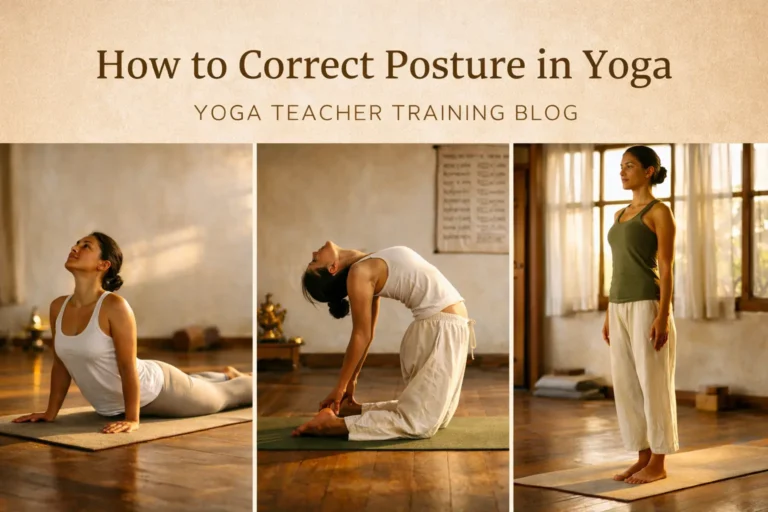
You can improve posture with daily yoga by combining regular movement, breathing, gentle strength, and better awareness of how you sit and stand. This 20–30 minute daily yoga routine for posture moves the spine, opens the hips and upper back, practises steady standing, and finishes with comfortable sitting and rest. The goal is not one perfect shape. It is to build positions and movement habits that feel easier to use in daily life.
Table of Contents
How to improve posture with daily yoga
- 0–5 minutes: gentle spinal movement and shoulder mobility.
- 5–10 minutes: quiet nasal breathing without lifting the shoulders.
- 10–18 minutes: standing work with Tadasana, a slow fold, lunge, and Downward-Facing Dog.
- 18–23 minutes: gentle upper-back extension with Sphinx or Cobra.
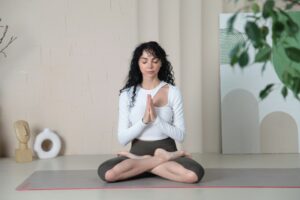
- 23–27 minutes: comfortable sitting practice.
- 27–30 minutes: rest and notice how the body feels.

Minute 0–5: move before you correct
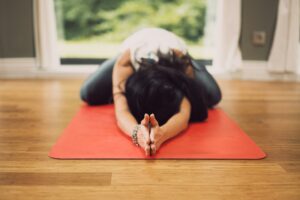
Begin on your back, on hands and knees, or in an easy seated position and take a few quiet breaths before trying to “fix” anything. Move the spine gently through comfortable ranges with small cat-cow movements, side bends, easy twists, and shoulder circles. The aim is not to create a dramatic stretch; it is to notice where the body feels easy, where it feels stiff, and how movement changes from one day to the next.
- Easy cat-cow movements.
- Small side bends.
- Gentle twists.
- Slow shoulder rolls.
Minute 5–10: practise quiet breathing
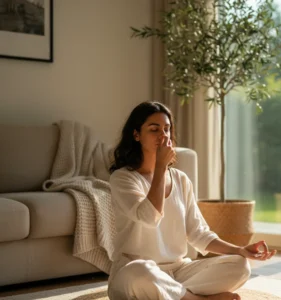
Place one hand around the lower ribs and the other on the belly, then breathe through the nose without trying to make the breath as large as possible. Let the lower ribs and abdomen move gently while the neck and shoulders stay relaxed. Exhale slowly without pulling the stomach in hard. If the shoulders keep lifting, make the breath smaller because an easy breath with less tension is more useful than a very deep breath done with effort.
This part of the routine is about coordination rather than “perfect” diaphragmatic breathing. Breathing patterns vary between people and positions, so the goal is to reduce unnecessary upper-body tension and let the breath move comfortably. For a more detailed explanation, read our diaphragmatic breathing guide.
Minute 10–18: standing posture practice
The standing section is not about pulling the shoulders back or holding the stomach tight. It gives you a chance to feel how the feet, legs, pelvis, ribs, and head organise while you move and breathe. Use a range that feels controlled, bend the knees when needed, and treat the poses as movement practice rather than a test of flexibility.
Tadasana
Stand with your feet in a comfortable position instead of forcing them together. Feel both feet on the floor, keep the knees soft rather than locked, and let the ribs settle over the pelvis without pushing the chest forward. Keep the chin easy and breathe normally for three to five breaths while noticing whether you can stand with less unnecessary effort.
Slow forward fold and rise
Fold only as far as your body allows and bend the knees whenever that makes the movement more comfortable. Pause briefly, then come back up slowly instead of throwing the head or chest backward at the top. The useful part is the controlled transition and the way the hips and spine share the movement, not how close your hands come to the floor.
Low lunge
Step one foot back and keep the front knee in a position that feels stable and comfortable. Stay more upright or bring the hands down depending on your balance, mobility, and experience. Take several normal breaths, notice the front of the back hip without forcing a deep stretch, then change sides and compare how each side feels.
Downward-Facing Dog
Bend the knees if that helps you lengthen the spine and keep the shoulders more comfortable. Straight legs are not required, and chasing the heels toward the floor can make the pose more tense without improving the goal of the practice. Stay for three to five steady breaths, then come out before the pose turns into a struggle.

Minute 18–23: move the upper back
People who sit for long periods often notice stiffness through the chest and upper back, but the answer is not to force a large backbend. Use a gentle Cobra or Sphinx position and keep the movement small enough that the chest can lift without compressing the lower back. Two or three slow repetitions with comfortable breathing are enough to practise extension without turning this section into a strength test.
Minute 23–27: practise sitting without strain
Sit on the floor, on a cushion, or on a chair and choose the option that lets you stay comfortable for a few minutes. Instead of telling yourself to “sit straight,” notice whether your weight feels reasonably even, whether the ribs are pushed far forward, and whether the neck can stay easy. This part matters because posture is most useful when it transfers into normal sitting, standing, and working habits rather than existing only on a yoga mat.
Minute 27–30: let the body settle
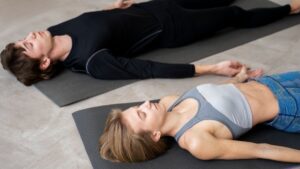
Finish in Savasana or another comfortable resting position and stop correcting yourself for a few minutes. Notice how the floor supports the body, how the breath feels, and whether any area feels different after the sequence. Rest gives you a chance to compare the body before and after practice without immediately turning the result into another posture task.
How often should you do this routine?
Three to five times a week is a practical starting point for many people, but consistency matters more than hitting an exact number. A shorter routine you can repeat comfortably is usually easier to maintain than one long session followed by several days of nothing. You can also use only one or two sections on busy days rather than treating the full 30 minutes as an all-or-nothing rule.
If a movement causes sharp pain, numbness, dizziness, unusual weakness, or another symptom that concerns you, stop and seek appropriate healthcare advice rather than trying to “stretch through it.” Persistent pain or a significant posture change can have causes that a general yoga routine cannot diagnose.
What this routine can and cannot do
This routine can help you practise movement, breathing, body awareness, and more comfortable positions. A 2024 systematic review of exercise and postural alignment found that strengthening and stretching approaches can affect some postural measures, but the type and amount of exercise matter. It may make you more aware of habits such as bracing the abdomen, lifting the shoulders, or sitting in one position for too long. It cannot diagnose the cause of pain, change every structural difference, or guarantee that one posture problem will disappear, so persistent symptoms may need medical or physiotherapy assessment.
Common posture mistakes during yoga
Many posture routines become less useful when people replace one rigid habit with another. Pulling the shoulders back all day, holding the stomach tight, pushing the chest up, or stretching aggressively can create more effort without improving comfort. The better goal is to move regularly, use several positions during the day, and learn where you can reduce unnecessary tension.
- Pulling the shoulders back all day.
- Holding the stomach tight constantly.
- Forcing the chest upward.
- Stretching very hard because a body part feels stiff.
- Ignoring pain or neurological symptoms.
- Doing the routine once and expecting a permanent change.
How this yoga for posture routine differs from our main guide
This page gives you a specific daily yoga sequence with a clear time structure, so its purpose is practical practice. For the broader subject of desk habits, standing, sitting, movement breaks, strength, and home setup, read How to Improve Posture at Home. Keeping the two pages separate helps each one answer a different question instead of repeating the same article twice.
Frequently asked questions
Can yoga fix bad posture permanently?
Yoga can help you practise mobility, strength, breathing, and awareness, but “fix permanently” is too simple for a habit that changes with work, sleep, pain, stress, activity, and many other factors. Posture also varies naturally between people. A useful routine gives you more comfortable options and better movement habits rather than promising one permanent ideal position.
Is 10 minutes of posture yoga enough?
Ten careful minutes can be useful when you practise consistently and choose movements that match your needs. You do not have to complete the whole routine every day for it to have value. A short practice that you repeat regularly may be more practical than a longer sequence that you avoid because it feels difficult to fit into your schedule.
Should I force myself to sit straight?
No. Holding one position rigidly can become uncomfortable even when the position looks “correct.” Aim for a comfortable, supported position and change it regularly during the day. Movement variety is usually more useful than trying to freeze the spine in one shape for several hours.
Start small and make it repeatable
You do not need 30 perfect minutes every day. Ten careful minutes done regularly can be a better start than a difficult routine you cannot repeat. Use the full sequence when you have time, shorten it when needed, and pay attention to whether the practice makes normal sitting, standing, and movement feel easier rather than only judging how you look in a pose.