Breathing exercises for anxiety may help some people feel steadier during everyday stress. The safest place to begin is with a comfortable, unforced breath. You can practise in a chair, at home, or during a short break. These methods cannot diagnose or cure anxiety disorders, and they should never replace professional care. Here are five gentle choices, including one for people who dislike counting their breath.
What can breathing exercises do when you feel anxious?
Stress may make your breathing feel faster or less comfortable. A gentle breathing exercise offers a simple focus while you sit or rest. Some people find it soothing, while others prefer walking or noticing their surroundings. You do not need a deep inhale, long exhale, or demanding yoga technique. Begin with a normal breath, relax your shoulders, and stop immediately if changing the pattern makes you uncomfortable.
The NHS offers basic advice for breathing exercises for stress. No single rhythm works for everyone. Persistent anxiety may need support from a qualified professional. Use breathing as an optional relaxation tool, not a test of whether you can control an anxious feeling.
1. Relaxed belly breathing
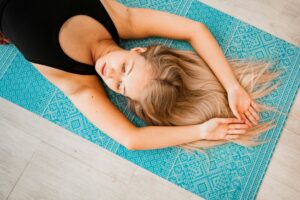
Sit with your back supported or lie comfortably with your knees bent. Rest one hand on the lower ribs and another near your abdomen. Breathe in quietly through your nose if that feels natural, then let the breath leave without pushing. Notice gentle movement around your lower ribs. Do not force your belly forward or hold the chest still. Practise for about two minutes while breathing stays easy.
Belly breathing is also called diaphragmatic breathing. The diaphragm helps move air into the lungs, but you do not need to make every breath large. See our separate diaphragmatic breathing guide for more anatomy and common mistakes. This method can provide a comfortable start before trying counted patterns.
2. Equal breathing, or a simple Sama Vritti
Equal breathing means allowing the inhale and exhale to last roughly the same time. Start with two or three comfortable counts in and the same number out. Keep your shoulders relaxed and your breath modest in size. Try six easy cycles before returning to normal breathing. If the count creates air hunger or worry, use a shorter count or stop altogether.
Some yoga teachers call a steady, equal rhythm Sama Vritti. You do not need to add breath retention or complicated ratios. Counting may help when your thoughts keep moving between tasks, but it should never become another source of pressure. Choose a count your body finds easy today.
3. A slightly longer exhale
For this variation, breathe in for three gentle counts and out for four. Let the outgoing air move naturally rather than squeezing it out at the end. Repeat for up to six easy rounds. Then release the counting and notice your ordinary breathing. If the longer exhale feels strained, change to equal breathing or take a break.
A longer exhale is not automatically better. Breathwork should reduce unnecessary effort, not create dizziness or a desire to gasp. Some days a three-to-three rhythm may feel calmer than a three-to-four pattern. The useful habit is choosing comfort and responding to your body instead of trying to beat a number.
4. Gentle alternate nostril breathing
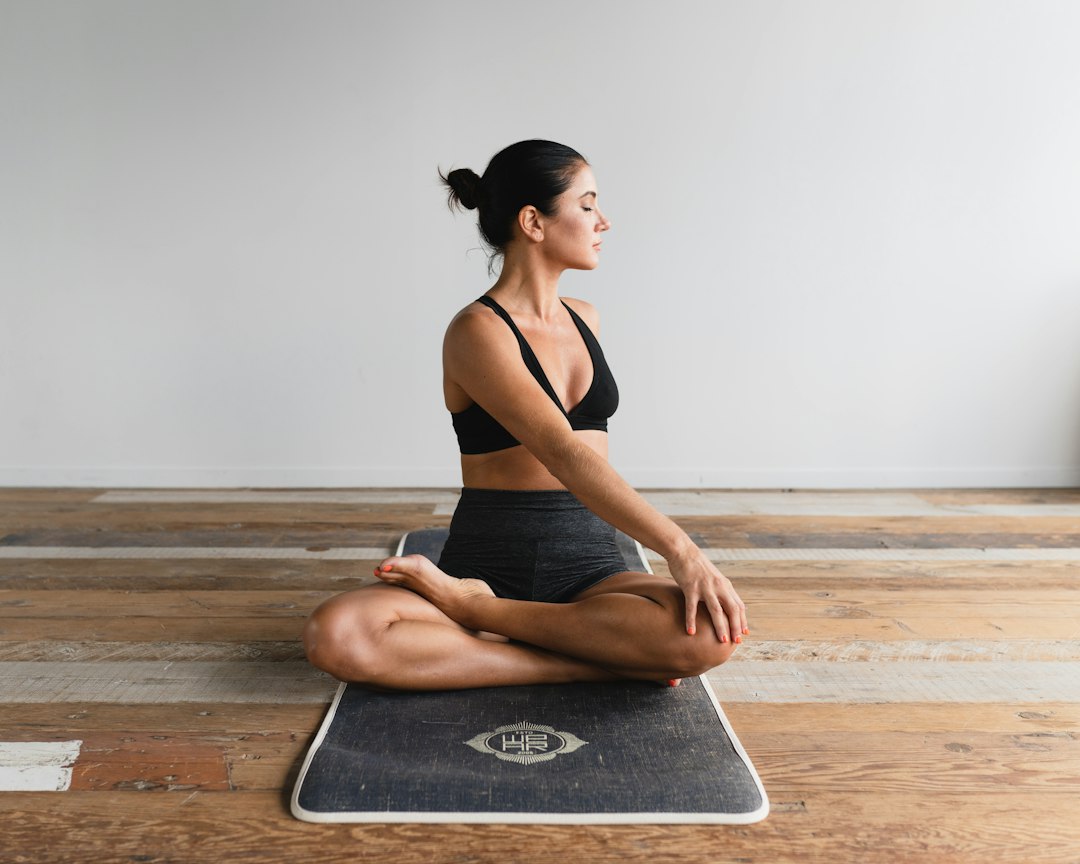
Alternate nostril breathing, often called Nadi Shodhana, is a traditional pranayama method. Sit comfortably, close the right nostril lightly, and breathe in through the left. Switch sides and breathe out through the right. Inhale through the right, then switch and exhale through the left. That is one gentle cycle. Try three cycles without holding the breath.
Use only light finger pressure and stop when your nose feels blocked or your breathing becomes awkward. Some yoga traditions explain the practice through subtle energy concepts. Those teachings should not be confused with medical proof that the method treats an anxiety disorder. It is fine to choose another technique when this one does not suit you.
5. Natural breath awareness without counting
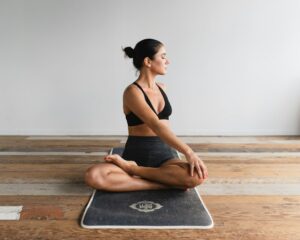
If counting or directing the breath makes you tense, you can simply notice it. Sit in a supportive chair with your feet on the floor. Follow the comfortable sensation of air near your nostrils or movement around the ribs. Let each breath happen on its own. When your attention wanders, gently bring it back without trying to fix the rhythm.
Try this for one or two minutes before returning to your day. If internal sensations increase panic, turn your attention to the room instead. Feel your feet touching the floor or name objects you can see. A supportive practice should leave room for personal choice rather than insisting on one technique.
A simple five-minute routine
Use the first minute to settle into a comfortable seat. Spend two minutes noticing gentle lower-rib movement without forcing bigger breaths. If counting feels easy, practise equal breathing during the fourth minute. Use the fifth minute for natural breathing and simple awareness of the room. Change the sequence whenever a step feels uncomfortable.
Regular practice can help you recognize which approach you prefer. You do not need to complete all five exercises or reach an exact number of minutes. During a difficult moment, a quiet walk or speaking with a trusted person may be more useful. Our wider yoga and anxiety guide discusses movement and other daily habits.
When to stop and get support
Stop breathing exercises if you feel dizzy, faint, panicked, or short of air. Severe chest pain, fainting, or serious breathing difficulty requires urgent medical assessment. People with heart or respiratory conditions may need advice before trying controlled breathing or breath holding. Gentle breathing should never feel like an endurance exercise.
When anxiety repeatedly disturbs your sleep, relationships, or work, ask a qualified health professional about suitable care. Pranayama can remain one supportive practice alongside appropriate treatment. Do not assume physical symptoms are harmless simply because you feel stressed. Seeking help is compatible with practising yoga.
Read more at this public health reference, including safety considerations and the limits of current evidence.
Common questions
Which breathing exercise is easiest for a beginner?
Comfortable belly breathing is often a simple starting point. Sit with support and notice the gentle movement of your ribs rather than trying to make your belly rise dramatically. Keep the breath quiet and natural for one or two minutes. If focusing on breathing makes you anxious, stop and look around the room instead. The aim is comfort, not a performance.
How long should I practise?
Begin with a minute or two while the exercise feels easy. Some people prefer several short breaks during the day instead of one longer session. There is no universal count that everyone must achieve. A calm, repeatable habit can be more useful than pushing through discomfort. Stop if you feel dizzy or need to gasp, and ask for clinical advice if anxiety persists.
Can pranayama cure anxiety?
No. Pranayama is part of traditional yoga and may help with relaxation, but it is not a proven cure for anxiety disorders. Ongoing symptoms may need professional assessment and evidence-based treatment. You can use a gentle method as an optional daily habit while following appropriate care. Avoid strong breath holds or forceful techniques when you already feel distressed.
Should I hold my breath during panic?
Do not force breath holding when you feel panicked or struggle to breathe. It can make an uncomfortable feeling of air hunger worse for some people. Try ordinary breathing and turn attention toward the environment, such as the floor beneath your feet. You can stop any exercise that increases fear. Unusual or severe breathing symptoms need appropriate medical attention.
Can I practise breathing exercises before bed?
Yes, if the method feels comfortable. Use a gentle pattern for a couple of minutes and avoid making sleep depend on perfect counting. Some people relax with breath awareness, while others find it keeps them too alert. Choose what suits you and stop when a technique feels unpleasant. For more bedtime ideas, use our separate gentle yoga for sleep guide.
Final thoughts
Start with a short, comfortable practice and notice whether it suits you. Do not force an exercise or expect it to replace professional care. For another FitFortunes guide on this topic, visit this related article. Keep the next step realistic for your needs and your day.