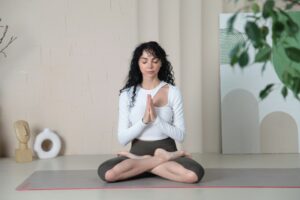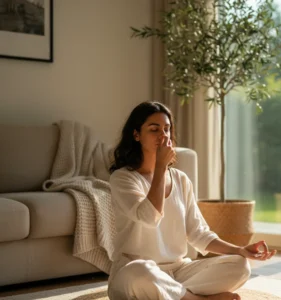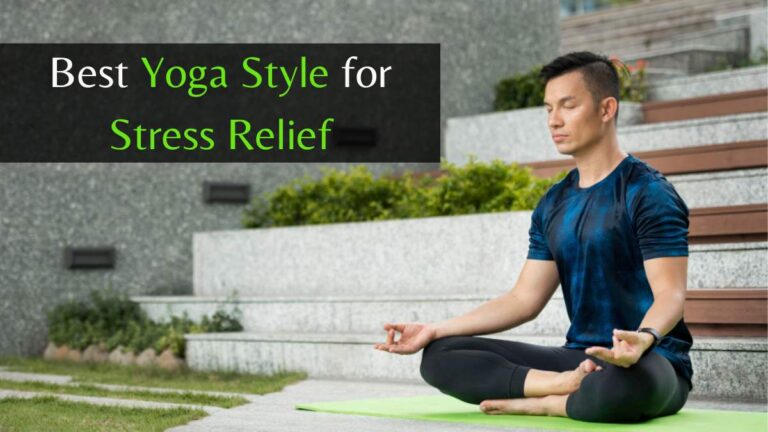
The best yoga style for stress relief is one whose pace and instructions feel manageable to you. Restorative yoga offers supported rest; a gentle Hatha class adds slow movement. Some people prefer an easy flow because stillness feels uncomfortable. No style is proven best for everyone. Compare the choices below, try a short session and judge comfort rather than intensity.
What does research say about yoga and stress?
Research on yoga suggests possible benefits for stress and general well-being, but programmes and results vary. This does not establish one style as a treatment for everyone. The NCCIH stress overview discusses several approaches and their limits. Persistent anxiety, depression or symptoms that interfere with daily life deserve appropriate professional support.
Classical yoga also addresses attention, conduct and the relationship between practice and the mind. These teachings have a different purpose from a clinical trial measuring symptoms. Study them in context rather than treating a spiritual explanation as proof that a particular posture changes cortisol or cures a condition.
Top Yoga Styles for Stress Relief
| Style | Pace | May suit |
|---|---|---|
| Restorative | Very slow | People wanting supported rest and low effort |
| Yin | Slow, longer holds | People comfortable with quiet, still practice |
| Hatha | Slow to moderate | Beginners wanting movement plus breathing |
| Gentle Vinyasa | Moderate | People who relax better with continuous movement |
| Yoga Nidra | Guided rest | People who prefer listening while supported |
No yoga style is guaranteed to relieve stress for everyone. Choose a pace that leaves you calmer rather than more overwhelmed. Compare our Hatha vs Vinyasa guide, Yin Yoga guide, and home meditation guide.
Different yoga styles offer unique benefits. If you’re looking to release stress, focus on gentle, restorative practices. Here are the best options:
- Hatha Yoga
Hatha yoga is the foundation of most modern yoga styles. It emphasizes basic poses (asanas) and breathing techniques (pranayama).
- Why it’s effective: Hatha yoga moves at a slow pace, making it ideal for beginners. It allows time to focus on alignment and relaxation.
- What to expect: Gentle stretching, basic postures, and controlled breathing.
- Who should try it: Anyone seeking a calm, introductory practice.
- Restorative Yoga
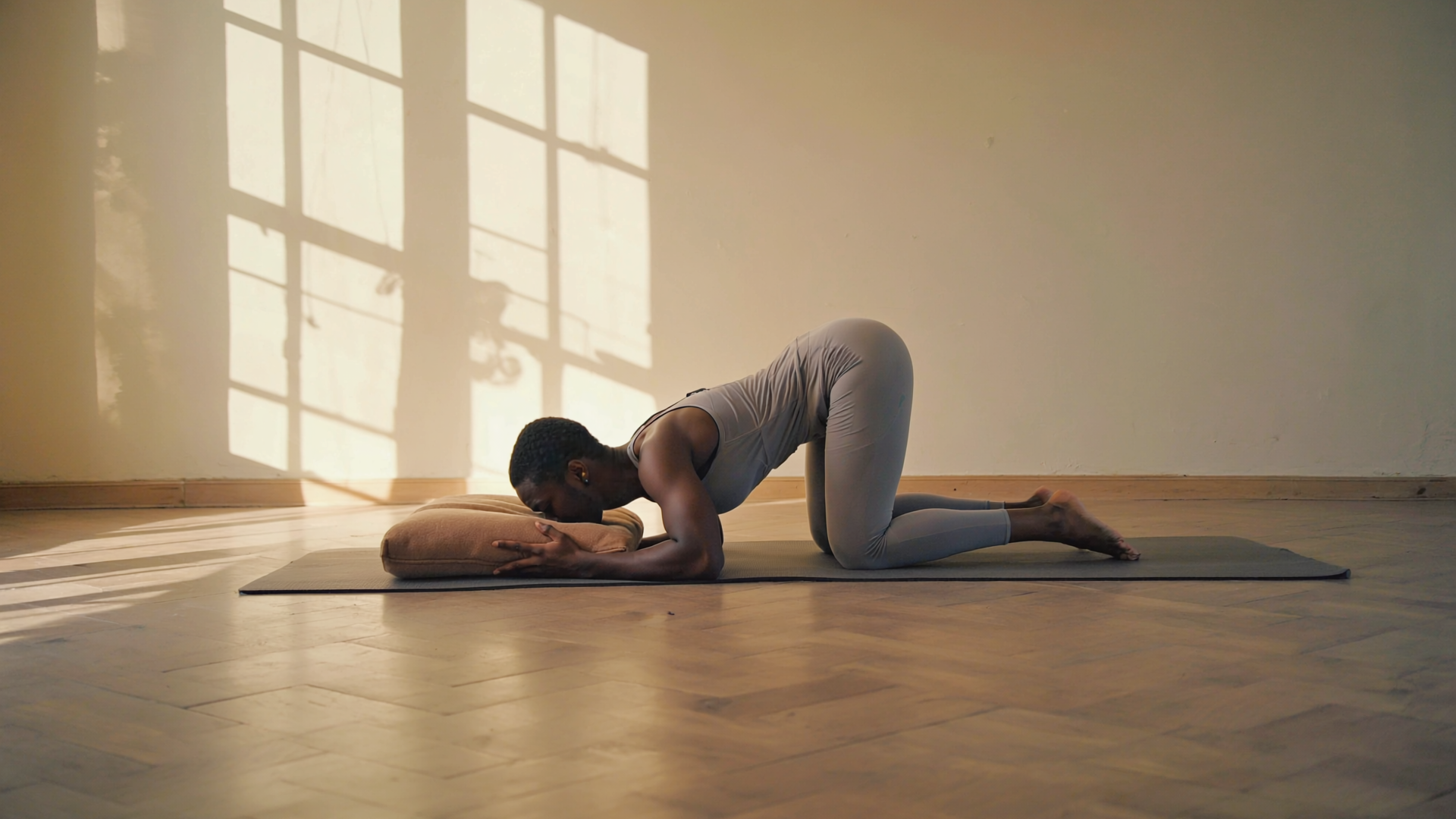
Restorative yoga is specifically designed for relaxation. It uses props like bolsters, blankets, and blocks to support the body in restful poses.
- Why it’s effective: Props reduce muscular effort and may make resting more comfortable. Relaxation is individual.
- What to expect: Long-held poses, often lasting 5–20 minutes, with minimal effort.
- Who should try it: Anyone feeling overwhelmed or physically exhausted.
- Yin Yoga
Yin yoga focuses on holding poses for extended periods, targeting deep connective tissues and joints.
- Why it’s effective: Long holds offer a still practice, but deeper stretching is not automatically more relaxing. Reduce range and avoid forcing joints.
- What to expect: Deep stretches and meditative breathing in a quiet environment.
- Who should try it: Those looking to improve flexibility and mental stillness.
- Gentle Vinyasa Yoga
A gentle flow links manageable movements with natural breathing. Look for a slower, unheated class with options to pause. “Vinyasa” alone does not tell you its intensity.
- Why consider it: Small movements may feel more manageable than prolonged stillness.
- What to expect: Short sequences, transitions and optional rest.
- Who might choose it: People who prefer movement when selecting a yoga style for stress relief.
- Yoga Nidra (Yogic Sleep)
Yoga Nidra is a guided relaxation practice, often referred to as yogic sleep.
- Why it’s effective: A guided sequence may offer a structured way to rest. It is not a guaranteed treatment for stress or insomnia.
- What to expect: Lying down comfortably while following a guided meditation.
- Who should try it: People who prefer guided rest. Yoga Nidra does not replace ordinary sleep or care for persistent insomnia.
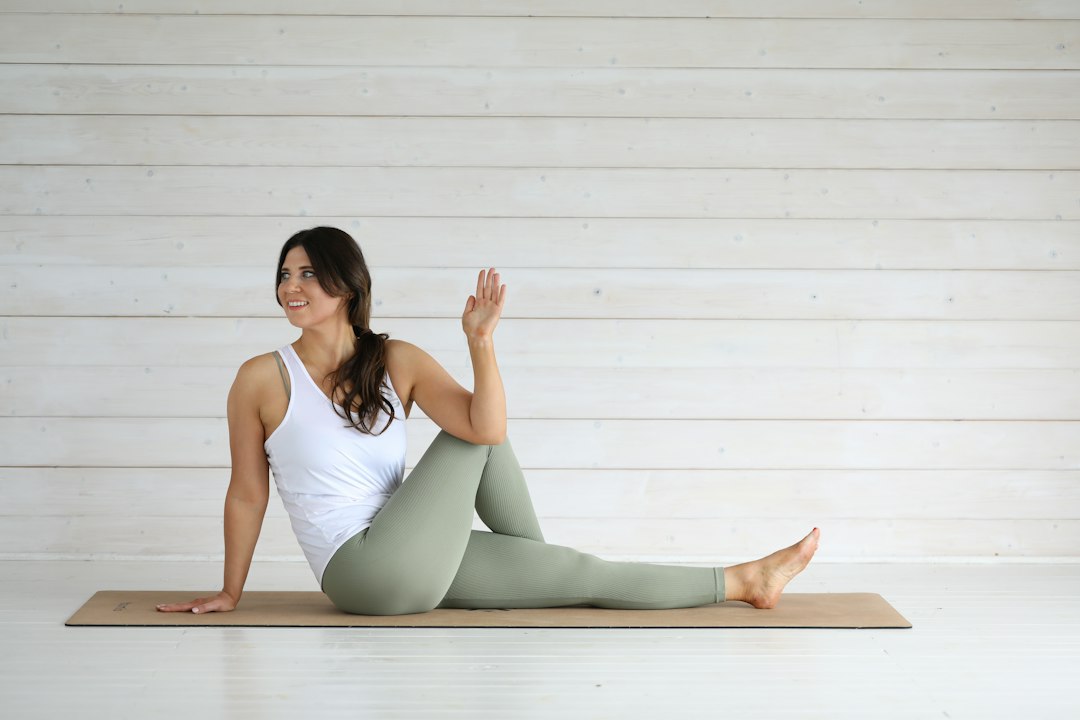
What can complement your yoga style for stress relief?
Try one simple addition at a time. Natural breathing, a brief walk, quiet music or journaling may suit you. Fragrances are optional and can irritate some people; avoid them when sensitive. Rapid breathing and breath holds are unnecessary. Meditation can use an external sound or object if breath focus increases worry.
How to choose your yoga style for stress relief
Compare the actual class pace, accessibility, teacher instructions and permission to rest. Gentle Hatha offers movement; restorative practice offers supported rest; an easy flow offers continuity. Choose what feels manageable rather than treating one label as universally best.
Tips for Practicing Yoga at Home
Practicing yoga at home is convenient and cost-effective. Here are some tips to make the most of your sessions:
- Create a peaceful space: Use soft lighting, soothing music, and a clean mat.
- Set a routine: Dedicate specific times for practice, preferably early morning or evening.
- Use props: Blocks, straps, and blankets can make poses more accessible.
- Follow guided videos: Online classes or apps can help maintain proper alignment.
How can you test a yoga style for stress relief?
- Ask the teacher about pace, heat, breath holds and modifications before joining.
- Try ten to twenty minutes at low effort, with permission to stop.
- Notice whether you can breathe comfortably and follow instructions.
- Check how you feel afterward and later in the day.
- Repeat the manageable option before increasing duration or intensity.
Choose a quiet, supported practice if you feel exhausted. Choose small movements if lying still increases worry. Stop when practice causes pain, dizziness or distress. The gentle breathing guide and movement-first guide address these separate needs.
Frequently asked questions
Is restorative yoga always better than Yin for stress?
No. Restorative practice typically uses props to reduce effort, while Yin often uses longer-held stretches. Those differences may help you choose a class, but neither label guarantees relaxation. If you have joint instability, persistent pain or a condition affecting movement, ask about individual modifications. Choose a teacher who welcomes smaller ranges and resting instead of urging you to tolerate discomfort.
Can Power Yoga relieve stress?
Some people enjoy a vigorous class and feel better afterward. Others feel more tired or overstimulated. Power Yoga is not the first choice for every stressed beginner, especially when fatigue, pain or breathlessness is present. Compare our Hatha and Power Yoga guide, ask about the actual class and begin below your maximum effort.
What if breath focus makes anxiety worse?
Use an external focus, such as a sound, a familiar object or contact with the floor. Keep breathing natural instead of trying to control every inhale. You can skip counted breathing, rapid pranayama and breath holds. If distress continues, stop and seek suitable support. New or severe breathing difficulty needs medical assessment rather than being assumed to be anxiety.
How quickly should yoga relieve stress?
There is no guaranteed timetable. A session may feel pleasant without changing the pressures in your life, and some sessions may not feel calming at all. Use comfort, ability to function and a sustainable routine as practical checks. If stress remains persistent or affects sleep, work or relationships, seek appropriate support. Yoga can be one part of care without having to solve every problem.