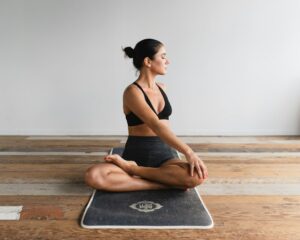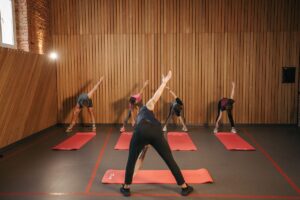
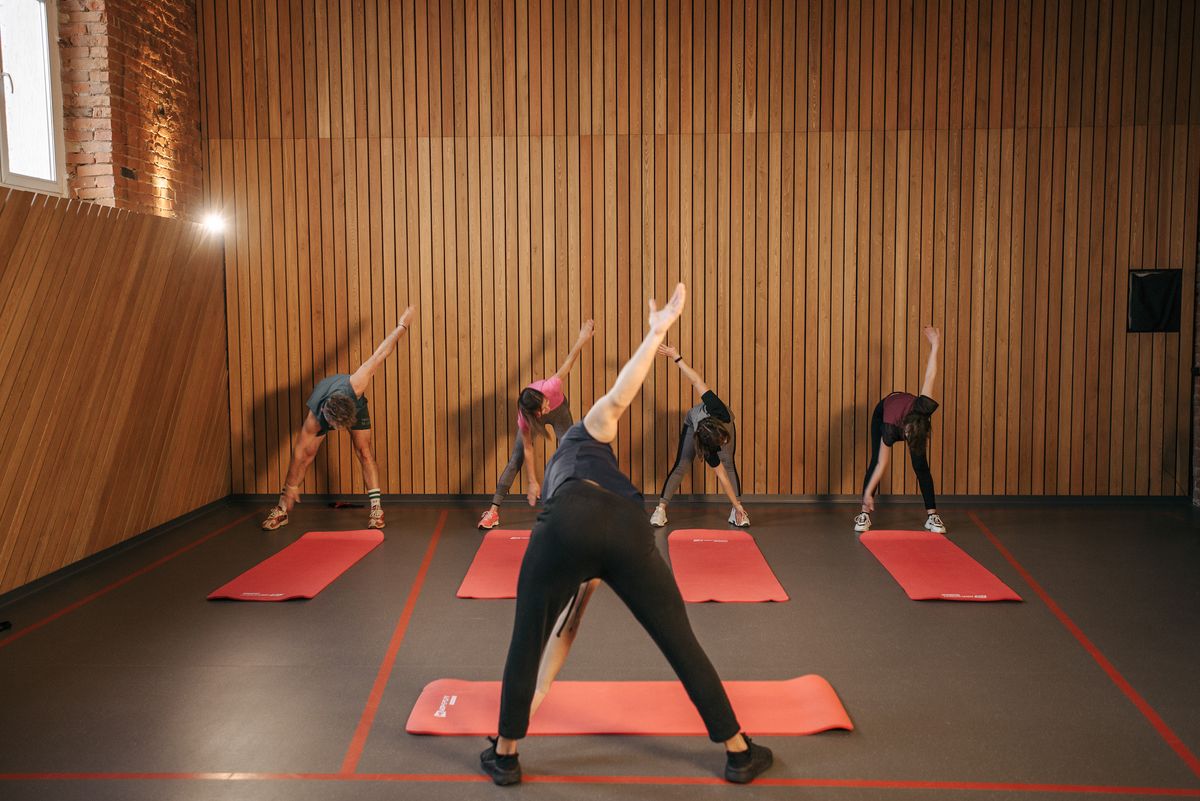
Power Yoga is a modern, vigorous style of yoga built around continuous movement, strength, stamina, and breath-linked sequences. It developed in the United States in the late 1980s and 1990s. It was influenced strongly by Ashtanga Vinyasa Yoga, but it does not follow one fixed sequence. That is why two Power Yoga classes can feel very different.
Power Yoga in one minute
Power Yoga is usually fast, physically demanding, and flexible in structure. A class may include Sun Salutations, standing poses, balances, planks, lunges, backbends, core work, and repeated transitions. Teachers often link movement with breathing, but there is no single worldwide Power Yoga syllabus.
The word power can make the style sound like yoga is only a workout. That is not always true. Bryan Kest, one of the teachers closely associated with the name, still describes Power Yoga as an inward practice rather than a contest of difficult poses. His own explanation is available on PowerYoga.com.
Where did Power Yoga come from?
Power Yoga is not an ancient Indian school of yoga. It is a modern label that became popular in the United States. Macmillan’s biography of Beryl Bender Birch says she coined the term in the late 1980s while making Ashtanga practice more accessible to American students, nearly simultaneously with Bryan Kest in Los Angeles. Bryan Kest’s own Power Yoga site also identifies him as the creator of his Power Yoga method.
That history matters because Power Yoga is often presented as if it were a classical style written in an old Sanskrit text. It is not. Its roots are connected with modern Ashtanga Vinyasa teaching, but its classes are usually less fixed. A teacher can change the sequence, intensity, pace, and emphasis.
If you are comparing it with a slower class, our Hatha Yoga vs Power Yoga guide explains the difference in pace, structure, breath, and beginner suitability.
What does a Power Yoga class actually feel like?
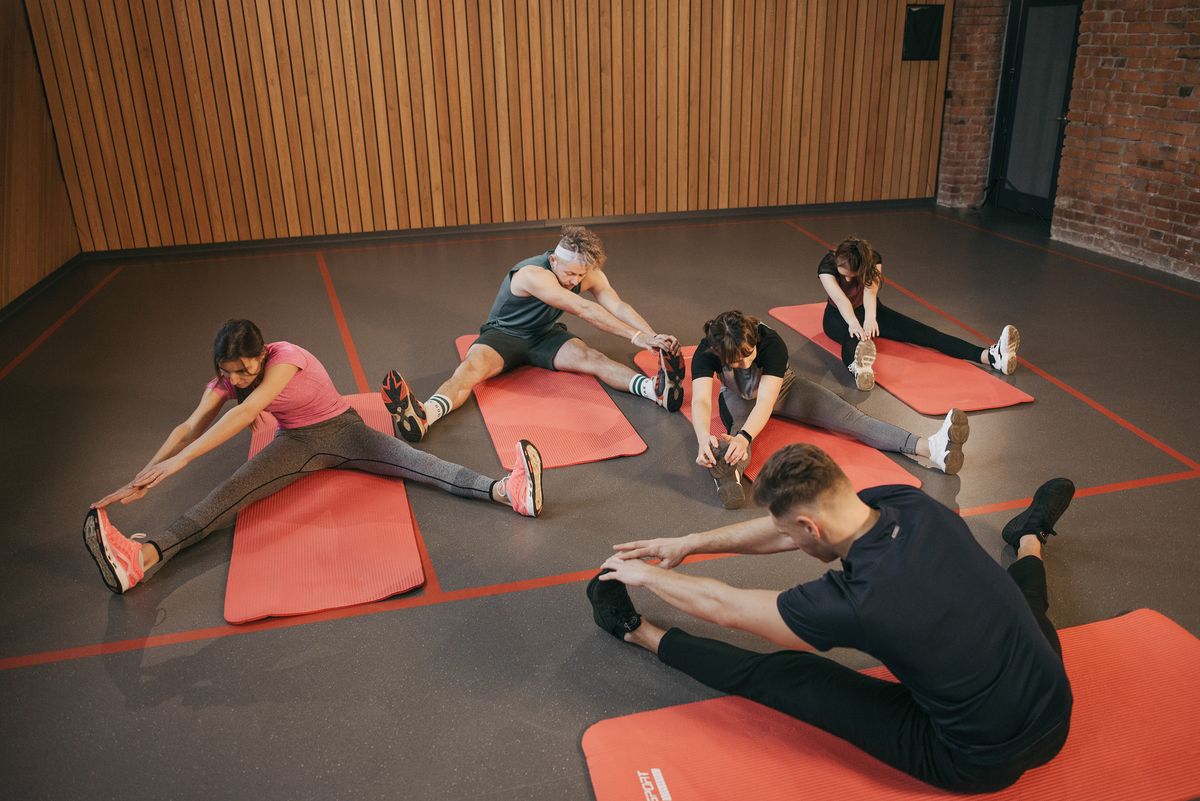
A typical Power Yoga class keeps you moving for much of the session. You may spend less time breaking down one posture and more time linking several postures together. This can create more heat and can make the class feel closer to strength or conditioning work than a slow Hatha class.
However, Power Yoga has no standard sequence. One teacher may use a strong Vinyasa pattern. Another may add long holds, balance work, or athletic drills. Music may be used, but it is not required. A class name alone does not tell you exactly what will happen.
Before joining, ask the teacher about pace, wrist loading, repeated Chaturanga, heated rooms, inversions, and whether beginners receive alternatives. These practical questions tell you more than the label.
What Indian Hatha textbooks tell us about the difference
Indian university yoga syllabi make an important distinction. Traditional Hatha Yoga is not described as a fast fitness class. Andhra University’s Hatha Yoga syllabus studies the Hatha Yoga Pradipika through subjects such as asana, pranayama, shatkarma, mudra, samadhi, and the relationship between mind and prana. Its Gheranda Samhita section also includes cleansing, asana, mudra, pratyahara, pranayama, dhyana, and samadhi.
You can see that structure in the university’s published Hatha Yoga syllabus. The Indira Gandhi National Centre for the Arts also lists Sanskrit manuscripts of the Hatha Yoga Pradipika in its yoga manuscript collection.
This does not make Power Yoga wrong. It simply tells us that Power Yoga is a modern practice category, while classical Hatha literature describes a much wider system. Keeping those two histories separate makes yoga education clearer. For that wider system, see what a traditional Hatha Yoga class should actually include.
Power Yoga vs Hatha, Vinyasa and Ashtanga
| Style | Typical pace | Main class pattern | What to know |
|---|---|---|---|
| Modern Hatha class | Slower | Held postures with time to adjust and breathe | The modern class label is narrower than classical Hatha Yoga. |
| Vinyasa Yoga | Moderate to fast | Movement linked with breath in a flowing sequence | Sequences vary by teacher. |
| Power Yoga | Usually fast and strong | Breath-linked flow with greater strength and stamina demands | No single standard syllabus. |
| Ashtanga Vinyasa | Strong and structured | Fixed series taught in a defined order | Different from Patanjali’s eight-limbed Ashtanga Yoga. |
For a closer comparison of the first two styles, read our Hatha Yoga vs Vinyasa Yoga guide. If you are new to Vinyasa itself, our Vinyasa Yoga for beginners guide explains the basic class structure.
Possible benefits of Power Yoga
Because Power Yoga is active, it can train muscular endurance, balance, coordination, mobility, and movement control. Faster classes can also raise the heart rate more than a slower Hatha class. The exact effect depends on the teacher, sequence, duration, and your own effort.
It is better to avoid guaranteed claims such as “Power Yoga causes weight loss” or “Power Yoga cures stress.” Yoga can support physical activity and wellbeing, but one class style does not produce the same result for every person. Sleep, diet, training history, health, and consistency also matter.
A useful benefit is practical: some people stay consistent when the class keeps moving. Others do better with slower practice. The style you can repeat safely is usually more useful than the style that looks hardest.
Who does Power Yoga suit?
- People who already know basic yoga postures and enjoy continuous movement.
- Students who prefer a stronger class with less stopping.
- People who want yoga to sit beside strength or fitness training.
- Practitioners who enjoy varied sequences instead of one fixed series.
- Students who can modify a pose instead of forcing themselves to keep up.
Power Yoga may be a poor match when the pace makes it hard to understand basic positions. It may also need modification if repeated wrist loading, strong backbends, or fast transitions irritate an existing problem. A class should always leave room for individual variation.
Is Power Yoga good for beginners?
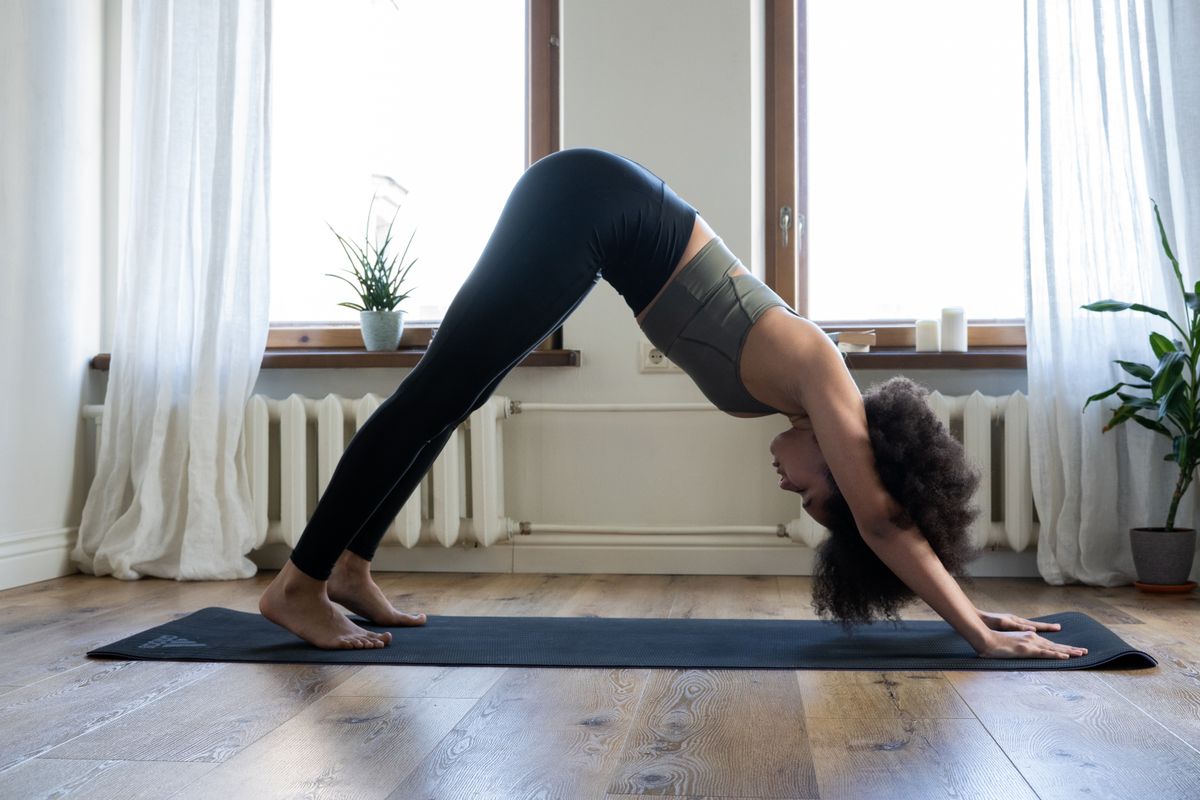
It can be, but the class needs to be taught for beginners. A new student often benefits from first learning how to stand, lunge, fold, support weight through the hands, and breathe without rushing. Those skills make a faster class easier to follow later.
A slower Hatha class can provide more time for explanation. A beginner Vinyasa class can also work if the teacher breaks the flow into clear steps. The important question is not whether Power Yoga is “advanced.” It is whether the pace allows you to understand what you are doing.
Where Power Yoga fits in FitFortunes training
FitFortunes does not present Power Yoga as a traditional Hatha subject. Our teacher-training pages separate the methods we actually teach. The 200-hour multi-style yoga teacher training in Rishikesh is a 21-day residential course built around Hatha foundations and Vinyasa Krama foundations, together with pranayama, meditation, anatomy, philosophy, methodology, and supervised practice teaching.
If you want a more traditional Hatha focus, see the 200-hour Hatha Yoga teacher training. That page is the right place to check current curriculum, dates, room choices, and fees. A blog article should help you understand the style; the course page should tell you exactly what is offered.
Frequently asked questions
Is Power Yoga the same as Vinyasa Yoga?
No. Power Yoga usually uses a Vinyasa-style flow, but it is normally stronger and more fitness-focused. Vinyasa itself can range from gentle to very demanding.
Is Power Yoga traditional Indian yoga?
No. The label Power Yoga developed in the United States in the late twentieth century. Its influences include modern Ashtanga Vinyasa practice, while classical Hatha texts describe a wider set of practices.
Does Power Yoga follow a fixed sequence?
Usually not. That is one reason classes can differ greatly between teachers. Traditional Ashtanga Vinyasa, by contrast, uses fixed series.
Can I do Power Yoga if I am not flexible?
Flexibility is not a requirement. A suitable class should offer workable ranges and alternatives. The bigger issue for a beginner is whether the pace gives enough time to understand each movement.
Choose the class by how it is taught, not by the label
Power Yoga can be a useful, demanding practice for people who enjoy strength and continuous movement. It is also a modern style with no single standard syllabus. Ask what the class contains, how fast it moves, and how beginners are supported. If you want a slower comparison, use our Hatha-versus-Power guide. If you want deeper study, use the relevant teacher-training course page rather than assuming every strong yoga class teaches the full Hatha tradition.