
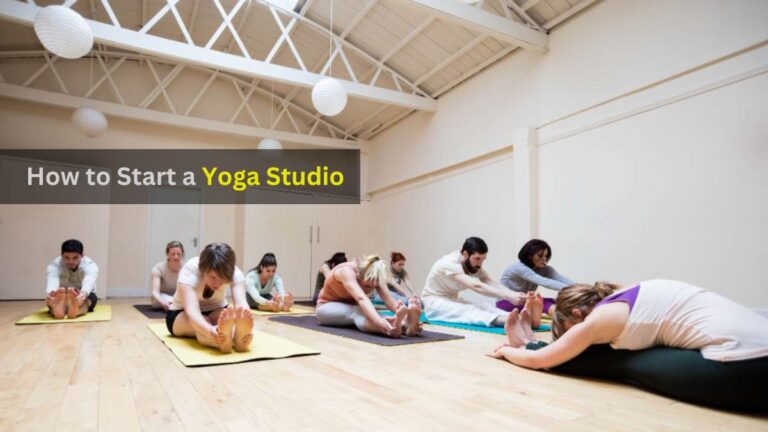
Yoga has inspired countless people worldwide. If you’re passionate about yoga and want to turn your practice into a thriving business, starting a yoga studio could be the perfect journey. Setting up a yoga studio combines your love for wellness with entrepreneurial spirit.
This guide will explore how to create a welcoming space for yoga enthusiasts. We’ll cover everything from planning and design to marketing your studio effectively. Drawing inspiration from ancient texts and modern strategies, you’ll find insights to help you build a successful yoga studio.
1. Start With a Clear Vision
Define your purpose for starting a yoga studio. Consider these questions:
- What makes your studio unique?
- Who is your target audience?
Whether you want to focus on Hatha Yoga, Vinyasa flows, or beginner-friendly classes, clarity is essential. The ancient Yoga Sutras emphasize that yoga serves everyone, so your studio should reflect inclusivity and accessibility.
2. Choose the Right Location
Check access before atmosphere
A beautiful room will not help if students cannot reach it easily. Check parking, public transport, building access, street visibility and evening safety before choosing a lease.
Location matters for attracting students. A yoga studio should feel serene and accessible. Look for spaces near residential areas or community hubs. Ensure there is enough natural light, ventilation, and space for practice.
Ancient ashrams were often nestled in nature, emphasizing tranquility. While modern studios may be urban, keeping the essence of peace in your design will make your space inviting.
3. Design a Functional Space
A well-designed studio enhances the yoga experience. Include:
- A spacious practice area with non-slip floors.
- Storage for yoga mats, blocks, and props.
- Comfortable changing rooms and clean bathrooms.
Use calming colors and minimalistic decor to keep the environment peaceful. Follow principles from Vastu Shastra or Feng Shui to create a balanced and harmonious setting.
4. Create a Business Plan
| Cost area | What to estimate |
|---|---|
| Space | Deposit, rent, utilities and basic renovation |
| Equipment | Mats, blocks, straps, bolsters and storage |
| Operations | Insurance, booking software, cleaning and payment fees |
| Marketing | Website, photography, local listings and launch promotion |
| Staff | Teacher pay, reception or admin support if needed |
Before signing a lease, calculate how many paid class visits you need each month to cover fixed costs. Also read our yoga teacher liability insurance guide, yoga class pricing guide, and yoga career guide.
A solid business plan ensures your studio starts on the right foot. Include:
- Budget: Calculate the cost of rent, equipment, and marketing.
- Services: Will you offer drop-in classes, workshops, or teacher training?
- Pricing: Research local competition to set reasonable rates.
Your plan acts as a guide, helping you stay focused and organized.
Estimate Your Break-Even Point
Before opening, calculate your monthly fixed costs and divide them by the average amount you expect to keep from one class visit. If rent, utilities, software, cleaning, insurance and basic staffing cost $4,000 per month and your average retained revenue is $12 per visit, you need roughly 334 paid visits just to cover those fixed costs. Your real numbers will differ, but the calculation helps you test whether the room size, class schedule and pricing are realistic.
Plan a Simple Opening Schedule
Do not launch with too many classes. Start with the time slots most likely to fill, such as early morning, evening and selected weekend sessions. Track attendance for several weeks before adding more. Empty classes increase teacher costs and make the studio feel inactive.
5. Get the Right Permits and Licenses
Research local regulations to operate legally. This may include:
- Business registration.
- Liability insurance.
- Fire and safety compliance.
Consult with professionals to ensure all paperwork is complete before opening your studio.
6. Invest in Quality Equipment
Your studio should provide essential yoga tools, such as:
- Yoga mats.
- Blocks and straps.
- Meditation cushions.
Quality matters. Students appreciate sturdy props that enhance their practice. These tools reflect the Iyengar Yoga approach, which values alignment and precision.
7. Hire Skilled Yoga Instructors
Use a simple teacher trial
Ask prospective teachers to lead a short class segment. Look for clear cueing, calm pacing, safe options and professional communication rather than only advanced poses.
Instructors shape the experience of your students. Look for teachers who are:
- Certified through reputable yoga teacher training programs.
- Passionate and approachable.
- Skilled in different yoga styles.
Ensure they share your studio’s vision and values.
8. Set Up a User-Friendly Booking System
Test the booking flow yourself
Try booking from a phone as a new student. The class, price, cancellation rule and confirmation should be easy to understand in a few steps.
A seamless booking experience encourages repeat visits. Use online platforms or apps where students can:
- Reserve classes easily.
- Purchase memberships.
- Stay updated on schedules.
Digital tools make managing your studio easier and more efficient.
Build Local Visibility Before Opening
Create your Google Business Profile, website, class timetable and contact details before launch. Use consistent business name, address and phone information everywhere. Add real photos of the studio instead of relying only on graphics.
Track the Numbers That Matter
Do not judge marketing only by followers. Track trial-class bookings, repeat visits, membership conversions, cancellations and which pages or search terms actually lead to enquiries. These numbers show whether your marketing is bringing students rather than just attention.
30-Day Yoga Studio Opening Plan
- Days 1–7: finish permits, insurance, timetable and booking setup.
- Days 8–14: photograph the real studio, publish class pages and open trial bookings.
- Days 15–21: run a small soft launch and collect feedback.
- Days 22–30: adjust class times, pricing and staffing from actual attendance.
Do not judge the studio by the first week alone. Track trial bookings, repeat visits and membership conversions before expanding the schedule.
9. Focus on Marketing
Promoting your yoga studio is key to attracting students. Use a mix of:
- Social Media: Share class schedules, yoga tips, and success stories.
- Partnerships: Collaborate with local wellness centers or gyms.
- Word of Mouth: Encourage satisfied students to refer friends.
Create engaging content to build your online presence. Use SEO strategies to ensure your website ranks high on Google. For instance, keywords like “yoga classes near me” or “Hatha Yoga studio” can attract local searches.