Author: Fitfortunes yogaways

  • Yoga Poses for Three People: Strengthen Bonds and Stretch Together

    Yoga Poses for Three People: Strengthen Bonds and Stretch Together

    Practicing yoga with friends or family is a wonderful way to connect, build trust, and enjoy shared moments of relaxation. Yoga poses for three people bring an element of teamwork, balance, and fun to your practice. Whether you’re a beginner or experienced yogi, these poses help improve flexibility, core strength, and communication.

    This guide explores the best yoga poses for three people, how to perform them safely, and why this practice is growing in popularity.

    Why Try Yoga Poses for Three People?

    Practicing yoga with two others has several benefits:

    1. Builds Trust and Connection: These poses encourage teamwork and bonding.
    2. Improves Strength and Balance: You’ll support and rely on each other, which enhances physical strength.
    3. Encourages Mindfulness: Synchronizing your movements fosters presence and awareness.
    4. Adds Fun to Your Routine: Yoga with friends is an enjoyable way to challenge yourself and laugh together.

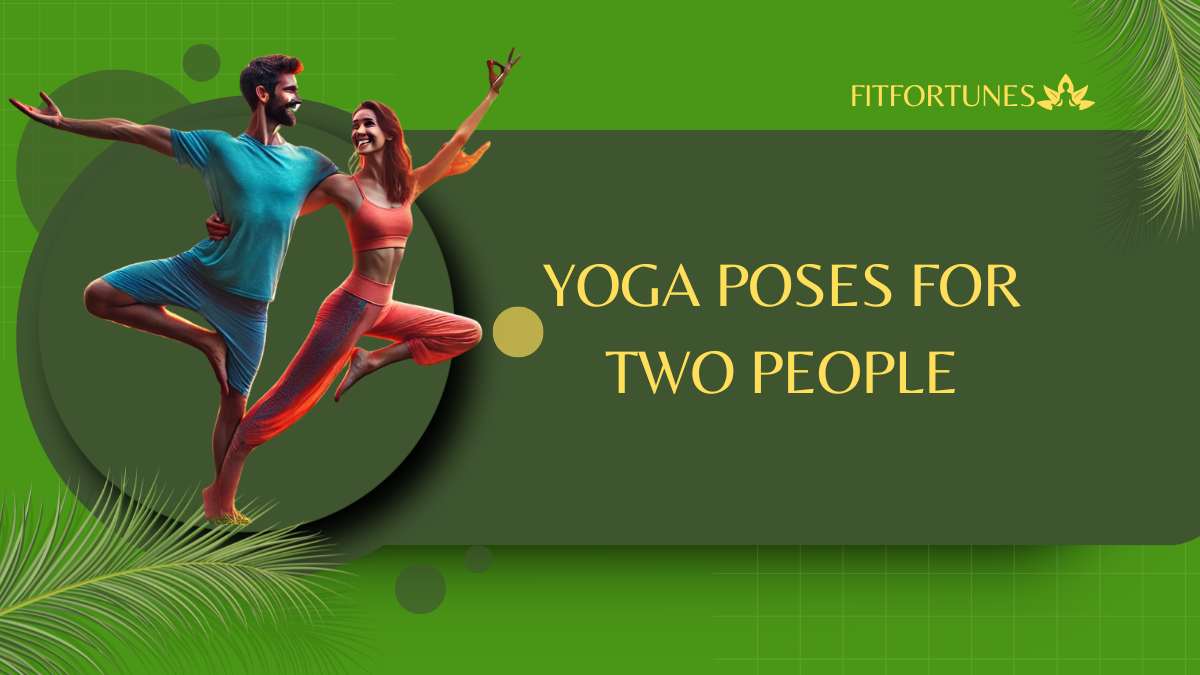
    Yoga Poses for Two People 1 1

    Top Yoga Poses for Three People

    1. Triangle Trio Pose (Trikonasana Variation)
    • How to Do It:
      • Stand in a triangle formation with about three feet between each person.
      • Each person stretches their arms sideways and bends to touch their partner’s outstretched hand, creating a connected triangle shape.
      • Hold the pose for 10-15 seconds, then switch sides.
    • Benefits: Improves flexibility, strengthens the core, and enhances body alignment.
    1. Triple Downward Dog
    • How to Do It:
      • Person 1 gets into a regular downward dog position.
      • Person 2 places their hands on Person 1’s lower back and lifts into a downward dog above them.
      • Person 3 does the same above Person 2.
      • Hold the position for 10 seconds, then carefully release.
    • Benefits: Strengthens the shoulders, arms, and core while improving balance.
    1. Three-Person Plank Pyramid
    • How to Do It:
      • Person 1 holds a forearm plank on the floor.
      • Person 2 carefully climbs onto their back, holding a standard plank.
      • Person 3 stands above and places their hands on Person 2’s back, creating a pyramid.
      • Hold for 10 seconds before disassembling slowly.
    • Benefits: Builds trust, strengthens the core, and boosts coordination.
    1. L-Shape Pose
    • How to Do It:
      • Person 1 stands upright.
      • Person 2 places their feet on Person 1’s hips while bending at a 90-degree angle to form an “L.”
      • Person 3 supports Person 2’s feet to stabilize the pose.
      • Hold for 10-15 seconds.
    • Benefits: Improves flexibility, core strength, and stability.
    1. Connected Tree Pose (Vrikshasana)
    • How to Do It:
      • Stand in a circle and place one foot on the opposite thigh to form the tree pose.
      • Stretch one arm upward and connect the other arm with your neighbor’s.
      • Hold the pose for 20 seconds while focusing on balance.
    • Benefits: Enhances balance, focus, and teamwork.

    Safety Tips for Group Yoga

    1. Communicate Clearly: Discuss the steps and ensure everyone is comfortable.
    2. Warm-Up First: Stretch to avoid injuries.
    3. Choose a Soft Surface: Practice on yoga mats or grass for better support.
    4. Support Each Other: Be gentle and help stabilize poses if someone wobbles.

    Why Is Yoga for Three People Popular?

    Group yoga is gaining attention due to its ability to combine physical and social benefits. It’s a fun activity for families, friends, or yoga classes looking to try something different. The creative poses challenge individuals to trust one another and step out of their comfort zones.

    How to Get Started

    If you’re new to three-person yoga poses, start with simple ones like the Connected Tree Pose. Once you feel confident, explore more complex poses like the Three-Person Plank Pyramid. Watching videos or attending a workshop can also help you learn the techniques.

  • Online Yoga Teacher Training Course

    Online Yoga Teacher Training Course

    Yoga is a beautiful practice that connects the mind, body, and soul. If you’ve ever dreamt of sharing this transformative journey with others, becoming a yoga teacher is a perfect step. But what if you can’t attend in-person classes? Don’t worry—online yoga teacher training courses bring the learning to your home, making it convenient and accessible for everyone.

    In this blog, we’ll explore everything you need to know about online yoga teacher training, from its benefits to choosing the right program. Let’s get started!

    Why Choose an Online Yoga Teacher Training Course?

    Online yoga teacher training courses have become increasingly popular for a reason. Here’s why they’re a great option:

    • Learn Anytime, Anywhere: Train from the comfort of your home, on your own schedule.
    • Save Money: Online courses are often more affordable than in-person options, with no added travel or accommodation costs.
    • Diverse Learning Materials: Access pre-recorded videos, live sessions, e-books, and manuals.
    • Community Building: Connect with global yoga enthusiasts and instructors online.

    What Makes a Great Online Yoga Teacher Training Program?

    The best programs are designed to help you succeed. Look for courses that offer:

    1. Yoga Alliance Certification: This ensures your training is recognized worldwide.
    2. Experienced Instructors: Teachers with years of practice and knowledge.
    3. Complete Course Content: Covers everything from yoga philosophy to anatomy and teaching techniques.
    4. Interactive Sessions: Live classes allow you to ask questions and get feedback.

    Top Benefits of Online Yoga Teacher Training

    1. Flexible Schedule

    Whether you’re a working professional or a parent, online training fits around your life. You can learn at your own pace without feeling rushed.

    1. Cost-Effective

    In-person programs can be expensive. Online courses eliminate travel, accommodation, and food costs, making it an affordable option.

    1. Global Community

    You’ll connect with like-minded people from around the world, forming a supportive network of yoga practitioners.

    1. Accessible Resources

    Replay video lessons as often as needed, ensuring you grasp every concept.

    Online Yoga Teacher Training Course: Your Path to Becoming a Certified Yoga Instructor

    Different Types of Online Yoga Teacher Training Courses

    Depending on your goals, there are several options to choose from:

    1. 200-Hour Yoga Teacher Training
      Perfect for beginners, this foundational course teaches the basics of yoga, meditation, and teaching.
    2. 300-Hour Advanced Training
      Dive deeper into advanced poses, teaching methods, and specialized yoga styles.
    3. Specialized Courses
      Focus on areas like prenatal yoga, restorative yoga, or yoga for kids to meet specific needs.

    How to Choose the Right Online Yoga Teacher Training

    Choosing the right course can feel overwhelming. Here are some tips to simplify your decision:

    1. Check Accreditation: Ensure the course is certified by Yoga Alliance or other recognized organizations.
    2. Read Reviews: Look at testimonials from past students to gauge the course’s quality.
    3. Compare Prices: Find a program that fits your budget without compromising on quality.
    4. Evaluate the Curriculum: Make sure it covers essential topics like yoga philosophy, anatomy, and teaching skills.

    Top Platforms and Schools for Online Yoga Teacher Training

    Here are some trusted platforms offering online yoga teacher training:

    1. Fitfortunes Yoga School
      Located in Rishikesh, India, Fitfortunes is an excellent choice for online learning. They offer:
      • Small class sizes for personalized attention.
      • Beginner-friendly courses recognized globally.
      • Affordable pricing with flexible payment options.
    2. Yoga Alliance Certified Schools
      Many Yoga Alliance-approved schools provide high-quality online programs.

    What to Expect During an Online Yoga Teacher Training

    Online yoga teacher training programs are designed to be flexible and comprehensive. Here’s what you can expect:

    • Live Sessions: Interact with instructors in real-time to clarify doubts.
    • Recorded Classes: Access videos at your convenience for self-paced learning.
    • Assignments and Quizzes: Test your understanding of yoga philosophy, anatomy, and teaching techniques.
    • Community Forums: Share your journey and connect with peers worldwide.

    Tips for Success in Online Yoga Teacher Training

    1. Stay Committed: Set aside regular time for practice and study.
    2. Create a Dedicated Space: Set up a calm, distraction-free area for your yoga practice.
    3. Engage Fully: Participate in live sessions and ask questions.
    4. Practice Regularly: Apply what you learn by practicing yoga daily.

    Why Fitfortunes Yoga School Stands Out

    Fitfortunes Yoga School is a standout choice for aspiring yoga teachers. Nestled near Laxman Jhula in Rishikesh, this school offers a unique combination of traditional wisdom and modern techniques.

    • Personalized Attention: Small class sizes ensure you receive tailored guidance.
    • Beginner-Friendly Environment: The courses are designed to welcome students of all levels.
    • Global Recognition: Their certifications are valued worldwide.

    Yoga Teacher Training Online or Offline, Your Yoga Journey Awaits

    Whether you choose an online or offline yoga teacher training course, both paths offer unique advantages. Online courses bring flexibility, affordability, and global access to high-quality education, making it ideal for those with busy schedules or living in remote areas.

    On the other hand, offline courses, especially in places like Rishikesh, offer an immersive experience with face-to-face interactions, a deep connection to yoga’s roots, and a vibrant community. Both options are valuable, and the choice depends on your learning style, lifestyle, and goals. Whichever path you choose, your yoga journey will open new doors to personal growth and the opportunity to inspire others. The key is to stay dedicated, practice consistently, and embrace the teachings of yoga, whether online or offline.

  • Vinyasa Yoga for Beginners: A Simple Guide to Get You Started

    Vinyasa Yoga for Beginners: A Simple Guide to Get You Started

    Are you curious about trying yoga but unsure where to begin? Vinyasa yoga for beginners is an excellent place to start. This style of yoga connects breath to movement, creating a flowing sequence of poses that improves flexibility, builds strength, and relaxes the mind. If you’ve been hesitant about starting, this beginner-friendly guide will help you understand Vinyasa yoga and how to incorporate it into your routine.

    What Is Vinyasa Yoga?

    Vinyasa yoga is a dynamic practice where each movement is synchronized with a breath. The word “Vinyasa” means “to place in a special way,” which reflects the careful transitions between poses. This style is often called a yoga flow sequence because the poses are performed in a smooth, continuous flow.

    Vinyasa yoga is highly adaptable, making it suitable for beginners. It’s more than just physical exercise—Vinyasa yoga improves mind-body connection, teaches mindfulness, and reduces stress.

    Benefits of Vinyasa Yoga for Beginners

    1. Improves Flexibility: The flowing movements stretch your muscles and increase your range of motion.
    2. Builds Strength: By holding poses like Plank Pose, you develop a strong core and overall body strength.
    3. Relieves Stress: Coordinating breath with movement promotes relaxation and mental clarity.
    4. Enhances Balance and Coordination: Regular practice helps stabilize your body and mind.
    5. Suitable for All Levels: With modifications, it’s easy to adjust poses to your fitness level.

    Vinyasa Yoga vs. Other Styles

    Unlike restorative yoga or Hatha yoga, Vinyasa yoga is more energetic. Its dynamic movements keep your heart rate up, making it a good choice for those who want a low-impact workout that also burns calories. It’s perfect for beginners who are looking to develop stamina and focus.

    Simple Poses to Start Your Vinyasa Journey

    Here are basic Vinyasa yoga poses perfect for beginners:

    1. Child’s Pose (Balasana)
      • A relaxing pose that stretches your hips, back, and shoulders.
      • Great for improving flexibility in a gentle way.
    2. Downward Dog (Adho Mukha Svanasana)
      • Strengthens arms and legs while stretching your hamstrings and calves.
      • Perfect for building strength and increasing flexibility.
    3. Plank Pose
      • Engages your core and helps build full-body strength.
      • Can be modified by lowering your knees for support.
    4. Cobra Pose (Bhujangasana)
      • Stretches the chest and shoulders while strengthening the lower back.
      • Focus on alignment to avoid strain.
    5. Warrior II (Virabhadrasana II)
      • Improves balance and strengthens the legs and arms.
      • A powerful pose that boosts confidence.

    Beginner-Friendly Vinyasa Flow Sequence

    Follow this simple Vinyasa flow for beginners to get started:

    1. Begin in Child’s Pose, focusing on your breath.
    2. Transition to Downward Dog, holding for 5 breaths.
    3. Move into Plank Pose, engaging your core.
    4. Lower into Cobra Pose, lifting your chest gently.
    5. Step into Warrior II, holding each side for 5 breaths.
    6. Return to Child’s Pose for relaxation.

    Benefits of Vinyasa Yoga for Beginners

    Tips for Practicing Vinyasa Yoga as a Beginner

    1. Start Slow: Focus on mastering the basic poses before attempting advanced ones.
    2. Use Props: Incorporate yoga blocks or straps for better alignment and support.
    3. Wear Comfortable Clothing: Opt for breathable, stretchy materials.
    4. Focus on Your Breath: Synchronize each movement with your inhalation or exhalation.
    5. Be Patient: Progress takes time, so listen to your body and avoid overexertion.

    Health Benefits of Vinyasa Yoga

    Regular Vinyasa yoga practice offers a variety of physical and mental health benefits, including:

    • Stress Relief: It promotes relaxation through mindful breathing.
    • Weight Loss: The continuous movement burns calories and boosts metabolism.
    • Improved Sleep: Relaxation techniques help combat insomnia.
    • Better Posture: Strengthened core and back muscles support proper alignment.
    • Joint Mobility: The dynamic sequences keep your joints healthy and flexible.

    Incorporating Props in Vinyasa Yoga

    Props can make your Vinyasa practice easier and more effective, especially for beginners:

    • Yoga Blocks: Use blocks to modify poses and maintain alignment.
    • Straps: Perfect for stretches that require extra reach.
    • Bolsters: Provide support in restorative poses.

    How to Stay Motivated

    1. Set Small Goals: Focus on improving one pose at a time.
    2. Find a Teacher: Join a yoga class or online support.
    3. Practice Mindfulness: Remember that yoga is a journey, not a destination.

    FAQs About Vinyasa Yoga for Beginners

    Q1. Can I Practice Vinyasa Yoga at Home?
    Absolutely! You can follow online tutorials or guided videos. Start with short sessions and gradually increase the duration.

    Q2. Do I Need to Be Flexible to Start Vinyasa Yoga?
    No! Vinyasa yoga helps improve flexibility over time. Start with poses that match your comfort level.

    Q3. How Often Should Beginners Practice?
    Aim for 2-3 times a week and increase as your body becomes more accustomed to the practice.

    Why Choose Vinyasa Yoga for Beginners?

    Vinyasa yoga offers a holistic approach to fitness and mindfulness. It’s accessible, adaptable, and provides numerous physical and mental health benefits. Whether you’re looking for stress relief, improved strength, or a gentle way to stay active, Vinyasa yoga is a great option.

    Begin Your Vinyasa Yoga Journey Today

    Starting Vinyasa yoga as a beginner may seem challenging at first, but with consistent practice, you’ll notice improvements in your flexibility, strength, and overall well-being. Remember to take it one pose at a time, focus on your breath, and enjoy the journey. Yoga is not just about physical fitness. It’s about connecting with yourself and finding peace in the present moment.

    Closing Thought: The Vinyasa Flow

    Vinyasa yoga is more than just a series of movements; it’s a way to take care of your mind, body, and heart. For beginners, it’s a friendly way to start yoga, bringing together physical strength, clear thinking, and a sense of calm. By focusing on your breath and the flow of each pose, you’ll build a better connection with yourself.

    Whether you’re looking to improve your flexibility, reduce stress, or cultivate mindfulness, Vinyasa yoga can be the start of a lifelong journey. Take it one step at a time, honour your progress, and remember that yoga is about growth, not perfection. As you roll out your mat, let this practice become your special space. A place where you can grow stronger, feel calmer, and find joy in the simple act of moving with intention. Start your journey today and experience how Vinyasa yoga can make a big difference in your life, one breath at a time.

  • Best Yoga Teacher Training in Rishikesh

    Best Yoga Teacher Training in Rishikesh

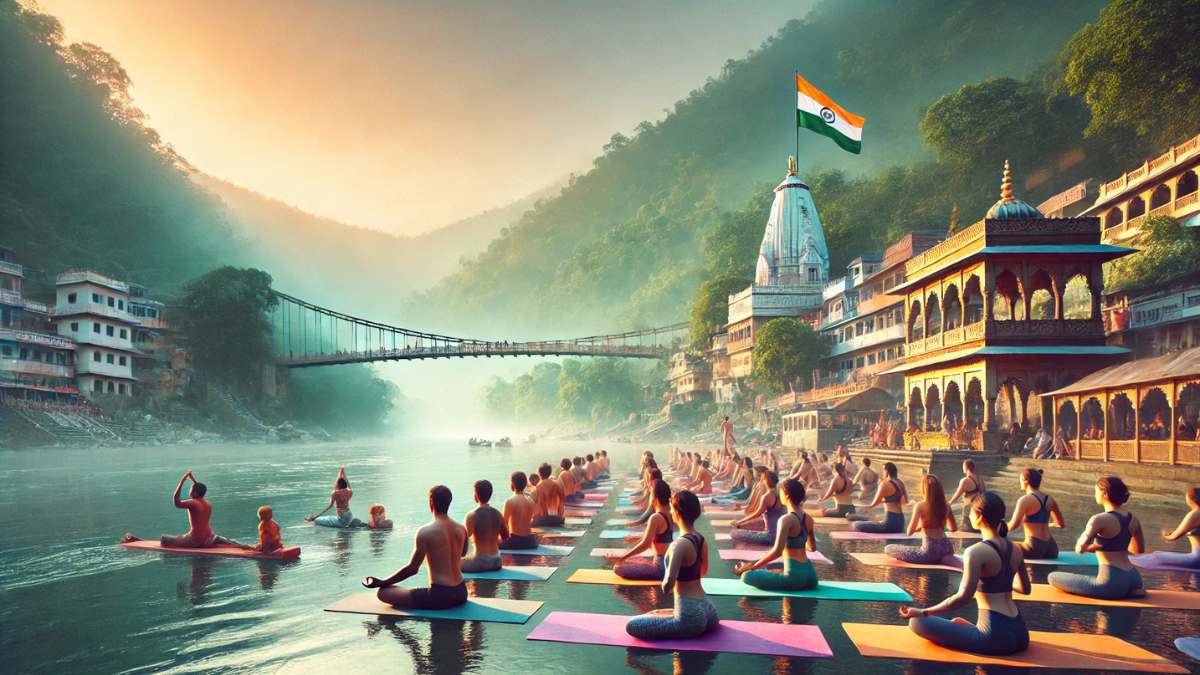
    Rishikesh, located at the base of the majestic Himalayas, is the Yoga Capital of the World. This tranquil town is famous for its spiritual energy and yoga traditions, attracting students from across the globe. Whether you are a beginner or an experienced practitioner, Rishikesh offers some of the best yoga teacher training programs tailored to every need.

    In this guide, we’ll help you explore what makes Rishikesh a top choice, how to select the right school, and the unique experiences you can expect.

    Why Choose Rishikesh for Yoga Teacher Training?

    Rishikesh isn’t just a place—it’s an experience. Here’s why it’s ideal for yoga teacher training:

    1. Rich Yoga Heritage: Home to ancient ashrams and renowned gurus, Rishikesh is the cradle of traditional yoga.
    2. Scenic Surroundings: The holy Ganges River and serene mountains create the perfect setting for introspection and learning.
    3. Certified Schools: Many yoga schools here are Yoga Alliance certified, ensuring global recognition of your training.
    4. Affordable Programs: Compared to Western countries, training in Rishikesh is more budget-friendly without compromising on quality.
    5. Global Community: You’ll meet students and teachers from around the world, fostering cultural exchange and friendships.

    How to Choose the Best Yoga Teacher Training in Rishikesh

    To find the program that’s right for you, consider the following factors:

    1. Class Size

    Smaller class sizes mean more personal attention and a tailored learning experience.

    1. Accreditation

    Ensure the school is Yoga Alliance Certified to make your certification globally recognized.

    1. Teaching Style

    Some schools focus on Hatha Yoga, while others specialize in Ashtanga, Vinyasa, or Kundalini. Choose a program that aligns with your interests.

    1. Teacher Expertise

    Research the background and experience of the instructors. Look for teachers with years of practice and a deep understanding of yoga philosophy.

    1. Location and Atmosphere

    Find a yoga school in a calm and peaceful place, like near Laxman Jhula or in a quieter part of Rishikesh..

    Top Yoga Teacher Training Schools in Rishikesh

    Here are some of the best yoga schools in Rishikesh, including unique and offbeat options:

    1. Fitfortunes Yoga School – Perfect for Beginners

    Fitfortunes Yoga School is an excellent choice for those just starting their yoga journey. Situated near Laxman Jhula, this school combines serene surroundings with expert teaching.

    • Small Groups: Personalized attention in an intimate setting.
    • Beginner-Friendly: The curriculum is designed to ease newcomers into yoga practice and teaching.
    • Experienced Teachers: The focus is on alignment, mindfulness, and building a strong foundation.

    If you’re looking for a school that feels like home, Fitfortunes is the way to go.

    1. Rishikesh Yogpeeth – Tradition Meets Excellence

    Known for its long-standing reputation, Rishikesh Yogpeeth is a top choice for those seeking a deep dive into traditional yoga practices.

    • Offers 200-hour, 300-hour, and 500-hour courses.
    • Focuses on yoga philosophy, anatomy, and teaching techniques.
    • A good option for those aspiring to become professional yoga instructors.
    1. Vedansha Institute of Vedic Science – Yoga and Healing

    This school blends traditional yoga practices with Vedic sciences like Ayurveda and naturopathy.

    • Courses include Pranayama, meditation, and yoga therapy.
    • Perfect for students interested in holistic health.
    • Offers specialized workshops on detox and healing techniques.
    1. Arohan Yoga School – Adventure with Yoga

    Arohan Yoga School combines yoga training with outdoor adventures like trekking and nature walks.

    • Classes take place in serene natural settings.
    • Focuses on Vinyasa Flow and alignment techniques.
    • Ideal for students who love combining yoga with an active lifestyle.
    1. Samadhi Yoga Ashram – A Spiritual Retreat

    For those seeking a deeper spiritual connection, Samadhi Yoga Ashram provides a traditional ashram experience.

    • Emphasis on Kundalini Yoga and meditation.
    • Offers basic and advanced-level courses.
    • Encourages students to embrace a yogic lifestyle.

    What to Expect During Yoga Teacher Training

    Yoga teacher training in Rishikesh is more than just learning poses—it’s a transformative experience. Here’s what you’ll gain:

    1. Traditional Knowledge: Learn about asanas, pranayama, meditation, and yoga philosophy.
    2. Hands-On Teaching Experience: Practice teaching in a supportive environment.
    3. Personal Growth: Discover more about yourself through introspection and mindfulness.
    4. New Perspectives: Meet like-minded individuals from different cultures.

    Why Fitfortunes Yoga School Stands Out

    Among all the schools, Fitfortunes Yoga School is a top choice for its:

    • Personalized Attention: Small class sizes ensure you get the guidance you need.
    • Prime Location: Near Laxman Jhula, offering easy access to the town and nature.
    • Beginner-Focused Approach: Ideal for those new to yoga or teaching.

    “At Fitfortunes Yoga School, you can learn yoga and become a teacher. It’s a good place to begin your yoga journey.”

  • Healthy Meal Prep Ideas Based on Ayurvedic Guidelines

    Healthy Meal Prep Ideas Based on Ayurvedic Guidelines

    Ayurvedic meal prep ideas can combine seasonal vegetables, grains, dal and familiar spices in a manageable weekly plan. Ayurveda is a traditional Indian health system; its dosha framework is not a modern nutritional diagnosis. Keep the recipes flexible, include enough food for your needs, and prioritise safe storage. This guide offers cooking ideas rather than treatments, detox plans or promises to balance a medical condition.

    How Can You Meal Prep With Ayurvedic Guidelines?

    Ayurvedic meal prep usually emphasises freshly cooked food, seasonal ingredients, digestion-friendly combinations and regular meal timing. Treat dosha advice as a traditional framework rather than modern nutrition science.

    Prep ideaSimple example
    Cook a grain baseRice, millet or another staple you tolerate well
    Prepare one dal or legume dishKeep seasoning moderate and adjust to taste
    Cook seasonal vegetablesUse different colours and textures across the week
    Keep fresh additions separateHerbs, lemon, chutney or yoghurt if suitable

    Related reading: multigrain bread nutrition, Yoga for a 9–5 job, and yoga in daily life.

    Ayurveda comes from two Sanskrit words: “Ayur” meaning life and “Veda” meaning knowledge. Together, it means “knowledge of life.” In Ayurveda, food is seen as medicine. It is believed that the right foods can help balance your body’s natural energies, called doshas. These doshas are:

    1. Vata – This energy is linked to movement, creativity, and flexibility.
    2. Pitta – This energy controls digestion, metabolism, and transformation.
    3. Kapha – This energy relates to structure, stability, and calmness.

    The traditional framework describes individual dosha combinations; these are not validated nutritional diagnoses. Ayurvedic meal prep involves choosing foods that balance your specific doshas and promote overall well-being.

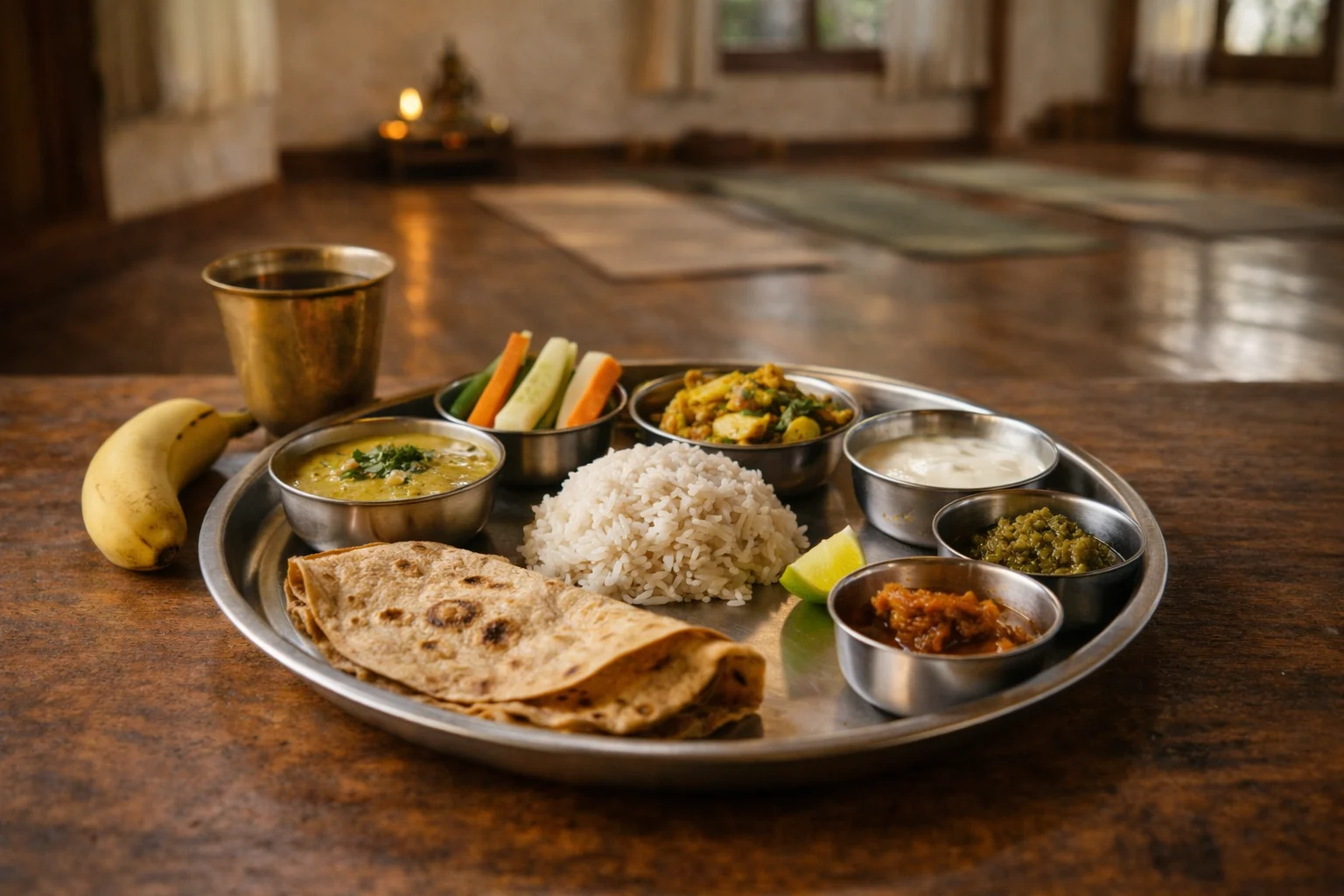
    Thali with rice, dal, vegetables and roti illustrating Ayurvedic meal prep ideas
    Illustrative meal example. Choose portions and ingredients for your needs rather than treating the plate as a prescribed diet.

    The Ayurvedic Approach to Meal Prep

    In Ayurveda, the goal is to eat fresh, seasonal foods that are easy to digest and nourish the body. Meal prepping can be done in a way that keeps the body in balance. Here’s how to use Ayurvedic guidelines in your meal prep:

    1. Choose Whole Foods: Ayurveda emphasizes eating whole, unprocessed foods. Fresh vegetables, fruits, grains, nuts, seeds, and legumes are staples in Ayurvedic meals. They provide natural energy and support digestion.
    2. Follow the Seasons: Ayurveda believes that the foods we eat should match the season. In the summer, lighter foods like salads and fruits help cool the body, while in the winter, warming soups and root vegetables help provide warmth and nourishment.
    3. Balance Your Doshas: Traditional dosha preferences can inform culinary choices, but do not diagnose health problems or determine nutritional needs. Adapt ingredients for allergies, tolerances and suitable professional advice.
    4. Use Spices and Herbs: Use turmeric, ginger, cumin and cinnamon for flavour in quantities you tolerate. Culinary amounts are different from supplements or treatments.
    5. Eat Mindfully: Ayurveda teaches that how you eat is just as important as what you eat. Eating mindfully, chewing your food thoroughly, and avoiding distractions while eating can help improve digestion and absorption of nutrients.

    Now let’s dive into some healthy meal prep ideas that follow Ayurvedic guidelines. These meals are not only nutritious but also delicious and easy to prepare in advance.

    1. Ayurvedic Veggie Bowl

    A veggie bowl is a great way to prepare a balanced, nourishing meal. This dish is full of vibrant vegetables, grains, and legumes, all cooked in a way that follows Ayurvedic principles.

    Ingredients:

    • 1 cup quinoa (or brown rice for Kapha dosha)
    • 1/2 cup cooked lentils (good for Pitta dosha)
    • 1 cup roasted or steamed vegetables (carrots, sweet potatoes, zucchini, spinach, etc.)
    • 1 tablespoon ghee (clarified butter) for Vata dosha, olive oil for Pitta and Kapha doshas
    • 1/4 teaspoon turmeric, for flavour and colour
    • 1/2 teaspoon cumin, adjusted to taste
    • 1/4 teaspoon coriander
    • Salt to taste
    • Fresh cilantro for garnish

    Directions:

    1. Cook the quinoa or rice according to package instructions.
    2. Steam or roast your favorite vegetables until tender.
    3. Cook the lentils until soft, then mix them with the quinoa.
    4. In a small pan, heat the ghee or olive oil and add turmeric, cumin, and coriander. Stir well.
    5. Pour the spice mixture over the quinoa, lentils, and vegetables.
    6. Garnish with fresh cilantro and enjoy!

    Benefits:

    • High in fiber, protein, and vitamins.
    • Offers a convenient grain, legume and vegetable combination.
    • Use spices at an amount you enjoy and tolerate.
    1. Ayurvedic Dal (Lentil Soup)

    Lentils are rich in protein, fiber, and essential minerals. Dal is a popular Ayurvedic dish that can be enjoyed for lunch or dinner. It’s easy to prepare and can be made in bulk for meal prep.

    Ingredients:

    • 1 cup split yellow lentils (moong dal)
    • 1 tablespoon ghee (for Vata), coconut oil (for Pitta), or olive oil (for Kapha)
    • 1 teaspoon cumin seeds
    • 1 teaspoon ginger (freshly grated)
    • 1/2 teaspoon turmeric
    • 1/2 teaspoon coriander
    • Salt to taste
    • Fresh cilantro for garnish
    • 1 tablespoon lemon juice (for freshness)

    Directions:

    1. Wash the lentils and cook them in water until soft and mushy.
    2. In a pan, heat the ghee or oil and add cumin seeds and grated ginger. Sauté for a few minutes.
    3. Add turmeric and coriander, stir well, and cook for another minute.
    4. Pour the spice mixture into the cooked lentils and mix well.
    5. Add salt to taste and garnish with fresh cilantro and a squeeze of lemon juice.

    Benefits:

    • Provides a warm lentil dish with ginger and cumin.
    • Choose oil according to preference and nutritional needs.
    • High in protein, making it a great option for vegetarians.
    1. Ayurvedic Sweet Potato and Chickpea Salad

    This is a great dish for any time of year and can be prepped ahead of time. It’s perfect for balancing Pitta dosha, thanks to its cooling and nourishing ingredients.

    Ingredients:

    • 2 medium-sized sweet potatoes, peeled and cubed
    • 1 cup cooked chickpeas (or canned, rinsed)
    • 1 tablespoon olive oil
    • 1/2 teaspoon turmeric
    • 1/2 teaspoon cumin
    • Salt and pepper to taste
    • Fresh spinach leaves
    • Fresh lemon juice
    • Fresh cilantro for garnish

    Directions:

    1. Roast the sweet potatoes in olive oil with turmeric, cumin, salt, and pepper until soft and golden.
    2. In a large bowl, combine roasted sweet potatoes, chickpeas, and fresh spinach.
    3. Drizzle with lemon juice and garnish with cilantro.

    Benefits:

    • Rich in vitamins, minerals, and antioxidants.
    • Cooling and nourishing for Pitta dosha.
    • High in fiber and protein.
    1. Ayurvedic Khichdi

    Khichdi is a familiar rice-and-dal dish with a soft texture. Cook the rice and lentils thoroughly, and adjust spices to preference. Add vegetables and other foods across the day for variety. Khichdi is a meal, not a detox treatment.

    Ingredients:

    • 1/2 cup basmati rice
    • 1/2 cup moong dal (yellow split lentils)
    • 1 tablespoon ghee
    • 1 teaspoon cumin seeds
    • 1/2 teaspoon turmeric
    • 1/2 teaspoon ginger powder
    • Salt to taste
    • Fresh cilantro for garnish

    Directions:

    1. Wash the rice and lentils and cook them together with 4 cups of water until soft.
    2. In a pan, heat ghee and sauté cumin seeds and ginger powder.
    3. Add turmeric and stir well.
    4. Pour the spice mixture over the cooked rice and lentils.
    5. Garnish with cilantro and serve hot.

    Benefits:

    • Light and easy to digest.
    • Great for Vata and Pitta doshas.
    • Makes a soft-textured meal; add vegetables for variety.
    1. Ayurvedic Smoothie Bowl

    For a quick and nourishing breakfast, try an Ayurvedic smoothie bowl. It’s refreshing, energizing, and easy to prepare.

    Ingredients:

    • 1/2 cup unsweetened coconut yogurt (or any yogurt of your choice)
    • 1/2 banana
    • 1/2 cup berries (like blueberries, strawberries, or raspberries)
    • 1 tablespoon almond butter or peanut butter
    • 1 teaspoon chia seeds
    • 1/4 teaspoon cinnamon, if desired

    Directions:

    1. In a blender, combine coconut yogurt, banana, berries, and almond butter. Blend until smooth.
    2. Pour into a bowl and top with chia seeds and a sprinkle of cinnamon.

    Benefits:

    • Great for Pitta dosha (cooling and refreshing).
    • High in protein, antioxidants, and healthy fats.
    • Supports digestion and overall well-being.

    How should you store Ayurvedic meal prep safely?

    Cooked food needs prompt cooling and refrigeration, even when a traditional recipe describes it as wholesome. Divide a large pot of dal or khichdi into shallow containers. Refrigerate perishable food within two hours, or one hour when the temperature is above 32°C. Keep the refrigerator at 4°C or below. Use refrigerated leftovers within three to four days, and freeze portions you will not eat in that time. Reheat leftovers thoroughly to 74°C.

    Keep washed herbs, yoghurt and sauces separate until serving. Do not leave rice at room temperature overnight or rely on smell to judge safety. Label containers with the cooking date. The FoodSafety.gov cold-storage chart and FDA kitchen guidance provide practical storage information.

    A three-day Ayurvedic meal prep plan

    1. Day one: cook dal, a grain and two vegetables. Eat one portion fresh and refrigerate the rest promptly.
    2. Day two: combine one refrigerated portion with freshly prepared greens and a suitable protein addition.
    3. Day three: use remaining properly stored portions, or thaw a frozen portion safely. Add fruit and other foods according to appetite and nutritional needs.

    This is an organisation example, not a complete diet prescription. Portion sizes depend on age, activity, appetite and health. People managing diabetes, kidney disease, allergies or pregnancy may need individual nutrition advice. A plant-based plan also requires attention to nutrients such as vitamin B12.

    Frequently asked questions about Ayurvedic meal prep ideas

    Does meal prep conflict with Ayurveda’s preference for fresh food?

    You can prepare ingredients ahead and cook smaller portions more often. Some Ayurvedic traditions prefer freshly cooked meals, while modern meal prep often uses refrigeration and freezing. Decide what fits your schedule without treating stored food as a moral failure. Safe handling matters whatever tradition you follow. Chopping vegetables, measuring spices and washing lentils ahead can reduce the work needed for a fresh meal.

    Can these recipes detox the body?

    No detox effect is established for these recipes. Dal, vegetables and grains can contribute to a varied diet, but eating a particular dish does not remove unspecified toxins. Avoid replacing meals with restrictive cleanses. Persistent digestive symptoms, unusual fatigue or concerns about exposure to a harmful substance deserve appropriate assessment. Food should support adequate nutrition rather than carry unsupported treatment claims.

    Do I need to know my dosha before cooking?

    No. You can use these Ayurvedic meal prep ideas as flexible cooking inspiration. Doshas belong to Ayurveda’s traditional framework; an online quiz is not a medical or nutritional diagnosis. Choose ingredients you tolerate, account for allergies and include a variety of foods. The NCCIH overview of Ayurveda explains the distinction between traditional practice, scientific evidence and safety concerns.

    Is ghee essential?

    No. You can use a suitable cooking oil or adjust the recipe to dietary needs. Ghee contains dairy and is not appropriate for everyone; people with milk allergy need specific advice. Coconut yoghurt also varies widely in protein content. Check labels and choose foods that support your nutritional requirements rather than assigning an oil to a dosha as if that proves a health benefit.

    A balanced approach to meal prep

    Healthy meal prep ideas based on Ayurvedic guidelines can help you stay nourished, balanced, and healthy. By using whole foods, seasonal ingredients, and spices that match your dosha, you can create meals that not only taste good but also promote overall well-being.

    Remember, Ayurveda highlights balance, so listen to your body and choose foods that make you feel good. Use Ayurvedic traditions as cooking inspiration while keeping food safety and adequate nutrition central. Happy cooking and eating!

    Note: While the meal prep ideas shared in this blog are inspired by Ayurvedic principles, we are not Ayurvedic experts. Ayurveda is a comprehensive and ancient system of natural healing, and it’s always best to consult with a certified Ayurvedic practitioner for personalized advice based on your unique body type and health needs. These guidelines are meant to provide general inspiration for balanced and nourishing meals.

  • Yoga Teacher Training Abroad: Why Consider India?

    Yoga Teacher Training Abroad: Why Consider India?

    If you’re thinking about becoming a certified yoga teacher, Yoga Teacher Training Abroad can be a life-changing experience. But where should you go for the best training? The answer is simple – India. India is the birthplace of yoga, and it remains the top destination for anyone looking to deepen their practice and learn the ancient art of yoga from its roots.

    In this blog, we’ll explain why Yoga Teacher Training in India is so popular, especially for those coming from Europe and America. We’ll also share what to expect, why India is the perfect place for your training, and how to find the right yoga school for you.

    Why Choose Yoga Teacher Training Abroad?

    FactorWhy India may suit some students
    Teaching contextAccess to long-established yoga schools and Indian teachers
    CurriculumOften combines asana, pranayama, philosophy, anatomy and practicum
    Residential studyMany courses include accommodation and meals
    CostTotal training costs can be lower than in some Western destinations
    Cultural contextStudents can study yoga within the culture where many traditions developed

    India is not automatically the best choice for everyone. Compare teachers, curriculum, practicum, accommodation, visa needs and total cost before choosing a destination. See our YTT selection checklist, YTT abroad comparison, and YTT syllabus guide.

    Yoga has grown into a global practice, with millions of people around the world seeking its benefits. Whether it’s for physical fitness, mental clarity, or spiritual growth, yoga offers something for everyone. But have you ever wondered where this ancient practice began and why it’s considered superior to learn yoga in its birthplace? Yoga Teacher Training Abroad, especially in India, is an experience like no other. India is the cradle of yoga, the land where this profound practice originated. If you are in Europe or the Americas, traveling to India for yoga teacher training can give you the authentic, deep, and transformative experience that cannot be matched elsewhere.

    In this blog, we will explore why India is the ideal destination for yoga teacher training, with a deep dive into its history, the significance of ancient yogic figures, and the spiritual philosophy that surrounds yoga. You will also discover how traditional yoga practices like Hatha Yoga, Kundalini awakening, and knowledge of Chakras, Kosha, and the Subtle Body can truly transform your life.

    The Origin of Yoga: Adi Guru Dattatreya and Adi Yogi Shiva

    Yoga is not just a physical exercise; it is a spiritual science that has been practiced for thousands of years. The roots of yoga can be traced back to India, where it was first introduced by ancient yogis and spiritual teachers. One of the first and most revered figures in yoga history is Adi Guru Dattatreya, who is believed to be the first teacher of yoga. According to ancient texts, Dattatreya was a divine being who shared his knowledge of yoga and meditation to help people attain enlightenment and liberation (Moksha).

    In the history of yoga is Adi Yogi Shiva, also known as Lord Shiva, who is considered the first yogi in Hindu tradition. Shiva is revered as the Lord of Yoga and the embodiment of the yogic path. His teachings are said to have laid the foundation for all yogic practices, including Hatha Yoga, Kundalini, and many others. Shiva’s connection to the spiritual and physical realms makes India the perfect place to deepen your yoga practice.

    The Power of Shakti and Shiva

    In yoga, the energies of Shakti and Shiva are fundamental. Shakti represents the divine feminine energy, often depicted as the source of creation, movement, and evolution. Shiva, on the other hand, represents stillness, consciousness, and the unchanging reality. Together, Shakti and Shiva embody the balance of creation and destruction, which is central to the practice of yoga. Learning yoga in India allows practitioners to connect with these energies, not only through physical practice but also by understanding the deeper spiritual teachings that resonate through every asana, every breath.

    The Yoga System: Hatha Yoga, Kundalini, and Chakras

    When we speak of yoga in India, we cannot ignore the powerful systems and philosophies that have shaped its practice. Let’s dive into some of the fundamental aspects of yoga that you will learn in a Yoga Teacher Training program in India.

    1. Hatha Yoga: The Foundation of All Yoga Practices

    Hatha Yoga is one of the most commonly practiced forms of yoga worldwide. The term “Hatha” means force or effort, and Hatha Yoga emphasizes physical postures (asanas) and breathing techniques (pranayama) to balance the body and mind. In India, Hatha Yoga is considered the foundation of all other forms of yoga, including Vinyasa, Ashtanga, and Iyengar. By practicing Hatha Yoga, you learn the fundamental principles that guide every other form of yoga. In India, you will learn this form from true yogic masters, who will help you connect with your inner self through the physical practice.

    1. Kundalini and Chakra Awakening

    The concept of Kundalini is a fundamental aspect of yogic philosophy, especially in the Tantric traditions. Kundalini is said to be the dormant energy at the base of the spine, often compared to a coiled serpent. Through specific yoga practices like Kundalini Yoga, the goal is to awaken this energy and allow it to rise through the Chakras (energy centers in the body) until it reaches the crown chakra, at the top of the head. This awakening leads to spiritual enlightenment, self-realization, and an immense sense of inner peace.

    1. Understanding the Kosha and Subtle Body

    Yoga is not just about the physical body. Traditional yoga philosophy teaches that each person has multiple layers of being. These layers are called the Koshas. The five Koshas represent different aspects of your existence, from the physical body (Annamaya Kosha) to the subtle body (Vijnanamaya Kosha), and ultimately the soul (Atman).

    By practicing yoga in India, you will learn how to access each of these layers, moving beyond the physical practice to reach deeper states of consciousness. The subtle body plays a key role in the understanding of energy and awareness. It is here that the practice of meditation and mantra work to create an inner shift toward spiritual awareness and liberation.

    1. The Role of Atma and Brahman

    In the yogic tradition, Atma refers to the individual soul, while Brahman is the supreme, universal soul. Yoga helps bridge the gap between the Atma and Brahman, helping practitioners realize that they are not separate from the universe. This understanding is the core of spiritual awakening and is a key reason why learning yoga in India, the birthplace of this ancient practice, is so important. The land of India is imbued with spiritual energy, which enhances the process of connecting with the Atma and Brahman.

    1. Gorakh Nath and the Mystical Path of Yoga

    Another significant figure in the history of yoga is Gorakh Nath, a revered saint and yogi who popularized the practice of Kundalini Yoga. His teachings have had a profound impact on yoga philosophy and are especially influential in the tradition of Hatha Yoga. Gorakh Nath’s practices helped many to awaken their inner potential and realize the transformative power of yoga.

    Upcoming Traditional Multi-Style 200 Hour Yoga Teacher Training

    Upcoming Traditional Multi-Style 200 Hour Yoga Teacher Training

    Date Shared Room Book Private Room Book
    Upcoming Traditional Multi-Style 200 Hour Yoga Teacher Training

    Upcoming Traditional Multi-Style 200 Hour Yoga Teacher Training

    Date Shared Room Book Private Room Book

    The Importance of Yoga in India: The Land of Knowledge and Yogic Culture

    India is the birthplace of yoga, and the teachings that come from its sacred land offer a depth and authenticity that is unmatched. Whether it’s the traditional practices of Hatha Yoga, the spiritual wisdom of Kundalini, or the profound understanding of the Chakras, India offers a unique environment for yoga teacher training.

    When you choose to go to India for Yoga Teacher Training, you are immersing yourself in a culture rich with thousands of years of wisdom. The connection to the divine energies, the teachings of ancient masters, and the profound knowledge of the subtle body are what make India the ultimate destination for anyone serious about yoga.

    To truly understand the essence of yoga, it is important to reflect on the teachings of ancient yogic texts. Here are two powerful Shlokas (hymns) from the Yoga Sutras and their meanings:

    1. “योगश्चित्तवृत्तिनिरोधः“

    Yogashchitta Vritti Nirodhah

    Meaning: Yoga is the cessation of the fluctuations of the mind.
    This Shloka highlights the importance of quieting the mind, which is the first step toward inner peace and self-realization. Yoga helps remove the distractions of the mind, allowing the practitioner to experience true clarity and consciousness.

    1. “तदाद्रष्टुःस्वरूपेऽवस्थानम्“

    Tada DrashtuhSvarupeAvasthanam

    Meaning: Then the seer (the soul) abides in its own true nature.
    Once the distractions of the mind are removed, the soul is able to connect with its true essence. This is the ultimate goal of yoga: to help the practitioner experience their true self, unclouded by the mind’s fluctuations.

    Thats why choosing to study yoga in India is so special because:

    India is where yoga started, and training there gives you the chance to learn yoga from its true roots. By studying in India, you can understand the deep history of yoga, its traditions, and its spiritual side directly from the source. India has many famous yoga schools that offer excellent teacher training programs. These schools follow the traditional ways of teaching yoga and are led by experienced teachers. Yoga teacher training in India is also much cheaper than in Europe or America because the cost of living is lower there. This makes India a great choice for people who want high-quality training without spending too much money. While training in India, you can also experience the culture, meet students from all over the world, and enjoy the local food and traditions.

    It’s a chance to grow not just as a yoga teacher, but also as a person. In India, yoga is more than just physical postures. Many yoga schools also teach meditation, breathing exercises, and other practices that help you connect with your inner self. Training in India offers a unique, spiritual experience that helps you deepen your yoga practice.What to Expect from Yoga Teacher Training Abroad in India

    When you choose to do your Yoga Teacher Training in India, you will have a rewarding and enriching experience. Let’s take a look at what your journey will be like:

    1. Training Duration

    Most Yoga Teacher Training programs in India last for either 200 hours or 300 hours, with the 200-hour program being the most common. The 200-hour program typically lasts about 3 to 4 weeks. You’ll spend each day learning new techniques, deepening your knowledge, and practicing yoga.

    1. Curriculum

    The curriculum for Yoga Teacher Training Abroad is usually very comprehensive. You will study asanas (yoga poses), pranayama, meditation, yoga philosophy, anatomy, and teaching methodology. You will also learn how to modify poses for students of different levels. The training is designed to equip you with the skills needed to teach yoga safely and effectively.

    1. Practical Teaching Experience

    One of the most important aspects of yoga teacher training is learning how to teach others. In India, many yoga schools offer practical teaching experience as part of the program. You’ll have the opportunity to teach students and receive feedback from experienced teachers. This will help you develop your teaching style and gain the confidence to teach your own classes in the future.

    1. Spiritual and Meditation Practices

    Many Yoga Teacher Training programs in India also incorporate meditation and spiritual practices. You’ll have time to meditate, reflect, and connect with your inner self. These practices will help you develop a deeper understanding of yoga as a spiritual journey and not just a physical practice.

    1. Hands-On Learning

    You’ll receive personal guidance and attention from experienced instructors. Whether it’s adjusting a yoga pose or helping you with meditation techniques, your teachers will be there to guide you every step of the way. This hands-on approach helps students feel supported and empowered throughout the training.

    How to Choose the Right Yoga School in India

    Choosing the right yoga school for Yoga Teacher Training in India is important. Here are some tips to help you make the right decision:

    1. Research the School’s Reputation

    Look for schools that have a good reputation and positive reviews from past students. Check their website, social media pages, and online reviews to see what other students have experienced. This will give you an idea of the school’s quality and whether it’s a good fit for you.

    1. Consider the Style of Yoga

    India is home to many different yoga styles. Some schools focus on traditional Hatha Yoga, while others specialize in Vinyasa or Ashtanga Yoga. Think about which style of yoga resonates with you and choose a school that offers training in that style.

    1. Look for Experienced Teachers

    Make sure the school has qualified and experienced teachers. Ideally, the teachers should be registered with Yoga Alliance or have other recognized certifications. You can usually find this information on the school’s website.

    1. Check the Curriculum

    Make sure the curriculum includes all the necessary components, including asana practice, meditation, yoga philosophy, anatomy, and teaching methodology. It’s important that the program prepares you to teach yoga effectively and safely.

    1. Consider the Location

    The location of your training can make a big difference in your experience. Do you want to practice yoga in a peaceful mountain setting, by the beach, or in a bustling city? Each location in India offers a unique experience, so think about where you would feel most comfortable and inspired.

    How to Decide Whether India Is Right for Your YTT

    Choose India if you want residential study and cultural context

    India can suit students who want a structured daily schedule, direct access to Indian teachers, philosophy classes and residential study. It may be less suitable if you need a part-time schedule, cannot travel for several weeks, or need a course close to home.

    Compare schools, not just countries

    Teacher quality, practicum, class size, accommodation, refund terms and the exact curriculum matter more than the destination name. A weak course in India is still a weak course.

    Yoga Teacher Training Abroad FAQ

    Is India automatically the best place for every student?

    No. India offers strong training options, but the best choice depends on teachers, curriculum, budget, travel needs and the learning environment you want.

    What should I check before booking?

    Check teacher biographies, course hours, practicum, room type, meals, deposit rules, visa needs and the exact certification or registration pathway.

    Before You Choose India: Three Final Checks

    Check the daily schedule

    Make sure the timetable leaves enough time for practice, study, meals and sleep. A packed schedule is not automatically a better course.

    Check who actually teaches

    Read the lead-teacher biographies and confirm who teaches anatomy, philosophy, asana and practicum rather than relying only on the school name.

    Check what happens after graduation

    Understand the certificate, registration pathway and whether further application is required before you describe yourself as registered with any organisation.

    So Begin Your Yoga Journey in India

    If you’re looking to become a certified yoga teacher, Yoga Teacher Training in India is the best choice. India offers an authentic yoga experience, with experienced teachers, a rich spiritual environment, and affordable programs. Whether you’re from Europe, America, or anywhere else, training in India will deepen your practice and set you on the path to becoming a skilled and confident yoga teacher.

    India’s yoga schools provide world-class training that combines physical, mental, and spiritual aspects of yoga. With the right school, you can expect a transformative experience that will stay with you for the rest of your life.

    Ready to begin your journey? Start exploring Yoga Teacher Training Abroad in India today, and discover a path to becoming a yoga teacher while connecting with the true essence of yoga!

  • Yoga Poses for Two People: Partner Yoga for Fun and Fitness

    Yoga Poses for Two People: Partner Yoga for Fun and Fitness

    Yoga is a great way to improve flexibility, strength, and mental well-being. While it’s often done alone, practicing yoga with a partner can be even more rewarding. Yoga poses for two people offer a fun way to bond with someone while improving both physical and emotional health. Whether you are a beginner or more experienced in yoga, partner yoga can help build trust, communication, and teamwork.

    In this blog, we will explore some simple and effective yoga poses for two people. These poses are suitable for partners of all fitness levels and can be done at home or in a class. So, grab a friend, family member, or even your partner, and let’s get started!

    What Are Good Yoga Poses for Two People?

    For beginners, the best partner poses are simple, close to the floor and easy to stop. Start with seated breathing, mirrored stretches, light balance support and gentle partner folds before trying weight-bearing shapes.

    Pose typeBeginner use
    Back-to-back breathingEasy coordination and shared rhythm
    Seated side stretchGentle range without pulling
    Partner TreeLight balance support
    Seated forward-fold variationControlled stretch with communication

    Compare our partner yoga moves guide, advanced partner yoga guide, and three-person yoga guide.

    The Benefits of Partner Yoga

    Before we dive into specific yoga poses for two people, let’s first understand why practicing yoga with a partner is so beneficial. Partner yoga offers a range of benefits that can improve your overall yoga experience:

    • Improved Balance and Flexibility: Partnering with someone gives you the chance to support each other, which helps in improving balance and flexibility. Working together allows you to stretch further and hold positions longer.
    • Better Communication and Trust: Yoga poses for two people require communication and trust. You must be able to listen to each other’s needs and move together in sync. This strengthens your relationship and builds mutual respect.
    • Laughter and Fun: Partner yoga is often a lot of fun! It can make the practice more enjoyable and light-hearted. Sharing the experience with someone can make yoga less intimidating and more engaging.
    • Better Social Connection: Practicing yoga together creates a sense of connection and bonding. It’s a great way to spend quality time with a loved one, friend, or colleague.
    • Emotional Support: Yoga for two allows you to support each other not only physically but also emotionally. You can encourage each other through challenging poses and celebrate progress together.

    Now that we understand the benefits, let’s explore some beginner-friendly yoga poses for two people!

    Partner Yoga
    Partner Yoga
    1. How Should Beginners Progress Partner Yoga?

      1. Start with back-to-back breathing and mirrored movement.
      2. Add light hand support in balance poses.
      3. Use seated stretches before weight-bearing partner shapes.
      4. Agree on a stop word and communicate before changing depth.
      5. Only move to harder poses when both partners can exit safely.

      Which Partner Poses Should Beginners Avoid?

      Skip acro-style lifts, stacked inversions and deep assisted backbends unless you have qualified instruction. A fun partner practice does not need to be acrobatic.

      Partner Seated Forward Fold

    This simple stretch is great for loosening up the back and hamstrings. It’s also a good way to start off a yoga practice together.

    How to do it Seated forward Fold:

    • Sit on the floor facing each other with your legs extended out in front of you.
    • Stretch your legs as wide as comfortable. Your feet should be close enough so that you can hold hands with your partner.
    • Take a deep breath, and on your exhale, reach forward, keeping your back straight, and try to touch your feet.
    • Your partner will mirror your movement, and you will both help each other to gently stretch deeper.

    Benefits:

    • Stretches the hamstrings, back, and shoulders.
    • Encourages relaxation and calmness.
    1. Partner Tree Pose

    This balance pose is fun and helps improve focus and concentration. It requires cooperation between both partners to maintain stability.

    How to do it:

    • Stand facing each other with your feet hip-width apart.
    • Bring your right foot up and place it on the inner thigh or calf of your left leg (avoid the knee).
    • Place your palms together in front of your chest or extend your arms upward, mirroring your partner.
    • Hold the pose and breathe deeply, focusing on your balance.
    • Switch sides after a minute or so.

    Benefits:

    • Strengthens the legs and core.
    • Improves balance and coordination.
    • Increases focus and concentration.
    1. Double Downward Dog (Udharvmukha Shawan Asana )

    This pose is a fun twist on the traditional downward dog and gives both partners a good stretch.

    How to do it:

    • One partner starts in the traditional downward dog position, with hands and feet on the floor, hips raised high.
    • The second partner will face the first, also in a downward dog, and place their hands on the floor behind the first partner’s feet.
    • As you both hold the position, the partner on top (the second partner) can walk their feet toward the first partner’s hips.
    • Hold for several breaths, then switch positions.

    Benefits:

    • Stretches the hamstrings, shoulders, and spine.
    • Builds core strength and stability.
    • Improves communication and teamwork.
    1. Partner Warrior II and Reverse Warrior

    Warrior poses are excellent for building strength and flexibility. This partner variation allows you to feel more grounded and stable together.

    How to do it:

    • Both partners stand side by side with feet wide apart. Turn your right foot outward and bend your right knee to come into Warrior II pose. Your left leg remains straight.
    • Your arms should extend out to the sides, parallel to the floor, palms facing down.
    • The second partner mirrors you.
    • After holding Warrior II for a few breaths, both partners can transition into Reverse Warrior by reaching back with your right hand and stretching the left arm overhead.
    • You will both be in the same pose, facing each other and encouraging each other with your movements.

    Benefits:

    • Builds strength in the legs, arms, and core.
    • Opens the chest and hips.
    • Encourages partnership and mutual support.
    1. Partner Backbend

    This pose is a deeper stretch that helps open the chest and improve flexibility in the spine.

    How to do it:

    • Sit facing your partner with knees bent and feet on the floor.
    • Place your hands on your knees or thighs for support.
    • Take turns helping each other with this pose. One partner gently leans back while the other holds them by the waist or hips for stability.
    • As one person leans back into a gentle backbend, the other partner supports and encourages them to deepen the stretch.
    • Hold for a few seconds, then switch positions.

    Benefits:

    • Stretches and strengthens the back and spine.
    • Opens the chest and shoulders.
    • Promotes relaxation and emotional release.
    1. Partner Boat Pose

    This core-strengthening pose involves balancing and working together to engage the abdominal muscles.

    How to do it:

    • Sit facing each other with your knees bent and feet flat on the floor.
    • Place your feet together and hold your partner’s hands.
    • Lean back slightly and lift your legs off the ground, balancing on your sitting bones.
    • Keep your back straight and your core engaged as you hold the position.
    • Both partners should hold each other’s hands to help maintain balance.

    Benefits:

    • Strengthens the core, legs, and back.
    • Improves balance and coordination.
    • Builds teamwork and trust.
    1. Partner Stretching

    Partner stretching is an excellent way to relax after an active yoga session. It helps to lengthen the muscles and improves flexibility.

    How to do it:

    • Sit facing your partner with your legs extended out straight.
    • Hold each other’s hands or wrists.
    • Gently pull each other’s arms, creating a stretch through the chest and shoulders.
    • For an added stretch, one partner can gently push the other’s back to deepen the stretch.

    Benefits:

    • Increases flexibility in the back, arms, and shoulders.
    • Relieves tension in the muscles.
    • Promotes relaxation and calmness.

    Conclusion: Enjoy Yoga Together

    Yoga poses for two people can help you connect with your partner, improve your physical strength, and increase your flexibility. Whether you’re doing simple stretches, balance poses, or more challenging backbends, partner yoga is a fun way to experience the many benefits of yoga while spending quality time together.

    By practicing these poses, you’ll not only build a stronger body but also strengthen your relationship with your partner. Yoga offers both physical and emotional benefits, making it an excellent tool for improving both individual and shared wellness.

    Remember, the key to partner yoga is communication, trust, and teamwork. So grab a partner, try these poses, and enjoy the shared experience of practicing yoga together!

  • Teaching Yoga to Kids: A Fun and Effective Way to Promote Health and Wellness

    Teaching Yoga to Kids: A Fun and Effective Way to Promote Health and Wellness

    Yoga is not just for adults; it can be a wonderful and engaging activity for children too! Teaching yoga to kids offers many physical, mental, and emotional benefits. In today’s fast-paced world, it’s important to introduce kids to practices that help them relax, build strength, improve focus, and have fun. Yoga can provide a perfect outlet for this.

    In this blog, we will explore why yoga for kids is so important, how to teach it effectively, and a few fun and easy yoga poses that children can enjoy. Whether you’re a teacher, parent, or caregiver, this guide will help you understand how to introduce yoga to kids in a way that is simple, enjoyable, and safe.

    Why Yoga for Kids?

    Yoga isn’t just for relaxation; it also helps children grow in many other ways. Here are some benefits of teaching yoga to kids:

    1. Physical Health Benefits

    Yoga helps children develop strength, flexibility, and balance. Poses like Downward Dog and Tree Pose stretch their muscles, which improves posture and coordination. Regular practice can also boost their immune system, reduce the risk of injury, and help maintain a healthy weight.

    1. Mental Well-being

    Yoga teaches children how to focus their minds and be present in the moment. Breathing exercises (pranayama) help kids learn how to manage stress and stay calm, even when they feel upset or anxious. Kids can use these tools not just during yoga, but also in daily life.

    1. Improved Focus and Concentration

    Yoga teaches mindfulness, which is essential for kids in school and at home. By practicing yoga regularly, kids learn how to stay focused on one task at a time, improving their ability to listen, learn, and concentrate.

    1. Emotional Balance

    Yoga can also teach kids how to manage their emotions. Kids often face emotional challenges, like feeling angry, sad, or frustrated. Yoga helps them express themselves through movement and learn how to calm their minds and bodies.

    1. Boosts Self-confidence

    As children practice yoga, they learn new skills and master different poses. This boosts their confidence and encourages a positive self-image. It also helps kids learn that it’s okay to make mistakes and try again.

    Now that we understand the benefits, let’s talk about how to make yoga fun and easy for kids.

    How to Teach Yoga to Kids: Tips for Success

    When it comes to teaching yoga to kids, it’s important to keep things fun, simple, and safe. Here are some tips to help you:

    1. Keep It Fun and Playful

    Kids love to play, and yoga can be a fun and exciting activity. Instead of focusing too much on perfecting poses, make the experience enjoyable. Use games, storytelling, and creativity to capture their attention. For example, turn yoga poses into animal movements like “Cat-Cow” or “Cobra,” and encourage them to roar like a lion or slither like a snake.

    1. Use Simple Language

    Keep the instructions simple and easy to understand. Use kid-friendly language and avoid complicated yoga terms. For example, instead of saying “extend your arms,” say “stretch your arms like you’re reaching for the sky.” Children respond better to clear, simple language that they can easily follow.

    1. Incorporate Breathing Exercises

    Breathing exercises are a huge part of yoga and help children manage their emotions and focus their minds. Teach them how to take deep breaths by pretending they’re blowing out birthday candles or sniffing flowers. Breathing exercises help calm their minds and regulate their emotions.

    1. Create a Calm Atmosphere

    While yoga for kids is fun and playful, it’s also important to create a calm environment. Try to teach yoga in a quiet space without distractions. You can also add soft music or calming sounds to make the atmosphere relaxing and peaceful.

    1. Adapt to Different Ages

    Kids of different ages have different needs, so it’s important to adapt the yoga class accordingly. For younger kids, focus on short sessions with simple poses. For older children, you can introduce more challenging poses and longer sessions. Be sure to include plenty of variety to keep things interesting.

    1. Be Patient and Encouraging

    Remember that yoga for kids is a journey, not a competition. Be patient and give lots of positive reinforcement. Encourage kids to keep trying and praise their efforts, not just their achievements. Yoga is about self-expression, not perfection.

    Easy and Fun Yoga Poses for Kids

    Now let’s explore some simple yoga poses that are perfect for kids. These poses are easy to teach and can be done by children of all ages.

    1. Mountain Pose (Tadasana)

    Mountain Pose is a great starting point for teaching kids yoga. It helps them focus on posture and balance.

    How to do it:

    • Stand tall with feet together and arms by your sides.
    • Imagine you are a strong mountain, tall and steady.
    • Stand tall, press your feet into the ground, and reach your arms up to the sky.

    Benefits:

    • Improves posture and balance.
    • Increases awareness of the body.
    1. Downward Dog (Adho Mukha Svanasana)

    Downward Dog is a fun pose that mimics the shape of a dog stretching. It’s great for stretching the back, legs, and arms.

    How to do it:

    • Start on your hands and knees.
    • Lift your hips up high and press your hands and feet into the ground.
    • Keep your body in an upside-down V-shape, with your head between your arms.

    Benefits:

    • Stretches the back, arms, and legs.
    • Builds strength and flexibility.
    1. Tree Pose (Vrksasana)

    Tree Pose helps improve balance and focus. It’s a great way to teach kids mindfulness and concentration.

    How to do it:

    • Stand tall with your feet together.
    • Lift one foot and place it on the inside of your other thigh or calf.
    • Bring your palms together in front of your chest like a tree’s trunk.
    • Hold the pose and focus on balancing like a tree in the wind.

    Benefits:

    • Improves balance and coordination.
    • Builds strength in the legs.
    1. Child’s Pose (Balasana)

    Child’s Pose is a relaxing pose that helps kids calm down and focus on their breath.

    How to do it:

    • Kneel on the floor with your big toes together and knees wide apart.
    • Lower your forehead to the floor and stretch your arms out in front of you.
    • Breathe deeply and relax in this pose for a few moments.

    Benefits:

    • Calms the mind and body.
    • Relieves tension and stress.
    1. Cobra Pose (Bhujangasana)

    Cobra Pose is a great way to stretch the chest and strengthen the back. It’s also fun because it looks like a snake!

    How to do it:

    • Lie on your stomach with your hands under your shoulders.
    • Press into your hands and slowly lift your chest off the ground, keeping your elbows bent.
    • Lift your head up and look toward the ceiling, stretching your chest forward.

    Benefits:

    • Strengthens the back and chest.
    • Improves flexibility.
    1. Lion’s Pose (Simhasana)

    Lion’s Pose is a fun and playful pose that can help kids release stress and improve focus.

    How to do it:

    • Sit on your knees and place your hands on your knees.
    • Take a deep breath and then roar like a lion, sticking your tongue out and making a sound.
    • Breathe out through your mouth as you roar and stretch your face.

    Benefits:

    • Releases tension in the face and jaw.
    • Encourages breathing and emotional release.
    Upcoming Traditional Multi-Style 200 Hour Yoga Teacher Training

    Upcoming Traditional Multi-Style 200 Hour Yoga Teacher Training

    Date Shared Room Book Private Room Book

    Tips for Teaching Yoga to Kids

    • Use Games: Make yoga sessions fun by incorporating games. For example, ask the kids to pretend to be animals and mimic their movements.
    • Make It Interactive: Encourage kids to talk about their poses and how they feel during the practice.
    • Keep Sessions Short: Kids have shorter attention spans, so keep yoga sessions around 15-30 minutes, depending on the age group.
    • Incorporate Visuals: Show pictures or videos of yoga poses to help kids understand what to do.
    • Practice Breathing: Teach kids how to breathe properly by imagining blowing out birthday candles or smelling flowers.

    Planting the Seeds of Wellness

    Teaching yoga to kids is an exciting and rewarding experience. Not only does it improve their physical health, but it also helps with their mental and emotional well-being. Through simple yoga poses, kids can develop strength, flexibility, focus, and confidence.

    Whether you’re a yoga instructor, a parent, or just someone looking to introduce yoga to children, remember that the key is to keep things fun and interactive. With creativity and patience, yoga can become a positive and enjoyable practice for children that lasts a lifetime.

    By following these simple tips and starting with easy yoga poses, you’ll be able to introduce kids to the world of yoga in a way that’s both enjoyable and beneficial. Happy yoga teaching!

  • Free Chair Yoga for Seniors: Gentle Movements for a Healthier Life

    Free Chair Yoga for Seniors: Gentle Movements for a Healthier Life

    As we age, staying active becomes essential for maintaining good health. However, traditional exercises might feel challenging for seniors with limited mobility or health concerns. This is where chair yoga comes in—a safe, gentle, and effective form of exercise. Even better, you can practice it for free in the comfort of your home or local community centers offering free classes.

    Let’s explore the benefits, poses, and how seniors can get started with free chair yoga.

    What is Chair Yoga?

    Chair yoga is a form of yoga designed for people who may find it difficult to perform standing or floor-based poses. It involves using a sturdy chair as a support for seated or modified poses. This makes it perfect for seniors, individuals with mobility issues, or anyone new to yoga.

    Chair yoga combines gentle stretches, breathing exercises, and mindfulness techniques to improve flexibility, strength, and relaxation.

    Benefits of Chair Yoga for Seniors

    Chair yoga offers a host of benefits that go beyond physical health:

    1. Improved Flexibility
      Gentle stretches help loosen stiff joints and muscles, making daily movements easier.
    2. Enhanced Strength
      Simple movements build muscle strength, supporting better posture and balance.
    3. Better Balance
      Regular practice can reduce the risk of falls, a common concern for seniors.
    4. Reduced Stress
      Breathing techniques and mindfulness calm the mind, easing anxiety and stress.
    5. Boosted Circulation
      Gentle movements improve blood flow, promoting overall health.
    6. Social Connections
      Attending free chair yoga classes can foster friendships and reduce loneliness.

    Who Can Practice Chair Yoga?

    Chair yoga is suitable for almost everyone, especially:

    • Seniors with joint pain or arthritis.
    • Individuals recovering from surgery or illness.
    • People who want low-impact exercises.

    Free Chair Yoga Classes: How to Find Them

    You don’t need to spend money to reap the benefits of chair yoga. Here’s how seniors can find free chair yoga sessions:

    1. Local Community Centers
      Many senior centers or community halls offer free or donation-based chair yoga classes.
    2. Libraries
      Check local libraries, as they often host free wellness events for seniors.
    3. Online Platforms
      Platforms like YouTube provide free chair yoga tutorials. Channels like “Yoga with Adriene” and “Chair Yoga with Sherry” are great places to start.
    4. Non-Profit Organizations
      Some organizations focused on senior health offer free virtual or in-person yoga sessions.
    5. Healthcare Centers
      Hospitals or wellness centers might provide free chair yoga as part of their outreach programs.
    Upcoming Traditional Multi-Style 200 Hour Yoga Teacher Training

    Upcoming Traditional Multi-Style 200 Hour Yoga Teacher Training

    Date Shared Room Book Private Room Book

    Chair Yoga in Iyengar Style

    Iyengar yoga focuses on using props like chairs to make yoga safe and effective for everyone, including seniors. In chair yoga, the chair helps support the body so poses can be done easily and with correct alignment. Simple movements like twists, forward bends, and stretches become more accessible. This style of yoga improves strength, flexibility, and balance while being gentle on the joints. Iyengar chair yoga is perfect for seniors who want a calm and safe way to stay active and healthy.

    Simple Chair Yoga Poses for Seniors


    Here are some simple chair asanas (yoga poses) for seniors, focusing on different areas of the body like the shoulders, back, neck, hips, and legs. These poses can be done with the support of a sturdy chair, helping improve flexibility and strength.

    1. Seated Shoulder Opener (For Shoulders)
    • Sit tall on a sturdy chair with your feet flat on the floor and your back straight.
    • Place your hands on the backrest of the chair, keeping your arms straight.
    • Gently press your chest forward and open your shoulders, allowing your shoulder blades to come together.
    • Hold for 10-15 seconds, then release.
    • Repeat 3-5 times.

    Benefits: Opens the chest and stretches the shoulders, improving mobility and posture.

    1. Seated Cat-Cow Stretch (For Back and Neck)
    • Sit upright on the edge of a chair with your feet flat on the floor and hands resting on your knees.
    • On an inhale, arch your back and lift your chest forward (Cow Pose).
    • On an exhale, round your spine and drop your chin toward your chest (Cat Pose).
    • Repeat 5-10 rounds.

    Benefits: Improves spinal flexibility and relieves back and neck tension.

    1. Seated Neck Stretch (For Neck)
    • Sit upright in a chair with feet flat on the floor.
    • Slowly lower your right ear towards your right shoulder, keeping your left shoulder down.
    • Hold for 10-20 seconds, then slowly return to the center.
    • Repeat on the left side.
    • Do 3-5 repetitions on each side.

    Benefits: Stretches the neck muscles and alleviates stiffness.

    1. Seated Hip Flexor Stretch (For Hips)
    • Sit at the edge of the chair with your feet flat on the floor and knees at 90 degrees.
    • Step one foot back, keeping the knee straight and the other knee bent at 90 degrees.
    • Lean forward gently to stretch the hip flexor of the extended leg.
    • Hold for 15-30 seconds, then switch sides.
    • Repeat 2-3 times on each side.

    Benefits: Stretches the hip flexors and improves flexibility in the lower body.

    1. Seated Leg Extension (For Legs)
    • Sit tall in a chair with feet flat on the ground.
    • Slowly extend one leg straight out in front of you, keeping the knee straight.
    • Hold the extended position for 5-10 seconds, then lower the leg.
    • Repeat with the other leg.
    • Do 5-10 repetitions on each leg.

    Benefits: Strengthens the quadriceps and improves circulation in the legs.

    1. Seated Forward Bend (Paschimottanasana)
    • Sit on the edge of the chair with feet flat.
    • Slowly bend forward, letting your hands reach toward your feet.
    • Hold for a few breaths, then return to an upright position.

    Benefits: Stretches the back and hamstrings.

    1. Chair Twist (Ardha Matsyendrasana)
    • Sit sideways on the chair, holding onto the chair’s backrest.
    • Gently twist your torso toward the chair, keeping your feet planted.
    • Hold for a few breaths, then switch sides.

    Benefits: Improves spine flexibility and aids digestion.

    1. Leg Lifts
    • Sit upright with feet flat on the ground.
    • Slowly lift one leg until it’s straight, hold for a moment, then lower.
    • Repeat with the other leg.

    Benefits: Strengthens legs and improves blood circulation.

    How to Start Chair Yoga at Home

    Seniors can easily start practicing chair yoga at home by following these simple steps:

    1. Choose the Right Chair
      Pick a sturdy chair without wheels or armrests. Make sure it’s stable and placed on a non-slip surface.
    2. Wear Comfortable Clothing
      Loose, breathable clothes allow for free movement.
    3. Warm Up First
      Begin with gentle movements like shoulder rolls or neck stretches.
    4. Use Online Resources
      Search for free chair yoga tutorials or follow step-by-step guides like this one.
    5. Go Slow
      Start with a few poses and gradually add more as you become comfortable.

    Safety Tips for Seniors

    To make chair yoga safe and enjoyable:

    • Listen to Your Body: Never push yourself into pain or discomfort.
    • Breathe Deeply: Focus on slow, steady breaths during each pose.
    • Take Breaks: Rest between poses if needed.
    • Consult Your Doctor: If you have health concerns, check with your doctor before starting yoga.

    Incorporating Chair Yoga into Daily Life

    Chair yoga doesn’t need to take much time. Just 10–15 minutes a day can make a significant difference. Try these ideas:

    • Do a short session in the morning to start your day with energy.
    • Practice in the afternoon to loosen stiff muscles.
    • End your day with a calming routine to improve sleep.

    Why Chair Yoga is Perfect for Seniors

    Chair yoga isn’t just an exercise—it’s a lifestyle. It’s accessible, low-impact, and can be practiced almost anywhere. Seniors can:

    • Stay independent by improving strength and mobility.
    • Feel more connected through group classes.
    • Boost mental well-being with mindfulness practices.

    Final Thoughts: Start Your Journey with Free Chair Yoga

    Chair yoga for seniors is a wonderful way to stay active, reduce stress, and improve overall health. With free resources available online and in local communities, there’s no reason to wait.

    Start small, stay consistent, and enjoy the journey to a healthier and happier life. Chair yoga proves that age is just a number—movement and mindfulness are always within reach.

    So grab a chair, take a deep breath, and let yoga bring peace and strength to your golden years!

  • Yoga Retreat for Beginners: Why a Yoga Retreat for Beginners Is the Perfect Starting Point

    Yoga Retreat for Beginners: Why a Yoga Retreat for Beginners Is the Perfect Starting Point

    A yoga retreat is more than just a getaway; it’s an opportunity to step away from the chaos of daily life and focus on self-care. For beginners, it provides the perfect environment to start a yoga journey without distractions or pressure. Picture yourself surrounded by nature, in a serene setting, where you can breathe deeply, stretch your body, and quiet your mind.

    If you’re new to yoga, the structured, supportive atmosphere of a retreat is ideal. Unlike regular yoga classes, retreats immerse you fully in the practice, allowing you to learn at your own pace. With the guidance of experienced instructors, you can build a strong foundation in yoga while also exploring meditation, breathing techniques, and mindfulness practices.

    Yoga retreats also create space for introspection. Away from the hustle of daily life, you have time to reflect, recharge, and reconnect with yourself. The peaceful surroundings amplify this effect, helping you to feel calm and centered. Many beginners find that a retreat not only improves their physical health but also boosts mental clarity and emotional balance.

    What Is a Yoga Retreat?

    A yoga retreat is a dedicated experience designed to nurture your mind, body, and soul. Set in serene locations such as lush forests, quiet beaches, or scenic mountains, retreats provide a calm space to disconnect from everyday stress. These getaways are curated to blend physical activity, relaxation, and introspection, making them ideal for those seeking balance.

    For beginners, a yoga retreat is more than an introduction to yoga—it’s a chance to explore new aspects of wellness. With expert instructors guiding you, you’ll not only learn yoga postures but also understand the deeper philosophies of the practice. From meditation and breathing techniques to healthy meals that nourish your body, retreats create a holistic environment for growth. Each element is thoughtfully planned to help you recharge, find clarity, and connect with your inner self.

    Why Choose a Yoga Retreat as a Beginner?

    Starting yoga can feel intimidating, especially in crowded studios. A retreat is different. It’s tailored to beginners, offering a supportive and nurturing environment.

    Here’s why it’s a great choice:

    1. Personalized Attention: Small group sizes mean teachers can guide you step by step.
    2. No Pressure: Everyone starts at their own pace, so there’s no need to compare yourself to others.
    3. Mind-Body Connection: You’ll learn not just poses but also breathing techniques and mindfulness.
    4. Escape from Routine: A retreat helps you disconnect from daily stress and focus on yourself.

    What Happens at a Yoga Retreat for Beginners?

    Every retreat is unique, but here’s a general idea of what to expect:

    1. Daily Yoga Sessions

    You’ll practice yoga twice a day, usually in the morning and evening. Teachers often start with basic poses (asanas) and slowly build your confidence.

    1. Meditation and Breathing Exercises

    Meditation helps calm your mind, while breathing exercises (pranayama) improve focus and energy. These practices are simple yet transformative.

    1. Workshops

    Workshops on topics like yoga philosophy, posture alignment, or nutrition might be included. These sessions deepen your understanding of yoga beyond the physical poses.

    1. Healthy Meals

    Most retreats provide nourishing, vegetarian meals. The diet supports your practice and promotes a healthy lifestyle.

    1. Relaxation Time

    Free time is essential. You can read, explore nature, or simply rest. This balance keeps you refreshed and engaged.

    Best Yoga Styles for Beginners at a Retreat

    As a beginner, you might feel unsure about which yoga style to try. Here are a few beginner-friendly options often offered at retreats:

    1. Hatha Yoga

    Hatha yoga focuses on basic poses, making it ideal for beginners. The pace is slow, and you’ll learn the fundamentals of alignment and breathing.

    1. Vinyasa Yoga

    This style involves flowing from one pose to another, linked by breath. It’s slightly faster than Hatha but still accessible to beginners.

    1. Yin Yoga

    Yin yoga involves holding poses for a long time, which improves flexibility and calms the mind. It’s gentle and perfect for relaxation.

    How to Prepare for a Yoga Retreat

    Preparation ensures you make the most of your retreat experience. Here are a few tips:

    1. Pack Wisely

    Bring comfortable clothes, a yoga mat (if not provided), water bottles, and personal essentials. Lightweight and breathable fabrics work best.

    1. Set Intentions

    Think about why you’re attending the retreat. Do you want to relax, learn, or start a healthier lifestyle? Setting intentions helps you stay focused.

    1. Be Open-Minded

    You might try new poses, foods, or routines. Stay open to these experiences—they’re part of the journey.

    1. Start Practicing

    If possible, practice basic yoga poses at home before attending. It’ll make you feel more confident during sessions.

    Upcoming Traditional Multi-Style 200 Hour Yoga Teacher Training

    Upcoming Traditional Multi-Style 200 Hour Yoga Teacher Training

    Date Shared Room Book Private Room Book

    Benefits of a Yoga Retreat for Beginners

    Yoga retreats offer benefits that go beyond physical health. Here’s why they’re worth considering:

    1. Stress Relief

    Yoga retreats remove you from daily chaos, allowing your mind and body to relax. You’ll feel refreshed and more balanced.

    1. Build Confidence

    With the guidance of skilled teachers, you’ll gain confidence in your abilities. Even as a beginner, you’ll feel progress after just a few days.

    1. Learn a Holistic Lifestyle

    Retreats teach you about yoga, meditation, healthy eating, and mindfulness. These habits can transform your daily life.

    1. Meet Like-Minded People

    You’ll connect with others who share your interests. Many participants form lasting friendships during retreats.

    Choosing the Right Yoga Retreat for Beginners

    Not all yoga retreats are the same. Here’s how to find one that suits your needs:

    1. Location

    Choose a place that inspires you, whether it’s a serene beach, lush mountains, or a quiet countryside.

    1. Duration

    Beginners often start with shorter retreats, like 3-7 days. This gives you enough time to learn without feeling overwhelmed.

    1. Teachers

    Look for experienced and certified yoga instructors. Reviews and testimonials can help you decide.

    1. Activities

    Check the retreat schedule. Ensure it includes beginner-friendly yoga, meditation, and free time.

    Yoga Retreats and Beginners: Common Questions

    1. Do I Need Experience to Attend a Yoga Retreat?

    No. Beginner yoga retreats are designed for those with little or no experience. Teachers provide step-by-step guidance.

    1. What If I’m Not Flexible?

    Flexibility is not a requirement. Yoga helps improve flexibility over time. Start with poses that feel comfortable.

    1. Can I Attend Alone?

    Absolutely! Many people attend yoga retreats solo. It’s a great way to focus on yourself and meet new friends.

    Top Destinations for Yoga Retreats in India

    India, the birthplace of yoga, offers some of the most serene and authentic yoga retreat experiences in the world. Here are the top destinations where you can immerse yourself in yoga, nature, and spiritual growth:

    1. Rishikesh: The Yoga Capital of the World

    Rishikesh is a hub for yoga enthusiasts, nestled in the foothills of the Himalayas by the holy Ganges River.

    • Why Choose Rishikesh?
      Known as the “Yoga Capital of the World,” Rishikesh offers authentic yoga teachings, ashrams, and teacher training courses.
    • Highlights:
      • Attend yoga classes in iconic ashrams like Parmarth Niketan and Sivananda Ashram.
      • Enjoy the serene surroundings and participate in evening Ganga Aarti (prayer ceremonies).
    1. Kerala: Yoga and Ayurveda

    Kerala, also known as “God’s Own Country,” offers retreats combining yoga, Ayurveda, and nature.

    • Why Choose Kerala?
      With its lush greenery, backwaters, and peaceful beaches, Kerala is ideal for relaxation and healing.
    • Highlights:
      • Experience yoga in tropical settings like Varkala and Kovalam.
      • Combine yoga with Ayurvedic treatments for a holistic experience.
    1. Goa: Yoga by the Beach

    Goa offers a blend of yoga retreats and beachside relaxation, making it perfect for beginners and advanced practitioners alike.

    • Why Choose Goa?
      Goa’s laid-back vibe, stunning beaches, and vibrant culture make it a top choice for yoga and wellness.
    • Highlights:
      • Attend yoga sessions at beachfront retreats in North and South Goa.
      • Enjoy a mix of traditional yoga practices and modern techniques.
    1. Dharamshala: Yoga in the Himalayas

    Dharamshala, home to the Dalai Lama, is a peaceful town in Himachal Pradesh with a strong spiritual energy.

    • Why Choose Dharamshala?
      Surrounded by the majestic Himalayas, this destination is ideal for those seeking a quiet and meditative retreat.
    • Highlights:
      • Explore yoga schools offering Hatha, Ashtanga, and Kundalini yoga.
      • Visit Buddhist monasteries and embrace the peaceful Tibetan culture.
    1. Mysore: The Birthplace of Ashtanga Yoga

    Mysore is a historic city famous for its Ashtanga yoga schools and royal heritage.

    • Why Choose Mysore?
      It’s the go-to destination for serious yoga practitioners looking to deepen their practice.
    • Highlights:
      • Learn traditional Ashtanga yoga at renowned schools like the Mysore Yoga Shala.
      • Explore the city’s rich cultural heritage, including the Mysore Palace.