
Author: Fitfortunes yogaways

  • Best Yoga Mat Brands: How to Choose a Good Yoga Mat

    Best Yoga Mat Brands: How to Choose a Good Yoga Mat

    Yoga has been practiced for thousands of years. Ancient texts mention using natural grass or deer skin for asanas. Today, yoga mats provide better grip, support, and hygiene. But with so many options, choosing the best yoga mat can be confusing. This guide will help you find the best yoga mat brands, especially for hot yoga.

    How Do You Choose a Good Yoga Mat?

    FeatureWhat to check
    GripDry grip vs sweat grip depending on practice
    ThicknessBalance between cushioning and stability
    MaterialWeight, durability, smell and cleaning needs
    SizeEnough length and width for your body and class style
    TravelWeight and whether the mat folds or rolls easily

    Use our mat thickness chart, travel yoga mat guide, and hot-yoga mat guide before choosing by brand alone.

    Which Yoga Mat Should You Choose?

    Your practiceWhat to prioritise
    Hot yogaWet grip and easy cleaning
    TravelLow weight and foldability
    Knee-sensitive practiceMore cushioning without losing stability
    VinyasaReliable grip and stable surface
    Home HathaComfort, durability and easy storage

    Before You Buy: 5 Quick Checks

    1. Measure the space where you practise.
    2. Check whether you sweat heavily.
    3. Choose thickness based on comfort and balance needs.
    4. Check mat weight if you carry it often.
    5. Read cleaning instructions before buying.

    Why Choosing the Right Yoga Mat Matters

    A yoga mat is more than just an accessory. It supports alignment, improves grip, and enhances comfort. Hot yoga requires a mat that absorbs sweat, prevents slipping, and lasts long. The best yoga mat brands focus on durability, stability, and eco-friendliness.

    Features of the Best Yoga Mats for Hot Yoga

    1. Sweat Absorption – A good mat should wick away moisture. Wet surfaces can cause slipping, making practice unsafe.
    2. Non-Slip Surface – Rubber, PU, and microfiber provide the best grip, even in high humidity.
    3. Thickness & Cushioning – Ideal mats are 4-6mm thick. They protect joints while maintaining stability.
    4. Durability – Premium materials ensure the mat lasts long despite intense practice.
    5. Eco-Friendly Materials – PVC-free mats made from natural rubber or organic cotton are safer for the environment.

    Top Yoga Mat Brands for Hot Yoga

    1. Manduka

    Top Yoga Mat Brands for Hot Yoga

    Manduka is one of the best yoga mat brands. Their PRO series mats are dense, durable, and non-slip. The GRP series is designed for hot yoga, offering superior sweat absorption.

    1. Liforme

    Liforme

    Liforme mats feature an alignment system, making them perfect for beginners. They have excellent grip and use eco-friendly materials.

    1. Jade Yoga

    Jade Yoga

    Jade Yoga mats are made from natural rubber. They offer outstanding grip and are biodegradable. Many yoga teachers recommend them for hot yoga.

    1. Gaiam

    Gaiam

    Gaiam mats are budget-friendly and provide good cushioning. They are best suited for light to moderate hot yoga sessions.

    1. Lululemon

    Lululemon

    Lululemon’s reversible mat is a favorite among hot yoga practitioners. It absorbs sweat while maintaining a firm grip.

    1. PrAna

    PrAna

    PrAna’s E.C.O. mat is lightweight, non-toxic, and provides good stability. It’s an eco-friendly choice for yogis.

    Ancient Wisdom on Yoga Mats

    Hatha Yoga Pradipika and Gorakh Samhita mention practicing on kusha grass or deer skin. They believed these materials enhanced energy flow. Today’s best yoga mats use modern materials while maintaining the same principle—stability and energy balance.

    How to Maintain Your Yoga Mat

    1. Clean Regularly – Use mild soap and water to remove sweat and dirt.
    2. Air Dry – Avoid rolling up a wet mat. Let it dry completely.
    3. Store Properly – Keep the mat in a cool, dry place to prevent mold.
    4. Use a Yoga Towel – Helps absorb sweat and extends the mat’s life.

    Best Yoga Mats Based on Practice Type

    • Vinyasa & Power Yoga – Manduka PRO, Liforme, Jade Harmony
    • Hot Yoga & Bikram Yoga – Manduka GRP, Lululemon Reversible, Gaiam Dry-Grip
    • Restorative & Yin Yoga – PrAna E.C.O., Jade Fusion, Gaiam Thick Mat
    • Travel Yoga – Manduka eKO Lite, Jade Voyager, Liforme Travel Mat

    Voice Search Questions People Ask

    • What are the best yoga mat brands?
    • Which yoga mat is best for hot yoga?
    • How to clean a hot yoga mat?
    • What thickness is best for a yoga mat?

    Final Thoughts

    Choosing the right yoga mat enhances your practice. The best yoga mat brands focus on quality, grip, and durability. If you practice hot yoga, look for a mat with excellent sweat absorption and a strong grip. Brands like Manduka, Liforme, and Jade Yoga offer some of the best options. Invest in a good mat, and your practice will feel more stable, comfortable, and enjoyable.

    Which yoga mat do you love? Share your experience in the comments!

    Frequently asked questions about choosing a yoga mat

    Is an expensive mat always better?

    No. Grip, cushioning, material, durability and ease of cleaning matter more than price alone. Try the mat, if possible, with the type of practice you actually do.

    What thickness works for beginners?

    Many people are comfortable with a moderate-thickness mat, but the best choice depends on the floor, joint sensitivity and balancing preferences. Very thick mats can feel less stable in standing poses.

    Are mats for hot yoga different?

    They may use surfaces designed for sweaty conditions or work best with a towel. Look for reliable traction and the manufacturer’s cleaning guidance, rather than an unsupported claim that one material is perfect for everyone.

    For students who also travel, see how to choose a travel yoga mat.

  • Best Yoga Poses for Flexibility: Ancient Wisdom and Modern Practice

    Best Yoga Poses for Flexibility: Ancient Wisdom and Modern Practice

    Flexibility is essential for a healthy body and mind. It enhances movement, reduces the risk of injuries, and supports overall physical well-being. Yoga provides the best way to improve flexibility naturally, offering a combination of stretching, strength-building, and mindfulness.

    Ancient yogic texts, including Hatha Yoga Pradipika, emphasize stretching and breath control as fundamental practices for better mobility and energy flow. These techniques not only increase flexibility but also promote relaxation and mental clarity. Whether you’re a beginner or advanced practitioner, yoga helps increase range of motion, prevent stiffness, and maintain a balanced and agile body for everyday activities.

    How Flexibility Matters in Yoga

    Flexible muscles prevent injuries and helps in daily movements. Also stretching releases blocked energy in the body. Yoga for flexibility improves posture, reduces stress, and supports joint health. Regular practice enhances circulation and strengthens connective tissues, keeping your body agile and pain-free.

    How Yoga Improves Flexibility

    Yoga works by lengthening muscles and increasing elasticity. It activates the Sushumna Nadi, the central energy channel, allowing energy to flow freely. Dynamic stretching yoga exercises prepare the body, while deep stretching yoga sessions help with long-term flexibility.

    Best Yoga Poses for Flexibility

    1. Downward-Facing Dog (Adho Mukha Svanasana)

    This foundational pose stretches hamstrings, calves, and spine. It also strengthens the arms and shoulders. Hold the pose for at least 30 seconds while breathing deeply.

    1. Forward Fold (Uttanasana)

    This pose targets hamstrings and lower back. It also improves circulation and relaxes the nervous system. Keep knees slightly bent if your flexibility is limited.

    1. Cobra Pose (Bhujangasana)

    A great stretch for the spine, this pose increases flexibility in the back and shoulders. It also stimulates the nervous system and opens the chest.

    1. Butterfly Pose (BaddhaKonasana)

    This pose stretches the inner thighs and hips. According to the Yoga Sutras, it helps release emotional tension stored in the pelvic area.

    1. Seated Forward Bend (Paschimottanasana)

    This classic stretch lengthens the spine and hamstrings. Regular practice increases range of motion and soothes the mind.

    1. Lizard Pose (UtthanPristhasana)

    A deep stretch for the hips, thighs, and groin. It also improves mobility in the lower body, making daily movements easier.

    1. Pigeon Pose (Eka Pada Rajakapotasana)

    This pose enhances hip flexibility and relieves tension. It is often recommended in flexibility training for yoga instructors.

    Dynamic Yoga Poses for Flexibility

    Dynamic movements improve flexibility by increasing blood flow. Try Sun Salutations (Surya Namaskar) to warm up the body. Warrior poses also help with stretching and balance.

    How Long to Hold Yoga Poses for Flexibility?

    Hold each pose for 30-60 seconds. Deep stretching yoga sessions require longer holds, around 2-3 minutes. Yin yoga poses to enhance flexibility are held for even longer to target connective tissues.

    Breathing Techniques for Flexibility

    Pranayama increases flexibility by oxygenating muscles. Try Ujjayi breath for deeper stretches. Breath awareness improves range of motion with minimal strain.

    Common Mistakes to Avoid

    • Forcing a stretch: Flexibility training should be gradual.
    • Ignoring breathwork: Controlled breathing prevents injuries.
    • Skipping warm-ups: Always prepare the body with dynamic stretching yoga exercises.

    Flexibility and Energy Flow

    Ancient yogis believed flexibility unblocks energy pathways. In the Hatha Yoga tradition, spinal stretches activate Kundalini energy. Stretching also improves range of motion with yoga and balances the chakras.

    Best Time to Practice Yoga for Flexibility

    Morning practice boosts circulation. Evening sessions relax tight muscles. Choose a time that suits your routine for best results.

    Practicing the best yoga poses for flexibility improves mobility, posture, and energy flow. Whether using gentle yoga stretches for tight hamstrings or advanced flexibility techniques, consistency is key. The wisdom of ancient yoga texts and modern practices together create a well-rounded routine. Start today, and feel the difference in your body and mind!

  • Traditional Hatha Yoga: What a Modern Class Should Include

    Traditional Hatha Yoga: What a Modern Class Should Include

    A traditional Hatha Yoga class should include more than a sequence of slow postures. Classical Hatha sources describe a wider practice system that includes asana, pranayama, purification, mudra, bandha, concentration, meditation, and other methods. A modern class cannot include every practice in one hour, but it should show a clear relationship between posture, breath, attention, and the wider Hatha tradition.

    What should “traditional Hatha Yoga” mean today?

    The word traditional should describe the structure and sources of the practice, not the decoration of the room. A class does not become traditional because it uses Sanskrit music, incense, statues, Indian clothing, or an old-looking studio. Those things may be part of a setting, but they do not define Hatha Yoga.

    If you are comparing modern class styles, use our Hatha Yoga vs Power Yoga guide, our Hatha Yoga vs Vinyasa Yoga comparison, and our explanation of what Power Yoga is. Those pages compare modern class labels; this article stays focused on the wider traditional Hatha framework.

    A stronger test is simple: can the teacher explain which Hatha practices are being taught, how they are introduced, and which classical sources give context to them? Can the teacher also separate old yogic models from modern anatomy and modern teaching methods?

    What the classical Hatha texts actually contain

    The Hatha Yoga Pradipika is one of the best-known Hatha texts. Indian university syllabi study it through asana, pranayama, shatkarma, mudra, samadhi, mind-prana relationships, and nada. The Gheranda Samhita gives another broad framework that includes purification, asana, mudra, pratyahara, pranayama, dhyana, and samadhi.

    Andhra University lists these subjects in its published postgraduate yoga syllabus. A more recent Indian university syllabus from Sri Sri University similarly groups classical Hatha study around shatkarma, asana, pranayama, mudra, bandha, and advanced energetic practices.

    The Indira Gandhi National Centre for the Arts also catalogues surviving Hatha Yoga manuscripts. These are useful reference points because they show that traditional Hatha is much wider than a studio label for slow stretching.

    What should a modern traditional Hatha Yoga class actually include?

    No responsible teacher should try to fit every classical technique into one general class. Some methods need preparation, supervision, or a different level of training. A modern Hatha class should therefore be selective but coherent.

    A useful class usually has a clear beginning, purposeful asana, breathing practice, a period of settling or concentration, and enough time to finish without rushing. Over a longer course, students can meet mudra, bandha, kriya, philosophy, and meditative practices in a sensible progression.

    1. Asana with time to observe

    Asana in a traditional Hatha class should not be judged by how extreme a pose looks. The student needs time to enter the posture, feel the breath, notice unnecessary effort, and leave the pose with control. A teacher may use classical names and forms, but the instruction still has to fit the person in front of them.

    Modern anatomy can help a teacher observe joints, movement choices, and sensible variations. That does not mean modern anatomy came from a medieval Hatha text. Our Hatha anatomy and alignment guide explains how those two layers can sit beside each other honestly.

    2. Pranayama taught progressively

    Yoga students seated quietly during breathing and concentration practice
    Traditional Hatha Yoga: What a Modern Class Should Include 12

    Pranayama is central to Hatha literature. A modern class should therefore give breath practice real time rather than adding two quick breaths at the end and calling the class traditional. Beginners can start with awareness, comfortable nasal breathing, and simple patterns before stronger retentions or more demanding methods are introduced.

    Pranayama is not a competition. Long retentions, forceful breathing, or complex ratios are not proof of a better class. Preparation, suitability, and observation matter more. Our Pranayama in Hatha Yoga teacher training guide explains this progression in more detail.

    3. Mudra and bandha with context

    Mudra and bandha appear repeatedly in Hatha texts, but they are often reduced to decorative Sanskrit words on modern course pages. A serious class or course should explain what is being practised, why it is included, and what preparation is needed.

    Some mudras are simple to introduce. Others are not suitable for a general drop-in class. Bandha should also be taught with care rather than as constant muscular gripping. The class should leave room for questions and for students who need a simpler option.

    4. Kriya and shatkarma without turning cleansing into a performance

    The Hatha Yoga Pradipika and Gheranda Samhita discuss cleansing practices. That does not mean every student should perform every cleansing technique. A modern school needs hygiene, screening, proper instruction, and clear limits.

    Simple practices such as neti may be taught in some settings. More demanding methods require more preparation. A school should never use dramatic cleansing demonstrations as proof that its teaching is more traditional than another school’s.

    5. Concentration, meditation and quiet practice

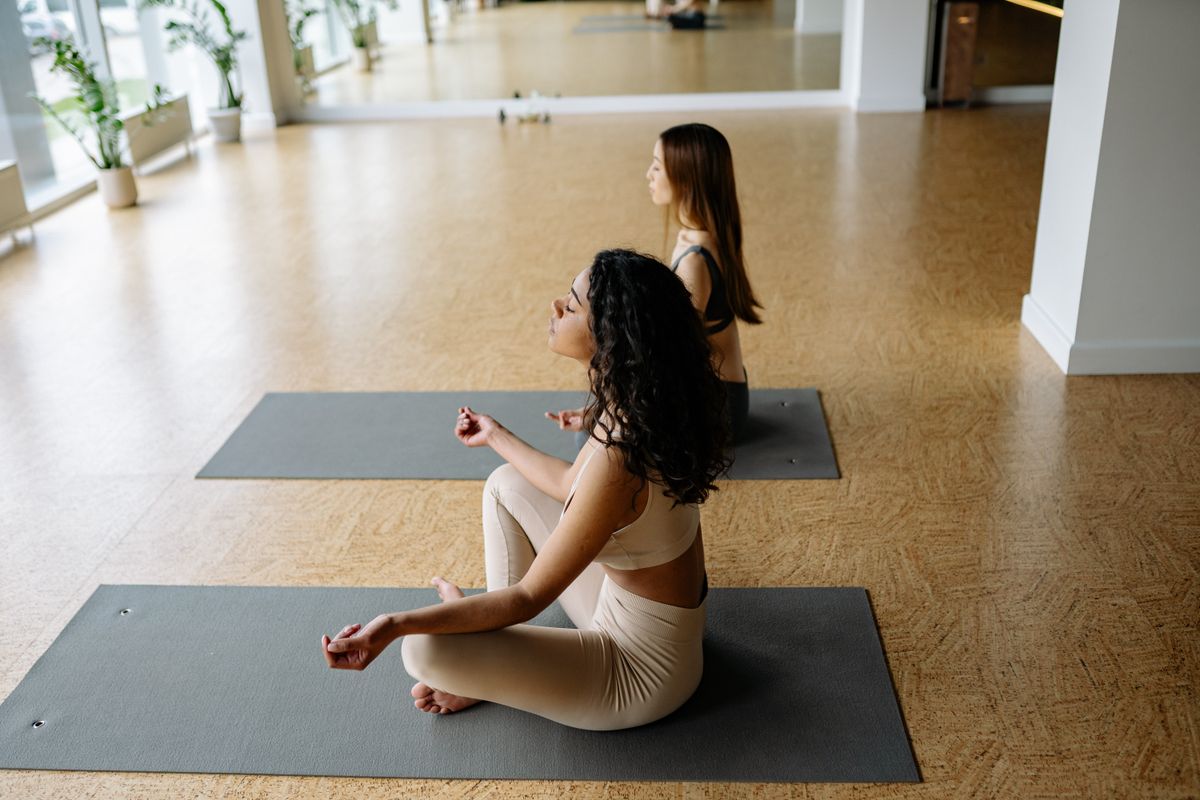
    Two yoga students seated for a quiet meditation practice
    Traditional Hatha Yoga: What a Modern Class Should Include 13

    Classical Hatha literature does not stop at posture. Later sections of the Hatha Yoga Pradipika move into mudra, samadhi, and nada-related contemplative practice. That makes quiet attention part of the wider Hatha picture.

    A modern class can reflect this without making grand claims. A few minutes of steady sitting, breath awareness, mantra, internal listening, or guided concentration can help students experience practice beyond movement. The method should be explained simply and taught within the teacher’s actual competence.

    6. Modern anatomy and teaching skills, labelled honestly

    A traditional class can still use modern knowledge. Anatomy, consent, professional boundaries, sequencing, cueing, and teaching methodology are useful additions when people are learning in a modern school. The important point is honest sourcing.

    A classical Hatha text is not a biomedical textbook. A modern anatomy lesson is not an ancient verse. Good teaching becomes clearer when the teacher says which ideas come from classical yoga and which come from contemporary movement education.

    What does not make a Hatha class traditional?

    • A room filled with spiritual objects.
    • Using Sanskrit words without explaining them.
    • Making every posture harder than necessary.
    • Teaching advanced breath retention to prove the class is authentic.
    • Calling a class ancient while using only modern fitness sequencing.
    • Claiming that every modern anatomy idea comes from old yogic texts.
    • Promising unusual experiences, healing, or awakening after a short course.

    Traditional Hatha can look very simple. A quiet room, clear instruction, steady practice, and a teacher who knows the limits of the class can be more faithful to the method than a visually dramatic setting.

    How this changes Hatha Yoga teacher training

    A teacher-training course has to go further than a normal class. Students need practice, theory, observation, teaching methodology, anatomy, professional boundaries, and supervised practicum. Traditional source material should support the course without being used to hide weak teacher preparation.

    FitFortunes’ 200-hour Hatha Yoga teacher training in Rishikesh is a 21-day residential course. Its Hatha framework includes asana, pranayama, mudra and bandha, and Nada Yoga, supported by philosophy, anatomy, methodology, and practice teaching. Students who complete an eligible 200-hour program can apply for RYT-200 through Yoga Alliance; the school does not automatically register a graduate as an RYT.

    For shorter foundational study, the 100-hour Hatha Yoga course runs for 10 days. It is a foundation course and should not be described as a guarantee that someone is ready to teach.

    If you are still deciding between a traditional Hatha course and a broader program, compare our Hatha vs multi-style YTT guide.

    Frequently asked questions

    Does a traditional Hatha class have to be slow?

    Not because slowness itself is a classical rule. Modern Hatha classes are often slower because the format gives more time for posture, breath, and instruction. Classical Hatha is a wider system than pace alone.

    Should every Hatha class include shatkarma?

    No. Some cleansing practices need special preparation and are not appropriate for a normal drop-in class. They belong in the wider tradition but should be taught selectively.

    Is Surya Namaskar required in traditional Hatha Yoga?

    No single modern class sequence defines the whole tradition. A teacher may use Surya Namaskar, but its presence alone does not make a class traditional.

    Can a traditional Hatha class use props?

    Yes. Props can help a modern teacher make practice clearer or more suitable for an individual. Using a modern teaching aid does not erase the traditional source of the practice.

    A traditional class should be clear enough to explain

    The best sign of traditional Hatha is not how old a class looks. It is whether the teacher can explain the practices, the source, the purpose, the progression, and the limits. A modern class can respect old Hatha texts while still using current anatomy and responsible teaching methods. That combination is more useful than copying the appearance of tradition.

    ### Excerpt Traditional Hatha Yoga is more than slow asana. See what a modern class should include from asana and pranayama to mudra, kriya, meditation, and responsible modern teaching.
  • What is Kundalini Yoga? A Complete Guide to Awakening Energy

    What is Kundalini Yoga? A Complete Guide to Awakening Energy

    Kundalini Yoga is a broad term used for practices that may combine movement, breathing, mantra, meditation, mudra and bandha. Different schools use the name in different ways. Some focus on traditional Tantric and Hatha ideas. Others use modern kriya-based class formats. Because of this, it is better to ask what a teacher actually teaches instead of assuming every Kundalini class is the same.

    What Is Kundalini Yoga?

    In many Indian yoga and Tantric traditions, kundalini is described symbolically as latent spiritual energy. Classical texts discuss subtle-body ideas such as nadis, chakras and the movement of prana. These are traditional yogic frameworks, not modern anatomical structures.

    Modern Kundalini Yoga classes may include repeated movements, breathing practices, mantra, concentration and meditation. Some schools use the word “kriya” for set sequences. Others use different teaching systems.

    What Can a Kundalini Yoga Class Include?

    • Gentle or repeated physical movements
    • Pranayama or controlled breathing
    • Mantra or chanting
    • Mudra and bandha
    • Seated meditation
    • Relaxation and quiet observation

    The intensity can vary greatly. A beginner class should explain the method, give easier options and avoid pressuring students into long breath retention or extreme experiences.

    How Is Kundalini Yoga Different From Hatha or Vinyasa?

    StyleTypical focusUsual class feel
    HathaPosture, breath and foundational practiceSteady and slower
    VinyasaBreath-linked movementContinuous flow
    Kundalini YogaBreath, mantra, meditation, movement and subtle-body ideasVaries by school

    Read our Hatha vs Vinyasa guide and Vinyasa Flow guide for clearer comparisons.

    What Does Kundalini Awakening Mean?

    Kundalini awakening is a traditional spiritual idea. People may describe strong emotional, meditative or bodily experiences, but there is no single medical test for “awakening.” It should not be used to explain every unusual symptom.

    If practice leads to persistent panic, fainting, severe insomnia, confusion, chest pain, neurological symptoms or other concerning changes, stop the practice and seek appropriate professional care.

    What Are the Main Safety Concerns?

    • Forceful breathing can cause dizziness or tingling.
    • Long breath retention is not suitable for everyone.
    • Very long meditation sessions can feel overwhelming for some people.
    • Claims of guaranteed awakening, healing or supernatural results are red flags.
    • Beginners should progress gradually instead of copying advanced practices online.

    Our guide on Kundalini Yoga safety explains these limits in more detail.

    What Are the Commonly Reported Benefits?

    Some people report better focus, calmer breathing, improved body awareness and a stronger meditation routine. These effects may come from the combined use of movement, attention, breathing and regular practice rather than from one special “energy” mechanism.

    See our separate article on the benefits of Kundalini Yoga for a more careful look at possible benefits and exaggerated claims.

    How Should a Beginner Start?

    Good beginner signRed flag
    Teacher explains the exact methodVague promises of instant awakening
    Short, gradual breathing practicesLong retentions in the first session
    Permission to stop or modifyPressure to continue through distress
    Clear safety guidanceDizziness or panic described as “progress”

    A simple first-week approach

    1. Keep sessions short.
    2. Use natural breathing before stronger pranayama.
    3. Choose one meditation method instead of several at once.
    4. Track sleep, mood and physical response after practice.
    5. Increase intensity only when the previous level feels stable.
    1. Choose a qualified teacher who clearly explains the method.
    2. Start with simple breathing and short meditation periods.
    3. Avoid long retentions and forceful breathing at the beginning.
    4. Stop if you feel dizzy, distressed or unwell.
    5. Keep notes on how you feel after practice, not only during it.

    Does FitFortunes Offer Kundalini Teacher Training?

    No. FitFortunes does not currently offer a Kundalini Yoga Teacher Training course. Our current teacher-training focus is on Hatha foundations, Vinyasa Krama foundations, traditional yoga study and related practices. This article is educational only.

    Frequently Asked Questions

    Is Kundalini Yoga a religion?

    No single answer covers every school. Kundalini practices developed within Indian spiritual traditions, but modern classes can be taught in spiritual, secular or mixed formats.

    Is Kundalini Yoga suitable for beginners?

    It can be, if the class is genuinely beginner-friendly and the teacher introduces breathing and meditation gradually.

    Is Kundalini the same as chakras?

    No. Kundalini and chakras are related ideas within some subtle-body traditions, but they are not the same concept. You can read our guide to the seven chakras for the traditional model.

    Should I practise intense Kundalini techniques alone?

    Strong breath retention, forceful pranayama and long intense practices are better approached gradually with experienced guidance.

    Conclusion

    Kundalini Yoga can include movement, breath, mantra and meditation, but the term covers more than one teaching system. Look for clear instruction, gradual progression and realistic claims. Avoid teachers who promise guaranteed awakening or treat distress as proof that the practice is working.

  • 200 Hour Yoga Teacher Training in India–A Life-Changing Journey

    200 Hour Yoga Teacher Training in India–A Life-Changing Journey

    India, the birthplace of yoga, offers an authentic 200 Hour Yoga Teacher Training in India. This program is ideal for aspiring yoga teachers and serious practitioners. The training includes philosophy, asanas, pranayama, and meditation. Many seekers choose Rishikesh, Kerala, and Goa for their yoga journey. This course helps individuals gain certification while experiencing yoga’s spiritual roots.

    Why Choose India for Yoga Teacher Training?

    Students in yoga teacher training practising a guided sequence
    A useful training includes practice, teaching methodology and feedback.

    India is home to ancient yoga texts like the Yoga Sutras and Bhagavad Gita. These scriptures emphasize the importance of discipline and self-awareness. Practicing in India provides an immersive experience that blends tradition with modern teaching. Many schools are Yoga Alliance certified, ensuring global recognition. Additionally, the country offers diverse locations, from the Himalayas to serene beaches.

    What is 200 Hour Yoga Teacher Training?

    This program is a foundational course for yoga enthusiasts. It covers Hatha, Ashtanga, and Vinyasa yoga styles. The training includes:

    • Asana practice: Learn correct alignment and modifications.
    • Pranayama techniques: Understand breath control for better energy flow.
    • Yoga philosophy: Study ancient teachings for spiritual growth.
    • Meditation and mindfulness: Develop inner peace and focus.
    • Anatomy and physiology: Gain knowledge of the body’s movement.

    Graduates receive an internationally recognized Yoga Instructor Certification. This allows them to teach yoga worldwide.

    Benefits of 200 Hour Yoga Teacher Training in India

    1. Authenticity: Learn directly from Indian gurus who follow traditional methods.
    2. Affordable courses: Compared to Western countries, India offers budget-friendly training with accommodation.
    3. Spiritual atmosphere: Experience yoga in its true essence with ashrams and temples around.
    4. Holistic approach: The training goes beyond physical postures, focusing on mental and emotional well-being.
    5. Community learning: Practice with like-minded individuals from different cultures.

    Best Locations for Yoga Teacher Training in India

    Rishikesh – The Yoga Capital of the World

    Rishikesh is famous for its Yoga Teacher Training Retreats. Located on the banks of the Ganges, it offers a peaceful learning environment. Many renowned yoga schools provide 200 Hour Yoga Teacher Training in Rishikesh India.

    Kerala – Yoga by the Ocean

    Kerala combines yoga with Ayurveda, offering a unique healing experience. The tropical climate and serene beaches make it a perfect destination for Intensive 200 Hour Yoga Teacher Training Retreats in India.

    Goa – Yoga and Sunsets

    Goa is ideal for those seeking a laid-back yoga experience. The state hosts several Yoga Instructor Courses in India, attracting travelers worldwide.

    What to Expect in a Yoga Training Course?

    Student practising pranayama during yoga study
    Breathing techniques and philosophy are part of broader yoga education.

    A structured daily routine helps students develop discipline. The training includes morning meditation, asana practice, philosophy classes, and hands-on teaching sessions. Traditional schools follow ancient Sanskrit texts, emphasizing ethical living (yamas and niyamas). These teachings form the foundation of a yogic lifestyle.

    Certification and Career Opportunities

    Completing a Yoga Alliance Certified Course in India opens many doors. Graduates can teach in studios, fitness centers, and retreats. Some even start their own yoga schools. Many students also opt for Online 200 Hour Yoga Teacher Training India to continue their learning.

    Seasonal Trends – Best Time to Join

    Winter (October to March) is the best time for training in Rishikesh and North India. Monsoon season (June to September) is ideal for Monsoon Yoga Retreats in India. Goa and Kerala are best visited during winter and early summer.

    The Ancient Wisdom Behind Yoga Teacher Training

    Yoga is not just exercise; it is a way of life. Ancient texts like the Bhagavad Gita mention selfless service (Karma Yoga) and inner wisdom (Jnana Yoga). The Yoga Sutras of Patanjali emphasize discipline, self-study, and devotion. These principles are still taught in traditional Yoga Certification Courses in India.

    Who Can Join This Course?

    • Beginners eager to explore yoga deeply.
    • Yoga practitioners wanting Yoga Teacher Training Certification.
    • Fitness trainers looking to expand their skills.
    • Wellness coaches interested in holistic healing.

    A 200 Hour Yoga Teacher Training in India is a life-changing experience. It nurtures body, mind, and soul while providing a professional certification. Whether you choose Rishikesh, Kerala, or Goa, you’ll experience the depth and beauty of yoga traditions. Before enrolling, review the daily schedule, practicum hours, assessments, accommodation arrangements and current registration of the training provider.

  • Best Online Yoga Courses: How to Choose the Right One

    Best Online Yoga Courses: How to Choose the Right One

    Yoga has been practiced for thousands of years. The ancient texts, like the Yoga Sutras, describe it as a path to harmony. Today, online yoga courses bring this wisdom to millions worldwide.

    The best online yoga course depends on your goal. Beginners may need gentle live instruction, while experienced students may prefer a structured library. Compare teaching, feedback, total cost and access terms. Platform details and prices change, so verify them before paying.

    Who Benefits From Online Yoga Courses?

    Online yoga courses offer convenience. They allow learning from expert teachers at home. Whether you’re a beginner or an advanced practitioner, there’s a program for you.

    Benefits of Virtual Yoga Training:

    • Learn at your own pace.
    • Access diverse yoga styles.
    • Practice anywhere, anytime.
    • Save money compared to in-person classes.
    • Some structured teacher-training programs offer completion certificates; confirm recognition with the relevant body.

    Online Yoga Course Options to Compare

    Person learning from a yoga class on a laptop at home

    These are examples of established online yoga providers, not independently tested FitFortunes rankings. Check current prices, available classes, teachers and certificate terms on each provider’s own website.

    1. Alo Moves
    • Best for: Variety of yoga styles
    • Price: Check current provider pricing
    • Features:
      • Over 3,000 classes
      • Top global instructors
      • Customizable learning paths
    • Why Choose It?
      • Perfect for all levels
      • High-quality video production
      • Includes meditation and fitness
    1. Yoga with Adriene
    • Best for: Beginners
    • Price: Free (YouTube) or check current paid plan pricing for premium
    • Features:
      • Gentle and inclusive approach
      • Thousands of free YouTube classes
      • Community-based learning
    • Why Choose It?
      • Easy-to-follow instructions
      • Perfect for home practice
      • Friendly teaching style
    1. Yoga International
    • Best for: Advanced and Teacher Training
    • Price: Check current provider pricing
    • Features:
      • Professional-level instruction
      • 500+ courses and workshops
      • Certifications available
    • Why Choose It?
      • Great for deep learning
      • Ideal for future yoga teachers
      • Offers multiple styles
    1. Glo Yoga
    • Best for: Personalized practice
    • Price: Check current provider pricing
    • Features:
      • AI-powered class recommendations
      • Classes for stress relief, fitness, and meditation
      • Expert teachers
    • Why Choose It?
      • Tailored to your needs
      • Perfect for busy individuals
      • Easy-to-use app
    1. Udemy Yoga Courses
    • Best for: One-time purchase
    • Price: Varies ($10-$100 per course)
    • Features:
      • Lifetime access
      • Various styles and techniques
      • Affordable one-time payment
    • Why Choose It?
      • No recurring fees
      • Learn at your own pace
      • Many courses to choose from

    How to Choose the Right Online Yoga Course

    Selecting a yoga course depends on goals and preferences. Consider these factors:

    1. Skill Level
    • Beginners should start with gentle or foundational classes.
    • Advanced learners may prefer certification programs.
    1. Yoga Style
    • Hatha: Slow-paced, great for beginners.
    • Vinyasa: Flowing movements, good for fitness.
    • Yin: Deep stretches, improves flexibility.
    • Kundalini: Focuses on energy and breath.
    1. Instructor Quality
    • Choose courses led by certified and experienced teachers.
    • Look for clear instructions and engaging lessons.
    1. Pricing and Value
    • Free courses are great for casual learners.
    • Paid courses often offer better structure and certification.
    1. Student Reviews
    • Check user feedback before enrolling.
    • Look for platforms with high ratings and positive comments.

    Ancient Wisdom in Modern Yoga

    Ancient texts like the Bhagavad Gita and Yoga Sutras emphasize yoga as a lifestyle. Online yoga courses help integrate these teachings into daily life. Patanjali’s sutras highlight discipline, mindfulness, and ethical living, which remain relevant today.

    Frequently Asked Questions

    1. Are online yoga courses effective?

    Online classes can be useful for regular home practice. Progress depends on the teacher, your level and how consistently you practise. Live feedback is especially helpful when learning unfamiliar movements.

    1. Which online yoga course is best for beginners?

    A beginner course should offer gentle classes, clear instructions and ways to modify movements. Sample a free class before buying. Check whether the teacher explains how to avoid painful positions.

    1. Can I get certified through an online yoga course?

    Some providers offer completion certificates. Whether a program meets a particular teaching or registry standard requires direct verification with that organisation.

    1. Are free online yoga courses worth it?

    Free courses are great for self-practice but may lack depth and certification.

    Choosing an online yoga course starts with the teacher, class format and level. Confirm current prices and course access before enrolling. Whether you want relaxation, fitness, or teacher training, there’s a course for you. Explore these top-rated options and start your yoga journey today!

  • Rishikesh vs Bali for Yoga Teacher Training

    Rishikesh vs Bali for Yoga Teacher Training

    Choosing between Rishikesh and Bali for yoga teacher training starts with the school and syllabus, not the destination photographs. Compare the teaching method, supervised teaching, complete residential cost, registration evidence and travel arrangements for each actual course. This guide explains what to compare and links to FitFortunes’ Rishikesh courses without assuming that all schools in either destination teach the same way.

    Rishikesh vs Bali: compare the actual course

    DecisionFitFortunes in RishikeshYour shortlisted Bali course
    Teaching methodCompare the separate Hatha and Multi-Style syllabuses.Ask which methods are taught; do not infer them from the destination.
    Course structureThe established 200-hour courses use a 21-day residential format.Request the exact teaching days, rest days and hour breakdown.
    Total costCheck the current course and room quote, then add travel and excluded costs.Request the same itemized information for a like-for-like comparison.
    Teaching and certificationRead the practicum details and verify applicable school registration.Check named teachers, supervised teaching and direct registry evidence.
    AccommodationConfirm the actual room, meals and arrival arrangements for your batch.Confirm whether the quoted price includes a room and meals.

    Considering Rishikesh alongside Bali? Review our 200-hour Multi-Style teacher training and focused Hatha course, then compare their actual syllabuses and written quotes with your Bali shortlist.

    Compare the course method and level

    A destination does not define a curriculum. Ask each school to name the method it teaches and show how practice, anatomy, philosophy and teaching methodology connect. Do not assume that a “multi-style” label includes Hatha, Vinyasa, Yin and Ashtanga in equal depth.

    200-hour foundation study

    For a foundation course, compare the entry requirements, subject hours, attendance rules and assessment. Look for an explanation of how you will observe and practise teaching, rather than choosing by an advanced-pose photograph. Confirm the actual calendar; training hours and days away from home are different measurements.

    300-hour and 500-hour pathways

    If you already completed foundation training, ask how advanced study builds on that learning. Check accepted prior qualifications and the actual school-registration pathway. A page describing advanced training does not establish that FitFortunes offers a bookable 300-hour course, and adding course hours does not automatically confer an individual registration.

    Compare teachers, practicum and feedback

    Request the names of the teachers assigned to your dates and the subjects each will teach. Read the published practicum details: what students prepare, which teaching is observed, how feedback works and what completion requires. Use the same questions for Rishikesh and Bali so that the comparison concerns the course rather than a stereotype about either place.

    Philosophy, asana, pranayama, meditation, anatomy and teaching methods are useful subjects to ask about. Ask for the actual syllabus rather than treating this list as proof that a particular school teaches all of them. For a focused Hatha route, read the FitFortunes Hatha course curriculum.

    Compare the complete training and travel budget

    Use a current written quote for the exact school, dates and room type. Add accommodation and meals only when they are excluded, then budget for flights, the applicable visa, insurance, transfers and personal expenses. There is no verified Bali price range in this comparison, so it does not claim that either destination is always cheaper.

    Ask whether materials, assessment, certification, taxes and payment charges are included. Check the deposit, balance deadline, refund policy and what happens if the school cancels a batch. If you compare currencies, label the rate and date used for your estimate and confirm the currency payable to each school.

    Compare location, accommodation and daily life

    In Bali, check the exact address of a shortlisted school rather than choosing only between destination labels such as Ubud, Canggu or Uluwatu. In Rishikesh, do the same for the course venue and room. Ask about road access, distance between accommodation and classes, room occupancy, bathrooms and arrival arrangements.

    Check weather and travel advice for your own dates using current official sources. Neither scenery nor a claim of a “spiritual atmosphere” establishes teaching quality. A useful residential offer explains where you will sleep, what food is provided and how the study day is organized.

    Check registration and suitability before paying

    Use a direct registry link to verify any school-registration claim and ask which course is covered. Successful course completion and an individual RYT application are separate steps. No school should promise universal employment or a worldwide teaching licence from a course certificate.

    Ask about beginner entry requirements, health considerations, teaching language and the pace of daily study. Speak to the school about your circumstances rather than assuming that every 200-hour course suits every applicant. Genuine student reviews can help explain an experience, but they do not replace the syllabus, named teachers and written booking terms.

    How to make the final choice

    The best yoga teacher training in Bali is not automatically the most expensive or the most photographed. Compare the teachers, syllabus, supervised teaching practice, class size, accommodation, total price and refund terms. Check the current details for your exact intake before paying a deposit.

    If you are comparing current options, read our 2026 Bali yoga teacher training comparison guide for a more date-specific checklist.

    Upcoming Traditional Multi-Style 200 Hour Yoga Teacher Training

    Upcoming Traditional Multi-Style 200 Hour Yoga Teacher Training

    Date Shared Room Book Private Room Book
  • 200 Hour Yoga Teacher Training in Rishikesh: What to Expect

    200 Hour Yoga Teacher Training in Rishikesh: What to Expect

    Rishikesh, the birthplace of yoga, is the ideal place to start your yoga teaching journey. A 200 Hour Yoga Teacher Training Course in Rishikesh is more than just a certification. It is a deep dive into the world of yoga, philosophy, and self-discovery. Rooted in ancient wisdom, this training follows the teachings of Patanjali’s Yoga Sutras and the Bhagavad Gita.

    This course is perfect for beginners and intermediate practitioners. It helps in building a strong foundation in Hatha and Ashtanga yoga while also covering pranayama, meditation, and yoga philosophy.

    Why Choose Rishikesh for Yoga Teacher Training?

    Rishikesh is known as the Yoga Capital of the World. Saints and yogis have practiced yoga here for centuries. The sacred Ganges River and the peaceful Himalayan foothills create the perfect environment for spiritual growth.

    Training in Rishikesh offers an authentic experience. You learn from experienced teachers who follow traditional yoga methods. Many schools in Rishikesh are Yoga Alliance certified, making their courses globally recognized.

    What to Expect from a 200 Hour Yoga Teacher Training in Rishikesh?

    A 200 Hour Yoga Teacher Training Course in Rishikesh follows a structured syllabus. It includes physical postures (asanas), breath control (pranayama), meditation, anatomy, and teaching methodology. Here is what you will learn:

    • Hatha & Ashtanga Yoga – Practice asanas with correct alignment and technique.
    • Pranayama & Meditation – Learn breath control for mental clarity and relaxation.
    • Yoga Philosophy – Understand the teachings of ancient texts like the Yoga Sutras and Bhagavad Gita.
    • Anatomy & Physiology – Gain knowledge of the body to avoid injuries.
    • Teaching Methodology – Learn how to structure a yoga class effectively.

    The Ancient Roots of Yoga Training

    The concept of yoga training is thousands of years old. Ancient texts like the Bhagavad Gita, Upanishads, and Hatha Yoga Pradipika discuss yoga’s purpose.

    The Bhagavad Gita describes yoga as the path to self-realization. It teaches karma yoga (selfless action), bhakti yoga (devotion), and jnana yoga (wisdom). The Yoga Sutras by Patanjali introduce the eight limbs of yoga, guiding practitioners toward enlightenment.

    Benefits of a 200 Hour Yoga Teacher Training in Rishikesh

    Completing a 200 Hour Yoga Teacher Training Course in Rishikesh offers many benefits.

    1. Personal Growth – Develop self-discipline and mindfulness.
    2. Strong Yoga Practice – Improve flexibility, strength, and endurance.
    3. Teaching Confidence – Learn how to guide students with clarity.
    4. Spiritual Connection – Experience the deeper aspects of yoga beyond physical postures.
    5. Career Opportunities – A Yoga Alliance certification allows you to teach worldwide.

    Choosing the Right Yoga School in Rishikesh

    With many yoga schools in Rishikesh, selecting the right one is important. Consider these factors:

    • Yoga Alliance Certification – Ensures global recognition.
    • Experienced Teachers – Learn from certified and knowledgeable instructors.
    • Comprehensive Curriculum – Covers asanas, philosophy, anatomy, and teaching skills.
    • Location & Environment – A peaceful setting enhances the experience.

    Daily Schedule of a 200 Hour Yoga Teacher Training

    The course follows a disciplined routine. A typical daily schedule includes:

    • 5:30 AM – Wake up
    • 6:00 AM – Meditation & Pranayama
    • 7:30 AM – Asana Practice (Hatha/Ashtanga)
    • 9:00 AM – Breakfast
    • 10:30 AM – Yoga Philosophy
    • 12:00 PM – Anatomy & Physiology
    • 1:30 PM – Lunch & Rest
    • 3:00 PM – Teaching Methodology
    • 4:30 PM – Evening Asana Practice
    • 6:30 PM – Meditation & Mantra Chanting
    • 8:00 PM – Dinner & Self-Study

    This structured routine helps students develop discipline and self-awareness.

    Best Time to Join a 200 Hour Yoga Teacher Training in Rishikesh

    The best time for yoga training in Rishikesh is from September to April. During these months, the weather is pleasant, making it easier to practice yoga. The summer months (May-June) can be hot, while the monsoon season (July-August) brings heavy rains.

    Who Can Join This Course?

    A 200 Hour Yoga Teacher Training Course in Rishikesh is open to all yoga enthusiasts. Whether you are a beginner or an advanced practitioner, you can join. The course is ideal for:

    • Individuals looking to start a career in yoga teaching.
    • Yoga practitioners who want to deepen their knowledge.
    • Anyone interested in traditional yoga and its philosophy.
    • People seeking personal transformation through yoga.
    Upcoming Traditional Multi-Style 200 Hour Yoga Teacher Training 2025

    Upcoming Traditional Multi-Style 200 Hour Yoga Teacher Training 2025

    Date Shared Room Book Private Room Book

    Life After Completing a 200 Hour Yoga Teacher Training

    After completing the course, you can start teaching yoga globally. With a Yoga Alliance certification, you can offer classes, workshops, or open a yoga studio. Many graduates continue their journey by enrolling in 300 Hour Yoga Teacher Training for advanced learning.

    A 200 Hour Yoga Teacher Training Course in Rishikesh is an enriching experience. It helps you grow physically, mentally, and spiritually. Learning in the holy city of Rishikesh connects you with authentic yoga traditions.

    If you dream of becoming a certified yoga teacher, this training is the perfect step. Join a reputable yoga school in Rishikesh and embark on a life-changing journey today.

  • Yoga for Beginners in Rishikesh: A Guide to Starting Your Journey

    Yoga for Beginners in Rishikesh: A Guide to Starting Your Journey

    Rishikesh is the world’s yoga capital, offering the perfect setting for beginners. The holy Ganges, peaceful mountains, and traditional yoga schools make it ideal for practice. If you are new to yoga, this guide will help you begin with confidence. Yoga for beginners in Rishikesh includes authentic teachings, experienced instructors, and spiritual experiences.

    Why Choose Rishikesh for Yoga?

    Rishikesh has been a center for yoga and meditation for centuries. Many ancient texts mention its spiritual significance. The Bhagavad Gita refers to yoga as the path to inner peace. The Yoga Sutras of Patanjali describe it as a method to quiet the mind.

    Practicing yoga in Rishikesh allows you to learn from certified teachers. The environment enhances focus and relaxation. Many yoga retreats and schools offer courses designed for beginners. You will find beginner yoga classes in Rishikesh that follow traditional teachings.

    Best Beginner Yoga Styles in Rishikesh

    Different yoga styles suit beginners. Here are some of the best options:

    1. Hatha Yoga

    Hatha yoga focuses on basic postures and breathing techniques. It improves flexibility and builds a strong foundation.

    1. Vinyasa Yoga

    Vinyasa yoga involves flowing movements linked with breath. It helps improve coordination and stamina.

    1. Iyengar Yoga

    This style uses props like blocks and belts. It is perfect for beginners who need extra support in postures.

    1. Kundalini Yoga

    Kundalini yoga works with energy through breathwork and chanting. It enhances spiritual awareness.

    Each of these styles is available in beginner yoga courses in Rishikesh. You can choose one based on your comfort level.

    What to Expect in a Beginner Yoga Class?

    A beginner yoga course in Rishikesh includes simple asanas, breath control, and meditation. Classes start with warm-ups to prepare the body. Basic poses like Tadasana (Mountain Pose) and Balasana (Child’s Pose) are introduced.

    Breathing exercises such as Anulom-Vilom help calm the mind. Teachers also guide students in meditation to enhance focus. Learning these basics builds a solid yoga practice.

    Choosing the Right Yoga School

    Rishikesh has many yoga schools. Look for places with experienced instructors and proper certification. The best yoga retreats for beginners in Rishikesh offer structured programs.

    Check for schools that follow traditional methods. Read reviews and course details before enrolling. Schools like the Himalayan Yoga Association and Sivananda Ashram are well-known for beginner yoga training.

    Yoga Retreats for Beginners

    Yoga retreats offer a complete experience. They include yoga sessions, meditation, and healthy meals. Many retreats are located near the Ganges or in the Himalayan foothills.

    An affordable yoga retreat for beginners in Rishikesh provides simple accommodation and organic food. It allows you to focus on learning without distractions. These retreats help you connect with nature and deepen your practice.

    Health Benefits of Yoga for Beginners

    Practicing yoga brings many benefits:

    • Improves Flexibility – Regular practice increases movement and reduces stiffness.
    • Boosts Mental Health – Yoga helps reduce stress and anxiety.
    • Strengthens the Body – Simple postures build muscle and improve balance.
    • Enhances Breathing – Pranayama techniques improve lung capacity.
    • Encourages Mindfulness – Meditation creates inner awareness and peace.

    These benefits make yoga a life-changing practice. A beginner yoga course in Rishikesh is a great way to experience them.

    Essential Tips for Beginners

    If you are starting yoga, keep these tips in mind:

    • Wear comfortable clothing for easy movement.
    • Stay hydrated but avoid drinking water during practice.
    • Focus on your breath and move at your own pace.
    • Listen to your body and avoid pushing beyond limits.
    • Practice regularly to see gradual progress.

    These simple steps will help you build a sustainable yoga habit.

    Ancient Text References on Yoga

    The concept of yoga is deeply rooted in ancient scriptures. The Bhagavad Gita describes yoga as a means to achieve self-discipline. Patanjali’s Yoga Sutras outline the eightfold path of yoga. The Upanishads also highlight meditation and breath control.

    Yoga for beginners in Rishikesh follows these traditional principles. Learning in this sacred place brings a deeper understanding of yoga’s spiritual side.

    Best Time to Learn Yoga in Rishikesh

    The best months to visit Rishikesh for yoga are from October to April. The weather is pleasant, making practice more comfortable. Many yoga festivals and events also take place during this period.

    If you prefer a quiet experience, visit between May and September. You can find beginner yoga retreats in Rishikesh throughout the year.

    Conclusion

    Yoga for beginners in Rishikesh offers a holistic journey of physical, mental, and spiritual well-being. Learning in this sacred city gives you an authentic experience. Whether you choose a structured course or a retreat, the knowledge you gain will stay with you forever.

    Start your yoga journey in Rishikesh today. Embrace the ancient wisdom and experience the benefits firsthand.

  • 100-Hour Yoga Teacher Training in Rishikesh: Start Here

    100-Hour Yoga Teacher Training in Rishikesh: Start Here

    A 100-hour yoga teacher training in Rishikesh is an introductory course for personal practice and further study. FitFortunes offers its residential multi-style course over 10 days. It includes practice, breathing, meditation, philosophy and teaching fundamentals. A 100-hour completion certificate alone does not meet the 200-hour training requirement for Yoga Alliance RYT-200 registration. Choose this route when you want a structured foundation and can commit to the daily workload.

    Understanding the 100-Hour Yoga Teacher Training Course

    A 100-hour yoga teacher training course is a condensed program designed for individuals seeking to deepen their yoga practice or begin their journey toward teaching. This course typically covers foundational aspects of yoga, including asanas (postures), pranayama (breathing techniques), meditation, and yoga philosophy. It’s an excellent option for those with time constraints or those looking to start their teacher training in stages.

    Why Choose Rishikesh for Your Yoga Training?

    Rishikesh offers a unique environment for yoga training. The city’s rich spiritual heritage, combined with its tranquil surroundings, provides an ideal setting for self-discovery and growth. Practicing yoga in Rishikesh allows you to connect with ancient traditions and immerse yourself in a community of like-minded individuals.

    Key Components of the 100-Hour Yoga Teacher Training Course

    1. Asana Practice: Learn and refine foundational yoga postures, focusing on alignment and technique.
    2. Pranayama: Explore various breathing techniques to enhance energy flow and mental clarity.
    3. Meditation: Develop mindfulness and concentration through guided meditation sessions.
    4. Yoga Philosophy: Study ancient texts and teachings to understand the deeper aspects of yoga.
    5. Anatomy and Physiology: Gain knowledge about the human body to practice and teach safely.

    Benefits of the 100-Hour Yoga Teacher Training Course

    • Flexible Learning: The shorter duration allows for a balanced approach to learning and personal commitments.
    • Foundational Knowledge: Establish a strong base in yoga principles, preparing you for advanced studies.
    • Personal Growth: Experience self-discovery and transformation through dedicated practice.
    • Community Connection: Join a supportive network of fellow yoga practitioners and teachers.

    Choosing the Right Yoga School in Rishikesh

    Selecting the appropriate yoga school is crucial for a fulfilling training experience. Consider the following factors:

    • Accreditation: Ensure the school is recognized by reputable organizations like Yoga Alliance.
    • Experienced Instructors: Look for teachers with substantial experience and a deep understanding of yoga philosophy.
    • Curriculum: Review the course syllabus to ensure it aligns with your learning objectives.
    • Facilities: Check for comfortable accommodations, clean facilities, and a conducive learning environment.
    • Reviews and Testimonials: Seek feedback from past students to gauge the quality of the program.

    Course dates and room availability change over time. Check the official 100-hour course page or contact the school to confirm the next intake and fees before booking.

    Current 100-hour course dates and availability

    Confirm your intake dates, room type and total fee on the official course page before booking travel.

    Check current course details

    What to Expect During the Training

    A residential timetable may include morning practice, breathing and meditation, followed by philosophy, anatomy and teaching fundamentals. The order, rest periods and evening activities depend on the school and intake. Request the actual timetable before booking a 100-hour yoga teacher training in Rishikesh. Check how the stated training hours are allocated rather than assuming that every hour spent on campus is instruction.

    Post-Training Opportunities

    Upon completing the 100-hour course, you have several options:

    • Continue with foundational teacher training: Consider a complete 200-hour program. Ask the school whether any earlier study can be recognised; two unrelated 100-hour certificates should not be assumed to satisfy RYT-200 requirements.
    • Develop teaching skills under supervision: Practise explanations and short sequences with feedback. Do not treat a 100-hour certificate as a licence to teach every student or condition.
    • Personal Practice: Continue to practice and integrate yoga into your daily life.

    Starting a 100 hour yoga teacher training course in Rishikesh is a good experience to begin with. It offers an opportunity to immerse yourself in the rich traditions of yoga, guided by experienced instructors in a serene environment. Whether you aim to teach or deepen your personal practice, Rishikesh provides the perfect setting for growth and self-discovery.

    100-hour or 200-hour yoga teacher training: which fits your goal?

    Compare study goals before choosing a course
    Your goalWhat to consider
    A shorter introduction to residential yoga studyA 100-hour foundation, with clear entry requirements and a manageable timetable.
    Eligibility to apply for RYT-200A complete eligible 200-hour program at a Registered Yoga School, followed by a separate application.
    Teaching a specialist populationAppropriate further education and supervised experience; a short foundation alone is insufficient.
    Continuing a personal practiceA curriculum suited to your interests, with options for movement and a teacher you can ask for feedback.

    What should you confirm before enrolling?

    Ask for the current syllabus, daily timetable, teacher names, assessment process and certificate wording in writing. Confirm the total fee, room type, included meals, arrival arrangements and cancellation terms. Explain any access needs before paying a deposit. A school should be able to describe alternatives to demanding postures or breathing exercises without promising to treat an illness.

    Plan travel around the confirmed check-in and check-out dates, not a guessed ten-night stay. Keep enough time for arrival, rest and the journey onward. Course hours, calendar days and accommodation nights describe different things.

    Frequently asked questions about 100-hour yoga teacher training in Rishikesh

    How long is the FitFortunes 100-hour multi-style course?

    The official course page describes a 10-day residential foundation in Rishikesh. Confirm the specific intake dates, arrival day, departure arrangements and room availability with the school before booking travel. The calendar length describes the format; request a timetable to understand the study workload.

    Can a beginner join a 100-hour course?

    The FitFortunes course is presented as an introduction for beginners and regular practitioners. Being a beginner does not mean every exercise will suit you. Read the entry requirements, describe any access needs and ask how practice can be adapted. Consistent attendance and willingness to study matter more than performing advanced postures.

    Does a 100-hour certificate make me RYT-200?

    No. Yoga Alliance RYT-200 registration requires an eligible 200-hour training route and a separate application. A school’s introductory certificate and an individual teacher registration are different. Check the registered school and the relevant program in the Yoga Alliance directory rather than relying on a logo alone.

    Should I choose Hatha or multi-style training?

    Compare the actual syllabuses. A Hatha foundation may suit someone who wants to concentrate on that approach, while a multi-style introduction offers a wider overview. The label does not reveal teaching quality, practice pace or the amount of feedback. Ask what is taught and how beginners receive support.

    Sources and next steps

    Review the official FitFortunes 100-hour course, the 200-hour course and Yoga Alliance’s certificate requirements. To discuss a particular intake, contact FitFortunes with your experience, preferred dates and learning goals.