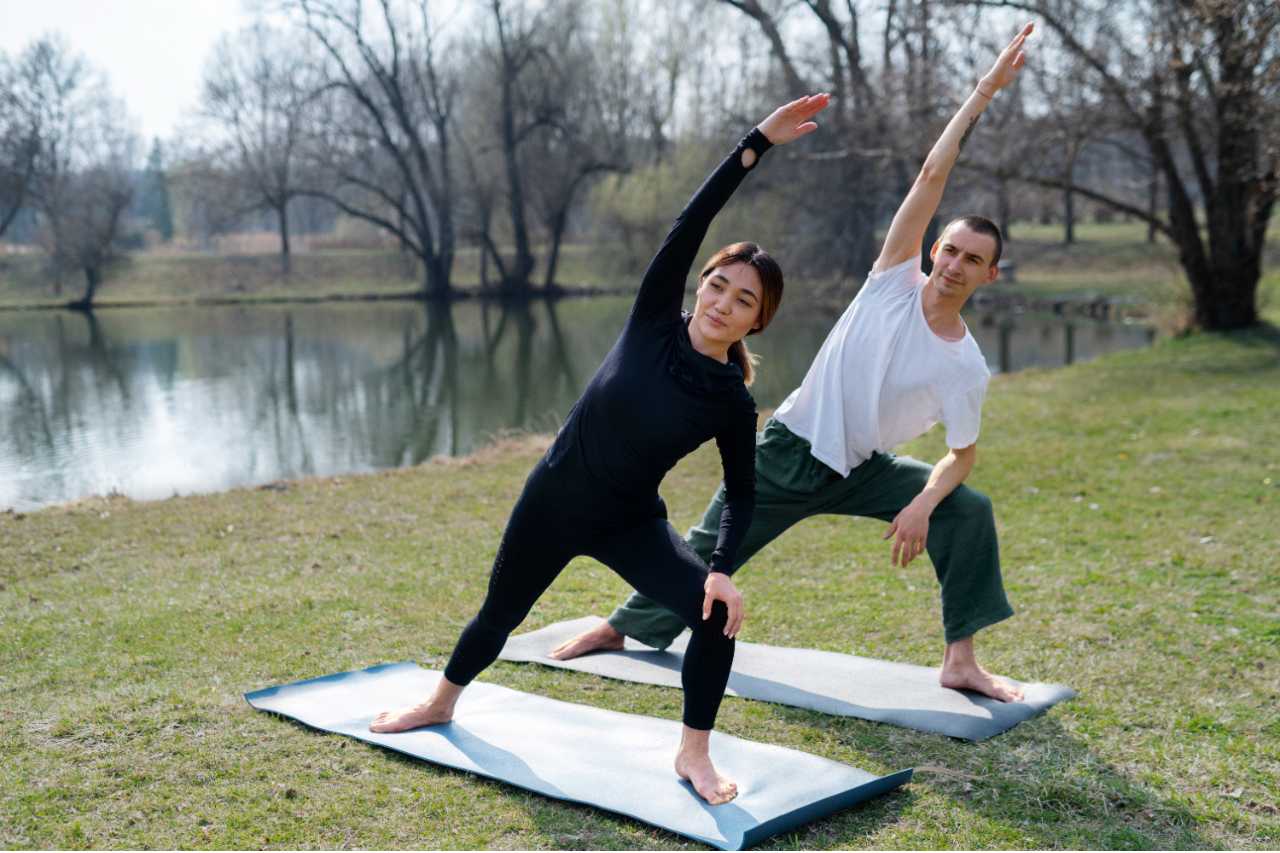
In today’s fast-paced world, finding moments of tranquility and physical activity can be a challenge. Walking yoga, a gentle and accessible practice, offers a harmonious blend of physical movement and mindfulness. This unique approach to yoga integrates traditional yoga postures and breathing techniques with the simple act of walking. By combining these elements, walking yoga provides a holistic approach to well-being, promoting both physical and mental health.
Understanding the Basics of Walking Yoga
At its core, walking yoga is a practice that involves mindful walking, incorporating specific yoga postures, breathing exercises, and meditation techniques. Unlike traditional yoga, which is often practiced on a mat, walking yoga allows practitioners to connect with nature and experience the therapeutic benefits of movement in the outdoors.
Key Principles of Walking Yoga
- Mindful Walking: The foundation of walking yoga lies in mindful walking. By paying attention to each step, practitioners can cultivate awareness of their body and breath. This simple act can significantly reduce stress and improve overall well-being.
- Yoga Postures: Walking yoga incorporates various yoga postures, such as tree pose, warrior pose, and cobra pose. These postures are modified to be performed while walking, enhancing flexibility, strength, and balance.
- Breathing Techniques: Deep, conscious breathing is an integral part of walking yoga. By focusing on the breath, practitioners can calm the mind, reduce anxiety, and improve energy levels.
- Meditation: Meditation is a powerful tool for relaxation and stress reduction. In walking yoga, meditation techniques can be integrated into the practice, such as focusing on the sensations of walking or practicing mindfulness of the breath.

Benefits of Walking Yoga
Walking yoga offers a wide range of benefits for both physical and mental health. Some of the key advantages include:
- Physical Benefits:
- Improved cardiovascular health
- Increased flexibility and strength
- Enhanced balance and coordination
- Boosted immune system
- Weight management
- Mental Benefits:
- Reduced stress and anxiety
- Improved mood and emotional well-being
- Enhanced focus and concentration
- Increased mindfulness and self-awareness
- Better sleep quality
How to Practice Walking Yoga
- Choose a safe, quiet route with even ground.
- Walk naturally for two minutes.
- Notice how each foot meets the ground.
- Let breathing settle into an easy rhythm without forcing a count.
- For five minutes, keep returning attention to steps, breath and surroundings.
- Finish with one minute of standing still and noticing how you feel.
Walking Yoga vs Regular Walking
| Regular walking | Walking Yoga |
|---|---|
| May focus mainly on distance or fitness | Adds deliberate breath and attention |
| Can be fast or goal-driven | Usually uses a steady, aware pace |
| Attention may stay on phone or conversation | Attention repeatedly returns to body and surroundings |
Walking Yoga is not a standard classical yoga style with one fixed method. It is better understood as mindful walking informed by yogic attention and breathing. For related practice, see meditation at home, weekly yoga practice, and yoga footwear.
To begin your walking yoga journey, follow these simple steps:
- Find a Peaceful Location: Choose a serene outdoor setting, such as a park, forest, or beach. A quiet and natural environment can enhance your overall experience.
- Warm-up: Start with a gentle warm-up, including some basic stretches and deep breathing exercises.
- Mindful Walking: Begin walking slowly, paying attention to each step. Focus on your breath and the rhythm of your movements.
- Incorporate Yoga Postures: As you walk, incorporate simple yoga postures, such as tree pose or warrior pose. Modify the postures to suit your individual needs and abilities.
- Practice Breathing Techniques: Throughout your walk, practice deep, conscious breathing. Inhale deeply through your nose and exhale slowly through your mouth.
- Mindful Meditation: Take moments to pause and meditate. Focus on your breath, body sensations, or a specific mantra.
- Cool-down: After your walk, end with a gentle cool-down, including some stretching and relaxation techniques.
Tips for a Successful Walking Yoga Practice
Three Walking Yoga Examples
- Morning reset: 10 quiet minutes before work, focusing on steps and breath.
- Lunch break: 15 minutes at a natural pace without checking your phone.
- Evening practice: slower walking followed by two minutes of standing still.
Walking Yoga Safety
Use a familiar route, watch traffic and uneven ground, and do not close your eyes while walking. If balance is uncertain, keep the practice on flat, predictable surfaces.
- Start Slowly: Begin with short, regular walks and gradually increase the duration and intensity of your practice.
- Listen to Your Body: Pay attention to your body’s signals and avoid pushing yourself too hard.
- Dress Comfortably: Wear loose-fitting, comfortable clothing that allows for free movement.
- Find a Supportive Community: Join a walking yoga group or find a qualified instructor to guide your practice.
- Be Patient and Kind to Yourself: Remember that progress takes time. Be patient with yourself and celebrate your achievements, no matter how small.
Walking yoga offers a gentle and effective way to improve your physical and mental health. By combining the benefits of walking, yoga, and mindfulness, this practice can help you reduce stress, increase energy, and enhance your overall well-being. Whether you’re a seasoned yogi or a complete beginner, walking yoga is a wonderful way to connect with nature, nourish your body, and calm your mind.