Author: Fitfortunes yogaways

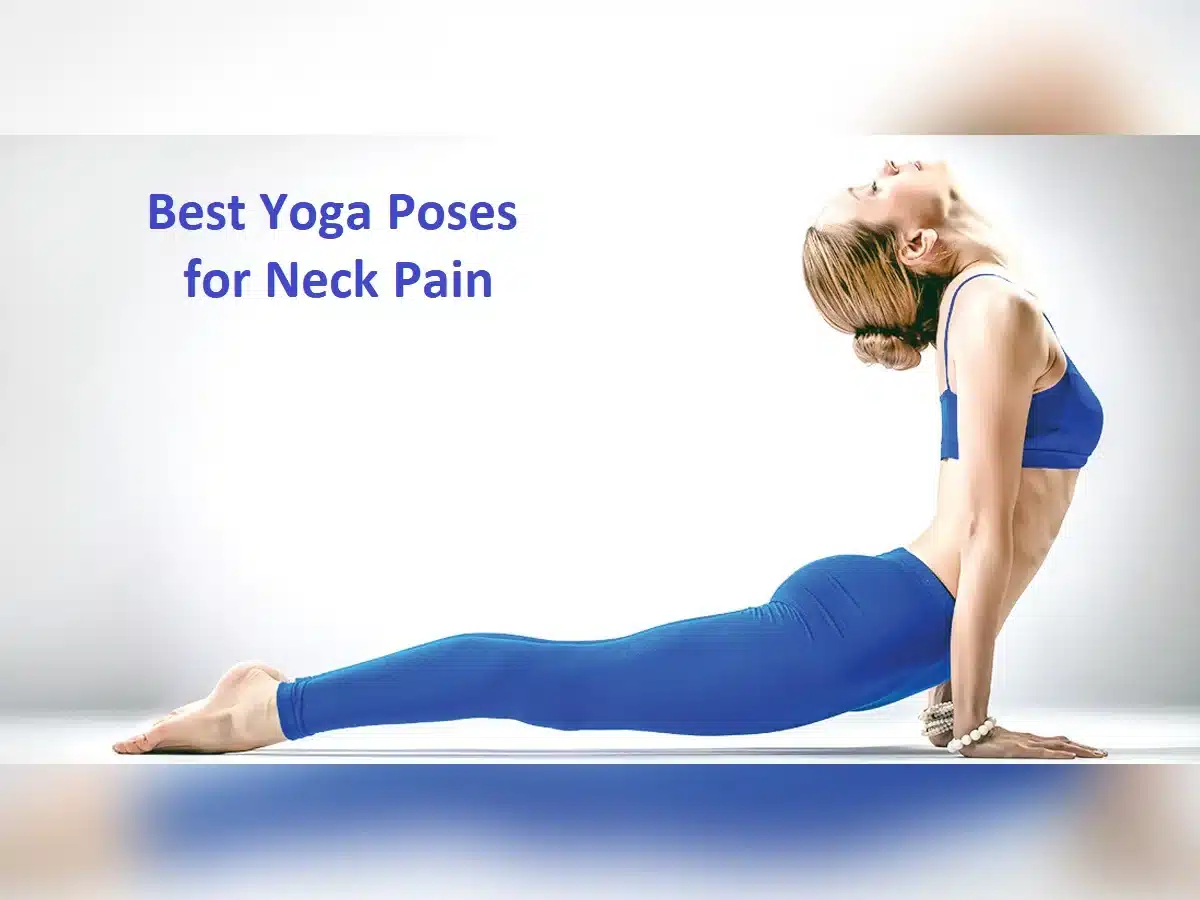
  • Do You know Yoga for Neck Pain For Relaxing Neck

    Do You know Yoga for Neck Pain For Relaxing Neck

    Happy Neck, Happy You: A Gentle Yoga Guide

    Happy Neck, Happy You: A Gentle Yoga Guide

    Hi everyone! Today, we’re going to talk about something many of us experience: neck pain. Sitting all day at desks or looking down at our phones can make our necks feel tight and sore. But don’t worry, there’s a fun and gentle way to feel better: yoga!

    Why Does My Neck Hurt?

    Our bodies aren’t meant to be hunched over all the time. This can make the muscles in our necks get tight and uncomfortable. Yoga helps us address this in a few ways:

  • Gentle Stretches: Yoga uses slow, controlled movements to loosen up those tight neck muscles. Think of it like gently untangling a knot.
  • Strong Posture: In our Yoga Teacher Training we explain how to stand and sit tall. This helps take pressure off our necks and makes us feel more supported.
  • Stress Relief: Yoga helps us relax and de-stress. Did you know stress can also make our necks feel tight? Yoga can help ease that tension.
  • Yoga Poses for a Happy Neck:

    Now, let’s try some yoga poses that can help your neck feel better! Remember, these are gentle and easy to do, even if you’re new to yoga.

    1. Neck Tilts: Find a comfortable chair and sit up tall. Slowly tilt your head to one side, like you’re trying to touch your ear to your shoulder. Feel the stretch along the side of your neck. Hold for a few breaths, then switch sides. Repeat a few times.
    2. Neck Circles: Make gentle circles with your head, like you’re saying “no” very slowly. Do this in both directions a few times.
    3. Child’s Pose: Get on your hands and knees. Sit back on your heels and rest your forehead on the mat. Stretch your arms out in front of you. This stretches your neck and back gently. Hold for a few minutes and take some deep breaths.
    4. Cat-Cow Stretch: Get back on your hands and knees. As you breathe in, arch your back up like a happy cat and look up at the ceiling. As you breathe out, round your back down like a grumpy cow and tuck your chin to your chest. Repeat a few times.

    Tips for Happy Yoga:

    Listening to your body matters in yoga:

  • Safety First: Yoga is a safe and gentle practice, but it’s important to be mindful of your limitations.
  • Respecting Your Pain: Pain is your body’s way of telling you something is wrong. If a pose feels uncomfortable in your neck, stop and rest.
  • Focus on Feeling Good: Yoga should feel good, not painful. If you’re forcing yourself into a pose, you’re probably not getting the full benefit of it.
  • Finding Your Range of Motion: Everyone’s body is different, and your range of motion in your neck will vary. Listen to your body and find a comfortable position for each pose.
  • Why Consistency Matters for Happy Neck:

  • Building Muscle Memory: When you practice yoga poses regularly, your body starts to “remember” the movements.
  • Gradual Improvement: Tight muscles in your neck won’t loosen up overnight. Consistent practice allows for gradual improvement in flexibility and strength.
  • Long-Term Relief: Yoga isn’t just a quick fix. By practicing regularly, you can help prevent neck pain from coming back.
  • Why Fun Matters in Yoga:

  • Enjoyment Leads to Consistency: When you find yoga enjoyable, you’re more likely to stick with it.
  • Reduces Stress and Tension: If yoga feels like a chore, it can actually add to your stress levels.
  • Mind-Body Connection: Yoga isn’t just about physical postures; it’s a way to connect your mind and body.
  • There are many other yoga poses that can help your neck pain. If you’re interested in learning more, you can take a yoga class or search online for beginner-friendly yoga routines.

    Remember, yoga is for everyone! So take a deep breath, relax, and give these poses a try. Your happy neck will thank you for it!

  • Optimal Yoga Practices for Holistic Well-being

    Optimal Yoga Practices for Holistic Well-being

    Ancient Yoga Practices

    The Ancient Yoga Practice

    Foundation of Yoga: Understanding Its Essence

    The Ancient Yoga Practices , rooted in mindfulness and physical well-being, has transcended cultural boundaries to become a global phenomenon. This article delves into the optimal yoga practices that contribute to holistic well-being, fostering harmony among the body, mind, and soul.

    Physical Harmony: Asanas for Well-being

    Yoga is not just a physical exercise; it is a lifestyle that promotes balance and unity. Rooted in ancient Indian philosophy, it seeks to align the body, mind, and spirit. By acknowledging this holistic approach from Good Yoga School in Rishikesh , practitioners can learn the benefits of yoga practices.

    Mental Equilibrium: The Power of Meditation

    Yoga isn’t just about stretching your body. It can also help your mind feel good!Yoga teaches you how to be calm and focus. You can do this by sitting quietly and taking slow breaths. When your mind is calm, you feel less stressed. You can also think more clearly and handle your emotions better.So next time you do yoga, remember you’re taking care of your mind too!

    Nourishing the Soul: Connecting through Spirituality

    Yoga is not merely about the body and mind; it delves into the realm of spirituality, nurturing the soul. Practices like chanting mantras and guided visualization create a profound connection with the inner self, leading to a sense of purpose and inner peace.

    Crafting Your Yoga Routine: Tailoring Practices for Individual Needs

    The beauty of yoga lies in its adaptability. Crafting a personalized routine based on individual needs and goals ensures maximum benefits. Whether seeking physical fitness, mental tranquility, or spiritual growth, a bespoke yoga practice tailored to personal requirements becomes a powerful tool for holistic well-being.

    Healthy Food for Your Yoga Practice

    Yoga is not solely confined to the mat; it extends to one’s lifestyle choices, including nutrition. Mindful eating and a plant-based diet complement the practice, nourishing the body from within. The synergy of yoga and a balanced diet amplifies the positive effects, promoting overall health and vitality.

    The Science of Breath: Pranayama Techniques

    Central to yoga is the science of breath, known as pranayama. Techniques from Yoga Teacher Training such as deep diaphragmatic breathing and alternate nostril breathing enhance respiratory function, promoting body oxygenation and calming the nervous system. Harnessing the power of breath amplifies the benefits of yoga, fostering holistic well-being.

    Small Steps, Big Changes: Keeping Up with Yoga

    For optimal results, consistency is paramount. Establishing a regular yoga practice creates a cumulative effect, with physical, mental, and spiritual benefits compounding over time. By dedicating time to yoga regularly, individuals pave the way for sustained well-being and lasting harmony.

    What Makes a Yoga Practice Optimal?

    The best practice is the one that fits your body, goals, time and recovery. More poses or longer sessions are not always better.

    Your needSimple focus
    Low energyGentle movement and breathing
    StrengthControlled holds and progressive challenge
    StressSlower practice and longer exhalation
    Busy day10–20 minute routine you can repeat

    Related guides: how often to practise yoga, 10-minute yoga, and yoga life balance.

  • Yoga for PCOS: Benefits and Specific Asanas

    Yoga for PCOS: Benefits and Specific Asanas

    PCOS has become a common health concern among women, but with Yoga for PCOS, one can improve the quality of life. This hormonal disorder can lead to a range of uncomfortable symptoms, including irregular periods, weight gain, and fertility issues. 

    In this comprehensive article, we will explore the benefits of practicing PCOS Yoga Poses and delve into specific asanas (poses) that can help manage the condition effectively. So, let’s get started on a journey towards better health and well-being.

    Understanding Yoga for PCOS

    Before we dive into the Yoga Asanas for PCOS and its potential benefits, it’s crucial to have a clear understanding of what PCOS is. It is a hormonal disorder that affects ovaries, resulting in causing enlargement of ovaries or the development of cysts. This condition disrupts the normal hormonal balance in the body, leading to a variety of symptoms:

    Common Symptoms of PCOS

    1. Irregular menstrual cycles
    2. Excessive hair growth (hirsutism)
    3. Acne and oily skin
    4. Weight gain and difficulty losing weight
    5. Mood swings and depression
    6. Insulin resistance and increased risk of Type 2 diabetes
    7. Fertility Problems

    The Role of Yoga in Managing PCOS

    Now, let’s explore how Yoga can be a powerful tool in managing and alleviating the symptoms of PCOS. 200 Hour Yoga Teacher Training is not just a physical practice; it encompasses physical postures (asanas), breathing techniques (pranayama), and meditation. This holistic approach addresses the physical, mental, and emotional aspects of health.

    Yoga for PCOS
    Yoga for PCOS: Benefits and Specific Asanas 5

    Benefits of Yoga for PCOS

    Hormonal Balance: Traditional Multi-Style Yoga in Rishikesh helps regulate hormones by reducing stress and cortisol levels, which are often elevated in women with PCOS.

    Improved Blood Circulation: Authentic Yoga School in Rishikesh teaches Yoga asanas to enhance blood circulation to the reproductive organs, promoting better ovarian function.

    Weight Management: Regular practice of Yoga for PCOS Weight Loss can result greatly and help in maintaining fit.

    Stress Reduction: PCOS symptoms can be exacerbated by stress. Yoga’s relaxation techniques can significantly reduce stress levels.

    Enhanced Fertility: Certain Yoga poses stimulate the pelvic region and can improve fertility in women with PCOS.

    Metabolic Health: Yoga can improve insulin sensitivity, helping to prevent or manage Type 2 diabetes, a common comorbidity of PCOS.

    Specific Yoga Asanas for PCOS

    Supta Baddha Konasana (Reclining Bound Angle Pose): This asana opens up the pelvic area, promoting better blood flow to the ovaries.

    Dhanurasana (Bow Pose): Dhanurasana stretches the abdominal region, improving digestion and reducing abdominal fat.

    Bharadvajasana (Seated Twist): This pose massages the abdominal organs, aiding in detoxification and hormonal balance.

    Baddha Konasana (Butterfly Pose): Excellent for improving flexibility in the groin and inner thigh muscles, helping with fertility.

    Ustrasana (Camel Pose): Ustrasana stimulates the reproductive organs and can alleviate menstrual irregularities.
    Viparita Karani (Legs Up the Wall Pose): This restorative pose helps reduce stress and improve overall relaxation.

  • Why to Choose India For Yoga Teacher Training Course?

    Why to Choose India For Yoga Teacher Training Course?

    India is the country where yoga originated, and Rishikesh is the center of yoga worldwide. Ashrams, yoga schools, and studios offer some of the top Yoga Teacher Training Course in India. It is also the ideal location for learning about ancient history. 

    A Yoga Teacher Training in India is a terrific place to start whether you want to learn more about yoga, develop your practice, or meet people who share your interests. Let’s examine the main arguments for selecting India for your Yoga Teacher Training Program.

    The Birthplace of Yoga 

    India is the very birthplace of yoga, with its roots tracing back thousands of years. The mystical land has been nurturing and propagating yoga for generations. Yoga is not just an exercise in India; it’s a way of life. When you choose India for your Yoga Teacher Course, you immerse yourself in the authentic and ancient yogic traditions that have been passed down through the ages.

    A Myriad of Authentic Schools

    yoga schools
    Why to Choose India For Yoga Teacher Training Course? 8

    India boasts a myriad of yoga schools, each offering its unique approach and expertise. From the traditional Hatha and Ashtanga to the more contemporary Vinyasa and Kundalini, you’ll find a school that resonates with your aspirations. These schools provide comprehensive and in-depth training, ensuring that you leave with a profound understanding of yoga philosophy, anatomy, and teaching methodologies.

    Learn Yoga teacher training course from the Masters 

    One of the most compelling reasons to choose India is the opportunity to learn from seasoned yoga masters and gurus. These revered teachers have dedicated their lives to the practice and teaching of yoga. Their wisdom and guidance will not only enrich your practice but also inspire you to become a knowledgeable and compassionate yoga teacher.

    Dive into Yoga Philosophy 

    Yoga is not just about physical postures; it encompasses a profound philosophy that can transform your entire outlook on life. In India, you have the chance to delve deep into the philosophical aspects of yoga, exploring concepts such as the eight limbs of yoga, the chakras, and ancient texts.

    Spiritual Enlightenment

    India is a land of spirituality, where seekers have come for centuries to attain spiritual enlightenment. The energy and spirituality that permeate the air in India are palpable. Choosing India for your Yoga Teacher Training Course allows you to not only deepen your yoga practice but also embark on a spiritual journey that can lead to personal transformation.

    Affordable and Authentic Experience

    While yoga teacher training programs are offered worldwide, India offers an authentic experience at a fraction of the cost compared to many Western countries. The cost-effectiveness of studying in India allows you to focus on your practice and education without financial stress.

    Cultural Immersion

    India’s diverse and vibrant culture is an integral part of your yoga journey. From participating in traditional rituals to exploring ancient temples and savoring delicious Indian cuisine, your time in India will be a cultural immersion that enriches your overall experience.

    A Lifetime of Memories 

    Choosing India for your 200 Hour Yoga Teacher Training Course is not just a short-term commitment; it’s an investment in a lifetime of memories and personal growth. The friendships you make, the knowledge you gain, and the experiences you collect will stay with you forever.

  • Yoga Teacher Training Requirements in India: 30-Day Preparation Plan

    Yoga Teacher Training Requirements in India: 30-Day Preparation Plan

    You do not need advanced postures before Hatha Yoga teacher training in India. You do need enough routine, recovery, attention, and basic physical readiness to practise and study for long days. The final month should make your habits steadier, not push you into difficult shapes or techniques that your body is not ready for.

    A useful preparation plan has four parts: regular Hatha practice, a realistic sleep and study rhythm, practical travel preparation, and clear expectations about what teacher training includes. If you are joining a residential course, prepare for theory, anatomy, philosophy, pranayama, meditation, teaching methodology, and practicum as well as asana. This guide gives you a simple 30-day structure without turning preparation into another intensive course.

    Table of contents

    Days 30–22: build consistency, not intensity

    Start by practising Hatha Yoga four or five days each week at a level you can recover from. Include basic standing postures, simple forward folds, gentle backbends, twists, hip and shoulder mobility, and a proper closing rest. The aim is to make regular practice familiar before the course begins. A sudden jump in volume can leave you sore or tired before you even travel.

    Add five to ten minutes of quiet sitting after practice or at another consistent time. If pranayama is already part of your normal practice, keep it simple and familiar. Do not teach yourself strong breath retentions, cleansing methods, advanced bandhas, or unfamiliar kriyas from random videos because they appear on a syllabus. Teacher training is the place to learn those practices with context and supervision.

    Use this first week to notice your recovery. Do you sleep well after practice? Do your wrists, knees, back, or shoulders stay comfortable? Can you sit on the floor for a theory class without constant strain? These observations are useful because they show what you may need to modify during training. If you have persistent pain or an important medical limitation, speak with an appropriate healthcare professional before travel and tell the school about relevant restrictions.

    Days 21–15: prepare your sleep and daily rhythm

    Residential teacher training often starts earlier than a normal workday. Move your sleep schedule gradually instead of waiting until the first morning of the course. Going to bed and waking a little earlier every few days is easier than forcing a sudden change after a long flight. Keep meals regular and avoid using extra caffeine to hide poor sleep.

    Practise studying as well as moving. Read for twenty or thirty minutes, take notes by hand, and sit through a focused block without checking your phone. Yoga teacher training includes long periods of listening, writing, discussing, observing, and giving feedback. A student who can concentrate quietly for an hour often adapts more easily than someone who prepared only by increasing physical practice.

    Read the actual syllabus and daily structure of the school you are joining. Check which style is taught every day, who teaches the main subjects, how practicum works, and what assessment is required. For FitFortunes, the current 200-hour Hatha Yoga Teacher Training in Rishikesh is a 21-day residential program, and the live course page should be used for current dates and practical details.

    Days 14–8: organise travel, documents, and course expectations

    Two weeks before travel, confirm the details that can cause problems if left until the last moment. Check passport validity, the current India entry rules for your nationality, flights, insurance, the school address, arrival instructions, and your route from the airport or railway station. Save important information both online and offline so you are not dependent on one phone or one internet connection.

    For visa information, use the official Government of India visa portal. If you are travelling through Delhi, use the Delhi to Rishikesh travel guide to compare onward options. Avoid building the entire trip around a very tight connection because immigration, baggage, road traffic, or weather can change the schedule.

    Review the school’s attendance, payment, cancellation, room, and meal information. Ask any unclear questions now. If the course says “traditional Hatha,” confirm what that means in practice. If it lists many styles, ask which one forms the main daily asana method. Clear expectations reduce disappointment and help you arrive ready for the actual program instead of the version you imagined from a headline.

    Final week: reduce load and arrive rested

    The final week is not the time to test your deepest backbend or add extra gym sessions. Reduce hard training and keep yoga comfortable, regular, and familiar. Prioritise sleep, hydration, simple meals, and recovery. If your body feels tired, a shorter practice with calm breathing and gentle movement is more useful than another demanding session.

    Pack early enough that the last two days are not stressful. Bring comfortable practice clothes, simple everyday clothing, seasonal layers, prescribed medicine, a notebook, chargers, and a suitable power adapter. Check what the school already provides before buying props or carrying a heavy mat. The existing Rishikesh YTT packing guide covers the travel details separately so this page can stay focused on preparation.

    If possible, give yourself an arrival buffer before the first full study day. International travel, time-zone changes, unfamiliar food, and road travel to Rishikesh can all affect sleep. A course is easier to enter when you have already found your room, eaten, showered, and slept before the first early class.

    Prepare for study, not only asana

    A 200-hour Hatha teacher training is not a long sequence of posture classes. A serious curriculum also includes pranayama, meditation, philosophy, anatomy, teaching methodology, sequencing, observation, ethics, practicum, and assessment. Some students are surprised by how mentally demanding the course feels because they prepared their bodies but not their attention.

    Before you travel, become familiar with the difference between personal practice and teacher education. In personal practice you follow instructions and notice your own body. In teacher training you also learn to watch other people, explain a movement clearly, manage time, offer an option, and understand when not to correct. The Yoga Teacher Training Curriculum guide explains how these subjects fit together.

    Do not try to memorise an entire class script before arrival. Practicum exists so you can learn teaching language gradually and receive feedback. You are not expected to arrive as a finished teacher. You are expected to arrive ready to learn, practise, ask questions, and improve.

    What not to do before Hatha Yoga teacher training

    Do not try to become “flexible enough” in thirty days. Flexibility is not a teaching qualification, and forcing range can create an injury that follows you into the course. Do not copy advanced pranayama, strong breath retention, cleansing practices, mudra, or bandha from short online demonstrations without proper instruction. Preparation should reduce uncertainty, not collect half-learned techniques.

    • Do not double your practice volume because the course is approaching.
    • Do not ignore pain to prove commitment.
    • Do not begin an extreme diet or fasting routine before travel.
    • Do not assume a 200-hour course is physically difficult in the same way for everyone.
    • Do not schedule heavy remote work during the training without checking the timetable.
    • Do not rely on old screenshots for current dates, fees, or travel rules.

    If you are unsure whether the workload is realistic for you, read Is Yoga Teacher Training Hard? That page owns the difficulty and beginner-readiness intent, while this article focuses on what to do during the month before arrival.

    What yoga texts say about moderation

    Classical yoga texts do not give a modern “30-day YTT preparation plan,” but they repeatedly value moderation and disciplined practice. In the Bhagavad Gita 6.16–17, yoga is linked with balance in eating, activity, sleep, and waking rather than extremes. The practical lesson before intensive training is simple: stable habits are more useful than sudden self-punishment.

    The Hatha Yoga Pradipika also treats suitable conditions, measured effort, and disciplined practice as important parts of Hatha. It should not be used as a modern anatomy manual, but it reminds students that Hatha was never only about performing impressive shapes. Preparation should therefore support steadiness of body, breath, attention, and daily routine.

    You do not need to finish these books before the course. Read slowly, note questions, and let the teachers provide context. A short, careful reading is more useful than memorising quotations without understanding where they belong.

    30-day Hatha YTT preparation checklist

    1. Practise Hatha Yoga regularly at a recoverable level.
    2. Add a short daily period of quiet sitting.
    3. Move sleep and wake times toward the course schedule.
    4. Read the live curriculum and teacher profiles.
    5. Confirm passport, visa, flights, insurance, and local transport.
    6. Tell the school about relevant injuries or limitations.
    7. Reduce hard workouts during the final week.
    8. Pack only what the school does not already provide.
    9. Arrive with enough time to sleep before the first full day.
    10. Come ready to learn, not ready to prove what you can already do.

    Frequently asked questions

    Do I need to be flexible before Hatha Yoga teacher training?

    No. Flexibility is not the main requirement. Regular basic practice, willingness to learn, recovery, and the ability to follow a structured schedule are more useful. A good course should teach sensible variations for different bodies.

    How much yoga should I practise before a 200-hour YTT?

    A steady practice several days per week is usually more useful than a sudden period of intense training. Keep the level appropriate for your body and recover properly between sessions. If you are already fatigued, adding more volume is not useful preparation.

    Should I learn pranayama before teacher training?

    Basic breath awareness can help, especially if it is already part of your practice. Strong breath retention, advanced bandha, and cleansing methods should be learned with qualified guidance rather than copied from short online demonstrations.

    What should I read before Hatha Yoga teacher training?

    Start with the school syllabus, timetable, and required reading. If you want classical context, a careful introduction to the Bhagavad Gita, Patanjali’s Yoga Sutras, or the Hatha Yoga Pradipika can help. You do not need to finish a large reading list before arrival.

    How early should I arrive in Rishikesh?

    If your travel plan and budget allow it, arrive with enough time to sleep before the first full training day. A small buffer is useful after an international flight because the final journey to Rishikesh adds another stage of travel.

    Preparation should make the first week easier

    The month before Hatha teacher training is not a test. Use it to make ordinary habits more reliable: practise regularly, sleep enough, read the real course information, organise your travel, and arrive without unnecessary fatigue. That gives you more attention for the work that actually matters once training begins.

    For the current residential Hatha program, review the live 200-hour Hatha Yoga Teacher Training page. If you are still deciding whether Hatha or a mixed practical format suits you, compare it with the Hatha vs Multi-Style YTT guide. You can also compare training locations in Where to Learn Hatha Yoga in India and review what anatomy and alignment should cover in Hatha teacher training.

  • Sound Healing Therapy: What is it and How Can It Benefit How Work

    Sound Healing Therapy: What is it and How Can It Benefit How Work

    There’s an age-old practice that has resurfaced as a powerful tool for modern stress relief: Sound Healing Therapy. In today’s world, stress has become an inevitable part of our lives. From work pressures to personal responsibilities, stress can take a toll on our physical and mental well-being. However, Sound therapy is the relief in chaos. 

    What is Sound Healing?

    Sound Healing is an ancient practice that dates back to civilizations like the Egyptians, Greeks, and Native Americans. It revolves around the belief that sound, in various forms, can have a profound impact on our body and mind. By harnessing the power of sound, practitioners aim to bring balance and harmony to one’s life.

    How Does it Work?

    At the core of Sound Healing are vibrations. Everything in the universe vibrates at its unique frequency, including our bodies. When we experience stress, anxiety, or physical discomfort, our vibrations can become imbalanced. Sound Healing Training India uses different sound frequencies, such as singing bowls, tuning forks, and even the human voice, to restore these imbalances.

    Benefits of Sound Healing

    Stress Reduction: Sound Healing induces a state of deep relaxation, reducing the production of stress hormones like cortisol. This leads to an immediate sense of calm.

    Improved Sleep: Many people struggling with insomnia have found relief through Sound Healing sessions. The soothing sounds can lull the mind into a peaceful slumber.

    Pain Management: Sound vibrations can alleviate physical pain and discomfort by promoting the body’s natural healing processes.

    Enhanced Mental Clarity: Regular practice of Sound Healing can improve focus, concentration, and mental clarity.

    Emotional Release: Sound Healing sessions often lead to emotional release, helping individuals let go of pent-up emotions and trauma.

    Different Approaches to Sound Healing

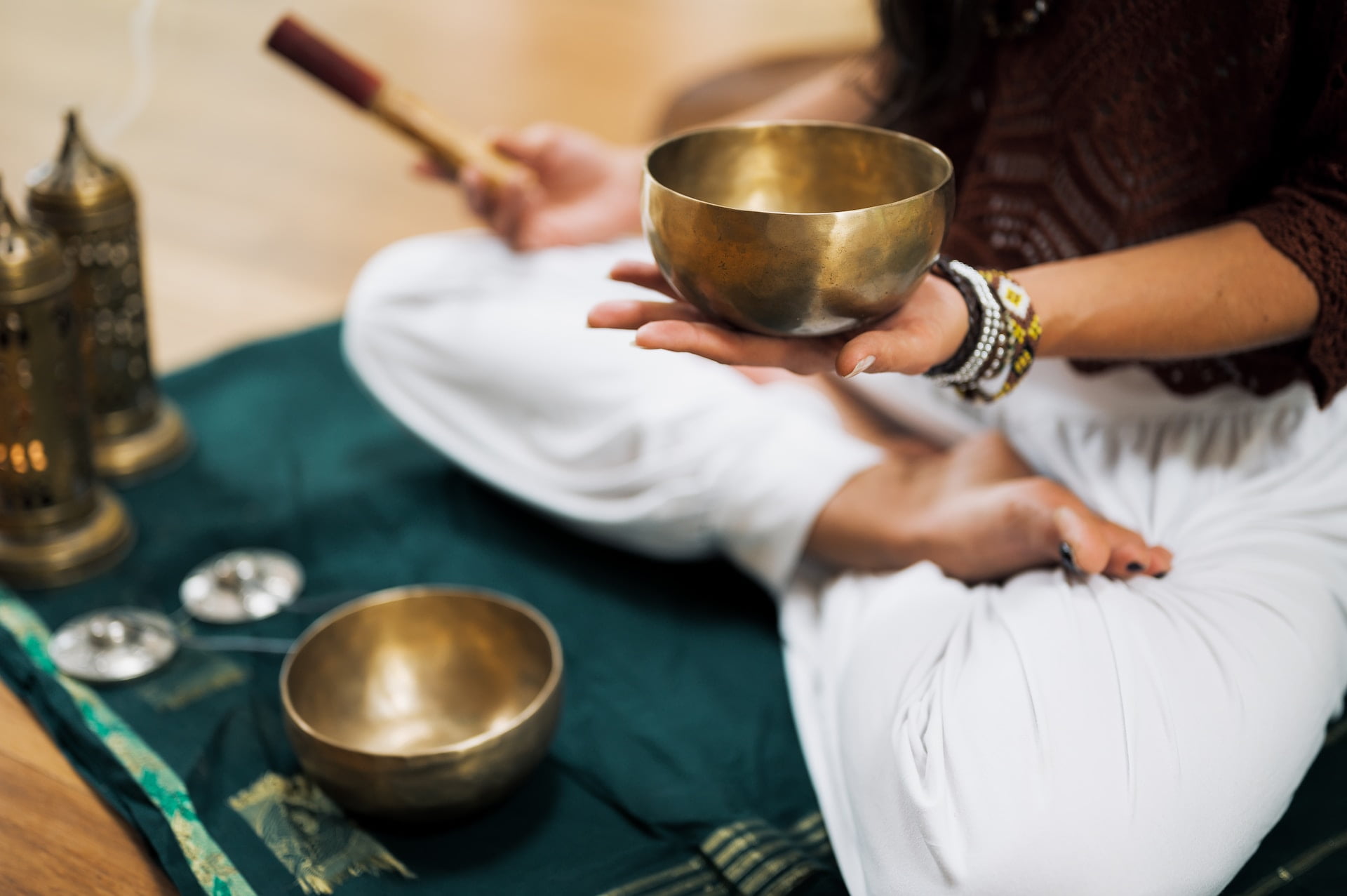
    Tibetan Singing Bowls

    Tibetan Singing Bowls are perhaps the most well-known tools for Sound Healing. When played, they produce a resonant, soothing sound that can transport you to a state of deep relaxation. The vibrations from these bowls are believed to realign the body’s energy centers or chakras.

    Crystal Singing Bowls

    Crystal Singing Bowls are made from quartz crystal and produce a clear, pure sound. They are often used for chakra balancing and meditation. Each bowl is tuned to a specific note, corresponding to a particular chakra, making it a powerful tool for energy healing.

    Tuning Forks

    The Tuning forks or Vibrational Sound Therapy are precise instruments that emit a specific frequency when struck. They are used to direct sound vibrations to specific areas of the body or energy centers. This targeted approach can be particularly effective for pain management and energy clearing.

    Vocal Toning

    Vocal toning or Sound Healing Music involves using the human voice to create healing sounds. This technique is highly personalized, as the practitioner uses their voice to address specific imbalances in the client’s body. It can be a deeply transformative and cathartic experience.

    How to Incorporate Sound Healing into Your Life

    1. Seek Professional Guidance

    To fully experience the benefits of Sound Healing, it’s advisable to consult a certified practitioner. They can tailor sessions to your specific needs and guide you through the process.

    2. Home Practice

    You can also explore Sound Therapy at home. Start with simple practices like listening to guided sound meditation recordings or experimenting with singing bowls. Remember to create a peaceful environment to enhance the experience.

    3. Group Sessions

    Participating in group Sound Healing sessions can be a communal and uplifting experience. Many holistic centers and wellness retreats offer group sound baths, where you can immerse yourself in healing vibrations.

    The Future of Sound Healing

    As more people seek holistic approaches to well-being, Sound Healing Meditation is gaining popularity. It’s not just a trend; it’s a timeless practice that has stood the test of time. In a world filled with noise and chaos, Sound Healing offers a respite—a return to the soothing and harmonious power of sound.

    You can enroll in Sound Therapy Courses in India provided by experienced professionals at Fitfortunes. These courses are comprehensive and designed to enhance your understanding of sound therapy techniques.

  • Yoga Teacher Training in Rishikesh – Fitfortunes Yoga School, Rishikesh

    Discover the Path to Becoming a Yoga Teacher in Rishikesh

    Yoga Teacher Training Rishikesh
    Yoga Teacher Training Rishikesh

    Are you ready to embark on a transformative journey of self-discovery and learn the ancient art of yoga? Look no further than Fitfortunes Yoga School, located in the serene and spiritual city of Rishikesh, India.

    Our 200-hour traditional multi-style yoga teacher training course in Rishikesh is designed to provide aspiring yoga teachers with a solid foundation in yoga philosophy, asanas, pranayama, meditation, and teaching methodology. By immersing yourself in the rich culture and spiritual atmosphere of Rishikesh, known as the “Yoga Capital of the World,” you will deepen your practice and develop the skills to become a confident and compassionate yoga teacher.

    Why Choose Rishikesh for Your Yoga Teacher Training?

    Rishikesh, nestled in the foothills of the majestic Himalayas and blessed with the sacred Ganges River, offers an unparalleled environment for yoga teacher training. The serene and natural surroundings create an ideal setting for self-reflection, meditation, and the study of yoga. As you embark on this transformative journey, you will have the opportunity to learn from experienced and certified yoga instructors who will guide you through the depths of yoga philosophy and the intricacies of asanas, pranayama, and meditation.

    Immerse Yourself in a Comprehensive Yoga Curriculum

    At Fitfortunes Yoga School, our 200-hour yoga teacher training course encompasses a broad range of topics.

    These include in-depth studies of yoga philosophy and history. Our curriculum includes in-depth studies of yoga philosophy and history, techniques for aligning various asanas, pranayama and energy anatomy, meditation and mindfulness practices, teaching methodology with hands-on adjustments, as well as anatomy and physiology. Additionally, we cover yogic lifestyle and ethics to provide you with a comprehensive and well-rounded understanding of yoga. You will also have ample opportunities to practice and refine your teaching skills through supervised teaching sessions.

    Experience the Yogic Lifestyle in Rishikesh

    During your stay in Rishikesh, you will have the chance to fully immerse yourself in the yogic lifestyle.Your daily routine during our program revolves around yoga. This includes morning yoga and meditation sessions, self-study, and reflection. You’ll immerse yourself in yoga practice. Additionally, you can partake in sacred rituals, visit ashrams and temples, and learn from esteemed spiritual teachers.. The serene and spiritual ambiance of Rishikesh will support and inspire your personal transformation.

    Become a Certified Yoga Teacher and Share Your Passion

    Upon completing our 200-hour yoga teacher training, you’ll receive a globally recognized certification. With this certification, you can teach yoga professionally worldwide. Whether your dream is to lead classes at renowned yoga studios, offer private sessions, or conduct retreats in comfortable locations. Our training program equips you with the skills, knowledge, and confidence to pursue your passion and share the transformative power of yoga with others.

    Ready to Start Your Journey?

    If you are ready to embark on this life-changing journey, join us at Fitfortunes Yoga School in Rishikesh. Our upcoming yoga teacher training courses are open for enrollment. Secure your spot today and take the first step towards becoming a certified yoga teacher. Visit our website at Fitfortunes Yoga School to learn more and begin your transformational yoga journey.

    Disclaimer: All images used in this blog are copyright-free and sourced from Unsplash.

  • Our Network and Partners

    Our website is listed on following directories:

    healthandbeautylistings.org – Yoga Directory

    yogafinder.com – Yogafinder

  • 7 Exercise Substitutions for Faster Fat Loss Without Gym

    To to start with everyone moving towards better health and Beach Body. And, in this self-care people first choice is joining a gym for exercise. Those highly equipped gyms with fantasy new school machines will easily make your body drooling until you start using them. And yes, they all offering you a good package and transformation dreams.
    But, Transformation doesn’t come from machines, packages or from dreams. Transformation comes with a dedication to yourself.

    Many people think joining a good gym is the first need to start their journey.  Nevertheless its a good choice for self-care. But what to do when you are not around to your favourite machines.

    In fact, I Body weight exercises getting more popular nowadays instead of using exercise machines and one of the big reason is, It’s a functional movement and our daily life depends on our movements and mobility.

    Function Movement

    Now, the term “Functional movement” gets thrown around a lot in the fitness industry. However, it simply reflects activities and movement patterns in your daily life. Every such movement requires the use of your full body, right? So why eliminate it and train in a fixed range of motion with machines?

    You see, the shiny, expensive machines at the gym may seem like the right idea, but it’s not necessary to get a time efficient, fat burning workout.

    Want to be able to keep up with your kids for hours? Plus lose a ton of fat, build a better body, and not to mention, feel totally awesome?

    Try these 7 simple exercises will help improve your coordination and core strength so you burn more calories and feel a million bucks. Moreover, you could do all of these at home or even when you are travelling around for some days.

    1. Hip Machines – Lateral Lunges

    Why? The fixed range of motion on the inner/outer thigh (aka adductors/abductors) machine targets one area on your hip. But there’s nothing remotely like these movements in real life! These muscles are designed for stabilizing – so that’s how you should train them.

    Try lateral lunges instead. This exercise targets your glutes, inner thigh, hamstrings and quads – plus requires core engagement and integration. You will improve your hip mobility, lower body stability and burn more calories in the process.

    Lateral Lunge
    Lateral Lunge

    2. Chest Press Machines – Push Ups

    Why? Go for push-ups. This move is simply a moving plank (one of my favourite core exercises).

    If you can’t do a full push up yet, make that your first goal. Start with an incline (raise your hands, rather than drop your knees to the ground). No girly push-ups, ok? Knees to the floor and you lose core involvement, which is a major component of a full push up.

    Push Up
    Push up

    No problem busting out a ton of push-ups? Challenge yourself – try decline push-ups, Spiderman pushups or suspend your feet from a TRX and do Atomic Push Ups. Oohh my abs hurt just thinking about it. 😉

    3. Incline Leg Press – Squats

    Why? The leg press machine puts a ridiculous amount of force on the discs in your lower back. The expert research on this topic speaks for itself.

    Dr. Stuart McGill has dedicated his whole life to researching lower back disorders and is a professor of spinal mechanics at the University of Waterloo. His book “Low Back Disorders” has quality research that suggests the 45-degree leg press machine could seriously damage your lower back.

    Trx Squats
    Trx Squats

    Learn to love squats. Your bodyweight is the perfect resistance to start with. Work to improve your mobility, and core integration before you add weight to mix.

    4. Glute machine – Step Ups

    Why? Get a sexy butt without spending an hour at Barre class. Switch to step ups – there are plenty of variations to sculpt a lean, defined butt without stepping anywhere near a machine.

    As a bonus, you engage your core at the same time and this movement transfers to your daily life. Climbing the stairs? It will be a breeze.

    5. Leg Extension Machine – Lunges

    Why? Target your quads, hamstrings and glutes all in one move. Isolating and training only your quads on the leg extension machine not only sets you up for muscle imbalances, but it causes excessive strain on your knee.

    Once you have the basic lunge down, progress to reverse lunges and the Bulgarian split squat. Oohh good times. Expect burning quads. Sexy burning quads.

    pexels photo 999257
    Lunges

    6. Bicep Curls Machine – Chin-ups

    Why? The bicep curl is an isolated exercise, hitting one muscle group. Maximize your time and hit the whole upper body instead – yes, chin-ups are a tough exercise that requires multiple, large muscle group recruitment.

    Pull ups
    Pull ups

    Struggling to pull your bodyweight? You can use a resistance band for assistance or do negative chin-ups. You will get stronger, burn more calories in less time and your biceps will look lean and sexy.

    7. Elliptical/Treadmill Intervals – Bodyweight Cardio Intervals

    Why? Getting tired of the same old interval workout? Yeah, I know intervals of “30s on, 30s off” gets awfully boring after a while…

    Try doing these Bodyweight Cardio Accelerator Intervals instead. Why? Well, it’s WAY more fun. Plus, this style of workout combines big movements that hit multiple muscle groups at the same time so you boost your metabolism and burn a ton of calories.

    You will also notice a dramatic difference in your metabolism after just ONE workout, and your body will start changing in days.

    Get Bodyweight Cardio 500 here

    If you’ve ever invested in a program, thinking you were getting “no equipment” workouts, only to find out later on that you actually needed a pull-up bar and a stability ball. You’ll be happy to know that with Bodyweight Cardio 500 you literally need ZERO equipment to rapidly lose fat.

    The workouts not only allow you to sculpt your abs, but they will burn away your ugly belly fat as well.[/et_pb_text][/et_pb_column]

  • ArjunVishad The First Chapter of Bhagwad Geeta

    Continuing Forward from our Introduction part. Now, we move to the detailed study of each chapter of Bhagwad Geeta Slowly. So, in the first chapter Scene of the battlefield in Kurukshetra appears. In which, the armies of Kurus and Pandavas standing against each other.
    But, during this One of Greatest Fighter of Pandavas (5 Brothers) army Arjun(a great bowman) becomes enamoured. Because, his own people standing in the army of Kurus. Which Depressed him.

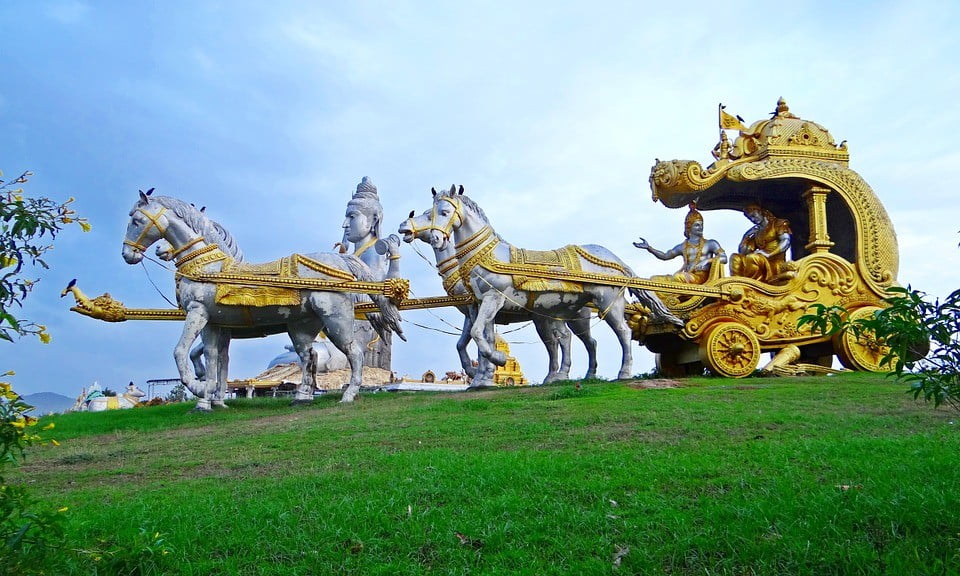
    Arjuna and Shri Krishana
    Arjuna and Shri Krishana

    Kurus and Pandavas

    Before we move forward let’s get a little knowledge of Kurus and Pandavas.
    In Particular, everything of this era roll around (Devavratha) Bhishma. Also, Known as Bhishma Pitamah. The eldest son of King Shantanu. But, He took a lifetime vow to the father of his stepmother (Satyawati, daughter of a fisherman). He vowed to serve his kingdom forever. Also, won’t get married and remain Bharamchari forever. As well as, give his father’s kingdom to his Cousin. So, due to this son of Satyawati Vichitravirya became the king. But, he died in a war. Bhishma had his vow, so the kingdom literally had no king. Meanwhile, Satyawati called his eldest son Maharishi Ved Vyasa. The son of Satyawati and Sage Parashara. And then, one queen who closed her eyes after watching VedVyasa got Dhritarashtra. Blind by birth. Another queen, who became pale in front of Ved Vyasa give birth to Pandu. He remained sick forever. So, after realizing that both these kids wont be capable of being great kings. Satyawati asks her special maid to meet Ved Vyasa. Thus Sanjay (one of the Preachers of Bhagwat Geeta) was born. But Sanjay Denied to be king and serve the King Dhritarashtra or Pandu.

    Kurus – 100 Sons of Dhritarashtra
    Pandavas – 5 Sons of Pandu
    Thus, All these incidents between Kurus and Pandavas plot Mahabharata. And that

    Arjun Vishad (Arjun depression and Turmoil)

    To begin with, After seeing his relatives and cousins against him in the war of Mahabharata. Many questionaries in the mind of Physically and mentally depressed Arjun. It could be easily estimated that Arjuna was totally nervous. That’s why this chapter has been named as Arjun Vishad Yoga.
    Besides, the main warriors of both armies are discussed. Their roles and which warrior who played the conch to start the war also described. The sound of these conch decides the timing of war. Sunrise Start of war, Sunset end of the war for the day.

    Containing a total of 47 verses

    Starting the Very first Spoken by Dhritarashtra asking Sanjay.

    1. “Dharmashetra Kurukshetra Samvata Yuyutsava.
    Mamka Pandwaschaiva Kimkurvat Sanjay” 1

    Meaning:- Sanjay! What my sons and sons of Pandava did. Who are gathered together with the desire to fight in the field of Religion in Kurukshetra?

    In Addition, He named Kurukshetra as the Region of Religion. Blind Dhritarashtra asking Sanjay to tell him the real view of the Battlefield. Furthermore, All about the armies, the warriors and their Positions.

    In a reply to this Sanjay States that,

    2. “Drshtava Tu Paandavaaneekan Vyoodhan Duryodhanastada.

    Aachaaryamupasangamy Raaja Vachanamabraveet‌”.

    3. “Pashyaitaan Paanduputraanaamaachaary Mahateen Chamoom‌.

    Vyoodhaan Drupadaputren Tav Shishyen Dheemata”.

    4. “Atra sura Mahesvasa Bhimarjunasama Yudhi.

    Yuyudhano Viratasca Drupadasca Maharathah”.

    5. “Dhrshtaketushchekitaanah Rshiraajashch Veeryavaan.

    Purujitkuntibhojashch Shaibyashch Narapuhvah”.

    6. “Yudhimaanushch Vikraant Uttamaujaashch Veeryavaan.

    Saubhadro draupadeyaachaar sarv evar mahaarathau”.

    Meaning:-

    Sanjay says that after watching the special preparation for the war of the Pandavas army. Duryodhana (Eldest Son of Dhritarashtra) went to Acharya Dron (Dronacharya). Duryodhana says,” Look at this huge army of Pandavas. Designed by Dhrishtadyumna, the son of your wise disciple, King Drupada”.

    Here in the army of these Pandavas, there are big warriors like Bhima and Arjuna. Among them, Saatyaki, Viraat, Great warrior king like Drupada. Dhrshtaketu, Chekitaan, Veeryavaan, Kashiraj, Purujit Kuntibhoja, best poetic in humans. Mighty Yudhamanu, Uttamauja, Subhadra’s son Abhimanyu. As well as, five sons of Draupadi. All of them are great warriors.

    Hence, In all these verses, Duryodhana telling Dronacharya about all the major warriors. Also, theirs roles in the army of the Pandavas.