

Jaw clenching from stress may happen as you work, focus or sleep. You might feel a sore jaw, a dull headache, or tooth pain. Start by noticing when your teeth press together and let the jaw rest. Pain, tooth wear or trouble opening the mouth needs a dental check.
Why do I keep clenching my jaw?
Jaw clenching may happen when you feel tense, focus hard, or sleep. You may press your teeth together as you read an email or work on a tough task. This is a common habit. Yet stress is not the only cause. Sleep, some medicines and other health factors may play a role.
Teeth grinding and clenching are known as bruxism. The US dental health institute (NIDCR) notes that the habit can occur by day or at night. A dentist can check if it harms your teeth or jaw. You cannot tell the cause by one sore morning alone.
Think about when you first notice it. Is your jaw tight after a work call? Does it ache each day when you wake? These clues may help you choose what to do next.
Jaw clenching symptoms: pain, headaches and tooth wear
A tight jaw may feel sore or tired. You may also have pain near the ear, a headache, or teeth that feel more sharp or cold than before. Some people grind at night and do not know it. A person who shares the room may hear the noise.
The NHS guide to teeth grinding also lists tooth wear and broken fillings. Do not assume that all face pain comes from clenching. A tooth problem or another cause may need a check.
If pain keeps coming back, see a dentist. Seek prompt help for a jaw that locks, new swelling, or a sudden change in how you can open your mouth. Do not force the jaw to move.
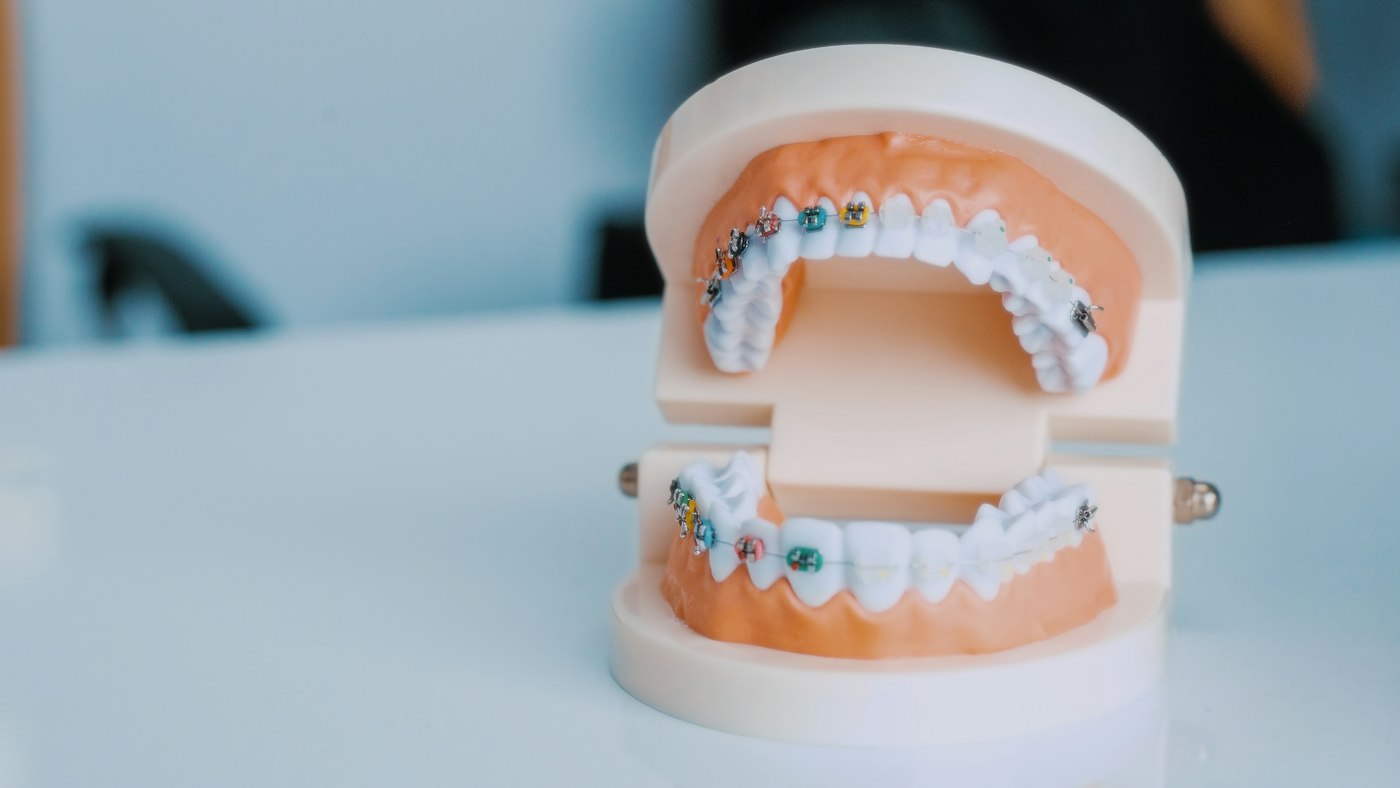
Jaw clenching by day vs teeth grinding at night
No. When you are awake, you may notice yourself biting down as you work or think. In sleep, you may not know that you grind at all. Both can affect your jaw, but the ways to manage them may differ.
| When | What you may notice | Next step |
|---|---|---|
| At work | Teeth pressed as you type | Pause and let the jaw rest |
| At night | Sore jaw on waking | Ask a dentist for a check |
| With pain or jaw lock | Hard to chew or open | Get care rather than push through |
A note or a soft phone alert can help you spot day clenching. It will not stop what you do in sleep. A mouth guard may help save your teeth from wear, but the fit and need should be checked by a dentist.
How to stop clenching your jaw during the day
Start with a small check, not a hard stretch. Ask whether your top and bottom teeth are pressed together. They do not need to touch at rest. Let them part with ease. Keep your lips and jaw at ease too. Do not force the mouth wide open.
- Pause: Pick a break after a work task.
- Notice: Feel if your teeth are pressed.
- Release: Let the jaw rest with no push.
- Reset: Let your hands and neck soften too.
- Move on: Go back to work. Check again at a later break.
Do not check each minute or judge yourself for doing it again. The goal is to spot a habit and change it with care. The NIDCR expert guide suggests day reminders. If the jaw hurts, ask a dentist before you try new mouth or neck drills.
Why do I clench my jaw without noticing?
Some people brace parts of the body when they work hard. You might grip your pen, lift your shoulders, and press your teeth at the same time. You may not feel afraid or upset. A long day at a desk can make this easy to miss.
Try a quiet check at the end of each work block. Let go of the pen. Rest your hands. Let your teeth part. You do not need to stand up or take a long break each time. It is a small way to catch the habit.
If you also feel tense in your neck, see our yoga and neck comfort guide. Move only in a pain-free way. It cannot fix tooth wear or a jaw joint disorder.
Why does my jaw hurt when I wake up?
You may grind or clench teeth in sleep. But a sore jaw can have other causes, such as tooth or joint pain. A dentist can look for worn teeth and sore jaw muscles. A partner may also tell you if grinding is loud at night.
Do not buy a hard mouth device just because you feel sore. A dentist can help you choose one if needed. A guard may help keep teeth from more wear. It is not a promise that the grinding will stop.
Ask for a health review if you also snore, gasp in sleep, or feel very sleepy by day. Those signs can point to a sleep problem. Our insomnia signs guide covers a different cause of poor rest.
Teeth grinding at night: what to check
You cannot use a daytime reminder while asleep. Focus on signs you can observe safely and share them with your dentist. Do not try to hold your jaw in a set shape at night.
- Note whether the jaw feels sore when you wake.
- Ask a room partner if they hear grinding, if that applies.
- Check whether teeth feel more sensitive than before.
- Ask a dentist about tooth wear and a fitted guard.
- Tell your clinician if you also snore or wake gasping.
A guard may help protect the teeth, but it is not a cure for the habit. Severe pain, swelling or trouble opening the jaw needs a professional check.
How to relax a tight jaw safely
Easy movement may help you feel less tense. You can sit with your feet on the floor and let your hands rest. Move your shoulders in a small way. Turn the head only as far as it feels good. Keep your breath free and natural.
Do not hold the breath, push the jaw, or stretch a sore joint. Stop if your pain gets worse. A short walk may suit you more than a yoga pose. No pose can fix a cracked tooth or stop all sleep grinding.
For general stress care, try the FitFortunes yoga and stress guide. These are ways to rest and move. They do not take the place of a dental exam.
When to see a dentist for jaw clenching
See a dentist if you have tooth chips, wear, pain, or new signs of tooth loss. Ask if your jaw often aches, feels stiff, or hurts when you chew. A dentist can check the teeth and joint, then talk through care that fits your case.
Jaw pain has more than one cause. The NIDCR jaw joint guide explains that not all face or jaw pain means the same thing. Do not try to cure a pain you have not had checked.
Get urgent medical help for severe new pain, a major injury, or signs of serious illness. Do not assume the cause is only stress.
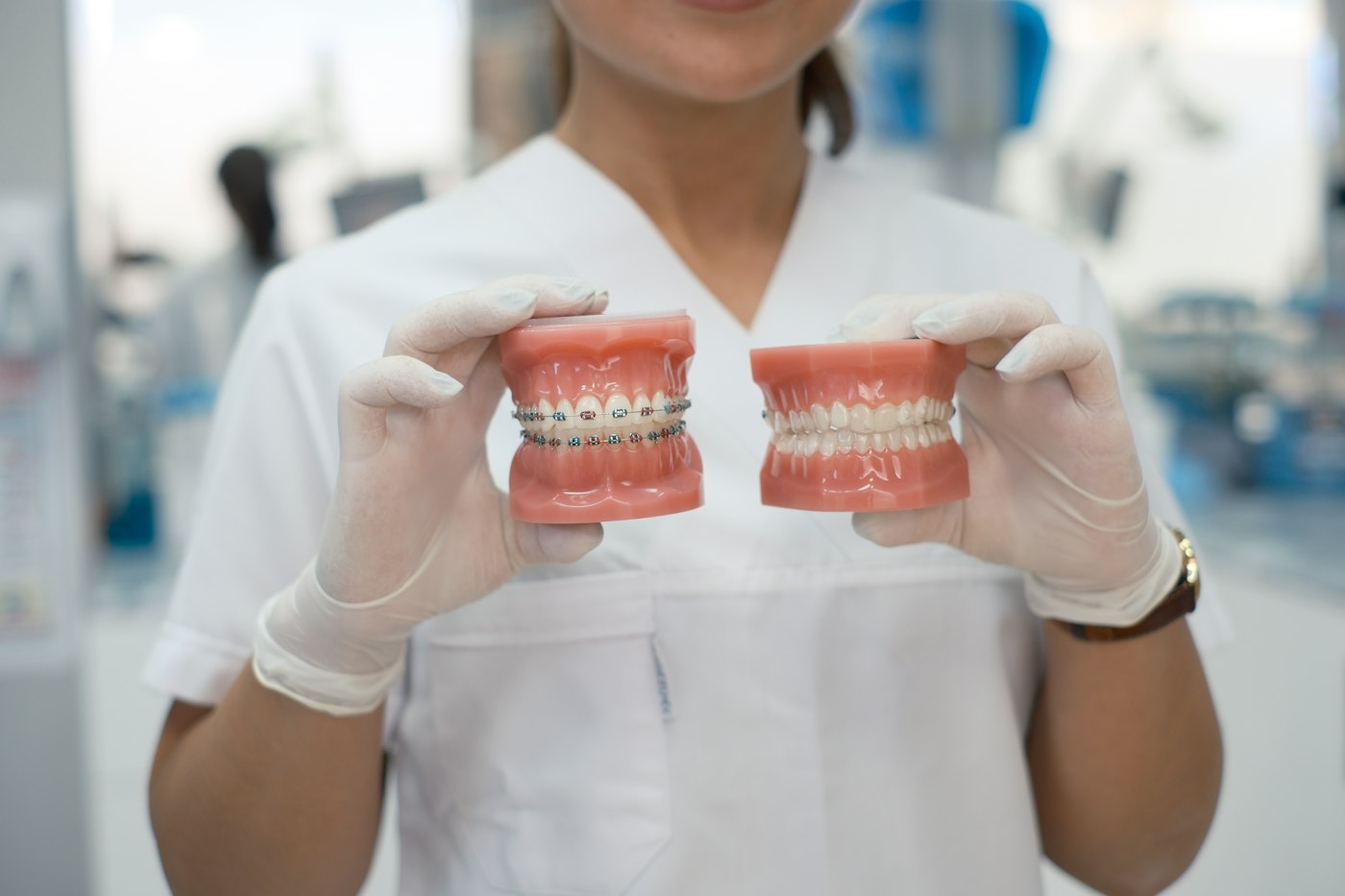
Jaw clenching at work: when to check
Choose two normal breaks, such as after lunch and near the end of work. At each break, check whether your teeth are pressed together. Let the jaw rest. Check the desk setup too: are you gripping the mouse or lifting your shoulders? Ease the grip if it feels good. The aim is to spot the habit, not to control your mouth all day.
Notes for your dentist
- Write when the jaw pain starts, such as after work or on waking.
- Note any new tooth pain, chips, or cold sensitivity.
- Ask someone at home whether they hear grinding at night.
- List medicines you take, but do not stop them on your own.
- Ask which signs need a dental exam or a mouth guard.
This list helps you describe the problem. It cannot tell you the cause of jaw pain.
What to tell your dentist about jaw clenching
Write down when the jaw aches and what makes it worse. Do you feel it after a work shift or on waking? Are your teeth cold to drinks? Has someone heard you grind in your sleep? Take a short list to the visit.
If you use medicines, tell the dentist what you take. Do not stop a medicine on your own. You can also note when a day reminder helped you part your teeth. A few plain facts give the dentist more to work with.
One useful aim for this week is to let your jaw rest at natural breaks. Do not try to hold it in a set shape all day. The small habit may help by day. Pain or tooth wear still needs care.
Frequently asked questions
Can jaw clenching cause headaches?
Yes, it may play a part in headaches and sore face muscles. Yet a headache can have many causes. If pain is new, severe or strange for you, seek medical care. If the jaw or teeth hurt too, a dental check may help find the cause.
Why do I clench teeth when I am not upset?
You may press your teeth while you focus, even with no clear stress. The habit can be hard to notice. Pause after a task and see if your jaw is tight. If it causes pain, ask a dentist for advice. Do not blame each ache on mood.
Should my teeth touch when I rest?
You do not need to press your upper and lower teeth when your jaw is at rest. Let the jaw feel loose, without forcing your mouth open. If you have a jaw joint issue or a care plan from a dentist, follow their advice instead of a blog tip.
Will a night guard stop jaw clenching?
A dentist may use a mouth guard to help keep teeth safe. It does not mean the habit is cured. The guard should fit your teeth and not force a new bite. Ask a dentist to check if you need one, how to use it, and when to return for care.
Can I massage my jaw to stop the pain?
Do not press hard on a sore jaw or try to push it into place. Gentle care may help some people, but pain can come from different causes. Ask a dentist or trained therapist what is safe for you. Stop if any move adds pain or makes the jaw lock.
Sources and safety
Sources: NIDCR — Teeth clenching; NIDCR expert advice; NHS — Teeth grinding. This is a guide to daily habits, not a dental exam or treatment plan.