

How to stop overthinking: spot the worry that keeps coming back, write it in plain words and choose one useful step. If you cannot act now, set a short worry time and return to your day. You do not need a blank mind. Get help if worry harms your sleep, work or close ties.
Why do I overthink everything?
Overthinking can feel like getting stuck on the same thought. You may replay a talk, fear a bad result or keep checking a choice. Stress can make this worse. It does not mean you have a disorder. The key sign is that more thought no longer helps you act.
Think of a task you have planned well. If you keep going back over it, ask what new fact you need. If there is no new fact, the loop may not be helping. You can step away for now.
Some worries point to a real need. Others are guesses about the future. Do not ignore a real risk. But try not to treat every fear as proof that bad news is on its way.
How can I stop overthinking right now?
Name the worry in one short line. Ask if you can do one useful thing now. If you can, take that step. If you cannot, write it down and get back to your day. You do not need to make your thoughts stop first.
- Spot: Notice you are on the same thought again.
- Name: Write the worry in plain words.
- Check: Is there one real step to take?
- Act: Do it if you can, or set a time for later.
- Return: Go back to your task or talk.
For example, you send a text and then read it five times. If you find a real mistake, you can fix it. If not, the other person may just be busy. Put the phone down and do the next thing on your list.
A new fact may call for a new choice. But repeating the same check is not a new fact. If thoughts take up much of your day, ask a health expert about support.
Does worry time help with overthinking?
Yes, it may help some people. Set aside ten to fifteen minutes to write down worries. Use the time to make a plan for things you can change. Leave fears you cannot solve for now. The NHS worry time guide gives a clear way to try this.
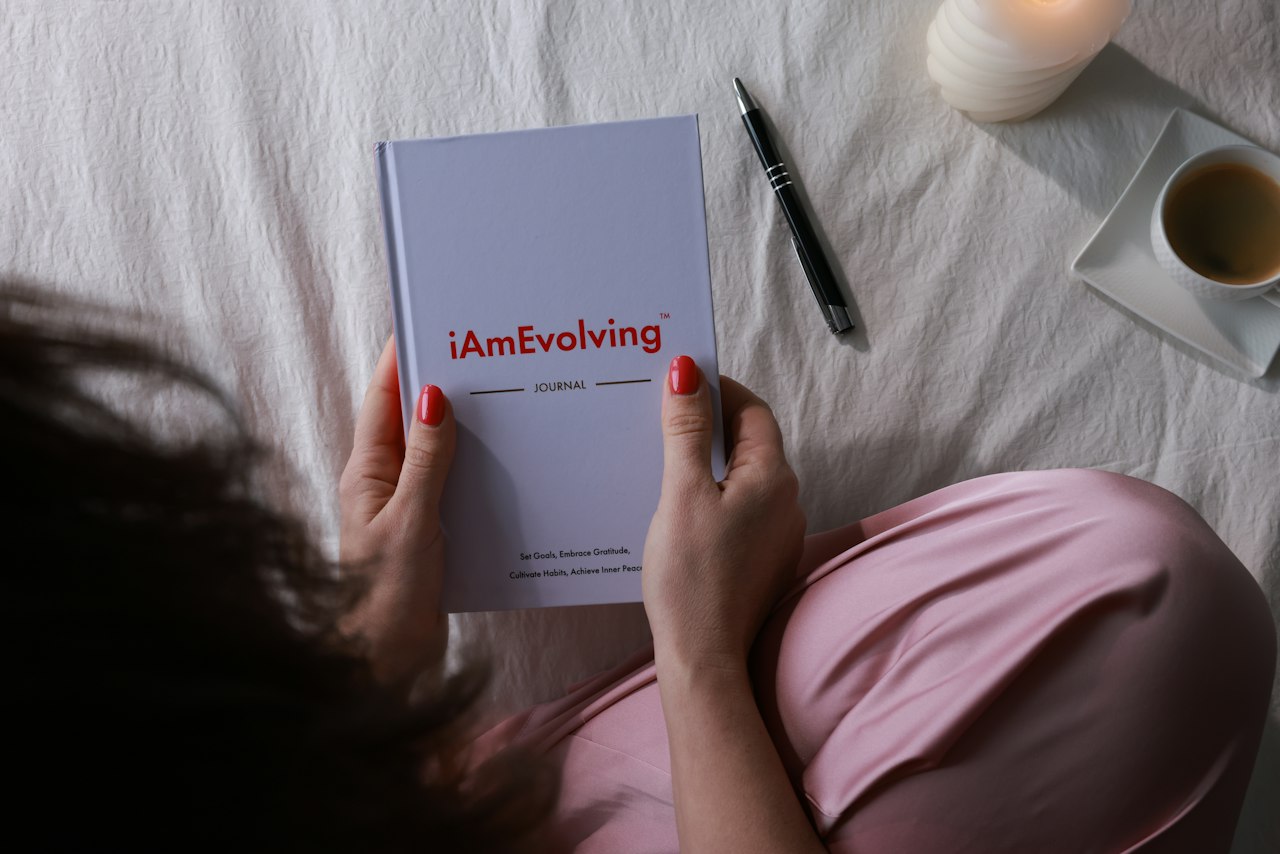
Choose a time well before bed. Write each worry once. Mark the ones that need a call, a form or a talk. Pick the first step, then close the book. You can come back to the note later if a new fact turns up.

If writing makes you feel worse, stop. Try a short walk or speak with someone you trust. A coping tool should not become one more rule you have to get right.
What to do when you catch yourself re-reading a message
If you have checked the message for a real mistake, stop. Put your phone down. Take a sip of water or do the next task on your list. If the other person sends new facts, you can reply then. You do not need to guess their mood before they speak.
How do I stop replaying past mistakes?
Ask if there is a real step to repair the mistake. If you hurt someone, a clear apology may help. If you just felt awkward, note what you would do next time. Then leave the rest of the story alone.
You may replay a meeting and wish you had used better words. Learn the part you can use next time. Do not spend the whole night trying to guess what each person thought. You cannot check another mind.
Painful thoughts can come back even when you want them to leave. That does not mean you agree with each thought. If they scare you or affect your life, a trained therapist can help.
How can I stop worrying about things I cannot control?
Put your worries into two groups: what you can do and what you cannot know yet. You can plan for a trip, but you cannot make all travel go to plan. You can send a kind message, but you cannot choose how the other person feels.
| Thought | Useful next step |
|---|---|
| What if I forget the date? | Put it on a calendar |
| What if no one likes my idea? | Ask for one clear view |
| What if I made the wrong choice? | Check for new facts, not old fears |
| What if bad news comes later? | Plan for what you can do today |
The NHS problem solving guide shows how to deal with a real issue and how to spot a ‘what if’ fear. Some problems take time. A plan will not remove all doubt, but it gives your mind a clear job.
How do I stop overthinking every decision?
For a small choice, decide what matters most. Keep just two or three good options. Check the facts that count, then choose. Save more time and care for big choices, such as health, safety and money.
- Name the choice you must make.
- Pick two things you care about most.
- Find the facts that could change the choice.
- Set a fair time to decide.
- Do not start again unless something has changed.
If you are choosing lunch, you do not need the best lunch of your life. Pick a meal that suits you today. If you are making a major life choice, seek the right advice and give it due care.
How to end a small choice without another round of checks
Pick a rule that suits the choice. For a simple task, decide when you have the facts you need. Write the next step on your list, then move on. Do not apply a short time limit to health or safety choices that need a trained view.
How do I stop overthinking at night?
Move hard work and planning earlier in the day. Keep a short note for tasks you need to do in the morning. Then try a calm end to the day. Do not force sleep or check the clock all night.
Stress can make sleep hard, and poor sleep can make worry feel worse. Our stress and sleep guide covers that loop. If you wake at night and cannot drift off, see what to do after waking at 3 AM.
Do not use a diary to score each hour of sleep. If sleep trouble lasts or harms daily life, a doctor can check for a cause. A rest habit alone may not be enough.
Can yoga help when I cannot stop thinking?
A gentle walk or a few easy yoga moves may help you leave a worry loop. Try a slow shoulder roll or sit in a chair with your feet on the floor. Let your breath stay free. No long hold or hard pose is needed.
Some people feel more tense if they sit in silence. If that happens, stop the practice. Read our guide to anxiety during meditation for safer choices. Yoga cannot cure an anxiety or mood disorder.
If you wish, try the short movement-first yoga guide. You can also skip yoga and do an easy daily task. The best next step is one you can do safely.
When should I get help for constant overthinking?
Get help if worry takes up hours each day, stops you from working or harms sleep and close ties. A health expert may ask about stress, mood, fear and habits. They can help find the cause instead of guessing from one sign.
Talking therapies such as CBT can help people learn how to work with thoughts and fears. The NHS CBT guide has basic tools. If you have thoughts of self harm or cannot stay safe, seek urgent local care.
Overthinking is not a fault you need to hide. Ask for help when it is hard to get through the day. A good care plan can include daily habits as well as trained support.
Frequently asked questions
Is overthinking a sign of anxiety?
Sometimes, but the same habit can occur with stress and hard life events. One symptom cannot tell you what is wrong. If worry is hard to control or harms your day, speak with a trained health expert for an assessment.
How do I stop overthinking what someone said?
Ask if you need to clear up a real issue. If so, talk to the person or make one repair. If not, stop trying to guess what they meant. Notice the loop and do your next task. Give the other person space to reply.
Can writing down thoughts help?
It can help some people see what is a real task and what is a fear. Keep notes short, then choose one action or set the thought aside. If you spend hours writing the same thing, try a different tool or seek help.
Why do I overthink more at night?
At night there may be fewer tasks to hold your focus. Worry and short sleep can also feed each other. Move plans to an earlier hour and use a calm end to your day. If you often cannot sleep, seek medical advice.
Can meditation stop overthinking?
It may help some people notice thoughts, but it does not stop all thoughts or cure an anxiety problem. If it makes you feel worse, stop or try a safe walk. Ask for trained help when thoughts keep disrupting daily life.
Sources and safety
Sources: NHS — tackling your worries; NHS — problem solving; Mind — coping with worry; NHS — CBT self-help. This is a guide to daily coping skills, not a diagnosis or treatment.