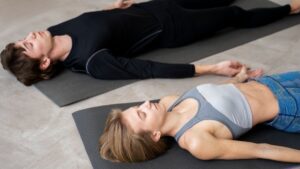

Yoga teacher training is not one long yoga class. A normal day moves between physical practice, breathing, meditation, anatomy, philosophy, teaching skills, meals, rest, and self-study. On an intensive residential course, the routine is often the biggest adjustment because students are learning how to understand and teach yoga, not only how to perform postures.

What is yoga teacher training really like?
Expect a school day built around yoga. You practise, but you also spend many hours listening, writing, discussing, observing, and learning how to teach. A residential 200-hour course normally combines practical and theory classes across the day, and the exact timetable can change as the training develops. Check the current course page for the live duration and schedule before making travel or work plans.
A serious program should give the day a clear rhythm rather than stacking classes without recovery. Morning practice, theory blocks, meals, practicum, and quieter evening work all serve different purposes. The example below shows how a training day can be organised, but it should be read as a guide rather than a promise that every batch follows the same clock.
What is a Hatha Yoga teacher training day like?
A Hatha-focused training usually gives more time to steady asana practice, alignment, breath awareness, pranayama, meditation, philosophy, anatomy, and teaching methodology. The day should not be treated as several hours of hard physical work. Hatha practice is only one part of the education. At FitFortunes, the current 200-hour Hatha Yoga Teacher Training in Rishikesh runs for 21 days; the exact class order can vary by batch, so students should use the live course details rather than an old fixed timetable.
A sample yoga teacher training day
A training day often begins before breakfast and continues through several learning blocks with proper meal and rest breaks. The exact order changes, but the aim is to balance physical practice with study and teaching preparation. A schedule should be demanding enough to support serious learning without turning every hour into another physical test.
- Early morning: meditation, quiet practice, or pranayama to begin the day with attention.
- Morning practice: a structured asana class with attention to movement, breath, alignment, stability, and observation.
- Breakfast and break: time to eat, recover, and prepare for theory classes.
- Late morning: philosophy, anatomy, alignment, or teaching methodology.
- Lunch and rest: a real break before the second half of the day.
- Afternoon: workshops, anatomy, teaching practice, sequencing, or small-group work.
- Evening: another practical or quieter session, followed by dinner, notes, and self-study.
Why do YTT days start early?
Early mornings are common because they provide a quieter period before meals, traffic, and the main activity of the day. They also allow physical practice and breathing work to happen before the middle of the day becomes busy or hot. The early start is less about discipline for its own sake and more about creating a consistent study rhythm.
For international students, the first few mornings can feel difficult because of travel fatigue and time-zone changes. Arriving in Rishikesh a little before the course begins can help if your travel plan allows it. You do not need to prepare by suddenly waking at 4:00 am; moving bedtime and waking time gradually is usually more practical.
What happens when you are not on the mat?
Many students are surprised by how much teacher training happens while sitting with a notebook, watching another person move, or discussing an idea. Teacher education needs theory because a teacher has to understand context, communication, basic anatomy, and class structure in addition to personal practice. The hours away from asana are not filler; they are part of learning how to teach responsibly.
Philosophy
Philosophy classes may explore the meaning of yoga, Patanjali’s eight limbs, ethics, self-study, meditation, and ideas from texts such as the Yoga Sutras, Bhagavad Gita, or Hatha Yoga Pradipika. The purpose should be more than memorising quotations. Students need enough context to understand where practices come from and how those ideas connect with teaching.
Anatomy
Functional anatomy helps students understand joints, muscles, movement, breathing, and common restrictions. The useful question is not only “What is this muscle called?” but “What is this body doing, why might this person need a variation, and why can forcing one shape be a poor teaching choice?” Good anatomy teaching should make observation easier in practical classes.
Teaching methodology
Teaching methodology covers class planning, sequencing, demonstration, verbal cues, observation, timing, student questions, and the difference between practising for yourself and teaching another person. This subject becomes useful when students apply it during practicum instead of only hearing theory. For the larger subject map, see the FitFortunes YTT curriculum guide.
What does practice teaching feel like?
Practice teaching usually feels awkward at first, and that is useful. A student may know exactly how to do a posture but suddenly struggle to find simple words when standing in front of classmates. Practicum reveals things that private practice cannot: whether instructions are clear, whether the teacher speaks too quickly, whether they can watch the room while talking, and whether they can offer an easier option without making someone feel wrong.
Good training gives students repeated chances to teach smaller sections before expecting a complete class. Feedback should be specific enough to use on the next attempt. “Good job” may feel encouraging, but comments such as “your cue came after the movement” or “you stopped watching the group while demonstrating” give a trainee something concrete to improve.
Will your body be sore?
Possibly. Moving every day is different from attending two or three weekly classes, especially when training also includes sitting, workshops, and a new daily routine. But teacher training should not become a daily test of physical endurance. Students need to learn the difference between normal effort, fatigue, and pain, because that judgement is also part of becoming a responsible teacher.
Rest, sleep, food, and honest communication matter. If you arrive with an injury or an important medical limitation, tell the school in advance and follow appropriate professional advice. Teacher training is a place to learn how to practise intelligently, not a place to prove that you can ignore pain or force every posture.
How much free time is there?
Usually less than on a yoga retreat. Teacher training is education, so even when there are breaks between classes and a weekly rest period, intensive programs leave limited time for remote work, sightseeing, or long café visits. Students who arrive expecting a holiday schedule can feel rushed because study and recovery take more time than they expected.
This is why it helps to separate a yoga retreat from a teacher training course in your mind. A retreat can be organised around rest and personal practice. Teacher training is organised around learning, attendance, assignments, observation, and practicum, even when the environment is peaceful.
How to prepare for the routine
You do not need to arrive able to perform advanced postures, but it helps if daily practice, early mornings, and sitting for study are not completely new. Build a simple routine before travel instead of trying to train like an athlete for a few weeks. Preparation should make the course easier to enter, not exhaust you before it begins.
- Practise yoga on several days each week before arrival.
- Spend a little time sitting quietly so meditation is not completely new.
- Reduce very late nights before the course.
- Bring a notebook you actually like using.
- Avoid planning heavy remote work during the training.
- Pack simple clothes that can be washed and reused.
- Read the YTT packing guide before leaving home.
Frequently asked questions
Do students practise yoga for the whole training day?
No. A full training day normally includes practical and academic blocks, so asana is only one part of the schedule. Students may move between pranayama, meditation, anatomy, philosophy, teaching methodology, practicum, meals, and self-study. A good course should balance these areas instead of treating every hour as another physical class.
Can a beginner manage the schedule?
Many beginners can manage an intensive schedule when the course is genuinely beginner-friendly and the student is ready for daily study. Physical ability is only one part of it; sleep, attention, willingness to ask questions, and consistency also matter. Read our beginner YTT readiness guide before choosing a course.
Do I need to study after class?
Usually yes, but that does not mean several extra hours every night. Reviewing notes, reading assigned material, and preparing a short teaching task can make the next day easier. Good self-study is focused rather than endless, especially when the body and mind also need time to recover from a full training day.
What happens on a rest day?
Students often sleep more, do laundry, call home, walk locally, organise notes, or spend some quiet time away from the classroom. It can be tempting to fill every free hour with sightseeing, but recovery matters during an intensive program. A rest day works best when it leaves you ready for the next week of training.
Is a 100-hour training also intensive?
Yes. It is shorter than a 200-hour program, but it is still structured residential study rather than a casual retreat. FitFortunes’ 100-hour course focuses on foundations over a shorter period, so students should still expect regular classes, study, and a planned daily routine.
A normal day explains more than a brochure
Before choosing any yoga teacher training, ask to see the daily structure. It tells you whether the program is mainly physical practice, balanced teacher education, or something in between. Once you understand the routine, it becomes easier to judge whether the workload, subjects, and amount of practicum match what you want from the course.
The next useful questions are what the total training costs and how to compare yoga teacher training schools. Use the live course page for the current FitFortunes timetable because exact class order and course details can change between batches.
COULD YOU LIVE THIS SCHEDULE?