Author: Fitfortunes yogaways

  • Bhagavad Gita Chapter 2: Summary, Key Verses and Study Guide

    Bhagavad Gita Chapter 2: Summary, Key Verses and Study Guide

    Bhagavad Gita Chapter 2, commonly titled Sankhya Yoga, has seventy-two verses and introduces key teachings on the Self, duty, action and steady wisdom. Krishna’s instruction responds to Arjuna’s conflict in the story. This chapter summary explains the main sections and familiar verse references without turning them into medical claims. “Second chapter of Bhagwat Geeta” is another way readers refer to the same chapter.
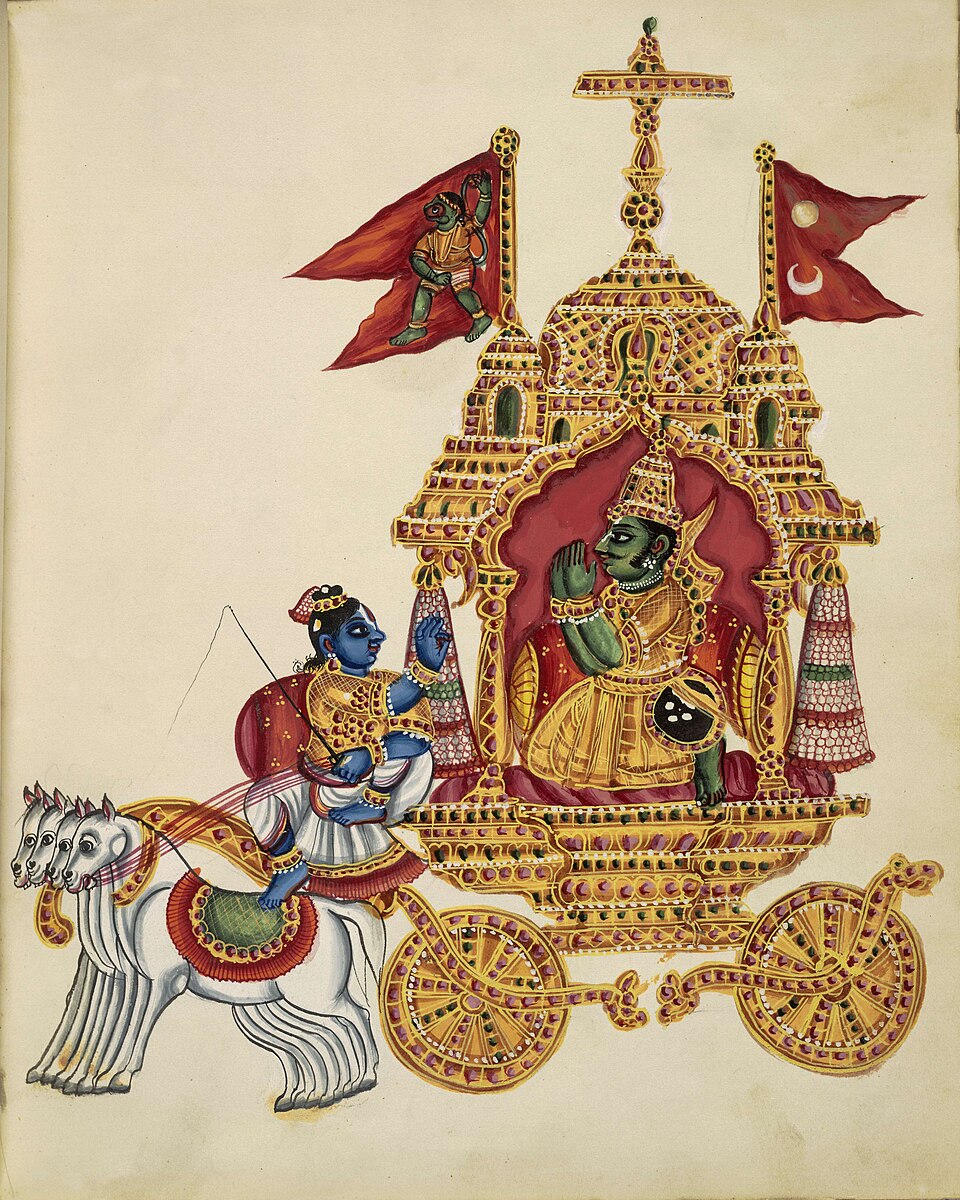
    Historical painting of Arjuna kneeling before Krishna on a chariot
    Krishna and Arjuna in a painting dated about 1830. Wikimedia Commons, public-domain artwork. This is an artistic interpretation, not a photograph of an historical event.

    What are the main sections of Bhagavad Gita Chapter 2?

    A chapter reading map
    Verse rangeMain focus
    2.1–2.10Arjuna’s difficulty and request for guidance.
    2.11–2.30Teaching on the enduring Self and changing body.
    2.31–2.38Duty within the narrative setting.
    2.39–2.53Action, disciplined understanding and equanimity.
    2.54–2.72The person of steady wisdom.

    How does the chapter describe the Self?

    The teaching distinguishes the enduring Self from the changing body. Verse 2.23 describes the Self as unaffected by cutting, burning, wetting or drying. This is a metaphysical teaching within the text, not a claim that a human body cannot be injured. Read related verses together and compare how a named commentary understands Atman, or the Self.

    What does verse 2.47 teach about action?

    Verse 2.47 connects responsibility for action with freedom from fixation on its fruits, and also warns against attachment to inaction. A common mistake is to read it as permission to be careless about consequences or to stop working. Read the full verse and surrounding discussion before drawing a practical lesson. The Gita’s setting involves ethical responsibility, not indifference.

    How are yoga and equanimity connected?

    Verse 2.48 associates yoga with steadiness in success and failure. Verse 2.50 connects yoga with skill in action, within a wider discussion of disciplined understanding. Neither expression should be reduced to a slogan about productivity alone. Keep the spiritual and ethical context present. For a narrower explanation, read our definitions of yoga in the Bhagavad Gita.

    What is steady wisdom?

    Arjuna asks about the person of steady wisdom in 2.54. The following verses discuss desire, reaction and the senses. Study these as connected passages rather than a checklist for judging other people. Steadiness does not mean that a beginner must hide emotions or reject appropriate support. This is a classical spiritual ideal, not a diagnostic description.
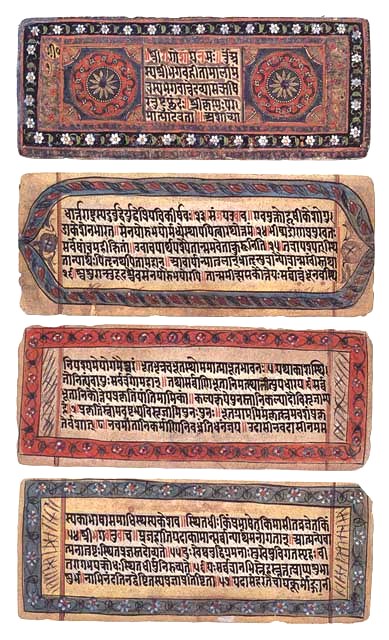
    Decorated nineteenth-century Bhagavad Gita manuscript page
    A nineteenth-century North Indian Bhagavad Gita manuscript. Library of Congress / Wikimedia Commons, public domain.

    How can you study Chapter 2 in practice?

    1. Read the opening exchange after Chapter 1’s narrative context.
    2. Use the verse-range table to read one section at a time.
    3. Compare Sanskrit, translation and commentary without confusing them.
    4. Write one question about a term or argument you do not understand.
    5. Revisit a familiar quotation within its surrounding verses.
    6. Discuss difficult passages with a qualified teacher.

    Swami Sivananda’s Bhagavad Gita translation and commentary provides one traditional interpretation. Chapter 2’s title should not automatically be equated with every doctrine of the separate classical Sankhya philosophical school. Name the commentator and compare the explanation carefully.

    Frequently asked questions about Bhagavad Gita Chapter 2

    How many verses are in Chapter 2?

    Chapter 2 is commonly counted as seventy-two verses. Use chapter and verse numbers when comparing editions, because spelling and translated headings may differ. A verse reference such as 2.47 points to the same place even when translators choose different English words. The reading map above helps you locate the main sections without needing to memorise them immediately.

    Does verse 2.47 mean results do not matter?

    No. It should not be used as an excuse for careless action or avoiding responsibility. The verse addresses attachment to fruits and also cautions against inaction. Read it alongside the discussion of disciplined understanding and equanimity. A practical reflection can consider effort and ethical choices without claiming that the Gita tells everyone to ignore foreseeable consequences.

    Is the teaching on the Self scientific proof of immortality?

    No. The passage belongs to the Gita’s metaphysical and religious teaching. It should be explained within that framework rather than presented as a clinical or laboratory finding. Readers may study and value the teaching without confusing scripture with a scientific study. Different traditions also interpret the Self and its relationship to the divine in different ways.

    What should I read next?

    Continue through the remaining Chapter 2 verses before moving into Chapter 3’s discussion of action. Use our eighteen-chapter overview, Bhagavad Gita introduction and yoga definitions guide for related study. Keep each article’s purpose distinct: orientation, chapter summary and close reading of particular definitions.

    For structured philosophy study alongside other yoga disciplines, see the FitFortunes 200-hour course syllabus.
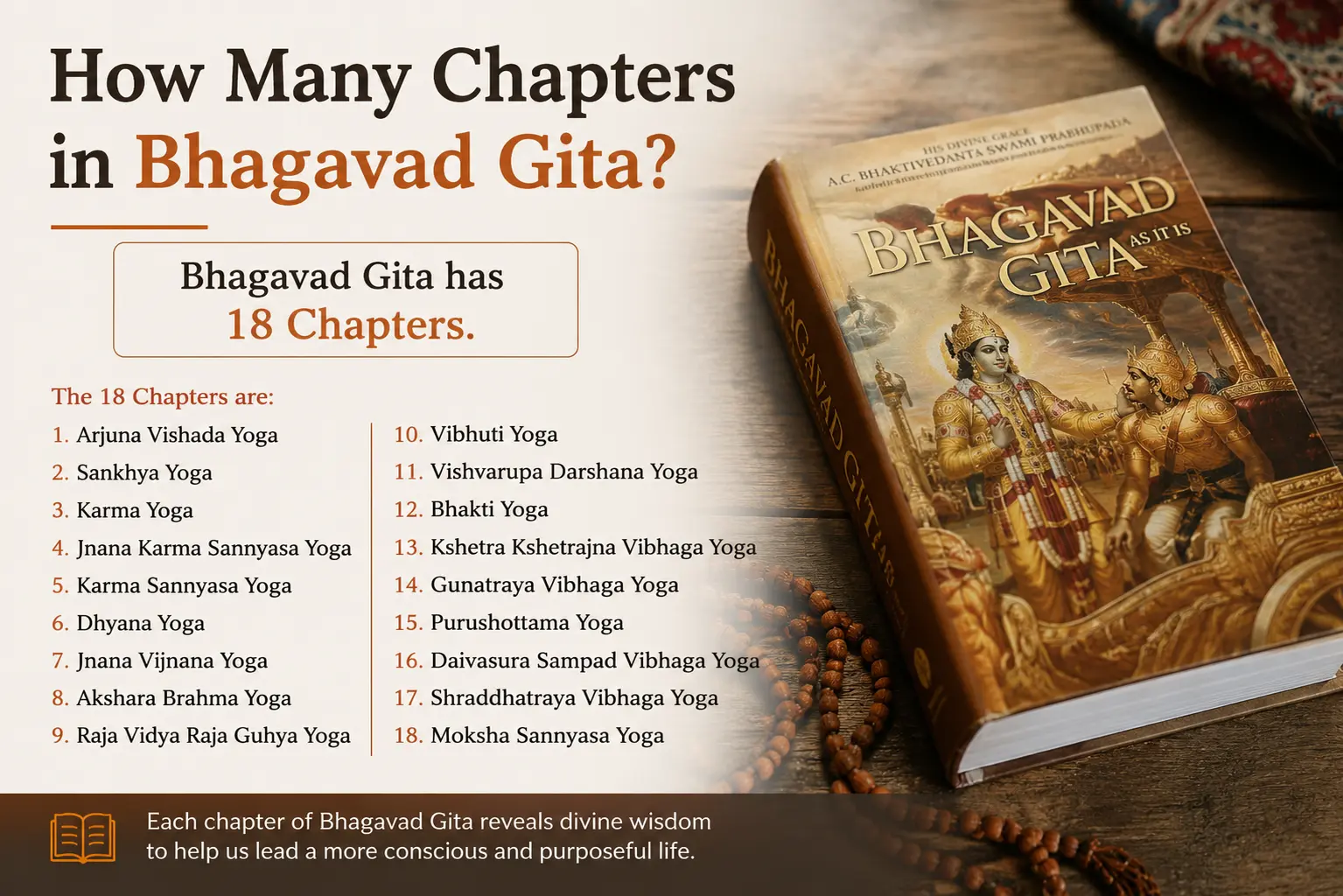

  • 18 Chapters of Bhagavad Gita: Names and Simple Summary

    18 Chapters of Bhagavad Gita: Names and Simple Summary

    How many chapters are in the Bhagavad Gita?

    The Bhagavad Gita has 18 chapters and traditionally 700 verses. Each chapter is called an adhyaya. Together, they cover action, wisdom, meditation, devotion and duty. The text is a conversation between Arjuna and Sri Krishna on the battlefield of Kurukshetra. It forms part of the Mahabharata.

    Below you can find all 18 Sanskrit chapter names, audio recordings and a plain-English guide. English spellings of the Sanskrit names vary across translations. Read the overview first, then use the chapter list to choose what to study next.

    In this guide

    Bhagavad Gita and its 18 chapters
    Bhagavad Gita: a guide to its 18 chapters.

    Names of the 18 Bhagavad Gita chapters and audio

    The names below follow the traditional order. Each chapter is a part of Krishna’s teaching to Arjuna. Chapters 1 and 2 begin with Arjuna’s doubt and Krishna’s reply. Later chapters discuss selfless action, clear knowledge, meditation, devotion and freedom. The audio recordings are kept with their original chapters.

    1. Arjunavishaadayog
    2. Sankhyayoga
    3. Karmayoga
    4. Gyaan-Karmasanyasayoga
    5. Karmasanyasayoga
    6. Atmasanyamayoga
    7. Gyaana-Vigyaanayog
    8. Aksarabrahmayoga
    9. Rajavidya- Rajaguhyayoga
    10. Vibhutiyoga
    11. Visvarupadarshanayoga
    12. Bhakti yoga
    13. Ksetra Ksetrajna Vibhagayoga
    14. Gunatraya Vibhagayoga
    15. Purusottamayoga
    16. Daivasura Sampad Vibhagayoga
    17. Sraddhatraya Vibhagayog
    18. Moksha Sannyasa Yoga

    Each chapter has a different focus. The first, Arjuna Vishada Yoga, describes Arjuna’s sorrow. It helps readers understand why Krishna begins his teaching. For an introduction to the wider story, read our guide to the Bhagavad Gita. You can then continue with our explanation of Chapter 2.

    Chapter 1: Arjuna Vishada Yoga

    Vishada means sorrow or deep distress. In Chapter 1, Arjuna sees his relatives, teachers and friends on both sides of the battlefield. He worries about the loss and suffering the war may cause. His grief makes it hard for him to choose what to do.

    Arjuna puts down his bow, Gandiva, and says he does not want to fight. His question is difficult: how should we act when duty and our feelings pull us in different directions? His doubts lead to Krishna’s teachings in the chapters that follow.

    What are the main lessons of the Bhagavad Gita?

    The chapters teach several connected paths. Karma yoga is action without clinging to rewards. Jnana yoga asks us to examine what is real and lasting. Bhakti yoga is loving devotion. Dhyana yoga is meditation and training the mind. Krishna draws these ideas together as he responds to Arjuna’s doubts.

    What happens in the 47 verses of Chapter 1?

    Chapter 1 has 47 verses. The opening verse is spoken by Dhritarashtra, who asks Sanjaya what is happening at Kurukshetra. Sanjaya describes the armies and their leaders. Arjuna then asks Krishna to place his chariot between the two sides so he can see those gathered to fight.

    Arjuna sees people he loves and respects. He fears the harm the battle may bring to their families. Overcome by grief, he sets aside his bow. This crisis prepares the reader for Chapter 2, where Krishna begins to answer his questions about duty, life and wise action.

    Further reading about yoga

    How can you apply the Bhagavad Gita’s teachings?

    The Bhagavad Gita teaches readers to think before acting and to care about how they treat others. Karma yoga asks us to carry out our duties without becoming fixed on rewards. Bhakti yoga centres on devotion. Jnana yoga uses study and reflection to question our assumptions. These ideas belong to a philosophical and religious text, and teachers explain them in different ways. Read the original verses and a clear translation before applying them to daily life.

    For a simple way to study, try the following routine. This is a reading practice, not a substitute for a full translation or guidance from a qualified teacher.

    1. Read five verses from one chapter using a reliable translation.
    2. Write down one unfamiliar Sanskrit word and look up its meaning.
    3. Ask what Krishna is explaining to Arjuna in that part of the conversation.
    4. Write one example from daily life, without treating the verse as a rule for everyone.
    5. Return to the chapter the next day and check your understanding.

    Continue reading the Bhagavad Gita

    Frequently asked questions

    How many chapters does the Bhagavad Gita have?

    The Bhagavad Gita has 18 chapters, known as adhyayas. Each chapter carries a different part of the conversation between Arjuna and Krishna. Chapter 1 presents Arjuna’s grief. Later chapters discuss duty, knowledge, meditation and devotion. The final chapter brings many of these teachings together. You can start with the chapter table below and read the full translation to understand each teaching in context.

    How many verses does the Bhagavad Gita contain?

    The widely used Bhagavad Gita has 700 verses in 18 chapters. Different editions may number or count some verses differently, so check the edition you are reading. Chapter 1 has 47 verses and Chapter 18 has 78. A verse is a short unit of the Sanskrit text. Read the verses with their surrounding chapter rather than treating a single line as the whole teaching.

    Where should beginners start reading the Gita?

    Start with Chapter 1 to understand why Arjuna asks Krishna for help. Continue to Chapter 2, where Krishna begins his answer. Use a translation with plain-English notes and read a few verses each day. Words such as karma (action), bhakti (devotion) and dhyana (meditation) become clearer when you meet them in context. It also helps to compare translations when the meaning is unclear.

    All 18 Bhagavad Gita chapters at a glance

    The table below lists all 18 chapters in order, with short descriptions of their subjects. Sanskrit names can have several English spellings. Read the summaries with the original audio recordings above. For a closer study, see our Bhagavad Gita Chapter 2 guide.

    ChapterTraditional nameMain focus
    1Arjuna Vishada YogaArjuna’s moral crisis
    2Sankhya YogaSelf, duty, action and steady wisdom
    3Karma YogaAction without attachment
    4Jnana Karma Sannyasa YogaKnowledge, action and renunciation
    5Karma Sannyasa YogaRenunciation and disciplined action
    6Dhyana YogaMeditation and self-mastery
    7Jnana Vijnana YogaKnowledge and realised understanding
    8Akshara Brahma YogaThe imperishable reality
    9Raja Vidya Raja Guhya YogaSupreme knowledge and devotion
    10Vibhuti YogaDivine manifestations
    11Vishvarupa Darshana YogaThe universal form
    12Bhakti YogaDevotion
    13Kshetra Kshetrajna Vibhaga YogaField and knower of the field
    14Gunatraya Vibhaga YogaSattva, Rajas and Tamas
    15Purushottama YogaThe supreme person
    16Daivasura Sampad Vibhaga YogaDivine and destructive qualities
    17Shraddhatraya Vibhaga YogaThree kinds of faith
    18Moksha Sannyasa YogaLiberation, duty and renunciation

    What does each of the 18 chapters mean?

    The chapters form a connected teaching. Krishna begins by listening to Arjuna’s fear. He then explains action, knowledge, meditation and devotion in stages. These simple descriptions help you find a subject, but they cannot replace reading the original verses with a reliable translation.

    Chapters 1 to 6: Sorrow, action and meditation

    1. Arjuna Vishada Yoga: Arjuna is troubled by the coming battle. 2. Sankhya Yoga: Krishna starts teaching about the self, wise choices and duty. 3. Karma Yoga: Acting without attachment to rewards becomes central. 4. Jnana Karma Sannyasa Yoga: Krishna brings knowledge and action together. 5. Karma Sannyasa Yoga: He compares renunciation with responsible action. 6. Dhyana Yoga: He explains meditation and steady practice.

    Chapters 7 to 12: Knowledge of the divine and devotion

    7. Jnana Vijnana Yoga: Krishna speaks about knowledge and divine reality. 8. Akshara Brahma Yoga: He discusses the imperishable and remembrance of the divine. 9. Raja Vidya Raja Guhya Yoga: Faith and heartfelt devotion are central. 10. Vibhuti Yoga: Krishna describes divine expressions in the world. 11. Vishvarupa Darshana Yoga: Arjuna sees Krishna’s universal form. 12. Bhakti Yoga: Devotion and the qualities of a devoted person take focus.

    Chapters 13 to 18: Nature, character and freedom

    13. Kshetra Kshetrajna Vibhaga Yoga: The text describes the field and its knower. 14. Gunatraya Vibhaga Yoga: It explains sattva, rajas and tamas, the three gunas. 15. Purushottama Yoga: Krishna describes the highest reality. 16. Daivasura Sampad Vibhaga Yoga: He compares constructive and harmful traits. 17. Shraddhatraya Vibhaga Yoga: Faith and conduct are viewed through the gunas. 18. Moksha Sannyasa Yoga: Krishna brings the teachings together as Arjuna prepares to act.

  • Bhagavad Gita Introduction: Setting, Themes and How to Begin

    Bhagavad Gita Introduction: Setting, Themes and How to Begin

    The Bhagavad Gita is a Sanskrit dialogue between Krishna and Arjuna within the Mahabharata. It has eighteen chapters and is commonly counted as seven hundred verses. This Bhagavad Gita introduction explains the setting, main themes and a manageable way to begin reading. “Bhagwat Geeta” is another spelling used in English. Study the text with a named translation and commentary, rather than relying only on isolated quotations.

    Historical painting of Arjuna kneeling before Krishna on a chariot
    Krishna and Arjuna in a painting dated about 1830. Wikimedia Commons, public-domain artwork. This is an artistic interpretation, not a photograph of an historical event.

    What is the setting of the Bhagavad Gita?

    The dialogue takes place on the battlefield of Kurukshetra as Arjuna faces a conflict involving duty, kinship and the consequences of war. Krishna responds to his questions. Sanjaya narrates the scene to Dhritarashtra within the larger Mahabharata. This literary and religious setting matters: the Gita is not simply a collection of general motivational sayings. Interpret a verse alongside the surrounding dialogue.

    Which themes should a beginner notice?

    Main themes in a Bhagavad Gita introduction
    ThemeSimple orientation
    Action and dutyHow to act responsibly without being governed only by desired outcomes.
    KnowledgeInquiry into the Self and the difference between the enduring and changing.
    DevotionThe relationship between the practitioner and the divine.
    Meditation and disciplineTraining attention and conduct as part of a spiritual life.
    LiberationThe text’s wider religious and philosophical purpose.

    Commentaries interpret these relationships differently. Read a named tradition rather than presenting one explanation as the only possible reading. Swami Sivananda’s translation and commentary is one available study source. A beginner can compare it with another recognised edition while keeping the Sanskrit verse number visible.

    Why do chapter and verse numbers matter?

    A reference such as 2.47 means Chapter 2, verse 47. This lets readers locate a passage even when translations use different English words. Chapter headings and spellings also vary across editions. Keep a record of the translator and commentary you use. Avoid an exact historical date for composition unless you identify the evidence and distinguish it from devotional chronology.

    Decorated nineteenth-century Bhagavad Gita manuscript page
    A nineteenth-century North Indian Bhagavad Gita manuscript. Library of Congress / Wikimedia Commons, public domain.

    Why does Arjuna ask Krishna for guidance?

    Arjuna’s difficulty is an ethical and spiritual conflict within the story. It should not be reduced to a modern diagnosis or described as a spell that explains every emotion. Krishna’s teaching develops across the dialogue rather than resolving all questions instantly. Begin by reading Chapter 1 and the opening of Chapter 2 so that the advice has a clear setting.

    How should a beginner read the Bhagavad Gita?

    1. Choose a translation with the translator and edition clearly identified.
    2. Read the introductory setting and a small number of verses in order.
    3. Write down the chapter and verse numbers of passages you want to revisit.
    4. Separate the Sanskrit text, translation, commentary and your own interpretation.
    5. Ask a qualified teacher about unclear terms instead of forcing a quick conclusion.
    6. Compare another recognised commentary when interpretations differ.

    A short regular reading period is more manageable than trying to memorise the whole book immediately. After this Bhagavad Gita introduction, use our guide to the eighteen chapters and Chapter 2 summary. Our yoga definitions in the Gita examines a narrower question.

    Frequently asked questions

    Is the Bhagavad Gita a separate book?

    It is part of the Mahabharata, though it is often published and studied as a standalone volume. A separate edition may include Sanskrit, translation, commentary and study notes. Notice which part you are reading. A commentator’s explanation can be valuable without being identical to the original verse. Keep the larger dialogue in mind when using a passage for reflection.

    Do all commentaries explain the Gita in the same way?

    No. Different philosophical and devotional traditions interpret the relationship between action, knowledge, devotion and liberation differently. Identify the commentator rather than calling one reading the universal meaning. Compare recognised sources carefully and ask what argument supports an interpretation. Agreement on a Sanskrit passage does not mean agreement on every philosophical conclusion drawn from it.

    Is the Gita mainly a book of yoga poses?

    No. The Gita discusses yoga in religious and philosophical contexts, including action, devotion, knowledge and meditation. It is not a modern posture manual or a sequence of asanas. A Bhagavad Gita introduction should make that distinction clear. If you want physical-practice instruction, use a separate pose guide and suitable teaching rather than reading a verse as an exercise prescription.

    Which chapter should I read after this introduction?

    Begin with the narrative context in Chapter 1 and then Chapter 2, which introduces several central themes. You can read a few verses at a time and keep notes on questions. This is a practical study suggestion, not a rule that excludes other ways of reading. Use the chapter guide above when you want an overview of how the dialogue develops.

    Study scope and next step

    This article provides an orientation to a classical Hindu text. It does not turn scripture into medical advice or promise a particular psychological outcome. For guided study of philosophy alongside posture, breathing and teaching methods, see the FitFortunes 200-hour teacher training course. Confirm the actual syllabus before choosing a programme.

  • How Hindu Mythology Discovered as Modern Science

    How Hindu Mythology Discovered as Modern Science

    How to read comparisons between Hindu mythology and science

    Ancient stories can inspire comparison, but similarity is not scientific proof. Mythological narratives, philosophical ideas and modern scientific theories come from different methods and historical settings. This article should therefore be read as a collection of comparisons and interpretations, not as evidence that modern discoveries were experimentally established in ancient texts.

    • Ask whether a claim comes from a primary text or a later retelling.
    • Separate metaphor and symbolism from measurable scientific claims.
    • Check dates and original sources before saying an ancient text “discovered” a modern theory.
    • Treat striking parallels as interpretation unless historical evidence supports a direct connection.

    Ever wonder how recent scientific discoveries can be related to old Hindu mythological tales?
    People often believe that mythological stories are just related to past literature and art, and have nothing to do with science and the present. However, the connection between Hindu Mythology and Science is truly fascinating. When we explore Hindu Mythology and Science , we discover how ancient stories contain insights that align with modern scientific discoveries. The way that modern science is recognizing the wisdom from these ancient stories is amazing. Rich in tales about gods, creation, and the cosmos, Hindu mythology has notions that unexpectedly correspond with contemporary scientific principles in physics, medicine, and cosmology. Examining these tales will help us to see the intricate relationships between conventional wisdom and modern scientific understanding. Let us travel to witness how the science of today is transforming the stories of the past!

    Brahman Tatva Discovered as Higgs Boson Elementary Particle

     
    According to science, Every element made up of atoms. Atoms, the smallest particles that can exist in an element. Furthermore, An atom made up of ‘Electrons, Protons and Neutrons’.  According to physicist Peter Higgs and his fellow scientist’s. The universe made up of a Small Element called Higgs Boson Element or  “God particle“. There was no universe billions of years ago, only darkness. Suddenly “a point” originated.
    So The interesting link between Hindu Mythology and science shows how old knowledge and new discoveries can work together.

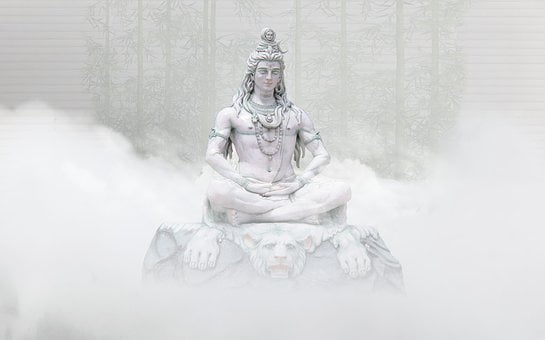
    Shiva
    Shiva

     
    According to oldest hindu mythology Book”Shiv Puran”, The universe developed by the union of the Sound and that point (light). In Vedanta, it called as “Bahram Tatv”. Also, according to Upanishad the reason for the origin, position and destruction of the world is Brahma Tatv. In Sankhya Darshan, it said that our body made up of 5 natural elements called “Pancha Mahabhuta”.  So that God Particle discovered already in Hindu books several thousand years ago. Later on, Peter Higgs rewrite this theory Got Noble Prize.
    Learning about Hindu Mythology and science can help us see how old stories connect to what we know about science now.

    https://youtu.be/J31AGi12WHc

    Jaggi Vasudev

    Theory of Karma derived as Newton’s third law of motion

    The third law states that for every action there is an equal and opposite reaction. What we Sow is what we Reap. Hindu Theory of Karma States that already thousands of years ago.

    Varahamihirav Gurutvakarshan Discovered as Law of Gravity

    The world believes that Newton discovered Law of Gravity at first. But, surprised to know that in Hindu mythology Indians Like Varahamihir, Brahmagupta Bhaskarachaya knew the Laws of Gravity hundreds of years before Newton.

    Read More Here

    Use of nuclear weapons

    Some historians claim that there is a possibility of nuclear weapons, used in the war of Mahabharata or post-war. The fire of confusion was even more ignited by the recent discoveries. Green glass and other radioactive weapons and samples found in excavations. They related to the Mahabharata war. If you are unaware of the Green glass, to let you informed. These formed when sand melts down at very high temperature prevailing in Nuclear Explosions.
    By studying Hindu Mythology and science, we can see how some of our most advanced scientific ideas were influenced by older myths.

    Human Cloning was There too

    In Srimad Bhagavatam, it mentioned that after the death of Nimi, seers practiced the process of Mantha. Mantha is the process of creating a new baby from the dead body of Nimi. The baby named Janaka as he was out of his father’s cloning. As the baby born out of the process of Mithila, his kingdom was also named as Mithila. Another episode we come to know is when Maharishi Valmiki produced Duplicate of “Lava” named as “Kusha” from the grass.  This was happened when Maharishi Valmiki didnt Find Lava in the Ashtmram so he used the process of cloning. This process is far more advanced to what practiced now. “Raktabij” is another story where each drop of blood produces his very “Adult Clone”.

    Vaisesika Sutras later discovered as Theory of An Atom

    Around 600BCE  an Indian scientist, sage and philosopher Maharshi Kanada describe the  atomic theory. Also, described dimension, motion(Second Law of Newton), chemical reactions of atoms. According to Kanada, All the elements are divied into 6 categories known as Dravya (substance), guna (quality), karman (motion), samanya (universal), visesa (particular), and samavaya (inherence).Furthermore he describe each of them accordingly.

    According to Vaisesika Sutras

    वेगः निमित्तविशेषात कर्मणो जायते

    vegah nimittavisheshaat karmano jaayate


    Change of motion is due to the force applied


    वेगः निमित्तापेक्षात कर्मणो जायते नियतदिक क्रियाप्रबन्धहेतु ,

    vegah nimittaapekshaat karmano jaayate niyatadik kriyaaprabandhahetu


    The Change of motion is proportional to the applied force and force direction.

    वेगः संयोगविशेषविरोधी

    vegah sanyogavisheshavirodhee

    Every action has equal and Opposite Reaction

     Hence , “The study of Hindu Mythology and science reveals surprising connections between old stories and modern scientific ideas.”

    Birth of 101 Kauravas/ Process of test-tube babies

    The science behind the birth of Kauravas has even not found yet in recent years! The embryo of Gandhari has split into 101 separate containers. Known as the process of test-tube babies. And the embryo grows outside the uterus. The technology that produces human being outside the human body. Such ancient science is beyond our imagination.

    Organ Transplantation

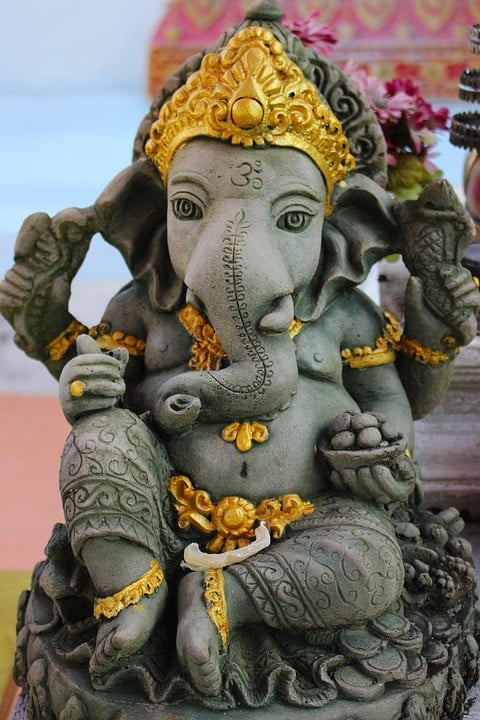
    We all aware that there are two major types of transplantation. First, where parts like hands, arms legs transplanted, they are not the vital organs. Another process which includes transplantation of vital organs. One instance where you can get the combination of both is the transplantation of brain. The riskiest and sophisticated transplantation one can ever think of. In Hindu Mythology, One example to cite is the story of Lord Ganesha. When Shani looked at Lord Ganesh, the child’s head turned into ashes. Parvati’s wailing led Vishnu I search of a head substitute. He found a sleeping baby elephant by the riverside and decided to affix its head on Ganesha’s body.

    Lord Ganesha Statue
    Lord Ganesha Statue

    Teleportation

    We all know the story of Usha and Chitralekha. Usha sees a dream where she meets her dream man. But unfortunately her dream gets broken and she tells her friend Chitralekha. Chitralekha finds her dream man through drawings, interpreted from Usha’s dream. Her painting concludes that he was Anirudha, the grandson of Lord Krishna. Then they teleported them to Dwarka, to meet Anirudha. The science of sketching is still practiced under investigations. But teleportation is still unknown.

    So it is said that an Idea could change a life, So i discovered the Ideas of Old Indian Mythology and Sages who changed many Lifes and Provide a base to many Nobel Prizes. Hance no one Efforts go in vain. neither indians nor the people who read our old Indian Mythology to discover more ideas.

    Frequently asked questions

    Does a similarity prove that ancient mythology predicted modern science?

    No. A similarity can be interesting, but scientific priority requires clear historical evidence, definitions, methods and dates.

    Can mythology still be valuable without being science?

    Yes. Mythology can carry cultural memory, ethics, symbolism, philosophy and religious meaning without needing to function as a scientific textbook.

    For related Indian philosophy topics, see our Karma guide, Pancha Mahabhutas article, and Bhagavad Gita introduction.

  • PanchaKarma The Ayurvedic Detoxification Treatments

    PanchaKarma
    PanchaKarma The Ayurvedic Detoxification Treatments
    Not to mention Ayurveda has given the world innumerable things. These things have helped to transform a world full of ailments to one which is fit and healthy. The endless significance of Ayurveda providing you with an alternative way of medication. Being the most prestigious branches of Ayurveda. Also, acts as a pillar for most of the healing technique of Ayurveda.
     
     
      Panchakarma is much needed for everyone after a certain time. Not just, it eliminates toxins from the system. As well as, Rebalances the Doshas and heals countless ailments. At the same time, renews a sense of clarity and inner peace.

    Oleation –  Ayurveda includes the usage of various oils. Which are homegrown with various mineral ingredients. In addition to, These oils differ from the oils or ghee that used for internal applications. These mineral richen oils find profound tissues to carry the medicinal ingredients. And, suck out the toxin from other cells.
     
    Fomentation – The process of sweat production called fomentation. The targeted tissues of oleation made more flexible and delicate by fomentation treatments. So, The toxin released gets melted and flushed out of the body.


    Herb
    Herb
    Its a five-step, total mind-body rejuvenation experience. That comprises of herbal oil massages, steam baths, cleansing enemas. And, other purifying practices. Following are the 5 therapies of “Panchakarma”:
     

    Vaman

     
    In these treatments, the patients provided with oleation and fomentation treatments. In fact, for A couple of days which includes various sessions of therapies and medicines. Once the targeted cells release their toxins. They get accumulated on the upper cavities. And, then the patients treated with decoction and emetic medicines. These medicines aids in disposing of the poisons out from the body through vomiting. This treatment suggested for those who have kapha-dominated conditions. As well as undergo weight gain, hyperacidity, and asthma.

    Virechan

    In this, the patients provided with outside and inside oleation and fomentation treatments. But, the disposal of toxins is not through vomiting but through the clearing of bowels. The patients treated with natural purgative. Which aids in the clearing of bowels purifying the body toxins. The targeted patients are those who are suffering under Pitta- dominated diseases. Including jaundice, celiac infections etc.

    Basti

    Basti treatment said to have incredible many positive effects. This process includes the regulation of medicated substances through an enema. Therefore, considered as an exceptional contribution to the therapeutic world. After understanding your nature of disease homegrown decoction, ghee and oils managed into the rectum. This treatment is useful for patients suffering against vata dominated conditions. And also against chronic diseases.

    Nasya

    This therapy has an effective cleaning effect in the head area. This treatment starts with a head and shoulder massage followed by fomentation. After that, they apply nasal drops administered in both the nostrils. This follows the complete cleaning of the area giving you freedom. From any sort of cerebral pain, hair issues, sleep disorders, sinusitis. And also, respiratory ailments.

    Raktamokshan

    This treatment used to fight against various skin ailments. And also, help in cleansing the impure blood. You can target a particular body part or cover up the whole body. Also, practices fighting against skin infections, eczema and in local lesions.

    Precautions of Panchakarma.

    However, panchakarma dont have any side effect. Still, These treatments should be avoided during pregnancy and disease. Before taking up such treatment do get a consultation from a trained and qualified physician. Who will help you to plan for therapy according to your state of health.

    Experience the serenity of Rishikesh and elevate your yoga practice with our 200 Hour Yoga Teacher Training. Don’t miss this opportunity to train in the yoga capital of the world. Enroll today!

  • Karma The Things Behind Theory of Karma

    Karma The Things Behind Theory of Karma

    Karma, A Sanskrit word means– “actions” or “deeds”. Law of karma occupies a central position in Indian philosophy. The spiritual law which was, sometimes compared metaphorically with Newton’s third law, although the two ideas belong to different fields and should not be treated as scientifically equivalent. “To every action, there is an equal and opposite reaction.”
    Thus, According to Indian philosophy, we are because of our Karma. So, it decides our future in this or the next birth.

    आत्मानं सततं ज्ञात्वा कालं नय महामते।
    प्रारब्धमखिलं भुञ्जन्नोद्वेगं कर्तुमर्हसि ॥

    aatmaanan satatan gyaatva kaalan naymahaamate.

    praarabdhamakhilan bhunjannodvegan kartumarhasi .

    Hey intelligent man, spend your life always in the knowing the supreme bliss, enjoying the whole of your Life without making any complaint.

    As we all know, good deeds bring you a good result and your bad deeds bring bad for you. As time progress your Karma processed, calculated and incorporated gradually in your life. Indian soteriologies predict that future rebirths and your situations get planned accordingly. Thus, The actions you perform in your present life gets reflected.
    In Addition, Karma serves two main purposes in Indian philosophy. One, motivate you to live a moral life. Next, providing you with an explanation of the primary existence of evil.

    Theory of Karma
    Theory of Karma

    All the four systems of Yoga – Jnana, Raja, Bhakti and Karma teach us to live positively. Either in thoughts, words and deeds. Good actions support in producing positive memories.

    Yajnavalkya, The first philosopher of human history. And, introduced the concept of Karma, mentioned in the book Brihadaranyaka Upanishads. Yet, the person, good or bad. He gets what he does.

    Let’s know a few things about Our Cycle- Theory of Karma

    Sanchita

    Sanchita Basically it means “what we reap, what we sow”. The deeds either good or bad gathered together. Starting from the present including all the previous ones considered. But at this level, the good karma does not cut the effect of the bad. All the karma needs to be resolved. This karma symbolized arrows in a quiver. The arrows show your accumulated karma.

    Praarabdha

    It’s like the arrows are discharges and are on their flight. Also, the part of Sanchita. And is ready for the action. Prarabdha, that portion of the past actions, which is responsible for the present self. This symbolizes that the arrow has left the bow and flying through the sky ready to hit the target.

    Kriyamanna

    Kriya means Action Going on at Present. Kriyamanna, The active or the current one. The arrow has just hit the target. And the target is feeling the pressure. The degree of main is the degree we experience. The result of this act creates a new one for you.

    Aagami

    This can also be referred to as the future self. It follows Sanchita. It’s more like the arrow is ready to discharge from the bow. If all the environment and conditions are favourable, it leads to Praarabdha. This is the stage when the arrows are set in the bow.

    Here is a video to know it more clearly

    Controlling your Karma

    There are various meditation techniques that help us to burn out the Sanchita Karma. Also, many People know through dream awareness about the effect of Aagamikarma. Even so, Through proper medication and appropriate actions, one can kill and destroy Agami karma. Life provides you with various situations to prove yourselves. It’s us on how we react. A humble and peaceful approach may help us to reduce the effect.
    Stopping Praarabdha  requires a real understanding of yoga and spiritual power.
    So, The effect of all these can be easily eliminated by self-knowledge, determination and “Om medication”. Silent Japa of “Om” would guide one to cross the ocean of Samsara and attain the freedom of rounds of birth and rebirth attaining moksha.

    Karma in simple terms

    • Karma: action or deed.
    • Karma Yoga: disciplined action without clinging to personal reward.
    • Sanchita: accumulated karma in later traditional explanations.
    • Prarabdha: karma described as already bearing fruit.
    • Agami: karma connected with actions being created now.

    Different Indian traditions explain karma in different ways. It is a philosophical and religious concept, not a physics law.

    Frequently asked questions

    Does karma mean punishment?

    Not simply. Karma refers to action and its consequences within Indian philosophical traditions. It is broader than the idea of instant reward or punishment.

    How does the Bhagavad Gita discuss karma?

    The Gita gives major attention to action, duty and attachment to results. See our Bhagavad Gita Chapter 2 summary and Karma Yoga guide.

  • The 3 Gunas of Nature and Their Effect

    The 3 Gunas of Nature and Their Effect

    Gunas exist everywhere in nature. Prakriti is rich and blends life, forms, and senses perfectly.
    Each element in nature has its own “Gunas” (गुण), meaning property or type.
    Gunas are present in all humans. They exist in different combinations.
    Our food and personalities show which guna is strongest in us.

    Anna, a yoga student from California, joined FitFortunes Yoga school in Rishikesh last spring.
    She wanted to know the real effect of the three gunas in daily yoga. Anna’s question was, “How does authentic yoga philosophy work in modern teacher training?” From the start, both Indian and global students at FitFortunes study the three gunas.
    Bhagwat Geeta and yoga texts describe them: sattva (clarity), rajas (activity), tamas (inertia).

    FitFortunes teachers use these concepts in every training. Lessons blend wellness research with regular yoga routines.
    Understanding the three gunas of nature and their effect on mind and body brings practical balance.


    The 3 Gunas Predominant in nature are Tamas, Rajas, and Sattva.


    The Bhagavad Geeta describes the three Gunas. Sattva (clarity/balance), Rajas (activity/movement), and Tamas (inertia/Confusion) as forces that shape every feeling, action, and thought. In yoga, we teach that every person has all three, in varying degrees.
    Sattva brings balance, calm, and focus. Rajas leads to drive and movement, but also restlessness. Tamas causes stillness and ignorance, and sometimes fatigue or confusion. In classes, teachers assess these qualities to tailor approaches for students from diverse backgrounds—Americans, Europeans, and local Indian students alike. For example, a student showing too much rajas, may need calming sequences, while tamas-dominant moods benefit from energizing postures.

    Bhagwat Geeta
    The 3 Gunas of Nature and Their Effect


    For example, Sattva supports clarity and calm. Rajas fuels ambition yet may cause restlessness. Tamas encourages rest and stability but, unchecked, leads to lethargy.

    Gunas also appear in foods: A sattvic meal (fresh fruits, veggies, grains) supports clear thinking. Spicy, oily rajas foods energize but can create agitation. Heavy, processed tamas foods sap vitality.
    Let us look at the characteristics of each Gunas in detail.

    Real Life Application- Diet, Lifestyle, and Mind in the Light of the Gunas


    In Bhagwat Geeta Sattava is defined as
    नियतं सङ्गरहितम रागद्वेषतः कृतम् । अफलप्रेप्सुना कर्म यत् तत् सात्त्विक उच्यते


    Niyatam Sangarahitam Raagadweshatah Kritam; Aphalaprepsunaa Karma Yattat Saattwikamuchyate.

    Sattva or Satvik means Pure. If you’re able to achieve Sattva, it is then the ultimate liberation. Sattva is the state of serenity, happiness and rest. You’ll feel at ease with yourself. Which means Sattva has an effect on reducing the Tamas and Rajas guna, balancing them for the perfect harmony.

    So, In Saatvik diet we include foods which comply with its meaning. Fresh fruits, beans, veggies, nuts, and herbs heighten the effect of Sattva Guna inside of us.
    Beyond class, the 3 Gunas shape every choice. A student recently shared how adopting a sattvic lifestyle helped manage exam stress. She reduced rajas-inducing activities (late-night social media) and replaced tamasic snacks with fresh salads.

    Teachers find that morning self-awareness practice simply noting dominant thoughts sets a tone for the day. As a senior instructor shared during training: “Each thought supports either sattva, rajas, or tamas. Notice, then steer gently toward balance.”

    For Americans or Europeans adjusting to life in India, daily habits might need tweaking. The unfamiliar food and climate can stir the gunas especially rajas and tamas demanding more conscious choices.

    Tamas and Its Ingredients to Avoid


    In Bhagwat Geeta Tamas as Defines as अनुबन्धं क्षयं हिंसामनपेक्ष्य च पौरुषम् । मोहादारभ्यते कर्म यत्तत्तामसमुच्यते 


    Anubandham Kshayam Himsaam Anavekshya ch Pourusham, Mohadarabhyate Karma Yattat Taamasamuchyate.

    Tamas or Tamasic is the embodiment of chaos. It follows no rules and defies the spiritual life and its meanings. It, of course, reflects in our attitudes such as ignorance, short temper, and anger.
    In order to reduce tamas in our system, we need to maintain some good habits. Optimum sleep, healthy consumption, and a balanced activity schedule.
    When it comes to Tamasic food, be wary of chemically preserved and canned food such as meat or fish.
    Food which is dry, frozen or sans any taste has a negative impact on our mind. For example, if the canned meat does not taste fresh, we will feel irritated and dissatisfied.

    Rajas and Ingredients to Avoid


    In Bhagwat Geeta Rajas Defines as
    यत्तु कामेप्सुना कर्म साहंकारेण वा पुनः । क्रियते बहुलायासं तद्राजस मुदाहृतम्


    Yattu Kaamepsunaa Karma Saahankaarena vaa punah, Kriyate Bahulaayaasam Tadraajasa mudaahritam.


    Action that is driven purely by craving for pleasure, selfishness and much effort is Rajasic. Rajas is a state of action. This means if you have a high amount of this Guna in yourself, you will feel overtly active and restless.
    There will be not enough peace inside you. Overwhelming tasks such as overthinking, consumption of fried food and loud music can increase Rajas Guna.
    Avoid Rajasic food such as deep-fried chops or spicy noodles. Moreover, all fast food comes in this Category. These have an adverse effect on our health as well as peace of mind. Most importantly, stay away from energy drinks as they can heighten the unnecessary energy.

    Gunas and Yoga Practice -Teaching and Learning at FitFortunes Yoga School

    The best yoga lessons address not just physical poses but also the student’s state of mind. At FitFortunes, we assess which guna is most active in a group before each class. For instance, a rajasic, energetic group benefits from longer holds and calming pranayama (breathwork). Tamasic students—perhaps feeling heavy or discouraged respond well to gentle, uplifting movement.

    Many visiting yoga teachers introduce a “three gunas self-check” at the start of teacher training modules. Students reflect, in a journal, which guna is strongest and why. Over weeks, tracking these shifts reveals powerful trends.

    Thus, These Gunas affect our psyche and create a disbalance, each dominating the other when we aren’t at complete peace. This in return can have us view incidents in a different light.
    Balancing out the elements within us is the surest way of attaining peace.

    Join aout YTTC 2025-26 and learn from experienced teachers with our 200 Hour Yoga Teacher Training in Rishikesh. Register now to start!

    Three Gunas at a glance

    GunaCommon qualities in Indian philosophySimple example
    SattvaClarity, balance, steadinessA calm, focused mind
    RajasActivity, drive, restlessnessConstant movement or ambition
    TamasHeaviness, inertia, dullnessLow motivation or resistance to change

    These are philosophical categories, not medical diagnoses or permanent personality labels. A person can experience all three in different proportions and situations.

    Frequently asked questions about the Gunas

    Are the three Gunas good and bad categories?

    Not simply. Sattva is usually valued for clarity, while Rajas and Tamas have useful and difficult expressions depending on context.

    Where can I read related FitFortunes philosophy guides?

    Continue with our Karma guide, Pancha Mahabhutas, and the Bhagavad Gita introduction.

  • Pancha Mahabhutas and Their Importance

    Pancha Mahabhutas and Their Importance

    Pancha Mahabhutas and Their Importance

    Panchamahabhutas
    Panchamahabhutas

    Panchamahabhuta , Our lives are governed by different elements and sensations. How we think, consume and reciprocate to the universe around us depends upon the essence of the world.
    These essences perceived by us as 5 elements. Known Panchamahabhutas.
    According to Ayurveda, all objects in the universe including human body are composed of these 5 basic elements.
    They govern our sensory nerves and help us achieve an understanding of our actions.
    But, each of the Tanmantras connects to elements of nature. Akash(sky), Vayu(air), Aag(fire), Jal (water), Dharti(earth). They blend while giving us a simpler understanding of how each function works.

    1.Ether (Akash)

    Ether or Akash means infinite freedom. It is a limitless space with the power to create movement between objects and have them correspond, creating Shabda (sound), the ether Tanmantra.
    When two atoms or objects physically touch, the small sound of thud or a tap is resonated throughout the space. It forms a frequency of soundwave which we feel through auditory senses.

    Sky
    Aakash


    2. Air (Vayu)

    The function of air is to help elements relocate and travel. It is in constant movement, helping different molecules to come across each other creating a small touch. The Tanmantra for such a sensation is called Sparsha (Touch). The skin is sensitive and can perceive any small change over the surface. If there is an amount of pressure, drop of water or a fallen leaf the skin will sense it immediately and detect the different feel of different elements.

    Vayu
    Vayu


    3. Fire (Tej)

    Fire, Created through aggressive friction of two elements. When two elements touch during movement through Vayu, they might spark a heat and thus the birth of tej. This bright fire is blazing and a bright source of light. This light can be visualized in front of us with the help of Vision (Rupa). Rupa means the physical manifestation of an element which is perceived steadily.

    candles 1645551 340
    Aag


    4. Water (Jala)

    Water brings about fluidity. it helps in connecting two molecules together which help both in a proper formation. The function of water, To glue two different objects to form one.
    In the same way, the use of our mouth is to chew and identify what we have eaten. The Tanmantra, Taste (Rasa) helps in forming a taste once food reaches your mouth. It binds a dry element with water, making it easier to shape.
    Jala helps a being taste food, understand the quality and appearance of the food inside your mouth and experience a sense of fulfilment. The saliva in our mouth acts as Jala in such a scenario.

    Jala
    Jal


    5. Earth (Prithvi)

    Earth, a solid mass. Hard on the outside, changes temperature along with seasons and has a solid foundation. So, A dense and hard structure to form on the surface of the earth. Parts of our bodies constitute of Prithvi. Our bones, muscles and physical strength are objects formed through the earth we live in.
    How we perceive the earth is through our nose. Yes, our sense of smell (Gandha) helps in identifying objects around us with the sense of smell. Gandha helps in understanding the quality and quantity of objects around us through our nasal sensory.

    Dharti
    Dharti


    Pancha Mahabhutas: five elements in one table

    ElementSanskritTraditional association
    SpaceAkashaOpenness and sound
    AirVayuMovement and touch
    FireAgni/TejasHeat and transformation
    WaterJalaFluidity and taste
    EarthPrithviStability and smell

    This is a traditional Indian philosophical and Ayurvedic framework. It should not be confused with the modern scientific periodic table or literal chemical elements.

    Frequently asked questions

    Are the Pancha Mahabhutas scientific elements?

    No. They are part of traditional Indian philosophical and medical models, not modern chemistry.

    How are they related to yoga philosophy?

    They appear in wider Indian thought about body, perception and nature. For related reading, see our three Gunas guide and Karma article.

  • Top 7 Places for Yoga Retreat in India

    Top 7 Places for Yoga Retreat in India

    Top 7 Places for Yoga Retreat in India

    Yoga retreats, Spreading in India like never before. Before getting into discussion let me ask you a simple thing – Do you feel stressed out? In this modern era, our mind and soul scream out for peace. A regular stay at home in weekends can never provide you with such. So, all you need is to get yourself disconnected from the outside world. Yoga proves to be the best way to rejuvenate yourself mentally as well as physically.
    But before you get to know about the Yoga Retreat in India, let us know about some advantages we can get from this.

    Yoga retreat – a place located far away from the muddled crowd.

    These yoga retreats provide you with courses of detoxifying yourself. Also, Scheduled events, classes, specified meal plans under professional guides. At the end of the entire process, you will find yourself reconnected and energetic.
    Hence, providing you with the 7 best yoga therapies. Which will help you to run away from your daily schedule. And, spend some stress-free life.

    Bhakti Kutir in Palolem, Goa


    Goa, Filled with medication centre and yoga retreats. Hence we find Bhakti Kutir at Palolem be the one to mention. This yoga retreat stands among the coconut grove dotted with straw huts and bamboo. Their small restaurant providing you with organic food and fresh fish. Apart from yoga practice, there are workshops organized by the outsiders. As well as, Ayurveda centre offering treatments under expert guidance. The sound of the beach waves with chirping birds added to the ambiance leaves you with an elevated experience.

    Fitfortunes Holistic Wellness Yoga School, Rishikesh


    Fitfortunes, Considered to be one of the most promising yoga schools in our country. In addition they offering you with the most affordable wellness retreat packages in India. It’s has a perfect location, providing traditional yoga practices in an authentic style, customized and healthy meal plans along with free ayurvedic messages. What else you can ask for? So don’t miss to train urself with some revered yoga gurus excelling in the field of Hatha and Ashtanga yoga

    YTTC
    YTTC

    Santhi Yoga, Kerela.


    Kerela, Considered as, The motherland of spies and Ayurveda. The Santhi Yoga retreat many focuses on Ayurvedic treatment. Within a short week’s program, one can learn a lot about Ayurveda and how indulging them in your life can help us to lead a happy and healthy life. The attendees also get to know the effect of various spices and food, that has an effective significance in terms of Ayurveda.

    Isha Yoga Centre, Tamil Nadu


    Isha Yoga centre, Located at the foothills of the Velliangiri Hills, Tamil Nadu. This retreat centre offers you with various packages depending on your inner transformations. Moreover, they allow Guest to book and try off-seasons too. The accommodations include cottages and guestrooms with vegan meals. There are gender specific ghats and pillarless dome called the Dhyanalinga. Various annual musical and cultural programmes, conducted mainly during the Mahashivratri.

    Mahashivratri isha yoga 1
    MahaShivRatri Isha Yoga

    Dharmalay Institute, Himachal Pradesh


    This campus- style ashram, Located in the deep forest of Bir. Their accommodation focuses on the environment. Here, the trainees have to abstain themselves from smoking and drinking. As well as, restricting the consumption of fish and meat. Moreover, They encourage you to take part in local community activities. Their courses include yoga and meditation classes during November end. Workshops are also conducted allowing you to follow a sustainable lifestyle.

    Kaivalyam Retreat, Munnar.


    Kerela, Also Called God’s country for a various reason and Kaivalyam is the one. Located amid the tea estates of Munnar at a beautiful hill station. This place experiences cool weather all year round. All the vegetables required at the retreat are grown there itself. Apart from having a daily yoga practice, practitioners can have hands-on farming experience with a plantation walk. Also, bird watching and campfire nights.

    kaivalyam 1

    Kaivalyam Retreat

    Anahata Yoga Retreat, Mysore.


    This yoga retreat is a bit offbeat that the rest of the yoga and meditation schools in the country. It maintains a genuine ashram life, with a scheduled yoga practice. The complete 7-day course included 5-days ayurvedic massages. Organic meals, medication sessions followed by a 2-day cleansing programme. This school has an unique location between the forest and the lake.

    Anyatha 1

    Thus, You have many varied options for yoga retreats in India. Honestly, we not hooking you up with any specific ones. Just giving you ideas. So, you could start your retreat journey. Pick the most suitable one wisely and undergo a change. You need it!

    Through our intensive 200-hour Yoga Teacher Training in Rishikesh, you will have the opportunity to explore the depths of yoga. In order to begin teaching yoga and to further develop your practice, sign up right away.

  • Being a Yogi is not Just the Physical Performance

    Being a Yogi is not Just the Physical Performance

    Being a Yogi is not Just the Physical Performance

    Being a Yogi is not Just the Physical Performance
    Capoeira

    The perception of fitness has changed with time under the influence of social media. Yoga, for example, is not a physical art to be mastered in 2 weeks.
    Online coaches who encourage fitness challenges, also promote yoga as a slimming workout. There are so many people who come to our yoga studio and their very first statement is “will yoga help in Losing Weight”.

    It’s Trending 

            Also, there is a group of youtube worms who just wanna do yoga cause their favourite social media yoga idol is doing so many weird types of arm balances with ease which is not even a part of any yoga tradition. 
    There is but, one problem. Yoga was never meant to serve a singular goal for a human’s mind or body. The 8 fold paths of yoga transcend over flexibility and slimness.

    Yoga vs Other Sports

            Celebrity gurus teach over 500 students that yoga is a way of fitness and flexibility. The mental connection between the parties is missing in such a scenario. In fact, Most of these gurus start Gymnast, Martial Arts, Capoeira, Calisthenics at age of 3 or say at very young Age. And now after retiring from their profession due to age or injury, they are yoga experts. It’s good, as they bringing so many techniques into the field of Yoga. But yes they also bringing a different lineage which was not a part of yoga ever. 


    The condition is Worst in India

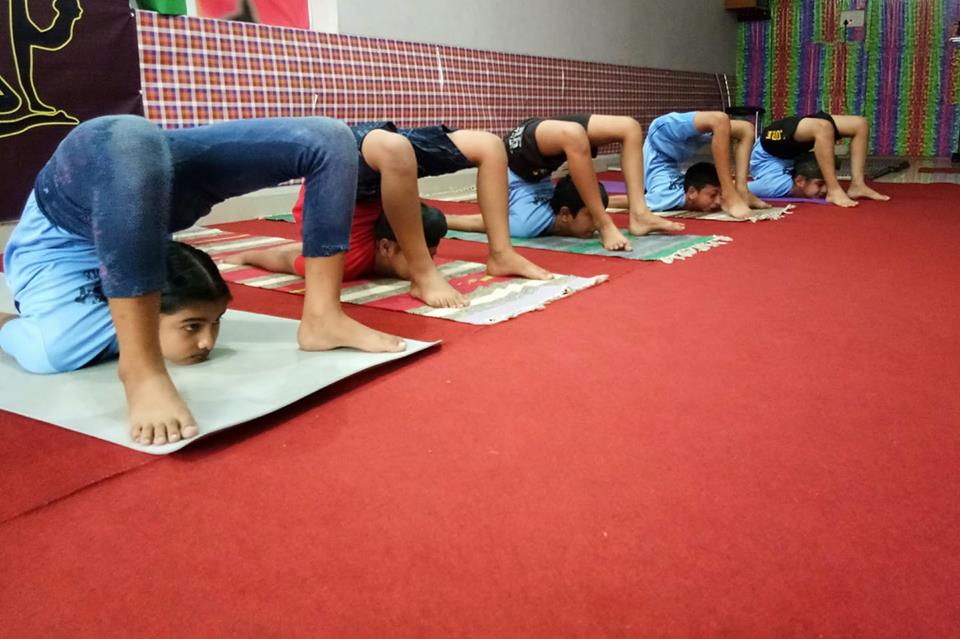
    Apart from that, in India, people organize yoga championships in schools and colleges. Where they decide the winner according to flexibility. So in their class, they are trained to win medals cause of flexibility and after some time they get injured badly or get some joint pain for the rest of the life. Many of these kids having hyper flexibility syndrome and that’s how they become a yogi at age of 6-8-10. without any knowledge of Yoga. These events are similar to circus nowadays.

    Yogis believed a strong bond between student and teacher was the base of teaching. Years of practice under one master deepens the root towards Moksha.

    Yogi Kids
    Yogi Kids

    1. Power of Healing

    The main focus of yoga is to bring out a better us, heal us not only from physical ailments but remove negativities which crowd our mind. It is more than a gateway habit to bring ‘inner peace’. Fitness coaches encourage yoga or, ‘post-workout stretching’ to remove exercise aches. This is taught through online 200 Hour yoga certification who feed the misinformed followers only half of yoga’s goodness.

    2. Medical aid Vs. Fitness Agenda

    Modern coaches scrape out an entire age group when teaching yoga to their students. Yoga is mostly promoted through fitness celebrities online. The pictures and videos portray a perfect array of movement, poses, and performances which attract the general public. The misguided fans feel the crazier poses someone can pull off, the better they are at the art.
    But for someone trying such poses, in the beginning, will harm their bodies which is opposite to the aim of yoga. Yoga teaches us to correct our postures and improve bone and muscle health. This way, no harm will be too severe during small mishaps.

    3. Long-term Healing

    Fitness enthusiasts of today’s time forget to promote aid for severely injured or old folks. Professionals such as gymnasts, dancers, etc. can be harmed through practice or performance.
    Post-healing yoga practice helps in reducing the pain and find comfort in regular movements.
    Yoga during old age helps to keep the bones strong, hence reduced joint ache. Yoga provides the mental strength to combat ailments which come with age. A healthy senior citizen should be under the target demographic of online yoga-gurus.

    Yoga is not a method of performance. It is more than modern online yogis with super-flexible stance and stunts. Yoga is a way of wellbeing which makes us rise above the need for publicity. Fitness Yogis should promote the real advantages of yoga through social media.

    You Might Also Enjoy

    What Being a Yogi Includes Beyond Asana

    • Practice: returning to yoga regularly without making performance the only goal.
    • Self-study: observing habits, reactions and choices honestly.
    • Breath and attention: learning to stay present instead of chasing difficult shapes.
    • Ethics: bringing restraint, responsibility and consideration into daily life.
    • Respect for limits: choosing a useful variation instead of forcing a pose for appearance.

    This wider view is closer to yoga philosophy than judging practice by flexibility alone. Continue with our guides to the eight limbs of yoga, meaning of karma, and Brahmacharya in daily life.

    Frequently Asked Questions

    Do you need advanced poses to be a yogi?

    No. Physical ability is only one part of yoga. A person can practise sincerely without extreme flexibility or difficult postures.

    Is yoga only physical exercise?

    No. Modern classes may focus heavily on movement, while classical yoga traditions also discuss ethics, concentration, meditation, self-study and disciplined action.

    Can physical asana still be important?

    Yes. Asana can be a valuable part of practice. The point is not to dismiss physical yoga, but to avoid treating performance as the whole meaning of yoga.