Pranayama in Hatha yoga teacher training is more than a few breathing exercises before asana. It is a structured part of traditional yoga study. Students learn how posture, breath, attention and teaching method connect, and why breathing practice should progress gradually rather than become a performance.
A good Hatha yoga teacher training starts with awareness and control before advanced techniques. This helps students build a safe personal practice and prepares future teachers to give clear instructions without making exaggerated health claims.

Table of contents
- What pranayama means in Hatha Yoga
- Why pranayama belongs in teacher training
- What students learn
- Common pranayama techniques
- How trainees learn to teach pranayama
- Safety and responsible practice
- How pranayama fits the FitFortunes curriculum
- Frequently asked questions
What pranayama means in Hatha Yoga
Pranayama is often translated as breath regulation or breath control. In traditional yoga, its meaning is wider than simply taking slow breaths. The breath is used as a practical bridge between physical practice, concentration and quieter states of attention.
This is why pranayama sits naturally beside asana, meditation, mudra and bandha in Hatha Yoga. A student first learns to observe breathing, then regulate it with more skill. Advanced work should come only after the basic pattern is comfortable and steady.
Why pranayama belongs in Hatha yoga teacher training
Modern yoga classes often give most of their time to postures. Traditional Hatha study gives the breath a more important place. Teacher trainees need to understand breathing as a practice in its own right, not as a decorative five-minute exercise at the beginning of class.
Yoga Alliance’s current RYS 200 standards include pranayama and subtle-body topics within Techniques, Training and Practice. The standards also refer to safe sequencing, alternatives and adaptations. A complete 200-hour training therefore needs more than posture instruction.
Our guide to traditional Hatha yoga teacher training explains how pranayama, mudra, bandha, meditation and philosophy fit together within a wider Hatha framework.
What students learn before formal pranayama
Good training begins with ordinary breathing. Many students do not notice how much their breath changes during movement, stress or effort. Some lift the shoulders. Others hold the breath during difficult poses or create tension in the abdomen.
Before named techniques, students should learn to observe these habits. They should notice whether the breath is smooth, whether sitting creates unnecessary strain and whether a practice causes dizziness, pressure or discomfort.
- Basic breath awareness
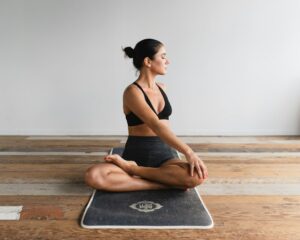
- Comfortable seated position
- Movement of the diaphragm and rib cage
- Relationship between posture and breathing
- Difference between natural breathing and deliberate regulation
- When to return to normal breathing
Breathing mechanics and yoga anatomy
Pranayama training also needs basic anatomy. Students should understand the diaphragm, rib cage, respiratory muscles and the movement of air through the respiratory system. This helps future teachers describe what is happening without confusing traditional concepts with modern anatomy.
For example, prana is a yogic concept. Oxygen is a measurable gas used by the body. They should not be presented as the same thing. Clear language protects both the tradition and the student.
Our article on Hatha yoga teacher training anatomy and alignment covers the wider movement and anatomy side of teacher education.
Common pranayama techniques in Hatha yoga teacher training
Different Hatha traditions teach different methods and may use a different order. The aim is not to collect as many techniques as possible. A smaller number of well-taught practices is more useful than a long list that students cannot explain or teach safely.
| Practice | Main learning focus |
|---|---|
| Breath observation | Awareness without forcing the breath |
| Diaphragmatic breathing | Understanding relaxed respiratory movement |
| Nadi Shodhana | Coordination, attention and gradual breath regulation |
| Bhramari | Steady exhalation and focused attention |
| Ujjayi | Controlled breathing and sound awareness |
| Kapalabhati | Technique, classification and careful progression |
Kapalabhati deserves careful explanation because classical Hatha sources often classify it among cleansing practices rather than ordinary pranayama. Teacher training should give this context instead of treating every breathing method as the same type of exercise.
Why Nadi Shodhana is commonly taught
Alternate-nostril breathing is common because it combines several skills. The student sits steadily, coordinates the hand, follows a pattern and maintains attention without rushing.
Beginners can first learn the hand position and simple breathing pattern. Ratios or retention can come later when appropriate. This gradual method is more useful than turning a basic practice into a test of endurance.
What about breath retention?
Breath retention is an important subject in classical pranayama, but it should not be approached casually. Long or forceful retention is not a beginner goal. Students first need comfortable breathing, an appropriate posture and clear instruction.
A responsible teacher also understands that not every student needs the same practice. Good teacher training develops observation and judgement, not only personal performance.
Pranayama, mudra and bandha are related but different
Students often hear pranayama, mudra and bandha taught together. They are connected within Hatha practice, but they are not identical. Pranayama concerns deliberate regulation of breathing. Bandha refers to specific yogic locks or engagements. Mudra includes a wider group of traditional seals and gestures.
Training should explain each subject clearly before combining them. This prevents students from memorising Sanskrit words without understanding what they are doing.
Pranayama should not become a competition
A common mistake is assuming a longer inhalation, exhalation or retention means better practice. It does not. Straining the face, lifting the shoulders or forcing the lungs does not show mastery.
A teacher should look for steadiness, comfort and awareness. This is especially important during an intensive residential course, where students already have a full study schedule.
How pranayama supports asana and meditation
Pranayama should not be isolated from the rest of training. Students learn to notice how effort, posture and concentration change breathing. A demanding pose may make the breath irregular even when the body looks stable from the outside.
This helps future teachers observe students more carefully. It also explains why Hatha traditions connect physical practice with breathing and meditation rather than treating them as unrelated subjects.
How trainees learn to teach pranayama
Knowing how to perform a practice is different from teaching it. Trainees need to practise giving short, clear instructions. They also need to know common errors, suitable progression and when to stop adding complexity.
- Set up a comfortable position.
- Explain the breathing pattern simply.
- Give an appropriate pace.
- Watch for strain or confusion.
- Return the student to normal breathing when needed.
- Review the practice afterwards.
This teaching skill is why practicum matters. A trainee must learn how to observe another person, not only follow instructions personally.
Safety and responsible practice
Breathing practices can affect people differently. A yoga teacher should avoid medical promises and should not use strong techniques without suitable preparation. Students with health concerns may need professional medical guidance before certain practices.
Pregnancy, cardiovascular conditions, respiratory conditions, recent surgery and other situations can affect what is appropriate. A yoga teacher does not diagnose disease. The teacher works within yoga teaching scope and modifies or refers when necessary.
How pranayama fits the FitFortunes curriculum
At FitFortunes, pranayama has dedicated study time within the 200-hour curriculum. It sits beside asana, meditation, mudra, bandha, kriya, anatomy, yoga humanities, teaching methodology and practicum.
The 200-hour Hatha yoga teacher training in Rishikesh is residential and runs for 21 days. Students who want a shorter foundation can review the 100-hour Hatha yoga teacher training.
If you are preparing to travel for training, use the 30-day Hatha yoga teacher training preparation checklist as the next supporting guide in this cluster.
Frequently asked questions
Do beginners learn pranayama in Hatha yoga teacher training?
Yes. A good course can begin with basic breathing awareness and progress gradually. Beginners do not need advanced breath retention before joining.
Is pranayama the same as modern breathwork?
Not exactly. Breathwork is a broad modern term. Pranayama belongs to specific yogic traditions, methods and philosophical frameworks.
Do I need to hold my breath?
No. Many useful practices can be learned without retention. Retention should be introduced according to the technique, student and level of preparation.
Is Kapalabhati a pranayama?
It is often taught beside pranayama today. Classical Hatha sources may classify Kapalabhati as a cleansing practice, so teacher training should explain the context.
Can pranayama replace asana?
They serve different purposes. Hatha yoga teacher training studies how physical practice, breathing, meditation and other methods work together.
Final thoughts
Pranayama in Hatha yoga teacher training teaches much more than how to inhale slowly or count an exhalation. Students learn observation, breathing mechanics, traditional concepts, safe progression and teaching skills.
When pranayama is taught patiently, it becomes a practical bridge between asana, concentration and the wider study of Hatha Yoga.
Reference: Yoga Alliance RYS 200 standards.