Yoga has the power to change a person, physically, emotionally and psychologically, for the better. It is a beautiful path of self-assertation and being one with your existence. At times, our fast-paced lives tend to divert us from our well-being, pushing us towards habits which have a very negative impact on your physical and spiritual self. There are 8 limbs (ashtanga) and steps of yoga which can be practiced mentally and physically. 8 limbs of yoga was mentioned by Maharishi Patanjli In his YogaSutra. in General Ashtanga is a Sanskrit word with is a combination of 2 words (Asht means 8, Anga means parts of body, limbs) These shall help us through various obstacles and cleanse our souls.
1. Yamas
You’ll feel love to be the prime focus of your perception. The belief of Ahimsa is to not practice cruelty for own benefit. It teaches us that our tendencies can be more nurturing if we can see through other souls’ pain, suffering and life before intending any ill intentions towards them. Even out of spite. So Yamas based on
Ahimsa: Non-injury, NonHarming and Non- Violence physically even in thoughts to,everyform of life
Satya: The Truthfulness
Asatya: Do not Lie be Honest
Brahmacharya: use your energy wisely and with intention, appropriate sexual behaviour
Aparigraha: Non-greed, try to be happy whatever you already have
2. Niyama
Niyama is the state of being at one with your soul. You will evolve into a more mature being, understanding your and close ones’ needs and priorities. You’ll be able to take decisions with a calmer mind and make logical choices rather than impulsive decisions. These will be a sense of giving as selfish needs and wants won’t matter anymore.
3. Asana
Your body will feel more cleansed and relaxed from within. You’ll feel more aware of how to treat the body and mind. Your muscles and bones will not feel tired and drained too easily. Asana help in correcting our postures and bring about flexibility within our bodies and outside. This holistic practice has a positive effect on self-love and how to treat the body right and keep the mind at peace.
4. Pranayama
Your respiration process will feel more relaxed. You’ll be able to control heavy breathing or feel calmer during stressed situations. During meditation and savasana you’ll be able to let go of your body and breathe freely while keeping the mind free of thoughts.
5. Pratyahara
You’ll feel more powerful and in control of yourself with regular meditation. Meditating has profound effects on our well-being. For someone with a short-temper issue, meditation helps to achieve the calmest state of mind even in the most stressful situation. You’ll feel a surge of fresh air after each session, making you feel whole and more energetic.
6. Dharana
Your concentration power will be higher. Any kind of diversion from a goal will be just a mere pebble to pass on. You will be able to focus on your activities and have the mental power to reach the end product. Meditating helps in filtering out noises, small thoughts, distractive habits and help us be one with our mind.
7. Dhyana
You’ll be able to temporarily withdraw from your senses in order to be in complete control of self during meditation. No thoughts, sounds, and smell shall be able to distract you. Your state of being unhinged by any nearby activities will help you take charge of all situations which come your way.
8. Samadhi
This is the goal at the end of the path. The last step to enlightenment. You’ll feel free from the shackles of mortality and its vicious cycle. Your mind and body will not be perturbed by small mishaps or negativities as you’re higher than such mere hassles. You’ll be in the power of your needs, desires, and wellness.
Also, check here how Yoga works as Medicine.
Step into a new chapter of your life with our 200 Hour Yoga Teacher Training in Rishikesh. This immersive program will help you develop a deeper understanding of yoga and how to teach it effectively. Sign up today!
Get ready for a perfect getaway. Gokarna is known as the land of temples and beaches. It attracts thousands of tourists every year. People come here in search of relaxation and peace. Some of the tourist spots to mention are the Gokarna Beach, Om beach, Mahabaleshwar temple etc. These beaches are still unexplored by many and people mainly come here to escape the busy city life. There tourists spots are fully packed with surprises and make a pleasant weekend getaway. So whether you are planning to seek a retreat with your family or a bachelor’s trip with your friend, Gokarna proves to be a perfect place to plan your holiday.
The very first thing that strikes to my mind on hearing “Gokarna” is “Om beach”. Om beach is the most popular beach among. It’s also a bit overcrowded and not well kept. In your trip to Gokarna, plan to stay at least one night at any of the beaches, preferring the Kudle beach and least being the Om beach. As accommodations are overpriced and not worth it. The very first thing to do after reaching Kudle beach is to take a deep dive into the clear waters, though I tried it alone, my friend following afterward.
Kudle Beach
Once you are done enjoying the waters, go to one of the restaurants out there. There is no music, no dance all you can hear are the waves splashing against the sandy shores. The food is surprisingly good though a bit tough for your pocket. Once you are done head over to the beach, you will find thousands of people playing volleyball and other water games. Join them if you want or make a team of yours.
“Om” Beach
After spending a chilling night drinking and chatting its time to mode for the “Om” beach the next day. Om beach is a bit walk from Kudle across the hills, but the breathtaking views are totally worth the huffing and puffing.
One of the splendid feature to mention that the brach is shaped like “Om” and attracts tons of crowds who wish to relax and rejuvenate. And if you are fond of photography this very beach takes you through the lanes of memories.
Mirjan Fort
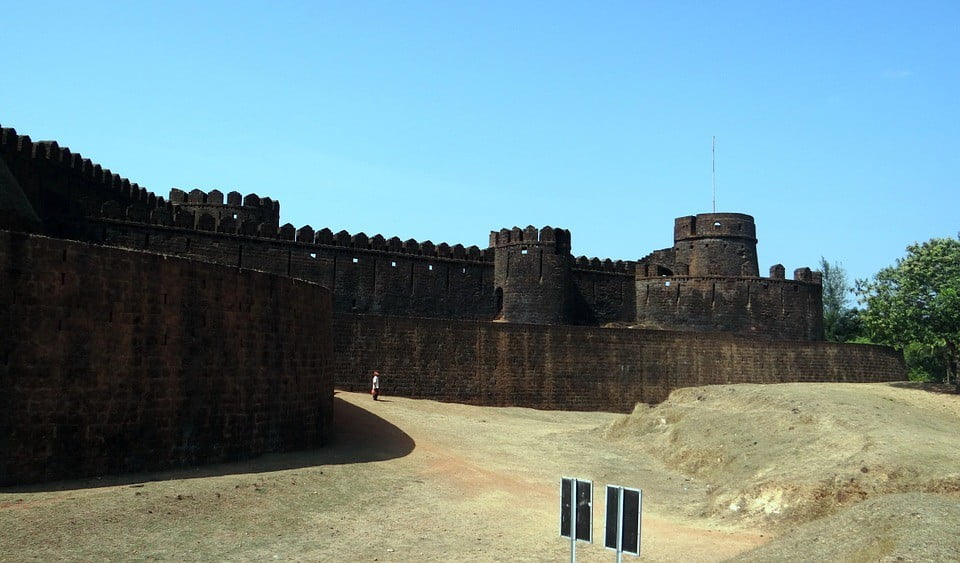
The next day plan your trip to Mirjan Fort. This masterpiece of architecture stands gloriously on the banks of the river Aghanashini River. This fort is believed to build under the patronage of Queen Chennabharadevi, popular as the pepper queen. This fort was a spice hub which was later captured by the British. Try to plan your visit in monsoons to have an experience of the natural greenery. If you are left with energy and time, make your visit to Yana and Vibhooti falls.
Best time to plan your Trip
Gokarna experiences monsoon from June to August, then following that the weather becomes dry and sunny. So the best time being October to march to plan your visit at Gokarna when the weather is not hot but warm and pleasant with an average temperature of 30-32 degree Celsius. But try avoiding the months of April and May, the way hotter months with additional humidity.
Rishikesh is famous for yoga because it combines a long tradition of spiritual study with ashrams, teachers, meditation centres, the Ganga, and an international community of students. The city is widely known as the Yoga Capital of the World, but that title is better understood as a description of its living yoga culture than as a claim that yoga began in one single place.
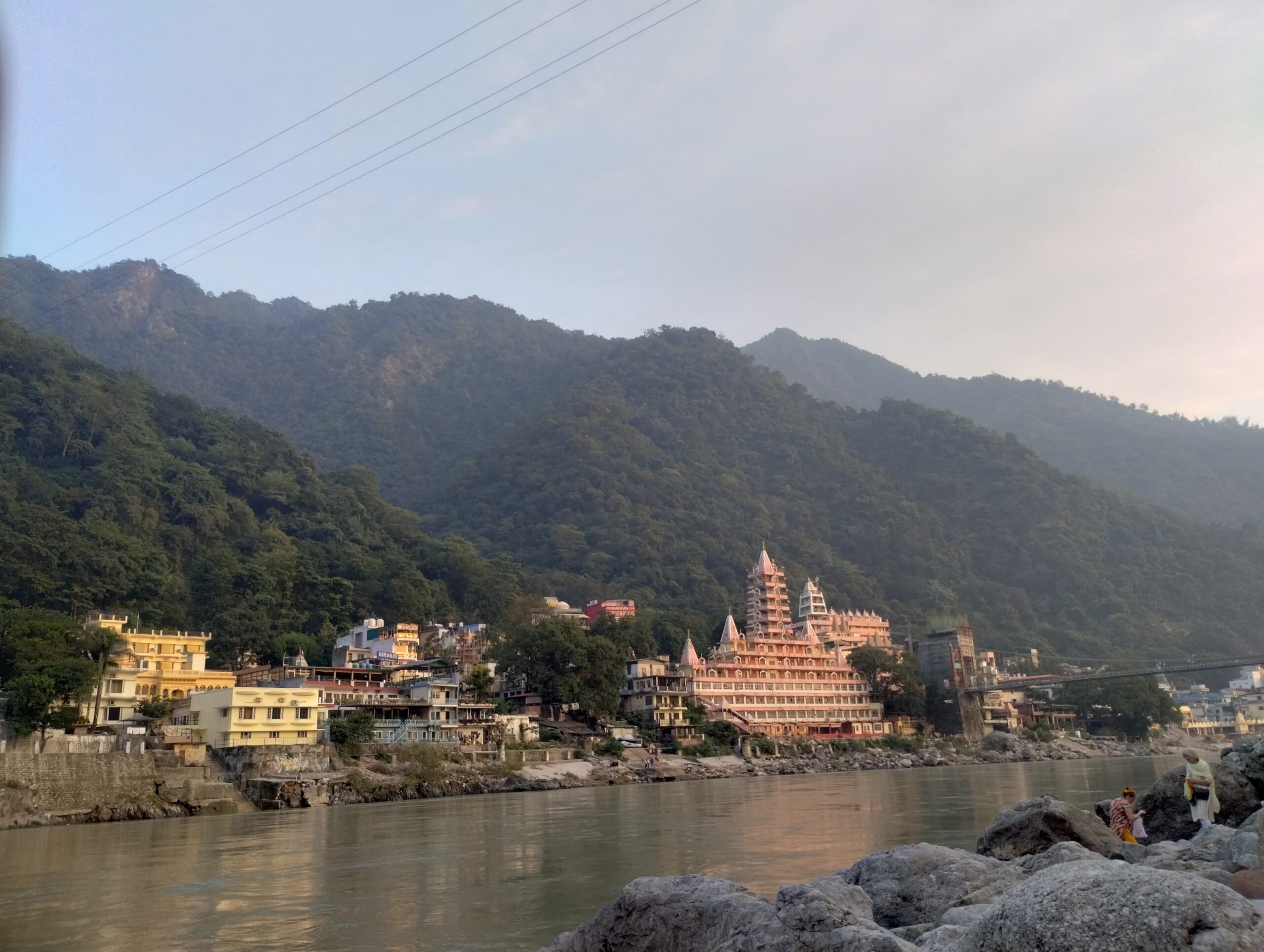
Rishikesh sits in Uttarakhand at the foothills of the Himalayas. For many visitors, yoga here is not limited to a one-hour asana class. It can include pranayama, meditation, philosophy, mantra, traditional study, retreats, and residential teacher training.
Why Rishikesh Is Famous for Yoga: The Yoga Capital Explained 10
Why is Rishikesh called the Yoga Capital of the World?
There is no single event that made Rishikesh a yoga centre. Its reputation grew over time through pilgrimage, ashram life, meditation, teachers, Indian philosophy, and the steady arrival of students who came to study for more than a short holiday.
The Uttarakhand Tourism Department describes Rishikesh as the world capital of yoga and meditation. It also points to the city’s many ashrams and its annual International Yog Festival as part of the reason Rishikesh remains closely connected with yoga today.
The Ganga and Himalayan setting matter
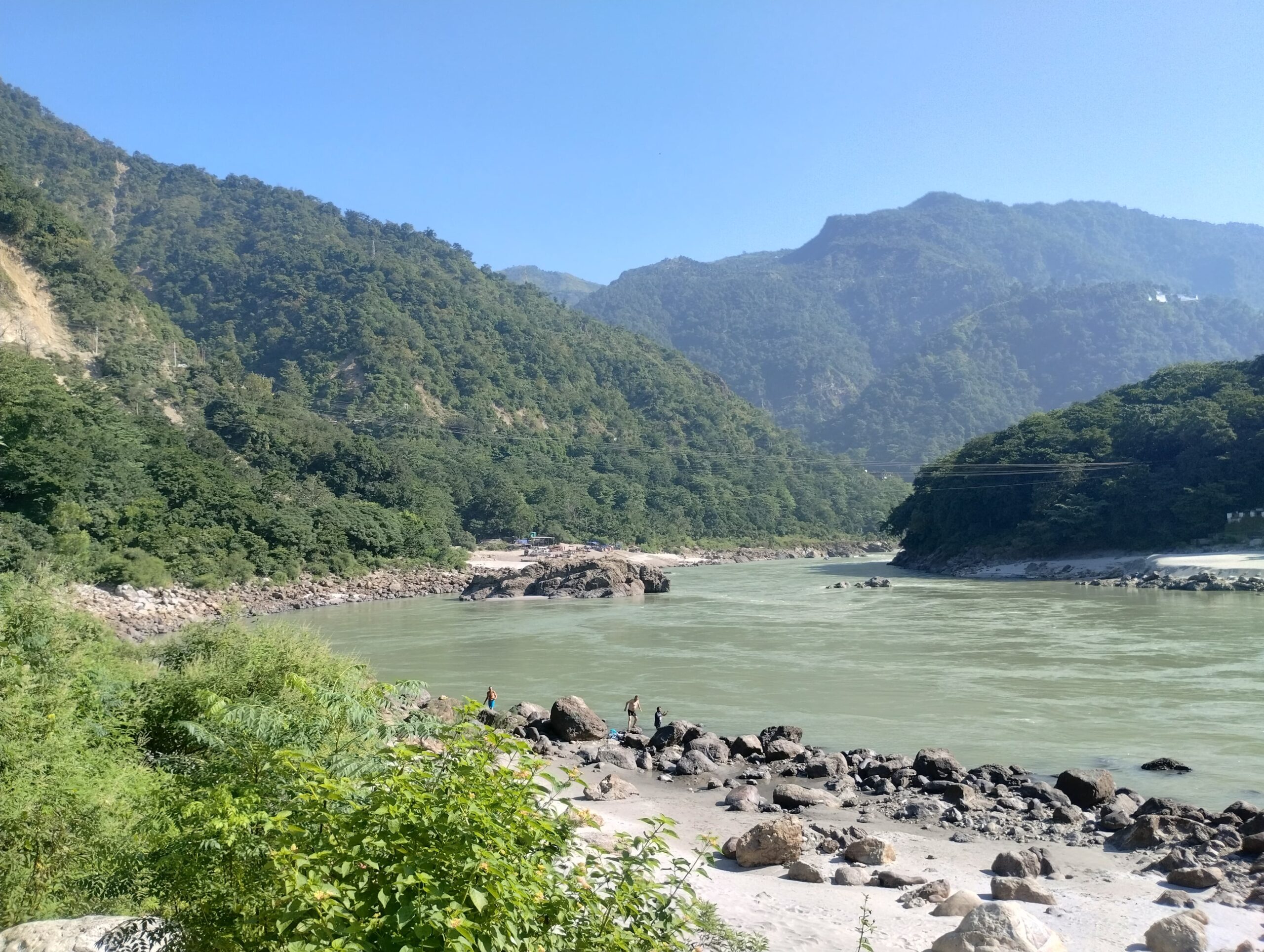
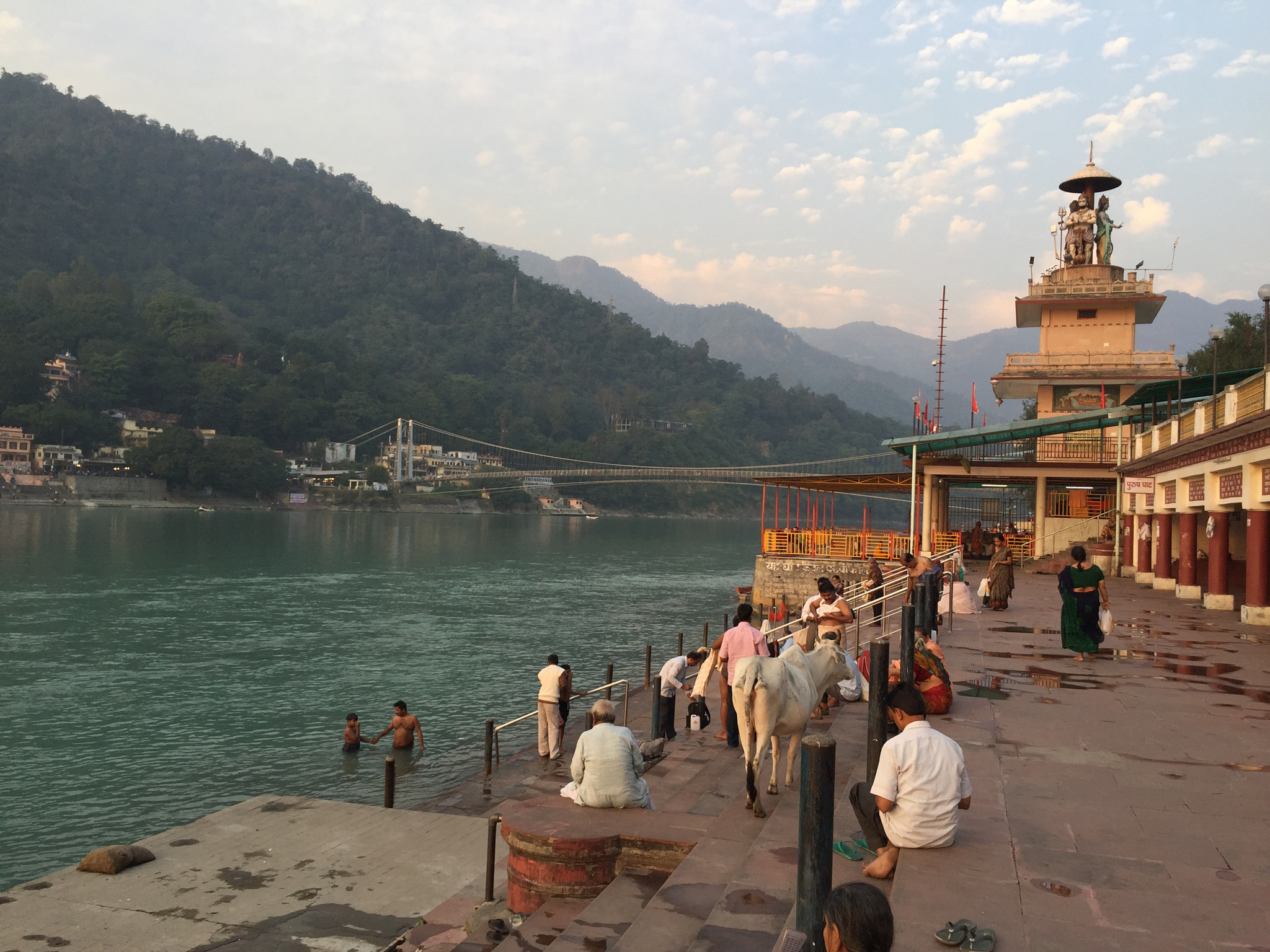
Rishikesh is built around the Ganga as the river leaves the Himalayan foothills. The river, surrounding hills, temples, ghats, and older ashram areas give the city a very different rhythm from a large urban yoga studio. Students can move from practice to philosophy class, sit by the river, attend an evening aarti, or spend quiet time away from traffic and work routines.
This setting does not make every yoga class automatically better. What it does provide is an environment where yoga, meditation, pilgrimage, and spiritual study are visible parts of everyday life.
Ashrams made long-term study possible
Rishikesh has a long ashram tradition. Well-known institutions such as the Divine Life Society and Parmarth Niketan helped make the city a place where students could stay, study, practise, and learn within a daily routine. Other centres developed around meditation, Vedanta, Hatha Yoga, devotional practice, and different teacher lineages.
This residential style of learning is one reason Rishikesh became important for serious yoga students. Instead of separating practice from daily life, students can follow a schedule that includes movement, breath, study, meals, rest, and personal practice.
Why Rishikesh Is Famous for Yoga: The Yoga Capital Explained 11
Yoga in Rishikesh is broader than posture practice
A common reason students choose Rishikesh is that yoga is often taught as more than physical exercise. A complete course may include asana, pranayama, meditation, philosophy, anatomy, alignment, teaching methodology, mantra, or traditional texts, depending on the school and course.
This does not mean every school teaches the same method. Some focus on traditional Hatha Yoga, some on Vinyasa, some on meditation or philosophy, and others combine several subjects. Students should always read the actual syllabus instead of assuming that every course in Rishikesh is identical.
The Beatles brought new international attention
Rishikesh was already a spiritual and yoga centre before the 1960s, but the Beatles’ stay at Maharishi Mahesh Yogi’s ashram in 1968 brought major international attention to the city. Their visit connected Rishikesh with meditation and Indian spiritual study for a much wider global audience.
International interest continued to grow after that. Today, students arrive from many countries for yoga classes, meditation retreats, teacher training, philosophy study, and longer residential programs.
Is Rishikesh really the birthplace of yoga?
It is common to see Rishikesh called the “birthplace of yoga,” but that phrase should be used carefully. Yoga developed across India over a very long period and cannot be reliably traced to one modern city as its single birthplace.
A more accurate description is that Rishikesh is one of the world’s best-known living centres for yoga, meditation, ashram study, and teacher training. Its importance comes from continuity of practice and teaching, not from a simple claim that all yoga started here.
What can you study in Rishikesh today?
People come to Rishikesh for very different reasons. A visitor may join a single morning class, stay in an ashram, attend a meditation program, take a short retreat, or complete a residential yoga teacher training.
Drop-in yoga classes: useful for travellers who want regular practice without joining a full course.
Ashram stays: usually more focused on routine, simplicity, meditation, philosophy, or devotional practice.
Yoga retreats: shorter residential programs that combine practice with rest and wellness activities.
Teacher training: structured study for students who want deeper practice and, at the 200-hour level, a structured foundational teacher-training pathway.
The main difference is concentration. A residential student can spend several weeks around people who are also practising, studying, eating on a regular schedule, and discussing yoga every day. That is very different from fitting two classes each week around a normal work routine.
Rishikesh also gives students access to different styles, teachers, ashrams, lectures, meditation sessions, Sanskrit and philosophy study, and a large international yoga community. The variety is useful, but it also means students need to compare schools carefully. A famous location does not remove the need to check teachers, curriculum, class size, accommodation, fees, and certification details.
How FitFortunes fits into the Rishikesh yoga tradition
FitFortunes Holistic Wellness Yoga School is based in Rishikesh near the Laxman Jhula and Swargashram area. Its current residential teacher-training portfolio includes 100-hour foundation programs and 200-hour teacher-training programs, with Hatha Yoga and Vinyasa Krama forming the practical base of the current Multi-Style training.
The current 100-Hour Multi-Style course is a 10-day foundation from the 2nd to the 12th of each month. The current 200-Hour Multi-Style course begins on the 2nd monthly and is 21 days long. Students can compare the current course structure, room options, and inclusions from the course hub rather than relying on general claims about yoga schools in Rishikesh.
Planning a yoga stay in Rishikesh
If you are travelling for yoga, plan the practical side as carefully as the course itself. Check your arrival route, weather, room type, food, course schedule, and how much free time you will actually have.
Rishikesh has many schools and very different course formats. Before paying a deposit, check the practical details rather than choosing only from photos or a low price.
Confirm the exact yoga styles and syllabus.
Check teacher names, experience, and qualifications.
Check the real course duration, daily hours, and attendance rules.
Confirm room type, meals, Wi-Fi, and what the fee does not include.
Read the certification wording carefully and do not treat a private certificate as a legal teaching licence everywhere.
Use the current course page for dates and prices before booking travel.
Rishikesh is famous for yoga because of its long spiritual tradition, ashrams, teachers, meditation culture, Ganga setting, and large number of modern yoga schools and residential programs.
Why is Rishikesh called the Yoga Capital of the World?
The name reflects the concentration of yoga and meditation study in the city. Rishikesh has long attracted Indian and international practitioners, and Uttarakhand Tourism itself describes it as the world capital of yoga and meditation.
Is Rishikesh the birthplace of yoga?
Not in a literal, historically proven sense. Yoga developed across India over centuries. Rishikesh is better described as an important centre where yoga, meditation, and spiritual study have been practised and taught for generations.
Do I need to join a teacher training to practise yoga in Rishikesh?
No. Rishikesh has drop-in classes, ashrams, meditation programs, retreats, and longer courses. Teacher training is only one option and is better suited to students who want structured, intensive study.
The Best Yoga Poses for Beginners Which are helpful for your Body Early- Morning
Starting yoga introduces you to a world of physical and mental well-being, suitable for people of all ages and fitness levels. The best yoga poses for beginners gently introduce this ancient practice, improving flexibility, strength, and inner peace. Yoga is known for its overall health benefits, boosting physical fitness while also sharpening mental focus and emotional stability. It’s a flexible discipline that adjusts to individual needs, making it ideal for anyone looking to lead a healthier life.
Yoga’s appeal lies in its welcoming nature, inviting beginners to try poses that suit their comfort and goals. Whether you’re beginning your day with gentle stretches or relaxing after work, adding yoga to your routine can greatly improve your well-being. With proper guidance and dedication, yoga goes beyond exercise—it becomes a journey accessible to everyone seeking balance and vitality in life.
We wish to fall back to bed but the day ahead brings new goals, chores, and opportunities. A few splashes of water and some yoga moves will snap us back to the energized self. Yoga helps in stretching up the body and releasing the drowsiness from within. Here are a few yoga poses for the morning energy refill. Also, check yoga poses to control depression.
1. Upward Salute (Urdhva Hastasana)
– Stand upright with your feet near to each other – Your thighs should not have any space between them – Pull your tummy in slightly and bring the arms to the sides of your thighs – Roll your shoulders back, inhale and raise both arms to meet over your head – Look upwards at your thumb – Exhale and return your arms back to resting position.
https://www.youtube.com/watch?v=cYDNbeoUjqk
2. Standing Forward Bend (Uttanasana)
– Stand upright keeping your feet completely on the floor – Arch up your back and bring the hands to your sides – Inhale and lean forward, keeping the back straight – Balance your current posture by placing your hands on either side of your feet – Exhale and bend your elbows, bringing the torso close to your knee caps – Inhale again to lift your upper body up.
3. Downward Facing Face (Adho Mukha Svanasana)
– Lie down on your stomach, arms parallel to the body – Bring your fingers parallel to your chest – Lift your upper up, straightening your arms till you’re on all 4s. – Tuck in your toes and raise your glutes upwards while straightening your knees – To release, bend the knees down and rest.
https://www.youtube.com/watch?v=OWUOCr_5b6E
4. Upward Facing Dog (Urdhva Mukha Svanasana)
– Bring your body down in a regular planking position – Your arms should be parallel to the shoulders and toes, balancing the lower body – Roll your shoulders back and straighten your elbows – Lift up your torso and straighten the back – Lower your hips and flatten your feet over the floor – Return back to downward facing dog pose stretch out.
5. Mountain Pose (Tadasana)
Tadasana can be done in two different positions according to class and comfort :
Standing Tadasana Pose (Active)
Supine Tadasana pose (Resting)
Standing Tadasana Pose
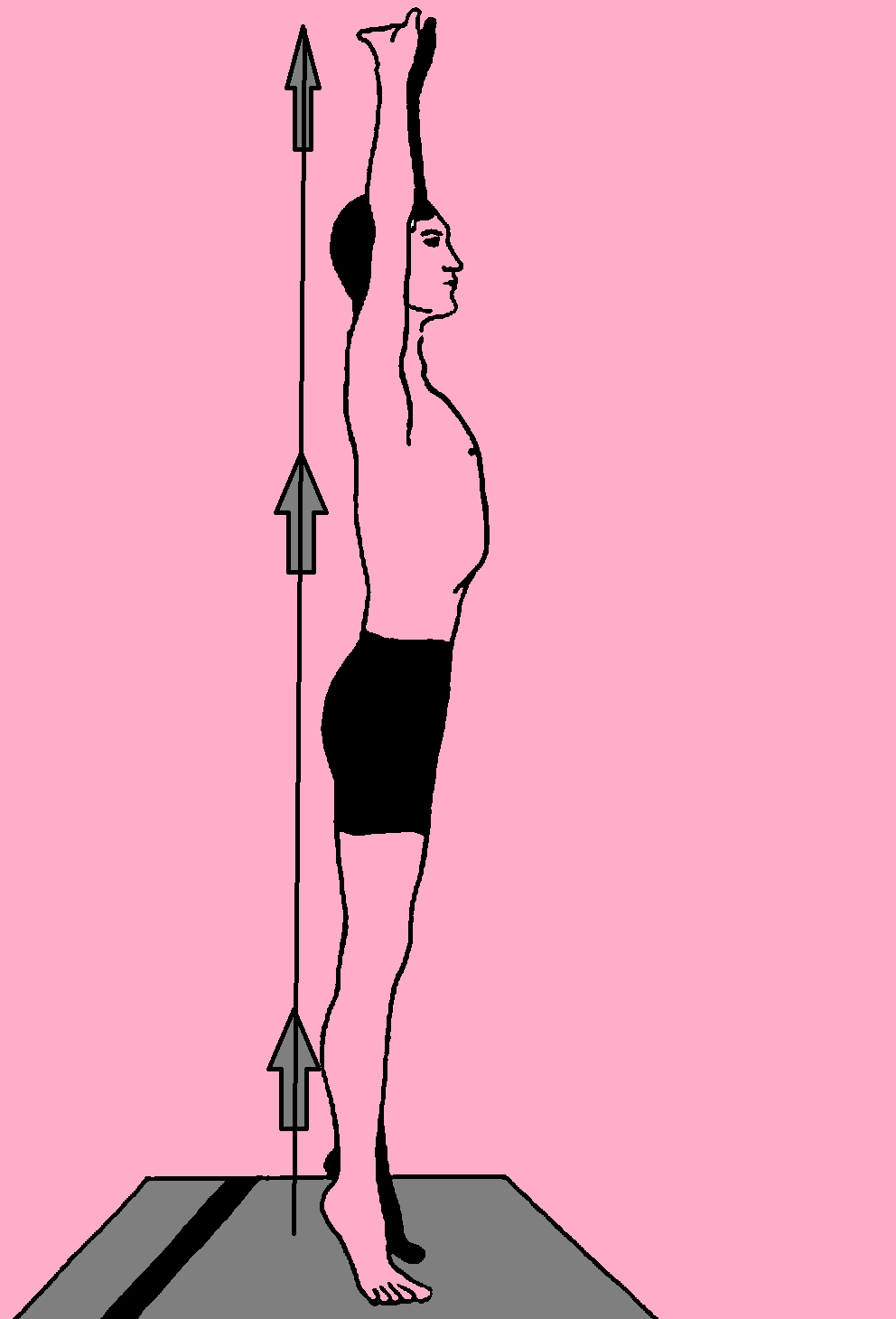
-Stand straight keeping your legs slightly apart from each other.
-Now, With an Inhale start Raising your hands above your head and look straight and gaze at one point.
-Interlace the fingers of both the hands and turn the palms upwards towards the ceiling.
-Lift your heels in and stand on the toes.
– Be as tall as you could, while stretching your arms, chest and shoulders upwards and balancing on your toes.
-Hold this pose for few seconds and bring your hands and heels down with a exhale.
-You can practice this Pose for a few rounds.
tadasana
Supine Tadasana pose
-We perform this asana laying down straight on the mat and doing the same steps as we did in standing tadasana.
These few yoga poses are best yoga poses for beginners and provide a gentle yet effective way to start your journey towards better health and well-being. To follow and only take about half an hour each morning. Practicing them regularly can leave your body feeling relaxed and energized, ready to take on the day ahead with renewed vitality. If you’re new to yoga, consider seeking guidance from a qualified yoga teacher. They can help you understand the poses better and reap the full health benefits that yoga offers, ensuring a safe and effective practice tailored to your needs.
Incorporating these gentle yoga routines into your daily life can make a significant difference in your overall well-being. Whether you’re looking to enhance flexibility, build strength, or simply find moments of calm, yoga for beginners is a versatile and accessible way to nurture both body and mind. Embrace this transformative practice and discover how it can bring balance and vitality to your life, regardless of your age or fitness level.
Things to Remember
As a new yoga student, the variety of poses might seem daunting, but yoga can be simple and accessible. Even stretching your arms over your head in the morning counts as a yoga pose. Yoga is a lifelong journey, offering ample opportunities to explore each posture (asana) and master sequences.
Most basic yoga poses feel natural because they mimic our body’s everyday movements. Focusing on mindful breathing enhances relaxation and helps deepen your pose experience. These beginner yoga poses serve as a gentle introduction to the practice, laying the foundation for more advanced postures.
Learn the power of yoga with our 200 Hour Yoga Teacher Training in Rishikesh. Join us for an unforgettable experience that will enhance your personal practice and professional skills. Register now!
Have you ever felt too tired to get out of bed, even after a whole night of sleep? Or cancelled on meeting a friend as it got too overwhelming suddenly. These are not signs of laziness. Yes, many people feel we are too lazy to perform day-to-day activities and want the easy way out. But in reality, there is just a huge amount of sudden emptiness we can’t seem to shrug off. Depression is a serious medical condition which requires urgent help from psychiatrists. Ignoring it might lead to suicidal thoughts a worst.
Before going into deep meditation stage you need to follow the simple niyam/Rules of Yoga. In addition, medications for depression or stress need a lot of time to reach that level. Cause, we can not get into that stage of self-awareness very quickly. But, with the help of some yoga asanas, everything is possible. Yoga helps improving blood circulation to our brains. It also increases the production of mood-enhancing hormones to help us feel relaxed.
1. Bridge Pose (Sethu Bandhasana)
Lie down on your back on a flat surface. Use your yoga mat. Now, place your arms parallel to the body, palms on the mat. Bend your knees and drag your feet towards your hips. Also, make sure your feet on the floor are slightly apart. Now, start lifting your hips up. Raise your lower back off the floor too. Then your upper back. During this, Your torso should touch the chin.
https://www.youtube.com/watch?v=M2GMl7usr8U
in Addition, squeeze your hips together and push them upwards. So, mainly both the sole of your feet, your shoulders and back of the head is grounded, Rest of the body in the air making like a bridge. Hold the stance for 3-5 seconds and relax back. Repeat it a few more times. Keep your Face relaxed.
2. Standing Forward Bend (Uttanasana)
Stand straight and let your feet be close to each other. Put the hands on your hips and Roll back your shoulders. so that your chest will pump up. Now, Bending from the hips Lean your upper body forward and bring it down. Keeping your spine straight Balance the stance by letting the arms extend down to hold the floor. Your arms should be right below the shoulder line. Take a deep inhale and as you exhale Lower your torso towards the legs and wrap the arms around your ankles. you could slightly bend your knees. but not too much. Hold it for few breaths and comes up slowly.
This video showing 2 asanas including the Forward Bend.
https://www.youtube.com/watch?v=cYDNbeoUjqk
3. Upward Facing Dog (Urdhva Mukha Svanasana)
Lie down on your abdomen and keep your feet apart by a few inches. Your toes should be facing out. Now, Bring the hands on either side of your chest and place the palms on the floor. Roll out your shoulders. With the help of your palms, lift your upper body from the ground. Arch up your back and look forward. Your arms should be right below the shoulders. There should not be any stress in the lower back. squeezing your hips will take away the extra pressure from the lower back. Breathe out slowly and relax your body down.
4. Child Pose (Balasana)
Sit down on your thighs and place your palms on the knees. Your feet at the back should be touching inwards. Bend your upper body forwards and simultaneously, straighten out your arms towards the front. Your torso should touch the upper thighs and the face should be right above the floor. Keep your arms straightened out forward on either side of your head. Thus the final position is like a child sleep sometimes. The spine should not be curved.
https://www.youtube.com/watch?v=M2GMl7usr8U
5. Corpse Pose (Savasana)
Perform this yoga-asana at the end to relax your entire body. Lie down on your back and extend the arms out on either side, palms facing up. Let your legs extend sideways and relax them. Close your eyes, breathe in and breathe out slowly, calming down your body and soul. No Muscular movement, every muscle, every joint should be relaxed. Don’t try to control anything. Concentrate on your Breathing keeping your face soft and tension free.
Yoga Poses to cure depression and Anxiety
A blended medication of yoga and counselling will help you combat the depression. Remember, Yoga is Mother Nature’s way of helping her children out of severe conditions.
Unlock your potential as a yoga teacher with our comprehensive 200 Hour Yoga Teacher Training in Rishikesh. Sign up today and start your journey towards a fulfilling career.
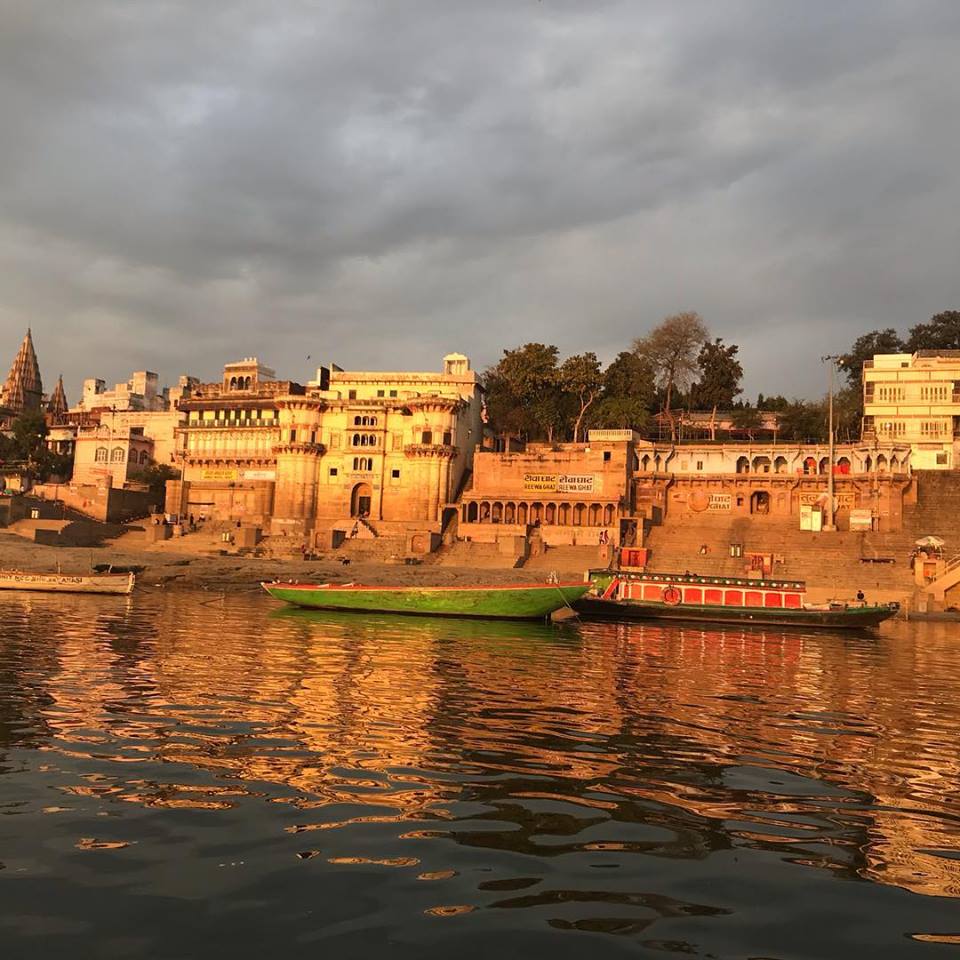
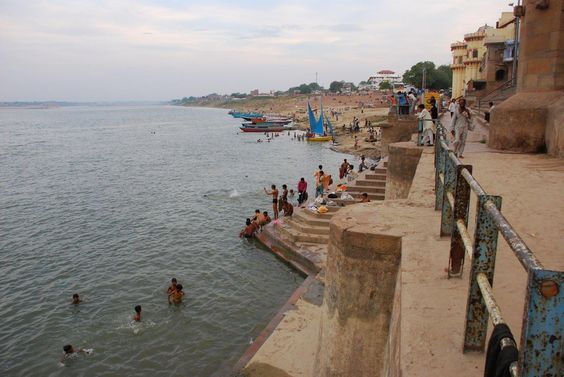
Varanasi Considered being the world’s oldest and holiest city among Hinduism. Also, Known as Banaras or Kashi. Pilgrims come to take a dive in the holy river Ganga. To wash away their sins, hoping to sacrifice their life and get liberty from the cycle of rebirth.
If you have Visited Delhi, Agra, Jaipur than Varanasi is your Next destination
They believe that holy rituals of life and death take place in public. The sound, the smell and the sights of this maze-like old city are intense.
This City, One of the most colourful and fascinating places on earth. Strolling across the ghats, watching the sunrise are few highlights to mention. Confronting the rituals of death so very close can be a powerful experience. Here are the top 8 sights you should try to witness while making your visit in Vanarasi.
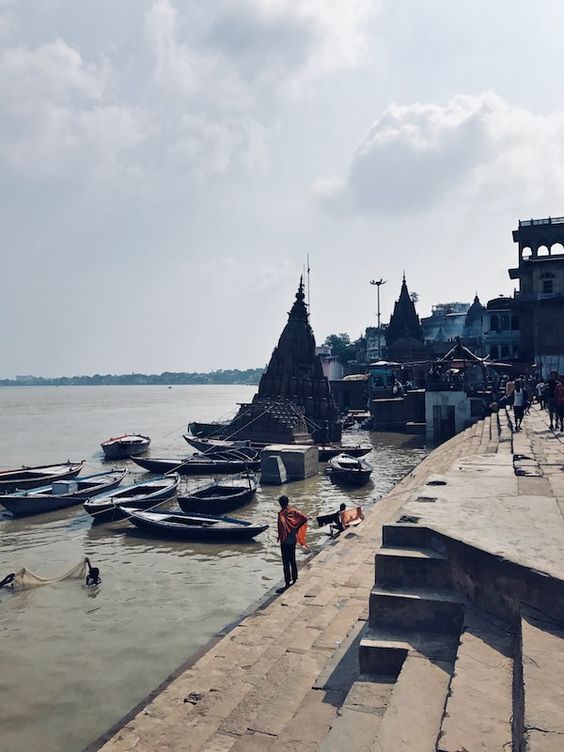
Manikarnika Ghat
One of The most auspicious place for the Hindus to cremated. The outcasted people known as doms handle these dead bodies. Carrying them down the alley right from the town to the holy river of Ganga on a bamboo stretcher covered in cloths.
manikarnika ghat Varanasi
Afterwards, These dead bodies doused in the holy river of Ganga before cremation. There is an attached well known as Manikarnika well and a slab of stone known as Charanpaduka. Considered as, bearing the footprints of Vishnu.
Assi Ghat
The starting point of the boat trips where river Assi meets the Ganges known as Assi Ghat. Many pilgrims come here to worship Shiva Lingam – beneath a peepul tree. Moreover, The evenings are lively along with featured music and even yoga at sunrise.
Assi Ghat
Vishwanath Temple
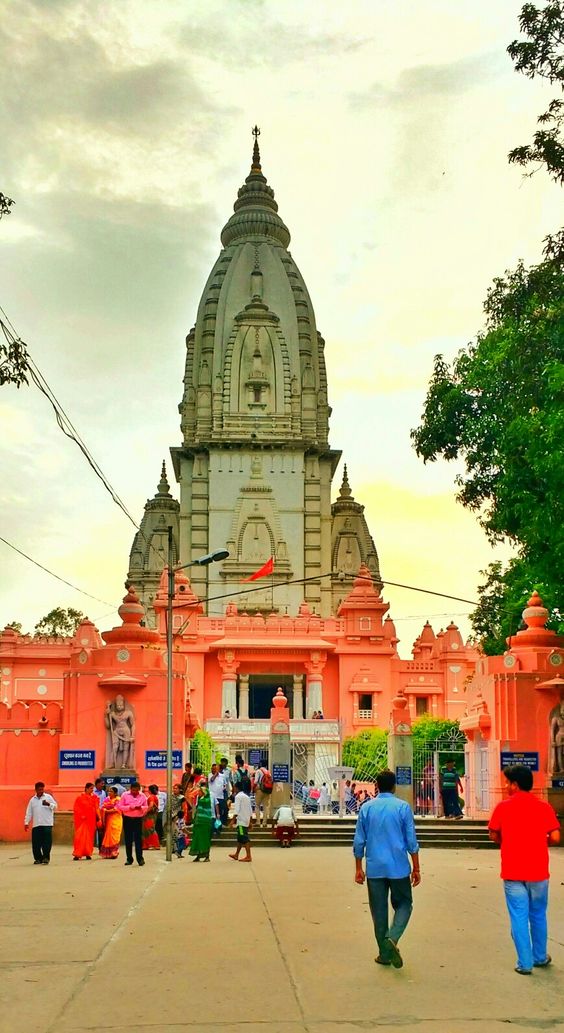
Your visit in Varanasi would remain incomplete if you are likely to miss the Kashi Vishwanath temple. Furthermore, This temple is dedicated to Lord Shiva. And has been referred into the holy scriptures and considered as one of the 12 Jyotirlingas. On the other side of Vishwanath Temple is the Gyan Kupor Well. Pilgrims believe that drinking water from this holy well leads to a higher spiritual plane. Though this practice has now been prohibited by strict security screen.
source:- https://www.telegraphindia.com/india
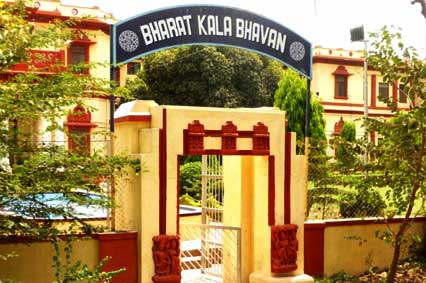
Bharat Kala Bhawan
Kala means art. This museum stands in the Banaras University campus. Hosting a varied collection of miniature paintings. in Addition, the storehouse of 12th-century-palm leaf manuscripts and local history displays.
Bharat Kala Bhavan
Benaras Hindu University
In contrast, Benaras University, Established in 1916 as a learning hub. Away from the city bustle. Surely, offering you a peaceful atmosphere to grow. The tree-lined streets stretched across 5-sq-km campus offers top quality education.
Sarnath
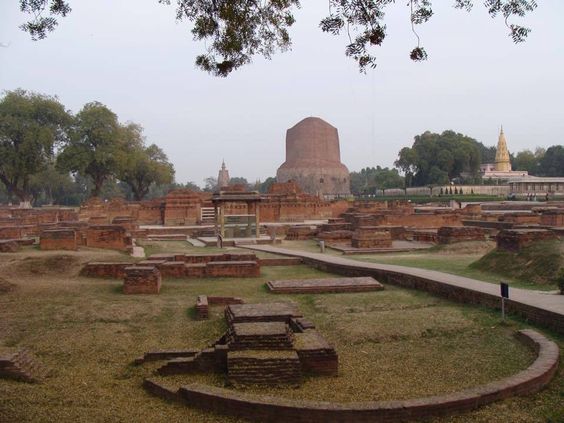
Sarnath, one of the famous Buddhist pilgrims located at 13km northeast of Varanasi. In popular culture, Considered that After visiting Bodhgaya, Buddha came here to give his first sermon. A popular place for people seeking peace and solitude after struggling through the frazzled ghats of Kashi. Sarnath also associated with the archaeological museum, the Ashoka Pillar, the Dharmesh Stupa and Monastery Ruins.
Dhamek Stupa, Sarnath
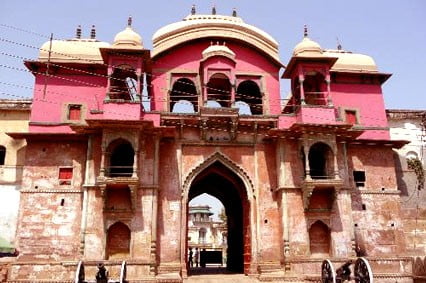
Ramnagar Fort
This castle, Built by Raja Balwant Singh in 1750 representing the Mughal style of architecture. Also, popular for its strong and lavish appearance. The Fort located in the eastern bank of river Ganga. The cream-coloured Chunar sandstone gives it a sophisticated look.
Tulsi Manas Temple
The Tulsi Manas temple, Constructed in 1964 with the help of the Birla family. This the place where Tulsi Das wrote Ramayana in Awadhi dialect of the Hindu Language. Thus, Named after him. Scenes and verses from the Ramcharitmanas are depicted on the walls of the mandir.
So, overall its a great destination to have some good spiritual time.
When was the last time your office lunch was something healthy, cooked at home? Our lives become quite hectic, especially for the youngsters new to the 9 to 5 lives to Stayfit.
But this does not mean we sacrifice our health in the hands of tight schedules.
-Keep your diet simple
The online blogs are teeming with diets which can possibly get you to size 0 by week 3. But keep in mind; you cannot afford to faint during a presentation. Just follow these simple plans.
– Drink lots of water.
Studies say that Water Intake Affect Energy Levels and Brain Function.
If you don’t Drink Water (stay hydrated) throughout the day, your energy levels and brain function will start to suffer.
So, Set your goals to finishing 3 X 400ml bottles of water in 6 hours.
– Say NO to energy drinks.
Of course Sting and Red Bull taste like heaven. But guess what else is flying higher along with your energy? Sugar levels. Skip them out entirely. Keep chilled bottles of cucumber water to refill your energy slots.
– Keep a proper balance between veggies and meat/plant proteins.
All the nutrition received is integral in keeping you awake and ready for the world
– No big gaps. 3 pm lunch means a 6 pm fruit salad or something light and healthy. Your body needs fuel.
See what type of Bread is good for you.
-Get a Good Sleep
In the age of power naps, we receive 0 power and a few snores to be precise. We calculate hours of rest on your fingertips. The only reason our energy levels were so high during childhood was that sleeping on time was mandatory. Let’s bring it back
– Perform activities which make you doze off
Is your favourite movie keeping you awake? Ditch it post-11, go for the most boring film or book near you and you’ll feel your eyelids getting heavier by the minute.
– Dim down the lights in your home within 10:30 pm
Imagine someone turning on your LED at 6 am, irritating isn’t it? Dimming the lights before heading to bed cools down the rooms and also sets the environment for a cosy low-lit atmosphere you wish to rest in.
-Find YOUR Perfect Workout
There are so many unique exercise routines out there for Stayfit. Weightlifting, Cardio, HIIT, Karate, you name it. But which one makes you wish to leave the chair and getting sweaty? Find your inner rage-machine.
– Find workout routines which suit your time.
If gym workouts take too long via travel, learn the exercises to practice at home. Add a few pieces of equipment such as dumbbells, gym ball, Abs-curve for better benefits.
– Eat for energy
Even if you workout for 30 minutes, your body needs some fuel to power up. Protein biscuits, banana, fruit smoothies, pick your favourite and see the results.
Our professions and fitness are bi-product of goals we always wished to achieve.
Embrace the holistic approach to yoga with our 200 Hour Yoga Teacher Training in Rishikesh. Learn from expert instructors in a serene and supportive environment. Enroll today and start your journey towards becoming a yoga teacher!
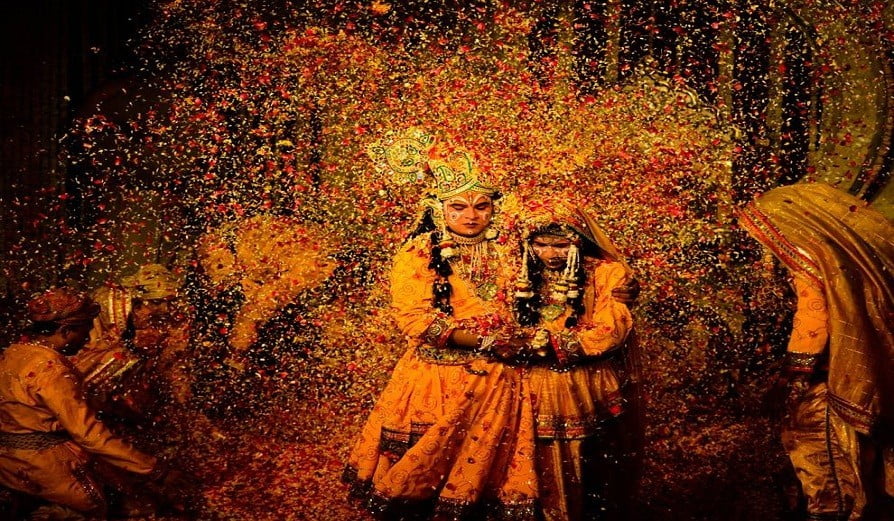
The festival of colours, “Holi” endows us with such special moments in which we can distribute love and compassion with our near and dear ones. People leave all the grudges in past and try to move on while celebrating the occasion of Holi.
As per Hindu scriptures, Holika Dahan commences on the evening of Purnima (Pradosh Kaal), after Bhadra, in the month of Phalguna.
In actual, Holika Dahan is the main reason behind the revels of this festival. Typically, there exist a plethora of myths which are supposed to be the main intellects but here is the description of the most famous myths among all.
The Hindus Myth
The myth is about the tale of a Vishu disciple Prahalada due to which we celebrate Holi. But his father Hiranyakashipu was an arrogant and witty person. Who could never tolerate anyone rising above him.
Narasimha is described in Hindu tradition as the form of Vishnu who defeats Hiranyakashipu.
So, Same happened when Prahalada refused to worship him in place of the God Vishnu. And then, his father tried his best to punish Prahalada. Actually, his father had a boon. That nobody could kill him. Neither the human or animal, in outdoor nor indoor, in day or night, by ashtra nor by shastra (weapons), neither in land nor water.
End of Hiranyakashipu Era
But, when they forced Prahalada to sit on fire in the lap of his aunt Holika. Then Prahalada survived and Vishnu killed his father in the role of Narasinha(body of half human and half lion ) at dusk. And yes, between the boundary line of door, in his own lap, by lion claws.
Since that day, Holi celebrations occur on a particular day. Where Holika bonfire symbolizes the victory of goodness over the evil power. And, Holi as the celebration of that victory.
The Sikhs History
Sikhs have been celebrating the festival of Holi since the 19th century. Because the last human Sikh Guru, “Shri Guru Gobind Singh” presented it as a festival of three days. Among Sikh religion people, this festival called “Hola” or “Hola Mohalla’. In which people show martial arts and many other activities.
Hola Mohalla is marked by Sikh martial-arts displays and community activities.
As per the pages of history, the credit of its initiation goes to Maharaja Ranjit Singh. Who used 300 mounds of colours in Lahore along with his other officials in 1837. From that day, Holi getting celebrated among Sikhs with full enthusiasm.
Rituals of Holi
Here is the list of rituals performed on the spring festival “Holi” which may vary as per different cultures and regions. People celebrate Holi on the last full moon day of Hindu Calendar.
They lit bonfires as Holika Dahan, one night before the main celebrations.
Holika Dahan comprises a huge gathering in which singing, dancing, and other cultural activities.
On the primary celebrations of Holi, people put colours on the faces of their family, relatives or friends in powdered and liquid form.
At some places, people also play DJ music during celebrations to dance and enjoy.
In a northern part of India, Holi has celebrated quite a unique way. Where women hit the men with a stick(lath) or soft ropes of cotton clothes. During this men save themselves with shields and pouring water and colors on women.
See our Best Places to Celebrate Holi Guide.
Over and all, every region has its own myth, name, and rituals as per their cultures and customs. But, the main purpose of Holi is to scatter happiness everywhere and leave the conflicts behind.
The best place to celebrate Holi depends on the kind of experience you want. Mathura, Vrindavan and Barsana are famous for Braj Holi traditions. Jaipur offers a city festival atmosphere. Other regions celebrate in their own local ways.
Holi is a Hindu spring festival linked with colour, community, devotion and stories connected with Krishna, Radha and Prahlada. Large celebrations can be joyful but very crowded. Plan for colour, noise, wet clothes, blocked roads and slow transport.
Mathura and Vrindavan: Braj Holi
Mathura and Vrindavan are strongly connected with Krishna traditions. Holi events in the wider Braj region can begin before the main Holi day and include temple celebrations, devotional singing, flowers and coloured powder.
In Vrindavan, some temples hold special Holi programmes. Dates and access can change each year, so check local official tourism information before planning around one temple event.
Barsana: Lathmar Holi
Barsana is known for Lathmar Holi, a local tradition connected with Radha and Krishna stories. In the staged custom, women symbolically strike shield-carrying men with sticks while crowds watch, sing and throw colour.
This is a specific cultural event, not a rule for ordinary Holi behaviour. Visitors should not copy the action outside the organised tradition.
Incredible India describes Barsana’s Lathmar Holi as one of the distinctive celebrations of the Braj region.
Jaipur: Holi with a Rajasthan trip
Jaipur can work well if Holi falls during a Rajasthan or Golden Triangle trip. Hotels, cultural venues and neighbourhoods may organise colour events, while public streets can also become busy.
Do not assume every advertised “royal Holi” event is official or historic. Check who runs the event, what is included, and how you will return to your hotel after roads become crowded.
Our Jaipur travel guide helps you plan the city before or after the festival.
Other Holi traditions in India
Shantiniketan and Basanta Utsav
West Bengal has spring celebrations influenced by Rabindranath Tagore’s Basanta Utsav tradition. Music, dance and yellow clothing can be part of the event. Check the current organiser and access rules because event formats can change.
Hola Mohalla in Punjab
Hola Mohalla is a Sikh festival held around the same season, especially at Anandpur Sahib. It is not simply “Sikh Holi”. It has its own religious history, martial displays, processions and community practices.
Local Holi
Many Indian families and neighbourhoods celebrate in smaller ways. A local celebration can be easier to understand than a giant tourist crowd because you can follow the customs of the people hosting you.
Simple Holi safety and respect tips
Ask before applying colour: not everyone wants colour on their face or clothes.
Protect your eyes: do not throw powder directly at another person’s face.
Keep your phone protected: water and coloured powder can damage it.
Wear simple clothes: colour may not wash out fully.
Plan your return: roads, taxis and public transport can become difficult during peak celebrations.
Stay with people you trust: large crowds can separate groups quickly.
Leave if the atmosphere feels unsafe: a festival does not require you to stay in a crowd you dislike.
Large public celebrations can be rougher than private or organised events. Children, older visitors and anyone who dislikes dense crowds may prefer a smaller celebration.
Holi and the Golden Triangle
If Holi falls during your North India trip, you can combine it with Delhi, Agra and Jaipur. But festival travel can change opening hours and road conditions. Add extra time instead of keeping a tight schedule.
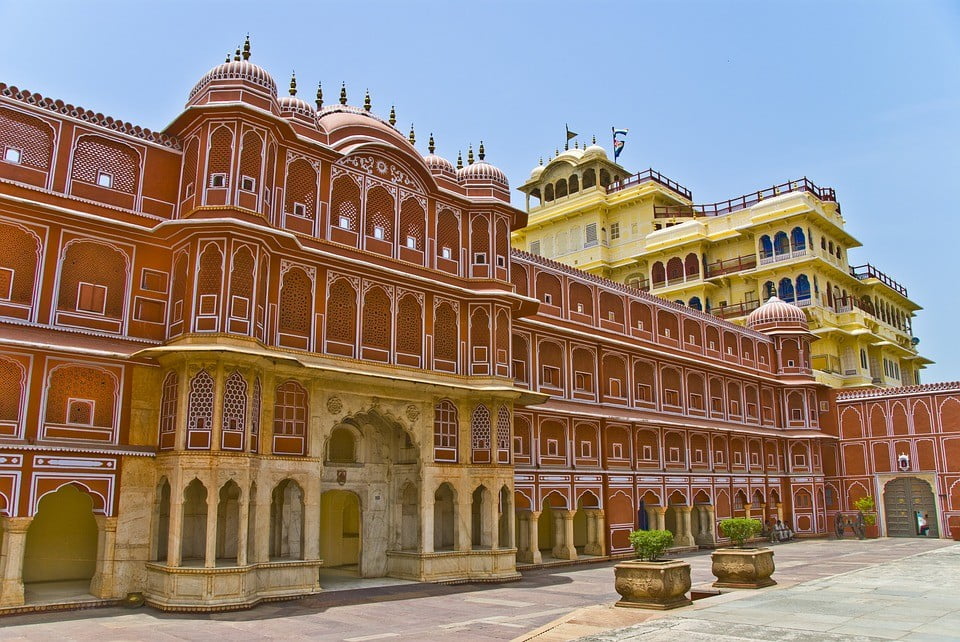
Jaipur is the capital of Rajasthan and the third city in India’s Golden Triangle. It is known for Amber Palace, Hawa Mahal, City Palace, Jantar Mantar, old markets and the pink-coloured streets of the historic centre.
Two days is a good starting point for a first visit. Jaipur is spread out, so it helps to group sights by area instead of crossing the city again and again.
Amber Palace
Amber Palace, also called Amer Fort, stands on a hill outside the old city. Rajasthan Tourism describes it as a major Jaipur attraction with courtyards, halls, gateways and views over the surrounding hills.
Go early in warmer months. The climb, open courtyards and crowds can make midday tiring.
Best places in Jaipur’s old city
Hawa Mahal
Hawa Mahal is one of Jaipur’s best-known buildings. Its front has many small windows and screens. It was built so royal women could look toward the street while remaining screened from public view.
City Palace
City Palace sits in the old city and combines courtyards, gates, museums and royal buildings. Some parts have different ticket rules, so check the official site before paying for extra areas.
Jantar Mantar
Jantar Mantar is a UNESCO World Heritage Site. It is a collection of large astronomical instruments built in the early 18th century. A guide can make the instruments easier to understand because they are more than stone shapes.
Johari and Bapu bazaars
Jaipur’s old markets are known for textiles, jewellery, shoes, handicrafts and everyday goods. Compare prices before buying. If a seller says an item is antique or made from a rare material, ask for proof before paying a high price.
A simple two-day Jaipur plan
Day 1: Amber Palace in the morning. Add Jal Mahal viewpoint on the return if it fits your route. Rest in the hottest part of the day.
Day 2: Hawa Mahal, City Palace and Jantar Mantar. Finish with a short market walk if you still have energy.
This keeps nearby places together and avoids spending half the day in traffic.
When is the best time to visit Jaipur?
The cooler months are easier for most visitors. Rajasthan Tourism shows that Jaipur’s late spring and summer temperatures can become very high. October to March is usually more comfortable for forts and long walks.
July to September brings monsoon rain and humidity. Jaipur is still visitable, but outdoor plans need more flexibility.
Start early: forts are easier before the strongest heat.
Use licensed transport: agree on a fare or use a metered/app service where available.
Check current entry rules: prices and access can change.
Dress for heat and walking: light clothing, water and comfortable shoes help.
Respect religious places: follow dress and photography rules.
Jaipur on the Golden Triangle
Many travellers reach Jaipur after Agra and return toward Delhi. If you are building the whole route, the Golden Triangle guide helps with season and pacing.
If your visit falls near the spring Holi festival, our guide to the best places to celebrate Holi in India explains what to expect before joining a large colour celebration.




 source:- https://www.telegraphindia.com/india