Category: Yoga

  • What Is Power Yoga? Origins, Pace, Benefits and Who It Suits

    What Is Power Yoga? Origins, Pace, Benefits and Who It Suits

    Power Yoga is a modern, vigorous style of yoga built around continuous movement, strength, stamina, and breath-linked sequences. It developed in the United States in the late 1980s and 1990s. It was influenced strongly by Ashtanga Vinyasa Yoga, but it does not follow one fixed sequence. That is why two Power Yoga classes can feel very different.

    Power Yoga in one minute

    Power Yoga is usually fast, physically demanding, and flexible in structure. A class may include Sun Salutations, standing poses, balances, planks, lunges, backbends, core work, and repeated transitions. Teachers often link movement with breathing, but there is no single worldwide Power Yoga syllabus.

    The word power can make the style sound like yoga is only a workout. That is not always true. Bryan Kest, one of the teachers closely associated with the name, still describes Power Yoga as an inward practice rather than a contest of difficult poses. His own explanation is available on PowerYoga.com.

    Where did Power Yoga come from?

    Power Yoga is not an ancient Indian school of yoga. It is a modern label that became popular in the United States. Macmillan’s biography of Beryl Bender Birch says she coined the term in the late 1980s while making Ashtanga practice more accessible to American students, nearly simultaneously with Bryan Kest in Los Angeles. Bryan Kest’s own Power Yoga site also identifies him as the creator of his Power Yoga method.

    That history matters because Power Yoga is often presented as if it were a classical style written in an old Sanskrit text. It is not. Its roots are connected with modern Ashtanga Vinyasa teaching, but its classes are usually less fixed. A teacher can change the sequence, intensity, pace, and emphasis.

    If you are comparing it with a slower class, our Hatha Yoga vs Power Yoga guide explains the difference in pace, structure, breath, and beginner suitability.

    What does a Power Yoga class actually feel like?
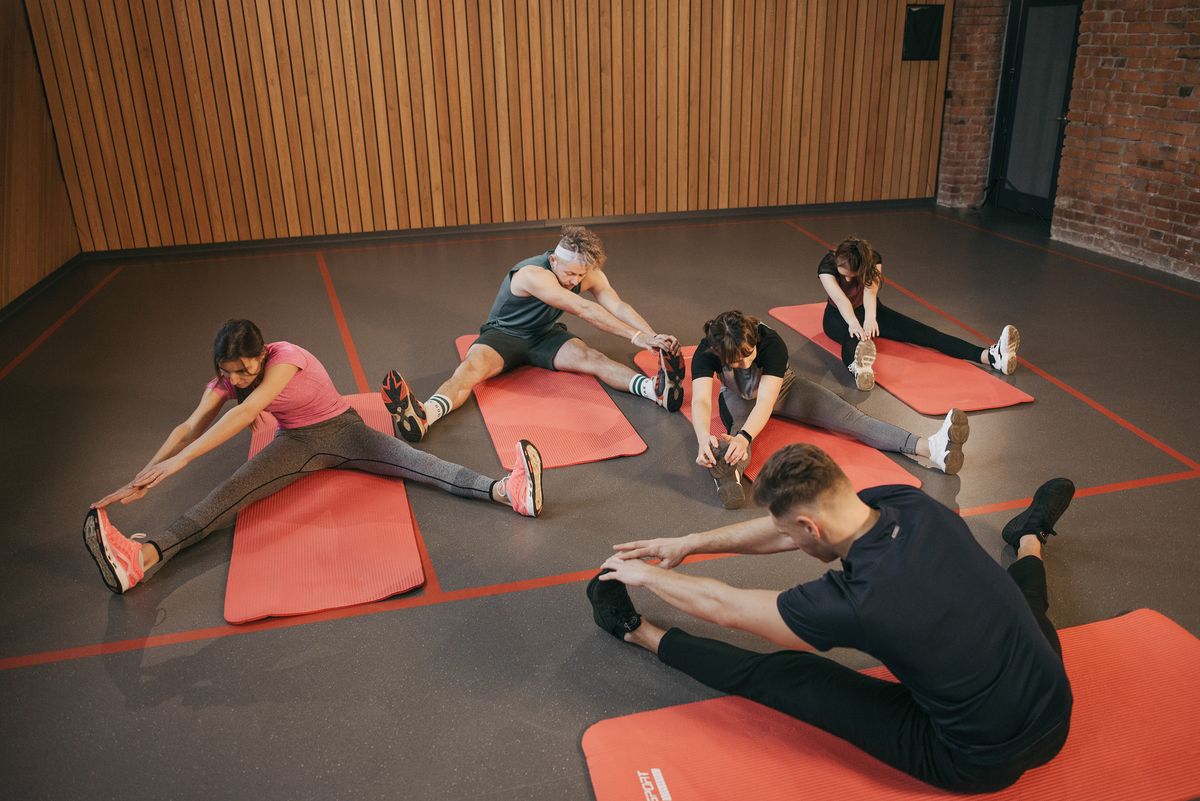
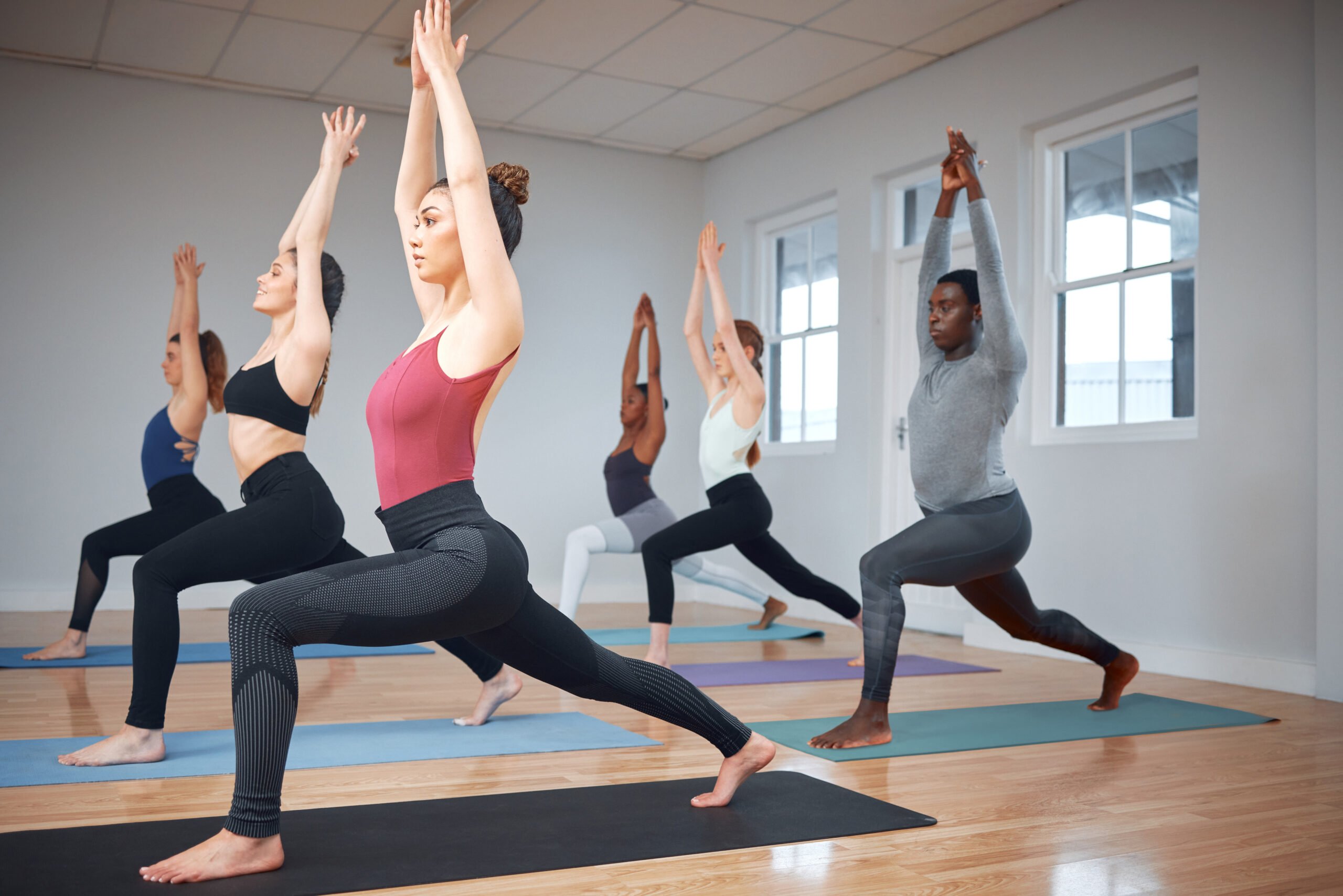
    Group practising a strong yoga stretch during an active class
    What Is Power Yoga? Origins, Pace, Benefits and Who It Suits 4

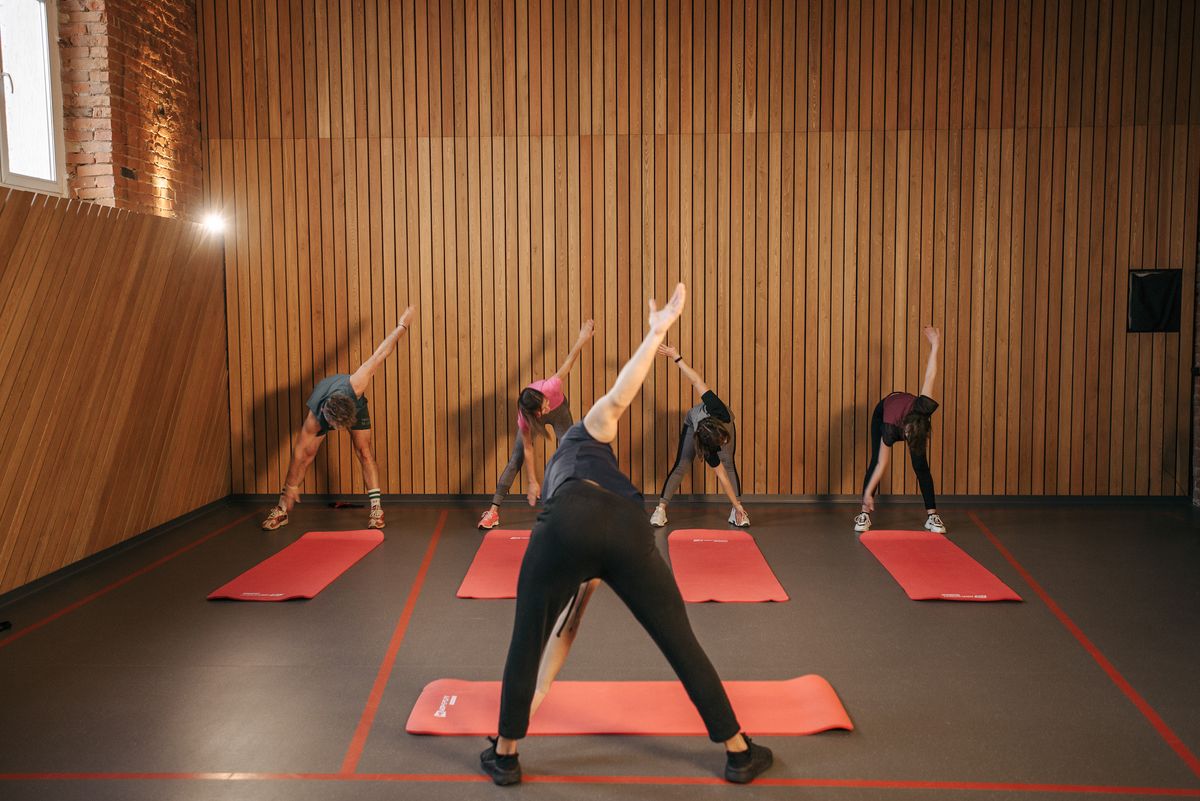
    A typical Power Yoga class keeps you moving for much of the session. You may spend less time breaking down one posture and more time linking several postures together. This can create more heat and can make the class feel closer to strength or conditioning work than a slow Hatha class.

    However, Power Yoga has no standard sequence. One teacher may use a strong Vinyasa pattern. Another may add long holds, balance work, or athletic drills. Music may be used, but it is not required. A class name alone does not tell you exactly what will happen.

    Before joining, ask the teacher about pace, wrist loading, repeated Chaturanga, heated rooms, inversions, and whether beginners receive alternatives. These practical questions tell you more than the label.

    What Indian Hatha textbooks tell us about the difference

    Indian university yoga syllabi make an important distinction. Traditional Hatha Yoga is not described as a fast fitness class. Andhra University’s Hatha Yoga syllabus studies the Hatha Yoga Pradipika through subjects such as asana, pranayama, shatkarma, mudra, samadhi, and the relationship between mind and prana. Its Gheranda Samhita section also includes cleansing, asana, mudra, pratyahara, pranayama, dhyana, and samadhi.

    You can see that structure in the university’s published Hatha Yoga syllabus. The Indira Gandhi National Centre for the Arts also lists Sanskrit manuscripts of the Hatha Yoga Pradipika in its yoga manuscript collection.

    This does not make Power Yoga wrong. It simply tells us that Power Yoga is a modern practice category, while classical Hatha literature describes a much wider system. Keeping those two histories separate makes yoga education clearer. For that wider system, see what a traditional Hatha Yoga class should actually include.

    Power Yoga vs Hatha, Vinyasa and Ashtanga

    StyleTypical paceMain class patternWhat to know
    Modern Hatha classSlowerHeld postures with time to adjust and breatheThe modern class label is narrower than classical Hatha Yoga.
    Vinyasa YogaModerate to fastMovement linked with breath in a flowing sequenceSequences vary by teacher.
    Power YogaUsually fast and strongBreath-linked flow with greater strength and stamina demandsNo single standard syllabus.
    Ashtanga VinyasaStrong and structuredFixed series taught in a defined orderDifferent from Patanjali’s eight-limbed Ashtanga Yoga.

    For a closer comparison of the first two styles, read our Hatha Yoga vs Vinyasa Yoga guide. If you are new to Vinyasa itself, our Vinyasa Yoga for beginners guide explains the basic class structure.

    Possible benefits of Power Yoga

    Because Power Yoga is active, it can train muscular endurance, balance, coordination, mobility, and movement control. Faster classes can also raise the heart rate more than a slower Hatha class. The exact effect depends on the teacher, sequence, duration, and your own effort.

    It is better to avoid guaranteed claims such as “Power Yoga causes weight loss” or “Power Yoga cures stress.” Yoga can support physical activity and wellbeing, but one class style does not produce the same result for every person. Sleep, diet, training history, health, and consistency also matter.

    A useful benefit is practical: some people stay consistent when the class keeps moving. Others do better with slower practice. The style you can repeat safely is usually more useful than the style that looks hardest.

    Who does Power Yoga suit?

    • People who already know basic yoga postures and enjoy continuous movement.
    • Students who prefer a stronger class with less stopping.
    • People who want yoga to sit beside strength or fitness training.
    • Practitioners who enjoy varied sequences instead of one fixed series.
    • Students who can modify a pose instead of forcing themselves to keep up.

    Power Yoga may be a poor match when the pace makes it hard to understand basic positions. It may also need modification if repeated wrist loading, strong backbends, or fast transitions irritate an existing problem. A class should always leave room for individual variation.

    Is Power Yoga good for beginners?
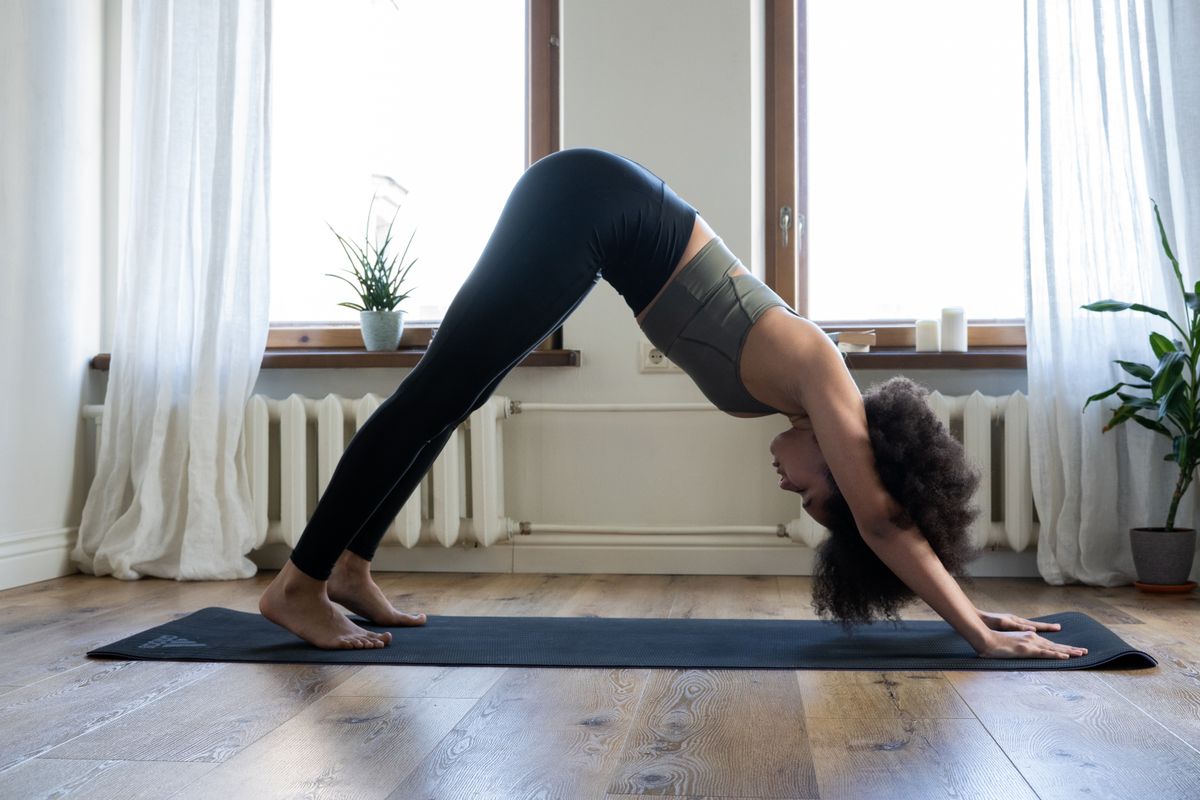
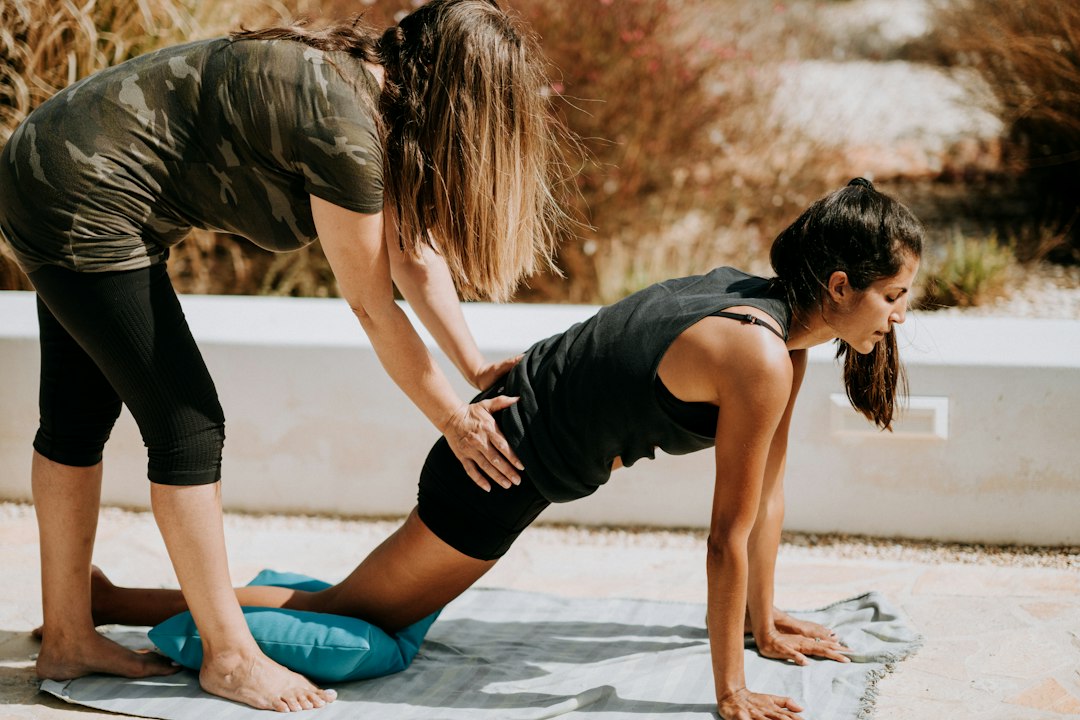
    Woman practising Downward-Facing Dog during a personal yoga session
    What Is Power Yoga? Origins, Pace, Benefits and Who It Suits 5

    It can be, but the class needs to be taught for beginners. A new student often benefits from first learning how to stand, lunge, fold, support weight through the hands, and breathe without rushing. Those skills make a faster class easier to follow later.

    A slower Hatha class can provide more time for explanation. A beginner Vinyasa class can also work if the teacher breaks the flow into clear steps. The important question is not whether Power Yoga is “advanced.” It is whether the pace allows you to understand what you are doing.

    Where Power Yoga fits in FitFortunes training

    FitFortunes does not present Power Yoga as a traditional Hatha subject. Our teacher-training pages separate the methods we actually teach. The 200-hour multi-style yoga teacher training in Rishikesh is a 21-day residential course built around Hatha foundations and Vinyasa Krama foundations, together with pranayama, meditation, anatomy, philosophy, methodology, and supervised practice teaching.

    If you want a more traditional Hatha focus, see the 200-hour Hatha Yoga teacher training. That page is the right place to check current curriculum, dates, room choices, and fees. A blog article should help you understand the style; the course page should tell you exactly what is offered.

    Frequently asked questions

    Is Power Yoga the same as Vinyasa Yoga?

    No. Power Yoga usually uses a Vinyasa-style flow, but it is normally stronger and more fitness-focused. Vinyasa itself can range from gentle to very demanding.

    Is Power Yoga traditional Indian yoga?

    No. The label Power Yoga developed in the United States in the late twentieth century. Its influences include modern Ashtanga Vinyasa practice, while classical Hatha texts describe a wider set of practices.

    Does Power Yoga follow a fixed sequence?

    Usually not. That is one reason classes can differ greatly between teachers. Traditional Ashtanga Vinyasa, by contrast, uses fixed series.

    Can I do Power Yoga if I am not flexible?

    Flexibility is not a requirement. A suitable class should offer workable ranges and alternatives. The bigger issue for a beginner is whether the pace gives enough time to understand each movement.

    Choose the class by how it is taught, not by the label

    Power Yoga can be a useful, demanding practice for people who enjoy strength and continuous movement. It is also a modern style with no single standard syllabus. Ask what the class contains, how fast it moves, and how beginners are supported. If you want a slower comparison, use our Hatha-versus-Power guide. If you want deeper study, use the relevant teacher-training course page rather than assuming every strong yoga class teaches the full Hatha tradition.

  • Restorative Yoga Teacher Training Online: What to Check Before Enrolling

    Restorative Yoga Teacher Training Online: What to Check Before Enrolling

    An online restorative yoga teacher training can be useful when the course gives enough time to practise, observe, teach, and receive feedback. Restorative yoga may look simple because many poses are supported and held for longer periods, but teaching it well requires more than knowing where to place a bolster. A good online course should explain positioning, prop use, breath, class planning, contraindications, scope of practice, and how to adapt the same idea for different bodies and home setups.

    What is restorative yoga teacher training?

    Restorative yoga teacher training focuses on supported, low-effort postures that allow students to stay comfortable for longer periods. The teaching skill is not about pushing range or building a hard sequence. It is about choosing useful shapes, setting up props carefully, observing breathing and comfort, and knowing when a position should be changed. Training should also help teachers understand that relaxation practice is not the same as medical treatment or physical therapy.

    Online study can teach this material when the program is designed for the limits of remote learning. Video demonstrations, live practice, small-group teaching, recordings, written notes, and feedback can work well together. The weak version is a course made only from pre-recorded videos and a final certificate. Before enrolling, ask how much live interaction you receive and whether anyone actually watches you teach.

    What should an online restorative yoga course include?

    The course should explain the principles behind the practice rather than giving students a list of poses to copy. You should learn why a particular support is used, how to reduce strain, how long a position may be held, and what signs suggest that a student needs a different option. A teacher also needs to know how restorative work fits into a normal class, a private session, or the end of a more active yoga practice.

    • Purpose and principles of restorative yoga.
    • Use of bolsters, blankets, blocks, straps, chairs, and simple home alternatives.
    • Comfortable positioning and ways to reduce unnecessary effort.
    • Breath awareness without forcing deep breathing.
    • Sequencing for short and longer restorative classes.
    • Observation, communication, consent, and teacher boundaries.
    • Contraindications and when to refer a health question to an appropriate professional.
    • Practice teaching with feedback.

    Why practicum matters even more online

    Restorative teaching depends on details that are easy to miss when you practise alone. A student may look comfortable on camera while the neck is unsupported, the lower back is tense, or a prop is making it harder to breathe freely. Live practicum gives the trainer a chance to watch how you set up a posture, how clearly you explain options, and whether you can change the plan when the first setup does not work.

    Ask how practicum is assessed before you pay. A useful online course may require you to teach a short class to classmates, submit a recorded session, receive written or live feedback, and repeat part of the lesson after correction. That is much more meaningful than watching every video and automatically receiving a certificate. Teacher education should show that you can communicate and adapt, not only that you completed the lessons.

    What equipment do you need at home?

    You do not need a studio full of expensive props, but you do need enough support to practise the setups you are learning. A firm bolster is useful, and folded blankets can change height or support the head and limbs. Blocks, a strap, a stable chair, and wall space are common tools. If the training encourages home substitutes such as cushions or folded towels, the teacher should also explain their limits rather than pretending every household object works exactly like a yoga prop.

    • One firm bolster or a similar stable support.
    • Two or more blankets.
    • Two yoga blocks.
    • One yoga strap.
    • A stable chair without wheels.
    • A yoga mat and clear wall space.

    Can restorative yoga be called therapeutic?

    Be careful with that word. Restorative yoga can be used in wellness settings and may help some people rest, move comfortably, or pay attention to breathing, but a yoga teacher should not diagnose or treat a medical condition unless they also hold an appropriate healthcare qualification. Training should teach clear scope of practice. Claims about curing trauma, fixing hormones, treating anxiety, or healing injuries need far stronger evidence and professional responsibility than a general yoga certificate provides.

    This matters especially online because the teacher has less ability to observe a person from every angle or respond physically if something goes wrong. A responsible instructor asks useful screening questions, keeps instructions conservative, offers alternatives, and tells students when a medical issue is outside the class. The goal is not to make restorative yoga sound less valuable; it is to describe its value accurately without turning a wellness practice into a medical promise.

    How is restorative yoga different from Yin Yoga?

    The two styles can look similar because both may use props and slower pacing, but the intention is different. Restorative yoga normally uses enough support to reduce effort and make the position easy to maintain. Yin Yoga often uses longer holds with deliberate, mild stress on certain tissues and does not always try to remove sensation. A good teacher training should explain this difference so graduates do not use the two names as if they mean the same method.

    That distinction also affects sequencing and cueing. In restorative work, adding another blanket or changing the angle may be the correct decision if the body keeps working too hard. In Yin, some controlled sensation may be part of the method, though pain should still not be treated as progress. Teachers who study both approaches need to be able to explain which method they are using and why.

    Does an online certificate qualify you to teach?

    A certificate shows that you completed the course described by the training provider. It does not create one worldwide licence to teach restorative yoga, and different studios, insurers, employers, and registration organisations may have their own requirements. If a course advertises outside registration, check that organisation’s current rules and confirm whether the online format and the specific training are eligible before you enrol.

    If you are new to teaching altogether, a short restorative specialty course is not the same thing as a full foundational teacher training. A broader program normally gives more time to anatomy, philosophy, class management, teaching methodology, sequencing, practicum, and professional responsibilities. FitFortunes explains these foundation areas in its yoga teacher training curriculum and YTT syllabus guide.

    How to compare online restorative yoga trainings

    Start with the trainer rather than the sales page. Look for a clear professional background, real teaching experience, a published curriculum, live contact hours, practicum, assessment, and policies for refunds or course access. Then check the technical side: time zone, recording access, required props, class size, assignment deadlines, and whether you can ask questions outside live sessions. These details decide whether an online course is workable in your real schedule.

    • Who teaches the course and what restorative training have they completed?
    • How many hours are live rather than pre-recorded?
    • Is practice teaching required?
    • Will a trainer watch and correct your prop setups?
    • What equipment is required before the course starts?
    • How is the final assessment completed?
    • What exactly does the certificate represent?

    Online or residential training?

    Online training can be easier to fit around work and family, and it lets students practise with the props and space they actually have at home. Residential training gives more direct observation, easier partner practice, and more time around teachers and classmates. Neither format is automatically stronger. The important question is whether the course uses its format well and gives you enough supervised practice to become clearer and safer as a teacher.

    If you are comparing a specialty online course with a full residential foundation, make sure you are comparing the same educational goal. FitFortunes currently focuses its residential teacher-training offer on broader foundation programs in Rishikesh rather than presenting this article as a current restorative certification course. Students considering residential study can review the 200-hour teacher training in Rishikesh for current dates, subjects, room choices, and fees.

    Frequently asked questions

    Can beginners take restorative yoga teacher training online?

    Some specialty courses accept beginners, but that does not mean the course replaces a full foundation in yoga teaching. A beginner can still learn restorative practice for personal study or as an introduction, provided the school explains the level clearly. If your goal is professional teaching, check whether the provider expects a previous 200-hour qualification or another foundation before the restorative certificate.

    How long should an online restorative yoga training be?

    There is no one correct number because the purpose of courses varies. A short continuing-education course may focus on a limited group of poses, while a larger specialty training may include anatomy, sequencing, practicum, assignments, and assessment. Instead of judging only by hours, check how those hours are used and how much direct feedback you receive from a qualified trainer.

    Can I learn restorative yoga without expensive props?

    You can learn many principles with a modest home setup, but support needs to be stable and comfortable. Blankets, cushions, and a firm chair can sometimes replace specialist props for practice, while a bolster and yoga blocks make many setups easier to repeat. A good course should teach how to judge the support rather than telling students that any soft household item is automatically safe.

    Is restorative yoga the same as Yoga Nidra?

    No. Restorative yoga uses supported physical positions that are held with low effort, while Yoga Nidra is a guided relaxation or meditation practice commonly done while lying down. They can appear in the same class because both may involve stillness, but their teaching structures are different. Our Yoga Nidra guide for beginners explains that practice separately.

    Will an online restorative yoga certificate be accepted everywhere?

    No provider can guarantee universal acceptance. A studio may care mainly about your foundation qualification and teaching ability, while an insurer or registry may have specific requirements for training hours or delivery format. Ask the organisation that matters to you before paying for the course. The useful certificate is the one that matches your actual teaching goal, not simply the one with the strongest marketing claim.

    Choose a course that teaches, watches, and corrects

    An online restorative yoga teacher training can be useful when it combines clear theory with real supervised practice. Look for a teacher who explains the purpose of each setup, watches your practicum, corrects mistakes, and keeps health claims within the scope of yoga education. The screen is not the main problem with online learning. The bigger problem is a course that gives information without enough observation, feedback, or responsibility.

  • Ashtanga Yoga Safety: Risks, Injuries and Safer Practice

    Ashtanga Yoga Safety: Risks, Injuries and Safer Practice

    Many students ask me, “Is Ashtanga yoga safe for beginners?” or “Why do so many people talk about injuries in yoga?” These are important questions. As teachers, we must speak honestly about both the beauty and the risks of practice.

    The truth is, Ashtanga yoga has many benefits. It builds strength, flexibility, and discipline. But we also need to talk about the dangers of Ashtanga yoga especially when practiced without proper guidance, rest, or modifications. In this article, I will share real classroom insights, common mistakes I’ve seen, and practical ways to practice Ashtanga safely.

    What Makes Ashtanga Yoga Intense?

    Ashtanga yoga is a structured system created by Pattabhi Jois. It follows set sequences, moving from one posture to the next with breath and focus. This makes it powerful, but also demanding.

    Unlike Hatha yoga or slower styles, Ashtanga asks the body to work hard. Jumps, forward bends, backbends, and strong arm balances are repeated often. Without awareness, these movements can strain joints, muscles, and even the nervous system.

    Still, intensity is not always a danger. The problem comes when students push too far, too soon.

    Common Risks in Ashtanga Yoga

    1. Overstretching and Joint Strain

    Many students force themselves into deep forward bends or lotus positions. Knees and lower backs are especially vulnerable. Once injured, these areas take months to heal.

    1. Repetitive Stress Injuries

    Because the sequence is fixed, the same postures repeat daily. Wrists, shoulders, and hamstrings face continuous strain. Without variation or rest, this can lead to chronic pain.

    1. Back Pain from Inversions and Backbends

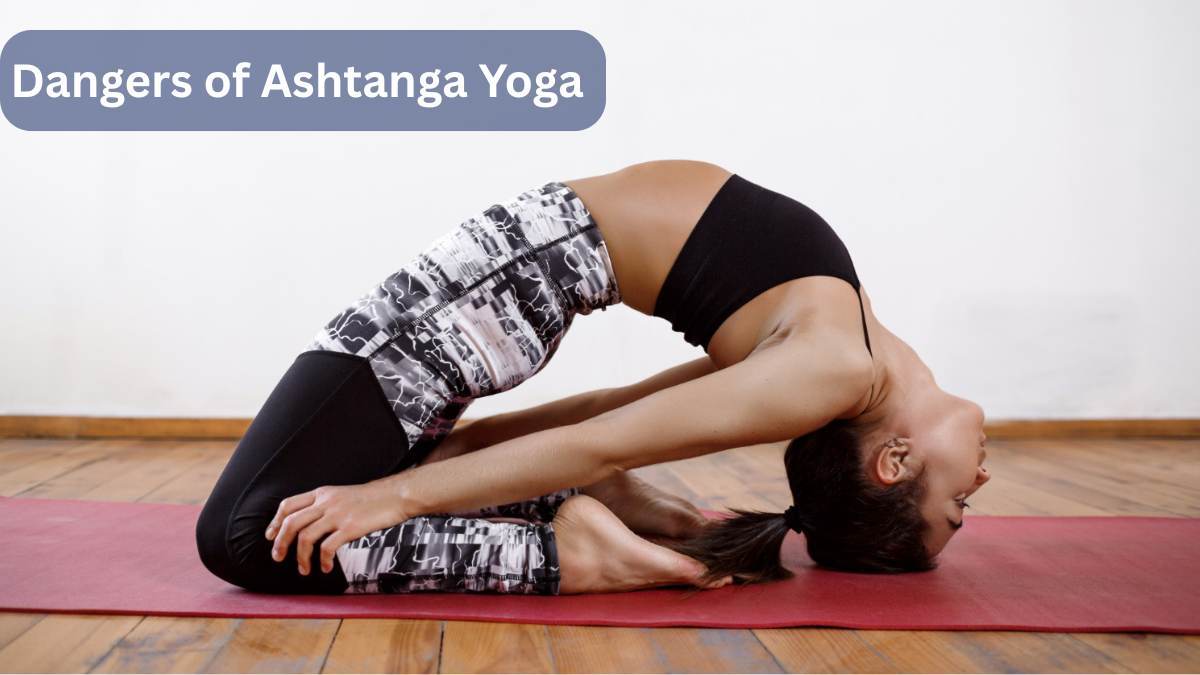
    Strong backbends like Kapotasana look impressive but can compress the spine. Beginners often copy advanced students without preparation. The result is stiffness or injury instead of strength.

    1. Breath Misuse

    Ujjayi breathing should feel steady, not forced. Many students hold their breath in tough poses. This raises blood pressure and causes fatigue.

    1. Mental Pressure and Burnout

    Ashtanga encourages six-day-a-week practice. While discipline is valuable, some students feel guilty if they miss a day. This mental stress can be as harmful as physical strain.

    Who Should Be Careful with Ashtanga Yoga?

    • Beginners without prior yoga experience.
    • Older students with joint stiffness.
    • Pregnant women (unless guided by a specialist).
    • People with back, knee, or wrist issues.
    • Those recovering from injuries.

    It’s not that these people should never practice Ashtanga. But they must do it slowly, with guidance, and with modifications.

    Practical Advice for Students

    For Beginners

    • Start with 2–3 classes a week, not daily.
    • Focus on alignment instead of depth.
    • Use props if needed, even if others don’t.
    • Learn basic Hatha yoga before diving deep.

    For Intermediate Students

    • Respect rest days. The body needs time to heal.
    • Alternate with restorative yoga to balance intensity.
    • Ask your teacher before adding advanced postures.
    • Keep a journal of what feels good and what feels painful.

    For Advanced Students

    • Never skip warm-up. Even if you know the sequence by heart.
    • Pay attention to small pains. Sharp pain is always a warning.
    • Practice pranayama and meditation to balance physical work.
    • Remember: mastery is not in doing harder poses, but in staying injury-free.

    Dangers vs. Benefits: Finding Balance in Yoga

    It’s important to see both sides. The dangers of Ashtanga yoga are real, but so are the rewards. Strength, discipline, and mental clarity all come from consistent practice.

    The key is awareness. Yoga was never about competition. In India, we remind students that “Yoga is for health, not harm.” Listening to the body is the first step toward real progress.

    At FitFortunes, our Multi Style Yoga Teacher Training in India includes Ashtanga, but also Hatha, Yin, and restorative practices. This gives students balance and prevents injuries from one single style.

    Conclusion

    So, is Ashtanga yoga dangerous? Not if practiced wisely. The dangers of Ashtanga yoga come from rushing, competing, or ignoring signals from the body. With patience, guidance, and balance, the practice becomes a source of growth instead of pain.

    As a teacher, I remind every student: Yoga should support your life, not take it over. Practice sincerely, but also gently. That’s the way yoga was meant to be.

    FAQ Section

    1. Is Ashtanga yoga dangerous for beginners?
      It can be, if practiced without guidance. Beginners should take it slow, use props, and start with Hatha yoga.
    2. Can Ashtanga yoga cause back pain?
      Yes, especially if backbends or forward folds are forced. Always move gradually and stop if pain feels sharp.
    3. Why do so many students get injured in Ashtanga yoga?
      Because of repetitive sequences and rushing into advanced poses. Balance with rest and restorative yoga reduces risks.
    4. Is Ashtanga yoga safe during pregnancy?
      Generally, no unless under the care of a very experienced teacher. Gentle prenatal yoga is safer.
    5. What’s the safest way to start Ashtanga yoga?
      Learn from a certified teacher, practice only 2–3 times a week, and listen carefully to your body.
    6. How is Multi Style Yoga TTC safer than strict Ashtanga training?
      It balances intensity with gentle styles like Yin and restorative yoga, preventing repetitive stress injuries.
  • Can You Do Yoga at Night? A Practical Evening Practice Guide

    Can You Do Yoga at Night? A Practical Evening Practice Guide

    Have you ever wondered if yoga should only be practiced in the morning? Many students ask, “Can we do yoga at night?” It’s a common question in teacher training classes and beginner workshops. While tradition often emphasizes early morning practice, evening yoga has its own unique benefits. For many working professionals, parents, and students, night practice may be the only realistic time to roll out the mat.

    This article explores the benefits, challenges, and practical tips for practicing yoga at night. We’ll also compare morning and evening sessions, look at the best poses for bedtime, and answer common questions about safety, digestion, and sleep.

    Morning vs. Night Yoga: Understanding the Difference

    Yoga was traditionally practiced at sunrise, a time considered sattvic (pure and calm). Early hours are believed to clear the mind, balance energy, and prepare the body for the day ahead.

    Can We Do Yoga at Night

    But modern life is different. Not everyone has the chance to practice before work or school. This is where evening yoga comes in. Practicing at night can be just as meaningful, especially when the goal is relaxation, stress relief, and better sleep.

    Morning yoga often energizes the body and sharpens focus. Evening yoga, meanwhile, helps calm the nervous system, release tension, and prepare the body for rest. Both have value, it depends on your personal schedule and intention.

    Benefits of Practicing Yoga at Night

    1. Relieves Stress from the Day

    After a long day, the body carries stress in the shoulders, neck, and back. Gentle stretches at night help release tightness. Evening practice signals to the mind that the day is complete, creating a sense of closure.

    1. Improves Sleep Quality

    Yoga poses combined with slow breathing support better sleep. Practices like forward folds, legs-up-the-wall, and Yoga Nidra lower heart rate and activate the parasympathetic nervous system. Many people who struggle with insomnia find night yoga especially helpful.

    1. Supports Digestion and Relaxation

    Simple seated twists and gentle stretches in the evening can aid digestion. They reduce bloating and improve circulation, which is important after sitting or working for many hours.

    1. Accessible for Busy Schedules

    Not everyone can wake up early for practice. Evening yoga makes it easier for working professionals, shift workers, and parents to maintain consistency.

    1. Calms the Mind

    Night yoga isn’t about intense power sequences. Instead, it focuses on grounding poses, mindful breathing, and gentle flow. This shift from activity to rest makes it easier to transition into sleep.

    Risks or Things to Keep in Mind

    Practicing at night has benefits, but also requires adjustments.

    • Avoid vigorous sequences right before bed. They may leave you feeling too energized.
    • Do not practice immediately after a heavy dinner. Wait at least two hours.
    • Choose calming postures over high-intensity flows. Gentle Hatha or restorative styles are ideal.

    If your goal is strength or advanced postures, morning or late afternoon may still be better. Night yoga is best suited for relaxation, flexibility, and stress release.

    Best Yoga Styles for Night Practice

    Different yoga styles offer different effects. For evening practice, calming and restorative forms are recommended.

    Hatha Yoga

    Slower pace, steady postures, and breathing exercises. A perfect choice for beginners.

    Restorative Yoga

    Uses props to support the body in deep relaxation. Ideal for stress release before sleep.

    Yin Yoga

    Focuses on long-held stretches to release tension in the connective tissues. Helpful for flexibility and stillness.

    Yoga Nidra

    A guided relaxation practice that induces deep rest. Known as “yogic sleep,” it can be practiced lying down.

    Sample Night Yoga Sequence for Beginners

    Here’s a short routine you can try at home:

    1. Seated Neck Rolls – 1 minute, to release stiffness.
    2. Cat-Cow Stretch – 5 rounds, to ease the spine.
    3. Seated Forward Bend (Paschimottanasana) – 1–2 minutes, for calming effect.
    4. Supine Twist (Supta Matsyendrasana) – 1 minute per side, to aid digestion.
    5. Legs-Up-the-Wall (Viparita Karani) – 3–5 minutes, to relax circulation.
    6. Corpse Pose (Savasana) – 5–10 minutes, to close practice.

    This sequence takes 15–20 minutes and can be done before bed. Keep the lights dim, breathe slowly, and avoid distractions.

    Can Yoga at Night Replace Morning Practice?

    Yes and no. Night yoga can provide similar physical benefits, but the energetic effect differs. Morning practice awakens the body and prepares for action. Night practice unwinds the body and prepares for rest.

    For students training to be teachers, it’s good to experience both. This way, you can guide future students based on different needs and lifestyles.

    Yoga and Sleep: The Science Behind It

    Studies show that gentle yoga activates the parasympathetic nervous system, which lowers stress hormones like cortisol. Evening yoga has been linked to:

    • Improved sleep quality in people with insomnia
    • Lower anxiety and stress levels
    • Reduced heart rate and blood pressure
    • Better digestion and reduced evening restlessness

    This scientific backing adds credibility to what yogis have practiced for centuries: calming the body before sleep supports overall health.

    Common Mistakes to Avoid with Night Yoga

    • Practicing on a full stomach. Wait 2–3 hours after eating.
    • Choosing fast-paced Vinyasa sequences before bed.
    • Using bright lights or noisy environments during practice.
    • Practicing too late at night, which may disrupt sleep rhythm.

    Keep the session simple, slow, and consistent.

    Who Should Avoid Night Yoga?

    Most people benefit from night yoga, but if you suffer from severe acid reflux or certain digestive conditions, lying down after meals may cause discomfort. In such cases, practice gentle seated breathing or meditation instead of postures.

    Pregnant women should also consult a teacher before practicing, especially in the later stages of pregnancy.

    So, can we do yoga at night? Yes, evening yoga is safe, beneficial, and practical for many lifestyles. With the right approach, it can reduce stress, improve sleep, and make yoga more consistent for people who cannot practice in the morning.

    The key is to choose gentle postures, avoid practicing on a full stomach, and focus on relaxation rather than intensity. If practiced mindfully, night yoga becomes a natural way to close the day with balance and calm.

    FAQ – Can We Do Yoga at Night?

    1. Is it good to do yoga at night before bed?
      Yes, gentle yoga before bed helps reduce stress and improves sleep quality.
    2. Which yoga poses are best at night?
      Forward bends, supine twists, legs-up-the-wall, and Savasana are calming options.
    3. Can beginners practice yoga at night?
      Absolutely. Night yoga is beginner-friendly, especially with Hatha or restorative styles.
    4. How long should a night yoga session be?
      15–30 minutes is enough for relaxation and sleep preparation.
    5. Can I do yoga after dinner?
      Wait at least 2–3 hours after eating before practicing.
    6. Is night yoga good for weight loss?
      It helps indirectly by reducing stress and supporting better sleep, but active flows are better earlier in the day.
    7. Can yoga replace meditation at night?
      You can combine both. Gentle yoga followed by meditation or Yoga Nidra is highly effective.
  • Yoga in Rishikesh: What You Can Actually Study and Practice

    Yoga in Rishikesh: What You Can Actually Study and Practice

    Rishikesh is called the yoga capital of the world. That title is not just for show. I’ve spent years practicing and teaching yoga across India. But the best yoga in Rishikesh stands out every single time. Let me tell you why.

    Why People Travel to Rishikesh for Yoga

    Rishikesh is not just a place; it’s a feeling. Surrounded by the Himalayas and the Ganga River, it offers calm and quiet. That makes it the perfect place to learn yoga the Indian way.

    People come from around the world. They want to study where yoga was born. They want to learn from teachers who have lived yoga their whole lives. You don’t need a fancy gym here. You need patience, a mat, and an open mind.

    What Makes Yoga in Rishikesh Different

    Yoga in Rishikesh is pure. It follows the roots of ancient Indian yoga. No music. No mirrors. Just you and your breath. The focus is on learning slowly, with care and respect.

    Many yoga schools in Rishikesh follow the traditional ashram style. You wake early, eat simple food, and attend classes with discipline. The air is clean, the river flows nearby, and your mind gets lighter.

    The Best Yoga Schools in Rishikesh

    There are many yoga schools in Rishikesh. Some offer short retreats. Others run 200 hour yoga teacher training courses. Choosing the right one depends on what you need.

    Look for schools that are certified. Make sure the teachers have experience. Many good schools are near the Ganga. These places are peaceful, away from the city noise.

    If you’re serious about yoga, pick a course that lasts at least a month. That gives you time to understand the postures, breathing, and yogic life.

    Ashram Life in Rishikesh

    Living in an ashram is part of the full yoga experience. You follow a set routine. You practice yoga, join group meditation, and eat simple sattvic meals.

    Ashrams are not hotels. They are quiet places for learning and self-study. You may wake at 5 a.m. and sleep early. But by the end of your stay, your body and mind feel more balanced.

    What to Expect in a 200 Hour Yoga Teacher Training Course

    Most people join a 200 hour course if they want to become a yoga teacher. In Rishikesh, these courses follow the Yoga Alliance standards.

    You learn:

    • Hatha yoga
    • Pranayama (breathing techniques)
    • Philosophy
    • Anatomy
    • Teaching methods

    These courses are intense but rewarding. You grow as a student and learn how to share yoga with others. Classes are small, so you get personal attention.

    Rishikesh Yoga for Beginners

    You don’t need to be flexible to start. You just need to be willing. Many schools welcome beginners. They teach simple poses first and move slowly.

    A good beginner course focuses on:

    • Basic asanas
    • Gentle breathing
    • Mindful movement
    • Correct posture

    Teachers in Rishikesh understand that every body is different. They guide you without pushing. You learn to listen to your body.

    Choosing the Right Time to Visit

    The best time to do yoga in Rishikesh is between October and March. The weather is cool and pleasant. Summers can be hot. Monsoons bring rain.

    During the cooler months, the city is filled with yoga lovers. You can meet people from all over the world. Still, the vibe stays calm and focused.

    Daily Routine in a Rishikesh Yoga School

    Here’s what a day looks like:

    • Wake up early
    • Morning yoga
    • Light breakfast
    • Theory or anatomy class
    • Lunch (vegetarian and simple)
    • Rest or self-study
    • Evening yoga or meditation
    • Dinner and early sleep

    There are no late nights. No distractions. Just a steady rhythm that helps your body and mind reset.

    What to Pack for Your Yoga Journey

    Keep it light. You don’t need much:

    • A good yoga mat
    • Loose clothes
    • Water bottle
    • Notebook
    • Natural toiletries

    Most schools provide mats and blocks. But having your own mat is helpful.

    Food and Stay in Rishikesh

    Yoga schools usually provide stay and food. The meals are sattvic – simple, pure, and vegetarian. No caffeine, no processed sugar. The idea is to clean your body and mind.

    Rooms are clean but basic. You get a bed, blanket, and bathroom. Some schools are near the river, offering calm views.

    Meeting Yoga Masters

    One of the best parts of learning yoga in Rishikesh is the teachers. Many of them have studied for decades. Some come from long lines of yogic families.

    They may not speak fancy English. But they teach with honesty. They share real knowledge. That’s what makes your learning deep and special.

    Yoga Retreats and Short Courses

    Not everyone wants to become a teacher. Some people just want to relax. That’s where yoga retreats come in.

    These are 5 to 10-day programs. They include yoga, meditation, river walks, and rest. Great for people who need a break from fast life.

    Some retreats also include:

    • Sound healing
    • Ayurveda massage
    • Fire rituals

    They help you feel calm, rested, and clear-headed.

    Cost of Yoga Courses in Rishikesh

    Prices vary. A good 200 hour course may cost between $1000 to $1500. That includes food and stay.

    Short retreats are cheaper. You can also find budget options. But make sure the place is clean and the teachers are trained.

    Staying Safe and Healthy

    Rishikesh is safe. But it’s still good to be careful.

    • Drink clean water
    • Wear modest clothes
    • Respect local customs

    Also, try not to overdo your practice. Yoga is not a race.

    Real Stories from Real Students

    Many students say their time in Rishikesh changed them. Not because of magic, but because of stillness.

    They find clarity. They feel stronger. They learn to focus. That’s what real yoga gives you.

    One student from Italy told me, “I came for the asanas, but I stayed for the peace.”

    Conclusion: Why the Best Yoga in Rishikesh Still Matters

    If you’re looking for the best yoga in Rishikesh, come with an open heart. It’s not just about bending or stretching. It’s about slowing down. It’s about learning from a culture that has lived yoga for thousands of years.

    Yoga in Rishikesh is real. It is grounded. It is humble. Whether you come for a week or a month, you will go back lighter.

    Upcoming Traditional Multi-Style 200 Hour Yoga Teacher Training

    Upcoming Traditional Multi-Style 200 Hour Yoga Teacher Training

    Date Shared Room Book Private Room Book

    FAQ: Best Yoga in Rishikesh

    Q: Is Rishikesh good for beginner yoga students?
    Yes. Many schools welcome beginners and teach step-by-step.

    Q: What is the best time to join a yoga course in Rishikesh?
    October to March is ideal. The weather is good for practice.

    Q: How long should I stay for yoga training?
    If you want full training, stay at least 3 to 4 weeks.

    Q: Are yoga teachers in Rishikesh certified?
    Most good schools have certified and experienced teachers.

    Q: Do I need to know Sanskrit or Indian culture?
    No. You’ll learn slowly, and teachers explain everything.

    Q: Is food included in yoga courses?
    Yes. Most courses include vegetarian meals and stay.

    Q: Can I get certified as a yoga teacher in Rishikesh?
    Yes. Many courses are registered with Yoga Alliance.

    Q: How do I choose the best yoga school in Rishikesh?
    Look at reviews, teacher profiles, and school certification

  • Yoga Pants Without Underwear: Comfort, Hygiene and Class Etiquette

    Yoga Pants Without Underwear: Comfort, Hygiene and Class Etiquette

    Some topics are best discussed with honesty. So let’s talk about a question many hesitate to ask: Is it okay to wear yoga pants with no panties? I’ve been teaching yoga for over two decades, and this subject comes up often. It may sound personal, but it’s directly related to comfort, hygiene, and confidence during your practice.

    Wearing Yoga Pants Without Panties: A Real-World Perspective

    Wearing yoga pants with no panties isn’t new. Many experienced yogis do it. Some prefer it for comfort. Others for hygiene. I’ve met students who find it less distracting during practice. They feel free to move without adjusting their clothing.

    However, it’s not for everyone. Each body is different. Some people prefer the extra layer of protection. Some avoid underwear due to visible panty lines. Others want fewer seams pressing against the skin.

    If you’re thinking about it, listen to your body. Try it during home practice first. Notice how it feels when you move, bend, or stretch.

    Comfort Versus Coverage in Yoga Clothing

    Yoga is about awareness. Your clothing should support that. If your pants are soft, breathable, and snug, going commando may feel natural. But if they’re thin or too tight, it might cause discomfort or draw unwanted attention.

    Check the fabric before deciding. High-quality leggings with a gusseted crotch work best. Compression pants with sweat-wicking material offer more support and reduce friction.

    Coverage matters, too. Avoid sheer fabrics. Bend in front of a mirror to see how much is visible. Choose pants with a thicker weave if you’re going without panties.

    Hygiene Matters: What You Should Know

    Going commando means your body is in direct contact with the pants. That can be fine if you practice proper hygiene.

    Wear clean pants every time. Avoid reusing sweaty workout gear. Always wash your yoga pants after each session. Use mild detergent that doesn’t irritate the skin.

    Choose moisture-wicking material. It keeps the area dry. Avoid synthetic fabrics that trap heat and bacteria. Breathable fabrics like cotton blends or bamboo help keep things fresh.

    That said, wearing cotton or breathable underwear under yoga pants is generally considered better for hygiene. It adds a clean barrier, absorbs sweat, and reduces friction especially helpful in humid climates like India.

    Seamless Yoga Wear and Other Options

    Some students ask, “What if I don’t feel comfortable going commando, but hate panty lines?”

    The solution is seamless underwear. They are light, smooth, and often invisible under yoga leggings. Look for styles made for activewear. Stretchy and sweat-resistant underwear is a good compromise.

    Some prefer thongs, but others find them distracting. Again, this comes down to what you’re used to and what lets you focus.
    Seamless Yoga Wear Options

    What to Wear in a Yoga Class: Simple Guidelines

    Many beginners worry about what to wear in a yoga class. The answer is simple. Wear what lets you move freely. Clothes should not pinch or slide. You shouldn’t be adjusting your waistband during Downward Dog.

    A fitted top, full-length leggings or shorts, and a sports bra (if needed) usually work. Skip anything too loose. Baggy clothes bunch up or fall during inversions.

    Ask your studio about the dress code if unsure. Some places are more traditional. Modesty is respected. Stick to clothes that are body-aware and allow full movement.

    In most Indian yoga ashrams, wearing appropriate innerwear is the norm. It reflects respect for both the practice and the community. Keeping modesty and hygiene in mind is important when sharing a class space.

    Going Commando in Hot Yoga or Intense Classes

    Sweaty classes like Bikram or power yoga come with different needs. Your clothing must manage moisture well. This is where going without panties can help.

    Less fabric means faster drying. But only if the material is right. Stick to synthetic blends with quick-dry features. Look for flat seams and breathable mesh panels.

    Also, bring a towel. Wipe off between poses. Stay dry to reduce irritation.

    If you’re not comfortable without underwear, opt for breathable, sweat-wicking panties to stay dry and avoid rashes.

    Is It Common to Wear Yoga Pants Without Underwear?

    Yes, it’s common. Not universal, but common. In most classes I’ve taught, a good number of students quietly go commando. It’s not a trend. It’s about finding what feels right.

    In some cases, students don’t mention it until they face issues like chafing or discomfort. Then we talk. It’s a private choice, but knowing your options helps.

    In traditional settings, however, underwear is seen as a hygiene and modesty necessity. If you’re practicing in India or a spiritual center, it’s better to follow those customs.

    Fabric Choices: What Works Best Without Panties

    Your pants must be soft, thick, and elastic. Here are features to look for:

    • Four-way stretch
    • Flatlock seams
    • Gusseted crotch
    • Breathable fabric
    • Moisture-wicking finish

    Avoid ultra-thin leggings. Avoid anything see-through. Some fast-fashion brands don’t offer full coverage. Stick with trusted yoga brands.

    Always try on before class. Move in them. Bend. Squat. Sit cross-legged. You’ll know quickly if the fit is right.

    Dressing Respectfully in Group Settings

    Yoga is personal, but also shared. You might prefer no underwear, but always check that your outfit keeps things private. Double-layered leggings or thicker fabrics help.

    Respect your classmates. No one wants to be distracted during class. Yoga clothing should be secure and appropriate for all postures.

    In India and many ashram-style environments, this is especially important. Modesty and cleanliness are seen as part of the yogic path.

    Real Stories from Students and Teachers

    One student told me, “I stopped wearing underwear during practice because I felt less restricted.” Another said, “I tried it, but switched back because I like the extra layer.”

    As a teacher, I’ve heard both sides. The key is to test what works. Try it at home before class. Notice how your body responds. There’s no one rule for all.

    Many teachers in India suggest wearing light cotton underwear with well-fitted pants to stay clean and respectful during practice.

    When Not to Go Commando

    If you have sensitive skin or are prone to infections, underwear may offer protection. If you’re using rental mats or borrowed gear, it’s safer to wear a barrier layer.

    If your leggings are too worn out or thin, skip it. Always check coverage. Also, during menstruation, underwear adds security.

    Packing for a Yoga Class: Keep It Simple

    Here’s what to bring:

    • One clean pair of yoga pants
    • Sports bra
    • Fitted top
    • Optional seamless underwear
    • Small towel
    • Water bottle

    Keep an extra pair of pants or underwear in your bag. You never know when you’ll want to switch.

    Final Thought: Choose What Feels Right

    No one can decide for you. Wearing yoga pants with no panties is a personal choice. It depends on your comfort, your clothes, and your practice.

    If you’re practicing in a modern studio, comfort may guide you. But in Indian settings, wearing underwear is generally better for hygiene, modesty, and shared respect.

    After all, the goal of yoga isn’t the clothes. It’s the quiet mind and moving body.

    FAQ: Yoga Pants No Panties

    Q: Is it normal to wear yoga pants without underwear?
    Yes. Many do it for comfort and simplicity.

    Q: What type of yoga pants are best if going commando?
    Thick, breathable leggings with flat seams and a gusseted crotch work best.

    Q: Is it hygienic to skip panties during yoga?
    It can be if you follow proper hygiene. But for most, wearing clean underwear is safer.

    Q: What if I feel uncomfortable without underwear?
    Use seamless underwear. They offer comfort without visible lines.

    Q: Is this okay in public yoga classes?
    Yes, as long as your clothing is secure and not see-through. Respect studio norms.

    Q: Can I go commando during hot yoga?
    Yes, but choose sweat-wicking materials or wear active underwear.

    Q: Should I wear underwear during my period?
    Yes. It offers extra support and helps with hygiene.

    Q: What if I’m self-conscious?
    Choose thicker leggings and well-fitted panties. Confidence grows with comfort and respect.

    The best yoga happens when your clothing supports your practice. Whether you choose underwear or not, the focus should stay on your breath, not your outfit. But in Indian yoga settings, wearing underwear is both practical and respectful — a small choice that supports a larger discipline.

  • Best Yoga Classes in Rishikesh: How to Choose a Drop-In Class

    Best Yoga Classes in Rishikesh: How to Choose a Drop-In Class

    If you’re looking for the best yoga classes in Rishikesh, you’re in the right place. I’ve practiced yoga for over 25 years and taught for nearly two decades. I’ve walked through every alley of Rishikesh, visited countless ashrams, and attended many sunrise meditations by the Ganges. This guide isn’t a polished sales pitch. It’s a real-world account to help you find authentic yoga in Rishikesh.

    Why Rishikesh Is the Yoga Capital of the World

    Rishikesh isn’t just a city—it’s a feeling. Nestled in the foothills of the Himalayas, with the sacred Ganga flowing through, it offers something that no modern studio can: peace. Here, you’re not just doing yoga for fitness. You’re practicing in a place where saints meditated for years.

    Most yoga centers in Rishikesh follow traditional styles like Hatha yoga, Ashtanga, or Kundalini. The emphasis is on the ancient way, not flashy poses.

    Types of Yoga Classes in Rishikesh

    Not every traveler wants the same thing. Some come for self-healing, others for a teacher training course (TTC), and some just want to attend drop-in yoga classes in Rishikesh. Here’s what you’ll find:

    • Beginner yoga classes: Perfect for those starting their journey.
    • Intermediate & advanced sessions: For students looking to deepen their practice.
    • Meditation classes: Includes Vipassana, guided meditation, and chakra balancing.
    • Pranayama & breathwork: Essential for energy control.
    • Yoga Nidra: Deep relaxation that feels like a reboot for your mind.

    Finding the Best Meditation Center in Rishikesh Yoga classes in Rishikesh with fees 300 Hour Yoga Teacher Training in India Kundalini Yoga Training 200-Hour Yoga Teacher Training in Bali Benefits of Kundalini Yoga Best Yoga Classes Near Rishikesh Rishikesh Yoga Teacher Training Center Best Yoga School in Rishikesh: Your Guide to Choosing the Right Path 200 Hour Yoga Teacher Training Course in Rishikesh

    What Makes a Yoga Class Truly the Best?

    After years of attending and teaching, here’s what separates a good class from the best:

    • Experienced Teachers: Teachers who’ve studied from Indian gurus or have decades of practice.
    • Small Class Sizes: Avoid places that pack 30 people into a room.
    • Peaceful Setting: Yoga next to the Ganga or in a quiet garden makes a difference.
    • Consistency: Daily classes that follow a proper rhythm.
    • Spiritual Insight: It’s not just asana. Look for teachings on yogic philosophy, mindfulness, and sattvic living.

    Recommended Yoga Styles to Try in Rishikesh

    Some styles are more popular and effective than others, depending on what you’re looking for:

    Hatha Yoga in Rishikesh

    Old-school and traditional. It focuses on posture, breathing, and mental clarity. Almost every ashram teaches this.

    Ashtanga Yoga Retreats

    More dynamic and structured. You’ll break a sweat. Ideal if you want a disciplined daily routine.

    Kundalini Workshops

    Not everyone’s cup of tea, but if done properly, it can awaken deep energy. Look for certified teachers only.

    Vinyasa Flow Classes

    These are a bit more modern, but you’ll find them in some retreats. Great for flexibility and movement.

    Yoga Teacher Training in Rishikesh

    Thousands come every year for their 200-hour YTT. Choose a school registered with Yoga Alliance. These schools offer full accommodation, vegetarian meals, and immersive learning. Prices vary. Budget schools start from INR 40,000, but quality matters more than cost.

    Best Areas to Find Yoga Classes

    Some parts of Rishikesh are better than others. Here’s a local breakdown:

    • Laxman Jhula area: Lots of yoga schools, hostels, and cafes. Very active.
    • Ram Jhula: More traditional. Famous ashrams like Parmarth Niketan are here.
    • Tapovan: Quieter, lots of nature, and peaceful guesthouses.

    What to Expect in a Drop-In Yoga Class

    You don’t need to commit to a whole course. Most centers offer drop-in yoga classes daily. These cost between 200–500 INR and usually last 90 minutes.

    Bring your mat, wear simple clothes, and arrive a bit early. Classes often include sun salutations, pranayama, and a short meditation at the end.

    Common Myths About Yoga in Rishikesh

    • Myth: You have to be flexible to join.
    • Truth: You only need an open mind.
    • Myth: Foreigners won’t fit in.
    • Truth: People from all over the world come here.
    • Myth: You must do a teacher training.
    • Truth: Regular classes are just as valuable.

    Practical Tips from a Long-Term Practitioner

    • Start slow. Don’t attend four classes a day.
    • Hydrate. Rishikesh is warm and humid.
    • Eat sattvic food. Most cafes here serve it.
    • Talk to locals. They know which teachers are good.
    • Stay in a quiet area. Peace helps the mind settle.

    Best Time to Attend Yoga Classes in Rishikesh

    Avoid peak monsoon (July–August). The best time is October to April. Weather is cool, and most schools run full schedules.

    Final Thoughts: Why Rishikesh Is Worth It

    The best yoga classes in Rishikesh are not found through Instagram posts. They’re found through walking the town, listening to your heart, and asking the right questions. I’ve sat under trees here and meditated for hours. I’ve had chai with swamis and attended early morning chanting in temples.

    It’s not just a yoga class. It’s an experience. And it stays with you forever.

    FAQs: Best Yoga Classes in Rishikesh

    Q1: Can beginners join yoga classes in Rishikesh?
    Yes, many schools offer beginner-friendly classes.

    Q2: Are classes conducted in English?
    Most classes are in simple English, easy for all to follow.

    Q3: How do I choose the right yoga teacher?
    Ask about their training, experience, and teaching style.

    Q4: Is advance booking required?
    During peak season, yes. For drop-ins, just arrive early.

    Q5: What should I bring to class?
    Comfortable clothes, water bottle, and a yoga mat.

    Q6: Can I get certified in Rishikesh?
    Yes, many registered schools offer 200-hour YTT certifications.

    Q7: Are there spiritual or silent retreats available?
    Yes. Vipassana and other silent meditation retreats are quite popular.

    Whether you’re here for a week or a month, Rishikesh will change how you see yoga. It did for me.

  • Yoga or Meditation: Which Should You Practice?

    Yoga or Meditation: Which Should You Practice?

    If you are choosing between yoga and meditation, start with the problem you are actually trying to solve. Do you want more physical movement? A way to sit with less restlessness? A short mental practice? Better body awareness? The answer matters more than asking which practice is “better” in general.

    For the classical relationship between yoga and meditation, read our separate article on the difference between yoga and meditation. This page is about practical choice.

    Yoga or Meditation: Which Is Better for You?

    Your goalStart with
    More movementYoga
    Quiet attentionMeditation
    Stress plus restlessnessYoga first, then meditation
    Limited timeChoose the one you can repeat daily

    You do not have to choose only one. In classical yoga, meditation is part of yoga rather than a competing practice. See our meditation vs yoga guide, yoga before or after meditation, and meditation at home.

    Choose Yoga When You Need Movement

    A posture-based yoga session may suit you if you have been sitting for long periods, want to work on mobility or strength, or find it easier to focus while moving. Different styles vary greatly in intensity, so “do yoga” can mean anything from supported chair work to a demanding Vinyasa class.

    Choose meditation when you want a primarily attentional practice

    Meditation may suit you when you want to practice concentration, observation or quiet sitting without adding a full physical session. You do not need to be flexible, and you do not need to complete asana first.

    If sitting is uncomfortable, use a chair, cushion or another stable position. The posture should support attention rather than become a test of endurance.

    If you are restless, movement may help first

    Some people find it difficult to move directly from a busy day into sitting practice. A short sequence of comfortable movement can help them settle. That does not mean yoga must always precede meditation; it is simply a useful option.

    If you are tired, choose carefully

    A strong yoga class is not automatically the answer to low energy, and meditation is not always appropriate when you are likely to fall asleep. Match the practice to your condition that day. Sometimes rest is the better choice.

    Can you combine yoga and meditation?

    Yes. A simple session might include a short period of movement followed by quiet sitting. You do not need a complicated formula. Ten minutes of comfortable asana followed by five minutes of natural breath observation is enough to learn how the two practices feel together.

    What if your goal is stress reduction?

    Both yoga and meditation have been studied in relation to stress, but neither should be sold as a guaranteed treatment for anxiety, depression or another mental-health condition. If symptoms are persistent, severe or affecting daily life, professional care matters.

    What if your goal is fitness?

    Meditation is not a substitute for physical activity. Yoga can contribute to movement, strength, balance or mobility depending on the style, but a complete fitness routine may also need walking, aerobic activity or resistance training.

    What if your goal is philosophy or spiritual study?

    Then the modern “yoga versus meditation” comparison becomes less useful. In Patanjali’s system, dhyana is part of yoga. A serious study of yoga philosophy therefore includes meditation rather than treating it as a competing practice.

    A simple way to decide

    Choose the practice you can do attentively and repeat consistently. If you want movement, begin with yoga. If you want a quiet attentional exercise, begin with meditation. If both are useful, combine them without turning either into a performance.

  • 28 Day Chair Yoga for Seniors: A Safe Practice Framework

    28 Day Chair Yoga for Seniors: A Safe Practice Framework

    Yoga is an ancient practice that offers countless benefits, from boosting flexibility to improving mental clarity. For seniors, it’s especially helpful in promoting overall well-being, mobility, and relaxation. 28 Day Chair Yoga for Seniors provides a gentle way to stay active, especially for those with limited mobility or who are just starting their yoga journey. In this blog, we will explore how a structured 28-day chair yoga program can help seniors improve their physical and mental health.

    What is Chair Yoga?

    Chair yoga is a modified form of yoga that allows you to perform many traditional poses while seated in a chair. It’s an accessible way for seniors, particularly those with joint pain, arthritis, or limited mobility, to experience the benefits of yoga. By using the support of a chair, seniors can safely practice yoga without worrying about falling or straining themselves.

    Chair yoga focuses on gentle stretching, breathwork, and balance exercises that increase flexibility, improve strength, and reduce stress. Whether you’re just starting yoga or want a routine to complement your existing fitness plan, chair yoga is a great place to begin.

    Why Choose Chair Yoga for Seniors?

    As we age, it’s normal to experience changes in our bodies. Reduced joint mobility, balance issues, and muscle stiffness can make traditional yoga poses challenging. This is where 28 Day Chair Yoga for Seniors comes into play. Here’s why it’s an excellent choice:

    1. Gentle on the Body: Chair yoga provides a low-impact way to engage in physical activity without putting too much strain on your joints.
    2. Improves Flexibility: Even with limited movement, chair yoga helps stretch the muscles, enhancing flexibility over time.
    3. Boosts Balance and Coordination: Many chair yoga poses focus on balance, which can reduce the risk of falls.
    4. Increases Strength: Strengthening exercises, such as seated leg lifts or arm stretches, help build muscle and promote better posture.
    5. Mental Calmness: The breathwork and mindfulness practiced in chair yoga reduce stress and improve mental clarity.

    What to Expect from a 28-Day Chair Yoga Program for Seniors


    A 28-day chair yoga program is a great way for seniors to gradually build a consistent yoga routine. Over the course of a month, the program focuses on improving flexibility, strength, and balance. Each day brings a new series of stretches and poses that can be performed while seated, allowing seniors to experience the benefits of yoga at their own pace.

    The program can be modified to suit the individual’s needs, allowing beginners to start with basic poses and progress to more challenging movements as they gain confidence. The beauty of chair yoga lies in its adaptability – whether you are dealing with arthritis or simply want to stay fit, there’s a chair yoga pose for you.

    Week 1: Gentle Introductions to Chair Yoga

    The first week of a 28-day chair yoga program is all about becoming familiar with basic seated poses and breathing techniques. During this week, you’ll learn:

    • Seated Cat-Cow Stretch: This gentle stretch improves spinal flexibility and relieves back pain.
    • Seated Side Stretch: A great way to stretch the torso and improve flexibility in the sides and waist.
    • Neck and Shoulder Rolls: This helps to release tension from the neck and shoulders, which are common problem areas for seniors.

    By the end of week one, you’ll feel more relaxed and ready to continue the practice.

    Week 2: Building Strength and Flexibility

    In week two, you’ll start incorporating more strength-building poses. These exercises focus on toning the muscles, especially in the legs and arms. You’ll practice:

    • Seated Leg Lifts: These lifts strengthen the lower body and improve joint mobility.
    • Seated Twist: This pose targets the spine and improves overall flexibility.
    • Seated Knee Extensions: These extensions work the quadriceps and help improve balance.

    At this stage, you should feel more stable and notice some improvements in your overall mobility.

    Week 3: Improving Balance and Coordination

    Week three is all about enhancing balance and coordination. We’ll focus on exercises that improve your ability to sit tall and maintain stability, even when standing. Some of the exercises include:

    • Seated Leg Extensions: Extending one leg at a time while seated helps to improve balance and strength.
    • Chair Pose: A seated version of the traditional yoga chair pose that strengthens your thighs and improves posture.
    • Ankle and Wrist Circles: These help with joint flexibility and improve circulation.

    This week will challenge your balance and stability, but with practice, you’ll feel more confident and steady.

    Week 4: Enhancing Mindfulness and Relaxation

    The final week is focused on integrating mindfulness and relaxation with the physical practice of yoga. This week’s poses emphasize deep breathing and stress relief:

    • Seated Breathing Exercises: Deep breathing helps reduce stress and promotes mental clarity.
    • Seated Meditation: A short, seated meditation can help calm the mind and provide mental clarity.
    • Seated Forward Bend: This stretch releases tension from the lower back and helps with relaxation.

    By the end of the 28 days, you will have built a strong foundation in chair yoga. Your flexibility, strength, balance, and mental clarity will all improve, making chair yoga a valuable part of your daily routine.

    The Benefits of Chair Yoga for Seniors

    Yoga is often seen as a physical practice, but for seniors, it can be even more beneficial mentally and emotionally. Chair yoga provides numerous health benefits:

    1. Better Posture: Chair yoga strengthens core muscles, which improves posture.
    2. Improved Circulation: Regular chair yoga exercises help with blood circulation, reducing stiffness and promoting better overall health.
    3. Enhanced Mental Health: Practicing mindfulness and deep breathing lowers stress levels and helps with anxiety or depression.
    4. Social Interaction: Joining a chair yoga class provides an opportunity to meet others and enjoy the community aspect of yoga.
    5. Independence: As seniors improve their mobility, they may experience more independence in their daily activities.

    How to Get Started with Chair Yoga for Seniors

    Getting started with 28 Day Chair Yoga for Seniors is easy. You don’t need any special equipment other than a sturdy chair. A yoga mat is optional but can provide additional comfort.

    Here are a few tips to get started:

    1. Choose a Sturdy Chair: Make sure the chair is stable and has no wheels. A solid, armless chair works best.
    2. Wear Comfortable Clothing: Opt for clothes that allow you to move freely.
    3. Take Your Time: Chair yoga is meant to be gentle, so go at your own pace.
    4. Listen to Your Body: Always modify poses to suit your body’s capabilities.

    Conclusion: Embrace the Benefits of Chair Yoga for Seniors

    The 28 Day Chair Yoga for Seniors program is an excellent way for older adults to improve flexibility, strength, and balance in a safe and accessible manner. Whether you’re new to yoga or looking to enhance your mobility, chair yoga is the perfect way to stay active and healthy.

    Remember, yoga is about progress, not perfection. Even a few minutes of chair yoga each day can make a significant difference in your overall well-being. Start your journey today, and experience the transformative power of chair yoga.


    FAQ

    1.How often should seniors practice chair yoga?

    Practicing chair yoga 3-4 times a week is ideal for seniors, but you can start with just a few minutes each day.

    2. Is chair yoga safe for seniors with arthritis?

    Yes, chair yoga is gentle on the joints and can be beneficial for arthritis. Always listen to your body and modify poses as needed.

    3. Can chair yoga help improve balance?

    Yes, many chair yoga poses focus on balance, which can help reduce the risk of falls and improve stability.

    4. Do I need special equipment for chair yoga?

    All you need is a sturdy chair. A yoga mat is optional for added comfort, but not necessary.

  • Hard Yoga Poses for 2 People: Advanced Partner Yoga Safely

    Hard Yoga Poses for 2 People: Advanced Partner Yoga Safely

    Hard yoga poses for two people require shared balance, clear communication and a safe exit. Elevated AcroYoga poses are not beginner exercises. Begin with floor-based partner movements and work with an experienced teacher and spotter before attempting lifts or inversions.

    Most advanced partner balances shown here belong to modern partner yoga or AcroYoga. They should not be described as classical poses from ancient yoga texts. In this guide, we’ll explore challenging yoga poses for two people, their benefits, and expert tips to master them safely.

    What Skills Do Hard Partner Yoga Poses Require?

    Practicing advanced partner yoga goes beyond flexibility. It improves strength, balance, and trust. Here’s why it’s worth trying:

    ✅ Enhances Strength – Holding difficult poses requires full-body engagement.
    ✅ Builds Deep Trust – Partner yoga fosters connection and teamwork.
    ✅ Boosts Balance & Coordination – You learn to stabilize each other.
    ✅ Encourages Mindfulness – Every movement demands focus and awareness.
    ✅ Expands Flexibility – It stretches muscles deeper than solo practice.

    Modern yoga teachers emphasize that practicing with a partner can accelerate progress. However, it’s crucial to choose the right poses and follow safety tips.

    Hard Yoga Poses for Two People

    These advanced partner yoga poses require effort, patience, and strength. Start slow and progress safely.

    1. Double Downward Dog

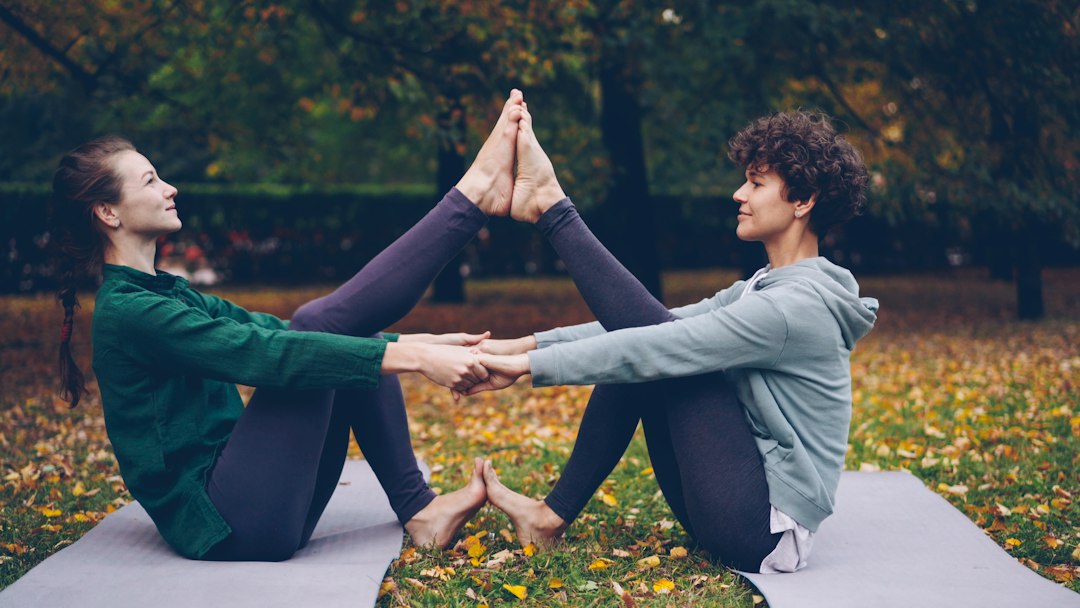
    Seated partner yoga balance

    🔹 Level: Intermediate-Advanced
    🔹 Targets: Shoulders, Core, Hamstrings

    How to Do It:

    1. One partner gets into a Downward Dog.
    2. The second partner places hands on the floor and rests their feet on the first partner’s back.
    3. Both maintain a straight spine and engage the core.
    4. Hold for 5-8 breaths.

    💡 Tip: Communicate clearly and keep weight balanced.

    1. Flying Bow Pose (AcroYoga Challenge)

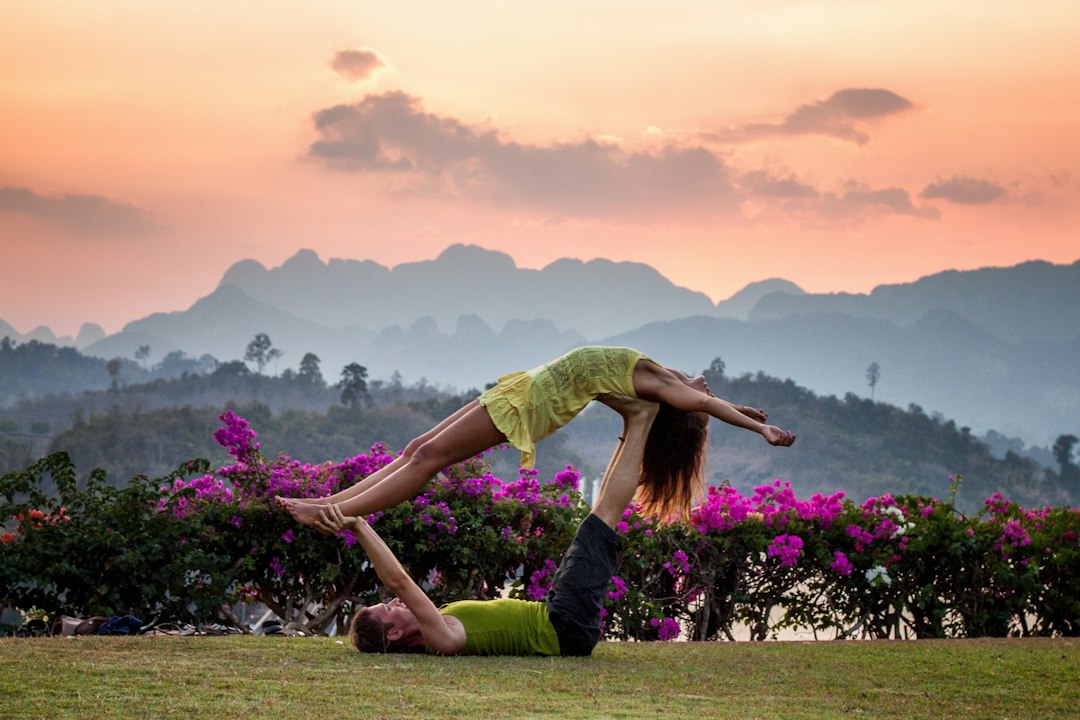
    AcroYoga partner balance example

    🔹 Level: Advanced
    🔹 Targets: Back, Hips, Core

    Steps to Perform:

    1. Base partner lies on the floor and lifts legs to 90 degrees.
    2. Flyer partner places hips on the base’s feet.
    3. Flyer bends knees and grabs ankles, forming a Bow Pose.
    4. Base supports the balance while the flyer extends.
    5. Hold for 5-10 breaths.

    🧘‍♂️ Ancient Wisdom: The bow pose represents energy expansion in Hatha Yoga. This modern partner balance should not be treated as an ancient chakra technique. Ask an experienced instructor to teach the base, flyer and spotter roles before trying it.

    1. Throne Pose (AcroYoga Balance Test)

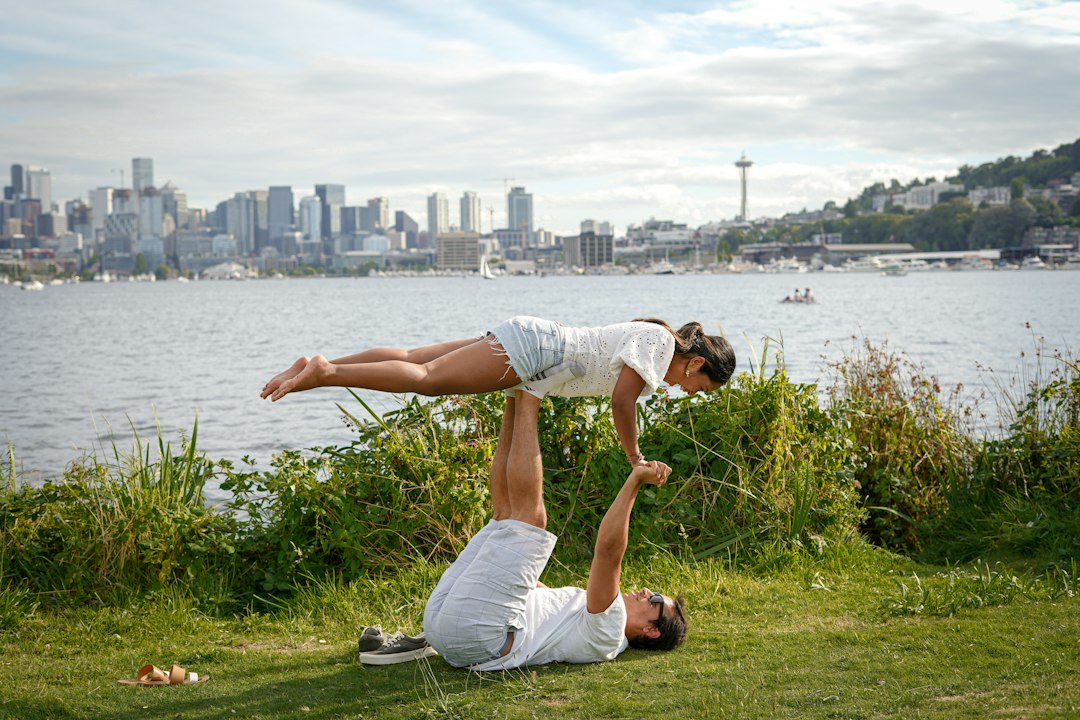
    Throne Pose (AcroYoga Balance Test)

    🔹 Level: Expert
    🔹 Targets: Legs, Core, Arms

    Steps to Perform:

    1. Base partner lies on their back and lifts legs straight up.
    2. Flyer balances by sitting on the feet, keeping the spine upright.
    3. Flyer engages the core and extends arms forward.
    4. Hold the pose for 10-15 seconds before slowly dismounting.

    📌 Modern Insight: Throne Pose requires full-body strength. Yoga experts recommend gradual progression to avoid injuries.

    1. Double Plank Pose (For Core Strength)

    Two adults practising partner strength exercises

    🔹 Level: Hard
    🔹 Targets: Core, Arms, Stability

    How to Perform:

    1. One partner holds a high plank position.
    2. The second partner places hands on the first partner’s ankles and forms a plank.
    3. Both keep their body straight and core tight.
    4. Hold for 10-20 seconds.

    💡 Safety Note: Avoid arching the back. Engage the core for support.

    1. Partner Handstand (Ultimate Balance Test)

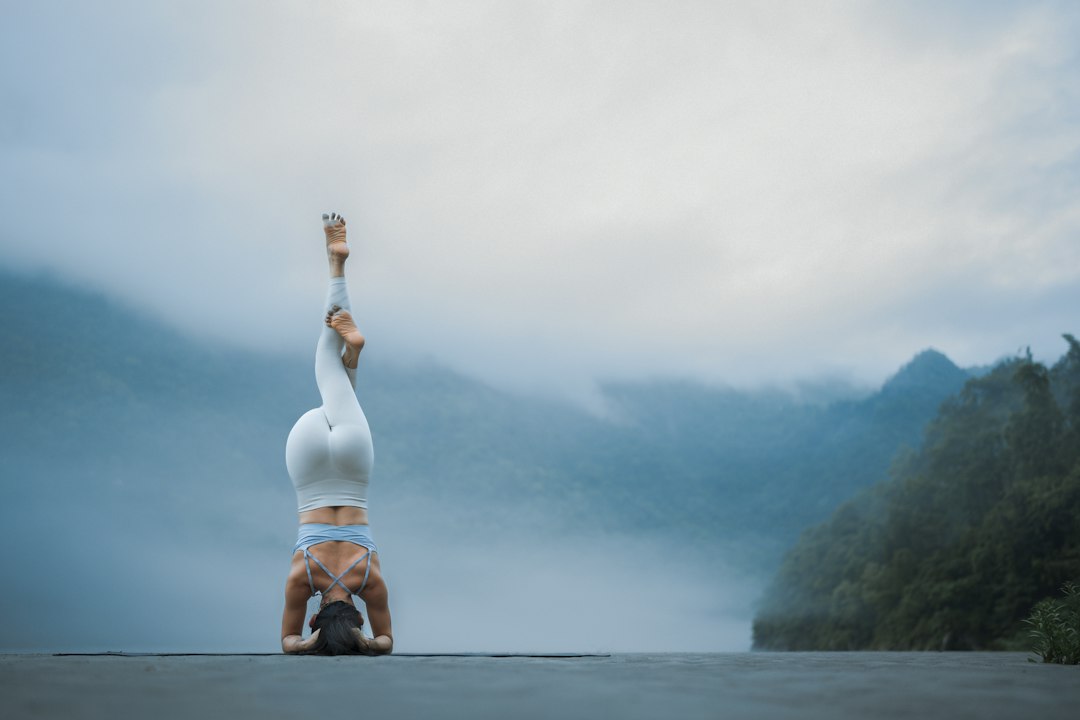
    Adult practising handstand balance

    🔹 Level: Extreme
    🔹 Targets: Shoulders, Core, Arms

    Steps:

    1. One partner supports the other as they attempt a handstand.
    2. The supporting partner holds the flyer’s legs for balance.
    3. Gradually, the flyer stabilizes and maintains control.
    4. Hold for 5-10 breaths.

    🧘 Ancient Insight: Handstands are linked to mental clarity and focus in traditional yoga teachings. Avoid unsupported promises about brain circulation. Inversions involve risks for some students and need appropriate instruction.

    How to Practise Hard Partner Yoga More Safely

    1️⃣ Warm Up First – Avoid injuries by preparing your body.
    2️⃣ Communicate Clearly – Trust and verbal cues are key.
    3️⃣ Engage the Core – Stability comes from inner strength.
    4️⃣ Progress Gradually – Don’t rush into advanced poses.
    5️⃣ Use a Spotter – Extra support prevents falls.

    Work patiently and practise with a teacher who can supervise safe entries and exits. Follow these guidelines to practice safely.

    Common Mistakes to Avoid

    🚫 Skipping Warm-Ups – Leads to stiffness and strain.
    🚫 Overestimating Strength – Push gradually, not forcefully.
    🚫 Ignoring Breath Control – Yoga is about breath-body connection.
    🚫 Lack of Focus – Distractions cause imbalance and falls.

    Modern yoga teachers emphasize awareness and gradual learning. Avoid these mistakes for a safe and enjoyable practice.

    Frequently Asked Questions (FAQs)

    1. Are hard yoga poses for 2 people safe for beginners?

    No, these poses require experience. Beginners should start with easier partner yoga poses before progressing.

    1. How can I improve balance in partner yoga?

    Focus on core strength, maintain steady breathing, and practice trust-building exercises with your partner.

    1. What should I do if I lose balance?

    Slowly exit the pose and reset. Avoid sudden movements that could cause injury.

    1. Can couples practice hard yoga poses together?

    Yes! Couples can practise together, but both people need clear consent, suitable skills and a safe way to stop. Do not attempt lifts solely for photographs. Beginners should choose simple ground-level counterbalances.

    1. How often should I practice these poses?

    Start with 2-3 times a week. Gradually increase as your strength and flexibility improve.

    Conclusion

    Practicing hard yoga poses for 2 people challenges your strength, balance, and coordination. Advanced partner yoga poses require patient preparation and safe teamwork. By progressing safely and maintaining focus, you’ll build both physical power and mental clarity.

    Remember, both ancient and modern yoga teachers believe trust, discipline, and gradual progress is the Proper Phase of Practicing Yoga Asana. Start with stable ground-level partner work and choose challenges you can both exit safely.