Category: Yoga

  • Benefits of Chakrasana The Compile guide Chakrasana

    Benefits of Chakrasana The Compile guide Chakrasana

    Understanding the Chakrasana: The Wheel Pose

    Wheel Pose: More Than Just a Yoga Stretch!
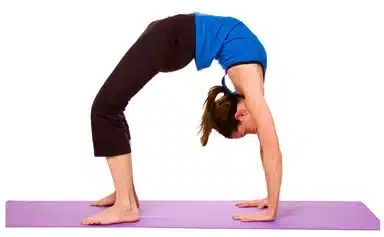
    Have you ever seen someone do a yoga pose where they bend backwards in a circle, like a wheel? That’s called Chakrasana, or Wheel Pose! It’s more than just a cool-looking stretch.
    This pose comes from ancient teachings and is known to have many benefits for your body and mind. It can help you feel stronger, more flexible, and even happier!
    Want to learn more about how to learn then join our 200 Hour Hath Yoga Teacher Training in Rishikesh

    What is Chakrasana: A Brief Overview

    The term “Chakrasana” is derived from two Sanskrit words: “Chakra,” which means wheel or circle, and “Asana,” denoting a posture or pose.
    The posture of the body resembles a wheel when performing Chakrasana, hence it is called Chakrasana. It is also known as Urdhva Dhanurasana. Practicing this asana has many benefits. It tones and strengthens the body.

    It is not easy for everyone to do it in the beginning. Gradually, with effort, it becomes easier to do. It also improves fertility.
    In ancient Indian traditions, this pose was designed to activate and balance the body’s energy centers, known as chakras (7 Chakras).

    Physical Mechanics of the Chakraasana

    Executing Chakrasana involves lying flat on the back, bending the knees, and placing the palms beside the head, fingers pointing towards the shoulders. By pushing off the ground, the body forms an arch, resembling a wheel, hence its name. This pose demands flexibility, strength, and balance, engaging various muscle groups, including the back, arms, and core.

    Core Engagement:

    Your core muscles, particularly the transverse abdominis, act as a corset, stabilizing your spine and pelvis.Engaging your core prevents excessive arching in the lower back and distributes weight evenly throughout your body.

    Spinal Extension:

    The primary movement in Chakrasana is extension of the thoracic and lumbar spine.Back muscles like the erector spinae lengthen and contract to lift your chest and head off the floor.

    Remember, aim for a gentle curve, not an overly hyperextended spine.

    Shoulder Stability:

    Strong and stable shoulders are crucial to maintain proper alignment and prevent injury.
    Pressing your palms firmly into the ground engages your shoulders, protecting your rotator cuffs.
    Keep your shoulder blades pulled down and back, away from your ears.

    Hip Flexion and Leg Extension:

    Hip flexors like the iliopsoas muscles contract to lift your hips off the ground.
    Simultaneously, your quadriceps and hamstrings work together to extend your legs, pushing the floor away.

    Weight Distribution:

    Balanced weight distribution is key to maintaining stability in Chakrasana.
    Your weight is distributed evenly between your hands and feet, creating a strong foundation for the pose.

    Avoid placing too much weight on your head or neck.

    Flexibility Requirements:

    Chakrasana demands flexibility in your spine, hamstrings, shoulders, and chest.
    Adequate flexibility allows for a deeper backbend and proper extension of limbs.
    Read our Blog about – Hatha yoga vs Power Yoga.

    Tips for to Start Chakrasana:

    Warm-up: Prepare your body with stretches targeting your spine, shoulders, and hamstrings.

    Engage your core: Focus on drawing your navel towards your spine throughout the pose.

    Press through your hands and feet: This creates a strong base and helps lift your body.

    Maintain proper neck alignment: Keep your chin slightly tucked to avoid neck strain.

    Modify for your body: Use props like yoga blocks for support if needed.

    Warming Up Asanas for Chakrasana (Wheel Pose)

    Chakrasana requires a good amount of flexibility and strength in your spine, shoulders, and hamstrings. A proper warm-up routine prepares your body for this deep backbend by increasing blood flow, loosening tight muscles, and improving your range of motion. Here are some excellent asanas to incorporate into your warm-up before attempting Chakrasana:

    Cat-Cow Pose (Marjariasana-Bitilasana):

    This dynamic movement gently warms up your spine and improves its flexibility.
    Inhale as you arch your back upwards (cow pose), and exhale as you round your spine inwards (cat pose).
    Repeat this movement for several cycles.

    Thread the Needle Pose (Vajrasana with Parivrtta Marichyasana):

    This pose stretches your shoulders and chest, which are crucial for Chakrasana.
    Sit in a kneeling position (Vajrasana) and twist your torso to one side, reaching your arm under your leg.
    Hold for a few breaths and repeat on the other side.

    Downward-Facing Dog (Adho Mukha Svanasana):

    Downward-Facing Dog lengthens your spine, hamstrings, and calves, preparing them for the demands of Chakrasana.
    Maintain a flat back and push your heels towards the floor.
    Keep Breathing Hold for several breaths.

    Upward-Facing Dog (Urdhva Mukha Svanasana):

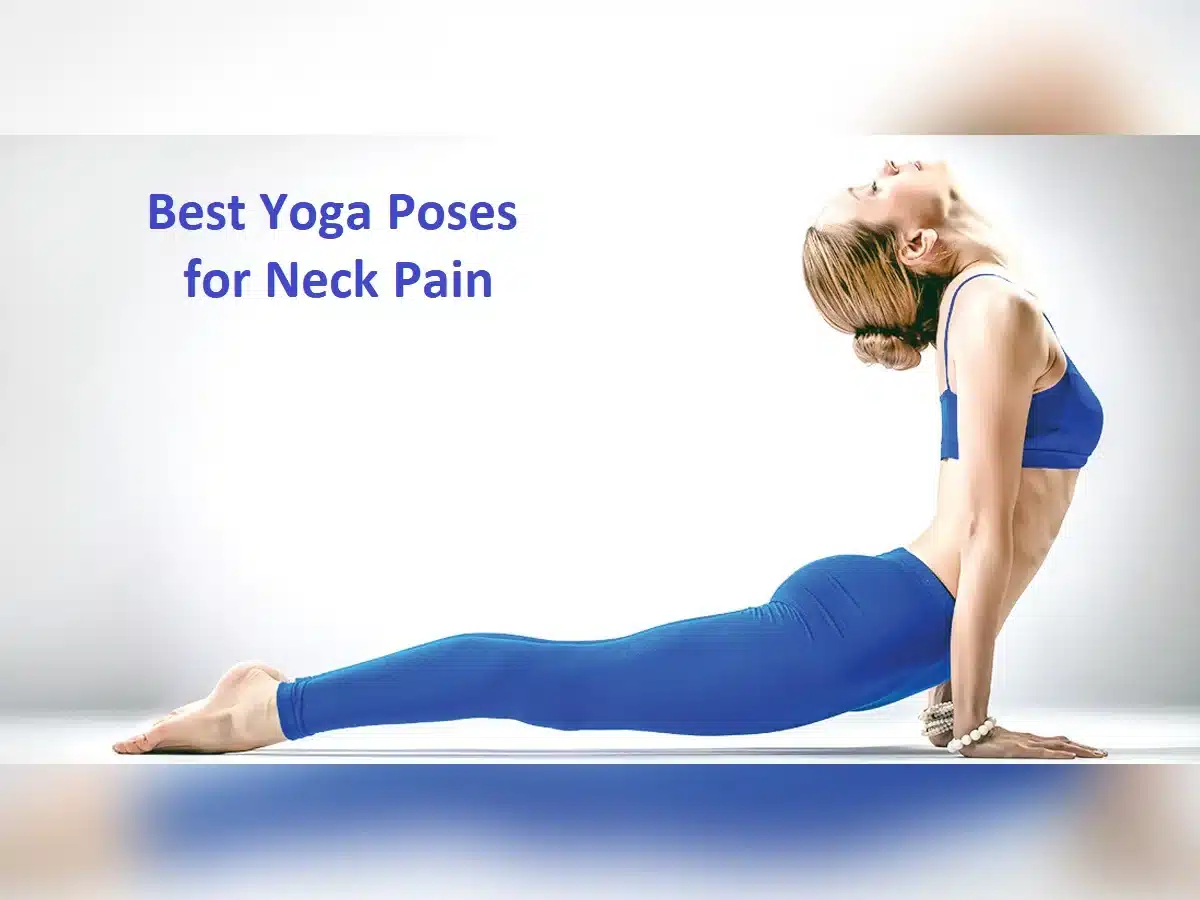
    This pose opens your chest and strengthens your back muscles, both necessary for Chakrasana.
    Lie on your stomach and press your upper body off the floor, keeping your legs extended.
    Hold for some breaths.

    Bridge Pose (Setu Bandhasana):

    Bridge Pose strengthens your core and opens your chest, preparing you for the backbend in Chakrasana.
    Lie on your back with knees bent and feet flat on the floor.
    Lift your hips off the ground and hold for a few breaths.

    Child’s Pose (Balasana):

    This resting pose allows your body to relax and integrate the benefits of the previous stretches.
    Sit back on your heels with your forehead resting on the floor.
    Hold for couple of breaths.

    Health Benefits of Chakrasana

    • Enhanced Flexibility: Regular practice of Chakrasana promotes suppleness in the spine, shoulders, and hip flexors, improving overall flexibility.
    • Strength Building: Engaging multiple muscle groups, Chakrasana strengthens the back, arms, wrists, and core, enhancing physical endurance.
    • Improved Respiratory Function: The expansive chest opening in Chakrasana enhances lung capacity and oxygen intake, benefiting respiratory health.
    • Stress Reduction: Activating the parasympathetic nervous system, Chakrasana induces relaxation, alleviating stress
      and anxiety.
    • Improves Spinal Flexibility: Backbends like Chakrasana stretch and lengthen the muscles and ligaments surrounding the spine. This can improve your overall spinal flexibility and range of motion, leading to better posture and potentially reducing back pain.
    • Strengthens Core and Back Muscles: Holding Wheel Pose engages your core muscles, including your transverse abdominis and obliques. This strengthens your core and improves stability, which can benefit your posture and overall balance. Additionally, the pose strengthens the back muscles, particularly the erector spinae group, which are crucial for supporting your spine.
    • May Enhance Blood Flow and Circulation: Studies suggest that backbends like Wheel Pose can improve blood flow and circulation throughout the body. This can help deliver oxygen and nutrients to your muscles and organs, promoting overall health and well-being.
    • Boosts Mood and Reduces Stress: Research indicates that yoga practices, including backbends, may positively impact mood and reduce stress levels. The opening of the chest cavity in Wheel Pose is thought to contribute to this effect by promoting deeper breathing and relaxation.
    • Potential Benefits for the Nervous System: Some studies suggest that backbends may stimulate the parasympathetic nervous system, which is responsible for the body’s “rest and digest” response. This can help counteract the effects of chronic stress and promote relaxation.

      Incorporating Chakrasana into Your Routine

      Beginner Modifications: For those new to Chakrasana, utilizing props like blocks or practicing against a wall can provide support and facilitate proper alignment.

      Advanced Variations: As you get better at Chakrasana, you can try doing more exciting things! You can add flowing movements or even move into Chakrasana from other yoga poses. This makes your practice more fun and can also make the benefits of the pose even stronger.

      Bonus reading

      The Seven Chakras: Aligning Energy Centers

      Understanding Benefit of Chakrasana necessitates delving into the concept of the seven chakras:

    • Root Chakra (Muladhara): Located at the base of the spine, activating this chakra through Chakrasana promotes a sense of grounding and stability.
    • Sacral Chakra (Swadhisthana): Situated below the navel, this chakra governs creativity and emotional balance. The Wheel Pose learnt through Good Yoga Schools in Rishikesh stimulates this area, fostering creativity and passion.
    • Solar Plexus Chakra (Manipura): Associated with self-confidence and willpower, aligning this chakra via Chakrasana enhances personal power and motivation.
    • Heart Chakra (Anahata): Central to love and compassion, practicing Chakrasana opens the heart center, fostering emotional healing and connection.
    • Throat Chakra (Vishuddha): Facilitating communication and self-expression, Chakrasana encourages clarity and authenticity in speech.
    • Third Eye Chakra (Ajna): Elevating intuition and insight, this chakra governs perception beyond the physical realm. Chakrasana aids in sharpening intuition and inner wisdom.
    • Crown Chakra (Sahasrara): The pinnacle of spiritual connection, aligning this chakra through Advantages of Chakrasana fosters enlightenment and spiritual growth.
  • Do You know Yoga for Neck Pain For Relaxing Neck

    Do You know Yoga for Neck Pain For Relaxing Neck

    Happy Neck, Happy You: A Gentle Yoga Guide

    Happy Neck, Happy You: A Gentle Yoga Guide

    Hi everyone! Today, we’re going to talk about something many of us experience: neck pain. Sitting all day at desks or looking down at our phones can make our necks feel tight and sore. But don’t worry, there’s a fun and gentle way to feel better: yoga!

    Why Does My Neck Hurt?

    Our bodies aren’t meant to be hunched over all the time. This can make the muscles in our necks get tight and uncomfortable. Yoga helps us address this in a few ways:

  • Gentle Stretches: Yoga uses slow, controlled movements to loosen up those tight neck muscles. Think of it like gently untangling a knot.
  • Strong Posture: In our Yoga Teacher Training we explain how to stand and sit tall. This helps take pressure off our necks and makes us feel more supported.
  • Stress Relief: Yoga helps us relax and de-stress. Did you know stress can also make our necks feel tight? Yoga can help ease that tension.
  • Yoga Poses for a Happy Neck:

    Now, let’s try some yoga poses that can help your neck feel better! Remember, these are gentle and easy to do, even if you’re new to yoga.

    1. Neck Tilts: Find a comfortable chair and sit up tall. Slowly tilt your head to one side, like you’re trying to touch your ear to your shoulder. Feel the stretch along the side of your neck. Hold for a few breaths, then switch sides. Repeat a few times.
    2. Neck Circles: Make gentle circles with your head, like you’re saying “no” very slowly. Do this in both directions a few times.
    3. Child’s Pose: Get on your hands and knees. Sit back on your heels and rest your forehead on the mat. Stretch your arms out in front of you. This stretches your neck and back gently. Hold for a few minutes and take some deep breaths.
    4. Cat-Cow Stretch: Get back on your hands and knees. As you breathe in, arch your back up like a happy cat and look up at the ceiling. As you breathe out, round your back down like a grumpy cow and tuck your chin to your chest. Repeat a few times.

    Tips for Happy Yoga:

    Listening to your body matters in yoga:

  • Safety First: Yoga is a safe and gentle practice, but it’s important to be mindful of your limitations.
  • Respecting Your Pain: Pain is your body’s way of telling you something is wrong. If a pose feels uncomfortable in your neck, stop and rest.
  • Focus on Feeling Good: Yoga should feel good, not painful. If you’re forcing yourself into a pose, you’re probably not getting the full benefit of it.
  • Finding Your Range of Motion: Everyone’s body is different, and your range of motion in your neck will vary. Listen to your body and find a comfortable position for each pose.
  • Why Consistency Matters for Happy Neck:

  • Building Muscle Memory: When you practice yoga poses regularly, your body starts to “remember” the movements.
  • Gradual Improvement: Tight muscles in your neck won’t loosen up overnight. Consistent practice allows for gradual improvement in flexibility and strength.
  • Long-Term Relief: Yoga isn’t just a quick fix. By practicing regularly, you can help prevent neck pain from coming back.
  • Why Fun Matters in Yoga:

  • Enjoyment Leads to Consistency: When you find yoga enjoyable, you’re more likely to stick with it.
  • Reduces Stress and Tension: If yoga feels like a chore, it can actually add to your stress levels.
  • Mind-Body Connection: Yoga isn’t just about physical postures; it’s a way to connect your mind and body.
  • There are many other yoga poses that can help your neck pain. If you’re interested in learning more, you can take a yoga class or search online for beginner-friendly yoga routines.

    Remember, yoga is for everyone! So take a deep breath, relax, and give these poses a try. Your happy neck will thank you for it!

  • Optimal Yoga Practices for Holistic Well-being

    Optimal Yoga Practices for Holistic Well-being

    Ancient Yoga Practices

    The Ancient Yoga Practice

    Foundation of Yoga: Understanding Its Essence

    The Ancient Yoga Practices , rooted in mindfulness and physical well-being, has transcended cultural boundaries to become a global phenomenon. This article delves into the optimal yoga practices that contribute to holistic well-being, fostering harmony among the body, mind, and soul.

    Physical Harmony: Asanas for Well-being

    Yoga is not just a physical exercise; it is a lifestyle that promotes balance and unity. Rooted in ancient Indian philosophy, it seeks to align the body, mind, and spirit. By acknowledging this holistic approach from Good Yoga School in Rishikesh , practitioners can learn the benefits of yoga practices.

    Mental Equilibrium: The Power of Meditation

    Yoga isn’t just about stretching your body. It can also help your mind feel good!Yoga teaches you how to be calm and focus. You can do this by sitting quietly and taking slow breaths. When your mind is calm, you feel less stressed. You can also think more clearly and handle your emotions better.So next time you do yoga, remember you’re taking care of your mind too!

    Nourishing the Soul: Connecting through Spirituality

    Yoga is not merely about the body and mind; it delves into the realm of spirituality, nurturing the soul. Practices like chanting mantras and guided visualization create a profound connection with the inner self, leading to a sense of purpose and inner peace.

    Crafting Your Yoga Routine: Tailoring Practices for Individual Needs

    The beauty of yoga lies in its adaptability. Crafting a personalized routine based on individual needs and goals ensures maximum benefits. Whether seeking physical fitness, mental tranquility, or spiritual growth, a bespoke yoga practice tailored to personal requirements becomes a powerful tool for holistic well-being.

    Healthy Food for Your Yoga Practice

    Yoga is not solely confined to the mat; it extends to one’s lifestyle choices, including nutrition. Mindful eating and a plant-based diet complement the practice, nourishing the body from within. The synergy of yoga and a balanced diet amplifies the positive effects, promoting overall health and vitality.

    The Science of Breath: Pranayama Techniques

    Central to yoga is the science of breath, known as pranayama. Techniques from Yoga Teacher Training such as deep diaphragmatic breathing and alternate nostril breathing enhance respiratory function, promoting body oxygenation and calming the nervous system. Harnessing the power of breath amplifies the benefits of yoga, fostering holistic well-being.

    Small Steps, Big Changes: Keeping Up with Yoga

    For optimal results, consistency is paramount. Establishing a regular yoga practice creates a cumulative effect, with physical, mental, and spiritual benefits compounding over time. By dedicating time to yoga regularly, individuals pave the way for sustained well-being and lasting harmony.

    What Makes a Yoga Practice Optimal?

    The best practice is the one that fits your body, goals, time and recovery. More poses or longer sessions are not always better.

    Your needSimple focus
    Low energyGentle movement and breathing
    StrengthControlled holds and progressive challenge
    StressSlower practice and longer exhalation
    Busy day10–20 minute routine you can repeat

    Related guides: how often to practise yoga, 10-minute yoga, and yoga life balance.

  • Yoga for PCOS: Benefits and Specific Asanas

    Yoga for PCOS: Benefits and Specific Asanas

    PCOS has become a common health concern among women, but with Yoga for PCOS, one can improve the quality of life. This hormonal disorder can lead to a range of uncomfortable symptoms, including irregular periods, weight gain, and fertility issues. 

    In this comprehensive article, we will explore the benefits of practicing PCOS Yoga Poses and delve into specific asanas (poses) that can help manage the condition effectively. So, let’s get started on a journey towards better health and well-being.

    Understanding Yoga for PCOS

    Before we dive into the Yoga Asanas for PCOS and its potential benefits, it’s crucial to have a clear understanding of what PCOS is. It is a hormonal disorder that affects ovaries, resulting in causing enlargement of ovaries or the development of cysts. This condition disrupts the normal hormonal balance in the body, leading to a variety of symptoms:

    Common Symptoms of PCOS

    1. Irregular menstrual cycles
    2. Excessive hair growth (hirsutism)
    3. Acne and oily skin
    4. Weight gain and difficulty losing weight
    5. Mood swings and depression
    6. Insulin resistance and increased risk of Type 2 diabetes
    7. Fertility Problems

    The Role of Yoga in Managing PCOS

    Now, let’s explore how Yoga can be a powerful tool in managing and alleviating the symptoms of PCOS. 200 Hour Yoga Teacher Training is not just a physical practice; it encompasses physical postures (asanas), breathing techniques (pranayama), and meditation. This holistic approach addresses the physical, mental, and emotional aspects of health.

    Yoga for PCOS
    Yoga for PCOS: Benefits and Specific Asanas 6

    Benefits of Yoga for PCOS

    Hormonal Balance: Traditional Multi-Style Yoga in Rishikesh helps regulate hormones by reducing stress and cortisol levels, which are often elevated in women with PCOS.

    Improved Blood Circulation: Authentic Yoga School in Rishikesh teaches Yoga asanas to enhance blood circulation to the reproductive organs, promoting better ovarian function.

    Weight Management: Regular practice of Yoga for PCOS Weight Loss can result greatly and help in maintaining fit.

    Stress Reduction: PCOS symptoms can be exacerbated by stress. Yoga’s relaxation techniques can significantly reduce stress levels.

    Enhanced Fertility: Certain Yoga poses stimulate the pelvic region and can improve fertility in women with PCOS.

    Metabolic Health: Yoga can improve insulin sensitivity, helping to prevent or manage Type 2 diabetes, a common comorbidity of PCOS.

    Specific Yoga Asanas for PCOS

    Supta Baddha Konasana (Reclining Bound Angle Pose): This asana opens up the pelvic area, promoting better blood flow to the ovaries.

    Dhanurasana (Bow Pose): Dhanurasana stretches the abdominal region, improving digestion and reducing abdominal fat.

    Bharadvajasana (Seated Twist): This pose massages the abdominal organs, aiding in detoxification and hormonal balance.

    Baddha Konasana (Butterfly Pose): Excellent for improving flexibility in the groin and inner thigh muscles, helping with fertility.

    Ustrasana (Camel Pose): Ustrasana stimulates the reproductive organs and can alleviate menstrual irregularities.
    Viparita Karani (Legs Up the Wall Pose): This restorative pose helps reduce stress and improve overall relaxation.

  • Why to Choose India For Yoga Teacher Training Course?

    Why to Choose India For Yoga Teacher Training Course?

    India is the country where yoga originated, and Rishikesh is the center of yoga worldwide. Ashrams, yoga schools, and studios offer some of the top Yoga Teacher Training Course in India. It is also the ideal location for learning about ancient history. 

    A Yoga Teacher Training in India is a terrific place to start whether you want to learn more about yoga, develop your practice, or meet people who share your interests. Let’s examine the main arguments for selecting India for your Yoga Teacher Training Program.

    The Birthplace of Yoga 

    India is the very birthplace of yoga, with its roots tracing back thousands of years. The mystical land has been nurturing and propagating yoga for generations. Yoga is not just an exercise in India; it’s a way of life. When you choose India for your Yoga Teacher Course, you immerse yourself in the authentic and ancient yogic traditions that have been passed down through the ages.

    A Myriad of Authentic Schools

    yoga schools
    Why to Choose India For Yoga Teacher Training Course? 9

    India boasts a myriad of yoga schools, each offering its unique approach and expertise. From the traditional Hatha and Ashtanga to the more contemporary Vinyasa and Kundalini, you’ll find a school that resonates with your aspirations. These schools provide comprehensive and in-depth training, ensuring that you leave with a profound understanding of yoga philosophy, anatomy, and teaching methodologies.

    Learn Yoga teacher training course from the Masters 

    One of the most compelling reasons to choose India is the opportunity to learn from seasoned yoga masters and gurus. These revered teachers have dedicated their lives to the practice and teaching of yoga. Their wisdom and guidance will not only enrich your practice but also inspire you to become a knowledgeable and compassionate yoga teacher.

    Dive into Yoga Philosophy 

    Yoga is not just about physical postures; it encompasses a profound philosophy that can transform your entire outlook on life. In India, you have the chance to delve deep into the philosophical aspects of yoga, exploring concepts such as the eight limbs of yoga, the chakras, and ancient texts.

    Spiritual Enlightenment

    India is a land of spirituality, where seekers have come for centuries to attain spiritual enlightenment. The energy and spirituality that permeate the air in India are palpable. Choosing India for your Yoga Teacher Training Course allows you to not only deepen your yoga practice but also embark on a spiritual journey that can lead to personal transformation.

    Affordable and Authentic Experience

    While yoga teacher training programs are offered worldwide, India offers an authentic experience at a fraction of the cost compared to many Western countries. The cost-effectiveness of studying in India allows you to focus on your practice and education without financial stress.

    Cultural Immersion

    India’s diverse and vibrant culture is an integral part of your yoga journey. From participating in traditional rituals to exploring ancient temples and savoring delicious Indian cuisine, your time in India will be a cultural immersion that enriches your overall experience.

    A Lifetime of Memories 

    Choosing India for your 200 Hour Yoga Teacher Training Course is not just a short-term commitment; it’s an investment in a lifetime of memories and personal growth. The friendships you make, the knowledge you gain, and the experiences you collect will stay with you forever.

  • Activate Your Inner Power: Yoga for Strength and Flexibility

    Activate Your Inner Power: Yoga for Strength and Flexibility

    The Yoga for Strength and Flexibility has been gaining popularity worldwide. Physical practice and a holistic approach to wellness play an important role in enhancing your strength and flexibility. In this comprehensive guide, we’ll delve deep into the world of yoga, exploring how it can transform your body, mind, and soul.

    Understanding Philosophy of Yoga: More than Just Poses

    Before we dive into the physical aspects, it’s essential to understand the philosophy behind yoga. Yoga originated in ancient India and is deeply rooted in spiritual and philosophical teachings. Yoga for Core Strength and Flexibility aims to achieve a union between the mind, body, and spirit.

    The Eight Limbs of Yoga 

    Yoga’s philosophy is encapsulated in the Eight Limbs of Yoga, as outlined in Patanjali’s Yoga Sutras. These limbs provide a framework for living a balanced and fulfilling life, incorporating not only physical postures but also ethical and mental practices.

    The Physical Practice 

    Physical Practice
    Activate Your Inner Power: Yoga for Strength and Flexibility 12

    Asanas: The Yoga Poses

    When most people think of yoga, they picture various physical poses or “asanas.” These postures not only improve strength and flexibility but also promote overall well-being. Some common asanas of Yoga for Flexibility And Strength for Beginners include Downward-Facing Dog, Warrior II, and Bridge Pose.

    Vinyasa Flow: A Dynamic Approach

    Vinyasa yoga is known for its fluid, dynamic sequences that synchronize breath with movement. It’s the Best Yoga for Strength and Flexibility.

    Yoga for Strength 

    Building Muscle through Yoga 

    Yoga may not involve lifting weights, but it can certainly help you build lean muscle. Poses like Plank, Chaturanga, and Crow Pose engage multiple muscle groups, providing an effective full-body workout.

    Balance and Stability 

    Balance plays a huge role in performing yoga. A lot of the poses require balance on one leg or hold challenging positions. These exercises develop core strength and stability, crucial for overall physical strength.

    Core Strengthening 

    It is important to have A strong core for overall strength and posture. Yoga includes various poses, such as Boat Pose and Side Plank, that target the abdominal muscles, helping you build a solid core.

    Yoga for Flexibility 

    Increasing Range of Motion 

    Yoga is the best way to enhance flexibility. Regular practice can gradually increase your range of motion, making everyday movements easier and less prone to injury.

    Loosening Tight Muscles 

    Sitting at a desk all day or leading a sedentary lifestyle can lead to muscle tightness. Yoga’s gentle stretches, such as Forward Fold and Cobra Pose, can alleviate tightness and improve flexibility.

    Preventing Injuries 

    Improved flexibility not only helps prevent injuries but also aids in post-injury recovery. Incorporating yoga into your routine can reduce the risk of strains and sprains.

    Yoga and Mindfulness 

    Stress Reduction

    Yoga isn’t just about physical fitness; it’s also a powerful tool for stress reduction. Mindful breathing and meditation techniques practiced in yoga can calm the mind and reduce stress levels.

    Mental Clarity 

    Daily practice of yoga can enhance mental clarity and focus. This is especially beneficial for those dealing with the demands of a busy lifestyle.

    Getting Started with Yoga 

    Choosing a Yoga Style 

    There are numerous Traditional Multi-Style Yoga in Rishikesh to choose from, including Hatha, Vinyasa, and Bikram. It’s essential to find a style that suits your preferences and goals.

    Finding a Qualified Instructor 

    While there are many online resources for Yoga Teacher Training, it’s highly recommended to start with a qualified instructor, especially if you’re a beginner. They can provide guidance, correct your form, and ensure your safety.

    Creating a Consistent Practice 

    Consistency is key to reaping the full benefits of yoga. The goal for daily practice sessions, even if they’re for some minutes. Over time, you’ll notice significant improvements in strength and flexibility.

    Immerse yourself in traditional yoga practices with our 200 Hour Yoga Teacher Training in Rishikesh. Join us for an authentic and transformative experience. Register now!

  • Yoga Teacher Training in Rishikesh – Fitfortunes Yoga School, Rishikesh

    Discover the Path to Becoming a Yoga Teacher in Rishikesh

    Yoga Teacher Training Rishikesh
    Yoga Teacher Training Rishikesh

    Are you ready to embark on a transformative journey of self-discovery and learn the ancient art of yoga? Look no further than Fitfortunes Yoga School, located in the serene and spiritual city of Rishikesh, India.

    Our 200-hour traditional multi-style yoga teacher training course in Rishikesh is designed to provide aspiring yoga teachers with a solid foundation in yoga philosophy, asanas, pranayama, meditation, and teaching methodology. By immersing yourself in the rich culture and spiritual atmosphere of Rishikesh, known as the “Yoga Capital of the World,” you will deepen your practice and develop the skills to become a confident and compassionate yoga teacher.

    Why Choose Rishikesh for Your Yoga Teacher Training?

    Rishikesh, nestled in the foothills of the majestic Himalayas and blessed with the sacred Ganges River, offers an unparalleled environment for yoga teacher training. The serene and natural surroundings create an ideal setting for self-reflection, meditation, and the study of yoga. As you embark on this transformative journey, you will have the opportunity to learn from experienced and certified yoga instructors who will guide you through the depths of yoga philosophy and the intricacies of asanas, pranayama, and meditation.

    Immerse Yourself in a Comprehensive Yoga Curriculum

    At Fitfortunes Yoga School, our 200-hour yoga teacher training course encompasses a broad range of topics.

    These include in-depth studies of yoga philosophy and history. Our curriculum includes in-depth studies of yoga philosophy and history, techniques for aligning various asanas, pranayama and energy anatomy, meditation and mindfulness practices, teaching methodology with hands-on adjustments, as well as anatomy and physiology. Additionally, we cover yogic lifestyle and ethics to provide you with a comprehensive and well-rounded understanding of yoga. You will also have ample opportunities to practice and refine your teaching skills through supervised teaching sessions.

    Experience the Yogic Lifestyle in Rishikesh

    During your stay in Rishikesh, you will have the chance to fully immerse yourself in the yogic lifestyle.Your daily routine during our program revolves around yoga. This includes morning yoga and meditation sessions, self-study, and reflection. You’ll immerse yourself in yoga practice. Additionally, you can partake in sacred rituals, visit ashrams and temples, and learn from esteemed spiritual teachers.. The serene and spiritual ambiance of Rishikesh will support and inspire your personal transformation.

    Become a Certified Yoga Teacher and Share Your Passion

    Upon completing our 200-hour yoga teacher training, you’ll receive a globally recognized certification. With this certification, you can teach yoga professionally worldwide. Whether your dream is to lead classes at renowned yoga studios, offer private sessions, or conduct retreats in comfortable locations. Our training program equips you with the skills, knowledge, and confidence to pursue your passion and share the transformative power of yoga with others.

    Ready to Start Your Journey?

    If you are ready to embark on this life-changing journey, join us at Fitfortunes Yoga School in Rishikesh. Our upcoming yoga teacher training courses are open for enrollment. Secure your spot today and take the first step towards becoming a certified yoga teacher. Visit our website at Fitfortunes Yoga School to learn more and begin your transformational yoga journey.

    Disclaimer: All images used in this blog are copyright-free and sourced from Unsplash.