Have you ever wondered if yoga should only be practiced in the morning? Many students ask, “Can we do yoga at night?” It’s a common question in teacher training classes and beginner workshops. While tradition often emphasizes early morning practice, evening yoga has its own unique benefits. For many working professionals, parents, and students, night practice may be the only realistic time to roll out the mat.
This article explores the benefits, challenges, and practical tips for practicing yoga at night. We’ll also compare morning and evening sessions, look at the best poses for bedtime, and answer common questions about safety, digestion, and sleep.
Morning vs. Night Yoga: Understanding the Difference
Yoga was traditionally practiced at sunrise, a time considered sattvic (pure and calm). Early hours are believed to clear the mind, balance energy, and prepare the body for the day ahead.

But modern life is different. Not everyone has the chance to practice before work or school. This is where evening yoga comes in. Practicing at night can be just as meaningful, especially when the goal is relaxation, stress relief, and better sleep.
Morning yoga often energizes the body and sharpens focus. Evening yoga, meanwhile, helps calm the nervous system, release tension, and prepare the body for rest. Both have value, it depends on your personal schedule and intention.
Benefits of Practicing Yoga at Night
- Relieves Stress from the Day
After a long day, the body carries stress in the shoulders, neck, and back. Gentle stretches at night help release tightness. Evening practice signals to the mind that the day is complete, creating a sense of closure.
- Improves Sleep Quality
Yoga poses combined with slow breathing support better sleep. Practices like forward folds, legs-up-the-wall, and Yoga Nidra lower heart rate and activate the parasympathetic nervous system. Many people who struggle with insomnia find night yoga especially helpful.
- Supports Digestion and Relaxation
Simple seated twists and gentle stretches in the evening can aid digestion. They reduce bloating and improve circulation, which is important after sitting or working for many hours.
- Accessible for Busy Schedules
Not everyone can wake up early for practice. Evening yoga makes it easier for working professionals, shift workers, and parents to maintain consistency.
- Calms the Mind
Night yoga isn’t about intense power sequences. Instead, it focuses on grounding poses, mindful breathing, and gentle flow. This shift from activity to rest makes it easier to transition into sleep.
Risks or Things to Keep in Mind
Practicing at night has benefits, but also requires adjustments.
- Avoid vigorous sequences right before bed. They may leave you feeling too energized.
- Do not practice immediately after a heavy dinner. Wait at least two hours.
- Choose calming postures over high-intensity flows. Gentle Hatha or restorative styles are ideal.
If your goal is strength or advanced postures, morning or late afternoon may still be better. Night yoga is best suited for relaxation, flexibility, and stress release.
Best Yoga Styles for Night Practice
Different yoga styles offer different effects. For evening practice, calming and restorative forms are recommended.
Hatha Yoga
Slower pace, steady postures, and breathing exercises. A perfect choice for beginners.
Restorative Yoga
Uses props to support the body in deep relaxation. Ideal for stress release before sleep.
Yin Yoga
Focuses on long-held stretches to release tension in the connective tissues. Helpful for flexibility and stillness.
Yoga Nidra
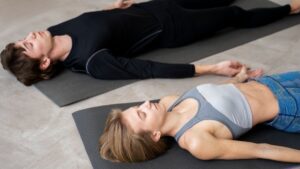
A guided relaxation practice that induces deep rest. Known as “yogic sleep,” it can be practiced lying down.
Sample Night Yoga Sequence for Beginners

Here’s a short routine you can try at home:
- Seated Neck Rolls – 1 minute, to release stiffness.
- Cat-Cow Stretch – 5 rounds, to ease the spine.
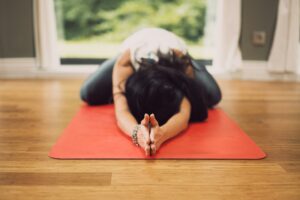
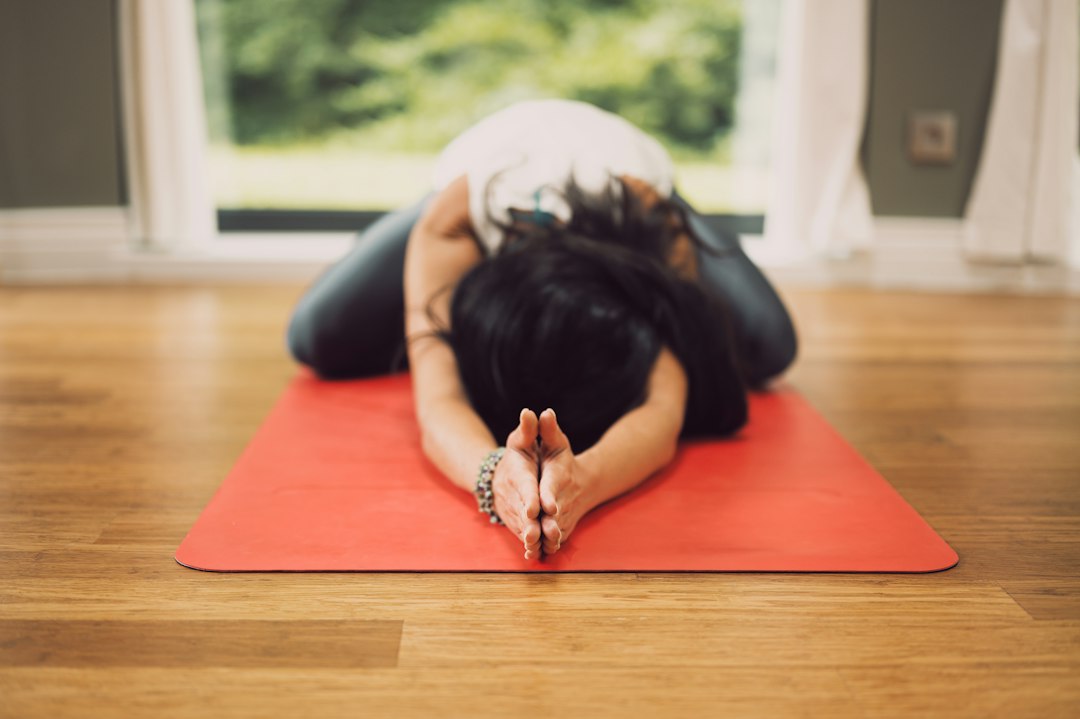
- Seated Forward Bend (Paschimottanasana) – 1–2 minutes, for calming effect.
- Supine Twist (Supta Matsyendrasana) – 1 minute per side, to aid digestion.
- Legs-Up-the-Wall (Viparita Karani) – 3–5 minutes, to relax circulation.
- Corpse Pose (Savasana) – 5–10 minutes, to close practice.
This sequence takes 15–20 minutes and can be done before bed. Keep the lights dim, breathe slowly, and avoid distractions.
Can Yoga at Night Replace Morning Practice?
Yes and no. Night yoga can provide similar physical benefits, but the energetic effect differs. Morning practice awakens the body and prepares for action. Night practice unwinds the body and prepares for rest.
For students training to be teachers, it’s good to experience both. This way, you can guide future students based on different needs and lifestyles.
Yoga and Sleep: The Science Behind It
Studies show that gentle yoga activates the parasympathetic nervous system, which lowers stress hormones like cortisol. Evening yoga has been linked to:
- Improved sleep quality in people with insomnia
- Lower anxiety and stress levels
- Reduced heart rate and blood pressure
- Better digestion and reduced evening restlessness
This scientific backing adds credibility to what yogis have practiced for centuries: calming the body before sleep supports overall health.
Common Mistakes to Avoid with Night Yoga
- Practicing on a full stomach. Wait 2–3 hours after eating.
- Choosing fast-paced Vinyasa sequences before bed.
- Using bright lights or noisy environments during practice.
- Practicing too late at night, which may disrupt sleep rhythm.
Keep the session simple, slow, and consistent.
Who Should Avoid Night Yoga?
Most people benefit from night yoga, but if you suffer from severe acid reflux or certain digestive conditions, lying down after meals may cause discomfort. In such cases, practice gentle seated breathing or meditation instead of postures.
Pregnant women should also consult a teacher before practicing, especially in the later stages of pregnancy.
So, can we do yoga at night? Yes, evening yoga is safe, beneficial, and practical for many lifestyles. With the right approach, it can reduce stress, improve sleep, and make yoga more consistent for people who cannot practice in the morning.
The key is to choose gentle postures, avoid practicing on a full stomach, and focus on relaxation rather than intensity. If practiced mindfully, night yoga becomes a natural way to close the day with balance and calm.
FAQ – Can We Do Yoga at Night?
- Is it good to do yoga at night before bed?
Yes, gentle yoga before bed helps reduce stress and improves sleep quality. - Which yoga poses are best at night?
Forward bends, supine twists, legs-up-the-wall, and Savasana are calming options. - Can beginners practice yoga at night?
Absolutely. Night yoga is beginner-friendly, especially with Hatha or restorative styles. - How long should a night yoga session be?
15–30 minutes is enough for relaxation and sleep preparation. - Can I do yoga after dinner?
Give yourself enough time to feel comfortable after a meal, particularly before vigorous practice. A gentle breathing or stretching session may need less time; avoid hard movements immediately after a large meal. - Is night yoga good for weight loss?
Gentle evening practice may feel relaxing, but yoga is not a guaranteed weight-loss method. Choose intensity and timing according to sleep, personal comfort and overall activity. - Can yoga replace meditation at night?
You can combine both. Gentle yoga followed by meditation or Yoga Nidra is highly effective.