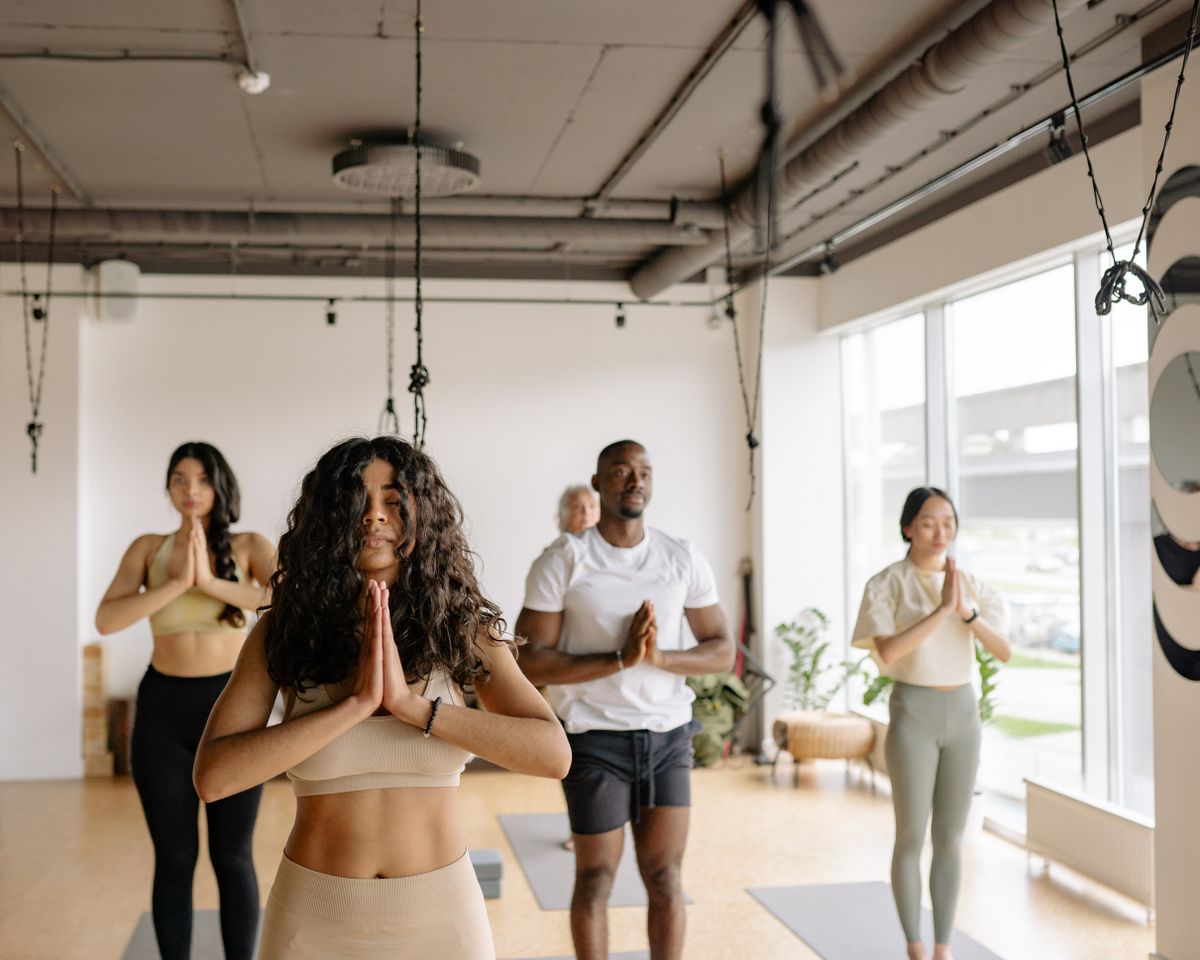
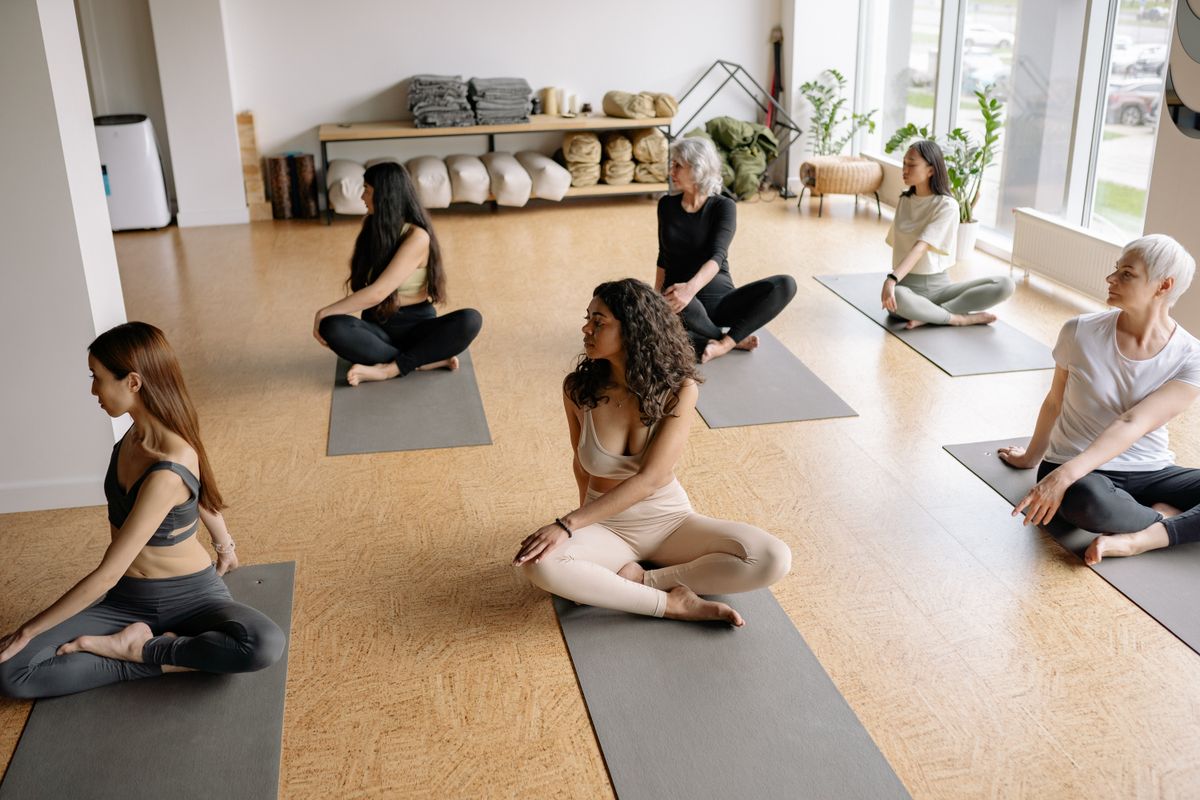
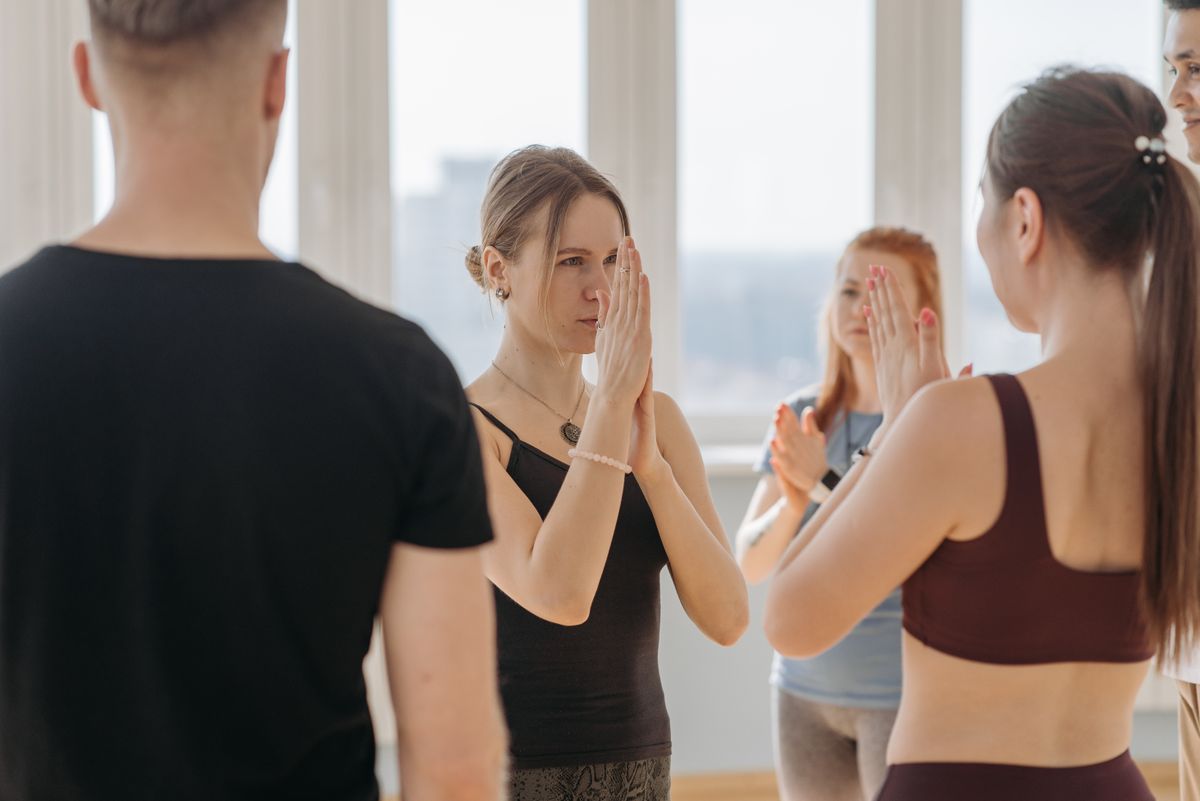
Aging brings changes to the body and mind, but movement is key to staying healthy and active. Yoga offers a gentle yet powerful way to maintain flexibility, balance, and mental clarity. Unlike intense workouts, it is low-impact and adaptable for all fitness levels. Whether you’re new to yoga or have limited mobility, starting slowly and mindfully can make a big difference in your overall well-being.
Yoga for Seniors: A Path to Better Health
Yoga is more than just physical exercise—it is a practice that nurtures both the body and mind. With age, muscles and joints lose flexibility, making simple movements feel difficult. Gentle yoga stretches can ease stiffness and improve mobility, helping you stay active and independent for longer. As balance naturally declines with age, yoga strengthens the core and legs, reducing the risk of falls. Simple poses, practiced regularly, enhance stability and coordination, giving seniors more confidence in daily movements.
Beyond the physical benefits, yoga is a natural remedy for stress and anxiety. Breathing exercises calm the nervous system, promoting relaxation and mental clarity. Slow, mindful movements combined with deep breathing lower blood pressure, improve circulation, and support heart health. For those dealing with arthritis or chronic pain, yoga provides relief through gentle poses that ease discomfort and improve joint function.
Getting Started: A Safe and Enjoyable Practice
Starting yoga at any age can feel overwhelming, but a few simple steps ensure a smooth beginning. Choose a quiet, clutter-free space with enough room to move comfortably. A yoga mat or soft carpet adds extra support. Comfortable, stretchable clothing allows ease of movement, making practice more enjoyable. Yoga props like blocks, straps, or a chair provide additional stability, making poses more accessible for seniors with limited mobility.
Before diving into poses, warming up is essential. Gentle movements like shoulder rolls, neck stretches, and wrist circles prepare the body, preventing strain and discomfort. Slow, mindful transitions between poses ensure safety and allow the body to adjust gradually.
Gentle Yoga Poses for Seniors
Practicing yoga does not require advanced flexibility or strength. Simple, beginner-friendly poses provide all the benefits without strain.
Seated Mountain Pose: Helps improve posture and breathing while building awareness of body alignment.
Cat-Cow Stretch: Keeps the spine flexible, easing back pain and stiffness.
Chair Forward Bend: Relaxes the back and stretches the hamstrings without putting pressure on the lower back.
Tree Pose (with Chair Support): Strengthens the legs and core while improving balance.
Legs-Up-The-Wall Pose: Encourages relaxation, reduces swelling in the legs, and promotes better circulation.
These gentle movements help seniors feel more comfortable in their bodies while improving flexibility and strength over time.
The Power of Breathwork and Relaxation
Yoga is not just about movement; breathing plays a crucial role in relaxation and stress relief. Deep belly breathing helps calm the mind, while alternate nostril breathing brings balance and mental focus. Even a few minutes of controlled breathing each day can reduce anxiety and improve overall well-being. Seniors can incorporate these techniques into their routine, whether seated comfortably or lying down in a restful position.
Practicing with Confidence: Safety and Modifications
Yoga should always feel comfortable and supportive. Listening to the body is essential—pushing too hard can lead to discomfort or injury. A chair can provide stability for standing poses, ensuring confidence while practicing balance. Staying hydrated, taking breaks, and practicing in a peaceful environment all contribute to a safe and enjoyable yoga experience. Consulting a doctor before starting yoga is always a good idea, especially for seniors with medical conditions.
Enjoying Yoga for Lifelong Well-Being
Yoga is not about perfection; it is about movement, breath, and feeling good in your body. With consistent practice, seniors can experience better flexibility, improved balance, and a greater sense of inner peace. By starting with simple poses and gradually building confidence, yoga becomes a lifelong companion in maintaining health and happiness.
There’s no better time to begin. Find a quiet space, take a deep breath, and start your practice today!
Rishikesh, the spiritual hub of India, is home to the best yoga classes near the Ganges. Ancient sages meditated here, making it the birthplace of yoga. Today, it hosts top-rated yoga schools that offer traditional and certified yoga programs.
The Bhagavad Gita states, “Yoga is the journey of the self, through the self, to the self.” Learning yoga in Rishikesh connects you with its original essence. Whether you seek a professional yoga certification or a spiritual retreat, this city offers diverse training opportunities.
How to Choose the Best Yoga Classes Near Rishikesh
Selecting the right yoga school matters. Look for registered yoga academies that offer authentic teachings. Here are key factors to consider:
Certification – Opt for Yoga Alliance-certified courses.
Teaching Style – Hatha, Ashtanga, or Vinyasa, based on your interest.
Course Structure – A balance of theory, practice, and philosophy.
Location – Choose peaceful surroundings near nature.
Reviews & Ratings – Feedback from previous students helps.
Reputed yoga schools provide yoga certification in India that is recognized worldwide. These courses include practical sessions, yogic philosophy, and meditation techniques.
Yoga Teacher Training Centers in Rishikesh
Rishikesh is home to top yoga TTC programs that help individuals become certified instructors. Some well-known courses include:
RYT 200 & RYT 500 Programs – Ideal for beginners and advanced learners.
Hatha Yoga Training – Focuses on posture, breath control, and energy flow.
Ashtanga & Vinyasa Yoga Training – Dynamic styles emphasizing movement and breath coordination.
Meditation and Pranayama Workshops – Strengthen mental clarity and inner peace.
Kundalini Yoga Training – Awakens inner energy through chakras and kriyas.
These professional yoga training courses integrate yogic scriptures, including the Yoga Sutras of Patanjali and the Hatha Yoga Pradipika.
What Makes Rishikesh Yoga Schools Unique?
Unlike modern fitness-based yoga, Rishikesh preserves traditional yoga education. Teachers here follow gurukul-style learning, where students immerse in a disciplined yogic lifestyle. The best yoga institute in Rishikesh offers:
Small class sizes for personalized attention.
Ayurveda and yoga integration for holistic healing.
Yoga retreats and spiritual workshops.
Certification that allows you to teach worldwide.
Practicing yoga in this sacred land aligns your body, mind, and spirit with nature. Learning from experienced teachers ensures you grasp authentic techniques.
Benefits of Learning Yoga in Rishikesh
Studying at a yoga school in Rishikesh offers unmatched benefits:
Spiritual Growth – Meditate in the land of sages and spiritual seekers.
Authentic Teachings – Learn directly from traditional yoga masters.
Serene Environment – Practice amidst Himalayan landscapes.
Community Support – Connect with like-minded yogis from across the world.
Affordable Yoga Courses – India offers cost-effective training compared to Western countries.
These advantages make Rishikesh the best destination for yoga enthusiasts. Whether you’re seeking yoga instructor certification or deepening your practice, this city has everything you need.
Yoga Retreats and Short-Term Courses
For those not ready for a long-term commitment, yoga retreats in Rishikesh offer immersive experiences. Retreats typically include:
Morning and evening yoga sessions.
Guided meditation and pranayama classes.
Ayurvedic meals and wellness therapies.
Sound healing and yogic philosophy discussions.
Short-term yoga workshops cover various styles like Hatha, Ashtanga, and Vinyasa. These programs help you experience yoga before committing to a full-fledged course.
Finding the Right Yoga Academy in Rishikesh
With so many options, finding the best yoga academy in Rishikesh requires research. Here are some tips:
Visit schools in person, if possible.
Read reviews on Google and social media.
Check the qualifications of the instructors.
Look for structured curriculums with practical and theoretical knowledge.
Ensure the school follows ethical teaching practices.
Authentic yoga study in Rishikesh blends tradition with modern training. Choose a center that aligns with your goals and values.
Conclusion: Start your Yoga in Rishikesh
If you seek the best yoga classes near Rishikesh, this sacred city is the perfect destination. With a rich yogic heritage, certified yoga programs, and a peaceful environment, Rishikesh offers everything for spiritual and physical growth.
Enrolling in a yoga teacher training center in Rishikesh allows you to master traditional practices and gain global recognition. Whether for personal growth or professional certification, learning yoga in its birthplace is a life-changing experience.
Start your journey today and experience yoga in its most authentic form!
Upcoming Traditional Multi-Style 200 Hour Yoga Teacher Training 2025
Upcoming Traditional Multi-Style 200 Hour Yoga Teacher Training 2025
Hatha Yoga and Vinyasa Yoga often use many of the same postures, but the class experience is different. In a modern Hatha class, you usually have more time to enter a pose, stay for several breaths, and receive instruction. In Vinyasa, movement is linked more continuously with breathing, so transitions become part of the practice.
Hatha Yoga vs Vinyasa Yoga: quick comparison
Point
Hatha Yoga class
Vinyasa Yoga class
Pace
Usually slower
Usually more continuous
Pose time
Longer holds are common
Shorter holds are common
Breath
Breathing continues while a pose is held
Breath often cues the transition
Teaching time
More room to explain one posture
More emphasis on sequence and rhythm
Physical demand
Varies from gentle to strong
Often more cardiovascular
Best fit
People who like time to learn and observe
People who enjoy movement and flow
What does Hatha Yoga mean?
Hatha Yoga vs Vinyasa Yoga: Pace, Breath and Practice Compared 7
There are two useful meanings. In modern studio language, Hatha usually means a slower class where postures are held for several breaths. In classical Indian yoga literature, Hatha is much wider. It includes practices such as asana, pranayama, shatkarma, mudra, bandha, concentration, and meditation.
This difference matters. Saying “Hatha is slow yoga” describes a common modern timetable label, but it does not describe the whole Hatha tradition. Our Traditional Hatha Yoga guide explains what the larger system contains.
What does Vinyasa Yoga mean?
Hatha Yoga vs Vinyasa Yoga: Pace, Breath and Practice Compared 8
In a modern Vinyasa class, the teacher creates a sequence in which movement and breath are linked. You may move from a lunge into a plank, from plank toward a backbend, and then into Downward-Facing Dog with specific breathing cues. The transitions are part of the class rather than empty space between poses.
Vinyasa classes are not all fast. A teacher can teach a slow Vinyasa class or a very demanding one. The defining feature is the organised flow of movement, not simply speed. If you are new to the style, read our Vinyasa Yoga for beginners guide.
The biggest difference: breath inside a pose or breath moving the sequence
In Hatha, you may enter Trikonasana and remain there while taking several steady breaths. The teacher has time to explain the feet, pelvis, spine, gaze, and a suitable variation. Breathing supports the held position.
In Vinyasa, the breath often gives timing to movement. An inhale may lift the arms or chest. An exhale may take the body into a fold or transition. This demands more coordination because you are managing position, direction, and breathing at the same time.
Neither method is automatically more mindful. A slow class can become mechanical, and a flowing class can be very attentive. The quality depends on how the practice is taught and how the student responds.
Pace, posture holds and physical effort
Vinyasa often raises the heart rate more because the body keeps changing position. Repeated transitions may also increase work for the shoulders, arms, and trunk. Hatha can still be physically demanding, especially when a pose is held for time, but the workload feels different.
Many beginners assume slow means easy. That is not always true. Holding Warrior II for several breaths can be harder than moving through it quickly. A slow class also gives you more time to notice where you are using unnecessary effort.
Andhra University’s yoga syllabus teaches the Hatha Yoga Pradipika through asana, pranayama, shatkarma, mudra, samadhi, mind-prana relationships, and nada. Its published syllabus therefore supports a broader understanding of Hatha than the modern phrase “slow yoga.” You can read the university’s Hatha Yoga syllabus.
The Indira Gandhi National Centre for the Arts also catalogues manuscripts of the Hatha Yoga Pradipika. That is useful when separating a documented Indian Hatha tradition from modern class labels. Modern Vinyasa Flow is not presented as a chapter of the Hatha Yoga Pradipika. It developed through twentieth-century teaching lineages and later studio culture.
This is why we use the terms carefully: classical Hatha is a larger system; modern Hatha class is a slower class format; Vinyasa is a breath-linked sequencing approach.
Hatha or Vinyasa: which is better for beginners?
For many complete beginners, Hatha is easier to understand because there is more time to look, listen, and adjust. If you do not yet know how a lunge, plank, forward fold, or Downward-Facing Dog should feel, a slower pace can be useful.
Vinyasa can still be a good first class when it is labelled for beginners and the teacher explains transitions. Some people also stay focused better when they keep moving. The best starting point depends on the class level, teacher, mobility, fitness, and how comfortable you feel learning under time pressure.
If a movement causes sharp pain, numbness, dizziness, or unusual weakness, stop. A general yoga class cannot diagnose the cause of symptoms.
Which style fits your goal?
Learn basic postures: start with a slower Hatha class.
Build movement coordination: a beginner Vinyasa class can help.
Prefer more instruction: Hatha usually gives more time per pose.
Prefer continuous movement: Vinyasa may hold your attention better.
Want both: use Hatha to study positions and Vinyasa to practise transitions.
Want a stronger athletic class: compare Vinyasa with Power Yoga before choosing.
How FitFortunes teaches Hatha and Vinyasa Krama foundations
Our 200-hour multi-style yoga teacher training in Rishikesh is a 21-day residential program. It includes Hatha foundations and Vinyasa Krama foundations rather than treating every flowing class as the same style. The wider curriculum also includes pranayama, meditation, anatomy, philosophy, teaching methodology, and supervised practicum.
If you want a narrower traditional Hatha focus, compare the 200-hour Hatha Yoga teacher training. If you only want a short foundation, the 100-hour Hatha course is 10 days and is positioned as foundational study rather than a promise that you will be ready to teach.
Frequently asked questions
Is Hatha Yoga easier than Vinyasa?
Not always. Hatha is usually slower, but long holds can still be demanding. Vinyasa adds more continuous movement and coordination.
Does Vinyasa Yoga come from the Hatha Yoga Pradipika?
Not as a modern class style. The Hatha Yoga Pradipika is a classical Hatha text. Modern Vinyasa Flow developed much later through twentieth-century yoga teaching and studio practice.
Can I practise Hatha and Vinyasa in the same week?
Yes. Many students use slower classes to study positions and faster classes to practise sequencing and stamina. The balance should match your recovery and experience.
Which style is better for stress?
That depends on the person. Some people settle better in a slower class. Others find continuous movement easier to focus on. Consistency and a suitable teacher matter more than the label alone.
Use the difference to choose a better class, not a “better” yoga
Hatha and Vinyasa are not competitors. They organise practice differently. Hatha gives more time inside a posture. Vinyasa gives more attention to the path between postures. Try the style that matches your current needs, then learn from both instead of treating one as the correct version of yoga.
### Excerpt
Compare Hatha Yoga vs Vinyasa Yoga by pace, breath, posture holds, beginner suitability, and practice style, with context from Indian Hatha sources.
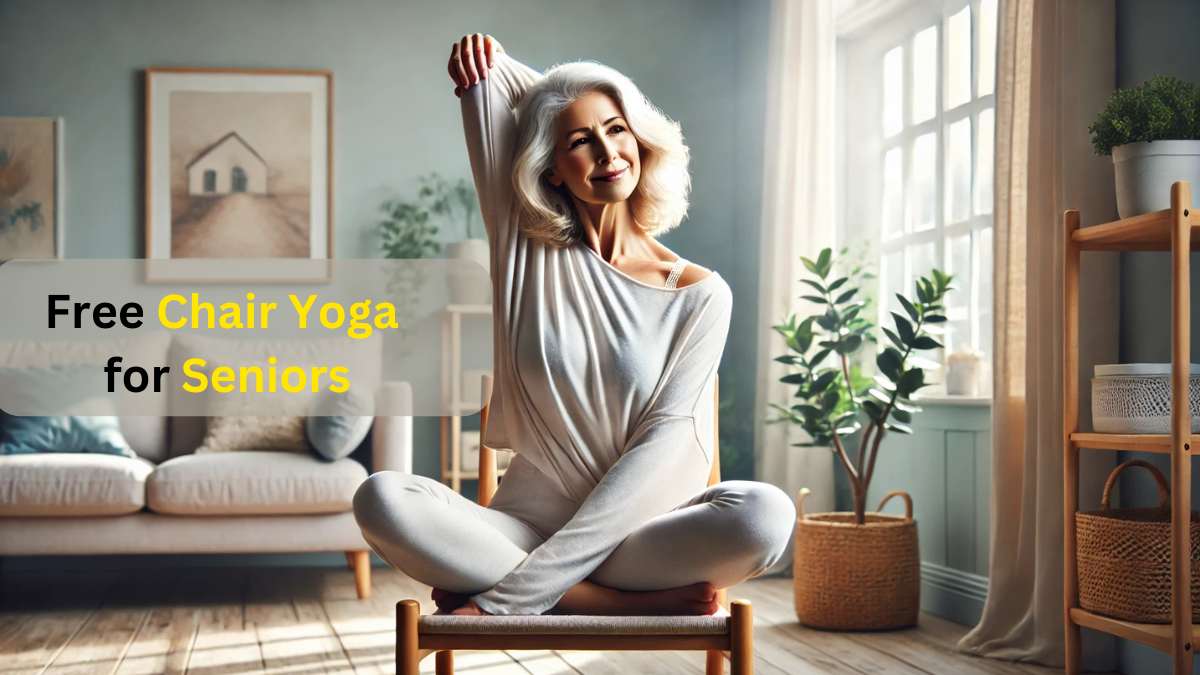
As we age, staying active becomes essential for maintaining good health. However, traditional exercises might feel challenging for seniors with limited mobility or health concerns. This is where chair yoga comes in—a safe, gentle, and effective form of exercise. Even better, you can practice it for free in the comfort of your home or local community centers offering free classes.
Let’s explore the benefits, poses, and how seniors can get started with free chair yoga.
What is Chair Yoga?
Chair yoga is a form of yoga designed for people who may find it difficult to perform standing or floor-based poses. It involves using a sturdy chair as a support for seated or modified poses. This makes it perfect for seniors, individuals with mobility issues, or anyone new to yoga.
Chair yoga combines gentle stretches, breathing exercises, and mindfulness techniques to improve flexibility, strength, and relaxation.
Benefits of Chair Yoga for Seniors
Chair yoga offers a host of benefits that go beyond physical health:
Improved Flexibility Gentle stretches help loosen stiff joints and muscles, making daily movements easier.
Social Connections Attending free chair yoga classes can foster friendships and reduce loneliness.
Who Can Practice Chair Yoga?
Chair yoga is suitable for almost everyone, especially:
Seniors with joint pain or arthritis.
Individuals recovering from surgery or illness.
People who want low-impact exercises.
Free Chair Yoga Classes: How to Find Them
You don’t need to spend money to reap the benefits of chair yoga. Here’s how seniors can find free chair yoga sessions:
Local Community Centers Many senior centers or community halls offer free or donation-based chair yoga classes.
Libraries Check local libraries, as they often host free wellness events for seniors.
Online Platforms Platforms like YouTube provide free chair yoga tutorials. Channels like “Yoga with Adriene” and “Chair Yoga with Sherry” are great places to start.
Non-Profit Organizations Some organizations focused on senior health offer free virtual or in-person yoga sessions.
Healthcare Centers Hospitals or wellness centers might provide free chair yoga as part of their outreach programs.
Upcoming Traditional Multi-Style 200 Hour Yoga Teacher Training
Upcoming Traditional Multi-Style 200 Hour Yoga Teacher Training
DateShared RoomBookPrivate RoomBook
Chair Yoga in Iyengar Style
Iyengar yoga focuses on using props like chairs to make yoga safe and effective for everyone, including seniors. In chair yoga, the chair helps support the body so poses can be done easily and with correct alignment. Simple movements like twists, forward bends, and stretches become more accessible. This style of yoga improves strength, flexibility, and balance while being gentle on the joints. Iyengar chair yoga is perfect for seniors who want a calm and safe way to stay active and healthy.
Here are some simple chair asanas (yoga poses) for seniors, focusing on different areas of the body like the shoulders, back, neck, hips, and legs. These poses can be done with the support of a sturdy chair, helping improve flexibility and strength.
Seated Shoulder Opener (For Shoulders)
Sit tall on a sturdy chair with your feet flat on the floor and your back straight.
Place your hands on the backrest of the chair, keeping your arms straight.
Gently press your chest forward and open your shoulders, allowing your shoulder blades to come together.
Hold for 10-15 seconds, then release.
Repeat 3-5 times.
Benefits: Opens the chest and stretches the shoulders, improving mobility and posture.
Seated Cat-Cow Stretch (For Back and Neck)
Sit upright on the edge of a chair with your feet flat on the floor and hands resting on your knees.
On an inhale, arch your back and lift your chest forward (Cow Pose).
On an exhale, round your spine and drop your chin toward your chest (Cat Pose).
Repeat 5-10 rounds.
Benefits: Improves spinal flexibility and relieves back and neck tension.
Seated Neck Stretch (For Neck)
Sit upright in a chair with feet flat on the floor.
Slowly lower your right ear towards your right shoulder, keeping your left shoulder down.
Hold for 10-20 seconds, then slowly return to the center.
Repeat on the left side.
Do 3-5 repetitions on each side.
Benefits: Stretches the neck muscles and alleviates stiffness.
Seated Hip Flexor Stretch (For Hips)
Sit at the edge of the chair with your feet flat on the floor and knees at 90 degrees.
Step one foot back, keeping the knee straight and the other knee bent at 90 degrees.
Lean forward gently to stretch the hip flexor of the extended leg.
Hold for 15-30 seconds, then switch sides.
Repeat 2-3 times on each side.
Benefits: Stretches the hip flexors and improves flexibility in the lower body.
Seated Leg Extension (For Legs)
Sit tall in a chair with feet flat on the ground.
Slowly extend one leg straight out in front of you, keeping the knee straight.
Hold the extended position for 5-10 seconds, then lower the leg.
Repeat with the other leg.
Do 5-10 repetitions on each leg.
Benefits: Strengthens the quadriceps and improves circulation in the legs.
Seated Forward Bend (Paschimottanasana)
Sit on the edge of the chair with feet flat.
Slowly bend forward, letting your hands reach toward your feet.
Hold for a few breaths, then return to an upright position.
Benefits: Stretches the back and hamstrings.
Chair Twist (Ardha Matsyendrasana)
Sit sideways on the chair, holding onto the chair’s backrest.
Gently twist your torso toward the chair, keeping your feet planted.
Hold for a few breaths, then switch sides.
Benefits: Improves spine flexibility and aids digestion.
Leg Lifts
Sit upright with feet flat on the ground.
Slowly lift one leg until it’s straight, hold for a moment, then lower.
Repeat with the other leg.
Benefits: Strengthens legs and improves blood circulation.
How to Start Chair Yoga at Home
Seniors can easily start practicing chair yoga at home by following these simple steps:
Choose the Right Chair Pick a sturdy chair without wheels or armrests. Make sure it’s stable and placed on a non-slip surface.
Wear Comfortable Clothing Loose, breathable clothes allow for free movement.
Warm Up First Begin with gentle movements like shoulder rolls or neck stretches.
Use Online Resources Search for free chair yoga tutorials or follow step-by-step guides like this one.
Go Slow Start with a few poses and gradually add more as you become comfortable.
Safety Tips for Seniors
To make chair yoga safe and enjoyable:
Listen to Your Body: Never push yourself into pain or discomfort.
Breathe Deeply: Focus on slow, steady breaths during each pose.
Take Breaks: Rest between poses if needed.
Consult Your Doctor: If you have health concerns, check with your doctor before starting yoga.
Incorporating Chair Yoga into Daily Life
Chair yoga doesn’t need to take much time. Just 10–15 minutes a day can make a significant difference. Try these ideas:
Do a short session in the morning to start your day with energy.
Practice in the afternoon to loosen stiff muscles.
End your day with a calming routine to improve sleep.
Why Chair Yoga is Perfect for Seniors
Chair yoga isn’t just an exercise—it’s a lifestyle. It’s accessible, low-impact, and can be practiced almost anywhere. Seniors can:
Stay independent by improving strength and mobility.
Feel more connected through group classes.
Boost mental well-being with mindfulness practices.
Final Thoughts: Start Your Journey with Free Chair Yoga
Chair yoga for seniors is a wonderful way to stay active, reduce stress, and improve overall health. With free resources available online and in local communities, there’s no reason to wait.
Start small, stay consistent, and enjoy the journey to a healthier and happier life. Chair yoga proves that age is just a number—movement and mindfulness are always within reach.
So grab a chair, take a deep breath, and let yoga bring peace and strength to your golden years!
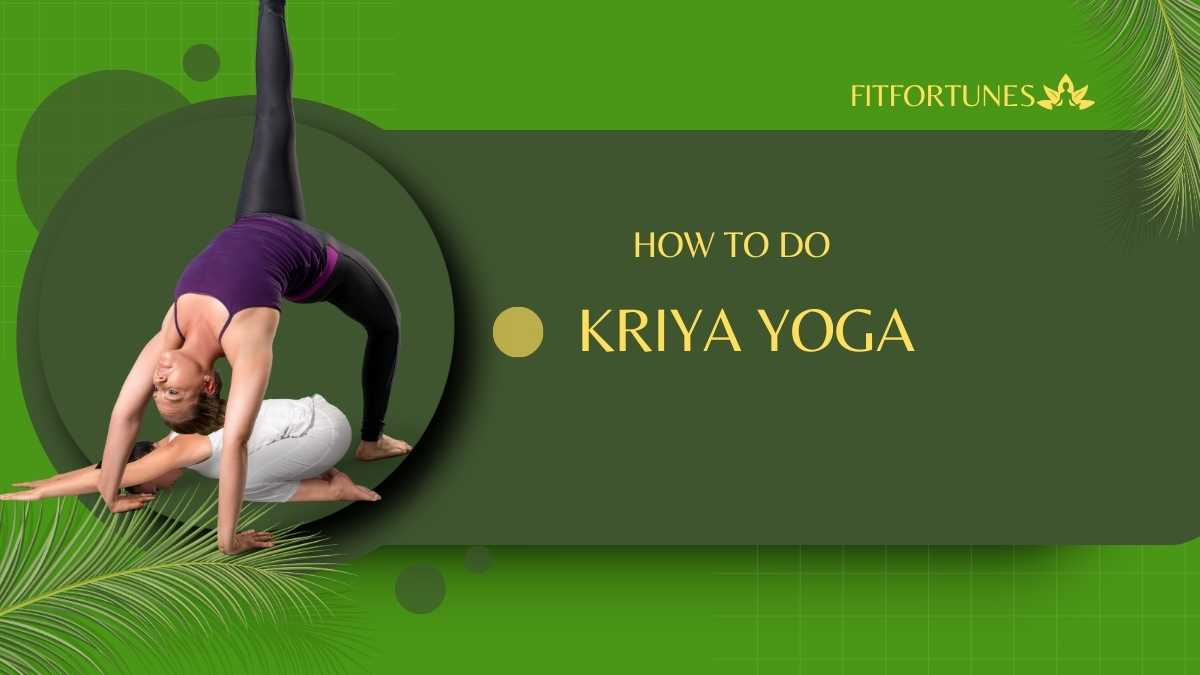
When an international student named Maria arrived in Rishikesh for her first Kriya Yoga class, she expected calm breathing and gentle postures. Instead, her teacher explained, “Kriya is not about movement. It is about energy discipline.” That insight changed her practice forever.
If you’ve ever wondered how to do Kriya Yoga, this guide explains its authentic process — from technique basics to teacher training, cultural roots, and student experiences in India’s yoga capital.
Nestled along the Ganges and surrounded by the Himalayas, Rishikesh remains one of the most authentic places to study Kriya Yoga. For decades, it has been home to respected teachers who pass on this meditative science in traditional ashrams and certified yoga schools.
Unlike modern fitness yoga, Kriya Yoga focuses on energy control (pranayama), inner stillness, and breath awareness. The calm environment of Rishikesh supports this inner discipline. Students wake to temple bells, study ancient texts, and meditate by the river — conditions ideal for learning how to practice Kriya safely and correctly.
“Rishikesh offers silence as the first teacher. That’s where real Kriya begins,” says Swami Arjun, a senior instructor.
Learning how to do Kriya Yoga involves more than memorizing techniques. It follows a gradual process: body preparation, breath regulation, and inner stillness.
Preparatory Asanas: Gentle postures like Padmasana, Vajrasana, and Siddhasana help align the spine. Read more about the Benefits of Asanas.
Breath Discipline (Pranayama): Deep, rhythmic breathing prepares the nervous system for higher energy control.
Kriya Techniques: These include energy circulation through the spine using concentration and controlled inhalation/exhalation.
Meditation Practice: Focused awareness at the Ajna Chakra refines mental stillness. If you’re new, explore how to do meditation at home.
Mantra Repetition: Repeated sound vibration stabilizes thought and emotion.
“Never force your breath or attention,” advises teacher Meera Singh. “Patience in Kriya is strength.”
For those interested in formal study, Rishikesh offers Yoga Alliance-certified courses that include Kriya Yoga as part of advanced meditation modules. While Kriya itself originates from Paramahansa Yogananda’s lineage, its methods are now taught responsibly at certified yoga schools following international standards.
A typical certification program includes:
Yogic Science Foundations – Philosophy, history, and scriptural roots.
Energy Practices – Advanced pranayama and subtle body awareness.
Teaching Methodology – Ethics, adjustments, and guidance.
Daily Meditation & Journaling – Reflection and awareness growth.
“Certification adds responsibility, not status,” says Ramesh Joshi, a senior yoga master.
Daily Life During Kriya Yoga Study
Most Kriya Yoga training schools in Rishikesh offer simple, clean accommodations suited to a meditative lifestyle. Meals are sattvic, and routines begin at 5:00 AM with meditation, breathwork, and Karma Yoga (voluntary service).
“You realize Kriya is not a session — it becomes the rhythm of your day,” shares Lisa from Sweden, a 2024 graduate.
Course fees for Kriya Yoga teacher training in Rishikesh range between ₹70,000 and ₹1,20,000 INR for a 200-hour program, depending on facilities and inclusions.
Fees typically cover:
Tuition and certification
Accommodation and sattvic meals
Weekend excursions and study materials
“The real value is not in the certificate but in learning to calm your inner currents,” explains Om Prakash.
Student Experiences
Emily, USA: “I came for stress relief, but Kriya taught me patience with my thoughts.”
Hiroshi, Japan: “Learning in Rishikesh gave me not only technique but cultural understanding.”
Students appreciate structured breathing, ethical grounding, and silence as part of their growth. Explore more stories in Yoga for Inner Peace and Fitness.
Conclusion: Practicing Kriya Yoga with Awareness
Learning Kriya Yoga is not about mastering postures but about developing a calm, aware mind through breath and energy discipline. Rishikesh remains the most trusted destination for serious students who value traditional and certified learning.
“When breath is steady, the mind finds its teacher,” concludes Swami Arjun.
FAQ: How to Do Kriya Yoga - Practical Questions Answered
Q1. What is the first step in Kriya Yoga?
Start with preparatory breathing and seated postures like Padmasana. Never rush advanced techniques.
Q2. Can beginners learn Kriya Yoga?
Yes, but only under a qualified instructor who ensures safe breath control and posture alignment.
Q3. How long should I practice daily?
Begin with 15–20 minutes, gradually increasing as comfort grows.
Q4. Is Kriya Yoga a religion?
No. It is a spiritual science of breath and energy applicable to any belief.
Q5. What are the benefits of Kriya Yoga?
It enhances mental clarity, emotional stability, and natural energy flow.
Q6. How is Kriya Yoga different from meditation?
Kriya combines breath control and meditation for deeper concentration.
Q7. Do I need to be vegetarian for Kriya Yoga?
Sattvic food is encouraged for calmness but not mandatory.
Q8. Is Kriya Yoga part of Yoga Alliance certification?
Yes, in many advanced or multi-style teacher training programs.
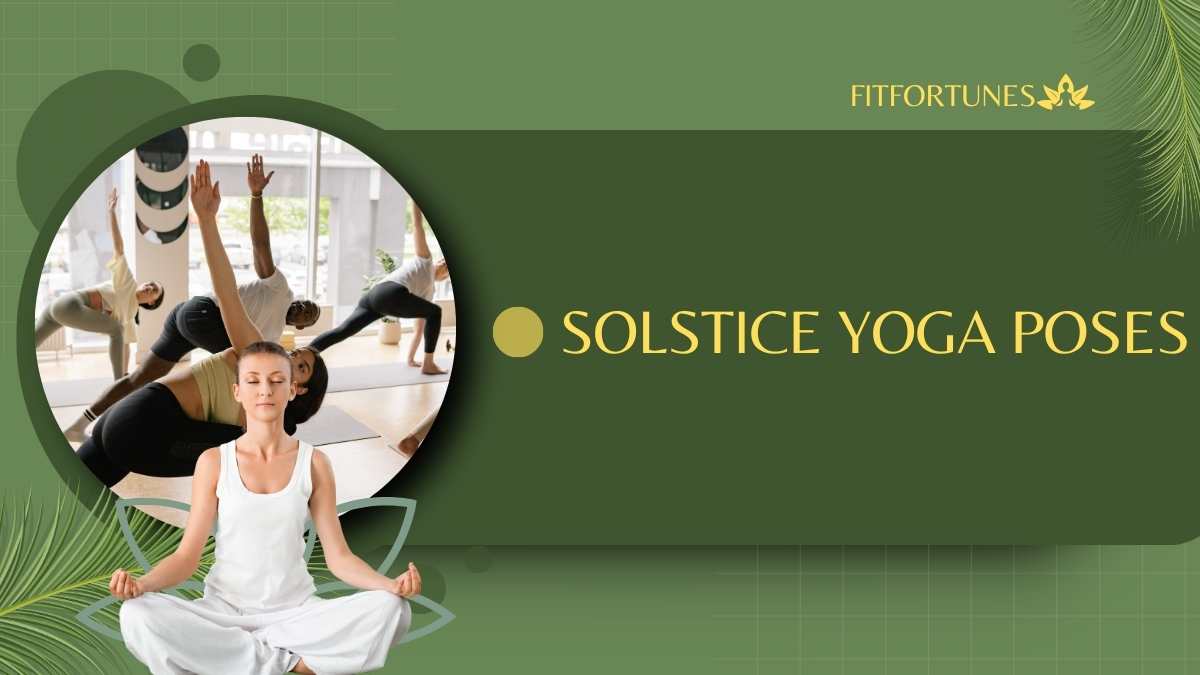
The Winter Solstice marks a powerful moment in nature—when the longest night of the year gives way to the return of the sun. This transition symbolizes a shift in energy, encouraging reflection, release, and renewal. For yoga practitioners, it’s the perfect time to connect deeply with the earth, calm the mind, and set intentions for the coming months. In this blog, we’ll explore some winter solstice yoga poses that can help you honor the stillness of the season while preparing to welcome the light back into your life.
Why Practice Yoga on the Winter Solstice?
The Winter Solstice is not only a celestial event, but also a time to pause and embrace the quieter energy of the season. As the days grow shorter, it’s natural to feel more introspective. Yoga can help you navigate these changes by fostering a sense of inner peace and balance. It’s a chance to slow down, let go of what no longer serves you, and nurture the seeds of your future intentions. Yoga poses that encourage grounding and heart-opening are especially beneficial during this time, as they help to balance the inward energy of winter while preparing you for the renewal that comes with the returning light.
Grounding Poses to Connect with the Earth
Winter is a season that invites us to connect with the earth and find stillness. Grounding yoga poses allow you to feel more rooted, calming the mind and body as the natural world slows down. Begin your practice with poses that build a strong foundation and help you feel centered.
Mountain Pose (Tadasana) Start your practice with Mountain Pose to connect to the earth and set your intentions for the solstice. Stand tall with your feet hip-width apart, grounding into the floor. Reach your arms upward, lifting through your chest, and feel the energy of the earth supporting you. This simple yet powerful pose helps center your mind and body.
Tree Pose (Vrikshasana) Tree Pose is a wonderful way to embody the grounded energy of winter while simultaneously promoting balance and flexibility. Stand tall and shift your weight onto one leg. Place the sole of your other foot on your inner thigh or calf (avoid the knee). Bring your palms together in front of your heart or extend them overhead. This pose nurtures stability and helps you feel more aligned during the colder months.
Child’s Pose (Balasana) Child’s Pose is a deeply restorative posture that invites stillness and reflection. Begin by kneeling on the mat, lowering your forehead to the floor, and extending your arms in front of you. Allow your body to relax fully, surrendering to the moment. This pose helps you slow down and release any tension, making it a perfect option for a Winter Solstice practice.
Heart-Opening Poses for Renewal
As the solstice marks the return of light, it’s a wonderful time to focus on poses that open the heart and create space for new energy to flow. These poses help you release any emotional blockages and invite in positive, uplifting energy.
Camel Pose (Ustrasana) Camel Pose is a deep backbend that opens the heart and chest. Kneel on the mat with your knees hip-width apart. Slowly arch your back, reaching your hands toward your heels. Keep your chest lifted, allowing your heart to open to the light of the solstice. This pose releases tension and allows you to embrace the renewal of the season.
Bridge Pose (Setu Bandhasana) Bridge Pose is another excellent heart-opening pose that helps strengthen the back while creating space in the chest. Lie on your back with your knees bent and feet hip-width apart. Lift your hips toward the sky, interlacing your fingers underneath your body. Open your heart to the possibilities of the new year, inviting in fresh energy and positivity.
Supported Fish Pose (Matsyasana) This restorative pose gently opens the chest and shoulders while promoting deep relaxation. Place a block or cushion underneath your upper back and allow your head and neck to rest gently on the mat. Extend your arms out to the sides, palms facing up. Supported Fish Pose helps release any tension in the upper body and invites peace and clarity.
Inviting Light with Sun Salutations
Winter Solstice is a time of transition from darkness to light. One of the most powerful ways to honor this shift is through a sequence of Sun Salutations (Surya Namaskar). These poses symbolize the sun’s return, energizing your body and lifting your spirit.
Sun Salutation A (Surya Namaskar A) Start in Mountain Pose and inhale as you reach your arms overhead. Exhale as you fold forward into a forward bend. Step back into Plank Pose, then lower down into Chaturanga. Inhale into Upward-Facing Dog, and exhale into Downward-Facing Dog. Repeat the sequence several times, feeling the connection between each movement and the breath. Sun Salutations are a beautiful way to embrace the light and warmth of the season, preparing yourself for the months ahead.
Closing Your Practice with Intention
End your Winter Solstice yoga session with a moment of quiet reflection. Sit comfortably in a seated position or lie flat on your back in Savasana (Corpse Pose). Take a few deep breaths, and reflect on your intentions for the coming months. Set an intention to embrace the light that is returning and honor the stillness that winter brings. This quiet moment helps to solidify your practice and bring the energy of the solstice into your life.
FAQs: Winter Solstice Yoga Poses
Why should I practice yoga on the Winter Solstice? The Winter Solstice is such a special time. It marks the longest night and the return of the light, making it the perfect moment to pause and reflect. Yoga during this time helps you align with nature’s cycles—offering a peaceful break from the busy holiday season. It’s about connecting to the stillness of winter, letting go of the old, and setting intentions for the fresh energy of the coming months.
What are the best yoga poses for the Winter Solstice? I recommend starting with grounding poses like Mountain Pose and Tree Pose to connect with the earth and find your center. These are great for calming the mind. To open your heart and invite light back into your life, try Camel Pose and Bridge Pose. These heart-opening stretches will help you feel renewed and ready for the months ahead.
I’m new to yoga—can I still practice on the Winter Solstice? Yes, absolutely! Winter Solstice yoga is for everyone, no matter your experience level. The key is to listen to your body and take things at your own pace. If you’re just starting out, don’t stress about getting the poses perfect. Just focus on your breath and the intention behind each movement. Over time, you’ll notice how much calmer and more centered you feel.
How long should my Winter Solstice yoga practice be? If you’re new to yoga, start with a shorter session—about 20 to 30 minutes. There’s no need to rush or force anything. The goal is to create a space for reflection and connection. As you feel more comfortable, you can extend your practice and explore more poses.
Do I need any special equipment for Winter Solstice yoga? Not really! All you need is a yoga mat, some comfortable clothes, and a quiet space. If you want to get extra cozy, you can grab a cushion or blanket to support certain poses. You could also light a candle or put on some calming music to enhance the experience.
Is it okay to practice Winter Solstice yoga on my own? Totally! In fact, the Winter Solstice is a wonderful time for some solo practice. It’s a personal time for reflection, and practicing yoga alone can help you tune in more deeply. But if you enjoy the energy of a group, you can always join a class or an online session—it can be nice to share this peaceful experience with others.
When’s the best time to practice Winter Solstice yoga? While the Winter Solstice technically falls around December 21st, you don’t have to wait for the exact day. Practice leading up to the solstice, or even the days after, when the energy of renewal is still strong. Morning and evening are perfect times for your practice—they align beautifully with the quieter energy of the season.
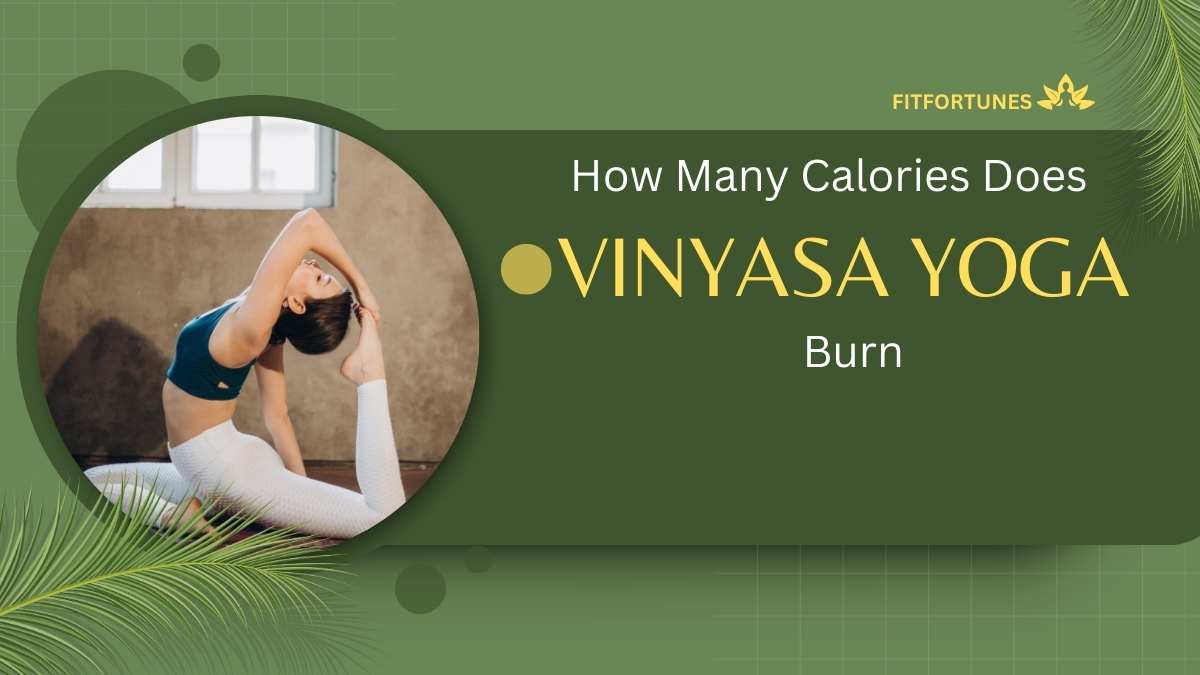
Vinyasa yoga is a popular style of yoga. It combines flowing movements and synchronized breathing. Many people love it for its benefits. It builds strength, improves flexibility, and burns calories. But how many calories can it actually burn? Let’s explore this in detail.
What Is Vinyasa Yoga?
Vinyasa yoga is also called “flow yoga.” It links one pose to the next in a smooth sequence. The pace can be slow or fast, depending on the class. This continuous movement keeps your heart rate up, making it great for burning calories.
Why Does Vinyasa Yoga Burn Calories?
Unlike some yoga styles, Vinyasa is more dynamic. It engages multiple muscle groups at once. Moving constantly increases your metabolism. It’s almost like a workout, but with mindful breathing.
How Many Calories Does Vinyasa Yoga Burn?
Any calorie number for Vinyasa is only an estimate. Body size, pace, room temperature, class length, fitness level and how much time is spent moving all change the result.
Factor
How it changes the estimate
Body size
Larger bodies may use more energy for the same movement
Class pace
Continuous flow usually raises energy use compared with long rests
Session length
A 30-minute class and a 75-minute class cannot be compared directly
Experience
Efficient movement may change effort at the same pace
Besides burning calories, Vinyasa yoga has many perks:
Improves Flexibility: Regular practice stretches muscles and reduces stiffness.
Builds Strength: It works your arms, legs, and core.
Boosts Mental Health: Breathing and flowing reduce stress and improve focus.
How Often Should You Practice Vinyasa Yoga?
To see results, aim for 3-5 sessions per week. Pair it with a balanced diet for better calorie management.
Can Beginners Burn the Same Calories?
Beginners might burn fewer calories initially. As they build strength and confidence, their calorie burn will increase. Start slow and focus on improving gradually.
Conclusion
Vinyasa yoga is an excellent way to stay fit. It’s more than just a workout; it’s a mind-body connection. Depending on your weight, effort, and session length, you can burn between 260 to 400 calories in an hour. Plus, it’s fun, energizing, and suitable for all levels. Ready to try it out? Grab your mat and flow!
FAQs
Is Vinyasa Yoga Enough for Weight Loss?
Yes, but combine it with a healthy diet and other activities for the best results.
Can I Do Vinyasa Yoga Every Day?
Yes! Daily practice can improve flexibility and burn calories. Listen to your body and rest when needed.
How Does Vinyasa Compare to Hot Yoga?
Hot yoga might burn slightly more calories due to the heat. However, Vinyasa is more dynamic and versatile.
Do I Need Any Special Equipment?
No. Just a yoga mat and comfortable clothes are enough.
Current FitFortunes course note: FitFortunes does not currently offer a 300-hour Yoga Teacher Training course. This article is informational and explains what advanced 300-hour study generally includes.
If you love yoga and want to expand your practice, enrolling in a 300 Hour Yoga Teacher Training in Rishikesh is a great step. Rishikesh, located in the peaceful foothills of the Himalayas, is known as the “Yoga Capital of the World.” It’s the perfect place to immerse yourself in both the spiritual and physical aspects of yoga.
This training is designed for those who have already completed a 200 Hour Yoga Teacher Training (YTT) and are ready to take their skills further. Whether you aim to teach yoga or simply develop your personal practice, this course offers valuable knowledge on advanced yoga poses, meditation, pranayama (breathing techniques), and yoga philosophy. By the end, you’ll feel more confident in your practice and teaching abilities, and you’ll gain a deeper understanding of the essence of yoga.
What is the 300 Hour Yoga Teacher Training?
A 300 Hour Yoga Teacher Training in Rishikesh is an advanced program for those who already have basic yoga teacher certification. This training helps you refine your skills, gain deeper knowledge of yoga philosophy, anatomy, and meditation, and become a more confident yoga teacher. It is the next step in your yoga journey, allowing you to teach advanced yoga practices with understanding and care.
Why Choose Rishikesh for Your 300 Hour Yoga Teacher Training?
Rishikesh is the perfect place to deepen your yoga knowledge. Surrounded by nature, the sacred Ganges River, and the Himalayas, it offers a peaceful environment for self-reflection and growth. Here’s why you should choose Rishikesh for your training:
Sacred and Peaceful Environment: The calm and serenity of Rishikesh creates the perfect atmosphere for learning. You will feel connected to the deeper spiritual aspects of yoga as you practice.
World-Class Teachers: Rishikesh attracts some of the best yoga teachers from around the world. You’ll learn from instructors who have years of experience in yoga and can share their wisdom in a simple, easy-to-understand way.
Holistic Approach: The 300 Hour YTTC in Rishikesh doesn’t just focus on poses. You’ll learn about meditation, pranayama (breathing exercises), and yoga philosophy, helping you become a well-rounded yoga teacher.
What Will You Learn in the 300 Hour YTTC?
In the 300 Hour Yoga Teacher Training, you will explore advanced techniques and deepen your understanding of key yoga elements:
Advanced Asana Practice: You’ll learn how to improve your own yoga poses and how to teach them safely. The course covers different body types, how to make adjustments, and how to keep students comfortable during practice.
Yoga Philosophy: Yoga is more than physical postures. You’ll study the teachings of ancient texts like the Yoga Sutras of Patanjali, Bhagavad Gita, and the Upanishads. These texts help you understand yoga from a spiritual and philosophical perspective.
Anatomy and Physiology: A key part of the training is understanding how the body works during yoga practice. You will learn about muscles, joints, and how to prevent injuries while teaching and practicing.
Pranayama and Meditation: Breathing exercises (pranayama) and meditation are important parts of yoga. These tools help calm the mind, improve focus, and bring peace. You’ll learn how to use them in your own practice and share them with your students.
Teaching Methodology: You will learn how to lead yoga classes, create sequences, and work with different types of students. The course will help you become a skilled, confident, and compassionate yoga teacher.
Why is the 300 Hour Yoga Teacher Training Important?
The 300 Hour Yoga Teacher Training is for those who want to deepen their knowledge and become more confident in their yoga practice. After completing the 200 Hour YTT, this training is the next step for refining your skills and learning advanced techniques. It helps you prepare to teach specialized classes such as those for children, seniors, or people with special needs.
Benefits of Completing the 300 Hour YTTC in Rishikesh
Here are some of the benefits you’ll gain from this course:
Personal Growth: Yoga is not just about physical poses. It helps you grow emotionally, mentally, and spiritually. By the end of the training, you will feel more connected to yourself and the world around you.
Global Recognition: The 300 Hour YTTC in Rishikesh is recognized by Yoga Alliance, so you will be certified to teach yoga worldwide.
Build a Successful Career: If you want to teach yoga professionally, this course will help you build a strong foundation. You’ll learn how to manage a class, design sessions, and make yoga accessible for everyone.
Network with Others: You’ll meet like-minded people from all over the world during the training. This network can be helpful when you start teaching and building your career.
Is the 300 Hour Yoga Teacher Training Right for You?
If you’ve already completed your 200 Hour Yoga Teacher Training and want to expand your knowledge and skills, the 300 Hour Yoga Teacher Training in Rishikesh could be just what you need. This advanced course is perfect for yoga enthusiasts who are looking to go deeper into their practice, whether or not they plan to teach professionally.
The course will provide you with more than just advanced poses. You will also dive into areas like yoga philosophy, anatomy, and meditation, gaining a more holistic view of the practice. As a result, you’ll not only improve your ability to lead classes but also grow on a personal level.
If you’ve ever felt that there is more to yoga than just the physical postures, this course will guide you through the deeper, spiritual side of the practice. Whether you want to teach yoga to others or simply refine your personal practice, you’ll gain the confidence and tools to take your journey further.
Conclusion: Start Your Journey with the 300 Hour Yoga Teacher Training in Rishikesh
The 300 Hour Yoga Teacher Training in RishikeshThe 300 Hour Yoga Teacher Training in Rishikesh is more than just a course – it’s an experience that can change your life. It’s not just about learning how to do more advanced yoga poses; it’s about growing on every level—spiritually, mentally, and emotionally. Throughout the training, you’ll connect with yourself in ways you may never have before, helping you to not only improve your practice but also to develop a deeper understanding of life itself.
When you complete the training, you’ll feel more confident in your abilities as a teacher and more connected to your own practice. You’ll have the tools to guide others, helping them lead healthier, balanced lives. The knowledge you gain will not only make you a skilled yoga teacher but also a better version of yourself.
If you’re looking to take your yoga practice to the next level and become a more skilled teacher, Rishikesh is the perfect place to start. With its peaceful surroundings and experienced instructors, it’s the ideal setting for growth and learning.
In today’s fast-paced world, finding moments of tranquility and physical activity can be a challenge. Walking yoga, a gentle and accessible practice, offers a harmonious blend of physical movement and mindfulness. This unique approach to yoga integrates traditional yoga postures and breathing techniques with the simple act of walking. By combining these elements, walking yoga provides a holistic approach to well-being, promoting both physical and mental health.
Understanding the Basics of Walking Yoga
At its core, walking yoga is a practice that involves mindful walking, incorporating specific yoga postures, breathing exercises, and meditation techniques. Unlike traditional yoga, which is often practiced on a mat, walking yoga allows practitioners to connect with nature and experience the therapeutic benefits of movement in the outdoors.
Key Principles of Walking Yoga
Mindful Walking: The foundation of walking yoga lies in mindful walking. By paying attention to each step, practitioners can cultivate awareness of their body and breath. This simple act can significantly reduce stress and improve overall well-being.
Yoga Postures: Walking yoga incorporates various yoga postures, such as tree pose, warrior pose, and cobra pose. These postures are modified to be performed while walking, enhancing flexibility, strength, and balance.
Breathing Techniques: Deep, conscious breathing is an integral part of walking yoga. By focusing on the breath, practitioners can calm the mind, reduce anxiety, and improve energy levels.
Meditation: Meditation is a powerful tool for relaxation and stress reduction. In walking yoga, meditation techniques can be integrated into the practice, such as focusing on the sensations of walking or practicing mindfulness of the breath.
What Is Walking Yoga 20
Benefits of Walking Yoga
Walking yoga offers a wide range of benefits for both physical and mental health. Some of the key advantages include:
Physical Benefits:
Improved cardiovascular health
Increased flexibility and strength
Enhanced balance and coordination
Boosted immune system
Weight management
Mental Benefits:
Reduced stress and anxiety
Improved mood and emotional well-being
Enhanced focus and concentration
Increased mindfulness and self-awareness
Better sleep quality
How to Practice Walking Yoga
Choose a safe, quiet route with even ground.
Walk naturally for two minutes.
Notice how each foot meets the ground.
Let breathing settle into an easy rhythm without forcing a count.
For five minutes, keep returning attention to steps, breath and surroundings.
Finish with one minute of standing still and noticing how you feel.
Walking Yoga vs Regular Walking
Regular walking
Walking Yoga
May focus mainly on distance or fitness
Adds deliberate breath and attention
Can be fast or goal-driven
Usually uses a steady, aware pace
Attention may stay on phone or conversation
Attention repeatedly returns to body and surroundings
Walking Yoga is not a standard classical yoga style with one fixed method. It is better understood as mindful walking informed by yogic attention and breathing. For related practice, see meditation at home, weekly yoga practice, and yoga footwear.
To begin your walking yoga journey, follow these simple steps:
Find a Peaceful Location: Choose a serene outdoor setting, such as a park, forest, or beach. A quiet and natural environment can enhance your overall experience.
Warm-up: Start with a gentle warm-up, including some basic stretches and deep breathing exercises.
Mindful Walking: Begin walking slowly, paying attention to each step. Focus on your breath and the rhythm of your movements.
Incorporate Yoga Postures: As you walk, incorporate simple yoga postures, such as tree pose or warrior pose. Modify the postures to suit your individual needs and abilities.
Practice Breathing Techniques: Throughout your walk, practice deep, conscious breathing. Inhale deeply through your nose and exhale slowly through your mouth.
Mindful Meditation: Take moments to pause and meditate. Focus on your breath, body sensations, or a specific mantra.
Cool-down: After your walk, end with a gentle cool-down, including some stretching and relaxation techniques.
Tips for a Successful Walking Yoga Practice
Three Walking Yoga Examples
Morning reset: 10 quiet minutes before work, focusing on steps and breath.
Lunch break: 15 minutes at a natural pace without checking your phone.
Evening practice: slower walking followed by two minutes of standing still.
Walking Yoga Safety
Use a familiar route, watch traffic and uneven ground, and do not close your eyes while walking. If balance is uncertain, keep the practice on flat, predictable surfaces.
Start Slowly: Begin with short, regular walks and gradually increase the duration and intensity of your practice.
Listen to Your Body: Pay attention to your body’s signals and avoid pushing yourself too hard.
Dress Comfortably: Wear loose-fitting, comfortable clothing that allows for free movement.
Find a Supportive Community: Join a walking yoga group or find a qualified instructor to guide your practice.
Be Patient and Kind to Yourself: Remember that progress takes time. Be patient with yourself and celebrate your achievements, no matter how small.
Walking yoga offers a gentle and effective way to improve your physical and mental health. By combining the benefits of walking, yoga, and mindfulness, this practice can help you reduce stress, increase energy, and enhance your overall well-being. Whether you’re a seasoned yogi or a complete beginner, walking yoga is a wonderful way to connect with nature, nourish your body, and calm your mind.
Yoga, an ancient practice, originates from the rich cultural and spiritual heritage of India. Dating back over 5,000 years, yoga is first mentioned in the sacred texts known as the Vedas. It was developed by sages and yogis who sought to understand the connection between the mind, body, and spirit. The word “yoga” comes from the Sanskrit word “yuj,” which means to unite or join. This holistic practice encompasses physical postures (asanas), breath control (pranayama), and meditation, aiming to promote overall well-being. Understanding the roots of yoga helps us appreciate its profound depth and the timeless wisdom it offers. Certainly! Here’s a more expanded explanation Where in the Origin of Yoga for each headline, incorporating additional details and context:
1. The Origin of Yoga: Ancient Indian Roots and Vedic Tradition
The origin of yoga traces back to ancient India. It emerged from the spiritual insights and practices recorded in the Vedic texts. These texts include the Rigveda and Upanishads, dating back over 5,000 years. They mention yoga as a means to attain spiritual insight and self-realization.
Specifically, yoga involves a disciplined practice integrating physical postures (asanas), controlled breathing (pranayama), and meditation. Additionally, the Vedic tradition laid the foundational principles of yoga. It emphasizes the union of mind, body, and spirit. This concept is encapsulated in the Sanskrit word “yoga,” which means union or connection.
2. The History of Yoga: From Origin of Yoga in Ancient Texts to Modern Practice
Yoga’s history is a journey through centuries of philosophical, cultural, and practical evolution. It began as a spiritual discipline in ancient India, practiced by sages and ascetics seeking enlightenment and self-mastery. Over time, yoga’s teachings spread and diversified, influenced by various philosophical schools, such as Vedanta, Samkhya, and Tantra. In the late 19th and early 20th centuries, pioneers like Swami Vivekananda and Paramahansa Yogananda introduced yoga to the West, sparking global interest and adaptation. Today, yoga encompasses a wide range of styles and approaches, from traditional Hatha and Ashtanga to modern variations like power yoga and hot yoga, each offering unique benefits while remaining rooted in yoga’s foundational principles.
3. How Yoga Began: Tracing the Origin of Yoga in Ancient India
Yoga’s origins can be traced to the ancient Indus-Sarasvati civilization around 2700 BCE, with seals depicting figures in yogic postures found in archaeological sites like Mohenjo-Daro and Harappa. The practice evolved significantly during the Vedic period (1500–500 BCE), where it was codified in texts like the Rigveda and later refined in the Upanishads. These scriptures introduced concepts such as karma, dharma, and the path to liberation (moksha) through disciplined practice (sadhana), which became central tenets of yoga philosophy. Ancient yogis explored the interplay of body and mind, developing techniques to purify the body, control the breath, and calm the mind—practices that laid the groundwork for modern yoga as we know it today.
4. Yoga’s Ancient Origins: Insights from the Vedas
The Vedas, ancient Indian scriptures dating back to 1500–500 BCE, provide early insights into the origins and philosophical underpinnings of yoga. They mention practices aimed at spiritual realization and self-mastery through rituals, meditation, and asceticism. The Upanishads, composed around 800–200 BCE, delve deeper into the nature of existence and the role of yoga in attaining liberation (moksha) from the cycle of birth and death (samsara). These texts offer profound wisdom on the union of individual consciousness (atman) with the universal consciousness (Brahman), a concept central to yoga’s spiritual goals.
5. The Journey of Yoga: From Ancient Indian Sages to Today
Yoga’s journey spans millennia, beginning with its origins in the Vedic period and evolving through the teachings of ancient Indian sages and philosophers. During the classical period (200 BCE–500 CE), influential texts such as Patanjali’s Yoga Sutras systematically codified the practice of yoga, outlining its eight limbs (Ashtanga Yoga) as a path to spiritual enlightenment. Over centuries, yoga continued to evolve, adapting to different cultural and religious contexts while preserving its core principles of self-discipline, ethical conduct, and spiritual growth. In the 20th century, yoga gained global popularity as teachers like B.K.S. Iyengar, Krishnamacharya, and Swami Sivananda introduced accessible and systematic approaches to yoga practice, paving the way for its widespread adoption as a holistic wellness practice in the modern world.
6. Understanding Yoga’s Roots: The Significance of the Vedic Tradition
Yoga’s roots in the Vedic tradition highlight its holistic approach to well-being, integrating physical exercises (asanas), breath control (pranayama), and ethical principles (yamas and niyamas) to cultivate a balanced and harmonious life. The Vedas and Upanishads emphasize the unity of body, mind, and spirit, guiding practitioners toward self-realization and spiritual liberation. Yoga’s teachings encourage individuals to live in harmony with themselves and their environment, fostering inner peace, resilience, and compassion—a philosophy that continues to resonate across cultures and generations.
7. The Rich History of Yoga: A Practice Rooted in Indian Culture
Embedded in the cultural fabric of India, yoga has evolved as a comprehensive system of self-development aimed at promoting physical health, mental clarity, and spiritual growth. From ancient times to the present day, yoga has been practiced in diverse forms—from the austere disciplines of ascetics. And yogis to the accessible and inclusive practices embraced by people worldwide. Indian classical texts such as the Bhagavad Gita and Yoga Vasistha expound on yoga’s transformative power. Offering timeless wisdom on the pursuit of happiness, inner peace, and fulfillment through disciplined practice and self-awareness.
8. Yoga’s Ancient Beginnings: How the Practice Evolved Over Millennia
Yoga’s ancient beginnings reflect its transformation from early spiritual practices to a diverse range of contemporary forms. That cater to different needs and lifestyles. In ancient India, yogis explored techniques to purify the body, control the breath, and quiet the mind—practices. That laid the foundation for Hatha Yoga, known for its emphasis on physical postures (asanas) and breathwork (pranayama). Over millennia, yoga diversified into various paths, including Bhakti Yoga (devotional practice), Karma Yoga (selfless action), and Jnana Yoga (path of wisdom). Each offering unique approaches to spiritual growth and personal transformation. Today, yoga continues to evolve as practitioners worldwide embrace its holistic benefits, adapting ancient wisdom to modern lifestyles and needs.
9. Knowing the Origins of Yoga: The Intersection of Mind, Body, and Spirit
Exploring the origin of yoga reveals its deep philosophy of integrating mind, body, and spirit. This integration is achieved through practices that promote physical health, mental clarity, and spiritual awakening. Ancient Indian sages developed yoga to attain inner peace and self-realization. They emphasized the interconnectedness of all aspects of existence.
In addition, yoga encourages disciplined practice and ethical living. By doing so, it fosters qualities such as awareness, compassion, and resilience. This journey transcends cultural boundaries and resonates universally. Ultimately, yoga addresses the quest for meaning and fulfillment in life.
10. Yoga Through the Ages: From Ancient Asanas to Modern Wellness
Yoga has evolved over centuries, adapting ancient practices of physical postures (asanas), breathing techniques (pranayama). As well as meditation to meet the evolving needs of practitioners in the modern world. Ancient texts such as the Yoga Sutras of Patanjali and the Hatha Yoga Pradipika provide foundational principles for yoga practice. Which Help in integration of body and mind to achieve balance, strength, and inner peace. In recent decades, yoga has gained popularity as a holistic wellness practic. With diverse styles and approaches catering to individuals of all ages and fitness levels. From traditional Hatha and Vinyasa to contemporary forms like hot yoga and aerial yoga. Yoga continues to inspire and empower millions worldwide, offering pathways to physical health, mental well-being, and spiritual growth.
11. The Meaning of Yoga: Uniting Mind, Body, and Spirit Since Ancient Times
Yoga is fundamentally a practice that aims to harmonize the mind, body, and spirit. It achieves this through a combination of physical postures (asanas), breath regulation (pranayama), and meditation. Originating in ancient India, yoga emphasizes the interconnectedness of physical, mental, and spiritual dimensions of life.
Furthermore, the Yoga Sutras of Patanjali, composed around 400 CE, describe yoga as an eight-fold path (Ashtanga Yoga). This path is designed to guide practitioners toward self-realization and inner peace. It advocates disciplined practice and ethical conduct. Consequently, it fosters qualities such as self-awareness, compassion, and resilience.
Moreover, these principles transcend cultural boundaries. As a result, they resonate universally, offering individuals a way to seek deeper meaning and fulfillment through yoga.
12. The Evolution of Yoga: From Pranayama and Meditation in Ancient India to Today
Yoga’s evolution spans millennia. From the Origin of Yoga in ancient India to its global prominence as a holistic wellness practice. Ancient yogis developed techniques such as pranayama (breath control) and meditation to purify the body and calm the mind, practices that remain integral to yoga’s transformative power. In the classical period, Patanjali’s Yoga Sutras codified yoga as an eight-limbed path (Ashtanga Yoga). Outlining ethical principles, physical postures (asanas), breathwork (pranayama), and meditation techniques to achieve spiritual enlightenment. Over centuries, yoga diversified into various styles and approaches, from traditional Hatha and Kundalini. To modern adaptations like power yoga and Yin yoga, each offering unique benefits for physical health, mental well-being, and spiritual growth.