Category: Yoga

  • Yoga vs Asana: The Real Difference between Asana and Yoga

    Yoga vs Asana: The Real Difference between Asana and Yoga

    In the world of wellness and fitness, the terms “yoga” and “asana” are often used interchangeably. But are they the same thing? Understanding the Difference between Asana and Yoga can enhance your practice and deepen your appreciation for both. So, let’s explore what sets them apart and why both are essential for physical and mental well-being.

    Person meditating on a rock by the ocean at sunset with text: "What's the Difference Between Yoga and Asana.
    Difference between Asana and Yoga

    What is Yoga?

    What is Yoga is a comprehensive practice that encompasses more than just physical postures. The term “yoga” comes from the Sanskrit word “yuj,” which means to unite or integrate. It’s a holistic approach to health and wellness that integrates the body, mind, and spirit.

    Philosophy and Historical Background of Yoga

    Yoga has been prevalent since ancient times and originated in India about 5,000 years ago, emerging as a spiritual practice by saints and ascetics. It is based on a philosophical system that emphasizes ethics, meditation, and self-discipline. Its aim is to achieve mental clarity and inner peace, fostering self-awareness and the development of virtues such as non-violence, truthfulness, and contentment.

    What is Asana?

    What is asana refers specifically to the physical postures practised in yoga. The word “asana” means “seat” in Sanskrit, indicating the importance of stability and comfort in these poses.

    Role and Historical Development of Asanas in Yoga

    Asanas were developed to prepare the body for long meditation sessions, offering unique physical and mental benefits through various body postures. They are essential in yoga, as they strengthen the body and enhance flexibility. They prepare practitioners for deep practices like pranayama and meditation.

    Key Components of Yoga Practice

    Yoga practice includes:

    • Asana (physical postures)
    • Pranayama (breathing techniques)
    • Dhyana (meditation)
    • Yamas and Niyamas (ethical guidelines)
    • Pratyahara (withdrawal of the senses)
    • Dharana (concentration)
    • Samadhi (state of bliss or enlightenment)
    • Benefits of Yoga

    Common Benefits of Yoga and Asana 

    Physical Benefits

    Yoga and Asana improve flexibility, strength, and balance. It can also help with weight management and increase overall physical fitness.

    Mental Benefits

    Practicing yoga and Asana regularly can reduce stress, anxiety, and depression. It enhances mental clarity and focus, promoting a sense of calm and relaxation.
     

    Emotional and Spiritual Benefits

    Yoga and Asana foster emotional resilience and spiritual growth. It encourages a deeper connection with oneself and a greater sense of purpose and fulfillment.

    Enhancing Flexibility and Strength

    Yoga and Asanas are particularly effective at increasing flexibility and strength. Regular practice leads to improved posture and reduced risk of injury.

    Difference between Asana and Yoga

    Philosophical Focus:

    • Yoga encompasses holistic practices involving the body, mind, and spirit.
    • Asanas primarily focus on physical postures and their benefits.

    Scope and Practice:

    • Yoga includes a wide range of practices such as ethical guidelines, meditation, and breath control.
    • Asanas are a subset of yoga, concentrating solely on physical poses.

    Goals and Outcomes:

    • The goal of yoga is to achieve harmony between the body, mind, and spirit, ultimately leading to self-realization and inner peace.
    • Asanas primarily aim to improve physical health and prepare the body for deeper spiritual practices.

    Comprehensive Practice vs. Physical Focus:

    • Yoga integrates moral disciplines, mental exercises, and a spiritual journey into its practice.
    • Asanas are the most visible aspect of yoga, focusing predominantly on physical exercises.

    Preparation for Meditation:

    • Yoga, through its various components, prepares practitioners for meditation by fostering physical and mental stability.
    • Asanas specifically prepare the body for prolonged periods of meditation, making it conducive to deeper spiritual practices.

    Tips for Beginners

    Starting with Yoga

    If you’re new to yoga, start with a beginner’s class that includes a mix of asanas, pranayama, and meditation. This will give you a well-rounded introduction to the practice.

    Starting with Asanas

    If you’re focused on the physical aspect, start with basic asanas to build flexibility and strength. Gradually, incorporate other elements of yoga as you become more comfortable.

    Advanced Practice

    Deepening Your Yoga Practice

    For those looking to deepen their yoga practice, consider studying the philosophical aspects and incorporating advanced meditation techniques.

    Advancing in Asanas

    To advance in asanas, practice regularly and mindfully. Focus on alignment and breathing to safely progress to more challenging poses.

    Conclusion

    Understanding the Difference between Asana and Yoga is key to a well-rounded practice. While asanas are crucial for physical health, they are just one part of the holistic discipline of yoga. By integrating both, you can achieve a balanced approach to wellness that nurtures your body, mind, and spirit.


    Are you ready to start your journey to comprehensive well-being?


    Explore the world of yoga and discover the transformative power of both yoga and asanas. Start your practice today the best course for you and experience the profound benefits for your body, mind, and spirit. Join us as we embrace wellness together! #NamasteWithFitFortunes

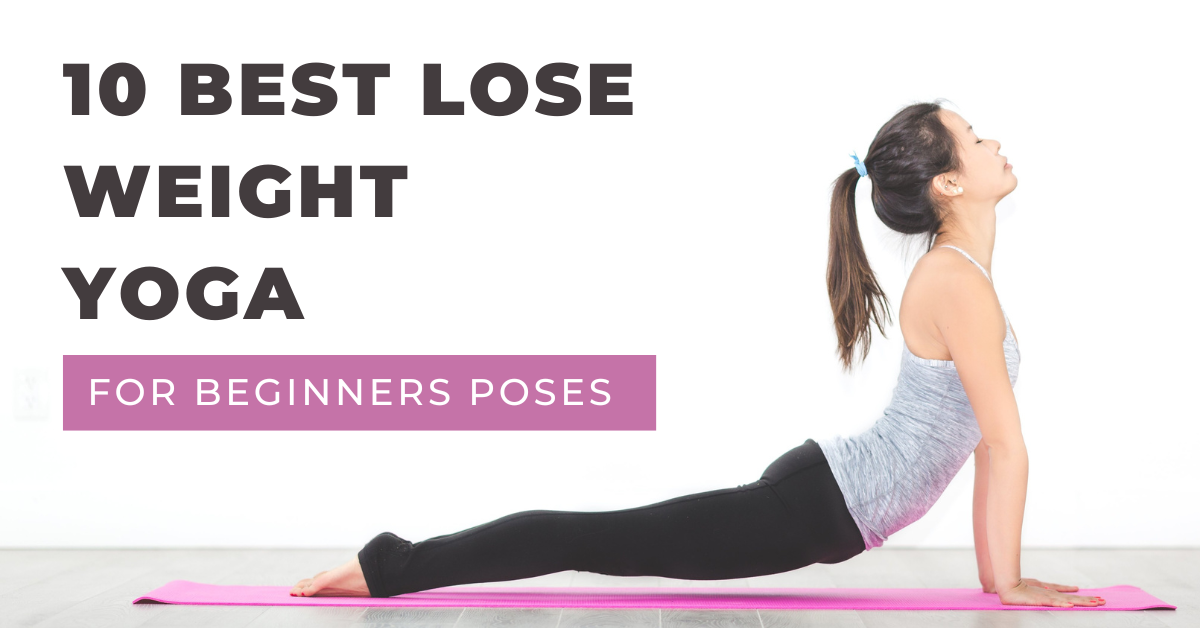
  • 10 Best Lose Weight Yoga for Beginners Poses

    10 Best Lose Weight Yoga for Beginners Poses

    In this day and age, individuals have developed a propensity for sitting for significant stretches, prompting expanded pressure and exhaustion when they need to stand or move for extended periods. Integrating weight loss yoga for beginners into their day-to-day schedule can assist with combating these issues and advance generally speaking prosperity. here a 10 Best Lose Weight Yoga for Beginners Poses below the content

    This prompts weight gain, depletion, and different clinical issues. To beat these challenges, people need to get more slender, which requires finding a solid system.

    Accordingly, doing weight loss yoga for beginners consistently is critical. Some straightforward yoga models for fledglings can assist you with getting thinner and beating sluggishness.

    Yoga, an ancient practice originating from India, has gained widespread popularity for its myriad health benefits, especially for weight loss. In this article, we will explore the top 10 yoga poses tailored for beginners aiming to embark on a weight loss journey.

    Can Beginners Use Yoga for Weight Loss?

    Yoga can support activity and consistency, but it does not guarantee fast fat loss. Body-fat change depends on overall energy balance, food intake, sleep, activity and time.

    Yoga can help withYoga cannot promise
    Regular movementSpot reduction of belly fat
    Strength and mobilityA fixed amount of weight loss
    Stress-management routineMajor fat loss in a few days

    Related guides: yoga and 7-day weight-loss claims, Yogalates and weight loss, and weekly yoga frequency.

    Understanding the Role of Yoga in Weight Loss

    Before beginning yoga, it’s vital to comprehend how yoga helps in weight loss. Not at all like different exercises that essentially consume calories, yoga adjusts your whole self. Yoga presents, breathing procedures, and care help digestion decrease pressure eating, and upgrade body mindfulness for weight executives.

    What Is a Simple Beginner Yoga Routine for Weight Management?

    1. Easy warm-up — 3 minutes.
    2. Chair Pose — 30 seconds, repeated twice.
    3. Low Lunge — 1 minute each side.
    4. Plank or knees-down Plank — short controlled holds.
    5. Bridge Pose — 2 rounds.
    6. Downward Dog or tabletop — 1 minute.
    7. Quiet breathing — 2 minutes.

    Use this as movement practice, not a promise of fast weight loss. Walking, food intake, sleep and total activity also matter.

    The Best Poses for Lose Weight Yoga for Beginners

    1. Locust Pose

    The Locust Pose, also known as “Salabhasana,” strengthens the back muscles,  conditions the bum, and further develops the pose. By connecting with the center and taking the legs off the ground, this posture actuates the whole back chain, making it a viable method for burning calories and assembling slender bulk.

    Salabhasana

    2. Chair Pose

    Chair Pose, or “Utkatasana,” is a dynamic standing posture that targets the thighs, glutes, and core muscles. By simulating the act of sitting in an imaginary chair, this pose strengthens the lower body while also improving balance and stability.

    Utkatasana

    3. Bridge Pose

    Bridge Pose, or “Setu Bandhasana,” targets the glutes, hamstrings, and lower back muscles while opening up the chest and shoulders. This pose improves spinal flexibility, strengthens the core, and alleviates lower back pain.

    Bridge Pose (Setu Bandha Sarvangasana): How to Do and Benefits - Fitsri Yoga

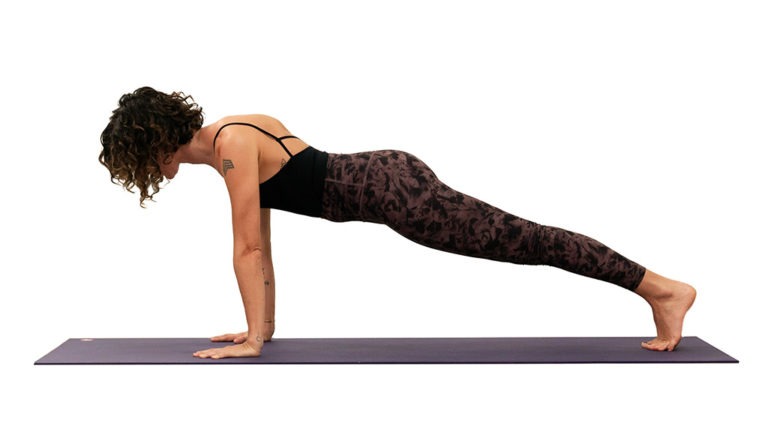
    4. Plank Pose

    Plank Pose, or “Phalakasana,” is a fundamental yoga pose that targets the entire body, particularly the core, arms, and shoulders. By holding a static position and engaging multiple muscle groups simultaneously, Plank Pose effectively boosts metabolism and enhances overall strength.

    Phalakasana: Plank Pose | Gaia

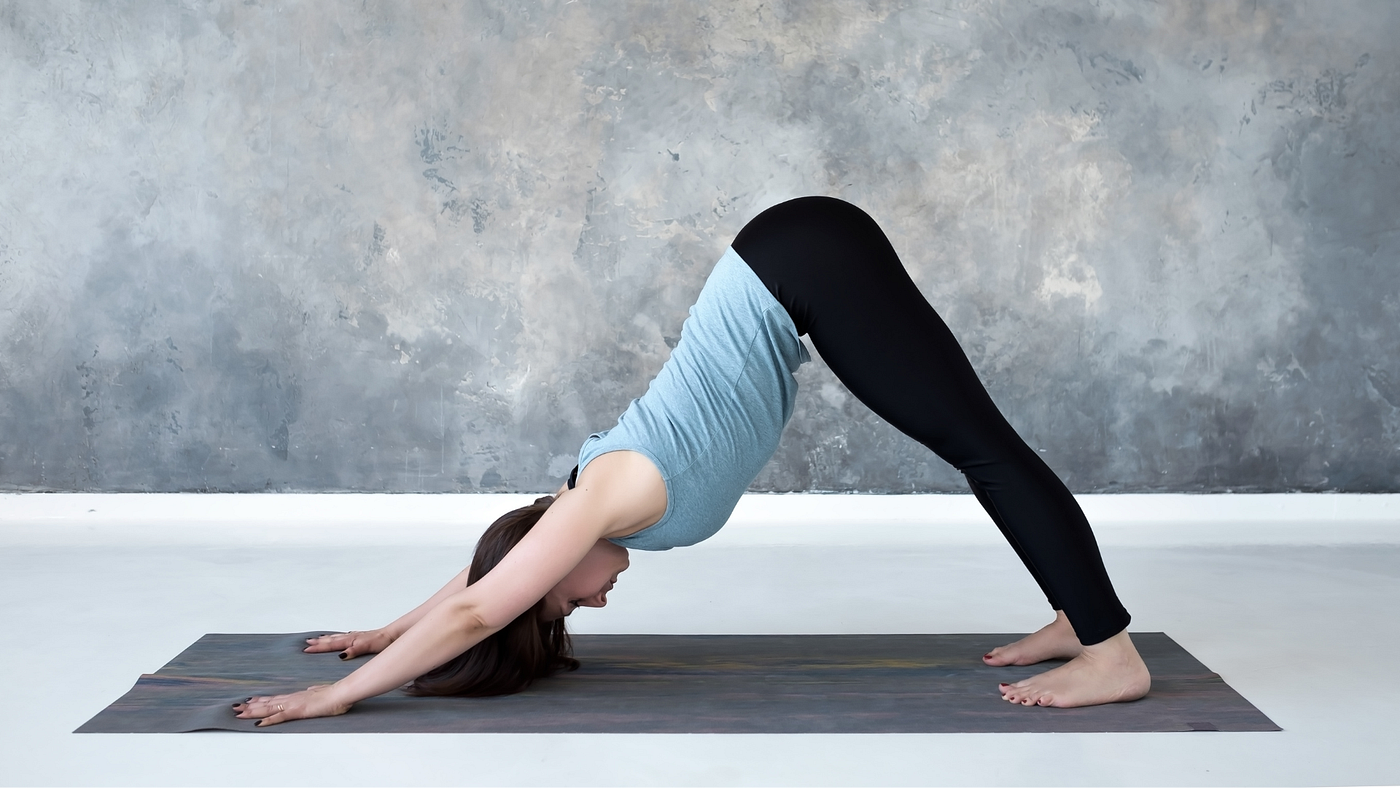
    5. Downward Dog Pose

    Downward Dog, or “Adho Mukha Svanasana,” is a rejuvenating pose that stretches the entire body while building strength and endurance. By elongating the spine and engaging the core and upper body, this pose enhances circulation and promotes detoxification, aiding in weight loss.

    Dive Deep into Downward Dog: 5 Steps to Refining Adho Mukha Svanasana | by Abhishek Pokhriyal | Medium

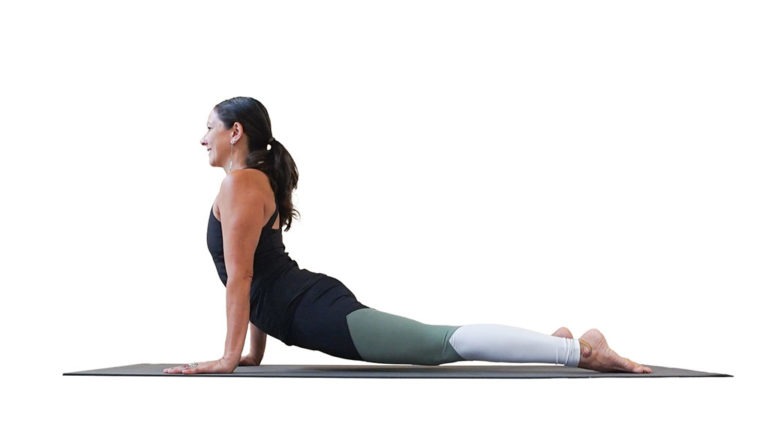
    6. Upward Dog Pose

    Upward Dog, or “Urdhva Mukha Svanasana,” is a dynamic backbend that opens up the chest, shoulders, and hip flexors. By expanding the chest and lifting the heart toward the sky, this pose enhances energy flow and uplifts the spirit.

    Urdhva Mukha Svanasana: Upward Facing Dog Pose - Yoga | Gaia

    7. Forward Bend Pose

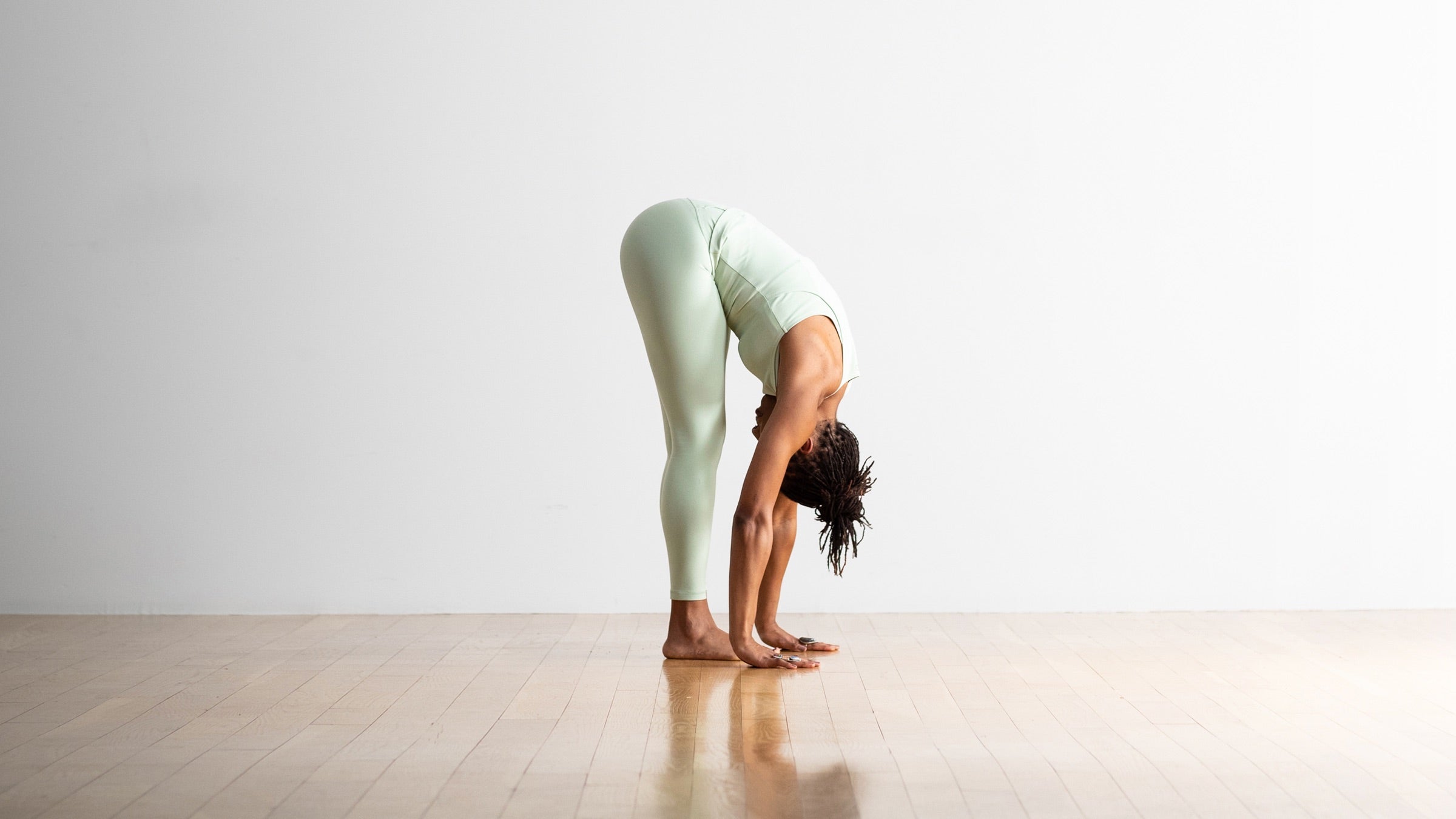
    Forward Bend Pose, or “Uttanasana,” is a calming posture that stretches the hamstrings, spine, and entire back body. By folding forward from the hips and surrendering the head towards the ground, this pose releases tension in the neck and shoulders, promoting relaxation and soothing the nervous system.

    Standing Forward Bend: How to Practice Uttanasana

    8. Cat Pose

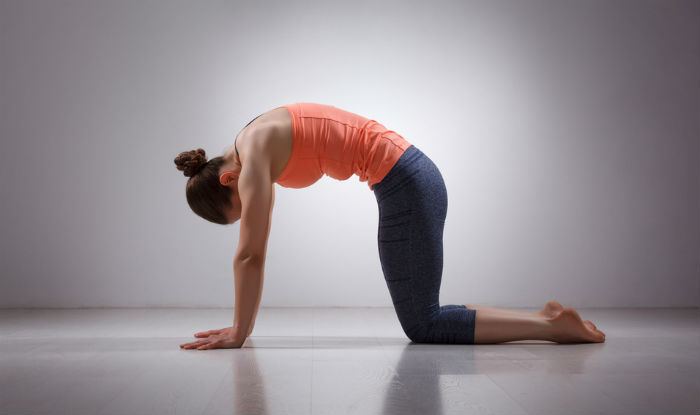
    Cat Pose, or “Marjaryasana,” is a gentle spinal stretch that promotes flexibility and mobility in the spine. By arching the back upward and drawing the navel towards the spine, this pose engages the core muscles while also massaging the internal organs, aiding digestion and promoting a sense of inner calm.

    Benefits of Marjaryasana/Bitilasana: 5 Reasons Why You Should Do the Cat/Cow Yoga Pose Every Day | India.com

    9. Supported Bridge Pose

    Supported Bridge is a simpler option for beginners. Place a yoga block under the sacrum at a comfortable height, keep the neck relaxed, and breathe naturally. It can be used as a gentle strength-and-rest pose without the neck loading of Shoulder Stand.

    10. Crescent Lunge Pose

    Crescent Lunge Pose, or “Anjaneyasana,” is a dynamic standing posture that strengthens the legs, stretches the hip flexors, and opens up the chest and shoulders. By grounding through the feet and reaching the arms overhead, this pose builds lower body strength and cultivates balance and focus.

    Anjaneyasana - insideyoga.org

    Conclusion

    Incorporating these yoga poses into your routine can be an effective way to kickstart your weight loss journey. By combining strength, flexibility, and mindfulness, these poses not only help to tone and sculpt the body but also promote overall well-being and vitality. Remember to listen to your body and practice with awareness, gradually increasing intensity and duration as you progress on your path to wellness.

    Are you ready to lose weight and boost your well-being? 

    We have specially designed this program for beginners to help them start their weight loss journey. At Fitfortunes, join Yoga Course  we offer personalized yoga plans, expert guidance, and a supportive community to help you achieve your fitness goals. Join us today and start your journey to a healthier and happier life.

  • 10 Benefits of Yoga Teacher Training in 2024

    10 Benefits of Yoga Teacher Training in 2024

    Have you at any point contemplated jumping further into your yoga practice?  Yoga Teacher Training (YTT) to your day-to-day schedule could be one of the most incredible choices for your proficient development since it loosens up your psyche, expands your body’s adaptability, reinforces your body, and lifts your fixation power. follow below the content for Benefits of Yoga Teacher Training

    There are many benefits of doing yoga every day, making it a significant piece of your life. The Yoga Instructor Preparing program doesn’t simply rely upon understanding and rehearsing yoga; it offers various advantages that can change different parts of your life. Yoga teacher training creates discipline and upgrades mindfulness, constructs deep-rooted fellowships, and begins new professions, prompting a seriously satisfying and healthy lifestyle.

    What Are the Main Benefits of Yoga Teacher Training?

    A good YTT should deepen your own practice and teach you how to teach safely. The certificate matters, but the real value comes from study, practicum and feedback.

    BenefitWhat it means in practice
    Deeper practiceMore understanding of asana and pranayama
    AnatomyBetter awareness of movement and limits
    PhilosophyContext beyond physical poses
    Teaching skillsCueing, sequencing and communication
    PracticumReal teaching with feedback

    See our YTT syllabus guide, how to choose a YTT, and 200-hour course.

    Top 10 Benefits of Yoga Teacher Training


    A roadmap for life

    Yoga Teacher training provides a clear path for your life, strengthening the structure and direction of your life. Yoga helps you set your life’s motive goals and intentions, whether you’re considering becoming a Yoga teacher or thinking about strengthening your practice. It assists you in every way, relaxing your mind and enhancing your ability to think so that you can make the right decisions. Discipline is the most crucial aspect of Yoga teacher training, moving forward with strict schedules and commitment. It instills a sense of discipline in your entire life, which positively impacts all areas of your life.

    Connection with Self

    Yoga Teacher training enhances your inner peace and self-awareness. Additionally, it helps you understand your thoughts, emotions, and reactions better through mindfulness and introspection. Overall, it enhances your soul with positivity.

    Integration

    Yoga teacher training provides you with the knowledge to balance your mind, body, and soul, while also embracing a holistic approach to wellness. Yoga integration promotes overall harmony and well-being, encouraging a better life balance and a more positive lifestyle.

    It Helps You Develop Your Skills

    Yoga teacher training develops your yoga practice by investigating progressed stances, breathing methods, and reflection rehearsals. It additionally furnishes you with the abilities to educate and motivate others actually, permitting you to train and move your understudies with certainty.

    It Improves Physical Flexibility

    Intensive training and regular practice during yoga teacher training significantly improve your physical flexibility. Yoga helps reduce physical discomfort by increasing your range of motion and enhancing your overall mobility.

    Change Your Lens

    Yoga teacher training encourages you to adopt a new perspective on life. In addition, when fostering positive thinking and a resilient mindset, yoga teacher training helps you see challenges as opportunities for growth and development.

    Regular Practice and Connection to Yoga

    Yoga teacher training helps with keeping a reliable yoga schedule, fortifying your obligation to rehearse. A normal commitment to yoga develops your association with it, enhancing your general insight and prosperity.

    It Enables You to Meet New People

    Yoga teacher training provides opportunities for connections and networking as well as a vibrant community of like-minded individuals. These connections offer help, inspiration, and a feeling of having a place all through your yoga process.


    Lifelong Friendship

    The connections framed during yoga teacher training frequently change into long-lasting companionships. These profound associations make a dependable emotionally supportive network, offering consolation and friendship as you proceed with your yoga practice.

    A New Beginning

    Finishing yoga teacher training can flag the beginning of another profession, like turning into an ensured yoga teacher. This fresh start brings self-improvement and change, moving you to get out of your usual range of familiarity and embrace new open doors.

    Do You Need world’s best yoga teacher training You Can Trust?

    At FitFortunes, we provide yoga teacher training for both aspiring students and seasoned teachers. Whether you’re eager to deepen your practice or refine your teaching skills, we’ve got something for you. In our sessions, we prioritize the role of being a perpetual student. Join us to learn and evolve alongside some of the finest yoga instructors in Fit Fortunes and beyond. Our training programs are crafted to strengthen your bond with yourself, your practice, and your community. With admittance to more than 5 homerooms, we gloat one of the biggest yoga studios in Fit Fortunes (and presently in Pecan Brook!). We invest heavily in utilizing moves on from our preparation programs. Investigate our preparation plan today!

    How Do You Know if a YTT Is Worth It?

    Good signWeak sign
    Named teachersVague faculty claims
    Supervised practicumMostly lectures with little teaching
    Clear curriculumBuzzwords without hours or subjects
    Realistic certification wordingClaims that graduation guarantees a career

    Yoga Teacher Training Benefits FAQ

    Do you need to want a teaching career?

    No. Some students take YTT to deepen personal practice, but they should still choose a serious curriculum.

    Does YTT guarantee a job?

    No. Teaching opportunities depend on skill, experience, location and continued learning.

    Conclusion

    The Benefits of Yoga Teacher Training in 2024 offers that reaches a long way past the yoga mat. The benefits are huge and shifted from developing your training and interfacing with yourself to building lifelong relationships and leaving for another vocation. Yoga teacher training is a journey worth taking. Accept the change and let yoga lead you to a healthy and fulfilling lifestyle.

  • How to Become a yoga teacher : The Ultimate Guide to 200 Hour Yoga Teacher Training in Rishikesh

    How to Become a yoga teacher : The Ultimate Guide to 200 Hour Yoga Teacher Training in Rishikesh

    How to Become a yoga teacher : The Ultimate Guide to 200-Hour Yoga Teacher Training in Rishikesh

    How Do You Become a Yoga Teacher Step by Step?

    1. Build a regular personal practice.
    2. Choose a serious training course with named teachers.
    3. Study anatomy, philosophy and teaching method.
    4. Complete supervised practice teaching.
    5. Graduate from the course.
    6. Apply for any registration pathway you are eligible for.
    7. Keep teaching, learning and collecting feedback.

    Completing an eligible 200-hour program may make you eligible to apply for RYT-200 registration through Yoga Alliance. Graduation does not automatically register you.

    200-Hour Yoga Teacher Training in Rishikesh: What to Check

    Benefits of Becoming a Yoga Teacher

    Table of Contents

    Benefits of Becoming a Yoga Teacher

    Becoming a yoga teacher is not only a fulfilling career choice but also a transformative personal journey. As a yoga teacher, you have the opportunity to make a positive impact on the lives of others, helping them improve their physical and mental well-being. Teaching yoga allows you to share your passion for the practice, inspire others, and create a sense of community.Apart from the spiritual and emotional rewards, there are practical benefits to becoming a yoga teacher as well. Many yoga studios and wellness centers offer competitive salaries and flexible working hours. Moreover, as the demand for yoga continues to grow worldwide, the job prospects for certified yoga teachers are promising.

    Choosing the Right Yoga Teacher Training Program

    Before starting your journey to become a yoga teacher, it’s essential to choose the right yoga teacher training (YTT) program. With so many options available, it can be overwhelming to make a decision. Here are some factors to consider when selecting a YTT program:Accreditation: Ensure the training program is accredited by a reputable yoga alliance. This ensures that the program meets certain standards and that your certification will be recognized internationally.Curriculum: Look for a program that covers a comprehensive curriculum, including asanas (yoga postures), pranayama (breathing techniques), meditation, anatomy, philosophy, teaching methodology, and ethics.Teaching Style: Consider the teaching style of the program and whether it aligns with your personal preferences and goals. Some programs may focus more on the physical aspects of yoga, while others may have a more holistic approach.Location: Decide whether you prefer to do your YTT program close to home or in a different country. Rishikesh, being the birthplace of yoga, offers a unique and immersive experience for aspiring yoga teachers.

    Overview of 200-Hour Yoga Teacher Training

    The 200-hour yoga teacher training is the foundational level of certification for aspiring yoga teachers. It provides a solid base of knowledge and skills necessary to teach yoga safely and effectively. The training typically spans over a period of four to six weeks, although some programs may offer an intensive option to complete it in a shorter duration.During the training, you will delve deep into the various aspects of yoga, including asana practice, pranayama, meditation, anatomy, philosophy, teaching methodology, and ethics. The goal is not only to deepen your personal practice but also to equip you with the necessary tools and techniques to become a confident, knowledgeable, and compassionate yoga teacher.

    Why Choose Rishikesh for Yoga Teacher Training

    Rishikesh, nestled in the foothills of the Himalayas, has long been revered as the yoga capital of the world. It is the birthplace of yoga and is home to numerous ashrams, yoga schools, and spiritual retreats. Choosing Rishikesh for your yoga teacher training offers a unique and authentic experience that is hard to find elsewhere.The serene and tranquil environment of Rishikesh provides the perfect setting for deepening your yoga practice and connecting with your inner self. The sacred Ganges River flows through the city, adding to its spiritual aura. The presence of experienced and knowledgeable yoga teachers, many of whom have dedicated their lives to the practice, makes Rishikesh an ideal destination for aspiring yoga teachers.

    What to Expect During the 200-Hour Training

    The 200-hour yoga teacher training is an intensive and immersive experience that will challenge you both physically and mentally. Here’s what you can expect during the training:Daily Schedule: The training typically follows a structured daily schedule that includes asana practice, meditation, pranayama, lectures, and teaching practice. The schedule is designed to provide a balanced and holistic approach to yoga education.Physical Intensity: Be prepared for long hours of physical practice. You will be expected to participate in daily asana classes, which will help you deepen your understanding of the poses and improve your alignment.Theory and Philosophy: In addition to the physical practice, you will also delve into the theoretical aspects of yoga, including philosophy, anatomy, and teaching methodology. This knowledge will form the foundation of your teaching skills.Self-Reflection: The training offers ample opportunities for self-reflection and personal growth. You will be encouraged to explore your own practice, face your limitations, and develop a deeper understanding of yourself.

    Curriculum and Topics Covered in the Training

    The 200-hour yoga teacher training covers a wide range of topics to provide you with a well-rounded education in yoga. The curriculum may vary from one training program to another, but here are some common topics that are typically included:Asana Practice: You will learn and practice a variety of yoga poses, including standing poses, forward bends, backbends, twists, inversions, and balancing poses. Emphasis will be placed on proper alignment, modifications, and variations.Pranayama and Meditation: You will be introduced to various breathing techniques and meditation practices to cultivate breath awareness, concentration, and inner stillness.Anatomy and Physiology: Understanding the human body and its functions is crucial for teaching yoga safely. You will learn about the skeletal system, muscular system, respiratory system, and how they relate to yoga practice.Yoga Philosophy: You will explore the ancient yogic texts, such as the Yoga Sutras of Patanjali, and gain insights into the philosophy and principles of yoga.Teaching Methodology: You will learn the art of sequencing a yoga class, how to give clear instructions, use props effectively, offer modifications and adjustments, and create a safe and inclusive space for your students.Ethics and Professionalism: As a yoga teacher, it is essential to maintain ethical standards and professionalism. You will learn about the ethical guidelines for teaching yoga and how to establish a professional relationship with your students.

    Certification and Accreditation for Yoga Teachers

    Upon successful completion of the 200-hour yoga teacher training, you will receive a certification that qualifies you to teach yoga. It is important to ensure that the training program is accredited by a recognized yoga alliance, such as Yoga Alliance USA or Yoga Alliance International. This accreditation ensures that the program meets certain standards and that your certification will be recognized internationally.Having a certification not only adds credibility to your teaching but also allows you to become a registered yoga teacher (RYT) with the yoga alliance. This opens up opportunities for teaching in yoga studios, wellness centers, retreats, and even the possibility of starting your own yoga business.

    Tips for Preparing for Yoga Teacher Training

    Preparing for a 200-hour yoga teacher training requires physical, mental, and emotional readiness. Here are some tips to help you make the most of your training:Establish a Regular Yoga Practice: Prior to the training, establish a consistent yoga practice to build strength, flexibility, and familiarity with the basic yoga poses.Study Yoga Philosophy: Familiarize yourself with the basic principles and philosophy of yoga. Reading books such as the Bhagavad Gita and the Yoga Sutras of Patanjali can provide a solid foundation.Maintain a Healthy Lifestyle: Yoga teacher training can be physically and mentally demanding. Prioritize self-care by eating nutritious food, getting enough rest, and managing stress.Keep an Open Mind: Approach the training with an open mind and a willingness to learn. Be open to new experiences, perspectives, and challenges that may arise during the training.Connect with Fellow Students: Reach out to your fellow students before the training starts. Building connections and a support network can enhance your learning experience.

    Conclusion and Next Steps After Completing the 200-Hour Yoga Teacher Training

    Completing a 200-hour yoga teacher training in Rishikesh is a significant accomplishment and the beginning of a new chapter in your yoga journey. After receiving your certification, you may choose to start teaching yoga immediately or further enhance your skills through additional trainings and workshops.Remember that becoming a yoga teacher is an ongoing process of learning and growth. As you embark on this path, continue to deepen your own practice, seek guidance from experienced teachers, and embrace the transformative power of yoga. By sharing your knowledge and passion for yoga with others, you have the opportunity to make a positive impact on the lives of many.

    Upcoming Traditional Multi-Style 200 Hour Yoga Teacher Training 2024

    Date Shared Room Book Private Room Book### Excerpt The Ultimate Guide to 200-Hour Yoga Teacher Training in Rishikesh provides a comprehensive overview of what to expect from the foundational certification for aspiring yoga teachers. It highlights the benefits of becoming a yoga teacher, both spiritually and practically, and delves into the training’s curriculum, which includes asanas, pranayama, meditation, philosophy, and teaching methodology. The guide also emphasizes the importance of choosing an accredited program, preparing adequately, and the transformative experience of studying in Rishikesh, the world’s yoga capital.

    Upcoming Traditional Multi-Style 200 Hour Yoga Teacher Training

    Upcoming Traditional Multi-Style 200 Hour Yoga Teacher Training

    Date Shared Room Book Private Room Book
  • What Is Yoga? Definitions from Patanjali, the Gita and Hatha Texts

    What Is Yoga? Definitions from Patanjali, the Gita and Hatha Texts

    Understanding Yoga: Connecting Mind, Body, and Spirit

    What is Yoga: What The defination of Yoga?

    What is Yoga?

    Today's topic is "What is Yoga?" So today we will study about Yoga. Today, the importance of Yoga is increasing all over the world. People are understanding it and adopting it. But before we know what Yoga is, let's see here the literal meaning of Yoga and some definitions given by our Yoga scriptures. The literal meaning of Yoga is to connect and combine, to gather or bind. This is the literal meaning of Yoga.

    Definition:

    The word "Yoga" comes from the ancient Sanskrit word "Yuj," which means "to join" or "to unite." Essentially, yoga is about bringing together different parts of ourselves. According to yogic teachings, practicing yoga helps us connect our individual consciousness with the larger universal consciousness. It's like achieving a perfect balance between our mind and body, and finding harmony with the world around us, including nature.

    In more modern terms, scientists believe that everything in the universe is interconnected at a fundamental level, much like how yoga teaches us to unite various aspects of ourselves. So, whether you're delving into ancient philosophy or modern science, the idea is pretty similar: everything is connected, and yoga helps us tap into that connection.

    Yoga in Shiv Samhita

    The Shiva Samhita is indeed an ancient very first yogic text that puts light onto various aspects of yoga practice and philosophy. In this text, the term "yoga" carries multiple meanings, reflecting its rich and multifaceted nature.

    According to the Shiva Samhita, "yoga" signifies the union of the human soul with the divine. This union can manifest as the communion of individual consciousness with the Supreme Consciousness, highlighting the spiritual aspect of yoga practice. Additionally, "yoga" can also denote mental and physical discipline, emphasizing the importance of both inner and outer cultivation in the yogic path.

    The Shiva Samhita covers a wide range of topics related to yoga, including methods of liberation, different yoga postures (asanas), the intricate network of nadis (energy channels) in the body, types of prana (life force), and the awakening of Kundalini Shakti energy, which is believed to lead to spiritual awakening.

    Yoga According to Shad-Darshans

    There are six classical darshanas or philosophical systems in Ancient India, collectively known as the "Shad-Darshanas." Each darshana offers its unique perspective on metaphysics, epistemology, ethics, and other aspects of life and reality. The six darshanas are: Nyay Darshan, Vaisheshika Darshan, Sankhya Darshan, Yoga Darshan, Mimasa Darshan, Vedanta Darshan.

    Defination by Maharishihi Patanjali:-

    Maharishi Patanjali in Yoga Darshan wrote about yoga as Yoga Sutras, Yoga is the prevention of the modifications of the mind by means of practice and non-attachment. Here, modifications of the mind mean our desires, our wishes, thoughts, and passions, which bring suffering and confusion in human life.

    "Yoga Chitta Vritti Nirodhah" means that doing yoga helps calm down our busy minds. So, when we practice yoga, we learn to quiet our thoughts and find peace within ourselves. It's like turning down the volume on all the noise in our heads, so we can feel more calm and focused. (Chitta- Thoughtful Conscious Mind, Vritti- Fluctuations or Malfunction , Nirodha- To stop or restrain)

    Meaning of Sutra :- In a general sense, a "Sutra" can indeed be understood as a concise formulation or principle that explains essential knowledge or a key idea within a particular field of study or practice. It serves as a fundamental guideline or aphorism that often carries profound meaning and insight.

    For instance, in mathematics, physics, or chemistry, a "sutra" might refer to a fundamental equation, law, or theorem that succinctly expresses a key concept or relationship. Similarly, in philosophical or spiritual contexts like yoga, a "sutra" represents a concise statement or aphorism that captures essential teachings or principles.

    Here are some other key points from the Yog Sutras by Patajali:

    1. Yoga is a practice that aims to connect the individual consciousness with the universal consciousness.
    2. Yoga includes physical postures (asanas), breathing exercises (pranayama), and meditation.
    3. Yoga has many benefits for physical and mental health, including reducing stress, improving flexibility, and increasing focus.

    Defination of yoga According to Maharishihi Ved Vyas:-

    The next definition is according to Maharishi Ved Vyas, who explained the meaning of yoga as samadhi. Samadhi is a state in which the soul and the supreme soul unite.

    Here are some additional points about this definition:

  • Samadhi is the highest state of consciousness in yoga, and it is said to be a state of pure bliss and liberation.
  • Achieving samadhi is the ultimate goal of yoga, and it is said to be possible through years of dedicated practice and self-discipline.
  • There are many different paths to samadhi, and the specific practices that lead to it will vary depending on the individual.
  • Yoga According to Bhagwat Geeta:-

    The next definition is from Holy book Bhagavad Gita. In the Bhagavad Gita, Lord Krishna said, "Yoga Karmeshu Koshlam." Means Perfection of Skills in Doing your work is Yoga.

    This definition tells us about the importance of performing actions with mindfulness, detachment, and equanimity. It is not about the results of the actions, but rather about the way in which they are performed. This definition of yoga is often referred to as karma yoga, or the yoga of action.

    So with these some of exmaples and definitions, we can say that yoga is a philosophy that helps or shows the way for a person to achieve the goal of life.Yoga harmonizes emotions and individuals. Physical, mental, and intellectual strength develops through yoga.

    This was a practical application. So here we understood both the real and practical meaning of yoga. Now we see the importance of yoga or the characteristics of the use of yoga benefits.

    Conclusion

    So yoga disciplines the mind. When a person adopts yoga, his mind becomes disciplined. Then the body becomes healthy from yoga. By doing yoga regularly, we stay away from diseases. Yoga is a means of attaining salvation. We have seen that through the eight limbs of yoga, we reach salvation. Then yoga increases concentration. When our mind is fixed in one place, then concentration increases. Internal powers develop through yoga.

    We also come to know what powers are hidden inside us. Then yoga awakens the senses of knowledge and action. It also awakens our sense organs and the organs that do the work. And finally, yoga gives wholeness to life. So through yoga, we can make our life successful.

    Ashtang Yoga

    We will explain about the Ashtang Yoga in our Next blog. Ashtand yog or 8 Limbs of yoga are mentions in Yog Sutra of Patanjli. It means the 8 steps of yoga.

  • What is Asana & what is Yoga Asana ?

    What is Asana & what is Yoga Asana ?

    s

    Do you know what is Asana and what is yoga Asana ?

    The concept of "asana" is deeply rooted in our everyday gestures, even if we may not consciously realize it. When we invite someone to sit down, we're essentially extending a gesture of hospitality and comfort, encapsulated within the term "asana.

    Yes, Asana (आसन) , a word from Sanskrit, literally translates to "seat" or "posture." So, when you say "Have a seat," you're actually offering an Asana. It's a way of inviting someone to feel comfortable and welcome in your home.

    When you offer someone an Asana, you're inviting them to find comfort and stability. It's about creating a space where they can relax, unwind, and truly feel welcome.

    There's no hidden meaning or deeper philosophy here. It's just a kind gesture, a way to show your guest you care about their comfort. Whether it's a chair, the couch, or even a spot on the floor, offering an Asana is a universal act of warmth and hospitality.

    In that simple offer lies a beautiful concept rooted in Yoga philosophy – the idea of Asana. Asana, you see, means more than just sitting down. It translates to "seat" or "posture," but with a deeper meaning.

    Asana in Yogic Philosphy

    In yogic Philosphy Asana is any comfortable and stable bodily posture. It can be sitting, standing, kneeling, lying down, or even upside down! The key is that the body is held in a way that allows for:

  • Comfort: There should be no pain or strain.
  • Stability: You should be able to hold the posture without wobbling or fidgeting.
  • Alertness: The posture shouldn't induce drowsiness or sluggishness.
  • In Yoga, Asana goes beyond just sitting down.

  • Comfort is key: An Asana is any comfortable and stable bodily position. Imagine the perfect posture after a long journey – that's the essence of Asana. It can be sitting, standing, lying down, or even upside down!
  • More than physical ease: Asana isn't just about feeling good physically. It's about creating a foundation for a calm mind and a peaceful state of being. Think of it as setting the stage for inner peace.
  • Preparation for deeper practices: In some traditions, Asana might be used as a way to prepare the body and mind for meditation or other practices. It's like a warm-up for your inner journey.
  • Yoga Asana: The Superheroes of Yoga

    Yoga asana, or yoga poses, are super important in yoga. Yoga is a really old practice from India that helps your body, mind, and spirit feel good. Here’s some simple info about yogasana:

    Yoga asana is all about the poses or positions you do in yoga. It’s like sitting cross-legged or bending in different ways. The word "yoga" means being together or feeling peaceful, and "asana" means posture or position. So, when you do yogasana, you’re bringing together your body, mind, and feelings in a nice way. It's not just exercises; it's like taking care of yourself from the inside out.

    Historical Context:

    Long, long ago in India, people started doing yoga to feel better in every way. They found out about it from really old books like the Vedas and Upanishads. These books talked about how to be healthy and happy. Over time, different kinds of yoga came up, each focusing on different things like breathing, sitting still, or thinking deeply.

    Books on Yoga:

    1. The Yoga Sutras of Patanjali: This book was written around 200 CE by Sage named Patanjali. It’s like a guidebook for yoga, telling you how to do it and why it’s important.
    2. The Hatha Yoga Pradipika: Written in the 15th century CE, this book tells you all about Hatha Yoga, which is all about doing poses, breathing, and meditating.
    3. The Bhagavad Gita: This book is super old, from around 200 BCE. It talks about all kinds of important stuff, including yoga. It's like a story with lots of wisdom in it.

    Why Do We Do Yoga Asana?

    We talked about how fun yoga poses (yoga asana) can be, like being a superhero for your body and mind! But why do we actually do them? Here are some reasons why yoga poses are important in Daily life for everyone:

    1. Stronger and Healthier: Just like how superheroes need strong bodies, yoga poses can make your muscles stronger and your bones healthier. They also help you stretch and become more flexible, which is important for keeping your body happy and moving well.
    2. Calmer and More Focused: Holding a yoga pose isn't just about how you look, it's also about how you feel inside. When you focus on your breath and how your body feels in each pose, it helps you calm down and clear your mind. This can be especially helpful when you're feeling stressed or worried, just like taking a deep breath before a big test!
    3. Happy from the Inside Out!: Yoga isn't just good for your body and mind, it can also make you feel happy overall! Holding a pose and feeling strong and focused can give you a warm, happy feeling inside, kind of like a big hug!

    More Than Just Asanas!

    Remember, yoga poses (yoga asana) are just one part of yoga! There's also special breathing exercises and even thinking exercises that all work together to make you feel your best. But the poses are a great place to start because they're fun and easy to learn.

    So next time you see someone doing a yoga pose, don't think it's just about bending or stretching. They're building their inner superhero and feeling happy and healthy from the inside out! Doing yogasana doesn’t just help you during yoga class; it helps you all the time:

    1. Stress Less: Yoga asana helps you relax, so you can deal with stress better.
    2. Stand Tall: Yoga asana can fix your posture, making you stand straighter and feel more confident.
    3. Feel More Energetic: Doing yoga asana makes you feel awake and ready to take on the day.
    4. Sleep Better: When you relax with yoga asana, you sleep like a baby and wake up feeling refreshed.

    Forget just stretching! Yoga poses, or asanas, are like a secret weapon for feeling fantastic. They build strength and flexibility, keeping your body happy and healthy. But that's not all! Holding a pose and focusing on your breath helps you unwind and clear your mind, leaving you feeling calm and centered. Regular yoga practice is like giving yourself a daily dose of happiness, both inside and out. So, why not unleash your inner superhero and join the yoga fun?

  • What is Surya Namaskar? Your Guide to Sun Salutations.

    What is Surya Namaskar? Your Guide to Sun Salutations.

    Surya Namaskar: A Salute to the Sun

    Surya Namaskar: A Salute to the Sun

    A Tribute to the Sun God

    Surya Namaskar is steeped in ancient Indian tradition. The sun, revered as the life-giving force Surya , is honoured through this practice. Each movement represents the sun's journey across the sky, from rising to setting. It's a way to express gratitude for the sun's warmth, light, and the energy that sustains all living beings.

    A Dance of Body and Breath

    The twelve asanas of Surya Namaskar seamlessly flow into one another. Each posture stretches, strengthens, and invigorates different muscle groups. As you move, your breath synchronizes with the movements, creating a rhythmic dance between body and breath. This mindful flow promotes relaxation and helps center your mind.

    Why We Do Surya Namaskar

    Surya Namaskar is performed for several reasons:

    • To honour Surya: It's a way to express gratitude to the sun god, Surya, for his life-sustaining warmth and light.
    • To energize the body: The flowing movements stimulate the circulatory system, bringing fresh oxygen and nutrients throughout the body.
    • To improve flexibility: The postures stretch and lengthen various muscle groups, enhancing your overall flexibility.
    • To promote mindfulness: By focusing on your breath and movements, Surya Namaskar helps cultivate a sense of present-moment awareness.

    How Many Postures?

    There are twelve postures (asanas) that make up Surya Namaskar. These postures are performed in a continuous sequence, transitioning smoothly from one to the next.

    The 12 Surya Namaskar Poses

    1. Pranamasana (Prayer Pose)
    2. Urdhva Hastasana (Raised Hands Pose)
    3. Uttanasana (Standing Forward Fold Pose)
    4. Ashwa Sanchalanasana (Equestrian Pose - Right Leg)
    5. Chaturanga Dandasana (Four-Limbed Staff Pose)
    6. Ashtanga Namaskar (Eight-Point Salute)
    7. Bhujangasana (Cobra Pose)
    8. Adho Mukha Svanasana (Downward-Facing Dog Pose)
    9. Ashwa Sanchalanasana (Equestrian Pose - Left Leg)
    10. Uttanasana (Standing Forward Fold Pose)
    11. Urdhva Hastasana (Raised Hands Pose)
    12. Pranamasana (Prayer Pose)

    Mantras: Adding Depth (Optional)

    Traditionally, twelve mantras are associated with the twelve postures of Surya Namaskar. Each mantra is a Sanskrit chant that praises Surya using different names and aspects. While mantras can add a deeper layer of meaning, focusing on the postures and your breath is crucial initially. You can incorporate the mantras as you become more comfortable with the practice.

    Here are the twelve mantras:

    1. Om Mitraya Namaha
    2. Om Ravaye Namaha
    3. Om Suryaya Namaha
    4. Om Bhaanave Namaha
    5. Om Khagaya Namaha
    6. Om Pushne Namaha
    7. Om Hiranya Garbhaya Namaha
    8. Om Mareechaya Namaha
    9. Om Aadityaaya Namaha
    10. Om Savitre Namaha
    11. Om Arkaaya Namaha
    12. Om Bhaskaraya Namaha

    Benefits of Surya Namaskar

    Regular practice of Surya Namaskar offers a multitude of benefits:

    • Improved cardiovascular health: The flowing movements get your heart rate up, promoting cardiovascular health.
    • Increased strength and flexibility: Surya Namaskar strengthens and tones various muscle groups while enhancing flexibility.
    • Weight management: The practice can help boost your metabolism and aid in weight management.
    • Stress reduction: Focusing on your breath and movements can promote relaxation and reduce stress levels.
    • Improved mental clarity: The practice can help clear your mind and enhance focus.

    When to Do Surya Namaskar

    The ideal time to practice Surya Namaskar is early in the morning, on an empty stomach. This allows you to harness the fresh energy of the rising sun and avoid digestive discomfort. However, you can also perform it in the evening if mornings aren't feasible. Listen to your body and choose a time that works best for you.

    Summary

    Surya Namaskar is a beautiful and accessible yoga practice suitable for all ages and fitness levels. It's a way to honor the sun, energize your body, and cultivate inner peace. So, why not roll out your yoga mat and greet the day with a sun salutation?

  • What and when is the Solar eclipse, Who is Surya according to Ancient India

    What and when is the Solar eclipse, Who is Surya according to Ancient India

    Surya Grahan: The Solar Eclipse Phenomenon

    Surya Grahan: The Solar Eclipse Phenomenon

    Surya the Sun according to Ancient India

    In the vast and ancient land of India, the sun isn't just a giant ball of fire in the sky, it's also a revered god – Surya! People have worshipped Surya for thousands of years, seeing him as the source of life, light, and warmth.

    Think about it this way: without sunshine, plants wouldn't grow, we wouldn't have daylight, and it would be pretty chilly! So, it's no wonder people felt such immense respect for Surya.

    Some main Things About Surya (Sun):

    • Many Names, One God: Surya has many names, like Aditya, Ravi, and Bhaskar, all reflecting different aspects of the sun.
    • Riding a Chariot: Imagine a fiery chariot pulled by seven majestic horses, that's how Surya is often pictured!
    • The Power of Light: Surya is seen as a symbol of chasing away darkness and ignorance, just like the sun brings light to the day.

    Surya is considered as one of the most prominent deities in Hinduism today, also his importance throughout history is undeniable. People built grand temples to honour him, and even today, many Hindus offer prayers to Surya at sunrise, thanking him for his life-giving power.

    Surya Namaskar : A Salute to the Sun God

    Surya Namaskar, also known as Sun Salutation, is a beautiful and powerful yoga practice with deep connections to Surya, the sun god in Indian tradition. It's a series of twelve flowing postures that act as a way to show respect and gratitude to Surya for his life-giving energy.

    There are twelve postures in total that make up Surya Namaskar. These twelve postures are performed in a flowing sequence, transitioning from one to the next. It's almost like a yoga dance that honours the sun god Surya.

    Movement like the Sun: The twelve postures in Surya Namaskar mimic the path of the sun across the sky throughout the day, from rising to setting. As you move through the sequence, you're symbolically acknowledging Surya's journey and its importance to life on Earth.

    Expressing Gratitude: By practicing Surya Namaskar, you're expressing gratitude to Surya for his warmth, light, and the energy that sustains all living things. It's a way of saying "thank you" for the very things that make life possible.

    Harnessing Solar Power: The postures in Surya Namaskar are designed to energize and invigorate your body. Just like the sun fuels life on Earth, this practice aims to awaken your inner energy and leave you feeling revitalized.

    Surya Namaskar isn't just a physical exercise; it's a mindful practice that connects you to the natural world and the power of the sun. It's a way to honor the ancient traditions of India while also taking care of your physical and mental well-being.

    Sun Salutation and the Mantras

    While Surya Namaskar can be practiced without mantras, there are traditionally twelve mantras associated with the twelve postures.

    Each mantra is a Sanskrit chant that praises Surya using different names and aspects. These mantras add a deeper layer of meaning and connection to the practice. However, focusing on perfecting the postures and your breath is important initially. You can incorporate the mantras later as you become more comfortable with Surya Namaskar.

    Affects or Benefits of Solar Eclipse

    In traditional Indian texts, there isn't a strong emphasis on scientific benefits of a solar eclipse. The focus is more on its astrological and spiritual significance.

    While specific mentions of benefits in solar eclipses might not be prevalent, some ancient Indian texts do touch upon eclipses and their significance.

    Here's what texts might say about Surya Grahan (Solar eclipse ):

    • A Time of Change: Eclipses, including solar eclipses, are often seen as indicators of change or transformation. It's a time to reflect on your life and consider making positive changes.
    • Spiritual Cleansing: Some texts suggest that a solar eclipse can be a powerful time for spiritual cleansing. This might involve practices like meditation, chanting, or offering prayers.
    • Cautions and Precautions: Some traditional beliefs advise taking precautions during a solar eclipse, such as avoiding eating cooked food or going outside unnecessarily. However, these beliefs are not based on scientific evidence.

    It's important to remember that these are interpretations from ancient texts and may not resonate with everyone. The most important thing during a solar eclipse is to observe it safely with proper eye protection.

    Upcoming Solar Eclipse

    Here's a breakdown of the past 3 solar eclipses (including the upcoming one) with details on region, time, and visibility:

    1. Total Solar Eclipse - December 14, 2020
      Region: Visible across parts of South America, Antarctica, the Pacific and Atlantic Oceans.
      Time and Visibility: This eclipse wasn't visible from most populated areas.
    2. Partial Solar Eclipse - June 10, 2021
      Region: Visible across parts of northern North America, Europe, and Asia.
      Time and Visibility: Visibility varied depending on location. Some areas experienced a very slight dimming of the sun, while others saw a larger portion obscured.
    3. Total Solar Eclipse - April 8, 2024 (This just happened!)
      Region: Visible across a band covering parts of North America, from Mexico to Canada, and crossing the contiguous United States.
      Time and Visibility: The exact timing of totality varied depending on location. During totality, the sky darkened dramatically, and the sun's corona became visible (Note: Observing a solar eclipse requires special eye protection).
    4. Upcoming Solar Eclipse - October 2, 2024
      Region: Visible across parts of South America, Antarctica, the Pacific and Atlantic Oceans.
      Time and Visibility: This will be an annular eclipse, where the moon appears slightly smaller than the sun, so it won't completely block the sun's light. Visibility will vary depending on location.
  • Yoga : Be Your Own Super Hero

    Yoga : Be Your Own Super Hero

    Yoga: A Journey to Your Superpower!

    Yoga: A Journey to Your Superpower!

    Introduction

    Have you ever wondered how superheroes get so strong and focused? Maybe they have a secret training routine? Well, believe it or not, their secret might be something called yoga! Yoga isn't just for grown-up superheroes though. It's a powerful tool that anyone, including YOU, can use to become your own kind of superhero – a Super You! But wait a minute, isn't yoga just about stretching and weird poses? Not quite! Yoga is like a magical toolbox filled with different tools to help you become super healthy in all sorts of ways – from your body all the way to your spirit!

    Make your self Strong Physically

    Imagine your body as a superhero's awesome headquarters. Just like a strong fort needs thick walls, your body needs to be strong and flexible to handle all your adventures! This is where yoga poses come in. Think of a pose like Mountain Pose. Stand tall like a mighty oak tree, feet flat on the ground, arms by your side. Feel your legs getting strong and your back getting straight. Now, let's try Downward-Facing Dog. Imagine you're a playful puppy stretching after a nap. Hands and feet flat on the ground, your body makes a cool upside-down V shape! This pose stretches your whole back and makes your arms strong. There are many different yoga poses, each with a unique superpower. Some, like Tree Pose, help you balance like a superhero on a tightrope. Others, like Warrior Pose, make you feel powerful and brave, just like your favorite comic book hero! The more you practice these poses, the stronger and more flexible your body becomes. It's like adding bricks to your superhero headquarters, making it even tougher!

    Calming Your Super Mind

    Being a superhero isn't just about physical strength. Sometimes, bad guys like stress and worry can cloud your mind and make it hard to focus. This is where another amazing yoga tool comes in – breathing exercises! Imagine you're a superhero facing a tricky puzzle. You need to be calm and focused to find the answer. Breathing exercises like Bee Breath help you do just that! Close your mouth and take a deep breath in through your nose, like smelling a delicious flower. Then, breathe out slowly making a buzzing sound like a happy bee. This calms your mind and helps you concentrate. Another cool breathing exercise is called Lion's Breath. Imagine you're a mighty lion roaring at your enemies! Stick your tongue out a little, breathe in deeply through your nose, then open your mouth wide and roar out (without making a sound!) as you breathe out. This releases any built-up tension and helps you feel refreshed. By practicing these breathing exercises regularly, you can control your super mind and focus your energy on whatever challenges you face, just like a superhero facing a villain!

    Know the Power of Your Spirit

    Being a superhero isn't just about physical strength and mental focus. It's also about having a kind and happy spirit! The final tool in your yoga toolbox helps you with this. Yoga teaches you something called mindfulness. This means paying attention to the present moment, right here, right now. Imagine you're a superhero who can slow down time to think clearly during a battle. Mindfulness helps you do the same thing in everyday life! During yoga practice, there's time to sit quietly and focus on your breath, the sounds around you, and how your body feels. This helps you appreciate the good things in your life and become more grateful. It also helps you be kind to yourself, which is a super important superpower! Think about it: how can you fight bad guys if you're feeling grumpy all the time? Yoga helps you cultivate a happy and peaceful spirit, making you a stronger and more positive superhero!

    Putting Your Superpower into Action!

    Now that you've explored the amazing tools in your yoga toolbox, it's time to put them into action! Imagine yourself waking up in the morning feeling stiff and grumpy (like a superhero who just lost their cape!). You can use your yoga poses to stretch out your body and wake up your muscles. A few deep breaths can help you feel calm and focused for the day ahead. Throughout the day, whenever you feel stressed or overwhelmed, you can use your breathing exercises to calm your mind and refocus. If you're feeling down, some mindful moments can help you appreciate all the good things around you. Yoga practice isn't just about what you do on the mat. It's about using these tools throughout your day to become a Super You! Be kind to others, be strong and helpful, and face challenges with a calm and positive spirit.

  • Do You know About Yoga for Teams: Work Together Like a Winning Team

    Do You know About Yoga for Teams: Work Together Like a Winning Team

    Feeling Stressed at Work? Here's How Yoga Can Help!

    Feeling Stressed at Work? Here's How Yoga Can Help!

    Yoga Benefits for Work

    Ever feel overwhelmed at your office job? You're not alone! Work can be fast-paced and demanding, but there's a way to bring more calm and focus to your day. Here's how yoga can help you and your whole team feel better and work smarter.

    Yoga for Leaders: Be a Calmer, Wiser Boss

    Yoga isn't just about stretching! It teaches you to be more aware of yourself and others. This is perfect for leaders who want to build trust and respect with their team. By being a calmer and more understanding boss, everyone works better together.

    Yoga for Everyone: Make Better Decisions, Feel Less Stressed

    Taking a few minutes to breathe and think clearly can make a big difference. Yoga teaches you mindfulness techniques that help you pause, reflect, and make the best choices, both at work and in life. Plus, yoga can help you manage stress, so you don't feel so overwhelmed by deadlines and pressure.

    Yoga Breaks: Feel More Energized, Work More Effectively

    Sitting at a desk all day can be draining. Short yoga sessions can be a great pick-me-up! Simple stretches and breathing exercises can improve your posture, boost your energy, and help you focus better. You'll be amazed at how much more you can accomplish after a quick yoga break.

    Yoga for Teams: Work Together Like a Well-Oiled Machine

    Yoga teaches the importance of working together. Just like different yoga poses complement each other, your team members' strengths can work together to achieve amazing things. Yoga can help your team communicate better, respect each other's ideas, and reach common goals.

    Yoga for You: Be Your Best Self at Work

    Yoga encourages you to take care of yourself and be the best version of you that you can be. When you feel good, you work better! By focusing on your strengths and well-being, you'll be more creative, confident, and successful in your career.

    Ready to Give Yoga a Try?

    Many companies are incorporating yoga into their wellness programs. Talk to your boss about starting a yoga class at work, or find a good yoga studio near your office. Even a few minutes of yoga each day can make a big difference in your work life!