Author: Pravesh Narwal

  • 5 Gentle Breathing Exercises for Anxiety and Stress

    5 Gentle Breathing Exercises for Anxiety and Stress

    Breathing exercises for anxiety may help some people feel steadier during everyday stress. The safest place to begin is with a comfortable, unforced breath. You can practise in a chair, at home, or during a short break. These methods cannot diagnose or cure anxiety disorders, and they should never replace professional care. Here are five gentle choices, including one for people who dislike counting their breath.

    What can breathing exercises do when you feel anxious?

    Stress may make your breathing feel faster or less comfortable. A gentle breathing exercise offers a simple focus while you sit or rest. Some people find it soothing, while others prefer walking or noticing their surroundings. You do not need a deep inhale, long exhale, or demanding yoga technique. Begin with a normal breath, relax your shoulders, and stop immediately if changing the pattern makes you uncomfortable.

    The NHS offers basic advice for breathing exercises for stress. No single rhythm works for everyone. Persistent anxiety may need support from a qualified professional. Use breathing as an optional relaxation tool, not a test of whether you can control an anxious feeling.

    1. Relaxed belly breathing

    Sit with your back supported or lie comfortably with your knees bent. Rest one hand on the lower ribs and another near your abdomen. Breathe in quietly through your nose if that feels natural, then let the breath leave without pushing. Notice gentle movement around your lower ribs. Do not force your belly forward or hold the chest still. Practise for about two minutes while breathing stays easy.

    Belly breathing is also called diaphragmatic breathing. The diaphragm helps move air into the lungs, but you do not need to make every breath large. See our separate diaphragmatic breathing guide for more anatomy and common mistakes. This method can provide a comfortable start before trying counted patterns.

    2. Equal breathing, or a simple Sama Vritti

    Equal breathing means allowing the inhale and exhale to last roughly the same time. Start with two or three comfortable counts in and the same number out. Keep your shoulders relaxed and your breath modest in size. Try six easy cycles before returning to normal breathing. If the count creates air hunger or worry, use a shorter count or stop altogether.

    Some yoga teachers call a steady, equal rhythm Sama Vritti. You do not need to add breath retention or complicated ratios. Counting may help when your thoughts keep moving between tasks, but it should never become another source of pressure. Choose a count your body finds easy today.

    3. A slightly longer exhale

    For this variation, breathe in for three gentle counts and out for four. Let the outgoing air move naturally rather than squeezing it out at the end. Repeat for up to six easy rounds. Then release the counting and notice your ordinary breathing. If the longer exhale feels strained, change to equal breathing or take a break.

    A longer exhale is not automatically better. Breathwork should reduce unnecessary effort, not create dizziness or a desire to gasp. Some days a three-to-three rhythm may feel calmer than a three-to-four pattern. The useful habit is choosing comfort and responding to your body instead of trying to beat a number.

    4. Gentle alternate nostril breathing

    Alternate nostril breathing, often called Nadi Shodhana, is a traditional pranayama method. Sit comfortably, close the right nostril lightly, and breathe in through the left. Switch sides and breathe out through the right. Inhale through the right, then switch and exhale through the left. That is one gentle cycle. Try three cycles without holding the breath.

    Use only light finger pressure and stop when your nose feels blocked or your breathing becomes awkward. Some yoga traditions explain the practice through subtle energy concepts. Those teachings should not be confused with medical proof that the method treats an anxiety disorder. It is fine to choose another technique when this one does not suit you.

    5. Natural breath awareness without counting

    If counting or directing the breath makes you tense, you can simply notice it. Sit in a supportive chair with your feet on the floor. Follow the comfortable sensation of air near your nostrils or movement around the ribs. Let each breath happen on its own. When your attention wanders, gently bring it back without trying to fix the rhythm.

    Try this for one or two minutes before returning to your day. If internal sensations increase panic, turn your attention to the room instead. Feel your feet touching the floor or name objects you can see. A supportive practice should leave room for personal choice rather than insisting on one technique.

    A simple five-minute routine

    Use the first minute to settle into a comfortable seat. Spend two minutes noticing gentle lower-rib movement without forcing bigger breaths. If counting feels easy, practise equal breathing during the fourth minute. Use the fifth minute for natural breathing and simple awareness of the room. Change the sequence whenever a step feels uncomfortable.

    Regular practice can help you recognize which approach you prefer. You do not need to complete all five exercises or reach an exact number of minutes. During a difficult moment, a quiet walk or speaking with a trusted person may be more useful. Our wider yoga and anxiety guide discusses movement and other daily habits.

    When to stop and get support

    Stop breathing exercises if you feel dizzy, faint, panicked, or short of air. Severe chest pain, fainting, or serious breathing difficulty requires urgent medical assessment. People with heart or respiratory conditions may need advice before trying controlled breathing or breath holding. Gentle breathing should never feel like an endurance exercise.

    When anxiety repeatedly disturbs your sleep, relationships, or work, ask a qualified health professional about suitable care. Pranayama can remain one supportive practice alongside appropriate treatment. Do not assume physical symptoms are harmless simply because you feel stressed. For breathing discomfort and important warning signs, see our guide to breathing that feels difficult during anxiety. Seeking help is compatible with practising yoga.

    Read more at this public health reference, including safety considerations and the limits of current evidence.

    Common questions

    Which breathing exercise is easiest for a beginner?

    Comfortable belly breathing is often a simple starting point. Sit with support and notice the gentle movement of your ribs rather than trying to make your belly rise dramatically. Keep the breath quiet and natural for one or two minutes. If focusing on breathing makes you anxious, stop and look around the room instead. The aim is comfort, not a performance.

    How long should I practise?

    Begin with a minute or two while the exercise feels easy. Some people prefer several short breaks during the day instead of one longer session. There is no universal count that everyone must achieve. A calm, repeatable habit can be more useful than pushing through discomfort. Stop if you feel dizzy or need to gasp, and ask for clinical advice if anxiety persists.

    Can pranayama cure anxiety?

    No. Pranayama is part of traditional yoga and may help with relaxation, but it is not a proven cure for anxiety disorders. Ongoing symptoms may need professional assessment and evidence-based treatment. You can use a gentle method as an optional daily habit while following appropriate care. Avoid strong breath holds or forceful techniques when you already feel distressed.

    Should I hold my breath during panic?

    Do not force breath holding when you feel panicked or struggle to breathe. It can make an uncomfortable feeling of air hunger worse for some people. Try ordinary breathing and turn attention toward the environment, such as the floor beneath your feet. You can stop any exercise that increases fear. Unusual or severe breathing symptoms need appropriate medical attention.

    Can I practise breathing exercises before bed?

    Yes, if the method feels comfortable. Use a gentle pattern for a couple of minutes and avoid making sleep depend on perfect counting. Some people relax with breath awareness, while others find it keeps them too alert. Choose what suits you and stop when a technique feels unpleasant. For more bedtime ideas, use our separate gentle yoga for sleep guide.

    Final thoughts

    Start with a short, comfortable practice and notice whether it suits you. Do not force an exercise or expect it to replace professional care. For another FitFortunes guide on this topic, visit this related article. Keep the next step realistic for your needs and your day.
  • What Is Power Yoga? Origins, Pace, Benefits and Who It Suits

    What Is Power Yoga? Origins, Pace, Benefits and Who It Suits

    Power Yoga is a modern, vigorous style of yoga built around continuous movement, strength, stamina, and breath-linked sequences. It developed in the United States in the late 1980s and 1990s. It was influenced strongly by Ashtanga Vinyasa Yoga, but it does not follow one fixed sequence. That is why two Power Yoga classes can feel very different.

    Power Yoga in one minute

    Power Yoga is usually fast, physically demanding, and flexible in structure. A class may include Sun Salutations, standing poses, balances, planks, lunges, backbends, core work, and repeated transitions. Teachers often link movement with breathing, but there is no single worldwide Power Yoga syllabus.

    The word power can make the style sound like yoga is only a workout. That is not always true. Bryan Kest, one of the teachers closely associated with the name, still describes Power Yoga as an inward practice rather than a contest of difficult poses. His own explanation is available on PowerYoga.com.

    Where did Power Yoga come from?

    Power Yoga is not an ancient Indian school of yoga. It is a modern label that became popular in the United States. Macmillan’s biography of Beryl Bender Birch says she coined the term in the late 1980s while making Ashtanga practice more accessible to American students, nearly simultaneously with Bryan Kest in Los Angeles. Bryan Kest’s own Power Yoga site also identifies him as the creator of his Power Yoga method.

    That history matters because Power Yoga is often presented as if it were a classical style written in an old Sanskrit text. It is not. Its roots are connected with modern Ashtanga Vinyasa teaching, but its classes are usually less fixed. A teacher can change the sequence, intensity, pace, and emphasis.

    If you are comparing it with a slower class, our Hatha Yoga vs Power Yoga guide explains the difference in pace, structure, breath, and beginner suitability.

    What does a Power Yoga class actually feel like?

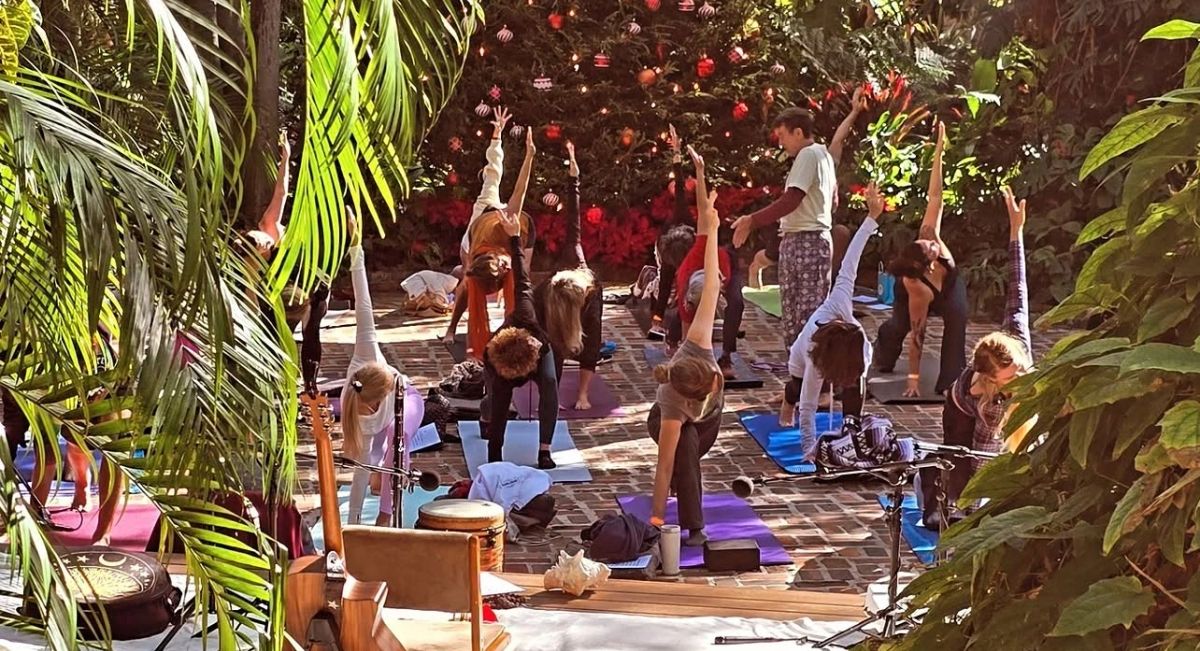
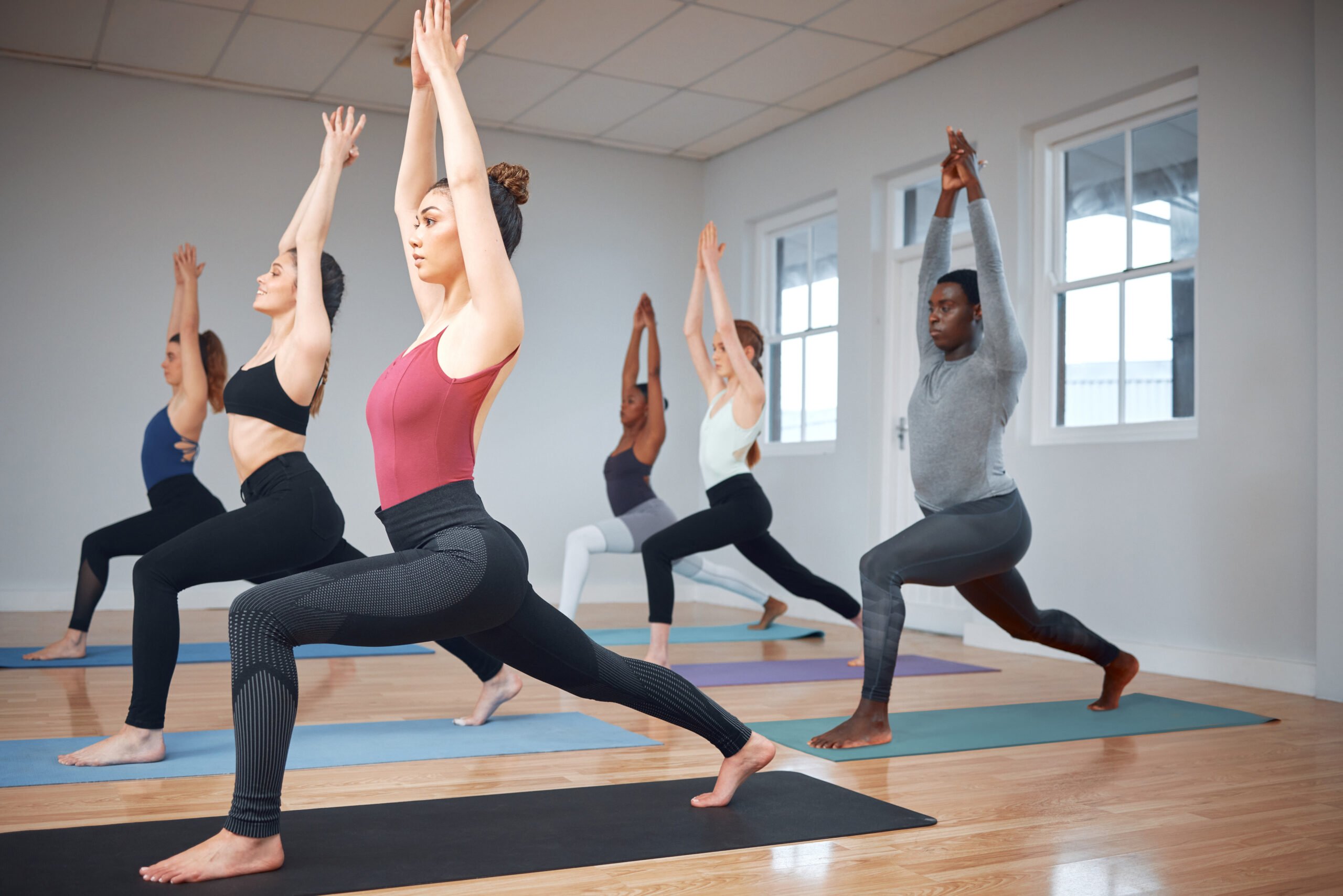
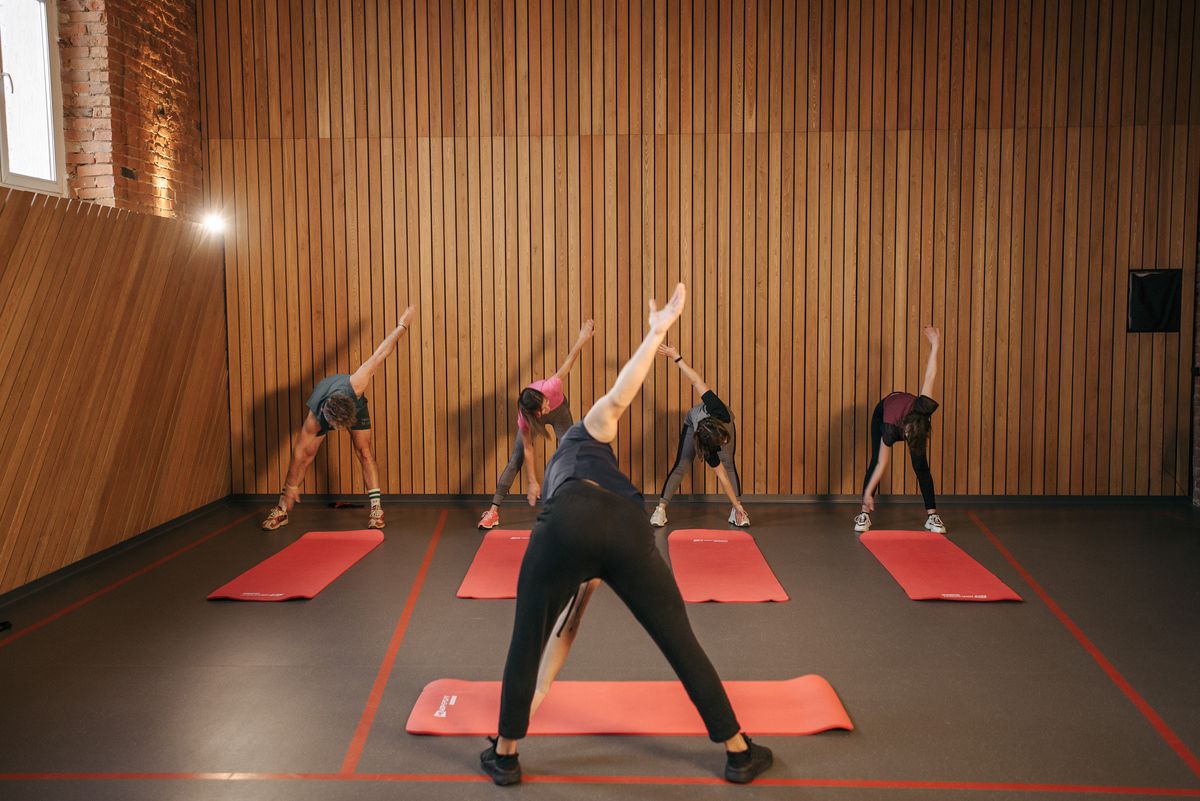
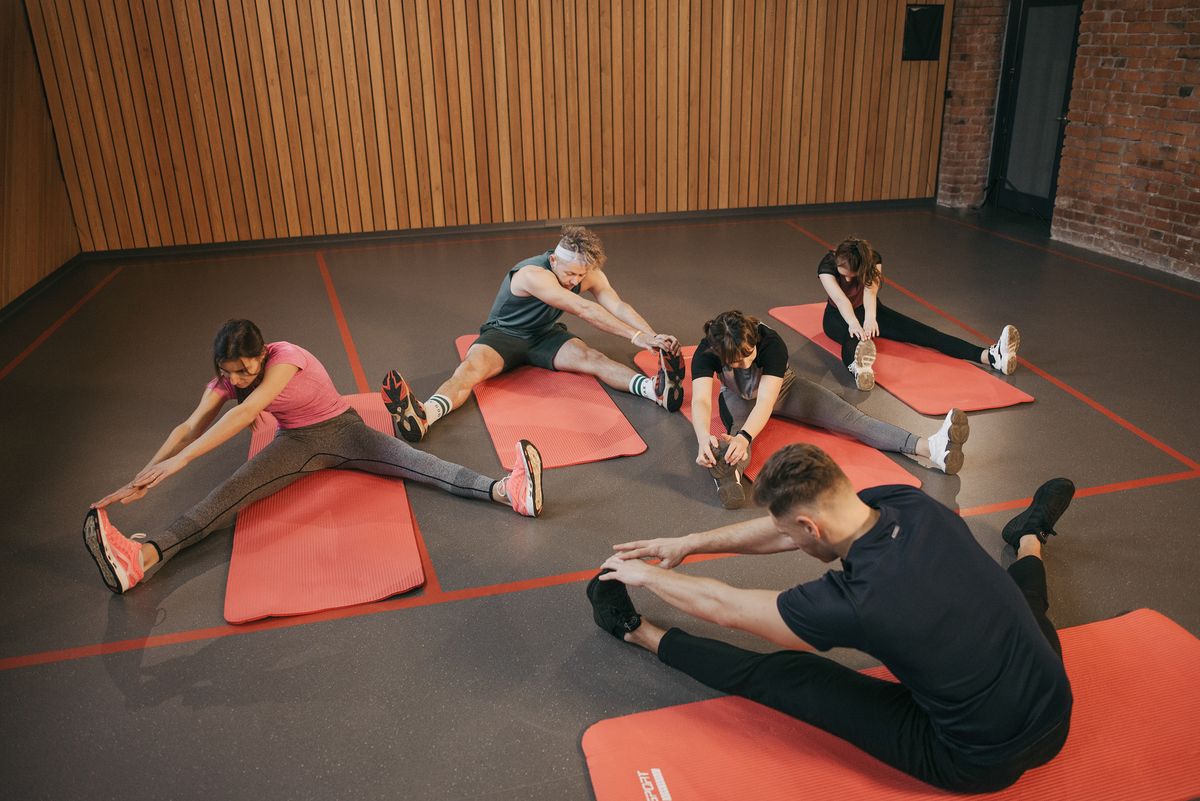
    Group practising a strong yoga stretch during an active class
    What Is Power Yoga? Origins, Pace, Benefits and Who It Suits 5

    A typical Power Yoga class keeps you moving for much of the session. You may spend less time breaking down one posture and more time linking several postures together. This can create more heat and can make the class feel closer to strength or conditioning work than a slow Hatha class.

    However, Power Yoga has no standard sequence. One teacher may use a strong Vinyasa pattern. Another may add long holds, balance work, or athletic drills. Music may be used, but it is not required. A class name alone does not tell you exactly what will happen.

    Before joining, ask the teacher about pace, wrist loading, repeated Chaturanga, heated rooms, inversions, and whether beginners receive alternatives. These practical questions tell you more than the label.

    What Indian Hatha textbooks tell us about the difference

    Indian university yoga syllabi make an important distinction. Traditional Hatha Yoga is not described as a fast fitness class. Andhra University’s Hatha Yoga syllabus studies the Hatha Yoga Pradipika through subjects such as asana, pranayama, shatkarma, mudra, samadhi, and the relationship between mind and prana. Its Gheranda Samhita section also includes cleansing, asana, mudra, pratyahara, pranayama, dhyana, and samadhi.

    You can see that structure in the university’s published Hatha Yoga syllabus. The Indira Gandhi National Centre for the Arts also lists Sanskrit manuscripts of the Hatha Yoga Pradipika in its yoga manuscript collection.

    This does not make Power Yoga wrong. It simply tells us that Power Yoga is a modern practice category, while classical Hatha literature describes a much wider system. Keeping those two histories separate makes yoga education clearer. For that wider system, see what a traditional Hatha Yoga class should actually include.

    Power Yoga vs Hatha, Vinyasa and Ashtanga

    StyleTypical paceMain class patternWhat to know
    Modern Hatha classSlowerHeld postures with time to adjust and breatheThe modern class label is narrower than classical Hatha Yoga.
    Vinyasa YogaModerate to fastMovement linked with breath in a flowing sequenceSequences vary by teacher.
    Power YogaUsually fast and strongBreath-linked flow with greater strength and stamina demandsNo single standard syllabus.
    Ashtanga VinyasaStrong and structuredFixed series taught in a defined orderDifferent from Patanjali’s eight-limbed Ashtanga Yoga.

    For a closer comparison of the first two styles, read our Hatha Yoga vs Vinyasa Yoga guide. If you are new to Vinyasa itself, our Vinyasa Yoga for beginners guide explains the basic class structure.

    Possible benefits of Power Yoga

    Because Power Yoga is active, it can train muscular endurance, balance, coordination, mobility, and movement control. Faster classes can also raise the heart rate more than a slower Hatha class. The exact effect depends on the teacher, sequence, duration, and your own effort.

    It is better to avoid guaranteed claims such as “Power Yoga causes weight loss” or “Power Yoga cures stress.” Yoga can support physical activity and wellbeing, but one class style does not produce the same result for every person. Sleep, diet, training history, health, and consistency also matter.

    A useful benefit is practical: some people stay consistent when the class keeps moving. Others do better with slower practice. The style you can repeat safely is usually more useful than the style that looks hardest.

    Who does Power Yoga suit?

    • People who already know basic yoga postures and enjoy continuous movement.
    • Students who prefer a stronger class with less stopping.
    • People who want yoga to sit beside strength or fitness training.
    • Practitioners who enjoy varied sequences instead of one fixed series.
    • Students who can modify a pose instead of forcing themselves to keep up.

    Power Yoga may be a poor match when the pace makes it hard to understand basic positions. It may also need modification if repeated wrist loading, strong backbends, or fast transitions irritate an existing problem. A class should always leave room for individual variation.

    Is Power Yoga good for beginners?

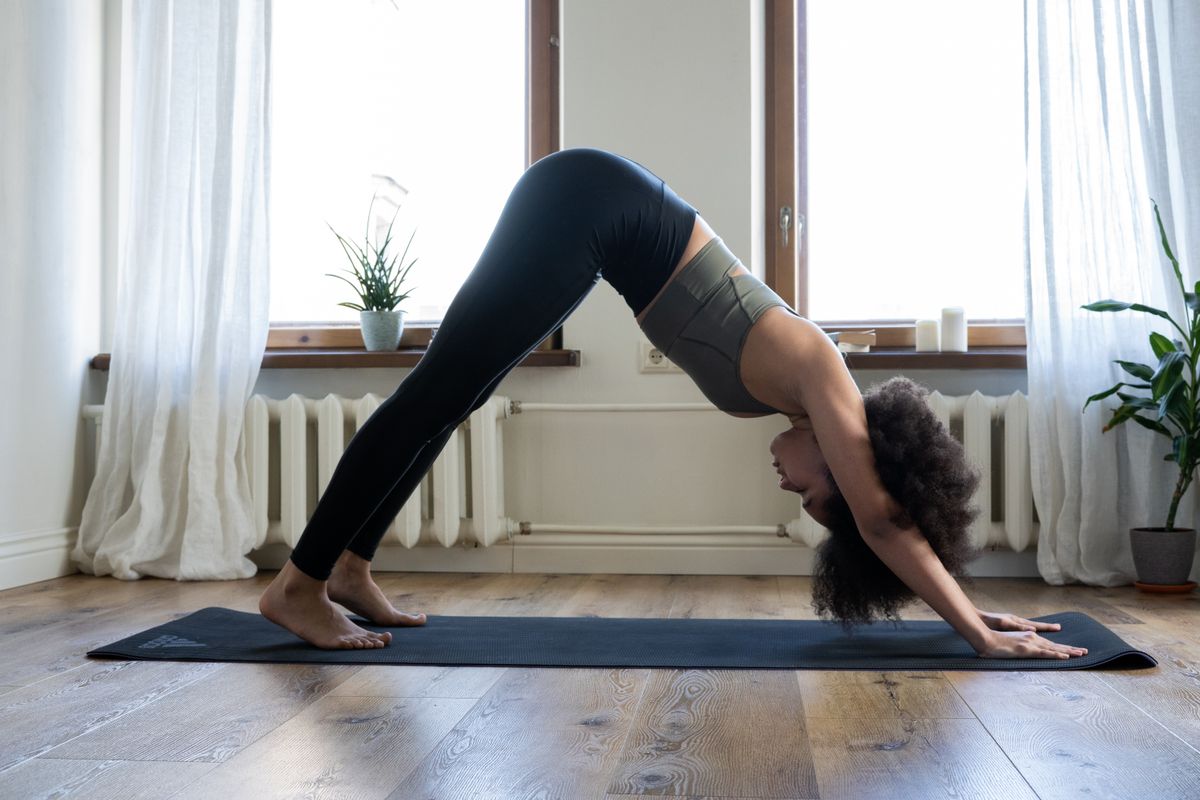
    Woman practising Downward-Facing Dog during a personal yoga session
    What Is Power Yoga? Origins, Pace, Benefits and Who It Suits 6

    It can be, but the class needs to be taught for beginners. A new student often benefits from first learning how to stand, lunge, fold, support weight through the hands, and breathe without rushing. Those skills make a faster class easier to follow later.

    A slower Hatha class can provide more time for explanation. A beginner Vinyasa class can also work if the teacher breaks the flow into clear steps. The important question is not whether Power Yoga is “advanced.” It is whether the pace allows you to understand what you are doing.

    Where Power Yoga fits in FitFortunes training

    FitFortunes does not present Power Yoga as a traditional Hatha subject. Our teacher-training pages separate the methods we actually teach. The 200-hour multi-style yoga teacher training in Rishikesh is a 21-day residential course built around Hatha foundations and Vinyasa Krama foundations, together with pranayama, meditation, anatomy, philosophy, methodology, and supervised practice teaching.

    If you want a more traditional Hatha focus, see the 200-hour Hatha Yoga teacher training. That page is the right place to check current curriculum, dates, room choices, and fees. A blog article should help you understand the style; the course page should tell you exactly what is offered.

    Frequently asked questions

    Is Power Yoga the same as Vinyasa Yoga?

    No. Power Yoga usually uses a Vinyasa-style flow, but it is normally stronger and more fitness-focused. Vinyasa itself can range from gentle to very demanding.

    Is Power Yoga traditional Indian yoga?

    No. The label Power Yoga developed in the United States in the late twentieth century. Its influences include modern Ashtanga Vinyasa practice, while classical Hatha texts describe a wider set of practices.

    Does Power Yoga follow a fixed sequence?

    Usually not. That is one reason classes can differ greatly between teachers. Traditional Ashtanga Vinyasa, by contrast, uses fixed series.

    Can I do Power Yoga if I am not flexible?

    Flexibility is not a requirement. A suitable class should offer workable ranges and alternatives. The bigger issue for a beginner is whether the pace gives enough time to understand each movement.

    Choose the class by how it is taught, not by the label

    Power Yoga can be a useful, demanding practice for people who enjoy strength and continuous movement. It is also a modern style with no single standard syllabus. Ask what the class contains, how fast it moves, and how beginners are supported. If you want a slower comparison, use our Hatha-versus-Power guide. If you want deeper study, use the relevant teacher-training course page rather than assuming every strong yoga class teaches the full Hatha tradition.

  • Hatha Yoga Teacher Training Philosophy: What You Study Beyond Asana

    Hatha Yoga Teacher Training Philosophy: What You Study Beyond Asana

    Hatha yoga teacher training philosophy gives students the context behind the physical practice. Without philosophy, teacher training can become a collection of poses, breathing methods and teaching cues. Students may know what to do but not understand why these practices developed.

    A good Hatha yoga teacher training therefore includes history, classical texts, ethics and discussion alongside physical practice. The purpose is not to force students to adopt a belief system. It is to help future teachers understand the tradition they are teaching.

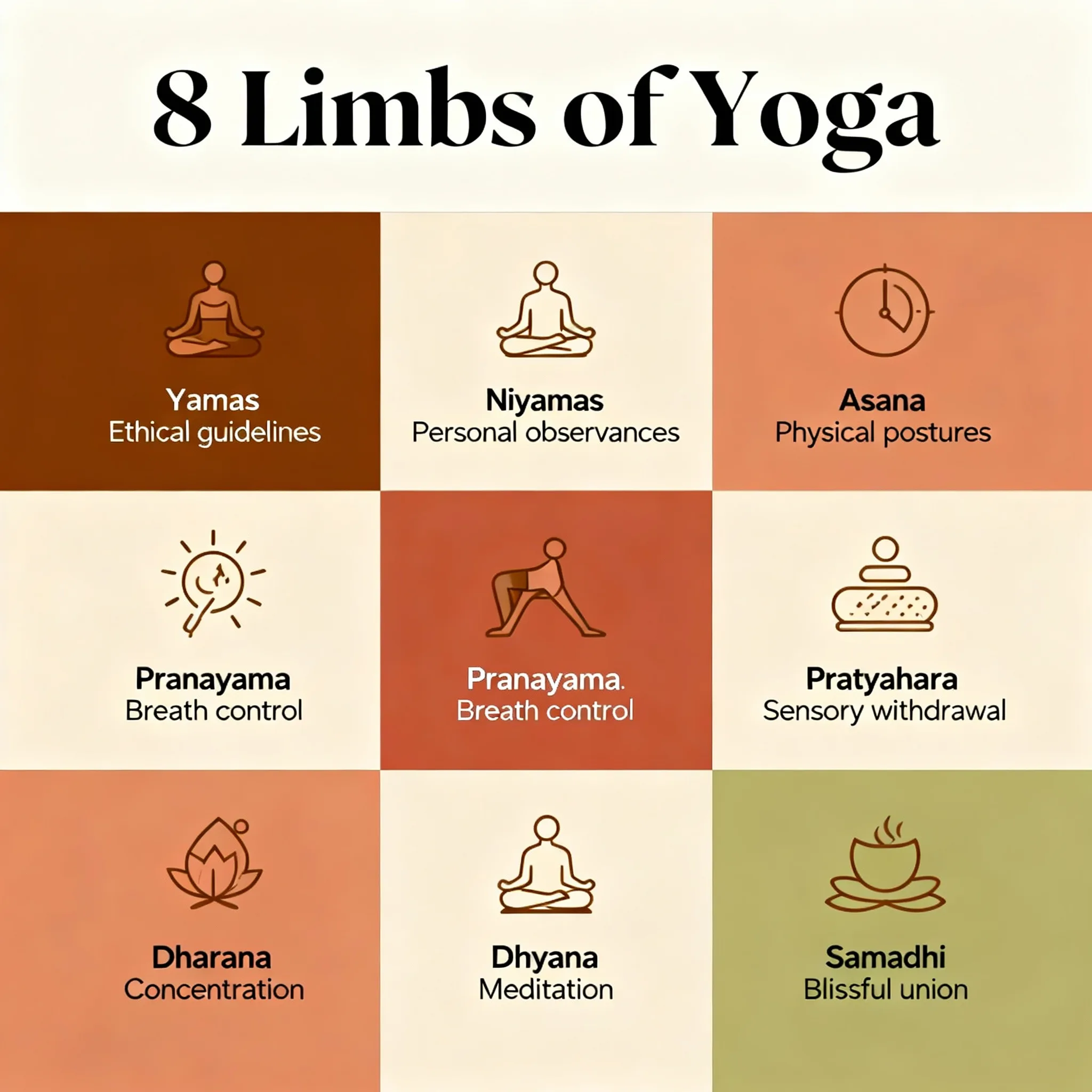
    Eight limbs of yoga study graphic
    The eight-limbed framework helps trainees place asana and pranayama inside a wider study of yoga.

    Table of contents

    Why philosophy belongs in Hatha yoga teacher training

    Yoga existed long before the modern studio class. Asana is important, but it represents only one part of the wider yoga tradition. Students studying Hatha Yoga should understand how posture, pranayama, concentration, meditation, discipline and ethical conduct relate to one another.

    Yoga Alliance’s current RYS 200 curriculum includes 30 hours of Yoga Humanities covering history, philosophy and ethics. It also lists familiarity with major yogic texts such as the Yoga Sutras, Bhagavad Gita, Upanishads and Hatha Yoga Pradipika.

    This means philosophy is not simply decorative content added after physical practice. It is part of teacher education.

    Which texts are studied in Hatha yoga teacher training?

    The exact texts depend on the school and teaching tradition. A 200-hour course cannot cover every classical yoga source in depth, so responsible training usually focuses on a smaller group of important ideas and texts.

    • Patanjali’s Yoga Sutras
    • Bhagavad Gita
    • Hatha Yoga Pradipika
    • Selected Upanishadic ideas
    • Other Hatha texts according to the school’s lineage

    Students do not need to become Sanskrit scholars. The goal is to understand important concepts well enough to discuss them clearly and connect them with practice.

    Patanjali’s Yoga Sutras and the eight limbs

    The Yoga Sutras are important because they present a systematic framework for yoga. Students often begin with definitions of yoga and then study the eight-limbed structure.

    1. Yama
    2. Niyama
    3. Asana
    4. Pranayama
    5. Pratyahara
    6. Dharana
    7. Dhyana
    8. Samadhi

    This immediately changes how a student sees yoga. Asana becomes one part of a wider discipline rather than the whole subject.

    The Yoga Sutras also introduce ideas such as practice, non-attachment, mental patterns, concentration and ethical conduct. These concepts give future teachers a vocabulary for discussing yoga without reducing every lesson to physical benefits.

    Yama and niyama in teacher training

    Yama and niyama are especially useful for future teachers because they ask students to think about conduct, habits and responsibility.

    Common yamas include non-harming, truthfulness, non-stealing, appropriate use of energy and non-grasping. Common niyamas include cleanliness, contentment, disciplined effort, self-study and orientation toward something larger than personal ego.

    The value comes from reflection rather than moral superiority. For example, non-harming can lead to practical teaching questions. Should a teacher push a student deeper into a pose? Should every person receive the same instruction? Should a teacher make health promises that exceed professional scope?

    What students learn from the Bhagavad Gita

    The Bhagavad Gita presents yoga through action, knowledge, devotion and disciplined living. Teacher trainees often find it useful because it discusses practice within ordinary responsibilities rather than only in isolation.

    Ideas such as karma yoga, steadiness, moderation and disciplined action help students understand how practice relates to daily life. The text also makes clear that yoga has never been limited to physical posture.

    Why the Hatha Yoga Pradipika matters

    The Hatha Yoga Pradipika is directly relevant to Hatha yoga teacher training philosophy. It discusses asana, pranayama, mudra, bandha, cleansing practices and other methods associated with Hatha Yoga.

    Students quickly see that classical Hatha Yoga contains much more than slow postures. Our article on what traditional Hatha yoga teacher training means explains this distinction in more detail.

    Historical texts also need careful teaching. A description found in a classical source should not automatically become a modern medical claim. Teachers need to separate historical context, yogic concepts and evidence-based health information.

    Is Hatha Yoga the same as Patanjali’s Ashtanga Yoga?

    No. Hatha Yoga and Patanjali’s eight-limbed framework are connected within modern yoga education, but they are not identical systems.

    This distinction matters because the word Ashtanga can cause confusion. In philosophy, Ashtanga means the eight limbs described in the Yoga Sutras. It does not automatically mean the modern Ashtanga Vinyasa Primary Series.

    A responsible teacher should know the difference and explain it clearly.

    Why yoga history matters

    Hatha yoga teacher training philosophy should include historical context. Students need a basic understanding of how yoga developed through different periods and texts.

    They should know that modern posture practice did not appear in exactly the same form thousands of years ago. Yoga changed over time, and different traditions placed different emphasis on meditation, philosophy, ritual, physical methods and renunciation.

    Understanding this history helps teachers avoid unsupported claims such as saying a modern pose has been practised in exactly the same way for thousands of years.

    Philosophy should not become religious pressure

    Yoga developed within Indian religious and philosophical cultures. That history should not be hidden. At the same time, teacher training should not force a student’s personal belief.

    People may come from Hindu, Christian, Buddhist, Muslim, secular or other backgrounds. A teacher can explain a text respectfully without demanding agreement.

    This approach allows honest study while keeping yoga connected to its cultural roots.

    Ethics for future yoga teachers

    Teacher ethics is one of the most practical parts of Hatha yoga teacher training philosophy. A new teacher may know how to demonstrate a pose but still need guidance on professional boundaries.

    • Respecting student consent
    • Avoiding exaggerated health promises
    • Staying within professional scope
    • Handling physical adjustments responsibly
    • Protecting student privacy
    • Avoiding manipulation
    • Giving credit to sources and teachers
    • Treating students fairly
    • Knowing when to refer someone to another professional

    These subjects are part of teaching competence. They should not be treated as secondary material.

    How philosophy changes the way you teach asana

    Philosophy becomes useful when it changes teaching behaviour. A teacher who understands non-harming may become more careful with pressure. A teacher who understands non-attachment may avoid making difficult poses the main measure of progress.

    A teacher who studies self-observation may encourage students to notice their own experience rather than copy a perfect shape. A teacher who understands moderation may avoid turning every class into maximum effort.

    Philosophy therefore affects the physical class. It changes priorities.

    Philosophy and pranayama belong together

    Hatha texts often connect physical methods with breathing and mental training. Without context, pranayama can become a list of breathing exercises. With context, students begin to understand why breathing, concentration and asana were studied together.

    Our companion guide to pranayama in Hatha yoga teacher training explains the practical side of this relationship.

    Do students need to memorise Sanskrit?

    No. Sanskrit terminology can improve accuracy, but memorisation should not replace understanding. A student who can recite several Sanskrit terms but cannot explain them simply is not necessarily prepared to teach.

    Teacher training should help students understand meaning first. Pronunciation and terminology can then improve with continued study.

    How philosophy helps international students

    International students sometimes arrive in India knowing yoga mainly through studio classes. Philosophy gives historical and cultural context.

    It also corrects common assumptions. Hatha Yoga is not simply slow yoga. The eight limbs are not a modern fitness sequence. Meditation is not separate from the wider yoga tradition.

    Students comparing locations can also read our guide on where to learn Hatha Yoga in India.

    Philosophy is not about sounding spiritual

    New teachers sometimes feel pressure to use complicated spiritual language. That is unnecessary. Clear language usually shows better understanding.

    If the subject is ahimsa, explain non-harming clearly. If the subject is svadhyaya, explain self-study and reflection. If the subject is pranayama, distinguish traditional ideas from respiratory anatomy.

    Complicated language can hide confusion. Good teaching makes difficult ideas understandable without stripping away their meaning.

    How philosophy fits the FitFortunes curriculum

    At FitFortunes, the 200-hour curriculum includes dedicated Yoga Humanities study covering Yoga Sutra study, history, lifestyle and ethics. These subjects sit beside asana, pranayama, meditation, anatomy, teaching methodology and practicum.

    The 200-hour Hatha yoga teacher training in Rishikesh runs for 21 days. Students who want a shorter foundation can review the 100-hour Hatha yoga teacher training.

    If you want to compare Hatha with a broader format, read Hatha vs multi-style yoga teacher training in India.

    How to prepare for philosophy classes

    You do not need to finish several classical texts before training. Reading too much without guidance can create more confusion than clarity.

    A better approach is to read a short introduction, keep notes and write down questions. Notice terms that appear repeatedly and bring those questions into class.

    The Hatha yoga teacher training preparation checklist explains how to add short study periods before travelling to India.

    Questions to ask a school about philosophy

    1. Which texts are included?
    2. Who teaches philosophy?
    3. How many hours are given to the subject?
    4. Is philosophy connected with teaching practice?
    5. Are history and ethics included?
    6. Can students ask questions and discuss different interpretations?
    7. Are Sanskrit terms explained in simple English?

    Clear answers usually tell you more than a claim that a course teaches “authentic philosophy.”

    Frequently asked questions

    What philosophy is taught in Hatha yoga teacher training?

    Courses commonly cover yoga history, the Yoga Sutras, ethical principles, Hatha Yoga texts and selected ideas from the Bhagavad Gita.

    Do I need to be Hindu to study yoga philosophy?

    No. Students can study yoga’s historical and philosophical sources without being required to adopt a religion.

    Is the Bhagavad Gita a Hatha Yoga manual?

    No. It is an important yoga text that helps students understand wider ideas about action, knowledge, devotion and disciplined living.

    Is Hatha Yoga philosophy only about chakras and energy?

    No. It also includes history, ethics, classical texts, practice theory, meditation and relationships between different yoga methods.

    Why should a physical yoga teacher study philosophy?

    Because teachers represent more than exercises. Philosophy helps them understand terminology, tradition, ethics and the purpose behind different practices.

    Can I teach yoga without knowing Sanskrit?

    Yes. Sanskrit knowledge can help, but clear understanding and responsible teaching matter more than memorising terminology.

    Final thoughts

    Hatha yoga teacher training philosophy gives physical practice its wider context. It helps students understand where yoga methods came from, how different practices relate and what responsibilities come with teaching.

    A strong teacher does not need to become an academic philosopher. But a teacher should understand enough history, ethics and classical thought to represent yoga accurately.

    Reference: Yoga Alliance RYS 200 standards.

  • Pranayama in Hatha Yoga Teacher Training: What Students Actually Learn

    Pranayama in Hatha Yoga Teacher Training: What Students Actually Learn

    Pranayama in Hatha yoga teacher training is more than a few breathing exercises before asana. It is a structured part of traditional yoga study. Students learn how posture, breath, attention and teaching method connect, and why breathing practice should progress gradually rather than become a performance.

    A good Hatha yoga teacher training starts with awareness and control before advanced techniques. This helps students build a safe personal practice and prepares future teachers to give clear instructions without making exaggerated health claims.

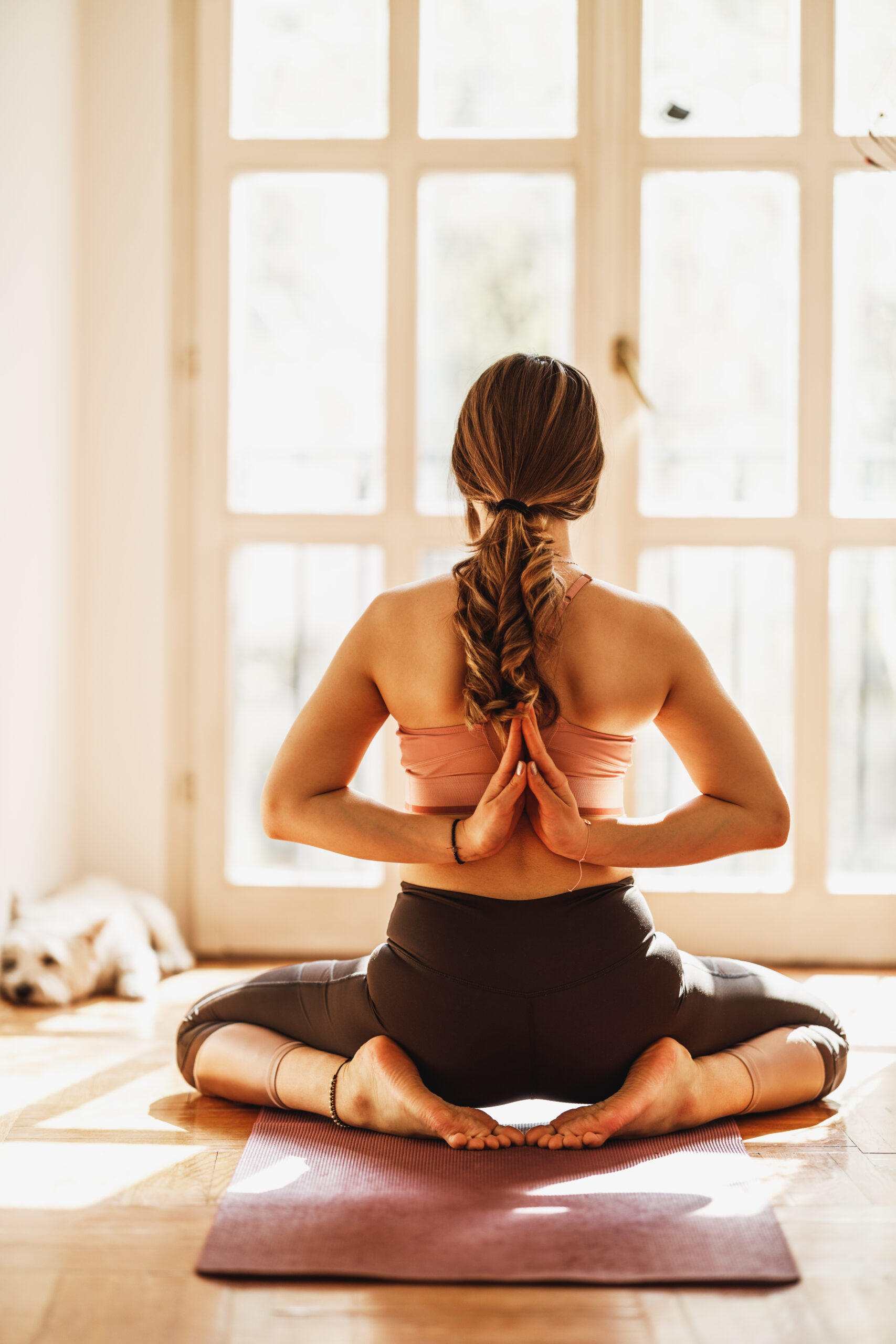
    Yoga student practising pranayama before meditation
    Pranayama training begins with steady observation and simple breath awareness before stronger techniques are introduced.

    Table of contents

    What pranayama means in Hatha Yoga

    Pranayama is often translated as breath regulation or breath control. In traditional yoga, its meaning is wider than simply taking slow breaths. The breath is used as a practical bridge between physical practice, concentration and quieter states of attention.

    This is why pranayama sits naturally beside asana, meditation, mudra and bandha in Hatha Yoga. A student first learns to observe breathing, then regulate it with more skill. Advanced work should come only after the basic pattern is comfortable and steady.

    Why pranayama belongs in Hatha yoga teacher training

    Modern yoga classes often give most of their time to postures. Traditional Hatha study gives the breath a more important place. Teacher trainees need to understand breathing as a practice in its own right, not as a decorative five-minute exercise at the beginning of class.

    Yoga Alliance’s current RYS 200 standards include pranayama and subtle-body topics within Techniques, Training and Practice. The standards also refer to safe sequencing, alternatives and adaptations. A complete 200-hour training therefore needs more than posture instruction.

    Our guide to traditional Hatha yoga teacher training explains how pranayama, mudra, bandha, meditation and philosophy fit together within a wider Hatha framework.

    What students learn before formal pranayama

    Good training begins with ordinary breathing. Many students do not notice how much their breath changes during movement, stress or effort. Some lift the shoulders. Others hold the breath during difficult poses or create tension in the abdomen.

    Before named techniques, students should learn to observe these habits. They should notice whether the breath is smooth, whether sitting creates unnecessary strain and whether a practice causes dizziness, pressure or discomfort.

    • Basic breath awareness
    • Comfortable seated position
    • Movement of the diaphragm and rib cage
    • Relationship between posture and breathing
    • Difference between natural breathing and deliberate regulation
    • When to return to normal breathing

    Breathing mechanics and yoga anatomy

    Pranayama training also needs basic anatomy. Students should understand the diaphragm, rib cage, respiratory muscles and the movement of air through the respiratory system. This helps future teachers describe what is happening without confusing traditional concepts with modern anatomy.

    For example, prana is a yogic concept. Oxygen is a measurable gas used by the body. They should not be presented as the same thing. Clear language protects both the tradition and the student.

    Our article on Hatha yoga teacher training anatomy and alignment covers the wider movement and anatomy side of teacher education.

    Common pranayama techniques in Hatha yoga teacher training

    Different Hatha traditions teach different methods and may use a different order. The aim is not to collect as many techniques as possible. A smaller number of well-taught practices is more useful than a long list that students cannot explain or teach safely.

    PracticeMain learning focus
    Breath observationAwareness without forcing the breath
    Diaphragmatic breathingUnderstanding relaxed respiratory movement
    Nadi ShodhanaCoordination, attention and gradual breath regulation
    BhramariSteady exhalation and focused attention
    UjjayiControlled breathing and sound awareness
    KapalabhatiTechnique, classification and careful progression

    Kapalabhati deserves careful explanation because classical Hatha sources often classify it among cleansing practices rather than ordinary pranayama. Teacher training should give this context instead of treating every breathing method as the same type of exercise.

    Why Nadi Shodhana is commonly taught

    Alternate-nostril breathing is common because it combines several skills. The student sits steadily, coordinates the hand, follows a pattern and maintains attention without rushing.

    Beginners can first learn the hand position and simple breathing pattern. Ratios or retention can come later when appropriate. This gradual method is more useful than turning a basic practice into a test of endurance.

    What about breath retention?

    Breath retention is an important subject in classical pranayama, but it should not be approached casually. Long or forceful retention is not a beginner goal. Students first need comfortable breathing, an appropriate posture and clear instruction.

    A responsible teacher also understands that not every student needs the same practice. Good teacher training develops observation and judgement, not only personal performance.

    Pranayama, mudra and bandha are related but different

    Students often hear pranayama, mudra and bandha taught together. They are connected within Hatha practice, but they are not identical. Pranayama concerns deliberate regulation of breathing. Bandha refers to specific yogic locks or engagements. Mudra includes a wider group of traditional seals and gestures.

    Training should explain each subject clearly before combining them. This prevents students from memorising Sanskrit words without understanding what they are doing.

    Pranayama should not become a competition

    A common mistake is assuming a longer inhalation, exhalation or retention means better practice. It does not. Straining the face, lifting the shoulders or forcing the lungs does not show mastery.

    A teacher should look for steadiness, comfort and awareness. This is especially important during an intensive residential course, where students already have a full study schedule.

    How pranayama supports asana and meditation

    Pranayama should not be isolated from the rest of training. Students learn to notice how effort, posture and concentration change breathing. A demanding pose may make the breath irregular even when the body looks stable from the outside.

    This helps future teachers observe students more carefully. It also explains why Hatha traditions connect physical practice with breathing and meditation rather than treating them as unrelated subjects.

    How trainees learn to teach pranayama

    Knowing how to perform a practice is different from teaching it. Trainees need to practise giving short, clear instructions. They also need to know common errors, suitable progression and when to stop adding complexity.

    1. Set up a comfortable position.
    2. Explain the breathing pattern simply.
    3. Give an appropriate pace.
    4. Watch for strain or confusion.
    5. Return the student to normal breathing when needed.
    6. Review the practice afterwards.

    This teaching skill is why practicum matters. A trainee must learn how to observe another person, not only follow instructions personally.

    Safety and responsible practice

    Breathing practices can affect people differently. A yoga teacher should avoid medical promises and should not use strong techniques without suitable preparation. Students with health concerns may need professional medical guidance before certain practices.

    Pregnancy, cardiovascular conditions, respiratory conditions, recent surgery and other situations can affect what is appropriate. A yoga teacher does not diagnose disease. The teacher works within yoga teaching scope and modifies or refers when necessary.

    How pranayama fits the FitFortunes curriculum

    At FitFortunes, pranayama has dedicated study time within the 200-hour curriculum. It sits beside asana, meditation, mudra, bandha, kriya, anatomy, yoga humanities, teaching methodology and practicum.

    The 200-hour Hatha yoga teacher training in Rishikesh is residential and runs for 21 days. Students who want a shorter foundation can review the 100-hour Hatha yoga teacher training.

    If you are preparing to travel for training, use the 30-day Hatha yoga teacher training preparation checklist as the next supporting guide in this cluster.

    Frequently asked questions

    Do beginners learn pranayama in Hatha yoga teacher training?

    Yes. A good course can begin with basic breathing awareness and progress gradually. Beginners do not need advanced breath retention before joining.

    Is pranayama the same as modern breathwork?

    Not exactly. Breathwork is a broad modern term. Pranayama belongs to specific yogic traditions, methods and philosophical frameworks.

    Do I need to hold my breath?

    No. Many useful practices can be learned without retention. Retention should be introduced according to the technique, student and level of preparation.

    Is Kapalabhati a pranayama?

    It is often taught beside pranayama today. Classical Hatha sources may classify Kapalabhati as a cleansing practice, so teacher training should explain the context.

    Can pranayama replace asana?

    They serve different purposes. Hatha yoga teacher training studies how physical practice, breathing, meditation and other methods work together.

    Final thoughts

    Pranayama in Hatha yoga teacher training teaches much more than how to inhale slowly or count an exhalation. Students learn observation, breathing mechanics, traditional concepts, safe progression and teaching skills.

    When pranayama is taught patiently, it becomes a practical bridge between asana, concentration and the wider study of Hatha Yoga.

    Reference: Yoga Alliance RYS 200 standards.

  • Is Yoga Teacher Training Worth It? A Practical 2026 Decision Guide

    Is Yoga Teacher Training Worth It? A Practical 2026 Decision Guide

    The Short Answer

    Yoga teacher training (YTT) is worth it if you have a clear reason to take it. That reason might be teaching, deepening your own practice, or adding yoga to an existing career in fitness, physical therapy, or wellness. It is often not worth it if you mainly expect a quick, reliable income, because teaching yoga is usually competitive and part-time at first.

    This guide helps you decide by looking at what training includes, what it costs in money and time, who tends to benefit, and how to judge a program before you pay.

    A useful first question is not “Will a certificate change my career?” It is “What do I want to be able to understand or teach after the course?” A strong answer makes it easier to compare schools without being distracted by discounts or vague promises.

    If cost is your main concern, compare the full expense rather than tuition alone. Our yoga teacher training cost in Rishikesh guide explains tuition, accommodation and other common expenses separately.

    Residential room at FitFortunes Yoga School in Rishikesh
    Residential training value includes more than tuition. Accommodation, meals, teaching hours and the daily study environment all affect the real cost.

    What Yoga Teacher Training Actually Includes

    Most entry-level programs follow a 200-hour format. Yoga Alliance currently describes RYT 200 as the foundational credential for many new teachers. Registration is voluntary and it is not a government licence. A student who completes an eligible 200-hour course at a Registered Yoga School can apply for the RYT 200 credential.

    That credential can be useful, but it is not the same as teaching skill. Supervised practice, feedback and continued study matter after graduation. Read our separate guide on whether Yoga Alliance certification is worth it if the credential is important to your plans.

    🎯

    Technique and Practice

    Postures, breathing methods, and meditation, practiced in depth so you understand each one, not just perform it.

    📐

    Anatomy and Safety

    Basic anatomy, alignment principles, injury awareness, and offering modifications for different bodies.

    📋

    Teaching Methodology

    Sequencing, cueing, class management, and supervised practice teaching with feedback.

    💡

    Philosophy and Ethics

    Yoga history, key texts, and the professional ethics of working with students.

    Costs and Commitments to Weigh

    Tuition is only part of the picture. Before enrolling, look at the full commitment.

    FactorWhat to Consider
    TuitionVaries widely by location, format, and school reputation
    FormatIntensive (weeks), weekend-based (months), online, or hybrid
    Extra costsBooks, travel, lodging for retreats, registry fees, insurance
    Time offIntensives may require unpaid leave from work

    When It Is Worth It

    • You already practice regularly and want structured, deeper knowledge.
    • You work in fitness, coaching, or healthcare and want to add yoga to your services.
    • You have local studios, gyms, or community centers that hire new teachers.
    • You value personal growth even if you never teach a paid class.

    When It May Not Be Worth It

    • You expect a full-time salary soon after graduating.
    • You are new to yoga and have not yet built a steady practice.
    • The cost would cause real financial strain.
    • You want physical fitness only; regular classes may serve you better.

    How to Evaluate a Program

    Two programs with the same hour count can differ greatly in quality. Use these checks:

    Also check whether the course gives you enough real teaching practice. A certificate can help you meet an entry requirement, but employers and students still need you to communicate clearly, teach beginners responsibly and adapt to different bodies. Our guide on whether 200-hour yoga teacher training is enough explains that difference.

    • Lead trainers: Ask about their teaching experience and how many hours they personally lead.
    • Contact hours: Confirm how much is live versus self-paced or pre-recorded.
    • Practice teaching: Look for regular supervised teaching with feedback, not just one final class.
    • Graduate outcomes: Ask to speak with past students about what happened after training.
    • Policies: Read refund, makeup, and completion rules before paying.
    💡 Tip: Take several classes with the lead trainers before enrolling. If you do not enjoy how they teach a single class, a 200-hour program with them is unlikely to suit you.

    Edge Cases to Think About

    Online-only training: It can be affordable and flexible, but some studios prefer in-person experience. Check local hiring expectations first.

    Specialty trainings: Prenatal, children’s, or trauma-informed yoga usually build on a 200-hour foundation rather than replacing it.

    Health conditions or injuries: Training can be physically demanding. Speak with a healthcare provider and tell the school about any limits in advance.

    Teaching abroad: Requirements differ by country and employer, so research the specific places you hope to work.

    Is residential yoga teacher training worth it?

    Residential training can be good value when you want to focus on study without commuting every day. Accommodation and meals may also make the total cost easier to plan.

    The trade-off is intensity. Residential courses can include early mornings, several classes a day, reading, self-study and teaching practice. If you need to keep full-time remote work or another demanding schedule, check the timetable before booking.

    FitFortunes runs a 21-day residential 200-hour yoga teacher training in Rishikesh. Students should plan around the full training day rather than treating it like a flexible retreat.

    A simple decision test before you enroll

    Score each statement from 1 to 5. A low score does not mean you should never take training. It may simply mean the timing is not right yet.

    • I know why I want to take teacher training.
    • I can afford the full cost without serious financial strain.
    • I can give the course my attention for the full training period.
    • I like the teaching style and curriculum.
    • I understand that certification does not guarantee income.
    • I am willing to keep learning after graduation.

    If most answers are 4 or 5, training may be a sensible next step. If several are 1 or 2, waiting and taking more classes first may give you a better return later.

    For a deeper comparison, use our guide to choosing yoga teacher training in India.

    FAQ

    Do I need to be advanced to join?

    Usually not. Most schools want consistent practice and curiosity, not advanced postures. Many recommend at least several months to a year of regular practice beforehand.

    Is a 200-hour certificate enough to teach?

    For many studios and gyms, yes, as a starting point. Ongoing learning, liability insurance, and real teaching experience matter just as much over time.

    Summary and Next Step

    Yoga teacher training pays off when your goals, budget, and timing line up. Write down why you want to train, set a realistic budget, and attend classes with two or three schools before you commit.

    Featured image: Pinkpanther0 / Wikimedia Commons, CC BY 4.0.

  • St. Pete Yoga Fest 2026: Date, Tickets, Classes

    St. Pete Yoga Fest 2026: Date, Tickets, Classes

    St. Pete Yoga Fest 2026 takes place on Saturday, November 7, at Spa Beach Park at St. Pete Pier. The day brings together yoga classes, meditation, music and local wellness businesses in St. Petersburg, Florida.

    If you are visiting for the first time, this guide helps you decide which parts of the day suit you. Below are the venue details, types of practice, ticket options and things to bring. The photos come from the festival website and show earlier activities and local scenes.

    When and where is St. Pete Yoga Fest 2026?

    The festival runs from 9:00 AM to 10:00 PM on November 7, 2026, in local Florida time. The venue is Spa Beach Park at St. Pete Pier, St. Petersburg. Check the St. Pete Yoga Fest official website before travelling for the latest programme and event updates.

    You do not need to spend the full day there. First decide whether you want one class, several practices or time to enjoy the public festival. That choice makes it easier to plan your arrival, breaks and return trip.

    Two visitors stand in front of the colourful Spa Beach mural at St. Pete Pier
    Visitors beside the Spa Beach mural, from the organizer’s website. Photo source: St. Pete Yoga Fest official website.

    Yoga classes and activities

    The organizer lists Vinyasa, restorative yoga, Hatha Yoga, Acro Yoga and partner yoga. Meditation and sound sessions are also part of the offering. Music, local businesses and community activities give visitors other ways to take part between classes.

    Choose by the class description rather than its name alone. One Vinyasa class may move much faster than another. If you are new, look for a pace you can follow and tell the teacher about your experience. You can rest or leave out a movement when you need to.

    People practising yoga on mats in an outdoor garden, from the St. Pete Yoga Fest gallery
    An outdoor yoga class shown on the organizer’s website. This is a past photo, not a photograph of the upcoming 2026 event. Photo source: St. Pete Yoga Fest official website.

    A festival gives you a chance to hear different teachers explain familiar ideas. Notice how they guide the breath, offer options and give students time to settle. Trying several classes can be useful, but leave room for a break instead of rushing from one mat to the next.

    Hatha Yoga and sound sessions

    Hatha Yoga and sound healing appear on the festival’s list of offerings. They give visitors two different ways to take part. A movement class asks you to work with your body and breath. A sound session may involve sitting or lying down and listening.

    Read the description of the session you choose. The festival name alone does not tell you its pace, length or format. Ask the teacher what to expect if you are unsure. During a sound session, choose a comfortable position and move farther from an instrument if its volume feels too strong.

    A woman plays colourful sound bowls beside people resting on yoga mats in a garden
    Sound bowls and resting participants, from the organizer’s photo gallery. The image illustrates the practice, not a confirmed 2026 session. Photo source: St. Pete Yoga Fest official website.

    For readers considering further study, our pages on Hatha Yoga teacher training and sound healing training in Rishikesh explain the school’s courses. A festival session is a short experience; training involves planned study and supervised practice over time.

    Vandana Dillon and the festival

    Vandana Dillon is the founder of St. Pete Yoga Fest. The festival website says she founded the event in 2011 to bring the community together through yoga and wellness. She is also President of the Florida Yoga Teachers Association.

    The Florida Yoga Teachers Association describes Vandana as an E-RYT 200 teacher who has guided yoga and meditation in the Tampa Bay area for many years. Her work includes Yoga Nidra, sound healing, Reiki, meditation, retreats and community programs. She has also led and co-taught 200-hour teacher trainings.

    Read Vandana Dillon’s profile at the Florida Yoga Teachers Association.

    Tickets and admission

    General festival admission is free. Yoga classes need a paid pass. Choose an unlimited pass for several classes or a single-class ticket if you only want one session.

    The organizer lists the regular unlimited yoga pass at USD 60 and a single class at USD 20. General entry is free. An unlimited pass may suit you if you plan to attend several classes. A single-class ticket gives you a smaller commitment.

    The organizer also lists a USD 44 early-bird pass. Its current availability is not confirmed here. Check the official ticket information and festival booking page before paying. Prices and availability may change.

    Planning your visit to St. Pete Pier

    The organizers suggest arriving at least 15 minutes before your chosen class or workshop. Parking at the Pier is paid, and spaces can fill later in the day. Check the St. Pete Pier website for directions and parking. Carpooling or a ride-share may make arrival easier.

    Plan a break between sessions, especially if you are trying several movement classes. Keep your first class easy to find and allow time to settle on your mat. You can come and go during the public festival. Check the current programme before choosing your final class.

    What to bring and wear

    Bring a yoga mat and a large towel or blanket, as the ground may be damp. Pack a refillable water bottle, sun protection and any props you normally use. Wear comfortable clothes you can move in. A light layer can be useful when the breeze picks up by the water.

    Keep your ticket ready on your phone or bring a printed copy. Complete the required waiver and check the organizer’s instructions before leaving. Carry only what you need for the day, so it is easy to move between practice areas.

    Weather and access

    The event is listed as rain or shine. The organizer describes the Pier and event spaces as wheelchair accessible, while noting uneven grass in much of the festival area. Contact the festival team before visiting if you need help with access or choosing a suitable practice space.

    Plan Your St. Pete Yoga Fest Visit in 5 Steps

    1. Check the official class schedule close to November 7.
    2. Choose your pass based on how many classes you actually want.
    3. Pack a mat, towel, water and sun protection.
    4. Allow extra arrival time for parking, walking and finding your practice area.
    5. Check weather and accessibility updates before leaving home.

    Quick Festival Checklist

    ItemWhy
    Yoga matRequired for most classes
    Large towel or blanketUseful if grass is damp
    Water bottleOutdoor classes can be warm
    Ticket or passNeeded for class access

    Common questions

    Is St. Pete Yoga Fest free to attend?

    General festival admission is free. Yoga classes require a paid pass or a single-class ticket.

    Can beginners join the yoga classes?

    Yes. The organizer says classes welcome all levels. Read each class description and tell your teacher if you are new.

    Do I need to book each class separately?

    The festival FAQ says you can attend classes with your yoga pass without separate class registration. Check current instructions before your visit.

    Can children attend?

    Yes, with a parent or guardian. Children taking part in yoga need the required registration and waiver.

    What happens if it rains?

    The festival is listed as rain or shine. Check the organizer’s updates for any weather-related changes.

    Does a festival pass qualify me to teach yoga?

    No. A festival pass gives access to classes. It is not a teacher-training qualification or a Yoga Alliance credential.

    For St. Pete Yoga Fest 2026, start with the classes that interest you, then plan your pass and arrival. Check the St. Pete Yoga Fest official website close to the date, as the programme and ticket availability can change.

    KEEP READING

    From a festival class to deeper study

    A festival is useful for meeting teachers and trying different practices. If one session makes you want to study the method in more depth, use these guides next.

    Browse more practical yoga guides →

    About FitFortunes

    FitFortunes is a yoga and sound healing school in Rishikesh, India. We publish practical guides for students comparing yoga training, travel and residential study.

    See yoga courses

  • Hatha Yoga Teacher Training Preparation Checklist: 30 Days

    Hatha Yoga Teacher Training Preparation Checklist: 30 Days

    The best way to prepare for Hatha Yoga teacher training in India is to make your routine more stable, not more extreme. In the month before training, focus on regular practice, sleep, simple study, travel planning, and honest awareness of your current limits. You do not need advanced postures. You do need enough consistency to handle a structured residential day without spending the first week recovering from poor sleep, last-minute travel, or overtraining.

    This 30-day plan is written for students preparing for foundational Hatha teacher training in India. It is especially useful for residential courses where mornings start early and the day includes asana, pranayama, philosophy, anatomy, teaching methodology, meals, practicum, and study. If you are still deciding whether Hatha is the right format, compare it with our Hatha vs Multi-Style Yoga Teacher Training guide first.

    Mountain view near Rishikesh for yoga teacher training travel preparation
    Preparing for residential training also means planning for Rishikesh weather, travel and a different daily rhythm.

    Table of contents

    30-day preparation plan at a glance

    WhenMain focusWhat not to do
    Days 30-21Regular practice and recoverySuddenly double your practice volume
    Days 20-14Study, breath awareness and quiet sittingTry to master advanced pranayama
    Days 13-7Earlier mornings and course-like routineAssume evenings will be free for full-time work
    Days 6-1Sleep, travel, documents and packingTrain hard until the day of departure

    Days 30-21: build consistency before intensity

    Use the first ten days to make practice predictable. Aim for regular sessions instead of one or two very hard classes. If you already practise four or five days a week, keep that rhythm steady. If you practise only occasionally, add shorter sessions gradually rather than suddenly doubling the volume. The aim is to make movement, breathing, and quiet attention feel normal before you enter a full residential schedule.

    This is also the right time to notice recovery. Pay attention to sleep, soreness, old injuries, and how long your body needs between harder sessions. A training course is not helped by arriving with an irritated knee, shoulder, or lower back because you tried to get ready too aggressively. Preparation should reduce surprises, not create a new problem.

    • Practise on several days each week.
    • Keep at least one lighter day after a demanding session.
    • Notice where you regularly hold unnecessary tension.
    • Write down any injury or limitation you should tell the school about.
    • Begin moving your sleep schedule earlier if your normal routine is very late.

    Days 20-14: add study, breathing and quiet sitting

    Teacher training asks for more than physical practice, so the second phase should include short periods of study and sitting. Spend ten to twenty minutes reading, taking notes, or reviewing basic yoga terms. Add five to ten minutes of quiet sitting or simple breath awareness. You are not trying to master philosophy or pranayama before the course. You are getting used to the mental shift between movement and study.

    Patanjali describes practice through the idea of abhyasa, sustained effort over time, rather than one dramatic session. The Hatha Yoga Pradipika also values moderation, steadiness, and suitable conditions for practice. Those ideas are useful preparation principles today: regular practice, enough rest, and less unnecessary excess usually help more than trying to prove your dedication in the final weeks before training.

    Days 13-7: start matching the training rhythm

    During the third phase, make your day look a little more like residential study. Wake earlier if needed, practise before breakfast on a few mornings, and spend part of the day without constant phone use. If your course includes early pranayama or meditation, try sitting quietly soon after waking. Small routine changes make the first week of training less of a shock.

    This is also the time to check the actual daily schedule. Do not assume a 200-hour course means a few yoga classes with free afternoons. Read what a normal YTT day is really like and compare it with your work obligations, remote calls, sleep habits, and travel plans. If you are trying to maintain a full-time online job during residential training, make that decision before you arrive rather than after the timetable begins.

    Days 6-1: reduce friction before travel

    The final week is not the time for harder practice. Reduce unnecessary intensity and finish practical tasks. Confirm your arrival instructions, accommodation, payment balance, transport, passport and visa documents, medicines, and weather-specific clothing. Use the Hatha YTT packing checklist before closing your bag. Sleep matters more now than squeezing in one more difficult class.

    Keep the final two or three days simple. Walk, practise gently, breathe normally, and leave enough time to pack without rushing. If you are travelling internationally, long flights and time-zone changes already add physical load. Your goal is to arrive ready to learn, not to arrive feeling as if the training has already started at home.

    How much yoga practice is enough before Hatha teacher training?

    Readiness is about consistency, not advanced poses

    There is no useful universal number of months that proves readiness. A steady beginner can be better prepared than someone with years of inconsistent practice. What helps most is familiarity with common movements, the ability to follow simple instructions, and enough body awareness to stop when something feels wrong. You do not need splits, handstands, or extreme backbends.

    For Hatha training, focus on steady foundational work. Standing postures, simple forward folds, basic twists, gentle backbends, seated positions, simple balance work, and relaxation are more useful than chasing advanced shapes. Pranayama preparation should also stay simple. Breath awareness, comfortable diaphragmatic breathing, and calm observation are a better base than experimenting with strong techniques without guidance.

    If you are a beginner and still unsure about readiness, use our Yoga Teacher Training for Beginners guide. It explains what matters more than flexibility and how to judge whether the daily workload fits your current practice.

    What should you read before Hatha Yoga teacher training?

    Three useful texts are enough to begin

    Do not try to finish a shelf of yoga books in one month. A small amount of careful reading is more useful. The Yoga Sutras of Patanjali can introduce the wider framework of yoga, including practice, discipline, concentration, and the eight limbs. The Bhagavad Gita gives a different philosophical context around action, discipline, and steadiness. For Hatha specifically, the Hatha Yoga Pradipika is useful because it shows that Hatha includes more than asana.

    You do not need to agree with or memorise every passage. Read enough to recognise the names and ideas when they appear in class. Keep a few questions in your notebook. Teacher training works better when you arrive curious rather than trying to arrive already certain about every concept.

    Preparing your body without overtraining

    More practice is not always better preparation. Teacher training can involve repeated movement, long periods of sitting, early mornings, and several hours of attention. That means recovery capacity matters as much as flexibility. Regular walking, adequate sleep, simple strength work, and normal daily movement can support the body as much as adding another hard yoga class.

    If you have a previous injury, recent surgery, or persistent pain, seek appropriate professional advice before an intensive course. Tell the school about relevant limitations. A yoga teacher can modify practice within their scope, but teacher training is not a substitute for medical or rehabilitation care. Hiding a problem because you are afraid of being refused admission is usually worse than discussing it early.

    Travel, sleep and arrival planning

    For international students, travel preparation is part of training preparation. Check official India visa information, confirm the route to Rishikesh, keep digital and paper copies of important documents, and avoid arriving only a few hours before the first class if your schedule allows. A buffer day can help with sleep, food, luggage problems, and time-zone adjustment.

    The international student YTT guide covers travel, money, phone access, and other practical details. For the final journey, use the Delhi to Rishikesh travel guide. These logistical details may sound separate from yoga, but they strongly affect how you feel during the first training days.

    The mindset that helps most during Hatha training

    The most useful mindset is willingness to be a student. You may find that a posture you have practised for years is taught differently. A teacher may ask you to slow down, use less range, or explain why you chose a certain cue. Practicum may feel uncomfortable at first. None of this means you are failing. Training is where assumptions are tested and teaching habits begin to form.

    Do not arrive trying to impress the room. Arrive prepared to observe. The student who listens carefully, writes useful notes, asks clear questions, and changes an approach after feedback usually learns more than the student who only wants to demonstrate advanced ability. Hatha training rewards patience because its methods make more sense through repetition and context.

    A simple 30-day preparation checklist

    1. Practise regularly, but do not suddenly double your training volume.
    2. Move your sleep and wake times closer to the course routine.
    3. Add five to ten minutes of quiet sitting most days.
    4. Read a small amount of yoga philosophy and write down questions.
    5. Tell the school about injuries or important health limitations.
    6. Review the actual curriculum and daily schedule.
    7. Confirm passport, visa, insurance, and travel plans.
    8. Pack for the season rather than for every possible condition.
    9. Reduce hard practice in the final week.
    10. Arrive rested enough to learn.

    For FitFortunes, the current 200-hour Hatha Yoga Teacher Training in Rishikesh is a 21-day residential course. Its Hatha framework includes Asana, Pranayama, Mudra & Bandha, and Nadanusandhana/Nada Yoga, supported by philosophy, anatomy, teaching methodology, and practicum. Use the live course page for current dates, rooms, fees, and arrival details before booking travel.

    Frequently asked questions

    Do I need to practise yoga every day before YTT?

    No. Regularity matters more than a perfect daily streak. Several consistent sessions each week, combined with rest, walking, and sleep, can prepare you better than daily hard practice that leaves you sore or tired.

    Should I learn advanced pranayama before Hatha training?

    No. Basic breath awareness is enough preparation. Stronger pranayama methods should be learned progressively with appropriate guidance, especially when retention, bandha, or more demanding techniques are involved.

    Do I need to read the Hatha Yoga Pradipika before I arrive?

    No. Reading a little can help, but teacher training should teach the text in context. It is enough to know that Hatha includes asana, pranayama, mudra, bandha, meditation, and related practices rather than only slow postures.

    How early should I arrive in Rishikesh?

    If your travel plan allows it, arriving with at least some buffer before the first full training day can make jet lag and transport problems easier to manage. Follow the school’s live arrival instructions before booking extra nights.

    What if I am not flexible?

    Flexibility is not an entrance exam for foundational teacher training. Safe participation, body awareness, willingness to learn, and respect for your limits matter more than reaching a particular pose shape.

    Prepare for the routine, not for a performance

    A good final month before Hatha teacher training should make your life more organised and your practice more consistent. It should not make you exhausted. Build habits that help you wake, practise, study, eat, rest, and pay attention. Those habits will support you far more during residential training than one last month of chasing advanced postures.

    WHAT TO READ NEXT

    Continue preparing for your course

    You have the 30-day routine. The next useful step is to check the course format, packing list and daily workload before you book travel.

    Considering Hatha Yoga teacher training in Rishikesh?

    FitFortunes runs a 21-day residential 200-hour Hatha Yoga Teacher Training. Review the live course page for curriculum, rooms, dates and fees before making travel plans.

  • Hatha Yoga Teacher Training Anatomy and Alignment: What Students Should Learn

    Hatha Yoga Teacher Training Anatomy and Alignment: What Students Should Learn

    Hatha yoga teacher training anatomy and alignment should help you teach with care. You should learn how joints move, how to notice strain, and how to offer an easier option. You do not need to make every body look the same. Anatomy helps you understand a pose. Alignment helps you explain it to a student. Neither lets you diagnose an injury or act as a doctor.

    Hatha poses may be held long enough for a teacher to notice detail. Watch how a student breathes and balances. Can they control the movement? Do they need support or a smaller range? The aim is not a perfect pose. It is a clear, steady movement that suits that student.

    The Yoga Alliance RYS 200 standards include anatomy, biomechanics, joint movement and safe adaptations. These are teaching skills, not authority to diagnose injuries. The NCCIH yoga safety guidance also stresses suitable instruction and modifications for individual health needs.

    AreaWhat a trainee should learnWhy it matters
    AnatomyBasic joint actions, breathing mechanics, mobility and stabilityHelps explain movement without pretending to diagnose
    AlignmentHow position changes with body structure, control and purposeAvoids forcing every student into one shape
    TeachingObservation, simple cues, variations, consent and referralTurns theory into safer, clearer class decisions

    Table of contents

    What anatomy is for in Hatha teacher training

    Anatomy is useful when it helps you make a teaching choice. Learn the major joints and the basic ways they move. Learn how the ribs and diaphragm help us breathe. Know the difference between being mobile and being stable. You do not need to learn every muscle name at once. A teacher should know when to offer support, reduce range or change a pose.

    Teach anatomy during yoga practice, not only in a lecture. A lesson on hips can use a standing pose or a forward fold. A lesson on shoulders can use a plank or arm raise. Trainees learn more when they see the idea in a real movement.

    What alignment should mean in a Hatha class

    Alignment helps a student find a steady pose. It does not mean every foot, hip or knee must look the same. Bones, joints, strength and past injuries vary. A good cue tells the student what to do and why. It also leaves room for a different body shape.

    Before you correct a pose, ask three questions. What is the pose meant to do? What is this student doing now? What small change could help? This can prevent too many cues. A pose does not need to look the same in every body.

    Yoga teacher training students at FitFortunes in Rishikesh
    Alignment teaching starts with observation. Students need room to organise a posture before a teacher decides whether a cue or adaptation is useful.

    Joints, range of motion and individual difference

    Not everyone moves through the same range. One student can move far but may lack control. Another has a small range and good balance. A third may have a joint shape that limits a movement. Telling everyone to “go deeper” can be unhelpful. A teacher should not assume every limit needs more stretching.

    Basic joint knowledge makes cues more useful. In a forward fold, a wider stance or bent knees may feel better for one person. At the shoulder, arm movement also involves the shoulder blade, ribs and spine. Look at the full movement. Do not treat one joint as if it works alone.

    Breathing mechanics are part of alignment

    Breathing can show how hard a pose feels. If a student cannot breathe with ease, the pose may need to change. Trainees should learn how the diaphragm and ribs move. They should also notice when the belly or chest feels under too much pressure. A big, forced breath is not always helpful.

    Poses also affect breathwork. A seated pose should let a student breathe with ease. It need not look impressive. A stable chair can be better than a tight floor position. Choose a shape that fits the task and the student.

    Load, stability and force matter more than flexibility alone

    Flexibility is only one part of a pose. Joints also deal with load. Speed, body weight, support and fatigue can change that load. A pose that feels easy once may feel hard after many repeats. Trainees should learn to build effort in small steps and offer rest when needed.

    Changing a pose is not only about going less deep. You can reduce the time, use a wall, change the stance or lower the number of repeats. Choose the smallest change that still helps the student learn the main point.

    Observation should come before correction

    Yoga teacher observing students during a Warrior II alignment practice
    Observe how an individual moves before deciding whether a cue or variation would help.

    Observe before you offer a cue. Watch the student’s breathing, balance and pace. Notice whether they look tense or confused. Ask how the pose feels instead of guessing. Only then decide whether to offer support or a new option. There is no need to adjust each person just because their pose looks different from yours.

    Listening matters too. A student may feel pain even if their pose looks fine. Do not dismiss that report. Offer less effort or a different pose. Stop the movement if needed. When pain is new or lasts, suggest help from a health professional.

    Verbal cues, demonstrations and hands-on adjustments

    Touch should not be the first choice for every issue. A clear verbal cue, a prop or a demo may help. Ask for consent before any touch. A student can say no, even if the teacher believes an adjustment would help.

    If a teacher uses touch, the reason must be clear. Do not push someone deeper into a pose just because they can move farther. The goal may be balance, comfort or a better sense of direction. Words or a change of setup may work just as well.

    Professional scope: what a yoga teacher should not pretend to do

    Studying anatomy does not make someone a doctor or physiotherapist. Yoga teachers can watch movement, offer easier options and give clear cues. They must not diagnose injuries or promise a cure. A good teacher knows when to ask a student to seek medical help.

    Trainees need to know when to refer a student for care. Do not say, “Your hip is damaged.” Say, “This movement hurts today. Please stop and ask a health professional for advice.” Clear, calm words help the student. They also keep a yoga teacher within the right scope.

    How classical Hatha texts fit into anatomy and alignment study

    The Hatha Yoga Pradipika and Gheranda Samhita are key texts in Hatha yoga. They cover poses, breathwork and other practices. They are not modern anatomy books. Today’s lessons on joints, consent and safe teaching also need modern knowledge. Respect both kinds of learning.

    Patanjali’s Yoga Sutras offer a lesson about ease and steadiness in a pose. Sutra 2.46 does not give us a modern list of joint angles. A teacher can respect the ancient text without claiming that one exact pose shape came from it.

    How FitFortunes connects anatomy with Hatha teaching

    FitFortunes teaches anatomy alongside Hatha poses. Lead teacher Pravesh Narwal holds E-RYT 500 and AYUSH Level-3 wellness teaching credentials. He has also worked for years in orthopaedic rehabilitation support. This informs the school’s focus on movement, safe options and clear cues. A yoga teacher must still stay within the scope of yoga teaching.

    The FitFortunes 200-hour Hatha course runs for 21 days in Rishikesh. It covers asana, breathwork, anatomy, philosophy and teaching practice. See our training curriculum for the wider syllabus. Our Hatha guide explains the tradition and how it is taught.

    Practical anatomy and alignment checklist for trainees

    Use this list to check how well your training helps you teach. You do not need to know everything on day one. But you should be able to use what you learn when helping a real student.

    1. Can I explain the basic purpose of the posture in simple language?
    2. Can I identify the main joints and movement directions involved?
    3. Can I see whether the student has control, not only range?
    4. Can I offer at least one easier setup without changing the whole purpose?
    5. Can I notice when breathing becomes strained?
    6. Can I ask before touching and teach without touch when needed?
    7. Can I recognise when the issue is outside my scope and refer appropriately?

    If those answers improve during training, anatomy is doing useful work. The goal is not to impress students with technical terms. It is to make teaching clearer, safer, and more adaptable.

    A three-step observation exercise for trainee teachers

    1. Watch first. In a simple standing pose, notice balance, breathing and whether the student looks steady. Do not guess a diagnosis from posture.
    2. Offer a choice. Try a shorter stance or a chair for support. Ask whether the change feels more manageable rather than demanding a perfect shape.
    3. Ask for feedback. Let the student describe their effort. If pain or a health concern appears, stop that action and refer outside your teaching scope.

    In an anatomy lesson, trainees should try one safe option and explain why it helps. Always ask before touching a student. The Yoga Alliance Scope of Practice covers teacher boundaries and consent. This is an example task, not a claim about a set class at FitFortunes.

    Frequently asked questions

    Do I need to memorise every muscle for Hatha teacher training?

    No. A foundation course should teach the anatomy that helps you understand common yoga movements and observe students. Detailed memorisation can come later. Practical understanding matters more than reciting long lists.

    Is there one correct alignment for every yoga posture?

    No. A posture has a purpose, but different bodies may need different positions to work toward that purpose. Structure, mobility, control, pain history, and proportions all affect how a posture looks.

    Should yoga teachers physically adjust students?

    Hands-on adjustment is optional, not automatic. Clear verbal cues, demonstration, props, and setup changes may work better. When touch is used, informed consent and professional boundaries are essential.

    Can a yoga teacher diagnose an injury after studying anatomy?

    No. Yoga anatomy education supports observation and class adaptation. Diagnosis and medical treatment belong to appropriately qualified healthcare professionals.

    How is Hatha alignment different from forcing a textbook shape?

    Useful Hatha alignment looks at purpose, stability, breathing, control, and the individual student. It does not assume that the deepest or most symmetrical-looking version is automatically better.

    The useful test is better teaching

    Anatomy and alignment matter when they help you teach better. A trainee should be able to explain a pose, spot strain, offer choices and respect consent. Knowing these skills matters more than memorising long lists that never help a class.

    KEEP LEARNING

    Use anatomy inside real teaching decisions

    Continue with the parts of teacher training that turn observation into class planning, cueing and practicum.

    See how anatomy fits into the 200-hour Hatha course

    Review the live 21-day residential course page for curriculum, practicum, accommodation, dates and fees.

  • Where to Learn Hatha Yoga in India: Rishikesh, Goa or Mysore?

    Where to Learn Hatha Yoga in India: Rishikesh, Goa or Mysore?

    If you want to learn Hatha Yoga in India, choose the school before you choose the city. Rishikesh, Goa, Mysore and quieter Himalayan settings can all support serious study, but they do not offer the same daily experience. The useful question is not which destination looks most impressive online. It is which place gives you the teachers, course structure, practice style and routine that fit your reason for training.

    For teacher training, the word “Hatha” in a title is not enough. Read the timetable and ask what is taught every day. A serious program should explain its approach to asana, pranayama, meditation, philosophy, anatomy, teaching methodology and practicum. If it also uses terms such as mudra, bandha or nada, those subjects should have a clear place in the course rather than appearing only in a long marketing list.

    Ganga ghat in Rishikesh India
    Rishikesh offers a strong residential yoga-study setting, but the school and syllabus still matter more than the city name.

    Table of contents

    Quick comparison: Rishikesh, Goa, Mysore and Himalayan settings

    Each location has strengths and trade-offs. Rishikesh offers a large yoga community and many residential schools. Goa gives students a coastal setting and often mixes Hatha with modern flow styles. Mysore has a strong modern asana culture, while smaller Himalayan or rural centres can offer fewer distractions but may have simpler facilities and more travel planning.

    LocationCommon reason students choose itWhat to check carefully
    RishikeshResidential yoga study, pranayama, philosophy and a strong yoga-school ecosystemWhether Hatha is truly the main practical method and how much practicum is included
    GoaCoastal setting and programs that may combine Hatha with Vinyasa or other stylesSeason, exact style mix, daily schedule and whether the course is more retreat-like or teacher-training focused
    MysoreEstablished modern asana culture and disciplined practice environmentsWhether the program you are considering is actually Hatha-focused rather than mainly Ashtanga Vinyasa
    Himalayan or rural campusQuiet study, smaller communities and fewer outside distractionsTransport, medical access, internet, weather, room comfort and teacher credentials

    Rishikesh for traditional residential Hatha study

    Rishikesh is one of India’s best-known centres for residential yoga study. Students can find Hatha Yoga, pranayama, meditation, philosophy and teacher training in the same area, often within walking distance of the Ganga. The daily rhythm can suit people who want yoga to shape the whole study day rather than sit beside a normal holiday schedule. Early mornings, simple meals, theory classes and regular practice are common parts of residential training.

    The large number of schools is both an advantage and a risk. You have more choice, but the word “Hatha” can mean different things from one school to another. Ask whether the main asana class is Hatha, whether the course also teaches other styles, and how much time is given to teaching practice. A famous location should never replace checking the teacher, curriculum and timetable.

    If your goal is focused Hatha teacher training, start with the school’s actual course page after choosing the location that suits you. FitFortunes has a separate 200-hour Hatha Yoga Teacher Training in Rishikesh page with current course details, while this guide helps you compare Rishikesh, Goa, Mysore and quieter training settings first.

    Goa for a coastal training environment

    Goa appeals to students who want teacher training near the coast. Many programs there combine Hatha with Vinyasa, Yin, Ashtanga Vinyasa or other modern class formats. That can work well when you want variety and the school explains how the methods fit together. It is less useful when a program lists many styles but gives only a small amount of time to each one.

    Season also matters. Some coastal schools are strongly seasonal, and heat, humidity or monsoon conditions can change the day-to-day experience. Check whether the yoga hall is comfortable, what accommodation is included and whether the timetable leaves enough recovery time between practical classes. If you are unsure whether a mixed program suits you, read the comparison of Hatha vs Multi-Style Yoga Teacher Training before you book.

    Aerial view of the Goa coastline in India
    Goa offers a very different study setting from inland or Himalayan yoga centres. Photo by Kiran Patel on Pexels; used under the Pexels free-use licence.

    Mysore for a strong asana culture

    Mysore has an established international reputation for modern Ashtanga Vinyasa practice. Hatha courses are also available, but students should read the syllabus carefully instead of assuming every yoga program in the city has the same focus. A school may use Hatha as one part of a broader physical curriculum. If your main reason for travelling is classical Hatha study, make sure the timetable gives it enough time.

    Mysore can suit students who enjoy disciplined practice and want to live in a city with a strong yoga culture. It may be especially attractive to people who already know they want a physically structured daily routine. The key is intent. Choose Mysore because the specific teacher and course fit you, not because the city name alone sounds authoritative.

    Mysore Palace in Mysuru, Karnataka, India
    Mysuru has a long-established international yoga culture, but students should still verify the exact style and syllabus of any Hatha course. Photo by Sumit Kumar on Pexels; used under the Pexels free-use licence.

    Himalayan and rural training settings

    Smaller mountain or rural campuses can give students more quiet and fewer distractions. This can help when the course includes early practice, study, meditation and self-study. Small communities may also make it easier to know the teachers and other students. The trade-off is that remote schools can require more planning than a school inside a major yoga town.

    Check transport before arrival, especially during monsoon or winter. Ask about internet access, room heating or cooling, drinking water, nearby medical care and how students reach the property. A peaceful setting is useful only when basic arrangements are clear. Do not treat remoteness as proof that a school is more traditional or more authentic.

    What should a serious Hatha curriculum contain?

    Classical Hatha sources make one point very clear: Hatha is broader than a slow posture class. The Hatha Yoga Pradipika, attributed to Svātmārāma, is organised across four chapters that move through asana, pranayama and purification, mudra and bandha, and later meditation, samadhi and nada. The Gheranda Samhita is another important Hatha text and presents its own multi-part system of cleansing, posture, mudra, breath, meditation and related practices. Modern schools do not all follow one fixed historical syllabus, but they should be able to explain what they mean when they use the word “traditional.”

    For a teacher-training student, the practical curriculum also needs modern educational areas. Anatomy, movement observation, teaching methodology, ethics, sequencing, supervised practicum and assessment matter because the student is learning to teach other people. A course can respect classical Hatha sources while also using current anatomy and clear professional boundaries. Our detailed Yoga Teacher Training Curriculum guide explains how those areas can fit together.

    • Hatha asana with clear purpose, progression and appropriate variations.
    • Pranayama taught progressively rather than as a list of advanced techniques.
    • Meditation and concentration practice with enough context to understand why they are used.
    • Mudra and bandha where they belong to the course tradition and are taught responsibly.
    • Yoga philosophy and named source texts rather than vague claims about “ancient wisdom.”
    • Functional anatomy, movement observation and basic safety.
    • Teaching methodology, sequencing, practicum and specific feedback.
    • Clear assessment and completion requirements.

    How to compare Hatha schools before you book

    Start with facts that are difficult to fake. Read the timetable. Check the names and qualifications of the teachers who actually teach the course. Look at how much supervised practice teaching is included and how students are assessed. Then compare room type, meals, class size, attendance rules, deposit terms and the total residential cost.

    A five-minute check before you shortlist a school

    1. Open the timetable and identify the main daily asana style.
    2. Open the teacher pages and check who teaches the core subjects.
    3. Find the practicum and assessment details, not only the curriculum list.
    4. Check the full residential cost, room type, meals and cancellation terms.
    5. Save only the schools that answer all four points clearly, then compare location and travel convenience.

    Next, check whether the school’s language matches the real program. If the page says “traditional Hatha” but most practical classes are Vinyasa, fitness sessions or unrelated wellness activities, ask for clarification. If the school claims international recognition, find out what organisation it means and what that recognition actually allows a graduate to apply for. The wider guide on how to choose a yoga teacher training in India gives a full comparison checklist.

    Seven questions worth sending a school before payment

    1. Which practical yoga style is taught every day?
    2. Who teaches Hatha asana, pranayama, anatomy, philosophy and methodology?
    3. How many students are normally in one batch?
    4. How much supervised practice teaching is included?
    5. What assessment must I complete?
    6. Exactly what is included in the residential fee?
    7. What credential can I apply for after successful completion?

    How FitFortunes approaches Hatha training in Rishikesh

    FitFortunes separates its Hatha training from its Multi-Style program so students can understand the difference before booking. The current Hatha course is a 21-day residential 200-hour program in Rishikesh, with regular arrivals on the 2nd of each month. Hatha is the main practical identity rather than one style hidden inside a long list. Current dates, accommodation and other booking details should always be checked on the live course page before travel.

    Lead teacher Pravesh Narwal is an E-RYT 500 and Ministry of AYUSH Level-3 Health & Wellness Teacher. His long background in orthopedic rehabilitation support also shapes the school’s emphasis on alignment, movement observation and sensible variation. FitFortunes describes its traditional Hatha framework through four practical areas: Asana, Pranayama, Mudra & Bandha, and Nadanusandhana/Nada Yoga, supported by philosophy, anatomy, teaching methodology and supervised teaching practice. Students comparing all current programs can also use the FitFortunes Yoga Courses hub.

    Book and standards references used in this guide

    The historical Hatha references behind this article are the Hatha Yoga Pradipika of Svātmārāma and the Gheranda Samhita. They are useful for understanding why Hatha cannot be reduced to posture alone, but they are not identical manuals and modern teacher-training schools interpret their material differently. For modern professional training, Yoga Alliance publishes its current Registered Yoga School standards separately. Students who care about RYS or RYT pathways should verify the current rules directly on the official Yoga Alliance standards page.

    Frequently asked questions

    Where is the best place to learn Hatha Yoga in India?

    There is no single best place for everyone. Rishikesh suits many students who want residential Hatha study with pranayama, philosophy and a large yoga community. Goa can suit students who like a coastal setting and are comfortable with Hatha mixed with other styles. Mysore has a strong modern asana culture, while quieter Himalayan campuses can suit people who want fewer distractions.

    Is Rishikesh good for Hatha Yoga teacher training?

    Yes, Rishikesh has many residential yoga schools and a long association with yoga study. Quality still varies widely. Check the exact practical style, teachers, practicum, class size, room arrangements and assessment before choosing a school.

    Can a beginner learn Hatha Yoga in India?

    Many programs accept beginners, but beginner-friendly does not mean effortless. Regular basic practice, willingness to study, early mornings and a realistic attitude toward feedback make residential training easier. Always check the school’s stated prerequisites before booking.

    Is traditional Hatha Yoga the same as a slow yoga class?

    No. A slower asana pace may be used, but historical Hatha traditions include much more than posture speed. Pranayama, mudra, bandha, purification, concentration, meditation and nada can all appear in Hatha sources and lineages.

    Does Yoga Alliance decide which Hatha style a school must teach?

    No single Hatha asana style is imposed on every registered school. Yoga Alliance uses educational standards for Registered Yoga Schools, while schools still teach according to their approved tradition and program structure. Students should therefore compare the actual curriculum as well as registration status.

    Continue your Hatha training research in the right order

    Once you have chosen a location, compare the training itself rather than opening another general “best school” list. Read what makes Hatha teacher training traditional, then check the anatomy and alignment guide. If Rishikesh is your choice, use the season guide, the 30-day preparation checklist, and the Hatha YTT packing checklist before you book travel.

    The practical way to choose

    Choose the training environment that helps you study well, but let the teacher and curriculum make the final decision. A beach, famous yoga town or remote mountain campus cannot compensate for weak instruction or almost no practicum. Compare the real timetable, teaching team, learning outcomes and residential details before you pay. Once those facts are clear, the location becomes a useful part of the decision instead of the whole decision.

    NEXT STEP

    If Rishikesh is on your shortlist

    Move from destination research to practical course comparison. These guides answer the questions most students need before booking.

    Compare the 21-day Hatha course in Rishikesh

    See the current curriculum, rooms, monthly dates and residential details before making a final decision.

  • Hatha vs Multi-Style Yoga Teacher Training in India: Which Course Fits You?

    Hatha vs Multi-Style Yoga Teacher Training in India: Which Course Fits You?

    Hatha and Multi-Style yoga teacher training are different learning paths. A Hatha-focused training gives more time to one main practice framework. A Multi-Style course combines more than one approach so students can compare pacing, sequencing, alignment, and class structure. Neither option is automatically better. The right course depends on how you want to practise, what you want to teach, and how much variety you want during training.

    For students comparing yoga teacher training in India, the course title alone is not enough. Two schools may both use the words “Hatha” or “Multi-Style” while teaching very different schedules. The useful comparison is the real curriculum, daily practice, teacher experience, practice-teaching hours, assessment, and how clearly the school explains what is included. This guide compares the two paths without treating one as a winner.

    Table of contents

    Hatha vs Multi-Style Yoga Teacher Training: quick comparison

    PointHatha-focused YTTMulti-Style YTT
    Main purposeStudy one main practice framework in greater depthLearn more than one approach and understand how they differ
    Asana emphasisClassical Hatha practice, steadier pace, posture study and alignmentDepends on the school; at FitFortunes the practical focus is Hatha Yoga and Vinyasa Krama
    SequencingUsually built around Hatha principles and progressionStudents compare different sequencing methods and pacing
    Best suited toStudents who want a clear traditional base and less style-switchingStudents who want a broader teaching vocabulary and more than one practical method
    Teaching preparationShould still include methodology, practicum, anatomy and professional topicsShould still include the same core teacher-training areas, not only extra asana styles

    The most important point is that “Multi-Style” is not a universal syllabus. One school may combine Hatha and Vinyasa. Another may add several unrelated styles and spend very little time on each. Ask the school to name the exact practical styles and show how many hours are given to each. A clear answer is more useful than a long list of yoga names on a sales page.

    What Hatha yoga teacher training usually focuses on

    A Hatha-focused teacher training normally gives more attention to steady asana practice, alignment, breathing, classical techniques, and the relationship between posture and breath. The pace is often slower than a continuous flow class, but slower does not mean easy. Holding a posture, refining position, and learning how to teach it clearly can be demanding. Students usually repeat key movements often enough to notice details that are easy to miss when the sequence changes every day.

    A strong Hatha course should also go beyond physical postures. Pranayama, meditation, mudra, bandha, philosophy, anatomy, teaching skills, observation, and practice teaching may all be part of the program. The exact balance depends on the school and its teaching tradition. If a course uses “traditional Hatha” in its title, ask what that means in its real timetable rather than assuming the phrase has one fixed definition.

    If that distinction matters to you, read what makes a Hatha Yoga teacher training traditional. For the physical-teaching side, the Hatha anatomy and alignment guide explains how movement observation, variation, breathing, and professional scope fit into teacher preparation.

    Small group practicing yoga together in a bright indoor studio
    A small-group yoga practice illustrating the steady, attentive class setting discussed in Hatha-focused training. Photo by Pavel Danilyuk on Pexels; used under the Pexels free-use license.

    What Multi-Style yoga teacher training usually means

    Multi-Style training is useful when the styles are chosen for a clear reason. The aim should not be to collect as many yoga labels as possible. A well-planned program uses each method to teach something distinct, such as pacing, sequencing, transitions, alignment, class structure, or adaptation. Students should finish knowing why a method is used and when it may or may not suit a class.

    At FitFortunes, the current 200-hour Multi-Style Yoga Teacher Training in Rishikesh uses Hatha Yoga and Vinyasa Krama as its practical style focus. Vinyasa Krama is taught as progressive sequencing rather than as a race through poses. Hatha provides the steadier base. This keeps the combination limited enough for students to understand the differences instead of moving through many styles superficially.

    Yoga teacher guiding a student with alignment during an indoor practice
    Teacher guidance during a yoga practice, used here to show why alignment, observation and feedback matter in both Hatha and Multi-Style training. Photo by Yan Krukau on Pexels; used under the Pexels free-use license.

    Who may prefer a Hatha-focused teacher training?

    Hatha training may suit you if you want to spend more time with one main practice method and build confidence through repetition. It can be a good fit for students who value alignment, breath awareness, classical techniques, and a steadier learning pace. It may also suit people who do not want their first teacher training divided between several asana systems. The benefit comes from depth, not from the word “Hatha” itself.

    • You prefer a steadier practice pace.
    • You want more repetition before teaching a posture or sequence.
    • You want one main asana framework rather than several.
    • You are interested in pranayama, meditation and traditional Hatha practices alongside asana.
    • You want a clear base before adding faster or more varied sequencing later.

    Who may prefer a Multi-Style teacher training?

    Multi-Style training may suit students who want to understand how more than one method changes the way a class is built. It can be useful when you enjoy both steady posture work and progressive movement. The value is strongest when the program connects the styles instead of teaching them as separate random classes. Students should be able to explain how pacing, transitions, breath, and sequencing change from one approach to another.

    • You enjoy both Hatha practice and structured movement sequences.
    • You want to compare different ways of building a class.
    • You want a broader base before deciding what you prefer to teach most.
    • You are comfortable learning two practical systems during the same course.
    • You want sequencing practice to be a visible part of the training.

    What a good 200-hour curriculum should still include

    The style name should not replace the teacher-training curriculum. Yoga Alliance’s RYS 200 standards organise the core curriculum into four broad educational areas: Techniques, Training and Practice; Anatomy and Physiology; Yoga Humanities; and Professional Essentials. The standards allow schools flexibility to teach according to their tradition while keeping a common educational framework. You can read the current Yoga Alliance RYS standards directly.

    In practical terms, a 200-hour course should not be judged only by how many asana styles appear in the brochure. Look for anatomy, safety, teaching methodology, ethics, philosophy, sequencing, observation, practicum, feedback, and enough guided practice to use the material responsibly. A course with two well-taught practical styles can be more useful than a course listing six styles with very little time for each. The schedule should show how the hours support actual learning.

    How to compare yoga schools without getting distracted by style labels

    Start with the timetable and curriculum, not the headline. Check how many hours are spent on asana, pranayama, meditation, anatomy, philosophy, methodology, practicum, and assessment. Then look at who actually teaches those subjects. A detailed teacher bio is more useful than a page full of broad claims about “master teachers” or “ancient wisdom.”

    Next, check the practical details that affect the whole residential experience. Confirm course length, arrival date, room type, meals, class days, attendance rules, exam or teaching-demo requirements, and what is not included. Read the cancellation and deposit terms before paying. If the school cannot answer simple factual questions clearly before booking, a polished website should not be enough to make the decision.

    Questions worth asking before you book

    • Which yoga styles are actually taught in daily practical classes?
    • How many practice-teaching hours are included?
    • Who teaches anatomy, philosophy and teaching methodology?
    • What assessment must students complete?
    • Are accommodation and meals included in the listed price?
    • What happens if I miss classes because of illness?
    • What does the certificate allow me to apply for after completion?

    How the two FitFortunes 200-hour options differ

    FitFortunes currently offers separate 200-hour Hatha and Multi-Style training paths in Rishikesh. Both are residential teacher-training options, but the practical emphasis is different. The 200-hour Hatha Yoga Teacher Training keeps Traditional Hatha Yoga as the main style. The 200-hour Multi-Style course combines Hatha Yoga with Vinyasa Krama.

    The current 200-hour Multi-Style course runs for 21 days, with regular arrivals on the 2nd of each month. The residential fee is USD 1,199 for a shared room or USD 1,499 for a private room, including accommodation and vegetarian meals. Students who complete the applicable registered training requirements can use their school certificate when applying for the relevant Yoga Alliance registration; Yoga Alliance registration itself is a separate process and should not be described as a teaching licence.

    If you are not ready for a complete 200-hour program, the 100-hour Multi-Style foundation course is a shorter preparation option. It is designed for fundamentals and training preparation rather than as a promise that a student can teach after ten days. Choosing the shorter course can make sense when your first goal is personal study or testing whether residential training suits you.

    A simple decision checklist

    Choose based on the way you want to learn, not on which label sounds more advanced. If you want repetition, a steadier method, and one main practical framework, Hatha-focused training may fit better. If you want to compare steady Hatha practice with progressive sequencing and learn how class pace can change, a limited Multi-Style program may fit better. In both cases, the quality of teaching and practicum matters more than the number of styles printed on the certificate.

    Use this five-step check before paying a deposit

    1. Write down whether your priority is depth in one method or experience with two compatible methods.
    2. Open the real timetable and count the hours for practical classes, methodology, anatomy, philosophy and practicum.
    3. Read the lead teachers’ qualifications and check who teaches each major subject.
    4. Compare the total residential cost, room type, meals, attendance rules and assessment requirements.
    5. Only then choose the course whose daily training structure matches the way you actually want to learn.

    For a broader comparison of current programs, see the FitFortunes yoga teacher training course hub. If you are still comparing schools rather than course styles, the guide on how to choose a yoga teacher training in India covers teacher credentials, curriculum, accommodation, costs, and warning signs in more detail.

    Frequently asked questions

    Is Hatha yoga teacher training easier than Multi-Style training?

    Not necessarily. Hatha may move at a steadier pace, but detailed alignment work, longer holds, pranayama, philosophy, and repeated teaching practice can still be demanding. Multi-Style training adds the challenge of understanding more than one sequencing method. Difficulty depends more on the timetable, teaching hours, physical load, assignments, and assessment than on the course label.

    Can a beginner choose either Hatha or Multi-Style YTT?

    Yes, some 200-hour programs accept beginners, but “beginner-friendly” should not mean no preparation is needed. A student should be ready for regular practice, study, early mornings, feedback, and teaching exercises. Ask the school what baseline practice it expects and whether injuries or mobility limits can be accommodated safely.

    Is Multi-Style yoga teacher training less traditional?

    Not by definition. A Multi-Style course can still include yoga philosophy, pranayama, meditation, ethics, and traditional Hatha practices. The important question is whether the styles are taught with a clear framework or simply added as marketing labels. Read the real curriculum and daily schedule before deciding.

    Does Yoga Alliance require a specific yoga style in a 200-hour course?

    Yoga Alliance structures RYS 200 education around core educational categories rather than requiring every school to teach the same named asana style. Schools have room to honour their own lineage or teaching approach while meeting the applicable standards. That is why two registered 200-hour programs can have different practical emphasis.

    Which course is better if I want to teach after graduation?

    Choose the course that gives you stronger practice teaching, feedback, sequencing skill, safety knowledge, and a method you understand well enough to teach within your competence. A larger number of styles does not automatically make someone more employable. Employers and countries can also have their own requirements beyond one 200-hour certificate.

    How can I tell if a Multi-Style course is trying to teach too much?

    Look at the timetable. If many styles are advertised but the school cannot show meaningful hours for each one, the list may be mainly promotional. A focused combination of two compatible methods is easier to study properly than several styles squeezed into short sessions. Also check whether methodology and practicum have enough time after the asana classes are counted.

    The practical answer

    Hatha training is usually the clearer choice when you want depth in one main physical practice. Multi-Style training is useful when you want to understand more than one way of sequencing and teaching, provided the course keeps the combination focused. Before paying a deposit, compare the real timetable, teachers, practicum, assessment, accommodation, meals, and course policies. The style name should help you understand the training, not replace the details. If you are also deciding between Indian locations, compare where to learn Hatha Yoga in India before choosing the city first.

    COMPARE THE TWO COURSES

    See the actual course structure before choosing

    Hatha

    One main physical method with a steadier Hatha focus.

    View 200-hour Hatha YTT →

    Multi-Style

    Hatha Yoga plus Vinyasa Krama with a broader sequencing focus.

    View 200-hour Multi-Style YTT →

    Browse more teacher-training guides →