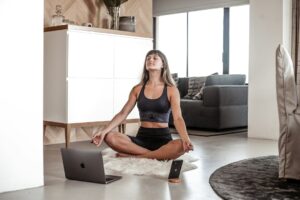

Pack for Hatha Yoga teacher training in India for practice, study, weather, and residential life rather than for a normal holiday. Most students need fewer clothes than they expect, but they do need reliable practice wear, study materials, personal medicines, travel documents, and a few items that make long training days easier.
This guide owns the broad Hatha YTT packing intent. If you are travelling specifically to Rishikesh, use the separate Rishikesh YTT packing guide for local weather and arrival details. Before buying extra gear, also check what your school already provides.
Table of contents
- Quick Hatha YTT packing checklist
- Practice clothes
- Mat and props
- Study materials
- Documents, money and medicines
- Pack for the season
- Residential-life essentials
- What to leave at home
- Yoga books: what is actually useful
- Frequently asked questions
Quick Hatha YTT packing checklist
A useful packing list should reduce friction during the course. You need enough clothing for repeated practice and laundry, but not a different outfit for every day. You need study materials that are easy to carry, not a suitcase full of books. You also need basic travel and health items because teacher training is an intensive residential course, not a studio class near home.
- 4–6 comfortable yoga-practice outfits.
- Modest everyday clothes for meals, study and local walking.
- One warm layer or shawl, adjusted for the season.
- Easy sandals plus comfortable walking shoes.
- Notebook, pens and required course material.
- Refillable water bottle and quick-dry towel.
- Essential toiletries and personal medicines.
- Passport, visa, insurance and course-confirmation copies.
- Travel adapter, charging cable and power bank if useful.
- Rain protection or extra warm layers when the season requires them.
Practice clothes for Hatha Yoga training
Hatha training often includes asana, pranayama, meditation, lectures, and practicum in the same day. Choose clothes that let you move, sit, and study without constant adjustment. Breathable leggings, loose yoga trousers, simple T-shirts, and comfortable tops are usually more useful than highly technical outfits that need special washing.
Bring enough sets to manage the school’s laundry rhythm, but do not assume you need three weeks of clothes. Four to six practice outfits are usually easier to manage because they can be washed and reused. A light cover or shawl is useful for early meditation, philosophy classes, or cooler evenings. Clothing should also feel appropriate for the local setting when you leave the yoga hall.
For Hatha practice, comfort matters more than fashion. You may hold postures for longer periods, sit for pranayama, and spend time observing other students during teaching practice. Waistbands, straps, or fabric that repeatedly needs adjustment can become distracting during a long training day.
Should you bring a yoga mat and props?
Ask the school before carrying a heavy mat across countries. Many residential yoga schools provide mats and basic props, although the exact equipment varies. If you prefer your own surface, a thin travel mat or a personal mat towel can be easier to pack than a full studio mat. Do not buy blocks, straps, bolsters, and cushions until you know what is already available.
A personal strap can be useful if you already use one, but props are teaching tools rather than a packing requirement. In Hatha teacher training, you should learn why a prop changes a posture and when it helps a student. Carrying more equipment does not make the practice more serious.
If hygiene is your main concern, ask how school mats are cleaned and whether you can store a personal mat during the course. This gives you a clearer answer than assuming every student needs to fly with their own equipment.
Study materials for a serious teacher-training course
Teacher training includes much more than physical practice. You may take notes in philosophy, anatomy, alignment, teaching methodology, pranayama, meditation, and practicum. Bring a notebook you are comfortable using for several hours and more than one pen. A small folder can help keep printed schedules, assignments, and assessment notes together.
A tablet or laptop is optional. If you need one for work or digital reading, check the daily timetable first because intensive training leaves less free time than many students expect. A phone is usually enough for communication and basic documents. Avoid planning to spend every evening on a screen when your body and attention also need recovery.
The Yoga Teacher Training Curriculum guide explains the study areas you are preparing for. Reading the curriculum before packing also tells you whether the school requires specific books, manuals, or stationery.
Documents, money, medicines and practical backups
International students should keep passport, visa approval, insurance details, flight information, school address, and course confirmation in a form that works even if a phone is lost or has no signal. Keep a digital copy and at least one separate backup. Use the official Government of India visa portal for current entry information rather than an old blog post.
Bring prescribed medicines in their original packaging where practical, together with the information you may need while travelling. If a medicine is controlled or has special entry rules, check those before departure. A small personal first-aid kit can be useful, but do not try to pack a pharmacy. Rishikesh and other major training destinations have shops and medical services for ordinary needs.
Carry more than one way to pay if possible. A backup card and a small amount of cash can help if one payment system fails. Keep emergency money separate from the wallet you use every day. The wider India YTT guide for international students covers travel, money, arrival planning, and other practical details.
Pack for the season, not for a generic idea of India
India has very different climates, and even Rishikesh changes considerably through the year. Hot months call for breathable fabrics and regular hydration. Monsoon travel makes quick-dry clothing and rain protection more useful. Winter mornings can require warmer layers even when the afternoon feels comfortable.
Check the actual forecast shortly before travel instead of packing from a yearly average. For Hatha training in Rishikesh, our best time for Hatha Yoga teacher training guide compares the seasons and explains how weather can affect practice, sleep, clothing, and travel.
The core packing list should stay simple. Add only the seasonal layer you genuinely need. Carrying rain gear, thermal clothing, and summer equipment for the same three-week trip usually creates unnecessary weight.
Small items that help in residential training
Residential study has a different rhythm from attending a local yoga class. Easy sandals are useful because shoes often come off before entering practice or living spaces. A laundry bag keeps shared or compact rooms organised. A quick-dry towel can help when laundry takes longer than expected, and earplugs may be useful for a light sleeper in shared accommodation.
A refillable water bottle is practical when your accommodation has a safe refill source. Bring simple toiletries, but strong fragrances can be uncomfortable in a shared yoga hall. If you have a dietary allergy or a serious food restriction, tell the school before arrival instead of trying to solve the problem by carrying large quantities of food.
FitFortunes residential training includes vegetarian meals, and vegan or gluten-free needs can be requested. Current room, meal, and course details should always be checked on the live 200-hour Hatha Yoga Teacher Training page before travel.
What to leave at home
Overpacking creates more work during transfers, room changes, and the final journey home. Leave expensive jewellery and unnecessary valuables behind. Avoid carrying heavy reference books that the school does not require, multiple pairs of similar shoes, large beauty kits, or several electronic devices that you will barely use during a full training schedule.
Do not pack advanced yoga equipment simply because you saw it in a video. Strong pranayama, cleansing practices, mudra, and bandha are learned through instruction, not by bringing extra objects. The best preparation is a stable routine and realistic expectations. The 30-day Hatha YTT preparation plan covers what to do before the course rather than what to put in your suitcase.
Pack according to your own needs. Someone with prescription medicine, sensitive skin, menstrual-care preferences, or a particular sleep requirement may need items another student does not. A useful packing list is a framework, not a rule that every person must carry the same bag.
Which yoga books should you bring?
You do not need to carry a personal yoga library. If the school provides a manual and required reading, use that first. If you already own a compact copy of Patanjali’s Yoga Sutras, the Bhagavad Gita, or the Hatha Yoga Pradipika, one book may be useful for reference. Digital editions can reduce luggage weight.
These texts serve different purposes and should not be treated as interchangeable. Patanjali’s text provides a classical framework for yoga and the eight limbs. The Bhagavad Gita discusses yoga through action, knowledge, devotion, discipline, and other themes. The Hatha Yoga Pradipika is particularly relevant to Hatha study because it discusses asana, pranayama, mudra, bandha, and later meditative practices.
Do not worry about finishing these books before the course. Bring questions rather than a need to memorise quotations. Teacher training should provide enough context to understand why a text is being used and where its ideas belong.
Frequently asked questions
Do I need my own yoga mat for Hatha teacher training?
Not always. Many schools provide mats and basic props. Ask your school first. A thin travel mat or mat towel can be useful if you prefer your own practice surface without carrying a heavy full-size mat.
How many yoga outfits should I pack?
Four to six comfortable practice outfits are usually enough when laundry is available. Choose clothes that work for asana, pranayama, sitting, and study, then add seasonal layers for the location and month.
Should I bring yoga books to India?
Bring only required books or one compact reference you genuinely use. Many schools provide manuals, and digital editions can save luggage space. A large stack of books usually becomes extra weight.
Can I bring a laptop to YTT?
Yes, but decide whether you will actually need it. Intensive residential training can leave limited time for remote work. If a phone or tablet covers your travel and reading needs, a laptop may be unnecessary.
What should international students never put in checked luggage?
Keep passport, visa documents, essential medicines, money, important contact details, and basic valuables in your hand luggage according to airline and security rules. Keep backups of essential documents separately.
What is different about packing for Hatha Yoga training?
Hatha training may include longer seated periods, pranayama, philosophy, and repeated practical study alongside asana. Comfortable layers, study materials, and clothing that works for both movement and sitting are therefore more useful than packing only for exercise classes.
Pack for the course you will actually attend
The simplest packing rule is to read the real course information first. Check the season, accommodation, laundry, equipment, meals, timetable, and what the school provides. Then pack for your own health and comfort. A lighter, well-planned bag is usually more useful than bringing a solution for every possible situation.
If you are still choosing between training formats, compare Hatha vs Multi-Style Yoga Teacher Training in India. If Hatha is already your choice, use the live course page for current residential information before booking travel.