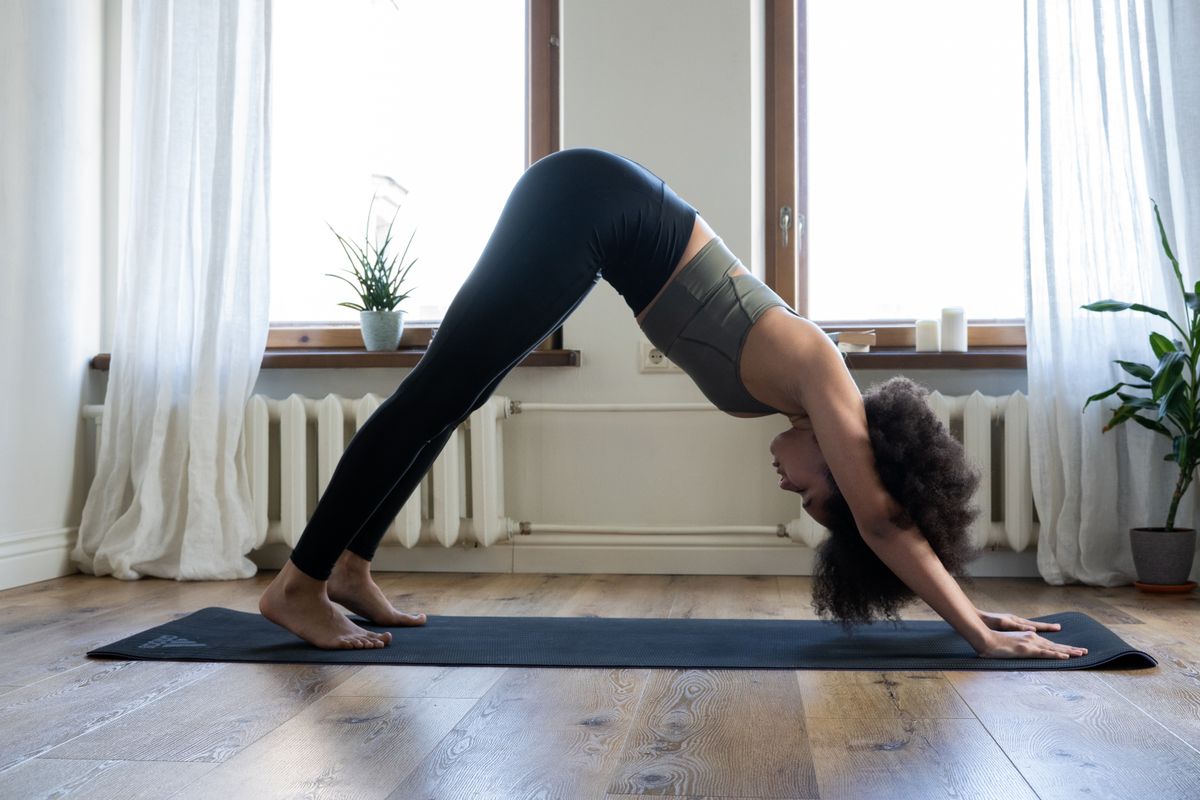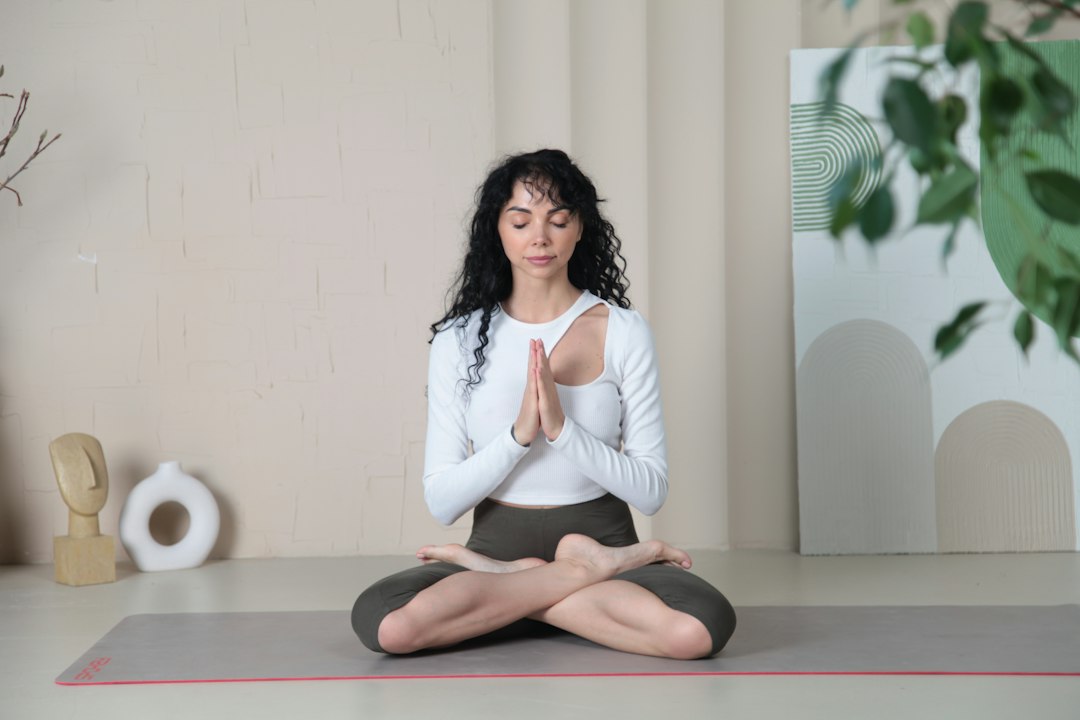
Stress and sleep can affect one another. Worry may keep your mind alert at night, while poor sleep can make everyday problems feel harder the next day. Gentle yoga, comfortable breathing, and a steady evening routine may support relaxation, but they do not cure anxiety disorders or chronic insomnia. This guide explains practical steps and when to seek medical help.
How does stress affect your sleep?
Stress and sleep influence one another in a cycle: stress can disturb rest, and inadequate rest can make stress feel more difficult to manage. Understanding how stress and sleep interact can help you choose a response that fits the actual problem. After a demanding day, a person may replay conversations or plan tomorrow’s work in bed. The following day, tiredness affects patience and concentration. Another stressful evening follows. The pattern can develop even when a person wants very much to sleep.
Not every difficult night starts with anxiety. Pain, medicines, alcohol, changing work hours, sleep apnea, and other health problems can disrupt sleep. Some people take a long time to fall asleep; others wake often or too early. Treating every sleep problem as a failure to relax can delay appropriate help. Good advice first asks what kind of difficulty someone is having. If worry is your main concern, see our guide to yoga for anxiety and stress for broader practice choices.
Why am I tired but unable to fall asleep?
Tiredness and readiness to fall asleep are related but not identical. After a stressful day, people may feel exhausted while their thoughts stay busy. They may check the clock, count the hours left, and try harder to make sleep happen. That effort can create more tension. The problem is not a lack of willpower, and a strict ritual is not always the answer.
How can I stop worrying about not sleeping?
A gentler approach gives the evening a clear ending. Stop demanding tasks before bedtime when possible. Write down tomorrow’s essential jobs and leave the note outside the bed. Choose quiet reading or another familiar activity. You do not need to feel completely calm before rest can begin. If you feel alert, forcing a perfect meditation is unlikely to help.
Can yoga help when stress affects sleep?

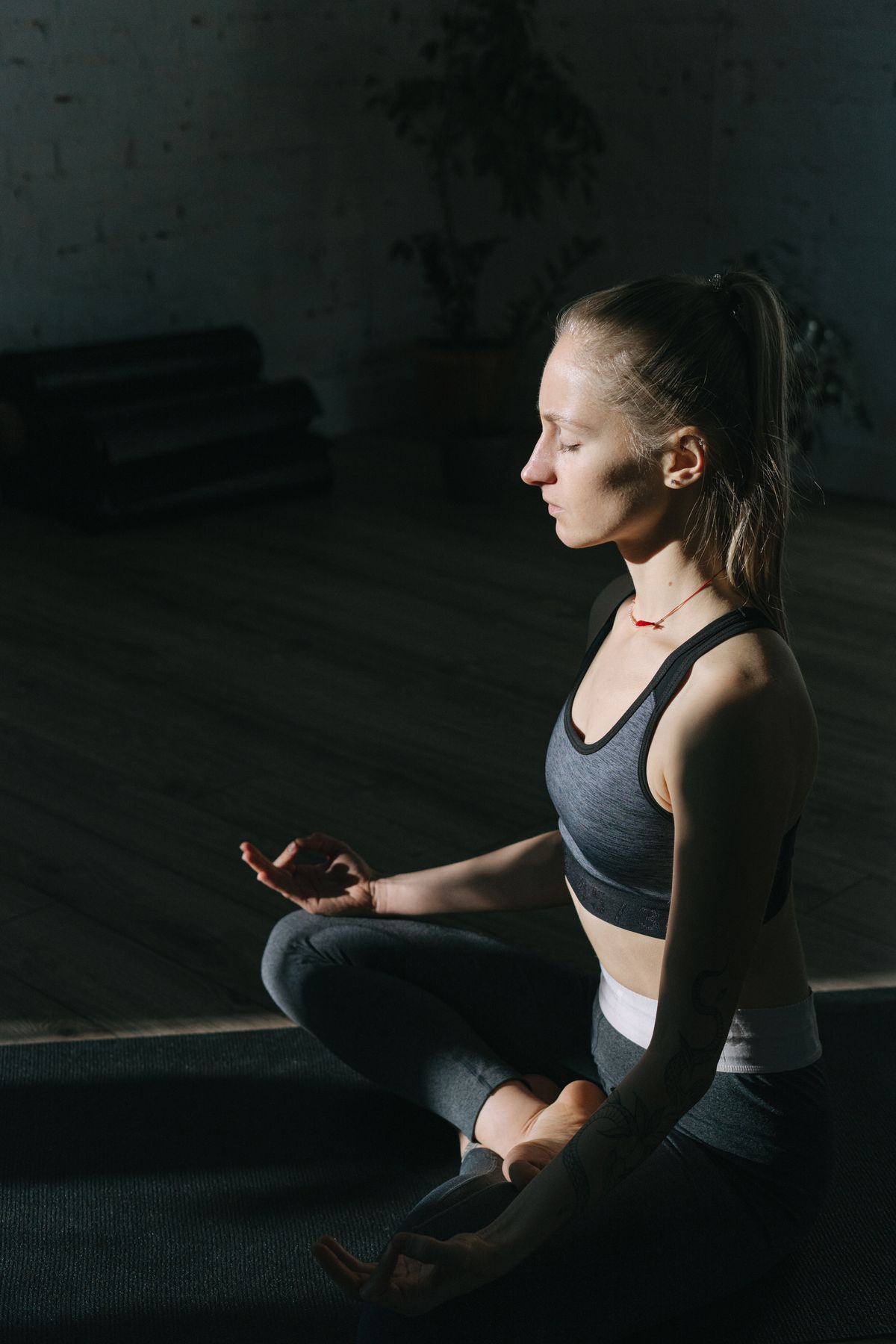
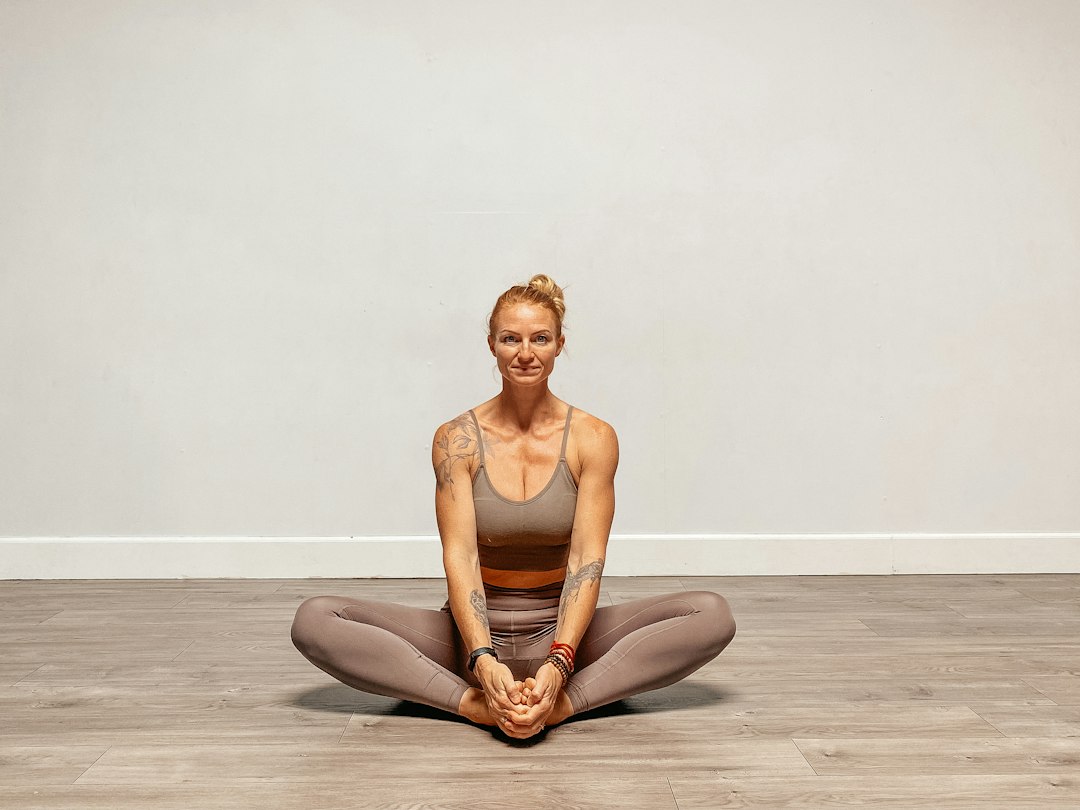
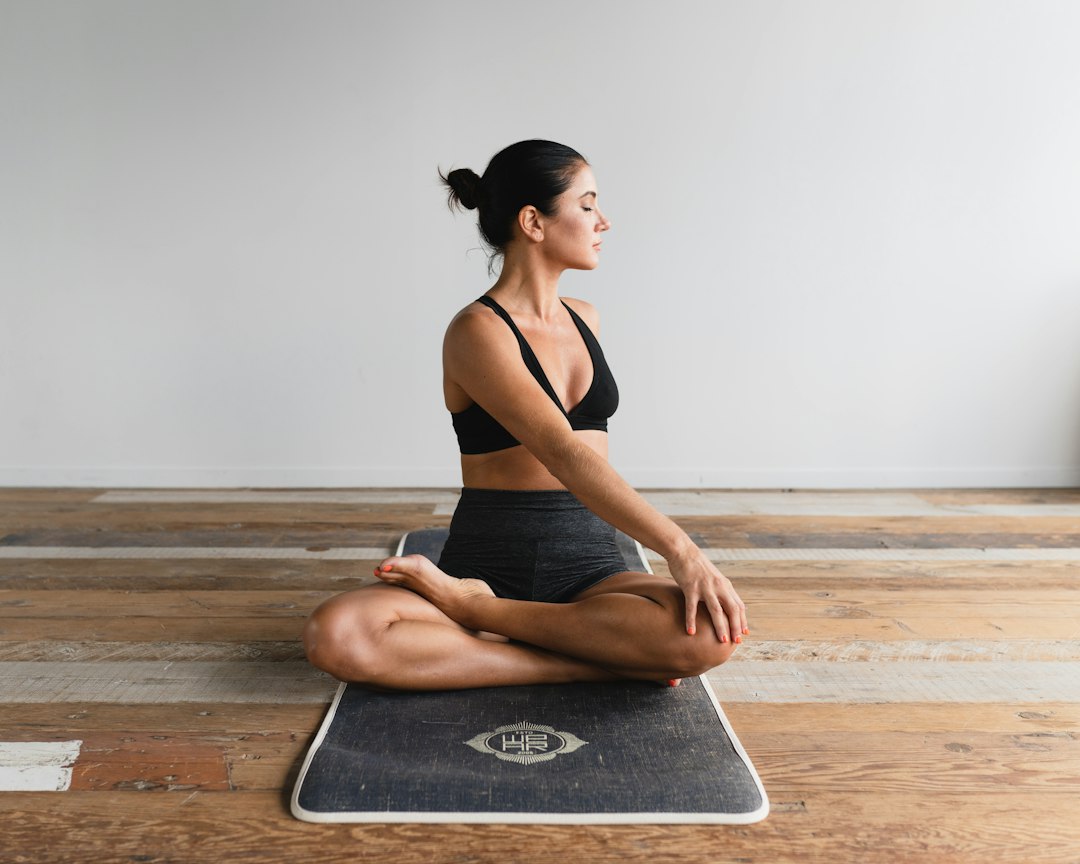
Yoga brings together movement, posture, breathing and attention. For some people, gentle yoga may support a calmer transition between stress and sleep, though it is not a treatment for insomnia. The National Center for Complementary and Integrative Health reports possible benefits for perceived stress and sleep in several groups. Yoga styles and study methods vary, so a finding about one class should not be presented as a promise about all yoga. Gentle practice may be a useful part of daily well-being.
Can yoga treat chronic insomnia?
Research on yoga does not establish it as a primary treatment for diagnosed anxiety disorders or long-term insomnia. For chronic insomnia, NIH guidance on cognitive behavioral therapy for insomnia describes CBT-I as a usually recommended first treatment. It addresses sleep habits, worries around sleep, and the time spent awake in bed. Yoga can remain an optional supportive routine.
What should I do before bed to relax?

How do I start a calming bedtime yoga routine?
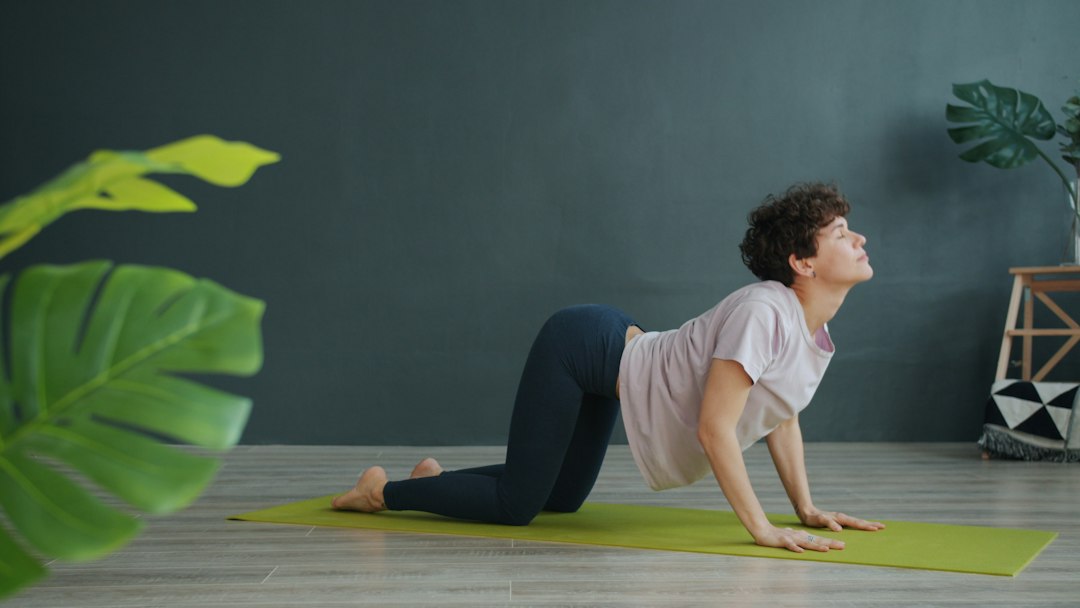
Begin with five minutes of easy movement at a comfortable pace. Sit in a stable chair and move your shoulders slowly. Make a small Cat-Cow movement through the upper back without forcing your neck. If standing feels good, take a quiet walk around your room. Leave vigorous stretching and demanding balances for another time. The goal is a smooth shift out of work mode.
What should I do after the gentle movements?
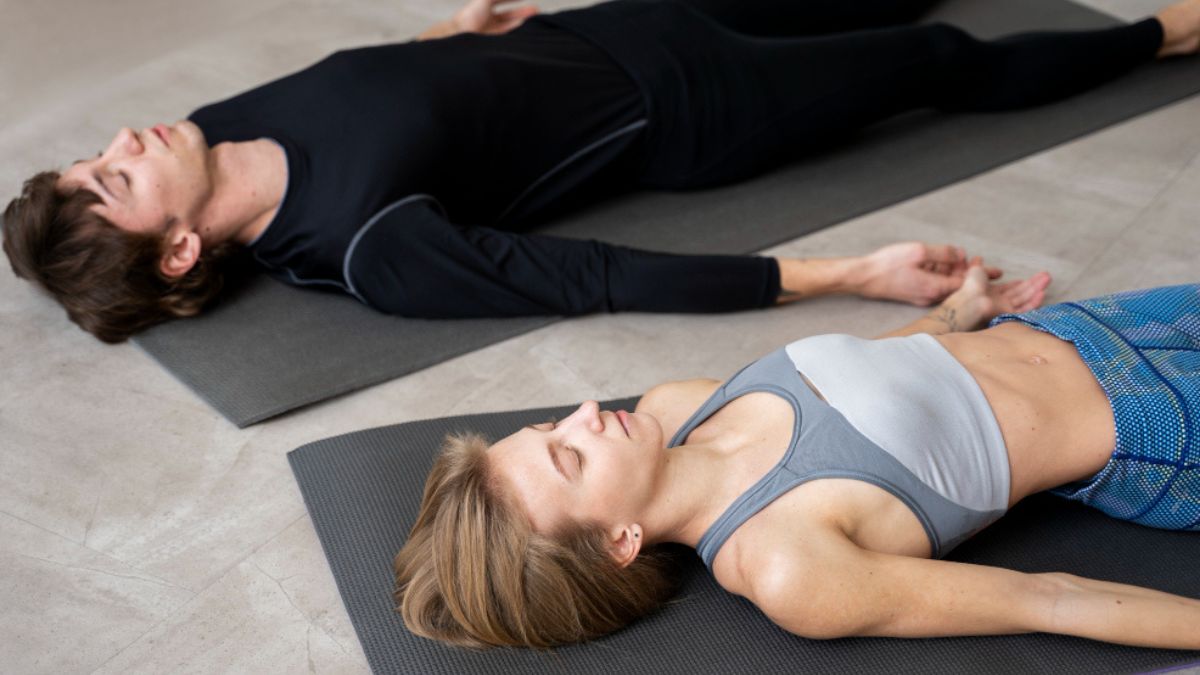
Next, choose a rest position that allows easy breathing. You might sit against a cushion or lie down with your knees supported. Notice your normal breath for a minute or two. You do not have to lengthen it, hold it, or reach a certain count. Finish with an ordinary quiet activity and keep a consistent morning wake time where practical.
For individual poses, use the existing gentle bedtime yoga routine. For people who dislike quiet sitting, a separate movement-first yoga practice provides an alternative. Neither practice should become a demanding task you must complete to earn a good night of sleep.
Which breathing exercises are safe before sleep?
Slow, comfortable breathing may help some people settle during everyday stress. However, breathing exercises are not tests of lung capacity or mental control. Large forced inhales, long breath holds, or repeated fast breathing can cause discomfort. If focusing on breath makes you anxious, return to ordinary breathing and notice a neutral sound or the feeling of your feet on the floor.
Which simple breathing guide should I use?
Our five gentle breathing exercises article covers simple options, while the diaphragmatic breathing guide explains lower-rib movement. A dedicated guide on breathing discomfort during anxiety addresses important safety differences. Choose the resource that answers your immediate question instead of trying every method.
What is the difference between stress, anxiety, and insomnia?
Stress often relates to a demand or pressure, such as work or family responsibility. Anxiety can include ongoing worry, fear or avoidance, sometimes without one clear cause. Insomnia describes repeated trouble falling asleep, staying asleep, or returning to sleep, often with effects during the day. Someone can experience several of these problems together, but they should not automatically receive the same advice.
| Common question | Useful next step |
|---|---|
| Am I stressed by a busy day? | Try a simpler evening routine and note the pressure causing worry. |
| Does fear or worry keep disrupting daily life? | Ask a healthcare professional about anxiety support. |
| Do I struggle to sleep on many nights? | Keep a sleep diary and ask about an insomnia assessment. |
If you wake in the early hours, use our guide on waking at 3 a.m.. If you are unsure whether the problem is occasional or persistent, read insomnia versus occasional poor sleep. Both explain when relaxation is reasonable and when a clinician should assess symptoms.
When should I see a doctor about sleep problems?
If stress and sleep difficulties persist, ask a healthcare professional for help when poor sleep affects work, driving, concentration, relationships or daily life. Frequent loud snoring, waking while gasping, and marked daytime sleepiness may point to a breathing-related sleep disorder. Persistent anxiety or panic that limits daily activities also deserves assessment. Yoga should not delay the diagnosis or treatment of a medical condition.
Should I keep a sleep diary before seeing a doctor?
A simple sleep diary may help you describe your symptoms. For one or two weeks, note approximate bedtime, waking, naps, daytime sleepiness, and caffeine use. The NIH insomnia diagnosis guide explains how these records can inform a discussion with a clinician. Avoid turning the diary into another source of pressure or repeated clock checking.
What can I try over the next seven days?
When stress and sleep problems overlap, try one small change at a time rather than setting strict rules for every night. Note what feels comfortable, not whether every night becomes perfect. Stop any practice that increases discomfort. If your sleep remains poor or affects daytime safety, speak with a clinician instead of extending the routine.
- Day 1: Choose a steady morning wake time you can usually follow.
- Day 2: Make a short list of tomorrow’s tasks before the evening winds down.
- Day 3: Test five minutes of comfortable shoulder and spine movement.
- Day 4: Read or rest quietly without repeatedly checking the clock.
- Day 5: Notice if late caffeine or alcohol affects your routine.
- Day 6: Keep the practices that feel useful and remove those that do not.
- Day 7: Review any daytime problems and decide whether to seek professional advice.
FAQs about stress and sleep
Can stress cause insomnia?
Yes, stress can contribute to difficulty falling or staying asleep. However, it is not the only cause. A few poor nights during a busy week do not automatically mean you have chronic insomnia. If symptoms continue or interfere with daytime life, discuss them with a clinician. Evaluation can help identify medical, behavioral, and other factors. Keep track of daytime problems as well as nights when you cannot sleep; both are useful to discuss with a clinician.
Is yoga better in the morning or evening for sleep?
No single time is best for everyone. A short evening session can create a comfortable wind-down habit, while daytime exercise may support broader health. Choose a time you can keep without pressure. Intense exercise just before bed does not suit everyone. A stable wake time and attention to sleep habits also matter. Choose a time and style that feel comfortable, and stop if the practice leaves you more alert.
Can breathing exercises cure an anxiety disorder?
No. Gentle breathing may offer temporary comfort during everyday tension, but it does not diagnose or cure anxiety disorders. Some people find breath-focused exercises uncomfortable. Professional treatment, such as appropriate psychological care, may be needed when worry, panic, or avoidance affects normal life. You can use yoga only as supportive activity if it suits you. Effective treatment depends on a careful assessment, not on reaching a particular breathing rate.
What if gentle yoga makes me more alert?
Stop or change the practice. Some people prefer quiet reading, soft light, or simply resting in a supported position. Yoga is optional, not a condition for good sleep. If your attempts to relax increase worry, choose a less demanding activity and consider asking a healthcare professional for guidance about ongoing insomnia. A simple routine should feel supportive, not become a new rule that keeps you awake.
Research and medical sources
Medical and research sources: NCCIH on yoga safety and effectiveness; NIH on insomnia treatment; NIH on diagnosing insomnia. Yoga traditions can inform movement and attention, while clinical recommendations require medical evidence.
This article offers general education, not a diagnosis or a treatment plan. Seek urgent medical attention for severe breathing difficulty, fainting, or new severe chest pain.