
Author: Pravesh Narwal

  • What Is the Bhagavad Gita? Story, Meaning and 18 Chapters

    What Is the Bhagavad Gita? Story, Meaning and 18 Chapters

    The Bhagavad Gita is a conversation between Krishna and Arjuna at a moment when Arjuna can no longer see a clear path forward. The setting is a battlefield, but the questions are familiar: What is the right thing to do? How can we act without being ruled by fear? And what does yoga mean beyond physical practice?

    If you are opening the Gita for the first time, begin with its story and central ideas. You do not need to memorise Sanskrit or belong to a particular school of philosophy to understand why generations of readers have returned to this text.

    What is the Bhagavad Gita?

    Bhagavad Gita means “Song of the Lord.” It is a Sanskrit scripture within the Mahabharata, one of India’s great epics. In its familiar form, the Gita contains 18 chapters and 700 verses. The verses are spoken mainly by Krishna and Arjuna, while Sanjaya narrates the exchange to the blind king Dhritarashtra.

    It is part of the Bhishma Parva of the Mahabharata. Readers may find different chapter numbers when the Gita is printed as part of the complete epic, because editions arrange and number sections differently. The Gita itself is normally read as chapters 1–18.

    Many Hindus revere the Gita as sacred teaching. It has also been read by philosophers, reformers, writers and students of yoga from very different backgrounds. Its value is not that it gives a quick answer to every problem, but that it asks readers to examine motive, duty, knowledge, devotion and the quality of their actions.
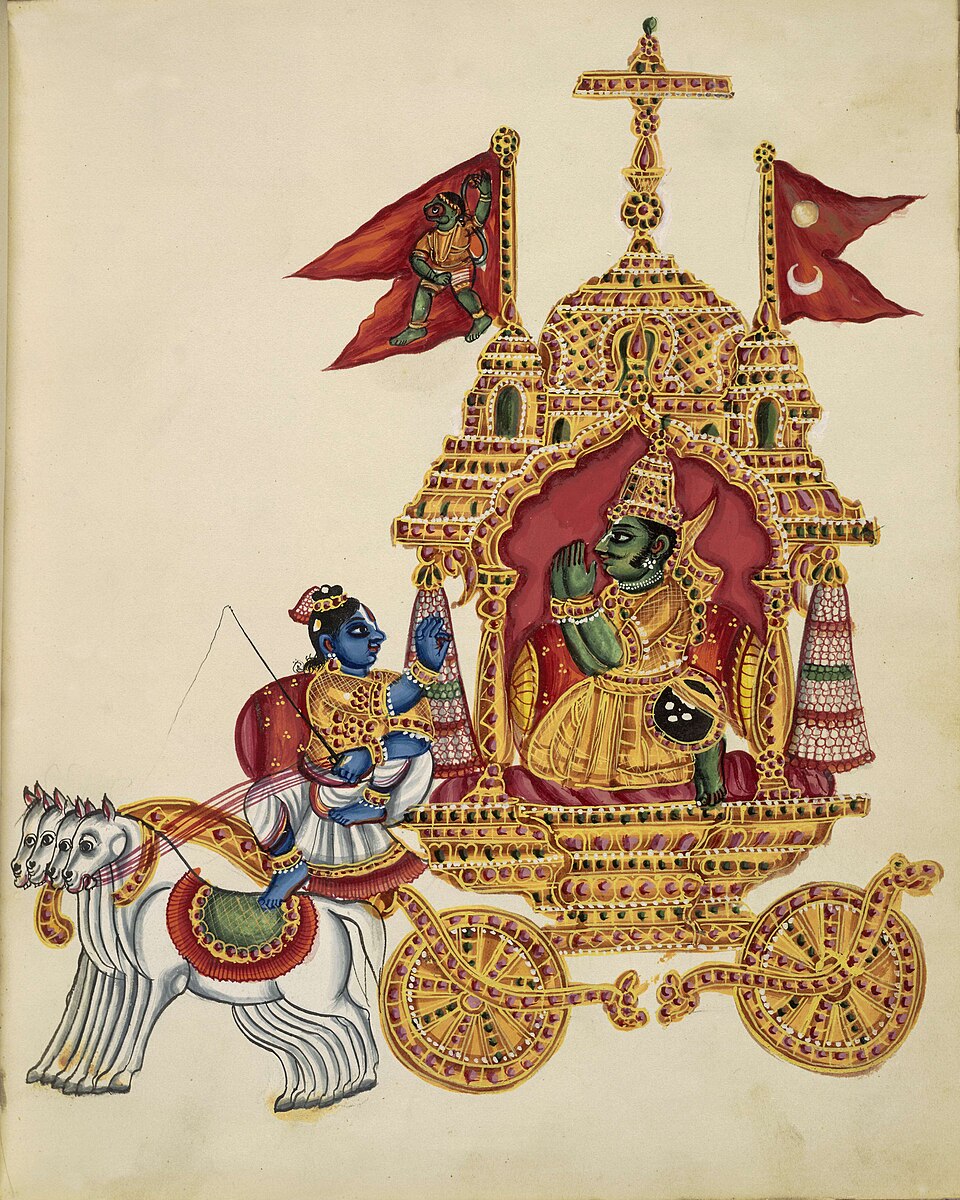
    Traditional painting of Arjuna kneeling before Krishna beside a chariot
    A traditional depiction of the conversation between Krishna and Arjuna.

    Why does Krishna teach Arjuna on a battlefield?

    Arjuna is a skilled warrior. When he sees family members, respected elders and teachers standing on opposing sides of the war, he is overwhelmed. He fears the suffering that will follow and questions whether fighting can be right. His bow, Gandiva, slips from his control as he struggles with grief and doubt.

    Krishna, serving as Arjuna’s charioteer, does not offer a simple slogan about courage. Their dialogue explores what lasts and what changes, the meaning of duty (dharma), the nature of the self, and the problem of acting while attached to a particular outcome. Arjuna’s difficult circumstances are essential to the text: the teachings begin because a thoughtful person is uncertain about how to act.

    Some modern readers treat the battlefield as a metaphor for inner conflict. That can be a useful interpretation, but it should not erase the story’s literal setting or its ethical complexity. The Gita asks us to think carefully about action, not to dismiss consequences.

    What are the 18 chapters of the Bhagavad Gita about?

    The chapters develop as one continuous conversation. Rather than treating every chapter as a separate technique, it is helpful to read them in groups.

    Chapters 1–6: confusion, action and meditation

    Chapter 1 introduces Arjuna’s distress. Chapter 2 opens Krishna’s teaching about the self and steadiness of mind. Chapters 3–5 explore action, knowledge, renunciation and acting without grasping at rewards. Chapter 6 turns to disciplined meditation, moderation and the work of training attention.

    Chapters 7–12: knowing and relating to the divine

    These chapters deepen the discussion of Krishna’s nature, devotion and the way the divine may be understood. Chapter 11 contains the extraordinary vision of Krishna’s universal form. Chapter 12 discusses devotion and the qualities of a person who practises it sincerely.

    Chapters 13–18: discernment, nature and freedom

    The final six chapters consider the field and the knower, the three gunas or qualities of nature, faith, action, renunciation and liberation. The closing chapter gathers the discussion together before Arjuna makes his decision.

    Visual guide introducing the chapters of the Bhagavad Gita
    The Gita’s 18 chapters form a connected conversation, not 18 unrelated lessons.

    What does the Bhagavad Gita teach about yoga?

    In the Gita, yoga is much broader than a sequence of postures. The word appears in teachings about action, meditation, discernment, devotion and the steadiness required to live responsibly. Different traditions emphasise different strands of this teaching, so there is no need to force every verse into one modern definition.

    Karma yoga: the way we work

    Karma yoga concerns action and our relationship to its results. We still prepare, make decisions and accept responsibility. What changes is the habit of measuring our entire worth by success or failure. For a yoga teacher, karma yoga may mean preparing an honest class, giving students full attention and accepting that each person learns at their own pace.

    Jnana: inquiry and understanding

    Jnana means knowledge. In the context of the Gita, it includes questioning our assumptions about the body, mind, self and reality. It asks for discernment rather than easy certainty. Read thoughtfully, this teaching invites study and reflection, not merely the repetition of spiritual phrases.

    Bhakti: devotion in practice

    Bhakti concerns a devoted relationship with the divine. In the Gita it is expressed through trust, attention, humility and offering. It is rooted in a particular spiritual tradition, even though readers may draw different personal lessons from its language.

    Dhyana: meditation and steady attention

    Dhyana is meditation. Chapter 6 describes the difficulty of a restless mind and the need for sustained practice. The teaching also recognises the importance of moderation: sleep, food, recreation and effort all affect the conditions in which the mind can settle.

    For a closer study of these approaches, read our separate guide to Karma, Bhakti, Jnana and Dhyana in the Bhagavad Gita. This introduction focuses on the text as a whole rather than repeating that discussion.

    Three Bhagavad Gita verses worth reading slowly

    Bhagavad Gita 2.47 — work without possession of the result

    Krishna distinguishes the responsibility to act from a claim of ownership over the fruits of action. In everyday language: do your work carefully, but recognise that outcomes depend on more than your effort alone. This is not an excuse for carelessness; it is a reason to give proper attention to the work itself.

    Bhagavad Gita 2.48 — steadiness in success and failure

    This verse links yoga with equanimity. It does not say that happiness and disappointment disappear. It asks the practitioner to cultivate a steadier mind when circumstances change. You can read the Sanskrit and compare translations at the IIT Kanpur Gita Supersite, verse 2.48.

    Bhagavad Gita 6.17 — moderation supports practice

    Here Krishna connects disciplined living with appropriate eating, movement, effort, sleep and wakefulness. That message is especially useful for yoga students who think progress always requires doing more. Regularity matters, but recovery and balance also matter. See the Gita Supersite translation of verse 6.17.

    A translation is also an interpretation. Reading the same verse in two careful translations, with commentary where available, often reveals more than memorising a single English sentence.

    How to start reading the Bhagavad Gita

    Begin with chapter 1 so you understand Arjuna’s predicament. Then read chapter 2 slowly. It introduces several ideas that return throughout the dialogue. Keep a small notebook for questions, not just inspiring lines.

    1. Read the context. Ask who is speaking and what problem is being discussed.
    2. Use a reliable translation. A bilingual edition with Sanskrit and commentary can help you distinguish the original wording from a translator’s explanation.
    3. Read a few verses at a time. Five or ten carefully studied verses can be more useful than rushing through a chapter.
    4. Reflect on one practical question. Where am I avoiding responsibility? Where am I too attached to an outcome? What needs more discernment?
    5. Return to the text. Your understanding may change with study, life experience and guidance from a qualified teacher.

    If you are studying to teach yoga, place the Gita alongside practice, ethics, anatomy and teaching methodology. Scriptural study enriches a teacher’s judgment; it does not replace practical training or the duty to teach safely.

    Is the Bhagavad Gita part of the Vedas or the Upanishads?

    The Bhagavad Gita is part of the Mahabharata, not one of the four Vedas. It is often called a Gita Upanishad because its philosophical teachings are closely connected with Upanishadic inquiry. In Vedanta, it is studied alongside the principal Upanishads and the Brahma Sutras as part of the traditional prasthana-trayi, the three foundational textual sources.

    Why does the Bhagavad Gita still matter?

    The Gita endures because its central challenge remains recognisable. We all face moments when duty, emotion, personal attachment and uncertainty pull in different directions. Its response is not one-size-fits-all self-help. It is a sustained conversation about learning to see clearly before choosing how to act.

    In a yoga school, that conversation belongs in philosophy classes because it connects self-observation with conduct outside the practice hall. The aim is not to turn every student into a scholar in a few weeks, but to introduce a text that rewards careful study over a lifetime.

    Frequently asked questions

    How many chapters and verses are in the Bhagavad Gita?

    The commonly used text has 18 chapters and 700 verses. Some editions and manuscript traditions differ in their counting.

    Who is speaking in the Bhagavad Gita?

    The central dialogue is between Krishna and Arjuna. Sanjaya reports the events to Dhritarashtra, who also speaks at the opening.

    Do I need to know Sanskrit to read it?

    No. A respected translation with explanations is a reasonable starting point. Sanskrit becomes especially helpful when you want to examine the meaning of individual words more closely.

    Is the Bhagavad Gita a book about physical yoga postures?

    No. It discusses many dimensions of yoga, especially action, devotion, knowledge, meditation and the disciplined mind. Modern asana classes are not its main subject.

    Which chapter should a beginner read first?

    Start with chapter 1 for the story, then chapter 2 for the opening teachings. Reading selected verses without their setting can make them sound simpler than they are.

    Further reading: Karma yoga and its practical meaning and the four main paths of yoga in the Gita.

  • Total Chapters in Bhagwad Geeta

    A brief introduction to the eighteen chapters of the Geeta.

    In our Earlier Blog, we have discussed the Plot of Bhagwad Geeta. Now, in this Blog, we bring out the total Chapters of it. So, divided into eighteen chapters and all of them have various kind of complete knowledge of the Geeta. Different types of yoga have been discussed in different chapters. Once we know the names of all the chapters. After that, briefly describe the main topics of each chapter.

    Names of Chapters in Sanskrit.

    1. Arjunavishaadayogaudio“arjunavishad yog”ARJUNAVISHAD YOG arjunavishad yog” — ARJUNAVISHAD YOG0:02
    2. Sankhyayogaaudio“sankhya yog”chapters of bhagwad geetaAudio Player00:0000:00Use Up/Down Arrow keys to increase or decrease volume.1. sankhya yog0:02
    3. KarmayogaAudio Player00:0000:00Use Up/Down Arrow keys to increase or decrease volume.
    4. Gyaan-KarmasanyasayogaAudio Player00:0000:00Use Up/Down Arrow keys to increase or decrease volume.
    5. KarmasanyasayogaAudio Player00:0000:00Use Up/Down Arrow keys to increase or decrease volume.
    6. AtmasanyamayogaAudio Player00:0000:00Use Up/Down Arrow keys to increase or decrease volume.
    7. Gyaana-VigyaanayogAudio Player00:0000:00Use Up/Down Arrow keys to increase or decrease volume.
    8. AksarabrahmayogaAudio Player00:0000:00Use Up/Down Arrow keys to increase or decrease volume.
    9. Rajavidya- RajaguhyayogaAudio Player00:0000:00Use Up/Down Arrow keys to increase or decrease volume.
    10. VibhutiyogaAudio Player00:0000:00Use Up/Down Arrow keys to increase or decrease volume.
    11. VisvarupadarshanayogaAudio Player00:0000:00Use Up/Down Arrow keys to increase or decrease volume.
    12. Bhakti yogaAudio Player00:0000:00Use Up/Down Arrow keys to increase or decrease volume.
    13. Ksetra Ksetrajna VibhagayogaAudio Player00:0000:00Use Up/Down Arrow keys to increase or decrease volume.
    14. Gunatraya VibhagayogaAudio Player00:0000:00Use Up/Down Arrow keys to increase or decrease volume.
    15. PurusottamayogaAudio Player00:0000:00Use Up/Down Arrow keys to increase or decrease volume.
    16. Daivasura Sampad VibhagayogaAudio Player00:0000:00Use Up/Down Arrow keys to increase or decrease volume.
    17. Sraddhatraya VibhagayogAudio Player00:0000:00Use Up/Down Arrow keys to increase or decrease volume.
    18. 18. Moksa Sanyasayoga

    Audio Player

    00:00

    00:00

    Use Up/Down Arrow keys to increase or decrease volume.

    So, Each Chapter has its own Importance. Now, let’s know about each chapter separately and get to know the Bhagwad Geeta more Stepwise.
    Geeta Preaching start from the first chapter Called Arjun-Vishad Yog.

    Arjuna and Shri Krishana
    Arjuna and Shri Krishna

    Arjun-Vishad Yog

    As the name describes Arjun-Vishad, Vishad means the feeling of grief and sadness. So, the base of the first chapter, Arjun Sadness and confusion. The feeling of sorrow and disturbance in mind comes in his mind after watching his relatives on the battlefield. The attachments with those people from his Childhood. Now they Standing in Front of his to fight with him. No option for Arjun to omit this situation. These things giving him sadness and the ample number of questions in his Mind.
    This is the only main reason behind this unique knowledge of the Geeta. Which, resulted in Yogiraj Srikrishna to preach the Geeta. If this turmoil does not arise within Arjuna on the battlefield. Then today we all are completely deprived of this knowledge of the Geeta.
    The reason for this whole preaching of the Geeta is to be annoyed by Arjuna.
    When Yogiraj Shrikrishna sees that Arjun’s who always love the war. But Today, on the battle of Mahabharata, his Gandiva (bow) fell down. And,  discouraged Arjun sat in the chariot. In fact, for Krishna, it was a subject to worry about. Geeta is the result of Srikrishna’s contemplation.


    Total Verses in the First Chapter

    There are Total 47 Verses in Arjuna-Vishad Yoga. In these 47 verses, following topics described prominently. Very First verses of Geeta start from Dhritarashtra (Eldest Uncle of Arjun and Father of Duryodhana, Duryodhana and Arjuna on Battlefield Against Each other). In it, Dhritarashtra (he was Blind) asks Sanjay (Narrator of war and caretaker) “What, the Pandavas(Arjun and his brothers) and my sons doing in Kurukshetra”. In response to which, Sanjay begins to tell the scene of the battlefield.
    After this, he described the names of the conch shells played by the commanders of the Kauravas, Bhishma Pitama. As well as, Sri Krishna and Pandavas. Then when Arjun says to Krishna, O Krishna! Take my chariot between the two armies. I want to see which warriors have come to fight against us in this war. As soon as Arjun’s chariot reaches the middle of the two armies, Arjun sees his own self standing against him.
    So, In this situation of illusion and depression, Arjun argues with Krishna. That, he not going to Fight this war. He states that this war will result in fierce consequences. furthermore, it Results in Family destruction, orphan kids, widows all around.

  • 7 Home Exercises Without a Gym: Strength and Weight-Loss Support

    7 Home Exercises Without a Gym: Strength and Weight-Loss Support

    You can exercise at home without a gym, but seven movements cannot guarantee faster fat loss. Start with manageable strength and aerobic activity, then build consistency. Body-weight change also depends on food intake, sleep, health and time. The following seven home exercises use a wall, stable chair or ordinary floor space, with easier options and a flexible starter circuit.

    What can home exercises help you do?

    Home exercise can help you practise everyday actions such as standing, stepping and pushing. Gym machines and body-weight movements are different training options; neither is automatically harmful or superior. Choose a level you can control. General adult guidance includes at least 150 minutes of moderate aerobic activity weekly and muscle-strengthening activity on two days, adapted to ability. See the CDC activity guidance.

    This is a starter movement circuit, not a complete strength programme or an individual weight-loss prescription. Begin below your maximum effort, add appropriate walking or other activity and allow recovery. Ask a clinician about suitable activity when a health condition, recent surgery or unfamiliar symptom changes what you can do.

    7 simple home exercises without a gym

    1. Supported side step or shallow lateral lunge

    Stand beside a stable support and step one foot to the side. Bend that knee slightly while keeping the other foot grounded, then return to the middle. Begin with a small step and upright trunk. Use side stepping without a lunge when bending the knee feels uncomfortable. Practise both sides slowly. Do not chase a deep stretch.

    2. Wall push-up

    Place hands against a wall around shoulder height. Step back a comfortable distance. Bend the elbows and bring the chest a little toward the wall, then press away. Keep the movement controlled and the breath continuous. Standing nearer the wall reduces load. Wall, incline and knees-down variations are all valid; they should not be described with shaming labels.

    3. Chair sit-to-stand

    Use a stable chair placed against a wall. Sit with feet supported, lean forward a little and stand as comfortably as you can. Lower slowly. Use your hands for assistance when needed. A higher seat can make the task easier. Keep the number of repetitions low enough that you control the last one as well as the first.

    4. Low step-up

    Use a low, secure step beside a handrail. Step up slowly, then return with control. Switch the leading leg. Avoid chairs, soft furniture or improvised stacks. If balance is uncertain, practise alternating knee lifts while holding a support instead. A high step is unnecessary. Stop when you cannot control the descent or when knee or hip pain appears.

    5. Supported split-stance bend

    Stand with one foot forward and the other behind, using a stable support. Bend the knees a little, then return. Keep enough width between the feet to balance. Shorten the stance or reduce depth as needed. You can use another sit-to-stand set instead. This movement is optional; a lunge is not required for fat-loss support.

    Standing lunge variation for home exercises without a gym
    This class photograph illustrates a standing lunge. At home, use a stable support and a smaller bend as described above; raising the arms is optional.

    6. Supported calf raise

    Stand near a wall or stable surface. Rise onto the balls of both feet a little, then lower slowly. Use the support for balance and keep the movement small when needed. Try a few repetitions without rushing. Stop for pain or unusual symptoms. You can practise a seated heel raise as an easier alternative, keeping the toes on the floor.

    7. Comfortable marching or walking intervals

    Walk around a clear space or march gently near support. Begin with short periods followed by enough rest to recover. Keep the effort at a level where you can speak comfortably. Jumping and all-out intervals are unnecessary for a first session. If you feel dizzy, unusually breathless or unwell, stop and seek appropriate advice rather than pushing through.

    How to arrange a first session

    A flexible ten-to-fifteen-minute starter
    StageSuggested approach
    Warm-upTwo or three minutes of comfortable walking and small movements.
    Strength practiceSelect three or four exercises and try a small controlled set of each.
    RestPause until breathing and balance feel steady.
    Aerobic movementA few short walking or marching intervals.
    FinishSlow down, and note which variations were manageable.

    Keep a record of repetitions or time and how the session felt. Increase only one variable at a time. Progress can mean better control or easier everyday movement, rather than a change on the scale. For a complementary movement practice, read our beginner yoga guide.

    Two people resting on mats after movement practice
    Rest can follow movement. Choose comfortable sitting or side-lying when lying flat does not suit you. Editorial photograph.

    How to use these exercises for fat-loss support

    Exercise can support fat loss, but no single movement burns fat from one body part. Results depend on total activity, food intake, sleep, recovery and health factors. Use these exercises as a simple home-strength circuit rather than a promise of fast weight loss.

    • Choose three or four manageable movements for your first session.
    • Use a small controlled set rather than a compulsory timed interval.
    • Rest enough to keep good form.
    • Begin with one round; increase gradually when recovery and control are comfortable.
    • Stop if you feel sharp pain, dizziness or unusual weakness.

    Frequently asked questions

    Do I need a gym to lose fat?

    No. Home exercise and walking can contribute to overall activity. Fat loss still depends on several factors, including sustained energy balance and health. The routine does not promise a fixed result or speed. See the CDC guidance on activity and weight for the wider context. Choose a sustainable plan rather than expecting one exercise to burn belly fat.

    Can these exercises replace every gym movement?

    No. A home movement may train a similar action without being an exact replacement for a loaded machine exercise. Resistance, support and progression differ. This starter circuit does not cover every muscle group or training goal. If you need a fuller strength programme, ask a suitably qualified professional to include appropriate pushing, pulling, lower-body and trunk work.

    How many rounds should a beginner do?

    Start with one manageable round of a few exercises and see how you recover. You do not have to complete all seven or follow a fixed work-to-rest ratio. Stop a set before balance or technique deteriorates. Add repetitions, exercises or another round gradually when the current level feels comfortable. More rounds are not useful if they leave you unable to control movement.

    Can yoga support the same goal?

    Yoga can support movement habits, strength in some positions and general well-being. It does not guarantee fat loss or replace every aerobic and strength requirement. Use it alongside suitable daily activity and recovery. Our weekly yoga practice guide and desk-job movement routine offer practical ways to organise regular activity.

  • Religious Tourism in India: Sacred Places and Respectful Travel

    Religious Tourism in India: Sacred Places and Respectful Travel

    Religious tourism in India includes pilgrimage, visits to sacred places, festivals and the study of religious heritage. A trip may be motivated by worship, architecture, history or several interests together. Temples are one part of a wider landscape that includes gurudwaras, monasteries, mosques, churches, shrines and sacred rivers. Plan around the purpose of your visit, respect worshippers and check each site’s current access rules.

    What does religious tourism in India involve?

    A pilgrim may travel for a specific ritual or sacred route, while a heritage visitor may focus on art and history. Both can share the same space without having the same belief. Avoid promising that every visitor will feel spiritually changed. Sacred places are living community spaces, so local customs and the needs of worshippers should guide the way tourists behave.

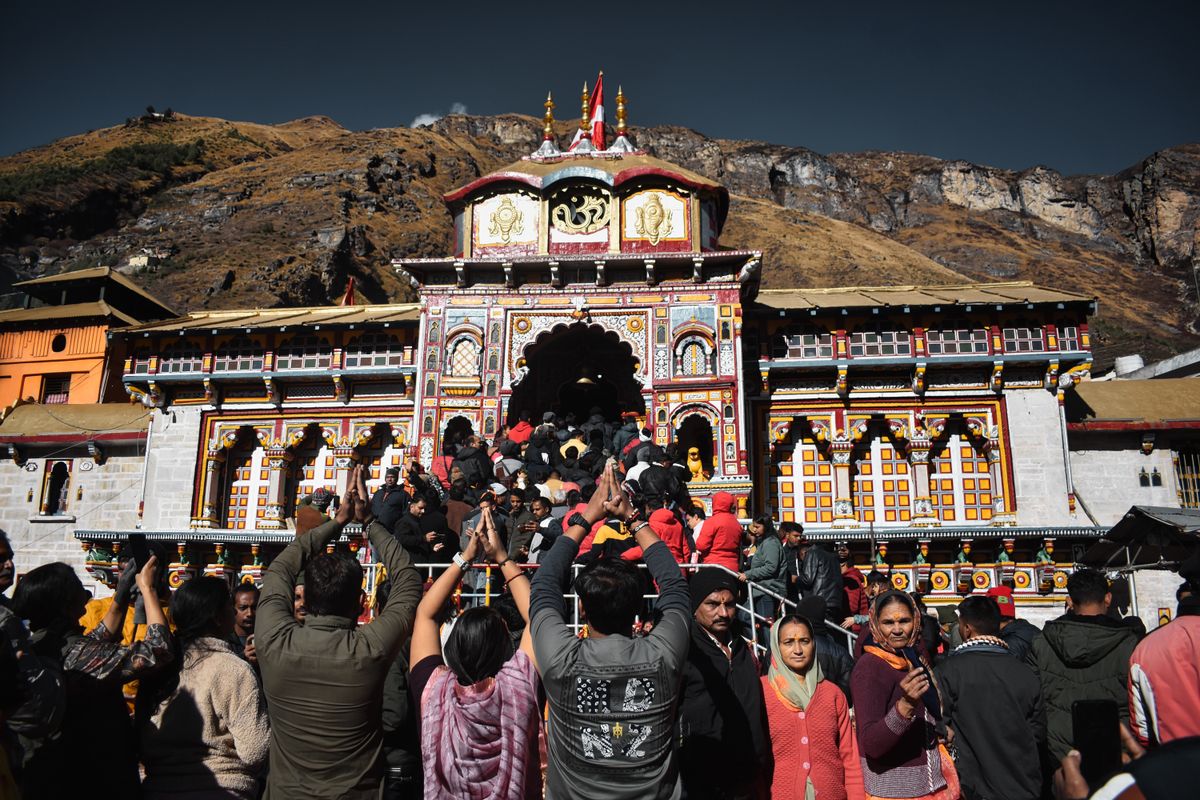
    Pilgrims at Badrinath Temple during religious tourism in India
    Badrinath Temple, a destination shared by the all-India and Uttarakhand Char Dham circuits. Editorial photograph.

    How do Char Dham and Chota Char Dham differ?

    The all-India Char Dham circuit traditionally refers to Badrinath, Dwarka, Puri and Rameswaram. Uttarakhand’s Chota Char Dham refers to Yamunotri, Gangotri, Kedarnath and Badrinath. They are different pilgrimage circuits. The Uttarakhand Tourism Char Dham guide describes the Himalayan route. Avoid assuming that one name always means the same four destinations.

    Mountain pilgrimage needs separate planning for weather, altitude, road access and walking demands. Temple opening seasons and registration rules can change. Check official information close to departure and choose a route that fits your health and mobility. A pilgrimage should not be planned only by counting how many sacred sites you can visit in a day.

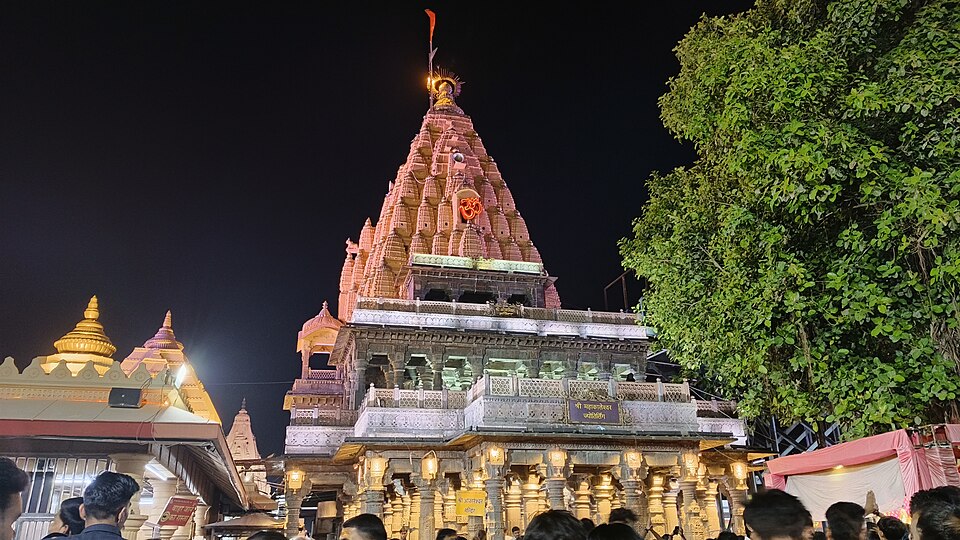
    Mahakaleshwar Temple in Ujjain at night
    Mahakaleshwar, Ujjain. Photo: Ashverse / Wikimedia Commons, CC BY-SA 4.0. Display resized; no crop.

    Which destinations show India’s religious diversity?

    Examples of different sacred settings
    PlaceReligious or heritage contextPlanning focus
    VaranasiHindu temples, ghats and Ganga worshipRespect ritual spaces and rules near the river.
    UjjainMahakaleshwar and other Hindu pilgrimage sitesCheck current darshan arrangements.
    AmritsarHarmandir Sahib, the Golden TempleFollow gurudwara dress and conduct guidance.
    Bodh GayaBuddhist pilgrimage and monastic traditionsRespect quiet practice and monastery access.
    AjmerA major Sufi shrine and pilgrimage settingAsk about entry, dress and photography rules.

    These are examples rather than a ranking of religions or sacred places. Communities and practices differ within each tradition. A local guide or official visitor service can explain the setting without requiring you to participate in worship. Read our Varanasi guide and Ujjain guide for focused planning.

    How should visitors behave at sacred places?

    Dress according to the site’s guidance, keep voices low where worship is taking place and ask before photographing people. Remove shoes or cover the head when required. Respect restricted areas and queues. Follow donation procedures provided by the institution rather than pressure from an unofficial intermediary. If you do not understand a custom, ask politely before acting.

    A practical religious-tourism planning checklist

    1. Choose a clear purpose: pilgrimage, heritage study, a festival or a short visit.
    2. Check official opening, registration and entry information close to travel.
    3. Allow time for queues, walking and rest rather than rushing several sites.
    4. Ask about access for older travellers, children or people with mobility needs.
    5. Carry suitable clothing, water and essential medication.
    6. Plan transport and accommodation around realistic distances.
    7. Leave worship spaces clean and respect local waste and river-safety rules.

    Large festivals need extra care with crowds, transport and accommodation. Check announcements from the responsible authority instead of relying on an old calendar in a blog. Our Kumbh Mela guide provides further context. The Ministry of Tourism’s pilgrimage-development information explains the broader tourism setting.

    Frequently asked questions

    Is religious tourism only for believers?

    No. Visitors may come to worship, learn about history or appreciate architecture. Some places welcome a wide range of visitors, while others restrict particular areas or access. Check the site’s rules rather than assuming that every location is open to everyone. Participation in a ritual should be voluntary. A respectful heritage visit does not require you to claim beliefs you do not hold.

    Does religious tourism in India include only Hindu temples?

    No. India’s sacred travel landscape includes several religious traditions and many kinds of sites. Gurudwaras, Buddhist monasteries, Sufi shrines, churches and other places may form part of a journey. Explain each destination in its own context rather than treating all customs as interchangeable. Follow the guidance of the institution you are visiting and avoid ranking communities by tourist appeal.

    Should I book rituals through a travel agent?

    Use the official institution’s booking system where one is provided, and check current instructions first. An agent may arrange transport or accommodation without controlling sacred-site entry. Understand exactly what is included and whether a booking guarantees anything. Avoid paying an unofficial intermediary for promises that cannot be verified. Keep confirmation details accessible and allow time for the stated entry procedures.

    Can I combine pilgrimage with yoga study?

    Yes, if the schedule leaves enough time for both. Yoga study and a pilgrimage are different activities, so do not assume a course includes temple visits or a particular religious practice. Ask the school what is actually taught and included. For an additional stay in Rishikesh, read our Rishikesh travel guide and choose the next step according to your interests.

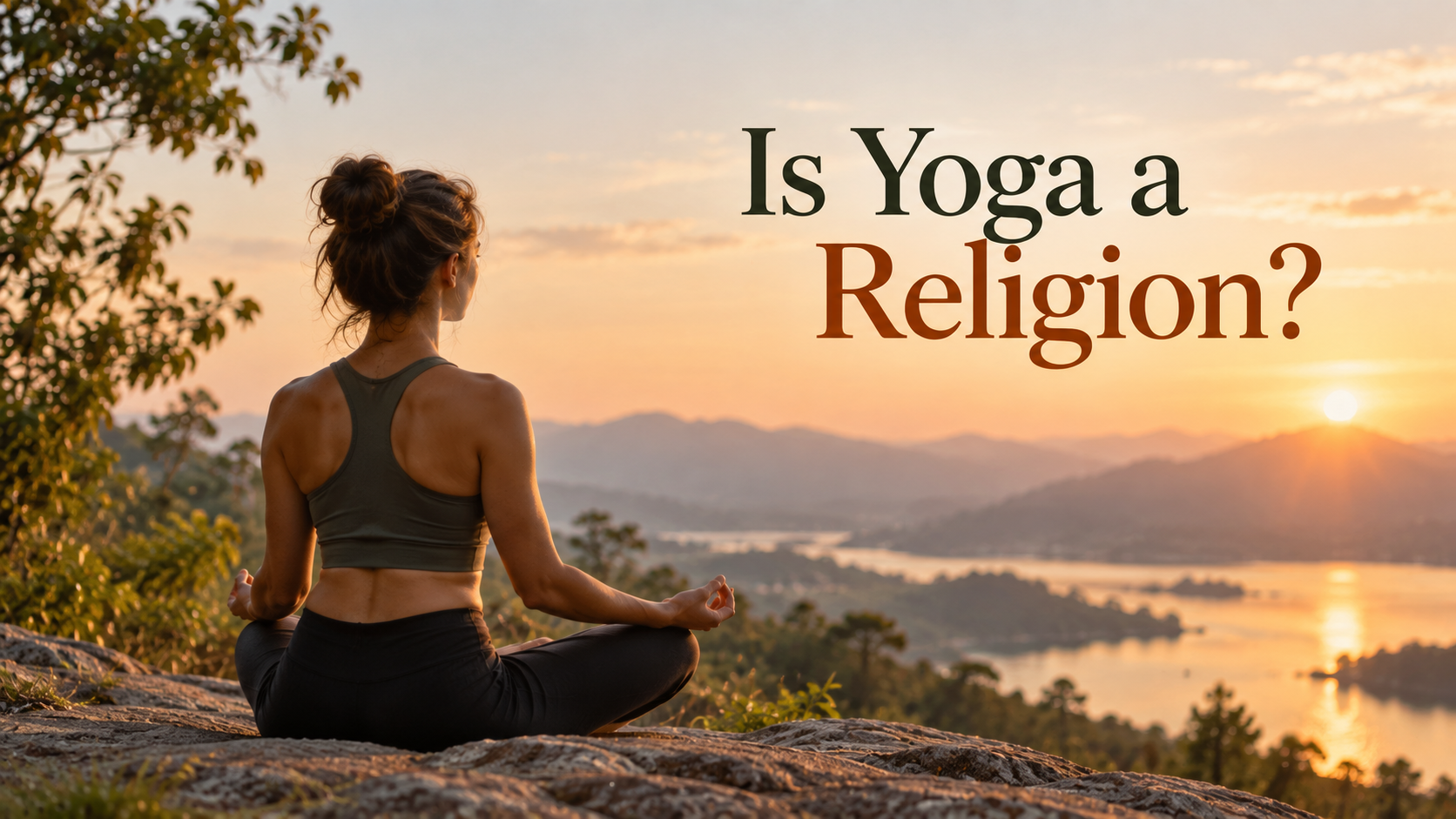
  • Is Yoga a Religion? Does it make you Hindu?

    Is Yoga a Religion? Does it make you Hindu?

    Yoga and Religion, the great debate is in almost everybody’s mind. There are so many opinions and conversations which can lead to confusion or prejudice. Most of the time we get confused between these two terms but what is the truth of yoga, very few of us is aware of it.

    People start relating Yoga with Religion (Hinduism). Because of the country of its origin ‘India’. Over approximately the last decade, Yoga is becoming famous not only in India. But, across all over the world. After Malaysia announced a ban on Yoga due to religious reasons. Soon after, then the debate on Yoga and Religion has increased.

    What does Yoga means?

    Yoga
    Yoga

    Yoga by itself means ‘Union’. Derived from the Sanskrit word ‘Yuj’ which means ‘Unite’. Yoga is a group of mental, physical and spiritual discipline. Which means Union with God. Most of the people get confused with Yoga and Hatha yoga (System of Postures). But both are different from each other. Yoga is a path towards enlightenment which helps and focuses on building mental and physical strength of our body.

    According to “Gorakh Shabdawli ” by Guru Gorakh Nath


    जोग अवरण जोग अभेद, जोग अखंडित जोग अछेद।
    जोग जति सति जोग दया, येहा ग्यान जति गोरख कह्या।

    Yoga is not Varna (Based according to certain race or Ashram), Yoga is not divided into any Type of Style, Yoga is wholeness (of the mind), This Yoga is flawless. Yoga is meditation, virtue, Yoga is compassion, this is wisdom.

    So, if we go with the above statement of Guru Gorakh Nath then Yoga is not related to religion at all. As well as Yoga, not a Physical Practice only. It is not the system of beliefs, it works primarily with the energy present in our body. Our mind can not concentrate well because many of the tensions are going through our mind and illness of our body. It prevents the energy from flowing to the brain. Yoga makes a bridge over it and helps our body and mind to have control so that the energy could be released and starts flow to the brain. It is done for inner peace, the peace of our mind and body, the peace after the meditation. It could be only done by Yoga and meditation. So, it is not spiritual beliefs, it is the discipline which treats our inner body, mind and our outer body. Yoga has many benefits.

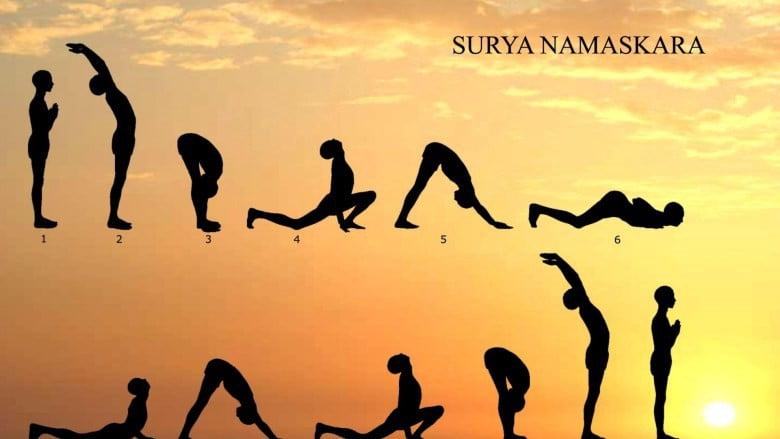
    Surya Namaskara

    Yoga as Tradition or Religion

    There are different forms of Yoga, some of the forms are more overtly religious than others, so people think that Yoga is religious. Some People thinks it is religious because of the yogic asanas- Surya Namaskars, which is a series of positions to greet the Hindu God Surya or Sun. But if you don’t get have the intention there then you don’t feel it something religious because if I am kneeling down, it doesn’t mean that I am praying. Similarly, the Surya Namaskars Asanas are like this situation. Some Yoga classes feature the chanting of Hindu Sutras like ‘Om’ but what about the others? Other Yoga classes make no reference to spirituality at all. Yoga aids all who practices various exercises (breathe control meditation) and some other exercises. Some People says Yoga has a tradition of Dharma (in the western sense it is called religion.

    Yoga is such a broad term, there is no definitive definition of it. Similarly, there is no definitive answer to this question. If you make sense of Yoga as Union then you can do Yoga for Physical fitness and if you define Yoga as Holistic or Religious thing, then you can do Religious Yoga like Surya Namaskars and Chanting of the word ‘OM’. It’s all about the individual’s mentality. What he or she is thinking and feeling for Yoga. o

  • Ujjain Temples: Mahakaleshwar, Sacred Sites and Visit Planning

    Ujjain Temples: Mahakaleshwar, Sacred Sites and Visit Planning

    Ujjain is a sacred city on the Shipra River in Madhya Pradesh, known for Mahakaleshwar and other pilgrimage sites. Plan time for temple queues, local travel and rest rather than trying to visit every shrine quickly. This Ujjain temples guide explains the main places, separates devotional tradition from documented history and points you toward official information for current darshan arrangements.

    What is Ujjain known for?

    Ujjain is also called Ujjayini and is associated with the historic region of Avanti. Mahakaleshwar is one of the twelve Jyotirlingas in Hindu tradition. The city is a venue for Simhastha, part of the wider Kumbh pilgrimage tradition. Sacred legends are important to devotees, but they should be identified as religious narratives rather than presented as verified historical events. See the district administration’s history page for historical context.

    Where should you stay and eat in Ujjain?

    Choose accommodation according to the area you intend to visit, transport access and the amount of walking you can manage. Confirm whether the room has the facilities you need and check recent information before booking. Temple festivals can change availability and travel times. The official district tourism directory links to local planning information.

    Choose food from places with clean preparation and sensible handling. Tell staff about allergies or dietary needs. Vegetarian options are common around pilgrimage areas, but check an individual restaurant’s menu rather than assuming every place serves the same food. Carry drinking water from a reliable source and plan pauses for meals and rest.

    The religious place to visit in Ujjain

    Mahakaleshwar Temple

    Illuminated Mahakaleshwar Temple among Ujjain temples at night
    Mahakaleshwar Temple at night. Photo: Ashverse / Wikimedia Commons, CC BY-SA 4.0. Display resized; no crop.

    Mahakaleshwar is Ujjain’s best-known Shiva temple and one of the twelve Jyotirlingas in Hindu tradition. Darshan and particular rituals may use different entry arrangements. Check the official Temple Management Committee website before visiting. Sandipani Ashram is a separate place associated in devotional tradition with Krishna’s education; it should not be confused with the Mahakaleshwar temple complex.

    Maha Kumbh Mela

    Ujjain’s Simhastha is a major Hindu pilgrimage gathering connected with ritual bathing in the Shipra. Kumbh-related gatherings take place in Ujjain, Nashik, Haridwar and Prayagraj, with different calendars and traditions. Check official announcements for the relevant event rather than assuming identical schedules. Crowd conditions, accommodation and road access can differ greatly from an ordinary temple visit.

    Ram Mandir Ghat

    Ram Ghat is on the Shipra River and is associated with bathing and devotional ceremonies. Check local information for current aarti arrangements and crowd conditions. Attendance is optional; plan around your interests and access needs.

    Chintaman Ganesh Temple

    Chintaman Ganesh Temple is an important local pilgrimage site. Devotional tradition regards the image as swayambhu, or self-manifested. That religious belief should be distinguished from a verified dating of the present structure or a promise that worship treats stress.

    Entrance to Chintaman Ganesh Temple in Ujjain
    Chintaman Ganesh Temple. Photo: Gyanendra_Singh_Chau… / Wikimedia Commons, CC BY 3.0. Display resized; no crop.

    Bhartrihari Caves

    Bhartrihari Caves are associated with the poet and ascetic Bhartrihari in local tradition. The setting is linked with devotional and Nath-related narratives. This guide does not establish an exact age for every part of the site or verify stories of secret tunnels. Expect uneven surfaces and possible steps, and ask about access if those features affect your visit.

    Ram Mandir

    Symbols of Lord Rama, Sita and Laksmana are there in this little
    temple. Need to climb lots of the stairs to reach to the top. One of
    the numerous great spots to visit in Ujjain

    Kal Bhairav Temple

    KalBhairav Temple Ujjain is a must visit temple acclaimed for its
    one of a kind convention of offering alcohol to god.

    The temple is devoted to KalBhairav. Situated on the banks of the
    Shipra River, it is a standout amongst the most dynamic temples
    in the city, visited by several devotees daily. Alcohol is one of the
    contributions made to the temple god

    ChaubisKhamba Temple

    This is one of the most established Temple in Ujjain with 24 pillar
    or Khambhat devoted to Choti Mata and Badimata, Near the
    The northern side of the entrance are two little temples dedicated to
    Mahalaya and Mahamaya goddess.

    Harsiddhi Temple

    Harsiddhi is an important goddess temple in Ujjain and is honoured within Shakti traditions. Devotees may connect visits here with worship at Mahakaleshwar, but that is a religious choice rather than an obligation for every visitor. Follow the temple’s conduct and photography guidance. Leave time to observe without obstructing worship or crowd movement.

    Pir Matsyendranath

    Pir Matsyendranath is associated with Matsyendranath, an important figure in Nath tradition. Accounts connect Matsyendranath with Gorakhnath and the wider history of yogic practice, but dates and narratives differ. Do not describe a whole religious tradition as the invention of one person without appropriate historical evidence. Visit respectfully and distinguish local devotional accounts from a documented chronology.

    So, what you waiting for, just grab the opportunity and
    must visit this religious place once in your life.

    Planning a spiritual visit to Ujjain

    • Give Mahakaleshwar and the old-city temple area enough time instead of rushing several sites in one hour.
    • Check current temple-entry and darshan rules before visiting.
    • Dress for heat and walking, and carry water.
    • Respect photography restrictions inside sacred places.

    Frequently asked questions about Ujjain temples

    What is the main temple in Ujjain?

    Mahakaleshwar is the city’s best-known pilgrimage temple. Visitors often combine it with nearby sacred sites, but a short trip should allow enough time for queues and rest. Use the district temple information and the Temple Management Committee website for context and current arrangements. Do not assume an old blog’s entry rules or fees still apply.

    How many days should I allow?

    A focused visit may fit into a day, while two days can allow a less rushed pace. The right plan depends on arrival time, desired rituals, mobility and crowd conditions. Choose a few priorities rather than treating the number of temples as the measure of a successful trip. Keep extra time around booked entry and avoid a tight onward connection after a major visit.

    How should I arrange Bhasma Aarti or other rituals?

    Check the official Temple Management Committee website for the current process, requirements and available arrangements. Different rituals may have separate booking rules and access conditions. This article does not promise a slot or quote a fixed fee. Be cautious with unofficial intermediaries and retain the details of any verified booking. Ask the responsible institution when instructions are unclear.

    Is every legend in this guide a historical fact?

    No. Ujjain has important devotional stories alongside a long documented history. A legend can have religious meaning without being presented as an established date or event. Read the source and context carefully, and ask a knowledgeable local guide about different accounts. The distinction helps visitors respect tradition while avoiding misleading claims about archaeology, chronology or scientific proof.

    Related reading: Kumbh Mela visitor guide, religious tourism in India, and the meaning of Aarti.

  • Significance of a Mind Muscle Connection during Yoga!

    Know the Significance of a Mind Muscle Connection
    during Yoga!

    Well, Feeling the Yogasana is considerably more than just do an incorrect pose. It requires the full mental limit and clearness. However, many neglects to do this when working excursion. Rather than
    utilizing their “mind”, they end up preparing inaccurately with their body or for this situation ego. Mind muscle connection during yoga plays a vital role in the whole process.

    You’ve probably observed many people in the yoga class or studio doing many postures continuously and incorrectly performing awful structure. Or on the other hand, they don’t feel any stretch or muscle involvement during the process.
    This isn’t my decision, yet rather by ignorance. Do they know that mind is vital things to control
    while doing yoga or any other exercise in the gym?
    So here we will know more about the importance of a mind-muscle connection is must for every type of physical exercise either its yoga or weight lifting.

    So let’s have a look beneath-

    What is a Mind Muscle Connection?

    As you most likely are aware, all development at first begins at the brain and afterwards to the
    muscles. The sign from your mind travels down your spinal line to your muscles to create
    development. This is known as the Mind-Muscle Connection (MMC). This is the place the mind
    meets the body to play out any task.

    How can it work?

    Acetylcholine ((A neurotransmitter in the brain) acts to speak with muscles in the body to cause
    contraction.

    So when Acetylcholine is discharged, it crosses the little space that isolates the nerve from the
    muscle. After that, it tries to receptors on the outside of muscle filaments. Accordingly, the
    muscle at that point supernaturally contracts.

    In all honesty, the more you “Consider the muscle working” the more muscle strands you will
    enlist. How so? By considering the development you’re really expanding the terminating on the
    engine units to all the muscle strands.

    Why have more of a Mind Muscle Connection?

    The more you think about the muscle engagement, the better your asana/exercise will be. Thus, the better
    your outcomes will be. But also, something essential to comprehend is the relationship between primary and secondary muscles. The primary mover is the muscle that is planned to do the most
    work in moving into a pose or lifting a weight. Secondary movers are the muscles that help the primary mover.

    For example, the gluteus maximus and the quadriceps are the prime movers for back squats.

    During the upward period of the squat, the glutes are in charge of the hip expansion and the quads for
    the knee augmentation. Mind muscle connection during Yoga is very significant.

    The hamstrings help the glutes in hip augmentation. An adductor Magnus on the internal thigh
    of every leg keeps your legs from flaring outward during the activity. The abs and erector spinae bolster the middle all through the activity. All these different muscles are considered the
    “secondary movers”. During a mind-muscle connection, your point is to target and work the primary muscle.

    Generally, many disregard this mind-muscle connection with specific muscles. They’re prompting lopsided characteristics as well as the underdevelopment of that muscle. This is the point at which the mind-muscle connection during yoga ends up significant.

    Toward the day’s end, you should be genuinely dedicated to feeling every posture in the primary muscle that you plan to work.

    Lots of individuals flip and lift with an ego. Indeed, somebody may squat 500lbs for reps. but, if they’re
    not augmenting the work done by the quads and glutes, then they’re squandering a ton of time
    and vitality. Your muscles and postures don’t develop as a result of the weight going here and there.
    They develop in light of the fact that they’re compelled to decrease by following up on that
    weight. If you produce maximal power your primary muscles when doing Yogasana or working out, then, definitely you will maximize your progress.

  • What is the importance of Aarti in Hinduism?

    What is the importance of Aarti in Hinduism?

    An Aarti is a Hindu ritual which is performed to express an individual’s love and gratitude to God. It is derived from a Sanskrit term ‘Aratrika’ which is referred to light that removes the darkness or “Aa” means “towards or to” and “Rati” means “right”. Importance of aarti in very relevant in one’s culture. It is generally performed by the person at the end of the puja, Katha or any Kirtan session during any Hindu sessions or ceremonies..

    Aarti is done with total dedication by any Hindu. Aarti has many versions such as Shiva Aarti, Durga Aarti, Jagdish Aarti, Ganesh Aarti, Krishna Aarti, Kali Aarti, and many other Aarti like this. These Aarti’s are sung by the people upon their choices. It is just not only performed in Hindu temples but also at home, as it gives peace to the people. It connects people with God. Importance of aarti holds its strong ground in hinduism.

    Aarti Thali
    Aarti Thali

    An Aarti plate (Thali) is generally made up of metal like silver, bronze, and copper which is beautifully decorated with some beautiful flower and flower petals, a Diya of mud or metal which is filled with cotton with flicked with ghee or any oil. Importance of aarti in hinduism can be seen in many ways. Then this cotton Bati lighted or it could be done
    by camphor too. Then any Aarti of related God is sung by the devotees and moving the Aarti plate in such a way to make a symbol of ‘OM’. It looks very beautiful.

    Panch MahaBhuta (5 Physical Elements)

    According to the Holy book, Bhagwat Geeta, this material world is basically made up of five physical elements i.e. Air (Vayu), Water (Jal), Earth (Prithvi), Fire (Agni) and Ether (Akash). These are the five basic components of the whole world. And also, there are three mental elements i.e. Intelligence, Mind, and Ego. And when someone do Aarti then the offerings made represents these 5 elements which are:-

    Water: Water,

    Fire: Ghee Lamp,

    Earth: Flower,

    Mind: Emotional Involvement,

    Ether: Chamar, Intelligence: Focus, Ego: Obeisance.

    All the things are involved during an Aarti as it helps in maintaining the ego down and helps to keep up humility in spite of how high he is placed. The highlighted flames from the Diya (Ghee Lamp) during Aarti helps people to remove darkness and helps people to keep in a brighter world. It delivers positive vibes all around the place. Hindu people say, it pushes away the negativity from the home and gives a beautiful feeling after chanting and this Aarti process.

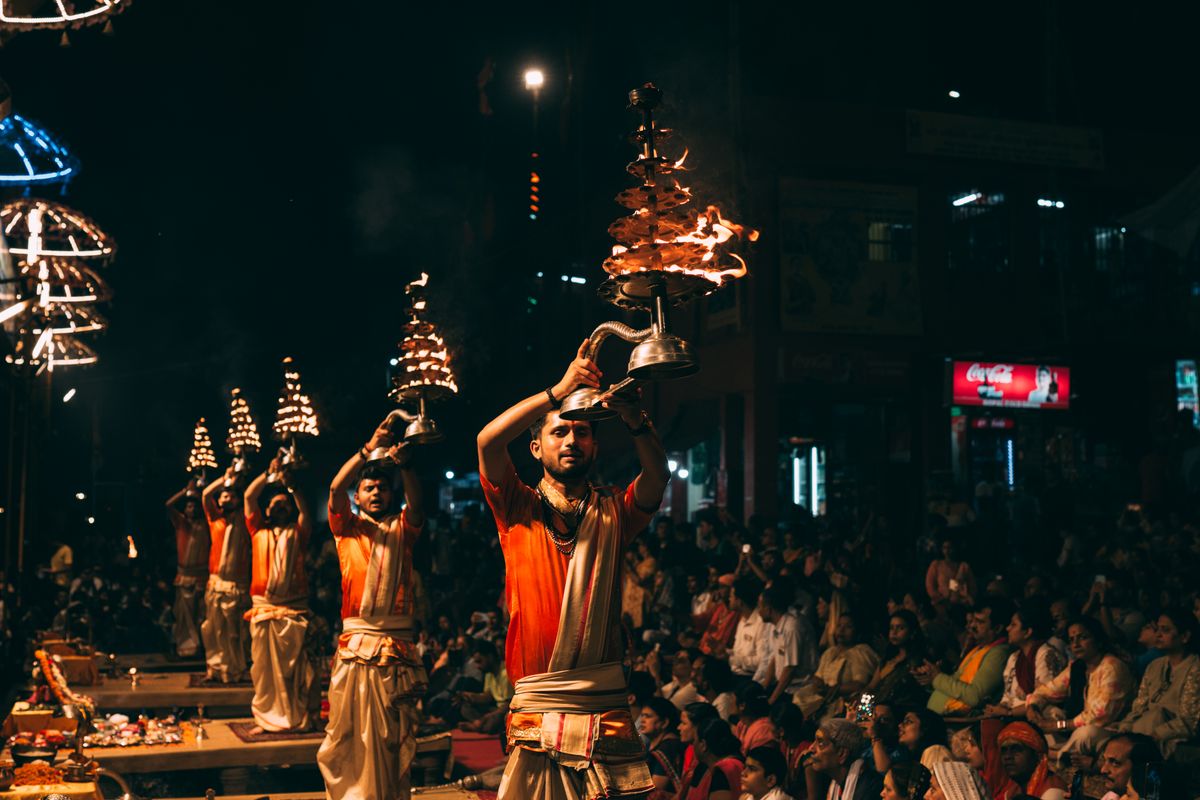
    Ganga Aarti
    Ganga Aarti

    So, it is said that Aarti states the natural sources of light which include the sun, the moon, stars, and the fire which are created by God. So Aarti is sung by so many people to that God who gave so many beautiful natural gifts for us. It is just like Thanksgiving to God for gifting us such a beautiful and amazing nature. Without those 5 elements, life would not be there. We would not exist; nothing would be possible. So after the Pooja ceremony, it is a big thanks to God who is the creator of all these things surrounded by us.

    Why Aarti matters in Hindu practice

    • Light: the lamp represents offering, attention and reverence.
    • Sound: singing or chanting brings the group into one shared act of worship.
    • Movement: the lamp is moved before the deity as part of the ritual offering.
    • Community: Aarti may be performed at home, in temples and at public river ceremonies.

    Frequently asked questions about Aarti

    Is Aarti the same in every temple?

    No. The words, music, timing and local customs can differ by deity, temple and region.

    Why is a lamp used in Aarti?

    The flame is an offering and is commonly understood as a symbol of light, awareness and devotion.

    Where can visitors see a public Aarti?

    River Aarti ceremonies are well known in cities such as Varanasi and Rishikesh. Visitors should watch respectfully and avoid blocking worshippers.

    Related reading: places to visit in Varanasi, religious tourism in India, and our Bhagavad Gita introduction.