

If you want to learn Hatha Yoga in India, choose the school before you choose the city. Rishikesh, Goa, Mysore and quieter Himalayan settings can all support serious study, but they do not offer the same daily experience. The useful question is not which destination looks most impressive online. It is which place gives you the teachers, course structure, practice style and routine that fit your reason for training.
For teacher training, the word “Hatha” in a title is not enough. Read the timetable and ask what is taught every day. A serious program should explain its approach to asana, pranayama, meditation, philosophy, anatomy, teaching methodology and practicum. If it also uses terms such as mudra, bandha or nada, those subjects should have a clear place in the course rather than appearing only in a long marketing list.
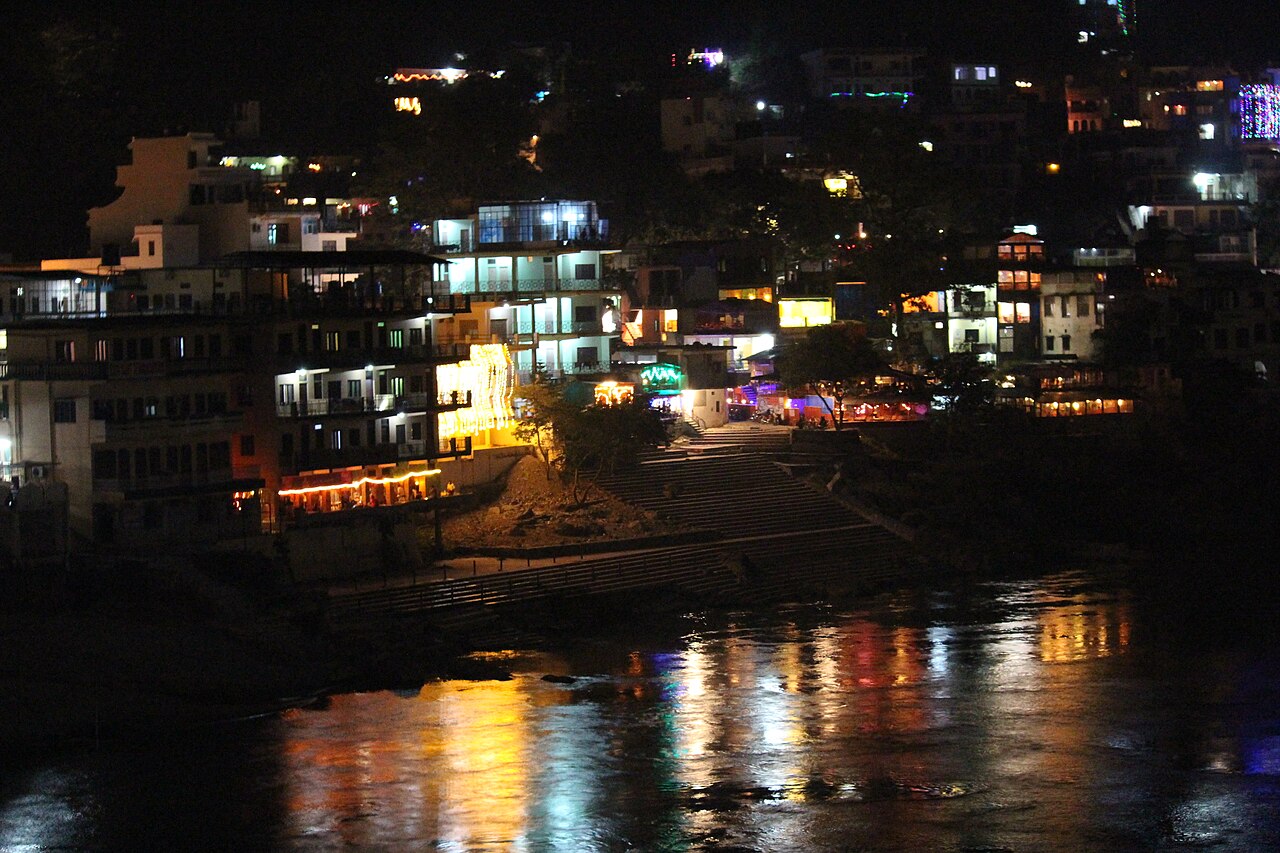
Table of contents
- Quick comparison: Rishikesh, Goa, Mysore and Himalayan settings
- Rishikesh for traditional residential study
- Goa for a coastal training environment
- Mysore for a strong asana culture
- Himalayan and rural settings
- What should a serious Hatha curriculum contain?
- How to compare schools before you book
- How FitFortunes approaches Hatha training
- Book and standards references
- Frequently asked questions
Quick comparison: Rishikesh, Goa, Mysore and Himalayan settings
Each location has strengths and trade-offs. Rishikesh offers a large yoga community and many residential schools. Goa gives students a coastal setting and often mixes Hatha with modern flow styles. Mysore has a strong modern asana culture, while smaller Himalayan or rural centres can offer fewer distractions but may have simpler facilities and more travel planning.
| Location | Common reason students choose it | What to check carefully |
|---|---|---|
| Rishikesh | Residential yoga study, pranayama, philosophy and a strong yoga-school ecosystem | Whether Hatha is truly the main practical method and how much practicum is included |
| Goa | Coastal setting and programs that may combine Hatha with Vinyasa or other styles | Season, exact style mix, daily schedule and whether the course is more retreat-like or teacher-training focused |
| Mysore | Established modern asana culture and disciplined practice environments | Whether the program you are considering is actually Hatha-focused rather than mainly Ashtanga Vinyasa |
| Himalayan or rural campus | Quiet study, smaller communities and fewer outside distractions | Transport, medical access, internet, weather, room comfort and teacher credentials |
Rishikesh for traditional residential Hatha study
Rishikesh is one of India’s best-known centres for residential yoga study. Students can find Hatha Yoga, pranayama, meditation, philosophy and teacher training in the same area, often within walking distance of the Ganga. The daily rhythm can suit people who want yoga to shape the whole study day rather than sit beside a normal holiday schedule. Early mornings, simple meals, theory classes and regular practice are common parts of residential training.
The large number of schools is both an advantage and a risk. You have more choice, but the word “Hatha” can mean different things from one school to another. Ask whether the main asana class is Hatha, whether the course also teaches other styles, and how much time is given to teaching practice. A famous location should never replace checking the teacher, curriculum and timetable.
If your goal is focused Hatha teacher training, start with the school’s actual course page after choosing the location that suits you. FitFortunes has a separate 200-hour Hatha Yoga Teacher Training in Rishikesh page with current course details, while this guide helps you compare Rishikesh, Goa, Mysore and quieter training settings first.
Goa for a coastal training environment
Goa appeals to students who want teacher training near the coast. Many programs there combine Hatha with Vinyasa, Yin, Ashtanga Vinyasa or other modern class formats. That can work well when you want variety and the school explains how the methods fit together. It is less useful when a program lists many styles but gives only a small amount of time to each one.
Season also matters. Some coastal schools are strongly seasonal, and heat, humidity or monsoon conditions can change the day-to-day experience. Check whether the yoga hall is comfortable, what accommodation is included and whether the timetable leaves enough recovery time between practical classes. If you are unsure whether a mixed program suits you, read the comparison of Hatha vs Multi-Style Yoga Teacher Training before you book.

Mysore for a strong asana culture
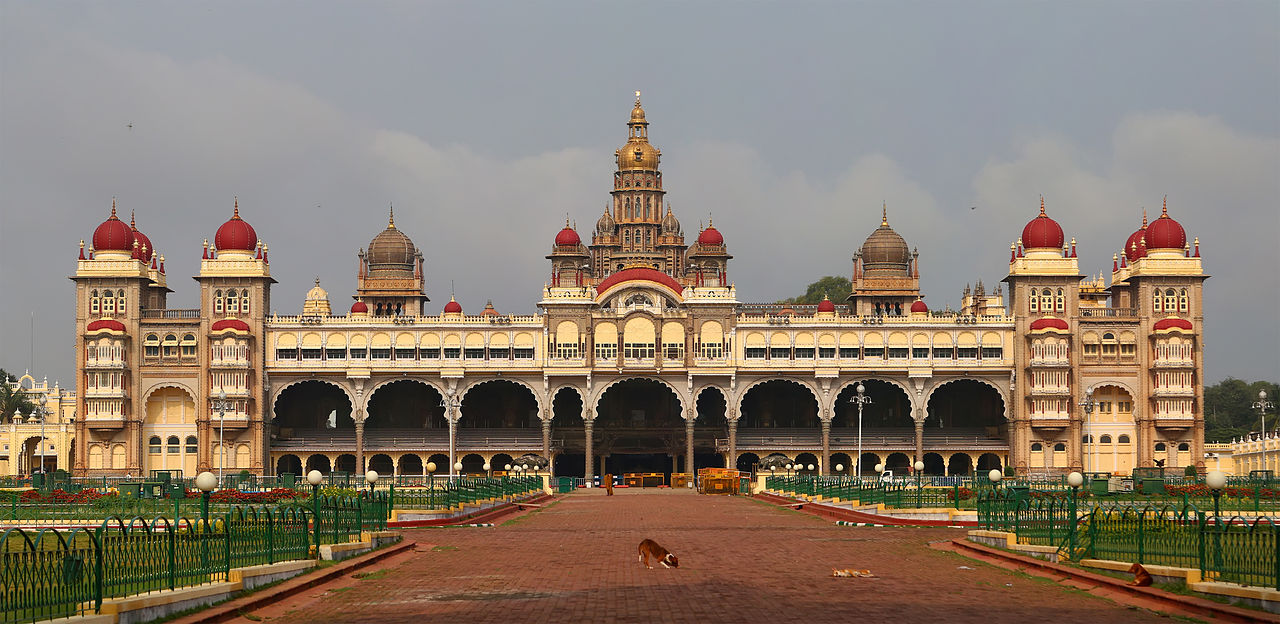
Mysore has an established international reputation for modern Ashtanga Vinyasa practice. Hatha courses are also available, but students should read the syllabus carefully instead of assuming every yoga program in the city has the same focus. A school may use Hatha as one part of a broader physical curriculum. If your main reason for travelling is classical Hatha study, make sure the timetable gives it enough time.
Mysore can suit students who enjoy disciplined practice and want to live in a city with a strong yoga culture. It may be especially attractive to people who already know they want a physically structured daily routine. The key is intent. Choose Mysore because the specific teacher and course fit you, not because the city name alone sounds authoritative.
Himalayan and rural training settings
Smaller mountain or rural campuses can give students more quiet and fewer distractions. This can help when the course includes early practice, study, meditation and self-study. Small communities may also make it easier to know the teachers and other students. The trade-off is that remote schools can require more planning than a school inside a major yoga town.
Check transport before arrival, especially during monsoon or winter. Ask about internet access, room heating or cooling, drinking water, nearby medical care and how students reach the property. A peaceful setting is useful only when basic arrangements are clear. Do not treat remoteness as proof that a school is more traditional or more authentic.
What should a serious Hatha curriculum contain?
Classical Hatha sources make one point very clear: Hatha is broader than a slow posture class. The Hatha Yoga Pradipika, attributed to Svātmārāma, is organised across four chapters that move through asana, pranayama and purification, mudra and bandha, and later meditation, samadhi and nada. The Gheranda Samhita is another important Hatha text and presents its own multi-part system of cleansing, posture, mudra, breath, meditation and related practices. Modern schools do not all follow one fixed historical syllabus, but they should be able to explain what they mean when they use the word “traditional.”
For a teacher-training student, the practical curriculum also needs modern educational areas. Anatomy, movement observation, teaching methodology, ethics, sequencing, supervised practicum and assessment matter because the student is learning to teach other people. A course can respect classical Hatha sources while also using current anatomy and clear professional boundaries. Our detailed Yoga Teacher Training Curriculum guide explains how those areas can fit together.
- Hatha asana with clear purpose, progression and appropriate variations.
- Pranayama taught progressively rather than as a list of advanced techniques.
- Meditation and concentration practice with enough context to understand why they are used.
- Mudra and bandha where they belong to the course tradition and are taught responsibly.
- Yoga philosophy and named source texts rather than vague claims about “ancient wisdom.”
- Functional anatomy, movement observation and basic safety.
- Teaching methodology, sequencing, practicum and specific feedback.
- Clear assessment and completion requirements.
How to compare Hatha schools before you book
Start with facts that are difficult to fake. Read the timetable. Check the names and qualifications of the teachers who actually teach the course. Look at how much supervised practice teaching is included and how students are assessed. Then compare room type, meals, class size, attendance rules, deposit terms and the total residential cost.
A five-minute check before you shortlist a school
- Open the timetable and identify the main daily asana style.
- Open the teacher pages and check who teaches the core subjects.
- Find the practicum and assessment details, not only the curriculum list.
- Check the full residential cost, room type, meals and cancellation terms.
- Save only the schools that answer all four points clearly, then compare location and travel convenience.
Next, check whether the school’s language matches the real program. If the page says “traditional Hatha” but most practical classes are Vinyasa, fitness sessions or unrelated wellness activities, ask for clarification. If the school claims international recognition, find out what organisation it means and what that recognition actually allows a graduate to apply for. The wider guide on how to choose a yoga teacher training in India gives a full comparison checklist.
Seven questions worth sending a school before payment
- Which practical yoga style is taught every day?
- Who teaches Hatha asana, pranayama, anatomy, philosophy and methodology?
- How many students are normally in one batch?
- How much supervised practice teaching is included?
- What assessment must I complete?
- Exactly what is included in the residential fee?
- What credential can I apply for after successful completion?
How FitFortunes approaches Hatha training in Rishikesh
FitFortunes separates its Hatha training from its Multi-Style program so students can understand the difference before booking. The current Hatha course is a 21-day residential 200-hour program in Rishikesh, with regular arrivals on the 2nd of each month. Hatha is the main practical identity rather than one style hidden inside a long list. Current dates, accommodation and other booking details should always be checked on the live course page before travel.
Lead teacher Pravesh Narwal is an E-RYT 500 and Ministry of AYUSH Level-3 Health & Wellness Teacher. His long background in orthopedic rehabilitation support also shapes the school’s emphasis on alignment, movement observation and sensible variation. FitFortunes describes its traditional Hatha framework through four practical areas: Asana, Pranayama, Mudra & Bandha, and Nadanusandhana/Nada Yoga, supported by philosophy, anatomy, teaching methodology and supervised teaching practice. Students comparing all current programs can also use the FitFortunes Yoga Courses hub.
Book and standards references used in this guide
The historical Hatha references behind this article are the Hatha Yoga Pradipika of Svātmārāma and the Gheranda Samhita. They are useful for understanding why Hatha cannot be reduced to posture alone, but they are not identical manuals and modern teacher-training schools interpret their material differently. For modern professional training, Yoga Alliance publishes its current Registered Yoga School standards separately. Students who care about RYS or RYT pathways should verify the current rules directly on the official Yoga Alliance standards page.
Frequently asked questions
Where is the best place to learn Hatha Yoga in India?
There is no single best place for everyone. Rishikesh suits many students who want residential Hatha study with pranayama, philosophy and a large yoga community. Goa can suit students who like a coastal setting and are comfortable with Hatha mixed with other styles. Mysore has a strong modern asana culture, while quieter Himalayan campuses can suit people who want fewer distractions.
Is Rishikesh good for Hatha Yoga teacher training?
Yes, Rishikesh has many residential yoga schools and a long association with yoga study. Quality still varies widely. Check the exact practical style, teachers, practicum, class size, room arrangements and assessment before choosing a school.
Can a beginner learn Hatha Yoga in India?
Many programs accept beginners, but beginner-friendly does not mean effortless. Regular basic practice, willingness to study, early mornings and a realistic attitude toward feedback make residential training easier. Always check the school’s stated prerequisites before booking.
Is traditional Hatha Yoga the same as a slow yoga class?
No. A slower asana pace may be used, but historical Hatha traditions include much more than posture speed. Pranayama, mudra, bandha, purification, concentration, meditation and nada can all appear in Hatha sources and lineages.
Does Yoga Alliance decide which Hatha style a school must teach?
No single Hatha asana style is imposed on every registered school. Yoga Alliance uses educational standards for Registered Yoga Schools, while schools still teach according to their approved tradition and program structure. Students should therefore compare the actual curriculum as well as registration status.
Continue your Hatha training research in the right order
Once you have chosen a location, compare the training itself rather than opening another general “best school” list. Read what makes Hatha teacher training traditional, then check the anatomy and alignment guide. If Rishikesh is your choice, use the season guide, the 30-day preparation checklist, and the Hatha YTT packing checklist before you book travel.
The practical way to choose
Choose the training environment that helps you study well, but let the teacher and curriculum make the final decision. A beach, famous yoga town or remote mountain campus cannot compensate for weak instruction or almost no practicum. Compare the real timetable, teaching team, learning outcomes and residential details before you pay. Once those facts are clear, the location becomes a useful part of the decision instead of the whole decision.
NEXT STEP
If Rishikesh is on your shortlist
Move from destination research to practical course comparison. These guides answer the questions most students need before booking.
Compare the 21-day Hatha course in Rishikesh
See the current curriculum, rooms, monthly dates and residential details before making a final decision.