Author: Pravesh Narwal

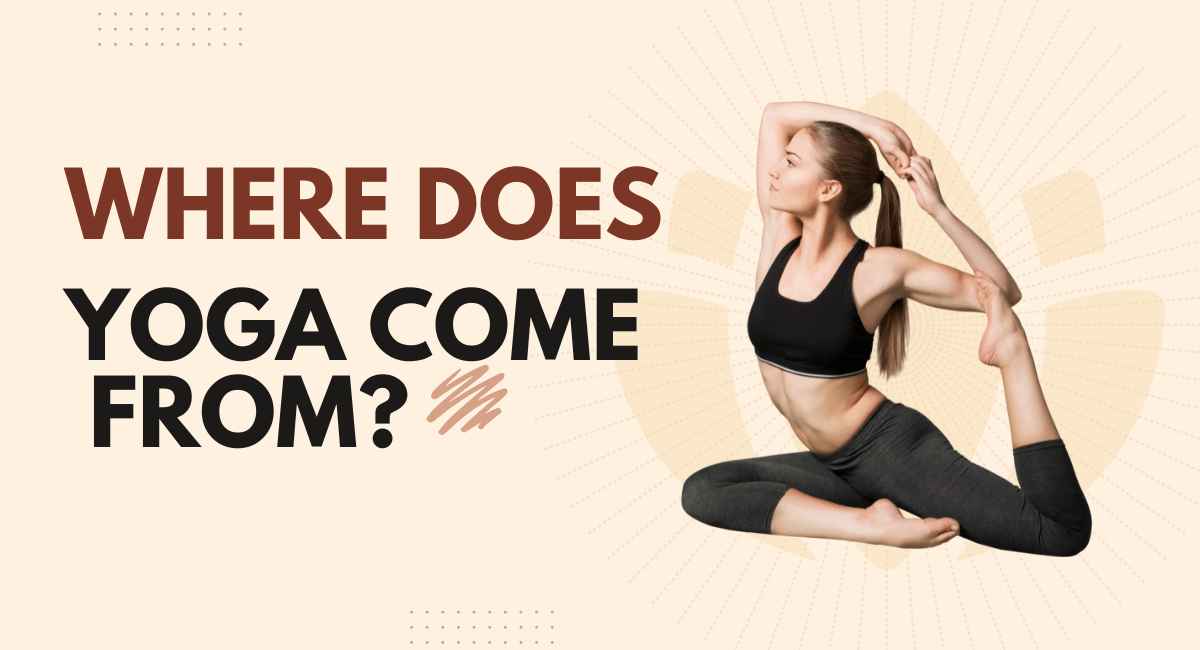
  • Where Does Yoga Come From?

    Where Does Yoga Come From?

    Where Does Yoga Come From
    Where Does Yoga Come From? 3

    Yoga, an ancient practice, originates from the rich cultural and spiritual heritage of India. Dating back over 5,000 years, yoga is first mentioned in the sacred texts known as the Vedas. It was developed by sages and yogis who sought to understand the connection between the mind, body, and spirit. The word “yoga” comes from the Sanskrit word “yuj,” which means to unite or join. This holistic practice encompasses physical postures (asanas), breath control (pranayama), and meditation, aiming to promote overall well-being. Understanding the roots of yoga helps us appreciate its profound depth and the timeless wisdom it offers. Certainly! Here’s a more expanded explanation Where in the Origin of Yoga for each headline, incorporating additional details and context:

    1. The Origin of Yoga: Ancient Indian Roots and Vedic Tradition

      The origin of yoga traces back to ancient India. It emerged from the spiritual insights and practices recorded in the Vedic texts. These texts include the Rigveda and Upanishads, dating back over 5,000 years. They mention yoga as a means to attain spiritual insight and self-realization.

    Specifically, yoga involves a disciplined practice integrating physical postures (asanas), controlled breathing (pranayama), and meditation. Additionally, the Vedic tradition laid the foundational principles of yoga. It emphasizes the union of mind, body, and spirit. This concept is encapsulated in the Sanskrit word “yoga,” which means union or connection.

    2. The History of Yoga: From Origin of Yoga in Ancient Texts to Modern Practice

       Yoga’s history is a journey through centuries of philosophical, cultural, and practical evolution. It began as a spiritual discipline in ancient India, practiced by sages and ascetics seeking enlightenment and self-mastery. Over time, yoga’s teachings spread and diversified, influenced by various philosophical schools, such as Vedanta, Samkhya, and Tantra. In the late 19th and early 20th centuries, pioneers like Swami Vivekananda and Paramahansa Yogananda introduced yoga to the West, sparking global interest and adaptation. Today, yoga encompasses a wide range of styles and approaches, from traditional Hatha and Ashtanga to modern variations like power yoga and hot yoga, each offering unique benefits while remaining rooted in yoga’s foundational principles.

    3. How Yoga Began: Tracing the Origin of Yoga in Ancient India   

    Yoga’s origins can be traced to the ancient Indus-Sarasvati civilization around 2700 BCE, with seals depicting figures in yogic postures found in archaeological sites like Mohenjo-Daro and Harappa. The practice evolved significantly during the Vedic period (1500–500 BCE), where it was codified in texts like the Rigveda and later refined in the Upanishads. These scriptures introduced concepts such as karma, dharma, and the path to liberation (moksha) through disciplined practice (sadhana), which became central tenets of yoga philosophy. Ancient yogis explored the interplay of body and mind, developing techniques to purify the body, control the breath, and calm the mind—practices that laid the groundwork for modern yoga as we know it today.

    4. Yoga’s Ancient Origins: Insights from the Vedas

       The Vedas, ancient Indian scriptures dating back to 1500–500 BCE, provide early insights into the origins and philosophical underpinnings of yoga. They mention practices aimed at spiritual realization and self-mastery through rituals, meditation, and asceticism. The Upanishads, composed around 800–200 BCE, delve deeper into the nature of existence and the role of yoga in attaining liberation (moksha) from the cycle of birth and death (samsara). These texts offer profound wisdom on the union of individual consciousness (atman) with the universal consciousness (Brahman), a concept central to yoga’s spiritual goals.

    5. The Journey of Yoga: From Ancient Indian Sages to Today

       Yoga’s journey spans millennia, beginning with its origins in the Vedic period and evolving through the teachings of ancient Indian sages and philosophers. During the classical period (200 BCE–500 CE), influential texts such as Patanjali’s Yoga Sutras systematically codified the practice of yoga, outlining its eight limbs (Ashtanga Yoga) as a path to spiritual enlightenment. Over centuries, yoga continued to evolve, adapting to different cultural and religious contexts while preserving its core principles of self-discipline, ethical conduct, and spiritual growth. In the 20th century, yoga gained global popularity as teachers like B.K.S. Iyengar, Krishnamacharya, and Swami Sivananda introduced accessible and systematic approaches to yoga practice, paving the way for its widespread adoption as a holistic wellness practice in the modern world.

    6. Understanding Yoga’s Roots: The Significance of the Vedic Tradition

       Yoga’s roots in the Vedic tradition highlight its holistic approach to well-being, integrating physical exercises (asanas), breath control (pranayama), and ethical principles (yamas and niyamas) to cultivate a balanced and harmonious life. The Vedas and Upanishads emphasize the unity of body, mind, and spirit, guiding practitioners toward self-realization and spiritual liberation. Yoga’s teachings encourage individuals to live in harmony with themselves and their environment, fostering inner peace, resilience, and compassion—a philosophy that continues to resonate across cultures and generations.

    7. The Rich History of Yoga: A Practice Rooted in Indian Culture   

    Embedded in the cultural fabric of India, yoga has evolved as a comprehensive system of self-development aimed at promoting physical health, mental clarity, and spiritual growth. From ancient times to the present day, yoga has been practiced in diverse forms—from the austere disciplines of ascetics. And yogis to the accessible and inclusive practices embraced by people worldwide. Indian classical texts such as the Bhagavad Gita and Yoga Vasistha expound on yoga’s transformative power. Offering timeless wisdom on the pursuit of happiness, inner peace, and fulfillment through disciplined practice and self-awareness.

    8. Yoga’s Ancient Beginnings: How the Practice Evolved Over Millennia

       Yoga’s ancient beginnings reflect its transformation from early spiritual practices to a diverse range of contemporary forms. That cater to different needs and lifestyles. In ancient India, yogis explored techniques to purify the body, control the breath, and quiet the mind—practices. That laid the foundation for Hatha Yoga, known for its emphasis on physical postures (asanas) and breathwork (pranayama). Over millennia, yoga diversified into various paths, including Bhakti Yoga (devotional practice), Karma Yoga (selfless action), and Jnana Yoga (path of wisdom). Each offering unique approaches to spiritual growth and personal transformation. Today, yoga continues to evolve as practitioners worldwide embrace its holistic benefits, adapting ancient wisdom to modern lifestyles and needs.

    9. Knowing the Origins of Yoga: The Intersection of Mind, Body, and Spirit

    Exploring the origin of yoga reveals its deep philosophy of integrating mind, body, and spirit. This integration is achieved through practices that promote physical health, mental clarity, and spiritual awakening. Ancient Indian sages developed yoga to attain inner peace and self-realization. They emphasized the interconnectedness of all aspects of existence.

    In addition, yoga encourages disciplined practice and ethical living. By doing so, it fosters qualities such as awareness, compassion, and resilience. This journey transcends cultural boundaries and resonates universally. Ultimately, yoga addresses the quest for meaning and fulfillment in life.

    10. Yoga Through the Ages: From Ancient Asanas to Modern Wellness

     Yoga has evolved over centuries, adapting ancient practices of physical postures (asanas), breathing techniques (pranayama). As well as meditation to meet the evolving needs of practitioners in the modern world. Ancient texts such as the Yoga Sutras of Patanjali and the Hatha Yoga Pradipika provide foundational principles for yoga practice. Which Help in integration of body and mind to achieve balance, strength, and inner peace. In recent decades, yoga has gained popularity as a holistic wellness practic. With diverse styles and approaches catering to individuals of all ages and fitness levels. From traditional Hatha and Vinyasa to contemporary forms like hot yoga and aerial yoga. Yoga continues to inspire and empower millions worldwide, offering pathways to physical health, mental well-being, and spiritual growth.

    11. The Meaning of Yoga: Uniting Mind, Body, and Spirit Since Ancient Times

    Yoga is fundamentally a practice that aims to harmonize the mind, body, and spirit. It achieves this through a combination of physical postures (asanas), breath regulation (pranayama), and meditation. Originating in ancient India, yoga emphasizes the interconnectedness of physical, mental, and spiritual dimensions of life.

    Furthermore, the Yoga Sutras of Patanjali, composed around 400 CE, describe yoga as an eight-fold path (Ashtanga Yoga). This path is designed to guide practitioners toward self-realization and inner peace. It advocates disciplined practice and ethical conduct. Consequently, it fosters qualities such as self-awareness, compassion, and resilience.

    Moreover, these principles transcend cultural boundaries. As a result, they resonate universally, offering individuals a way to seek deeper meaning and fulfillment through yoga.

    12. The Evolution of Yoga: From Pranayama and Meditation in Ancient India to Today

     Yoga’s evolution spans millennia. From the Origin of Yoga in ancient India to its global prominence as a holistic wellness practice. Ancient yogis developed techniques such as pranayama (breath control) and meditation to purify the body and calm the mind, practices that remain integral to yoga’s transformative power. In the classical period, Patanjali’s Yoga Sutras codified yoga as an eight-limbed path (Ashtanga Yoga). Outlining ethical principles, physical postures (asanas), breathwork (pranayama), and meditation techniques to achieve spiritual enlightenment. Over centuries, yoga diversified into various styles and approaches, from traditional Hatha and Kundalini. To modern adaptations like power yoga and Yin yoga, each offering unique benefits for physical health, mental well-being, and spiritual growth.
  • Yoga Asanas for Self-Healing: Gentle Practice and Safety

    Yoga Asanas for Self-Healing: Gentle Practice and Safety

    Yoga asanas for self-healing: practice scope

    Yoga can support general well-being, mobility, breathing awareness and relaxation, but it should not be presented as a cure for disease. A useful yoga asana practice starts with your present ability, uses steady breathing, and avoids forcing range of motion. Yoga asanas for self-healing should be viewed as general well-being support, not a method to treat or cure a condition.

    This guide explains simple yoga asanas that practitioners can use for a balanced home practice. If you have persistent pain, dizziness, recent surgery, pregnancy-related concerns, or a diagnosed condition, speak with a qualified health professional and tell your yoga teacher before practising.

    What Does “Self-Healing” Mean in Yoga?

    In yoga, self-healing is better understood as supporting the body and mind through regular movement, rest, breathing and attention. It does not mean that a yoga pose can diagnose, treat or cure a medical condition.

    A good practice may help you notice tension, improve movement confidence and create a calmer routine. The effect depends on the person, the practice, sleep, stress, daily activity and many other factors.

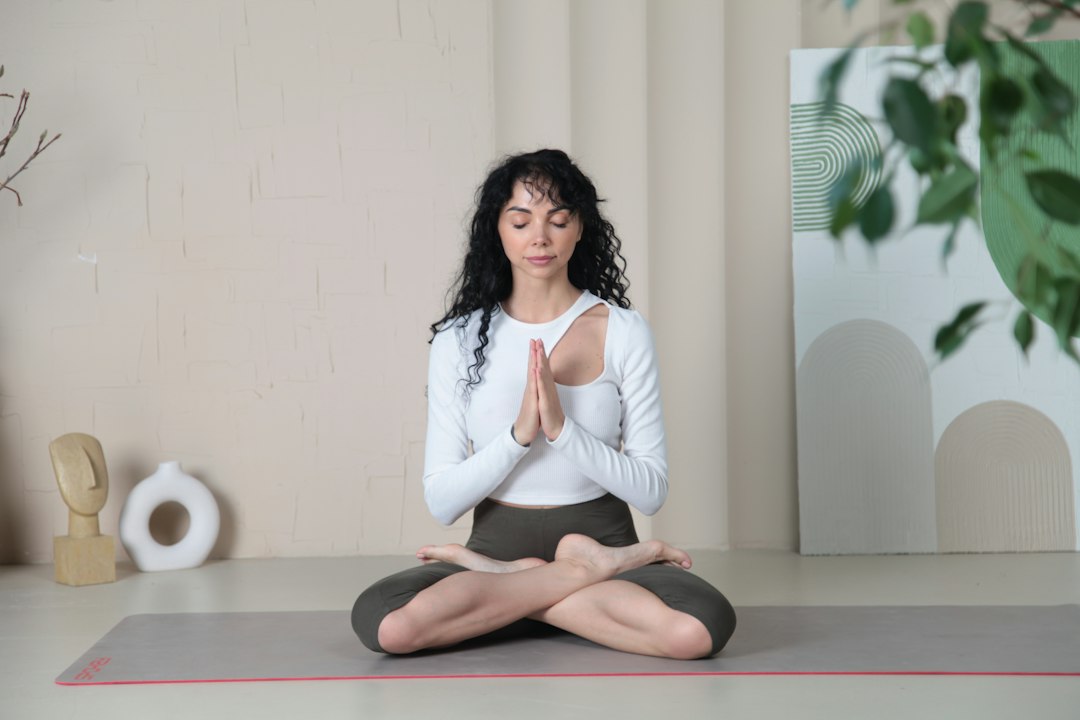
    Comfortable seated position illustrating yoga asanas for self-healing support
    A seated practice can focus on comfort and attention. It is not medical treatment.

    8 yoga asanas for self-healing support: a safe interpretation

    Here, yoga asanas for self-healing means a general well-being routine, not a way to heal an injury or illness without care. Choose a few movements below rather than forcing all eight. Use a chair or wall when needed, and leave time for rest. The NCCIH evidence and safety review discusses what research can and cannot establish.

    1. Cat-Cow Pose

    Begin on hands and knees. Move slowly between a gentle spinal arch and a rounded back while matching the movement with your breath. Keep the range comfortable.

    Practice focus: spinal movement, breath coordination and warming up.

    2. Child’s Pose

    Kneel and bring the hips back toward the heels. Rest the torso forward and place the arms where they feel comfortable. Use a cushion if the knees or hips need support.

    Practice focus: rest, slow breathing and reducing unnecessary muscular effort.

    3. Cobra Pose

    Lie on the abdomen with the hands near the ribs. Lift the chest gently without forcing the lower back. Keep the shoulders away from the ears.

    Practice focus: gentle back extension and upper-body awareness.

    4. Downward-Facing Dog

    From hands and knees, lift the hips up and back. Keep the knees bent if needed. Lengthen the spine first instead of trying to force the heels down.

    Practice focus: whole-body strength, shoulder control and hamstring length.

    5. Bridge Pose

    Lie on the back with the knees bent and feet on the floor. Press through the feet and raise the hips to a comfortable height. Lower slowly.

    Practice focus: hip extension, leg strength and controlled spinal movement.

    6. Warrior II

    Stand with the feet apart, turn the front foot out and bend the front knee. Keep the knee moving in the same direction as the toes and the torso upright.

    Practice focus: leg strength, balance and steady attention.

    7. Tree Pose

    Stand beside a wall if balance is uncertain. Place one foot against the ankle or inner calf, not directly on the knee joint. Keep the gaze steady.

    Practice focus: balance, foot strength and concentration.

    8. Savasana

    Lie comfortably on the back, or use support under the knees. Allow the breathing to become natural and remain still for a few minutes.

    Practice focus: rest, body awareness and recovery after practice.

    A flexible 15–20-minute sequence

    The time depends on transitions, pauses and individual comfort. Start with fewer poses and increase only when the routine remains manageable. You can substitute supported sitting for any floor posture.

    1. Cat-Cow: 2 minutes
    2. Downward-Facing Dog: 3 slow rounds
    3. Warrior II: 30–45 seconds each side
    4. Tree Pose: 30 seconds each side
    5. Bridge Pose: 3–5 repetitions
    6. Child’s Pose: 1–2 minutes
    7. Savasana: 5 minutes

    Move at a pace that lets you breathe normally. Stop if you feel sharp pain, numbness, unusual pressure, or dizziness.

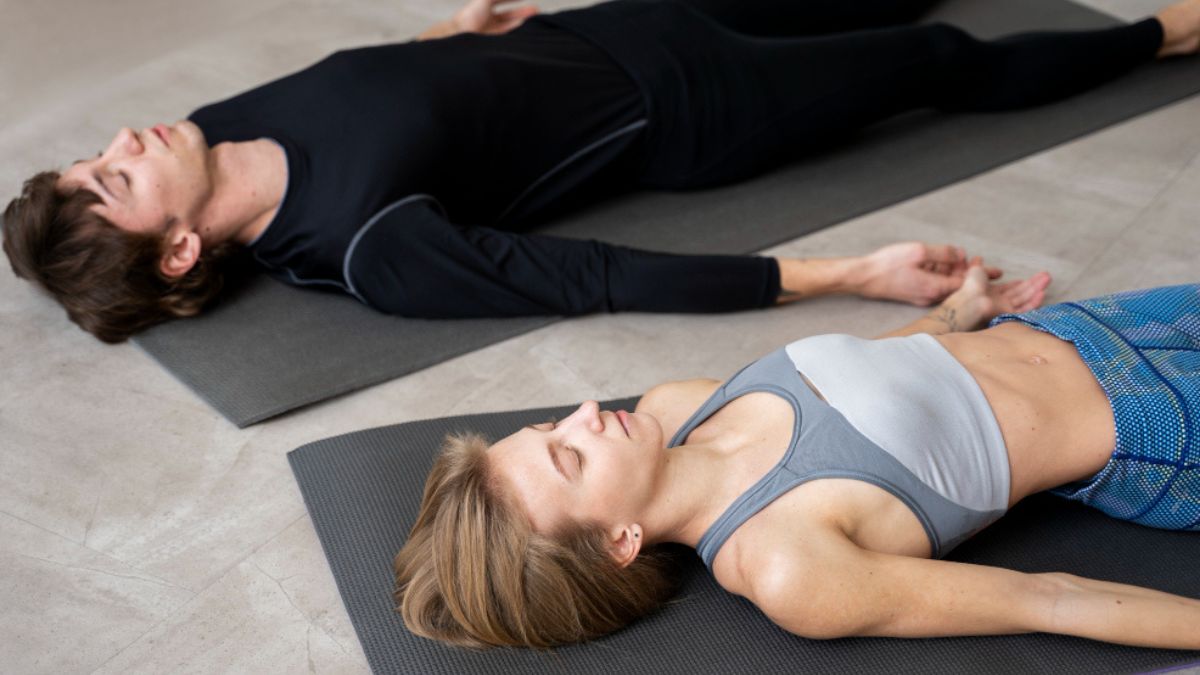
    Two people resting on mats in Savasana
    Quiet rest is optional; choose a chair or side-lying position if more comfortable. Editorial photograph.

    How to Make Yoga Practice Safer

    • Use a smaller range of motion when you are stiff or tired.
    • Do not compete with photos or other students.
    • Use props when they improve comfort and control.
    • Build consistency before intensity.
    • Tell the teacher about pain, injury or movement limits.

    For related reading, see yoga for mind-body harmony, what asana means in yoga, and our 200-hour yoga teacher training in Rishikesh.

    Frequently asked questions about yoga asanas for self-healing

    Can yoga heal a medical condition?

    Yoga should not replace diagnosis or treatment. Some programmes may support symptoms or well-being in specific populations, but that does not prove a pose cures a condition. Continue appropriate healthcare and discuss suitable activity with your clinician when needed. Use the term self-healing carefully: in this guide it means self-care through movement, attention and rest, rather than a clinical claim.

    How often should beginners practise?

    Begin with a short routine you can repeat comfortably, with rest between more demanding sessions. There is no ideal frequency for everyone. Check how you feel during practice and the following day. Reduce intensity if soreness or fatigue interferes with normal activity. Our weekly practice guide offers flexible ranges rather than a fixed prescription.

    Should a pose hurt?

    No. Effort and a mild stretching sensation can occur, but sharp pain, numbness, dizziness or unusual pressure are reasons to stop. Do not use deep breathing to endure a painful position. Return to a supported posture and seek advice when symptoms persist. A teacher can offer a smaller range or alternative, but cannot determine the cause of a medical symptom from a class.

    Do I need advanced poses or strong pranayama?

    No. Basic postures, natural breathing and quiet rest can form a useful practice. Avoid long breath holds, rapid breathing or complicated balances when you are unfamiliar with them. A demanding technique is not proof of greater benefit. Learn separately with suitable instruction if you want to progress. Keep health conditions, previous injury and your present capacity central to the decision.

    How to choose your first routine

    1. Select three familiar movements and one comfortable resting position.
    2. Warm up with small movements and ordinary breathing.
    3. Keep enough time for transitions and props.
    4. Stop before pain or breath holding develops.
    5. Record what was comfortable, and adjust next time.

    For an introduction to the philosophical meaning of posture, read what asana means. For everyday awareness rather than treatment claims, read yoga for mind-body harmony. Educational practice guidance complements suitable care; it does not replace it.

  • Yoga for Mind-Body Harmony: Essential Poses and Practice Tips

    Yoga for Mind-Body Harmony: Essential Poses and Practice Tips

    Yoga for mind-body harmony combines comfortable movement, ordinary breathing and steady attention. Begin with a few familiar poses and quiet rest. The aim is to notice how you move and respond, rather than produce perfect calm or cure a condition. This guide explains ten common postures, simple modifications and a short routine you can adapt to your day.

    What is Yoga?

    Yoga for Inner Peace and Physical Fitness is a mind-body practice that started in ancient India. The word “yoga” comes from the Sanskrit word “yuj,” meaning to unite or join. Yoga aims to connect the mind, body, and spirit, making it a practice that promotes both physical and mental wellness. Practice needs adaptation to the person, their mobility and health. A class label alone does not establish suitability.

    How Can Yoga Support Mind-Body Balance?

    Yoga can combine movement, breathing and attention in one routine. The goal is not perfect calm. It is learning how to move, breathe and focus with less unnecessary effort.

    A Simple 10-Minute Mind-Body Practice

    1. Easy breathing — 2 minutes
    2. Cat-Cow — 2 minutes
    3. Standing balance — 2 minutes
    4. Gentle forward fold — 2 minutes
    5. Quiet rest — 2 minutes

    See our yoga life balance guide, yoga vs meditation, and Yoga for a 9–5 job.

    • Improved Flexibility and Strength: Yoga poses (asanas) target various muscle groups, enhancing flexibility and strength.
    • Enhanced Mental Focus and Reduced Stress: Yoga encourages mindfulness and self-awareness, helping to reduce stress and improve mental clarity.
    • Mind-Body Connection: Yoga promotes a sense of tranquility and balance, allowing you to connect with your inner self.Learn more about Yoga & Meditation

    Who Can Practice Yoga?

    One of the greatest aspects of yoga is its inclusivity. Whether you’re a beginner or experienced, young or old, fit or just starting out, yoga can be adapted to suit your needs. Yoga poses can be modified to accommodate individual capabilities, but no posture or class is appropriate for everyone. Health conditions and previous injuries may require individual modifications.

    Here are some common yoga poses to get you started:

    Starting your yoga journey can be both exciting and a bit overwhelming. Here are 10 simple yoga poses perfect for beginners. These Yoga Poses
    are easy to learn and provide a great foundation for your practice.

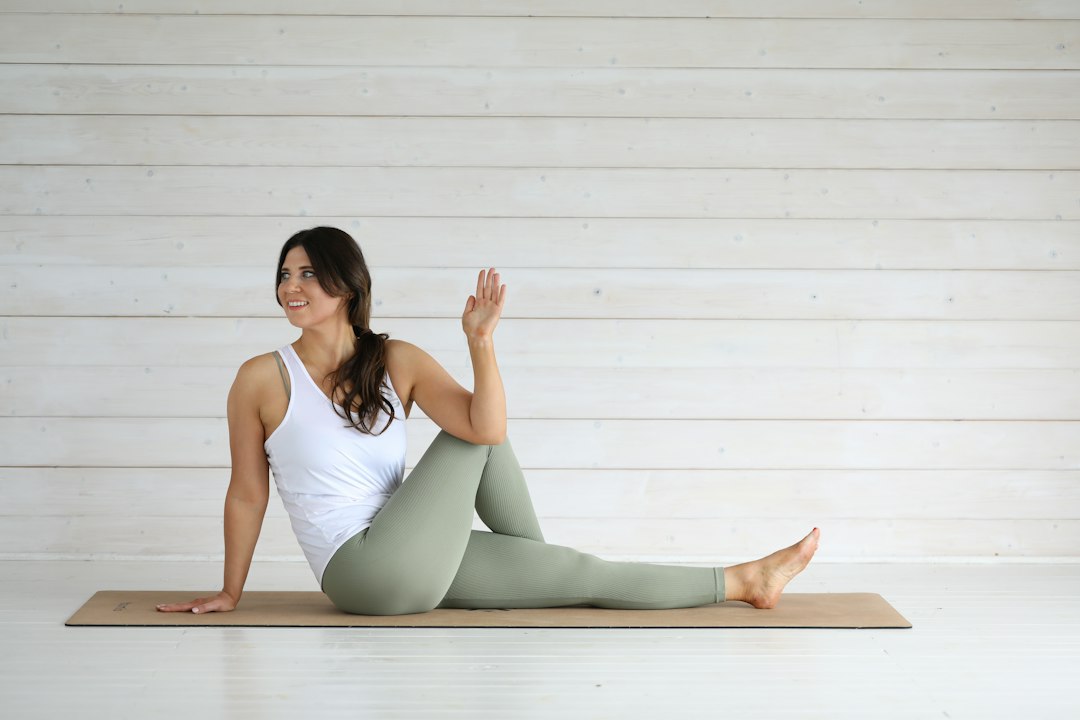
    Seated twist illustrating comfortable yoga for mind-body harmony
    Comfortable range and ordinary breathing matter more than depth. Editorial photograph.

    1. Mountain Pose (Tadasana)

    How to do it:

    • Stand tall with your feet together.
    • Arms by your sides, shoulders relaxed.
    • Distribute your weight evenly across both feet.
    • Breathe naturally and notice contact with the floor. Use a chair for support if balance feels uncertain.

    Benefits:

    • Improves posture.
    • Increases awareness and balance.

    2. Downward-Facing Dog (Adho Mukha Svanasana)

    How to do it:

    • Start on your hands and knees.
    • Lift your hips up towards the ceiling, forming an inverted V-shape.
    • Keep your hands shoulder-width apart and feet hip-width apart.
    • Relax your head and neck.

    Benefits:

    • Stretches the entire body.
    • Strengthens arms and legs.

    3. Child’s Pose (Balasana)

    How to do it:

    • Kneel on the floor, sit back on your heels.
    • Lower your chest to your thighs and stretch your arms forward.
    • Rest your forehead on the ground.

    Benefits:

    • Relieves stress and tension.
    • Gently stretches the back and hips.

    4. Cat-Cow Pose (Marjaryasana-Bitilasana)

    How to do it:

    • Start on your hands and knees.
    • Inhale, arch your back (Cow Pose), lifting your head and tailbone.
    • Exhale, round your back (Cat Pose), tucking your chin and tailbone.

    Benefits:

    • Increases flexibility in the spine.
    • Offers gentle spinal movement.

    5. Cobra Pose (Bhujangasana)

    How to do it:

    • Lie on your stomach, hands under your shoulders.
    • Inhale, lift your chest off the ground, keeping elbows close to your body.
    • Press your legs and pelvis into the floor.

    Benefits:

    • Strengthens the spine.
    • Moves the upper trunk gently.

    6. Tree Pose (Vrikshasana)

    How to do it:

    • Stand tall, shift your weight onto one foot.
    • Place the sole of your other foot on your inner thigh or calf (avoid the knee).
    • Bring your hands together at your chest or raise them overhead.

    Benefits:

    • Improves balance.
    • Strengthens legs and core.

    7. Seated Forward Bend (Paschimottanasana)

    How to do it:

    • Sit with your legs extended in front of you.
    • Inhale, lengthen your spine.
    • Exhale, bend forward from your hips, reaching for your feet or shins.

    Benefits:

    • Stretches the spine and hamstrings.
    • Calms the mind.

    8. Bridge Pose (Setu Bandhasana)

    How to do it:

    • Lie on your back, knees bent, feet flat on the floor.
    • Place your arms by your sides.
    • Inhale, lift your hips towards the ceiling, keeping your feet and shoulders grounded.

    Benefits:

    • Strengthens the back and glutes.
    • Opens the chest and hips.

    9. Butterfly Pose (Baddha Konasana)

    How to do it:

    • Sit with your feet together and knees bent, allowing your knees to fall to the sides.
    • Hold your feet with your hands.
    • Sit comfortably and support the knees if needed. Do not push them down.

    Benefits:

    • Stretches the inner thighs and hips.
    • Improves flexibility.
    Two people resting in Savasana on yoga mats

    10. Corpse Pose (Savasana)

    How to do it:

    • Lie flat on your back, arms by your sides, palms facing up.
    • Close your eyes and relax your entire body.
    • Focus on your breath.

    Benefits:

    • Promotes relaxation.
    • Offers an opportunity for quiet rest.

    Consistency is Key

    The secret to getting the most out of yoga is doing it regularly, even for a little bit each day. Think of it like watering a plant – a little sprinkle every day keeps it healthy, but if you forget for a long time, it might wilt. Aim for 20-30 minutes of yoga most days, but even if you only have 10 minutes, that’s still great! The important thing is to find a routine that fits your life. You can practice at a yoga studio with a teacher, join a free yoga class in your community park, or follow yoga workouts online. There are tons of options to find what works best for you

    How can you adapt yoga for mind-body harmony?

    Make one change at a time. Use a chair for balance, practise Cat-Cow while seated, keep the knees bent in a fold and choose a small backbend. Quiet sitting can replace a posture that causes discomfort. Comfortable breathing matters more than matching a fixed count. If observing the breath makes you anxious, listen to room sounds or keep your eyes on a familiar point instead.

    In classical yoga, steady practice and ethical conduct have a wider purpose than a fitness routine. Modern research on yoga examines particular programmes and health outcomes. Those are different ways of understanding practice. The NCCIH yoga review explains evidence and safety limits; it does not establish a cure or guarantee inner peace from a pose.

    How can you begin this week?

    1. Choose a comfortable time and a stable surface.
    2. Try the ten-minute sequence, shortening it when needed.
    3. Record one observation about comfort, breathing or attention.
    4. Repeat a manageable routine rather than adding harder poses immediately.
    5. Seek guidance when pain, fear or a health condition changes your practice.

    For more detailed movement cues, read our mind-muscle connection guide. If you want guided study of posture, breathing and philosophy, see the FitFortunes 200-hour course. Teacher training is a study programme, not medical treatment.

    Frequently asked questions

    Do I need to feel calm throughout yoga?

    No. Restlessness, ordinary thoughts and effort can still be present during practice. Yoga for mind-body harmony is a way to observe and respond to those experiences, not a requirement to suppress them. Keep the routine manageable and adjust positions or attention when needed. If a practice causes persistent distress, stop and seek appropriate guidance rather than using willpower to force it.

    Can I use a chair for this routine?

    Yes. A chair can support sitting, small spinal movements, standing balance and quiet rest. Choose one that is stable and place it where it cannot slide. You can practise fewer poses and keep a complete short routine. The chair yoga guide explains options and evidence. Suitability depends on your needs rather than your age alone.

    Is yoga enough for every fitness goal?

    No. A gentle routine may support movement and attention, but may not provide all the strength or aerobic activity you need. Class intensity and duration vary. Combine practice with appropriate daily activity and recovery. Our yoga and strength-training guide explains the overlap and limitations. Choose activities that match your ability and goals.

    What symptoms mean I should stop?

    Stop for sharp pain, numbness, dizziness, unusual weakness or breathing difficulty. Reduce effort before you become unable to control a movement. Persistent or unfamiliar symptoms need appropriate assessment. A yoga teacher can adapt a class, but should not diagnose a medical condition. Comfortable variations and a smaller routine are valid choices; advanced poses are not required.

  • Hatha Yoga vs Power Yoga: Differences and Class Choice

    Hatha Yoga vs Power Yoga: Differences and Class Choice

    Hatha Yoga vs Power Yoga: what is the main difference?

    Hatha Yoga vs Power Yoga is a useful comparison for students who want to understand which style fits their goals, fitness level, and preferred pace of practice. Hatha Yoga is generally slower and gives more time for posture, breathing, alignment, and controlled movement, while Power Yoga is faster, stronger, and more physically demanding.

    In this blog, we compare Hatha Yoga vs Power Yoga in terms of intensity, benefits, beginner suitability, weight management, safety, and how both styles can fit into the same routine. We also explain the difference between traditional Hatha Yoga and the slower Hatha classes commonly taught in modern yoga studios.

    Yoga began in ancient India and is a practice that helps your body, mind, and spirit. It includes poses (asanas), breathing exercises (pranayama), meditation, and good living habits. There are many styles of yoga, each with its own focus, which can make it hard to choose the right one for you. In this article, we will look at Hatha Yoga vs Power Yoga, two popular approaches. Hatha Yoga, often seen today as a modern style, is actually a traditional practice described in the ancient text, the Hatha Yoga Pradipika. It focuses on balance and preparing the mind and body for meditation. In contrast, Power Yoga provides a strong workout to boost fitness.

    Hatha Yoga is slow-paced and focuses on holding poses, while Vinyasa Yoga is fast-paced and involves flowing movements synchronized with breathing. Power Yoga combines strength exercises with continuous movement for a vigorous workout. Each yoga style offers unique benefits for different fitness levels and goals. Whether you prefer the calm and balance of Hatha Yoga vs Power Yoga or the energetic flow of Vinyasa Yoga, there is a yoga type that suits your needs best.
    Today we know about the Hatha yoga vs Power Yoga. We will discuss the benefits, and key differences to help you decide which approach is best for you.

    Hatha Yoga vs Power Yoga The Complete Guide

    What is Hatha Yoga according to Modern Teachers & How Hatha Yoga Is Understood Today ?

    The term Hatha Yoga can have different meanings depending on the context.

    In traditional yoga texts, Hatha Yoga refers to a broader system of practice that includes asana, pranayama, mudra, bandha, purification practices, and meditation. Its purpose goes beyond physical exercise and is closely connected with preparing the body and mind for deeper yogic practice.

    In many modern yoga studios, however, the term “Hatha Yoga” is commonly used for a slower-paced class where postures are held for several breaths and greater attention is given to alignment, breathing, and controlled movement. Our Hatha Yoga vs Vinyasa Yoga comparison explains how that slower format differs from breath-linked flow.

    Modern systems such as Iyengar Yoga, Ashtanga Vinyasa Yoga, and Bikram Yoga developed as distinct methods of physical yoga practice. They share some postural roots with the wider Hatha Yoga tradition, but they should not simply be described as types of traditional Hatha Yoga.

    For this article, when we compare Hatha Yoga vs Power Yoga, “Hatha Yoga” mainly refers to the slower, alignment-focused style commonly taught in modern yoga classes.

    What Is Traditional Hatha Yoga?

    Traditional Hatha Yoga is much broader than simply practising physical postures. Classical Hatha texts describe methods such as asana, pranayama, mudra, bandha, purification practices, and meditation as part of a disciplined yogic system. Our Traditional Hatha Yoga guide explains what a modern class should include without confusing classical sources with modern teaching methods.

    One of the aims of these practices is to develop steadiness in the body and breath so that the mind becomes more suitable for meditation.

    Traditional teachings also describe the subtle energy channels known as nadis. Ida and Pingala are commonly described as two important channels, while Sushumna is regarded as the central channel in yogic anatomy. These ideas belong to the traditional subtle-body model of yoga and should be understood within that philosophical system rather than as modern anatomical or physical-science concepts.

    The Hatha Yoga Pradipika is one of the important classical texts associated with this tradition and describes practices involving asana, pranayama, mudra, bandha, and meditative absorption.

    Today we talk about the Modern aspect of Hatha Yoga.

    What can a slower Hatha class offer?

    A slower class may provide time to learn setup, transitions and comfortable breathing. Holding a posture can involve strength and balance, but intensity varies. Benefits depend on the programme and person; no format guarantees emotional stability, perfect alignment or a health result.

    Related modern methods are distinct

    Iyengar Yoga, Ashtanga Vinyasa and Bikram are distinct modern methods, rather than interchangeable names for a gentle Hatha class. Ask what the actual teacher includes. Heat, repeated transitions and long holds can change the demands substantially.

    What is Power Yoga?

    Power Yoga, a more modern and dynamic form of yoga, was developed in the late 20th century. It draws inspiration from Ashtanga Yoga but is less rigid in structure, allowing for more creativity and variation in practice.

    Power Yoga is based on the idea of building internal heat and increasing stamina, strength, and flexibility. It emphasizes continuous movement, linking breath with movement vigorously and athletically. Unlike traditional Hatha Yoga, Power Yoga does not follow a set sequence, making each class unique. For its modern origins, class structure, and beginner suitability, read what Power Yoga is and who it suits.

    What can a Power Yoga class offer?

    Power Yoga is a variable modern class label, usually involving stronger sequences and repeated transitions. A class may train muscular endurance, balance and movement coordination. It does not guarantee weight loss or automatically meet every aerobic exercise need.

    Check the actual format

    Vinyasa describes linked movement and can range from gentle to vigorous. Rocket Yoga has its own Ashtanga-derived method; CorePower Yoga is a branded provider. They should not be treated as universal subtypes of Power Yoga. Ask about heat, pace, wrist loading, rest options and beginner instruction.

    Choose a sustainable demand

    Consider how well you can control the final transition and recover after class. Sweating more is not proof of a better session or greater fat loss. Fatigue, pain or breathlessness are reasons to reduce demand and seek suitable advice when needed.

    Hatha Yoga vs Power Yoga comparison table

    NameHatha YogaPower Yoga
    Intensity and PaceTypically slower-paced, focusing on holding poses for longer durations with an emphasis on alignment and breath.Faster-paced and more vigorous, with a focus on continuous movement and flow, often incorporating challenging sequences.
    Structure of ClassesClasses follow a structured sequence with an emphasis on foundational poses and proper alignment.Classes offer more flexibility and variation, with sequences that may vary from one session to another, often focusing on dynamic movements.
    Target AudienceGenerally suitable for beginners and those seeking a gentler, more meditative practice.Attracts individuals who are already physically fit and looking for a challenging workout to enhance strength and flexibility.
    Focus and EmphasisEmphasizes balance, relaxation, and preparation for meditation, aiming to cultivate overall well-being.Focuses on building strength, improving endurance, and increasing cardiovascular fitness through dynamic and intense movements.
    Breath ControlPlaces significant Emphasis on controlled breathing techniques (pranayama) to enhance relaxation and concentration.It integrates breath with movement, but the focus is more on the physical aspects of the practice rather than breath control.
    Goal and OutcomeAims to create harmony between the body and mind, promoting inner peace, flexibility, and mental clarity.Focuses on physical fitness goals such as muscle toning, weight loss, and increased stamina, often resulting in improved overall fitness levels.
    Intensity of PosesPoses are generally held for a longer duration, allowing for deeper stretching and relaxation.Poses are often performed more quickly and may include challenging sequences aimed at building strength and endurance.
    Philosophical ApproachRooted in traditional yogic philosophy, emphasizing the union of mind, body, and spirit through physical practice and self-awareness.

    While it may incorporate elements of traditional yoga philosophy, its primary focus is on physical fitness and strength building rather than spiritual development.


    Choosing Between Hatha Yoga and Power Yoga

    Conclusion

    Both Hatha Yoga and Power Yoga offer unique benefits and can be very fulfilling, depending on your goals and preferences. If you’re new to yoga or seeking a practice that harmonizes your body and mind, Hatha Yoga might be the perfect choice. On the other hand, if you’re looking for an intense workout that boosts energy and physical fitness, Power Yoga could be more suitable for you. No matter which style you choose, incorporating yoga into your daily routine can lead to a more balanced and healthy lifestyle.

    Hatha Yoga vs Power Yoga: frequently asked questions

    Is Hatha Yoga better for a complete beginner?

    A slower beginner Hatha class often gives more time to learn each posture and transition. That can be useful when you are unfamiliar with yoga, but the label does not guarantee an easy class. Ask about the actual sequence, modifications and teacher support. A well-taught beginner Power class may suit some people, while a demanding Hatha class may not.

    Does Power Yoga guarantee weight loss?

    No. A more vigorous class may contribute to total physical activity, but body-weight change depends on several factors. Do not choose a style because a teacher promises a fixed calorie burn or rapid fat loss. Consider comfort, consistency, nutrition, sleep and overall activity. The NCCIH yoga review summarises research without guaranteeing an individual result.

    Can I combine the two styles?

    Yes, if the total workload remains manageable. You might alternate a stronger class with a slower practice or a rest day. Change the plan when fatigue, pain or poor technique appears. Slower does not always mean restorative, so judge the actual demands rather than the name. Begin with fewer sessions and add more only when you recover comfortably.

    How do traditional Hatha and a studio Hatha class differ?

    Traditional Hatha texts describe a broader system involving posture, breathing and other disciplines, with aims beyond physical fitness. A modern studio Hatha class often uses the label for slower posture practice. The two meanings should be distinguished. Our traditional Hatha guide explains that context, while this comparison primarily discusses today’s class formats.

    What should I ask before choosing a class?

    Ask about pace, heat, repeated wrist loading, breath holds and beginner modifications. Mention movement limits and clarify whether resting is welcomed. Watch how the teacher explains transitions and adapts the practice. Use the same questions when comparing Hatha Yoga vs Power Yoga. A suitable teacher and sequence matter more than a label that sounds gentle or athletic.

    Pravesh Narwal, founder and lead yoga teacher at FitFortunes in Rishikesh
    About the FitFortunes lead teacher

    Pravesh Narwal

    Pravesh Narwal is the founder and lead teacher of FitFortunes Yoga School in Rishikesh. His credentials include E-RYT 500 and AYUSH Level-3 Wellness Teacher. See his teacher profile for further background.

    For evidence and precautions, see NCCIH: Yoga, Effectiveness and Safety. For guided study, see the 200-hour Hatha course and Pravesh Narwal’s teacher profile.

  • How to Practice Kriya Yoga at Home Step-by-Step Guide

    How to Practice Kriya Yoga at Home Step-by-Step Guide

    Kriya Yoga is a profound old Indian spiritual practice. It is a methodical approach to meditation that supports people in achieving awareness and self-realization. Kriya Yoga has gained popularity recently because of its ease of use, efficiency, and home practicability. Your gateway to full well-being, Fitfortunes, offers an invitation to learn about the life-changing art of Kriya Yoga. Join us today to start your journey to self-realization and inner peace. follow below the content for know about How to Practice Kriya Yoga at Home

    How to Practice Kriya Yoga at Home Step-by-Step Guide
    How to Practice Kriya Yoga at Home

    What is Kriya Yoga?

    Kriya Yoga, popularized by Paramahansa Yogananda in his book “Autobiography of a Yogi, is a spiritual practice involving techniques to harness the life force within. It blends pranayama, meditation, and visualization to awaken spiritual energy. Whether in bustling cities or serene mountains, this technique empowers individuals to infuse everyday actions with divinity. Through breath control, Kriya Yoga offers pathways to inner peace, joy, and spiritual connection, making it accessible to all seeking transformative growth.

    How do I start practicing Kriya Yoga at Home?

    It’s essential to start Kriya Yoga for beginners at home with a basic practice. To begin, find a quiet time and place. Then, practice simple breathing techniques to help you relax. To monitor your development, use guided meditations and keep a journal. Online resources can be beneficial, but keep in mind that determination and regularity are essential on this profound journey. 

    Technique of Kriya Yoga at Home

    Set aside a dedicated space: Look for a calm, quiet area of your house where you may practice Kriya Yoga alone.

    Establish a regular practice:  Practice Kriya Yoga every day at the same time. Consistency is the key to enjoying the rewards of this age-old practice.

    Begin with relaxation: Start your practice by doing some light stretching and deep breathing to let your body and mind relax.

    Practice pranayama: To control your breathing and quiet your mind, use pranayama techniques like deep breathing and alternating nostril breathing.

    Meditate regularly: Meditation is the foundation of Kriya Yoga, so set aside some time for it. To still your racing thoughts, concentrate on your breathing or a mantra. 

    Follow a guided routine: Make use of materials like books, online guides, or videos to help you with Kriya Yoga at home.

    Stay committed: In your practice, exercise perseverance and patience. Have trust in the process and permit yourself to develop spiritually by making a continuous effort.

    Seek guidance if needed: To improve your knowledge of Kriya Yoga, if you’re new to the practice, think about going to courses or consulting with experienced practitioners.

    Step-by-Step Guide to 8 Steps of Kriya Yoga

    Preparation: Take a few deep breaths to calm your body and mind, close your eyes, and sit comfortably in a quiet area.

    Invocation: To assist and bless your practice, mentally give a prayer or invocation to the spiritual deity or guru of your choice.

    Pranayama: Practice pranayama to control your breathing and to activate your body’s panic energy.

    Mudras: To improve focus and channel energy flow, do certain hand gestures, or mudras.

    Visualization: Imagine spiritual light or energy cleaning your mind, elevating your consciousness, and entering your body.

    Chanting: Repeat mantras or holy prayers to increase your spiritual vibration and establish a connection with higher awareness.

    Meditation: Enter into a state of deep meditation by focusing your mind on a single point of concentration or by observing the natural flow of your breath. 

    Which is the best place to learn Kriya Yoga?

    The Fitfortunes Yoga course and facilities provide genuine Kriya Yoga instruction and training. It is essential to do your research and select a reputable teacher or institution that shares your values and spiritual goals. and you can join also join 200 Hour Yoga Teacher Training in Rishikesh 

    Conclusion

    Practicing Kriya Yoga at home can be a transformative journey towards self-discovery and spiritual awakening. By incorporating the principles and techniques of Kriya Yoga into your daily life, you can experience inner peace, harmony, and profound spiritual growth. Remember to approach your practice with sincerity, dedication, and an open heart, and you will surely reap the benefits of this ancient yogic science.

    FAQ

  • Meditation vs Yoga Difference Between Meditation and Yoga

    Meditation vs Yoga Difference Between Meditation and Yoga

    What is the Difference between Yoga and Meditation

    Table of Contents

    Are you confused about What is the difference between meditation and yoga? If so, you’re not alone. These two ancient practices are often mentioned together, leading many to think they are the same or that they serve identical purposes. However, while meditation and yoga share some similarities, they are distinct disciplines with their own unique focuses, methods, and benefits. Meditation primarily involves mental exercises aimed at achieving a state of inner calm and clarity, whereas yoga is a comprehensive practice that integrates physical postures, breathing techniques, and meditation to promote overall well-being.

    The image compares meditation and yoga, with the text "Meditation VS Yoga" prominently displayed in the center. Below this, it states "Difference Between Meditation and Yoga." The left side of the image features a person in a meditative pose, while the right side shows someone performing a yoga stretch.

    What is meditation and yoga

    Understanding the differences between meditation and yoga can be incredibly beneficial, especially if you’re trying to decide which practice is best suited to your personal goals. Many people wonder, “Are yoga and meditation the same?” While they are often practiced together, they are not the same and each has its unique focus. Whether you’re looking to reduce stress, enhance your physical fitness, or develop a deeper sense of self-awareness, knowing how these practices differ can help you make an informed choice. In this blog, we’ll explore what sets meditation apart from yoga, highlight the specific benefits of each, and guide you on how to choose the right practice for your needs. Understanding these differences will allow you to decide whether to focus on one practice or integrate both for a more comprehensive approach to wellness.

    By the end of this post, you’ll have a clear understanding of both meditation and yoga, allowing you to confidently decide which one, or perhaps a combination of both, aligns best with your lifestyle and wellness goals.

    Practice of Meditation and Yoga

    According to Sage Patanjali in his Yoga Darshan where he Mentioned “8 Limbs of Yoga” . He Explained “Chitta Vritti Nirodha” . Which Means
    “Yoga is the stilling of the fluctuations of the mind.”

    Yoga and Meditation practices started in Northern India centuries ago and are mentioned in ancient texts like Shiv Sanhita , Yoga Darshan , Bhagwat Geeta, Gorakh Sanhita. Today, over 500 million people worldwide practice Meditation and Yoga, which help reduce hypertension, improve sleep, and lower anxiety. 

    Fitfortunes offers professional courses in yoga, meditation, and combined yoga courses, allowing you to pursue your health goals and career aspirations. and join  200 Hour Yoga Teacher Training in Rishikesh  By practicing Meditation and Yoga daily, you can discover the benefits of controlled breathing, focus, and therapeutic effects that can strengthen your immune system and enhance your well-being. 

    What is Yoga and Its Types?

    What is Yoga is a traditional Indian form of exercise that includes mental, physical, and spiritual disciplines to bring the body, mind, and soul together. It includes postures (asanas), breath work (pranayama), and meditation (dhyana), promoting overall health and well-being. Yin yoga, a slow-paced style with long-held poses, applies stress to connective tissues to improve flexibility and circulation. Yoga strengthens your core, enhances flexibility, and improves mental health. and you should know  limbs of yoga before you try to start yoga

    There are Some of the popular types of yoga are the following:

    Hatha Yoga: This is the most common type, encompassing many physical postures (asanas) and breathing exercises (pranayama). It provides a fantastic starting point for beginners and comes in a range of styles to meet different needs.

    Vinyasa Yoga: This is a flow-based style where postures are linked together with breath, creating a dynamic and energetic practice.

    Ashtanga Yoga: This is a more structured practice with set sequences of postures practiced progressively. It demands discipline and dedication.

    Yin Yoga: This focuses on holding passive postures for more extended periods to target connective tissues and improve flexibility. It’s a slower, meditative practice.

    Iyengar Yoga: This emphasizes precise alignment and uses props like blocks, straps, and bolsters to help individuals achieve proper form in postures.

    Restorative yoga: This gentle style of yoga encourages deep relaxation and stress relief by supporting the body in calming poses with props. 

    Kundalini Yoga: This practice incorporates chanting, movement, breathing exercises, and meditation to awaken the Kundalini energy believed to exist at the base of the spine.

    Bikram Yoga: This is practiced in a heated room (around 40°C) and follows a specific sequence of 26 postures and 2 breathing exercises. 

    What are The Benefits of Yoga

    Yoga, with its blend of physical and mental practices, offers a wide range of benefits, including:

    • Physical Fitness: Yoga improves strength, flexibility, and balance.
    • Mental Well-being: It reduces stress, anxiety, and promotes a sense of calm.
    • Improved Posture: Regular practice can correct posture and alleviate back pain.
    • Better Breathing: Yoga enhances lung capacity and breathing efficiency through pranayama.
    • Holistic Health: It nurtures the mind, body, and spirit, promoting overall well-being.

    Yoga is perfect for those who want to improve their physical health while also working on mental and emotional well-being.

    What is Meditation and Its Types?

    Meditation is an ancient practice involving mental and physical techniques to focus or clear the mind. It helps relax, reduce stress, and improve health, even aiding in quitting tobacco. Modern science has begun studying it recently, aided by technology like EEG and fMRI scans. These show how meditation positively affects the brain and mental health, despite outwardly appearing as simple actions like breathing or repeating phrases.

    There are Some of the popular types of Meditation are the following:

    Mindfulness Meditation is the foundation of many other techniques. It involves directing your attention to the here and now and impartially monitoring your thoughts and emotions.

    Mantra meditation is a technique used to calm distractions and focus the mind by silently repeating a word, phrase, or sound (mantra). It can help calm the mind and promote inner peace.

    Guided meditation is a fantastic choice. It means following guided audio or visual instruction that focuses on you and issues particular signals. This can help you learn different meditation techniques and address specific goals like stress reduction or self-compassion.

    Transcendental Meditation (TM): This specific technique involves silently repeating a personalized mantra given by a trained TM teacher. It emphasizes the effortless transcending of thoughts without focusing on them.
    Meditation is a practice that focuses on training the mind to achieve a state of calmness and clarity. It involves sitting quietly, focusing on your breath, a specific word or phrase (known as a mantra), or observing your thoughts. The goal of meditation is to cultivate mindfulness, reduce stress, and increase self-awareness.

    Main Difference Between Meditation and Yoga

       
    NameYogaMeditation
    PurposeFocuses on improving physical health, flexibility, and mental well-being through movement and breath awareness.Aims at calming the mind, reducing stress, and promoting inner peace.
    FocusUses breathwork and movement to bring awareness to the present moment.Trains the mind to concentrate on a single point, like the breath or a mantra.
    DurationSessions can vary in length and intensity, ranging from a few minutes to over an hour.Sessions are typically shorter, starting with a few minutes and gradually increasing over time.
    PhysicalityIncorporates physical postures to improve flexibility, strength, and balance.Primarily a mental practice done in a seated position.
    TechniquesTechniques include postures, breath control, and relaxation methods for physical and mental benefits.Techniques may include mindfulness, concentration, or guided imagery to cultivate awareness and mental clarity.
    IntensityCan range from gentle to physically demanding.Generally a low-impact practice.
    GoalThe ultimate goal of yoga is often seen as achieving union between the body, mind, and spirit, sometimes referred to as “yoga union” or “yoga harmony.”The goal of meditation is often to achieve a state of inner peace, clarity, and self-awareness.
     
    Key Elements of Meditation:
    • Mindfulness: Paying attention to the present moment without judgment.
    • Breath Control: Using breathing techniques to center the mind.
    • Mantras: Repeating a word or phrase to maintain focus.
    • Observation: Watching thoughts pass by without getting involved.

    Meditation is often practiced in a quiet, seated position, and it can be done anywhere, anytime. It’s a mental workout that strengthens your ability to concentrate, stay calm, and remain present in your daily life.

    The Benefits of Meditation

    Meditation offers numerous mental and emotional benefits. Some of the most notable include:

    • Stress Reduction: Meditation helps lower cortisol levels, reducing stress and anxiety.
    • Improved Focus: Regular meditation can enhance your attention span and concentration.
    • Emotional Balance: It helps in managing emotions, leading to greater emotional stability.
    • Increased Self-Awareness: Meditation promotes a deeper understanding of oneself and enhances mindfulness.
    • Better Sleep: It can help you relax and improve the quality of your sleep.

    Meditation is ideal if you’re looking to improve your mental clarity, emotional health, and overall peace of mind.

    How to Choose Between Meditation and Yoga?

    Why Practicing Both Together is a Great Idea.

    Instead of choosing between meditation and yoga, practicing both together can be incredibly beneficial. Yoga strengthens and stretches your body while also calming your mind through focused breathing. In fact, you can meditate while doing yoga by focusing on your breath and staying mindful during each pose. This combination helps you relax your body and focus your mind at the same time. Together, they create a strong connection between your mind and body, helping you stay present and mindful throughout the day. Both practices reduce stress and help balance your emotions. Yoga releases physical tension, while meditation clears your mind and helps you manage stress better. By combining them, you get the best of both worlds—physical fitness from yoga and mental clarity from meditation. Plus, you can easily adjust your routine based on how you’re feeling, allowing for a balanced approach to wellness.


  • Yoga Poses to Increase Height? Myths, Posture and Facts

    Yoga Poses to Increase Height? Myths, Posture and Facts

    Can yoga poses increase height? For adults whose growth plates have closed, the answer is no: stretching and yoga cannot make the long bones grow longer. Yoga may improve posture, strength and comfort, so some people stand more upright and appear taller. That is different from permanent skeletal growth.

    For children and teenagers, height changes mainly through normal growth, influenced by genetics, hormones, nutrition and overall health. Yoga can be part of healthy activity, but there is no convincing evidence that a specific pose makes a child grow beyond their natural potential.

    What really determines your height?

    Human height is strongly influenced by inherited genetic variation. The National Institutes of Health explains that many genes contribute, with additional influence from nutrition, health and other environmental conditions. Growing children have areas of cartilage near the ends of long bones called growth plates. These allow bones to lengthen. After the plates close, normal exercise cannot reopen them.

    Read MedlinePlus Genetics: Is height determined by genetics? for a clear explanation. A more recent Cleveland Clinic guide to stretching and height makes the same important distinction between real height and posture.

    Why can yoga make someone look taller?

    Modern routines often involve long periods of sitting and limited variety of movement. If your shoulders habitually round and your upper back collapses into a slouch, changing how you stand may slightly alter your measured or perceived standing height. This does not mean the spine or legs have permanently lengthened.

    Regular movement, balanced strength training and attention to comfortable standing can help you carry your body with more ease. Posture is dynamic; there is no single rigid position that everyone needs to hold all day.

    Five yoga poses that support posture and mobility

    These poses are included because they practise balance, comfortable spinal movement and body awareness—not because they lengthen the bones. Move gradually and stop if a movement causes pain.

    1. Tadasana (Mountain Pose)

    Stand with feet stable and knees soft. Let your ribs rest over your pelvis rather than pushing the chest forward. Notice the pressure through both feet and allow the head to balance naturally. Hold for several comfortable breaths. Tadasana helps you practise standing with attention rather than forcing a “perfect” posture.

    Illustration of Tadasana or Mountain Pose, a standing yoga posture
    Mountain Pose supports awareness of standing alignment; it cannot increase bone length.

    2. Marjaryasana–Bitilasana (Cat–Cow)

    On hands and knees, or seated in a chair, gently alternate rounding and lengthening the spine within a comfortable range. Coordinate the movement with easy breathing rather than exaggerating the stretch.

    3. Vrikshasana (Tree Pose)

    Stand near a wall for support. Place one foot on the floor with the toes touching lightly, or against the standing leg away from the knee joint. Look at a fixed point and breathe. This builds balance and attention; there is no need to lift the foot high.

    Woman balancing in Vrikshasana or Tree Pose
    Tree Pose develops balance and body awareness rather than adding height.

    4. Balasana (Child’s Pose), if comfortable

    From kneeling, fold forward with support under the torso as needed. People with knee discomfort can choose another resting posture. The point is gentle rest, not to pull the back longer.

    5. Setu Bandha Sarvangasana (Bridge Pose)

    Lie on your back with knees bent and feet planted. Lift the pelvis only a short, comfortable distance if the movement suits you, then lower slowly. A supported variation may be easier. Practise for control and coordination, not maximum lift.

    A realistic 10-minute posture routine

    DurationPracticeFocus
    2 minutesComfortable standing in TadasanaBreath and weight distribution
    2 minutesChair or floor Cat–CowEasy spinal movement
    2 minutesTree Pose with wall supportBalance
    2 minutesGentle Bridge or an alternativeControlled movement
    2 minutesComfortable restRecovery

    Adjust the practice to your own needs. Daily walks, varied movement, strength training and sufficient rest are also part of a balanced routine. If you already have pain, dizziness or another health concern, ask an appropriate professional about suitable modifications.

    Three common yoga-and-height myths

    “Hanging upside down permanently adds inches”

    No. An inversion or stretch may temporarily change how your back feels, but it does not cause permanent skeletal growth. Beginners also face unnecessary risks from unsupported inversions.

    “A special asana will stimulate your growth plates as an adult”

    After normal skeletal maturity, growth plates have closed. A yoga posture does not reverse that biological process.

    “Results are guaranteed in 30 days”

    Claims that yoga adds a set number of centimetres by a deadline are unsupported. A real posture change can take practice, but it should never be presented as measurable adult bone growth.

    What about children and teenagers?

    Young people can enjoy age-appropriate yoga as movement, balance and relaxation. Do not promise them that certain postures will increase height; such claims can add unnecessary pressure during a stage of life when growth rates naturally vary.

    Good nutrition, sleep, regular activity and healthcare are important. If a child has unusually slow growth or falls far below their expected growth pattern, consult a paediatric healthcare professional rather than relying on exercises advertised to increase height.

    What should you take away?

    Yoga can be a meaningful part of a healthy routine and may help someone stand more comfortably, but it will not make a fully grown adult taller by growing new bone. Choose poses for their genuine benefits: movement, balance, strength, breath awareness and steadier habits.

    For more practical movement guidance, read our office yoga and posture breaks guide and gentle yoga for mind-body awareness.

  • What are the benefits of asanas |10 benefits of asanas?

    What are the benefits of asanas |10 benefits of asanas?

    What are the benefits of asanas 10 benefits of asanas
    What are the benefits of asanas


    What are the benefits of asanas 10 benefits of asanas
    What are the benefits of asanas
    Benefits of Yoga Asanas: A Holistic Approach to Well-being

    Benefits of Yoga Asanas: A Holistic Approach to Well-being

    Yoga is an ancient practice rooted in Indian philosophy, initially developed in India, and is now widely known and very popular worldwide. Practicing Yoga Asana benefits not just our physical body but also our mental and emotional health. It improves our ability to concentrate. Asanas are one of the core components of yoga. But what exactly are asanas, and why should you include them in your daily routine? Let’s explore the benefits of asanas.

    What Is Asana?

    What is Asana is the physical practice of yoga that is related to your body and health. In Sanskrit, asana means “seat,” and it is especially used for meditation. Today, asana has become another name for yoga, but it is only one part of it. These postures or poses align and balance the body, mind, and spirit. Each pose, from simple to complex, offers unique benefits, and stillness and presence are essential in every pose.

    What Are The Types of Asana?

    There are many different types of asanas that can help you choose the right postures for your specific needs and goals. Let’s explore the types of Asana:

    1. Standing Asanas

    • Mountain Pose (Tadasana)
    • Warrior Pose (Virabhadrasana)
    • Tree Pose (Vrikshasana)

    2. Seated Asanas

    • Lotus Pose (Padmasana)
    • Seated Forward Bend (Paschimottanasana)
    • Bound Angle Pose (Baddha Konasana)

    3. Backbends Asanas

    • Cobra Pose (Bhujangasana)
    • Bridge Pose (Setu Bandhasana)
    • Wheel Pose (Chakrasana)

    4. Forward Bend Asanas

    • Standing Forward Bend (Uttanasana)
    • Head-to-Knee Pose (Janu Sirsasana)
    • Child’s Pose (Balasana)

    5. Inversion Asanas

    • Half Lord of the Fishes Pose (Ardha Matsyendrasana)
    • Revolved Triangle Pose (Parivrtta Trikonasana)
    • Twisted Chair Pose (Parivrtta Utkatasana)

    6. Balancing Asanas

    • Headstand (Sirsasana)
    • Shoulder Stand (Sarvangasana)
    • Legs-Up-the-Wall Pose (Viparita Karani)

    7. Twist Asanas

    • Crow Pose (Bakasana)
    • Eagle Pose (Garudasana)
    • Half Moon Pose (Ardha Chandrasana)

    8. Restorative Asanas

    • Corpse Pose (Savasana)
    • Legs-Up-the-Wall Pose (Viparita Karani)
    • Reclining Bound Angle Pose (Supta Baddha Konasana)

    9. Core Strengthening Asanas

    • Boat Pose (Navasana)
    • Plank Pose (Phalakasana)
    • Side Plank Pose (Vasisthasana)

    10. Hip Opening Asanas

    • Pigeon Pose (Kapotasana)
    • Frog Pose (Bhekasana)
    • Garland Pose (Malasana)

    Shloka: “Yogasthah kuru karmani siddhirav Siddhirbhavatha kudastava” (Bhagavad Gita 2.47)

    This Shloka emphasizes that yoga (including asanas) isn’t just about physical results, but a holistic approach to well-being.

    1. Cultivating Supple Strength:

    Imagine a graceful willow swaying in the breeze. Asanas, like Trikonasana (Triangle Pose) and Prasarita Padottanasana (Wide-Legged Forward Bend), lengthen and stretch your muscles, enhancing flexibility. This newfound suppleness translates into everyday movements becoming more fluid and graceful, while reducing the risk of injuries.

    Shloka: “Sthiram sukham asanam” (Hatha Yoga Pradipika 1.1)

    This Shloka reminds us that asanas aren’t about pushing ourselves to the limit, but finding a balance between stability and gentle exploration. As your flexibility improves, you’ll naturally build strength within the lengthened muscles, leading to a strong yet supple physique.

    2. Finding Your Center:

    Asanas like Vrikshasana (Tree Pose) and Virabhadrasana I & II (Warrior Poses) challenge your balance. Holding these postures requires core engagement, which strengthens your abdominal and back muscles. This core stability translates to better balance not just on the yoga mat, but also in everyday life, preventing falls and improving coordination.

    3. Feel Energized with Yoga Poses:

    If you are Feeling sluggish? Flowing sequences like Surya Namaskar (Sun Salutations) get your heart pumping and blood circulating. This improves oxygen flow throughout your body, boosting your energy levels and leaving you feeling revitalized.

    4. Weight Management Through Asana Practice:

    While not solely focused on weight loss, dynamic asanas like Surya Namaskar and Vinyasa sequences create internal heat (tapas) and burn calories. Additionally, some asanas like Bhujangasana (Cobra Pose) and Dhanurasana (Bow Pose) stimulate the digestive system, promoting healthy metabolism.

    5. Untie Those Tension Knots: Relax and De-Stress with Yoga Poses:

    The world throws a lot at us. Asanas like Savasana (Corpse Pose) and Balasana (Child’s Pose) provide a much-needed sanctuary for relaxation. Here, you focus on deep, mindful breathing, calming the nervous system and reducing stress hormones.Life can get pretty stressful, leaving us feeling like a tangled mess of knots. But guess what? Yoga poses, also called asanas, can be your secret weapon for unwinding and letting go of that tension!

    Here’s how these poses help:

    Deep Breaths, Deep Relaxation: Think of calming poses like child’s pose or corpse pose. These encourage slow, deep breaths, which naturally soothe your mind and body. Imagine each breath melting away a knot of stress.

    Quiet Your Mind: Holding yoga poses requires some focus, but not the kind that stresses you out! It’s a gentle way to quiet your mind chatter and let go of worries, leaving you feeling more peaceful.

    Release the Tightness: Some poses, like gentle twists and forward bends, can actually help loosen tight muscles that hold onto stress. Imagine gently stretching out those knots and feeling the tension melt away.

    6.Boost Your Body’s Defenses: Yoga Poses for a Stronger You:

    Asanas like Setu Bandhasana (Bridge Pose) and Salabhasana (Locust Pose) stimulate the lymphatic system, a key player in the immune response. By promoting lymphatic drainage, asanas can potentially help your body fight off infections and illnesses more effectively.

    7. Sharpening Your Focus:

    Lymph Power: Imagine a network of tiny highways inside you. These highways, called the lymphatic system, help fight off bad guys like germs. Certain yoga poses, like bridge pose or locust pose, can help these “highways” flow more smoothly, potentially giving your immune system a boost.

    Sweat it Out: Feeling a bit sluggish? Dynamic yoga sequences can get your heart pumping and make you sweat. Sweating is your body’s natural way of flushing out toxins that can make you feel icky. Think of it as a spring cleaning for your insides!

    Stress Less, Fight More: We all know stress can make us feel crummy. Yoga poses, especially calming ones like corpse pose or child’s pose, can help lower stress levels. With less stress, your body can focus its energy on fighting off those pesky germs and keeping you healthy.

    Asanas like Sukhasana (Easy Pose) and Marjariasana (Cat-Cow Pose) require focus on breath and bodily sensations. This mindful practice improves concentration and mental clarity, which benefits your work, studies, and daily interactions.

    8. Stand Tall with Confidence: Yoga Poses for better Body Posture:

    Imagine walking with the grace and confidence of royalty. Yoga poses, or asanas, can be your secret weapon for achieving that regal posture! They’re not just about looking good – good posture can actually improve your health and well-being.

    Many asanas, like Tadasana (Mountain Pose) and Virabhadrasana (Warrior Pose), emphasize proper spinal alignment and core engagement. Over time, these postures strengthen your core muscles, leading to improved posture, reduced back pain, and a more confident presence.

    9. A Journey to Inner Peace:

    Asanas are not just physical exercises; they are a bridge to the mind and spirit. Focusing on the breath during practice creates a sense of inner peace and well-being. This calmness translates into a more positive outlook on life and helps manage emotional fluctuations.

    10. A Holistic Path to Well-being:

    Asanas offer a multifaceted approach to well-being. They strengthen your body, reduce stress, elevate your mood, and enhance your mental clarity. This holistic approach leads to a healthier, happier you, both on and off the yoga mat.

    Conclusion

    The benefits of asanas are vast, ranging from physical improvements to mental clarity and spiritual growth. By incorporating asanas into your daily routine, you can experience enhanced overall well-being and a more balanced life.

    Aura Cleaning

    Ready to experience the amazing benefits of asanas for yourself? At FitFortunes, join Yoga Course we’re here to help you on your journey to better health and wellness. Whether you’re a beginner or an experienced yogi, our expert guidance and personalised programs will support you every step of the way.

  • Yoga vs Asana: The Real Difference between Asana and Yoga

    Yoga vs Asana: The Real Difference between Asana and Yoga

    In the world of wellness and fitness, the terms “yoga” and “asana” are often used interchangeably. But are they the same thing? Understanding the Difference between Asana and Yoga can enhance your practice and deepen your appreciation for both. So, let’s explore what sets them apart and why both are essential for physical and mental well-being.

    Person meditating on a rock by the ocean at sunset with text: "What's the Difference Between Yoga and Asana.
    Difference between Asana and Yoga

    What is Yoga?

    What is Yoga is a comprehensive practice that encompasses more than just physical postures. The term “yoga” comes from the Sanskrit word “yuj,” which means to unite or integrate. It’s a holistic approach to health and wellness that integrates the body, mind, and spirit.

    Philosophy and Historical Background of Yoga

    Yoga has been prevalent since ancient times and originated in India about 5,000 years ago, emerging as a spiritual practice by saints and ascetics. It is based on a philosophical system that emphasizes ethics, meditation, and self-discipline. Its aim is to achieve mental clarity and inner peace, fostering self-awareness and the development of virtues such as non-violence, truthfulness, and contentment.

    What is Asana?

    What is asana refers specifically to the physical postures practised in yoga. The word “asana” means “seat” in Sanskrit, indicating the importance of stability and comfort in these poses.

    Role and Historical Development of Asanas in Yoga

    Asanas were developed to prepare the body for long meditation sessions, offering unique physical and mental benefits through various body postures. They are essential in yoga, as they strengthen the body and enhance flexibility. They prepare practitioners for deep practices like pranayama and meditation.

    Key Components of Yoga Practice

    Yoga practice includes:

    • Asana (physical postures)
    • Pranayama (breathing techniques)
    • Dhyana (meditation)
    • Yamas and Niyamas (ethical guidelines)
    • Pratyahara (withdrawal of the senses)
    • Dharana (concentration)
    • Samadhi (state of bliss or enlightenment)
    • Benefits of Yoga

    Common Benefits of Yoga and Asana 

    Physical Benefits

    Yoga and Asana improve flexibility, strength, and balance. It can also help with weight management and increase overall physical fitness.

    Mental Benefits

    Practicing yoga and Asana regularly can reduce stress, anxiety, and depression. It enhances mental clarity and focus, promoting a sense of calm and relaxation.
     

    Emotional and Spiritual Benefits

    Yoga and Asana foster emotional resilience and spiritual growth. It encourages a deeper connection with oneself and a greater sense of purpose and fulfillment.
    Enhancing Flexibility and Strength

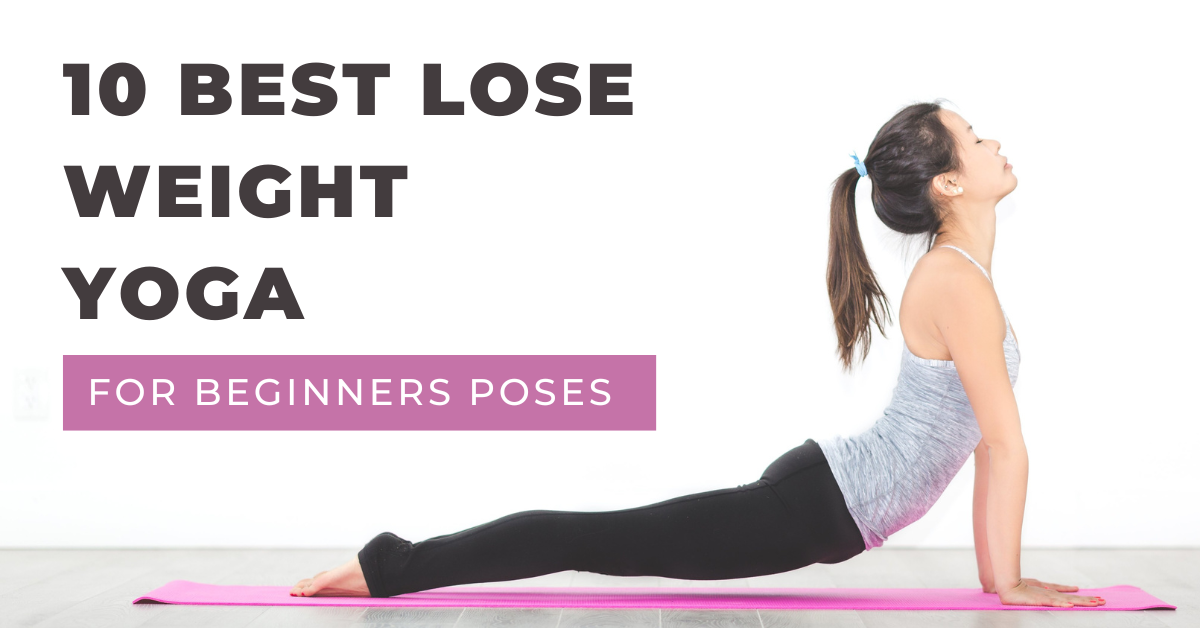
    Yoga and Asanas are particularly effective at increasing flexibility and strength. Regular practice leads to improved posture and reduced risk of injury.

    Difference between Asana and Yoga

    Philosophical Focus:

    • Yoga encompasses holistic practices involving the body, mind, and spirit.
    • Asanas primarily focus on physical postures and their benefits.

    Scope and Practice:

    • Yoga includes a wide range of practices such as ethical guidelines, meditation, and breath control.
    • Asanas are a subset of yoga, concentrating solely on physical poses.

    Goals and Outcomes:

    • The goal of yoga is to achieve harmony between the body, mind, and spirit, ultimately leading to self-realization and inner peace.
    • Asanas primarily aim to improve physical health and prepare the body for deeper spiritual practices.

    Comprehensive Practice vs. Physical Focus:

    • Yoga integrates moral disciplines, mental exercises, and a spiritual journey into its practice.
    • Asanas are the most visible aspect of yoga, focusing predominantly on physical exercises.

    Preparation for Meditation:

    • Yoga, through its various components, prepares practitioners for meditation by fostering physical and mental stability.
    • Asanas specifically prepare the body for prolonged periods of meditation, making it conducive to deeper spiritual practices.

    Tips for Beginners

    Starting with Yoga

    If you’re new to yoga, start with a beginner’s class that includes a mix of asanas, pranayama, and meditation. This will give you a well-rounded introduction to the practice.

    Starting with Asanas

    If you’re focused on the physical aspect, start with basic asanas to build flexibility and strength. Gradually, incorporate other elements of yoga as you become more comfortable.

    Advanced Practice

    Deepening Your Yoga Practice

    For those looking to deepen their yoga practice, consider studying the philosophical aspects and incorporating advanced meditation techniques.

    Advancing in Asanas

    To advance in asanas, practice regularly and mindfully. Focus on alignment and breathing to safely progress to more challenging poses.

    Conclusion

    Understanding the Difference between Asana and Yoga is key to a well-rounded practice. While asanas are crucial for physical health, they are just one part of the holistic discipline of yoga. By integrating both, you can achieve a balanced approach to wellness that nurtures your body, mind, and spirit.


    Are you ready to start your journey to comprehensive well-being?


    Explore the world of yoga and discover the transformative power of both yoga and asanas. Start your practice today the best course for you and experience the profound benefits for your body, mind, and spirit. Join us as we embrace wellness together! #NamasteWithFitFortunes

  • Yoga Poses for Weight Loss for Beginners: 10 Options

    Yoga Poses for Weight Loss for Beginners: 10 Options

    Yoga poses for weight loss for beginners can support regular movement, but they cannot promise fast fat loss or target belly fat. Choose comfortable postures, build consistency and combine practice with suitable daily activity. Food intake, sleep, health and time also matter. The ten poses below prioritise manageable movement and offer easier variations rather than a calorie-burning guarantee.

    Can Beginners Use Yoga for Weight Loss?

    Yoga can support activity and consistency, but it does not guarantee fast fat loss. Body-fat change depends on overall energy balance, food intake, sleep, activity and time.

    Yoga can help withYoga cannot promise
    Regular movementSpot reduction of belly fat
    Strength and mobilityA fixed amount of weight loss
    Stress-management routineMajor fat loss in a few days

    Related guides: yoga and 7-day weight-loss claims, Yogalates and weight loss, and weekly yoga frequency.

    Understanding the Role of Yoga in Weight Loss

    Different yoga classes place different demands on the body. A gentle session may support mobility and attention without providing much aerobic activity. A stronger session may add more effort, but cannot establish a fixed energy expenditure for everyone. The CDC activity and weight guidance explains the wider role of exercise. Avoid detox claims and promises to raise metabolism from one pose.

    What Is a Simple Beginner Yoga Routine for Weight Management?

    1. Easy warm-up — 3 minutes.
    2. Chair Pose — 30 seconds, repeated twice.
    3. Low Lunge — 1 minute each side.
    4. Plank or knees-down Plank — short controlled holds.
    5. Bridge Pose — 2 rounds.
    6. Downward Dog or tabletop — 1 minute.
    7. Quiet breathing — 2 minutes.

    Use this as movement practice, not a promise of fast weight loss. Walking, food intake, sleep and total activity also matter.

    10 yoga poses for weight loss for beginners: practice instructions

    1. Small Locust lift

    Lie on your front if comfortable. Keep the neck long and lift the chest or one leg a little, then lower slowly. You do not need to lift everything at once. Use a small range and stop for back pain. This is a controlled movement task, not a way to burn fat from the back or hips.

    2. Supported Chair Pose

    Stand near a stable support and bend the knees slightly as if beginning to sit. Keep enough weight through the feet to stay balanced. Use a shallow bend, or perform a chair sit-to-stand instead. Breathe naturally and straighten before fatigue changes your control. Short repetitions are a valid starting point.

    3. Bridge Pose

    Lie on the back with knees bent and feet supported. Press through the feet and lift the hips to a comfortable height. Lower slowly. Keep the head facing upward rather than turning the neck while lifted. Use a small lift or remain resting if this posture causes pain.

    4. Wall or knees-down Plank

    Begin with hands on a wall, or keep the knees on the floor. Press the support away gently and keep the trunk comfortable. Try a short hold with ordinary breathing. Avoid collapsing into the lower back or enduring wrist pain. A wall version allows you to adjust load without needing a floor push-up.

    5. Downward-Facing Dog or tabletop

    From hands and knees, lift the hips back only if that feels manageable. Keep the knees bent and focus on comfortable support through the hands and feet. Heels do not have to reach the floor. Tabletop is a suitable alternative. Leave the pose if it causes pressure, dizziness or pain.

    6. Gentle Cobra or Sphinx

    Choose a small backbend with the hands or forearms supporting you. Lift the chest a little and lower with control. Do not press into a painful range or assume a deeper arch is better. Skip prone postures when pregnancy, surgery or another condition makes lying on the front unsuitable, and seek individual guidance.

    7. Supported forward fold

    Stand with knees softly bent and hands on a chair or thighs. Tip forward from the hips only a little, keeping a comfortable back position. Do not bounce or force the head toward the floor. If bending brings dizziness or has been restricted by a clinician, remain upright and choose another movement.

    8. Cat-Cow

    Use hands and knees or a stable seated position. Move slowly between a small arch and a gentle rounding of the back. Keep the neck comfortable and breathing easy. A small range is enough. This is spinal movement practice; claims that it massages organs, detoxes the body or causes fat loss are unnecessary.

    9. Supported Tree Pose

    Stand near a wall or stable chair. Shift weight onto one foot and rest the other foot at the ankle with toes down. Use light hand support. Increase the foot height only when balance remains comfortable, keeping it away from the knee joint. Take a short turn on each side. This trains balance; it does not burn fat from the standing leg.

    Tree Pose among yoga poses for weight loss for beginners

    10. Supported low lunge

    Use a short stance and a wall or chair for balance. Keep the front knee moving with the toes and lower only as comfortably as you can. Pad the back knee if kneeling is suitable. A standing split stance is an alternative. Change sides slowly and stop before balance or breathing becomes strained.

    Finish with comfortable rest

    After your chosen poses, sit or lie in a position that suits you. A pillow beneath the knees, side-lying or a chair are valid options. Rest is part of pacing a session rather than an additional weight-loss pose.

    Two people resting on mats in Savasana after yoga practice

    How to build a manageable weekly routine

    1. Choose four or five comfortable poses and include a warm-up and rest.
    2. Start with short sessions and allow recovery between stronger practices.
    3. Add suitable walking or other aerobic activity across the week.
    4. Record comfort and consistency rather than expecting a fixed scale change.
    5. Seek qualified help for health, nutrition or persistent movement concerns.

    Frequently asked questions

    Will these poses reduce belly fat?

    No posture targets fat loss from one area. These yoga poses for weight loss for beginners offer movement practice, while body-fat change depends on wider factors. Avoid holding a painful pose because a programme promises spot reduction. Choose a sustainable activity plan and appropriate nutrition support. The seven-day guide linked above explains why rapid-result claims should be treated cautiously.

    How often should I practise?

    Start with a frequency you can maintain comfortably, then adjust to recovery and other activity. Two or three short sessions may be manageable for some beginners, but no fixed schedule suits everyone. A gentle session and a demanding class place different loads on the body. Our weekly yoga frequency guide offers flexible planning advice.

    Must I do all ten poses?

    No. Select the positions that suit your ability and stop when you need rest. The list offers choices rather than a compulsory sequence. Chairs, walls and smaller ranges are useful, and a pose can be omitted without making the session a failure. A qualified teacher can help you choose appropriate variations when an injury or health condition affects movement.

    Can I rely on yoga alone for weight management?

    Yoga can contribute to activity and daily habits, but it does not address every nutritional, medical or fitness need. Some people benefit from a plan that includes walking, progressive strength work, sleep and appropriate nutrition advice. Do not stop prescribed care or undertake restrictive diets because a yoga article promises results. Choose a plan that fits your health and circumstances.

    For guided practice and traditional study, see FitFortunes yoga courses. The school’s training programmes are educational courses; this article does not advertise a verified personalised weight-loss treatment.