Author: Pravesh Narwal

  • Activate Your Inner Power: Yoga for Strength and Flexibility

    Activate Your Inner Power: Yoga for Strength and Flexibility

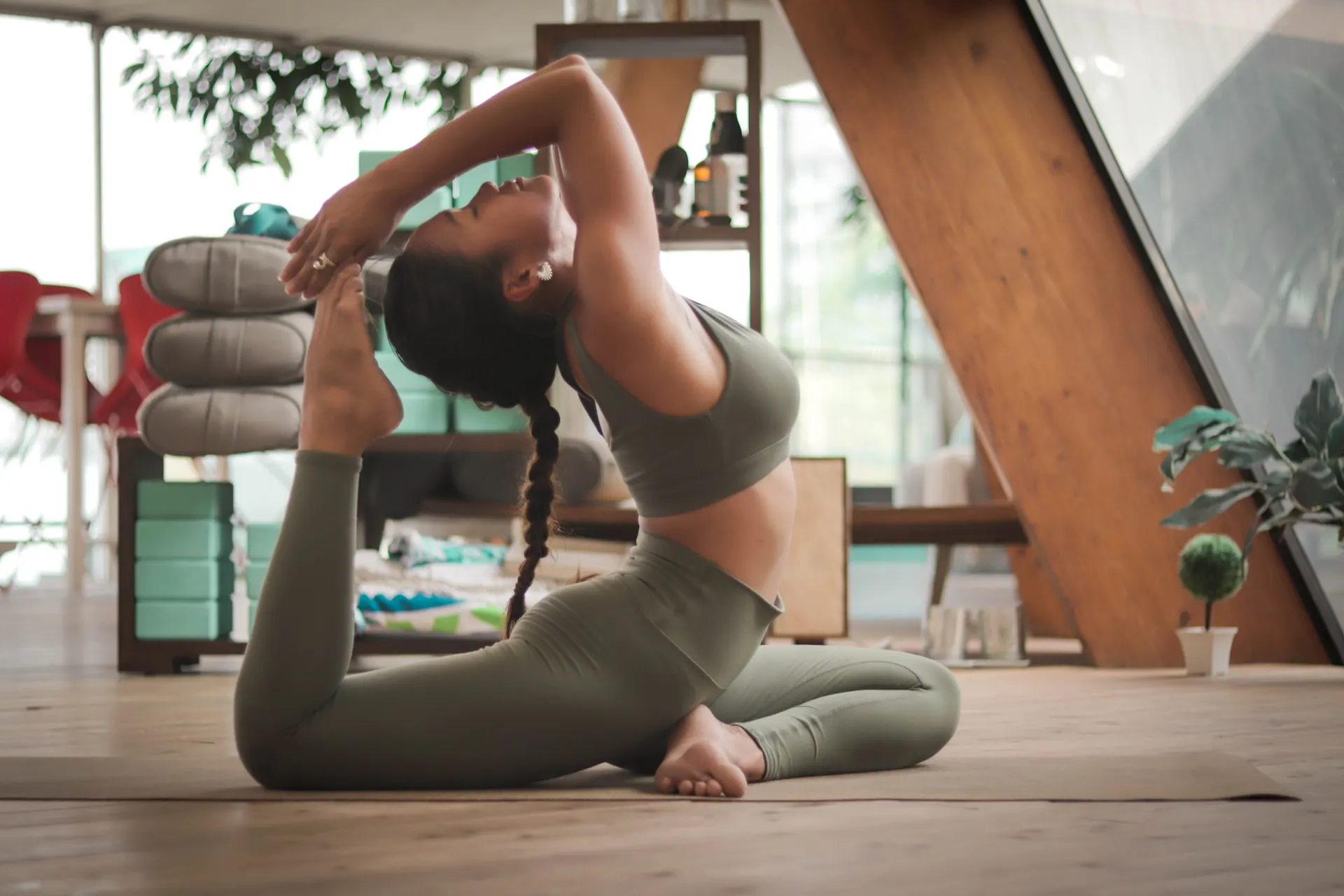
    The Yoga for Strength and Flexibility has been gaining popularity worldwide. Physical practice and a holistic approach to wellness play an important role in enhancing your strength and flexibility. In this comprehensive guide, we’ll delve deep into the world of yoga, exploring how it can transform your body, mind, and soul.

    Understanding Philosophy of Yoga: More than Just Poses

    Before we dive into the physical aspects, it’s essential to understand the philosophy behind yoga. Yoga originated in ancient India and is deeply rooted in spiritual and philosophical teachings. Yoga for Core Strength and Flexibility aims to achieve a union between the mind, body, and spirit.

    The Eight Limbs of Yoga 

    Yoga’s philosophy is encapsulated in the Eight Limbs of Yoga, as outlined in Patanjali’s Yoga Sutras. These limbs provide a framework for living a balanced and fulfilling life, incorporating not only physical postures but also ethical and mental practices.

    The Physical Practice 
    Physical Practice
    Activate Your Inner Power: Yoga for Strength and Flexibility 3

    Asanas: The Yoga Poses

    When most people think of yoga, they picture various physical poses or “asanas.” These postures not only improve strength and flexibility but also promote overall well-being. Some common asanas of Yoga for Flexibility And Strength for Beginners include Downward-Facing Dog, Warrior II, and Bridge Pose.

    Vinyasa Flow: A Dynamic Approach

    Vinyasa yoga is known for its fluid, dynamic sequences that synchronize breath with movement. It’s the Best Yoga for Strength and Flexibility.

    Yoga for Strength 

    Building Muscle through Yoga 

    Yoga may not involve lifting weights, but it can certainly help you build lean muscle. Poses like Plank, Chaturanga, and Crow Pose engage multiple muscle groups, providing an effective full-body workout.

    Balance and Stability 

    Balance plays a huge role in performing yoga. A lot of the poses require balance on one leg or hold challenging positions. These exercises develop core strength and stability, crucial for overall physical strength.

    Core Strengthening 

    It is important to have A strong core for overall strength and posture. Yoga includes various poses, such as Boat Pose and Side Plank, that target the abdominal muscles, helping you build a solid core.

    Yoga for Flexibility 

    Increasing Range of Motion 

    Yoga is the best way to enhance flexibility. Regular practice can gradually increase your range of motion, making everyday movements easier and less prone to injury.

    Loosening Tight Muscles 

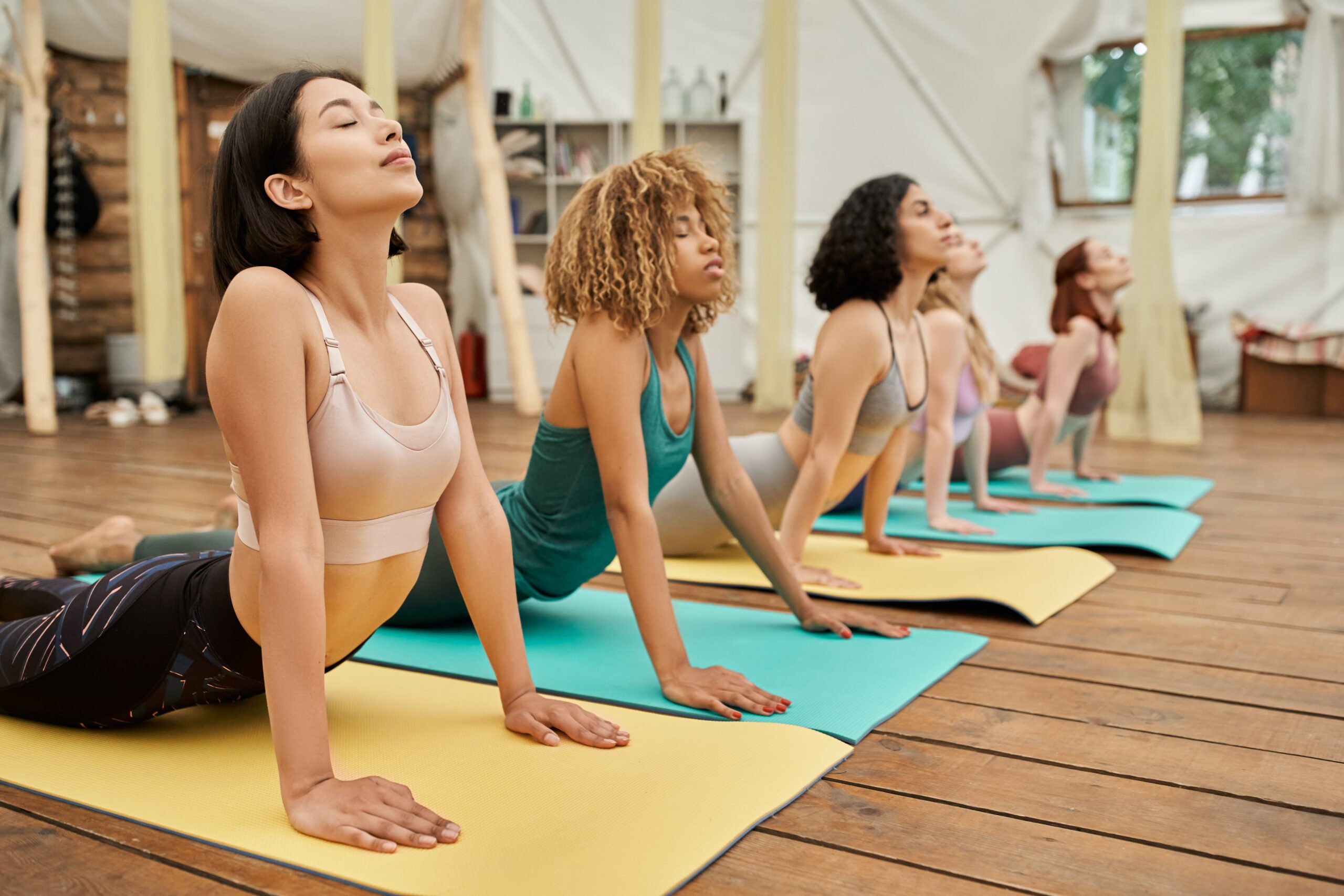
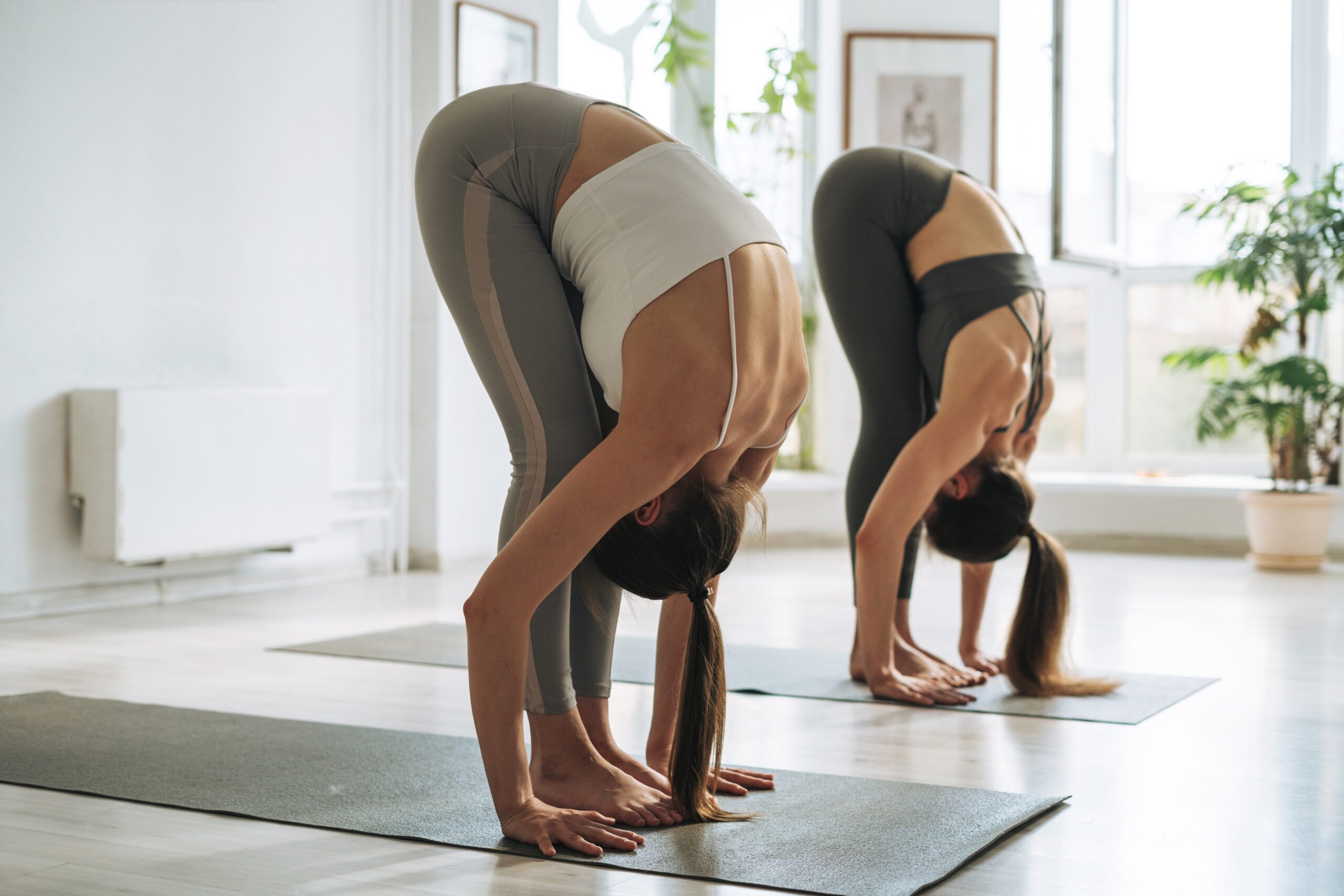
    Sitting at a desk all day or leading a sedentary lifestyle can lead to muscle tightness. Yoga’s gentle stretches, such as Forward Fold and Cobra Pose, can alleviate tightness and improve flexibility.

    Preventing Injuries 

    Improved flexibility not only helps prevent injuries but also aids in post-injury recovery. Incorporating yoga into your routine can reduce the risk of strains and sprains.

    Yoga and Mindfulness 

    Stress Reduction

    Yoga isn’t just about physical fitness; it’s also a powerful tool for stress reduction. Mindful breathing and meditation techniques practiced in yoga can calm the mind and reduce stress levels.

    Mental Clarity 

    Daily practice of yoga can enhance mental clarity and focus. This is especially beneficial for those dealing with the demands of a busy lifestyle.

    Getting Started with Yoga 

    Choosing a Yoga Style 

    There are numerous Traditional Multi-Style Yoga in Rishikesh to choose from, including Hatha, Vinyasa, and Bikram. It’s essential to find a style that suits your preferences and goals.

    Finding a Qualified Instructor 

    While there are many online resources for Yoga Teacher Training, it’s highly recommended to start with a qualified instructor, especially if you’re a beginner. They can provide guidance, correct your form, and ensure your safety.

    Creating a Consistent Practice 

    Consistency is key to reaping the full benefits of yoga. The goal for daily practice sessions, even if they’re for some minutes. Over time, you’ll notice significant improvements in strength and flexibility.

    Immerse yourself in traditional yoga practices with our 200 Hour Yoga Teacher Training in Rishikesh. Join us for an authentic and transformative experience. Register now!
  • Yoga Classes in Rishikesh: 5 Steps to Choose the Right Class

    Yoga Classes in Rishikesh: 5 Steps to Choose the Right Class

    Choosing a yoga class in Rishikesh is easier when you compare the teacher, style, level, location and fee before paying. A famous area or busy studio does not automatically mean the class is right for you.

    Rishikesh has everything from beginner Hatha classes to pranayama, meditation, Vinyasa and teacher training. The best choice depends on what you actually want from the class.

    5 Steps to Choose a Yoga Class in Rishikesh

    1. Decide What You Want to Practise

    Start with your main goal. Do you want a gentle beginner class, stronger physical practice, traditional Hatha, pranayama, meditation, or preparation for teacher training?

    Do not choose a class simply because the name sounds advanced. A basic class taught well can be more useful than a complicated class taught too fast.

    2. Check the Teacher

    Ask who teaches the class and what their background is. A good teacher should be able to explain the class level, offer sensible options and answer basic questions about the practice.

    Reviews can help, but they should not be your only test. Teacher-student fit matters.

    3. Match the Class to Your Experience Level

    If you are new to yoga, choose a class clearly marked for beginners or mixed level with teacher support. Tell the teacher about pain, injury or movement restrictions before class.

    More experienced students can ask about pace, sequencing, pranayama depth and whether the class follows a specific lineage.

    4. Check Location, Timing and Class Size

    Rishikesh traffic, walking routes and bridge access can affect how practical a class feels. Choose a location you can reach comfortably, especially for early-morning sessions.

    Smaller classes may offer more individual observation. Larger classes can still be good, but ask how much personal feedback is normally given.

    5. Compare the Fee and What It Includes

    Ask whether the price is for one class, a multi-class package or a monthly plan. Also check whether mats and props are provided.

    If a school bundles accommodation, meals or other services, compare the total value rather than only the class price.

    Quick Yoga Class Checklist

    CheckWhat to ask
    TeacherWho teaches and what is their training background?
    StyleHatha, Vinyasa, pranayama, meditation or mixed?
    LevelIs the class suitable for complete beginners?
    LocationCan you reach it easily at the class time?
    Class sizeHow much individual feedback is possible?
    FeeSingle class, package or monthly rate?

    Yoga Class or Yoga Teacher Training?

    A regular yoga class is for practice. A teacher training course is a structured study program with anatomy, philosophy, methodology and practicum in addition to practice.

    If you are comparing both, read our yoga classes in Rishikesh with fees, best yoga classes in Rishikesh guide, and 200-hour yoga teacher training in Rishikesh.

    Frequently Asked Questions

    How much does a yoga class in Rishikesh cost?

    Prices vary by teacher, studio, class length and package. Check the current fee directly before booking because local prices can change.

    Can complete beginners join yoga classes in Rishikesh?

    Yes. Choose a beginner-friendly class and tell the teacher if you have pain, injury or movement limits.

    Which yoga style is best for beginners?

    A well-taught Hatha or beginner-level mixed class is often a practical starting point because the pace usually allows more time to understand the postures and breathing.

    Do I need my own yoga mat?

    Some studios provide mats and props, while others expect students to bring their own. Ask before attending.

  • Yoga for Self-Confidence: 3 Poses and Practical Tips

    Yoga for Self-Confidence: 3 Poses and Practical Tips

    3 Yoga Asanas to Build Up Your Self-Confidence!

    Yoga for self-confidence can offer small, repeatable challenges in balance, posture and attention. Try Warrior II, a gentle Cobra variation and Tree Pose with support. These three asanas do not guarantee confidence or treat anxiety, but they can give you practice making choices and noticing progress. Use the variations below, avoid painful positions and judge success by control rather than the depth of a pose.

    Introduction to Yoga and Self-Confidence

    Confidence develops in many parts of life, including relationships, skills and the way you respond to setbacks. A posture can provide an opportunity to practise a manageable challenge, but it cannot measure your worth. Use a wall, shorten a hold or choose another position without treating that choice as failure. The NHS low self-esteem guide offers wider practical approaches beyond exercise.

    Warrior Pose (Virabhadrasana)

    warrior pose
    Shot of a group of yoga students completing lunges into the warrior pose during a class.

    How to practise Warrior II: stand with feet comfortably apart, turn the front foot out and bend that knee a little. Keep the knee pointing with the toes and use a shallow stance. Extend the arms only as comfortably as you can. Try several ordinary breaths, then change sides. A shorter hold is enough. Keep a stable support nearby if balance is uncertain.

    Practice focus: choose a manageable version and notice one action you can control. This gives you a specific task rather than a promise that a posture changes self-esteem.

    Stopping or using support is part of sound practice. You do not need to endure a difficult hold to prove confidence.

    Cobra Pose (Bhujangasana)

    Group practising a deeper straight-arm backbend
    The pictured straight-arm backbend is deeper than the small Cobra variation described. Practise within your own comfortable range.

    How to practise Cobra: lie on the front only if that position is comfortable. Place hands near the ribs and lift the chest a little, using light assistance from the hands. Keep the backbend small and avoid forcing the lower back. Lower slowly. Use Sphinx with forearms supported, or choose another posture if a backbend causes pain.

    Tree Pose (Vrikshasana)

    tree pose
    Young woman practicing yoga Tree pose, Vrikshasana against texturized wall background

    How to practise Tree Pose: stand near a wall or stable chair. Keep one foot grounded and place the other foot at the ankle or inner calf, avoiding pressure on the knee. Keep the lifted toes on the floor if needed. Use support, look at a stable point and breathe naturally. Practise a short hold on both sides.

    A simple confidence-building yoga practice

    1. Stand in Tadasana for 5 slow breaths.
    2. Practise Warrior Pose on both sides.
    3. Use Tree Pose near a wall if balance feels uncertain.
    4. Finish with Cobra or a gentle Sphinx variation.
    5. Sit quietly for one minute and notice the breath.

    Yoga does not create confidence overnight. It can give you repeated practice with balance, posture, attention and staying calm when something feels difficult.

    Frequently asked questions about yoga for self-confidence

    Can beginners use these three poses?

    Yes, when the version and support suit their needs. Use a shallow Warrior II stance, a small Cobra lift or Sphinx, and Tree Pose near a wall with toes on the floor. A photograph is not a target you must match. The beginner poses guide offers further options. Seek individual guidance when injury or a health condition affects practice.

    How should I track progress?

    Record one manageable action, such as holding a supported balance comfortably or returning to practice after missing a day. Avoid rating your body or comparing it with others. Choose a task you can repeat, then notice control and comfort over time. This is a practice idea rather than a psychological treatment. Confidence outside the mat may also need skills, relationships and appropriate support.

    What if I keep losing balance?

    Use a wall or chair, keep the lifted toes on the floor and shorten the hold. Losing balance is information about the task, not proof of weakness. Step out safely and begin again only when comfortable. Repeated dizziness or unexplained balance changes deserve professional assessment. Do not close your eyes or remove support simply to make the pose look more impressive.

    Can yoga cure low self-esteem or anxiety?

    No cure is established for these three poses. Yoga may be part of a general well-being routine, but persistent anxiety, low mood or distress can need professional care. Use the NCCIH yoga evidence and safety review for context. Keep exercise claims modest and choose support that addresses the actual difficulty you face.

    Your next practice step

    Choose one pose and one easier variation for a short session. Notice a specific success, such as using support wisely or stopping before strain. If posture is part of your goal, read the daily posture routine. For planning a sustainable schedule, use our weekly yoga guide.

  • 11 Things to Know Before Your First Vinyasa Yoga Class

    11 Things to Know Before Your First Vinyasa Yoga Class

    Signing up for your first Vinyasa Yoga session can be both exhilarating and daunting. Vinyasa
    yoga is often faster-paced than other varieties of yoga, and if you’ve never done it before, you
    may have questions regarding appropriate clothes, class types, adjustment options, and more.
    That’s where we come in. We asked three professional yoga instructors what beginners should
    know before their first vinyasa session, and then compiled 11 useful ideas that will leave you
    feeling confident and prepared on the mat.


    First, let’s go over what vinyasa yoga is.
    What Is Vinyasa Yoga?
    Vinyasa, often referred to as “flow” yoga, is a dynamic form of yoga that synchronizes breath
    with movement. It’s known for its fluid sequences and graceful transitions between poses. Now,
    let’s get into the nitty-gritty of what you should be aware of before attending your first Vinyasa
    Yoga Class.

    1. Understand the Basics of Breathing
      Vinyasa yoga places a strong emphasis on breath control, or “pranayama.” You’ll be guided to
      coordinate your breath with each movement, creating a harmonious flow. Proper breathing not
      only enhances your practice but also helps calm the mind and reduce stress.
    2. Dress Comfortably
      Choose comfortable, moisture-wicking clothing that allows for ease of movement during the
      Vinyasa Yoga for Beginners. Tight-fitting attire can restrict your flexibility, so opt for breathable
      fabrics that allow you to stretch and bend freely.
    3. Bring a Yoga Mat
      A quality yoga mat is your foundation for a successful practice. It provides grip, support, and a
      clean surface to practice on. Many studios offer mats for rent, but having your own ensures
      hygiene and familiarity.
    4. Arrive Early
      Punctuality is key in the world of Vinyasa Yoga Teacher Training in Rishikesh. Arriving early
      gives you time to settle in, lay out your mat, and mentally prepare for the class. Rushing in at
      the last minute can disrupt your focus and the energy of the class.
    5. Stay Hydrated
      Proper hydration is vital for any physical activity, including yoga. Drink water throughout the day
      leading up to your Yoga School in Rishikesh, but avoid heavy meals right before practicing, as
      this can cause discomfort.
    6. Listen to Your Body
      Yoga is a personal journey, and everyone’s body is different. Pay close attention to how your
      body responds to each pose. If something doesn’t feel right or causes pain, don’t push yourself.
      Modify the pose or take a rest as needed.
    7. Respect the Space
      Yoga studios are sacred spaces. Be mindful of your noise level, and turn off your cell phone to
      avoid disruptions. Maintaining a peaceful atmosphere is essential for everyone’s practice.
    8. Choose the Right Class
      Vinyasa yoga classes come in various levels, from beginner to advanced. It’s crucial to choose
      a class that matches your skill level. Starting with a beginner class allows you to learn the
      foundations before progressing to more challenging sequences.
    9. Embrace the Mind-Body Connection
      Yoga isn’t just about Yoga Vinyasa Postures; it’s also a mental and spiritual practice. Be open
      to the meditative aspect of yoga, which can enhance your focus, clarity, and inner peace.
    10. Stay Consistent
      Like any skill, yoga improves with regular practice. Try to attend classes consistently to
      experience the full benefits of yoga Teacher Training. Many practitioners find that regular practice
      enhances their physical and mental well-being.
    11. Be Patient
      Lastly, remember that yoga is a lifelong journey. Don’t be discouraged if you can’t master poses
      right away or if your progress seems slow. Each practice is an opportunity for growth, and
      patience is a virtue on this path.
  • Explore the 7 Chakras of the Human Body

    Explore the 7 Chakras of the Human Body

    Have you ever heard of the 7 Chakras? The human body has energy centers, Chakras. The balanced Chakras, they can bring physical, emotional, and spiritual wellbeing. Here, we will explore the 7 Chakras, how they affect our energy & how to keep them balanced for optimal health. Read on to discover more!

    Explore the 7 Chakras of the Human Body
    Explore Chakra in Human Body

    Understanding the 7 Chakras of the Human Body

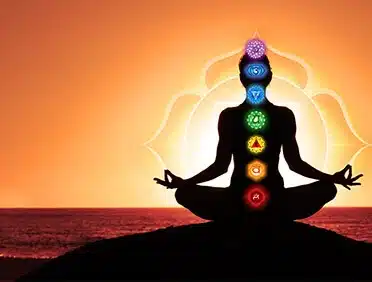
    The seven chakras are energy centers in the human body. That are located along the spine, from the base of the spine to the crown of the head. According to the philosophy of yoga, these 7 chakras are the 7 stages. For of spiritual growth and development in a human’s life. Each chakra refers to an emotion, a physical sensation and a color. If it becomes blocked, it can lead to an imbalance. Due to stress, trauma or unhealthy habits. Unblocking these 7 chakras is an important part of yoga practice. Which can help individuals open up their minds, hearts and souls for greater spiritual growth.

    The Basic things

    Each chakra is associated with specific physical, psychological and spiritual functions, and understanding how these chakras work can be beneficial for maintaining balance in our lives. According to the ancient practice of yoga philosophy, our bodies have seven energy centers known as chakras. These chakras play an important role in how we feel physically, emotionally and spiritually. Each chakra is associated with different emotions and physical sensations, including courage, creativity, communication, compassion and wisdom. By understanding the seven chakras and how they interact with our bodies, we can create balance and harmony in our lives by focusing on the areas where we need more work or attention.

    Through yoga practice, we can learn to activate and balance these energy centers to create a sense of peace and clarity in our lives – both physically and mentally Thus, 7 chakra practice under the yoga philosophy is an effective way to create balance. Through regular practice and mindfulness, one can achieve improved physical and mental wellbeing. Awareness of the seven chakras and learning how to activate, cleanse and balance them could help achieve health and well-being. As a result of this practice, we can experience true peace and clarity in our lives.

    Balancing the Chakras for Optimal Health through Yoga Philosophy

    Balancing the seven chakras is essential for achieving optimal physical, mental, and spiritual health in accordance with yoga philosophy. By understanding how energy flows between the chakras and learning to practice yoga poses that focus on specific areas. We can aim to bring our energies into alignment. The 7 chakras, Muladhara, Svadishthana, Manipura, Anahata, Vishudda, Ajna and Sahasrara. These are located along the spine and correspond to different stages of life and development.

    Improve the Energy of Chakras

    These 7 chakras provide pathways for energy to flow between the physical body and the spiritual or mental parts of ourselves. Practicing certain yoga postures can help improve the flow of energy between these 7 chakras by releasing physical, emotional and mental tension. This in turn helps us experience feelings of relaxation and freedom from stress. Through understanding and integrating the 7 chakras into our own lives we can use yoga to achieve balance in our lives on all levels. Physical, mental, emotional and spiritual.

    Different postures target different chakras and th bring different benefits: for example, the practice of hip openers helps to open up energy flow in the root chakra, associated with stability and security; backbends can help open up the heart chakra which is associated with positive emotions such as love and compassion Thereafter, yoga philosophy and the concept of the 7 major chakras offer a powerful tool for improving physical, mental, and spiritual wellbeing. Different yoga postures are tailored to target each of these chakras, bringing different benefits to our wellbeing and ultimately improving the quality of life. Through yoga practices that originate from India, yoga practitioners are able to reap these benefits to improve their physical and mental health.

    To Conclude

    In conclusion, the 7 chakras are an incredible aspect of the human body. It is important to maintain their balance and energy in order to achieve optimal physical, emotional, and spiritual wellbeing. Practicing yoga or meditation, eating a balanced diet, getting enough sleep, and engaging in positive self-talk. These are all essential components of maintaining a balanced chakra system. By making these changes in your life you may find yourself feeling more energetic and happier than ever before!

    Ready to take your yoga practice to the next level? Our 200 Hour Yoga Teacher Training in Rishikesh is designed to provide you with the knowledge and skills needed to teach yoga with confidence. Apply now!

  • Selfcare is not Selfishness its a Need for Healthy Life

    Do you feel guilty in considering yourself as a priority? Selfcare is not being selfish. It’s about loving your own-self. We are workaholic people running around to get things right. But for others. If you consider yourself to be the weighing machine, the heavier side always being the
    selfless being.

    Priorities over Selfcare

    In other words, we always forget ourselves to please others. But its really hard and is not also a healthy way to love it. We think our self to be a wonder Man/Woman but end up being a crazy one. Because we think selfcare is selfishness. We try to cope up with the environment and result in doing amazing things. But, compromising our other areas. Compromising our relationship, our connection as well our well being. Find a self-care regime by making yourself a priority in your own world. It’s amazing to see the differences it makes. You will feel more lively, refreshed and calmer and love your life.
    Sharing with you have habits that would change your life. Put them into your day without fail. Feel the difference. It’s your own job to look after yourself, your emotion as well as your mental well being.

    Yoga

    So, First thing in Selfcare is Keeping yourself Physical fit. And, Yoga the easiest and stay at home option for you. Every early morning make yoga routine your habit. It will help you with improving your flexibility, posture, healthy joint and muscles along with your core strength. Moreover, You start feeling amazing as days pass by. You can keep it low starting slowly. Firstly give some love to your joints and rotate every joint in a clockwise and anti-clockwise direction few rounds. Starting from wrists, elbows, shoulder, neck, opening up the chest, back and forward bend, spinal twist and side bend, hip rotations, knees, ankles. Followed by with some repetitions of Sun Salutation. start from 10-15 minutes in first go. Nevertheless, Once you feel a bit stronger increase it around 30 minutes at least. It not only makes you feel refreshed but also provides you energy all day long.

    Mindfulness and Meditation

    Now, after physical health lets move forward to be strong mentally too. Take things slow, notice things around yourself. Feel the presence where you live and experience the world around you. Take time to look around, look the trees, the people around you. Sometimes stop and greet people. Stop worrying and be in the present. Mindfulness is a life saver and stays mindful in every aspect. Mind what you eat, you drink. Enjoy every precious moment on every precious day. Practicing daily medication after your morning exercise is also very helpful. Go through a guided visualization turning your back in the sun.

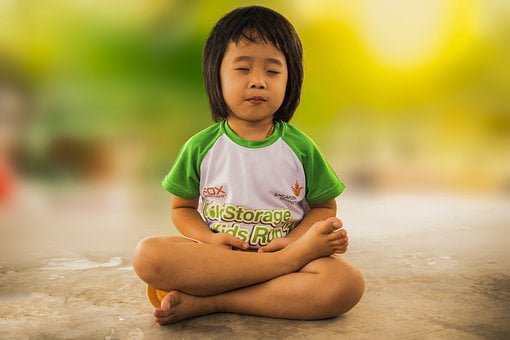
    Little Kid Doing  meditation
    Little Kid Doing meditation

    It takes 20-30 minutes from your day but leaves you with immense peace. Maybe at start your mind getting divert easily, or you feel uncomfortable in keeping your eyes closed. But, this is just the start. once you start from 3 minutes you could easily reach 30. Unite your body, mind, and soul. A strong mind makes a strong personality also helps with mood swings. So, yoga practice with some Meditation is need of you. Find some time for yourself morning or evening doesn’t matter.

    Laughter and joy

    Spend time with your precious person around you. Be silly, laugh and get yourself rolling on the floor. Drop any inhibitions, be playful and let yourself go. Bring laughter and joy into your life. Spend time with your partner, your children, and our friends.

    Gardening or Nature Love

    Getting out in the garden/park makes your soul musical. Meanwhile, It soothes your mind also nourish your soul. We get immense joy and satisfaction from the outcome itself. Not only this is selfcare but also a great way of releasing energy. And the most helpful part one
    can spend his anger or frustration while gardening. Digging up the weeds is extremely helpful.

    ecology 2985781 960 720 1
    make a garden of your own

    Making reading your habit

    Try to get lost in a great novel feeling the story. Sit by a pool and give yourself
    permission to enter the imaginative world. This would result in a big difference. And
    here what you will challenge your work ethic. It not only gives a break from your
    monotonous job but also put you in relief.

    Swimming

    Water can make you calm and give immense pleasure. Walking along a beach or sitting by a pool soothes your soul. There are many things that would help you to maintain a balanced life. Apply them
    as your self-care strategies. Be a better partner, a friend, and a better therapist. Before finishing it off, would like to mention a few things. This very change of yours may not accept gladly. Your friends and family may accuse you of being a bit selfish.

    But don’t get disheartened, term it as SELF-CARE!!! You will feel great to see the ripple effect when you being the person, changes in the family system.

  • Introduction to Holy Book Bhagwat Geeta

    Shrimadbhagwad Geeta is not only the Indian but also the most read religious texts in the world. Translated into almost all languages of the world. In Geeta, there is a wonderful combination of all types of Yoga. Besides to Gyan Yog, Bhaktiyog, Karmayog and Rajyog. Bhagwat Geeta also describes the Sanyasa Yoga, Sankhya Yoga, Shradhayraya Yoga and salvation.

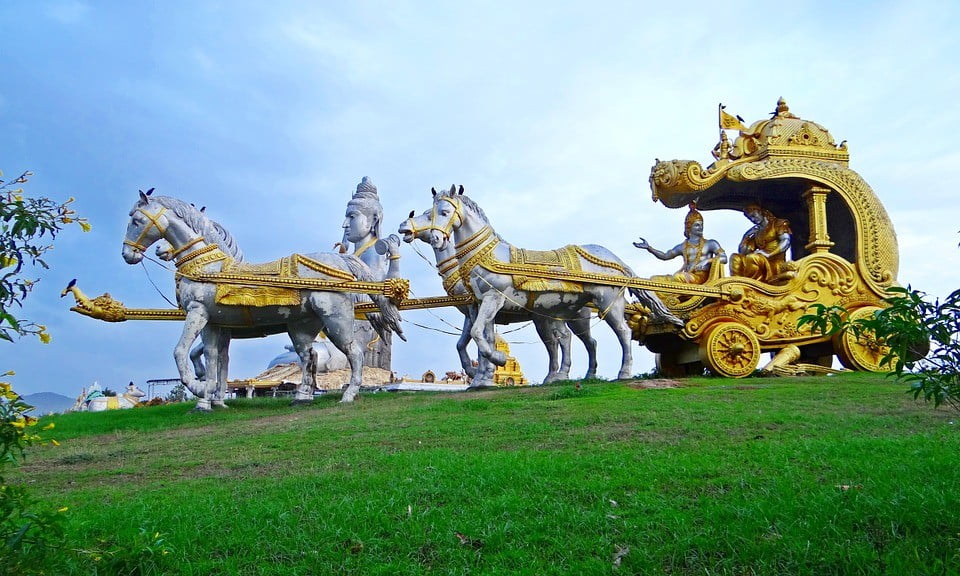
    Arjuna and Shri Krishana
    Shri Krishan and Arjuna

    Chapters and Verses

    Containing the total eighteen chapters, And the total seven hundred verses. These seven hundred verses of the Geeta have been spoken and heard by four persons. Of which King Dhritarashtra only spoke one verse. After this,  Sanjay has spoken a total of forty-two (42) verses. Arjuna has spoken the total Eighty-four(84) verses. And, the remaining five hundred seventy-three (573) verses spoken by Yogi Sri Krishna. The highest stanza in the Geeta called Yogiraj Srikrishna.

    Importance of Bhagwad Geeta

    Knowledge of Geeta tells us how to live life in the right way. The biggest challenge we face today, our physical and mental capabilities. That means, how do we treat our emotions in favourable and adverse conditions. When there is compatibility, there is a sense of arrogance in the person. And, when there is adversity, the situation of stress arises. Both of these conditions are fatal or harmful to us.
    Now the question arises, what kind of behaviour should we have in favourable as well as unfavourable conditions? So we could save yourself from vanity and stress. With the unique knowledge of the Gita, we get a very accurate answer to this question.

    Composition

    Preaching of Geeta to Arjuna given by Shri Krishna. About five thousand years (5000) from today, on the battlefield of “Mahabharata” Kurukshetra. Kurukshetra Located in the eastern Haryana, in India. The Gita is part of the Bhishma festival of Mahabharata. The description of the Geeta begins from the twenty-fifth (25) of Bhishma festival of Mahabharata up to chapters forty-two (42). Hence, Bhagwat Geeta considered as part of Bhishma festival. Geeta is also considered to be a part of the ‘3 Paths’ (PrasthanTrayi). Here path considered as our path of life to Salvation. Hence, the use of the word path means to follow certain guidelines to achieve the ultimate goal or purpose of life. And the word “Trayi” means three. These 3 Paths are Upanishad, Geeta and Vedanta philosophy. Thus, the path of Salvation is learning and adopting these 3 ways in life.

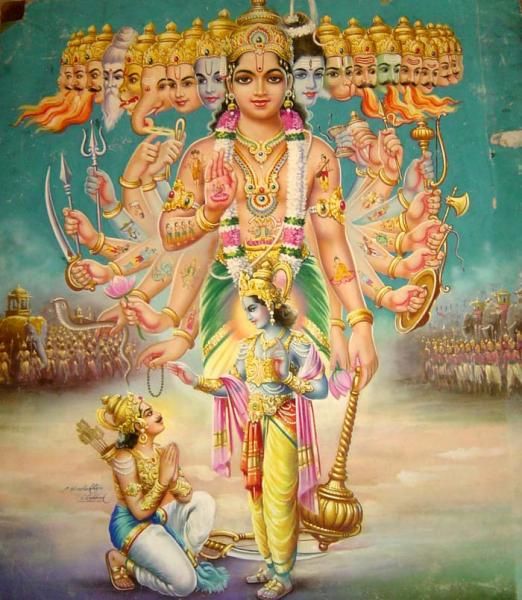
    Bhagwat geeta preaching by Krishana to arjuna
    Bhagwat Geeta preaching by Krishna to Arjuna

    Things Related to the Origin of Bhagwad Geeta

    There is always some reason for every work. The origin of any work cannot arise without purpose. Same way, there were many reasons behind the war of Mahabharata. Now the most important question arises that what was the reason behind Geeta’s Preachings. On a battlefield like Mahabharata. According to many scholars and teachers, there can be different reasons.
    The Arjuna who was born in a Kshatriya family. Also, grew up in the Kshatriya environment. Whose entire education based on the Kshatriya style. And, who won all those battles that he fought before Mahabharata. Now, he becomes very thoughtful and fearful. What kind of conflicts were there in Arjuna Mins during Mahabharata. That his “Gandiva” (Name of Arjuna Bow) fall from his hands on the battlefield?

    Why the Preaching of Geeta Needed

    These conflict in the Arjuna mind called ‘Raga’. Raga addressed in the Geeta as a spell. When Arjuna says to Krishna, O Krishna! You take my chariot between the two armies. I want to see which are the great people who have come here for war purpose? After this, Sri Krishna raises the chariot in the middle of both the armies. As soon as Arjun sees all his acquaintances. He saw his grandfather, Guru Dronacharya, maternal uncle, cousins other relatives. Standing in front of him as warriors to fight against him. He had attachments towards them. Because they used to be part of his entire life. So, Arjuna lost into the situation and remembers all those old incidents in which he used to spend time with them all. Whether it is Bhishma’s grandfather, Guru Dronacharya or other relatives.
    The people, the substance or time, that make us feel the pleasure of being a kid, student or pleasure of a human being. The strong desire to feel and remember those moments and memories called “Raga”.

    The same happened with Arjun here. He remembers all the pleasures or pleasures spent with his grandfathers, gurus, brothers and relatives, and he did not want to lose them at all by placing them on the battlefield. So, he was scared of this situation and had questions in mind. Sri Krishna told him about the immortality of the soul and the mortality of the body. Then explain the inevitability of the action originated by nature. As soon as he got answers to his conflicts in mind and he is ready for war.

    Overall, Geeta is Based upon those Questions of Arjuna and Answers by Shri Krishna.

  • Total Chapters in Bhagwad Geeta

    A brief introduction to the eighteen chapters of the Geeta.

    In our Earlier Blog, we have discussed the Plot of Bhagwad Geeta. Now, in this Blog, we bring out the total Chapters of it. So, divided into eighteen chapters and all of them have various kind of complete knowledge of the Geeta. Different types of yoga have been discussed in different chapters. Once we know the names of all the chapters. After that, briefly describe the main topics of each chapter.

    Names of Chapters in Sanskrit.

    1. Arjunavishaadayogaudio“arjunavishad yog”ARJUNAVISHAD YOG arjunavishad yog” — ARJUNAVISHAD YOG0:02
    2. Sankhyayogaaudio“sankhya yog”chapters of bhagwad geetaAudio Player00:0000:00Use Up/Down Arrow keys to increase or decrease volume.1. sankhya yog0:02
    3. KarmayogaAudio Player00:0000:00Use Up/Down Arrow keys to increase or decrease volume.
    4. Gyaan-KarmasanyasayogaAudio Player00:0000:00Use Up/Down Arrow keys to increase or decrease volume.
    5. KarmasanyasayogaAudio Player00:0000:00Use Up/Down Arrow keys to increase or decrease volume.
    6. AtmasanyamayogaAudio Player00:0000:00Use Up/Down Arrow keys to increase or decrease volume.
    7. Gyaana-VigyaanayogAudio Player00:0000:00Use Up/Down Arrow keys to increase or decrease volume.
    8. AksarabrahmayogaAudio Player00:0000:00Use Up/Down Arrow keys to increase or decrease volume.
    9. Rajavidya- RajaguhyayogaAudio Player00:0000:00Use Up/Down Arrow keys to increase or decrease volume.
    10. VibhutiyogaAudio Player00:0000:00Use Up/Down Arrow keys to increase or decrease volume.
    11. VisvarupadarshanayogaAudio Player00:0000:00Use Up/Down Arrow keys to increase or decrease volume.
    12. Bhakti yogaAudio Player00:0000:00Use Up/Down Arrow keys to increase or decrease volume.
    13. Ksetra Ksetrajna VibhagayogaAudio Player00:0000:00Use Up/Down Arrow keys to increase or decrease volume.
    14. Gunatraya VibhagayogaAudio Player00:0000:00Use Up/Down Arrow keys to increase or decrease volume.
    15. PurusottamayogaAudio Player00:0000:00Use Up/Down Arrow keys to increase or decrease volume.
    16. Daivasura Sampad VibhagayogaAudio Player00:0000:00Use Up/Down Arrow keys to increase or decrease volume.
    17. Sraddhatraya VibhagayogAudio Player00:0000:00Use Up/Down Arrow keys to increase or decrease volume.
    18. 18. Moksa Sanyasayoga

    Audio Player

    00:00

    00:00

    Use Up/Down Arrow keys to increase or decrease volume.

    So, Each Chapter has its own Importance. Now, let’s know about each chapter separately and get to know the Bhagwad Geeta more Stepwise.
    Geeta Preaching start from the first chapter Called Arjun-Vishad Yog.

    Arjuna and Shri Krishana
    Arjuna and Shri Krishna

    Arjun-Vishad Yog

    As the name describes Arjun-Vishad, Vishad means the feeling of grief and sadness. So, the base of the first chapter, Arjun Sadness and confusion. The feeling of sorrow and disturbance in mind comes in his mind after watching his relatives on the battlefield. The attachments with those people from his Childhood. Now they Standing in Front of his to fight with him. No option for Arjun to omit this situation. These things giving him sadness and the ample number of questions in his Mind.
    This is the only main reason behind this unique knowledge of the Geeta. Which, resulted in Yogiraj Srikrishna to preach the Geeta. If this turmoil does not arise within Arjuna on the battlefield. Then today we all are completely deprived of this knowledge of the Geeta.
    The reason for this whole preaching of the Geeta is to be annoyed by Arjuna.
    When Yogiraj Shrikrishna sees that Arjun’s who always love the war. But Today, on the battle of Mahabharata, his Gandiva (bow) fell down. And,  discouraged Arjun sat in the chariot. In fact, for Krishna, it was a subject to worry about. Geeta is the result of Srikrishna’s contemplation.


    Total Verses in the First Chapter

    There are Total 47 Verses in Arjuna-Vishad Yoga. In these 47 verses, following topics described prominently. Very First verses of Geeta start from Dhritarashtra (Eldest Uncle of Arjun and Father of Duryodhana, Duryodhana and Arjuna on Battlefield Against Each other). In it, Dhritarashtra (he was Blind) asks Sanjay (Narrator of war and caretaker) “What, the Pandavas(Arjun and his brothers) and my sons doing in Kurukshetra”. In response to which, Sanjay begins to tell the scene of the battlefield.
    After this, he described the names of the conch shells played by the commanders of the Kauravas, Bhishma Pitama. As well as, Sri Krishna and Pandavas. Then when Arjun says to Krishna, O Krishna! Take my chariot between the two armies. I want to see which warriors have come to fight against us in this war. As soon as Arjun’s chariot reaches the middle of the two armies, Arjun sees his own self standing against him.
    So, In this situation of illusion and depression, Arjun argues with Krishna. That, he not going to Fight this war. He states that this war will result in fierce consequences. furthermore, it Results in Family destruction, orphan kids, widows all around.

  • 7 Home Exercises Without a Gym: Strength and Weight-Loss Support

    7 Home Exercises Without a Gym: Strength and Weight-Loss Support

    You can exercise at home without a gym, but seven movements cannot guarantee faster fat loss. Start with manageable strength and aerobic activity, then build consistency. Body-weight change also depends on food intake, sleep, health and time. The following seven home exercises use a wall, stable chair or ordinary floor space, with easier options and a flexible starter circuit.

    What can home exercises help you do?

    Home exercise can help you practise everyday actions such as standing, stepping and pushing. Gym machines and body-weight movements are different training options; neither is automatically harmful or superior. Choose a level you can control. General adult guidance includes at least 150 minutes of moderate aerobic activity weekly and muscle-strengthening activity on two days, adapted to ability. See the CDC activity guidance.

    This is a starter movement circuit, not a complete strength programme or an individual weight-loss prescription. Begin below your maximum effort, add appropriate walking or other activity and allow recovery. Ask a clinician about suitable activity when a health condition, recent surgery or unfamiliar symptom changes what you can do.

    7 simple home exercises without a gym

    1. Supported side step or shallow lateral lunge

    Stand beside a stable support and step one foot to the side. Bend that knee slightly while keeping the other foot grounded, then return to the middle. Begin with a small step and upright trunk. Use side stepping without a lunge when bending the knee feels uncomfortable. Practise both sides slowly. Do not chase a deep stretch.

    2. Wall push-up

    Place hands against a wall around shoulder height. Step back a comfortable distance. Bend the elbows and bring the chest a little toward the wall, then press away. Keep the movement controlled and the breath continuous. Standing nearer the wall reduces load. Wall, incline and knees-down variations are all valid; they should not be described with shaming labels.

    3. Chair sit-to-stand

    Use a stable chair placed against a wall. Sit with feet supported, lean forward a little and stand as comfortably as you can. Lower slowly. Use your hands for assistance when needed. A higher seat can make the task easier. Keep the number of repetitions low enough that you control the last one as well as the first.

    4. Low step-up

    Use a low, secure step beside a handrail. Step up slowly, then return with control. Switch the leading leg. Avoid chairs, soft furniture or improvised stacks. If balance is uncertain, practise alternating knee lifts while holding a support instead. A high step is unnecessary. Stop when you cannot control the descent or when knee or hip pain appears.

    5. Supported split-stance bend

    Stand with one foot forward and the other behind, using a stable support. Bend the knees a little, then return. Keep enough width between the feet to balance. Shorten the stance or reduce depth as needed. You can use another sit-to-stand set instead. This movement is optional; a lunge is not required for fat-loss support.

    Standing lunge variation for home exercises without a gym
    This class photograph illustrates a standing lunge. At home, use a stable support and a smaller bend as described above; raising the arms is optional.

    6. Supported calf raise

    Stand near a wall or stable surface. Rise onto the balls of both feet a little, then lower slowly. Use the support for balance and keep the movement small when needed. Try a few repetitions without rushing. Stop for pain or unusual symptoms. You can practise a seated heel raise as an easier alternative, keeping the toes on the floor.

    7. Comfortable marching or walking intervals

    Walk around a clear space or march gently near support. Begin with short periods followed by enough rest to recover. Keep the effort at a level where you can speak comfortably. Jumping and all-out intervals are unnecessary for a first session. If you feel dizzy, unusually breathless or unwell, stop and seek appropriate advice rather than pushing through.

    How to arrange a first session

    A flexible ten-to-fifteen-minute starter
    StageSuggested approach
    Warm-upTwo or three minutes of comfortable walking and small movements.
    Strength practiceSelect three or four exercises and try a small controlled set of each.
    RestPause until breathing and balance feel steady.
    Aerobic movementA few short walking or marching intervals.
    FinishSlow down, and note which variations were manageable.

    Keep a record of repetitions or time and how the session felt. Increase only one variable at a time. Progress can mean better control or easier everyday movement, rather than a change on the scale. For a complementary movement practice, read our beginner yoga guide.

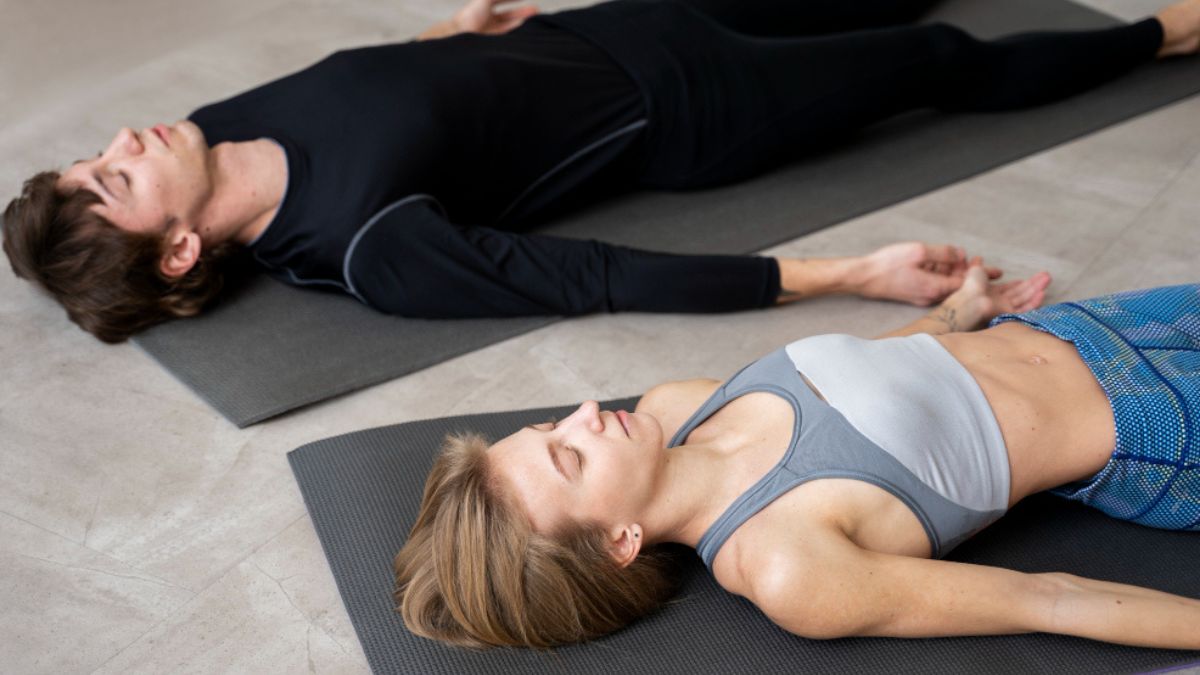
    Two people resting on mats after movement practice
    Rest can follow movement. Choose comfortable sitting or side-lying when lying flat does not suit you. Editorial photograph.

    How to use these exercises for fat-loss support

    Exercise can support fat loss, but no single movement burns fat from one body part. Results depend on total activity, food intake, sleep, recovery and health factors. Use these exercises as a simple home-strength circuit rather than a promise of fast weight loss.

    • Choose three or four manageable movements for your first session.
    • Use a small controlled set rather than a compulsory timed interval.
    • Rest enough to keep good form.
    • Begin with one round; increase gradually when recovery and control are comfortable.
    • Stop if you feel sharp pain, dizziness or unusual weakness.

    Frequently asked questions

    Do I need a gym to lose fat?

    No. Home exercise and walking can contribute to overall activity. Fat loss still depends on several factors, including sustained energy balance and health. The routine does not promise a fixed result or speed. See the CDC guidance on activity and weight for the wider context. Choose a sustainable plan rather than expecting one exercise to burn belly fat.

    Can these exercises replace every gym movement?

    No. A home movement may train a similar action without being an exact replacement for a loaded machine exercise. Resistance, support and progression differ. This starter circuit does not cover every muscle group or training goal. If you need a fuller strength programme, ask a suitably qualified professional to include appropriate pushing, pulling, lower-body and trunk work.

    How many rounds should a beginner do?

    Start with one manageable round of a few exercises and see how you recover. You do not have to complete all seven or follow a fixed work-to-rest ratio. Stop a set before balance or technique deteriorates. Add repetitions, exercises or another round gradually when the current level feels comfortable. More rounds are not useful if they leave you unable to control movement.

    Can yoga support the same goal?

    Yoga can support movement habits, strength in some positions and general well-being. It does not guarantee fat loss or replace every aerobic and strength requirement. Use it alongside suitable daily activity and recovery. Our weekly yoga practice guide and desk-job movement routine offer practical ways to organise regular activity.

  • Religious Tourism in India: Sacred Places and Respectful Travel

    Religious Tourism in India: Sacred Places and Respectful Travel

    Religious tourism in India includes pilgrimage, visits to sacred places, festivals and the study of religious heritage. A trip may be motivated by worship, architecture, history or several interests together. Temples are one part of a wider landscape that includes gurudwaras, monasteries, mosques, churches, shrines and sacred rivers. Plan around the purpose of your visit, respect worshippers and check each site’s current access rules.

    What does religious tourism in India involve?

    A pilgrim may travel for a specific ritual or sacred route, while a heritage visitor may focus on art and history. Both can share the same space without having the same belief. Avoid promising that every visitor will feel spiritually changed. Sacred places are living community spaces, so local customs and the needs of worshippers should guide the way tourists behave.

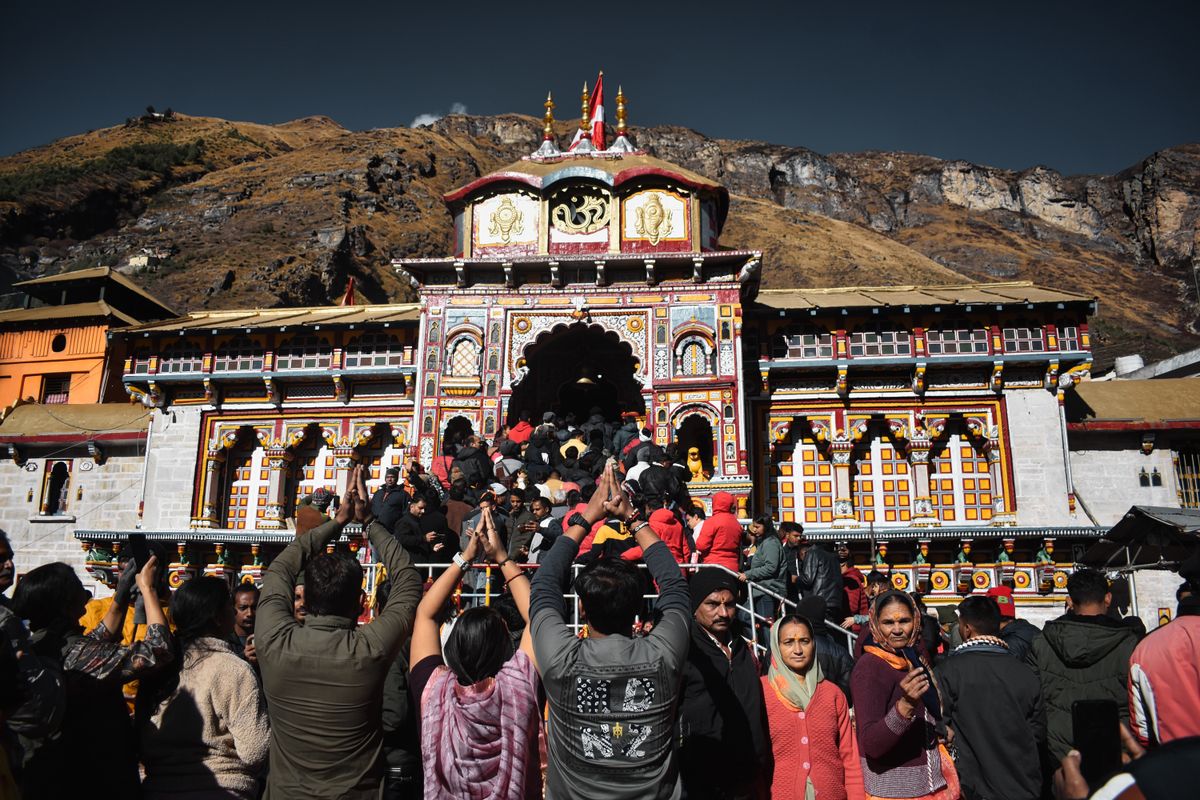
    Pilgrims at Badrinath Temple during religious tourism in India
    Badrinath Temple, a destination shared by the all-India and Uttarakhand Char Dham circuits. Editorial photograph.

    How do Char Dham and Chota Char Dham differ?

    The all-India Char Dham circuit traditionally refers to Badrinath, Dwarka, Puri and Rameswaram. Uttarakhand’s Chota Char Dham refers to Yamunotri, Gangotri, Kedarnath and Badrinath. They are different pilgrimage circuits. The Uttarakhand Tourism Char Dham guide describes the Himalayan route. Avoid assuming that one name always means the same four destinations.

    Mountain pilgrimage needs separate planning for weather, altitude, road access and walking demands. Temple opening seasons and registration rules can change. Check official information close to departure and choose a route that fits your health and mobility. A pilgrimage should not be planned only by counting how many sacred sites you can visit in a day.

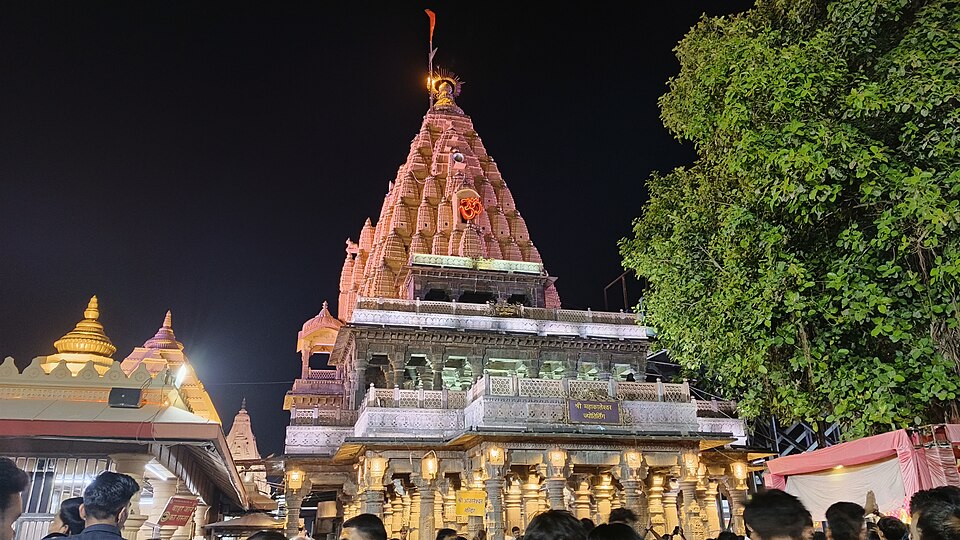
    Mahakaleshwar Temple in Ujjain at night
    Mahakaleshwar, Ujjain. Photo: Ashverse / Wikimedia Commons, CC BY-SA 4.0. Display resized; no crop.

    Which destinations show India’s religious diversity?

    Examples of different sacred settings
    PlaceReligious or heritage contextPlanning focus
    VaranasiHindu temples, ghats and Ganga worshipRespect ritual spaces and rules near the river.
    UjjainMahakaleshwar and other Hindu pilgrimage sitesCheck current darshan arrangements.
    AmritsarHarmandir Sahib, the Golden TempleFollow gurudwara dress and conduct guidance.
    Bodh GayaBuddhist pilgrimage and monastic traditionsRespect quiet practice and monastery access.
    AjmerA major Sufi shrine and pilgrimage settingAsk about entry, dress and photography rules.

    These are examples rather than a ranking of religions or sacred places. Communities and practices differ within each tradition. A local guide or official visitor service can explain the setting without requiring you to participate in worship. Read our Varanasi guide and Ujjain guide for focused planning.

    How should visitors behave at sacred places?

    Dress according to the site’s guidance, keep voices low where worship is taking place and ask before photographing people. Remove shoes or cover the head when required. Respect restricted areas and queues. Follow donation procedures provided by the institution rather than pressure from an unofficial intermediary. If you do not understand a custom, ask politely before acting.

    A practical religious-tourism planning checklist

    1. Choose a clear purpose: pilgrimage, heritage study, a festival or a short visit.
    2. Check official opening, registration and entry information close to travel.
    3. Allow time for queues, walking and rest rather than rushing several sites.
    4. Ask about access for older travellers, children or people with mobility needs.
    5. Carry suitable clothing, water and essential medication.
    6. Plan transport and accommodation around realistic distances.
    7. Leave worship spaces clean and respect local waste and river-safety rules.

    Large festivals need extra care with crowds, transport and accommodation. Check announcements from the responsible authority instead of relying on an old calendar in a blog. Our Kumbh Mela guide provides further context. The Ministry of Tourism’s pilgrimage-development information explains the broader tourism setting.

    Frequently asked questions

    Is religious tourism only for believers?

    No. Visitors may come to worship, learn about history or appreciate architecture. Some places welcome a wide range of visitors, while others restrict particular areas or access. Check the site’s rules rather than assuming that every location is open to everyone. Participation in a ritual should be voluntary. A respectful heritage visit does not require you to claim beliefs you do not hold.

    Does religious tourism in India include only Hindu temples?

    No. India’s sacred travel landscape includes several religious traditions and many kinds of sites. Gurudwaras, Buddhist monasteries, Sufi shrines, churches and other places may form part of a journey. Explain each destination in its own context rather than treating all customs as interchangeable. Follow the guidance of the institution you are visiting and avoid ranking communities by tourist appeal.

    Should I book rituals through a travel agent?

    Use the official institution’s booking system where one is provided, and check current instructions first. An agent may arrange transport or accommodation without controlling sacred-site entry. Understand exactly what is included and whether a booking guarantees anything. Avoid paying an unofficial intermediary for promises that cannot be verified. Keep confirmation details accessible and allow time for the stated entry procedures.

    Can I combine pilgrimage with yoga study?

    Yes, if the schedule leaves enough time for both. Yoga study and a pilgrimage are different activities, so do not assume a course includes temple visits or a particular religious practice. Ask the school what is actually taught and included. For an additional stay in Rishikesh, read our Rishikesh travel guide and choose the next step according to your interests.