Kundalini and Tantra are related in some Indian traditions, but they should not be collapsed into one system. “Tantra” refers to a very large family of Hindu and Buddhist texts, rituals, philosophies and methods. Kundalini is one important subtle-body concept found in some later yoga and tantric sources.
What Is the Link Between Kundalini Yoga and Tantra?
Kundalini ideas appear in several Tantric and later Hatha Yoga traditions. Tantra is much broader than Kundalini. It includes many schools, texts, rituals, meditation systems and philosophical ideas.
| Term | Simple meaning |
|---|---|
| Tantra | A broad family of Indian religious and yogic traditions |
| Kundalini | A subtle-body idea described in some traditions |
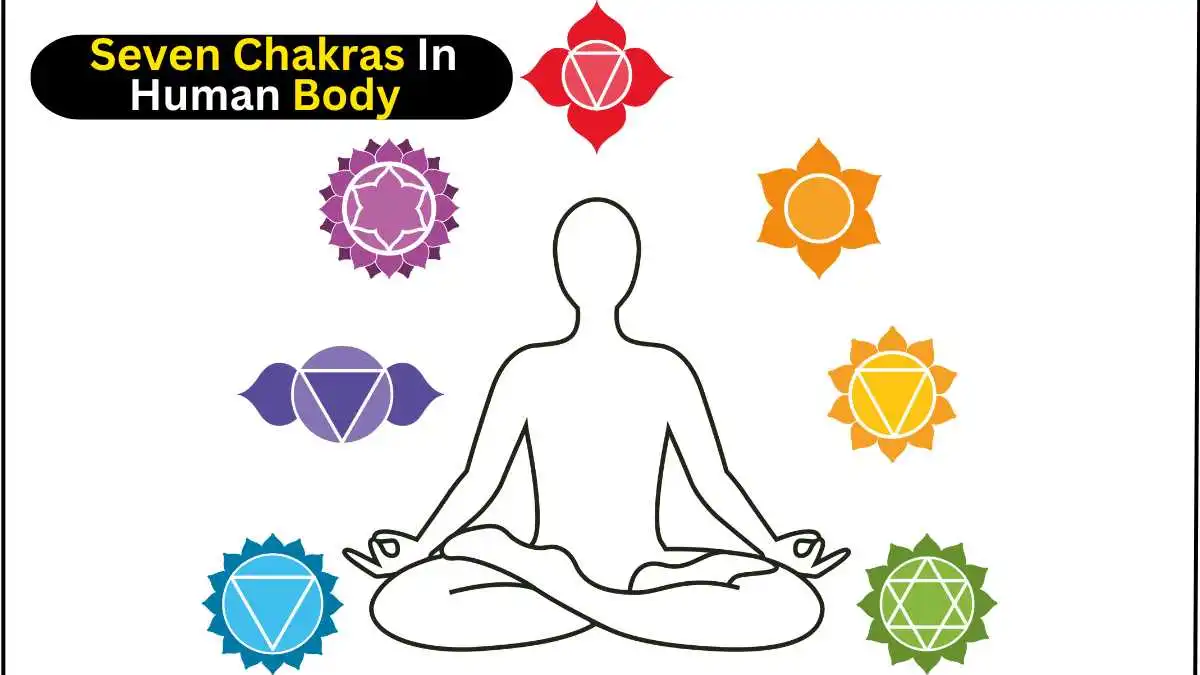
| Chakras | Symbolic centres described differently across texts |
| Hatha Yoga | Later yoga traditions that also discuss breath, mudra and subtle-body practice |
These are traditional frameworks, not modern anatomy. For safer context, read what Kundalini Yoga is, seven chakras, and Kundalini Yoga safety.
Later Hatha and tantric yoga traditions describe subtle anatomy using ideas such as nadi, chakra, prana and kundalini. Texts such as the Hatha Yoga Pradipika discuss kundalini in connection with mudra, bandha and the opening of the central channel, Sushumna.
That does not mean “Tantra” simply means a technique for moving kundalini. Tantra is much broader, and different tantric traditions can differ greatly in theology, ritual and practice.
Foundations in Classical Yogic Texts
The Hatha Yoga Pradipika and Gheranda Samhita offer systematic steps for working with prana (life force). These include:
- Shatkarmas (cleansing techniques)
- Asana (postures to stabilize the body)
- Pranayama (breath control to balance energy)
- Mudras and Bandhas (to redirect pranic flow)
- Dhyana (meditation for absorption and stillness)
The Shiva Samhita and Yoga Kundalini Upanishad go further, detailing the mechanics of subtle energy movement, the nature of the chakras, and how to approach these practices with reverence and discipline.
The Subtle Body and Chakra System

In yogic anatomy, energy flows through nadis, with Ida, Pingala, and Sushumna being the main channels. Kundalini energy lies dormant at the Mooladhara Chakra. Through disciplined practice, it rises through the chakras:
- Swadhisthana (creative energy and desire)
- Manipura (willpower and vitality)
- Anahata (love and compassion)
- Vishuddhi (communication and expression)
- Ajna (intuition and awareness)
- Sahasrara (pure consciousness)
Each energy center represents a plane of consciousness and requires purification through classical Hatha Yoga methods.
Why Tantra is often misunderstood
Modern popular culture sometimes reduces Tantra to sexuality. That is incomplete. At the same time, saying that “real Tantra” is only pranayama, mudra and meditation is also too narrow. Historical tantric traditions include mantra, ritual, deity practice, initiation, subtle-body methods and many different philosophical positions.
For a yoga student, the useful lesson is to identify the specific text or lineage being discussed rather than treating Tantra as one uniform practice.
How Hatha Yoga Prepares for Kundalini Awakening
Hatha Yoga is not merely physical exercise. It is the groundwork for inner alchemy. Without cleansing the nadis, balancing the breath, and stabilizing the nervous system, Kundalini practices can lead to imbalance. The masters insisted on daily routines, moderation in diet, emotional steadiness, and purity of thought before attempting higher techniques.
Techniques such as:
- Nadi Shodhana (alternate nostril breathing)
- Bhastrika (bellows breath)
- Ujjayi (victorious breath)
- Moola Bandha, Uddiyana Bandha, Jalandhara Bandha
- Khechari Mudra, Shambhavi Mudra
are all prescribed in sequence and must be approached gradually.
Advanced Techniques from Tantric Hatha Yoga
Some of the powerful yet lesser-known practices include:
- Nauli Kriya: Abdominal churning for energetic purification
- Trataka: Fixed gazing to develop inner vision
- Brahmari: Humming to calm the nervous system
- Ajapa Japa: Silent repetition of mantra (like So-Ham)
- Shitali/Sitkari: Cooling pranayamas to balance heat generated during practice
These are not to be mixed or experimented with loosely. They form an integrated system, not isolated tools.
The Teacher-Student Relationship
Traditional yoga was passed through parampara an unbroken lineage of transmission. Teachers assessed a student’s readiness over time. There was no rush. No public display. Advanced techniques were given only after years of consistent, simple practice. Trust, humility, and patience were considered more important than ambition.
Cautions around advanced practice
Classical Hatha sources repeatedly stress preparation, moderation and guidance for demanding pranayama, mudra and bandha practices. Modern claims about dramatic “Kundalini awakening symptoms” should be treated cautiously: unusual physical or psychological symptoms need appropriate professional assessment rather than being automatically interpreted as spiritual progress.
Relevance in Modern Times
In a world hungry for quick fixes and spiritual entertainment, these traditional teachings offer something rare: a grounded, clear, and honest path. The message is simple awaken with awareness, not ambition. Return to the original purpose of yoga self-knowledge and freedom from inner noise.
Textual References
- Hatha Yoga Pradipika – Swatmarama’s guide to asana, pranayama, and bandhas.
- Shiva Samhita – On nadis, chakras, and pranic movement.
- Gheranda Samhita – On shatkarmas and spiritual preparation.
- Yoga Kundalini Upanishad – Describes the coiled energy and necessary lifestyle for awakening it.
Conclusion: Rooted in Real Yoga
Kundalini Yoga and Tantra are not mystical, unreachable practices. They are grounded sciences, preserved in sacred texts and time-tested methods. They call for daily effort, ethical conduct, inner quiet, and above all guidance. Through the teachings of Hatha Yoga, one can understand these practices clearly, practice them safely, and walk a steady path toward inner awakening.
Frequently Asked Questions (FAQ)
Q: Is it safe to practice Kundalini Yoga at home?
Only basic pranayama and asana can be practiced alone. For deeper methods, guidance is necessary.
Q: What is the purpose of Tantra in yoga traditions?
There is no single purpose shared by every tantric tradition. Depending on the text or lineage, Tantra may include mantra, ritual, deity practice, meditation, subtle-body methods, initiation and liberation-oriented disciplines.
Q: Do I need to believe in chakras for Kundalini to rise?
No. Experience will teach more than belief. Practice reveals reality over time.
Q: What’s the difference between modern Tantra and historical tantric traditions?
Modern uses of the word Tantra vary widely. Historical Hindu and Buddhist tantric traditions include much more than sexuality, with practices and doctrines that differ across texts, schools and lineages.
Q: How do I know if Kundalini is awakening?
Subtle shifts occur clarity, stillness, heightened awareness. But avoid chasing signs. Stay steady.
Q: Can Hatha Yoga help with spiritual growth?
Yes. It builds the body-mind foundation for deeper practices. Without it, energy work can become harmful.
The deeper you go, the quieter it becomes. In that quiet, everything begins.