Blog

  • Definition of Yoga According to the Bhagavad Gita

    Definition of Yoga According to the Bhagavad Gita

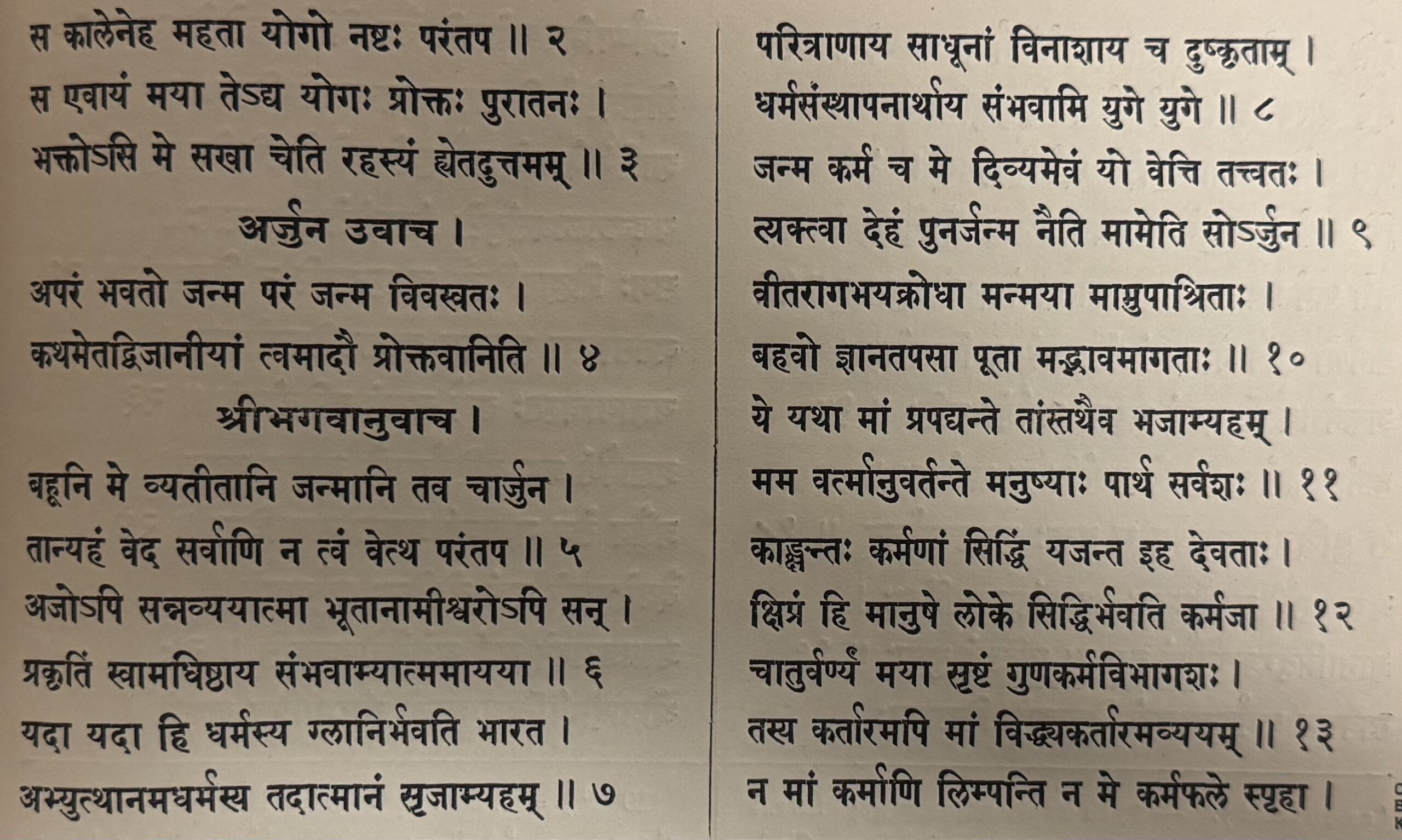
    The Bhagwat Geeta offers one of the earliest and most profound definitions of yoga. Unlike modern ideas that often reduce yoga to stretching or breathing exercises, the Geeta presents yoga as a complete approach to living. The phrase “definition of yoga according to Bhagwat Geeta” leads us straight into a deeper exploration of how Lord Krishna explained yoga to Arjuna on the battlefield of Kurukshetra.

    What Is Yoga in the Bhagwat Geeta?

    In Chapter 2, Verse 48, Krishna says: “Samatvam yoga uchyate” Yoga is balance of mind in success and failure. This line is not about postures. It speaks of evenness, equanimity, and detachment from the fruits of action.

    Yoga, in the Geeta, is about how one performs duties. It’s about keeping the mind steady, even when outcomes are uncertain. It focuses on awareness, not reward.

    Krishna’s Core Teachings on Yoga

    Lord Krishna defines yoga in several ways. Each highlights a different path:

    • Karma Yoga: Yoga through selfless action
    • Jnana Yoga: Yoga through wisdom and knowledge
    • Bhakti Yoga: Yoga through devotion
    • Dhyana Yoga: Yoga through meditation and concentration

    Though the paths differ, the core remains the same: inner discipline, mental clarity, and detachment from the result.

    Karma Yoga: Action Without Attachment

    The Geeta emphasizes Karma Yoga. This is the yoga of action. Krishna tells Arjuna: “You have the right to work, but not to the fruit of the work.”

    This teaching reminds us to act with dedication but without expecting anything in return. It’s not about giving up action, but about giving up the worry about results.

    When work is done as a duty, with full attention, and no craving for reward that is yoga.

    Samatvam Yoga Uchyate: The Yoga of Balance

    Balance is the center of Geeta’s definition of yoga. Whether success or failure comes, the yogi remains calm.

    In modern terms, this can mean:

    • Not getting too excited about praise
    • Not becoming low during criticism
    • Doing your best and accepting the outcome with grace

    Such balance brings inner peace. It also frees the mind from unnecessary stress.

    Yoga as Skill in Action

    Another famous verse (2.50) says: “Yogaḥ karmasu kauśalam” Yoga is skill in action. Here, yoga is not about renouncing the world but mastering the art of living in it.

    Skill in this context means:

    • Acting with full awareness
    • Using discretion and clarity
    • Knowing when to act and when to pause
    • Staying grounded amid distractions

    When action is done wisely, without ego, that is yoga.

    Detachment: A Core Pillar of Gita’s Yoga

    Yoga in the Bhagavad Gita teaches Vairagya detachment. This does not mean carelessness. It means staying involved without becoming attached.

    Krishna’s advice to Arjuna was not to escape the battlefield, but to act without emotional burden.

    This detachment is what allows a practitioner to serve, act, and lead while remaining peaceful inside.

    Comparison with Patanjali’s Yoga

    While Patanjali defines yoga as the cessation of mental fluctuations (yoga chitta vritti nirodhah), the Geeta defines it through practical life.

    Both agree on mental stability, but the Geeta emphasizes how one lives, acts, and thinks in daily life. It is not a path of retreat but a guide for action.

    Spiritual Growth Through Responsibility

    The Bhagavad Gita’s version of yoga supports personal growth through dharma, or righteous duty. It does not suggest withdrawal from family or work.

    Instead, it encourages individuals to act with integrity and serve without ego. This makes it ideal for those living regular lives, not just monks or hermits.

    Yoga for the Householder

    Krishna never told Arjuna to give up his life. He asked him to live it rightly. That’s the beauty of the Gita’s teaching.

    It applies to:

    • Teachers and students
    • Parents and children
    • Workers and leaders

    Anyone can practice yoga by doing their duties well and staying centered.

    Definition of Yoga Beyond the Mat

    In the Geeta, yoga is not about postures or breathing techniques. It’s about:

    • How you wake up and greet the day
    • How you treat others
    • How you handle joy and sorrow
    • How you stay focused without clinging

    This makes it a lifelong practice that fits into every part of your routine.

    How to Practice Gita’s Yoga Today

    1. Do your duty without craving for praise or fear of failure.
    2. Be mindful during actions whether cooking or leading a team.
    3. Keep the mind stable in success and setbacks.
    4. Practice silence and reflection daily.
    5. Remember: Yoga is not escape it is presence.

    Definition of Yoga According to Bhagwat Geeta in Simple Words

    To summarize: Yoga in the Gita means working sincerely, thinking clearly, acting wisely, and staying calm.

    It is not a set of poses. It is a way to live with balance, purpose, and detachment.

    Whether one follows the path of action, devotion, or meditation—the goal is the same: inner stillness.

    The definition of yoga according to Bhagwat Geeta is deeply rooted in real life. It is spiritual, yet grounded. It asks us to live fully and wisely.

    Yoga, as Krishna taught, is not to run away from life but to engage with it meaningfully. This is timeless wisdom for students, teachers, and seekers alike.

    FAQ: Definition of Yoga According to Bhagwat Geeta

    Q: What is the meaning of yoga in Bhagavad Gita?
    A: Yoga means mental balance, selfless action, and freedom from attachment.

    Q: How did Lord Krishna define yoga?
    A: He defined yoga as balance in mind and skill in action.

    Q: What is karma yoga?
    A: Karma yoga is doing one’s duty without attachment to results.

    Q: Does yoga in Gita include asanas or breathing?
    A: No. The Gita focuses on mental, ethical, and spiritual aspects of yoga.

    Q: Can householders follow Gita’s yoga?
    A: Yes. It’s designed for everyday living and responsibilities.

    Q: What is Samatvam Yoga?
    A: It is the yoga of equanimity—staying calm in success and failure.

    Q: How is yoga in Gita different from Patanjali’s yoga?
    A: Gita’s yoga focuses on action and balance, while Patanjali focuses on mind control.

    Q: Is Bhakti Yoga also in the Gita?
    A: Yes. Devotion to the divine is also a path of yoga in the text.v
  • Atha Yoga Anushashanam: Meaning of Yoga Sutra 1.1

    Atha Yoga Anushashanam: Meaning of Yoga Sutra 1.1

    Yoga does not start with a pose. It starts with a decision. The phrase Atha Yoga Anushashanam marks the beginning of that journey. This is the very first sutra in the Patanjali Yoga Sutras, one of the most respected texts in yoga philosophy.

    Understanding the meaning of Atha Yoga Anushashanam helps us see yoga not just as exercise, but as a way of living with clarity, structure, and awareness.

    What Does “Atha Yoga Anushashanam” Mean?

    The phrase is made of three Sanskrit words:

    • Atha: now, thus, here begins
    • Yoga: union, discipline, a state of connection
    • Anushashanam: instruction, guidance, a structured teaching

    Together, it means “Now begins the instruction of yoga.” But there’s more to it than a simple beginning. It’s a signal of readiness. It suggests that the student is now prepared mentally and morally to walk the path of yoga.

    Why Does Patanjali Start With “Atha”?

    Patanjali could have started with a definition. Instead, he began with “Atha.” This word holds deep meaning in Sanskrit. It is not just a filler.

    “Atha” implies a sacred beginning. It also signals that the seeker has done prior work like study, reflection, or ethical living and is now ready to learn.

    In the Indian spiritual tradition, “Atha” is often used before the start of a serious practice. It’s not about time. It’s about inner readiness.

    “Anushashanam” – Instruction, Not Advice

    The word “Anushashanam” is often translated as instruction or discipline. It is not a loose suggestion. It carries the authority of a structured path.

    In this context, yoga is not casual. It is a guided system. The teacher shares, and the student receives with respect and commitment.

    This respect for discipline forms the heart of yogic life.

    Yoga Begins with Discipline

    Before poses, breath, or meditation, yoga begins with order. The Yoga Sutras do not start with benefits. They start with rules, because the path needs structure.

    The foundation of yoga is Yama and Niyama ethical rules and personal discipline. Without these, practice remains shallow.

    This is why Atha Yoga Anushashanam is more than a line. It’s a call to organize your inner and outer life before seeking depth in yoga.

    A Call to the Serious Student

    When Patanjali says, “Now begins the instruction of yoga,” it’s not an invitation to casual learning. It’s for the committed seeker.

    The seriousness of this first sutra shows that yoga is not a hobby. It is a lifelong path. And that path begins with readiness.

    Modern practitioners can reflect on their own life: Have I prepared? Am I ready to receive yogic instruction?

    Atha Yoga Anushashanam and Yogic Readiness

    Yogic readiness doesn’t mean physical flexibility. It means the mind is quiet enough to listen. The heart is humble enough to learn.

    This readiness is built over time through daily habits, through self-inquiry, and through the willingness to let go of ego.

    When that readiness arrives, atha becomes real. And the instruction can begin.

    Connection to the Eight Limbs of Yoga

    This sutra sets the tone for what follows the Ashtanga Yoga or Eight Limbs of Yoga. These are:

    1. Yama (ethical restraints)
    2. Niyama (inner discipline)
    3. Asana (posture)
    4. Pranayama (breath regulation)
    5. Pratyahara (withdrawal of senses)
    6. Dharana (concentration)
    7. Dhyana (meditation)
    8. Samadhi (absorption)

    Each of these limbs builds upon the previous. But none of them begin unless you begin with Atha the commitment to follow a disciplined path.

    Symbolism Behind the Opening Sutra

    The first sutra is like a door. Atha Yoga Anushashanam is the threshold you must cross.

    It tells you: leave behind distraction, leave behind pride. Step into a space where you can listen, learn, and apply.

    This is why many traditional teachers begin every serious teaching with this sutra. It marks the shift from theory to direct experience.

    Modern Reflections on an Ancient Teaching

    Even in today’s fast world, Atha Yoga Anushashanam stays relevant. It reminds us that yoga is not a quick fix.

    If you are truly ready to learn not just stretch, but grow then yoga can begin. But the beginning depends on you.

    Are you still scattered in thought? Then wait. When the mind settles and discipline sets in, then the path opens.

    How to Apply Atha Yoga Anushashanam in Daily Life

    1. Start your day with intent. Let each morning be your “atha.”
    2. Respect routine. Follow a basic rhythm for practice, meals, and sleep.
    3. Practice ethics. Without yama and niyama, physical yoga loses depth.
    4. Pause before you act. Let the mind settle before speaking or reacting.
    5. Reflect often. Are you approaching yoga as a student or a consumer?

    These small steps bring the sutra to life.

    The Difference Between Learning and Receiving

    In modern times, learning is often about gathering information. But yogic instruction is different.

    Anushashanam is not just knowledge it is guidance passed on with trust. It’s more about being shaped than being informed.

    To receive yoga fully, the seeker must be quiet, present, and willing to be guided.

    Atha Yoga Anushashanam in Yoga Teacher Training

    This sutra holds special value for teacher training programs. It is the foundation on which all other teachings rest.

    Many teachers begin the first session of YTT by reciting or explaining this verse. It helps set a serious tone. It also reminds trainees that teaching yoga starts with living yoga.

    If trainees enter the course with inner readiness, the knowledge received becomes lasting.

    Final Thoughts on Atha Yoga Anushashanam

    Yoga begins now but only if you are truly ready. Atha Yoga Anushashanam is not a passive phrase. It’s a signal. A vow. A doorway.

    It reminds every student, from beginner to teacher, that discipline and sincerity are the first steps. It also brings the weight and beauty of tradition into every class, every breath, every moment.

    Now begins yoga if you are listening.

    FAQ: Atha Yoga Anushashanam

    Q: What is the meaning of Atha Yoga Anushashanam?
    A: It means “Now begins the instruction of yoga.” It marks readiness for disciplined yogic learning.

    Q: Why is “atha” important in yoga?
    A: “Atha” signals a sacred beginning. It implies the student is now prepared to receive spiritual instruction.

    Q: What does “anushashanam” mean?
    A: It means instruction or discipline. It shows that yoga must be taught with structure and authority.

    Q: Is this sutra only for advanced students?
    A: No. It’s for any sincere seeker ready to follow the yogic path with discipline.

    Q: How is this relevant in daily life?
    A: It reminds us to start our day and practice with intention, structure, and sincerity.

    Q: Should yoga teacher training begin with this sutra?
    A: Yes. It sets the tone for disciplined learning and respect for yogic tradition.

    Q: Is this phrase used in chanting or rituals?
    A: Often, yes. Many teachers recite this before formal teaching begins.

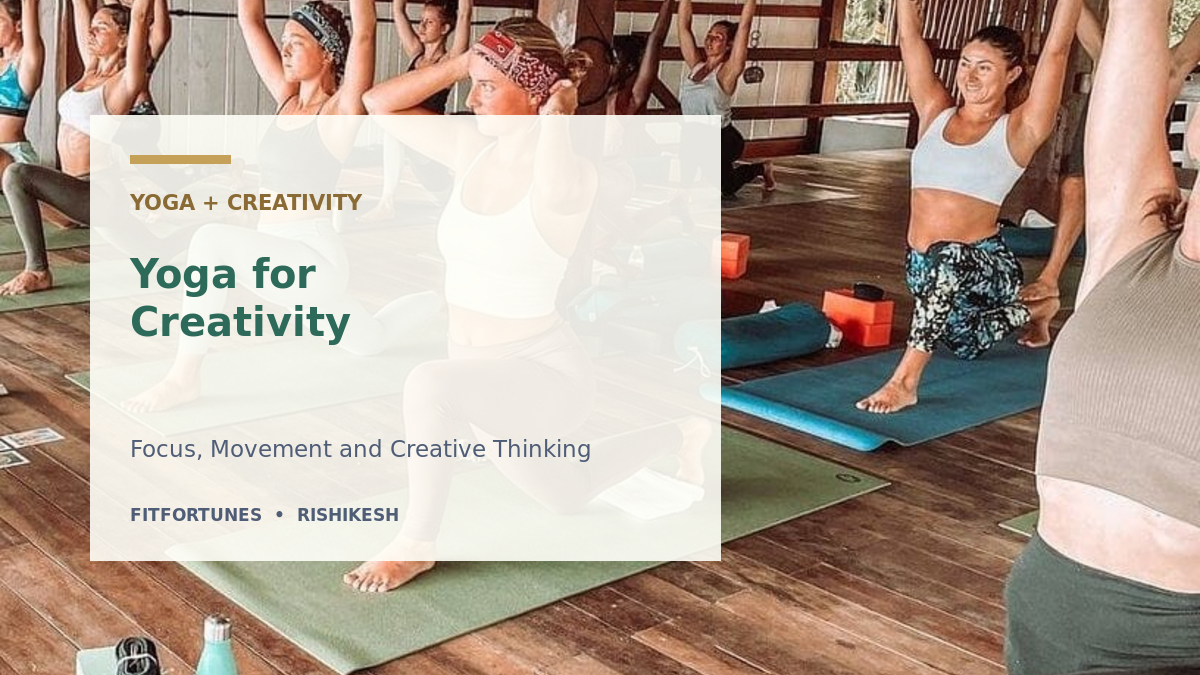
  • Yoga for Creativity: Focus, Movement and Creative Blocks

    Yoga for Creativity: Focus, Movement and Creative Blocks

    Creativity and yoga may seem unrelated at first. But when practiced with attention, yoga naturally supports creative thinking and mental clarity. This connection has been observed by artists, writers, musicians, and thinkers for generations.

    Yoga quiets the noise. Creativity rises in silence. That’s why yoga helps many people unlock new ideas without trying too hard.

    How Yoga Helps Creative Thinking

    Yoga clears the mind. The breath slows down. The body becomes calm. This calmness allows space for new thoughts to appear.

    Many creative blocks come from stress. Yoga works against that. It reduces anxiety and helps the brain focus. When you feel safe, your ideas begin to flow.

    Creative people often have too many thoughts. Yoga slows that flow, so the best ideas rise to the surface.

    Yoga for Creative Professionals

    Writers, artists, designers, and musicians use yoga to stay centered. Sitting too long or thinking too much can cause mental fatigue.

    Yoga breaks that pattern. A short flow or a breathing session resets the brain. It brings focus without pressure.

    Many studios now offer yoga for writers and yoga for artists. These sessions often include breathwork, meditation, and gentle movement.

    Best Yoga Poses to Support Creativity

    Not all yoga poses are the same. Some are better for rest. Others are great for focus. Here are a few simple poses that support creative energy:

    • Child’s Pose (Balasana): Calms the nervous system and soothes the mind.
    • Seated Forward Fold (Paschimottanasana): Encourages inner quiet and reflection.
    • Tree Pose (Vrikshasana): Improves balance and concentration.
    • Legs-Up-the-Wall (Viparita Karani): Relieves fatigue and refreshes mental space.
    • Cat-Cow Stretch (Marjaryasana-Bitilasana): Loosens the spine and refreshes thinking.

    These poses aren’t hard. What matters is doing them slowly and mindfully.

    Using Breathwork to Support Imagination

    Breath and creativity are deeply linked. Quick breath signals stress. Slow breath signals peace. Creative work needs peace.

    Try this practice:

    • Sit still. Close your eyes.
    • Inhale for four counts.
    • Exhale for six counts.
    • Repeat for five minutes.

    This helps reset the nervous system. Over time, it becomes easier to focus and imagine new ideas.

    Meditation for Creative Clarity

    Meditation is not about emptying the mind. It’s about watching the mind without chasing every thought.

    For creative people, this helps clear out noise. It also helps see which ideas are worth keeping.

    Start with five minutes. Sit quietly. Focus on the breath. Let ideas come and go.

    Some people use a notebook after meditation to write down ideas. That’s often when the clearest ones appear.

    Yoga for Overcoming Creative Blocks

    Creative blocks are common. They come from fear, doubt, or burnout. Yoga helps break them gently.

    Movement returns you to the body. Breath calms the mind. Together, they create space for new thinking.

    Instead of fighting the block, yoga teaches you to pause. In that pause, fresh ideas often appear on their own.

    Why Yoga Improves Focus

    Creativity without focus can feel messy. Yoga brings order. A clear body and calm breath make it easier to work with ideas.

    Even a short daily yoga session helps with focus. It teaches you to stay present, one breath at a time.

    This focus transfers to writing, painting, designing, or any other creative work.

    Yoga Nidra for Creative Visualization

    Yoga Nidra is a deep rest practice. It involves lying still and listening to guided words. The body sleeps, but the mind stays aware.

    This state is useful for creative insight. Many use Yoga Nidra to solve problems or imagine new projects.

    Try it before sleep or during a break. Ten to twenty minutes is enough.

    Creativity and the Yogic Mind

    The yogic mind is not just about silence. It’s about clear seeing. A quiet mind does not mean a blank mind. It means fewer distractions.

    In yogic philosophy, sattva is the quality of clarity and harmony. Sattva supports creativity. Yoga builds sattva.

    When the mind is clear, your inner voice becomes stronger. That’s the voice most creative people try to hear.

    Yoga Retreats for Artists and Writers

    Some retreats now combine yoga with creative workshops. They include journaling, drawing, or movement improvisation.

    The mix works well. A morning yoga session prepares the mind. Afternoon sessions allow ideas to flow freely.

    These retreats are not about performance. They are about reconnecting with the creative self.

    Daily Yoga Routine for Creative Balance

    Here’s a simple routine that supports daily creativity:

    1. Wake up and stretch slowly.
    2. Do 5 minutes of breathwork.
    3. Move through 3–5 calming poses.
    4. Sit for short meditation.
    5. Write or create right after.

    Even if done in 20 minutes, this routine builds steady creative energy over time.

    Movement and Imagination: The Body-Mind Link

    Sitting still too long can dull the brain. Moving the body wakes it up. Movement helps free stuck thoughts.

    Creative people often feel better after walking, stretching, or dancing. Yoga offers structured movement that also calms.

    This is why so many ideas come after a class, not before.

    Yoga for Creative Teams and Workspaces

    Some workplaces use yoga to support innovation. Group sessions before brainstorming help teams stay grounded and open.

    Simple breathing or stretching exercises can be done at desks. The goal is not exercise—it’s better thinking.

    Creativity often improves when the group feels relaxed and alert.

    Final Thoughts on Creativity and Yoga

    Creativity and yoga are closely linked. Yoga offers calm, space, and focus. These are the seeds of all creative work.

    Whether you’re writing, painting, coding, or solving problems, yoga helps clear the way. It’s not about forcing ideas. It’s about making space for them to arrive.

    In this space, the mind works naturally. Ideas come not from effort, but from presence.

    FAQ: Creativity and Yoga

    Q: How does yoga help creativity?
    A: It calms the mind, supports focus, and creates space for new thoughts to rise naturally.

    Q: What yoga poses are best for creativity?
    A: Child’s pose, tree pose, seated forward fold, and legs-up-the-wall are helpful.

    Q: Can yoga help with writer’s block?
    A: Yes. Yoga reduces stress and helps ideas flow again without pressure.

    Q: What kind of yoga helps creative work?
    A: Gentle hatha, breathwork, and yoga nidra all support imagination and clarity.

    Q: How long should I practice to feel creative benefits?
    A: Even 15–20 minutes daily can improve focus and help spark ideas.

    Q: Is there science behind yoga and creativity?
    A: Yes. Studies show yoga improves brain function, reduces stress, and supports mental clarity.

    Q: Can I combine yoga and journaling?
    A: Absolutely. Many find their best ideas appear after a short practice.

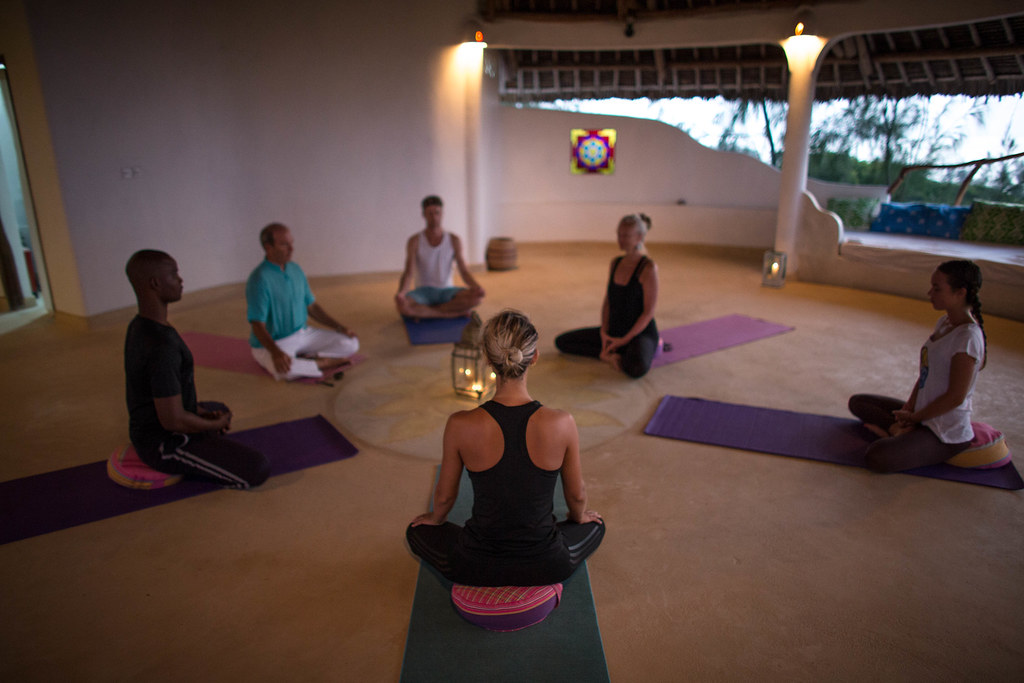
  • Three Person Yoga: Safe Trio Yoga for Friends and Family

    Three Person Yoga: Safe Trio Yoga for Friends and Family

    Yoga is often thought of as a solo practice. But it can also bring people together. Three person yoga is a shared practice where three individuals move, balance, and stretch in unison. It encourages teamwork, trust, and laughter.
    Whether it’s friends, family, or fellow students, practicing yoga in a trio offers a unique way to connect. It’s more than just posing together. It’s about breathing together and staying present with each other.

    What Is Three Person Yoga?

    This is a group yoga that involves three people working together to hold poses. Some poses build strength. Others develop balance. A few just feel fun.

    This practice is a part of the larger partner yoga tradition. It’s sometimes linked with AcroYoga, where groups perform more dynamic, balanced movements. But not all trio yoga is acrobatic. Many poses are safe, grounded, and accessible.

    This type of yoga is perfect for retreats, workshops, or even at home with friends. It creates shared joy and teaches group coordination.

    Benefits of Practicing Yoga with kids and Family

    One benefit of yoga together is increased body awareness. Each person must stay aware of their partners. Movement becomes more mindful.

    It also builds communication skills. Holding a trio yoga pose requires verbal cues, eye contact, and sometimes laughter.

    It fosters trust. Balancing with others demands letting go of fear. Over time, this builds confidence and a deeper bond among participants.

    Popular Poses to Practice with 3 people

    Yoga Poses for Three People

    Here are a few commonly practiced trio yoga poses:

    • Triple Downward Dog: One person stands, other places feet on their back, and the third stacks above. This builds balance and support.
    • Three-Way Boat Pose: All three sit in a circle and hold each other’s wrists. They lift legs to form a triangle.
    • Group Tree Pose: Everyone stands in a circle, lifts one leg, and joins hands for stability.
    • Pyramid Stack Pose: One person kneels, other climbs on their back, and the third forms the top level.

    Safety is key. Always warm up first and begin with simple partner yoga poses.

    How to Start Practice with 3 people

    Begin with trust. Choose people who feel comfortable with each other. Communication matters. Talk about limits and preferences beforehand.

    Start slowly. Begin with group stretches or basic yoga positions. Focus on stability before moving to more playful poses.

    Use a mat or soft surface. A park, studio, or open living room all work well. Make sure there’s enough space around.

    Practice patience. Trio yoga is not about perfect shape. It’s about staying present and moving together.

    Is Trio Safe for Beginners?

    Yes. Beginners can safely enjoy trio yoga when done with care. Avoid complicated lifts or stacked balances at first.

    Choose poses that support all three people evenly. For example, sitting poses or shared standing poses are ideal.

    Beginners should always warm up, use a padded surface, and stop if they feel discomfort. Listening to each other is key.

    A qualified yoga teacher can guide a safe session. But for casual practice, simple poses with clear communication work fine.

    Family Yoga for Kids and Families

    Kids love yoga with parents. It feels like a game. It builds body awareness, focus, and teamwork without pressure.

    Families can use trio yoga to bond and spend quality time together. It adds a playful element to routines.

    Choose simple shapes. Avoid lifts. Try sitting in a triangle and reaching forward together. Make poses light-hearted.

    Even a few minutes of group yoga can bring joy and calm to a busy day.

    AcroYoga and Trio Yoga: What’s the Difference?

    AcroYoga often includes flying poses, where one person lifts another off the ground. Trio AcroYoga uses three people to add creativity and safety.

    Group Yoga, however, doesn’t need to be acrobatic. Many groups pose focus on balance, breath, and connection.

    Not every trio yoga pose is flashy. Some of the most meaningful ones involve stillness and quiet cooperation.

    Practicing Trio Yoga in Retreats and Workshops

    Yoga retreats and group classes are ideal for trio yoga. It builds group energy and helps strangers become friends.

    Instructors may use games, circle formations, or mirrored poses to increase participation. It becomes a shared memory.

    Partner yoga workshops often include three person yoga segments. They promote interaction and help break the ice.

    Tips to Practice Trio Yoga Smoothly

    • Use names: Call out names during poses to stay coordinated.
    • Communicate: Talk before, during, and after poses. Clarity prevents confusion.
    • Adjust slowly: Move into poses step by step. Never rush.
    • Stay relaxed: Keep the mood light. Laughter is part of the practice.
    • Respect limits: Each body is different. Avoid forcing any pose.

    Yoga Games and Icebreakers for Three People

    Adding games to your yoga session keeps it fun and relaxed. These activities help build confidence and group flow:

    • Pose Relay: One person holds a pose while others mimic it one by one.
    • Mirror Movement: One person leads, the others follow every motion.
    • Balance Challenge: Use shared props to test stability in trio poses.

    These light games improve focus, memory, and coordination.

    Family and Group Yoga in Yoga Teacher Training

    Many yoga teacher training courses include partner or group yoga workshops. Understanding group yoga adds variety to teaching tools.

    Instructors can introduce it as a way to build community in group settings. It also supports creative sequencing.

    Knowledge of trio yoga improves a teacher’s ability to engage students in workshops or family yoga sessions.

    Upcoming Traditional Multi-Style 200 Hour Yoga Teacher Training

    Upcoming Traditional Multi-Style 200 Hour Yoga Teacher Training

    Date Shared Room Book Private Room Book

    Group Yoga for Wellness and Team-Building

    Outside of yoga studios, trio yoga works well for workplace wellness programs and team-building events. It supports stress relief and positive interaction.

    It is especially helpful in programs that focus on communication and mindfulness. The group must stay in sync to succeed.

    Adding it to retreats or corporate events brings a refreshing and interactive element to the schedule.

    Final Thoughts

    Three-person yoga is a creative and joyful way to practice. It teaches patience, trust, and connection. It’s more than exercise it’s about being present with others.

    From trio poses to partner games, this form of yoga opens space for cooperation and shared calm. It’s suited for friends, families, students, and yoga teachers alike.

    With safety, communication, and a playful spirit, three person yoga becomes an enjoyable and enriching practice.

    FAQ: Three People Yoga

    Q: What is three person yoga?
    A: It’s a group yoga practice involving three people holding poses together with coordination and balance.

    Q: Can beginners do yoga together?
    A: Yes. Start with simple poses, communicate clearly, and avoid lifts until confident.

    Q: Is three people yoga the same as AcroYoga?
    A: Not always. AcroYoga includes lifts and flying. Three person yoga can be simple and grounded.

    Q: What are some good poses for three people?
    A: Try triple downward dog, boat pose triangle, or circle tree pose.

    Q: Is trio yoga safe for kids?
    A: Yes, when done with gentle, seated or standing poses. Avoid advanced movements.

    Q: Do yoga teacher trainings include partner yoga?
    A: Many do. Partner and group yoga helps build classroom connection.

    Q: Where can I practice three person yoga?
    A: At home, in retreats, parks, studios, or family gatherings. A soft surface and open space are key.

  • How to Build Discipline in Yoga Practice

    How to Build Discipline in Yoga Practice

    Yoga is not just about postures. It’s a way of life. And at the heart of it lies discipline yoga. Without discipline, yoga remains a half-done effort.

    From early mornings on the mat to the study of scriptures, one truth stands firm discipline is the spine of a true yogi’s journey.

    Why Is Discipline So Important in Yoga?

    Yoga calls for steady effort. A random practice gives random results. Discipline yoga helps maintain regularity. It keeps the practitioner grounded in the process.

    Patanjali, in the Yoga Sutras, speaks of “abhyasa” constant practice. He also warns about skipping or laziness. Without discipline, the mind slips into habits and excuses.

    That’s why daily discipline in yoga becomes an inner compass. It brings structure, focus, and calm.

    What the Scriptures Say About Discipline

    The Bhagavad Gita emphasizes balance. Krishna tells Arjuna that a yogi eats, sleeps, and acts in moderation. Discipline is rhythm, not restriction.

    In Hatha Yoga Pradipika, Swatmarama states that practice must be steady and modest. No rush. No breaks. Tapas yogic effort burns impurities and distractions.

    Discipline in yoga is about showing up with steadiness, not intensity.

    Discipline Yoga: The Backbone of Real Practice

    Building a Daily Yoga Routine

    Start small. Ten minutes a day is enough. But keep it daily. Set a consistent time. Morning works well for many. The mind is fresh. The world is quiet.

    Choose simple asanas or breathing practices. The goal is not quantity but regularity. This lays the foundation for deeper practice.

    Yoga Lifestyle and Discipline

    Discipline yoga goes beyond the mat. It shapes how one eats, sleeps, speaks, and thinks. A yogic lifestyle has order. It means being mindful, not rigid.

    Waking up early, eating moderately, and speaking consciously these habits support internal balance. The outer behavior reflects the inner state.

    Scriptures outline daily conduct guidelines not as rules, but as steady paths to clarity.

    Tapas: The Fire of Discipline

    In yogic philosophy, tapas is the fire of discipline. It is not physical heat but focused effort. Tapas keeps commitment alive during uninspired days.

    Even when the desire to practice is low, discipline carries the practitioner forward. Steadiness replaces force.

    This gentle effort builds strength over time, like a tree growing slowly and silently.

    Discipline vs Motivation in Yoga

    Motivation comes and goes. Discipline stays. Many wait for inspiration. But yoga is built on regular action, not fleeting moods.

    Motivation is a spark. Discipline is the fuel. A steady practice, even for a short time, creates more growth than sporadic effort.

    Overcoming Obstacles with a Disciplined Mind

    Resistance is part of the journey. It may appear as tiredness, doubt, or boredom. Discipline yoga helps navigate these inner hurdles.

    As Krishna tells Arjuna act because it is your duty. Do not cling to outcomes. Discipline allows practice through both joy and struggle.

    With consistent return to posture and breath, clarity emerges.

    Yogic Codes that Guide Discipline

    Patanjali’s Yoga Sutras list yamas and niyamas ethical disciplines and personal practices. Discipline, or tapas, is a key niyama.

    It works alongside swadhyaya (self-study) and ishwara pranidhana (surrender to the higher power). These create a strong base for progress in yoga.

    Discipline supports all eight limbs of yoga.

    Morning Practice: Why It Works

    Morning offers stillness. The body is rested. The environment is quiet. Practicing at dawn brings natural calm.

    Establishing a morning yoga habit supports daily rhythm. It becomes easier over time. The regularity helps the nervous system settle.

    Early practice encourages focus throughout the day.

    What If You Miss a Day?

    Missing a day is part of life. The key is to return. Do not let one missed day lead to many.

    Discipline yoga allows flexibility. It focuses on return, not perfection. The moment one steps back on the mat, the path resumes.

    Consistency is built through return.

    Discipline Beyond the Mat

    Yoga discipline continues in daily actions. Can one hold silence when needed? Can one focus fully on a task?

    Discipline shows up in cooking, walking, speaking, and thinking. Krishna calls this skill in action “yogah karmasu kaushalam”.

    This discipline leads to clarity in both inner and outer life.

    How Discipline Affects Progress

    Progress in yoga is not always visible. It is not about flexibility alone. It is about steadiness and awareness.

    Discipline provides the foundation. Over time, the mind quiets. Breath deepens. Stillness grows.

    Even a brief daily practice holds more value than intense but rare efforts.

    Is Discipline Natural or Learned?

    Discipline can be learned. Some grow with order. Others build it slowly. Both are valid paths.

    Begin by setting a time. Remove distractions. Focus on small practices. Discipline grows like a seed with care.

    With time, discipline becomes natural.

    Final Thoughts on Discipline Yoga

    Discipline yoga is a steady path. It’s a commitment to show up daily with honesty and patience.

    The teachings of the yogic texts remind us without discipline, effort fades. With discipline, even simple actions bear deep fruit.

    Start small. Stay consistent. Let practice become part of life.

    FAQ: Discipline Yoga

    Q: What is discipline yoga?
    A: It is the steady, regular effort in yoga practice, both on and off the mat.

    Q: Why is discipline important in yoga?
    A: It builds consistency, focus, and allows deeper inner work to unfold.

    Q: How can I build a daily yoga habit?
    A: Choose a time, keep the practice short, and repeat it every day.

    Q: What if I lose motivation?
    A: Focus on habit. Practice without waiting for motivation.

    Q: What do yoga texts say about discipline?
    A: Patanjali and Hatha Yoga texts speak of tapas and regularity as key to progress.

    Q: Does missing a day ruin progress?
    A: No. What matters is returning without delay.

    Q: Can discipline make yoga boring?
    A: No, if practiced mindfully. Discipline leads to quiet joy and awareness.

  • Bhagavad Gita on Yoga: Karma, Bhakti, Jnana and Dhyana

    Bhagavad Gita on Yoga: Karma, Bhakti, Jnana and Dhyana

    Yoga is not just exercise. It is a way to live with clarity and peace. The Bhagwat Geeta on Yoga gives us this understanding. These ancient verses are more than 5,000 years old. Yet their wisdom speaks clearly even today.

    As a yoga teacher who has studied the Geeta for decades, I find its lessons simple, yet deep. They help not only on the mat but in daily life too. Let us explore the real meaning of yoga through the eyes of the Bhagwat Geeta.

    What Does the Bhagwat Geeta Say About Yoga?

    The word “yoga” comes up often in the Bhagwat Geeta. But it is not about bending the body. Yoga in the Geeta is about balance, action, and the path to truth. Lord Krishna speaks of yoga in many forms. Each one offers a way to know the self and connect with the divine.

    He says, “Yogah karmasu kaushalam” — Yoga is skill in action. This means doing your duty with care, without greed or fear. Yoga becomes a way to live, not something separate.

    Karma Yoga: The Yoga of Action

    Karma Yoga is one of the core teachings of the Bhagwat Geeta on Yoga. It teaches us to act without selfishness. You do your work, give your best, but leave the result to the divine.

    This is not about giving up action. It is about giving up attachment. You plant the seed and water it. But you don’t cry if the fruit takes time. This attitude frees the mind.

    As Krishna tells Arjuna, the warrior’s job is to fight for justice, not to worry about victory or loss. That is Karma Yoga.

    Jnana Yoga: The Yoga of Knowledge

    Jnana Yoga is the path of self-inquiry. It is about knowing the soul (Atma), beyond body and mind. The Geeta teaches that the real self never dies. It is eternal, like the sky. Clouds may come and go, but the sky stays.

    When you understand this, fear leaves you. You stop chasing things. You stay calm. Jnana Yoga helps in finding true peace.

    Bhakti Yoga: The Yoga of Devotion

    Bhakti Yoga is about love and surrender to God. Krishna says, “Offer me a leaf, a flower, or water with love — I accept it.” It is not the gift, but the feeling that matters.

    In Bhakti Yoga, the heart opens. You see God in everything. This softens pride and anger. It brings joy in simple things — a bird’s song, a morning breeze.

    Dhyana Yoga: The Yoga of Meditation

    Dhyana Yoga is the art of sitting still. The Geeta says to sit straight, breathe steady, and keep the mind quiet. This helps to see clearly within.

    Meditation is not running from the world. It is seeing it without noise. Like a clean mirror, the mind reflects truth when still. This is Dhyana Yoga, the path of silence.

    The Inner Battle of Arjuna

    Arjuna stands in doubt. He does not want to fight his own kin. This is where Krishna speaks. The battlefield is not only outside. It is also inside — between right and wrong, fear and faith.

    The Bhagwat Geeta on Yoga shows how to face this inner battle. Arjuna’s story is ours. We all face tough choices. The Geeta gives the strength to act with wisdom.

    Sanyasa and Tyaga: Renunciation and Sacrifice

    Krishna explains that giving up action is not yoga. Real sanyasa is giving up selfish desires. Tyaga is giving up the craving for reward.

    He says a yogi does not run away to caves. A yogi lives in the world, but stays free inside. Like a lotus leaf in water — wet, but not soaked.

    Qualities of a Yogi According to Bhagwat Geeta

    A yogi is calm. A yogi does not get shaken by joy or sorrow. A yogi eats, sleeps, and speaks in balance.

    The Geeta says, such a person shines like a lamp in a windless place. Steady, peaceful, full of light.

    He lives in the world, but is not ruled by it. He acts, but does not cling. He loves, but does not bind.

    Is This Yoga Relevant Today?

    Yes. More than ever. Today, we rush, compare, and worry. The Bhagwat Geeta on Yoga teaches us to slow down, look within, and live with purpose.

    It is not tied to religion or culture. It is for anyone who wants to live with peace and clarity. Yoga is not a luxury. It is a need.

    How to Apply Gita’s Yoga in Daily Life

    1. Do your work with care, not greed.
    2. Take time to sit in silence every day.
    3. Read a verse of the Geeta each morning.
    4. Help others without expecting a reward.
    5. Accept success and failure as seasons.

    These small steps bring big changes. Life becomes light and free.

    Connection with Patanjali and Hatha Yoga

    The Bhagwat Geeta speaks of mental balance and duty. Patanjali’s Yog Sutra speaks of mind control and awareness. Both guide the seeker on the inner path.

    The Hatha Yoga Pradipika focuses on physical and energy practices. But even there, the goal is inner stillness. All paths meet in the same place — peace within.

    Final Thoughts: The Gita’s Gift to Every Yogi

    The Bhagwat Geeta on Yoga is not just for saints. It is for students, parents, teachers — for anyone who wants a calm mind and a kind heart.

    Its message is simple. Do your best. Stay steady. Trust the higher power. That is yoga.

    Whether you follow Karma Yoga, Bhakti Yoga, or Dhyana Yoga, the path leads inward. And there, you find your own light.

    The wisdom of Bhagwat Geeta on Yoga stays true across time. Because truth does not age. It only becomes more clear.

    FAQ: Bhagwat Geeta on Yoga

    Q: How many types of yoga are mentioned in Bhagwat Geeta?
    A: Mainly four — Karma Yoga, Jnana Yoga, Bhakti Yoga, and Dhyana Yoga.

    Q: What is the best yoga according to Krishna?
    A: Krishna says Bhakti Yoga is the highest, but he respects all paths.

    Q: Can a beginner understand the Geeta?
    A: Yes. Start with simple verses and reflect on daily actions.

    Q: Is Bhagwat Geeta only for Hindus?
    A: No. Its teachings are universal. It speaks of the soul, not religion.

    Q: How can I use Bhagwat Geeta in modern life?
    A: Use its teachings in your work, relationships, and thoughts. It helps bring calm and clarity.

    Q: What is the role of discipline in the Geeta’s yoga?
    A: Discipline is key. Regular practice, honest effort, and mental steadiness are all part of the path.

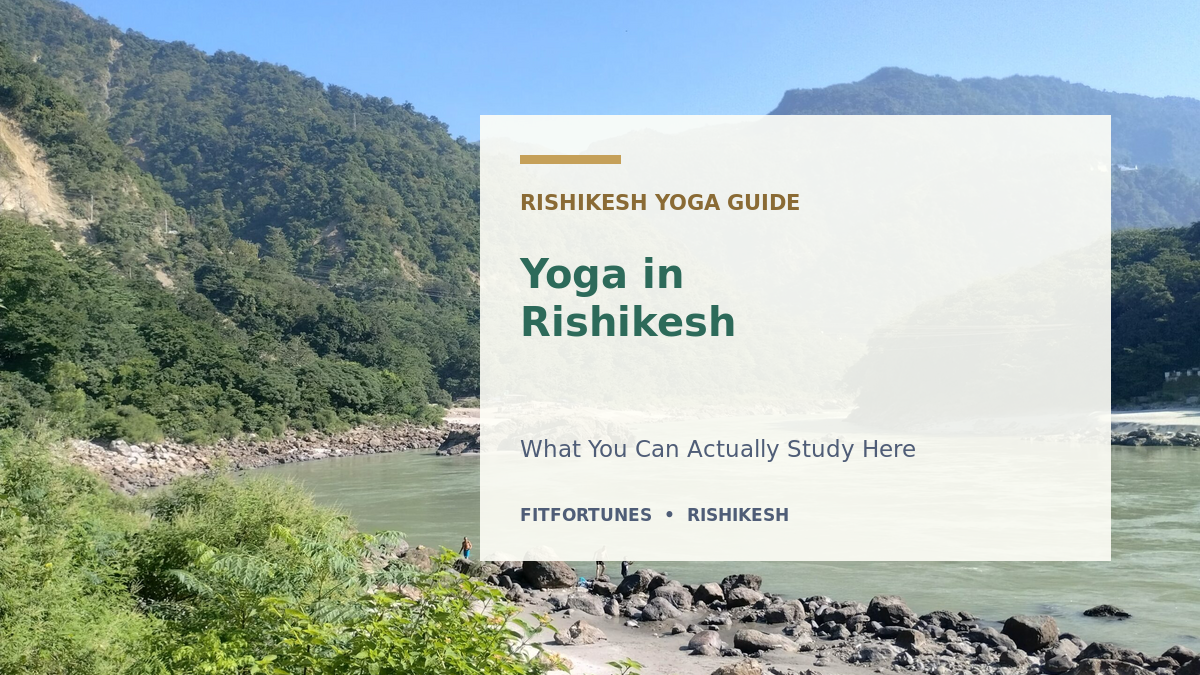
  • Yoga in Rishikesh: What You Can Actually Study and Practice

    Yoga in Rishikesh: What You Can Actually Study and Practice

    Rishikesh is called the yoga capital of the world. That title is not just for show. I’ve spent years practicing and teaching yoga across India. But the best yoga in Rishikesh stands out every single time. Let me tell you why.

    Why People Travel to Rishikesh for Yoga

    Rishikesh is not just a place; it’s a feeling. Surrounded by the Himalayas and the Ganga River, it offers calm and quiet. That makes it the perfect place to learn yoga the Indian way.

    People come from around the world. They want to study where yoga was born. They want to learn from teachers who have lived yoga their whole lives. You don’t need a fancy gym here. You need patience, a mat, and an open mind.

    What Makes Yoga in Rishikesh Different

    Yoga in Rishikesh is pure. It follows the roots of ancient Indian yoga. No music. No mirrors. Just you and your breath. The focus is on learning slowly, with care and respect.

    Many yoga schools in Rishikesh follow the traditional ashram style. You wake early, eat simple food, and attend classes with discipline. The air is clean, the river flows nearby, and your mind gets lighter.

    The Best Yoga Schools in Rishikesh

    There are many yoga schools in Rishikesh. Some offer short retreats. Others run 200 hour yoga teacher training courses. Choosing the right one depends on what you need.

    Look for schools that are certified. Make sure the teachers have experience. Many good schools are near the Ganga. These places are peaceful, away from the city noise.

    If you’re serious about yoga, pick a course that lasts at least a month. That gives you time to understand the postures, breathing, and yogic life.

    Ashram Life in Rishikesh

    Living in an ashram is part of the full yoga experience. You follow a set routine. You practice yoga, join group meditation, and eat simple sattvic meals.

    Ashrams are not hotels. They are quiet places for learning and self-study. You may wake at 5 a.m. and sleep early. But by the end of your stay, your body and mind feel more balanced.

    What to Expect in a 200 Hour Yoga Teacher Training Course

    Most people join a 200 hour course if they want to become a yoga teacher. In Rishikesh, these courses follow the Yoga Alliance standards.

    You learn:

    • Hatha yoga
    • Pranayama (breathing techniques)
    • Philosophy
    • Anatomy
    • Teaching methods

    These courses are intense but rewarding. You grow as a student and learn how to share yoga with others. Classes are small, so you get personal attention.

    Rishikesh Yoga for Beginners

    You don’t need to be flexible to start. You just need to be willing. Many schools welcome beginners. They teach simple poses first and move slowly.

    A good beginner course focuses on:

    • Basic asanas
    • Gentle breathing
    • Mindful movement
    • Correct posture

    Teachers in Rishikesh understand that every body is different. They guide you without pushing. You learn to listen to your body.

    Choosing the Right Time to Visit

    The best time to do yoga in Rishikesh is between October and March. The weather is cool and pleasant. Summers can be hot. Monsoons bring rain.

    During the cooler months, the city is filled with yoga lovers. You can meet people from all over the world. Still, the vibe stays calm and focused.

    Daily Routine in a Rishikesh Yoga School

    Here’s what a day looks like:

    • Wake up early
    • Morning yoga
    • Light breakfast
    • Theory or anatomy class
    • Lunch (vegetarian and simple)
    • Rest or self-study
    • Evening yoga or meditation
    • Dinner and early sleep

    There are no late nights. No distractions. Just a steady rhythm that helps your body and mind reset.

    What to Pack for Your Yoga Journey

    Keep it light. You don’t need much:

    • A good yoga mat
    • Loose clothes
    • Water bottle
    • Notebook
    • Natural toiletries

    Most schools provide mats and blocks. But having your own mat is helpful.

    Food and Stay in Rishikesh

    Yoga schools usually provide stay and food. The meals are sattvic – simple, pure, and vegetarian. No caffeine, no processed sugar. The idea is to clean your body and mind.

    Rooms are clean but basic. You get a bed, blanket, and bathroom. Some schools are near the river, offering calm views.

    Meeting Yoga Masters

    One of the best parts of learning yoga in Rishikesh is the teachers. Many of them have studied for decades. Some come from long lines of yogic families.

    They may not speak fancy English. But they teach with honesty. They share real knowledge. That’s what makes your learning deep and special.

    Yoga Retreats and Short Courses

    Not everyone wants to become a teacher. Some people just want to relax. That’s where yoga retreats come in.

    These are 5 to 10-day programs. They include yoga, meditation, river walks, and rest. Great for people who need a break from fast life.

    Some retreats also include:

    • Sound healing
    • Ayurveda massage
    • Fire rituals

    They help you feel calm, rested, and clear-headed.

    Cost of Yoga Courses in Rishikesh

    Prices vary. A good 200 hour course may cost between $1000 to $1500. That includes food and stay.

    Short retreats are cheaper. You can also find budget options. But make sure the place is clean and the teachers are trained.

    Staying Safe and Healthy

    Rishikesh is safe. But it’s still good to be careful.

    • Drink clean water
    • Wear modest clothes
    • Respect local customs

    Also, try not to overdo your practice. Yoga is not a race.

    Real Stories from Real Students

    Many students say their time in Rishikesh changed them. Not because of magic, but because of stillness.

    They find clarity. They feel stronger. They learn to focus. That’s what real yoga gives you.

    One student from Italy told me, “I came for the asanas, but I stayed for the peace.”

    Conclusion: Why the Best Yoga in Rishikesh Still Matters

    If you’re looking for the best yoga in Rishikesh, come with an open heart. It’s not just about bending or stretching. It’s about slowing down. It’s about learning from a culture that has lived yoga for thousands of years.

    Yoga in Rishikesh is real. It is grounded. It is humble. Whether you come for a week or a month, you will go back lighter.

    Upcoming Traditional Multi-Style 200 Hour Yoga Teacher Training

    Upcoming Traditional Multi-Style 200 Hour Yoga Teacher Training

    Date Shared Room Book Private Room Book

    FAQ: Best Yoga in Rishikesh

    Q: Is Rishikesh good for beginner yoga students?
    Yes. Many schools welcome beginners and teach step-by-step.

    Q: What is the best time to join a yoga course in Rishikesh?
    October to March is ideal. The weather is good for practice.

    Q: How long should I stay for yoga training?
    If you want full training, stay at least 3 to 4 weeks.

    Q: Are yoga teachers in Rishikesh certified?
    Most good schools have certified and experienced teachers.

    Q: Do I need to know Sanskrit or Indian culture?
    No. You’ll learn slowly, and teachers explain everything.

    Q: Is food included in yoga courses?
    Yes. Most courses include vegetarian meals and stay.

    Q: Can I get certified as a yoga teacher in Rishikesh?
    Yes. Many courses are registered with Yoga Alliance.

    Q: How do I choose the best yoga school in Rishikesh?
    Look at reviews, teacher profiles, and school certification

  • Yoga Pants Without Underwear: Comfort, Hygiene and Class Etiquette

    Yoga Pants Without Underwear: Comfort, Hygiene and Class Etiquette

    Some topics are best discussed with honesty. So let’s talk about a question many hesitate to ask: Is it okay to wear yoga pants with no panties? I’ve been teaching yoga for over two decades, and this subject comes up often. It may sound personal, but it’s directly related to comfort, hygiene, and confidence during your practice.

    Wearing Yoga Pants Without Panties: A Real-World Perspective

    Wearing yoga pants with no panties isn’t new. Many experienced yogis do it. Some prefer it for comfort. Others for hygiene. I’ve met students who find it less distracting during practice. They feel free to move without adjusting their clothing.

    However, it’s not for everyone. Each body is different. Some people prefer the extra layer of protection. Some avoid underwear due to visible panty lines. Others want fewer seams pressing against the skin.

    If you’re thinking about it, listen to your body. Try it during home practice first. Notice how it feels when you move, bend, or stretch.

    Comfort Versus Coverage in Yoga Clothing

    Yoga is about awareness. Your clothing should support that. If your pants are soft, breathable, and snug, going commando may feel natural. But if they’re thin or too tight, it might cause discomfort or draw unwanted attention.

    Check the fabric before deciding. High-quality leggings with a gusseted crotch work best. Compression pants with sweat-wicking material offer more support and reduce friction.

    Coverage matters, too. Avoid sheer fabrics. Bend in front of a mirror to see how much is visible. Choose pants with a thicker weave if you’re going without panties.

    Hygiene Matters: What You Should Know

    Going commando means your body is in direct contact with the pants. That can be fine if you practice proper hygiene.

    Wear clean pants every time. Avoid reusing sweaty workout gear. Always wash your yoga pants after each session. Use mild detergent that doesn’t irritate the skin.

    Choose moisture-wicking material. It keeps the area dry. Avoid synthetic fabrics that trap heat and bacteria. Breathable fabrics like cotton blends or bamboo help keep things fresh.

    That said, wearing cotton or breathable underwear under yoga pants is generally considered better for hygiene. It adds a clean barrier, absorbs sweat, and reduces friction especially helpful in humid climates like India.

    Seamless Yoga Wear and Other Options

    Some students ask, “What if I don’t feel comfortable going commando, but hate panty lines?”

    The solution is seamless underwear. They are light, smooth, and often invisible under yoga leggings. Look for styles made for activewear. Stretchy and sweat-resistant underwear is a good compromise.

    Some prefer thongs, but others find them distracting. Again, this comes down to what you’re used to and what lets you focus.
    Seamless Yoga Wear Options

    What to Wear in a Yoga Class: Simple Guidelines

    Many beginners worry about what to wear in a yoga class. The answer is simple. Wear what lets you move freely. Clothes should not pinch or slide. You shouldn’t be adjusting your waistband during Downward Dog.

    A fitted top, full-length leggings or shorts, and a sports bra (if needed) usually work. Skip anything too loose. Baggy clothes bunch up or fall during inversions.

    Ask your studio about the dress code if unsure. Some places are more traditional. Modesty is respected. Stick to clothes that are body-aware and allow full movement.

    In most Indian yoga ashrams, wearing appropriate innerwear is the norm. It reflects respect for both the practice and the community. Keeping modesty and hygiene in mind is important when sharing a class space.

    Going Commando in Hot Yoga or Intense Classes

    Sweaty classes like Bikram or power yoga come with different needs. Your clothing must manage moisture well. This is where going without panties can help.

    Less fabric means faster drying. But only if the material is right. Stick to synthetic blends with quick-dry features. Look for flat seams and breathable mesh panels.

    Also, bring a towel. Wipe off between poses. Stay dry to reduce irritation.

    If you’re not comfortable without underwear, opt for breathable, sweat-wicking panties to stay dry and avoid rashes.

    Is It Common to Wear Yoga Pants Without Underwear?

    Yes, it’s common. Not universal, but common. In most classes I’ve taught, a good number of students quietly go commando. It’s not a trend. It’s about finding what feels right.

    In some cases, students don’t mention it until they face issues like chafing or discomfort. Then we talk. It’s a private choice, but knowing your options helps.

    In traditional settings, however, underwear is seen as a hygiene and modesty necessity. If you’re practicing in India or a spiritual center, it’s better to follow those customs.

    Fabric Choices: What Works Best Without Panties

    Your pants must be soft, thick, and elastic. Here are features to look for:

    • Four-way stretch
    • Flatlock seams
    • Gusseted crotch
    • Breathable fabric
    • Moisture-wicking finish

    Avoid ultra-thin leggings. Avoid anything see-through. Some fast-fashion brands don’t offer full coverage. Stick with trusted yoga brands.

    Always try on before class. Move in them. Bend. Squat. Sit cross-legged. You’ll know quickly if the fit is right.

    Dressing Respectfully in Group Settings

    Yoga is personal, but also shared. You might prefer no underwear, but always check that your outfit keeps things private. Double-layered leggings or thicker fabrics help.

    Respect your classmates. No one wants to be distracted during class. Yoga clothing should be secure and appropriate for all postures.

    In India and many ashram-style environments, this is especially important. Modesty and cleanliness are seen as part of the yogic path.

    Real Stories from Students and Teachers

    One student told me, “I stopped wearing underwear during practice because I felt less restricted.” Another said, “I tried it, but switched back because I like the extra layer.”

    As a teacher, I’ve heard both sides. The key is to test what works. Try it at home before class. Notice how your body responds. There’s no one rule for all.

    Many teachers in India suggest wearing light cotton underwear with well-fitted pants to stay clean and respectful during practice.

    When Not to Go Commando

    If you have sensitive skin or are prone to infections, underwear may offer protection. If you’re using rental mats or borrowed gear, it’s safer to wear a barrier layer.

    If your leggings are too worn out or thin, skip it. Always check coverage. Also, during menstruation, underwear adds security.

    Packing for a Yoga Class: Keep It Simple

    Here’s what to bring:

    • One clean pair of yoga pants
    • Sports bra
    • Fitted top
    • Optional seamless underwear
    • Small towel
    • Water bottle

    Keep an extra pair of pants or underwear in your bag. You never know when you’ll want to switch.

    Final Thought: Choose What Feels Right

    No one can decide for you. Wearing yoga pants with no panties is a personal choice. It depends on your comfort, your clothes, and your practice.

    If you’re practicing in a modern studio, comfort may guide you. But in Indian settings, wearing underwear is generally better for hygiene, modesty, and shared respect.

    After all, the goal of yoga isn’t the clothes. It’s the quiet mind and moving body.

    FAQ: Yoga Pants No Panties

    Q: Is it normal to wear yoga pants without underwear?
    Yes. Many do it for comfort and simplicity.

    Q: What type of yoga pants are best if going commando?
    Thick, breathable leggings with flat seams and a gusseted crotch work best.

    Q: Is it hygienic to skip panties during yoga?
    It can be if you follow proper hygiene. But for most, wearing clean underwear is safer.

    Q: What if I feel uncomfortable without underwear?
    Use seamless underwear. They offer comfort without visible lines.

    Q: Is this okay in public yoga classes?
    Yes, as long as your clothing is secure and not see-through. Respect studio norms.

    Q: Can I go commando during hot yoga?
    Yes, but choose sweat-wicking materials or wear active underwear.

    Q: Should I wear underwear during my period?
    Yes. It offers extra support and helps with hygiene.

    Q: What if I’m self-conscious?
    Choose thicker leggings and well-fitted panties. Confidence grows with comfort and respect.

    The best yoga happens when your clothing supports your practice. Whether you choose underwear or not, the focus should stay on your breath, not your outfit. But in Indian yoga settings, wearing underwear is both practical and respectful — a small choice that supports a larger discipline.

  • Yoga Teacher Salary in India (2026): What Pay Really Depends On

    Yoga Teacher Salary in India (2026): What Pay Really Depends On

    Many people ask me the same question. What is the average yoga teacher salary in India? If you’re thinking about teaching yoga as a career, it’s a valid concern. I’ve taught across India in studios, schools, retreats, and ashrams. Here’s what I’ve seen and learned over the years.

    Yoga as a Profession in India

    Yoga is deeply rooted in Indian culture. But as a profession, it has only recently become more visible. Many new teachers, fresh from their yoga teacher training course, want to teach full-time. Some start in a yoga studio. Others look for jobs in a yoga school or retreat center.

    Like any profession, earnings depend on location, experience, and type of work. There is no fixed number. Some teachers earn a modest living. Others make enough to support a family. But it takes time.

    Starting Salary for Yoga Teachers in India

    Let’s start with the basics. A beginner yoga instructor salary in India usually ranges from ₹10,000 to ₹20,000 per month. This applies mostly to full-time jobs in small yoga schools or local wellness studios.

    If you teach part-time, you may earn ₹300 to ₹500 per session. That means your total monthly income depends on the number of classes you teach.

    In bigger cities like Delhi, Mumbai, or Bangalore, the pay might be higher. Studios there serve more clients and charge more per class.

    Yoga Studio Jobs: What to Expect

    Working at a yoga studio offers structure. You may be expected to teach 2–4 sessions daily. These may include group classes, private lessons, or therapy-based sessions.

    Studios often pay based on class attendance or hourly rates. On average, instructors earn between ₹500 to ₹1,200 per class. That can add up if you teach daily.

    But there are no shortcuts. Studios want experienced teachers. If you’re new, they may offer fewer slots or trial periods.

    Income from Private Yoga Classes

    Some teachers prefer going freelance. They visit clients’ homes or teach online. Here, you set your own rates. Many freelance yoga teachers in India charge ₹1,000 to ₹2,000 per session, depending on city and client profile.

    Private teaching pays better but takes effort. You must handle your own scheduling, travel, and promotion. Still, with 4–5 clients a day, you can earn a decent income.

    Teaching in a Yoga School or Retreat Center

    Yoga schools that run teacher training programs also hire instructors. If you’ve completed a 200-hour YTT and gained experience, this could be your next step.

    These jobs offer steady work. You may be paid ₹20,000 to ₹50,000 per month during high seasons. However, work may slow during off-seasons.

    In places like Rishikesh or Goa, many retreats hire teachers on a seasonal basis. Pay is often lower than urban studios, but food and lodging are included.

    Teaching at an Ashram or Non-Profit

    Some yoga teachers choose the spiritual path. They teach at ashrams or seva-based centers. Here, the yoga teacher salary in India is not the main focus.

    Often, teachers get a small monthly honorarium, around ₹5,000 to ₹10,000, along with food and stay. This setup suits those looking for simplicity and service.

    Does Certification Matter?

    Yes. A proper yoga certification improves your chances of getting hired. Most studios ask for a Yoga Alliance-approved 200-hour course.

    More advanced teachers may hold 300-hour or 500-hour certificates. While these don’t always increase salary directly, they help in securing better teaching roles.

    Also, some schools in India now look for anatomy and therapy knowledge. If you have training in yoga therapy, you might earn more.

    City vs Rural: Salary Differences

    Location makes a big difference. In cities like Bangalore, Delhi, or Pune, studios pay more. But competition is also higher.

    In smaller towns, you might earn less. However, your cost of living is lower. Teaching in rural yoga schools or ashrams may pay little, but offer peace and learning.

    How Yoga Teachers Get Paid

    Most studios pay monthly, based on number of sessions taught. Freelancers get paid per class, often in cash or online.

    Some schools offer fixed contracts for teacher training programs. These are paid either per day or per course.

    You may also get tips, bonuses, or referrals, especially if students like your style and progress under your guidance.

    Online Teaching Opportunities

    Post-2020, many yoga teachers started teaching online. This works well if you have regular students or teach abroad.

    Online sessions can pay ₹500 to ₹1,500 per class, or more if you teach in English and reach global students.

    You need good internet, a quiet space, and comfort with tech. It also helps to offer classes at flexible times.

    Challenges in the Profession

    Yoga teaching is rewarding but not always easy. Income is not stable in the beginning. You must build your student base.

    You may face seasonal slowdowns. There’s competition in metro cities. Some months will be better than others.

    But if you keep learning, stay disciplined, and build trust with students, the work becomes steady.

    Tips to Increase Your Income

    1. Specialize: Learn prenatal yoga, therapy yoga, or senior yoga.
    2. Teach in English: Helps you reach international students.
    3. Record classes: Sell them online or offer on subscription.
    4. Take workshops: Teach weekend or short-term retreats.
    5. Offer private sessions: Clients often pay more for one-on-one.

    These steps take effort but pay off over time.

    Final Thoughts on Yoga Teacher Salary in India

    If you’re serious about teaching yoga, start with clear expectations. The yoga teacher salary in India varies. In the beginning, it may feel small. But with time, the work grows.

    Yoga is not a shortcut to quick money. But it’s steady, honest work. You meet kind people. You help others feel better.

    If you stay committed, income and respect both follow.

    FAQ: Yoga Teacher Salary in India

    Q: How much does a beginner yoga teacher earn in India?
    Usually between ₹10,000 to ₹20,000 per month.

    Q: What is the average income for yoga teachers in big cities?
    Instructors in Delhi or Mumbai may earn ₹30,000 to ₹50,000 per month.

    Q: Can I make a living as a yoga teacher in India?
    Yes, with experience, good planning, and steady clients.

    Q: Do yoga teachers get paid more in studios or privately?
    Private sessions usually pay more per class.

    Q: Is it better to work at an ashram or a studio?
    Depends on your goal. Ashrams offer spiritual focus. Studios offer higher pay.

    Q: Does having a certification help?
    Yes. Most schools ask for certified teachers, especially Yoga Alliance credentials.

    Q: Can I teach yoga online from India?
    Yes. Many Indian teachers offer online classes globally.

    Q: Do yoga schools hire recent TTC graduates?
    Yes, but they often start with lower pay or internship roles.

    Yoga teaching is a path of practice and patience. The salary grows with time, effort, and experience. And if your heart is in the right place, the rewards go beyond just money.

  • Yoga and Meditation for Beginners: A Simple At-Home Start

    Yoga and Meditation for Beginners: A Simple At-Home Start

    If you’re new to yoga and meditation, you’re not alone. Many people feel curious but unsure how to begin. Yoga and meditation for beginners can seem intimidating at first. But it doesn’t have to be that way. You can start with easy yoga poses and simple meditation techniques that anyone can do. This guide will help you build a gentle and daily yoga practice from scratch.

    Starting yoga and meditation has many benefits. It improves flexibility, calms your mind, and boosts your mood. Plus, it teaches you how to breathe deeply and relax. This makes it easier to handle stress and feel more peaceful.

    Let’s explore how to start yoga and meditation safely and enjoyably.

    Why Start Yoga and Meditation for Beginners?

    Many beginners ask, “Why should I start yoga or meditation?” The answer is simple. Yoga is not just about touching your toes or doing difficult poses. It is about connecting with your body and mind. When you practice yoga postures for beginners, you gently stretch your muscles. You also learn how to breathe better. Meditation adds calm and focus.

    When combined, yoga and meditation create a powerful tool to feel better every day. For people with busy lives, this combination helps reduce anxiety and clears the mind. It is like giving yourself a daily reset button.

    Easy Yoga Poses to Try at Home

    You don’t need a studio or fancy equipment to start yoga. A quiet corner in your home and a yoga mat are enough. Here are some gentle yoga poses for beginners you can try:

    • Mountain Pose (Tadasana): Stand tall with your feet together. Feel your body strong and steady. This pose improves posture and balance.
    • Child’s Pose (Balasana): Kneel on the floor, sit back on your heels, and stretch your arms forward. This pose relaxes your back and shoulders.
    • Cat-Cow Pose (Marjaryasana-Bitilasana): On your hands and knees, alternate arching and rounding your back. This flow warms up your spine.
    • Seated Forward Bend (Paschimottanasana): Sit with legs stretched out, bend forward gently. It stretches your hamstrings and calms the nervous system.
    • Easy Twist (Ardha Matsyendrasana): Sit cross-legged and twist gently to one side. This pose aids digestion and loosens your back.

    Remember, don’t rush. Hold each pose for a few breaths. Feel how your body responds. These simple poses create a good foundation for your yoga routine.

    Starting a Daily Yoga Practice

    Consistency matters more than length. Even 10 minutes of yoga daily can help beginners build strength and flexibility. Choose a time that works best for you—morning or evening. A morning yoga routine can energize your day. An evening flow can help you unwind.

    Begin with a warm-up sequence like Cat-Cow and gentle stretches. Follow it with the easy yoga poses we discussed. Finish with a brief relaxation or meditation. Over time, you can add more poses as you feel ready.

    Keeping a yoga journal helps track progress. Write down how you feel before and after practice. This habit connects you more deeply to your yoga journey.

    How Meditation Fits with Yoga Practice

    Meditation is often misunderstood as sitting still and clearing your mind completely. For beginners, it’s about paying attention to the breath and noticing thoughts without judgment. Meditation and yoga complement each other well. Yoga loosens the body, making sitting for meditation easier.

    You can start meditation right after yoga or at a different time. Find a quiet spot. Sit comfortably, close your eyes, and focus on your breathing. If your mind wanders, gently bring it back to the breath.

    Try these beginner meditation techniques:

    • Breath Awareness: Count your breaths silently up to 10 and then start over.
    • Body Scan: Slowly notice each part of your body from head to toe.
    • Guided Meditation: Listen to recorded instructions to help your focus.

    Just five minutes a day can make a difference. Gradually increase as you feel comfortable.

    Tips to Stay Motivated and Safe

    Starting yoga and meditation can sometimes feel challenging. Here are some tips to keep you motivated and safe:

    • Listen to Your Body: Avoid pushing too hard. Yoga is not a competition.
    • Use Props: Blocks, straps, or cushions can support your poses.
    • Wear Comfortable Clothes: Loose, stretchy clothing helps you move freely.
    • Find a Teacher or Videos: Beginners benefit from guidance to learn proper alignment.
    • Set Realistic Goals: Aim for progress, not perfection.
    • Create a Dedicated Space: Even a small corner helps you focus.
    • Breathe Slowly: Always pair movement with calm breathing.
    • Stay Patient: Flexibility and calmness come with time.

    The Benefits You Can Expect

    Regular yoga and meditation improve both your physical and mental health. Here are some common benefits beginners notice:

    • Better posture and flexibility
    • Increased energy and reduced fatigue
    • Relief from stress and anxiety
    • Improved concentration and memory
    • Better sleep quality
    • Feeling more balanced emotionally
    • Greater self-awareness and calmness

    These benefits build gradually. The key is steady practice.

    Yoga and Meditation for Busy People

    If your schedule is tight, yoga and meditation can still fit in. Even short sessions help. For example:

    • Try a 10-minute morning stretch to wake up your body.
    • Do seated meditation at your desk during breaks.
    • Use breathing exercises to calm nerves before meetings.

    Yoga and meditation are flexible tools for any lifestyle.

    Common Questions About Yoga and Meditation for Beginners

    Q: Do I need to be flexible to start yoga?

    No. Yoga improves flexibility over time. Start where you are.

    Q: Can I do yoga without a mat or equipment?

    Yes. A mat is helpful but not required. Any comfortable surface works.

    Q: How long should my meditation sessions be?

    Start with 5 minutes. Increase gradually as you feel comfortable.

    Q: Is it okay to meditate if I can’t stop my thoughts?

    Absolutely. The practice is noticing thoughts and returning focus to the breath.

    Q: Can yoga help with stress and anxiety?

    Yes. Yoga and meditation calm the nervous system and ease stress.

    Q: How often should I practice yoga?

    Aim for daily or at least 3-4 times a week. Consistency matters.

    Q: Can beginners practice yoga alone?

    Yes, with care. Watching videos or joining beginner classes helps learn safely.

    Final Thoughts on Yoga and Meditation for Beginners

    Yoga and meditation for beginners is a gentle journey. It does not require special skills or years of practice. You only need curiosity and a willingness to try.

    Start with simple yoga poses and easy meditation techniques. Practice regularly, listen to your body, and be patient. Over time, you’ll notice your body feeling more flexible and your mind more peaceful.

    The key is to keep it simple and enjoy each moment. Yoga and meditation are not just exercises; they are ways to care for yourself. Begin today, and let these practices bring small but meaningful changes to your life.

    If you want to start right now, find a quiet spot and try the Mountain Pose followed by 3 minutes of breath awareness. Notice how you feel afterward. This simple start can open the door to a new, healthier habit.