Blog

  • Ashtanga Vinyasa Yoga Teacher Training

    Ashtanga Vinyasa Yoga Teacher Training

    If you’ve been exploring yoga schools or teacher training courses, you’ve probably come across the term Ashtanga Vinyasa Yoga Teacher Training. This style of yoga attracts serious practitioners looking for discipline, structure, and deep learning. Whether you’re planning to become a teacher or just want to dive into traditional yoga, this guide gives you a full picture.

    As a yoga teacher with over 20 years of experience and deep study in ancient yogic texts, I’ve guided hundreds of students through this path. Let’s go step by step and understand what it really means to take up this journey.

    What Is Ashtanga Vinyasa Yoga?

    Ashtanga Vinyasa Yoga is a method developed by Sri K. Pattabhi Jois in Mysore, India. It comes from the ancient teachings of Vamana Rishi and was later passed down through Krishnamacharya. This system is rooted in the idea of movement linked with breath.

    The word “Ashta” means eight. It refers to the eight limbs of yoga from Patanjali’s Yoga Sutras. These are: Yama, Niyama, Asana, Pranayama, Pratyahara, Dharana, Dhyana, and Samadhi.

    In Ashtanga Vinyasa, you practice a set sequence of postures in a flow. Breath and movement are synchronized. The practice is physically intense and mentally steadying. It builds discipline, focus, and body awareness.

    What Happens in a 200 Hour Ashtanga Vinyasa Yoga Teacher Training?

    A 200 hour yoga teacher training is your foundation. This course is the first level of formal training recognized worldwide.

    When the training follows the Ashtanga Vinyasa tradition, here’s what to expect:

    1. Asana Practice: Primary Series

    You’ll learn the full Primary Series, known as Yoga Chikitsa. It includes standing poses, seated postures, backbends, and finishing postures. Each posture is learned in a sequence, and you build slowly with correct alignment.

    1. Vinyasa Counting and Breath Work

    The training includes learning the Sanskrit count, breath rhythm, and the flow (vinyasa) between each pose. Ujjayi breathing is used throughout. This builds stamina and mental clarity.

    1. Yoga Philosophy

    You’ll study Patanjali Yoga Sutras, the eight limbs of yoga, and foundational yogic concepts like karma, dharma, and gunas. The teaching is grounded in real-life relevance, not just theory.

    1. Anatomy and Physiology

    Focus is given to how muscles, joints, and breath work together. You’ll also learn about injuries, modifications, and how to safely guide students.

    1. Pranayama and Meditation

    Traditional breathing practices like Nadi Shodhana, Bhramari, and Kapalabhati are included. Simple meditation techniques are practiced daily to build awareness.

    1. Teaching Techniques

    You’ll start with observing and assisting. Then you gradually teach small parts of the class. By the end, you’ll lead a full session with confidence.

    Mysore-Style vs Led Class

    In Mysore-style classes, students move at their own pace under a teacher’s guidance. It builds memory and self-practice.

    Led classes are guided step-by-step with Sanskrit count and posture cues. In teacher training, you learn both formats.

    This mix improves your teaching flexibility. You’ll know how to support self-practice and lead beginners through group classes.

    Is Ashtanga Vinyasa Training Too Hard for Beginners?

    Many people ask this. The truth is, Ashtanga Vinyasa yoga is demanding. But it’s also structured.

    You don’t need to know the whole series before joining. A good training course teaches you the sequence gradually. You’re encouraged to listen to your body and respect your limit.

    Beginners with commitment and openness can absolutely join. What matters most is patience and regular practice.

    The Role of Traditional Yogic Texts

    In a serious Ashtanga Vinyasa yoga teacher training, study of scriptures matters. These are not just quotes or chants. You learn how these ancient texts guide daily living and practice.

    Key texts include:

    • Yoga Sutras of Patanjali: For understanding the mental discipline of yoga.
    • Bhagavad Gita: For lessons on duty, devotion, and balance in life.
    • Hatha Yoga Pradipika: For knowledge on energy systems, bandhas, and pranayama.

    These are discussed in a clear, practical way never forced.

    How Is This Different from Vinyasa Flow Training?

    Vinyasa Flow (often called Power Yoga) is modern and creative. Teachers design their own sequences. Music is often used. Poses are adapted more freely.

    Ashtanga Vinyasa is traditional and fixed. The order of poses doesn’t change. You build a strong inner discipline through repetition and breath.

    In training, this difference is important. Ashtanga is not a freestyle class. It’s a method.

    Why Choose Ashtanga Vinyasa Yoga Teacher Training?

    Here are solid reasons students choose this path:

    • Structured system with depth
    • Classical lineage rooted in Indian tradition
    • Strong foundation in yoga philosophy
    • Discipline that carries into life
    • Solid self-practice built from day one

    It’s not for people looking for quick results. It’s for those who want lifelong tools.

    Daily Routine in a 200 Hour Ashtanga Training

    Most schools follow a disciplined daily schedule. A sample day might look like this:

    • 6:30 AM: Pranayama and silent meditation
    • 7:30 AM: Led Primary Series or Mysore-style
    • 9:00 AM: Breakfast
    • 10:30 AM: Philosophy or anatomy class
    • 12:30 PM: Lunch
    • 3:00 PM: Teaching methodology / posture lab
    • 5:00 PM: Evening practice or restorative session
    • 7:00 PM: Dinner and rest

    This routine repeats daily for 3–4 weeks. Sundays are often rest or self-study days.

    How to Prepare Before You Join

    Here are some useful steps:

    • Practice 3–4 times a week before joining
    • Learn basic Surya Namaskara A & B
    • Read Yoga Mala by Pattabhi Jois
    • Start a simple meditation routine
    • Be ready for structure and daily effort

    Don’t worry if you’re not perfect. Come willing to learn.

    Teaching After the Course

    Completing a 200 hour Ashtanga Vinyasa yoga teacher training allows you to start teaching beginner and intermediate students.

    You’ll receive a certificate that’s internationally valid. You can register with Yoga Alliance if the course is accredited.

    Most students begin by:

    • Assisting classes at local studios
    • Offering private sessions
    • Running online classes for friends or clients
    • Continuing advanced studies or 300 hour training

    Teaching deepens your own practice. You stay a student even as you become a guide.

    Final Thoughts: Ashtanga Vinyasa Yoga Teacher Training

    Choosing an Ashtanga Vinyasa yoga teacher training is choosing a path of discipline, structure, and inner clarity. It’s not a fitness program. It’s a practice rooted in breath, body, and ancient wisdom.

    You don’t need to be flexible. You need to be sincere. The rest comes with time.

    If you’re searching for something beyond postures something that builds patience, focus, and grounded teaching this training is a true path.

    FAQ: Ashtanga Vinyasa Yoga Teacher Training

    Q: Do I need to know the Primary Series before joining?
    A: No. The training will teach you the full series step by step.

    Q: Is this course suitable for beginners?
    A: Yes, if you are ready for commitment and open to learning.

    Q: What texts are covered during training?
    A: Patanjali’s Yoga Sutras, Bhagavad Gita, Hatha Yoga Pradipika, and sometimes Upanishads.

    Q: How is this different from modern Vinyasa yoga?
    A: Ashtanga follows a fixed, traditional sequence. Vinyasa Flow is freestyle and modern.

    Q: Can I teach yoga after this 200 hour training?
    A: Yes. You’ll be certified to teach beginners and intermediate classes.

    Q: What if I miss a few classes during training?
    A: Most schools allow makeup classes, but attendance is important.

    Q: Do I need to chant mantras or follow a religion?
    A: No. Chanting is optional. Yoga is not tied to any religion.

    Q: Is the training physically intense?
    A: Yes. But it’s taught gradually. Listen to your body.
  • Yoga Teacher Training in India: Costs, Courses & Locations

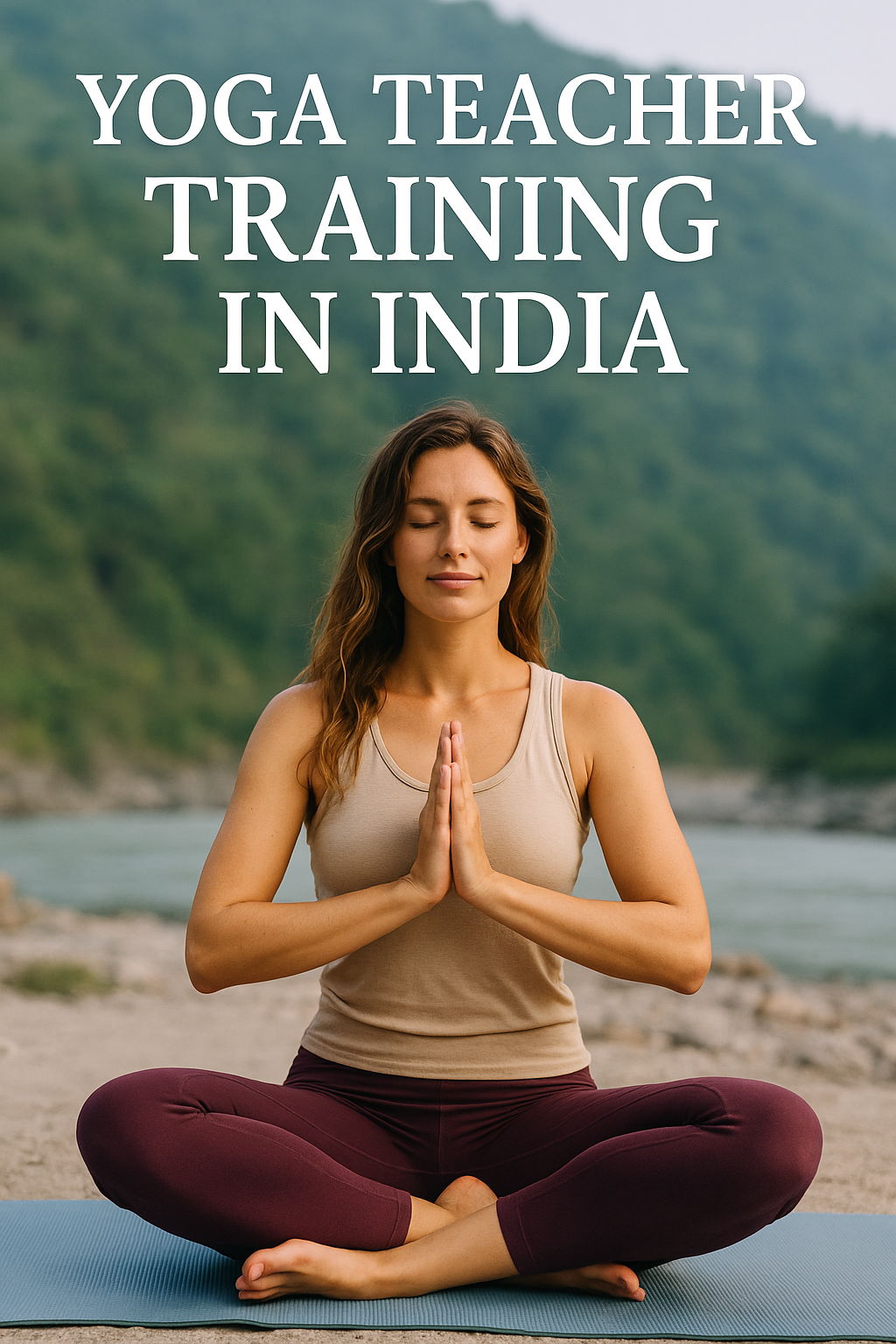
    Yoga Teacher Training in India: Costs, Courses & Locations

    Yoga teacher training in India can mean very different things, so the country alone should not decide your course. A useful comparison looks at the teachers, main yoga style, training hours, daily schedule, practicum, accommodation, assessment, and the registration pathway offered by the school. India gives students many choices, from residential study in Rishikesh to programs in Goa, Kerala, Mysuru, and other yoga centres, but the quality and purpose of those courses can differ a lot.

    Why students choose yoga teacher training in India

    India is the historical home of several yoga traditions and still has large communities of teachers, ashrams, schools, and students. That gives international students a chance to study physical practice together with pranayama, meditation, philosophy, teaching method, and Indian cultural context instead of seeing yoga only as a fitness class. The location can add depth, but it does not make every school traditional or every course suitable, so the actual curriculum still needs to be checked carefully.

    Residential training is also common in India. Students often live close to the school, eat meals together, and follow a full study timetable for several weeks. This can make it easier to focus because travel between home, work, and class is removed from the day. It can also feel intense, especially for a first-time visitor, so it is worth reading the schedule and understanding how much rest, self-study, and personal time the course really allows.

    Which yoga teacher training level should you choose?

    The hour number should match your present level and reason for studying. A shorter foundation can suit someone who wants structured learning without committing to a full teacher-training pathway, while a 200-hour course is the common starting point for students who want a broader foundation in practice and teaching. Advanced programs should build on earlier education rather than simply repeat the same material with a larger number attached to the certificate.

    • 100-hour training: a shorter foundation for students who want structured study, practice, and teaching fundamentals without the full 200-hour commitment.
    • 200-hour training: the common foundation level for students who want deeper study of asana, pranayama, meditation, philosophy, teaching methodology, and practicum.
    • 300-hour training: usually intended for students who have already completed a 200-hour foundation and want more advanced education.
    • 500-hour pathway: may be offered as one long program or as a 200-hour foundation followed by 300 additional hours, depending on the school and registration framework.

    FitFortunes currently offers a residential 100-hour course in Rishikesh and a longer 200-hour yoga teacher training. The 100-hour program is a 10-day foundation, while the current 200-hour program is structured over 21 days. Course dates, room choices, and inclusions should still be checked on the live course page before travel or payment because operational details can change.

    Yoga style matters more than a long list of labels

    A course that lists many styles is not automatically better. Students should ask which style forms the main practical base, how much time is actually spent on each method, and whether the teachers are qualified to teach those subjects in depth. Hatha, Vinyasa, modern Ashtanga Vinyasa, Yin, and other methods have different histories and teaching structures, so putting all of them on one sales page can create more confusion than useful choice.

    At FitFortunes, the current 200-hour Multi-Style structure uses traditional Hatha Yoga as the practical base, together with pranayama, meditation, yoga philosophy, teaching methodology, Ayurveda, sequencing, and supervised practicum. When the school discusses Patanjali’s Ashtanga Yoga in philosophy, that means the eight-limbed system described in the Yoga Sutras. It should not be confused with the modern Ashtanga Vinyasa Primary Series, which is not presented as the practical base of this course.

    What registration and certificates actually mean

    A course-completion certificate shows that you finished a particular training. Registration with an outside yoga organisation is a separate matter, and the wording should be checked carefully. For example, Yoga Alliance uses school and teacher registry designations such as RYS and RYT rather than issuing a government teaching licence. A student should verify the school in the organisation’s own directory and read the current requirements instead of relying only on a logo placed on a website.

    FitFortunes also refers to registrations with Yoga Alliance International and the World Yoga Federation. These organisations have their own systems, and their designations are not interchangeable with Yoga Alliance registration. None of these private yoga registries creates one worldwide legal right to teach. Studios, insurers, employers, and local jurisdictions may ask for different documents, so the useful question is what the certificate supports in the country where you plan to work.

    What should a good YTT curriculum include?

    A good curriculum should show more than pose names. Students need time to practise, understand why movements are taught, study breathing and meditation, learn relevant philosophy, understand basic anatomy, and practise communicating with real people. Teaching practicum is especially important because knowing how to perform a posture is different from explaining it, watching a class, managing time, giving safe options, and responding when a student does not understand a cue.

    • Asana practice and alignment principles.
    • Pranayama and breath awareness.
    • Meditation and concentration practices.
    • Yoga philosophy and selected classical texts.
    • Anatomy and movement principles relevant to teaching.
    • Teaching methodology, sequencing, communication, and class planning.
    • Repeated practicum, observation, feedback, and assessment.

    The FitFortunes curriculum guide explains how these areas are organised at the school, while the separate YTT syllabus guide explains how to judge any school’s published syllabus. Keeping those two pages separate helps avoid repeating the same search intent: one describes the FitFortunes curriculum, while the other teaches students how to evaluate a syllabus before they book.

    What daily life is like during residential training

    Residential yoga teacher training is usually a full study day rather than a holiday with one yoga class. A typical schedule may include morning practice, pranayama, meditation, theory, meals, afternoon study, teaching methodology, and practicum. Some schools also include chanting, cleansing practices, excursions, or evening activities, while others leave more personal time. Read the real timetable because two courses with the same number of training hours can feel very different in daily life.

    The physical workload is only one part of the course. Students also need concentration for lectures, note-taking, assignments, self-study, and practice teaching. That is why sleep, food, recovery, and realistic expectations matter. Our daily YTT schedule guide gives a clearer picture of how practice and classroom study fit together during residential training.

    How much does yoga teacher training in India cost?

    There is no reliable single price for all of India. Fees change with training length, location, room type, class size, meals, teacher experience, facilities, and what is included in the package. A cheaper course can still be good, and an expensive course can still be poorly organised. The useful comparison is the total cost of the trip and the amount of real teaching, accommodation, food, practicum, and support included in that price.

    As a current FitFortunes reference, the residential 200-hour program is listed at USD 1,199 for a shared room and USD 1,499 for a private room. These figures are for FitFortunes, not a claim about the whole Indian market. International students should also budget for flights, visa costs, local transport, travel insurance, personal spending, and extra accommodation around the course. The Rishikesh YTT cost guide covers those extra expenses in more detail.

    How Rishikesh, Goa, Kerala, and Mysuru differ

    Location changes the atmosphere around the course, but it should not replace curriculum quality as the main decision. Rishikesh has a dense yoga and ashram community and is popular for residential teacher training. Goa offers a coastal setting and many seasonal programs. Kerala is strongly associated with Ayurveda and South Indian culture, while Mysuru is closely connected with modern Ashtanga Vinyasa study. Each place can contain excellent and poor schools, so choose the teaching first and the scenery second.

    • Rishikesh: large teacher-training community, ashrams, the Ganga, and many residential schools.
    • Goa: coastal setting with many seasonal schools and retreat-style programs.
    • Kerala: useful for students interested in yoga alongside Ayurveda and South Indian traditions.
    • Mysuru: well known among students interested in modern Ashtanga Vinyasa practice.

    How to compare yoga schools without getting lost in marketing

    Start with information that can be checked. Look for named teachers, a real curriculum, a daily schedule, class size, practicum, assessment, room photos, meal information, booking terms, and a clear explanation of any outside registration. Be careful when a page relies mainly on words such as internationally recognised, ancient, authentic, or healing without explaining what those claims mean. Good schools should be able to answer practical questions without making the student decode sales language.

    • Who teaches asana, philosophy, anatomy, and teaching methodology?
    • What is the main practical yoga style?
    • How many students are in one batch?
    • How much supervised teaching practice is included?
    • How are students assessed before receiving a certificate?
    • What exactly is included in the residential fee?
    • What are the deposit, cancellation, and transfer terms?

    For a deeper school-selection checklist, use our guide to choosing a yoga teacher training in India. Students travelling from abroad should also read the international-student planning guide, which focuses on visas, flights, arrival, money, packing, and the practical side of studying in India rather than repeating this broad course comparison.

    Frequently asked questions

    How much does yoga teacher training cost in India?

    There is no single national fee because programs vary greatly in length, room type, meals, teacher team, facilities, and location. Compare the complete residential package and then add flights, visa costs, insurance, transfers, and personal spending. A very low price is not automatically a problem, but it should still come with a clear timetable, named teachers, practicum, accommodation details, and written booking terms.

    Do I need to be flexible before joining YTT in India?

    No. A beginner-friendly foundation course should not use advanced flexibility as an entrance test. You do need enough general health to follow the daily schedule and enough willingness to practise regularly, study theory, and receive feedback. If you have an injury, recent surgery, or another important health limitation, discuss it with the school before booking so the teaching team can explain whether the program is suitable.

    How long does a 200-hour yoga teacher training take in India?

    The calendar length varies because schools organise the required learning hours in different ways. Intensive residential programs commonly run for several weeks, while part-time courses can spread study over a much longer period. FitFortunes currently structures its residential 200-hour program over 21 days. Always check the live schedule rather than relying on an older blog, because course calendars can be revised.

    Does a 200-hour certificate let me teach anywhere in the world?

    No single yoga certificate creates a worldwide teaching licence. A training certificate can show that you completed a foundation program and may support registration with a private organisation when its requirements are met. Studios, insurers, employers, and countries can still have their own rules. If you plan to work abroad, check the requirements in that market before assuming one registration covers every situation.

    Is Rishikesh better than Goa or Kerala for yoga teacher training?

    Not automatically. Rishikesh has a very large yoga-training community and suits students who want a residential school environment around the Ganga and ashram culture. Goa may suit someone who prefers a coastal setting, while Kerala can appeal to students interested in Ayurveda and South Indian traditions. The stronger choice is the school whose teachers, curriculum, schedule, practicum, accommodation, and policies fit your needs.

    Choose the training, not the promise

    India gives yoga students a very wide range of training options, which is useful only when the differences are made clear. Compare what the school actually teaches, who teaches it, how much practice teaching you receive, where you will live, and what the certificate is meant to support. A strong location and an attractive website can help you feel interested, but the educational structure is what you will rely on once the course begins.

  • Yoga Teacher Training in Singapore: How to Compare 200-Hour Programs

    Yoga Teacher Training in Singapore: How to Compare 200-Hour Programs

    If you’re looking for the best yoga teacher training in Singapore, you’re not alone. Many students want to deepen their practice or become certified yoga instructors. But with so many options available, it’s hard to know where to start.

    I’ve been in the yoga world for more than 20 years. I’ve studied in India and taught in studios around the world. I know what makes a teacher training program effective, grounded, and truly worth your time.

    Let’s walk through what to look for and what to avoid when choosing your 200-hour yoga teacher training in Singapore.

    What Is a 200-Hour Yoga Teacher Training?

    A 200-hour training is the first step toward becoming a certified yoga teacher. It is usually approved by Yoga Alliance, which is the most recognized certification body globally.

    This training gives you a strong foundation in:

    • Yoga postures (asana)
    • Anatomy and alignment
    • Breath control (pranayama)
    • Meditation and concentration
    • Yoga philosophy and history
    • Teaching methodology

    It also includes hands-on teaching practice, feedback from trainers, and guidance on how to sequence classes.

    Why Do a Yoga Teacher Training in Singapore?

    Singapore has become a top destination for yoga education. It offers modern studios, skilled teachers, and access to global and Asian yoga styles.

    Here’s why many students choose Singapore:

    • High-quality schools with Yoga Alliance certification
    • Clean, safe, and well-connected city
    • Easy access for international students
    • Strong mix of Eastern tradition and Western structure

    Plus, you don’t need to travel far if you live in Southeast Asia.

    What to Look for in the Best Yoga Teacher Training in Singapore

    Not all TTCs are the same. Here’s what matters:

    1. Experienced Trainers

    Look for teachers with 10+ years of experience. Trainers with background in India or authentic yogic studies offer deep insights.

    1. Balanced Curriculum

    The course should include asana, philosophy, pranayama, teaching practice, and basic anatomy. Avoid programs that focus only on poses.

    1. Small Class Size

    You learn more when you receive personal feedback. Choose schools that keep classes to 15–20 students max.

    1. Yoga Alliance Certification

    This ensures your certificate is accepted worldwide. Always ask if the school is a Registered Yoga School (RYS).

    1. Philosophy from Source Texts

    The best trainings explore the Yoga Sutras of Patanjali, Bhagavad Gita, and Hatha Yoga Pradipika. These aren’t religious—they’re practical wisdom.

    1. Flexible Schedule

    Working professionals may prefer weekend or part-time programs. Full-time intensive courses suit students with free time.

    1. Location and Facilities

    Clean practice halls, natural lighting, and a quiet setting help you focus better. Some courses offer shared accommodation.

    Best Types of 200-Hour Courses in Singapore

    There’s no one-size-fits-all course. Choose what suits your lifestyle and goals:

    • Intensive Full-Time: 3–4 weeks of immersive training. Good for focused learners.
    • Weekend TTC: Spread over 3–6 months. Great for those with jobs or families.
    • Hybrid Training: Mix of online theory and in-person practice.
    • Specialized TTC: Some focus on Hatha, Vinyasa, or Yin Yoga.

    Yoga Schools in Singapore Known for Quality Training

    Many good schools offer 200-hour courses. Look for ones that provide a strong mix of Eastern philosophy and Western anatomy.

    Some respected schools include:

    • Studios affiliated with Indian yoga lineages
    • Schools run by certified RYT-500 trainers
    • Programs that include Ayurveda or traditional chanting

    Don’t choose based only on Instagram photos. Look for real reviews and alumni feedback.

    Yoga Philosophy in a Teacher Training

    A good TTC should introduce you to the true roots of yoga. This includes:

    • Yamas and Niyamas (ethical practices)
    • The Eight Limbs of Yoga
    • Karma Yoga, Bhakti Yoga, Jnana Yoga
    • Mindfulness vs Dhyana (meditation)
    • Purpose of yoga beyond just fitness

    You don’t have to believe anything. But knowing the background helps you become a better teacher.

    Questions to Ask Before You Enroll

    Before paying for your course, ask:

    • Is this course Yoga Alliance certified?
    • Who are the lead trainers? What is their experience?
    • What style of yoga will I be trained in?
    • What’s included in the fee? (books, meals, mat?)
    • How many students per batch?
    • What is the refund or reschedule policy?

    Cost of Yoga Teacher Training in Singapore

    Costs vary. On average:

    • Budget courses: SGD 2000–3000
    • Mid-range: SGD 3500–4500
    • Premium: SGD 5000 and above

    Sometimes, higher cost means smaller batches or more experienced teachers. But don’t choose based only on price.

    Who Can Join a 200-Hour Training?

    This course is for anyone who:

    • Loves yoga and wants to go deeper
    • Wants to teach yoga professionally
    • Seeks to build personal discipline and understanding
    • Is curious about yogic philosophy, breath, and meditation

    You do not need to be flexible or advanced. You simply need commitment and willingness to learn.

    Final Thoughts: Best Yoga Teacher Training in Singapore

    Choosing the best yoga teacher training in Singapore takes research, patience, and clarity. Focus on quality, not just convenience. Look for deep teachings, authentic trainers, and a program that respects yoga’s roots.

    A good training stays with you for life. It teaches you how to move, breathe, observe, and teach others with care.

    Start by visiting a few studios. Attend a class. Speak to past graduates. Ask questions. Let your inner student guide the way.

    Remember, becoming a yoga teacher is not about showing off poses. It’s about building awareness step by step.

    FAQ: Best Yoga Teacher Training in Singapore

    Q: Is 200-hour yoga teacher training enough to teach?
    A: Yes, it qualifies you to start teaching beginner-level classes.

    Q: How do I know if a training is Yoga Alliance certified?
    A: Ask the school. Check if it’s listed as a Registered Yoga School (RYS).

    Q: Can I join TTC if I’m a beginner?
    A: Yes. Many people start TTC with basic practice experience.

    Q: What’s included in the TTC fee?
    A: Depends on the school. It may include books, classes, certification, and sometimes meals.

    Q: How long is the 200-hour TTC in Singapore?
    A: Full-time courses are 3–4 weeks. Weekend formats can run up to 6 months.

    Q: Is it better to do TTC in India or Singapore?
    A: Both have pros. Singapore offers structure and comfort. India offers tradition and immersion.

    Q: What if I want to teach internationally?
    A: Make sure the school is Yoga Alliance certified. That makes your certificate valid globally.

  • Oldest Form of Yoga: What are the Roots of Yoga

    Oldest Form of Yoga: What are the Roots of Yoga

    When people ask about the oldest form of yoga, they often expect a simple answer. But yoga is not a modern trend. It’s a path that began thousands of years ago in ancient India. As a teacher and student of yoga philosophy for over 20 years, I can tell you: to understand yoga, you must trace its roots.

    Let’s go step by step, exploring what the earliest yogis practiced, where Hatha Yoga fits in, and what the sacred texts reveal.

    What Does “Oldest Form of Yoga” Actually Mean?

    Yoga evolved over centuries. There isn’t one clear starting point. Instead, yoga grew through layers oral teachings, Vedic hymns, tantric rituals, and philosophical inquiry.

    When we speak of the oldest form of yoga, we’re looking at the practices closest to the original intent of yoga: union of body, mind, and self. That union called “yuj” in Sanskrit is the seed of all yoga systems.

    Some forms were meditative. Others involved fire rituals. Later, physical practices appeared. Among them, Hatha Yoga became the most influential.

    Early Roots: Yoga in the Vedas and Upanishads

    The Vedas are the oldest scriptures of India. They mention words like “yoga,” but not in the way we see today. In the Rig Veda, yoga is linked to concentration, devotion, and spiritual effort. By the time of the Upanishads, yoga becomes more personal. The Katha Upanishad talks about controlling the senses and mind like horses with reins. This is the earliest sign of yogic discipline.

    Yet, there were no physical postures yet. The focus was on meditation, breath, and the inner journey.

    The Bhagavad Gita: Yoga as a Way of Living

    One of the most important yoga texts is the Bhagavad Gita. It’s not a yoga manual with poses. Instead, it teaches yoga as a life path.

    The Gita introduces several types of yoga:

    • Jnana Yoga: the path of knowledge
    • Bhakti Yoga: the path of devotion
    • Karma Yoga: the path of action
    • Dhyana Yoga: the path of meditation

    Though written over 2000 years ago, the Gita doesn’t mention Hatha Yoga by name. But it sets the stage for what comes next. The Gita shifts yoga from ritual to inner practice.

    Krishna’s teaching to Arjuna is clear: yoga is steadiness of mind, skill in action, and a way to live with awareness.

    The Arrival of Classical Yoga: Patanjali’s Yoga Sutras

    A few centuries later, the sage Patanjali codified yoga in his text the Yoga Sutras. This is where classical yoga took shape. Patanjali defines yoga as “chitta vritti nirodha” the stilling of mental fluctuations.

    Here, we get the eight limbs of yoga:

    1. Yama – moral disciplines
    2. Niyama – personal observances
    3. Asana – posture
    4. Pranayama – breath control
    5. Pratyahara – sense withdrawal
    6. Dharana – concentration
    7. Dhyana – meditation
    8. Samadhi – absorption

    The focus was still internal. Asanas were not what we practice today. They were simple seated positions for meditation. There was no sequence of standing poses or flow-style practice.

    The Birth of Hatha Yoga

    The real shift happened around the 11th–12th century. This is when Hatha Yoga emerged. It was a revolutionary system.

    The early Hatha yogis like Matsyendranath and Gorakhnath belonged to the Nath tradition. They developed a practical system using the body to reach spiritual goals.

    Their texts, like the Hatha Yoga Pradipika, detail how to prepare the body, cleanse the system, and manage energy. This was different from earlier forms.

    Hatha Yoga wasn’t about fitness. It was about awakening Kundalini, controlling prana, and reaching higher states through asana, pranayama, bandhas, and mudras.

    What Makes Hatha Yoga So Foundational?

    Many people think of Hatha Yoga as just physical yoga. That’s not accurate. The word “Hatha” means “force,” but symbolically, it represents the balance of ha (sun) and tha (moon) the dual forces in the body.

    What sets Hatha Yoga apart is this:

    • It introduces asanas beyond sitting.
    • It uses breath (pranayama) as a path to mastery.
    • It teaches cleansing techniques (shatkarmas).
    • It works on the subtle body (chakras and nadis).
    • It prepares for meditation—not replaces it.

    The Hatha Yoga Pradipika, written by Swatmarama, is the main manual. It talks about 15 postures, many breath techniques, and energy seals like mula bandha and uddiyana bandha.

    So while yoga existed before Hatha, this system unified body, breath, and energy in a new way. That’s why many consider it the oldest practical form of yoga.

    Other Influential Hatha Texts

    Besides the Hatha Yoga Pradipika, other ancient texts offer deep insight:

    • Gheranda Samhita: Offers a seven-limb yoga system
    • Shiva Samhita: Discusses nadis, mudras, and the spiritual body
    • Goraksha Shataka: One of the earliest Hatha texts, focused on Kundalini

    These texts are not casual reading. They need guidance, experience, and context. But they form the roots of the Hatha system passed down today.

    Was Hatha Yoga Meant for Everyone?

    Not exactly. Early Hatha yogis were often ascetics. They lived simply, practiced in caves, and avoided society. Their goal was moksha freedom from rebirth.

    Over time, Hatha Yoga became accessible. Teachers adapted it. Gurus brought it west. Now, you see Hatha Yoga in every corner of the world.

    But the roots are deep, and we must honor that.

    Modern Yoga’s Connection to Hatha

    Today’s yoga whether vinyasa, power, or restorative borrows heavily from Hatha. The poses, breath cues, and awareness all stem from these older teachings.

    While modern yoga is more fitness-driven, the base remains Hatha. It gave us:

    • Posture systems
    • Breath awareness
    • Subtle body theory
    • The idea of yoga as preparation for meditation

    Even if modern classes don’t mention Bhagavad Gita or Nath yogis, the influence is there.

    Final Thoughts: Understanding the Oldest Form of Yoga

    The oldest form of yoga depends on how you define “yoga.” If you mean meditation and inward focus, it began with the Upanishads. If you mean posture and breath, Hatha Yoga is the turning point.

    The Bhagavad Gita gave yoga its moral foundation. The Yoga Sutras gave it structure. But Hatha Yoga gave it tools. Tools we still use today.

    When you practice Hatha Yoga, you’re not just doing stretches. You’re tapping into a deep tradition. One that has helped seekers for centuries.

    FAQ: Oldest Form of Yoga

    Q: What is the oldest form of yoga?
    A: Yoga as a concept began in the Vedas, but Hatha Yoga is the oldest full-body practice.

    Q: Is Hatha Yoga older than Ashtanga Yoga?
    A: Yes. Ashtanga Yoga in the modern sense came much later.

    Q: What texts describe the oldest yoga practices?
    A: The Upanishads, Bhagavad Gita, Hatha Yoga Pradipika, Shiva Samhita, and Gheranda Samhita.

    Q: Who were the first Hatha yogis?
    A: Matsyendranath and Gorakhnath are key figures in the Nath tradition.

    Q: Does the Bhagavad Gita teach Hatha Yoga?
    A: No postures, but it lays the spiritual ground for later systems.

    Q: Is modern yoga based on Hatha Yoga?
    A: Yes. Most physical yoga styles today evolved from the Hatha tradition.

    Q: Why is Hatha Yoga still important?
    A: It connects physical discipline with breath, energy, and meditation.

    Q: Can beginners start with Hatha Yoga?
    A: Absolutely. It’s safe, steady, and rooted in tradition.

  • Yoga Teacher Training in Bali 2026: How to Compare Programs

    Yoga Teacher Training in Bali 2026: How to Compare Programs

    If you’re searching for the best yoga teacher training in Bali 2025, you’re not alone. Every year, hundreds of students from around the world come to Bali for yoga teacher training. And it’s not just the palm trees or the beaches. Bali offers something deeper calm surroundings, experienced teachers, and a strong yoga community.

    But not all yoga schools are the same. Some focus on fast certifications. Others honor yogic tradition and teach with care. This guide is here to help you choose wisely.

    Why Bali for Yoga Teacher Training?

    Bali has become one of the most popular places for yoga training. It’s known for peaceful landscapes, welcoming people, and nourishing food.

    Beyond that, many yoga schools in Bali follow international standards. Some even bring teachers from India. Most are Yoga Alliance certified, making your certificate valid worldwide.

    The island also offers space to reflect, grow, and deepen your practice. Whether you’re a beginner or a serious practitioner, Bali has something for everyone.

    What Makes a Yoga Teacher Training the Best?

    A quality yoga course is not about pretty photos or Instagram posts. It’s about:

    • Experienced and knowledgeable teachers
    • A clear, authentic curriculum
    • Proper understanding of yogic philosophy
    • Clean, quiet accommodation
    • Healthy meals (often Satvik or vegetarian)
    • Daily structure with balance between asana, theory, and rest
    • Respect for yogic tradition without turning it into a trend

    When researching, don’t just look at reviews. Read the daily schedule. Ask who is teaching. Find out if the school covers texts like the Yoga Sutras, Bhagavad Gita, or Hatha Yoga Pradipika.

    Top Areas in Bali for YTT Courses

    Ubud is known for spiritual retreats and traditional yoga. Most serious yoga schools are located here.

    Canggu offers beach vibes and is more modern. Good for those who like a social atmosphere.

    Sidemen and North Bali are quieter. Perfect for deep practice without distractions.

    Wherever you choose, ensure the school aligns with your goals.

    What’s Usually Included in the Program?

    Most 200-hour YTT programs in Bali include:

    • Daily yoga classes (Hatha, Vinyasa, or Ashtanga)
    • Yogic philosophy sessions
    • Teaching methodology
    • Anatomy and alignment
    • Pranayama and meditation
    • Study of yogic texts
    • Teaching practice
    • Certification from Yoga Alliance
    • Accommodation and three daily meals

    Some schools add cultural trips, sound healing, or Ayurveda modules.

    How Much Does It Cost?

    Prices vary. But most 200-hour courses in Bali range between $1800 to $3500.

    Lower-cost programs may not include food or private rooms. High-end programs offer beachfront villas and gourmet meals.

    Always ask what’s included. Cheap doesn’t always mean poor quality but read the details.

    Best Time to Attend YTT in Bali

    Bali has a tropical climate. The dry season (April to October) is the best time for training.

    In 2025, many schools will run programs during these months. March, April, and May are popular. September and October are also good less tourist traffic.

    Avoid December to February if you dislike heavy rain.

    What Style of Yoga Should You Choose?

    Most Bali YTTs offer one or a mix of the following:

    • Hatha Yoga: Traditional, steady, and deep.
    • Vinyasa Flow: Dynamic, modern, and creative.
    • Ashtanga Yoga: Structured, disciplined, and physically intense.
    • Yin Yoga: Gentle and meditative.

    Pick the style that matches your intention. If you want to teach later, start with Hatha or Vinyasa for a balanced foundation.

    Schools Known for Best Yoga Teacher Training in Bali 2025

    These schools have good reputations. Always research current reviews and course updates:

    1. All Yoga Training – Bali Based, Known for Good Teachers and Early Bird Discounts.
    2. Radiantly Alive – Offers Vinyasa-based YTT with strong global teaching team.
    3. Yoga Union – Long-running 200-hour and 300-hour programs.
    4. Samyak Yoga (Bali branch) – Indian teachers and traditional content.
    5. Inner Yoga Training – Offers 200-hour YTT with a mix of styles.

    Each has a unique feel. Some are more modern, others rooted in traditional texts.

    How to Choose the Right Course

    Here are a few steps:

    1. Decide what matters most price, philosophy, or location.
    2. Read the full syllabus, not just headlines.
    3. Ask about the teachers’ background.
    4. Check if the course includes traditional yogic texts.
    5. Compare reviews across platforms.
    6. Make sure the certificate is Yoga Alliance approved.

    Don’t rush. The best yoga teacher training in Bali 2025 will be the one that aligns with your purpose.

    Spiritual and Cultural Experience in Bali

    Bali is a Hindu island in a Muslim-majority country. Daily rituals, offerings, and temple culture are everywhere.

    Joining a YTT here means more than learning poses. You get a chance to witness devotion, discipline, and local wisdom.

    Respect is key. Dress modestly, be kind, and observe quietly.

    Content Gap Considerations (That Good Schools Cover)

    Some great YTTs in Bali offer:

    • Indian yoga philosophy in depth
    • Sanskrit chanting and meaning
    • Silent meditation days
    • Classes on Ayurveda basics
    • One-on-one teacher feedback
    • Satvik food philosophy

    If you’re looking for more than just exercise, seek these.

    Final Thoughts

    Finding the best yoga teacher training in Bali 2025 isn’t about picking the trendiest school. It’s about what feels right to you.

    Bali has many options. Choose the one that respects the roots of yoga, offers solid teaching, and creates a safe space for growth.

    Ask questions. Read carefully. And most of all trust your gut.

    FAQ: Best Yoga Teacher Training in Bali 2025

    Q: How long is a 200-hour YTT in Bali?
    A: Usually 3–4 weeks. Some schools offer extended or flexible schedules.

    Q: Is certification from Bali valid internationally?
    A: Yes—if it’s Yoga Alliance certified.

    Q: What’s the daily schedule like?
    A: Typically includes two yoga classes, theory, meals, and rest time.

    Q: Is it beginner-friendly?
    A: Many courses are open to all levels. Check the prerequisites.

    Q: Do I need travel insurance?
    A: Yes, it’s strongly advised. Some schools require proof.

    Q: Will I have time to explore Bali?
    A: Some weekends are free. But expect a structured schedule.

    Q: Can I work while doing YTT?
    A: It’s not recommended. Focus fully on the training.

    Q: What should I pack?
    A: Light clothes, a good mat, sandals, notebook, and open mind.

  • Does Yoga Count as Strength Training?

    Does Yoga Count as Strength Training?

    Many students have asked me over the years, does yoga count as strength training? It’s a fair question. In a world filled with gym routines, fitness trackers, and weightlifting schedules, it’s easy to wonder where yoga fits in.

    Let’s walk through the answer with honesty, care, and clarity.

    What Is Strength Training?

    First, we need to define what strength training means. Simply put, it’s any exercise that makes your muscles work harder than usual. It builds muscle strength, improves endurance, and supports bone health.

    Lifting weights is the most common form. But strength can also be built using your own body weight. That’s where yoga comes in.

    What Does Yoga Actually Do to the Body?

    Yoga uses your own body as resistance. When you hold a pose like Warrior II or Plank your muscles work to stay stable. The longer you hold it, the more effort your body makes.

    What Does Yoga Actually Do to the Body?

    It’s not just about stretching. Yoga builds control, focus, and muscular endurance. These are important parts of strength training too.

    Certain styles, like Ashtanga or Power Yoga, increase the physical demand. These practices engage major muscle groups repeatedly.

    Yoga and Functional Strength

    Functional strength means building muscles you actually use in daily life. Yoga is excellent for this.

    • It improves core stability
    • It builds leg and arm strength
    • It enhances grip and shoulder endurance

    You’re not just lifting. You’re learning how to control and support your body with awareness.

    How Yoga Builds Muscle

    Muscles grow when they’re challenged. In yoga, isometric holds (like Chair Pose or Downward Dog) activate muscle fibers deeply.

    Your body holds positions without movement. That creates tension. Tension builds strength.

    Does Yoga Count as Strength Training?

    You also move through poses in sequences, which trains both endurance and coordination. It’s a full-body workout.

    Which Yoga Styles Build Strength?

    Not all yoga is equal in this regard. Here are some that focus more on building physical power:

    1. Ashtanga Yoga
      A fixed sequence, physically demanding, and rhythmically intense. Builds strength through repetition.
    2. Power Yoga
      Fast-paced and athletic. Focuses on large movements and sustained holds.
    3. Vinyasa Flow
      Combines breath with movement. Builds strength with fluid transitions and weight-bearing poses.
    4. Hatha Yoga
      Slower, but still uses body weight for isometric strength. Great for beginners.

    Key Strength-Building Yoga Poses

    These poses use your body weight to strengthen specific areas:

    • Plank: Core, arms, shoulders
    • Chaturanga: Triceps, chest, core
    • Chair Pose: Legs, glutes
    • Warrior II: Legs, hips, shoulders
    • Boat Pose: Abdominals
    • Side Plank: Core and obliques

    Holding these poses for time builds muscular endurance. Repeating them builds power.

    Yoga vs. Traditional Strength Training

    Here’s how yoga compares to weightlifting and resistance workouts:

    Feature

    Yoga

    Gym Strength Training

    Equipment Needed

    Body only

    Dumbbells, machines

    Builds Muscle Size

    Moderate

    High

    Improves Mobility

    High

    Varies

    Boosts Endurance

    Yes

    Yes

    Risk of Injury

    Low (with guidance)

    Moderate

    Functional Strength

    Strong

    Depends on routine

    Bone Density Support

    Yes

    Yes

    Yoga won’t bulk you up, but it tones and strengthens in a balanced way.

    What About Bone Health and Aging?

    Strength training supports bone density. Yoga does too. Holding weight-bearing poses places gentle stress on bones. This helps prevent bone loss.

    Yoga also improves balance and coordination. That’s key in preventing falls, especially as we age.

    Gentle resistance through yoga is safe for most age groups. It’s a strength practice that supports longevity.

    Is Yoga Enough on Its Own?

    It depends on your goals. If you want flexibility, body control, and moderate strength yes, yoga is enough.

    But if you’re looking to gain significant muscle mass or compete in strength sports, you may need additional weight training.

    That said, many athletes use yoga to complement their routines. It fills in the gaps core, mobility, and endurance.

    Yogic View on Physical Strength

    Ancient yoga texts value strength, but not for vanity. In the Yoga Sutras, the word tapas means disciplined effort. Physical practice is a way to build inner focus.

    Hatha Yoga Pradipika emphasizes balance between effort and ease. Strength comes from holding steady and calm in the face of challenge.

    So yes, strength is a part of yogic life but always with awareness and purpose.

    Final Answer: Does Yoga Count as Strength Training?

    Yes, yoga counts as strength training especially for functional strength, core stability, and muscular endurance. You use your body as resistance. You engage deep muscle groups. You build strength through effort and focus.

    If your goal is healthy strength, yoga offers more than enough. If your goal is muscle bulk or competitive lifting, pair it with weights.

    Either way, yoga supports strength both in body and mind.

    FAQ: Does Yoga Count as Strength Training?

    Q: Can yoga replace lifting weights?

    A: For general fitness, yes. For heavy muscle growth, you may need weights too.

    Q: Which yoga poses build the most strength?

    A: Plank, Chaturanga, Chair Pose, and Warrior sequences are top choices.

    Q: Does yoga build lean muscle?

    A: Yes. Regular practice tones and defines muscles through body-weight resistance.

    Q: Is yoga strength training for beginners?

    A: Absolutely. It’s a safe and gradual way to build foundational strength.

    Q: How often should I practice to build strength?

    A: Aim for 3–5 times per week. Consistency matters more than duration.

    Q: Will yoga make me bulky?

    A: No. Yoga builds balanced, lean muscle not size.

    Q: What’s better for strength yoga or pilates?

    A: Both help. Yoga adds flexibility and mental focus; Pilates targets core strength directly.

    Q: Does yoga support bone strength like weight training?

    A: Yes. Especially in standing and weight-bearing poses

  • Is Yoga Witchcraft? A Clear Explanation of Yoga and Spiritual Practice

    Is Yoga Witchcraft? A Clear Explanation of Yoga and Spiritual Practice

    I’ve been teaching yoga for over 20 years. One question that has never quite gone away is this: is yoga witchcraft? It’s not a silly question. Many people genuinely don’t know what yoga involves. Some have heard rumors. Others feel unsure because of their religious background.

    Let’s break it down in plain English. No fluff. No drama. Just facts and understanding.

    What Is Yoga, Really?

    Yoga began thousands of years ago in India. It’s an old practice. People used it to keep their body and mind healthy. Yoga was never meant to scare anyone. It wasn’t born out of magic or spells.

    The word “yoga” means union. It’s about joining the breath, body, and mind. That’s it. It’s a method, not a religion. Think of it like exercise mixed with quiet time.

    Some people use yoga to relax. Others use it to stretch. Some use it for focus. Many just enjoy the calm feeling after a class.

    Why Do Some People Think Yoga Is Witchcraft?

    This idea often comes from fear or confusion. Here are a few reasons:

    • Sanskrit words: In class, teachers sometimes use Sanskrit. These are just ancient Indian words not spells.
    • Chanting “Om”: Saying “Om” is a sound to center the mind. It’s not a chant to any god.
    • Buddha statues or incense: These are calming decor for many studios. They don’t mean the class is religious.
    • Stretching with names like “cobra” or “warrior”: These poses have poetic names, not magic meanings.

    Sometimes, the unfamiliar feels scary. But nothing in yoga asks you to change your faith or do anything dark.

    Is Yoga a Religion?

    No, yoga is not a religion. It’s a practice. Just like running or swimming. You can be from any religion or no religion at all and still do yoga.

    Yoga does have spiritual roots in India. But doing yoga doesn’t mean you’re worshipping anything. You can pray, meditate, or just focus on your breath. It’s your choice.

    Some people also ask, is yoga against Christianity? The answer depends on how you practice. If you use yoga to stretch and calm your mind, it’s not a problem for most people of faith. If you’re unsure, talk to your pastor or priest. But know that yoga itself doesn’t require you to believe in anything.

    The Difference Between Yoga and Witchcraft

    Witchcraft often involves spells, rituals, or calling on spirits. Yoga doesn’t do any of that.

    Yoga teaches:

    • How to sit still and breathe
    • How to move your body gently
    • How to pay attention to the present moment

    There’s no wand. No potions. No magical words.

    Some people practice yoga for spiritual growth. That’s their choice. But you can practice yoga just to help your back. Or your stress. Or your sleep.

    What About Kundalini and Chakras?

    This is where things get confusing for many. Some yoga classes talk about chakras or energy.

    Chakras are energy points in the body, based on ancient ideas. Kundalini is believed to be a form of energy that “awakens” during deep practice. But again, these are concepts not spells.

    If these ideas make you uncomfortable, skip those classes. There are many types of yoga. Not all include these topics.

    Can I Do Yoga Without Believing in Spiritual Stuff?

    Yes, you can. Many people do yoga purely for their health. You don’t need to believe in chakras, gods, or anything spiritual.

    Here’s what you can focus on:

    • Breathing calmly
    • Stretching gently
    • Improving your posture
    • Reducing stress
    • Feeling more present

    No incense. No mantras. No symbols. Just yoga.

    What Do Christians Say About Yoga?

    Opinions vary. Some Christians love yoga. Others are unsure.

    Some churches offer classes like “Christian yoga” or “Holy Yoga.” These classes keep the poses and breath work but replace chants with prayer.

    If you’re a Christian and wondering, is yoga witchcraft or against my faith? the answer is personal. Try a gentle class. Talk to your teacher. Share your concerns. Most yoga instructors respect your boundaries.

    Yoga doesn’t tell you what to believe. It simply invites you to move and breathe.

    Common Myths About Yoga and Witchcraft

    Let’s clear up a few rumors:

    • “Yoga invites evil spirits”: This is not true. Yoga is about breath and movement.
    • “Yoga is a form of worship”: Only if you choose to make it that. Most classes are not.
    • “Yoga comes from a dark religion”: Yoga comes from Hindu and Buddhist traditions, which are peaceful. Doing yoga doesn’t mean you follow them.

    Fear comes from misunderstanding. Once you try a simple yoga class, most of those fears go away.

    Yoga in the Western World

    Most yoga studios in the West focus on health. People come in with stiff backs, tired minds, or poor sleep.

    They leave feeling better. That’s it.

    No one is casting spells. No one is performing rituals.

    Yoga is now seen by many as exercise. Just like Pilates or Tai Chi. It can be spiritual, but it doesn’t have to be.

    Final Word: Is Yoga Witchcraft?

    No. Yoga is not witchcraft.

    It is a body and breath practice. It helps you stretch, move, and rest. It comes from India, not from any magical or dark system.

    If you feel unsure, start with a simple class. Choose a teacher you trust. Talk about your concerns. Ask questions.

    The more you know, the less you’ll fear.

    Remember: yoga should help you feel grounded not confused.

    So next time someone asks, is yoga witchcraft?, you can tell them: no, it’s just a way to move, breathe, and feel better.

    FAQ: Is Yoga Witchcraft?

    Q: Why do some people say yoga is witchcraft?
    A: They may confuse yoga’s spiritual terms with magic. In reality, yoga is about body, breath, and focus.

    Q: Can I do yoga without chanting or spiritual words?
    A: Yes. You can skip those parts. Many classes are 100% secular.

    Q: Is yoga a religion?
    A: No. It comes from spiritual traditions but is not a religion.

    Q: Do I have to believe in chakras to do yoga?
    A: Not at all. They’re optional concepts. Focus on what feels helpful.

    Q: What if my religion is against yoga?
    A: Try talking to your leader. Some create modified classes that respect your beliefs.

    Q: Is Kundalini yoga dangerous or occult?
    A: It’s intense and not for everyone. But it’s not witchcraft.

    Q: Can yoga lead to spiritual confusion?
    A: If it does, slow down. Choose classes that match your comfort level.

    Yoga is about practice, not belief. And everyone gets to choose their own path.

  • Yoga Class Gear by Style: Hatha, Vinyasa, Hot Yoga and Yin

    Yoga Class Gear by Style: Hatha, Vinyasa, Hot Yoga and Yin

    Walking into your first yoga class can feel exciting and a little confusing. One of the most common questions I get as a yoga teacher is: what to bring to yoga class? Whether you’re going to your first class or your fiftieth, being prepared helps you focus on your practice.

    This guide walks you through every essential item in a simple, honest way. No fluff. Just what you need and why.

    Start with the Basics: The Essentials You’ll Always Need

    Let’s keep it simple. These are the core items that belong in every yoga bag.

    1. Yoga Mat

    Your mat is your space. Most studios have loaners, but bringing your own is more hygienic. Choose a non-slip mat that suits your style. Thicker mats offer more cushion. Thinner ones offer more grip and balance.

    1. Comfortable Clothes

    Wear clothes you can move in. Stretchy, breathable fabrics work best. For women, a sports bra is helpful. For men, moisture-wicking T-shirts and shorts are good picks. Avoid anything too loose it might fall during forward bends.

    1. Water Bottle

    Staying hydrated is important. Bring a refillable bottle. Especially if you’re doing hot yoga or dynamic flow classes.

    1. Towel

    Sweat happens. A small hand towel helps during practice. A larger towel can double as a yoga mat cover for hot yoga.

    1. Yoga Bag or Strap

    You’ll need something to carry your mat and gear. A yoga mat bag or a basic gym tote does the job. Some use a simple strap to roll and carry their mat.

    Optional Items That Make a Big Difference

    These items aren’t mandatory, but they can improve your comfort and focus.

    1. Yoga Blocks

    If you’re new or working on flexibility, blocks help bring the floor closer. Studios often provide them, but personal blocks are great for home practice.

    1. Yoga Strap

    Helpful for stretching, especially in seated poses. Straps support your range of motion and allow safe alignment.

    1. Yoga Blanket

    Great for seated poses, relaxation, or knee support. Folds easily and can act as a cushion.

    1. Eye Pillow

    Use this during final relaxation (Savasana). It blocks light and adds gentle pressure to help you unwind.

    1. Notebook or Journal

    Some students jot down post-practice reflections or poses they want to remember.

    What Not to Bring

    You don’t need a full gym kit. Keep your bag light.

    • Avoid heavy perfume or body sprays. These can be overwhelming in a quiet studio.
    • Don’t bring food or snacks into the room.
    • Leave your phone on silent—and outside the practice space.
    • Keep jewelry minimal. Rings and bangles can interfere with poses.

    Clothing Tips Based on Class Type

    Different yoga styles need slightly different gear.

    Hatha / Iyengar

    • Mat, strap, blocks, towel
    • Light clothes; no need for heavy sweat gear

    Vinyasa / Power Yoga

    • Grippy mat, sweat towel, water bottle
    • Fitted clothes for easy movement

    Hot Yoga / Bikram

    • Extra towel for mat, towel for body
    • Lightweight, moisture-wicking outfit

    Restorative / Yin Yoga

    • Blanket, blocks, eye pillow
    • Loose, cozy clothes

    Studio Etiquette: What Yogis Are Expected to Carry

    Each studio has its own vibe. But generally, students should:

    • Bring their own mat (especially post-COVID)
    • Carry their towel and water
    • Use their own props if hygiene matters to them

    If in doubt, check with your studio before class. Some places provide everything. Others expect you to come prepared.

    For Beginners: Must-Haves for Your First Class

    Starting yoga? Here’s a no-stress list:

    • Basic yoga mat
    • Breathable clothes
    • Water bottle
    • Small towel
    • Open mind (no, you don’t need to be flexible!)

    You can always upgrade your gear later. Focus on showing up first.

    For Regular Practitioners: Build Your Yoga Kit

    As you attend more classes, you’ll know what works. Slowly build a kit:

    • Mat that suits your practice (grip vs cushion)
    • 2 blocks and a strap
    • Cotton blanket or bolster
    • Eye pillow or small towel
    • Washable yoga bag to carry it all

    Many students keep a second set at home. It helps build a home practice routine.

    Eco-Friendly and Sustainable Gear Choices

    Yoga is about awareness. That includes how your gear is made. If you’re looking to go eco:

    • Choose mats made from natural rubber or cork
    • Avoid PVC-based cheap mats
    • Pick organic cotton towels and clothing
    • Go for brands that use recycled materials

    Buying less but better is the yogic way.

    Seasonal Considerations

    Yoga doesn’t stop with seasons. But your gear might adjust.

    Winter:

    • Layered clothing
    • Extra blanket
    • Grippy socks (if studio allows)

    Summer:

    • Cooling towel
    • Breathable outfit
    • Water bottle with electrolyte mix

    Outdoor yoga? Bring sunscreen, hat, and bug spray.

    Keeping Your Gear Clean

    Yoga gear touches your body. Keep it clean:

    • Wipe your mat after every class
    • Wash your towels and clothes after every use
    • Air-dry your mat in shade
    • Don’t store wet gear in a sealed bag

    Regular cleaning extends the life of your gear. Plus, no one wants a smelly mat.

    Knowing what to bring to yoga class isn’t about having all the gear. It’s about being prepared enough to focus on practice. Bring what helps you feel safe and steady. Forget the rest.

    After years of teaching, I can tell you students who show up with less distraction usually go deeper in their practice.

    Keep your yoga bag simple. Keep your mind clear. That’s all you need.

    Upcoming Traditional Multi-Style 200 Hour Yoga Teacher Training

    Upcoming Traditional Multi-Style 200 Hour Yoga Teacher Training

    Date Shared Room Book Private Room Book

    Q: Do I need my own mat for every class?
    A: Most studios prefer it now. It’s cleaner and more personal.

    Q: What should I wear to a yoga class?
    A: Breathable, stretchy clothes. Nothing too loose or tight.

    Q: Do I need blocks and straps?
    A: Studios often provide them. But having your own is useful for home practice.

    Q: Should I eat before yoga?
    A: Avoid heavy meals. A light snack an hour before is fine.

    Q: Can I bring my phone?
    A: Yesbut silence it. Don’t bring it onto the mat.

    Q: What if I sweat a lot?
    A: Carry a towel and a bottle. Choose sweat-wicking clothes.

    Q: Is it okay to wear socks?
    A: Most prefer barefoot. But grippy socks are fine if your studio allows them.

    Q: Do I need a yoga bag?
    A: Any tote or backpack works. But yoga mat bags are designed to carry everything easily.

    Keep it light. Keep it mindful. And always arrive a little early that’s the best start to any class.

  • What Shoes to Wear With Yoga Pants: Sneakers, Sandals, Flats and Boots

    What Shoes to Wear With Yoga Pants: Sneakers, Sandals, Flats and Boots

    Yoga pants have become more than just studio wear. People wear them at home, while traveling, or even at the grocery store. They are flexible, breathable, and easy to move in. But one question always comes up: What shoes with yoga pants actually look good and feel right?

    If you’re wondering what footwear suits your yoga look without overdoing it, you’re not alone. As someone who has taught Hatha Yoga, Kundalini Yoga, and studied traditional Indian yoga texts for decades, I understand the real balance between function and fashion. Let’s walk through this in simple steps.

    Everyday Comfort Matters Most

    When your yoga pants are part of your daily routine, comfort matters more than style. Shoes that are easy to slip on and off work best. Think of slip-on sneakers, casual loafers, or flexible flats. These are great for quick errands after a yoga session or heading home from the studio.

    Avoid anything with stiff soles or high heels. They break the natural flow of your movement. If your shoes restrict your toes or arch, they don’t match the yoga lifestyle.

    What Shoes with Yoga Pants

    Sneakers that Blend with Yoga Pants

    Not all sneakers are bulky. Lightweight trainers with mesh fabric pair well with fitted yoga pants. Look for minimalist running shoes, gym shoes, or even breathable walking shoes.

    Stick to low-profile shoes in neutral colors like white, black, or grey. These match almost any yoga outfit. If your leggings have a print, pick a solid shoe. If your pants are plain, colorful sneakers can add personality.

    What About Sandals or Slides?

    After a long yoga session, your feet want to breathe. That’s where sandals and slides come in handy. They’re easy to wear and let your feet relax.

    Choose soft, padded soles. Avoid plastic or stiff straps. Leather sandals or cork footbeds support your arches better. Some yogis even wear toe-post sandals with leggings during summer. It looks easy and feels good.

    Flats and Ballet Shoes: Simple and Light

    Flats or ballet-style shoes work best when you’re heading somewhere casual. They’re feminine, light, and don’t take attention away from your yoga pants.

    Pick ones with soft soles. A little heel cushion helps if you walk a lot. Go for earth tones or pastel shades to keep the calm yoga vibe intact.

    Yoga Pants with Boots?

    Yes, but be mindful. Slim-fitting yoga pants can be tucked into ankle boots or even flat mid-calf boots. But don’t wear heavy winter boots or anything bulky.

    Choose suede or soft leather boots with flat soles. Avoid thick heels. This pairing works in colder seasons or while traveling.

    Yoga Lifestyle and Shoe Choices

    Yoga isn’t only about what happens on the mat. It’s about how you live, walk, eat, and interact with the world. Your shoes should reflect the same energy.

    You don’t need expensive brands. Focus on simplicity, breathability, and softness. Your feet are your support system. Don’t ignore them.

    If you follow Hatha Yoga or Kundalini Yoga, your attention is already on grounding and posture. Flat shoes, wide toe-box footwear, and natural materials help you keep that balance even off the mat.

    Travel-Friendly Yoga Pants + Shoes Combo

    Traveling with yoga pants is easy. They’re light, stretchable, and dry quickly. When traveling, wear slip-on walking shoes or travel sneakers. These support long walks yet match the easy-going look of yoga wear.

    Avoid open-back slippers or flip-flops during travel unless you’re by the beach. Choose something with grip and cushion.

    Shoes After Yoga Class

    After class, your body is in a relaxed state. Don’t stress your feet. Use soft sandals, espadrilles, or house slippers.

    If your class involves standing postures or Kundalini movements, avoid tight shoes right after. Let your feet spread and cool down. Breathable shoes or even cotton juttis work well.

    Color Matching Tips

    Stick to neutral or earthy tones when in doubt. Black, brown, beige, white, and grey pair with almost every yoga pant.

    Bright shoes are fun, but don’t overdo it. If your yoga pants are printed or colorful, tone down your shoe color. For monochrome leggings, colored shoes add spark.

    Shoes That Do Not Work With Yoga Pants

    Avoid the following:

    • Pointed heels or stilettos
    • Chunky boots
    • Plastic shoes
    • Very high wedges
    • Shiny party wear shoes

    These don’t align with the natural, grounded energy of yoga. They also look odd with soft cotton or lycra pants.

    Traditional Yogic Wisdom: Barefoot First

    In ancient Hatha Yoga and Kundalini Yoga, we practice barefoot. That’s because your feet connect to the ground and awaken subtle energies.

    But when you’re outside, cover your feet wisely. Don’t disconnect from comfort and grounding just to look fashionable. Choose shoes that help your posture and let your energy flow.

    FAQs – What Shoes with Yoga Pants

    Q1: Can I wear running shoes with yoga pants?
    Yes. Choose lightweight running shoes that are flexible and have breathable mesh fabric.

    Q2: Do sandals look good with yoga leggings?
    Yes, especially in warm weather. Go for leather or soft fabric sandals.

    Q3: Are boots okay with yoga pants?
    Yes, but only slim boots with flat soles. Avoid bulky or high-heeled ones.

    Q4: Can I wear flip-flops with yoga pants?
    Only for casual use. They are not good for walking long distances.

    Q5: What color shoes go best with black yoga pants?
    Almost all. White, grey, brown, pastel shades, or even deep red work well.

    Q6: Is it okay to wear shoes after yoga class?
    Yes, but avoid tight ones. Let your feet cool down and relax.

    Q7: Are there specific yoga shoes?
    Most yoga is done barefoot. But for post-class, slip-on breathable shoes are best.

    Q8: Do ballet flats go with yoga pants?
    Yes. Choose soft-soled ones for better comfort.

    Q9: Should I match shoe and pant color?
    You don’t have to. But neutral colors keep the look clean and grounded.

    Q10: What shoes should I pack for a yoga retreat?
    Pack slip-on walking shoes, sandals, and one pair of light sneakers.

    Final Thoughts

    When choosing what shoes with yoga pants, think comfort first. Don’t run behind fashion. Follow the yogic path stay grounded, feel your feet, walk with ease.

    A pair of light sneakers, soft sandals, and basic flats can go a long way. You don’t need a closet full of options.

    Yoga is not about how you look. It’s about how you feel. Let that guide your footwear too.

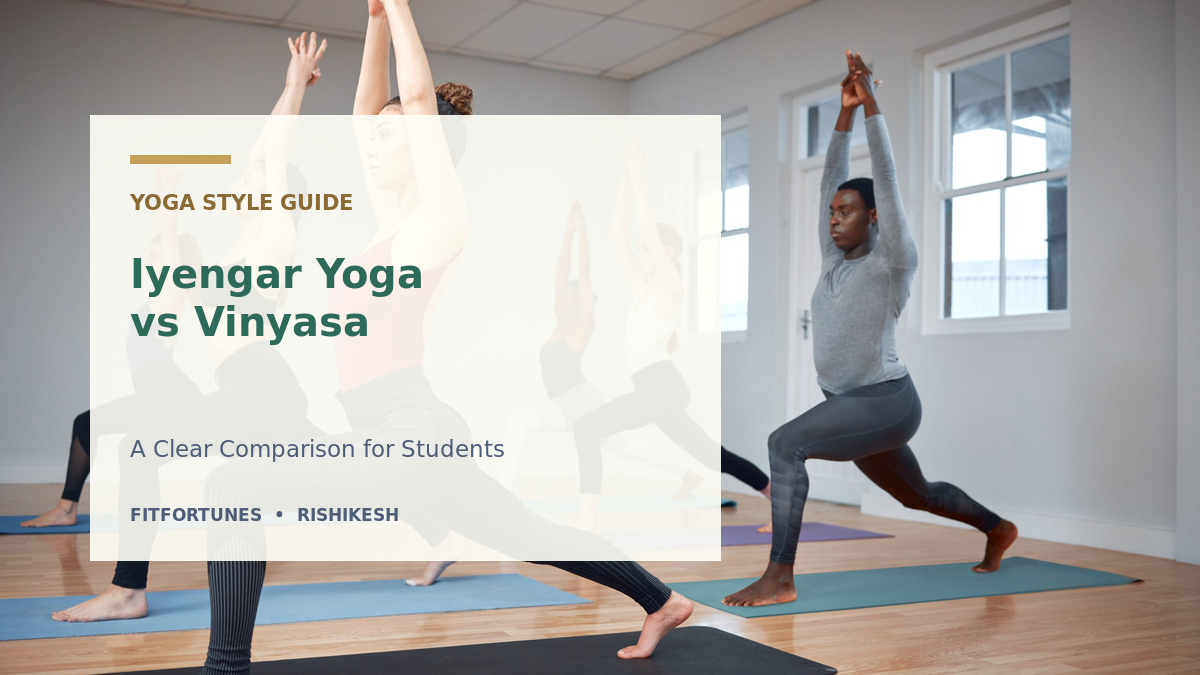
  • Iyengar Yoga vs Vinyasa: A Clear Comparison for Real Yoga Students

    Iyengar Yoga vs Vinyasa: A Clear Comparison for Real Yoga Students

    Yoga today offers many styles. Two of the most talked-about are Iyengar Yoga and Vinyasa Yoga. People often ask: What’s the real difference between Iyengar Yoga vs Vinyasa? The answer lies not in trend, but in tradition, structure, and purpose.

    As someone who has studied and practiced yoga for over two decades, I’ve seen both styles grow in popularity. But they serve different needs. Let’s break it down step by step, in simple words.

    What Is Iyengar Yoga?

    Iyengar Yoga is named after B.K.S. Iyengar. This style focuses on precision, alignment, and holding poses. Props like blocks, straps, and bolsters are often used.

    Each posture is taught with great detail. The aim is stability and proper posture. You may hold poses longer, and teachers often correct your alignment. It’s slower but deeper.

    This method is rooted in traditional Indian teachings. It’s not just about the body, but also about discipline and awareness. Iyengar Yoga suits all ages, especially those with injuries or physical limits.

    What Is Vinyasa Yoga?

    Vinyasa means “to place in a special way.” In Vinyasa Yoga, you move from one pose to another in a flowing sequence. Breath guides the pace.

    This style is more active. You build heat, strength, and flexibility. Classes may differ, as teachers often create their own sequences. That keeps it creative.

    Vinyasa is great if you like movement and variety. It’s often linked with modern studio culture but comes from the roots of Hatha Yoga.

    Main Differences Between Iyengar Yoga and Vinyasa Yoga

    Here’s how the two styles differ in practice:

    • Pace: Iyengar is slow and steady. Vinyasa is quick and flowing.
    • Props: Iyengar uses props for support. Vinyasa mostly does not.
    • Focus: Iyengar builds alignment. Vinyasa builds flow and energy.
    • Breath: In Iyengar, breath is calm and controlled. In Vinyasa, it’s dynamic and rhythm-based.
    • Structure: Iyengar follows a set approach. Vinyasa offers more freedom.

    Both are effective. But they serve different moods and goals.

    Who Should Practice Iyengar Yoga?

    Iyengar Yoga is ideal if:

    • You need clear instructions
    • You want to correct your posture
    • You are recovering from injury
    • You prefer calm, detailed learning

    It’s also good for seniors or those new to yoga. Props make poses accessible. Even advanced students gain depth by holding poses and going inward.

    Who Should Practice Vinyasa Yoga?

    Vinyasa suits people who enjoy movement. You might like it if:

    • You want a cardio-like flow
    • You enjoy dance or movement
    • You want to build strength
    • You like creative routines

    Vinyasa also helps release stress through movement. It’s often practiced with music, but that’s optional.

    Iyengar Yoga for Beginners

    If you’re new to yoga, Iyengar can be a great start. Teachers explain every pose. You learn how to hold your body correctly.

    Props help you reach positions that may seem hard at first. The focus is never on speed. That means less risk of injury.

    Over time, your posture, balance, and understanding of the body improve. This base helps if you explore other styles later.

    Vinyasa Yoga for Beginners

    Some beginners also enjoy Vinyasa Yoga. It’s more active and energetic. But the lack of structure can be confusing if you’re not used to movement.

    Good Vinyasa teachers explain transitions and give options. If you like exercise and want to sweat, you might enjoy it. But listen to your body.

    Avoid comparing yourself to others in class. Everyone’s journey is different.

    Breathwork: Vinyasa vs Iyengar

    In Vinyasa Yoga, breath leads the movement. You inhale and exhale with each posture. This makes the practice feel like a dance.

    In Iyengar Yoga, the breath is more subtle. It supports the pose but doesn’t lead it. You hold a pose, breathe, and become aware.

    Both styles respect the breath. But they use it differently.

    Props and Tools in Practice

    One of the biggest differences is the use of props.

    Iyengar Yoga often uses:

    • Blocks
    • Straps
    • Blankets
    • Chairs
    • Bolsters

    These props support your body. They help you hold poses longer and prevent strain. Even advanced yogis use them to go deeper.

    In Vinyasa, props are optional. The style relies more on body awareness and flow.

    Which Style Builds More Strength?

    Both styles build strength. In Iyengar Yoga, strength comes from holding poses longer. You learn control.

    In Vinyasa Yoga, strength builds through repeated movements and transitions. Your core, arms, and legs work constantly.

    Vinyasa may feel more intense. Iyengar works deeper layers.

    Mental Focus and Clarity

    Iyengar Yoga improves focus through stillness. You stay in one posture and observe. Your mind quiets down.

    Vinyasa Yoga brings clarity through motion. The continuous movement keeps the mind from wandering.

    Both offer mental peace. The method just differs.

    Iyengar Yoga vs Vinyasa for Back Pain

    If you have back pain, start with Iyengar Yoga. The precise alignment and use of props can relieve pressure safely.

    Vinyasa may be too fast if you have pain or stiffness. Once your body is stronger, you can try Vinyasa with care.

    Which Is More Spiritual?

    This depends on how you practice. Iyengar Yoga has roots in deep yogic philosophy. It encourages self-study and attention. Vinyasa Yoga can also be spiritual, especially if practiced with breath awareness. The teacher matters a lot here. Neither is better. The spirit lies in your intent.

    FAQs – Iyengar Yoga vs Vinyasa

    Q1: Is Iyengar Yoga harder than Vinyasa Yoga?
    Not harder. Just different. Iyengar is slower and more detailed. Vinyasa is faster and more dynamic.

    Q2: Can I do Iyengar Yoga if I’m not flexible?
    Yes. It’s one of the best styles for people who are stiff or recovering.

    Q3: Will Vinyasa Yoga help me lose weight?
    Yes. The flow and heat of Vinyasa can support weight management with regular practice.

    Q4: Are props mandatory in Iyengar Yoga?
    Yes, in most cases. They are part of the method and improve safety and depth.

    Q5: Which yoga style is older?
    Iyengar Yoga comes from a traditional lineage. Vinyasa evolved later as a dynamic adaptation.

    Q6: Can I do both styles together?
    Yes. Many people mix the structure of Iyengar with the flow of Vinyasa.

    Q7: Which is better for stress relief?
    Both. Iyengar calms through stillness. Vinyasa releases tension through movement.

    Q8: Do both styles focus on breath?
    Yes, but in different ways. Vinyasa uses breath to lead. Iyengar uses it to deepen awareness.

    Q9: Is Vinyasa Yoga safe for beginners?
    It can be, with the right teacher. Start slow and listen to your body.

    Q10: Should I choose based on my body or my mood?
    Both matter. Try each style and see what feels right.

    Final Thoughts

    So, what’s the real takeaway in the Iyengar Yoga vs Vinyasa debate?

    There’s no competition. Only choice.

    If you want structure, support, and deep awareness, Iyengar Yoga may suit you. If you like movement, rhythm, and variety, try Vinyasa Yoga. Both are valuable. Both come from real roots. Practice with care. Respect your body. Follow the breath.

    And remember, the best yoga is the one that brings you home to yourself.