Blog

  • How to Train as a Yoga Teacher

    How to Train as a Yoga Teacher

    So, you’re thinking about becoming a yoga teacher? Maybe it started as a small spark — a quiet feeling after class that you could guide others through what helped you. Or maybe someone told you, “You’ve got the vibe of a yoga teacher.” Either way, the thought has grown, and now you’re looking for the path.

    Let me tell you this straight: training as a yoga teacher is not about picture-perfect poses. It’s about understanding, patience, and staying grounded. It’s not glamorous — it’s real. It’s sweat, stillness, mistakes, and breakthroughs. Let’s talk about how you really train as a yoga teacher, from the inside out.

    The First Step: Self-Practice Comes First

    Before you even start looking for a course, take a moment. Ask yourself: Why do I want to teach yoga? If the answer is about helping others feel better in their body and mind, you’re on the right track.

    Good yoga teachers are lifelong students. Your personal practice should be steady and sincere. This doesn’t mean practicing every day for hours. It means showing up. Rolling out the mat even when it’s hard. Learning from your own body, your own breath.

    Choosing the Right Yoga Teacher Training (YTT) Course

    Now let’s get into it. The yoga world is full of teacher training programs. Some are beautiful. Others are just businesses. How do you know which one to trust?

    Look for a Yoga Alliance-certified 200-Hour Yoga Teacher Training. That’s the most common and recognized starting point. But don’t just go by the stamp. Research the teachers. Read reviews from past students. Check their teaching experience — not just in hours, but real time spent teaching.

    Some questions to ask:

    • Is the training residential or online?
    • Who are the lead teachers, and what style do they teach?
    • Is there daily practice, teaching methodology, philosophy, and anatomy included?

    YTT isn’t just about learning asanas. It’s about learning to teach — that includes language, energy, ethics, and presence.

    The Daily Life of a Trainee

    Let’s be honest: it’s not a holiday. Training is intense. Your body might ache. You’ll probably cry once or twice. You’ll question if you’re ready. That’s all part of it.

    Mornings usually begin early, sometimes at 6 AM. You’ll start with meditation, pranayama, and asana. Then you’ll study yoga philosophy — the deeper stuff that doesn’t show up on Instagram. You’ll also learn about the human body, how it moves, and how to keep your future students safe.

    Afternoons might be filled with teaching practice. Yes, even if you’re nervous. You’ll speak out loud. You’ll cue someone into Warrior II. You’ll mess up and try again. That’s how confidence is built.

    Learning to Teach — Not Just Do

    Being able to do a pose is one thing. Teaching it is another. As a yoga teacher, your job is to hold space for others — and that means speaking clearly, observing bodies, and adapting.

    In training, you’ll learn:

    • How to build a safe class
    • How to cue movements in plain English
    • How to offer hands-on adjustments (if applicable)
    • How to modify for different needs

    One of the biggest things you’ll learn is voice. Not just volume — but tone, clarity, calmness. You’ll learn how to guide, not perform.

    The Role of Yoga Philosophy

    Too many trainings skip this part, but it’s vital. Yoga is not just fitness — it’s a way of living. You’ll read the Yoga Sutras, discuss the Bhagavad Gita, and explore the eight limbs of yoga.

    You’ll understand:

    • What “Ahimsa” (non-violence) means on and off the mat
    • Why “Satya” (truthfulness) matters in your teaching
    • How “Dhyana” (meditation) supports your life

    This is what roots your teaching in tradition and makes it meaningful.

    Building Confidence Through Teaching Practice

    Most people are shy at first. Speaking in front of others, leading a group — it’s new. But you grow each day. Through teaching your fellow trainees, giving and receiving feedback, and learning to handle the awkward silences.

    By the end of the training, you’ll teach a full class. And you’ll do it with your own words, your own way. That moment? It’s unforgettable.

    What Happens After You Graduate

    So, now you have your certificate. What next?

    You’re still a beginner teacher. And that’s okay. The best way to grow is to teach. Start small. Offer free classes to friends. Volunteer. Assist a senior teacher. Get feedback.

    Keep studying. Attend workshops. Practice different styles. Learn about trauma-informed yoga, yoga for seniors, yoga nidra. Keep your curiosity alive.

    Also, start building your presence — online and offline. Share real things. Be honest. That’s what draws students to you.

    Is It Worth It?

    If you want to deepen your understanding of yoga, absolutely. If you want to teach others from a place of honesty and care, even more so. But if you’re looking for a career shortcut, it’s not the right path.

    Yoga teaching is fulfilling, but it takes patience. There might not be a huge paycheck in the beginning. But the reward is deep — helping someone breathe better, feel calmer, move with more ease.

    And that? That’s worth everything.

    FAQs – Real Questions from Real People

    Q: Do I need to be flexible to become a yoga teacher?

    A: Not at all. Flexibility comes with time. What matters is consistency and willingness to learn.

    Q: How long does it take to become a certified yoga teacher?

    A: A 200-hour course typically takes 3 to 4 weeks (intensive) or 3 to 6 months (part-time).

    Q: Can I teach yoga without certification?

    A: Technically yes, but most studios and insurance providers require at least a 200-hour certification.

    Q: What’s the best yoga style to train in?

    A: It depends on you. Hatha is foundational. Vinyasa is dynamic. Choose what resonates with your body and heart.

    Q: Can I make a living teaching yoga?

    A: Yes, but it takes time. Many teachers start part-time and build slowly. Some offer retreats, private sessions, or online classes.

    Q: Is online YTT as good as in-person?

    A: In-person offers a deeper experience, but online can be great if it’s interactive and guided by experienced teachers.

    Final Words

    Training as a yoga teacher is a journey — not just of learning poses, but of discovering yourself. It’s not about perfection. It’s about presence.

    Start where you are. Trust your practice. Choose your teachers wisely. And remember, yoga is not about touching your toes — it’s about what you learn on the way down.

    That’s how you train as a yoga teacher.
  • A Real-World Guide to Ashtanga Yoga Teacher Training

    A Real-World Guide to Ashtanga Yoga Teacher Training

    Ashtanga Yoga Teacher Training isn’t a casual journey. It’s a path rooted in discipline, sweat, and deep tradition. If you’re thinking about diving in, this guide is written for you. Not by a content robot, but by someone who’s walked the mat, carried sore legs up stairs, and taught real students in dusty studios.

    What is Ashtanga Yoga Teacher Training?

    Ashtanga yoga teacher training is a structured course focused on traditional Mysore-style yoga. The format follows a set sequence of poses. These poses are practiced daily, under the watchful eye of experienced teachers. It’s not freestyle yoga. It’s a practice of repetition, progress, and patience.

    You’ll learn more than just poses. The course will dig into yoga philosophy, breathing techniques (pranayama), teaching methodology, and the Yoga Sutras. If you’re searching for a loose, slow-flow weekend certification, this isn’t it.

    Why People Choose Ashtanga?

    Most choose Ashtanga for its discipline. Others are pulled in by the lineage that traces back to Sri K. Pattabhi Jois. Some come because they want to feel strong. Others want a clear routine.

    You don’t get bored in Ashtanga. Every session is familiar, but never easy. The daily practice is physically intense and mentally cleansing. You’ll sweat. You’ll struggle. And you’ll grow.

    What Happens in a 200-Hour Ashtanga Training?

    The most common entry point is the 200-hour Ashtanga yoga teacher training. It’s recognized by Yoga Alliance. It’s also the standard for teaching worldwide.

    Here’s what’s typically covered:

    • Primary Series (Yoga Chikitsa)
    • Mysore Practice (Self-led practice with guidance)
    • Anatomy & Alignment
    • Bandhas, Drishti, and Breath
    • Teaching Techniques
    • Yoga Philosophy and Ethics
    • Meditation and Chanting

    You’ll practice 5-6 days a week. Some courses start at sunrise. You’ll repeat the same poses daily, slowly mastering each one.

    Is Ashtanga Yoga Teacher Training Hard?

    Yes. Let’s not sugarcoat it. Ashtanga yoga teacher training is physically demanding and mentally humbling. It’s not about nailing advanced poses quickly. It’s about showing up even when you’re tired.

    Most students hit a wall by the second week. That’s normal. That’s where real growth happens. You’ll find yourself doing things you thought you couldn’t.

    The structure of Ashtanga can feel strict. But the discipline brings focus. And the repetition becomes meditation.

    What You Should Know Before Joining

    Here are a few real-life tips:

    • Get familiar with the Primary Series before the course starts.
    • Expect Mysore-style practice. Don’t rely on led classes only.
    • Take rest seriously. You’ll need it.
    • Bring patience. Flexibility and strength come with time.
    • Choose a school wisely. Look for Yoga Alliance certified schools in India or Mysore lineage instructors.

    Top Locations for Authentic Training

    Many students head to India for their ashtanga yoga TTC. It’s where the roots are. Some of the most respected places include:

    • Mysore, Karnataka – Home of the Jois family and the original school
    • Rishikesh, India – Known for peaceful surroundings and ashtanga-focused schools
    • Kerala and Goa – Ideal for tropical training spots with qualified teachers

    If India isn’t an option, look for local studios led by teachers trained in the Jois tradition.

    What Makes a Good Ashtanga Teacher?

    It’s not about having a perfect handstand. A good teacher shows up, listens, and practices what they teach. They don’t push; they guide.

    A teacher who’s walked the hard road earns trust. One who respects the lineage keeps it alive. If you want to be that teacher, focus less on Instagram and more on your mat.

    Daily Routine During Training

    Here’s a sample routine from a traditional ashtanga training course:

    • 5:30 AM – Wake-up bell
    • 6:00 AM – Mysore-style practice
    • 8:30 AM – Light breakfast
    • 9:30 AM – Anatomy and alignment
    • 11:30 AM – Break or chanting
    • 1:00 PM – Lunch
    • 3:00 PM – Teaching techniques / Philosophy
    • 6:00 PM – Meditation or group discussion
    • 8:00 PM – Lights out

    The routine is strict but creates clarity and focus.

    How Much Does It Cost?

    Costs vary. In India, you might spend $1200–$2500 for a full course. This often includes food and shared lodging. Western countries might charge more — sometimes up to $5000.

    Check what’s included: meals, materials, accommodation, weekend breaks, and certification.

    What Will You Gain?

    You gain strength, knowledge, and clarity. You’ll feel more connected to your body and breath. You’ll learn to guide others without ego.

    You may also experience frustration, tiredness, and doubt. That’s all part of the learning curve.

    Common Misconceptions

    You need to be super flexible. Nope. You need to be consistent.

    It’s too strict. Structure doesn’t mean rigidity. It offers a frame to grow.

    You can’t teach unless you finish the full series. Not true. Most teachers begin with the Primary Series.

    Conclusion

    Ashtanga Yoga Teacher Training is not just a certification. It’s a process that builds you from the inside out. If you crave routine, structure, and lineage, this path is worth walking.

    But go in ready to sweat, to fall, to get back up — and to do it all over again.

    Upcoming Traditional Multi-Style 200 Hour Yoga Teacher Training

    Upcoming Traditional Multi-Style 200 Hour Yoga Teacher Training

    Date Shared Room Book Private Room Book

    FAQs on Ashtanga Yoga Teacher Training

    1. Do I need to know the entire Primary Series before joining?
      Not fully, but some familiarity helps. Learn the first half if you can.
    2. Can beginners join an Ashtanga TTC?
      Yes, but be ready for a challenge. Consistency matters more than skill level.
    3. How long is the course?
      Most last around 3–4 weeks for 200-hour certification.
    4. Will I be able to teach after the course?
      Yes, if you complete the training and feel confident guiding others.
    5. Is Ashtanga yoga safe for all ages?
      Yes, but modifications are essential. Talk to your teacher before starting.
    6. What’s the difference between led and Mysore-style classes?
      Led classes follow a teacher’s pace. Mysore classes let you move at your own rhythm with teacher help.
    7. Does Yoga Alliance recognize Ashtanga TTC?
      Yes, if the school is registered with Yoga Alliance.
    8. Is it better to train in India?
      India offers deeper cultural immersion and lineage-based teachings, but good schools exist globally.

    Final Thought: If you’re searching for depth, structure, and inner strength, then Ashtanga yoga teacher training will give you more than you expect — just be willing to show up every single day.

  • Eastern Yoga: My Journey Back to the Mat

    Eastern Yoga: My Journey Back to the Mat

    There’s something about the quiet in the early morning that makes the body listen. Not just hear but really listen. That’s how I found myself, once again, on the mat at 5:30 a.m., in the middle of winter. The heater had barely warmed the floor, and my breath looked like fog in the soft yellow light. But there I was. Practicing what I’ve come to love and need: Eastern Yoga.

    How Eastern Yoga Began

    I wasn’t born into a yogic family. I didn’t chant mantras as a child. My first memory of yoga wasn’t in an ashram or a peaceful hall. It was in a living room, hunched over a borrowed book, trying to twist myself into something like Trikonasana. It hurt. I felt silly. But it lit a spark.

    Eastern Yoga the kind rooted in old texts, passed from teacher to student didn’t find me all at once. It came slowly, like breath in pranayama. Inhale. Pause. Exhale. Wait. Then repeat.

    What Eastern Yoga Taught Me

    The first thing I learned was that it’s not a workout. It’s a practice. A way of being.

    It’s waking up early when your body begs to stay in bed. It’s sitting in silence even when your mind is loud. It’s choosing a home-cooked kitchadi over processed snacks. It’s breath. Discipline. Stillness. And yes, sometimes, sweat.

    This form of yoga Hatha, Raja, Ashtanga isn’t about speed. It’s not a race. It’s about showing up. The yogic lifestyle, in its realest sense, asks for presence. For stillness in movement. For honesty in stillness.

    Asanas That Changed My Life

    Some days, it was just Tadasana. Standing tall. Grounded. On others, it was long-held Virabhadrasana or the deep release of Balasana. Each asana taught me something new.

    • Trikonasana taught me alignment. Of bones and of purpose.
    • Padmasana taught me patience. Stillness doesn’t come easy.
    • Savasana, oddly enough, taught me surrender. Real, deep surrender. Not the hashtag kind.

    Yoga practice isn’t perfect poses. It’s not the Instagram-ready shots. It’s you, on your mat, with your breath, doing the work no one sees.

    Pranayama and the Power of Breath

    Breathing used to be automatic. Now it’s intentional.

    With pranayama, I learned that breath is the bridge. Between chaos and calm. Between reaction and response. I started with Anulom Vilom. Then Nadi Shodhana. Some mornings I just sit, eyes closed, and let my lungs guide me.

    It’s medicine. Real, accessible, ancient medicine.

    The Philosophy Behind It All

    You can do asanas all day and still miss the point. I did. Until I read the Yoga Sutras of Patanjali. That little book so small you could carry it in a pocket changed how I saw the world.

    Yama. Niyama. Asana. Pranayama. Pratyahara. Dharana. Dhyana. Samadhi.

    Not steps. But layers. Like peeling an onion. And sometimes it makes you cry.

    This is where Eastern Yoga goes deeper. It’s not just a series of poses. It’s an inner excavation. A dive into the soul.

    Eastern Yoga in Daily Life

    You don’t need a mountaintop or an incense-filled room. I’ve practiced in airports, in bathrooms, even in parking lots.

    • Waiting in line? Mindfulness.
    • Brushing your teeth? One-pointed focus.
    • Making lunch? Seva service through care.

    Every action, done with awareness, becomes yogic. That’s what my teacher told me. And slowly, I began to believe it.

    When Yoga Becomes a Mirror

    Some days I hate what I see on the mat. My impatience. My ego. My doubt.

    But Eastern Yoga doesn’t turn away from that. It sits with it. It says, “Yes, look at that. Breathe with it.”

    And over time, you soften. Not into weakness but into awareness.

    The Role of Food, Sleep, and Silence

    Ayurveda taught me about balance and yoga reinforced it. I stopped skipping meals. I honoured my hunger. I stopped numbing with sugar and caffeine.

    Sleep became sacred.

    And silence? Golden. Not the ‘quiet’ kind. But the inner kind. The kind where you can finally hear your own truth.

    Teaching Others What I Know

    When I started teaching, I didn’t feel ready. But someone told me, “Just share what you know. That’s enough.”

    So I did. Not with a script. Not with choreography. But with honesty.

    • I tell them about the early mornings.
    • I show them how I wobble in tree pose.
    • I remind them to breathe.

    Eastern Yoga isn’t about perfection. It’s about returning. Again and again.

    Final Thoughts: Why I Keep Practicing

    Because it makes me better. Not in a flashy way. But in the quiet moments — when I choose kindness over anger, or patience over panic.

    Because it reminds me who I am beneath the noise.

    Because every time I step onto my mat, I remember — I’m home.

    This is Eastern Yoga. And it’s not something I do. It’s who I’m becoming

    FAQs: Eastern Yoga

    1. What is Eastern Yoga?
      Eastern Yoga refers to traditional forms of yoga rooted in Indian philosophy, including Hatha, Raja, and Ashtanga yoga.
    2. Is Eastern Yoga different from Western Yoga?
      Yes. Western Yoga often focuses on physical exercise, while Eastern Yoga emphasizes philosophy, breath, and inner awareness.
    3. Can beginners practice Eastern Yoga?
      Absolutely. Start with simple asanas, basic pranayama, and consistent practice.
    4. Do I need a teacher to learn Eastern Yoga?
      Having a teacher helps, but you can start with trusted books and self-discipline.
    5. Is Eastern Yoga religious?
      No. It’s spiritual, not religious. It focuses on self-awareness and inner growth.
    6. What are the benefits of Eastern Yoga?
      Physical flexibility, mental clarity, emotional balance, and spiritual insight.
    7. How often should I practice Eastern Yoga?
      Daily if possible. But even three times a week can bring deep shifts.

    And now, dear reader if you’ve made it this far roll out your mat. Sit tall. Close your eyes. Breathe.

    Your journey begins now.

  • Kriya Yoga Rishikesh: A Simple Path to Deep Inner Peace

    Kriya Yoga Rishikesh: A Simple Path to Deep Inner Peace

    If you’ve been looking for a way to calm your mind and bring some peace into your life, Kriya Yoga in Rishikesh might just be what you need. Rishikesh isn’t just any place—it’s the heart of yoga, a town where the practice lives and breathes through its people. And Kriya Yoga? Well, that’s the heart of it all.

    What is Kriya Yoga?

    Now, Kriya Yoga isn’t about mastering complicated poses or having the perfect yoga body. It’s about your breath. It’s about learning how to control it, slow it down, and let it guide you. Think of it as a technique to bring your mind and energy into balance. It’s simple, but that’s what makes it so powerful.

    When I first came across Kriya Yoga in Rishikesh, I had no idea what I was getting myself into. I thought yoga was just about stretching. But Kriya opened up a whole new world to me. It’s about going within. It’s a practice that connects you to yourself, in a way that words can’t fully explain.

    Why Rishikesh for Kriya Yoga?

    Rishikesh is one of those places that calls to you if you’re looking for something deeper. The energy in this town is unlike anything I’ve felt anywhere else. The Ganga River, the temples, and the ashrams all come together to create an environment where true spiritual growth can happen. It’s the perfect place for Kriya Yoga.

    You don’t just practice Kriya here—you live it. And after spending some time in Rishikesh, I can tell you that there’s something about this place that makes it so much easier to connect with your practice.

    The Benefits of Kriya Yoga

    When I first started with Kriya Yoga, I wasn’t expecting much. But the results were real. My mind quieted down. I slept better. I could focus more. And that’s just the beginning. Over time, Kriya Yoga became more than a practice—it became part of my life. The benefits are subtle but powerful:

    • You’ll think more clearly.
    • You’ll feel less anxious.
    • You’ll sleep more peacefully.
    • You’ll find strength in your daily routine.

    It’s not about huge shifts overnight. It’s about small, steady changes. And over time, those changes add up.

    How Kriya Yoga Works

    The basic idea behind Kriya Yoga is simple: control your breath, control your mind. It sounds easier than it is, but once you start, you’ll see how deeply connected the two really are. There’s something powerful about focusing on your breath—it brings you back to the present moment.

    You don’t need to be a master yogi to practice Kriya. In fact, anyone can start. It’s about working with what you’ve got—your breath, your energy, and your focus. You’ll start slow and gradually go deeper into the practice. The more you do it, the more you’ll feel the benefits.

    Kriya Yoga Retreats in Rishikesh

    If you’re serious about learning Kriya Yoga, Rishikesh is the place to be. There are plenty of retreats and ashrams that offer training in this practice. Some of the best schools in town focus specifically on Kriya Yoga. They’ll teach you not just the techniques but the philosophy behind them. It’s a full experience—body, mind, and spirit.

    When you’re looking for a retreat, it’s important to find a place that fits your style. Some retreats are more traditional, others are a little more modern. The key is to find a place where you feel comfortable and supported in your practice.

    Who Can Practice Kriya Yoga?

    Here’s the best part—anyone can practice Kriya Yoga. You don’t need to be fit, young, or spiritual. All you need is a willingness to slow down and pay attention to your breath. Whether you’re a beginner or have been practicing yoga for years, Kriya Yoga can fit into your life. It’s about getting back to the basics.

    My Experience with Kriya Yoga

    I remember when I first stepped into a Kriya Yoga class in Rishikesh. I wasn’t sure what to expect. But once we started with the breathing exercises, I could feel something shift inside me. The pace of my mind slowed down. It was like I could breathe again.

    Kriya Yoga in Rishikesh isn’t about getting it right every time—it’s about showing up and being present. Over time, I realized that this practice doesn’t just affect how I breathe, it affects how I live. It’s not a magic trick, but it’s pretty close.

    Kriya Yoga Myths

    There are a few things I’ve heard people say about Kriya Yoga that I’d like to clear up:

    1. You need to be advanced in yoga to do it. Not true. Kriya Yoga is accessible to anyone. All you need is the willingness to start.
    2. Kriya Yoga is all about complex breathing techniques. While breath is the foundation, it’s also about meditation and awareness.
    3. You need a guru to learn Kriya Yoga. While having a teacher is helpful, many schools in Rishikesh offer a structured, step-by-step approach for beginners.

    FAQs About Kriya Yoga Rishikesh

    Q: Is Kriya Yoga suitable for beginners?

    Yes, Kriya Yoga can be practiced by anyone. You don’t need any prior yoga experience.

    Q: How is Kriya Yoga different from other forms of yoga?

    While most yoga practices focus on physical postures, Kriya Yoga focuses more on breath control and meditation.

    Q: Can I learn Kriya Yoga without a teacher?

    It’s highly recommended to learn from a qualified teacher, especially if you’re new to Kriya Yoga.

    Q: How long does it take to feel the benefits?

    With regular practice, you may start feeling more calm and centered within a few weeks.

    Final Thoughts: The Power of Kriya Yoga in Rishikesh

    If you’re ready for a practice that goes beyond just physical fitness, Kriya Yoga is worth exploring. It’s simple, real, and it can make a difference in your life. You don’t need to go anywhere special to practice—but if you’re looking for a place where the energy is right, Rishikesh is waiting for you.

    Whether you’re a seasoned yogi or a complete beginner, Kriya Yoga in Rishikesh offers a deep and meaningful way to connect with yourself. So, take a step towards peace, slow down, and let the breath guide you.

  • Rishikesh Meditation Center: A Peaceful Escape into India’s Spiritual Heart

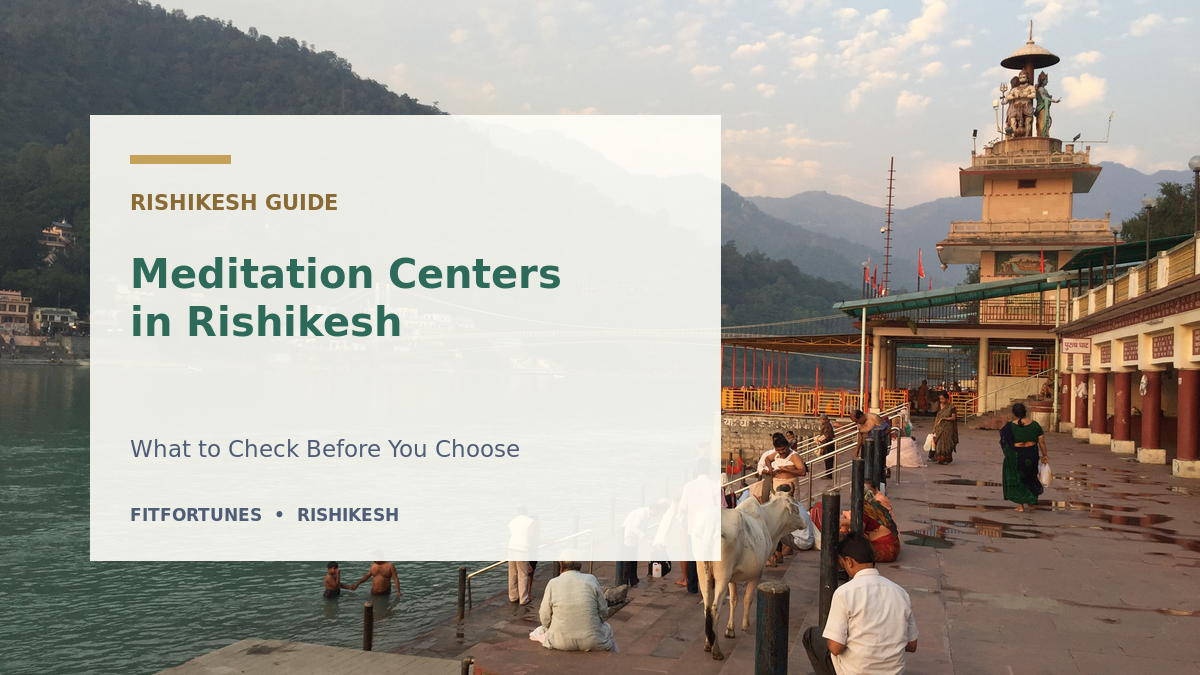
    Rishikesh Meditation Center: A Peaceful Escape into India’s Spiritual Heart

    If you’re looking for a calm place to reconnect with yourself, a Rishikesh meditation center might be exactly what you need. This holy town by the Ganges is not just about yoga. It’s also where seekers from around the world come to sit in silence, meditate, and heal their minds. Meditation in Rishikesh is more than just a practice—it’s a way of life, shaped by nature, tradition, and timeless wisdom.

    Why Choose a Rishikesh Meditation Center?

    I’ve visited many places in India over the years, but Rishikesh has something different. It feels alive and quiet at the same time. Meditation centers here are built close to the Ganga River and the Himalayan foothills. The energy of the place does half the work for you.

    Whether you’re a beginner or someone who has meditated for years, there’s something for everyone. Some centers focus on guided meditation. Others offer silent retreats. You can even join a Vipassana course or attend satsangs with respected spiritual teachers.

    The Real Experience of Meditation in Rishikesh

    I still remember my first time at a meditation center here. It was early morning. The river was quiet, birds were singing, and the cool breeze felt like a blessing. We sat cross-legged for an hour, doing nothing but breathing. It sounds simple, but it changed me.

    The atmosphere makes it easy to go deep. There’s no rush. No phone buzz. Just you and your thoughts—until even they quiet down. That’s when you begin to really meditate.

    What Makes Rishikesh Special for Meditation?

    Rishikesh is often called the “Yoga Capital of the World,” but it’s also the heartland of Indian spiritual traditions. Ashrams and spiritual retreats here have been welcoming students for decades.

    Here are some reasons why meditation in Rishikesh stands out:

    • Surrounded by nature and sacred mountains
    • Close to the holy Ganga River
    • Long tradition of Vedic and yogic practices
    • Presence of experienced meditation teachers
    • Access to various styles like Vipassana, mindfulness, mantra meditation, and yogic breathing

    These Rishikesh meditation centers offer more than just a class. They offer a complete lifestyle of conscious living and simplicity.

    Types of Meditation You Can Explore

    Every center has its own approach. Some keep it traditional. Others mix modern methods. Here are common practices you’ll find:

    • Mindfulness Meditation: Focus on the breath and present moment
    • Guided Meditation: Teacher-led sessions with calming voice and music
    • Silent Retreats: No talking for days; just inner work
    • Mantra Chanting: Use of Sanskrit chants to calm the mind
    • Vipassana: Buddhist-style deep observation of thoughts and sensations
    • Chakra Meditation: Focusing on body energy centers
    • Walking Meditation: Slow walking with full attention

    Many centers also include pranayama (yogic breathing), satsangs (spiritual talks), and sound healing sessions.

    Daily Life at a Meditation Retreat in Rishikesh

    You wake up early, sometimes even before sunrise. After herbal tea or lemon water, you start your day with meditation. There might be yoga too, followed by a light satvic breakfast. Days are quiet. Meals are simple. No phones. No distractions.

    You spend time in the garden, read spiritual books, and attend evening aarti (prayers by the river). This quiet rhythm is where the healing begins.

    Healing and Peace Through Meditation

    People come here for many reasons. Some want to deal with stress. Others are looking for meaning. A few just want to rest from their busy life.

    Meditation helps with anxiety, sleeplessness, low mood, and even physical pain. I’ve seen people cry, smile, and finally feel free during these retreats. There’s a reason it works. The setting, the silence, and the method—it all helps bring peace.

    Tips Before You Visit a Meditation Center in Rishikesh

    • Keep your plans flexible. You might want to stay longer.
    • Carry a diary. You’ll want to write your thoughts.
    • Respect the rules. Silence, simplicity, and service are key.
    • Don’t expect instant results. Be patient with your mind.
    • Choose a center based on your comfort level and background.

    Cost and Duration

    Most centers offer programs ranging from 3 days to a full month. The price varies, but many are affordable, especially compared to Western retreats. Some even operate on a donation basis.

    You usually get food, accommodation, and all sessions included. It’s a complete experience, not just a class.

    Final Thoughts on Rishikesh Meditation Centers

    If there’s one place on Earth built for meditation, it’s Rishikesh. The air, the river, the people—it all invites you to slow down and listen. Whether you stay for three days or thirty, you’ll leave lighter.

    The Rishikesh meditation center experience is about coming home to yourself. I always say—try it once in your life. You’ll understand why people return again and again.

    FAQ About Meditation in Rishikesh

    Q1: Is Rishikesh good for beginners in meditation?
    Yes, most centers welcome all levels and explain everything gently.

    Q2: What should I pack for a meditation retreat?
    Simple clothes, a shawl, diary, and an open heart.

    Q3: Are these meditation centers religious?
    Not usually. They are spiritual, but not bound to one religion.

    Q4: Can I attend yoga and meditation together?
    Yes. Many retreats offer both, along with meals and stay.

    Q5: Is there internet or phone use allowed?
    Most retreats limit usage to encourage inner peace.

    Q6: When is the best time to visit Rishikesh for meditation?
    October to April is ideal. Weather is pleasant and activities are in full swing.

    Want to know more about a specific experience or program? Leave a comment below. I’m happy to share real suggestions based on experience.

    See you on the mat—or maybe just in silence by the river.

  • Rishikesh Yoga Retreat for Couples

    Rishikesh Yoga Retreat for Couples

    When was the last time you and your partner had real, quiet time together? Not scrolling, not working, just breathing side by side? In this busy world, time slips. That’s where a Rishikesh yoga retreat for couples can help. This is not about luxury or selfies. It’s about connection, peace, and shared silence in the yoga capital of the world.

    Why Rishikesh for Couple Yoga?

    Rishikesh isn’t just another place in India. It’s a doorway to calm. Nestled by the Ganges and backed by the Himalayas, Rishikesh draws people looking for more than just rest. Couples arrive looking to reconnect. They leave with something deeper.

    Here, every breath feels sacred. The chants from temples blend with the rustle of the river. It’s the perfect place to slow down and see your partner with fresh eyes.

    What is a Couple Yoga Retreat?

    It’s not just yoga on a mat next to each other. It’s partner yoga, breathing together, stretching together, laughing at missed balances. It’s holding hands in a guided meditation. It’s a shared spiritual retreat that helps you move closer.

    You learn yoga asanas designed for two. You practice mindfulness for couples. You talk without phones in hand. And slowly, you remember what first made you smile at each other.

    What to Expect at a Rishikesh Couple Yoga Retreat

    • Daily Partner Yoga Sessions
    • Meditation and Breathwork Together
    • Workshops on Relationship Bonding
    • Nature Walks by the Ganga
    • Vegetarian Meals to Share
    • Time for Silence and Time for Talks

    Some retreats also offer Ayurvedic treatments, massages, and sacred fire rituals. But the real healing happens in the quiet moments between all of this.

    Who Should Join?

    This isn’t just for young lovers or honeymooners. Many couples who come have been married for 20 years. Some come after a tough patch. Others are just starting. All are welcome.

    Whether you’re trying to rekindle old warmth or just need a break from daily noise, a yoga retreat for couples in Rishikesh offers space.

    What Makes These Retreats Unique?

    The setting matters. Rishikesh has hosted seekers for centuries. The teachers here are real. They don’t shout, they don’t rush. The sessions are personal, rooted in the old yogic ways. The food is simple and clean. The vibe is peaceful.

    You don’t need to be a yoga expert. Many couples are beginners. What matters is the willingness to show up, side by side, and be present.

    Real Benefits You Can Feel

    • Stronger Emotional Connection
    • Improved Communication
    • Shared Calm and Relaxation
    • Better Understanding of Each Other
    • New Daily Rituals to Take Home

    Some couples cry. Some laugh more than they have in years. Others find peace in shared silence. And many leave with new tools to carry home: a short breathing practice, a morning stretch, a kind word spoken on purpose.

    Choosing the Right Couple Yoga Retreat in Rishikesh

    Not all retreats are the same. Some are more spiritual, others more physical. Some offer private cottages for couples, others have shared spaces. Before booking, ask:

    • Is it a partner-focused yoga retreat?
    • Are sessions private or group?
    • Is there time for you both alone?
    • What styles of yoga are taught?
    • Is the retreat beginner-friendly?

    Also, look for reviews that talk about the atmosphere and the guides. The teachers should make you feel safe, not judged.

    Old-School Yoga Vibes That Still Work

    Unlike fancy resorts, Rishikesh offers authentic yoga retreats for couples. You won’t find loud music or crowded pools. What you will find is a quiet morning bell, warm herbal tea, and a teacher who shares stories from ancient texts.

    That’s why people trust Rishikesh. It still respects the roots of yoga. And that energy flows into your relationship too.

    What to Pack for Your Couple Yoga Retreat

    • Loose, comfortable clothes
    • A good journal
    • A scarf or shawl for meditation
    • Open mind and a willing heart

    Leave heavy expectations behind. Come with curiosity.

    Why This Could Be a Turning Point

    Sometimes, relationships need space to grow. Not more talking. Not more texting. Just quiet presence.

    A Rishikesh yoga retreat for couples is one of the few places where silence says more than words. Where shared breath replaces small talk. Where you both feel seen again.

    And that feeling? You can carry it back home.

    Frequently Asked Questions (FAQs)

    Q1. Is a Rishikesh yoga retreat suitable for beginners?
    Yes. Most couple yoga retreats welcome beginners. They focus on bonding, not just physical ability.

    Q2. How long should we stay at a couple retreat in Rishikesh?
    A week is ideal, but even a 3-day retreat can create meaningful shifts in connection.

    Q3. What type of yoga is taught at these retreats?
    Usually Hatha yoga, partner yoga, breathwork (pranayama), and sometimes restorative or yin yoga.

    Q4. Are these retreats spiritual or physical?
    Most include both. You’ll move, meditate, and reflect together. Some offer fire rituals and chanting too.

    Q5. Do we get private accommodation as a couple?
    Yes. Many yoga retreats in Rishikesh offer private rooms or cottages for couples.

    Q6. Is this suitable for couples facing problems?
    Yes. These retreats help improve communication and calm. Many couples come during tough phases.

    Q7. What is the food like?
    Simple Indian vegetarian meals. Light, fresh, and easy on digestion.

    Q8. How do I book a Rishikesh couple yoga retreat?

    You can book directly through yoga school websites or trusted travel platforms. Always read reviews first.

    Final Words

    A Rishikesh yoga retreat for couples isn’t just a holiday. It’s a return to each other.

    In a world full of noise, choose quiet. In a time of rush, choose stillness. Rishikesh waits.

    Hand in hand, heart to heart. This is your space to begin again.

  • Best Books on Meditation: A Real Yoga Teacher’s Guide to Deep Reading

    Best Books on Meditation: A Real Yoga Teacher’s Guide to Deep Reading

    When I first sat down to meditate, I had no idea what I was doing. My legs hurt, my thoughts ran wild, and all I wanted was a little peace. That’s when I turned to books. Real books. Books that helped me sit longer, breathe better, and think less. If you’re wondering about the best books on meditation, you’re in the right place.

    Books have been my quiet teachers for over two decades. Whether you’re a beginner or a long-time yoga student, the right book can be your best guide. In this post, I’ll share some personal favorites and reader-loved meditation books that still sit on my shelf today. Each one has helped me, and many of my students, understand meditation in a simple and useful way.

    Why Books on Meditation Still Matter

    In a world full of apps and quick-fix guides, books still offer something deep. Books give you time. They allow your mind to settle, explore, and understand. They don’t rush you. That’s why for learning true meditation, books are priceless.

    You can read slowly. Re-read again. Underline. Mark pages. Reflect. That’s how learning becomes real.

    Now let’s go over the most recommended and best meditation books I keep suggesting again and again.

    1. “The Miracle of Mindfulness” by Thich Nhat Hanh

    Simple words. Deep meaning. This book is easy to read and speaks to everyone. Whether you’re washing dishes or sitting quietly, Thich Nhat Hanh teaches how mindfulness can be part of daily life.

    1. “Wherever You Go, There You Are” by Jon Kabat-Zinn

    No hard techniques. No big promises. Just honest insights on being present. It’s one of the top-rated meditation books worldwide.

    Why I recommend it: Great for beginners who feel overwhelmed. Each chapter is short. You can read a few pages a day.

    1. “Autobiography of a Yogi” by Paramahansa Yogananda

    Not a step-by-step book, but it will change how you view meditation and yoga. This spiritual classic has helped millions.

    Why it works: You’ll understand how yogis lived, breathed, and meditated. A deep look into India’s spiritual roots.

    1. “The Yoga Sutras of Patanjali” (Any good translation)

    If you want to learn about Dhyana, the original term for meditation in yoga, this is where it starts. It’s not light reading. But if you’re serious, it’s worth the effort.

    Tips: Get a version with commentary. I like Swami Satchidananda’s translation.

    1. “The Heart of Yoga” by T.K.V. Desikachar

    Meditation isn’t separate from yoga. This book reminds you of that. Desikachar explains how breath, posture, and meditation are one practice.

    Great for: Yoga teachers, advanced students, and anyone who wants a full picture of yoga.

    1. “Stillness Speaks” by Eckhart Tolle

    Short paragraphs. Big ideas. Read one section in the morning, and let it guide your whole day.

    Why people love it: Simple language. No jargon. It talks to your heart.

    1. “Light on Life” by B.K.S. Iyengar

    He’s known for asanas, but this book is about the inner journey. Iyengar shares how yoga opens the door to meditation naturally.

    Who it’s for: Anyone doing yoga who wants to go deeper.

    Real-Life Lessons from These Books

    I still return to these pages. Some have notes in the margins, old bookmarks, and worn covers. These books aren’t just information. They are reminders. Guides.

    Meditation isn’t a one-time thing. You don’t master it. You grow with it.

    If you’re wondering what book to start with, pick the one that speaks to you right now. Not the hardest. Not the fanciest. The one that feels right.

    How to Use These Books for Better Practice

    • Read one chapter a day. Don’t rush.
    • Practice what you read. Sit for a few minutes after reading.
    • Keep a small journal. Note what felt clear and what didn’t.
    • Share insights with friends or your yoga group.
    • Come back to the same book later. You’ll see it differently.

    Bonus: Books for Specific Needs

    • Chakra Meditation: “Wheels of Life” by Anodea Judith
    • Yoga Nidra: “Yoga Nidra” by Swami Satyananda Saraswati
    • Zen Meditation: “Zen Mind, Beginner’s Mind” by Shunryu Suzuki

    Conclusion: Your Quiet Teacher Awaits

    The best books on meditation are not flashy. They are calm. Just like meditation. If you’re on a journey toward mindfulness and inner stillness, these books can walk with you.

    Pick one. Sit down. Read slowly. Let it be your teacher.

    Because sometimes, the quietest voices guide us the best.

    FAQs – Best Books on Meditation

    Q1: What is the best meditation book for beginners?
    A: “Wherever You Go, There You Are” is easy and practical.

    Q2: Are there books that combine yoga and meditation?
    A: Yes. “The Heart of Yoga” does this beautifully.

    Q3: Which book explains spiritual meditation deeply?
    A: “Autobiography of a Yogi” and “The Yoga Sutras” go deep into spiritual aspects.

    Q4: Are there Indian books on meditation?
    A: Many! Start with the Yoga Sutras or works by Swami Sivananda.

    Q5: How do I choose the right meditation book?
    A: Choose based on where you are now. Don’t aim too high. Pick what feels right.

    Let your bookshelf be your quiet yoga mat. Happy reading!

  • Best Yoga Classes in Rishikesh: How to Choose a Drop-In Class

    Best Yoga Classes in Rishikesh: How to Choose a Drop-In Class

    If you’re looking for the best yoga classes in Rishikesh, you’re in the right place. I’ve practiced yoga for over 25 years and taught for nearly two decades. I’ve walked through every alley of Rishikesh, visited countless ashrams, and attended many sunrise meditations by the Ganges. This guide isn’t a polished sales pitch. It’s a real-world account to help you find authentic yoga in Rishikesh.

    Why Rishikesh Is the Yoga Capital of the World

    Rishikesh isn’t just a city—it’s a feeling. Nestled in the foothills of the Himalayas, with the sacred Ganga flowing through, it offers something that no modern studio can: peace. Here, you’re not just doing yoga for fitness. You’re practicing in a place where saints meditated for years.

    Most yoga centers in Rishikesh follow traditional styles like Hatha yoga, Ashtanga, or Kundalini. The emphasis is on the ancient way, not flashy poses.

    Types of Yoga Classes in Rishikesh

    Not every traveler wants the same thing. Some come for self-healing, others for a teacher training course (TTC), and some just want to attend drop-in yoga classes in Rishikesh. Here’s what you’ll find:

    • Beginner yoga classes: Perfect for those starting their journey.
    • Intermediate & advanced sessions: For students looking to deepen their practice.
    • Meditation classes: Includes Vipassana, guided meditation, and chakra balancing.
    • Pranayama & breathwork: Essential for energy control.
    • Yoga Nidra: Deep relaxation that feels like a reboot for your mind.

    Finding the Best Meditation Center in Rishikesh Yoga classes in Rishikesh with fees 300 Hour Yoga Teacher Training in India Kundalini Yoga Training 200-Hour Yoga Teacher Training in Bali Benefits of Kundalini Yoga Best Yoga Classes Near Rishikesh Rishikesh Yoga Teacher Training Center Best Yoga School in Rishikesh: Your Guide to Choosing the Right Path 200 Hour Yoga Teacher Training Course in Rishikesh

    What Makes a Yoga Class Truly the Best?

    After years of attending and teaching, here’s what separates a good class from the best:

    • Experienced Teachers: Teachers who’ve studied from Indian gurus or have decades of practice.
    • Small Class Sizes: Avoid places that pack 30 people into a room.
    • Peaceful Setting: Yoga next to the Ganga or in a quiet garden makes a difference.
    • Consistency: Daily classes that follow a proper rhythm.
    • Spiritual Insight: It’s not just asana. Look for teachings on yogic philosophy, mindfulness, and sattvic living.

    Recommended Yoga Styles to Try in Rishikesh

    Some styles are more popular and effective than others, depending on what you’re looking for:

    Hatha Yoga in Rishikesh

    Old-school and traditional. It focuses on posture, breathing, and mental clarity. Almost every ashram teaches this.

    Ashtanga Yoga Retreats

    More dynamic and structured. You’ll break a sweat. Ideal if you want a disciplined daily routine.

    Kundalini Workshops

    Not everyone’s cup of tea, but if done properly, it can awaken deep energy. Look for certified teachers only.

    Vinyasa Flow Classes

    These are a bit more modern, but you’ll find them in some retreats. Great for flexibility and movement.

    Yoga Teacher Training in Rishikesh

    Thousands come every year for their 200-hour YTT. Choose a school registered with Yoga Alliance. These schools offer full accommodation, vegetarian meals, and immersive learning. Prices vary. Budget schools start from INR 40,000, but quality matters more than cost.

    Best Areas to Find Yoga Classes

    Some parts of Rishikesh are better than others. Here’s a local breakdown:

    • Laxman Jhula area: Lots of yoga schools, hostels, and cafes. Very active.
    • Ram Jhula: More traditional. Famous ashrams like Parmarth Niketan are here.
    • Tapovan: Quieter, lots of nature, and peaceful guesthouses.

    What to Expect in a Drop-In Yoga Class

    You don’t need to commit to a whole course. Most centers offer drop-in yoga classes daily. These cost between 200–500 INR and usually last 90 minutes.

    Bring your mat, wear simple clothes, and arrive a bit early. Classes often include sun salutations, pranayama, and a short meditation at the end.

    Common Myths About Yoga in Rishikesh

    • Myth: You have to be flexible to join.
    • Truth: You only need an open mind.
    • Myth: Foreigners won’t fit in.
    • Truth: People from all over the world come here.
    • Myth: You must do a teacher training.
    • Truth: Regular classes are just as valuable.

    Practical Tips from a Long-Term Practitioner

    • Start slow. Don’t attend four classes a day.
    • Hydrate. Rishikesh is warm and humid.
    • Eat sattvic food. Most cafes here serve it.
    • Talk to locals. They know which teachers are good.
    • Stay in a quiet area. Peace helps the mind settle.

    Best Time to Attend Yoga Classes in Rishikesh

    Avoid peak monsoon (July–August). The best time is October to April. Weather is cool, and most schools run full schedules.

    Final Thoughts: Why Rishikesh Is Worth It

    The best yoga classes in Rishikesh are not found through Instagram posts. They’re found through walking the town, listening to your heart, and asking the right questions. I’ve sat under trees here and meditated for hours. I’ve had chai with swamis and attended early morning chanting in temples.

    It’s not just a yoga class. It’s an experience. And it stays with you forever.

    FAQs: Best Yoga Classes in Rishikesh

    Q1: Can beginners join yoga classes in Rishikesh?
    Yes, many schools offer beginner-friendly classes.

    Q2: Are classes conducted in English?
    Most classes are in simple English, easy for all to follow.

    Q3: How do I choose the right yoga teacher?
    Ask about their training, experience, and teaching style.

    Q4: Is advance booking required?
    During peak season, yes. For drop-ins, just arrive early.

    Q5: What should I bring to class?
    Comfortable clothes, water bottle, and a yoga mat.

    Q6: Can I get certified in Rishikesh?
    Yes, many registered schools offer 200-hour YTT certifications.

    Q7: Are there spiritual or silent retreats available?
    Yes. Vipassana and other silent meditation retreats are quite popular.

    Whether you’re here for a week or a month, Rishikesh will change how you see yoga. It did for me.

  • Difference Between Yoga and Meditation: A Classical View

    Difference Between Yoga and Meditation: A Classical View

    I’ve spent over two decades walking the path of yoga. In this time, one question keeps showing up from students, readers, and even friends: “What’s the real difference between yoga and meditation?”

    Let’s settle this. Plain and simple. No fluff.

    Yoga and Meditation: Not the Same, But Not Opposites

    In my early days, I used to think yoga and meditation were one and the same. But as I went deeper, I saw the clear line. Yoga uses movement, breath, and control of the body. Meditation is about sitting still, calming the mind.

    Both are part of the same family. They belong to the yogic lifestyle. Yet, their ways and goals are different.

    What is Yoga, Really?

    Most people think yoga is just stretching. Or fancy poses on Instagram. That’s not yoga. Not even close.

    Yoga means “union.” It brings your body, mind, and breath into balance. True yoga is a full lifestyle. It includes:

    • Asanas (Postures)
    • Pranayama (Breathwork)
    • Yama and Niyama (Ethical Living)
    • Dhyana (Meditation)

    Yoga builds strength. Improves flexibility. Cleanses your system. It’s a moving form of mindfulness. You’re present in every posture.

    I often tell my students: “Yoga begins when your mind listens to your breath.”

    What is Meditation?

    Now let’s talk about meditation. The part where we sit. No bending. No movement. Just silence.

    Meditation is mental work. It’s about watching your thoughts, not chasing them. You sit, breathe, and just be.

    You train your brain to stop running. And trust me, it runs a lot.

    Some call it “Dhyana,” the seventh limb of yoga. Others call it mindfulness or focused awareness.

    Here’s what it does:

    • Reduces stress
    • Brings clarity
    • Improves memory
    • Balances emotions

    Meditation is the silence after yoga’s movement. The calm after the storm.

    Physical vs. Mental: The Core Difference

    Here’s the truth: Yoga is physical and meditation is mental.

    Yoga uses the body to reach the mind. Meditation uses the mind to watch itself.

    In yoga, you move your body. You use breath to control your thoughts. In meditation, you sit still. You let thoughts come and go.

    Both paths lead to the same place — peace. But they take different roads.

    When to Practice Yoga, When to Meditate?

    I get this a lot from students: “Should I do yoga or meditate today?”

    Here’s my simple answer:

    • Feeling restless? Do yoga.
    • Feeling dull or anxious? Sit and meditate.

    Some days, I do both. A short 20-minute yoga flow followed by 10 minutes of meditation. Works like magic.

    Can You Combine Them?

    Yes, and you should.

    Yoga prepares the body. Meditation trains the mind. When combined, they complete each other.

    Start with gentle stretches. Flow with your breath. Then sit in silence.

    You’ll notice your mind is quieter. Your body more relaxed.

    This is how ancient yogis lived. Movement first. Silence after.

    The Role of Breath in Both

    Breath is the bridge. Whether you’re doing a sun salutation or meditating in stillness — breath leads the way.

    In yoga, breath guides movement. In meditation, breath anchors the mind.

    I always teach pranayama before meditation. It clears the path.

    Similarities Between Yoga and Meditation

    Let’s be clear. Though different, these two have many things in common:

    • Both calm the nervous system
    • Both increase awareness
    • Both help manage stress
    • Both are rooted in ancient Indian practices
    • Both require consistency

    And both make life better — if you commit.

    My Personal Practice (A Yogic Life)

    I wake up before sunrise. First, I do 10 minutes of stretching. Then I sit. I watch my breath.

    Sometimes, thoughts come in like a storm. Sometimes, they don’t.

    This mix keeps me grounded. It has helped me navigate life’s highs and lows. More than any app or therapy session ever did.

    Living a yogic life is not about being perfect. It’s about showing up — on the mat or on the cushion.

    Don’t Overthink It

    If you’re starting, don’t get stuck choosing one. Start moving. Start sitting. Let your body and mind guide you.

    The difference between yoga and meditation will show itself. You’ll feel it. That’s the best teacher.

    FAQs – Common Questions About Yoga and Meditation

    Is yoga better than meditation?

    No. Both have their own place. Yoga works on the body. Meditation works on the mind. Together, they work best.

    Can I meditate without doing yoga?

    Yes, you can. But yoga helps make your body still, which supports longer meditation sessions.

    Is every yoga session meditative?

    Not always. Fast-paced yoga may not feel meditative. But with breath and awareness, even a simple pose becomes meditation.

    How long should I meditate daily?

    Start with 5–10 minutes. Increase as you feel comfortable. It’s not about time. It’s about quality.

    Do I need a teacher?

    Guidance helps, especially in the beginning. But your own breath is the best guide.

    Are yoga and meditation both spiritual?

    They can be. But you don’t have to be spiritual to practice them. Think of them as tools for wellness.

    What’s the main difference in simple words?

    Yoga moves the body. Meditation quiets the mind. Both help you feel better.

    Final Thoughts: So, What’s the Real Difference?

    Here’s the short version:

    • Yoga is moving awareness.
    • Meditation is still awareness.

    One is done with the body. The other with the mind.

    Both are part of a yogic life. Both bring peace.

    Start where you are. Move. Sit. Breathe.

    That’s the real practice.

  • Finding the Best Meditation Center in Rishikesh

    Finding the Best Meditation Center in Rishikesh

    Rishikesh is often called the yoga capital of the world. For years, it has been a sacred space for seekers, wanderers, and spiritual explorers. The sound of the Ganga, the rustle of Himalayan winds, and the quiet whispers of monks all create an atmosphere unlike anywhere else. Many come here in search of peace, healing, and answers. And often, they ask: where can I find the best meditation center in Rishikesh?

    I’ve been practicing yoga and meditation for over two decades. Through personal journeys and countless visits to Rishikesh, I’ve realized one thing: the best center isn’t the most advertised one. It’s the one that resonates with your heart.

    Why Rishikesh for Meditation?

    This town offers more than just yoga classes. It offers an environment that invites stillness. That’s why meditation feels natural here. When you sit by the Ganga, time slows down. The body settles, and the mind listens. The spiritual energy of the Himalayas supports your practice.

    Unlike cities full of noise and rush, Rishikesh teaches you to pause. That pause becomes a doorway to silence.

    What Makes a Meditation Center “the Best”?

    Choosing the best meditation center in Rishikesh isn’t about luxury. It’s about the right atmosphere, genuine teachers, and authentic practices. The best centers focus on:

    • Simplicity and quiet
    • Daily meditation routines
    • Guidance from experienced instructors
    • Balanced schedules (not overloaded)
    • Clean, peaceful surroundings

    You don’t need fancy equipment or grand halls. All you need is space to sit, breathe, and be.

    Meditation Styles You Can Experience

    In Rishikesh, meditation is taught in many ways. You can try:

    • Mindfulness (being present)
    • Yogic meditation (Dhyana)
    • Silent meditation (Mauna)
    • Guided visualization
    • Mantra chanting
    • Vipassana
    • Yoga Nidra (deep rest)
    • Pranayama before meditation

    Each style suits different needs. Beginners often enjoy guided meditation. Those with more experience may prefer silent sittings.

    How to Know If a Center is Right for You?

    Here are a few things I’ve learned over the years:

    • Trust your first feeling: When you walk into a place, notice how you feel.
    • Observe the routine: Is it balanced? Or does it feel rushed?
    • Speak to the teacher: Are they present? Simple? Do they listen?
    • Avoid flashy promises: The real work of meditation is slow and quiet.

    What to Expect at a Good Meditation Center

    Most centers follow a simple day. Mornings begin with breathwork or silence. Then comes a meditation session. Afternoons may include light yoga or walking meditation. Evenings often bring satsang (group gatherings), chanting, or reflective time.

    You’ll also learn about yogic lifestyle. That includes healthy food, rest, and staying grounded. Meditation isn’t separate from daily life. It is daily life—lived with awareness.

    Benefits of Practicing Meditation in Rishikesh

    Many people notice changes after spending just a few days here:

    • Improved sleep
    • Calmer thoughts
    • Less anxiety
    • More clarity
    • Better focus
    • Emotional release

    Some feel lighter. Others feel things they’ve buried rise up. That’s part of the process. Meditation peels back the layers.

    Living the Ashram Way (Even If You Don’t Stay in One)

    Ashrams teach simplicity. Even if you stay in a guesthouse, you can live this way:

    • Wake up early
    • Sit in silence
    • Eat satvic food
    • Avoid too much phone use
    • Walk mindfully by the river

    You don’t need a title or robe to live this way. You just need willingness.

    The Role of a Teacher

    A good teacher doesn’t show off. They don’t give you answers. They help you find your own. The best meditation teachers in Rishikesh are humble. They know silence is the real guide.

    When you sit with someone rooted in stillness, you feel it. You begin to settle too.

    Inner and Outer Cleanliness

    Clean spaces support a clean mind. Centers that respect silence, cleanliness, and discipline will support your journey better. This includes simple things—neat rooms, peaceful surroundings, and natural elements like trees and open skies.

    Choosing Simplicity Over Show

    In today’s time, many look for quick fixes. But meditation is not a quick fix. It’s a slow uncovering. Choose a center that respects this truth. No fast results, no magic formulas—just daily practice and inner quiet.

    Fitfortunes Holistic Wellness Yoga School: A Natural Space to Begin

    If you’re searching for the best meditation center in Rishikesh, take time to visit Fitfortunes Holistic Wellness Yoga School. This is not just a place. It’s a living, breathing space held by experienced guides who walk the path themselves. The school is quiet, surrounded by nature, and follows the old traditions of yoga and meditation.

    The focus here is simple: real practice, real presence, and real people. You won’t find noise or distractions—just space to breathe, sit, and go inward.

    Whether you’re a beginner or someone who has meditated for years, Fitfortunes offers the right rhythm. It’s not about levels or labels. It’s about being.

    FAQ: Meditation in Rishikesh

    Q1. Is Rishikesh good for meditation?
    Yes. The natural setting, peaceful atmosphere, and spiritual history make it ideal.

    Q2. Do I need experience to join a meditation center in Rishikesh?
    No. Many centers welcome beginners and offer step-by-step guidance.

    Q3. What is the best time to go to Rishikesh for meditation?
    October to March is pleasant and calm. Avoid the monsoon months if you prefer dry weather.

    Q4. How many days should I stay for a meditation retreat?
    Even 5–7 days can be useful. But longer stays (2–4 weeks) help deepen the experience.

    Q5. What should I bring for a meditation retreat in Rishikesh?
    Comfortable clothes, water bottle, journal, and an open mind.

    When the noise of life grows loud, Rishikesh offers a gentle hush. Find the best meditation center not with your head but with your heart. And when you find it, sit quietly. Let the silence speak.