Blog

  • How Much Are for Yoga Classes? Yoga Classes and Yoga Courses Price

    How Much Are for Yoga Classes? Yoga Classes and Yoga Courses Price

    When students ask me, “How much are for yoga classes?” the question is usually not just about money. It’s about value. They want to know if the time, energy, and fee they put in will bring them real transformation. And honestly, I’ve asked the same question myself when I was starting out.

    Yoga today is taught in so many formats. Drop-in classes, online memberships, private sessions, workshops, and full residential Yoga Teacher Training in India. Each one carries a different cost, but also a different experience. Let’s go through them step by step, in plain language, so you can understand not only the numbers but also what you’re really paying for.

    Why Yoga Class Prices Vary So Much

    If you’ve looked at yoga class schedules, you may have noticed the huge difference in prices. In some cities, you can find a drop-in class for $5. In others, you’ll see $25 for the same 60 minutes. Why?

    A few factors make the difference:

    • Location – Big cities and upscale studios often charge more than small towns or community halls.
    • Teacher experience – A new teacher may keep the fee low, while a seasoned one may charge more because of their depth of knowledge.
    • Type of yoga – Hot yoga, aerial yoga, and specialized styles often cost more due to equipment or space.
    • Format – Group classes are cheaper. Private sessions cost more. Retreats and teacher trainings are on a whole other level.

    Knowing this helps you match your needs with the right kind of investment.

    Average Cost of Yoga Classes Around the World

    Let’s take a broad look:

    • United States & Europe – $15–$30 per drop-in class. Monthly memberships range from $80–$150.
    • India – Drop-ins can be as little as ₹300–₹800 ($4–$10), especially in yoga hubs like Rishikesh. Residential Yoga Teacher Training ranges between $1200–$2500 depending on duration and school reputation.
    • Online platforms – Memberships average $15–$30 per month. Some even have free trial classes.

    This is why many international students travel to India for Yoga Teacher Training. It’s more affordable and rooted in authentic tradition.

    👉 You can explore our own 200-Hour Yoga Teacher Training in India where students not only practice daily but also live the yogic lifestyle.

    Breaking Down the Formats

    1. Drop-In Studio Classes

    Great for beginners who want to try yoga without long commitments. You pay per class anywhere from $5 in small towns to $30 in big cities.

    Best for: Students testing different teachers or styles.

    1. Class Packages & Memberships

    Studios offer packages: 10 classes for a discounted rate or unlimited monthly passes. If you practice 2–3 times per week, memberships save money.

    Best for: Regular practitioners who love the community vibe.

    1. Private Yoga Sessions

    These are one-on-one with a teacher. Fees range from $40–$120 per hour in the West, and $10–$30 in India. The cost is higher, but the progress is faster because the teacher tailors everything to you.

    Best for: Students with injuries, health conditions, or specific goals.

    1. Yoga Retreats

    Weekend retreats can be $300–$800, while week-long immersive retreats go from $1000–$3000 depending on location. Here, you pay for the whole package: classes, food, accommodation, and often excursions.

    Best for: Those who need a reset or deeper immersion.

    1. Yoga Teacher Training (YTT)

    This is where yoga becomes a lifestyle. A standard 200-hour YTT in India can cost between $1200–$2500 including food and accommodation. In the U.S. or Europe, the same program might cost $3000–$5000.

    Best for: Dedicated practitioners who want to deepen knowledge or teach.

    Stories from Real Students

    When I taught in Rishikesh, I met a student named Sarah from Canada. She told me, “Back home I paid $20 for every class. Here, I’m practicing four times a day for less than what I’d spend on a week of classes in Toronto.”

    Another student, Rahul from Delhi, had never taken a studio class because he thought yoga was too expensive. When he discovered community classes for just ₹200, he realized yoga can be accessible to everyone.

    These stories remind me: the real value isn’t the price tag, it’s whether the class helps you grow.

    Is Expensive Always Better?

    Not always. Some of the most powerful sessions I’ve attended were in small halls with simple mats and teachers who charged little. At the same time, a structured teacher training with higher fees can give you discipline, certification, and an international career path.

    The question is not just “How much are for yoga classes?” but also “What am I looking for right now—fitness, healing, or deep study?”

    Tips for Beginners Choosing Classes

    • Start with community or donation-based classes.
    • Try different teachers to see who resonates with you.
    • Don’t get stuck on the brand or fancy studio look for connection.

    Tips for Intermediate Practitioners

    • Invest in memberships or class passes it saves money.
    • Consider occasional workshops to deepen your practice.
    • Mix online classes with studio practice for flexibility.

    Tips for Advanced Students

    • Save up for retreats or teacher training.
    • Look for programs in India if you want authenticity at lower cost.
    • Invest in mentorship rather than just random drop-ins.

    Conclusion

    So, how much are for yoga classes? The answer is: it depends on where you are, what format you choose, and what stage of practice you’re in. A single class can be as little as $5 or as much as $30. A month of training in India can be equal to a week’s worth of classes abroad.

    The important part is not just the fee, but whether the practice transforms you. At FitFortunes Yoga School, we believe yoga should be accessible, authentic, and life-changing. If you are considering not just classes but a full journey, a Yoga Teacher Training in India may be the best investment you ever make.

    FAQ: How Much Are for Yoga Classes?

    1. What is the average price of a yoga class in the U.S.?
      Between $15–$30 per drop-in class.
    2. Are yoga classes in India cheaper?
      Yes. Drop-ins range between ₹300–₹800 ($4–$10). Teacher trainings are also more affordable compared to the West.
    3. Can I learn yoga for free?
      Yes. Many teachers offer donation-based classes, and there are free online resources. But structured learning usually requires some investment.
    4. How much does a Yoga Teacher Training cost?
      In India: $1200–$2500 (with food and accommodation). In the U.S./Europe: $3000–$5000.
    5. Is online yoga cheaper than in-person classes?
      Generally yes. Online memberships are around $15–$30 per month, while in-person drop-ins cost that much per class.
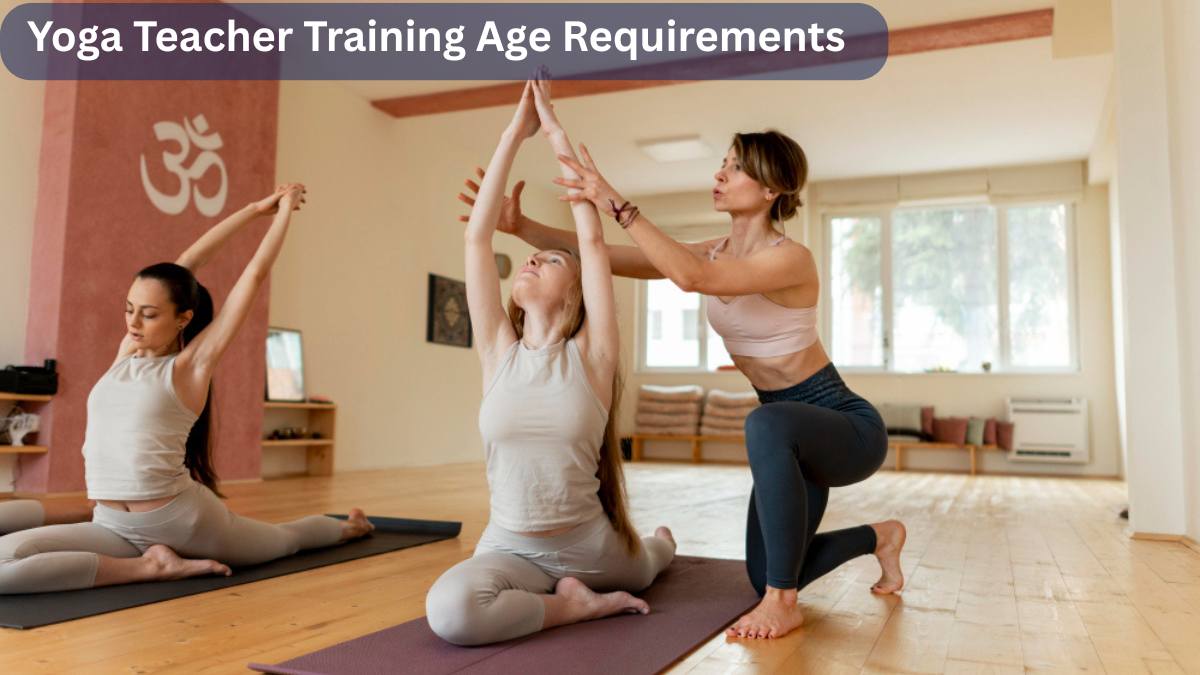
  • Yoga Teacher Training Age Requirements in India

    Yoga Teacher Training Age Requirements in India

    “Am I too young for Yoga Teacher Training?” or “Is it too late for me to join?”
    These are some of the most common questions I hear from students. Age carries both curiosity and hesitation when it comes to Yoga Teacher Training (YTT). On one hand, younger students worry about maturity and discipline. On the other, older practitioners doubt if their bodies will allow them to complete the training.

    If you are considering joining a Yoga Teacher Training in India, it helps to know the real age requirements both minimum and maximum. In this blog, I’ll share what schools in India typically expect, how age affects your training, and why Yoga has no expiry date.

    Minimum Age Requirement for Yoga Teacher Training in India

    Most Yoga schools in India, including 200-Hour Yoga Teacher Training programs, set the minimum age at 18 years. This is for practical reasons:

    • At 18, students are legally adults and can live independently.
    • The training involves discipline, self-study, and sometimes emotional breakthroughs. Maturity helps handle this.
    • International students under 18 often face visa and travel restrictions.

    That said, some schools welcome younger students if they have strong practice experience and parental consent. I’ve personally seen 16–17 year olds join with special permission. They usually do well when guided by experienced teachers.

    Maximum Age Limit in Yoga– Is There Really One?

    Here’s the beautiful part: there is no strict upper age limit for Yoga Teacher Training in India.

    I’ve had students in their 60s and even 70s complete a 200-hour course with dedication. Yoga adapts to the practitioner. While physical poses may need adjustments, the deeper aspects breath, meditation, philosophy often come easier with life experience.

    Some points to consider:

    • Schools rarely refuse students because of age.
    • What matters is your health, mobility, and willingness to learn.
    • Modifications and props make the practice accessible to everyone.

    In fact, older students often bring patience and wisdom that enrich the whole group.

    Why Age is Not a Barrier in Yoga

    Yoga is not a competitive sport. It is a lifelong journey. Age only changes the way you approach it.

    • Young students (18–25): Energy, flexibility, and openness. Sometimes struggle with patience.
    • Middle-aged students (30–50): Balance of strength and maturity. Often juggling careers and families.
    • Older students (50+): Gentle, mindful practice. Deep interest in meditation, philosophy, and healing.

    I often remind students: Your practice is your teacher. What you bring curiosity, discipline, and an open heart matters more than your date of birth.

    Recommendations by Age Group

    18–25 Years: Building Foundations

    • Focus on discipline, lifestyle, and consistency.
    • Use your physical energy but also learn patience.
    • Explore advanced asanas but don’t push beyond safe limits.

    25–40 Years: Deepening Practice

    • Ideal stage to balance career, health, and teaching goals.
    • Embrace philosophy and pranayama, not just physical practice.
    • Use YTT as a tool for self-discovery and life direction.

    40–60 Years: Teaching with Experience

    • Perfect age to shift towards mindful practice.
    • Use props for safe alignment.
    • Your life experience adds depth to teaching. Students often resonate with older teachers.

    60+ Years: Lifelong Learners

    • Training is still possible with modifications.
    • Focus on restorative, therapeutic Yoga, and philosophy.
    • Many schools happily welcome senior students.

    Common Concerns About Age and YTT

    1. Will I be able to keep up with younger students?
      Yes. Training is not a competition. Teachers encourage working at your own pace.
    2. Do I need to be very flexible to join?
      No. Flexibility is developed during training. The only requirement is consistency.
    3. What if I have health issues?
      Always consult a doctor before applying. Most schools allow students with mild conditions, as long as you can manage basic practice.
    4. Can older students become professional Yoga teachers?
      Absolutely. Many students in their 50s or 60s finish training and successfully teach in their communities.

    👉 Related blog: Brahmacharya in Daily Life – A Yogic Lifestyle Guide

    Conclusion

    So, what are the Yoga Teacher Training age requirements in India?

    • Minimum: Usually 18 years, with rare exceptions for younger students.
    • Maximum: None at all students in their 60s and 70s complete training every year.

    Age should never stop you from exploring Yoga. Your body may set limits, but Yoga always offers a path forward. If you feel called, trust that the right school and teachers will guide you.

    FAQ Section

    Q1. Can I join Yoga Teacher Training at 17 years old?
    Some schools allow it with parental consent, but 18 is the standard minimum.

    Q2. Is there a maximum age to join Yoga Teacher Training in India?
    No. Older students are always welcome as long as they are medically fit.

    Q3. Do schools in India reject students because of age?
    Not usually. Commitment and health matter more than age.

    Q4. I’m 55. Can I still become a Yoga teacher?
    Yes. Many in their 50s and 60s successfully complete training and teach worldwide.

    Q5. Will I be able to handle daily practice if I’m not very flexible?
    Yes. Yoga is adapted to your body. Props and modifications make it safe.

    👉 Related blog: 200 Hour Yoga Teacher Training in India – A Complete Guide

    Upcoming Traditional Multi-Style 200 Hour Yoga Teacher Training 2025

    Upcoming Traditional Multi-Style 200 Hour Yoga Teacher Training 2025

    Date Shared Room Book Private Room Book
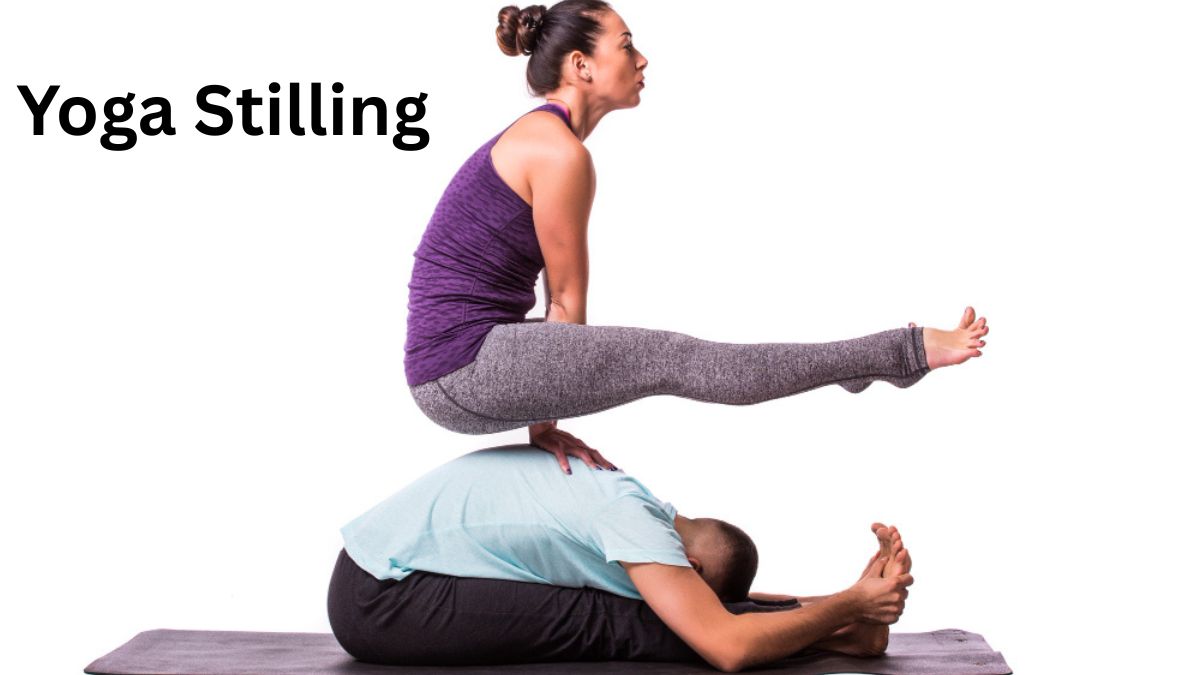
  • Yoga Stilling: Stillness of Mind With Yoga

    Yoga Stilling: Stillness of Mind With Yoga

    A student once asked me, “Every time I sit for meditation, my mind runs faster. Can yoga really help me become still?”
    It is a question many of us secretly carry. We hear that yoga brings peace, but the inner chatter feels louder than silence. The truth is, yoga stilling is not about forcing the mind into quiet. It is about learning simple techniques that calm the body, steady the breath, and slowly soften the restless thoughts.

    In yoga philosophy, Patanjali describes yoga as “chitta vritti nirodhah”—stilling the fluctuations of the mind. In daily practice, that means finding balance in posture, ease in breathing, and clarity in awareness. Whether through asana, pranayama, or meditation, yoga offers a path to silence that feels natural, not forced. Let’s explore how yoga stilling works, why it matters, and how you can begin no matter your level.

    What Does Yoga Stilling Mean?

    The word “stilling” often feels abstract, but in yoga it has a clear meaning. It is the shift from restlessness to ease.

    • Philosophical view: Patanjali’s Yoga Sutras define yoga as the stopping of mental chatter. Not by suppression, but by steadying attention.
    • Practical view: In daily life, yoga stilling feels like the body becoming light, the breath becoming deep, and the thoughts losing urgency.
    • Experiential view: Students describe it as the first time they notice silence between thoughts.

    So, yoga stilling is not about becoming blank. It is about becoming aware enough to rest in natural quiet.

    The Role of Postures in Stilling

    Physical postures, or asanas, are the first step for many students. When the body is tense, the mind struggles to settle.

    • Simple seated poses like Sukhasana (Easy Pose) give a base for stillness.
    • Gentle forward bends like Paschimottanasana help release mental tension.
    • Restorative postures such as Supta Baddha Konasana support deep relaxation.

    For beginners, staying in a single posture for 2–3 minutes while breathing steadily can already bring glimpses of stillness. Intermediate students may hold longer, or blend poses into a sequence. Advanced practitioners know that even a simple seated position, held with awareness, can open the door to silence.

    Breathing Practices and Stilling the Mind

    The breath is the bridge between body and mind. If it is shallow, thoughts race. If it is deep, thoughts soften.

    Pranayama practices for stilling include:

    • Nadi Shodhana (Alternate Nostril Breathing): balances energy and clears mental noise.
    • Bhramari (Humming Bee Breath): creates inner vibration that draws attention inward.
    • Deep diaphragmatic breathing: grounds the nervous system, preparing for meditation.

    A student once told me that five minutes of Nadi Shodhana before exams made her calmer than hours of memorizing. That is the power of breath-based stilling.

    Meditation and the Art of Silence

    Meditation is often seen as the final stage of yoga stilling. Yet, many beginners get frustrated when they cannot “switch off” thoughts.

    Here is a simple way to approach it:

    1. Sit comfortably with a straight spine.
    2. Close your eyes and notice the breath.
    3. Each time a thought comes, return to the breath without judgment.

    For intermediates, adding mantra repetition or visualization deepens concentration. Advanced practitioners explore Yoga Nidra or Kundalini meditations, which access layers of consciousness beyond waking thought.

    Stillness in meditation grows like a plant—water it daily, and the roots become steady.

    Kundalini Yoga and Stilling Energy

    Kundalini Yoga offers specific techniques for inner stillness. Through kriyas, bandhas, and mantra chanting, the energy is directed upward, calming restless impulses.

    For example:

    • Sat Kriya combines movement, breath, and mantra, creating a profound state of focus.
    • Silent meditation after a kriya often leaves the student in deep inner stillness.

    Unlike other approaches, Kundalini does not only quiet the mind—it also awakens inner energy. With guidance, this becomes a path to lasting silence, not just temporary relief.

    Why Stilling Matters in Yoga Teacher Training

    In teacher training courses in India, students quickly learn that teaching yoga is not only about postures. A true teacher must embody calm.

    Most Yoga Teacher Training in India includes modules on meditation, pranayama, and yogic philosophy. This ensures that future teachers know how to guide stillness in others, not only in themselves. At FitFortunes, for example, we emphasize stilling practices alongside asana so trainees can handle both the physical and subtle aspects of teaching.

    Practical Tips for Students at Different Levels

    For Beginners:

    • Start with 5–10 minutes of quiet sitting after practice.
    • Focus on steady breathing rather than chasing silence.
    • Try guided Yoga Nidra recordings for relaxation.

    For Intermediates:

    • Add pranayama before meditation.
    • Hold restorative postures longer.
    • Begin journaling after practice to release mental clutter.

    For Advanced Students:

    • Explore Kundalini kriyas under guidance.
    • Extend meditation time gradually.
    • Teach others simple stilling practices; sharing deepens your own.

    Daily Life Applications of Yoga Stilling

    Stillness is not only for the mat.

    • Before sleep, try deep breathing to quiet thoughts.
    • During stress at work, pause for three mindful breaths.
    • In relationships, practice listening in silence before replying.

    Yoga stilling, once cultivated, becomes a companion in every moment of life.

    Conclusion

    So, is yoga stilling possible for everyone? The answer is yes. Stillness is not a talent, it is a practice. By combining posture, breath, and awareness, yoga slowly teaches the art of silence. It does not erase life’s noise but helps you meet it with calm.

    For students joining Yoga Teacher Training in India, stillness becomes a foundation not just for personal growth but for teaching others with presence. Whether beginner or advanced, the practice of yoga stilling is a gift available to anyone willing to sit, breathe, and notice.

    FAQ Section

    1. What does “yoga stilling” mean?
      It means calming the body, breath, and mind until natural silence appears.
    2. Can beginners experience stillness in yoga?
      Yes. Even a few minutes of deep breathing after simple poses can bring calm.
    3. Is yoga stilling the same as meditation?
      Meditation is one method of stilling. But postures and breathing can also lead to silence.
    4. How long does it take to feel stillness in yoga?
      It varies. Some feel it within weeks, while for others it grows slowly with steady practice.
    5. Does yoga stilling help with stress and overthinking?
      Yes. By slowing breath and steadying focus, it reduces mental chatter and anxiety.
    6. Is Kundalini Yoga useful for stillness?
      Yes. Kundalini kriyas combine movement, mantra, and breath, creating deep states of calm.
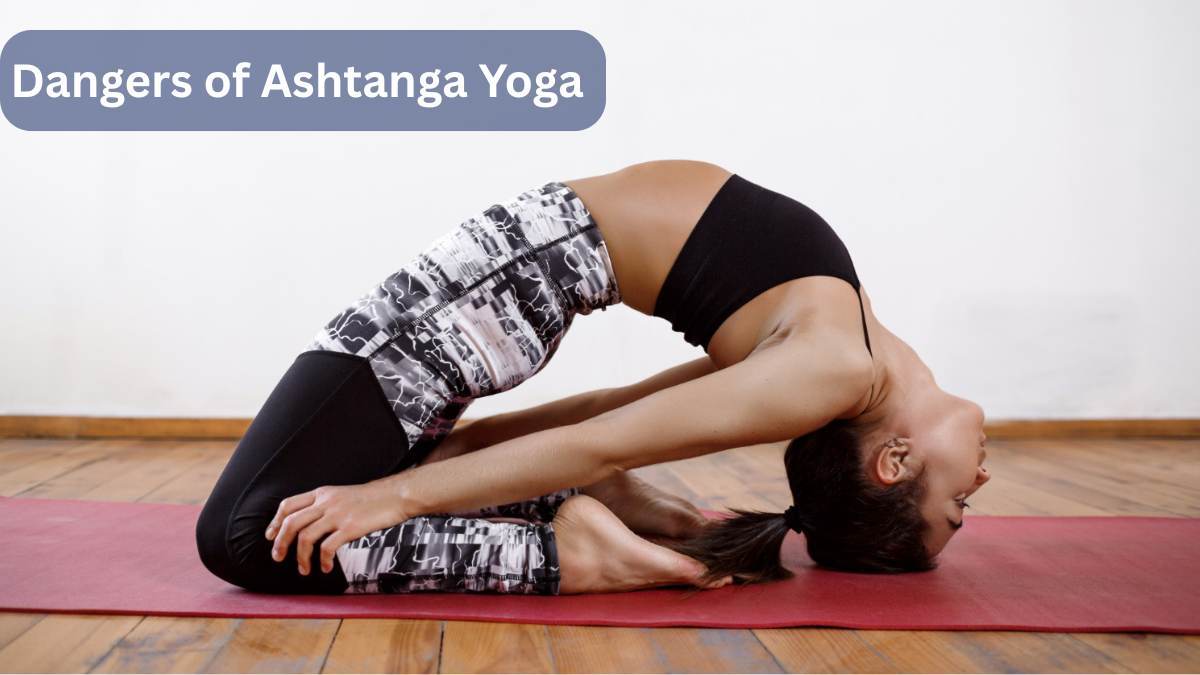
  • Ashtanga Yoga Safety: Risks, Injuries and Safer Practice

    Ashtanga Yoga Safety: Risks, Injuries and Safer Practice

    Many students ask me, “Is Ashtanga yoga safe for beginners?” or “Why do so many people talk about injuries in yoga?” These are important questions. As teachers, we must speak honestly about both the beauty and the risks of practice.

    The truth is, Ashtanga yoga has many benefits. It builds strength, flexibility, and discipline. But we also need to talk about the dangers of Ashtanga yoga especially when practiced without proper guidance, rest, or modifications. In this article, I will share real classroom insights, common mistakes I’ve seen, and practical ways to practice Ashtanga safely.

    What Makes Ashtanga Yoga Intense?

    Ashtanga yoga is a structured system created by Pattabhi Jois. It follows set sequences, moving from one posture to the next with breath and focus. This makes it powerful, but also demanding.

    Unlike Hatha yoga or slower styles, Ashtanga asks the body to work hard. Jumps, forward bends, backbends, and strong arm balances are repeated often. Without awareness, these movements can strain joints, muscles, and even the nervous system.

    Still, intensity is not always a danger. The problem comes when students push too far, too soon.

    Common Risks in Ashtanga Yoga

    1. Overstretching and Joint Strain

    Many students force themselves into deep forward bends or lotus positions. Knees and lower backs are especially vulnerable. Once injured, these areas take months to heal.

    1. Repetitive Stress Injuries

    Because the sequence is fixed, the same postures repeat daily. Wrists, shoulders, and hamstrings face continuous strain. Without variation or rest, this can lead to chronic pain.

    1. Back Pain from Inversions and Backbends

    Strong backbends like Kapotasana look impressive but can compress the spine. Beginners often copy advanced students without preparation. The result is stiffness or injury instead of strength.

    1. Breath Misuse

    Ujjayi breathing should feel steady, not forced. Many students hold their breath in tough poses. This raises blood pressure and causes fatigue.

    1. Mental Pressure and Burnout

    Ashtanga encourages six-day-a-week practice. While discipline is valuable, some students feel guilty if they miss a day. This mental stress can be as harmful as physical strain.

    Who Should Be Careful with Ashtanga Yoga?

    • Beginners without prior yoga experience.
    • Older students with joint stiffness.
    • Pregnant women (unless guided by a specialist).
    • People with back, knee, or wrist issues.
    • Those recovering from injuries.

    It’s not that these people should never practice Ashtanga. But they must do it slowly, with guidance, and with modifications.

    Practical Advice for Students

    For Beginners

    • Start with 2–3 classes a week, not daily.
    • Focus on alignment instead of depth.
    • Use props if needed, even if others don’t.
    • Learn basic Hatha yoga before diving deep.

    For Intermediate Students

    • Respect rest days. The body needs time to heal.
    • Alternate with restorative yoga to balance intensity.
    • Ask your teacher before adding advanced postures.
    • Keep a journal of what feels good and what feels painful.

    For Advanced Students

    • Never skip warm-up. Even if you know the sequence by heart.
    • Pay attention to small pains. Sharp pain is always a warning.
    • Practice pranayama and meditation to balance physical work.
    • Remember: mastery is not in doing harder poses, but in staying injury-free.

    Dangers vs. Benefits: Finding Balance in Yoga

    It’s important to see both sides. The dangers of Ashtanga yoga are real, but so are the rewards. Strength, discipline, and mental clarity all come from consistent practice.

    The key is awareness. Yoga was never about competition. In India, we remind students that “Yoga is for health, not harm.” Listening to the body is the first step toward real progress.

    At FitFortunes, our Multi Style Yoga Teacher Training in India includes Ashtanga, but also Hatha, Yin, and restorative practices. This gives students balance and prevents injuries from one single style.

    Conclusion

    So, is Ashtanga yoga dangerous? Not if practiced wisely. The dangers of Ashtanga yoga come from rushing, competing, or ignoring signals from the body. With patience, guidance, and balance, the practice becomes a source of growth instead of pain.

    As a teacher, I remind every student: Yoga should support your life, not take it over. Practice sincerely, but also gently. That’s the way yoga was meant to be.

    FAQ Section

    1. Is Ashtanga yoga dangerous for beginners?
      It can be, if practiced without guidance. Beginners should take it slow, use props, and start with Hatha yoga.
    2. Can Ashtanga yoga cause back pain?
      Yes, especially if backbends or forward folds are forced. Always move gradually and stop if pain feels sharp.
    3. Why do so many students get injured in Ashtanga yoga?
      Because of repetitive sequences and rushing into advanced poses. Balance with rest and restorative yoga reduces risks.
    4. Is Ashtanga yoga safe during pregnancy?
      Generally, no unless under the care of a very experienced teacher. Gentle prenatal yoga is safer.
    5. What’s the safest way to start Ashtanga yoga?
      Learn from a certified teacher, practice only 2–3 times a week, and listen carefully to your body.
    6. How is Multi Style Yoga TTC safer than strict Ashtanga training?
      It balances intensity with gentle styles like Yin and restorative yoga, preventing repetitive stress injuries.
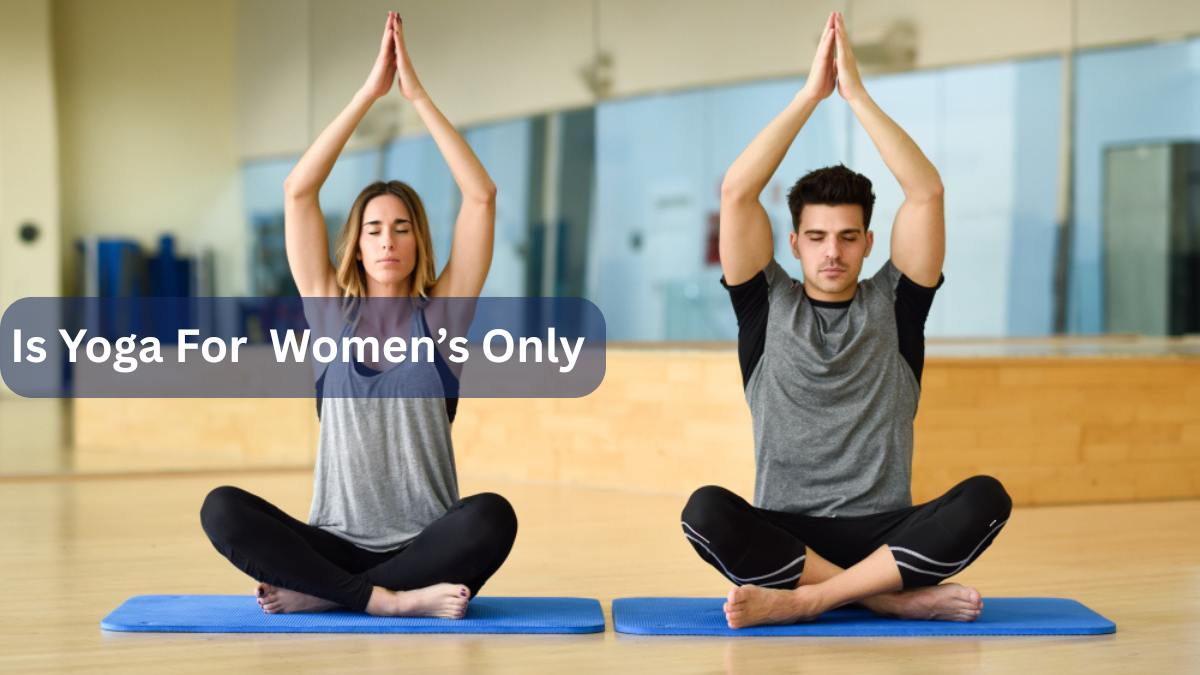
  • Is Yoga for Women Only? The Truth About Gender and Yoga

    Is Yoga for Women Only? The Truth About Gender and Yoga

    Not long ago, during a class in Rishikesh, a young man asked me with a nervous laugh, “Sir, isn’t yoga mostly for women? I feel a little out of place here.” His question stayed with me because it reflects what many people silently wonder. The image of yoga in the modern world is often tied to women in colorful leggings, stretching gracefully on Instagram. But if we look back at history, culture, and real practice, the question “Is yoga for women only?” has a very different answer.

    Let’s walk through the truth, where this myth came from, how yoga is practiced today, and why it has always been a path for everyone, regardless of gender, age, or background.

    The Origins: Yoga Was Never Gendered

    If we step into the roots of yoga, its beginning was not in a gym or studio, but in caves, forests, and ashrams of India. The earliest yogis—sages like Patanjali and practitioners of tantra and Vedanta—were mostly men. In fact, women historically had fewer chances to access formal practice, though some powerful female yoginis are remembered in spiritual texts.

    So, yoga was never created as a “women-only” activity. It was a science of self-realization. A method to understand body, breath, and mind. The gender divide came much later with modern marketing.

    The Western Image of Yoga: Why the Myth Exists

    When yoga traveled to the West in the 20th century, it was introduced largely through physical postures (asanas). Fitness studios embraced yoga, and it was promoted as a gentle way to improve flexibility. Advertisements often used images of women, linking yoga to beauty, wellness, and graceful movement.

    Meanwhile, men who wanted “strength” leaned toward weightlifting, boxing, or sports. Slowly, the stereotype formed: yoga is for women, weights are for men.

    Even today, if you scroll social media, the majority of yoga influencers are women. This marketing pattern deepened the myth and left many men unsure if yoga was “for them.”

    Yoga in India Today: Balance Returning

    Interestingly, if you visit India—especially Rishikesh, Mysore, or Goa—you will see a balanced mix of men and women practicing yoga. International students come for Yoga Teacher Training (YTT), and the classrooms are diverse. Men are no longer shy about joining.

    In fact, many respected modern yoga teachers are men: B.K.S. Iyengar, Pattabhi Jois, and T. Krishnamacharya shaped the way yoga is taught worldwide. Their work reminds us that yoga is not tied to gender but to human experience.

    Why Yoga is for Everyone

    1. The Body Doesn’t Care About Gender

    Breath, joints, muscles, and nervous systems work the same way in men and women. A pranayama practice benefits both equally. An asana like Downward Dog stretches hamstrings regardless of whether you are male or female.

    1. Mental Health is Universal

    Stress, anxiety, and emotional imbalance do not discriminate by gender. Meditation and mindfulness serve everyone. Men especially, who are often discouraged from expressing emotions, find yoga a safe space to reconnect with themselves.

    1. Spiritual Growth Knows No Division

    At its heart, yoga is about self-realization, understanding who we are beyond body and mind. This journey is not limited by being male or female.

    Practical Advice for Men New to Yoga

    I have often seen men hesitate at the studio door, unsure if they will “fit in.” Here are some simple tips:

    • Start with curiosity, not competition. Yoga is not about how far you stretch but how present you are.
    • Wear comfortable clothes. Shorts, joggers, or even yoga pants—choose what lets you move without distraction.
    • Begin with breath. Even if advanced postures feel challenging, breath awareness and basic poses will already give benefits.
    • Stay consistent. The transformation is gradual. Flexibility and openness come with time.

    Stages of Practice for Different Levels

    Beginners (Men or Women)

    • Focus on foundational poses: Mountain, Downward Dog, Cobra.
    • Learn correct breathing through pranayama.
    • Practice short meditations (5–10 minutes).

    Intermediates

    • Explore balance postures like Tree Pose.
    • Begin simple inversions under guidance.
    • Extend meditation time and include mantra chanting.

    Advanced Students

    • Deepen into pranayama such as Nadi Shodhana and Kapalabhati.
    • Explore advanced asanas like Headstand or Wheel Pose.
    • Study philosophy: Yoga Sutras, Bhagavad Gita, or Vedanta.

    At every stage, men and women walk the same path.

    Cultural Shifts: Breaking the Myth

    It is time to gently correct the stereotype. Yoga classes worldwide are becoming more inclusive. Teacher trainings in India welcome men and women equally, and the practice is increasingly seen as a holistic discipline rather than a gendered activity.

    At FitFortunes.com, we have seen international students from all walks of life—engineers, mothers, athletes, and artists sit side by side on the mat. Yoga creates community beyond gender.

    Conclusion

    So, is yoga for women only? Certainly not. Yoga was never about dividing men and women. It was, and still is, a science for the human being. The body, the breath, and the mind belong to all of us. If you are a man considering yoga, step in without hesitation. If you are a woman, welcome your brothers, fathers, and friends into practice.

    Yoga thrives when shared across all people.

    And remember on the mat, there is no “man” or “woman.” There is only presence, breath, and the journey inward.

    FAQ: Common Questions About Men, Women, and Yoga

    1. Can men join a yoga class for women?
      Yes. Most yoga classes are mixed. The body benefits are the same.
    2. Is yoga good for men’s strength?
      Absolutely. Many poses build core, balance, and endurance.
    3. Do men need special yoga clothing?
      No. Comfortable shorts, track pants, or yoga pants all work.
    4. Was yoga originally designed for men?
      Historically, yes, many practitioners were men. But today, yoga is open to all.
    5. Will I feel out of place as a man in a yoga studio?
      Not at all. More men are joining daily, and most communities are welcoming.
  • Can Men Wear Yoga Pants

    Can Men Wear Yoga Pants

    I remember once, during a yoga teacher training in India, a new student from Europe asked me, “Can men wear yoga pants, or is it just for women?” His face carried both curiosity and hesitation. It’s a common question. Many men stepping into yoga wonder about clothing, comfort, and even cultural acceptance.

    The short answer is yes men can wear yoga pants. In fact, they can be one of the most practical, comfortable, and freeing choices for practice. But the longer answer involves body comfort, studio etiquette, and even cultural nuances especially if you’re joining a residential Yoga Teacher Training in India. Let’s explore this with honesty, guidance, and a little bit of lived experience.

    Why Clothing Matters in Yoga

    Yoga is not about fashion. Still, what we wear matters. Clothing can either support our movement or restrict it. Too tight, and it feels suffocating. Too loose, and it distracts during downward dog. For men, yoga pants offer flexibility and breathability. They move with your body without bunching up like sweatpants often do.

    In my early teaching years, I noticed that male students in shorts often struggled in seated forward folds. The fabric rode up, leaving them tugging at their clothes instead of focusing on the breath. Meanwhile, men in yoga leggings or pants could settle deeper into the posture without worry.

    The Practical Side: Why Men Benefit from Yoga Pants

    1. Freedom of Movement – Asanas require bending, twisting, and long holds. Pants designed for yoga stretch in every direction.
    2. Breathability – Most are made with cotton blends or moisture-wicking fabrics, helping during sweaty Vinyasa or Ashtanga classes.
    3. Modesty & Comfort – Unlike shorts, pants keep the body covered during inversions, where exposure can be awkward.
    4. Layering Options – Many men prefer wearing yoga leggings under shorts. This is perfectly normal, especially if you want modesty without losing stretch.

    I often suggest trying a pair for one full week of practice. The difference becomes obvious quickly.

    Common Concerns Men Have

    “Will I look strange?”

    This is the biggest mental barrier. Truth is, no one is watching you. Most practitioners are busy focusing on their breath and posture. In yoga communities, men wearing yoga pants is completely accepted.

    “Is it comfortable?”

    Yes, but fit matters. Too tight and it feels restrictive. Too loose and it becomes distracting. Look for pants designed specifically for yoga, not generic gym tights.

    “What about in India?”

    Good question. In India, cultural modesty is important. If you’re joining a Yoga Teacher Training, wearing yoga leggings under longer shorts or a kurta-style top can be respectful and comfortable. Many international men at our Rishikesh programs dress this way.

    Beginners: Finding Comfort First

    If you’re new to yoga, don’t overthink the outfit. Start with what feels natural. Many beginners wear track pants or lightweight joggers. Once your practice deepens, experiment with yoga pants. Pay attention to:

    • Fabric (cotton or bamboo for breathability)
    • Waistband comfort (avoid digging into your stomach)
    • Stretch (should move with your body, not against it)

    I’ve seen many beginners laugh at the idea of men in yoga leggings, only to quietly buy their first pair after a week of practice.

    Intermediate Practitioners: Balancing Form and Function

    As your practice grows, so does the demand on your body. Intermediate students often explore styles like Ashtanga, Vinyasa, or Power Yoga. These sequences generate heat, sweat, and require agility.

    At this stage, yoga pants offer:

    • Moisture-wicking for sweaty flows
    • Compression benefits that support muscles in longer holds
    • Freedom in transitions between poses

    I remember one of my students, Mark, who shifted from cotton shorts to yoga leggings. His Warrior III improved simply because his balance wasn’t disturbed by shifting fabric.

    Advanced Students: A Subtle Shift

    For advanced practitioners, clothing is less about physical support and more about subtle awareness. Yoga pants remove distractions. The body feels light, movement is fluid, and the mind can rest in breath without tugging at fabric.

    Advanced men also start valuing sustainability. Eco-friendly bamboo, hemp, or organic cotton yoga pants align with yogic principles of ahimsa (non-harming). Choosing clothing that respects the earth becomes part of practice.

    Beyond the Mat: Can Men Wear Yoga Pants in Daily Life?

    Absolutely. Many men use them for meditation, lounging, travel, or even under tunics. Still, comfort is personal. Some feel fine wearing them outside the studio, others prefer them only in practice. The key is to choose what feels authentic to you, not what fashion dictates.

    Interlinking Note

    If you’re exploring this topic because you’re planning a Yoga Teacher Training in India, you may also want to read our blog on Brahmacharya in Daily Life for insights on discipline and simplicity, or our guide on Scope of Yoga to understand how clothing fits into the broader philosophy of yoga living.

    Conclusion

    So, can men wear yoga pants? Yes, without hesitation. They are practical, comfortable, and completely acceptable in yoga communities worldwide. Whether you choose full-length leggings, loose cotton pants, or leggings under shorts, the focus is always the same: breath, presence, and inner awareness.

    At the end of the day, yoga is about stilling the mind, not worrying about appearances. If yoga pants support your practice, then wear them with ease. Your body and breath will thank you.

    FAQs

    1. Is it weird for men to wear yoga pants in class?
      Not at all. It’s common, especially in international yoga schools. Most people are focused on their own practice.
    2. Should men wear underwear under yoga pants?
      Yes, usually fitted underwear helps with comfort and hygiene.
    3. Are yoga pants better than shorts for men?
      For most asanas, yes. They provide coverage during inversions and flexibility in forward folds.
    4. What should men wear to Yoga Teacher Training in India?
      Lightweight yoga pants, breathable tops, and sometimes leggings under shorts for modesty.
    5. Can men wear yoga pants outside the studio?
      Yes. Many use them for meditation, travel, or even casual wear. It depends on personal comfort.
    6. What’s the best fabric for men’s yoga pants in hot climates?
      Cotton, bamboo, or other natural breathable fabrics. In sweaty classes, moisture-wicking blends work best.
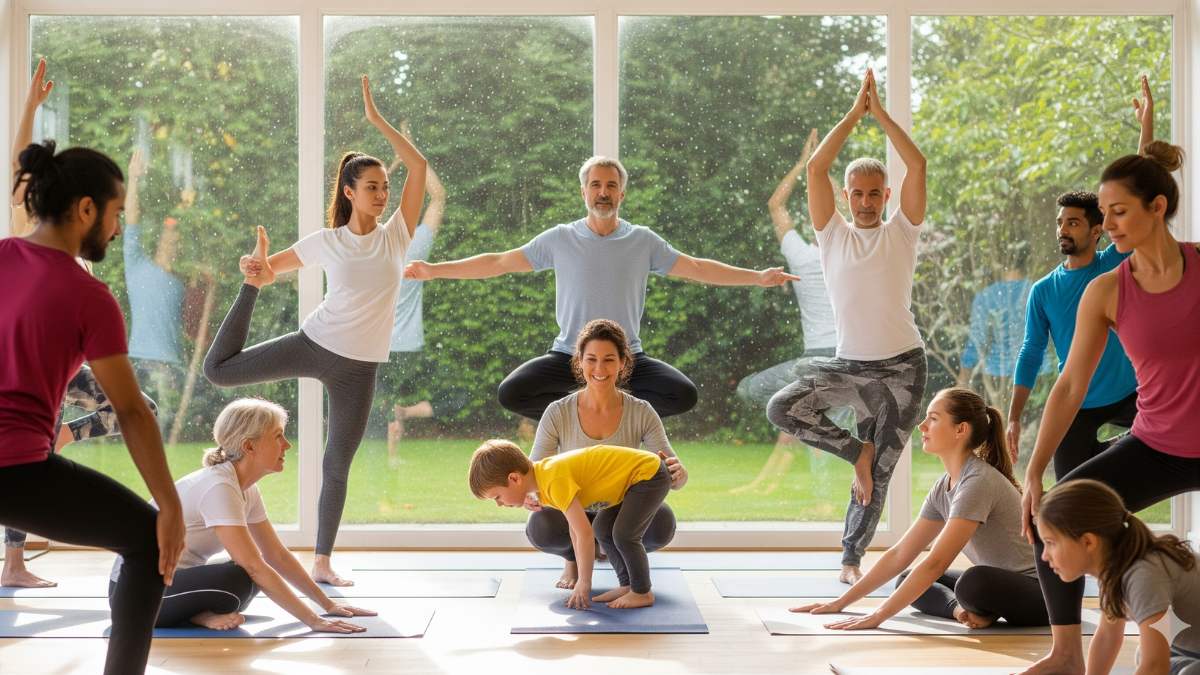
  • Yoga Age Limit: Can You Start Yoga at Any Age?

    Yoga Age Limit: Can You Start Yoga at Any Age?

    A question I hear often from students is, “Is there a yoga age limit? Am I too old… or maybe even too young to start?”

    The short answer is simple: yoga has no strict age limit. The long answer is richer, because the way we practice, teach, and even breathe changes with age. I’ve seen six-year-olds twist into postures playfully, and I’ve also guided students in their late seventies to hold a gentle pose with incredible peace.

    In this article, I’ll share my personal teaching insights on yoga across age groups, especially for those curious about yoga teacher training in India. We’ll look at what works for kids, young adults, seniors, and even people above 70. If you’ve ever wondered about the right time to start yoga—or whether you’ve crossed the so-called yoga age limit you’ll find clarity here.

    Does Yoga Really Have an Age Limit?

    The truth is, yoga is less about age and more about awareness. Unlike competitive sports, there’s no “retirement age.” A ten-year-old might focus on flexibility, while a fifty-year-old may turn toward yoga for strength or stress relief. What changes is how we approach the practice.

    Think of yoga as a river. At different stages of life, we step into it differently. Children splash and play, teenagers test their limits, adults dive for balance, and elders walk in gently for healing. But the river keeps flowing for everyone.

    Yoga for Kids (Ages 5–12)

    This is an age group often overlooked in blogs. Parents ask me, “Can my 5-year-old do yoga?” The answer is yes with the right guidance.

    • Focus: Playful movement, storytelling postures, balance games.
    • Benefits: Builds attention span, improves posture, helps with hyperactivity.
    • Caution: Avoid long holds, advanced inversions, or forced flexibility.

    I often remind parents—don’t push your child into “perfect poses.” At this stage, yoga is about fun and foundation, not discipline. A short daily practice (10–15 minutes) is plenty.

    👉 Related blog: Yoga Poses for Two People – Fun Partner Yoga

    Yoga for Teens & Young Adults (Ages 13–30)

    This is the most energetic phase. Students here are drawn to yoga for fitness, flexibility, or even Instagram-worthy postures. And that’s okay it’s how many begin.

    • Focus: Ashtanga, Vinyasa, Power Yoga styles.
    • Benefits: Builds strength, reduces stress from studies, supports emotional balance.
    • Tip: For those interested in yoga teacher training, this is an excellent time to build strong practice habits.

    Still, I encourage young practitioners not to reduce yoga to exercise alone. Learn pranayama, meditation, and philosophy early you’ll carry these tools for life.

    Yoga in Your 30s and 40s

    This is when life gets busy. Careers, families, and responsibilities pull us in many directions. Many people “return” to yoga at this stage after dabbling in gyms or running.

    • Focus: Balanced styles Hatha, Iyengar, Restorative.
    • Benefits: Stress relief, better sleep, improved digestion, prevention of back and neck issues.
    • Tip: If you’re considering yoga teacher training in India, your 30s and 40s are perfect you have maturity, focus, and life experience to share as a teacher.

    A student once told me, “I wish I had started yoga earlier.” I reminded her—it doesn’t matter when you begin. What matters is that you begin now.

    Yoga After 50: Breaking the Myth of Age Limit

    This is where the question “Is there a yoga age limit?” really surfaces. Many assume yoga is only for the young and flexible. But the reality is, I’ve seen some of my most inspiring students start at 55, 60, or even 70.

    • Focus: Gentle Hatha, Chair Yoga, Pranayama, Yoga Nidra.
    • Benefits: Improves mobility, balances blood pressure, reduces joint stiffness.
    • Caution: Always check with a doctor if you have chronic conditions. Skip extreme inversions or deep backbends unless guided.

    Yoga after 50 is not about pushing harder it’s about moving wiser. Even five minutes of deep breathing daily can change one’s quality of life.

    Yoga for 70+ and Beyond

    Most blogs stop at “Yoga for seniors,” but I believe this group deserves special mention.

    I had a student in her late 70s who came with arthritis and limited mobility. Within six months of gentle chair yoga, her confidence and energy were glowing.

    • Practice: Seated stretches, supported standing poses, breathing exercises.
    • Mindset: Consistency over intensity.
    • Reality: Yoga may not reverse aging, but it helps us age gracefully.

    For anyone in their 70s or 80s, the message is simple: yoga is about enjoying your body, not fighting against time.

    Minimum Age for Yoga Teacher Training

    A common query is, “What is the age limit for yoga teacher training in India?”

    Most Yoga Teacher Training Courses (TTCs), including at FitFortunes, require students to be at least 18 years old. This is because teacher training involves maturity, discipline, and deep study beyond just postures.

    But is there a maximum age limit? No. I’ve had trainees in their 60s successfully complete a 200-hour YTT. The key is your health and intention.

    👉 Also read: Brahmacharya in Daily Life – Yoga’s Discipline for All Ages

    Yoga Age Limit vs. Other Fitness Practices

    • Gym vs Yoga after 40: Yoga supports joints and balance, while gyms often push heavy loads that may stress aging bodies.
    • Yoga vs Physiotherapy: Many senior students compare the two. While physio targets specific recovery, yoga offers a holistic, ongoing way to maintain health.

    This is why yoga remains relevant across every age it adapts to you.

    Practical Tips by Age Group

    • Beginners (all ages): Start small 10 minutes daily. Focus on breath before complex poses.
    • Intermediate (20s–40s): Explore dynamic practices but balance with meditation.
    • Advanced (50+): Prioritize gentle flows, pranayama, and yoga philosophy for inner strength.

    Conclusion

    So, is there really a yoga age limit? The honest answer is no. Whether you’re 5 or 75, yoga meets you exactly where you are. What changes is not whether you can practice, but how you practice.

    If you’re thinking of joining a yoga teacher training in India, remember you’re never too young to begin, and never too old to deepen. Yoga isn’t about bending your body into a shape. It’s about shaping your life at any age.

    FAQ: Yoga Age Limit

    1. Can children under 5 do yoga?
      Not formal yoga. Simple breathing and playful movement is enough. Formal asana practice is better from age 5 onward.
    2. Is there an upper age limit for yoga teacher training?
      No. Students in their 60s and even 70s can enroll, provided they are healthy.
    3. Can seniors with arthritis practice yoga?
      Yes—with modified postures like chair yoga and focus on breathing. Always consult a doctor first.
    4. Am I too old to start yoga at 50 or 60?
      Absolutely not. Many people start at this age and find tremendous benefits.

    5. What if I can’t do difficult postures due to age?
    Yoga isn’t about difficult postures. You can practice breathwork, meditation, and gentle movement and still receive full benefits.

  • Kriya Yoga Benefits: Classical Meaning, Modern Traditions and Evidence

    Kriya Yoga Benefits: Classical Meaning, Modern Traditions and Evidence

    “Can Kriya Yoga really change my life, or is it just another breathing exercise?”

    This is a question many students ask during the first week of training. It comes from a place of curiosity and sometimes doubt. The honest answer is: Kriya Yoga is not just a set of techniques, but a system that brings visible and invisible benefits.

    Whether you are a beginner exploring yoga in India or a teacher seeking deeper practice, understanding the benefits of Kriya Yoga can guide you toward steady progress. Let’s explore what it really does for the body, mind, and energy.

    What is Kriya Yoga?

    Kriya Yoga is a disciplined method of breath regulation, concentration, and meditation. It was brought into modern awareness by Lahiri Mahasaya and later shared worldwide through Paramahansa Yogananda in his book Autobiography of a Yogi.

    Unlike asana-based practices such as Hatha Yoga, Kriya Yoga focuses on inner energy flow. The central practice involves controlled breathing patterns that purify the nervous system and calm the restless mind.

    Still, it is not a shortcut. Kriya requires consistency, guidance, and patience.

    Physical Benefits of Kriya Yoga

    Better Breathing and Lung Capacity
    Students often notice that they can breathe more deeply after just a few weeks. By training the lungs to expand fully, Kriya Yoga helps deliver more oxygen to the body. This reduces fatigue and increases stamina.

    Nervous System Balance
    Breathing exercises in Kriya Yoga activate the parasympathetic nervous system. This lowers stress hormones and promotes calmness. For students juggling work, study, and travel, this balance is invaluable.

    Spinal Health
    Kriya Yoga emphasizes the spine as the channel of energy. By sitting upright and practicing spinal breathing, students strengthen back muscles, improve posture, and reduce stiffness.

    Support for Other Exercises
    Many practitioners ask if they should do yoga before or after exercise. In my experience, Kriya is best practiced before heavy physical activity, as it prepares the mind and lungs. After exercise, a short kriya can also cool the body and settle the breath.

    Mental and Emotional Benefits of Kriya Yoga

    Sharp Concentration
    One of the most consistent kriya yoga benefits is improved focus. By training attention on the breath, distractions slowly fade. Students preparing for exams or professionals working long hours find this especially useful.

    Emotional Stability
    Breath and emotion are linked. Rapid, shallow breathing comes with anxiety, while deep, steady breathing brings calm. Kriya teaches emotional regulation through controlled breath, helping practitioners respond instead of react.

    Stress Relief
    Modern stress is less about physical danger and more about constant mental pressure. Kriya works by reducing overthinking and bringing clarity. Many students report sleeping better after just a few sessions.

    Energetic and Spiritual Benefits

    Cleansing Subtle Channels
    Ancient texts describe energy pathways (nadis) in the body. Kriya Yoga uses breath to cleanse these channels, allowing prana (life force) to move freely.

    Awakening Inner Awareness
    Kriya is not about escaping daily life. Instead, it makes one more present. Students often say they feel lighter, yet more rooted in reality.

    Long-Term Growth
    While physical yoga shows quick results, Kriya Yoga’s deeper benefits unfold slowly. Over months and years, practitioners develop inner stability that supports every area of life.

    Kriya Yoga for Different Levels

    For Beginners

    • Start with 10–15 minutes daily.
    • Focus on posture, calm breath, and simple kriyas under guidance.
    • Avoid forcing the breath. Comfort is more important than speed.

    For Intermediate Students

    • Gradually increase practice to 30–45 minutes.
    • Combine kriya with Hatha Yoga asanas for balance.
    • Notice changes in focus and emotional control.

    For Advanced Practitioners

    • Maintain discipline and regularity.
    • Explore deeper meditation after kriya practice.
    • Continue study under experienced teachers to refine technique.

    Kriya Yoga in Daily Life

    One of the most overlooked benefits of Kriya Yoga is how it fits into daily life.

    • For Students: Helps concentration, reduces exam stress.
    • For Professionals: Balances work pressure, improves focus at meetings.
    • For Parents: Creates patience and calmness in family life.
    • For Older Adults: Supports lung health, eases anxiety, prevents mental restlessness.

    Even 20 minutes in the morning can set a positive rhythm for the entire day.

    Kriya Yoga vs Other Yoga Styles

    Many beginners confuse kriya with kundalini yoga or pranayama. While they share similarities, each has a unique aim.

    • Hatha Yoga: Focus on body postures and flexibility.
    • Kundalini Yoga: Awakening dormant energy through kriyas and chanting.
    • Kriya Yoga: Precise breath practices for internal cleansing and awareness.

    The difference lies not in superiority but in purpose. Kriya is best for those seeking a quiet yet powerful inner practice.

    Scientific Perspective
    While modern science has only begun to study kriya, research shows:

    • Reduced heart rate and blood pressure after consistent practice.
    • Increased alpha brain waves, linked with relaxation and focus.
    • Improvement in symptoms of anxiety and depression.

    These findings confirm what yogis have known for centuries: breathing changes the mind.

    Experiences from Students in India

    During our residential yoga teacher training in Rishikesh, international students often share similar feedback:

    • “I felt taller and lighter after my morning kriya sessions.”
    • “I could finally sit for meditation without restlessness.”
    • “Kriya gave me a new level of clarity during my course.”

    These experiences reflect how kriya supports both personal and professional growth.

    Conclusion: Kriya Yoga Benefits in Simple Terms

    So, what are the real kriya yoga benefits? Better breathing, calmer nerves, sharper concentration, and a more centered life. For beginners, it’s a safe way to start meditation. For advanced practitioners, it’s a lifelong discipline that deepens awareness.

    Yoga in India has many paths, but kriya remains one of the most practical and powerful. With steady practice, the benefits show themselves — not only in the mind and body but in daily living.

    FAQ: Kriya Yoga Benefits

    Q1: How many minutes of kriya yoga per day is enough?
    Start with 15–20 minutes daily. Gradually increase as comfort grows.

    Q2: Is kriya yoga safe for beginners?
    Yes, but it should be learned under guidance. Avoid forcing the breath.

    Q3: Does kriya yoga help with anxiety and stress?
    Yes. Controlled breathing calms the nervous system and reduces restlessness.

    Q4: Can kriya yoga improve concentration?
    Definitely. By focusing the mind on breath, it trains attention and reduces distraction.

    Q5: What is the difference between kriya yoga and pranayama?
    Pranayama is breath control. Kriya yoga uses pranayama within a structured system of spiritual practice.

    Q6: Do I need initiation to practice kriya yoga?
    Traditional kriya requires initiation, but many schools in India offer beginner-friendly practices inspired by kriya methods.

  • Scope of Yoga: Career Paths, Qualifications and Opportunities

    Scope of Yoga: Career Paths, Qualifications and Opportunities

    Many students ask me, “What is the real scope of yoga? Can it be a career, or is it only a practice for health?”
    It’s a genuine question. Years ago, yoga was practiced mainly for personal growth and spiritual well-being. But today, the scope of yoga has expanded into education, healthcare, wellness tourism, therapy, and international teaching.

    For those who dream of becoming a yoga teacher or instructor, the possibilities are wider than ever. Whether you are a beginner curious about training, a student planning a career, or a professional looking for international opportunities, yoga offers both personal fulfillment and financial stability.

    Understanding the Scope of Yoga

    The scope of yoga is not limited to asanas or meditation. It covers a wide spectrum — from teaching in schools and universities, working in wellness centers, leading retreats, offering online classes, or even practicing as a yoga therapist.

    In India, organizations like Ministry of AYUSH support yoga as part of healthcare. Globally, Yoga Alliance (USA), International Yoga Federation, and World Yoga Federation have helped standardize certifications. This means that a certified yoga teacher from India can teach almost anywhere in the world.

    Scope of Yoga in India

    India, being the birthplace of yoga, offers countless opportunities. Many schools, colleges, and universities now include yoga education in their curriculum. There are government jobs for yoga instructors under AYUSH, state education boards, and wellness centers.

    For example, yoga teachers can work in:

    • Schools and colleges as instructors.
    • Government hospitals and wellness camps.
    • Private yoga studios or fitness chains.
    • Corporate offices for employee wellness programs.

    The salary of a yoga teacher in India varies, but demand is growing. Starting earnings may be modest, yet with experience and recognition, many teachers create stable and respectable careers.

    👉 If you’re considering formal training, explore our detailed guide on Yoga Teacher Training in India.

    Scope of Yoga Abroad

    Outside India, the demand for certified yoga teachers is much higher. Countries like the USA, UK, Germany, UAE, and Australia have a consistent shortage of qualified instructors. Studios prefer teachers who are Yoga Alliance certified, which most schools in Rishikesh and other Indian cities offer.

    International salaries are often more attractive compared to India. A yoga instructor in the US or Europe can earn between $25–60 per class, depending on location and experience. Many also run private workshops, retreats, or online sessions to increase income.

    The added advantage is cultural respect — Indian-trained yoga teachers often carry higher credibility because they studied at the source.

    Scope of Yoga Therapy

    Another growing branch is yoga therapy. Unlike general instruction, therapy focuses on applying yogic practices to specific health conditions. For example:

    • Yoga for back pain and arthritis.
    • Yoga for diabetes and hypertension.
    • Yoga for stress, anxiety, and depression.
    • Post-rehabilitation yoga for injuries.

    This field has growing scope in hospitals, wellness resorts, and rehabilitation centers. A certified yoga therapist is valued almost as much as a physiotherapist or counselor in many wellness setups.

    Yoga as a Career After 12th

    Many students ask if yoga can be pursued right after school. The answer is yes. Universities in India and abroad now offer Bachelor’s and Master’s degrees in Yoga Science. After a 12th-grade education, you can either:

    For those who want quicker entry, teacher training courses are practical. For those seeking an academic foundation, degree programs are ideal.

    Online Teaching and Freelance Scope

    The digital age has created a new career path — online yoga classes. Many instructors earn through:

    • Zoom or Google Meet group classes.
    • Subscription-based online courses.
    • YouTube channels or apps.
    • Private one-to-one sessions for international clients.

    Freelancing as a yoga instructor offers freedom, flexibility, and global reach. A teacher sitting in Rishikesh can teach students in New York, Berlin, or Dubai without leaving home.

    Earnings and Financial Scope of Yoga Teachers

    Yoga is not always about money, but financial stability is important for a career. Here’s a breakdown:

    • India (entry-level): ₹15,000 – ₹40,000/month in studios or institutions.
    • International (entry-level): $1500 – $4000/month depending on classes and hours.
    • Online Freelance: Potentially unlimited, depending on student base and marketing.
    • Retreats/Workshops: Seasonal but very rewarding; many teachers earn in weeks what they would in months of regular classes.

    Of course, earnings grow with experience, specialization, and reputation. Teachers with advanced training in therapy, Ayurveda, or meditation often charge higher rates.

    Yoga for Beginners: Where to Start?

    If you are just beginning, focus on building your foundation:

    • Enroll in a 200-hour teacher training course to get certified.
    • Practice daily to improve strength, flexibility, and teaching confidence.
    • Start with community classes or free sessions to gain teaching experience.

    👉 For a guide on affordable training options, check our blog on Affordable Yoga Teacher Training in Rishikesh.

    Upcoming Traditional Multi-Style 200 Hour Yoga Teacher Training 2025

    Upcoming Traditional Multi-Style 200 Hour Yoga Teacher Training 2025

    Date Shared Room Book Private Room Book

    Intermediate Level: Expanding Scope

    Once you have some experience:

    • Upgrade to 300-hour or 500-hour teacher training.
    • Specialize in a field (yoga therapy, prenatal yoga, children’s yoga, Ayurveda-based yoga).
    • Start small workshops or retreats to build a loyal student base.

    At this stage, networking with other teachers and wellness professionals can open new doors.

    Advanced Level: Building a Legacy

    For advanced teachers:

    • Lead teacher training programs yourself.
    • Collaborate with resorts, ashrams, or international studios.
    • Build your own yoga brand, retreat center, or online academy.

    Advanced teachers also contribute by publishing books, creating training manuals, or mentoring new teachers.

    Yoga Before vs. After Exercise

    Students often ask whether yoga should be done before or after gym workouts or sports.

    • Before Exercise: Gentle yoga works as a warm-up, increasing flexibility and blood flow. Avoid deep stretches that may cause fatigue.
    • After Exercise: Yoga helps release tension, stretch tight muscles, and calm the nervous system. Poses like forward bends, twists, and pranayama are best after workouts.

    For those who only practice yoga (without gym training), mornings are best for energizing practices, while evenings are good for restorative sessions.

    Conclusion

    The scope of yoga today is broader than ever. From India to international platforms, yoga teachers, therapists, and trainers are in demand. Whether you want to teach in schools, guide therapy sessions, lead retreats, or build an online academy, yoga offers both meaningful work and professional growth.

    If you are planning to step into this field, begin with proper certification, practice sincerely, and build steadily. Yoga may begin as a passion, but with the right approach, it can also become a rewarding profession.

    FAQ Section

    1. What is the scope of yoga in India?
      The scope includes teaching in schools, government institutions, wellness centers, studios, and corporate programs.
    2. Can yoga be a full-time career?
      Yes, yoga can be a full-time career, both in India and abroad. Many teachers also work online.
    3. How much does a yoga teacher earn?
      Earnings vary: ₹15,000–₹40,000/month in India, and $1500–$4000 abroad, with potential for more via retreats and online teaching.
    4. Do I need Yoga Alliance certification to teach abroad?
      Most international studios prefer Yoga Alliance-certified teachers, especially in the USA, Europe, and Australia.
    5. What is the scope of yoga therapy?
      Yoga therapy is growing in demand for physical rehabilitation, stress management, and chronic health conditions.
    6. Which countries have the highest demand for yoga teachers?
      The USA, Germany, UK, UAE, and Australia consistently show high demand for certified instructors.
  • Is Yoga Teacher Training Hard? What Beginners Should Expect

    Is Yoga Teacher Training Hard? What Beginners Should Expect

    Many students ask me before joining, “Is yoga teacher training hard?” It’s a fair question. If you’re thinking about signing up, you probably imagine long hours of asana, memorizing Sanskrit terms, or sitting through lectures on philosophy. You may even wonder if you’re flexible enough or disciplined enough to make it through.

    The truth is, yoga teacher training (YTT) can feel challenging at times. But hard does not always mean impossible. Just like practice on the mat, the training pushes you where growth is waiting. Let’s look at what really makes yoga teacher training demanding, how you can prepare, and why the experience is worth it.

    What to Expect in Yoga Teacher Training

    A standard 200-hour yoga teacher training in India usually runs for three to four weeks. The schedule is full but balanced. Most days start early with pranayama and meditation. Then you move into asana practice, followed by classes on anatomy, alignment, philosophy, and teaching methodology.

    Students often feel the intensity not only because of physical practice, but also because of the lifestyle shift. Waking up at dawn, eating a sattvic diet, and reducing distractions can feel different if you’re used to modern routines.

    Still, this structure is what makes the training effective. You are immersed in yoga, living it from morning to night.

    Physical Demands of Yoga Teacher Training

    One of the most common concerns is: “Do I need to be advanced in yoga to complete YTT?” The short answer is no. You do not need to perform handstands or master splits to succeed.

    The physical part of training includes daily asana classes. These sessions help you build stamina, flexibility, and awareness. For beginners, the body may feel sore during the first week. Intermediate students might find the long hours challenging but manageable. Advanced practitioners sometimes discover that slowing down and focusing on alignment is harder than expected.

    The key is consistency. Your teachers are not looking for perfection in poses. They want to see commitment, steady progress, and safe practice.

    Mental and Emotional Challenges

    While the body adjusts, the mind is where most students find the real challenge. Sitting through yoga philosophy classes requires patience and focus. Understanding concepts like the Yoga Sutras, the eight limbs, or the subtle body may feel overwhelming at first.

    Also, being in a group for weeks can bring up emotions. Some students feel self-doubt. Others compare themselves with peers. A few even wonder if they should quit when the schedule feels too much.

    This is normal. Yoga training is as much about observing the mind as training the body. If you approach it with humility, you learn not just postures but self-awareness.

    Daily Routine: Why It Feels Intense

    Here’s an example of a daily YTT schedule in Rishikesh:

    • 05:30 am: Wake up and herbal tea
    • 06:00 am: Pranayama and meditation
    • 07:30 am: Asana practice
    • 09:00 am: Breakfast (sattvic vegetarian meal)
    • 10:30 am: Yoga philosophy or anatomy lecture
    • 01:00 pm: Lunch
    • 03:00 pm: Teaching methodology / alignment workshop
    • 05:00 pm: Evening asana practice
    • 07:00 pm: Dinner
    • 08:00 pm: Chanting / meditation / group discussion
    • 09:30 pm: Rest

    This rhythm may look tough on paper, but once you settle into it, the routine itself carries you. Many students find that by the second week, their energy is steadier than before.

    Is Yoga Teacher Training Hard for Beginners?

    If you are new to yoga, you may feel nervous about keeping up. Beginners often face two hurdles: stamina in long asana sessions and focus in philosophy classes.

    The good news is, schools in India welcome beginners. You are guided step by step. Teachers demonstrate modifications for each posture. Senior students and assistants are there to help.

    What helps most is coming with an open mind. Instead of thinking, “I must be perfect,” remind yourself, “I am here to learn.”

    Challenges for Intermediate Students

    For students who already practice regularly, the difficulty is different. The physical practice may not feel as overwhelming. Instead, the challenge often comes in unlearning habits.

    Intermediate practitioners sometimes carry pride or attachment to certain postures. In training, when alignment corrections are introduced, it can feel frustrating to step back and adjust.

    Also, teaching methodology pushes you out of comfort zones. Speaking in front of a group, giving cues, or designing a class plan can feel harder than doing advanced asanas.

    What About Advanced Practitioners?

    You may think advanced students breeze through training. But that is not always the case. For them, slowing down is often the hardest part. Training emphasizes safety, teaching basics, and building a strong foundation.

    An advanced practitioner who can do complex postures may struggle with explaining simple ones to a beginner. This humility—returning to basics—is where real teaching begins.

    Is Yoga Teacher Training More Physical or Mental?

    Many students ask this. The honest answer: it is both.

    The physical body learns stamina, strength, and alignment. But the mind learns patience, concentration, and resilience. The emotional body learns acceptance.

    Some days the body feels heavy but the lectures feel light. Other days, the postures flow easily but philosophy feels challenging. Yoga teacher training keeps you balanced by giving both.

    Preparation Tips Before You Join

    If you are still wondering whether yoga teacher training is hard, preparation helps ease the path. Here are some simple steps:

    1. Build a small daily practice – even 20 minutes of asana and breathing helps.
    2. Start meditation – sit quietly for 5 minutes daily.
    3. Read basics – a short book on yoga philosophy prepares your mind.
    4. Adjust your lifestyle – try earlier sleep and simpler meals.
    5. Pack mindfully – bring comfortable clothes, a journal, and a reusable bottle.

    These small changes reduce shock when you enter training.

    Emotional Growth Through the Hard Parts

    It is true that students sometimes cry in class or feel overwhelmed. This is not failure—it is release. When you practice daily, emotions surface.

    A supportive teacher and group help you process these moments. In fact, many students later say these “hard” days were the most valuable. They taught resilience, empathy, and trust.

    Is 200-Hour Yoga Teacher Training Harder Than 300-Hour?

    This depends. The 200-hour training is usually the first step. It covers basics and is often more intense because everything is new.

    The 300-hour training dives deeper. Students are more prepared, but the content is advanced—more philosophy, subtle practices, and teaching practice.

    Both have challenges. But the first one often feels harder because it requires adapting to a whole new lifestyle.

    Common Myths About Yoga Teacher Training

    • Myth: You must be super flexible.
      • Truth: Modifications exist for every posture. Flexibility is built, not required.
    • Myth: Only young people can do it.
      • Truth: Students of all ages, from 18 to 65, join and complete training.
    • Myth: You need to know Sanskrit.
      • Truth: Sanskrit terms are taught during training. You do not need prior knowledge.
    • Myth: You must want to teach.
      • Truth: Many join simply to deepen their practice.

    Conclusion

    So, is yoga teacher training hard? Yes, it has its challenges. The days are long, the body gets sore, and the mind is tested. But “hard” does not mean negative. Hard means meaningful.

    By the end, most students feel stronger, calmer, and more aware. The experience gives you not only a certificate but a way of living yoga. If you approach it with openness, you will find the training both demanding and deeply rewarding.

    FAQ: Is Yoga Teacher Training Hard?

    1. Is yoga teacher training difficult for beginners?
      It can feel challenging, but schools guide you step by step. Beginners complete it successfully every year.
    2. How many hours a day is yoga teacher training in India?
      Most programs run 8–10 hours daily, with breaks for meals and rest.
    3. Do I need to be flexible before joining YTT?
      No. Flexibility improves during training. Dedication is more important than touching your toes.
    4. Is the philosophy part of training hard?
      Some concepts are new, but teachers explain clearly. Keeping a notebook helps.
    5. What is the hardest part of yoga teacher training?
      For most students, it is adjusting to the daily routine and staying patient with themselves.
    6. Can I join even if I don’t want to teach?
      Yes. Many students join to deepen personal practice. Teaching later is optional.

     You can also check our related guides: