Blog

  • How to Do Meditation at Home for Beginners

    How to Do Meditation at Home for Beginners

    Meditation is a simple yet powerful practice to bring calmness to your mind and relaxation to your body. For beginners, the idea of meditating at home might seem daunting, but it’s much easier than you think. You don’t need any special tools or equipment—just a little bit of time, a quiet space, and a willingness to start. This guide will walk you through the basics, helping you take the first steps on your meditation journey.

    Why Should You Meditate?

    In today’s fast-paced world, stress and mental clutter have become part of our daily lives. Meditation offers a way to break free from this cycle. It helps to clear your mind, reduce stress, and bring a sense of clarity. Over time, regular meditation can improve your focus, boost your emotional well-being, and even increase your overall happiness. The best part? Meditation is for everyone—regardless of your age, fitness level, or lifestyle.

    Creating the Right Space for Meditation

    The environment plays a significant role in your meditation practice. Setting up a dedicated space at home can make a big difference in how comfortable and focused you feel. Choose a quiet corner or room where interruptions are minimal. Make it inviting by adding a cushion or chair for comfort. Turn off noisy devices and consider dimming the lights or lighting a candle to create a relaxing ambiance. If soft music or nature sounds help you unwind, feel free to include them in your setup.

    How to Begin Your Meditation Practice

    How to Begin Your Meditation Practice

    Starting meditation can feel a little awkward, but remember that it’s a learning process. Begin by finding a comfortable position, whether sitting on a chair, the floor, or a cushion. Keep your back straight but relaxed. Close your eyes gently and focus on your breath. Notice how it flows in and out naturally, and let this awareness anchor you in the present moment. If your mind wanders, don’t worry—it’s entirely normal. Simply acknowledge your thoughts and guide your attention back to your breath. Start with 5-10 minutes a day and increase the duration as you get more comfortable.

    Overcoming Common Challenges during Meditation

    Like any new habit, meditation can have its hurdles. You might feel restless during your sessions or notice your mind wandering frequently. Instead of getting frustrated, approach these challenges with patience. If restlessness is an issue, try meditating after light stretching to release excess energy. For distracting thoughts, remember that meditation isn’t about eliminating thoughts but learning to coexist with them peacefully. Set a specific time each day to build consistency, and don’t hesitate to use reminders to keep yourself on track.

    What if I feel wiggly?

    • Try moving around a bit before you meditate. Stretching or doing some light exercise can help you use up extra energy.

    What if my mind keeps thinking about other things?

    • That’s okay! Meditation isn’t about stopping thoughts completely. It’s about noticing when your mind wanders and gently bringing it back to your breath.

    How can I stick to it?

    • Choose a special time each day to meditate. Maybe it’s right after you wake up or before you go to bed.
    • Use a reminder like a special picture or a song to help you remember.

    Remember:

    • Everyone is different.
    • There’s no right or wrong way to meditate.
    • Just do what feels best for you.

    Exploring Different Types of Meditation

    As you grow more comfortable with meditation, you can experiment with different styles to find what resonates with you. Mindfulness meditation is a great starting point, focusing on your breath or bodily sensations. Loving-kindness meditation involves cultivating positive feelings for yourself and others. Guided meditations, available through apps or online videos, provide step-by-step instructions for beginners. Body scan meditation is another option, where you progressively relax each part of your body.

    Benefits of Meditating at Home

    The rewards of meditation are profound and far-reaching. With regular practice, you’ll likely notice improvements in your sleep quality, as a calmer mind fosters deeper rest. Your ability to focus and stay present will sharpen, making daily tasks feel more manageable. Meditation also reduces stress by lowering cortisol levels, the hormone responsible for stress, and helps you achieve emotional balance by managing anxiety and promoting positivity.

    Building a Consistent Practice

    Consistency is key to reaping the benefits of meditation. Start with short sessions, and gradually increase the duration as you feel ready. Establishing a routine, such as meditating in the morning or before bed, can make it easier to stick with the practice. Use reminders or meditation apps to keep yourself on track. If you enjoy community support, consider joining virtual or local meditation groups for added motivation and connection.

    Enjoy the Meditation Journey

    Meditation is not about perfection; it’s about progress. Each session is an opportunity to reconnect with yourself and find inner peace. Whether you meditate for a few minutes or an hour, what matters is that you show up for yourself. So, find a quiet corner, take a deep breath, and begin your meditation journey today.

  • How To Improve Mind Muscle Connection By Yoga

    How To Improve Mind Muscle Connection By Yoga

    Do you ever feel like your mind and muscles aren’t in sync during your workouts? If yes, yoga could be the missing link in your fitness routine. Yoga isn’t just about physical flexibility and strength; it’s an excellent way to improve your mind-muscle connection.

    The mind-muscle connection is the ability to consciously engage and activate specific muscles during exercise. This connection is key to maximizing muscle engagement and optimizing your workout results. Yoga helps improve this connection by focusing on breath control, body awareness, and mindful movement.

    In yoga, you’ll learn to focus your attention on the sensations in your body. This practice helps you tune into and activate your target muscles more effectively. The slow, controlled movements in yoga poses require concentration and strengthen the mind-muscle connection. Over time, this will improve your overall performance, reduce injury risk, and ensure you get the most from your workouts.

    Adding yoga to your fitness routine can elevate your mind-muscle connection, leading to better results and a deeper understanding of your body’s capabilities. So why not give yoga a try and turn your workouts from disconnected to fully synchronized?

    How to Improve Mind Muscle Connection by Yoga

    How to Improve Mind Muscle Connection by Yoga

    Do you often feel like your mind and muscles are out of sync during your workouts? If so, yoga could be the missing piece to your fitness routine. Yoga isn’t just about physical flexibility and strength—it’s also a powerful way to improve your mind muscle connection.

    The mind-muscle connection refers to the ability to consciously engage and activate specific muscles during physical activity. Developing this connection is crucial for maximizing muscle engagement and optimizing workout results. Yoga offers an effective approach to enhance this connection by focusing on breath control, body awareness, and mindful movement.

    In yoga, you’ll learn to tune into the sensations in your body, which helps activate the target muscles more effectively. The slow, controlled movements in yoga poses require concentration, strengthening the mind-muscle connection. Over time, this practice can improve your physical performance, reduce the risk of injury, and ensure you’re maximizing the effectiveness of your workouts.

    Incorporating yoga into your fitness routine can take your mind-muscle connection to the next level, leading to better results and a deeper understanding of your body’s capabilities. So, why not give yoga a try and transform your workouts from disconnected to synchronized?

    What is Mind-Muscle Connection?

    The mind-muscle connection is a concept that involves consciously focusing on and engaging specific muscles during physical activity. This connection is vital for ensuring more effective workouts, especially when isolating muscles to maximize muscle activation. It’s particularly important in activities like strength training and rehabilitation, where properly engaging specific muscles can significantly improve the outcome of exercises.

    When you concentrate on the muscles you’re working, your brain sends signals to engage those muscles more efficiently. This neurological activation is crucial for muscle growth and development. By developing a strong mind-muscle connection, you ensure that you’re engaging your muscles correctly and getting the most from your workout.

    Incorporating this connection into your routine can lead to improved physical performance, increased muscle strength, and better overall results. Developing the mind-muscle connection also promotes mindfulness, allowing you to be more in tune with your body and its movements.

    The Importance of Mind Muscle Connection in Yoga

    In yoga, the mind muscle connection is critical for the overall effectiveness of the practice. Unlike traditional workouts focused on strength or endurance, yoga emphasizes the harmony between the body and mind. This connection is vital for maintaining proper alignment, stability, and balance in poses.

    When you are mindful of which muscles you are engaging in each asana, it leads to a deeper understanding of your body’s mechanics, making your practice more fulfilling and effective. The mind-muscle connection in yoga can increase strength, flexibility, and endurance, while also reducing the risk of injury. It can also help refine transitions between poses, leading to smoother and more fluid movements.

    Beyond the physical benefits, the mind-muscle connection in yoga fosters mental clarity and mindfulness, allowing you to connect more deeply with your body and your emotions. This integration of physical, mental, and emotional awareness makes yoga a holistic practice that benefits the entire body.

    Benefits of Improving Mind-Muscle Connection in Yoga

    Improving the mind-muscle connection through yoga provides a wide range of benefits for both the body and mind. One key advantage is enhanced muscle activation, which leads to greater strength and flexibility. By focusing on specific muscle groups, you can target areas that need extra attention, resulting in improved muscle tone and physical performance.

    Additionally, strengthening the mind-muscle connection in yoga can help prevent injury. When you’re more aware of your body and actively engage the correct muscles, you reduce the likelihood of strain or overexertion. This mindfulness promotes better alignment and can help identify areas of imbalance that may require extra focus.

    On a psychological level, developing the mind-muscle connection can enhance self-awareness and empowerment. Yoga encourages practitioners to listen to their bodies, understand their limits, and cultivate patience. This approach boosts both physical fitness and emotional well-being, providing a holistic form of self-care.

    Techniques to Improve Mind-Muscle Connection in Yoga

    Several techniques can enhance the mind-muscle connection in yoga:

    1. Slow Down Your Practice: By slowing down and focusing on each pose, you’ll become more aware of the muscles being engaged. This deeper awareness allows you to activate muscles more effectively.
    2. Use Cues and Affirmations: Mentally or verbally affirm which muscles should be engaged during poses. For example, during Warrior II, you might mentally say, “Engage the core and feel the strength in your legs.” This strengthens your mind-muscle connection and improves muscle engagement.
    3. Consistency: Regular practice will gradually enhance your awareness of the muscles being activated, further improving the mind-muscle connection.
    4. Feedback from Teachers or Mirrors: Using mirrors or seeking guidance from an instructor helps ensure correct alignment and muscle engagement, reinforcing the mind-muscle connection.

    By practicing these techniques consistently, you’ll strengthen your mind-muscle connection, leading to a more enriching yoga practice.

    Breathing Techniques for Enhancing Mind-Muscle Connection

    Breathing is an essential component of yoga that enhances the mind-muscle connection. Conscious breathing (pranayama) helps you stay focused and present during your practice. When you synchronize your breath with movement, it deepens your awareness of the muscles being engaged and improves the overall effectiveness of each pose.

    Diaphragmatic breathing, where you take deep breaths that engage your diaphragm, increases oxygen flow to your muscles and helps you become more attuned to the sensations of muscle activation. You can also use breath cues, such as inhaling while engaging muscles and exhaling to release tension, to reinforce the mind-muscle connection during challenging poses.

    Integrating these breathing techniques into your yoga practice will enhance your mind-muscle connection, creating a more effective and mindful experience.

    Yoga Poses to Improve Mind Muscle Connection

    Certain yoga poses are excellent for enhancing the mind-muscle connection. Here are a few to focus on:

    Here’s a list of 10 yoga asanas to improve the mind-muscle connection, focusing on both muscle engagement and mindfulness:

    1. Warrior II (Virabhadrasana II)
    • Focus: Legs, core, arms
    • Engage your legs by pressing through the feet, activate the core, and extend your arms. This pose strengthens your lower body while helping maintain balance and stability.

       2. Bridge Pose (Setu Bandhasana)

    • Focus: Glutes, hamstrings, lower back
    • Lift your hips while engaging the glutes and hamstrings. This pose improves lower body strength and spine alignment, requiring focus on muscle activation.

       3.  Tree Pose (Vrikshasana)

    • Focus: Standing leg, core
    • Balance on one leg while engaging the standing leg and core for stability. This pose enhances balance and improves awareness of the body’s alignment.

       4. Plank Pose (Phalakasana)

    • Focus: Core, shoulders, arms
    • Engage your entire body, from your core to your arms and legs. Plank requires full-body awareness, making it excellent for developing the mind-muscle connection.

       5. Downward-Facing Dog (Adho Mukha Svanasana)

    • Focus: Shoulders, hamstrings, calves
    • In this pose, focus on extending your spine while pressing the heels towards the ground and actively engaging the arms and legs.

       6. Cobra Pose (Bhujangasana)

    • Focus: Lower back, shoulders, chest
    • Activate the back muscles and shoulders to lift the upper body, while keeping the legs grounded. Cobra helps open the chest and strengthens the back.

       7. Boat Pose (Navasana)

    • Focus: Core, hip flexors
    • Balance on your sit bones while engaging the core and hip flexors. This pose challenges the core muscles and increases body awareness.

       8. Chair Pose (Utkatasana)

    • Focus: Thighs, glutes, core
    • Focus on engaging the thighs, glutes, and core as you hold the pose, improving strength in the lower body and body awareness.

       9. Locust Pose (Salabhasana)

    • Focus: Lower back, glutes, legs
    • Lift the chest and legs off the ground while keeping the body active and engaged. Locust pose strengthens the back and glutes while developing a strong mind-muscle connection.

       10. Camel Pose (Ustrasana)

    • Focus: Core, thighs, chest, hip flexors
    • Engage the thighs and glutes as you open the chest and lift the ribcage. Camel pose increases flexibility and strengthens the core, requiring a deep mind-muscle connection for proper alignment.

    By practicing these poses with full awareness of the muscles being engaged, you’ll improve your mind-muscle connection and hence improve your overall yoga practice.

  • 300 Hour Yoga Teacher Training in Rishikesh: What Advanced Study Includes

    300 Hour Yoga Teacher Training in Rishikesh: What Advanced Study Includes

    Current FitFortunes course note: FitFortunes does not currently offer a 300-hour Yoga Teacher Training course. This article is informational and explains what advanced 300-hour study generally includes.

    If you love yoga and want to expand your practice, enrolling in a 300 Hour Yoga Teacher Training in Rishikesh is a great step. Rishikesh, located in the peaceful foothills of the Himalayas, is known as the “Yoga Capital of the World.” It’s the perfect place to immerse yourself in both the spiritual and physical aspects of yoga.

    This training is designed for those who have already completed a 200 Hour Yoga Teacher Training (YTT) and are ready to take their skills further. Whether you aim to teach yoga or simply develop your personal practice, this course offers valuable knowledge on advanced yoga poses, meditation, pranayama (breathing techniques), and yoga philosophy. By the end, you’ll feel more confident in your practice and teaching abilities, and you’ll gain a deeper understanding of the essence of yoga.

    What is the 300 Hour Yoga Teacher Training?

    A 300 Hour Yoga Teacher Training in Rishikesh is an advanced program for those who already have basic yoga teacher certification. This training helps you refine your skills, gain deeper knowledge of yoga philosophy, anatomy, and meditation, and become a more confident yoga teacher. It is the next step in your yoga journey, allowing you to teach advanced yoga practices with understanding and care.

    Why Choose Rishikesh for Your 300 Hour Yoga Teacher Training?

    Rishikesh is the perfect place to deepen your yoga knowledge. Surrounded by nature, the sacred Ganges River, and the Himalayas, it offers a peaceful environment for self-reflection and growth. Here’s why you should choose Rishikesh for your training:

    • Sacred and Peaceful Environment: The calm and serenity of Rishikesh creates the perfect atmosphere for learning. You will feel connected to the deeper spiritual aspects of yoga as you practice.
    • World-Class Teachers: Rishikesh attracts some of the best yoga teachers from around the world. You’ll learn from instructors who have years of experience in yoga and can share their wisdom in a simple, easy-to-understand way.
    • Holistic Approach: The 300 Hour YTTC in Rishikesh doesn’t just focus on poses. You’ll learn about meditation, pranayama (breathing exercises), and yoga philosophy, helping you become a well-rounded yoga teacher.

    What Will You Learn in the 300 Hour YTTC?

    300 Hour Yoga Teacher Training in Rishikesh

    In the 300 Hour Yoga Teacher Training, you will explore advanced techniques and deepen your understanding of key yoga elements:

    1. Advanced Asana Practice: You’ll learn how to improve your own yoga poses and how to teach them safely. The course covers different body types, how to make adjustments, and how to keep students comfortable during practice.
    2. Yoga Philosophy: Yoga is more than physical postures. You’ll study the teachings of ancient texts like the Yoga Sutras of Patanjali, Bhagavad Gita, and the Upanishads. These texts help you understand yoga from a spiritual and philosophical perspective.
    3. Anatomy and Physiology: A key part of the training is understanding how the body works during yoga practice. You will learn about muscles, joints, and how to prevent injuries while teaching and practicing.
    4. Pranayama and Meditation: Breathing exercises (pranayama) and meditation are important parts of yoga. These tools help calm the mind, improve focus, and bring peace. You’ll learn how to use them in your own practice and share them with your students.
    5. Teaching Methodology: You will learn how to lead yoga classes, create sequences, and work with different types of students. The course will help you become a skilled, confident, and compassionate yoga teacher.

    Why is the 300 Hour Yoga Teacher Training Important?

    The 300 Hour Yoga Teacher Training is for those who want to deepen their knowledge and become more confident in their yoga practice. After completing the 200 Hour YTT, this training is the next step for refining your skills and learning advanced techniques. It helps you prepare to teach specialized classes such as those for children, seniors, or people with special needs.

    Benefits of Completing the 300 Hour YTTC in Rishikesh

    Here are some of the benefits you’ll gain from this course:

    1. Personal Growth: Yoga is not just about physical poses. It helps you grow emotionally, mentally, and spiritually. By the end of the training, you will feel more connected to yourself and the world around you.
    2. Global Recognition: The 300 Hour YTTC in Rishikesh is recognized by Yoga Alliance, so you will be certified to teach yoga worldwide.
    3. Build a Successful Career: If you want to teach yoga professionally, this course will help you build a strong foundation. You’ll learn how to manage a class, design sessions, and make yoga accessible for everyone.
    4. Network with Others: You’ll meet like-minded people from all over the world during the training. This network can be helpful when you start teaching and building your career.

    Is the 300 Hour Yoga Teacher Training Right for You?

    If you’ve already completed your 200 Hour Yoga Teacher Training and want to expand your knowledge and skills, the 300 Hour Yoga Teacher Training in Rishikesh could be just what you need. This advanced course is perfect for yoga enthusiasts who are looking to go deeper into their practice, whether or not they plan to teach professionally.

    The course will provide you with more than just advanced poses. You will also dive into areas like yoga philosophy, anatomy, and meditation, gaining a more holistic view of the practice. As a result, you’ll not only improve your ability to lead classes but also grow on a personal level.

    If you’ve ever felt that there is more to yoga than just the physical postures, this course will guide you through the deeper, spiritual side of the practice. Whether you want to teach yoga to others or simply refine your personal practice, you’ll gain the confidence and tools to take your journey further.

    Conclusion: Start Your Journey with the 300 Hour Yoga Teacher Training in Rishikesh

    The 300 Hour Yoga Teacher Training in RishikeshThe 300 Hour Yoga Teacher Training in Rishikesh is more than just a course – it’s an experience that can change your life. It’s not just about learning how to do more advanced yoga poses; it’s about growing on every level—spiritually, mentally, and emotionally. Throughout the training, you’ll connect with yourself in ways you may never have before, helping you to not only improve your practice but also to develop a deeper understanding of life itself.

    When you complete the training, you’ll feel more confident in your abilities as a teacher and more connected to your own practice. You’ll have the tools to guide others, helping them lead healthier, balanced lives. The knowledge you gain will not only make you a skilled yoga teacher but also a better version of yourself.

    If you’re looking to take your yoga practice to the next level and become a more skilled teacher, Rishikesh is the perfect place to start. With its peaceful surroundings and experienced instructors, it’s the ideal setting for growth and learning.

  • Seven Chakras in Your Body: What They Are & Why They Matter

    Seven Chakras in Your Body: What They Are & Why They Matter

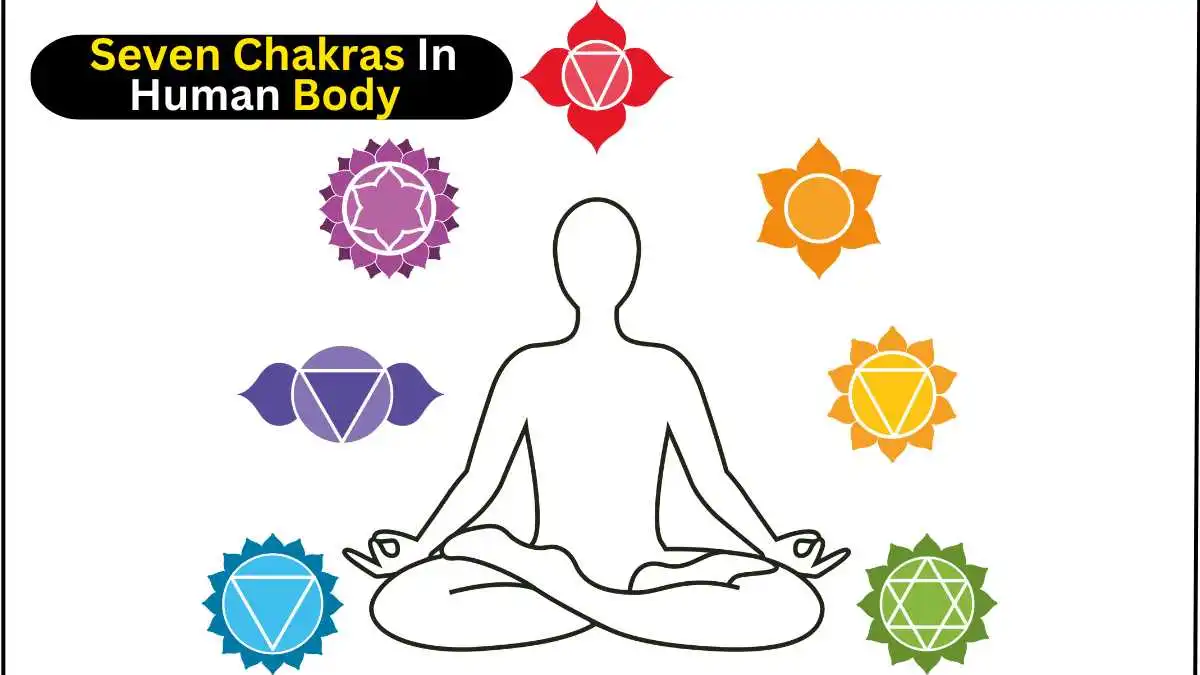
    The seven chakras in human body are essential energy centers that influence our physical, emotional, and spiritual well-being. These chakras, located along the spine from the base to the crown of the head, are believed to regulate the flow of energy throughout the body. When these chakras are balanced, they promote harmony in our health, emotions, and spiritual growth.

    Each chakra has a unique role in our lives, from stabilizing our emotions to deepening our intuition. For example, the Root Chakra is associated with grounding and security, while the Crown Chakra connects us to higher consciousness and spiritual enlightenment.

    In this article, we’ll read and know about the 7 chakras in the human body and their significance. We will learn how to identify signs of blockages or imbalances in these energy centers and know about techniques like meditation, yoga, and visualization to restore their natural flow.

    Deep understanding the chakras in human body is really helpful for improving overall health, fostering self-awareness. Whether you’re on a spiritual journey or simply seeking better balance in life, the ancient wisdom of the chakras offers wonderful benefits.

    Understanding the Significance of 7 Chakras in the Human Body

    The concept of chakras originates from ancient Indian traditions, particularly Hinduism and Buddhism. Chakras are energy centers in the body that influence our physical, emotional, and spiritual well-being. Each chakra is linked to specific organs and systems, playing a vital role in maintaining overall health. The word “chakra” means “wheel” in Sanskrit, symbolizing the spinning energy that flows through these centers. Understanding the significance of these seven chakras in the human body is crucial, as blockages or imbalances can cause physical and emotional challenges.

    The human body is not just physical—it is also a complex system of energy. The chakras act as channels for life force energy, known as “prana”, which is essential for balance. When the chakras are aligned and functioning properly, they promote physical health, emotional stability, and spiritual growth. This alignment can lead to heightened awareness, better overall health, and a stronger connection to the world around us. On the other hand, blocked or unbalanced chakras may result in issues like stress, anxiety, and physical ailments.

    Each of the seven chakras in the human body has a unique purpose and influence. For example:

    1. Root Chakra: Muladhara

    1. The Root Chakra: Muladhara

    The root chakra, or Muladhara, is the first chakra located at the base of the spine. It represents security, stability, and grounding, forming the foundation for all other chakras. This energy center governs basic survival needs like food, shelter, and safety. When the root chakra is balanced, you feel secure, confident, and connected to the physical world.

    An imbalanced root chakra may lead to fear, insecurity, or disconnection. Physical signs can include lower back pain, leg issues, or problems with the feet.

    To balance this chakra, try grounding exercises like walking barefoot on grass, practicing yoga poses such as mountain pose or tree pose, and consuming red foods like apples or beets.

    2. Sacral Chakra: Svadhisthana

    The Sacral Chakra Svadhisthana

    The sacral chakra, or Svadhisthana, is located below the navel and is associated with emotions, creativity, and sexuality. This energy center influences relationships and helps us express our desires and creativity.

    A blocked sacral chakra can cause emotional instability, creative blocks, or reproductive issues. Symptoms may include lower back pain or problems with the urinary system.

    To activate it, engage in creative activities like painting or dancing, practice hip-opening yoga poses like pigeon pose, and eat orange-colored foods such as oranges and sweet potatoes.

    3. Solar Plexus Chakra: Manipura

    The solar plexus chakra, or Manipura, is located in the upper abdomen and governs personal power, confidence, and determination. It helps you assert yourself and make decisions.

    If the solar plexus chakra is unbalanced, you may feel powerless, indecisive, or struggle with self-worth. Physical symptoms include digestive issues or problems with the liver and pancreas.

    To restore balance, practice core-strengthening yoga poses like planks, recite affirmations for self-confidence, and include yellow foods like bananas and corn in your diet.

    4. Heart Chakra: Anahata

    The heart chakra, or Anahata, is located at the center of the chest and bridges the lower and upper chakras. It symbolizes love, compassion, and emotional balance.

    An imbalanced heart chakra may cause feelings of isolation, resentment, or difficulty in forming meaningful relationships. Physical symptoms can include chest tension or respiratory issues.

    To open the heart chakra, focus on self-love, practice heart-opening yoga poses like camel pose, and eat green foods such as spinach and avocados.

    5. Throat Chakra: Vishuddha

    The throat chakra, or Vishuddha, is located in the throat area and governs communication, self-expression, and authenticity. It enables you to express your truth confidently.

    Blockages in this chakra can lead to difficulty speaking up, fear of judgment, or neck tension. Physical symptoms may include sore throats or thyroid problems.

    To activate the throat chakra, try singing, chanting, or practicing yoga poses like fish pose. Blue foods such as blueberries and blackberries can also help nourish this chakra.

    6. Third Eye Chakra: Ajna

    The third eye chakra, or Ajna, is located between the eyebrows and is associated with intuition, insight, and higher consciousness. It helps you access inner wisdom and clarity.

    A blocked third eye chakra may result in confusion, lack of direction, or difficulty trusting your intuition. Physical symptoms can include headaches or vision problems.

    To balance this chakra, practice meditation and visualization, do yoga poses like child’s pose, and eat indigo-colored foods like eggplants and grapes.

    7. Crown Chakra: Sahasrara

    The crown chakra, or Sahasrara, is located at the top of the head and represents spiritual connection, enlightenment, and universal consciousness. It is your gateway to higher realms of awareness.

    An unbalanced crown chakra can cause feelings of disconnection, lack of purpose, or spiritual confusion. Physical symptoms may include headaches or insomnia.

    To nourish the crown chakra, meditate, practice mindfulness, spend time in nature, and consume light, nourishing foods like herbal teas and fresh fruits.

    Balancing and Activating the Seven Chakras

    Balancing and activating the seven chakras is essential for achieving overall well-being and harmony within oneself. By incorporating practices such as meditation, yoga, and energy healing, individuals can restore balance and deepen their connection to these vital energy centers. Meditation is especially effective, as it promotes mindfulness and self-awareness. Guided meditations focusing on each chakra, combined with breathwork, can help release blockages and enhance energy flow. Setting clear intentions for each session can further direct healing energy to areas that need attention.

    Yoga offers another powerful method for chakra balancing, with specific poses targeting each energy center. A personalized yoga routine can stimulate physical and energetic alignment, fostering a deeper connection with the body and its energy systems. Enhancing these practices with tools like sound healing, crystals, or aromatherapy can amplify their effects, creating a holistic approach to chakra balancing.

    Understanding and working with the chakras is a lifelong journey. By committing to practices that promote balance and harmony, individuals can unlock their full potential, cultivate a deeper sense of self-awareness, and lead a more vibrant and fulfilling life. The wisdom of the chakras not only fosters personal healing but also serves as a reminder of the interconnectedness of all beings and the vast potential within each of us.

  • What Is Walking Yoga

    What Is Walking Yoga

    In today’s fast-paced world, finding moments of tranquility and physical activity can be a challenge. Walking yoga, a gentle and accessible practice, offers a harmonious blend of physical movement and mindfulness. This unique approach to yoga integrates traditional yoga postures and breathing techniques with the simple act of walking. By combining these elements, walking yoga provides a holistic approach to well-being, promoting both physical and mental health.  

    Understanding the Basics of Walking Yoga

    At its core, walking yoga is a practice that involves mindful walking, incorporating specific yoga postures, breathing exercises, and meditation techniques. Unlike traditional yoga, which is often practiced on a mat, walking yoga allows practitioners to connect with nature and experience the therapeutic benefits of movement in the outdoors.  

    Key Principles of Walking Yoga

    • Mindful Walking: The foundation of walking yoga lies in mindful walking. By paying attention to each step, practitioners can cultivate awareness of their body and breath. This simple act can significantly reduce stress and improve overall well-being.  
    • Yoga Postures: Walking yoga incorporates various yoga postures, such as tree pose, warrior pose, and cobra pose. These postures are modified to be performed while walking, enhancing flexibility, strength, and balance.
    • Breathing Techniques: Deep, conscious breathing is an integral part of walking yoga. By focusing on the breath, practitioners can calm the mind, reduce anxiety, and improve energy levels.
    • Meditation: Meditation is a powerful tool for relaxation and stress reduction. In walking yoga, meditation techniques can be integrated into the practice, such as focusing on the sensations of walking or practicing mindfulness of the breath.  
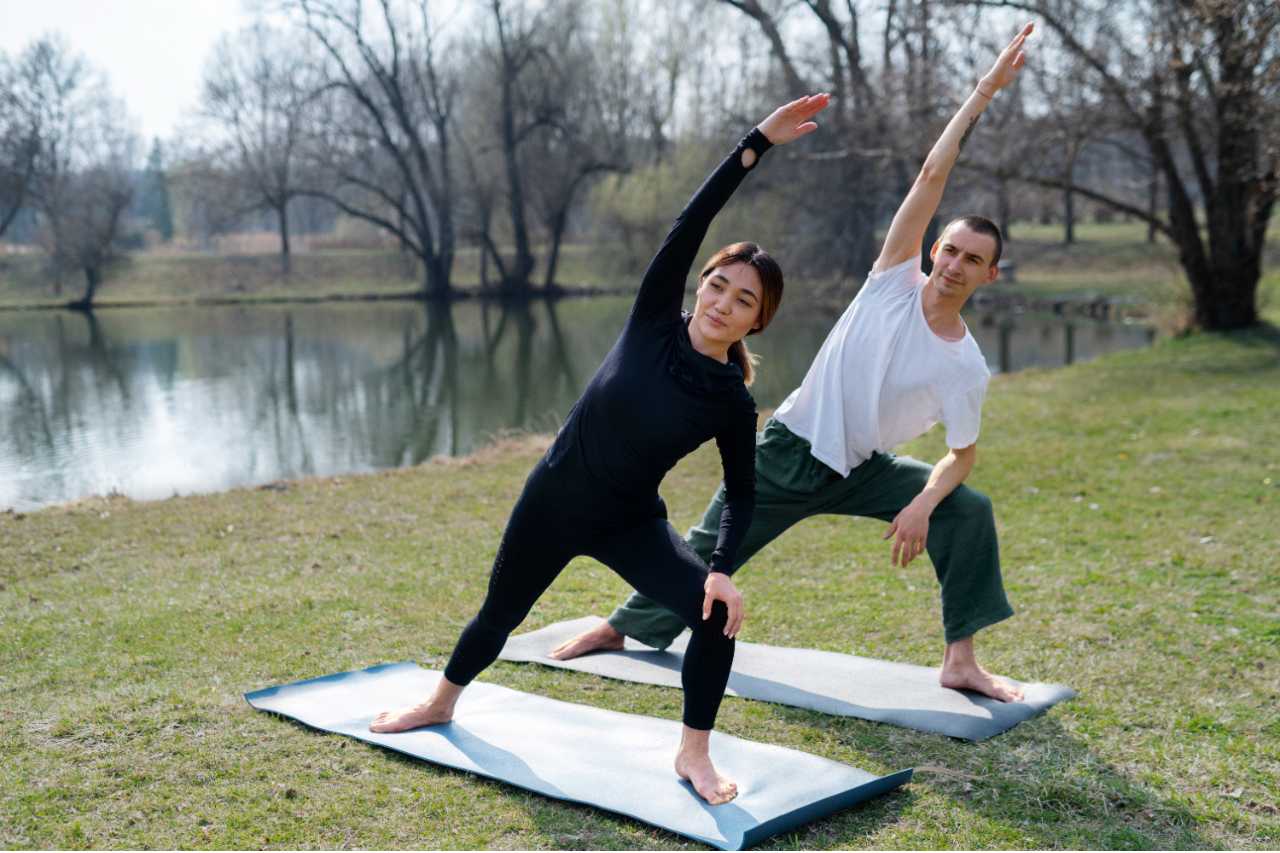
    Benefits of Walking Yoga infographic with a person doing a standing side stretch outdoors
    What Is Walking Yoga 12

    Benefits of Walking Yoga

    Walking yoga offers a wide range of benefits for both physical and mental health. Some of the key advantages include:  

    • Physical Benefits:
    • Improved cardiovascular health
    • Increased flexibility and strength
    • Enhanced balance and coordination
    • Boosted immune system
    • Weight management
    • Mental Benefits:
    • Reduced stress and anxiety
    • Improved mood and emotional well-being
    • Enhanced focus and concentration
    • Increased mindfulness and self-awareness
    • Better sleep quality

    How to Practice Walking Yoga

    To begin your walking yoga journey, follow these simple steps:

    • Find a Peaceful Location: Choose a serene outdoor setting, such as a park, forest, or beach. A quiet and natural environment can enhance your overall experience.
    • Warm-up: Start with a gentle warm-up, including some basic stretches and deep breathing exercises.
    • Mindful Walking: Begin walking slowly, paying attention to each step. Focus on your breath and the rhythm of your movements.
    • Incorporate Yoga Postures: As you walk, incorporate simple yoga postures, such as tree pose or warrior pose. Modify the postures to suit your individual needs and abilities.  
    • Practice Breathing Techniques: Throughout your walk, practice deep, conscious breathing. Inhale deeply through your nose and exhale slowly through your mouth.
    • Mindful Meditation: Take moments to pause and meditate. Focus on your breath, body sensations, or a specific mantra.
    • Cool-down: After your walk, end with a gentle cool-down, including some stretching and relaxation techniques.

    Tips for a Successful Walking Yoga Practice

    • Start Slowly: Begin with short, regular walks and gradually increase the duration and intensity of your practice.
    • Listen to Your Body: Pay attention to your body’s signals and avoid pushing yourself too hard.
    • Dress Comfortably: Wear loose-fitting, comfortable clothing that allows for free movement.
    • Find a Supportive Community: Join a walking yoga group or find a qualified instructor to guide your practice.
    • Be Patient and Kind to Yourself: Remember that progress takes time. Be patient with yourself and celebrate your achievements, no matter how small.

    Walking yoga offers a gentle and effective way to improve your physical and mental health. By combining the benefits of walking, yoga, and mindfulness, this practice can help you reduce stress, increase energy, and enhance your overall well-being. Whether you’re a seasoned yogi or a complete beginner, walking yoga is a wonderful way to connect with nature, nourish your body, and calm your mind.

  • Should We Do Yoga Before or After Meditation

    Table of Contents

    Should You Do Yoga Before or After Meditation? What Hatha Yoga Pradipika Says

    Are you wondering whether to practice yoga after or Before meditation? This is a common question for many seeking to optimize their routines and practices. To provide guidance, we’ll explore insights from the Hatha Yoga Pradipika, an ancient text that outlines the relationship between yoga and meditation. Understanding these teachings can help you decide the best approach for integrating these practices.

    Should You Do Yoga Before or After Meditation
    Should You Do Yoga Before or After Meditation?

    Why Practice Yoga Before Meditation?

    According to the Hatha Yoga Pradipika, doing asana before meditation is often the best choice. Here’s why practicing yoga first might work well:

        • Physical Preparation for Meditation: The Hatha Yoga Pradipika highlights that physical postures (asanas) and breathing exercises (pranayama) prepare the body for meditating. As stated in Shloka 1.17, “By practicing asanas, one can achieve a stable and comfortable posture, essential for meditation.” This preparation is crucial for sitting comfortably and focusing during meditation.
        • Improved Mental Focus: Yoga helps calm the mind and improve concentration. Shloka 2.66 of the Hatha Yoga Pradipika notes, “When the breath is controlled and the body is stable, the mind becomes clear and focused.” Doing yoga before meditation can help achieve this mental clarity, making meditation more effective.

        • Body Detox and Relaxation: Yoga aids in releasing tension and clearing toxins from the body. This aligns with the text’s focus on creating a peaceful environment for meditation, which enhances the overall meditative experience.

      Asana Practice Before or After Meditation: What should be Goal

      In the Hatha Yoga Pradipika, the goal of yoga is to prepare for deeper meditation. Here’s how doing asana practice before meditation supports this goal:

      • Purification of Body and Mind: The text suggests that asana practice helps purify both the body and mind, making meditation more accessible and meaningful. This process aligns with the text’s holistic approach to combining physical and spiritual practices.

      • Smooth Transition to Meditation: By practicing Both, you ensure a smooth shift from physical exercise to mental focus. This approach fits with the Hatha Yoga Pradipika’s teachings on preparing the body and mind for effective meditation.

      Is It Beneficial to Meditate After Yoga?

      While the Hatha Yoga Pradipika suggests that asana is best done before meditating, meditating after yoga also has its benefits:

          • Deep Relaxation: Doing asana first can lead to a state of relaxation, making the following meditation practice more calm and peaceful. This combination supports a balanced approach to health.

          • Balanced Practice: Combining these 2 practices together offers a very good approach to well-being. This method aligns with the principles of the Hatha Yoga Pradipika, which promotes a balance between physical and mental practices.

        Finding the Right Balance in Your Yogic Practices

        The Hatha Yoga Pradipika suggests that practicing asana prior to meditation generally offers the best results. This approach prepares the body and mind for a more effective meditation practice, aligning with the text’s holistic view. However, meditating after yoga can also be beneficial, providing deep relaxation and a balanced practice. Experiment with both methods to discover what works best for you, and find a harmonious integration of both that supports your personal routine and goals.

      1. What are The Benefits of Pranayama in Daily life ? How it improve the Yogic Practice

        What are The Benefits of Pranayama in Daily life ? How it improve the Yogic Practice

        What are The Benefits of Pranayama in Daily life ? How it improve the Yogic Practice

        Table of Contents

        Benefits of Pranayam
        What are the Benefit of Pranayama

        Understanding the benefits of Pranayama in daily life can significantly enhance both your overall well-being and your yoga practice. Pranayama, the art of controlled breathing, offers numerous physical and mental health advantages, from reducing stress to improving lung function. Integrating the benefits of Pranayama in daily life not only calms the mind but also prepares the body for deeper, more effective yoga sessions. By incorporating this powerful practice into your routine, you can experience a more balanced and fulfilling lifestyle.

        Understanding Prana: The Life Force Beyond Breath in Pranayama.

        Prana is the life force, an energy that drives the entire cycle of creation. Just as metals like gold and silver are purified when heated and exposed to a sacrificial fire, similarly, when a person practices pranayama, their senses become purified.

        Generally, prana is understood as breath, and pranayama as an exercise to increase oxygen levels in the body and strengthen the lungs. While these benefits do occur, they do not represent the true essence of pranayama. To truly understand what pranayama is, what it means, and its real nature, it is important to know the meaning of the words. Pranayama is composed of two words: “prana” and “ayama.” Before understanding pranayama, it is essential to know what prana is, as it is often mistaken for breath or considered synonymous with breathing. However, these two are different.

        What is the Importance of Pranayama in Yoga according to Patanjali

        Pranayam is much more than just breathing; it is the art of controlling the vital energy, or prana, within us. This practice helps in calming the mind and preparing the body for deeper meditation. In the Hatha Yoga Pradipika, Pranayam is described as a powerful method to cleanse the nadis, or energy channels. This purification is essential for reaching higher states of consciousness and spiritual enlightenment.

        The text Hatha Yoga Pradipika emphasizes the importance of Pranayama in the following shloka:

        श्रीतास्य प्राणायामस्य नाशकः सकलांघ्रिवन्धनानाम्।
        प्राणायामेन यथाऽशुद्धाः क्लेशा मरणम् तु ते।
        (Hatha Yoga Pradipika 2.2)
        “Just as the impurities of metal are removed by heating and contact with fire, in the same way, the impurities of the mind are removed by the practice of Pranayama.”

        This shloka highlights the purifying nature of Pranayama, indicating that it helps remove the mental and physical impurities that hinder spiritual growth.

        Moreover, Patanjali’s Yoga Sutras outline Pranayama as the fourth limb of the eightfold path of yoga, known as Ashtanga Yoga. Pranayama serves as a bridge between the physical practices of yoga, such as asanas (postures), and the more subtle practices of meditation and spiritual awareness.

        Patanjali mentions the significance of Pranayama in the following shloka:

        तस्मिन्सति श्वासप्रश्वासयोर्गति विच्छेदः प्राणायामः।
        (Yoga Sutras of Patanjali 2.49)
        “Pranayama is the regulation of the incoming and outgoing flow of breath with retention after securing steadiness in the posture.”

        This shloka underlines Pranayam as a crucial practice that balances the breath, which in turn stabilizes the mind, preparing it for meditation and higher spiritual practices.

        In essence, Pranayam is a foundational practice in yoga that not only purifies the body and mind but also serves as a gateway to meditation and self-realization. Whether described in the Hatha Yoga Pradipika or Yoga Sutras of Patanjali, the importance of Pranayama in achieving a balanced, peaceful, and enlightened state of being is undeniable.

        Importance of Pranayama According to Hatha Yoga Pradipika

        In the Hatha Yoga Pradipika, Pranayam is considered a vital practice for purifying the mind and body. The text emphasizes that controlling the breath is the key to controlling the mind, which is essential for spiritual growth. According to this ancient scripture, Pranayam helps cleanse the nadis (energy channels) and prepares the practitioner for deeper meditation and higher states of consciousness. It is believed that through regular practice of Pranayama, one can achieve balance in both the physical and mental realms, leading to improved health, inner peace, and spiritual awakening.

        Sanskrit Shloka from Hatha Yoga Pradipika:

        सूतः चले वाते चलं चित्तं निष्चले निष्चलं भवेत् | योगी स्थाणुत्वमाप्नोति ततो वायुं निरोधयेत् ||

        Transliteration:

        Sūtaḥ
        Chale vāte chalaṃ chittaṃ niścale niścalaṃ bhavet
        Yogī sthāṇutvamāpnoti tato vāyuṃ nirodhayet

        Translation:

        “When the breath moves, the mind also moves. When the breath is still, the mind becomes still. The yogi attains steadiness by restraining the breath.”

        What are the Benefits of Pranayama in Daily Yoga Practice

        Incorporating Pranayam into your daily yoga practice offers a wide range of benefits that enhance both physical and mental well-being. Firstly, Pranayam significantly improves lung capacity and respiratory health, which is particularly beneficial for individuals dealing with asthma or other respiratory conditions. By practicing controlled breathing techniques, the lungs become more efficient, leading to better oxygenation of the blood and improved overall respiratory function.

        Secondly, Pranayam is a powerful tool for reducing stress and anxiety. By focusing on the breath, practitioners can calm the mind, slow down the heart rate, and reduce mental chatter. This creates a sense of inner peace and relaxation, making it easier to manage daily stressors and maintain emotional balance.

        Additionally, Pranayam plays a crucial role in detoxifying the body. The deep, controlled breaths help in flushing out toxins from the body, supporting better digestion and overall metabolic health. This cleansing effect can also lead to clearer skin and a healthier immune system.

        Moreover, regular practice of Pranayam can boost energy levels and increase concentration. The increased oxygen intake during Pranayama revitalizes the body, making you feel more energized and focused throughout the day. This heightened concentration and mental clarity can be particularly beneficial for those seeking to improve their productivity or engage in meditation practices.

        How to incorporate Pranayama into your yoga routine:

        1. Start with a few minutes of breathing exercises before your yoga poses. This helps your mind and body get ready.

        2. Begin with basic techniques like Nadi Shodhana or Ujjayi. These are easy to learn and will help you feel better right away.

        3. As you get better, try more advanced techniques like Kapalabhati or Bhastrika.

        4. Practice Pranayam in a quiet place where you won’t be disturbed. This will help you focus on your breathing.

        Different Types of Pranayama Techniques

        There are various Pranayama techniques, each serving a unique purpose. For example, Nadi Shodhana, or alternate nostril breathing, is known for balancing the nervous system. It helps in calming the mind and reducing stress. Ujjayi Pranayama, often called “victorious breath,” is used to build internal heat and focus the mind. Kapalabhati, or “skull-shining breath,” is an energizing technique that cleanses the respiratory system. Each of these practices offers different benefits, yet they all share a common goal: to regulate the breath and control the flow of prana within the body.

        Here are 6 popular Pranayama techniques that are suitable for beginners

        • Nadi Shodhana
        • Ujjayi
        • Bhramari 
        • Anulom Vilom
        • Dirgha Pranayama
        • Bhastrika 
        • Sheetali 
        • Sitali 
        • Surya Bhedana Pranayama
        • Chandra Bhedana Pranayama
        • Brahmari
      2. What are the 8 Limbs of yoga in Yogic Philosophy? Who Wrote them?

        What are the 8 Limbs of yoga in Yogic Philosophy? Who Wrote them?

        Table of Contents

        Introduction: Understanding the 8 Limbs of Yoga

        The 8 Limbs of Yoga, also known as “Ashtanga Yoga” (अष्टाङ्ग योग), are a set of guidelines created by the sage Patanjali in the “Yoga Sutras.” These eight steps help people practice yoga in a way that brings balance to their body, mind, and spirit. Each step is a part of the journey towards living a more harmonious and fulfilling life.

        In this blog post, we will take a closer look at each of the 8 Limbs of Yoga, explaining them in simple language that anyone can understand. By learning and applying these teachings, you can improve your yoga practice and enjoy its many benefits.

        Which Book mention the 8 Limbs of Yoga


        The 8 Limbs of Yoga are outlined in the ancient text known as the Yoga Darshan or the “Yoga Sutras of Patanjali.” This foundational text, written by the sage Patanjali, is central to yoga philosophy and practice. It introduces the 8 Limbs, also referred to as “Ashtanga Yoga,” which provide a structured path for spiritual development and self-discipline, ultimately guiding practitioners to become better individuals.

        Furthermore, Yoga Darshan serves as the philosophy of yoga, deeply rooted in ancient Indian tradition. The term “Darshan” translates to “vision” or “view,” and in this context, it represents a specific perspective on understanding reality and the nature of existence through the practice of yoga.

        Chapters in Yoga Darshan

        Yoga Darshan, primarily found in the “Yoga Sutras of Patanjali,” is divided into four key parts, or “Padas.” Each Pada, in turn, focuses on different aspects of yoga philosophy and practice. To begin with, here is a brief overview of these four parts:

        1. Samadhi Pada (Chapter on Concentration)

          • Focus: The first part, Samadhi Pada, discusses the nature of the mind, its fluctuations, and how to achieve mental focus and concentration. It introduces the concept of Samadhi, the ultimate goal of yoga, which is a state of deep meditation and union with the divine.
        2. Sadhana Pada (Chapter on Practice)

          • Focus: The second part, Sadhana Pada, outlines the practical aspects of yoga. It introduces the 8 Limbs of Yoga (Ashtanga Yoga), which provide a step-by-step guide for living a disciplined and spiritually fulfilling life. This section emphasizes the importance of consistent practice (Sadhana) in achieving spiritual growth.
        3. Vibhuti Pada (Chapter on Powers)

          • Focus: The third part, Vibhuti Pada, delves into the various powers or siddhis that can be attained through advanced yoga practice. Specifically, this section explores how these powers emerge as by-products of deep meditation and concentration. However, it is important to note that Vibhuti Pada also warns against becoming attached to these powers, as they can ultimately distract from the ultimate goal of liberation.
        4. Kaivalya Pada (Chapter on Liberation)

          • Focus: The fourth and final part, Kaivalya Pada, addresses the nature of liberation (Kaivalya) and explores how it can be attained. In this section, the text delves into the concepts of Purusha (pure consciousness) and Prakriti (the material world). Additionally, it explains how one can transcend the limitations of the physical world to achieve spiritual freedom.
        8 limbs of yoga

        What are the 8 Limbs of Yoga in Yogic Philosphy of Yoga Sutra

        Yoga is more than just doing poses. It’s a way of life that helps us feel better mentally and spiritually. The 8 Steps of Yoga are like a path to inner peace.


        1. Yamas (यमास) – Ethical Guidelines

        The Yamas are ethical guidelines that govern how we interact with the world around us. They represent our moral compass and lay the foundation for a mindful and compassionate life.

        Sutra 2.30 states:

        “Ahimsa Satya Asteya Brahmacharya Aparigraha Yamaḥ.”

        • Ahimsa (अहिंसा): Non-violence: Practicing kindness and compassion towards ourselves and others. This principle encourages us to act with empathy and avoid causing harm through words or actions.

        • Satya (सत्य): Truthfulness: Being honest and authentic in our interactions. Satya guides us to speak the truth while considering the impact of our words on others.

        • Asteya (अस्तेय): Non-stealing: Respecting the property and rights of others. This principle emphasizes the importance of integrity and honesty.

        • Brahmacharya (ब्रह्मचर्य): Moderation: Managing desires and maintaining balance. Brahmacharya encourages us to use our energy wisely and avoid excesses.

        • Aparigraha (अपरिग्रह): Non-attachment: Letting go of greed and material attachments. This Yama teaches us to live simply and appreciate what we have without clinging to it.


        2. Niyamas (नियमास) – Personal Observances

        Niyamas are personal observances that focus on self-discipline and spiritual growth. They help cultivate inner purity and personal integrity.

        Sutra 2.32 states:

        “Sauca Santosa Tapas Svadhyaya Isvarapraṇidhanani Niyamaḥ.”

        • Saucha (शौच): Cleanliness: Maintaining physical and mental cleanliness. Saucha encourages us to keep our surroundings and ourselves clean to support overall well-being.

        • Santosha (संतोष): Contentment: Finding satisfaction with what we have. Santosha teaches us to cultivate a sense of inner peace and contentment, regardless of external circumstances.

        • Tapas (तपस्): Discipline: Embracing self-discipline and perseverance. Tapas involves making consistent efforts and enduring challenges to achieve personal growth.

        • Svadhyaya (स्वाध्याय): Self-study: Engaging in self-reflection and learning. Svadhyaya encourages us to study sacred texts and reflect on our actions and thoughts to gain deeper self-awareness.

        • Ishvara Pranidhana (ईश्वर प्रणिधान): Surrender to a Higher Power: Trusting in a higher power or the divine. This Niyama involves letting go of ego and surrendering to a higher force or universal truth.


        3. Asana (आसन) – Physical Postures

        Asana refers to the physical postures practiced in yoga. These poses are designed to strengthen and balance the body, improve flexibility, and prepare the mind for meditation.

        Sutra 2.46 states:

        “Sthira-sukham asanam.”

        Sutra 2.46 states:
        “Prayatna-Saithilyam ananta-samapattibhyam.”

        • Purpose of Asanas: Asanas help to cultivate physical strength, balance, and flexibility. They also serve as a means to align the body and mind, creating a foundation for deeper practices.

        • Practicing Asanas: Start with basic poses and gradually progress to more advanced ones. Focus on maintaining proper alignment and breathing throughout your practice to maximize the benefits of each pose.


        4. Pranayama (प्राणायाम) – Breath Control

        Pranayama involves controlling and regulating the breath to enhance energy flow and mental clarity. It is a vital practice that connects the body and mind through the breath. Pranayama involves the conscious control of breathing patterns. This includes techniques to extend, slow down, and regulate the breath, which helps to harmonize the body’s energy and calm the nervous system

        Sutra 2.49 states:

        “Tasmin satii Svasa-prsvayoḥ gati-vicchedah praṇayamah.”
        Translation: “In that [state of posture], the regulation of the breath by controlling the inhalation and exhalation is Pranayama.”

        • Types of Pranayama: Techniques such as Deep Breathing (Dirgha Pranayama), Alternate Nostril Breathing (Nadi Shodhana), and Ujjayi (Victorious Breath), Full yogic Breathing help to balance energy and calm the mind.

        • Benefits of Pranayama: Regular practice of pranayama can improve respiratory function, reduce stress, enhance focus, and promote overall well-being.


        5. Pratyahara (प्रत्याहार) – Withdrawal of Senses

        Pratyahara involves withdrawing the senses from external distractions and turning inward. This practice helps to calm the mind and prepare it for deeper concentration.

        Sutra 2.54 states:

        “Yatantah Pratyaharah.”

        Translation: “Pratyahara is the withdrawal of the senses from external objects.”

        • Purpose of Pratyahara: By reducing sensory input, we can quiet the mind and increase awareness of our inner state. This practice supports mental clarity and concentration.

        • How to Practice: Engage in meditation or mindfulness practices to focus inward and observe your thoughts and sensations without judgment.


        6. Dharana (धारणा) – Concentration

        Dharana is the practice of concentration, or focusing the mind on a single point of focus. It is a crucial step in developing the ability to maintain sustained attention.

        Sutra 3.1 states:

        “Desa-bandhahs cittasya dharana.”

        Translation: “Concentration is the binding of the mind to a particular place or object.”

        • Techniques for Dharana: Use a physical object, mantra, or breath as a point of focus during meditation. This helps to train the mind to remain attentive and reduce distractions.

        • Benefits of Dharana: Enhanced concentration leads to better mental clarity and the ability to direct your attention effectively in daily life.


        7. Dhyana (ध्यान) – Meditation

        Dhyana is the practice of meditation, characterized by a state of uninterrupted flow of concentration. It involves deepening your awareness and connecting with a higher state of consciousness.

        Sutra 3.2 states:

        “Tatra pratyaya-ekatanata dhyanam.”

        Translation: “Meditation is the continuous flow of consciousness toward that object of focus.”

        • Purpose of Dhyana: Through meditation, we achieve a state of inner stillness and clarity. This practice helps to connect with our true self and experience profound peace.

        • How to Practice: Engage in regular meditation sessions, focusing on your breath or a specific object of meditation. Allow yourself to experience moments of silence and stillness.

          • Meditation: Dhyana involves sustained, uninterrupted attention and awareness on a particular object, thought, or concept. It is characterized by a deep sense of inner silence and immersion in the meditative experience.
          • Continuous Flow: Unlike Dharana (concentration), which focuses on a specific point or object, Dhyana represents the seamless and uninterrupted flow of awareness toward the object of meditation.
            Practice Techniques:
            • Object of Meditation: Practitioners may focus on a mantra, an image, a deity, or their own breath to facilitate meditation.
            • Mindfulness: Maintaining awareness of the present moment without distraction, allowing thoughts to pass without attachment.
            • Guided Meditation: Using guided practices or techniques to support and sustain the meditative state.
          • Benefits of Dhyana:
            • Inner Peace: Dhyana helps cultivate a profound sense of inner calm and tranquility.
            • Enhanced Awareness: Increases self-awareness and insight into one’s true nature and the nature of existence.
            • Emotional Balance: Reduces stress, anxiety, and negative emotions by fostering a deep sense of inner stability.

        8. Samadhi (समाधि) – Enlightenment

        Samadhi is the ultimate goal of yoga, representing a state of complete absorption and enlightenment. It is a state of unity with the divine or universal consciousness.

        Sutra 1.41: “Tasya prashanta-vahita-asmita-bhavanabhyam va.”
        Translation: “The continuous experience of the self in that state leads to a tranquil and all-pervading consciousness.”

        Sutra 1.42: “Tadā dṛṣṭuḥ svarūpe avasthānam.”
        Translation: “Then, the seer abides in its own true nature.”

        Sutra 1.43: “Vrttaya-pano anabhigataḥ.”
        Translation: “The fluctuations of the mind are subdued.”

        Sutra 1.44: “Tada kaivalyam prajnatiḥ.”
        Translation: “In that state, one attains liberation and complete knowledge.”

        • Achieving Samadhi: This state is reached through the culmination of the other seven limbs of yoga. It involves transcending the ego and experiencing a deep sense of oneness and connection. Samadhi is often described as a state of perfect spiritual absorption where the individual self merges with the universal consciousness. It is a state of profound inner peace and realization.

        • Experience of Samadhi: In Samadhi, you experience profound inner peace and spiritual awakening. This state of enlightenment represents the highest achievement in the practice of yoga. It signifies the culmination of the yogic path, where the practitioner experiences a sense of unity and oneness with the divine or the ultimate reality.

          Types of Samadhi:
          • Samprajnata Samadhi (With Awareness): This type involves meditative absorption where the object of meditation is still present in consciousness, but the practitioner experiences a deep sense of connection and clarity. It is characterized by insight and understanding.
          • Asamprajnata Samadhi (Without Awareness): This advanced state of Samadhi is beyond all dualities and concepts. The practitioner experiences pure consciousness without any object of meditation, reaching a state of complete unity and transcendence.
          Benefits of Samadhi:
          • Transcendental Awareness: Provides a direct experience of the ultimate reality and one’s true nature.
          • Inner Peace: Brings a profound sense of peace, joy, and fulfillment beyond ordinary experiences.
          • Spiritual Liberation: Represents the highest state of spiritual realization and liberation (Kaivalya), where the individual self merges with the universal consciousness.
      3. The Art of Sequencing in Yoga:How to Design Effective and Suitable Yoga Classes

        The Art of Sequencing in Yoga:How to Design Effective and Suitable Yoga Classes

        How Can You Master the Art of Sequencing: How to Design perfect and Effective Yoga Classes?

        Table of Contents

        Yoga Class Sequence

        Introduction: What is Sequencing in Yoga?

        Sequencing in yoga is an essential skill for both yoga teachers and practitioners. Specifically, it involves designing the order and flow of poses in a yoga class. This process ensures that each movement builds on the previous one. Consequently, this thoughtful arrangement allows students to move safely, steadily, and mindfully through their practice.

        Moreover, the art of sequencing goes beyond merely linking postures together. It is about crafting an experience that helps students connect with their bodies. Additionally, it allows them to deepen their practice and leave the class feeling balanced and refreshed. Whether you are a teacher planning a class or a practitioner designing your own home practice, understanding the principles of effective sequencing can greatly enhance the quality of your yoga experience.

        Why is Sequencing Important in Yoga?

        The importance of sequencing in yoga cannot be overstated. For instance, imagine entering a yoga class where the poses feel disjointed, with little to no flow between them. This situation can leave you feeling confused, unsteady, and even at risk of injury. Conversely, a well-sequenced class offers a smooth and natural experience. It guides your body and mind through a journey that begins with gentle warm-ups, builds to a peak, and concludes in relaxation.

        1. Enhancing Safety:

        • One of the primary reasons for thoughtful sequencing is safety. To begin with, starting with gentler poses helps warm up the muscles and joints. This preparation is essential for readying the body for more challenging postures. For instance, jumping straight into deep backbends without proper preparation can strain the spine and potentially lead to injury. In contrast, sequencing allows the body to gradually open up, thereby reducing the risk of strains or overstretching.
        2. Achieving a Balanced Practice:
        • A well-sequenced class ensures that all parts of the body are engaged and balanced. For example, after focusing on one area, such as the shoulders, the sequence should then move to another area, like the hips or legs. This approach creates a well-rounded practice. As a result, it helps prevent overworking any single muscle group, which could otherwise lead to discomfort or injury over time.

        3. Maintaining Flow and Focus:

        • Flow is a key aspect of yoga, and it is often associated with the concept of “vinyasa,” where movement is synchronized with breath. Consequently, effective sequencing maintains this flow, allowing students to transition seamlessly from one pose to the next. This smooth progression helps keep the mind focused and present. As a result, the practice becomes not just physical but also a form of moving meditation.
        4. Managing Energy Levels:
        • The energy in a yoga class should build and then gradually taper off. A well-planned sequence starts slow, gradually increases in intensity, reaches a peak, and then cools down. This natural rise and fall of energy levels help students leave the class feeling refreshed, not exhausted. It balances the nervous system, helping to relieve stress and promote relaxation.

        How to Start Creating an Effective Yoga Sequence?

        Creating a yoga sequence may seem daunting at first. However, by following a few basic principles, you can craft a class that flows naturally and feels cohesive. The process begins with setting an intention and understanding the needs of your students—or your own body if you’re practicing solo.

        1. Setting Your Intention:
        • The intention is the heart of your sequence, as it provides purpose and direction to the practice. For instance, are you focusing on building strength? Alternatively, perhaps you want to emphasize flexibility, or maybe your goal is relaxation and stress relief. Whatever your intention, it will guide your choice of poses and the overall structure of the class.

          For example, if your intention is to create a calming and restorative class, you might choose poses that are gentle, involve deep stretching, and emphasize longer holds. Conversely, a class designed to build strength might include more standing poses, balances, and core work.

        2. Choosing a Peak Pose:

        • The peak pose is the most challenging or central posture of your sequence. Everything before it prepares the body for this pose, and everything after it helps cool down and integrate the work done. Selecting a peak pose gives your sequence a clear focus and helps to structure the class logically.

        For instance, if your peak pose is Urdhva Dhanurasana (Upward Bow Pose), your sequence should include poses that open the chest, strengthen the arms, and prepare the spine for a deep backbend. This might include postures like Bhujangasana (Cobra Pose), Setu Bandhasana (Bridge Pose), and Virabhadrasana I (Warrior I Pose).

        3. Designing the Warm-Up:
        • A good warm-up is crucial for any yoga sequence. It prepares the body for the more intense work to come by gently stretching and mobilizing the muscles and joints. In the context of a morning yoga class, this could involve movements that wake up the spine, like Cat-Cow stretches, or poses that gently engage the legs and arms, such as Downward-Facing Dog or gentle lunges.

        The warm-up should be dynamic, moving through different planes of motion to ensure that the entire body is ready for the practice ahead. It’s also a good time to focus on breathing, helping students to connect with their breath, which will support them throughout the practice.

        4. Building the Flow:
        • After warming up, gradually introduce more challenging poses that lead towards your peak pose. This is the main body of your sequence and should be designed to flow smoothly from one posture to the next. For example, a sequence leading to Ardha Chandrasana (Half Moon Pose) might include preparatory poses like Utthita Trikonasana (Extended Triangle Pose), and Virabhadrasana II (Warrior II Pose), which build strength and balance.

        It’s important to maintain a sense of progression in this phase. The poses should build upon each other, increasing in intensity, but also providing opportunities for recovery and integration. This ensures that students are neither overwhelmed nor under-challenged.

        5. Cooling Down:
        • Once the peak pose has been completed, it’s time to cool down. The cool-down phase is all about bringing the body back to a state of rest. It should include poses that release any tension built up during the more active part of the sequence. Gentle forward bends, supine twists, and hip openers are excellent choices for cooling down.

        Cooling down helps to calm the nervous system, stretch out the muscles, and transition the body and mind into a more relaxed state. It’s the perfect preparation for the final relaxation pose, Savasana.

        6. Ending with Savasana:

        • Savasana, or Corpse Pose, is the final posture of almost every yoga class. While it may seem simple, it is one of the most important parts of the practice. Savasana allows the body to absorb all the benefits of the practice, promoting deep relaxation and a sense of peace.

        Encourage students to lie completely still, focusing on their breath, and letting go of any remaining tension. It’s a moment of surrender and stillness, providing the perfect end to a well-sequenced class.

        Tips for Effective Yoga Sequencing

        Creating a sequence that is safe, balanced, and enjoyable requires attention to detail and a deep understanding of the body’s needs. Here are some additional tips to help you refine your sequencing skills:

        1. Keep it Simple:

        • When planning a sequence, especially for beginners, simplicity is key. Avoid the temptation to include too many complex poses. Instead, focus on a few fundamental postures and explore them deeply. This approach not only makes the class more accessible but also helps students build a strong foundation.

        2. Listen to Your Body:

        • Whether you’re practicing on your own or teaching a class, it’s important to stay attuned to the body’s signals. If something doesn’t feel right, don’t hesitate to modify the pose or adjust the sequence. Flexibility in sequencing means being responsive to the needs of the moment, ensuring that the practice is always safe and beneficial.
        3. Balance Challenge and Rest:
        • A good yoga sequence should balance effort and ease. After a challenging pose like Virabhadrasana III (Warrior III Pose), it’s a good idea to follow with a more restful posture, such as Balasana (Child’s Pose). This approach prevents burnout and helps maintain a steady flow of energy throughout the practice.

        4. Use Transitions Mindfully:

        • Transitions are the glue that holds your sequence together. Moving smoothly from one pose to the next helps maintain the flow and keeps students engaged. Pay attention to how you guide students in and out of poses, ensuring that the transitions are as mindful as the postures themselves.

        5. Keep Your Students in Mind:

        • Always consider the experience level and physical limitations of your students when designing a sequence. What might be appropriate for an advanced class could be too challenging for beginners. Tailoring your sequence to the needs of your students is key to creating a successful yoga class.

        Common Mistakes to Avoid in Yoga Sequencing

        Even experienced yoga teachers can fall into common traps when creating sequences. Here are a few mistakes to watch out for:

        1. Skipping the Warm-Up:

        • Diving straight into challenging poses without adequate warm-up is a recipe for injury. Always take the time to prepare the body, even in shorter classes.
        2. Overloading the Sequence:
        • Including too many poses in a single class can overwhelm students and disrupt the flow. Instead of trying to fit in as many postures as possible, focus on quality and depth in each pose.

        3. Ignoring the Breath:

        • Breath is the foundation of yoga practice. Ensure that your sequence allows for deep, even breathing. If the pace is too fast or the poses too challenging, students may start to hold their breath, which can increase stress and tension.

        4. Lack of Balance:

        • A well-balanced sequence should address all parts of the body, not just one area. Make sure to include a variety of poses that engage different muscle groups and movements to create a holistic practice.

        Conclusion: Designing the Perfect Yoga Sequence

        Mastering the art of sequencing is a journey that requires both knowledge and intuition. By setting a clear intention, understanding the needs of your students, and carefully planning each stage of the class, you can create sequences that are not only effective but also deeply fulfilling.

        Furthermore, remember that the ultimate goal of yoga sequencing is to create a practice that feels harmonious and balanced. Whether you’re teaching a class or practicing on your own, thoughtful sequencing can transform your yoga practice into a powerful tool for physical, mental, and spiritual growth.

        With continued practice and attention to detail, you’ll soon find that creating effective yoga sequences becomes second nature. As a result, you will be able to share the beauty and benefits of yoga with others in a meaningful way

      4. What is Kanwar Yatra and Sawan Month in Hindu Calender

        What is Kanwar Yatra and Sawan Month in Hindu Calender

        What is Kawad Yatra in India - poster with a seated meditation silhouette
        Kanwar Yatra

        Table of Contents

        What is Kanwar Yatra in India?

        Kanwar Yatra is a deeply significant pilgrimage in Hinduism, especially observed during the holy month of Shravan. This journey powerfully expresses devotion and reverence toward Lord Shiva. Hindu beliefs hold that the month of Shravan, which occurs during the rainy season, has immense spiritual importance. Lord Shiva, known for his benevolence, is believed to be easily pleased with simple offerings like water. However, devotees are mindful that Shiva can also be quick to anger. To honor him, participants in the Kanwar Yatra avoid consuming meat, alcohol, and tamasic foods. They also ensure that the Kanwar—the wooden structure carrying the sacred water—never touches the ground, demonstrating deep respect.

        Spiritual Practices and Symbolism

        The Kanwar Yatra is summed up by the phrase “Shivobhootva Shivjam Jayet,” which means “Become Shiva to conquer Shiva.” This idea teaches that by being devoted to Shiva and serving him, one can achieve spiritual success. The journey also shows the importance of equality and brotherhood among devotees. During Shravan, a month of chanting, fasting, and simple living, devotees perform rituals like bathing the Shivalinga (a symbol of Shiva) and chanting special mantras like Panchakshara and Mahamrityunjaya. As part of the pilgrimage, they fill their Kanwars with holy water from the Ganges River and walk to different Shiva temples to offer the water to the Shivalinga.

        What is Sawan Month or Shravan?

        Sawan, or Shravan, is a deeply respected month in the Hindu calendar, usually occurring in July or August. This period honors Lord Shiva, one of Hinduism’s principal deities. Shiva devotees consider Sawan the holiest month, believing that offerings and prayers during this time carry special power. Sawan coincides with India’s monsoon season, symbolizing fertility, growth, and renewal.

        During Sawan, devotees engage in various spiritual practices like fasting, meditation, and chanting to deepen their connection with the divine. They consider this time auspicious for starting new ventures or performing important ceremonies. Fasting, particularly on Mondays (known as Shravan Somvar), is a common observance dedicated to Lord Shiva. Devotees make special pujas and offerings, including water, milk, bilva leaves, and flowers, to Lord Shiva during this period.

        One of the most significant events during Sawan is the Kanwar Yatra, where devotees carry holy water from the Ganges to offer at Shiva temples. Additionally, festivals like Haryali Teej, celebrated by married women seeking their husband’s long life and prosperity, and Nag Panchami, dedicated to snakes that symbolize the cyclical nature of life and death, are also observed during this sacred month. Sawan is a time of spiritual renewal, devotion, and celebration for Hindus, where people seek blessings, forgiveness, and harmony.

        A Time of Spiritual Growth:

        • Sawan coincides with the monsoon season, symbolizing fertility, growth, and renewal.
        • Devotees engage in fasting, meditation, and chanting to deepen their connection with the divine.
        • Sawan is a time of spiritual renewal, devotion, and celebration, where people seek blessings, forgiveness, and harmony.

        When Does Kanwar Yatra Take Place?

        Kanwar Yatra is a significant Hindu pilgrimage that occurs during the month of Shravan, which usually falls between July and August according to the Hindu calendar. This period is particularly sacred for devotees of Lord Shiva, one of the principal deities in Hinduism. Shravan is considered the holiest month for worshiping Shiva, and it coincides with the monsoon season in India, a time associated with renewal, fertility, and spiritual growth.

        During Kanwar Yatra, millions of devotees, known as Kanwariyas, undertake a journey to collect holy water from the Ganges River, which they carry back to offer at Shiva temples across the country. The pilgrimage is a demonstration of deep devotion and involves walking long distances, often barefoot, as a form of penance and spiritual purification.

        The timing of Kanwar Yatra during Shravan is symbolic because this month is believed to be when the cosmos is most aligned for connecting with divine energies. The monsoon rains during this time also represent a period of cleansing and new beginnings, making it an ideal time for devotees to engage in spiritual practices such as fasting, chanting, and offering prayers to Lord Shiva.

        How Long is the Kanwar Yatra and How Many Types of Kanwars Are There?

        The Kanwar Yatra is a sacred pilgrimage undertaken by devotees of Lord Shiva, primarily during the month of Shravan (July-August). The length of the Yatra varies based on the starting point and the devotee’s destination. Typically, it can last anywhere from a few days to several weeks. Pilgrims, known as Kanwariyas, travel by foot, carrying holy water from the Ganges River to offer at Shiva temples, often covering hundreds of kilometers.

        There are several types of Kanwars used in the Yatra, each with its unique significance:

        • Dak Kanwar: A fast-paced Yatra where the Kanwariyas run in relay teams, ensuring the holy water reaches the temple quickly.
        • Baithi Kanwar: In this type, the Kanwar is placed on a vehicle or a stationary spot while the devotee takes rest.
        • Dand Kanwar: Devotees lie prostrate after every few steps, covering the entire distance in this manner as an act of intense devotion.
        • Khadi Kanwar: The Kanwar is carried upright, symbolizing discipline and respect throughout the journey.

        Can Anyone Participate in Kanwar Yatra?

        Yes, Kanwar Yatra is open to everyone, regardless of age or gender. This pilgrimage is a journey of faith, and anyone who feels a connection to Lord Shiva can participate. However, participants are encouraged to observe traditional practices during the Yatra. These include fasting, abstaining from meat and alcohol, and maintaining a focus on spiritual discipline. This helps ensure that the journey remains a sacred and purifying experience for all involved.

        What Do Participants Carry During Kanwar Yatra?

        During the Kanwar Yatra, devotees carry a Kanwar, which is a wooden pole with pots attached at each end. These pots are filled with holy water from the Ganges River, which is considered sacred in Hinduism. The Kanwar is carefully balanced on the shoulders and is never placed on the ground as a sign of respect. Upon reaching their destination, devotees offer this water to the Shivalinga, a symbolic representation of Lord Shiva. This act is believed to cleanse the soul and bring blessings from Shiva.

        What are the Rules for Participating in Kanwar Yatra?

        Participants are expected to follow strict rules of purity and devotion during the Yatra, including fasting, avoiding non-vegetarian food, abstaining from alcohol, and refraining from placing the Kanwar on the ground.

        Purity and Cleanliness:

        Devotees must maintain personal and spiritual purity by bathing regularly and wearing clean clothes. The Kanwar, a decorated bamboo pole carried by devotees, must be kept clean and free from impurities.

        Fasting:

        Many participants fast during the Yatra, either by abstaining from certain foods or consuming only specific vegetarian foods. This practice purifies the body and helps focus on spiritual practices.

        Avoiding Non-Vegetarian Food:

        To maintain spiritual cleanliness, devotees avoid consuming non-vegetarian food, aligning with the principle of non-violence (Ahimsa) and enhancing the devotional experience.

        Abstaining from Alcohol:

        Alcohol consumption is strictly prohibited during the Yatra to maintain mental clarity and focus on the spiritual aspects of the pilgrimage.

        Refraining from Placing the Kanwar on the Ground:

        The Kanwar, a sacred symbol in the pilgrimage, must not touch the ground. This rule reflects respect for the sacred object and maintains its purity. Devotees often carry it throughout the Yatra or place it on a special stand.

        Walking with Devotion:

        Participants typically walk long distances to reach their destination, undertaking the journey with devotion and reverence as a reflection of their commitment to Lord Shiva.

        Respect for Fellow Devotees:

        Maintaining a respectful attitude towards other pilgrims and local residents is important. This fosters a harmonious and spiritual environment during the Yatra.

        So, the Kanwar Yatra is a deeply spiritual journey that showcases devotion and faith. By following the important rules and participating with sincerity, devotees honor Lord Shiva and experience personal growth. The Yatra not only strengthens religious traditions but also offers a unique chance to connect with Indian spirituality and culture. Whether you’re a regular participant or new to the pilgrimage, the Kanwar Yatra provides a meaningful and enriching experience.