Blog

  • Meditation vs Yoga Difference Between Meditation and Yoga

    Meditation vs Yoga Difference Between Meditation and Yoga

    What is the Difference between Yoga and Meditation

    Table of Contents

    Are you confused about What is the difference between meditation and yoga? If so, you’re not alone. These two ancient practices are often mentioned together, leading many to think they are the same or that they serve identical purposes. However, while meditation and yoga share some similarities, they are distinct disciplines with their own unique focuses, methods, and benefits. Meditation primarily involves mental exercises aimed at achieving a state of inner calm and clarity, whereas yoga is a comprehensive practice that integrates physical postures, breathing techniques, and meditation to promote overall well-being.

    The image compares meditation and yoga, with the text "Meditation VS Yoga" prominently displayed in the center. Below this, it states "Difference Between Meditation and Yoga." The left side of the image features a person in a meditative pose, while the right side shows someone performing a yoga stretch.

    What is meditation and yoga

    Understanding the differences between meditation and yoga can be incredibly beneficial, especially if you’re trying to decide which practice is best suited to your personal goals. Many people wonder, “Are yoga and meditation the same?” While they are often practiced together, they are not the same and each has its unique focus. Whether you’re looking to reduce stress, enhance your physical fitness, or develop a deeper sense of self-awareness, knowing how these practices differ can help you make an informed choice. In this blog, we’ll explore what sets meditation apart from yoga, highlight the specific benefits of each, and guide you on how to choose the right practice for your needs. Understanding these differences will allow you to decide whether to focus on one practice or integrate both for a more comprehensive approach to wellness.

    By the end of this post, you’ll have a clear understanding of both meditation and yoga, allowing you to confidently decide which one, or perhaps a combination of both, aligns best with your lifestyle and wellness goals.

    Practice of Meditation and Yoga

    According to Sage Patanjali in his Yoga Darshan where he Mentioned “8 Limbs of Yoga” . He Explained “Chitta Vritti Nirodha” . Which Means
    “Yoga is the stilling of the fluctuations of the mind.”

    Yoga and Meditation practices started in Northern India centuries ago and are mentioned in ancient texts like Shiv Sanhita , Yoga Darshan , Bhagwat Geeta, Gorakh Sanhita. Today, over 500 million people worldwide practice Meditation and Yoga, which help reduce hypertension, improve sleep, and lower anxiety. 

    Fitfortunes offers professional courses in yoga, meditation, and combined yoga courses, allowing you to pursue your health goals and career aspirations. and join  200 Hour Yoga Teacher Training in Rishikesh  By practicing Meditation and Yoga daily, you can discover the benefits of controlled breathing, focus, and therapeutic effects that can strengthen your immune system and enhance your well-being. 

    What is Yoga and Its Types?

    What is Yoga is a traditional Indian form of exercise that includes mental, physical, and spiritual disciplines to bring the body, mind, and soul together. It includes postures (asanas), breath work (pranayama), and meditation (dhyana), promoting overall health and well-being. Yin yoga, a slow-paced style with long-held poses, applies stress to connective tissues to improve flexibility and circulation. Yoga strengthens your core, enhances flexibility, and improves mental health. and you should know  limbs of yoga before you try to start yoga

    There are Some of the popular types of yoga are the following:

    Hatha Yoga: This is the most common type, encompassing many physical postures (asanas) and breathing exercises (pranayama). It provides a fantastic starting point for beginners and comes in a range of styles to meet different needs.

    Vinyasa Yoga: This is a flow-based style where postures are linked together with breath, creating a dynamic and energetic practice.

    Ashtanga Yoga: This is a more structured practice with set sequences of postures practiced progressively. It demands discipline and dedication.

    Yin Yoga: This focuses on holding passive postures for more extended periods to target connective tissues and improve flexibility. It’s a slower, meditative practice.

    Iyengar Yoga: This emphasizes precise alignment and uses props like blocks, straps, and bolsters to help individuals achieve proper form in postures.

    Restorative yoga: This gentle style of yoga encourages deep relaxation and stress relief by supporting the body in calming poses with props. 

    Kundalini Yoga: This practice incorporates chanting, movement, breathing exercises, and meditation to awaken the Kundalini energy believed to exist at the base of the spine.

    Bikram Yoga: This is practiced in a heated room (around 40°C) and follows a specific sequence of 26 postures and 2 breathing exercises. 

    What are The Benefits of Yoga

    Yoga, with its blend of physical and mental practices, offers a wide range of benefits, including:

    • Physical Fitness: Yoga improves strength, flexibility, and balance.
    • Mental Well-being: It reduces stress, anxiety, and promotes a sense of calm.
    • Improved Posture: Regular practice can correct posture and alleviate back pain.
    • Better Breathing: Yoga enhances lung capacity and breathing efficiency through pranayama.
    • Holistic Health: It nurtures the mind, body, and spirit, promoting overall well-being.

    Yoga is perfect for those who want to improve their physical health while also working on mental and emotional well-being.

    What is Meditation and Its Types?

    Meditation is an ancient practice involving mental and physical techniques to focus or clear the mind. It helps relax, reduce stress, and improve health, even aiding in quitting tobacco. Modern science has begun studying it recently, aided by technology like EEG and fMRI scans. These show how meditation positively affects the brain and mental health, despite outwardly appearing as simple actions like breathing or repeating phrases.

    There are Some of the popular types of Meditation are the following:

    Mindfulness Meditation is the foundation of many other techniques. It involves directing your attention to the here and now and impartially monitoring your thoughts and emotions.

    Mantra meditation is a technique used to calm distractions and focus the mind by silently repeating a word, phrase, or sound (mantra). It can help calm the mind and promote inner peace.

    Guided meditation is a fantastic choice. It means following guided audio or visual instruction that focuses on you and issues particular signals. This can help you learn different meditation techniques and address specific goals like stress reduction or self-compassion.

    Transcendental Meditation (TM): This specific technique involves silently repeating a personalized mantra given by a trained TM teacher. It emphasizes the effortless transcending of thoughts without focusing on them.
    Meditation is a practice that focuses on training the mind to achieve a state of calmness and clarity. It involves sitting quietly, focusing on your breath, a specific word or phrase (known as a mantra), or observing your thoughts. The goal of meditation is to cultivate mindfulness, reduce stress, and increase self-awareness.

    Main Difference Between Meditation and Yoga

       
    NameYogaMeditation
    PurposeFocuses on improving physical health, flexibility, and mental well-being through movement and breath awareness.Aims at calming the mind, reducing stress, and promoting inner peace.
    FocusUses breathwork and movement to bring awareness to the present moment.Trains the mind to concentrate on a single point, like the breath or a mantra.
    DurationSessions can vary in length and intensity, ranging from a few minutes to over an hour.Sessions are typically shorter, starting with a few minutes and gradually increasing over time.
    PhysicalityIncorporates physical postures to improve flexibility, strength, and balance.Primarily a mental practice done in a seated position.
    TechniquesTechniques include postures, breath control, and relaxation methods for physical and mental benefits.Techniques may include mindfulness, concentration, or guided imagery to cultivate awareness and mental clarity.
    IntensityCan range from gentle to physically demanding.Generally a low-impact practice.
    GoalThe ultimate goal of yoga is often seen as achieving union between the body, mind, and spirit, sometimes referred to as “yoga union” or “yoga harmony.”The goal of meditation is often to achieve a state of inner peace, clarity, and self-awareness.
     
    Key Elements of Meditation:
    • Mindfulness: Paying attention to the present moment without judgment.
    • Breath Control: Using breathing techniques to center the mind.
    • Mantras: Repeating a word or phrase to maintain focus.
    • Observation: Watching thoughts pass by without getting involved.

    Meditation is often practiced in a quiet, seated position, and it can be done anywhere, anytime. It’s a mental workout that strengthens your ability to concentrate, stay calm, and remain present in your daily life.

    The Benefits of Meditation

    Meditation offers numerous mental and emotional benefits. Some of the most notable include:

    • Stress Reduction: Meditation helps lower cortisol levels, reducing stress and anxiety.
    • Improved Focus: Regular meditation can enhance your attention span and concentration.
    • Emotional Balance: It helps in managing emotions, leading to greater emotional stability.
    • Increased Self-Awareness: Meditation promotes a deeper understanding of oneself and enhances mindfulness.
    • Better Sleep: It can help you relax and improve the quality of your sleep.

    Meditation is ideal if you’re looking to improve your mental clarity, emotional health, and overall peace of mind.

    How to Choose Between Meditation and Yoga?

    Why Practicing Both Together is a Great Idea.

    Instead of choosing between meditation and yoga, practicing both together can be incredibly beneficial. Yoga strengthens and stretches your body while also calming your mind through focused breathing. In fact, you can meditate while doing yoga by focusing on your breath and staying mindful during each pose. This combination helps you relax your body and focus your mind at the same time. Together, they create a strong connection between your mind and body, helping you stay present and mindful throughout the day. Both practices reduce stress and help balance your emotions. Yoga releases physical tension, while meditation clears your mind and helps you manage stress better. By combining them, you get the best of both worlds—physical fitness from yoga and mental clarity from meditation. Plus, you can easily adjust your routine based on how you’re feeling, allowing for a balanced approach to wellness.


  • Best Yoga Poses to Increase Height

    Best Yoga Poses to Increase Height

    Explore the content Best Yoga Poses to Increase Height

    Everyone desires good height, but it is largely determined by genetics. However, height also plays an important role in our lifestyle, making us look tall, handsome, and beautiful. don’t worry if your not happy to your height i will telling you some Best Yoga Poses to Increase Height

    Illustration showing four yoga poses with the title "Best Yoga Poses to Increase Height" on a brown background. The poses include boat pose, chair pose, downward-facing dog, and triangle pose, performed by a woman wearing a pink top and blue leggings. Decorative elements are present in the corners.
    Best Yoga Poses to Increase Height


    It also helps in reducing and showing less body fat.  Even if you have short height, you can make some lifestyle changes to increase your height. Most people enhance their height by playing sports from a young age, but if you are not interested in sports, you can also increase your height through yoga and exercise. There are specific yoga poses that can help you grow taller quickly. Let’s explore these yoga poses that will not only help increase your height but also reduce your body fat.

    How Do Yoga Poses Increase Height

    Yoga is not just a physical exercise; it is a complete practice for the body and mind. Yoga helps increase height mainly by stretching and improving posture.

    Role of Stretching and Posture Improvement

    Good posture significantly affects height. If you slouch, you look shorter. Yoga helps straighten your back and improve your posture, making you look tall and confident.

    Psychological Benefits

    Yoga also has psychological benefits. It reduces stress and anxiety, which indirectly helps you appear taller by promoting better posture and overall health.

    The Best Yoga Poses To Increase Height Fast

    Certain yoga poses are more effective in increasing height. These poses mainly focus on stretching the spine and improving posture.

    • Tadasana (Mountain Pose)
    • Bhujangasana (Cobra Pose)
    • Vrikshasana (Tree Pose)
    • Adho Mukha Svanasana (Downward Facing Dog Pose)
    • Trikonasana (Triangle Pose)
    • Sukhasana (Easy Pose)
    • Paschimottanasana (Seated Forward Bend)
    • Surya Namaskar (Sun Salutation)

    Step-by-Step Guide to Best Yoga Poses to Increase Height


    Tadasana (Mountain Pose)

    How to Perform:

    • Stand straight with your feet together.
    • Stretch your arms overhead.
    • Rise onto your toes and stretch your body upwards.
    • Hold for a few seconds, then relax.

    Benefits:

    • Improves posture
    • Stretches the whole body
    • Enhances balance and stability

    Bhujangasana (Cobra Pose)

    How to Perform:

    • Lie on your stomach with palms under your shoulders.
    • Inhale and lift your chest off the ground by straightening your arms.
    • Hold for a few breaths, then exhale and come down.

    Benefits:

    • Stretches the spine
    • Strengthens back muscles
    • Opens chest and shoulders

    Vrikshasana (Tree Pose)

    How to Perform:

    • Stand straight and balance on your left foot.
    • Place your right foot on your left thigh.
    • Join your palms in a prayer position and raise them over your head.
    • Hold for a few breaths, then switch legs.

    Benefits:

    • Improves balance and stability
    • Strengthens legs and spine
    • Enhances concentration

    Adho Mukha Svanasana (Downward Facing Dog Pose)

    How to Perform:

    • Start on your hands and knees.
    • Lift your hips towards the ceiling, forming an inverted V-shape.
    • Keep your hands shoulder-width apart and feet hip-width apart.
    • Hold for a few breaths.

    Benefits:

    • Stretches the entire back
    • Strengthens arms and legs
    • Improves blood circulation

    Trikonasana (Triangle Pose)

    How to Perform:

    • Stand with feet wide apart.
    • Turn your right foot out and left foot slightly in.
    • Extend your arms to the sides, then bend at the waist to the right, letting your right hand touch your right ankle.
    • Hold for a few breaths, then switch sides.

    Benefits:

    • Stretches legs and torso
    • Improves balance and flexibility
    • Strengthens core

    Sukhasana (Easy Pose)

    How to Perform:

    • Sit cross-legged on the floor.
    • Keep your back straight and place your hands on your knees.
    • Close your eyes and take deep breaths.

    Benefits:

    • Improves posture
    • Relieves stress
    • Enhances flexibility in hips and legs

    Paschimottanasana (Seated Forward Bend)

    How to Perform:

    • Sit with your legs extended straight.
    • Inhale and reach your arms overhead.
    • Exhale and bend forward, trying to reach your toes.
    • Hold for a few breaths.

    Benefits:

    • Stretches spine and hamstrings
    • Improves flexibility
    • Calms the mind

    Surya Namaskar (Sun Salutation)

    How to Perform:

    • Start in a standing position.
    • Perform a series of 12 poses in a fluid sequence, synchronizing each pose with your breath.
    • Repeat the sequence several times.

    Benefits:

    • Stretches and strengthens the entire body
    • Improves flexibility
    • Boosts overall health and wellness

    Conclusion

    i hope you understand well Best Yoga Poses to Increase Height Including yoga in your daily routine can offer many benefits, including potential height increase. These yoga poses not only stretch and strengthen your body but also improve your overall well-being. So why wait? Grab your yoga mat and start stretching for a taller and healthier you.

    Ready to try these yoga poses with FitFortune?

    Start with simple yoga poses and see the difference in yourself. join the course Best 200 Hour Yoga Teacher Training in Rishikesh Remember, consistency is key. Happy stretching!


    FAQ

  • What are the benefits of asanas |10 benefits of asanas?

    What are the benefits of asanas |10 benefits of asanas?

    What are the benefits of asanas 10 benefits of asanas
    What are the benefits of asanas


    What are the benefits of asanas 10 benefits of asanas
    What are the benefits of asanas
    Benefits of Yoga Asanas: A Holistic Approach to Well-being

    Benefits of Yoga Asanas: A Holistic Approach to Well-being

    Yoga is an ancient practice rooted in Indian philosophy, initially developed in India, and is now widely known and very popular worldwide. Practicing Yoga Asana benefits not just our physical body but also our mental and emotional health. It improves our ability to concentrate. Asanas are one of the core components of yoga. But what exactly are asanas, and why should you include them in your daily routine? Let’s explore the benefits of asanas.

    What Is Asana?

    What is Asana is the physical practice of yoga that is related to your body and health. In Sanskrit, asana means “seat,” and it is especially used for meditation. Today, asana has become another name for yoga, but it is only one part of it. These postures or poses align and balance the body, mind, and spirit. Each pose, from simple to complex, offers unique benefits, and stillness and presence are essential in every pose.

    What Are The Types of Asana?

    There are many different types of asanas that can help you choose the right postures for your specific needs and goals. Let’s explore the types of Asana:

    1. Standing Asanas

    • Mountain Pose (Tadasana)
    • Warrior Pose (Virabhadrasana)
    • Tree Pose (Vrikshasana)

    2. Seated Asanas

    • Lotus Pose (Padmasana)
    • Seated Forward Bend (Paschimottanasana)
    • Bound Angle Pose (Baddha Konasana)

    3. Backbends Asanas

    • Cobra Pose (Bhujangasana)
    • Bridge Pose (Setu Bandhasana)
    • Wheel Pose (Chakrasana)

    4. Forward Bend Asanas

    • Standing Forward Bend (Uttanasana)
    • Head-to-Knee Pose (Janu Sirsasana)
    • Child’s Pose (Balasana)

    5. Inversion Asanas

    • Half Lord of the Fishes Pose (Ardha Matsyendrasana)
    • Revolved Triangle Pose (Parivrtta Trikonasana)
    • Twisted Chair Pose (Parivrtta Utkatasana)

    6. Balancing Asanas

    • Headstand (Sirsasana)
    • Shoulder Stand (Sarvangasana)
    • Legs-Up-the-Wall Pose (Viparita Karani)

    7. Twist Asanas

    • Crow Pose (Bakasana)
    • Eagle Pose (Garudasana)
    • Half Moon Pose (Ardha Chandrasana)

    8. Restorative Asanas

    • Corpse Pose (Savasana)
    • Legs-Up-the-Wall Pose (Viparita Karani)
    • Reclining Bound Angle Pose (Supta Baddha Konasana)

    9. Core Strengthening Asanas

    • Boat Pose (Navasana)
    • Plank Pose (Phalakasana)
    • Side Plank Pose (Vasisthasana)

    10. Hip Opening Asanas

    • Pigeon Pose (Kapotasana)
    • Frog Pose (Bhekasana)
    • Garland Pose (Malasana)

    Shloka: “Yogasthah kuru karmani siddhirav Siddhirbhavatha kudastava” (Bhagavad Gita 2.47)

    This Shloka emphasizes that yoga (including asanas) isn’t just about physical results, but a holistic approach to well-being.

    1. Cultivating Supple Strength:

    Imagine a graceful willow swaying in the breeze. Asanas, like Trikonasana (Triangle Pose) and Prasarita Padottanasana (Wide-Legged Forward Bend), lengthen and stretch your muscles, enhancing flexibility. This newfound suppleness translates into everyday movements becoming more fluid and graceful, while reducing the risk of injuries.

    Shloka: “Sthiram sukham asanam” (Hatha Yoga Pradipika 1.1)

    This Shloka reminds us that asanas aren’t about pushing ourselves to the limit, but finding a balance between stability and gentle exploration. As your flexibility improves, you’ll naturally build strength within the lengthened muscles, leading to a strong yet supple physique.

    2. Finding Your Center:

    Asanas like Vrikshasana (Tree Pose) and Virabhadrasana I & II (Warrior Poses) challenge your balance. Holding these postures requires core engagement, which strengthens your abdominal and back muscles. This core stability translates to better balance not just on the yoga mat, but also in everyday life, preventing falls and improving coordination.

    3. Feel Energized with Yoga Poses:

    If you are Feeling sluggish? Flowing sequences like Surya Namaskar (Sun Salutations) get your heart pumping and blood circulating. This improves oxygen flow throughout your body, boosting your energy levels and leaving you feeling revitalized.

    4. Weight Management Through Asana Practice:

    While not solely focused on weight loss, dynamic asanas like Surya Namaskar and Vinyasa sequences create internal heat (tapas) and burn calories. Additionally, some asanas like Bhujangasana (Cobra Pose) and Dhanurasana (Bow Pose) stimulate the digestive system, promoting healthy metabolism.

    5. Untie Those Tension Knots: Relax and De-Stress with Yoga Poses:

    The world throws a lot at us. Asanas like Savasana (Corpse Pose) and Balasana (Child’s Pose) provide a much-needed sanctuary for relaxation. Here, you focus on deep, mindful breathing, calming the nervous system and reducing stress hormones.Life can get pretty stressful, leaving us feeling like a tangled mess of knots. But guess what? Yoga poses, also called asanas, can be your secret weapon for unwinding and letting go of that tension!

    Here’s how these poses help:

    Deep Breaths, Deep Relaxation: Think of calming poses like child’s pose or corpse pose. These encourage slow, deep breaths, which naturally soothe your mind and body. Imagine each breath melting away a knot of stress.

    Quiet Your Mind: Holding yoga poses requires some focus, but not the kind that stresses you out! It’s a gentle way to quiet your mind chatter and let go of worries, leaving you feeling more peaceful.

    Release the Tightness: Some poses, like gentle twists and forward bends, can actually help loosen tight muscles that hold onto stress. Imagine gently stretching out those knots and feeling the tension melt away.

    6.Boost Your Body’s Defenses: Yoga Poses for a Stronger You:

    Asanas like Setu Bandhasana (Bridge Pose) and Salabhasana (Locust Pose) stimulate the lymphatic system, a key player in the immune response. By promoting lymphatic drainage, asanas can potentially help your body fight off infections and illnesses more effectively.

    7. Sharpening Your Focus:

    Lymph Power: Imagine a network of tiny highways inside you. These highways, called the lymphatic system, help fight off bad guys like germs. Certain yoga poses, like bridge pose or locust pose, can help these “highways” flow more smoothly, potentially giving your immune system a boost.

    Sweat it Out: Feeling a bit sluggish? Dynamic yoga sequences can get your heart pumping and make you sweat. Sweating is your body’s natural way of flushing out toxins that can make you feel icky. Think of it as a spring cleaning for your insides!

    Stress Less, Fight More: We all know stress can make us feel crummy. Yoga poses, especially calming ones like corpse pose or child’s pose, can help lower stress levels. With less stress, your body can focus its energy on fighting off those pesky germs and keeping you healthy.

    Asanas like Sukhasana (Easy Pose) and Marjariasana (Cat-Cow Pose) require focus on breath and bodily sensations. This mindful practice improves concentration and mental clarity, which benefits your work, studies, and daily interactions.

    8. Stand Tall with Confidence: Yoga Poses for better Body Posture:

    Imagine walking with the grace and confidence of royalty. Yoga poses, or asanas, can be your secret weapon for achieving that regal posture! They’re not just about looking good – good posture can actually improve your health and well-being.

    Many asanas, like Tadasana (Mountain Pose) and Virabhadrasana (Warrior Pose), emphasize proper spinal alignment and core engagement. Over time, these postures strengthen your core muscles, leading to improved posture, reduced back pain, and a more confident presence.

    9. A Journey to Inner Peace:

    Asanas are not just physical exercises; they are a bridge to the mind and spirit. Focusing on the breath during practice creates a sense of inner peace and well-being. This calmness translates into a more positive outlook on life and helps manage emotional fluctuations.

    10. A Holistic Path to Well-being:

    Asanas offer a multifaceted approach to well-being. They strengthen your body, reduce stress, elevate your mood, and enhance your mental clarity. This holistic approach leads to a healthier, happier you, both on and off the yoga mat.

    Conclusion

    The benefits of asanas are vast, ranging from physical improvements to mental clarity and spiritual growth. By incorporating asanas into your daily routine, you can experience enhanced overall well-being and a more balanced life.

    Aura Cleaning

    Ready to experience the amazing benefits of asanas for yourself? At FitFortunes, join Yoga Course we’re here to help you on your journey to better health and wellness. Whether you’re a beginner or an experienced yogi, our expert guidance and personalised programs will support you every step of the way.

  • Yoga vs Asana: The Real Difference between Asana and Yoga

    Yoga vs Asana: The Real Difference between Asana and Yoga

    In the world of wellness and fitness, the terms “yoga” and “asana” are often used interchangeably. But are they the same thing? Understanding the Difference between Asana and Yoga can enhance your practice and deepen your appreciation for both. So, let’s explore what sets them apart and why both are essential for physical and mental well-being.

    Person meditating on a rock by the ocean at sunset with text: "What's the Difference Between Yoga and Asana.
    Difference between Asana and Yoga

    What is Yoga?

    What is Yoga is a comprehensive practice that encompasses more than just physical postures. The term “yoga” comes from the Sanskrit word “yuj,” which means to unite or integrate. It’s a holistic approach to health and wellness that integrates the body, mind, and spirit.

    Philosophy and Historical Background of Yoga

    Yoga has been prevalent since ancient times and originated in India about 5,000 years ago, emerging as a spiritual practice by saints and ascetics. It is based on a philosophical system that emphasizes ethics, meditation, and self-discipline. Its aim is to achieve mental clarity and inner peace, fostering self-awareness and the development of virtues such as non-violence, truthfulness, and contentment.

    What is Asana?

    What is asana refers specifically to the physical postures practised in yoga. The word “asana” means “seat” in Sanskrit, indicating the importance of stability and comfort in these poses.

    Role and Historical Development of Asanas in Yoga

    Asanas were developed to prepare the body for long meditation sessions, offering unique physical and mental benefits through various body postures. They are essential in yoga, as they strengthen the body and enhance flexibility. They prepare practitioners for deep practices like pranayama and meditation.

    Key Components of Yoga Practice

    Yoga practice includes:

    • Asana (physical postures)
    • Pranayama (breathing techniques)
    • Dhyana (meditation)
    • Yamas and Niyamas (ethical guidelines)
    • Pratyahara (withdrawal of the senses)
    • Dharana (concentration)
    • Samadhi (state of bliss or enlightenment)
    • Benefits of Yoga

    Common Benefits of Yoga and Asana 

    Physical Benefits

    Yoga and Asana improve flexibility, strength, and balance. It can also help with weight management and increase overall physical fitness.

    Mental Benefits

    Practicing yoga and Asana regularly can reduce stress, anxiety, and depression. It enhances mental clarity and focus, promoting a sense of calm and relaxation.
     

    Emotional and Spiritual Benefits

    Yoga and Asana foster emotional resilience and spiritual growth. It encourages a deeper connection with oneself and a greater sense of purpose and fulfillment.

    Enhancing Flexibility and Strength

    Yoga and Asanas are particularly effective at increasing flexibility and strength. Regular practice leads to improved posture and reduced risk of injury.

    Difference between Asana and Yoga

    Philosophical Focus:

    • Yoga encompasses holistic practices involving the body, mind, and spirit.
    • Asanas primarily focus on physical postures and their benefits.

    Scope and Practice:

    • Yoga includes a wide range of practices such as ethical guidelines, meditation, and breath control.
    • Asanas are a subset of yoga, concentrating solely on physical poses.

    Goals and Outcomes:

    • The goal of yoga is to achieve harmony between the body, mind, and spirit, ultimately leading to self-realization and inner peace.
    • Asanas primarily aim to improve physical health and prepare the body for deeper spiritual practices.

    Comprehensive Practice vs. Physical Focus:

    • Yoga integrates moral disciplines, mental exercises, and a spiritual journey into its practice.
    • Asanas are the most visible aspect of yoga, focusing predominantly on physical exercises.

    Preparation for Meditation:

    • Yoga, through its various components, prepares practitioners for meditation by fostering physical and mental stability.
    • Asanas specifically prepare the body for prolonged periods of meditation, making it conducive to deeper spiritual practices.

    Tips for Beginners

    Starting with Yoga

    If you’re new to yoga, start with a beginner’s class that includes a mix of asanas, pranayama, and meditation. This will give you a well-rounded introduction to the practice.

    Starting with Asanas

    If you’re focused on the physical aspect, start with basic asanas to build flexibility and strength. Gradually, incorporate other elements of yoga as you become more comfortable.

    Advanced Practice

    Deepening Your Yoga Practice

    For those looking to deepen their yoga practice, consider studying the philosophical aspects and incorporating advanced meditation techniques.

    Advancing in Asanas

    To advance in asanas, practice regularly and mindfully. Focus on alignment and breathing to safely progress to more challenging poses.

    Conclusion

    Understanding the Difference between Asana and Yoga is key to a well-rounded practice. While asanas are crucial for physical health, they are just one part of the holistic discipline of yoga. By integrating both, you can achieve a balanced approach to wellness that nurtures your body, mind, and spirit.


    Are you ready to start your journey to comprehensive well-being?


    Explore the world of yoga and discover the transformative power of both yoga and asanas. Start your practice today the best course for you and experience the profound benefits for your body, mind, and spirit. Join us as we embrace wellness together! #NamasteWithFitFortunes

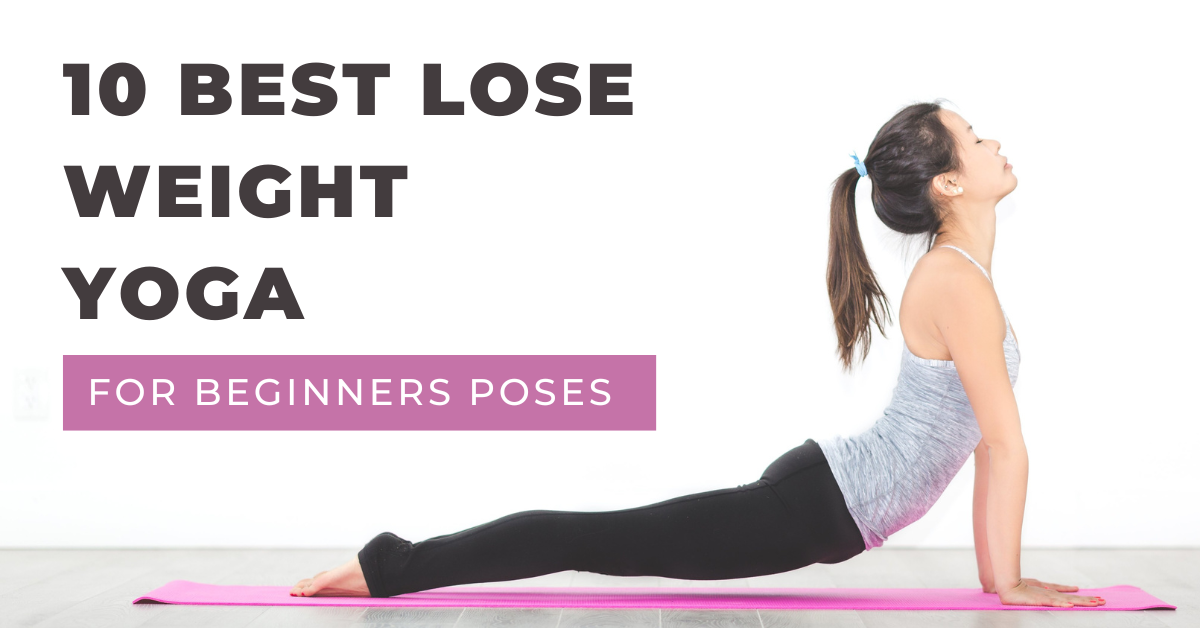
  • 10 Best Lose Weight Yoga for Beginners Poses

    10 Best Lose Weight Yoga for Beginners Poses

    In this day and age, individuals have developed a propensity for sitting for significant stretches, prompting expanded pressure and exhaustion when they need to stand or move for extended periods. Integrating weight loss yoga for beginners into their day-to-day schedule can assist with combating these issues and advance generally speaking prosperity. here a 10 Best Lose Weight Yoga for Beginners Poses below the content

    This prompts weight gain, depletion, and different clinical issues. To beat these challenges, people need to get more slender, which requires finding a solid system.

    Accordingly, doing weight loss yoga for beginners consistently is critical. Some straightforward yoga models for fledglings can assist you with getting thinner and beating sluggishness.

    Yoga, an ancient practice originating from India, has gained widespread popularity for its myriad health benefits, especially for weight loss. In this article, we will explore the top 10 yoga poses tailored for beginners aiming to embark on a weight loss journey.

    Understanding the Role of Yoga in Weight Loss

    Before beginning yoga, it’s vital to comprehend how yoga helps in weight loss. Not at all like different exercises that essentially consume calories, yoga adjusts your whole self. Yoga presents, breathing procedures, and care help digestion decrease pressure eating, and upgrade body mindfulness for weight executives.

    The Best Poses for Lose Weight Yoga for Beginners

    1. Locust Pose

    The Locust Pose, also known as “Salabhasana,” strengthens the back muscles,  conditions the bum, and further develops the pose. By connecting with the center and taking the legs off the ground, this posture actuates the whole back chain, making it a viable method for burning calories and assembling slender bulk.

    Salabhasana

    2. Chair Pose

    Chair Pose, or “Utkatasana,” is a dynamic standing posture that targets the thighs, glutes, and core muscles. By simulating the act of sitting in an imaginary chair, this pose strengthens the lower body while also improving balance and stability.

    Utkatasana

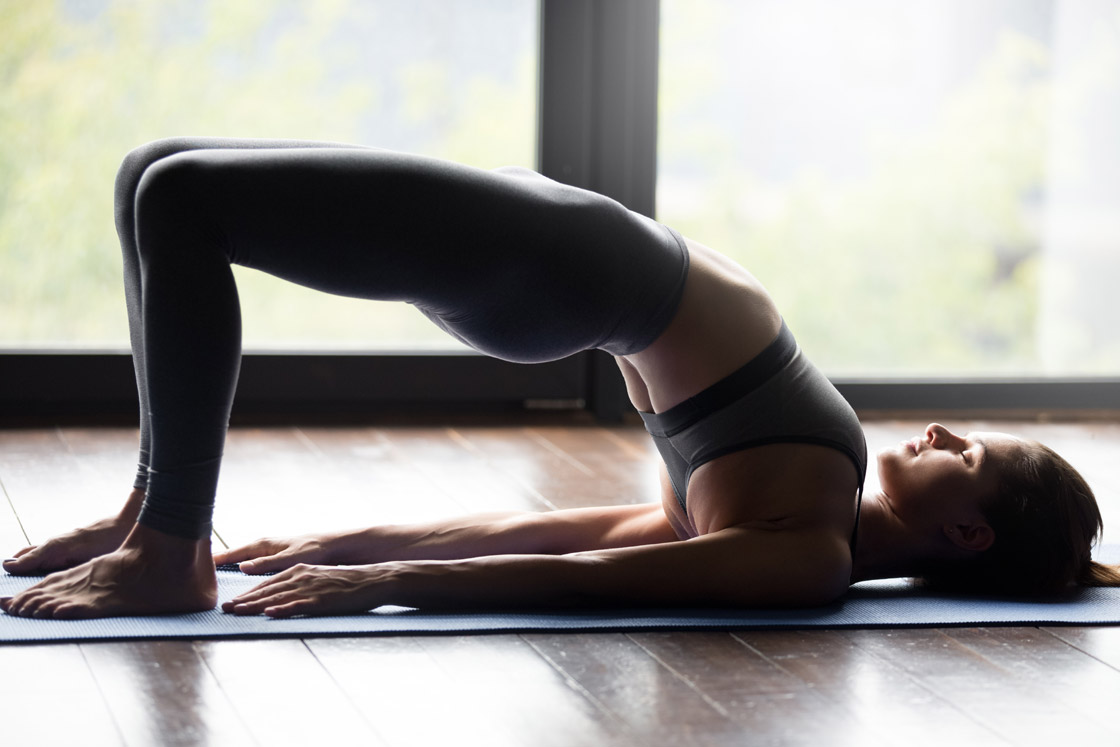
    3. Bridge Pose

    Bridge Pose, or “Setu Bandhasana,” targets the glutes, hamstrings, and lower back muscles while opening up the chest and shoulders. This pose improves spinal flexibility, strengthens the core, and alleviates lower back pain.

    Bridge Pose (Setu Bandha Sarvangasana): How to Do and Benefits - Fitsri Yoga

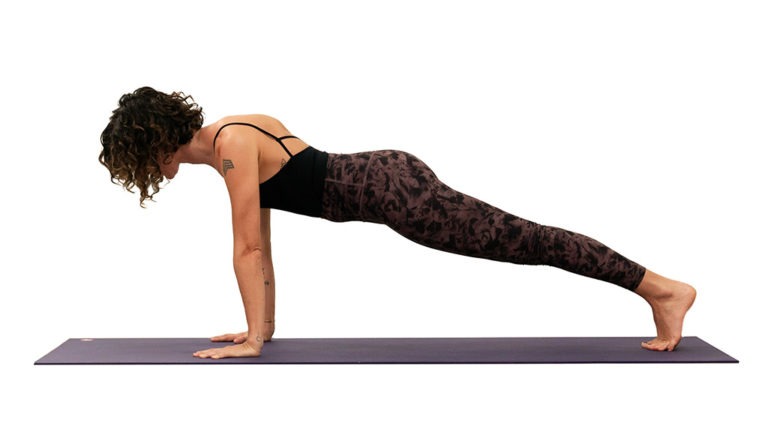
    4. Plank Pose

    Plank Pose, or “Phalakasana,” is a fundamental yoga pose that targets the entire body, particularly the core, arms, and shoulders. By holding a static position and engaging multiple muscle groups simultaneously, Plank Pose effectively boosts metabolism and enhances overall strength.

    Phalakasana: Plank Pose | Gaia

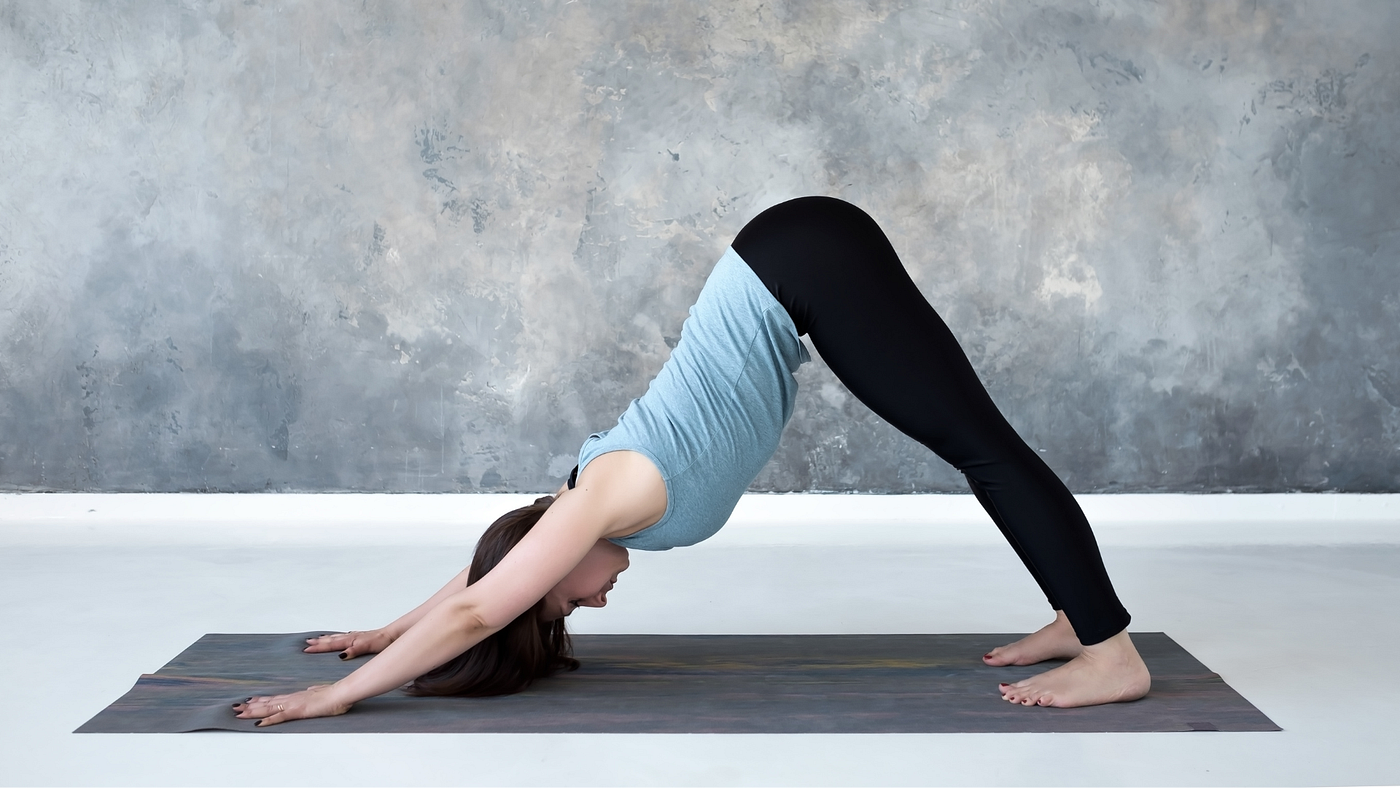
    5. Downward Dog Pose

    Downward Dog, or “Adho Mukha Svanasana,” is a rejuvenating pose that stretches the entire body while building strength and endurance. By elongating the spine and engaging the core and upper body, this pose enhances circulation and promotes detoxification, aiding in weight loss.

    Dive Deep into Downward Dog: 5 Steps to Refining Adho Mukha Svanasana | by Abhishek Pokhriyal | Medium

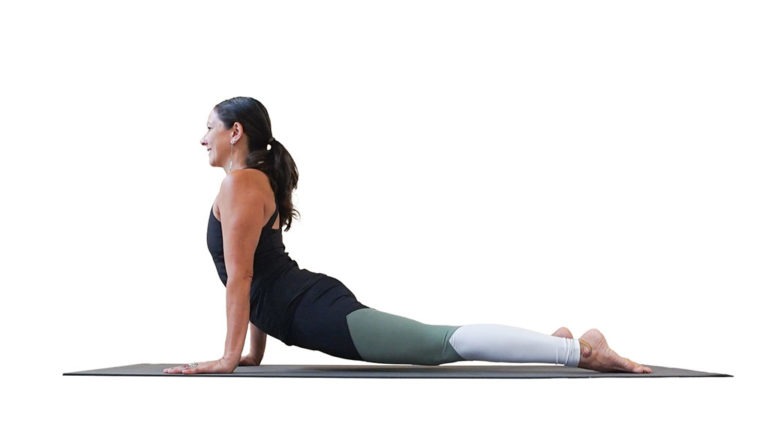
    6. Upward Dog Pose

    Upward Dog, or “Urdhva Mukha Svanasana,” is a dynamic backbend that opens up the chest, shoulders, and hip flexors. By expanding the chest and lifting the heart toward the sky, this pose enhances energy flow and uplifts the spirit.

    Urdhva Mukha Svanasana: Upward Facing Dog Pose - Yoga | Gaia

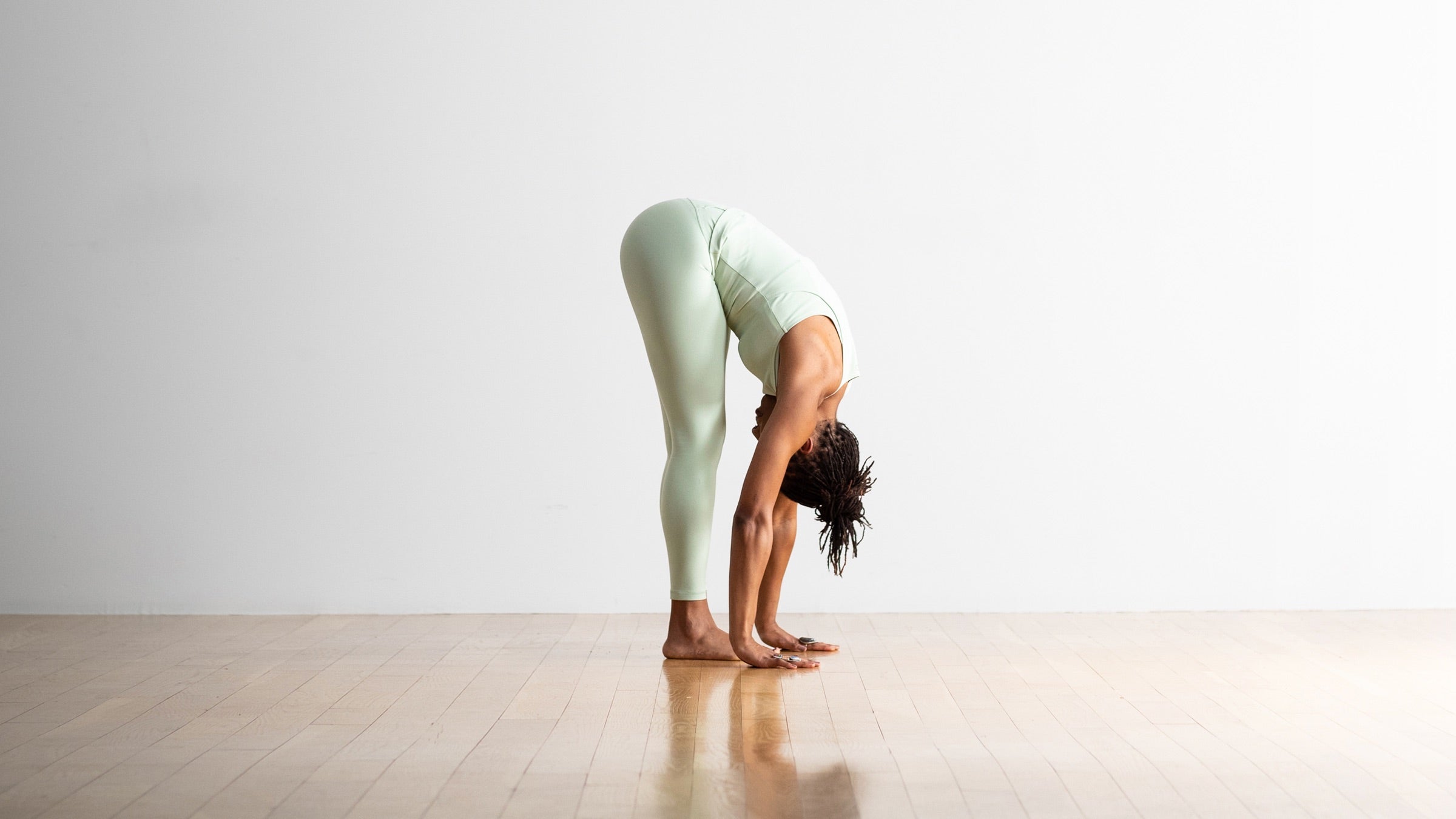
    7. Forward Bend Pose

    Forward Bend Pose, or “Uttanasana,” is a calming posture that stretches the hamstrings, spine, and entire back body. By folding forward from the hips and surrendering the head towards the ground, this pose releases tension in the neck and shoulders, promoting relaxation and soothing the nervous system.

    Standing Forward Bend: How to Practice Uttanasana

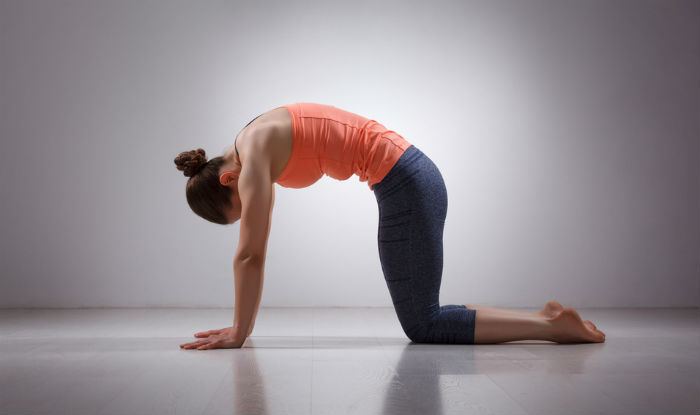
    8. Cat Pose

    Cat Pose, or “Marjaryasana,” is a gentle spinal stretch that promotes flexibility and mobility in the spine. By arching the back upward and drawing the navel towards the spine, this pose engages the core muscles while also massaging the internal organs, aiding digestion and promoting a sense of inner calm.

    Benefits of Marjaryasana/Bitilasana: 5 Reasons Why You Should Do the Cat/Cow Yoga Pose Every Day | India.com

    9. Shoulder Stand Pose

    Shoulder Stand Pose, or “Sarvangasana,” is an inversion that stimulates the thyroid gland and improves circulation throughout the body. By supporting the body’s weight on the shoulders and lifting the legs towards the sky, this pose enhances blood flow to the brain, boosts energy levels, and promotes mental clarity.

    Sarvangasana Benefits, Meaning and How to do it

    10. Crescent Lunge Pose

    Crescent Lunge Pose, or “Anjaneyasana,” is a dynamic standing posture that strengthens the legs, stretches the hip flexors, and opens up the chest and shoulders. By grounding through the feet and reaching the arms overhead, this pose builds lower body strength and cultivates balance and focus.

    Anjaneyasana - insideyoga.org

    Conclusion

    Incorporating these yoga poses into your routine can be an effective way to kickstart your weight loss journey. By combining strength, flexibility, and mindfulness, these poses not only help to tone and sculpt the body but also promote overall well-being and vitality. Remember to listen to your body and practice with awareness, gradually increasing intensity and duration as you progress on your path to wellness.

    Are you ready to lose weight and boost your well-being? 

    We have specially designed this program for beginners to help them start their weight loss journey. At Fitfortunes, join Yoga Course  we offer personalized yoga plans, expert guidance, and a supportive community to help you achieve your fitness goals. Join us today and start your journey to a healthier and happier life.

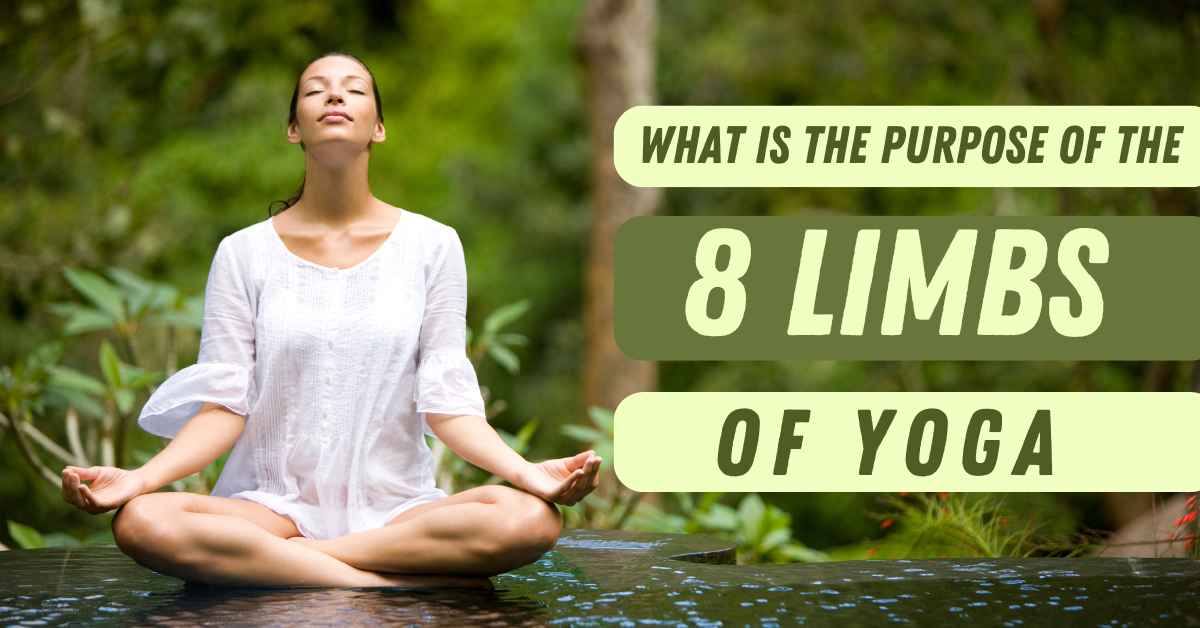
  • What is the purpose of the 8 limbs of yoga?

    What is the purpose of the 8 limbs of yoga?

    Yoga isn’t simply actual stances or activities; it is much more than that. A comprehensive methodology includes your psyche, body, and soul. At the focal point of this way of thinking are the 8 limbs of yoga, which give a far-reaching guide vital for carrying on with a fair and significant life. Yet, what precisely are these 8 limbs, and what is their motivation? We should dive into the embodiment of these old practices.

    The Origin of the 8 Limbs of Yoga

    The idea of the 8 limbs of yoga, otherwise called Ashtanga yoga, starts from the Yoga Sutras of Patanjali, a basic text on yoga reasoning composed around 400 CE. As indicated by Patanjali’s Yoga Sutras, there are 8 limbs of Yoga’ (the word ‘ashta’ signifies ‘eight’ and ‘anga’ signifies ‘appendage’). Patanjali’s lessons give an organized way to accomplish profound illumination and self-acknowledgement through focused practice.

    Understanding the Concept of Ashtanga Yoga

    Ashtanga, derived from the Sanskrit words “ashta” (eight) and “anga” (limbs), signifies the eightfold path outlined by Patanjali. The 8 limbs of yoga serve as guidelines to help individuals lead a life of purpose, ethics, and self-awareness, ultimately leading to inner peace and enlightenment.

    1.  Yama (Ethical Disciplines)

    Yama includes moral standards and moral lead towards others and oneself. It integrates five norms:

    Ahimsa (Tranquility): Advances sympathy and charitableness.

    Satya (Honesty): Energizes genuineness in contemplations, words, and activities.

    Asteya (Non-taking): Spotlights regarding others’ assets and time.

    Brahmacharya (Abstinence/Modesty): Stresses balance and discretion.

    Aparigraha (Non-possessiveness): Promoters straightforwardness and non-connection.

    2. Niyama (Self-Discipline)

    Niyama includes individual practices that lead to self-filtration and otherworldly development:

    Saucha (Cleanliness): Both external and internal purity.

    Santosha (Happiness): Tracking down satisfaction and satisfaction throughout everyday life.

    Tapas (Discipline/Intensity): Creating versatility and inward strength.

    Svadhyaya (Self-Study): Empowering self-reflection and learning.

    Ishvara Pranidhana (Give up to a Higher Power): Developing confidence and giving up.

    3. Asana (Postures)

    Asanas, the actual stances, are maybe the most perceived part of yoga. They give:

    Actual advantages: Expanded adaptability, strength, and equilibrium.

    Mental advantages: Improved fixation, stress help, and mental lucidity.

    4. Pranayama (Breath Control)

    Pranayama includes methods to control and manage the breath, promoting overall health:

    Methods: Like Ujjayi, Kapalabhati, and Nadi Shodhana.

    Benefits: Further developed lung limit, diminished tension, and expanded imperativeness.

    5. Pratyahara (Withdrawal of the Senses)

    Pratyahara is the act of pulling out the faculties from outer interruptions to turn internal:

    Concept: Accomplishing separation from tangible over-burden.

    Benefits: Improved internal mindfulness and mental serenity.

    6. Dharana (Concentration)

    Dharana centers around developing fixation and concentration:

    Strategies: Utilizing procedures like zeroing in on a solitary point or item.

    Importance: Works on everyday fixation and efficiency.

    7.  Dhyana (Meditation)

    Dhyana is the act of supported reflection:

    Types: Including care, mantra, and adoring generosity reflection.

    Benefits: Profound unwinding, emotional stability, and increased mindfulness.

    8. Samadhi (Union)

    Samadhi addresses a definitive objective of yoga – a condition of significant association and solidarity:

    Idea: Edification and self-acknowledgement.

    Experiences: Sensations of unity, rapture, and amazing quality.

    Conclusion

    The 8 limbs of yoga give a significant structure to living a reasonable, moral, and satisfying life. By coordinating these standards, we can accomplish more noteworthy amiability inside ourselves and with our general surroundings. When you’re a novice or an accomplished professional, the 8 limbs offer a way to more profound self-understanding and illumination.

    Ready to embark on your journey through the 8 limbs of yoga? Whether you’re seeking to deepen your practice or just starting out, our comprehensive yoga programs are designed to guide you every step of the way. Join our community today and start transforming your life with the wisdom of yoga.

    FAQs

  • 10 Benefits of Yoga Teacher Training in 2024

    10 Benefits of Yoga Teacher Training in 2024

    Have you at any point contemplated jumping further into your yoga practice?  Yoga Teacher Training (YTT) to your day-to-day schedule could be one of the most incredible choices for your proficient development since it loosens up your psyche, expands your body’s adaptability, reinforces your body, and lifts your fixation power. follow below the content for Benefits of Yoga Teacher Training

    There are many benefits of doing yoga every day, making it a significant piece of your life. The Yoga Instructor Preparing program doesn’t simply rely upon understanding and rehearsing yoga; it offers various advantages that can change different parts of your life. Yoga teacher training creates discipline and upgrades mindfulness, constructs deep-rooted fellowships, and begins new professions, prompting a seriously satisfying and healthy lifestyle.

    Top 10 Benefits of Yoga Teacher Training


    A roadmap for life

    Yoga Teacher training provides a clear path for your life, strengthening the structure and direction of your life. Yoga helps you set your life’s motive goals and intentions, whether you’re considering becoming a Yoga teacher or thinking about strengthening your practice. It assists you in every way, relaxing your mind and enhancing your ability to think so that you can make the right decisions. Discipline is the most crucial aspect of Yoga teacher training, moving forward with strict schedules and commitment. It instills a sense of discipline in your entire life, which positively impacts all areas of your life.

    Connection with Self

    Yoga Teacher training enhances your inner peace and self-awareness. Additionally, it helps you understand your thoughts, emotions, and reactions better through mindfulness and introspection. Overall, it enhances your soul with positivity.

    Integration

    Yoga teacher training provides you with the knowledge to balance your mind, body, and soul, while also embracing a holistic approach to wellness. Yoga integration promotes overall harmony and well-being, encouraging a better life balance and a more positive lifestyle.

    It Helps You Develop Your Skills

    Yoga teacher training develops your yoga practice by investigating progressed stances, breathing methods, and reflection rehearsals. It additionally furnishes you with the abilities to educate and motivate others actually, permitting you to train and move your understudies with certainty.

    It Improves Physical Flexibility

    Intensive training and regular practice during yoga teacher training significantly improve your physical flexibility. Yoga helps reduce physical discomfort by increasing your range of motion and enhancing your overall mobility.

    Change Your Lens

    Yoga teacher training encourages you to adopt a new perspective on life. In addition, when fostering positive thinking and a resilient mindset, yoga teacher training helps you see challenges as opportunities for growth and development.

    Regular Practice and Connection to Yoga

    Yoga teacher training helps with keeping a reliable yoga schedule, fortifying your obligation to rehearse. A normal commitment to yoga develops your association with it, enhancing your general insight and prosperity.

    It Enables You to Meet New People

    Yoga teacher training provides opportunities for connections and networking as well as a vibrant community of like-minded individuals. These connections offer help, inspiration, and a feeling of having a place all through your yoga process.


    Lifelong Friendship

    The connections framed during yoga teacher training frequently change into long-lasting companionships. These profound associations make a dependable emotionally supportive network, offering consolation and friendship as you proceed with your yoga practice.

    A New Beginning

    Finishing yoga teacher training can flag the beginning of another profession, like turning into an ensured yoga teacher. This fresh start brings self-improvement and change, moving you to get out of your usual range of familiarity and embrace new open doors.

    Do You Need world’s best yoga teacher training You Can Trust?

    At FitFortunes, we provide yoga teacher training for both aspiring students and seasoned teachers. Whether you’re eager to deepen your practice or refine your teaching skills, we’ve got something for you. In our sessions, we prioritize the role of being a perpetual student. Join us to learn and evolve alongside some of the finest yoga instructors in Fit Fortunes and beyond. Our training programs are crafted to strengthen your bond with yourself, your practice, and your community. With admittance to more than 5 homerooms, we gloat one of the biggest yoga studios in Fit Fortunes (and presently in Pecan Brook!). We invest heavily in utilizing moves on from our preparation programs. Investigate our preparation plan today!

    Conclusion

    The Benefits of Yoga Teacher Training in 2024 offers that reaches a long way past the yoga mat. The benefits are huge and shifted from developing your training and interfacing with yourself to building lifelong relationships and leaving for another vocation. Yoga teacher training is a journey worth taking. Accept the change and let yoga lead you to a healthy and fulfilling lifestyle.

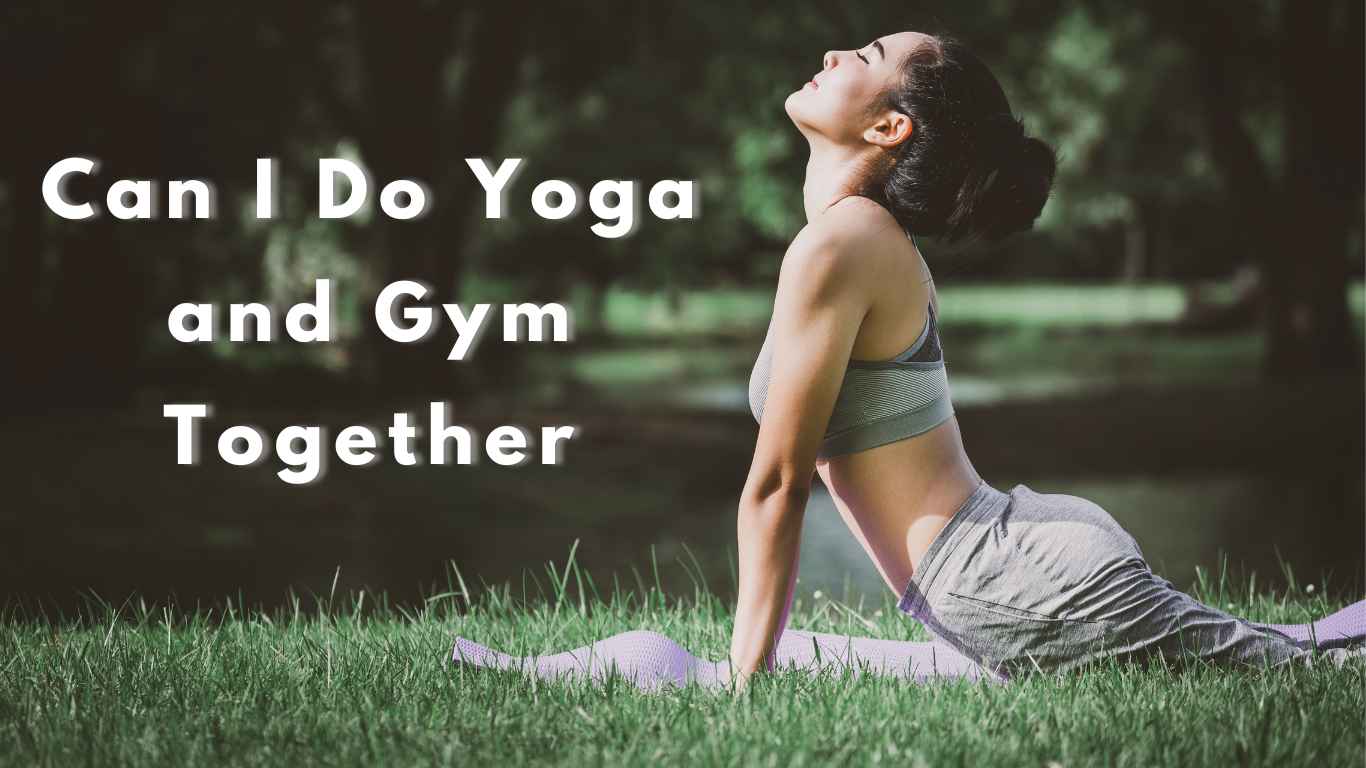
  • Can I Do Yoga And Gym Together? Answered By Yoga Experts

    Can I Do Yoga And Gym Together? Answered By Yoga Experts

    INTRODUCTION For Can I Do Yoga And Gym Together

    Welcome to the ultimate guide to Yoga and Gym are you confused Can I Do Yoga And Gym Together so don’t worry i will definitely help you for Can I Do Yoga And Gym Together hi i am Pravesh Narwal, the esteemed founder and lead teacher of Fitfortunes Holistic Yoga and Sound Healing School, brings a wealth of experience and a deep passion for yoga to his teachings so let’s start follow the below the content

    The short answer for Can I Do Yoga And Gym Together

    Yoga and gym workouts can both be easily incorporated into your routine, but remember to prioritize gym workouts first and yoga second. Nonetheless, if you favour beginning your day with yoga, you can do that as well, however at that point you’ll have to require a couple of hours between yoga and exercise center meetings. After doing yoga, make sure to take at least a 2-hour gap before starting your gym exercises. And for maximum recovery, reserve yoga for your rest days. This combination provides excellent harmony for your overall fitness and well-being journey.

    Explain why yoga and gym workouts can complement each other.

    Yoga and exercise center exercises assume an essential part in supporting each other because they offer unmistakable advantages:

    Balance of Strength and Flexibility: Gym workouts help make the body powerful and tighten muscles, while yoga enhances the mobility of the body’s joints and keeps the mind relaxed and peaceful. Together, these exercises create a balanced body and reduce the risk of injuries.

    Mind-Body Connection: During body workouts, yoga improves concentration and mental clarity while also calming the mind, enhancing focus, and purging negativity through deep breathing. This comprehensive methodology works on by and large prosperity.

    Injury Prevention: Working out in a gym results in injuries because yoga improves posture and corrects muscular imbalances. Besides, it propels recovery and versatility, giving muscles ease in the wake of working out.

    Stress Reduction: Both yoga and exercise center exercises discharge endorphins, the body’s regular pressure-easing chemicals. By joining them, you can deal with pressure all the more successfully and keep an inspirational perspective on your wellness process.

    Improves Your Breathing Technique: Yoga underlines the right breathing methods, which help in advancing execution and expanding endurance during exercise center exercises.

    Yoga for Flexibility and Injury Prevention

    Through gentle but effective practices, yoga is renowned for its ability to improve flexibility and prevent injuries:

    Stretching and Strengthening: Yoga poses, or asanas, gently stretch and strengthen muscles, ligaments, and joints. This helps improve flexibility and mobility while reducing the risk of strains and injuries.

    Improved Range of Motion: This is especially useful for competitors and people who take part in proactive tasks. Regular yoga practice improves movement and agility by expanding the range of motion in various joints.

    Correcting Muscular Imbalances: Yoga targets muscles all through the body, assisting with rectifying uneven characteristics that might be created because of tedious developments or stationary ways of life. Yoga lessens the gamble by advancing routineness and construction.

    Enhanced Body Awareness: Since they increment mindfulness, individuals can modify acts like important, keeping wounds that come about because of propelling themselves past their cutoff points. All yoga educators are specialists in focusing on their bodies and tuning in for indications of strain or uneasiness.

    Mindful Movement: Yoga cultivates mindfulness and concentration by combining movement and breath. This careful way of dealing with practice lessens the probability of mishaps or wounds brought about by interruptions or absence of concentration.

    Gym for strength and muscle building

    Resistance Machines: This is the ideal for people just starting in the gym. It is the right movement to help engage the right muscles and reduce injury risk. excellent for developing form and isolating muscles.

    Free Weights: Require core strength and proper form. Connect more muscles for dependability, prompting expanded strength and steadiness. Also, if you feel good, change to free loads or both for a shifted exercise.

    Benefits of Combining Yoga and Gym Workouts

    When Joining yoga and gym center exercises offers a scope of advantages that improve general wellness and prosperity:

    Physical Benefits

    Enhanced Flexibility: At the point when you do ordinary yoga, It further develops adaptability, and such supplements the strength acquired from rec center exercises.

    Increased Strength: The continuous gym workouts build muscle and strength, which is balanced by the flexibility and stability gained from yoga.

    Better Posture and Alignment: Yoga helps correct posture and alignment, reducing the risk of injuries during gym exercises.

    Improved Recovery: Yoga supports muscle recuperation and decreases irritation after extraordinary exercise center meetings.

    Mental and Emotional Benefits

    Reduced Stress: The yoga and gym workouts release endorphins, helping to reduce stress and anxiety.

    Enhanced Focus and Concentration: At the point when people can do standard Yoga for care rehearses in this way, it works on mental lucidity and concentration, which can help exercise center execution.

    Increased Self-Awareness: Yoga leads to better awareness during gym workouts and it relates to a deep connection with your body.

    Improved Mood: The yoga and gym exercises and customary activity support in general genuine serenity and flourishing close to home

    Holistic Health

    Balanced Fitness Routine: Connecting the yoga and gym center exercise guarantees a balanced way to deal with wellness, tending to strength, adaptability, and mental prosperity.

    Comprehensive Wellness: The yoga and gym, when you do both exercises advance a solid way of life, supporting physical, mental, and close-to-home well-being.

    Sustainable Fitness Journey: If forestalling burnout and overtraining, this decent methodology keeps up with long-haul wellness objectives.

    Conclusion

    i hope you are understand like can i do yoga and gym together Joining yoga and exercise focus practices makes an optimal harmony of fortitude, flexibility, and mental thriving. Yoga further develops flexibility and position while rec focus practices collect muscle and power. This cooperative energy diminishes pressure, helps state of mind, and further develops the center. By coordinating the two practices, you accomplish a complete wellness schedule that upholds physical, mental, and profound well-being. Embrace the advantages of both for a manageable and satisfying wellness venture.

    Upcoming Traditional Multi-Style 200 Hour Yoga Teacher Training

    Upcoming Traditional Multi-Style 200 Hour Yoga Teacher Training

    Date Shared Room Book Private Room Book
  • Unveiling the Ancient Wisdom: Yoga Teacher Training in Rishikesh – A Journey towards a Yogic Lifestyle

    Unveiling the Ancient Wisdom: Yoga Teacher Training in Rishikesh – A Journey towards a Yogic Lifestyle

    Yoga Teacher Training in Rishikesh

    Yoga Teacher Training in Rishikesh

    The Significance of Rishikesh as a Yoga Destination

    Rishikesh, known as the "Yoga Capital of the World," is nestled in the foothills of the Himalayas and is a sanctuary for yoga enthusiasts. This sacred city is home to numerous ashrams and yoga schools, drawing students from all over the globe. The serene environment, combined with the spiritual energy of the Ganges River, creates an ideal setting for deepening your yoga practice. Historically, Rishikesh has been a place of meditation and learning for sages and yogis, making it a profound place to embark on your yoga journey.

    Understanding the Ancient Wisdom of Yoga

    Yoga is more than just physical exercise; it's a comprehensive philosophy that encompasses the mind, body, and spirit. Originating in ancient India, yoga aims to create harmony within oneself and the universe. Key texts like the Yoga Sutras of Patanjali outline the eight limbs of yoga, which include ethical guidelines (Yamas and Niyamas), physical postures (Asanas), breath control (Pranayama), and meditation (Dhyana). Understanding these principles helps practitioners live a balanced and meaningful life.

    Benefits of Yoga Teacher Training in Rishikesh

    Choosing to undertake yoga teacher training in Rishikesh offers numerous benefits:

  • Authentic Learning Environment: Experience traditional teachings from highly experienced and knowledgeable instructors.
  • Spiritual Growth: The spiritual ambiance of Rishikesh aids in deepening your meditation and self-awareness.
  • Community: Connect with like-minded individuals from around the world, forming lasting friendships and a supportive network.
  • Personal Transformation: Beyond learning to teach, this training fosters significant personal growth and self-discovery.
  • Curriculum and Structure of a Typical Yoga Teacher Training Program

    A 200-hour yoga teacher training program typically includes:

  • Asana Practice: Daily yoga sessions focusing on different styles such as Hatha, Vinyasa, and Ashtanga.
  • Yoga Philosophy: Study ancient texts and understand the philosophical roots of yoga.
  • Pranayama: Learn various breathing techniques to enhance mental clarity and energy.
  • Meditation: Practice different meditation techniques to cultivate inner peace and focus.
  • Anatomy and Physiology: Understand the human body and how it relates to yoga practice.
  • Teaching Methodology: Gain practical experience in structuring and leading yoga classes.
  • Ethics and Lifestyle: Learn the ethical guidelines and lifestyle choices that support a yogic way of living.
  • Choosing the Right Yoga Teacher Training School in Rishikesh

    Selecting the right school is crucial for a fulfilling yoga teacher training experience. Consider the following:

  • Accreditation: Ensure the school is accredited by the Yoga Alliance.
  • Experienced Teachers: Look for schools with highly qualified and experienced instructors.
  • Comprehensive Curriculum: Check that the program covers all essential aspects of yoga.
  • Positive Reviews: Read testimonials and reviews from past students.
  • Facilities: Ensure the school provides comfortable accommodations and necessary facilities.
  • Accommodation and Facilities for Yoga Teacher Training in Rishikesh

    Yoga schools in Rishikesh offer a range of accommodation options to suit different preferences and budgets:

  • Ashrams: Provide a simple, spiritual living environment with basic amenities.
  • Guesthouses: Offer more comfortable living arrangements with private rooms and bathrooms.
  • Yoga Retreat Centers: Provide luxurious facilities, including swimming pools, gardens, and wellness services.
  • Most schools offer packages that include accommodation, meals, and access to facilities like yoga halls and study areas.

    Testimonials and Success Stories from Yoga Teacher Training Graduates

    Jane from USA
    Jane from USA

    "Training in Rishikesh was life-changing. The spiritual environment and the quality of teaching were unparalleled. I've returned home with a deeper understanding of yoga and a renewed sense of purpose."

    Raj from India
    Kashyapi from India

    "The comprehensive curriculum and the supportive community made my experience unforgettable. I feel confident and well-prepared to start my journey as a yoga teacher."

    Emma from Australia
    Emma from Australia

    "Rishikesh provided the perfect backdrop for my personal and professional growth. The friendships and connections I made are invaluable."

    Career Opportunities and Growth After Completing Yoga Teacher Training in Rishikesh

    After completing your training, a world of opportunities opens up:

  • Teaching: Start teaching yoga classes at studios, gyms, or community centers.
  • Workshops and Retreats: Lead workshops and retreats, both locally and internationally.
  • Online Classes: Offer virtual yoga classes to reach a global audience.
  • Specialized Yoga: Focus on areas like yoga therapy, prenatal yoga, or children’s yoga.
  • Further Education: Pursue advanced training or specializations to enhance your skills and knowledge.
  • Start your incredible yoga Journey in Rishikesh!

    This yoga teacher training is more than just a course; it's a journey of self-discovery. You'll learn all about yoga, from the cool poses (asanas) to the deep meaning behind them. Imagine yourself practicing yoga next to the holy Ganges River, feeling the peace of nature and the guidance of experienced teachers. You'll meet other yoga enthusiasts from all over the world, making new friends who share your passion.

    By the end, you won't just be certified to teach yoga, you'll be a whole new you! You'll feel more balanced, happy, and connected to yourself. And guess what? You'll be able to share this amazing feeling with others! You can teach yoga classes, helping people find their own inner peace and well-being. It's a chance to be part of something bigger, a global community that promotes health and happiness through yoga.

Upcoming Traditional Multi-Style 200 Hour Yoga Teacher Training

Upcoming Traditional Multi-Style 200 Hour Yoga Teacher Training

Date Shared Room Book Private Room Book
  • How to Become a yoga teacher : The Ultimate Guide to 200 Hour Yoga Teacher Training in Rishikesh

    How to Become a yoga teacher : The Ultimate Guide to 200 Hour Yoga Teacher Training in Rishikesh

    How to Become a yoga teacher : The Ultimate Guide to 200-Hour Yoga Teacher Training in Rishikesh


    Benefits of Becoming a Yoga Teacher

    Benefits of Becoming a Yoga Teacher

    Becoming a yoga teacher is not only a fulfilling career choice but also a transformative personal journey. As a yoga teacher, you have the opportunity to make a positive impact on the lives of others, helping them improve their physical and mental well-being. Teaching yoga allows you to share your passion for the practice, inspire others, and create a sense of community.

    Apart from the spiritual and emotional rewards, there are practical benefits to becoming a yoga teacher as well. Many yoga studios and wellness centers offer competitive salaries and flexible working hours. Moreover, as the demand for yoga continues to grow worldwide, the job prospects for certified yoga teachers are promising.

    Choosing the Right Yoga Teacher Training Program

    Before starting your journey to become a yoga teacher, it’s essential to choose the right yoga teacher training (YTT) program. With so many options available, it can be overwhelming to make a decision. Here are some factors to consider when selecting a YTT program:

    Accreditation: Ensure the training program is accredited by a reputable yoga alliance. This ensures that the program meets certain standards and that your certification will be recognized internationally.

    Curriculum: Look for a program that covers a comprehensive curriculum, including asanas (yoga postures), pranayama (breathing techniques), meditation, anatomy, philosophy, teaching methodology, and ethics.

    Teaching Style: Consider the teaching style of the program and whether it aligns with your personal preferences and goals. Some programs may focus more on the physical aspects of yoga, while others may have a more holistic approach.

    Location: Decide whether you prefer to do your YTT program close to home or in a different country. Rishikesh, being the birthplace of yoga, offers a unique and immersive experience for aspiring yoga teachers.

    Overview of 200-Hour Yoga Teacher Training

    The 200-hour yoga teacher training is the foundational level of certification for aspiring yoga teachers. It provides a solid base of knowledge and skills necessary to teach yoga safely and effectively. The training typically spans over a period of four to six weeks, although some programs may offer an intensive option to complete it in a shorter duration.

    During the training, you will delve deep into the various aspects of yoga, including asana practice, pranayama, meditation, anatomy, philosophy, teaching methodology, and ethics. The goal is not only to deepen your personal practice but also to equip you with the necessary tools and techniques to become a confident, knowledgeable, and compassionate yoga teacher.

    Why Choose Rishikesh for Yoga Teacher Training

    Rishikesh, nestled in the foothills of the Himalayas, has long been revered as the yoga capital of the world. It is the birthplace of yoga and is home to numerous ashrams, yoga schools, and spiritual retreats. Choosing Rishikesh for your yoga teacher training offers a unique and authentic experience that is hard to find elsewhere.

    The serene and tranquil environment of Rishikesh provides the perfect setting for deepening your yoga practice and connecting with your inner self. The sacred Ganges River flows through the city, adding to its spiritual aura. The presence of experienced and knowledgeable yoga teachers, many of whom have dedicated their lives to the practice, makes Rishikesh an ideal destination for aspiring yoga teachers.

    What to Expect During the 200-Hour Training

    The 200-hour yoga teacher training is an intensive and immersive experience that will challenge you both physically and mentally. Here’s what you can expect during the training:

    Daily Schedule: The training typically follows a structured daily schedule that includes asana practice, meditation, pranayama, lectures, and teaching practice. The schedule is designed to provide a balanced and holistic approach to yoga education.

    Physical Intensity: Be prepared for long hours of physical practice. You will be expected to participate in daily asana classes, which will help you deepen your understanding of the poses and improve your alignment.

    Theory and Philosophy: In addition to the physical practice, you will also delve into the theoretical aspects of yoga, including philosophy, anatomy, and teaching methodology. This knowledge will form the foundation of your teaching skills.

    Self-Reflection: The training offers ample opportunities for self-reflection and personal growth. You will be encouraged to explore your own practice, face your limitations, and develop a deeper understanding of yourself.

    Curriculum and Topics Covered in the Training

    The 200-hour yoga teacher training covers a wide range of topics to provide you with a well-rounded education in yoga. The curriculum may vary from one training program to another, but here are some common topics that are typically included:

    Asana Practice: You will learn and practice a variety of yoga poses, including standing poses, forward bends, backbends, twists, inversions, and balancing poses. Emphasis will be placed on proper alignment, modifications, and variations.

    Pranayama and Meditation: You will be introduced to various breathing techniques and meditation practices to cultivate breath awareness, concentration, and inner stillness.

    Anatomy and Physiology: Understanding the human body and its functions is crucial for teaching yoga safely. You will learn about the skeletal system, muscular system, respiratory system, and how they relate to yoga practice.

    Yoga Philosophy: You will explore the ancient yogic texts, such as the Yoga Sutras of Patanjali, and gain insights into the philosophy and principles of yoga.

    Teaching Methodology: You will learn the art of sequencing a yoga class, how to give clear instructions, use props effectively, offer modifications and adjustments, and create a safe and inclusive space for your students.

    Ethics and Professionalism: As a yoga teacher, it is essential to maintain ethical standards and professionalism. You will learn about the ethical guidelines for teaching yoga and how to establish a professional relationship with your students.

    Certification and Accreditation for Yoga Teachers

    Upon successful completion of the 200-hour yoga teacher training, you will receive a certification that qualifies you to teach yoga. It is important to ensure that the training program is accredited by a recognized yoga alliance, such as Yoga Alliance USA or Yoga Alliance International. This accreditation ensures that the program meets certain standards and that your certification will be recognized internationally.

    Having a certification not only adds credibility to your teaching but also allows you to become a registered yoga teacher (RYT) with the yoga alliance. This opens up opportunities for teaching in yoga studios, wellness centers, retreats, and even the possibility of starting your own yoga business.

    Tips for Preparing for Yoga Teacher Training

    Preparing for a 200-hour yoga teacher training requires physical, mental, and emotional readiness. Here are some tips to help you make the most of your training:

    Establish a Regular Yoga Practice: Prior to the training, establish a consistent yoga practice to build strength, flexibility, and familiarity with the basic yoga poses.

    Study Yoga Philosophy: Familiarize yourself with the basic principles and philosophy of yoga. Reading books such as the Bhagavad Gita and the Yoga Sutras of Patanjali can provide a solid foundation.

    Maintain a Healthy Lifestyle: Yoga teacher training can be physically and mentally demanding. Prioritize self-care by eating nutritious food, getting enough rest, and managing stress.

    Keep an Open Mind: Approach the training with an open mind and a willingness to learn. Be open to new experiences, perspectives, and challenges that may arise during the training.

    Connect with Fellow Students: Reach out to your fellow students before the training starts. Building connections and a support network can enhance your learning experience.

    Conclusion and Next Steps After Completing the 200-Hour Yoga Teacher Training

    Completing a 200-hour yoga teacher training in Rishikesh is a significant accomplishment and the beginning of a new chapter in your yoga journey. After receiving your certification, you may choose to start teaching yoga immediately or further enhance your skills through additional trainings and workshops.

    Remember that becoming a yoga teacher is an ongoing process of learning and growth. As you embark on this path, continue to deepen your own practice, seek guidance from experienced teachers, and embrace the transformative power of yoga. By sharing your knowledge and passion for yoga with others, you have the opportunity to make a positive impact on the lives of many.


    Upcoming Traditional Multi-Style 200 Hour Yoga Teacher Training

    Upcoming Traditional Multi-Style 200 Hour Yoga Teacher Training

    Date Shared Room Book Private Room Book