Blog

  • How to Start a Yoga Studio: A Step-by-Step Guide

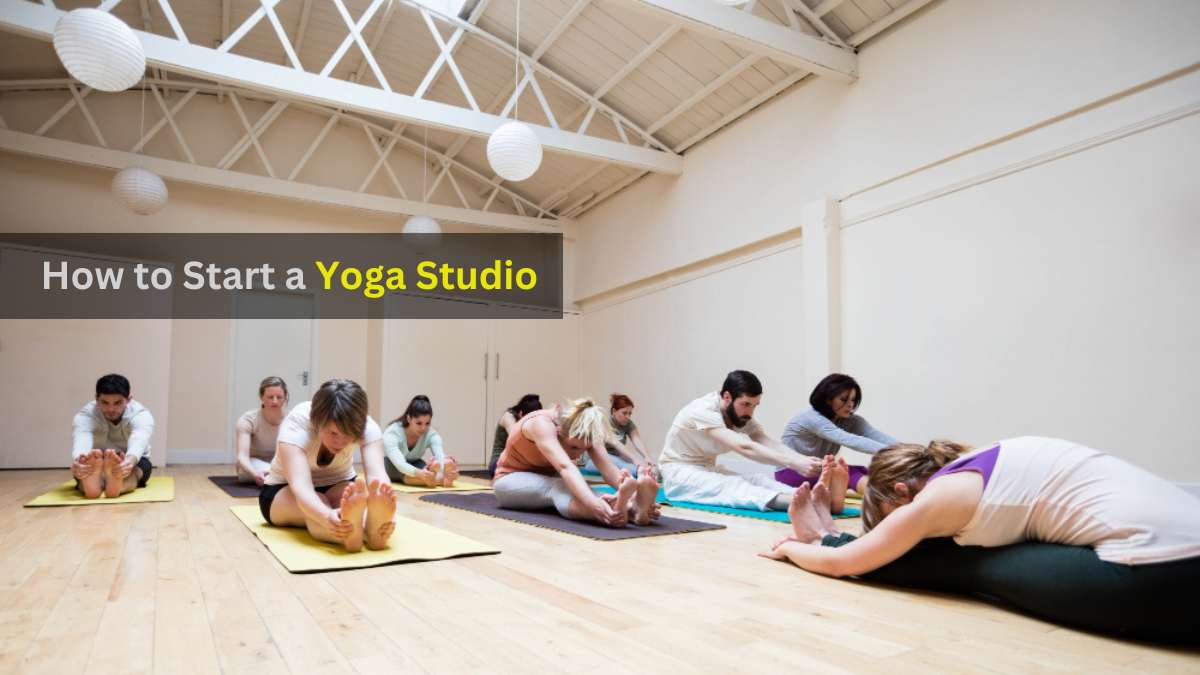
    How to Start a Yoga Studio: A Step-by-Step Guide

    Yoga has inspired countless people worldwide. If you’re passionate about yoga and want to turn your practice into a thriving business, starting a yoga studio could be the perfect journey. Setting up a yoga studio combines your love for wellness with entrepreneurial spirit.

    This guide will explore how to create a welcoming space for yoga enthusiasts. We’ll cover everything from planning and design to marketing your studio effectively. Drawing inspiration from ancient texts and modern strategies, you’ll find insights to help you build a successful yoga studio.

    1. Start with a Clear Vision

    Define your purpose for starting a yoga studio. Consider these questions:

    • What makes your studio unique?
    • Who is your target audience?

    Whether you want to focus on Hatha Yoga, Vinyasa flows, or beginner-friendly classes, clarity is essential. The ancient Yoga Sutras emphasize that yoga serves everyone, so your studio should reflect inclusivity and accessibility.

    1. Choose the Right Location

    Location matters for attracting students. A yoga studio should feel serene and accessible. Look for spaces near residential areas or community hubs. Ensure there is enough natural light, ventilation, and space for practice.

    Ancient ashrams were often nestled in nature, emphasizing tranquility. While modern studios may be urban, keeping the essence of peace in your design will make your space inviting.

    1. Design a Functional Space

    A well-designed studio enhances the yoga experience. Include:

    • A spacious practice area with non-slip floors.
    • Storage for yoga mats, blocks, and props.
    • Comfortable changing rooms and clean bathrooms.

    Use calming colors and minimalistic decor to keep the environment peaceful. Follow principles from Vastu Shastra or Feng Shui to create a balanced and harmonious setting.

    1. Create a Business Plan

    A solid business plan ensures your studio starts on the right foot. Include:

    • Budget: Calculate the cost of rent, equipment, and marketing.
    • Services: Will you offer drop-in classes, workshops, or teacher training?
    • Pricing: Research local competition to set reasonable rates.

    Your plan acts as a guide, helping you stay focused and organized.

    1. Get the Right Permits and Licenses

    Research local regulations to operate legally. This may include:

    • Business registration.
    • Liability insurance.
    • Fire and safety compliance.

    Consult with professionals to ensure all paperwork is complete before opening your studio.

    1. Invest in Quality Equipment

    Your studio should provide essential yoga tools, such as:

    • Yoga mats.
    • Blocks and straps.
    • Meditation cushions.

    Quality matters. Students appreciate sturdy props that enhance their practice. These tools reflect the Iyengar Yoga approach, which values alignment and precision.

    1. Hire Skilled Yoga Instructors

    Instructors shape the experience of your students. Look for teachers who are:

    • Certified through reputable yoga teacher training programs.
    • Passionate and approachable.
    • Skilled in different yoga styles.

    Ensure they share your studio’s vision and values.

    1. Set Up a User-Friendly Booking System

    A seamless booking experience encourages repeat visits. Use online platforms or apps where students can:

    • Reserve classes easily.
    • Purchase memberships.
    • Stay updated on schedules.

    Digital tools make managing your studio easier and more efficient.

    1. Focus on Marketing

    Promoting your yoga studio is key to attracting students. Use a mix of:

    • Social Media: Share class schedules, yoga tips, and success stories.
    • Partnerships: Collaborate with local wellness centers or gyms.
    • Word of Mouth: Encourage satisfied students to refer friends.

    Create engaging content to build your online presence. Use SEO strategies to ensure your website ranks high on Google. For instance, keywords like “yoga classes near me” or “Hatha Yoga studio” can attract local searches.
  • Best Yoga Moves With a Partner

    Best Yoga Moves With a Partner

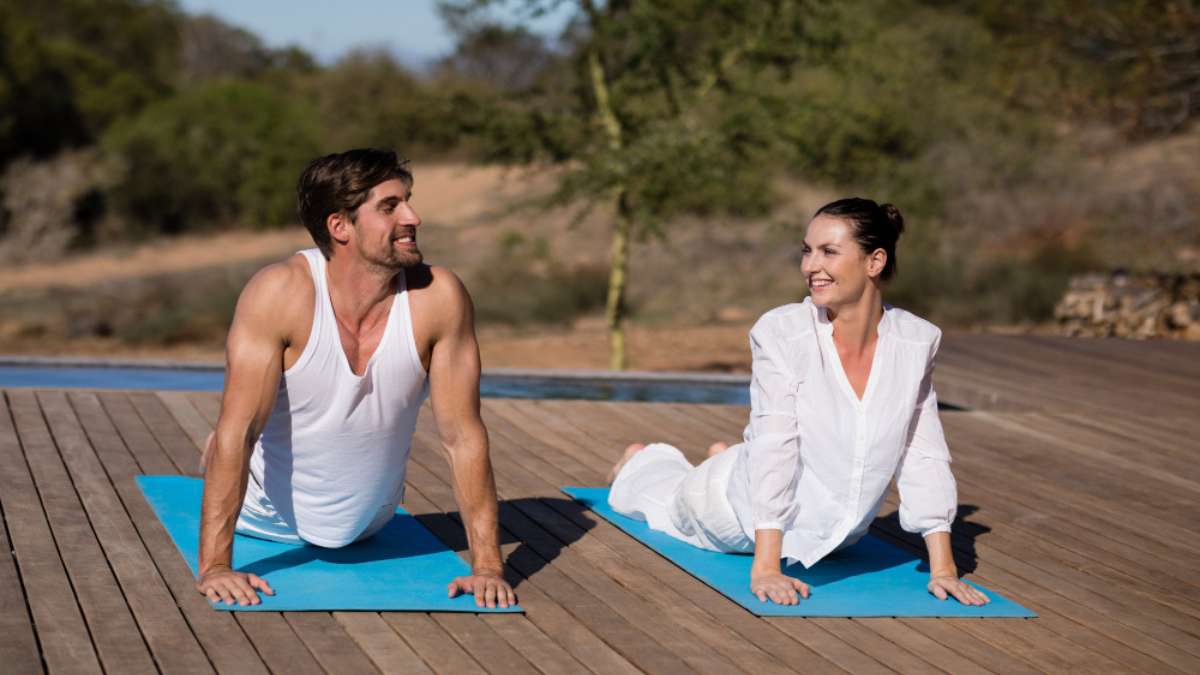
    Yoga is more than just exercise; it is a practice of harmony and unity. Yoga is not just an individual practice; it can also be shared with a partner. Practicing yoga with someone else can build trust, improve communication, and create a deeper connection. Partner yoga combines physical balance with emotional harmony. It’s perfect for couples, friends, or family members who want to strengthen their bond through movement and mindfulness.

    In ancient texts like the Hatha Yoga Pradipika, yoga is described as a practice to unite body, mind, and spirit. Partner yoga reflects this unity by extending it to two people. It encourages cooperation, balance, and synchronization, making it a unique and fulfilling way to explore yoga.

    In this blog, we will explore the best yoga moves with a partner, their benefits, and how they reflect the wisdom of ancient yoga traditions.

    What Is Partner Yoga?

    What Is Partner Yoga?

    Partner yoga involves two people working together to create balance, strength, and trust. It combines traditional poses with creative adjustments, requiring teamwork and synchronization.

    The Gheranda Samhita highlights the value of companionship in spiritual practices. Partner yoga reflects this philosophy, offering a shared journey of growth and connection. Whether you practice with a friend, family member, or significant other, partner yoga is a fun and enriching experience.

    Benefits of Partner Yoga

    1. Strengthens Trust and Communication

    Every partner pose requires clear communication and trust. This enhances relationships and builds mutual understanding.

    1. Improves Flexibility and Balance

    With a partner’s assistance, you can stretch deeper and maintain better alignment. Balance improves through shared effort.

    1. Relieves Stress

    Coordinating movements and synchronized breathing helps calm the mind and reduce stress levels.

    1. Encourages Playfulness

    Partner yoga is fun and light-hearted. It often involves laughter, making the experience joyful.

    1. Deepens Connections

    Through physical touch and shared energy, partner yoga fosters a deeper emotional bond.

    Best Yoga Moves With a Partner

    Best Yoga Moves With a Partner

    Here are some of the best yoga poses to try with a partner. These moves are easy to learn and provide numerous benefits.

    1. Seated Forward Bend and Backbend
    • Sit back-to-back with your partner.
    • One leans forward into a Forward Bend while the other leans back into a gentle Backbend.
    • Benefits: Enhances spine flexibility and promotes relaxation.
    1. Double Downward Dog
    • Partner A gets into a Downward Dog pose.
    • Partner B places their feet on Partner A’s lower back and mirrors the pose.
    • Benefits: Strengthens arms, core, and improves overall balance.
    1. Partner Tree Pose
    • Stand side by side.
    • Press palms together and lift the opposite leg into Tree Pose.
    • Benefits: Improves focus, coordination, and trust.
    1. Partner Boat Pose
    • Sit facing each other with knees bent and toes touching.
    • Hold hands and lift legs together to form a “V” shape.
    • Benefits: Strengthens the core and improves posture.
    1. Flying Bow Pose
    • Partner A lies on their back and lifts Partner B on their feet.
    • Partner B forms the Bow Pose (Dhanurasana) in the air.
    • Benefits: Builds trust and body awareness.

    How Ancient Wisdom Supports Partner Yoga

    The Yoga Sutras emphasize the concept of Satsang, which means a community of like-minded individuals. Partner yoga brings this sense of community to life through shared effort and mutual support.

    Similarly, the Hatha Yoga Pradipika teaches balance between effort (sthira) and ease (sukha), which is fundamental in partner poses. Practicing with a partner allows you to experience this balance while fostering connection and unity.

    In ancient ashrams, yoga students often practiced in pairs to learn from each other. This tradition reflects the essence of partner yoga and its emphasis on collaboration.

    Safety Tips for Partner Yoga

    1. Communicate Clearly: Always discuss comfort levels and physical limitations before starting.
    2. Start Simple: Begin with basic poses and progress gradually to advanced ones.
    3. Use Props: Blocks, straps, and cushions can provide additional support and stability.
    4. Focus on Breathing: Synchronize your breath with your partner for better coordination.
    5. Practice Patience: Progress takes time, so enjoy the journey together.

    Why Partner Yoga Matters Today

    In today’s busy world, meaningful connections are rare. Partner yoga offers a way to reconnect with loved ones while improving physical and mental health. It is a practice that blends ancient wisdom with modern relationships, creating harmony and balance.

    Whether you seek stress relief, stronger bonds, or just a fun activity, partner yoga has something for everyone.

    Closing Thought: Practice Together, Grow Together

    Partner yoga is more than just physical exercise. It’s a shared journey of growth, trust, and connection. These poses allow you to explore yoga while deepening your bond with someone special. Whether you’re new to yoga or experienced, practicing with a partner can bring a fresh perspective to your routine.

    So, grab a partner and explore the joy of yoga together!

  • Difference Between Hatha and Vinyasa Yoga

    Difference Between Hatha and Vinyasa Yoga

    Yoga, an ancient practice, offers many styles that cater to different goals and preferences. Two of the most well-known styles are Hatha Yoga and Vinyasa Yoga. While both promote physical and mental well-being, their approaches and benefits are distinct. Understanding their differences will help you choose the one that best suits your needs.

    What is Hatha Yoga?

    The word Hatha is derived from Sanskrit, meaning “force” or “effort.” According to the Hatha Yoga Pradipika, written by Swami Svatmarama in the 15th century, Hatha Yoga aims to purify the body and mind as preparation for deeper spiritual practices like meditation. It is described as the union of opposites: “ha” (sun) represents active/Masculine energy, and “tha” (moon) signifies calm/feminine energy.

    Key Principles from Ancient Texts

    1. Asanas (Postures): Physical postures like Tadasana (Mountain Pose) and Trikonasana (Triangle Pose) prepare the body for meditation.
    2. Pranayama (Breathing): Controlled breathing stabilizes energy and purifies the nadis (subtle energy channels).
    3. Dhyana (Meditation): A calm mind is the ultimate goal of Hatha Yoga.
    4. Shatkarmas (Cleansing Practices): Techniques like Neti and Dhauti purify the body.

    Modern Practice

    Hatha Yoga today focuses on slow, mindful movements, perfect for beginners seeking balance and relaxation. It retains its core philosophy of aligning the physical and subtle bodies.

    What is Vinyasa Yoga?

    Vinyasa Yoga, often linked to Ashtanga Yoga, emphasizes a seamless connection between breath and movement. While the term “Vinyasa” does not appear in ancient texts like the Yoga Sutras of Patanjali, its roots are traced to the flowing movements described in Ashtanga Vinyasa Yoga, popularized by Pattabhi Jois in the 20th century.

    The word Vinyasa translates to “placing in a special way.” This reflects the mindful transitions between poses that define this style.

    Philosophical Basis

    • The Yoga Sutras of Patanjali describe the importance of asana (posture) and pranayama (breathing) as steps toward concentration and liberation.
    • Vinyasa incorporates these principles dynamically, emphasizing continuous motion for physical strength and mental focus.

    Key Differences Between Hatha and Vinyasa Yoga

    The following table highlights their distinctions, rooted in ancient and modern practices:

    Aspect

    Hatha Yoga

    Vinyasa Yoga

    Textual Basis

    Hatha Yoga Pradipika, Gheranda Samhita

    Inspired by Ashtanga Vinyasa traditions

    Pace

    Slow and steady

    Fast and fluid

    Focus

    Individual poses and breath control

    Seamless flow and breath synchronization

    Spiritual Goal

    Preparation for meditation

    Physical and mental endurance

    Suitable For

    Beginners and those seeking calm

    Active practitioners looking for intensity

    Insights from Ancient Yogic Texts

    Hatha Yoga Pradipika

    This foundational text emphasizes the union of physical postures and breathing to achieve self-discipline and inner balance. It outlines 15 primary postures, with a focus on holding them for extended periods.

    Yoga Sutras of Patanjali

    Though it doesn’t explicitly describe Vinyasa Yoga, its teachings on sthirasukhamasanam (steady and comfortable posture) inspire all modern styles. The Sutras also highlight the importance of linking breath with movement, a core principle of Vinyasa.

    Who Should Choose Hatha Yoga?

    Hatha Yoga is ideal for:

    • Beginners exploring yoga for the first time.
    • Those seeking relaxation, stress relief, and mindfulness.
    • Practitioners who prefer a slower, meditative approach.
    • Individuals recovering from physical or emotional strain.

    Who Should Choose Vinyasa Yoga?

    Vinyasa Yoga is perfect for:

    • Fitness enthusiasts wanting a challenging and dynamic workout.
    • Practitioners seeking variety and creativity in their practice.
    • Those aiming to build strength, flexibility, and stamina.
    • Individuals who enjoy an energetic, fast-paced flow.

    Blending the Two Styles (Hatha and Vinyasa)

    Incorporating elements from both Hatha and Vinyasa Yoga offers a balanced practice. Begin with Hatha Yoga to establish alignment and breath awareness, then transition to Vinyasa Yoga for variety and intensity.

    This combination helps practitioners enjoy the best of both worlds—inner peace from Hatha and vitality from Vinyasa.

    Tips for Practicing Hatha and Vinyasa Yoga

    1. Start Slow: Master foundational poses before exploring dynamic flows.
    2. Focus on Breath: Both styles emphasize pranayama, so maintain steady breathing throughout.
    3. Stay Consistent: Regular practice enhances flexibility, strength, and focus.
    4. Learn from Experts: Seek guidance from certified teachers for correct alignment and technique.

    The difference between Hatha Yoga and Vinyasa Yoga lies in their approach, pace, and purpose. Hatha Yoga, as described in ancient texts like the Hatha Yoga Pradipika, focuses on balance and mindfulness. Vinyasa Yoga, influenced by modern Ashtanga traditions, emphasizes dynamic flows that build strength and flexibility.

    Choosing the right style depends on your goals, fitness level, and preferences. Whether you seek calm or energy, both styles offer a pathway to better health and inner peace. Explore them with curiosity and enjoy the transformative journey of yoga.

  • How Much Activity Do I Need to Burn Extra Calories Daily? | Simple Daily Weight Loss Routine

    How Much Activity Do I Need to Burn Extra Calories Daily? | Simple Daily Weight Loss Routine

    Losing weight can often feel overwhelming, especially with so many diets promising quick results that are hard to maintain. Instead of following extreme plans or restrictive routines, small, consistent daily changes can create lasting results without stress. One of the most effective strategies is understanding how much daily activity you need to burn extra calories safely and sustainably. By incorporating simple movements like brisk walking, light cycling, dancing, or swimming you can gradually increase your calorie burn, improve your overall health, and build habits that last a lifetime. This approach is backed by research in nutrition and exercise science, making it a reliable method for anyone looking to achieve long-term weight management while protecting their physical and mental well-being.

    Understanding the 100-50 Principle

    At its core, the 100-50 method weight loss revolves around a simple yet powerful concept:

    • Reduce calorie intake by 100 calories per day. This seemingly small reduction can create a significant calorie deficit over time, leading to gradual and sustainable weight loss.
    • Increase physical activity to burn an extra 50 calories per day. This can be achieved through various means, from brisk walking and cycling to dancing and swimming.

    Why 100-50 Method Weight Loss Works

    The 100-50 method’s effectiveness stems from its focus on gradual and sustainable changes.

    • Gradual Changes: By reducing calorie intake and increasing activity by small amounts, the body can adapt more easily. This minimizes the risk of feeling deprived or overwhelmed, making it easier to maintain the changes long-term.
    • Sustainability: The 100-50 method emphasizes lifestyle changes rather than short-term restrictions. It encourages individuals to find activities they enjoy and incorporate them into their daily routines. This fosters a sustainable approach to weight management, reducing the likelihood of yo-yo dieting.

    Implementing the 100-50 Method

    1. Track Your Current Intake: Begin by monitoring your daily calorie intake for a few days. This will provide a baseline understanding of your current eating habits.
    2. Identify Areas for Reduction: Look for small changes you can make to reduce your calorie intake. This could involve:
    • Reducing portion sizes: Use smaller plates and bowls.
    • Making healthier swaps: Choose water or unsweetened beverages instead of sugary drinks. Opt for grilled chicken or fish instead of fried options.
    • Limiting processed foods: Minimize consumption of packaged snacks, fast food, and sugary cereals.

       3. Increase Physical Activity: Find enjoyable ways to increase your daily activity level. This could include:

    • Walking: Take brisk walks during your lunch break or after dinner.
    • Cycling: Commute to work or run errands by bike.
    • Swimming: Enjoy a refreshing swim at the local pool.
    • Dancing: Take a dance class or simply dance around your living room.

       4. Be Patient and Consistent: Weight loss is a gradual process. Don’t get discouraged if you don’t see results immediately. Focus on consistency and celebrate small victories along the way.  

       5. Seek Support: Consider joining a support group or working with a registered dietitian or certified personal trainer. They can provide guidance, motivation, and personalized advice.

    The 100-50 Method Weight Loss Plan

    Benefits of the 100-50 Approach

    • Improved Overall Health: By reducing calorie intake and increasing physical activity, you can improve your overall health. This includes reducing the risk of chronic diseases such as heart disease, type 2 diabetes, and some types of cancer.
    • Increased Energy Levels: Regular physical activity can boost your energy levels and improve your mood.  
    • Improved Sleep Quality: Physical activity can improve sleep quality, helping you feel more rested and refreshed.  
    • Reduced Stress: Engaging in physical activity can help reduce stress levels and improve mental well-being.  

    Important Considerations

    • Consult with a Healthcare Professional: Before starting any new diet or exercise program, it’s essential to consult with a healthcare professional. They can assess your individual needs and provide personalized guidance.  
    • Listen to Your Body: Pay attention to your body’s signals. If you’re feeling tired or experiencing any pain, reduce the intensity or duration of your workouts.
    • Make it Enjoyable: Choose activities that you enjoy and look forward to. This will make it easier to stay motivated and consistent.

    The 100-50 method weight loss offers a sustainable and effective approach to weight management. By making small, gradual changes to your diet and increasing your physical activity, you can achieve your weight loss goals while improving your overall health and well-being. Remember to be patient, consistent, and enjoy the journey.

    How to Burn Extra Calories Daily: FAQs

    How much activity do I need to burn extra calories daily?

    Most people can burn 50–100 calories with just 10–15 minutes of moderate activity such as brisk walking, light cycling, dancing, or swimming. Spreading small movements throughout the day adds up and helps create a sustainable calorie deficit.

    Can small amounts of daily activity really help me lose weight?

    Yes. Even short, consistent periods of activity contribute to your overall calorie burn. Combined with small dietary changes, this approach supports gradual, long-term weight loss without extreme dieting.

    What types of activities burn the most extra calories in a short time?

    Moderate exercises like brisk walking, light jogging, cycling, swimming, and dancing are effective. Even household activities like cleaning or taking the stairs can contribute to extra daily calorie burn.

    How long does it take to see results from small daily calorie burns?

    Results depend on consistency and other factors like diet and metabolism. Typically, you may start noticing improvements in energy, stamina, and gradual weight loss within 2–4 weeks of regular small daily activity.

    Can beginners safely start with short daily exercises?

    Absolutely. Beginners should start with manageable activities like 10–15 minutes of walking or light stretching. Gradually increasing intensity or duration over time ensures safe, sustainable progress.

    How can I track the calories burned from daily activities?

    You can use fitness trackers, mobile apps, or simple estimates based on activity type and duration. Tracking helps you stay motivated and understand how small changes contribute to long-term weight management.

  • Yoga Poses for Three People: Strengthen Bonds and Stretch Together

    Yoga Poses for Three People: Strengthen Bonds and Stretch Together

    Practicing yoga with friends or family is a wonderful way to connect, build trust, and enjoy shared moments of relaxation. Yoga poses for three people bring an element of teamwork, balance, and fun to your practice. Whether you’re a beginner or experienced yogi, these poses help improve flexibility, core strength, and communication.

    This guide explores the best yoga poses for three people, how to perform them safely, and why this practice is growing in popularity.

    Why Try Yoga Poses for Three People?

    Practicing yoga with two others has several benefits:

    1. Builds Trust and Connection: These poses encourage teamwork and bonding.
    2. Improves Strength and Balance: You’ll support and rely on each other, which enhances physical strength.
    3. Encourages Mindfulness: Synchronizing your movements fosters presence and awareness.
    4. Adds Fun to Your Routine: Yoga with friends is an enjoyable way to challenge yourself and laugh together.

    Yoga Poses for Two People 1 1

    Top Yoga Poses for Three People

    1. Triangle Trio Pose (Trikonasana Variation)
    • How to Do It:
      • Stand in a triangle formation with about three feet between each person.
      • Each person stretches their arms sideways and bends to touch their partner’s outstretched hand, creating a connected triangle shape.
      • Hold the pose for 10-15 seconds, then switch sides.
    • Benefits: Improves flexibility, strengthens the core, and enhances body alignment.
    1. Triple Downward Dog
    • How to Do It:
      • Person 1 gets into a regular downward dog position.
      • Person 2 places their hands on Person 1’s lower back and lifts into a downward dog above them.
      • Person 3 does the same above Person 2.
      • Hold the position for 10 seconds, then carefully release.
    • Benefits: Strengthens the shoulders, arms, and core while improving balance.
    1. Three-Person Plank Pyramid
    • How to Do It:
      • Person 1 holds a forearm plank on the floor.
      • Person 2 carefully climbs onto their back, holding a standard plank.
      • Person 3 stands above and places their hands on Person 2’s back, creating a pyramid.
      • Hold for 10 seconds before disassembling slowly.
    • Benefits: Builds trust, strengthens the core, and boosts coordination.
    1. L-Shape Pose
    • How to Do It:
      • Person 1 stands upright.
      • Person 2 places their feet on Person 1’s hips while bending at a 90-degree angle to form an “L.”
      • Person 3 supports Person 2’s feet to stabilize the pose.
      • Hold for 10-15 seconds.
    • Benefits: Improves flexibility, core strength, and stability.
    1. Connected Tree Pose (Vrikshasana)
    • How to Do It:
      • Stand in a circle and place one foot on the opposite thigh to form the tree pose.
      • Stretch one arm upward and connect the other arm with your neighbor’s.
      • Hold the pose for 20 seconds while focusing on balance.
    • Benefits: Enhances balance, focus, and teamwork.

    Safety Tips for Group Yoga

    1. Communicate Clearly: Discuss the steps and ensure everyone is comfortable.
    2. Warm-Up First: Stretch to avoid injuries.
    3. Choose a Soft Surface: Practice on yoga mats or grass for better support.
    4. Support Each Other: Be gentle and help stabilize poses if someone wobbles.

    Why Is Yoga for Three People Popular?

    Group yoga is gaining attention due to its ability to combine physical and social benefits. It’s a fun activity for families, friends, or yoga classes looking to try something different. The creative poses challenge individuals to trust one another and step out of their comfort zones.

    How to Get Started

    If you’re new to three-person yoga poses, start with simple ones like the Connected Tree Pose. Once you feel confident, explore more complex poses like the Three-Person Plank Pyramid. Watching videos or attending a workshop can also help you learn the techniques.

  • Online Yoga Teacher Training Course

    Online Yoga Teacher Training Course

    Yoga is a beautiful practice that connects the mind, body, and soul. If you’ve ever dreamt of sharing this transformative journey with others, becoming a yoga teacher is a perfect step. But what if you can’t attend in-person classes? Don’t worry—online yoga teacher training courses bring the learning to your home, making it convenient and accessible for everyone.

    In this blog, we’ll explore everything you need to know about online yoga teacher training, from its benefits to choosing the right program. Let’s get started!

    Why Choose an Online Yoga Teacher Training Course?

    Online yoga teacher training courses have become increasingly popular for a reason. Here’s why they’re a great option:

    • Learn Anytime, Anywhere: Train from the comfort of your home, on your own schedule.
    • Save Money: Online courses are often more affordable than in-person options, with no added travel or accommodation costs.
    • Diverse Learning Materials: Access pre-recorded videos, live sessions, e-books, and manuals.
    • Community Building: Connect with global yoga enthusiasts and instructors online.

    What Makes a Great Online Yoga Teacher Training Program?

    The best programs are designed to help you succeed. Look for courses that offer:

    1. Yoga Alliance Certification: This ensures your training is recognized worldwide.
    2. Experienced Instructors: Teachers with years of practice and knowledge.
    3. Complete Course Content: Covers everything from yoga philosophy to anatomy and teaching techniques.
    4. Interactive Sessions: Live classes allow you to ask questions and get feedback.

    Top Benefits of Online Yoga Teacher Training

    1. Flexible Schedule

    Whether you’re a working professional or a parent, online training fits around your life. You can learn at your own pace without feeling rushed.

    1. Cost-Effective

    In-person programs can be expensive. Online courses eliminate travel, accommodation, and food costs, making it an affordable option.

    1. Global Community

    You’ll connect with like-minded people from around the world, forming a supportive network of yoga practitioners.

    1. Accessible Resources

    Replay video lessons as often as needed, ensuring you grasp every concept.

    Online Yoga Teacher Training Course: Your Path to Becoming a Certified Yoga Instructor

    Different Types of Online Yoga Teacher Training Courses

    Depending on your goals, there are several options to choose from:

    1. 200-Hour Yoga Teacher Training
      Perfect for beginners, this foundational course teaches the basics of yoga, meditation, and teaching.
    2. 300-Hour Advanced Training
      Dive deeper into advanced poses, teaching methods, and specialized yoga styles.
    3. Specialized Courses
      Focus on areas like prenatal yoga, restorative yoga, or yoga for kids to meet specific needs.

    How to Choose the Right Online Yoga Teacher Training

    Choosing the right course can feel overwhelming. Here are some tips to simplify your decision:

    1. Check Accreditation: Ensure the course is certified by Yoga Alliance or other recognized organizations.
    2. Read Reviews: Look at testimonials from past students to gauge the course’s quality.
    3. Compare Prices: Find a program that fits your budget without compromising on quality.
    4. Evaluate the Curriculum: Make sure it covers essential topics like yoga philosophy, anatomy, and teaching skills.

    Top Platforms and Schools for Online Yoga Teacher Training

    Here are some trusted platforms offering online yoga teacher training:

    1. Fitfortunes Yoga School
      Located in Rishikesh, India, Fitfortunes is an excellent choice for online learning. They offer:
      • Small class sizes for personalized attention.
      • Beginner-friendly courses recognized globally.
      • Affordable pricing with flexible payment options.
    2. Yoga Alliance Certified Schools
      Many Yoga Alliance-approved schools provide high-quality online programs.

    What to Expect During an Online Yoga Teacher Training

    Online yoga teacher training programs are designed to be flexible and comprehensive. Here’s what you can expect:

    • Live Sessions: Interact with instructors in real-time to clarify doubts.
    • Recorded Classes: Access videos at your convenience for self-paced learning.
    • Assignments and Quizzes: Test your understanding of yoga philosophy, anatomy, and teaching techniques.
    • Community Forums: Share your journey and connect with peers worldwide.

    Tips for Success in Online Yoga Teacher Training

    1. Stay Committed: Set aside regular time for practice and study.
    2. Create a Dedicated Space: Set up a calm, distraction-free area for your yoga practice.
    3. Engage Fully: Participate in live sessions and ask questions.
    4. Practice Regularly: Apply what you learn by practicing yoga daily.

    Why Fitfortunes Yoga School Stands Out

    Fitfortunes Yoga School is a standout choice for aspiring yoga teachers. Nestled near Laxman Jhula in Rishikesh, this school offers a unique combination of traditional wisdom and modern techniques.

    • Personalized Attention: Small class sizes ensure you receive tailored guidance.
    • Beginner-Friendly Environment: The courses are designed to welcome students of all levels.
    • Global Recognition: Their certifications are valued worldwide.

    Yoga Teacher Training Online or Offline, Your Yoga Journey Awaits

    Whether you choose an online or offline yoga teacher training course, both paths offer unique advantages. Online courses bring flexibility, affordability, and global access to high-quality education, making it ideal for those with busy schedules or living in remote areas.

    On the other hand, offline courses, especially in places like Rishikesh, offer an immersive experience with face-to-face interactions, a deep connection to yoga’s roots, and a vibrant community. Both options are valuable, and the choice depends on your learning style, lifestyle, and goals. Whichever path you choose, your yoga journey will open new doors to personal growth and the opportunity to inspire others. The key is to stay dedicated, practice consistently, and embrace the teachings of yoga, whether online or offline.

  • Vinyasa Yoga for Beginners: A Simple Guide to Get You Started

    Vinyasa Yoga for Beginners: A Simple Guide to Get You Started

    Are you curious about trying yoga but unsure where to begin? Vinyasa yoga for beginners is an excellent place to start. This style of yoga connects breath to movement, creating a flowing sequence of poses that improves flexibility, builds strength, and relaxes the mind. If you’ve been hesitant about starting, this beginner-friendly guide will help you understand Vinyasa yoga and how to incorporate it into your routine.

    What Is Vinyasa Yoga?

    Vinyasa yoga is a dynamic practice where each movement is synchronized with a breath. The word “Vinyasa” means “to place in a special way,” which reflects the careful transitions between poses. This style is often called a yoga flow sequence because the poses are performed in a smooth, continuous flow.

    Vinyasa yoga is highly adaptable, making it suitable for beginners. It’s more than just physical exercise—Vinyasa yoga improves mind-body connection, teaches mindfulness, and reduces stress.

    Benefits of Vinyasa Yoga for Beginners

    1. Improves Flexibility: The flowing movements stretch your muscles and increase your range of motion.
    2. Builds Strength: By holding poses like Plank Pose, you develop a strong core and overall body strength.
    3. Relieves Stress: Coordinating breath with movement promotes relaxation and mental clarity.
    4. Enhances Balance and Coordination: Regular practice helps stabilize your body and mind.
    5. Suitable for All Levels: With modifications, it’s easy to adjust poses to your fitness level.

    Vinyasa Yoga vs. Other Styles

    Unlike restorative yoga or Hatha yoga, Vinyasa yoga is more energetic. Its dynamic movements keep your heart rate up, making it a good choice for those who want a low-impact workout that also burns calories. It’s perfect for beginners who are looking to develop stamina and focus.

    Simple Poses to Start Your Vinyasa Journey

    Here are basic Vinyasa yoga poses perfect for beginners:

    1. Child’s Pose (Balasana)
      • A relaxing pose that stretches your hips, back, and shoulders.
      • Great for improving flexibility in a gentle way.
    2. Downward Dog (Adho Mukha Svanasana)
      • Strengthens arms and legs while stretching your hamstrings and calves.
      • Perfect for building strength and increasing flexibility.
    3. Plank Pose
      • Engages your core and helps build full-body strength.
      • Can be modified by lowering your knees for support.
    4. Cobra Pose (Bhujangasana)
      • Stretches the chest and shoulders while strengthening the lower back.
      • Focus on alignment to avoid strain.
    5. Warrior II (Virabhadrasana II)
      • Improves balance and strengthens the legs and arms.
      • A powerful pose that boosts confidence.

    Beginner-Friendly Vinyasa Flow Sequence

    Follow this simple Vinyasa flow for beginners to get started:

    1. Begin in Child’s Pose, focusing on your breath.
    2. Transition to Downward Dog, holding for 5 breaths.
    3. Move into Plank Pose, engaging your core.
    4. Lower into Cobra Pose, lifting your chest gently.
    5. Step into Warrior II, holding each side for 5 breaths.
    6. Return to Child’s Pose for relaxation.

    Benefits of Vinyasa Yoga for Beginners

    Tips for Practicing Vinyasa Yoga as a Beginner

    1. Start Slow: Focus on mastering the basic poses before attempting advanced ones.
    2. Use Props: Incorporate yoga blocks or straps for better alignment and support.
    3. Wear Comfortable Clothing: Opt for breathable, stretchy materials.
    4. Focus on Your Breath: Synchronize each movement with your inhalation or exhalation.
    5. Be Patient: Progress takes time, so listen to your body and avoid overexertion.

    Health Benefits of Vinyasa Yoga

    Regular Vinyasa yoga practice offers a variety of physical and mental health benefits, including:

    • Stress Relief: It promotes relaxation through mindful breathing.
    • Weight Loss: The continuous movement burns calories and boosts metabolism.
    • Improved Sleep: Relaxation techniques help combat insomnia.
    • Better Posture: Strengthened core and back muscles support proper alignment.
    • Joint Mobility: The dynamic sequences keep your joints healthy and flexible.

    Incorporating Props in Vinyasa Yoga

    Props can make your Vinyasa practice easier and more effective, especially for beginners:

    • Yoga Blocks: Use blocks to modify poses and maintain alignment.
    • Straps: Perfect for stretches that require extra reach.
    • Bolsters: Provide support in restorative poses.

    How to Stay Motivated

    1. Set Small Goals: Focus on improving one pose at a time.
    2. Find a Teacher: Join a yoga class or online support.
    3. Practice Mindfulness: Remember that yoga is a journey, not a destination.

    FAQs About Vinyasa Yoga for Beginners

    Q1. Can I Practice Vinyasa Yoga at Home?
    Absolutely! You can follow online tutorials or guided videos. Start with short sessions and gradually increase the duration.

    Q2. Do I Need to Be Flexible to Start Vinyasa Yoga?
    No! Vinyasa yoga helps improve flexibility over time. Start with poses that match your comfort level.

    Q3. How Often Should Beginners Practice?
    Aim for 2-3 times a week and increase as your body becomes more accustomed to the practice.

    Why Choose Vinyasa Yoga for Beginners?

    Vinyasa yoga offers a holistic approach to fitness and mindfulness. It’s accessible, adaptable, and provides numerous physical and mental health benefits. Whether you’re looking for stress relief, improved strength, or a gentle way to stay active, Vinyasa yoga is a great option.

    Begin Your Vinyasa Yoga Journey Today

    Starting Vinyasa yoga as a beginner may seem challenging at first, but with consistent practice, you’ll notice improvements in your flexibility, strength, and overall well-being. Remember to take it one pose at a time, focus on your breath, and enjoy the journey. Yoga is not just about physical fitness. It’s about connecting with yourself and finding peace in the present moment.

    Closing Thought: The Vinyasa Flow

    Vinyasa yoga is more than just a series of movements; it’s a way to take care of your mind, body, and heart. For beginners, it’s a friendly way to start yoga, bringing together physical strength, clear thinking, and a sense of calm. By focusing on your breath and the flow of each pose, you’ll build a better connection with yourself.

    Whether you’re looking to improve your flexibility, reduce stress, or cultivate mindfulness, Vinyasa yoga can be the start of a lifelong journey. Take it one step at a time, honour your progress, and remember that yoga is about growth, not perfection. As you roll out your mat, let this practice become your special space. A place where you can grow stronger, feel calmer, and find joy in the simple act of moving with intention. Start your journey today and experience how Vinyasa yoga can make a big difference in your life, one breath at a time.

  • Best Yoga Teacher Training in Rishikesh

    Best Yoga Teacher Training in Rishikesh

    Rishikesh, located at the base of the majestic Himalayas, is the Yoga Capital of the World. This tranquil town is famous for its spiritual energy and yoga traditions, attracting students from across the globe. Whether you are a beginner or an experienced practitioner, Rishikesh offers some of the best yoga teacher training programs tailored to every need.

    In this guide, we’ll help you explore what makes Rishikesh a top choice, how to select the right school, and the unique experiences you can expect.

    Why Choose Rishikesh for Yoga Teacher Training?

    Rishikesh isn’t just a place—it’s an experience. Here’s why it’s ideal for yoga teacher training:

    1. Rich Yoga Heritage: Home to ancient ashrams and renowned gurus, Rishikesh is the cradle of traditional yoga.
    2. Scenic Surroundings: The holy Ganges River and serene mountains create the perfect setting for introspection and learning.
    3. Certified Schools: Many yoga schools here are Yoga Alliance certified, ensuring global recognition of your training.
    4. Affordable Programs: Compared to Western countries, training in Rishikesh is more budget-friendly without compromising on quality.
    5. Global Community: You’ll meet students and teachers from around the world, fostering cultural exchange and friendships.

    How to Choose the Best Yoga Teacher Training in Rishikesh

    To find the program that’s right for you, consider the following factors:

    1. Class Size

    Smaller class sizes mean more personal attention and a tailored learning experience.

    1. Accreditation

    Ensure the school is Yoga Alliance Certified to make your certification globally recognized.

    1. Teaching Style

    Some schools focus on Hatha Yoga, while others specialize in Ashtanga, Vinyasa, or Kundalini. Choose a program that aligns with your interests.

    1. Teacher Expertise

    Research the background and experience of the instructors. Look for teachers with years of practice and a deep understanding of yoga philosophy.

    1. Location and Atmosphere

    Find a yoga school in a calm and peaceful place, like near Laxman Jhula or in a quieter part of Rishikesh..

    Top Yoga Teacher Training Schools in Rishikesh

    Here are some of the best yoga schools in Rishikesh, including unique and offbeat options:

    1. Fitfortunes Yoga School – Perfect for Beginners

    Fitfortunes Yoga School is an excellent choice for those just starting their yoga journey. Situated near Laxman Jhula, this school combines serene surroundings with expert teaching.

    • Small Groups: Personalized attention in an intimate setting.
    • Beginner-Friendly: The curriculum is designed to ease newcomers into yoga practice and teaching.
    • Experienced Teachers: The focus is on alignment, mindfulness, and building a strong foundation.

    If you’re looking for a school that feels like home, Fitfortunes is the way to go.

    1. Rishikesh Yogpeeth – Tradition Meets Excellence

    Known for its long-standing reputation, Rishikesh Yogpeeth is a top choice for those seeking a deep dive into traditional yoga practices.

    • Offers 200-hour, 300-hour, and 500-hour courses.
    • Focuses on yoga philosophy, anatomy, and teaching techniques.
    • A good option for those aspiring to become professional yoga instructors.
    1. Vedansha Institute of Vedic Science – Yoga and Healing

    This school blends traditional yoga practices with Vedic sciences like Ayurveda and naturopathy.

    • Courses include Pranayama, meditation, and yoga therapy.
    • Perfect for students interested in holistic health.
    • Offers specialized workshops on detox and healing techniques.
    1. Arohan Yoga School – Adventure with Yoga

    Arohan Yoga School combines yoga training with outdoor adventures like trekking and nature walks.

    • Classes take place in serene natural settings.
    • Focuses on Vinyasa Flow and alignment techniques.
    • Ideal for students who love combining yoga with an active lifestyle.
    1. Samadhi Yoga Ashram – A Spiritual Retreat

    For those seeking a deeper spiritual connection, Samadhi Yoga Ashram provides a traditional ashram experience.

    • Emphasis on Kundalini Yoga and meditation.
    • Offers basic and advanced-level courses.
    • Encourages students to embrace a yogic lifestyle.

    What to Expect During Yoga Teacher Training

    Yoga teacher training in Rishikesh is more than just learning poses—it’s a transformative experience. Here’s what you’ll gain:

    1. Traditional Knowledge: Learn about asanas, pranayama, meditation, and yoga philosophy.
    2. Hands-On Teaching Experience: Practice teaching in a supportive environment.
    3. Personal Growth: Discover more about yourself through introspection and mindfulness.
    4. New Perspectives: Meet like-minded individuals from different cultures.

    Why Fitfortunes Yoga School Stands Out

    Among all the schools, Fitfortunes Yoga School is a top choice for its:

    • Personalized Attention: Small class sizes ensure you get the guidance you need.
    • Prime Location: Near Laxman Jhula, offering easy access to the town and nature.
    • Beginner-Focused Approach: Ideal for those new to yoga or teaching.

    “At Fitfortunes Yoga School, you can learn yoga and become a teacher. It’s a good place to begin your yoga journey.”

  • Healthy Meal Prep Ideas Based on Ayurvedic Guidelines

    Healthy Meal Prep Ideas Based on Ayurvedic Guidelines

    Meal prep is a great way to stay healthy and organized. But did you know that you can take your meal prep to the next level by following Ayurvedic guidelines? Ayurveda is an ancient system of natural healing that has been practiced in India for thousands of years. It focuses on creating balance in your body, mind, and spirit. By using Ayurvedic principles in your cooking and meal prep, you can nourish your body in the best way possible.

    In this blog, we will include some healthy meal prep ideas based on Ayurveda. We’ll show you how to choose ingredients, prepare balanced meals, and keep your body healthy. Whether you’re new to Ayurveda or just looking for some fresh ideas, this guide will make meal prep easy and enjoyable.

    What Is Ayurveda and How Does It Relate to Food?

    Ayurveda comes from two Sanskrit words: “Ayur” meaning life and “Veda” meaning knowledge. Together, it means “knowledge of life.” In Ayurveda, food is seen as medicine. It is believed that the right foods can help balance your body’s natural energies, called doshas. These doshas are:

    1. Vata – This energy is linked to movement, creativity, and flexibility.
    2. Pitta – This energy controls digestion, metabolism, and transformation.
    3. Kapha – This energy relates to structure, stability, and calmness.

    Each person has a unique combination of these doshas, which affects their physical and mental health. Ayurvedic meal prep involves choosing foods that balance your specific doshas and promote overall well-being.

    The Ayurvedic Approach to Meal Prep

    In Ayurveda, the goal is to eat fresh, seasonal foods that are easy to digest and nourish the body. Meal prepping can be done in a way that keeps the body in balance. Here’s how to use Ayurvedic guidelines in your meal prep:

    1. Choose Whole Foods: Ayurveda emphasizes eating whole, unprocessed foods. Fresh vegetables, fruits, grains, nuts, seeds, and legumes are staples in Ayurvedic meals. They provide natural energy and support digestion.
    2. Follow the Seasons: Ayurveda believes that the foods we eat should match the season. In the summer, lighter foods like salads and fruits help cool the body, while in the winter, warming soups and root vegetables help provide warmth and nourishment.
    3. Balance Your Doshas: Depending on your dosha, some foods will help you feel better and more balanced. If you’re feeling out of balance, Ayurveda can guide you to choose foods that soothe or stimulate your dosha to restore harmony.
    4. Use Spices and Herbs: Ayurvedic cooking uses spices not just for flavor, but for their healing properties. Spices like turmeric, ginger, cumin, and cinnamon are often used to support digestion and promote overall health.
    5. Eat Mindfully: Ayurveda teaches that how you eat is just as important as what you eat. Eating mindfully, chewing your food thoroughly, and avoiding distractions while eating can help improve digestion and absorption of nutrients.

    Now let’s dive into some healthy meal prep ideas that follow Ayurvedic guidelines. These meals are not only nutritious but also delicious and easy to prepare in advance.

    1. Ayurvedic Veggie Bowl

    A veggie bowl is a great way to prepare a balanced, nourishing meal. This dish is full of vibrant vegetables, grains, and legumes, all cooked in a way that follows Ayurvedic principles.

    Ingredients:

    • 1 cup quinoa (or brown rice for Kapha dosha)
    • 1/2 cup cooked lentils (good for Pitta dosha)
    • 1 cup roasted or steamed vegetables (carrots, sweet potatoes, zucchini, spinach, etc.)
    • 1 tablespoon ghee (clarified butter) for Vata dosha, olive oil for Pitta and Kapha doshas
    • 1/4 teaspoon turmeric (helps reduce inflammation)
    • 1/2 teaspoon cumin (aids digestion)
    • 1/4 teaspoon coriander (balances all doshas)
    • Salt to taste
    • Fresh cilantro for garnish

    Directions:

    1. Cook the quinoa or rice according to package instructions.
    2. Steam or roast your favorite vegetables until tender.
    3. Cook the lentils until soft, then mix them with the quinoa.
    4. In a small pan, heat the ghee or olive oil and add turmeric, cumin, and coriander. Stir well.
    5. Pour the spice mixture over the quinoa, lentils, and vegetables.
    6. Garnish with fresh cilantro and enjoy!

    Benefits:

    • High in fiber, protein, and vitamins.
    • Balances all three doshas when the right spices are used.
    • Supports digestion with spices like cumin and coriander.
    1. Ayurvedic Dal (Lentil Soup)

    Lentils are rich in protein, fiber, and essential minerals. Dal is a popular Ayurvedic dish that can be enjoyed for lunch or dinner. It’s easy to prepare and can be made in bulk for meal prep.

    Ingredients:

    • 1 cup split yellow lentils (moong dal)
    • 1 tablespoon ghee (for Vata), coconut oil (for Pitta), or olive oil (for Kapha)
    • 1 teaspoon cumin seeds
    • 1 teaspoon ginger (freshly grated)
    • 1/2 teaspoon turmeric
    • 1/2 teaspoon coriander
    • Salt to taste
    • Fresh cilantro for garnish
    • 1 tablespoon lemon juice (for freshness)

    Directions:

    1. Wash the lentils and cook them in water until soft and mushy.
    2. In a pan, heat the ghee or oil and add cumin seeds and grated ginger. Sauté for a few minutes.
    3. Add turmeric and coriander, stir well, and cook for another minute.
    4. Pour the spice mixture into the cooked lentils and mix well.
    5. Add salt to taste and garnish with fresh cilantro and a squeeze of lemon juice.

    Benefits:

    • Supports digestion with ginger and cumin.
    • Balances all three doshas when prepared with the correct oils.
    • High in protein, making it a great option for vegetarians.
    1. Ayurvedic Sweet Potato and Chickpea Salad

    This is a great dish for any time of year and can be prepped ahead of time. It’s perfect for balancing Pitta dosha, thanks to its cooling and nourishing ingredients.

    Ingredients:

    • 2 medium-sized sweet potatoes, peeled and cubed
    • 1 cup cooked chickpeas (or canned, rinsed)
    • 1 tablespoon olive oil
    • 1/2 teaspoon turmeric
    • 1/2 teaspoon cumin
    • Salt and pepper to taste
    • Fresh spinach leaves
    • Fresh lemon juice
    • Fresh cilantro for garnish

    Directions:

    1. Roast the sweet potatoes in olive oil with turmeric, cumin, salt, and pepper until soft and golden.
    2. In a large bowl, combine roasted sweet potatoes, chickpeas, and fresh spinach.
    3. Drizzle with lemon juice and garnish with cilantro.

    Benefits:

    • Rich in vitamins, minerals, and antioxidants.
    • Cooling and nourishing for Pitta dosha.
    • High in fiber and protein.
    1. Ayurvedic Khichdi

    Khichdi is an Ayurvedic comfort food that is easy to digest and great for cleansing. It’s made with rice, lentils, and spices, and is perfect for detoxing the body.

    Ingredients:

    • 1/2 cup basmati rice
    • 1/2 cup moong dal (yellow split lentils)
    • 1 tablespoon ghee
    • 1 teaspoon cumin seeds
    • 1/2 teaspoon turmeric
    • 1/2 teaspoon ginger powder
    • Salt to taste
    • Fresh cilantro for garnish

    Directions:

    1. Wash the rice and lentils and cook them together with 4 cups of water until soft.
    2. In a pan, heat ghee and sauté cumin seeds and ginger powder.
    3. Add turmeric and stir well.
    4. Pour the spice mixture over the cooked rice and lentils.
    5. Garnish with cilantro and serve hot.

    Benefits:

    • Light and easy to digest.
    • Great for Vata and Pitta doshas.
    • Supports detox and digestion.
    1. Ayurvedic Smoothie Bowl

    For a quick and nourishing breakfast, try an Ayurvedic smoothie bowl. It’s refreshing, energizing, and easy to prepare.

    Ingredients:

    • 1/2 cup unsweetened coconut yogurt (or any yogurt of your choice)
    • 1/2 banana
    • 1/2 cup berries (like blueberries, strawberries, or raspberries)
    • 1 tablespoon almond butter or peanut butter
    • 1 teaspoon chia seeds
    • 1/4 teaspoon cinnamon (balances all doshas)

    Directions:

    1. In a blender, combine coconut yogurt, banana, berries, and almond butter. Blend until smooth.
    2. Pour into a bowl and top with chia seeds and a sprinkle of cinnamon.

    Benefits:

    • Great for Pitta dosha (cooling and refreshing).
    • High in protein, antioxidants, and healthy fats.
    • Supports digestion and overall well-being.

    A Balanced Approach to Meal Prep

    Healthy meal prep ideas based on Ayurvedic guidelines can help you stay nourished, balanced, and healthy. By using whole foods, seasonal ingredients, and spices that match your dosha, you can create meals that not only taste good but also promote overall well-being.

    Remember, Ayurveda highlights balance, so listen to your body and choose foods that make you feel good. By following Ayurvedic principles, you can create meal prep routines that are nourishing, healing, and easy to maintain. Happy cooking and eating!

    Note: While the meal prep ideas shared in this blog are inspired by Ayurvedic principles, we are not Ayurvedic experts. Ayurveda is a comprehensive and ancient system of natural healing, and it’s always best to consult with a certified Ayurvedic practitioner for personalized advice based on your unique body type and health needs. These guidelines are meant to provide general inspiration for balanced and nourishing meals.

  • Yoga Teacher Training Abroad: Why India is the Best Place to Become a Yoga Teacher

    Yoga Teacher Training Abroad: Why India is the Best Place to Become a Yoga Teacher

    If you’re thinking about becoming a certified yoga teacher, Yoga Teacher Training Abroad can be a life-changing experience. But where should you go for the best training? The answer is simple – India. India is the birthplace of yoga, and it remains the top destination for anyone looking to deepen their practice and learn the ancient art of yoga from its roots.

    In this blog, we’ll explain why Yoga Teacher Training in India is so popular, especially for those coming from Europe and America. We’ll also share what to expect, why India is the perfect place for your training, and how to find the right yoga school for you.

    Why Choose Yoga Teacher Training Abroad?

    Yoga has grown into a global practice, with millions of people around the world seeking its benefits. Whether it’s for physical fitness, mental clarity, or spiritual growth, yoga offers something for everyone. But have you ever wondered where this ancient practice began and why it’s considered superior to learn yoga in its birthplace? Yoga Teacher Training Abroad, especially in India, is an experience like no other. India is the cradle of yoga, the land where this profound practice originated. If you are in Europe or the Americas, traveling to India for yoga teacher training can give you the authentic, deep, and transformative experience that cannot be matched elsewhere.

    In this blog, we will explore why India is the ideal destination for yoga teacher training, with a deep dive into its history, the significance of ancient yogic figures, and the spiritual philosophy that surrounds yoga. You will also discover how traditional yoga practices like Hatha Yoga, Kundalini awakening, and knowledge of Chakras, Kosha, and the Subtle Body can truly transform your life.

    The Origin of Yoga: Adi Guru Dattatreya and Adi Yogi Shiva

    Yoga is not just a physical exercise; it is a spiritual science that has been practiced for thousands of years. The roots of yoga can be traced back to India, where it was first introduced by ancient yogis and spiritual teachers. One of the first and most revered figures in yoga history is Adi Guru Dattatreya, who is believed to be the first teacher of yoga. According to ancient texts, Dattatreya was a divine being who shared his knowledge of yoga and meditation to help people attain enlightenment and liberation (Moksha).

    In the history of yoga is Adi Yogi Shiva, also known as Lord Shiva, who is considered the first yogi in Hindu tradition. Shiva is revered as the Lord of Yoga and the embodiment of the yogic path. His teachings are said to have laid the foundation for all yogic practices, including Hatha Yoga, Kundalini, and many others. Shiva’s connection to the spiritual and physical realms makes India the perfect place to deepen your yoga practice.

    The Power of Shakti and Shiva

    In yoga, the energies of Shakti and Shiva are fundamental. Shakti represents the divine feminine energy, often depicted as the source of creation, movement, and evolution. Shiva, on the other hand, represents stillness, consciousness, and the unchanging reality. Together, Shakti and Shiva embody the balance of creation and destruction, which is central to the practice of yoga. Learning yoga in India allows practitioners to connect with these energies, not only through physical practice but also by understanding the deeper spiritual teachings that resonate through every asana, every breath.

    The Yoga System: Hatha Yoga, Kundalini, and Chakras

    When we speak of yoga in India, we cannot ignore the powerful systems and philosophies that have shaped its practice. Let’s dive into some of the fundamental aspects of yoga that you will learn in a Yoga Teacher Training program in India.

    1. Hatha Yoga: The Foundation of All Yoga Practices

    Hatha Yoga is one of the most commonly practiced forms of yoga worldwide. The term “Hatha” means force or effort, and Hatha Yoga emphasizes physical postures (asanas) and breathing techniques (pranayama) to balance the body and mind. In India, Hatha Yoga is considered the foundation of all other forms of yoga, including Vinyasa, Ashtanga, and Iyengar. By practicing Hatha Yoga, you learn the fundamental principles that guide every other form of yoga. In India, you will learn this form from true yogic masters, who will help you connect with your inner self through the physical practice.

    1. Kundalini and Chakra Awakening

    The concept of Kundalini is a fundamental aspect of yogic philosophy, especially in the Tantric traditions. Kundalini is said to be the dormant energy at the base of the spine, often compared to a coiled serpent. Through specific yoga practices like Kundalini Yoga, the goal is to awaken this energy and allow it to rise through the Chakras (energy centers in the body) until it reaches the crown chakra, at the top of the head. This awakening leads to spiritual enlightenment, self-realization, and an immense sense of inner peace.

    1. Understanding the Kosha and Subtle Body

    Yoga is not just about the physical body. Traditional yoga philosophy teaches that each person has multiple layers of being. These layers are called the Koshas. The five Koshas represent different aspects of your existence, from the physical body (Annamaya Kosha) to the subtle body (Vijnanamaya Kosha), and ultimately the soul (Atman).

    By practicing yoga in India, you will learn how to access each of these layers, moving beyond the physical practice to reach deeper states of consciousness. The subtle body plays a key role in the understanding of energy and awareness. It is here that the practice of meditation and mantra work to create an inner shift toward spiritual awareness and liberation.

    1. The Role of Atma and Brahman

    In the yogic tradition, Atma refers to the individual soul, while Brahman is the supreme, universal soul. Yoga helps bridge the gap between the Atma and Brahman, helping practitioners realize that they are not separate from the universe. This understanding is the core of spiritual awakening and is a key reason why learning yoga in India, the birthplace of this ancient practice, is so important. The land of India is imbued with spiritual energy, which enhances the process of connecting with the Atma and Brahman.

    1. Gorakh Nath and the Mystical Path of Yoga

    Another significant figure in the history of yoga is Gorakh Nath, a revered saint and yogi who popularized the practice of Kundalini Yoga. His teachings have had a profound impact on yoga philosophy and are especially influential in the tradition of Hatha Yoga. Gorakh Nath’s practices helped many to awaken their inner potential and realize the transformative power of yoga.

    Upcoming Traditional Multi-Style 200 Hour Yoga Teacher Training

    Upcoming Traditional Multi-Style 200 Hour Yoga Teacher Training

    Date Shared Room Book Private Room Book

    The Importance of Yoga in India: The Land of Knowledge and Yogic Culture

    India is the birthplace of yoga, and the teachings that come from its sacred land offer a depth and authenticity that is unmatched. Whether it’s the traditional practices of Hatha Yoga, the spiritual wisdom of Kundalini, or the profound understanding of the Chakras, India offers a unique environment for yoga teacher training.

    When you choose to go to India for Yoga Teacher Training, you are immersing yourself in a culture rich with thousands of years of wisdom. The connection to the divine energies, the teachings of ancient masters, and the profound knowledge of the subtle body are what make India the ultimate destination for anyone serious about yoga.

    To truly understand the essence of yoga, it is important to reflect on the teachings of ancient yogic texts. Here are two powerful Shlokas (hymns) from the Yoga Sutras and their meanings:

    1. “योगश्चित्तवृत्तिनिरोधः“

    Yogashchitta Vritti Nirodhah

    Meaning: Yoga is the cessation of the fluctuations of the mind.
    This Shloka highlights the importance of quieting the mind, which is the first step toward inner peace and self-realization. Yoga helps remove the distractions of the mind, allowing the practitioner to experience true clarity and consciousness.

    1. “तदाद्रष्टुःस्वरूपेऽवस्थानम्“

    Tada DrashtuhSvarupeAvasthanam

    Meaning: Then the seer (the soul) abides in its own true nature.
    Once the distractions of the mind are removed, the soul is able to connect with its true essence. This is the ultimate goal of yoga: to help the practitioner experience their true self, unclouded by the mind’s fluctuations.

    Thats why choosing to study yoga in India is so special because:

    India is where yoga started, and training there gives you the chance to learn yoga from its true roots. By studying in India, you can understand the deep history of yoga, its traditions, and its spiritual side directly from the source. India has many famous yoga schools that offer excellent teacher training programs. These schools follow the traditional ways of teaching yoga and are led by experienced teachers. Yoga teacher training in India is also much cheaper than in Europe or America because the cost of living is lower there. This makes India a great choice for people who want high-quality training without spending too much money. While training in India, you can also experience the culture, meet students from all over the world, and enjoy the local food and traditions.

    It’s a chance to grow not just as a yoga teacher, but also as a person. In India, yoga is more than just physical postures. Many yoga schools also teach meditation, breathing exercises, and other practices that help you connect with your inner self. Training in India offers a unique, spiritual experience that helps you deepen your yoga practice.What to Expect from Yoga Teacher Training Abroad in India

    When you choose to do your Yoga Teacher Training in India, you will have a rewarding and enriching experience. Let’s take a look at what your journey will be like:

    1. Training Duration

    Most Yoga Teacher Training programs in India last for either 200 hours or 300 hours, with the 200-hour program being the most common. The 200-hour program typically lasts about 3 to 4 weeks. You’ll spend each day learning new techniques, deepening your knowledge, and practicing yoga.

    1. Curriculum

    The curriculum for Yoga Teacher Training Abroad is usually very comprehensive. You will study asanas (yoga poses), pranayama, meditation, yoga philosophy, anatomy, and teaching methodology. You will also learn how to modify poses for students of different levels. The training is designed to equip you with the skills needed to teach yoga safely and effectively.

    1. Practical Teaching Experience

    One of the most important aspects of yoga teacher training is learning how to teach others. In India, many yoga schools offer practical teaching experience as part of the program. You’ll have the opportunity to teach students and receive feedback from experienced teachers. This will help you develop your teaching style and gain the confidence to teach your own classes in the future.

    1. Spiritual and Meditation Practices

    Many Yoga Teacher Training programs in India also incorporate meditation and spiritual practices. You’ll have time to meditate, reflect, and connect with your inner self. These practices will help you develop a deeper understanding of yoga as a spiritual journey and not just a physical practice.

    1. Hands-On Learning

    You’ll receive personal guidance and attention from experienced instructors. Whether it’s adjusting a yoga pose or helping you with meditation techniques, your teachers will be there to guide you every step of the way. This hands-on approach helps students feel supported and empowered throughout the training.

    How to Choose the Right Yoga School in India

    Choosing the right yoga school for Yoga Teacher Training in India is important. Here are some tips to help you make the right decision:

    1. Research the School’s Reputation

    Look for schools that have a good reputation and positive reviews from past students. Check their website, social media pages, and online reviews to see what other students have experienced. This will give you an idea of the school’s quality and whether it’s a good fit for you.

    1. Consider the Style of Yoga

    India is home to many different yoga styles. Some schools focus on traditional Hatha Yoga, while others specialize in Vinyasa or Ashtanga Yoga. Think about which style of yoga resonates with you and choose a school that offers training in that style.

    1. Look for Experienced Teachers

    Make sure the school has qualified and experienced teachers. Ideally, the teachers should be registered with Yoga Alliance or have other recognized certifications. You can usually find this information on the school’s website.

    1. Check the Curriculum

    Make sure the curriculum includes all the necessary components, including asana practice, meditation, yoga philosophy, anatomy, and teaching methodology. It’s important that the program prepares you to teach yoga effectively and safely.

    1. Consider the Location

    The location of your training can make a big difference in your experience. Do you want to practice yoga in a peaceful mountain setting, by the beach, or in a bustling city? Each location in India offers a unique experience, so think about where you would feel most comfortable and inspired.

    So Begin Your Yoga Journey in India:

    If you’re looking to become a certified yoga teacher, Yoga Teacher Training in India is the best choice. India offers an authentic yoga experience, with experienced teachers, a rich spiritual environment, and affordable programs. Whether you’re from Europe, America, or anywhere else, training in India will deepen your practice and set you on the path to becoming a skilled and confident yoga teacher.

    India’s yoga schools provide world-class training that combines physical, mental, and spiritual aspects of yoga. With the right school, you can expect a transformative experience that will stay with you for the rest of your life.

    Ready to begin your journey? Start exploring Yoga Teacher Training Abroad in India today, and discover a path to becoming a yoga teacher while connecting with the true essence of yoga!